Cream and Red Area Rugs
Cream and Red Area Rugs bring a stylish blend of warmth and elegance to any room. These rugs offer a versatile color combination that complements a wide range of décor styles, from modern to traditional. Whether you're looking to add a subtle touch of color or create a bold focal point, cream and red area rugs provide the perfect solution for enhancing your living space. Explore options in various sizes and patterns to find the ideal rug that suits your home’s unique look.
Sort
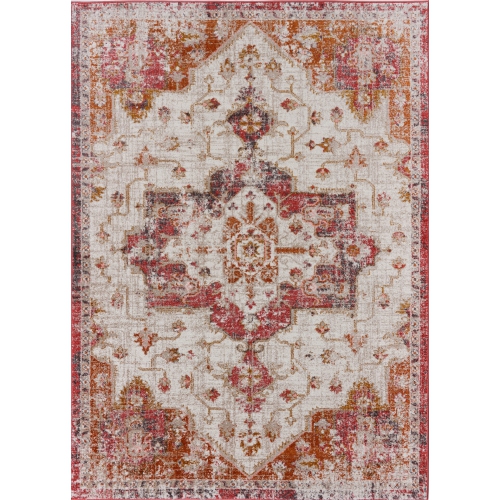
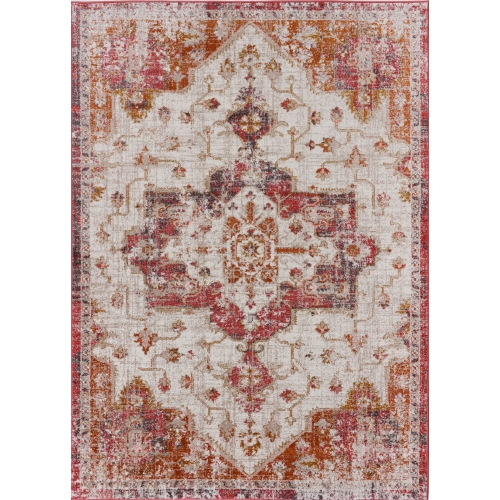
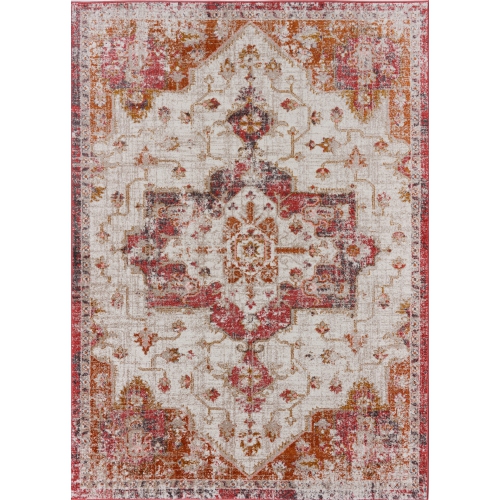
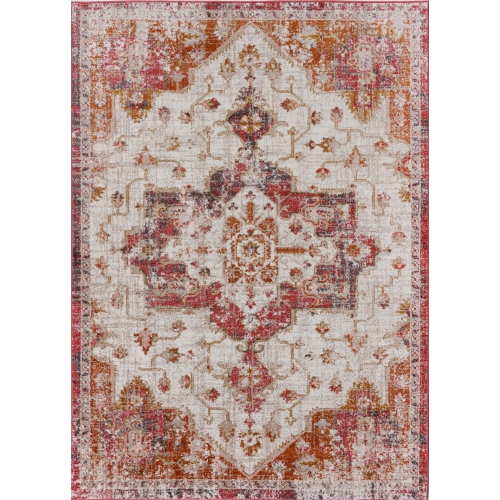


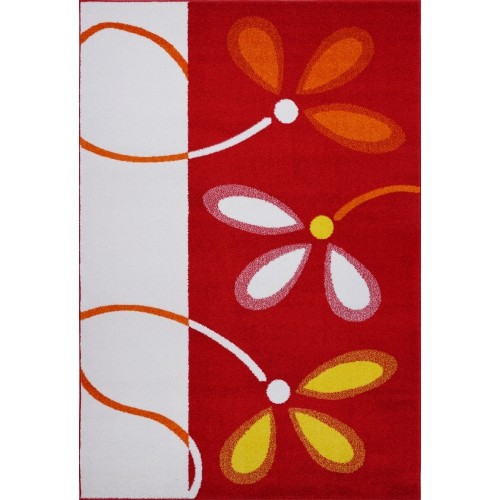
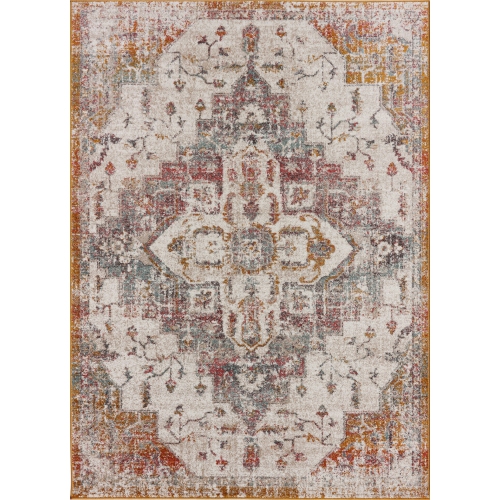
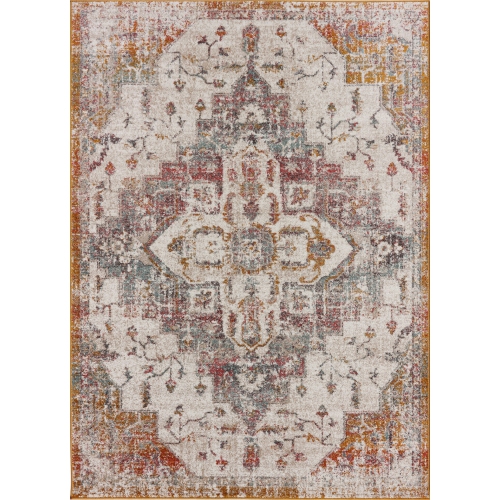
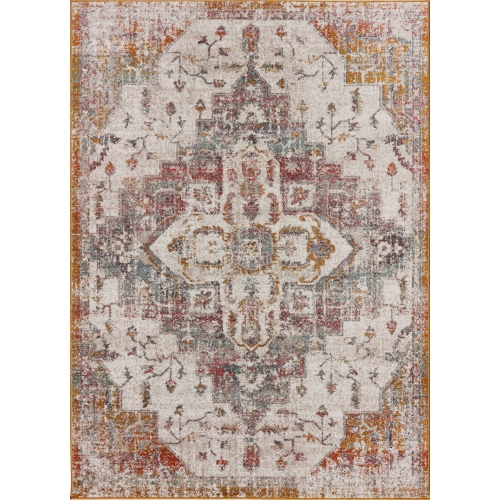


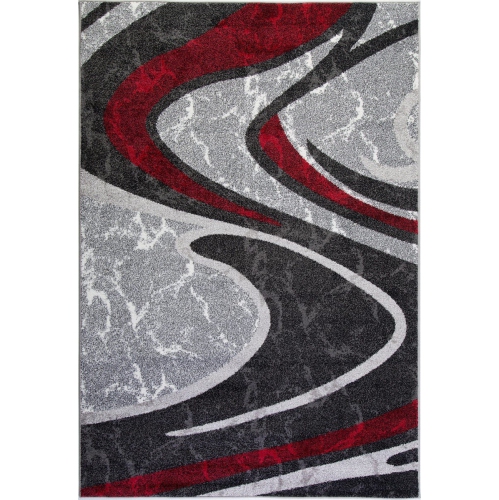
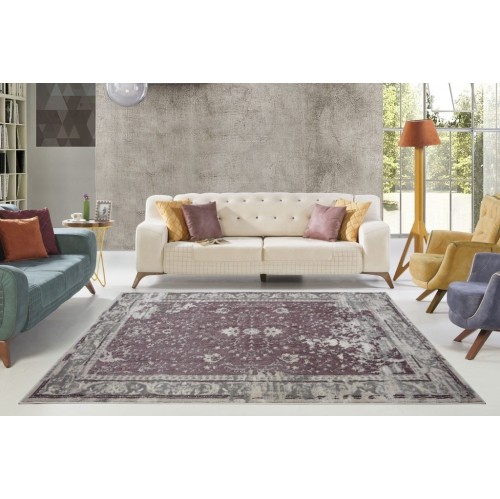
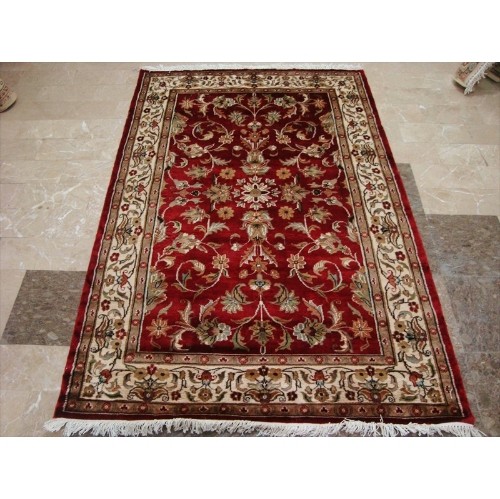

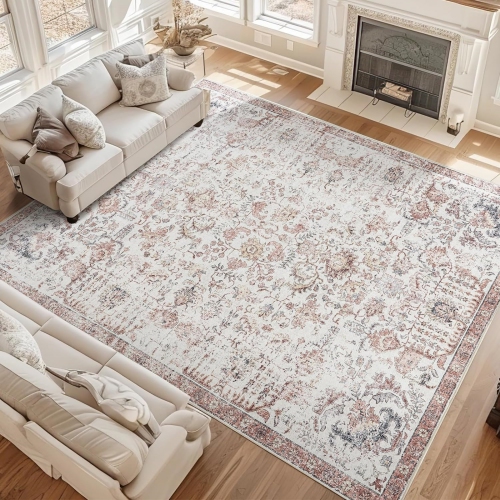


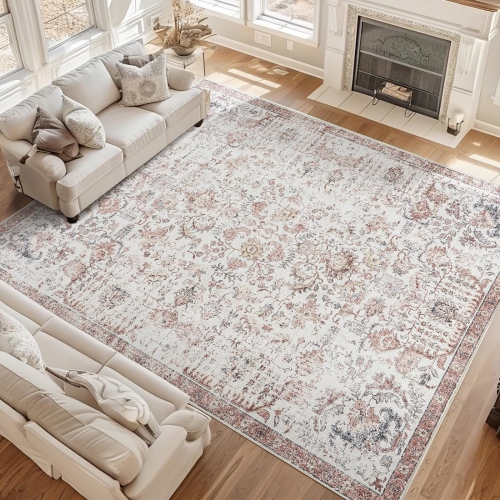
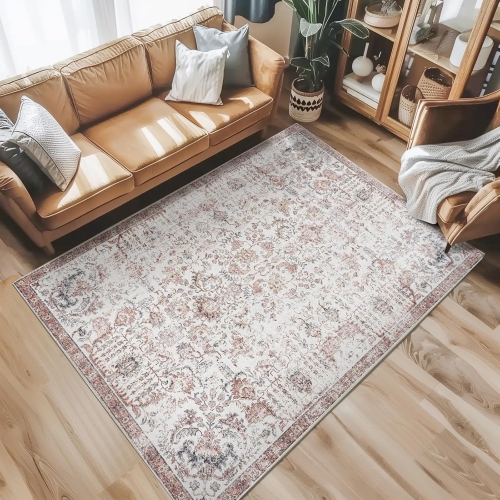


When a red border is enough to anchor a room
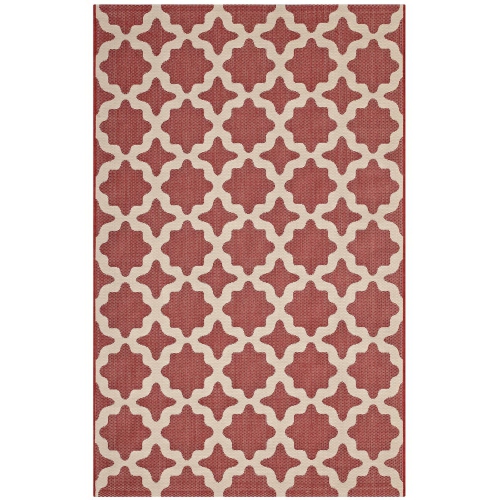
Cream and red area rugs bring together a light, warm neutral and a colour with enough depth to anchor a room. The balance between the two matters as much as the shades themselves. A cream field with a narrow brick-red border leaves a room feeling open while giving a sofa and chairs a clear outline. A rug with a burgundy field and a cream medallion has more visual weight, which can work well beneath a plain dining table or against light wood floors. Traditional Persian-inspired patterns often use both colours in layered borders, floral motifs and central medallions. Geometric patterns, broad stripes and simple grids offer a cleaner look, while designs with softly faded details can make the contrast less pronounced. The surrounding finishes help determine which combination looks at home. A muted rust red sits easily alongside honey-toned oak and cognac leather, whereas a deeper wine red can hold its own against dark walnut or charcoal upholstery. Cream can range from nearly ivory to a warmer, buttery shade, and a rug that looks soft against a warm white wall may look noticeably yellow beside bright white cabinetry. Checking the relationship between the floor, walls and largest pieces of furniture is usually more useful than trying to match a cushion exactly. A little repetition, such as a red thread in a throw or a cream shade in a lampshade, can tie the room together. If the cream looks too light against the floor or upholstery, Red and Beige Area Rugs offer a similar colour pairing with a deeper neutral. Pattern placement is worth considering as well: a central medallion may sit mostly beneath a coffee table, while a border or repeated motif stays visible around furniture.
The right rug size depends on the area the furniture occupies, not just the dimensions of the room. In a living room, an area rug that extends beneath the front legs of the sofa and chairs can connect the seating without covering the entire floor. A smaller rug may be enough beneath a coffee table in a compact seating nook, but the same size can look stranded in a wider arrangement. Leaving a visible strip of flooring around the rug helps define the space, especially in an open layout where the living and dining areas meet. At a dining table, roughly 24 to 30 inches of rug beyond each edge of the tabletop gives chairs room to move without their back legs catching on the rug’s edge. Chairs with a wider footprint may need more clearance, and a table that often sits extended is best measured with its leaves in place. A rectangular rug echoes the shape of a long table, while a round rug can make sense beneath a pedestal table if there is enough room for the chairs to pull back. In a bedroom, a rug that extends past the sides and foot of the bed offers a soft landing without needing to reach the wall behind the headboard. A pair of runners can serve the same purpose where the bed sits in a narrow room. In a hallway or entry, check the total thickness of the rug and pad against the door’s swing, particularly if the rug has a raised border. That extra height may not matter beside a bed, but it can be a daily nuisance under a door or a dining chair. A pad compatible with the floor finish can help keep an area rug from shifting; it is particularly useful for lighter flatweaves and runners that are not held in place by furniture.
Material and construction shape how a cream and red area rug feels underfoot and how it holds up to daily use. Wool has a springy feel that can help the pile recover after footsteps, though some wool rugs shed loose fibres at first. Low-pile synthetic rugs made with fibres such as polypropylene or polyester can be practical in a busy family room, where crumbs and pet hair tend to be easier to lift from a short surface than from a deep pile. A flatwoven rug has little or no pile, which makes it a good fit beneath chairs that move often. Cotton flatweaves can be light and easy to lift, but a large one may still need professional cleaning, depending on its construction and care label. A thicker pile can feel more comfortable beside a bed or in a sitting room used for reading, while a denser, lower pile is generally easier to manage along the main route from the kitchen to the living room. Colour placement makes a difference in these areas, too. A small-scale pattern that mixes red and cream can make lint and everyday marks less noticeable than a broad, uninterrupted cream field, though neither takes the place of regular care. Blot spills promptly with a clean white cloth rather than rubbing, and follow the rug’s care instructions before applying a cleaner, especially where a dark red motif meets a pale background. On fringed rugs, a suction-only pass near the ends helps prevent tassels from winding around a vacuum’s rotating brush. Rotating the rug periodically can help spread wear where people tend to follow the same path or where one side gets more direct sunlight. A cream and red rug can also be a thoughtful housewarming gift when the recipient’s measurements, flooring and colour preferences are known. A low-profile runner may suit someone furnishing a narrow entry, while a larger patterned rug can bring definition to a living room with neutral seating and bare floors.
Top selling and popular products
-
 Your price for this item is $130.55
-
 Your price for this item is $129.15
-
 Your price for this item is $130.55
-
 Your price for this item is $129.15
-
 Your price for this item is $129.15
-
 Your price for this item is $130.55
-
 Your price for this item is $144.99
-
 Your price for this item is $103.99
Discover more categories related to Cream and Red Area Rugs
Top Collections:
Best Black Friday Deals This Year, Best Black Friday Deals On Electronics, Kindle Devices, Dyson Airwrap, Best Cameras for Sports Photography, Best Budget Office Chairs, Canon G7X Cameras, PS5 Pro Consoles, Best Black Friday Deals On Apple Products, XBOX One S Consoles
Some products may be subject to Environmental Handling Fees
(EHF) depending on your province.
Learn more about EHFs.