Red And White Area Rugs
Red and white area rugs bring a bold yet timeless touch to any room, effortlessly enhancing your décor with striking contrast and inviting warmth. Whether you’re looking to refresh your living space, add a statement piece to your bedroom, or create a cozy atmosphere in a home office, these versatile rugs make it easy to showcase your personal style. Explore a wide selection of red and white area rugs in various sizes, patterns, and textures to find the perfect match for your space.
Sort







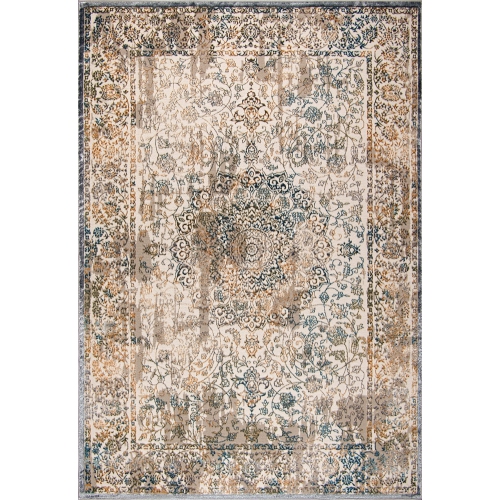
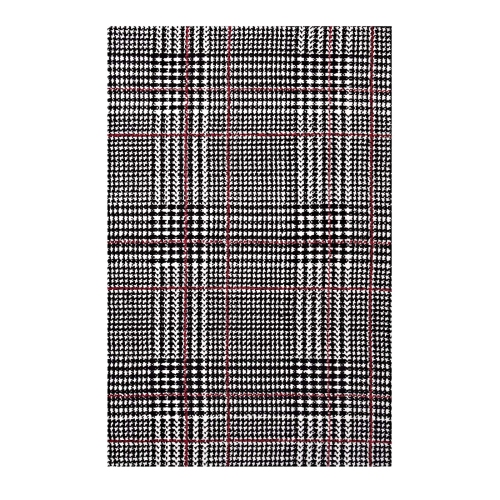


How red and white balance warmth and brightness
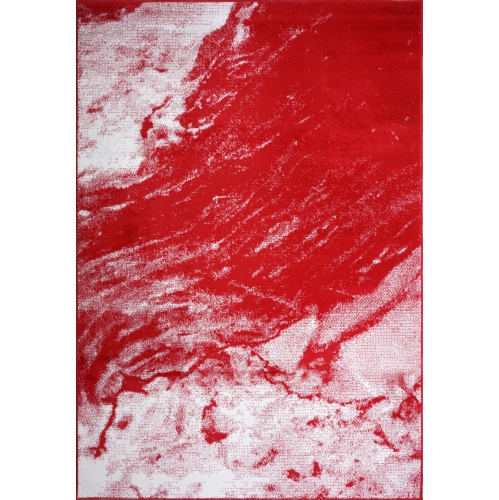
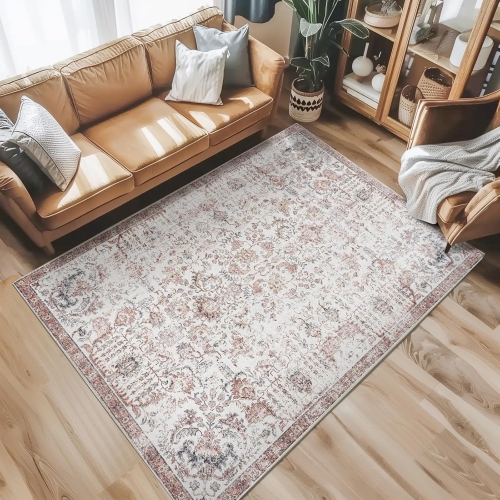
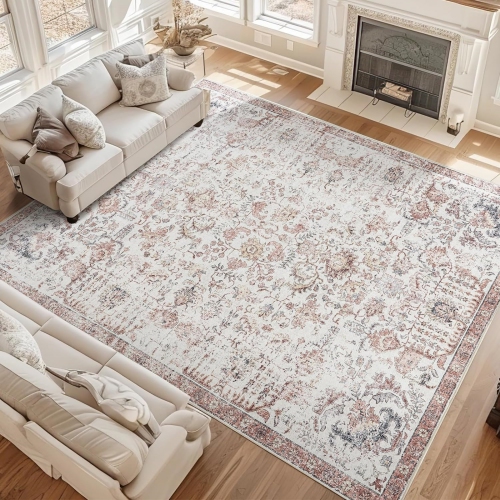
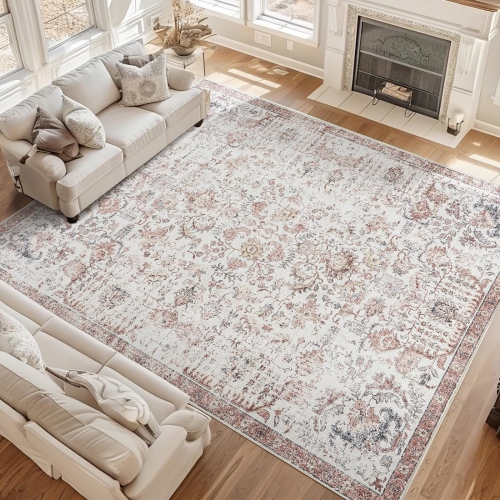
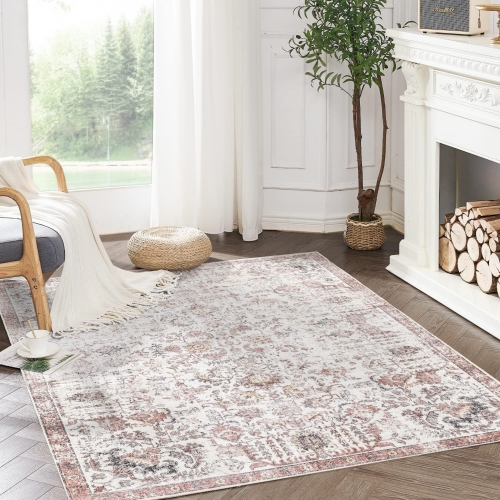
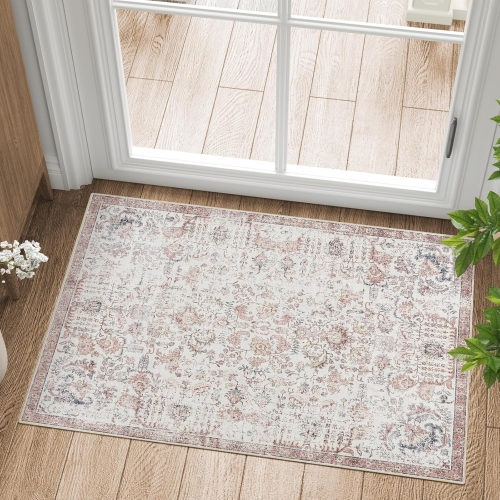
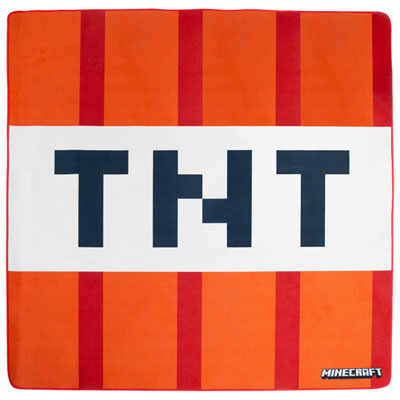
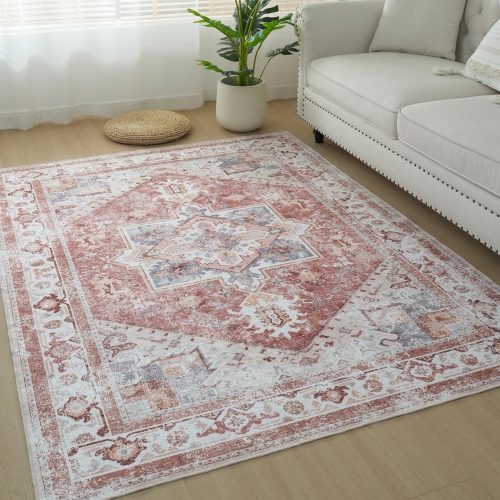
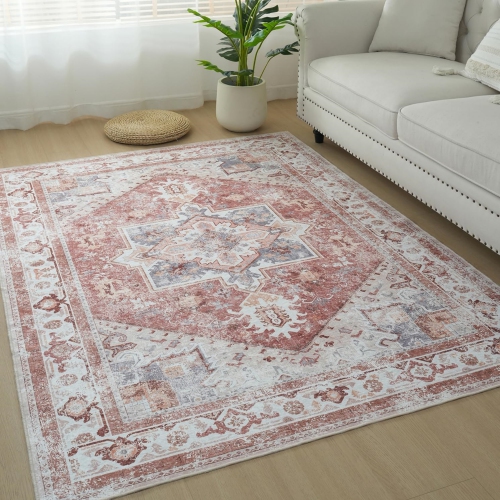
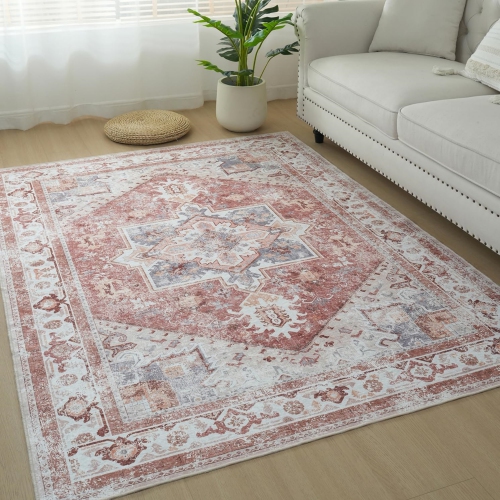
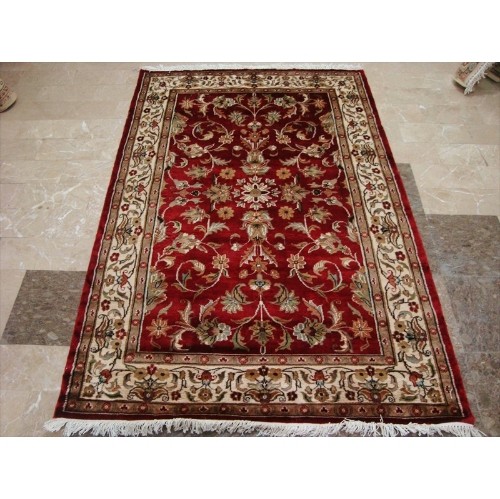
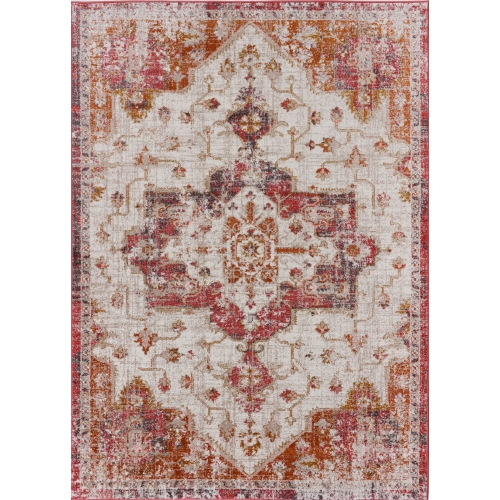
Red and white area rugs bring a clear colour contrast to living rooms, bedrooms, dining areas, and other spaces where a rug helps furniture feel connected. Red introduces warmth and visual weight, while white adds brightness and gives patterns room to stand out. The balance between the two colours makes a noticeable difference: a mostly white rug with fine red lines feels lighter than a deep red field edged with a white border. Shades matter, too. Cherry red has a crisp, lively quality, brick red works comfortably beside wood and leather, and burgundy creates a deeper, more subdued effect. Bright white gives the sharpest contrast, while ivory and off-white soften the combination. These distinctions are especially noticeable beside a pale sofa, dark flooring, or painted cabinetry. Pattern offers another way to shape the room without changing its larger furnishings. Broad stripes can suit a relaxed seating area, small repeating motifs bring detail to a compact space, and floral or medallion patterns add an established, layered feel. The intricate borders associated with Traditional Red Area Rugs can work particularly well with a plain sofa or a simple wooden dining table, where the pattern has space to be appreciated. Geometric designs offer a different rhythm, with clean shapes that complement streamlined furniture. A red and white rug does not need matching furniture to look intentional; a cushion, a piece of artwork, or a small accent elsewhere in the room can quietly repeat its colours. Neutral upholstery in grey, cream, or beige keeps the rug prominent, while navy or charcoal adds depth. In rooms that already contain several patterns, differences in scale help prevent a crowded effect. A broad rug stripe, for example, is easier to distinguish beneath cushions with a smaller print than several equally busy designs competing for attention. This makes the colour pairing adaptable, from a single statement piece to part of a more layered interior.
Material and construction influence how a red and white area rug feels underfoot, how it handles everyday use, and how much care it needs. Wool offers a resilient fibre with a naturally springy feel, making it appealing for seating areas and bedrooms where comfort matters. Some wool rugs shed loose fibres, particularly early in their use, so gentle, regular vacuuming may be part of their upkeep. Cotton often has a lighter, more casual character and is commonly used in flatwoven constructions that sit close to the floor. Certain cotton rugs are washable, but the care label, rug dimensions, and washing machine capacity determine whether home laundering is suitable. Synthetic fibres such as polypropylene and polyester can provide practical choices for busy households, although stain resistance, softness, and long-term performance depend on the individual construction rather than the fibre name alone. A dense, low-pile rug generally gives dining chairs an easier surface to move across, while a deeper pile creates a cushioned feel beside a bed or beneath a lounge seating arrangement. Flatwoven rugs also fit more easily beneath furniture with limited clearance, though lightweight constructions may need a suitable pad to stay in place. Size and shape are just as important as texture. In a living room, a rug that reaches beneath the front legs of the main seating pieces can make the arrangement feel connected instead of leaving a small rectangle floating under the coffee table. Under a dining table, sufficient space beyond the tabletop lets chair legs remain on the rug when someone pulls out a seat. A round rug can echo a round table, while a rectangle often follows the proportions of a sofa or bed. Measuring the intended area and marking its outline on the floor makes these relationships easier to picture. Door clearance, floor vents, and nearby walkways also affect fit, particularly where a thicker rug or pad could interfere with everyday movement.
Everyday use helps determine which combination of colour, pile, and pattern will feel comfortable over time. A household with children, pets, or frequent visitors may appreciate a lower pile that is easier to vacuum and a mixed pattern that makes small bits of lint less noticeable. Large white sections tend to show tracked-in marks, while dark red areas can make pale pet hair more visible. Neither colour is automatically low-maintenance; the placement of the rug and the habits of the household matter as much as the design. Beneath a coffee table, a detailed pattern can handle visual interruptions from furniture legs while still showing its border. Alongside a bed, a softer surface provides a comfortable place for bare feet without needing the same resistance to chair movement as a dining room rug. In a home office, a low, firm construction may be more practical than a plush pile, although rolling chairs can require a separate protective surface. A rug pad matched to both the rug and the flooring can improve cushioning and help limit movement; compatibility is particularly important on floors whose finishes may react to certain backing materials. Care should follow the manufacturer's directions, with attention to any restrictions on vacuum attachments, washing, or professional cleaning. Vacuuming both the red and white areas regularly helps remove grit before it works further into the pile. Spills are best blotted promptly with a clean cloth rather than rubbed, and any permitted cleaning solution should first be tested in an inconspicuous spot. Saturating a rug can affect its backing, shape, or dyes, so a washable label should never be assumed from appearance alone. Where practical, occasional rotation helps distribute foot traffic and light exposure more evenly. An indoor rug also should not be treated as suitable for a balcony or patio unless it is specifically rated for that use. With an appropriate size, comfortable texture, and manageable care routine, red and white area rugs can provide both a useful floor covering and a distinctive foundation for the room.
Top selling and popular products
-
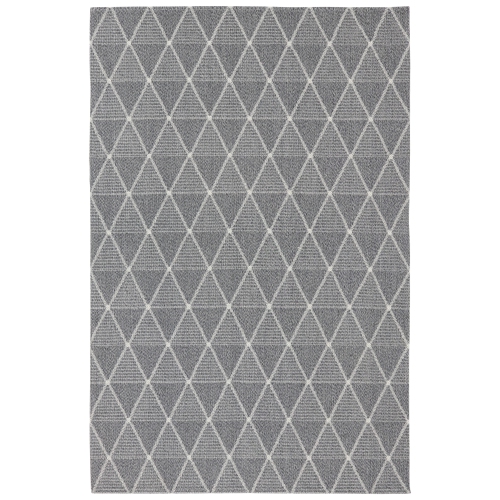 Your price for this item is $130.55
-
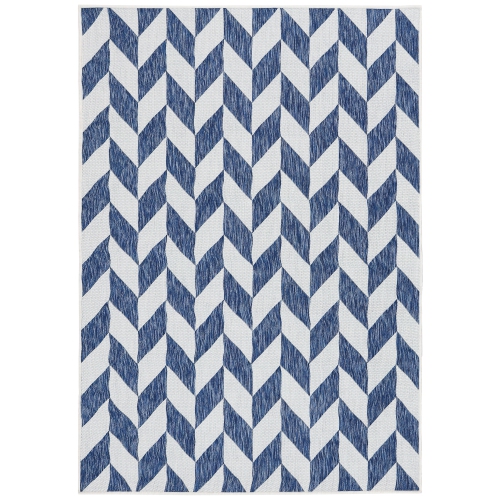 Your price for this item is $129.15
-
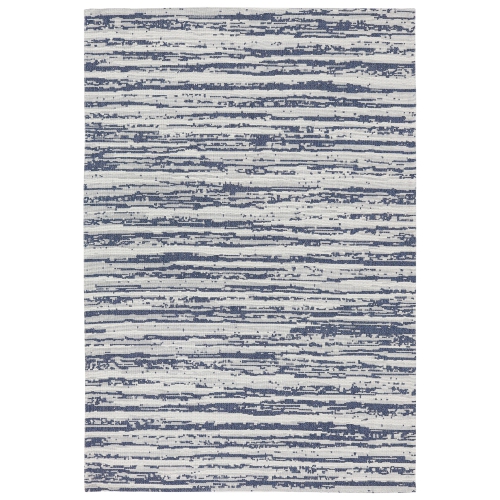 Your price for this item is $130.55
-
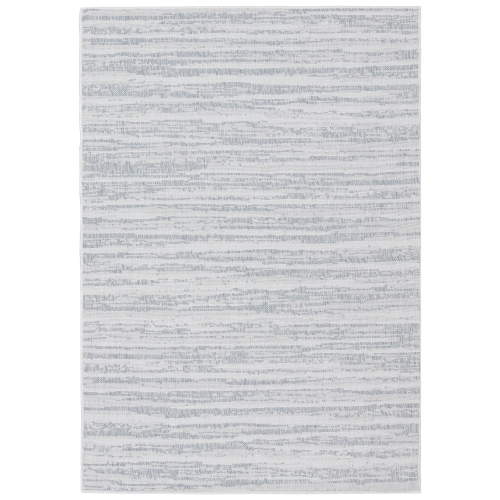 Your price for this item is $129.15
-
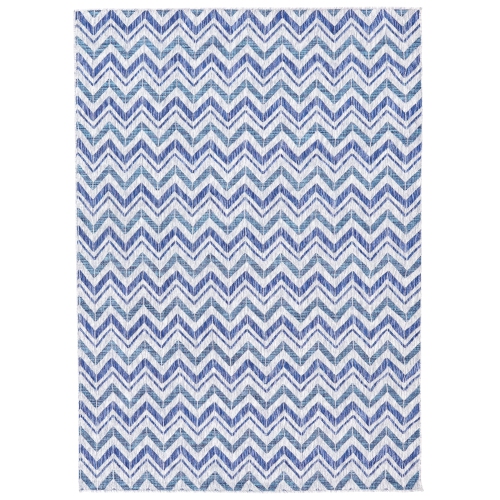 Your price for this item is $129.15
-
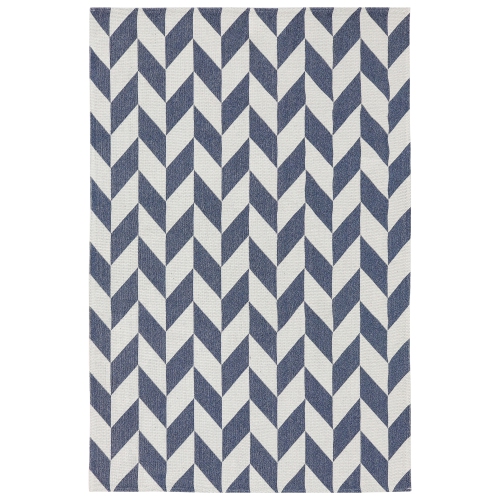 Your price for this item is $130.55
-
 Your price for this item is $144.99
-
 Your price for this item is $103.99
Discover more categories related to Red And White Area Rugs

Top Collections:
Best Black Friday Deals This Year, Best Black Friday Deals On Electronics, Kindle Devices, Dyson Airwrap, Best Cameras for Sports Photography, Best Budget Office Chairs, Canon G7X Cameras, PS5 Pro Consoles, Best Black Friday Deals On Apple Products, XBOX One S Consoles
Some products may be subject to Environmental Handling Fees
(EHF) depending on your province.
Learn more about EHFs.