Red and Beige Area Rugs
Red and Beige Area Rugs bring a warm and inviting touch to any room, effortlessly blending classic charm with modern style. These rugs are perfect for adding a pop of color while maintaining a neutral balance, making them versatile choices for living rooms, bedrooms, or offices. With a variety of patterns and sizes available, Red and Beige Area Rugs can enhance your space and complement your existing décor. Explore options that suit your taste and discover how these stylish rugs can transform your home.
Sort






How colour balance shapes a rug’s visual impact
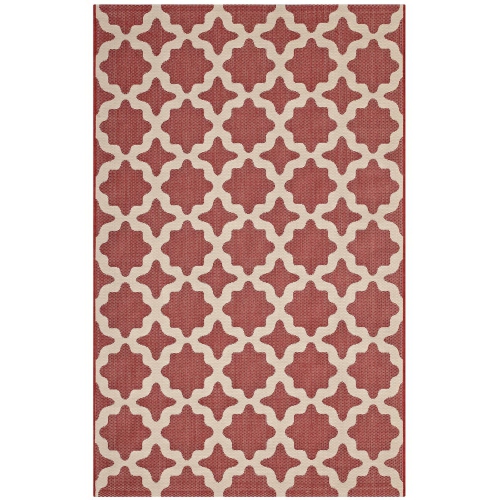
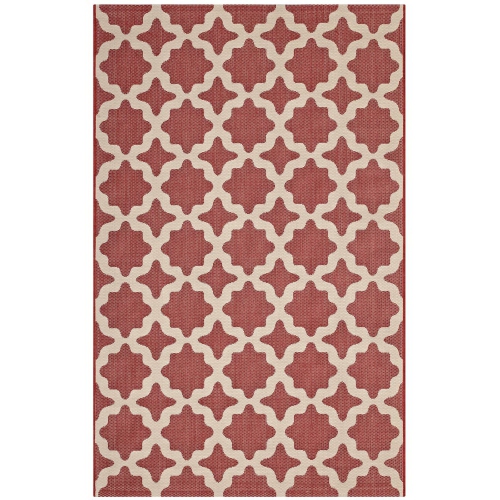
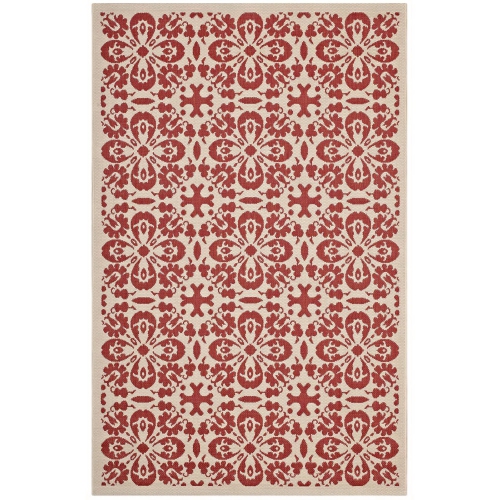
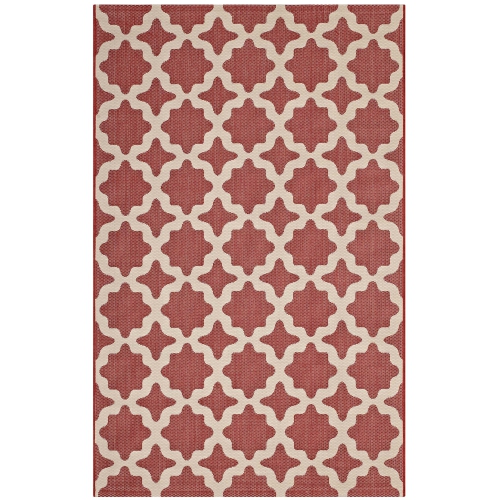
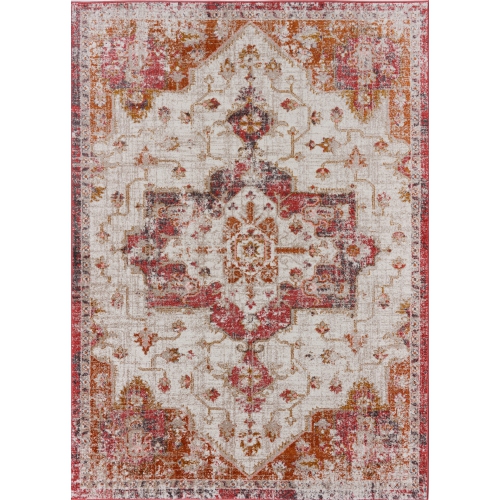
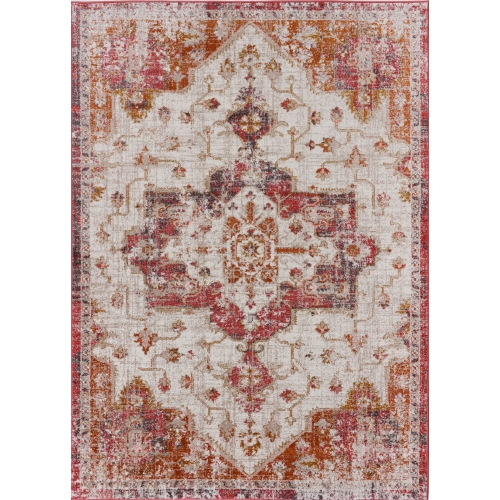
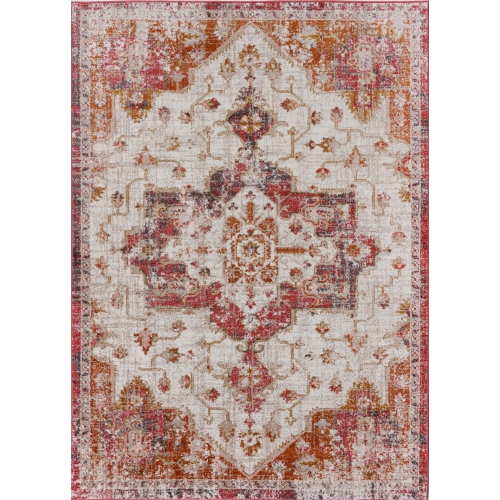
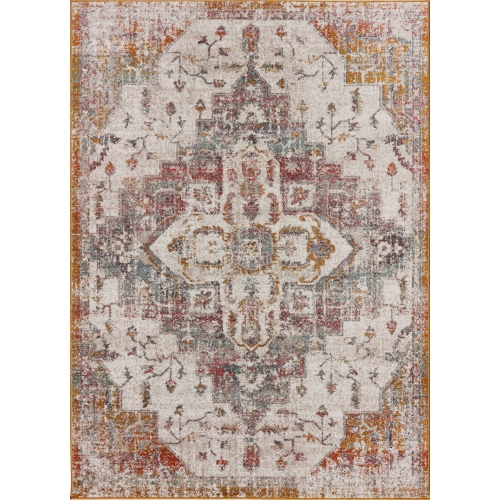
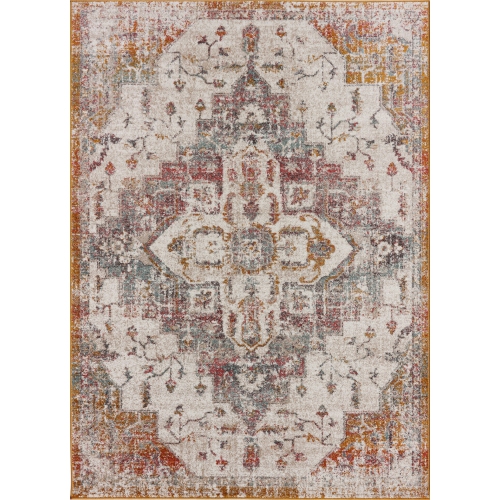
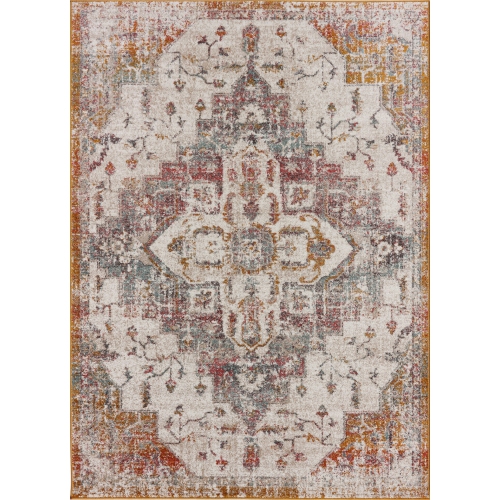
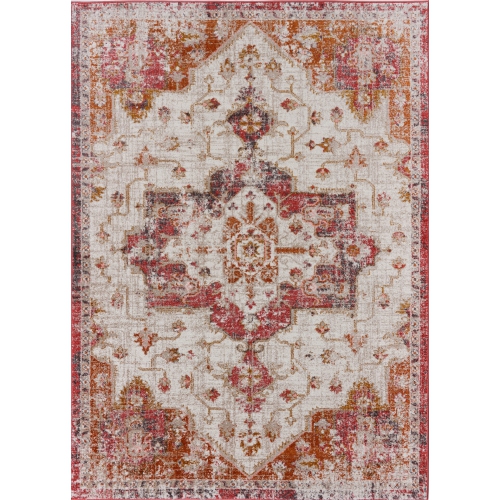
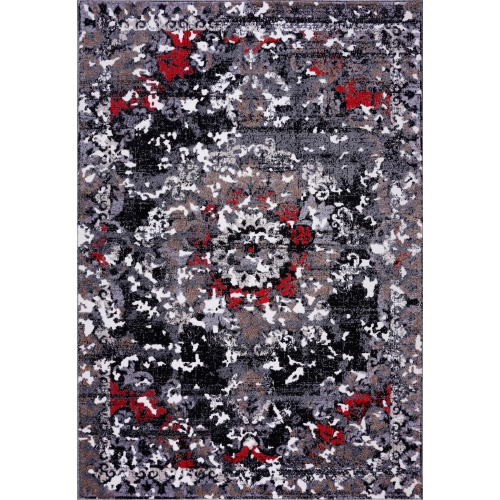
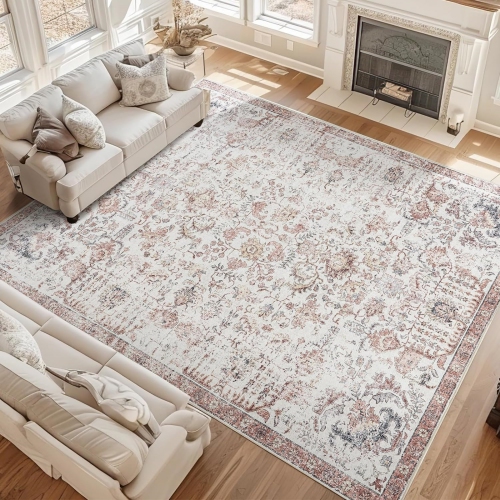
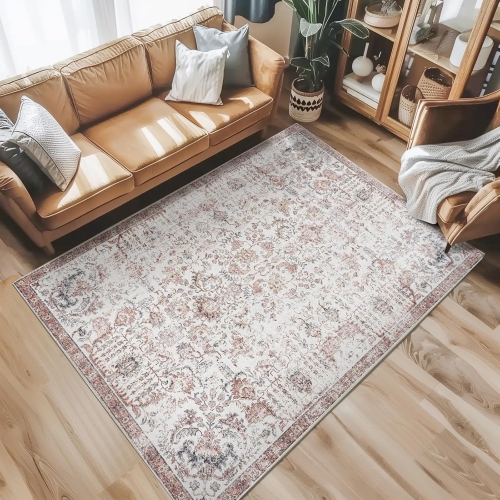
Red and beige area rugs combine the depth of red with a softer neutral, creating a focal point that can feel classic, relaxed, or distinctly modern. In a living room, this colour pairing can connect a beige sofa with darker wood furniture, or introduce a richer accent beside cream upholstery and pale flooring. The balance between the two colours makes a noticeable difference: a mostly beige rug with fine red detailing tends to feel quieter, while a red field framed by a beige border has a stronger visual presence. Shades vary considerably, too. Brick, rust, burgundy, and cherry red each bring a different character, while beige can lean towards sand, oatmeal, or a warmer golden tone. Comparing these undertones with flooring, curtains, and upholstery helps create a cohesive room without requiring every surface to match. Traditional Persian-inspired medallions, scrolling floral motifs, and detailed borders lend themselves to layered interiors with wood furniture and textured fabrics. Geometric patterns, broad stripes, and abstract designs can suit simpler rooms where the rug provides most of the pattern. A faded or distressed effect softens the contrast between red and beige, giving a detailed design a less formal appearance. In a bedroom, a muted pattern can add interest around a plain bed frame; in a dining room, a defined border can visually frame the table and chairs. Pattern scale matters as much as colour. Small, closely repeated motifs read as texture from across the room, whereas a large central medallion draws attention to the furniture arrangement above it. Repeating one red accent in a cushion, artwork, or lampshade can tie the rug into the room without making the whole space feel coordinated to excess. Beige offers a gentler contrast than bright white, especially alongside honey-toned floors and warm wood finishes. For a sharper distinction between the red and the neutral background, Red And White Area Rugs offer a related colour pairing with a brighter overall effect.
The right proportions help red and beige area rugs feel like part of the room rather than an isolated patch of pattern. In a seating area, a rug that reaches beneath the front legs of the sofa and nearby chairs can bring separate pieces together. A smaller rug placed only beneath a coffee table creates a more compact arrangement, but it may leave the seating looking disconnected in a larger space. Measuring the furniture grouping, rather than relying only on the room’s dimensions, gives a clearer picture of the coverage needed. Marking the proposed edges on the floor with removable tape can make it easier to judge walking space and the amount of flooring that will remain visible. Under a dining table, allow enough rug beyond the tabletop for chairs to remain on it when pulled out for sitting; roughly 60 to 75 cm on each side is a useful starting point, though larger chairs may need more room. A low, even pile generally allows dining chairs to move more easily than a thick, plush surface. In a bedroom, a rug extending beyond both sides of the bed gives feet a softer landing, while smaller rugs beside the bed can work where floor space is limited. Rectangular shapes follow the lines of most sofas, beds, and dining tables, while round rugs can complement a circular table or define a reading corner. Placement also affects how much of the design remains visible. A large medallion may sit mostly beneath a bed or solid coffee table, whereas an all-over pattern continues to show around the furniture. Door clearance, nearby vents, and frequently used routes deserve attention, particularly in compact condos or rooms with several entrances. A suitable rug pad can add cushioning and help reduce movement, but its material should be compatible with the flooring beneath it. The combined thickness of the rug and pad matters near doors and beneath furniture. Keeping edges flat and leaving clear walking paths helps the arrangement feel comfortable in everyday use.
Materials and construction influence how a rug feels underfoot, how it handles regular traffic, and how much care it needs. Wool is valued for its resilient fibres and substantial feel, making it a practical consideration for living rooms and bedrooms where comfort matters. Some wool rugs shed loose fibres, particularly early in their use, and spills still need prompt attention. Polypropylene, also called olefin, is commonly used for its resistance to many water-based stains and its relatively straightforward upkeep, although oily marks can be more difficult to remove. Polyester can provide softness and strong colour definition, while cotton often has a lighter, more flexible feel. Fibre content alone does not determine performance: weave density, backing, edge finishing, and pile height all contribute to how well a rug suits its intended location. Flatwoven and low-pile designs are often easier to position beneath furniture and move across with chairs, while a deeper pile adds cushioning beside a bed or in a quieter sitting area. For households with children or pets, a closely patterned red and beige surface may make small crumbs or stray hairs less noticeable between cleanings, but no colour combination replaces regular care. Loose fringe and raised textures may also need extra attention around pets or vacuum brushes. Routine vacuuming helps remove grit before it works further into the fibres; the appropriate suction level and brush setting depend on the rug’s construction and care directions. Blot spills with a clean, absorbent cloth rather than rubbing them across the surface, and test any permitted cleaning solution in an inconspicuous spot first. Machine washing is appropriate only when the care label specifically allows it and the rug fits the appliance’s capacity. Rotating a rug periodically can help distribute wear from a favourite seat or a busy route through the room. In a first apartment, shared family room, or carefully furnished guest bedroom, the most useful choice balances the desired red-and-beige pattern with a manageable care routine, comfortable texture, and a size that supports the way the space is actually used.
Top selling and popular products
-
 Your price for this item is $130.55
-
 Your price for this item is $129.15
-
 Your price for this item is $130.55
-
 Your price for this item is $129.15
-
 Your price for this item is $129.15
-
 Your price for this item is $130.55
-
 Your price for this item is $144.99
-
 Your price for this item is $103.99
Discover more categories related to Red and Beige Area Rugs
Top Collections:
Best Black Friday Deals This Year, Best Black Friday Deals On Electronics, Kindle Devices, Dyson Airwrap, Best Cameras for Sports Photography, Best Budget Office Chairs, Canon G7X Cameras, PS5 Pro Consoles, Best Black Friday Deals On Apple Products, XBOX One S Consoles
Some products may be subject to Environmental Handling Fees
(EHF) depending on your province.
Learn more about EHFs.