Deck Rugs
Add a touch of style and comfort to your outdoor living space with deck rugs. These versatile and durable rugs are the perfect addition to any deck or patio, creating a cozy and inviting atmosphere for lounging, entertaining, or simply enjoying the great outdoors. Available in a range of sizes, colors, and patterns, deck rugs not only add visual appeal but also provide an extra layer of protection for your deck against scratches and stains. Whether you're looking for a vibrant pop of color or a subtle neutral tone, our collection of deck rugs has something to suit every taste and style. Transform your deck into a stylish oasis with these must-have accessories.
Sort
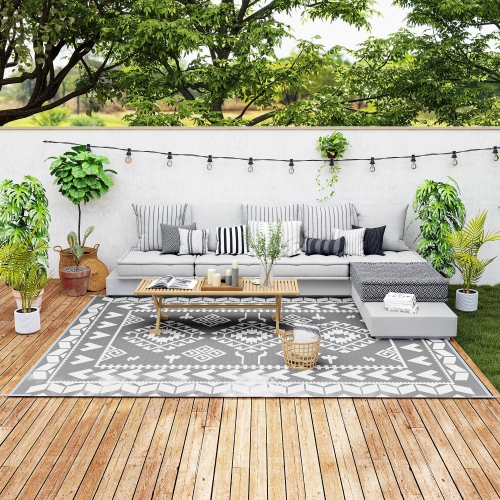
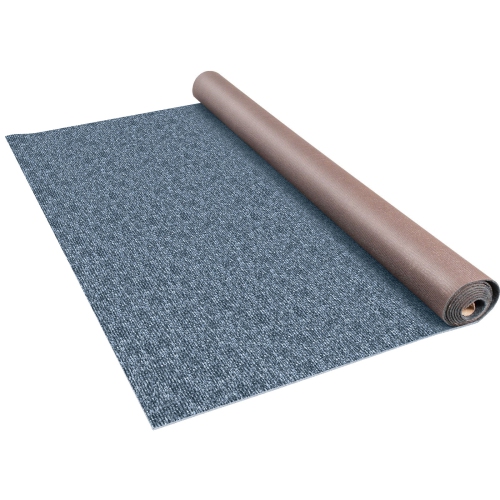
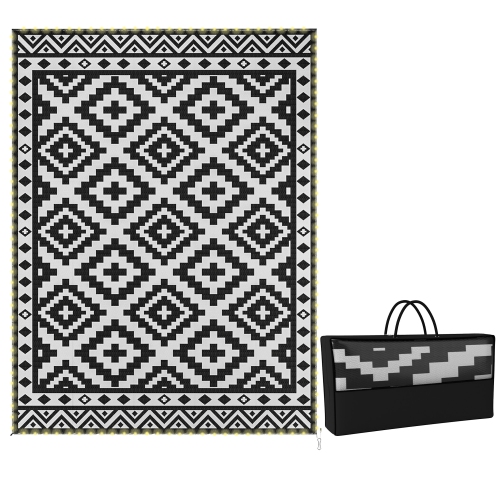
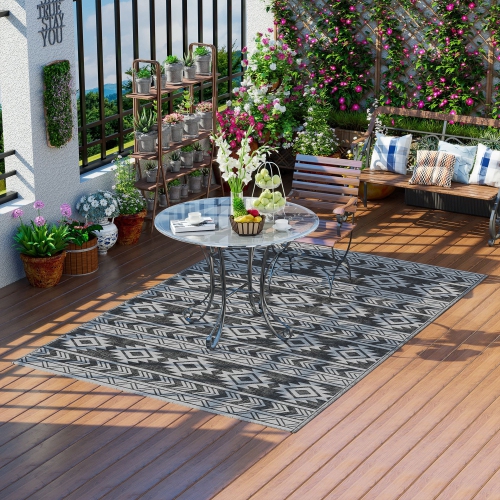
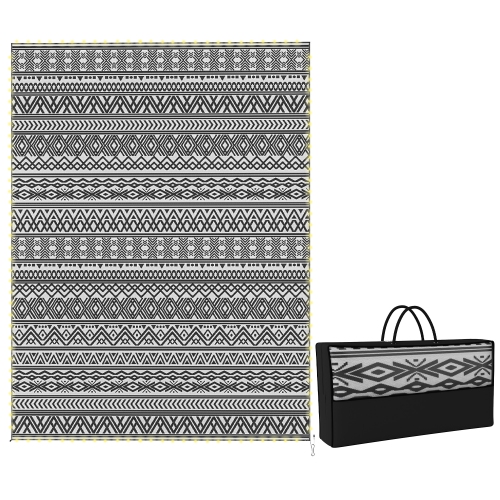
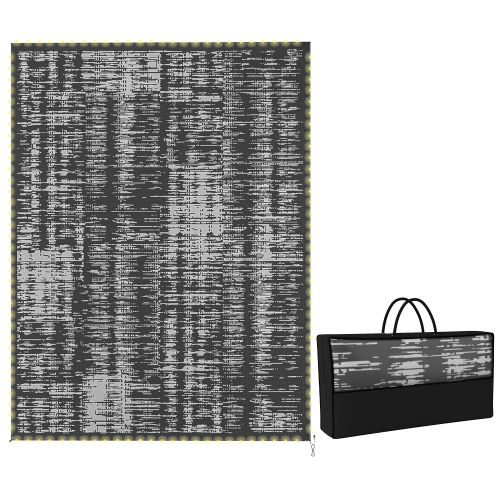
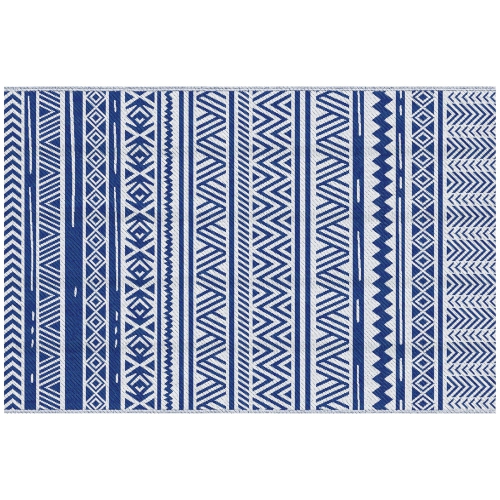
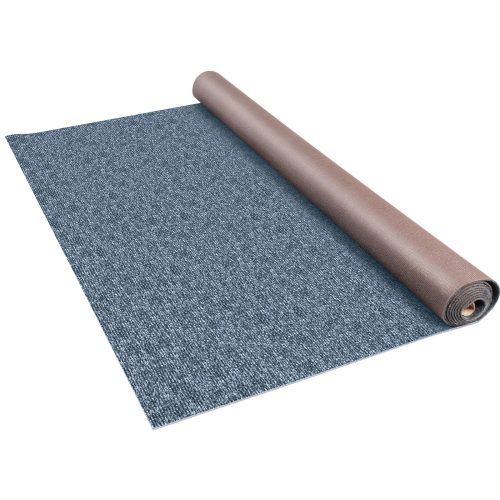
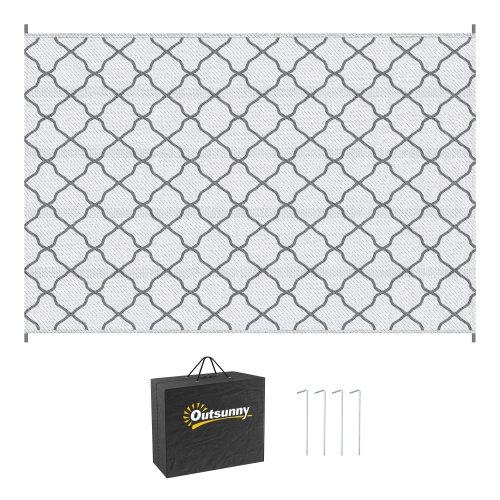
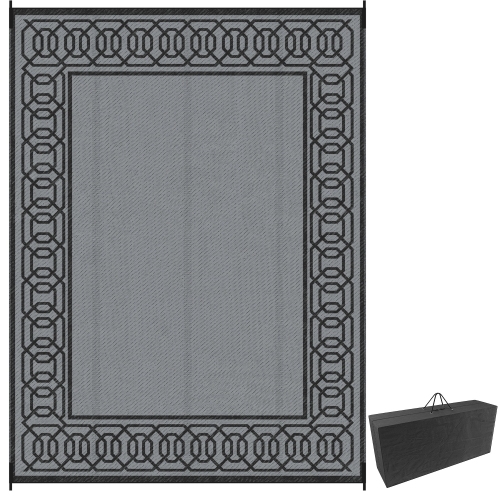
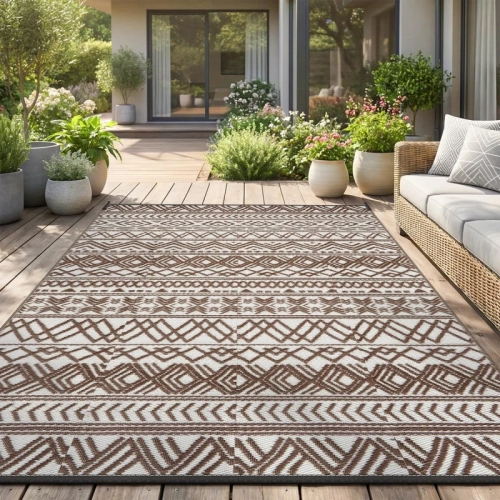
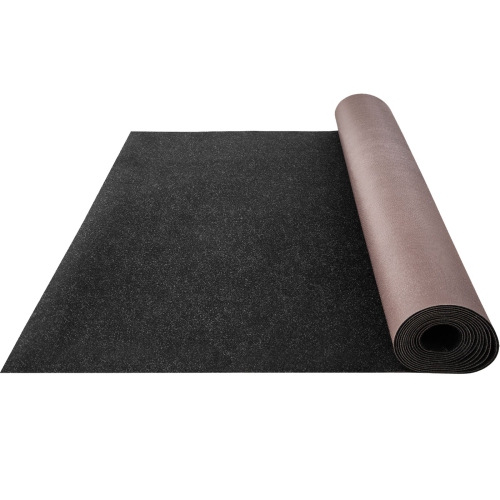

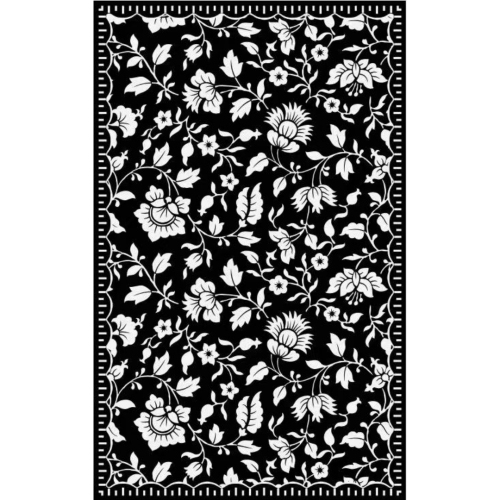
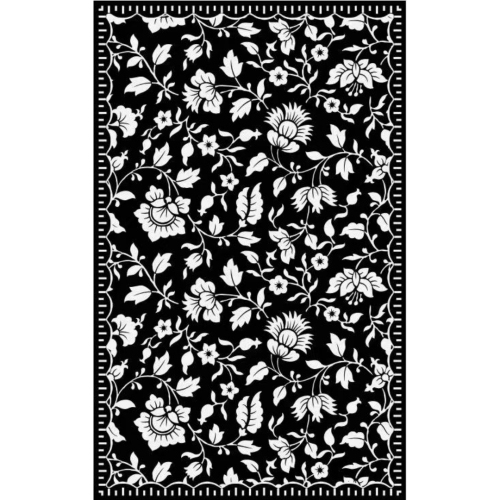
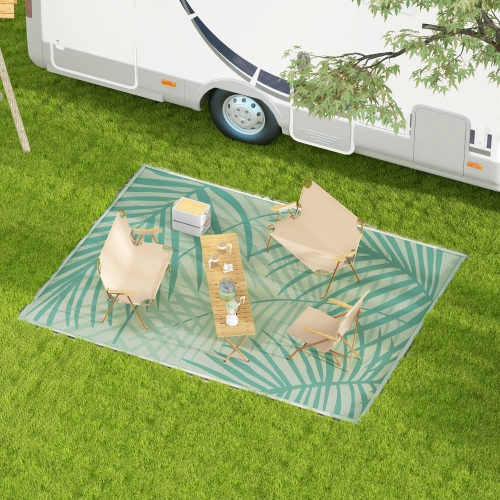
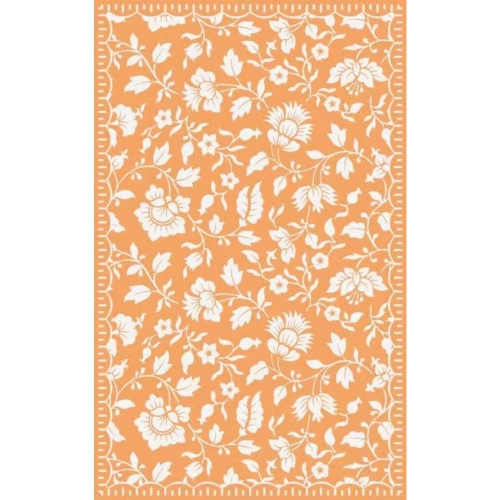
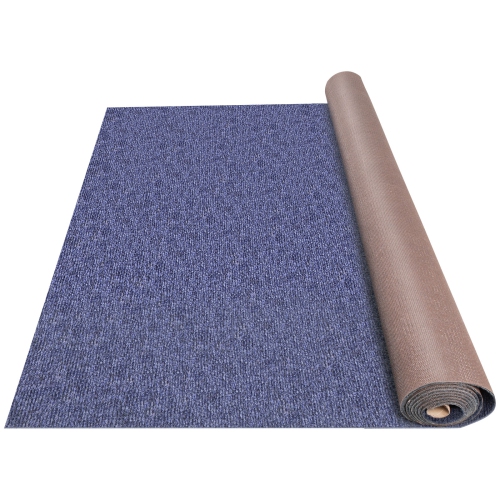
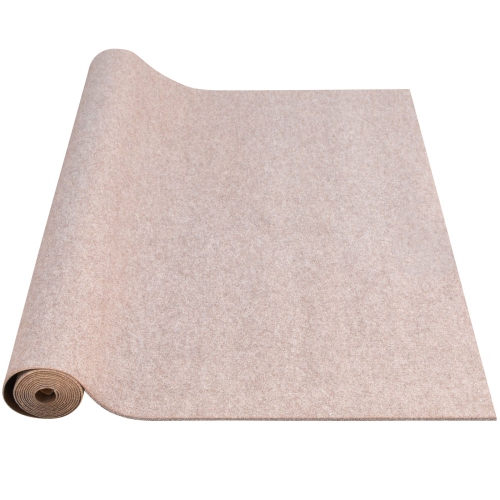
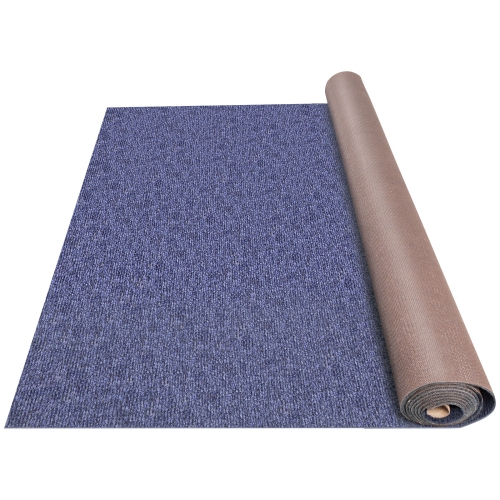
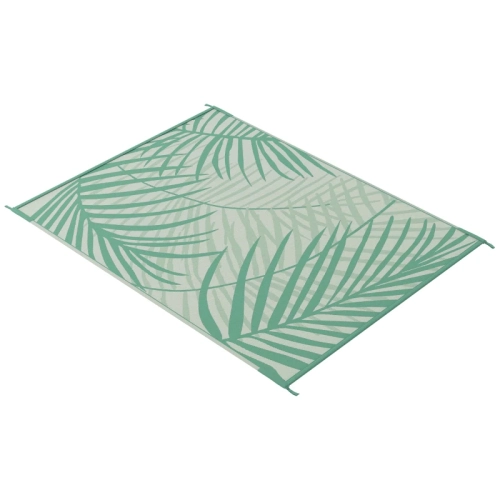
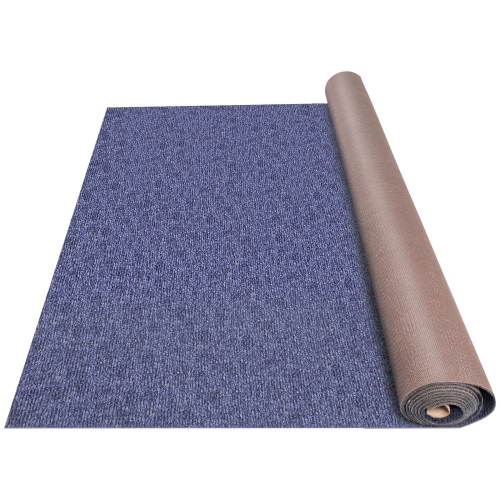
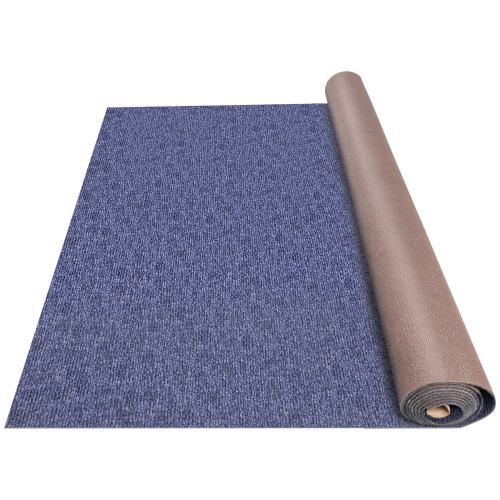

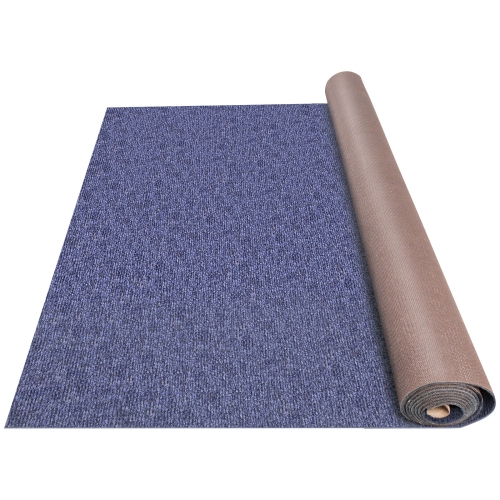
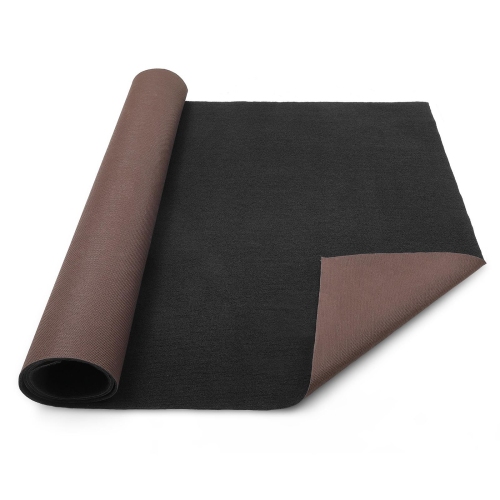
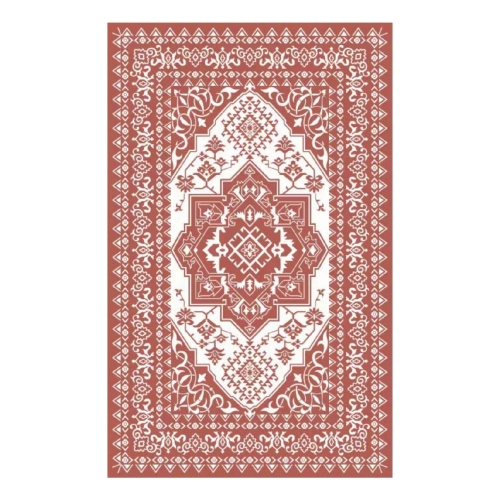
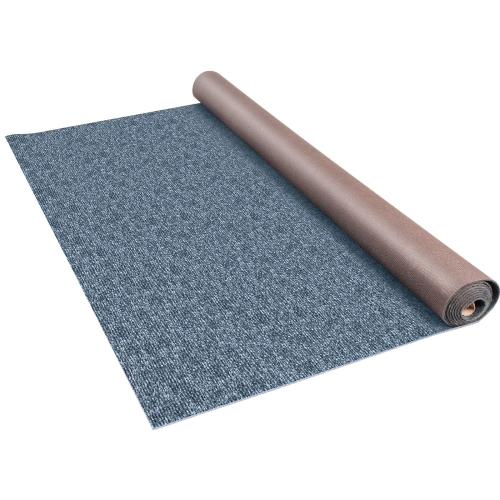

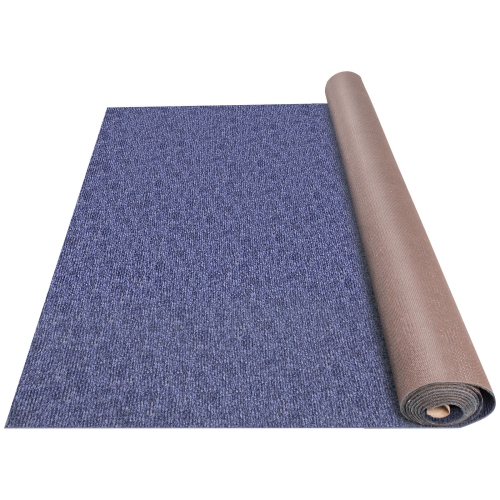
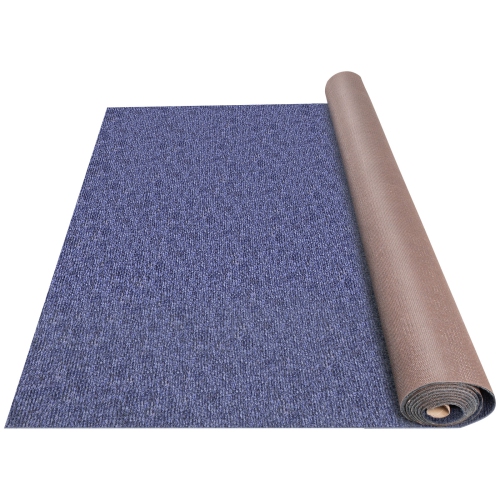
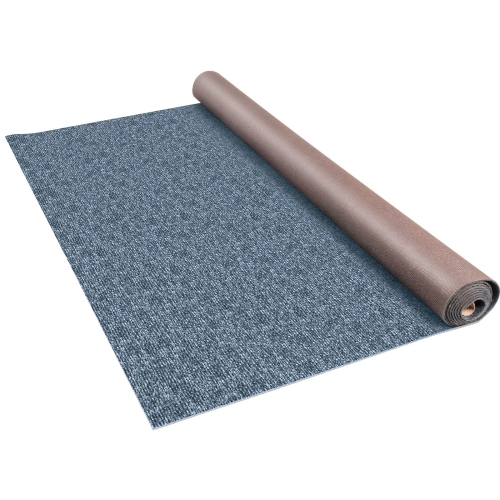
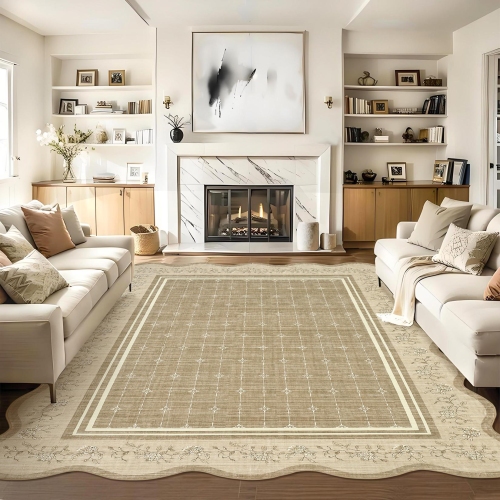
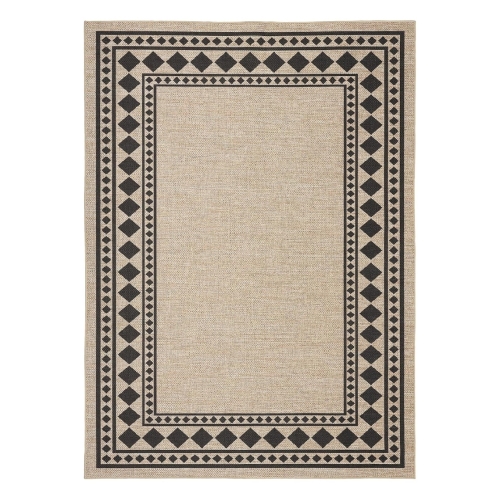
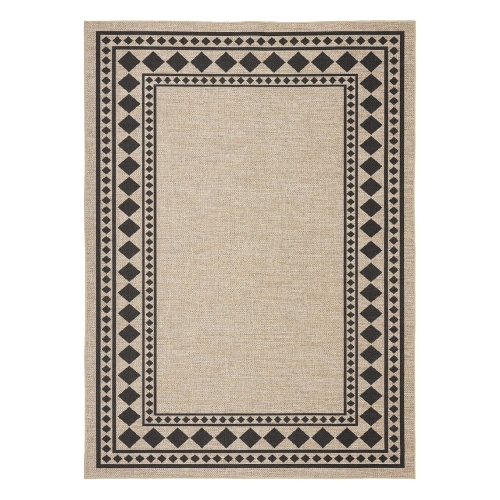
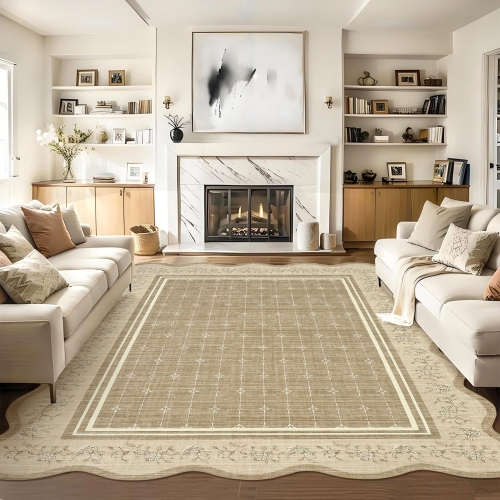
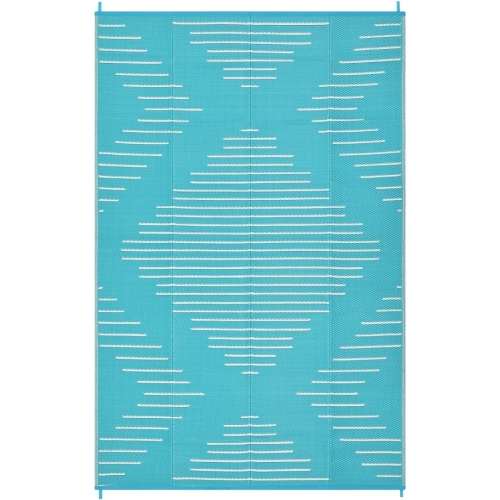
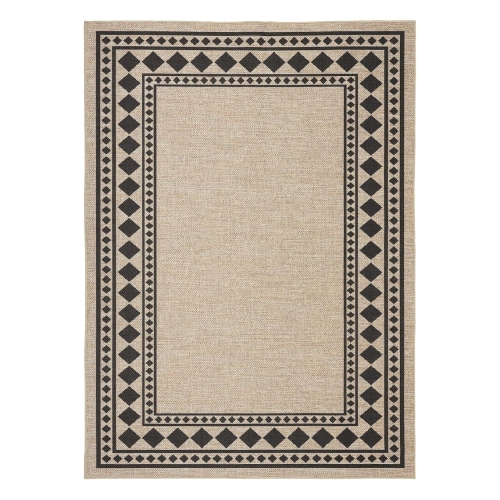
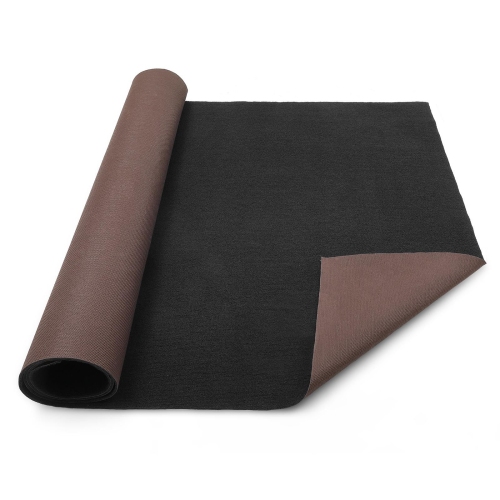


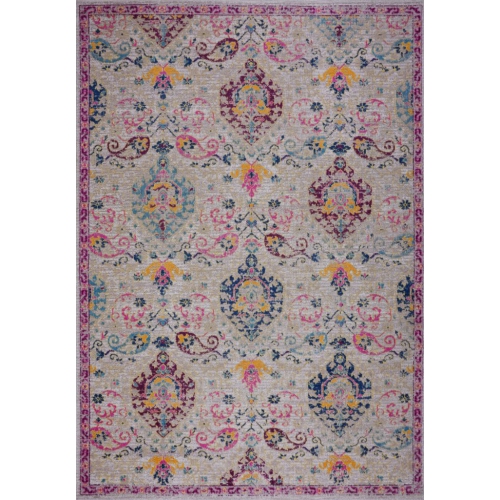



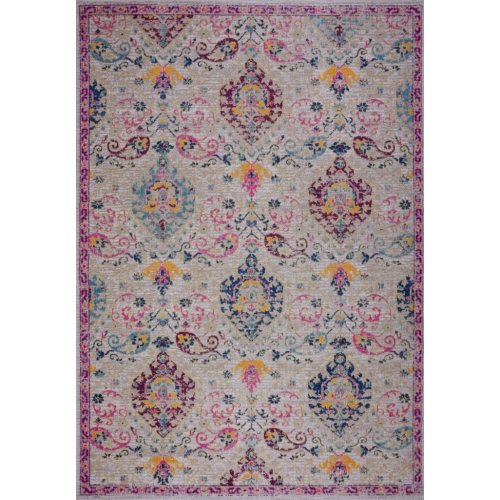

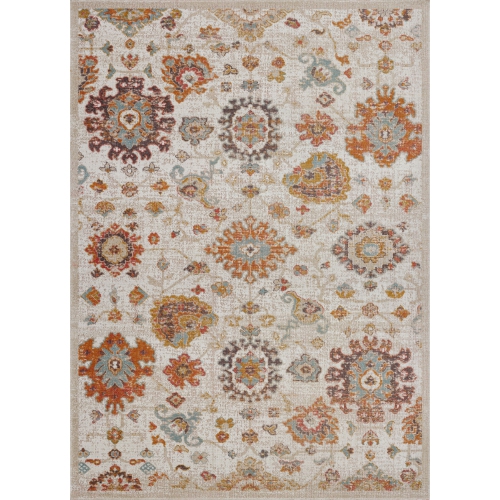
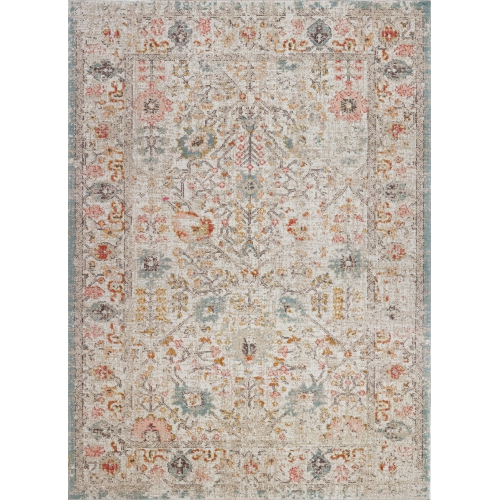

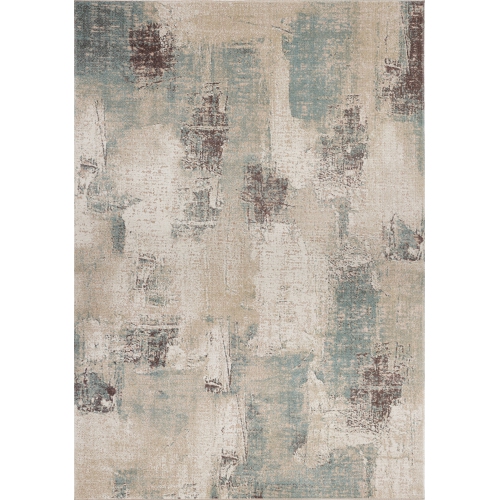



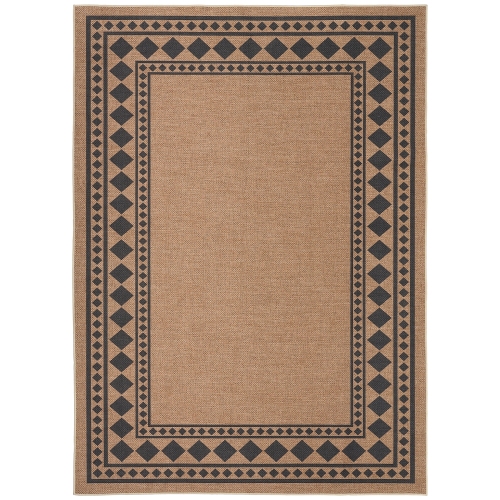
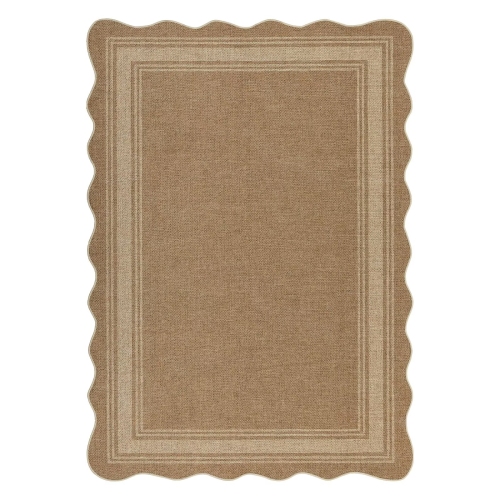
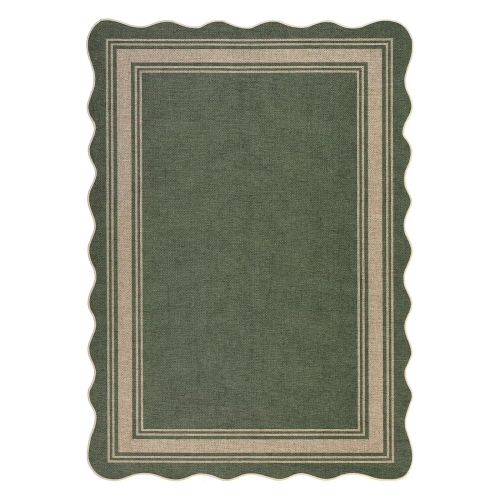
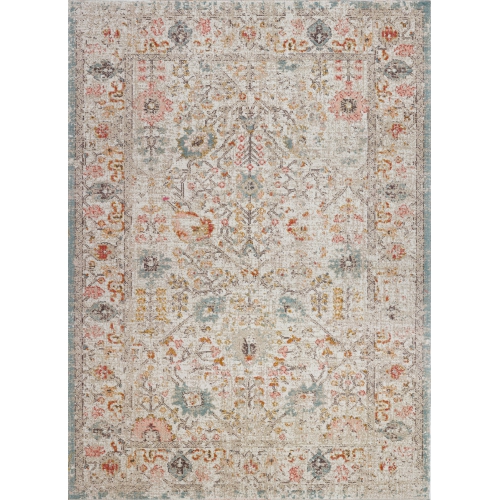
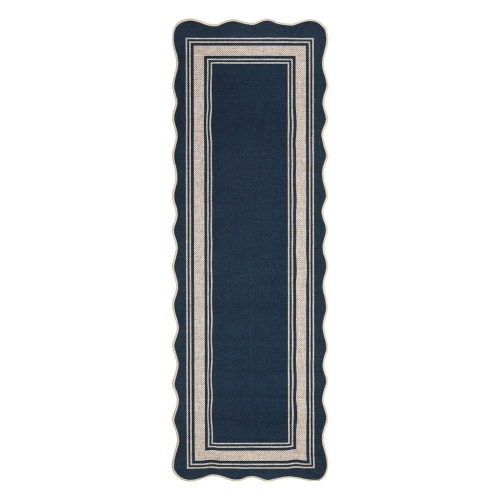
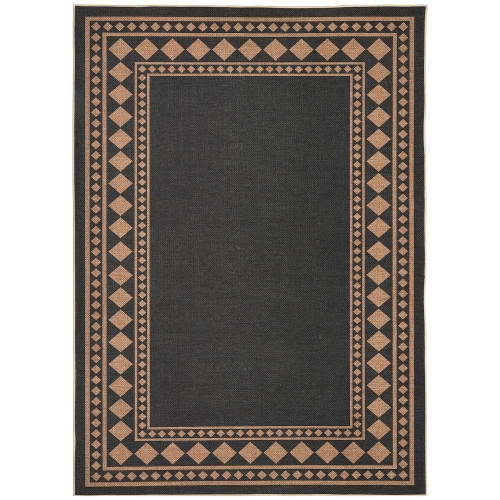
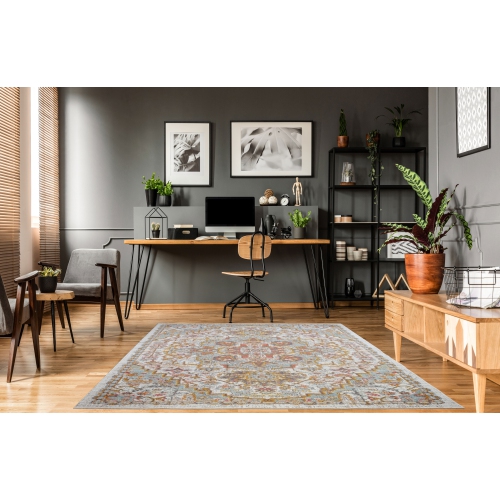


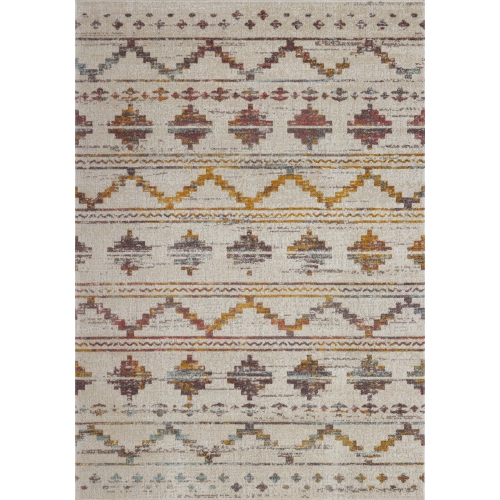
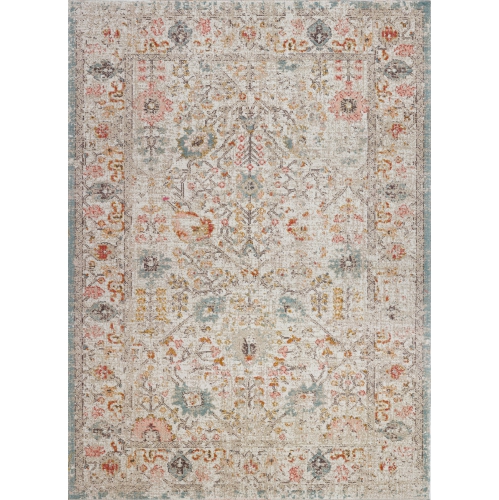
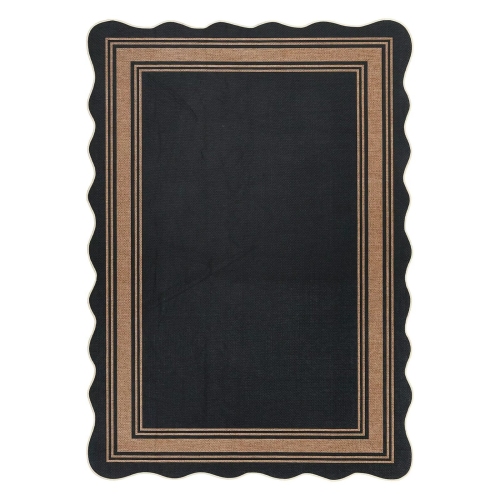
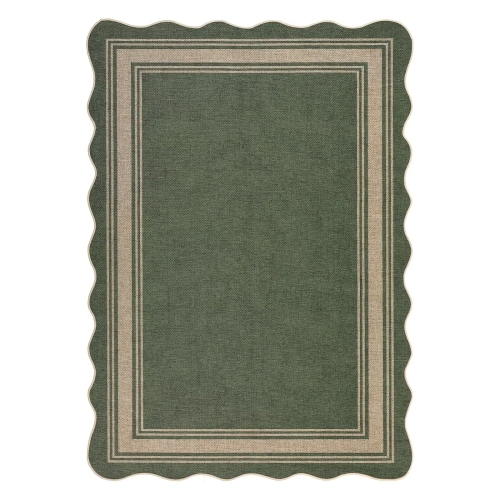
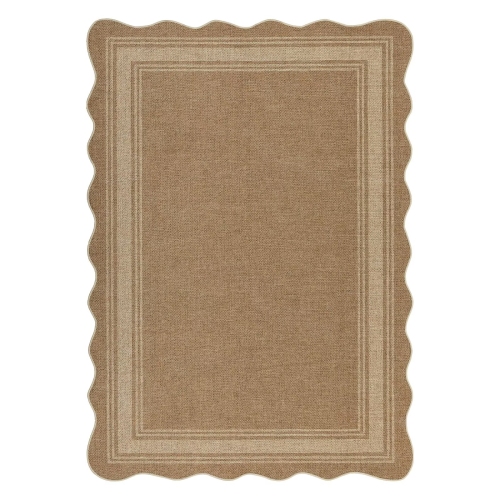
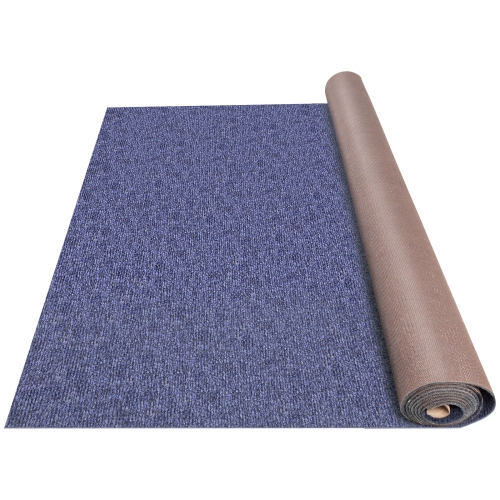
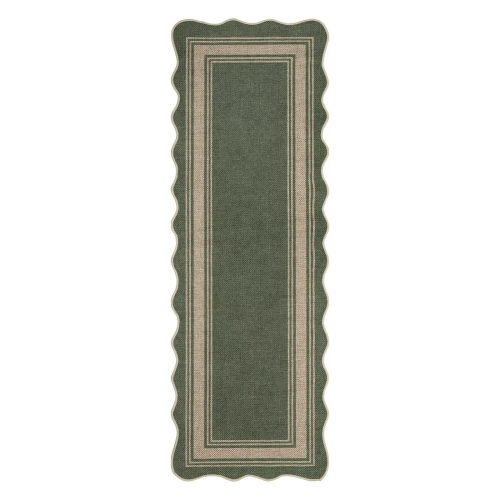
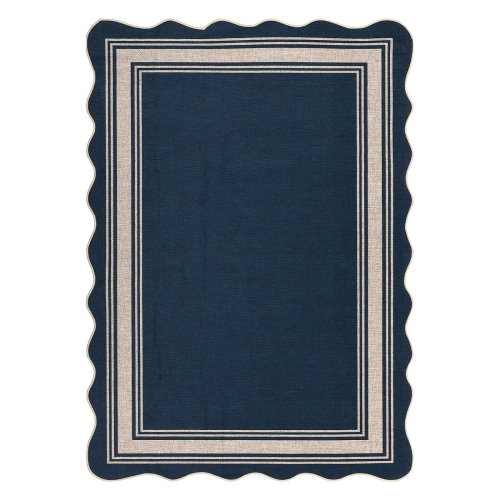
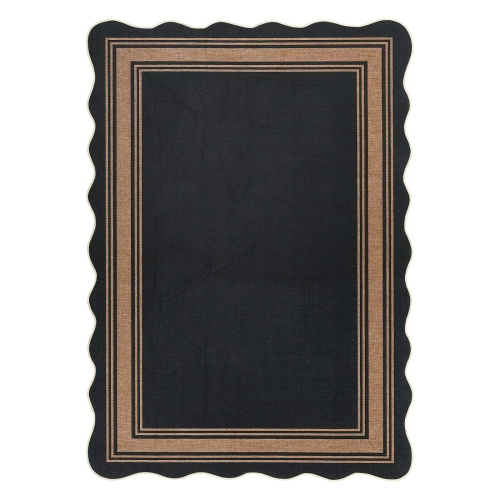
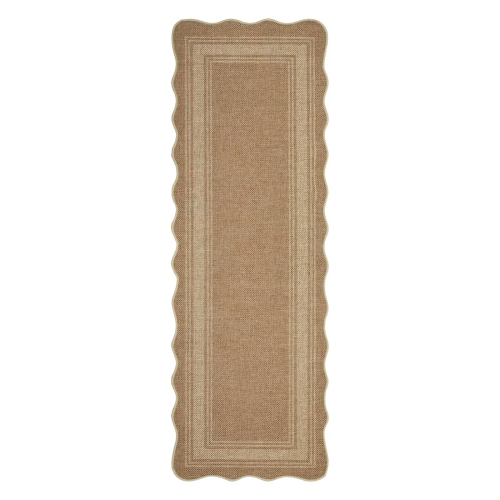
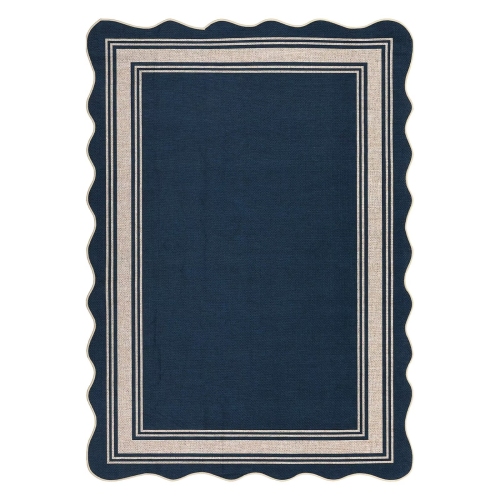
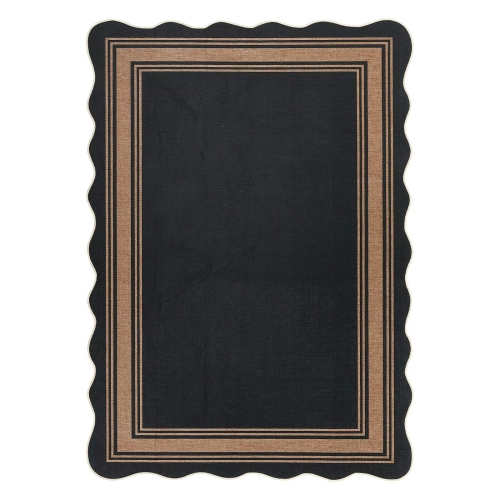
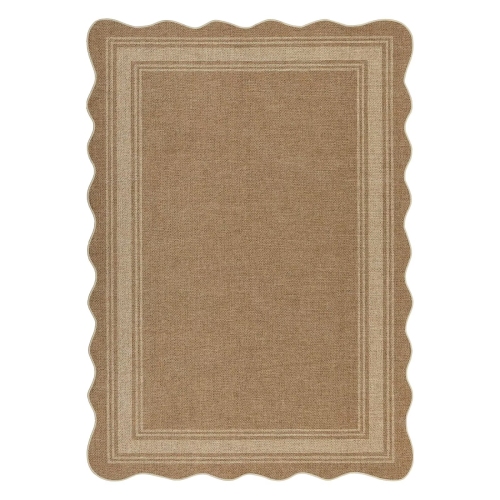
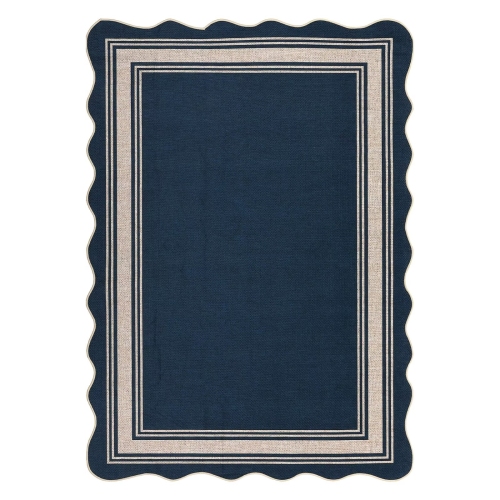

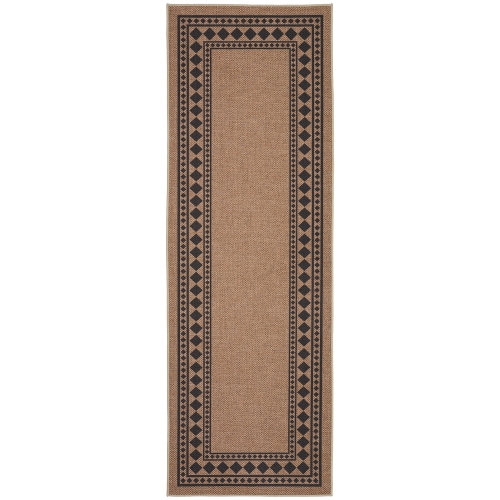
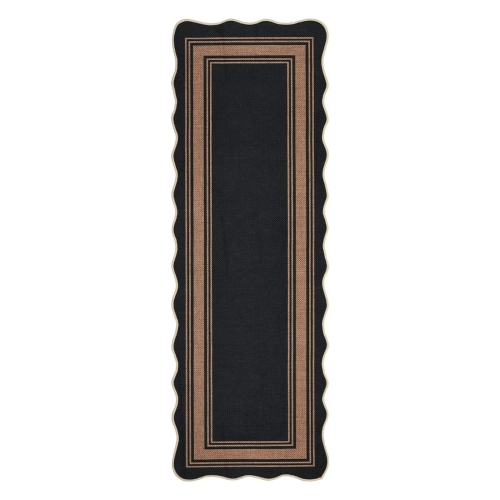
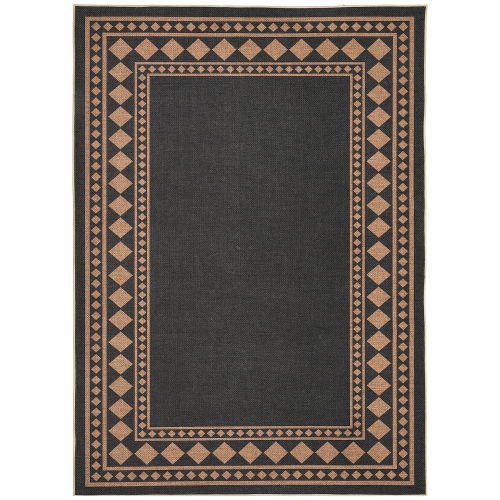


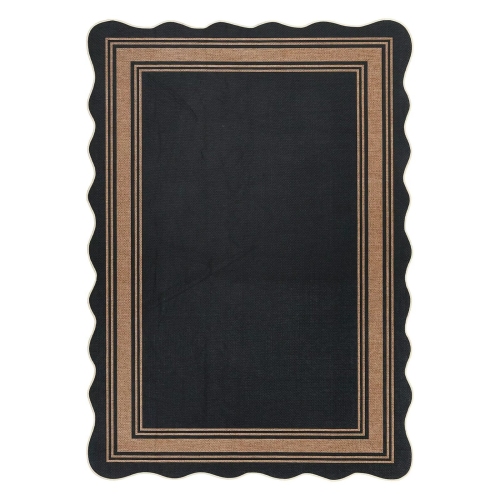

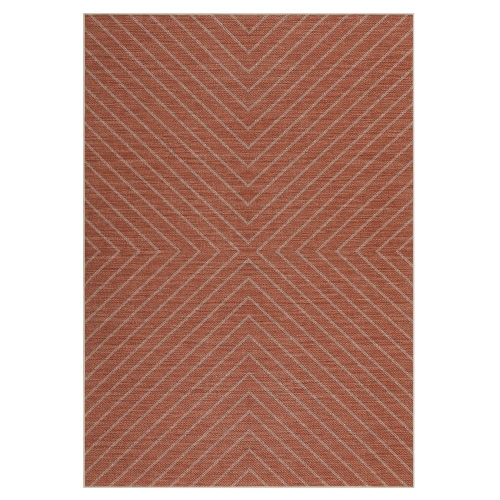
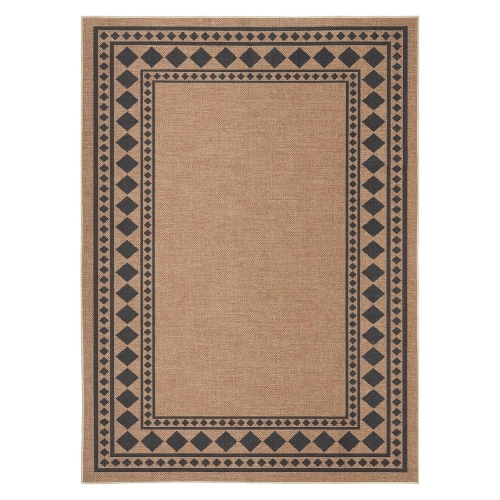
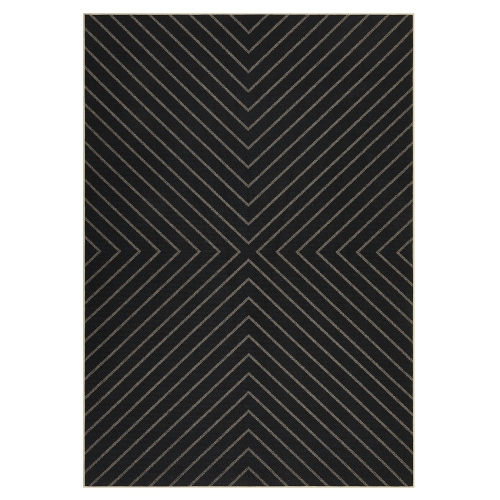
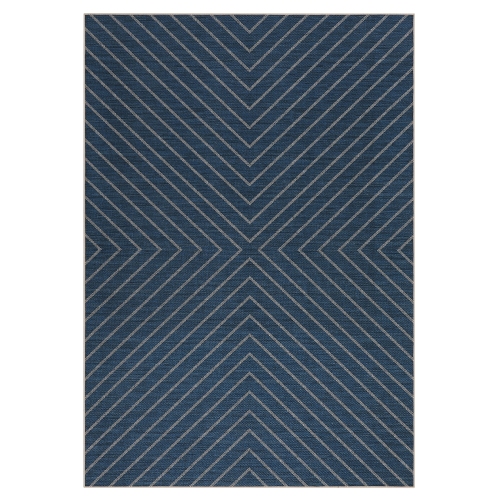
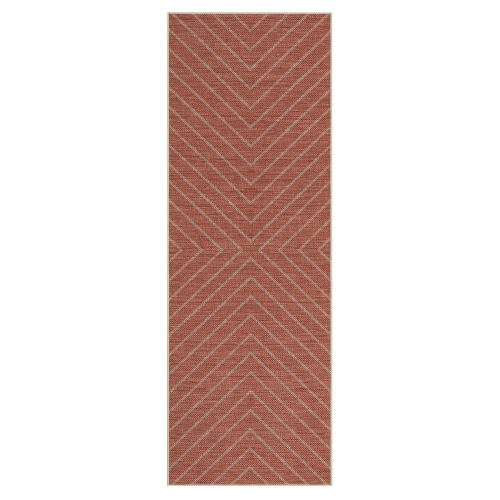
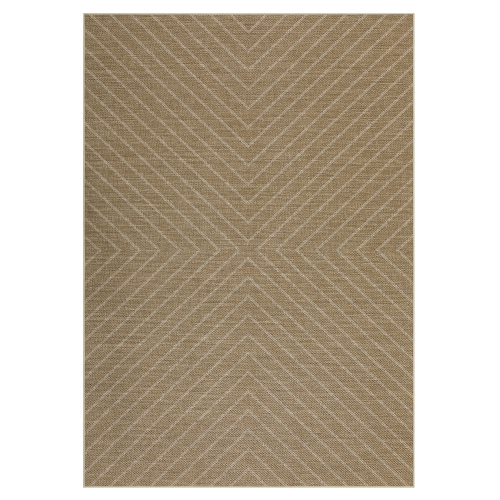
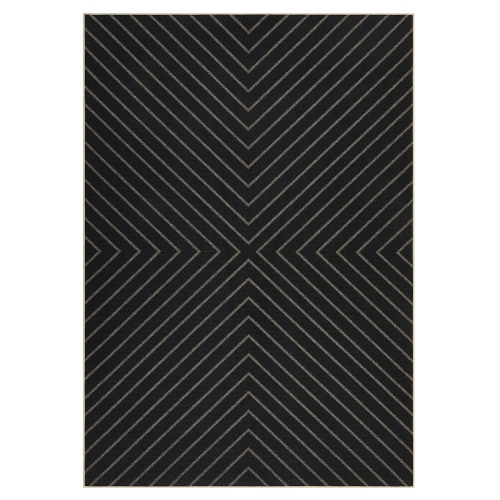
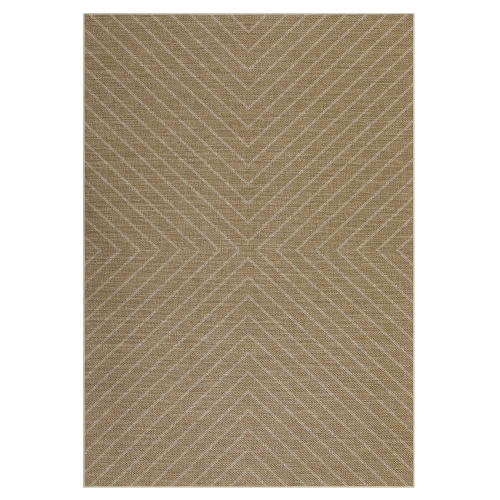
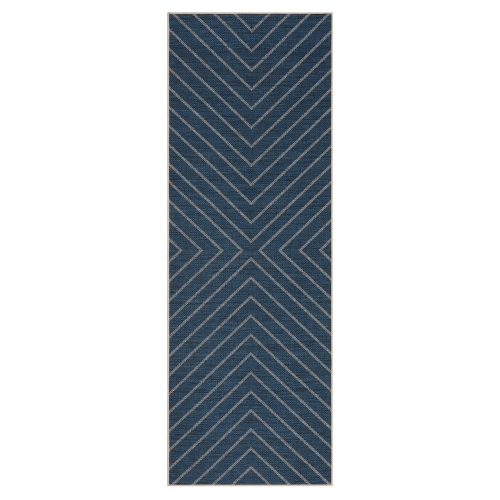
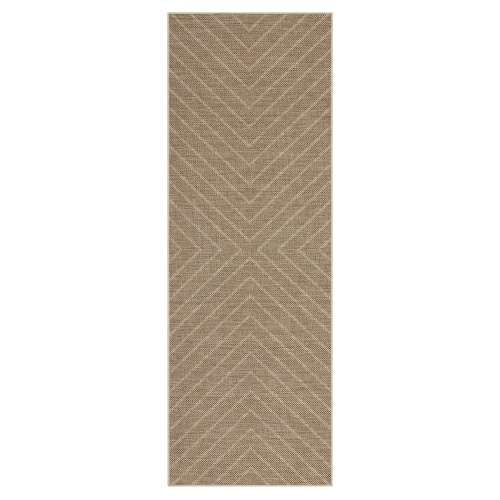
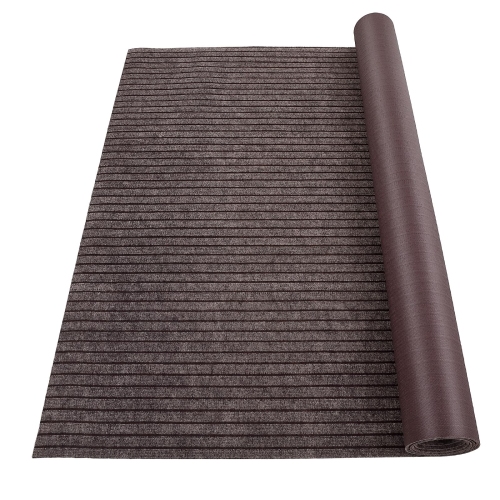
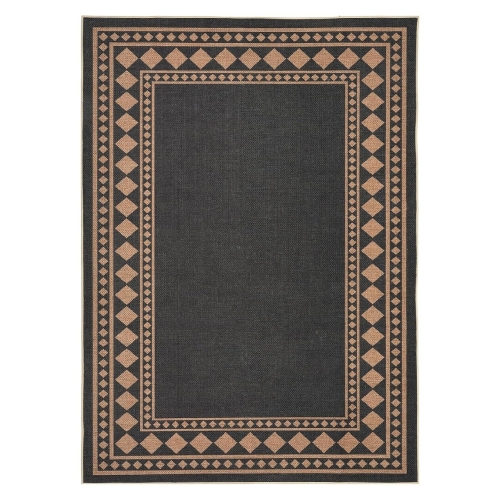
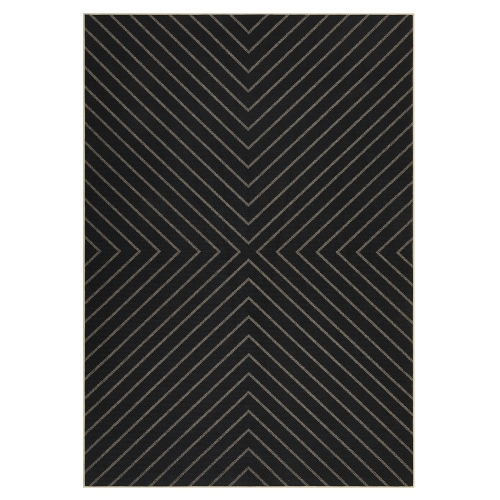
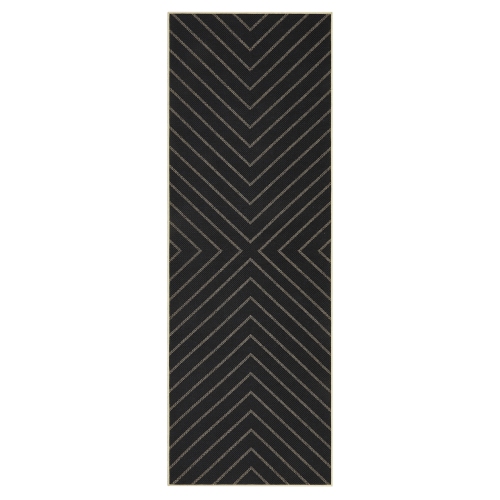
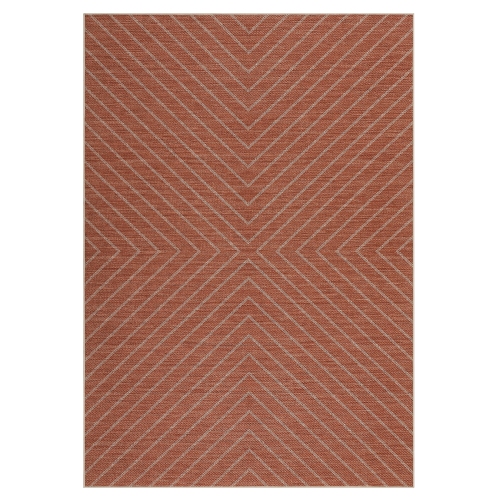
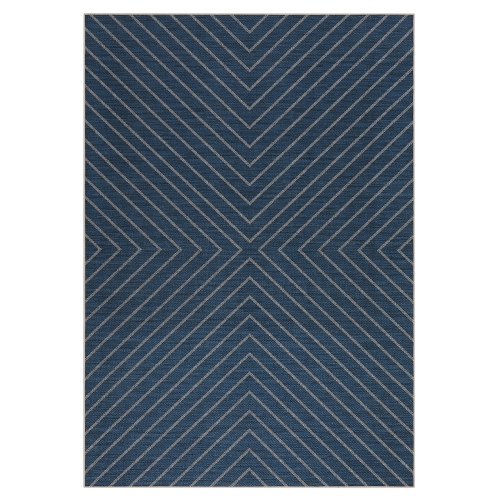
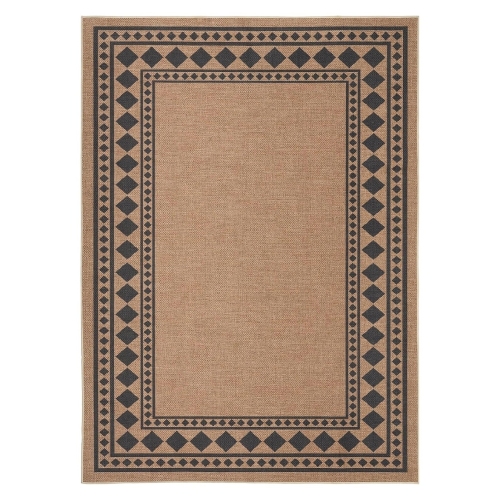
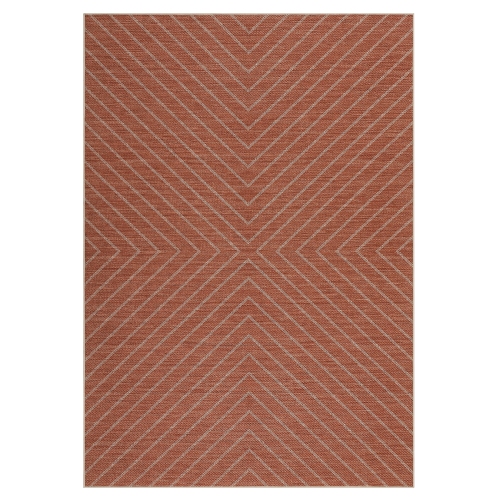
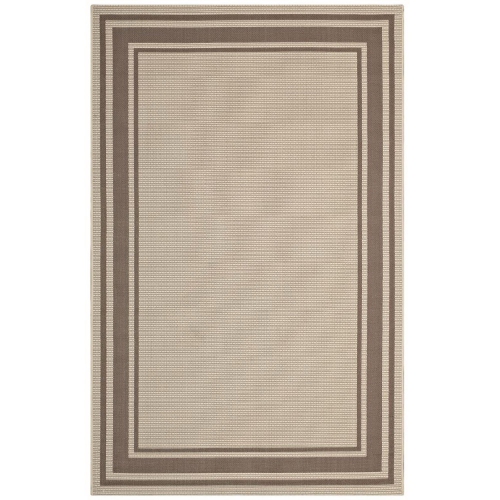
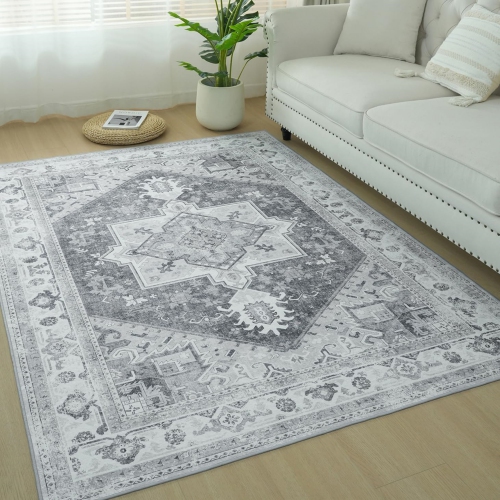
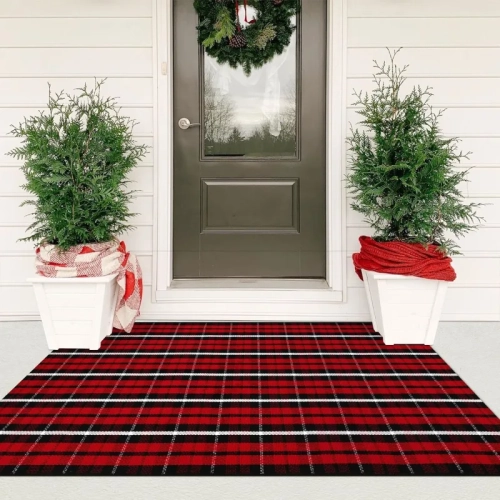
Comfort underfoot with room for chairs to move
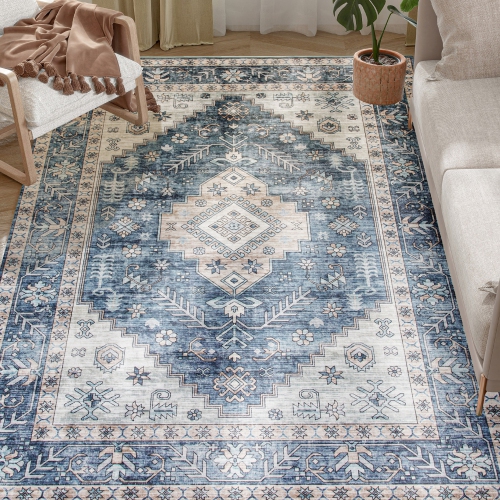
Deck rugs add a comfortable surface underfoot while giving an outdoor seating or dining area a more defined shape. On a broad wood or composite deck, a rug can bring a sofa, a pair of chairs, and a coffee table together so the furniture feels like one inviting place to gather. On a smaller deck, a simple runner or compact rectangular rug can add colour without crowding the walking space. Outdoor rugs are made for different levels of exposure, so their suitability depends on both their construction and where they will be used. A covered lounge area has different demands from an open deck that receives direct sunlight and rain. Size matters just as much as placement: a rug beneath a dining table needs enough room for chairs to move back without their legs catching on the edge, while a seating-area rug often looks balanced with the front legs of the main furniture resting on it. Allowing roughly 60 to 75 cm beyond each side of a dining table is a useful starting point, although larger chairs may need more clearance. Measuring with the chairs pulled out gives a more accurate sense of the footprint than measuring the tabletop alone. Leaving a visible border of decking can help the arrangement look intentional, provided the rug does not block doors, stairs, or drainage gaps. Rectangular shapes work naturally with long decks and dining sets, while round rugs can soften a compact conversation area. A low-profile weave is especially practical near a doorway, where clearance beneath the door and a flat, secure edge are important. The same sizing and material considerations apply to Patio Rugs used on paved terraces or ground-level seating areas. In either setting, the most useful rug fits the furniture arrangement and leaves clear routes between the house, seating, and steps.
Material and construction determine how a deck rug feels, how readily it dries, and how much attention it needs. Polypropylene is common in outdoor rugs because the fibre absorbs little water and is generally easy to clean. It can be a practical choice around a dining table where crumbs, spilled drinks, and frequent foot traffic are part of everyday use. Polyester can offer a softer feel and strong colour definition, though drying performance and suitability for exposed locations depend on the complete rug, including its backing. Woven plastic rugs often have a light, smooth texture that suits casual outdoor spaces, while some outdoor-rated synthetic weaves have a more textile-like finish for a furnished lounge area. Natural-fibre rugs such as jute and sisal generally need protection from moisture and are not interchangeable with rugs specifically rated for outdoor exposure. Flatweave and low-pile constructions tend to hold less debris than deep pile and can be easier to sweep, but drainage and drying still depend on the weave, backing, airflow, and surface underneath. Water resistance does not necessarily mean a rug is waterproof, and an outdoor rating does not mean it should remain wet indefinitely. UV-resistant fibres or treatments can help reduce fading in direct sunlight, although no rug should be assumed to retain its original colour without change. The contact between rug and deck deserves particular attention. Some rubber, latex, or other backings can mark or discolour certain decking finishes, so compatibility with the decking manufacturer’s care requirements is important. An outdoor-rated, non-slip pad may help reduce movement where both manufacturers permit it, but the pad must also allow appropriate drainage and be suitable for that exact surface. A rug should lie flat rather than curl at the corners, and it should not cover damaged boards or create an uneven walking surface. Moving it periodically and checking underneath helps reveal trapped moisture, grit, or changes in the deck finish before they become harder to address.
Day-to-day care is often straightforward when the rug’s cleaning requirements match the way the deck is used. A rug beneath a family dining table benefits from a weave that releases crumbs easily, while a lounge rug near a garden entrance may need regular attention to tracked-in soil. Sweeping, shaking out smaller rugs where practical, or vacuuming with a setting approved for the weave can remove dry debris before it works into the surface. Spills are best blotted promptly rather than rubbed into the fibres. Mild soap and water are suitable for many outdoor rugs, but the care label takes priority, especially for coated backings, printed patterns, or rugs with separate layers. Hose cleaning and machine washing are not universal features; each requires explicit care instructions. After cleaning or rain, both the rug and the decking beneath it need to dry thoroughly. Lifting the rug when practical can improve airflow and help prevent persistent dampness, odours, and mildew. Before extended storage, a clean, fully dry rug is less likely to develop problems than one rolled up with moisture or dirt still inside. Appearance can be practical as well as decorative. A small-scale pattern can make everyday specks less noticeable, whereas a broad border gives a dining arrangement a crisp outline. Soft grey, sand, and muted blue tones sit comfortably beside many wood finishes, while terracotta, green, or a contrasting stripe can give simple furniture more personality. Texture also changes the effect: a smooth, tightly woven rug feels different from a more substantial woven surface, particularly under bare feet. Households with children or pets may favour low-profile designs with secure edges and no loose fringe to catch during play. For someone furnishing a first outdoor space, a deck rug can also be a thoughtful housewarming gift when the dimensions, preferred colours, and decking requirements are known. The lasting appeal comes from that balance of comfortable texture, manageable care, and a fit that supports how the space is actually used.
Top selling and popular products
-
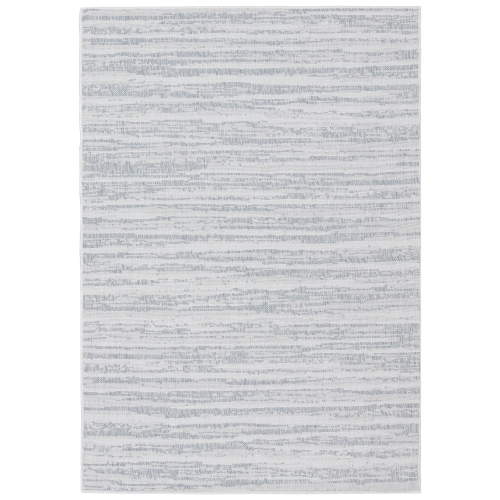 Your price for this item is $129.15
-
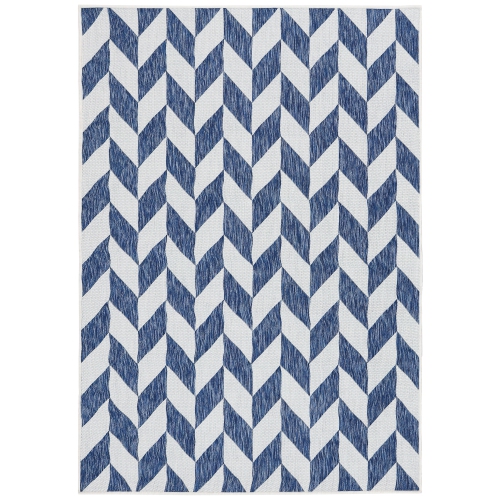 Your price for this item is $129.15
-
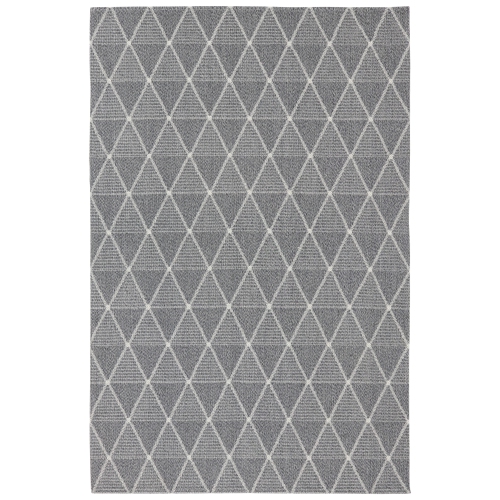 Your price for this item is $130.55
-
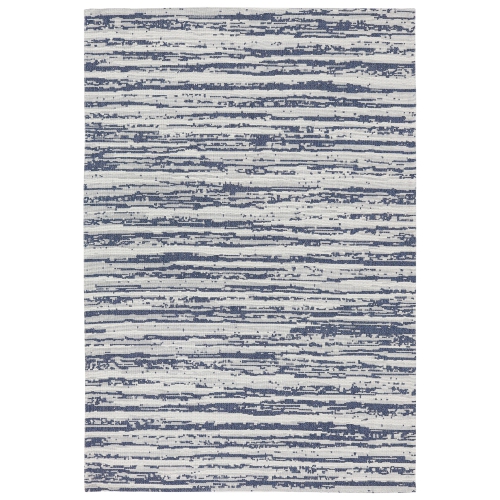 Your price for this item is $130.55
-
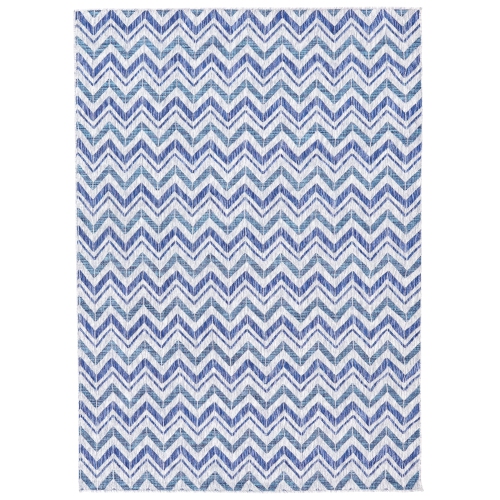 Your price for this item is $129.15
-
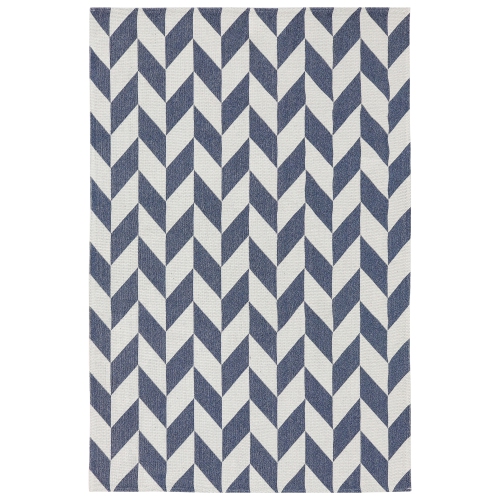 Your price for this item is $130.55
-
 Your price for this item is $144.99
-
 Your price for this item is $103.99
Discover more categories related to Deck Rugs
Top Collections:
Best Black Friday Deals This Year, Best Black Friday Deals On Electronics, Kindle Devices, Dyson Airwrap, Best Cameras for Sports Photography, Best Black Friday Deals On Apple Products, PS5 Pro Consoles, Portable Snow Blowers, Canon G7X Cameras, Pokémon 30th Celebration Cards
Some products may be subject to Environmental Handling Fees
(EHF) depending on your province.
Learn more about EHFs.