Decorative Mirrors for Living Room
Enhance the elegance and style of your living room with our stunning collection of decorative mirrors. These eye-catching pieces not only add a touch of glamour to your space but also create an illusion of a larger, more open room. Whether you prefer sleek and modern designs or intricate and ornate frames, our wide range of decorative mirrors offers something for every taste and decor theme. Discover the perfect mirror that effortlessly reflects your style and enhances the ambiance of your living room.
Sort

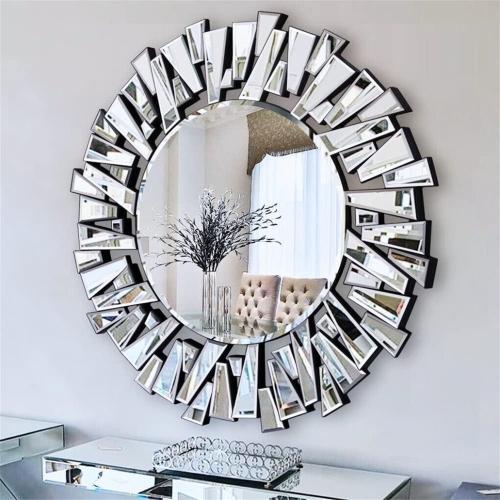

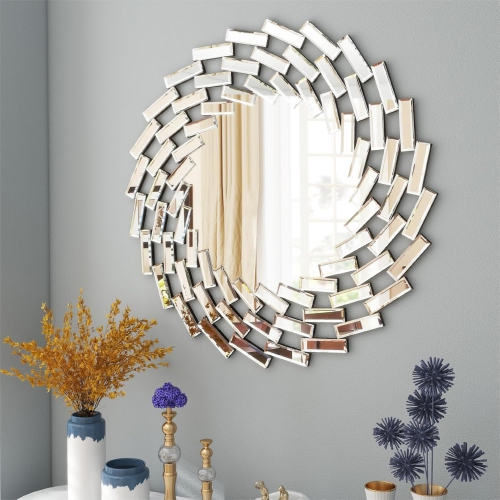
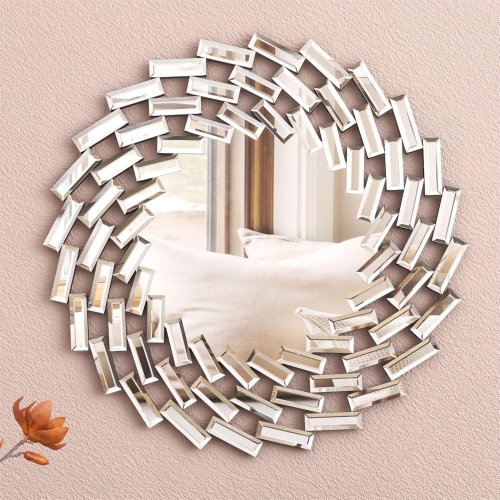

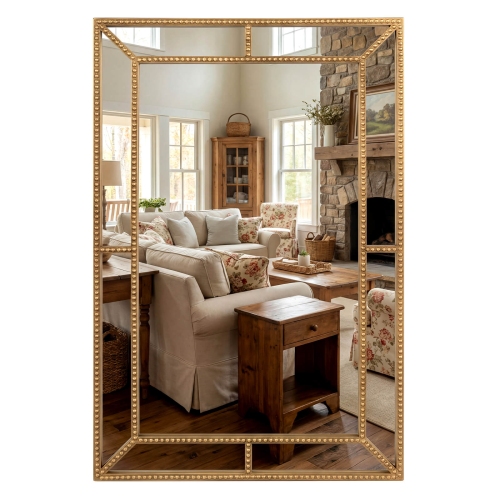
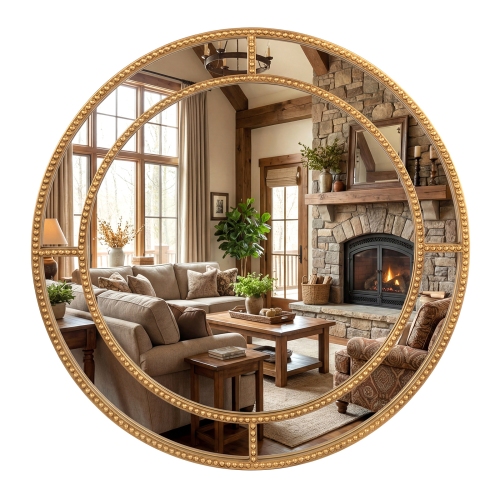
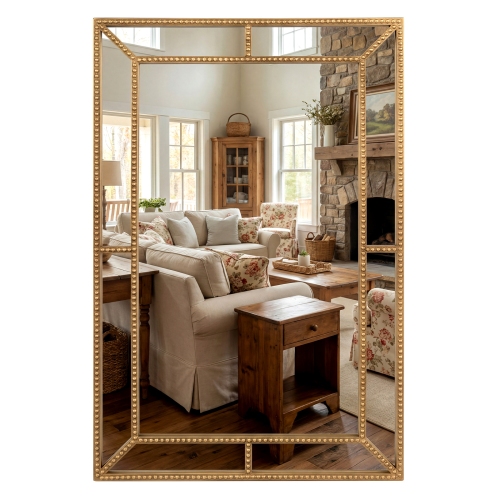

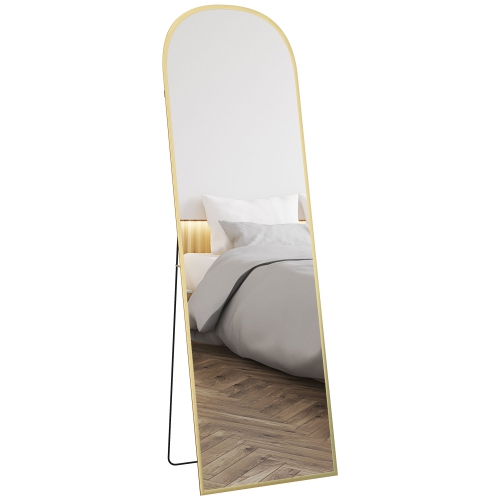
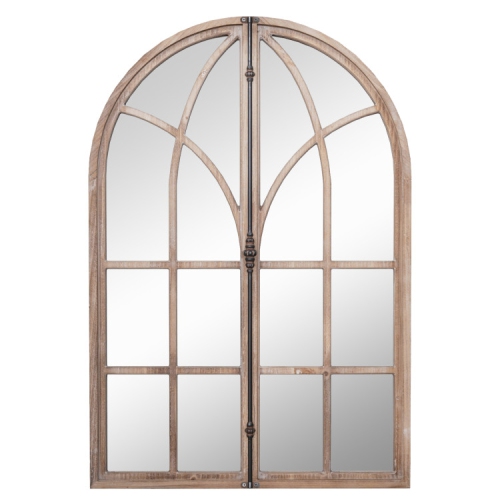
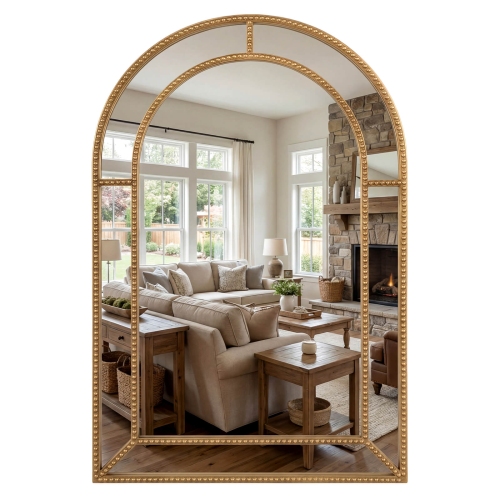
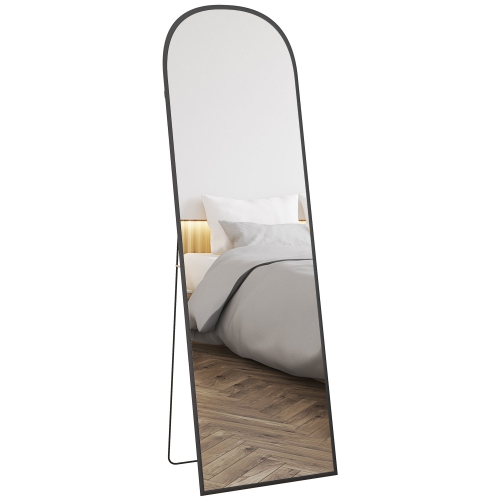


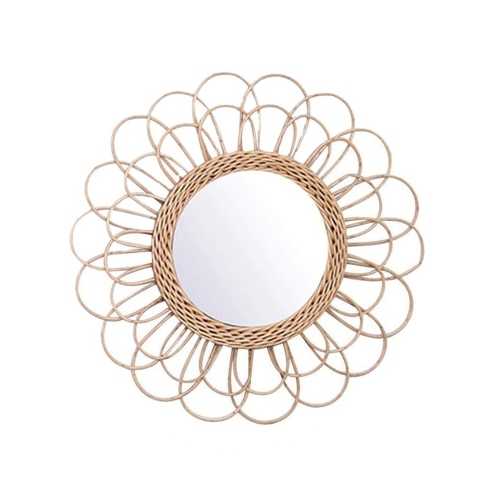
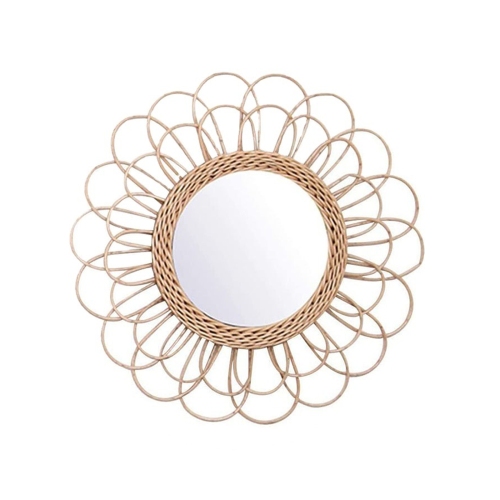

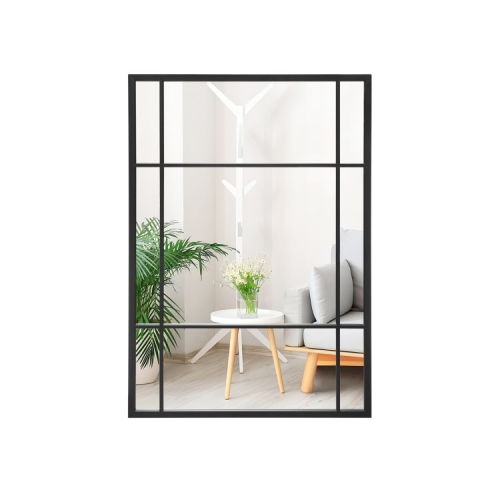
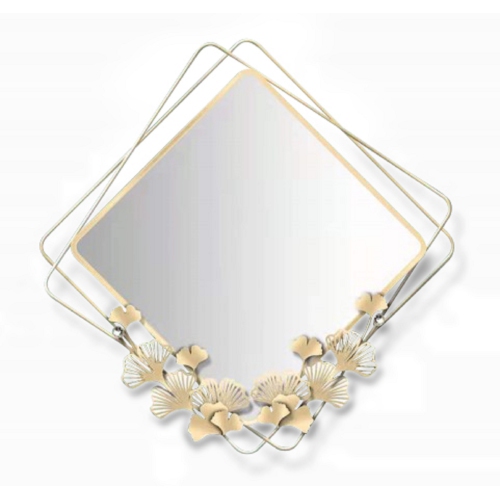
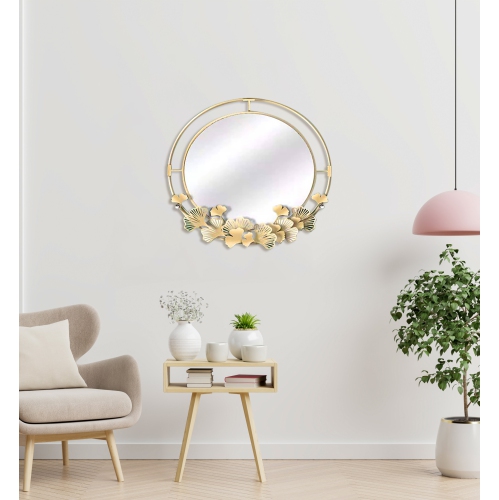


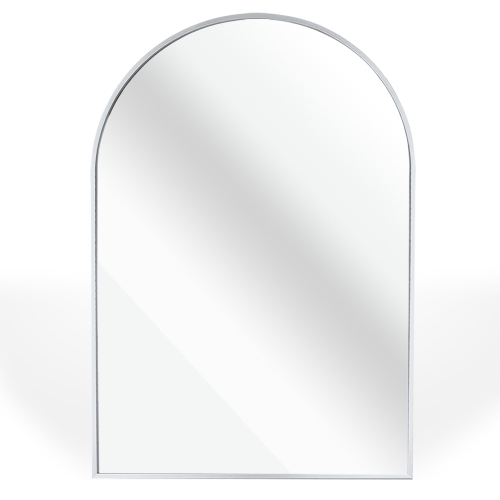


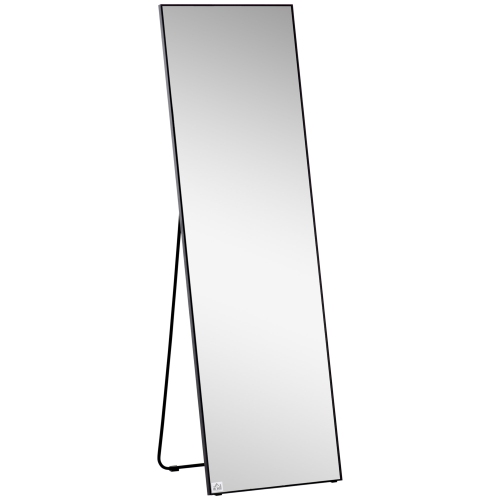
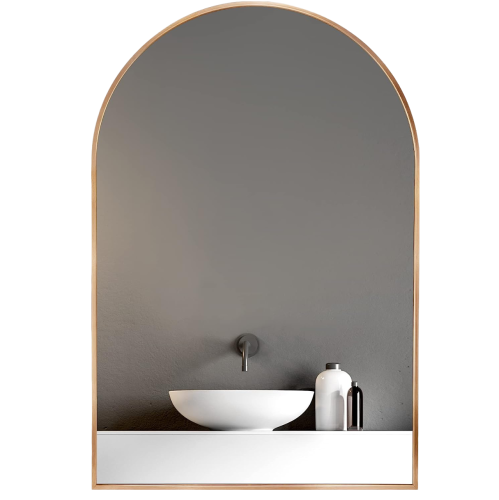

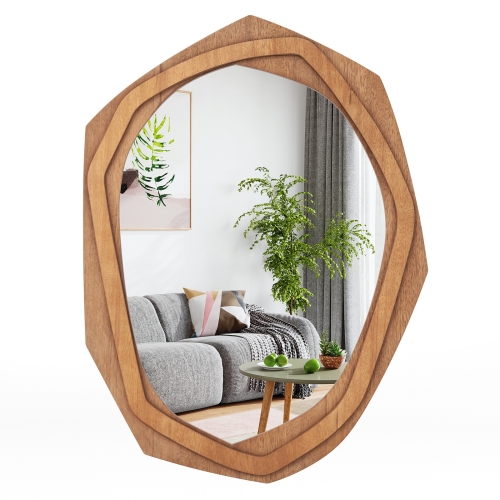

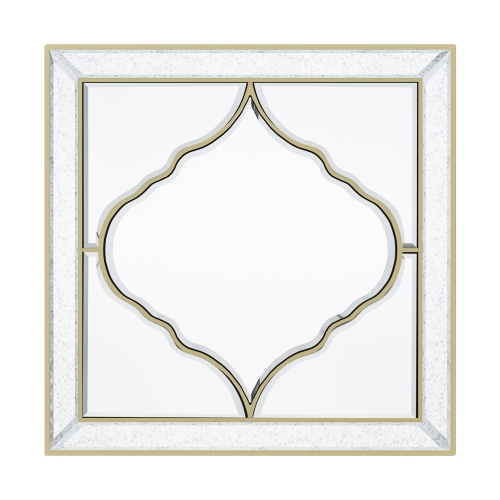


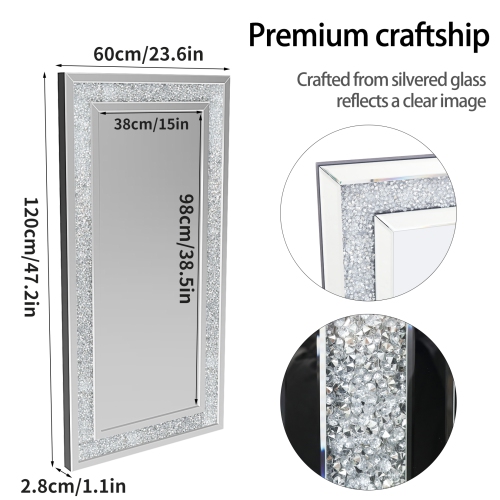
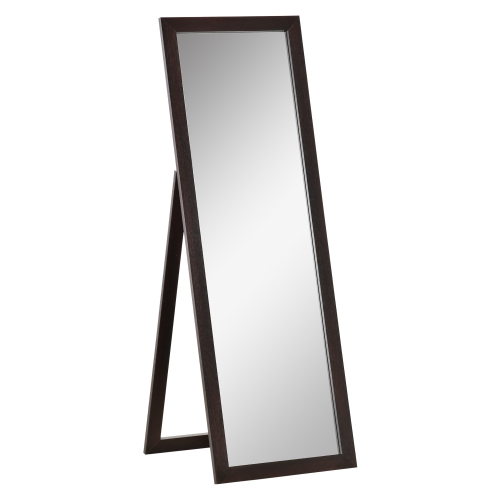
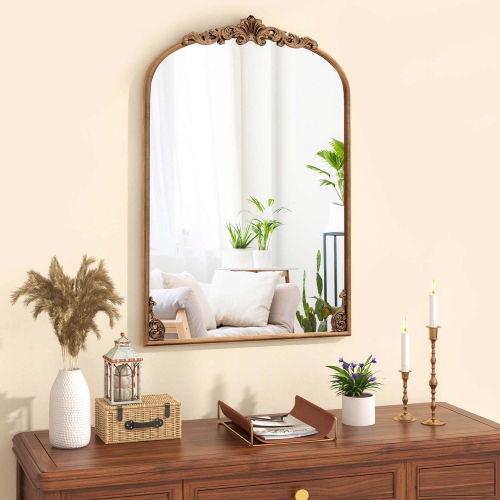

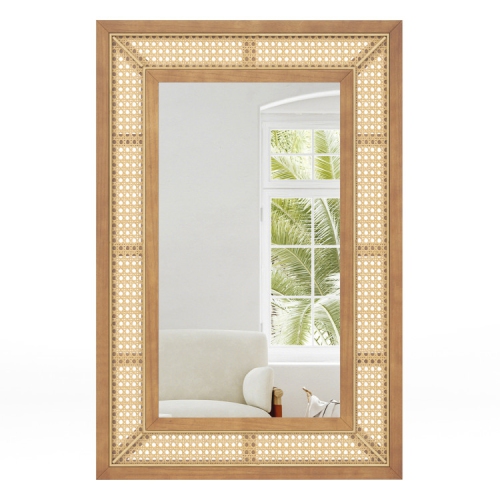
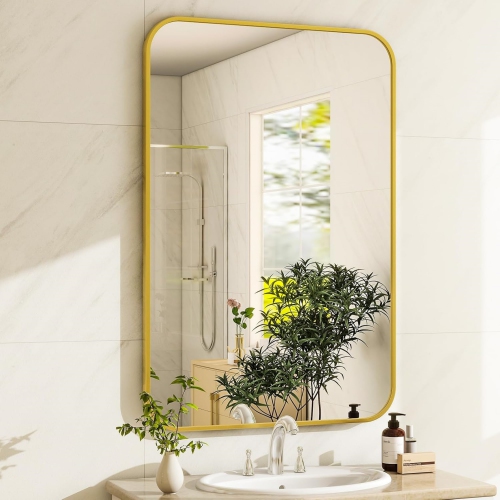
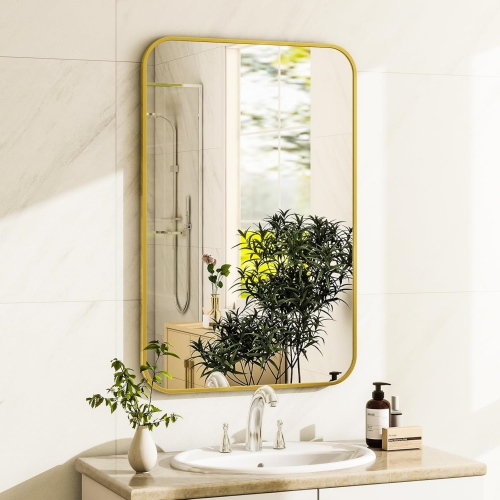
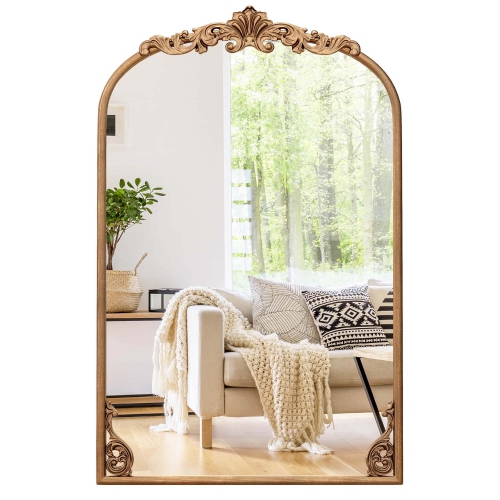


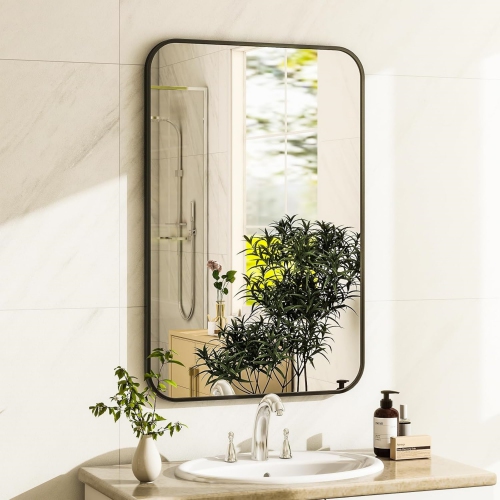

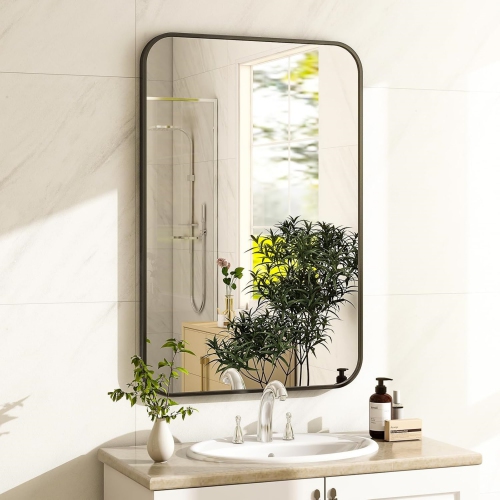
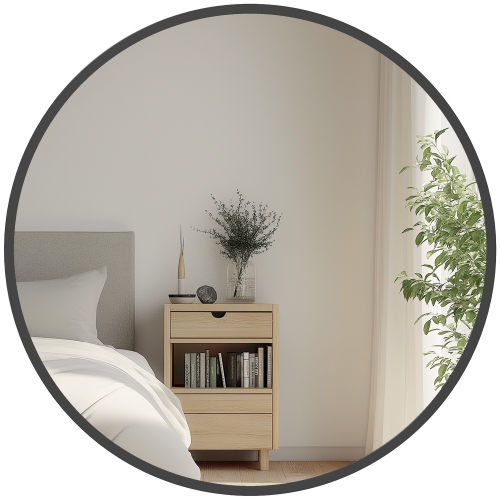

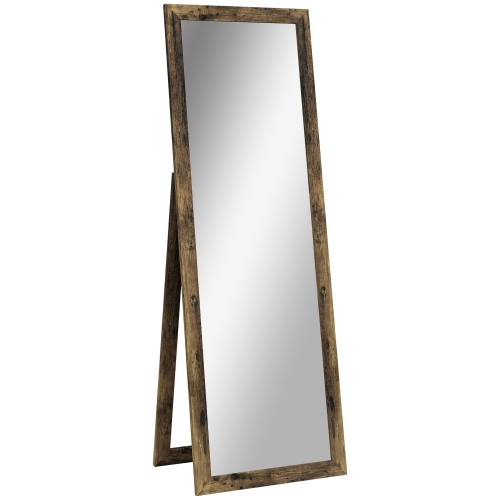

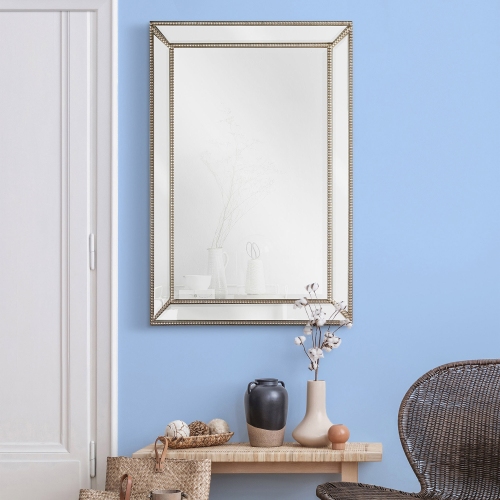
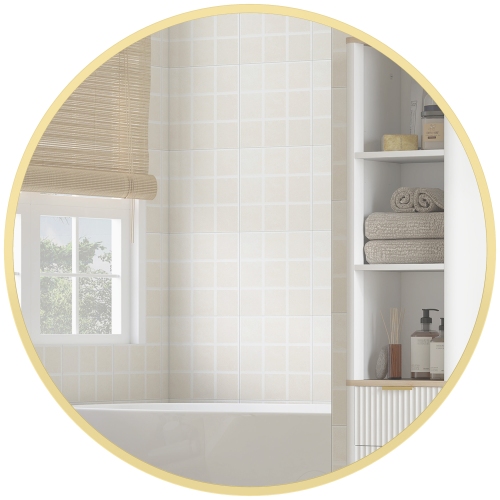
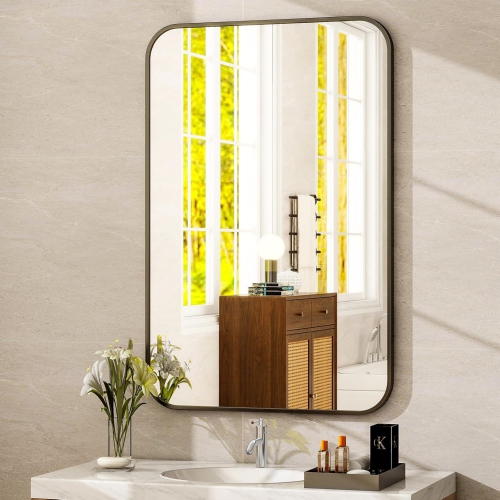
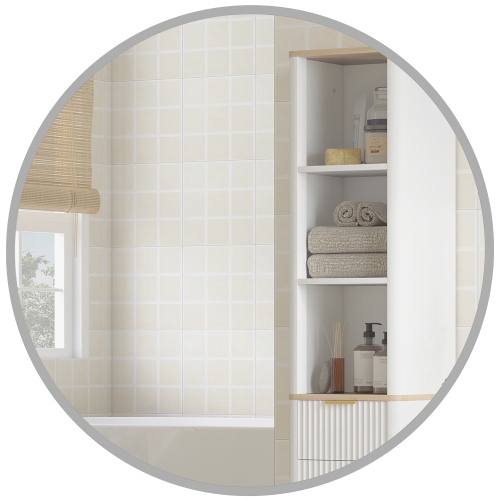


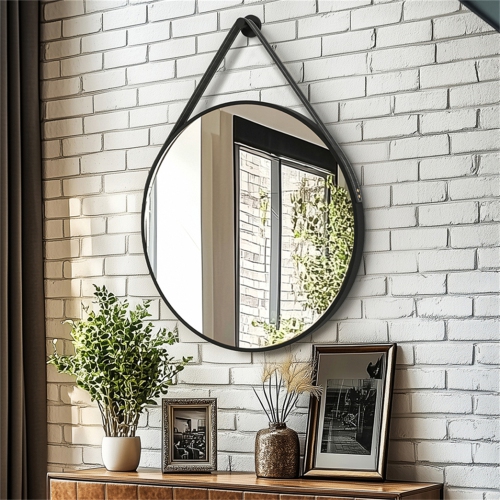
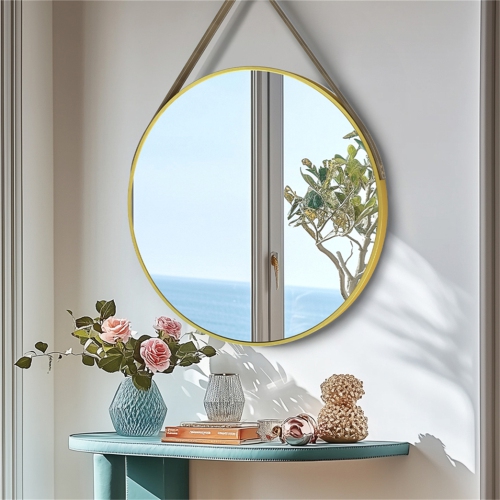
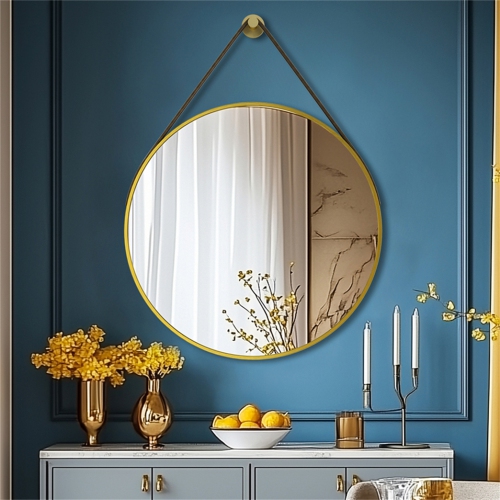



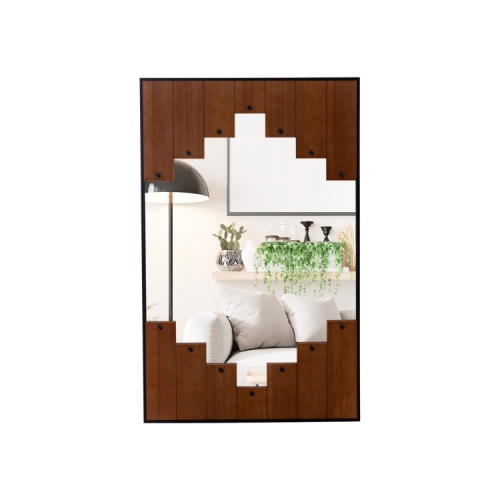


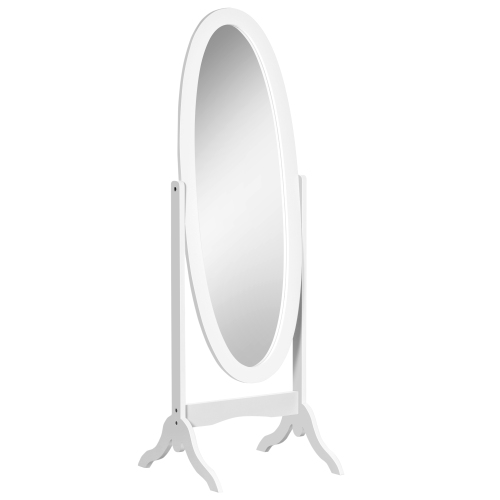


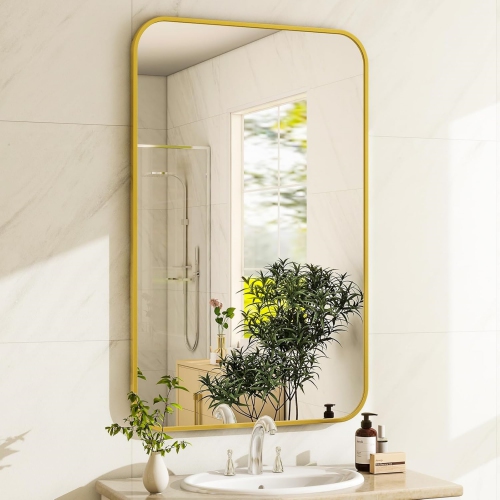
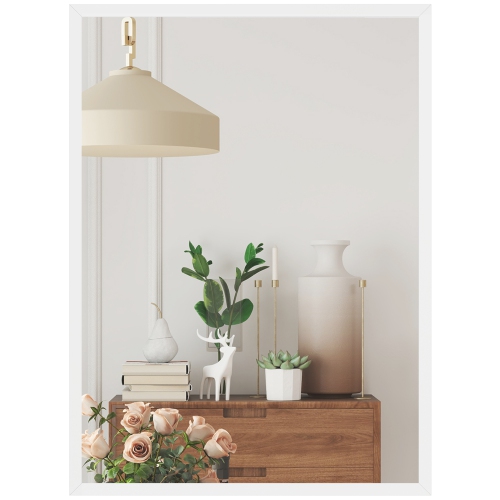

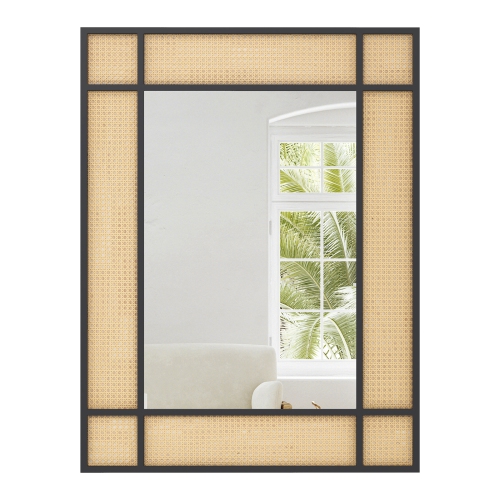



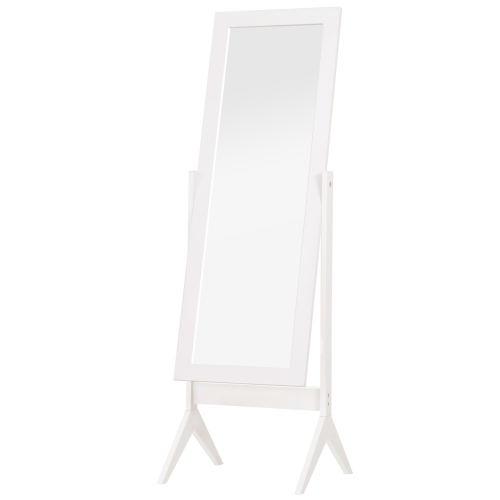
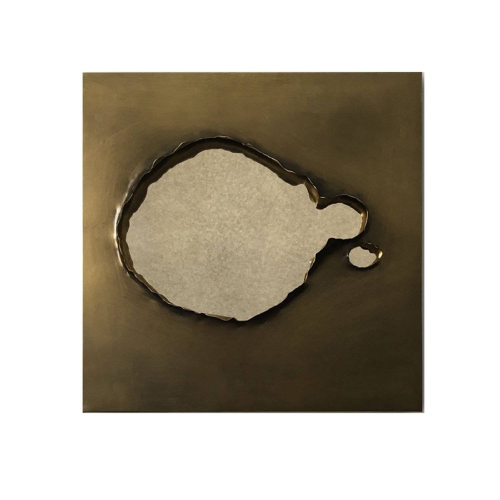


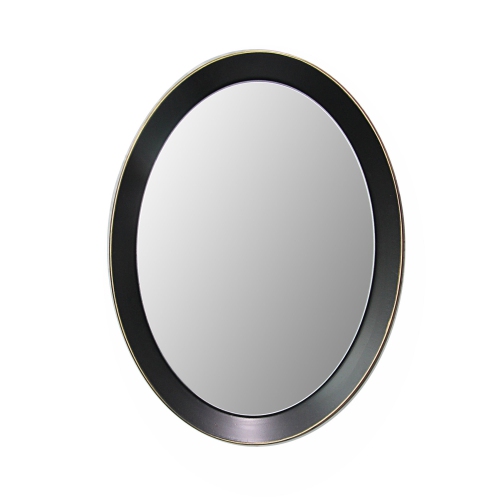




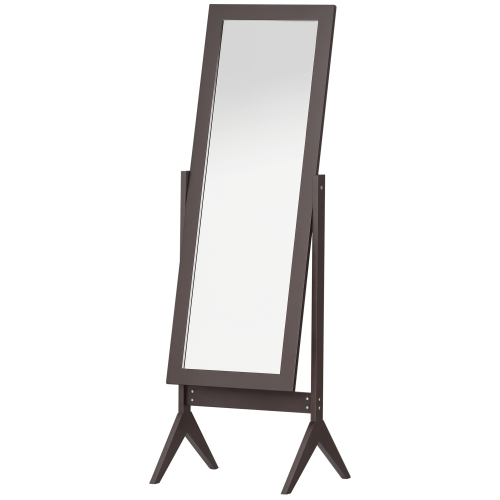



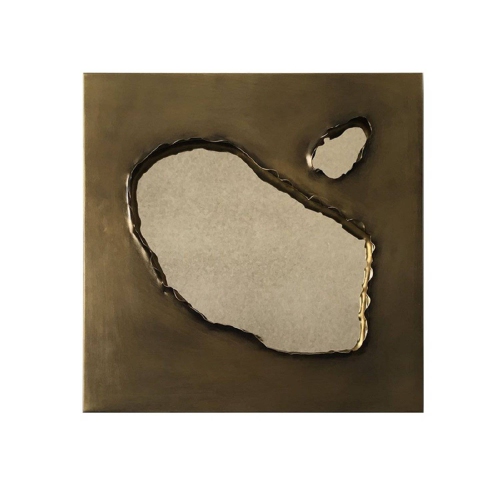
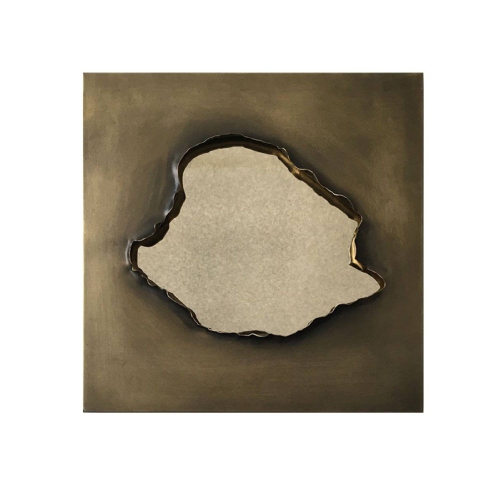
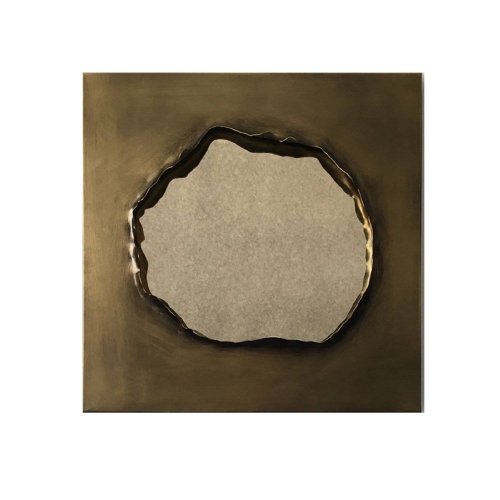

















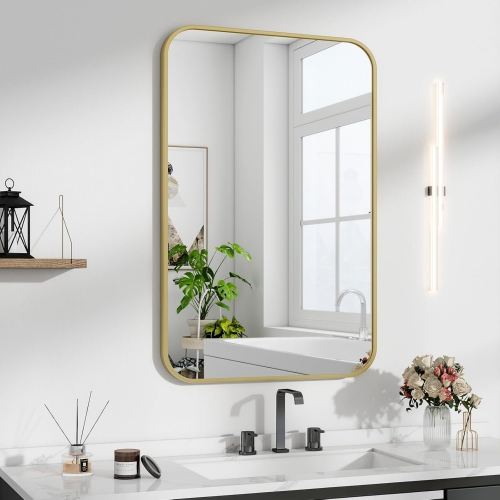

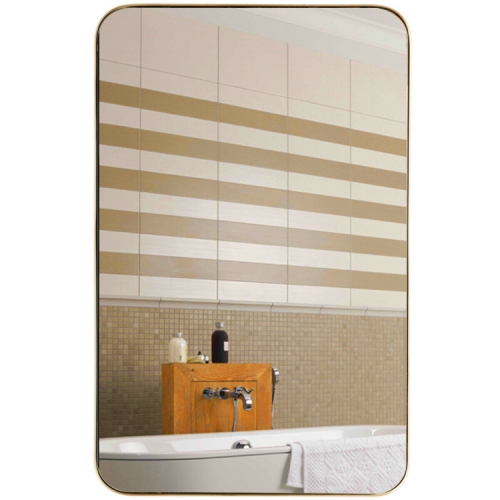

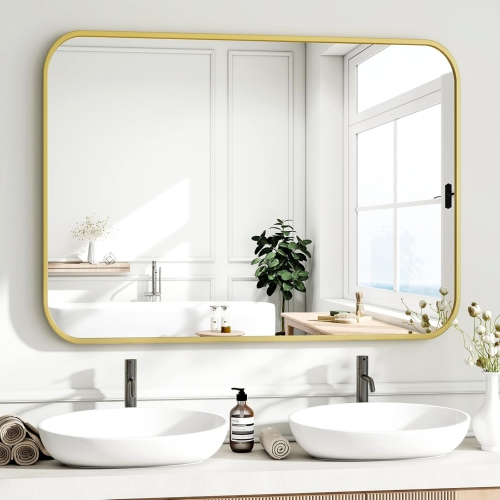


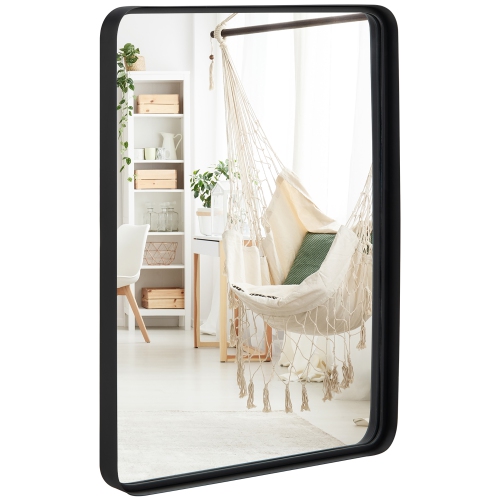


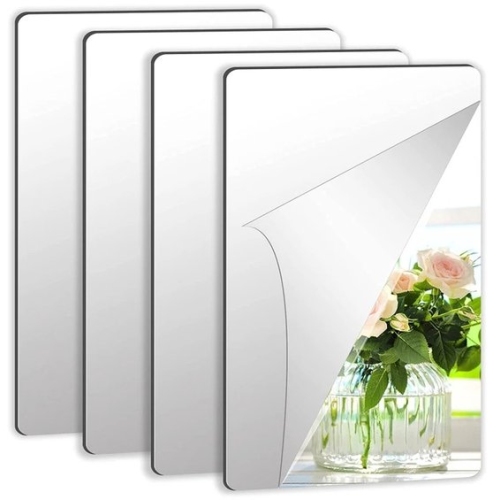
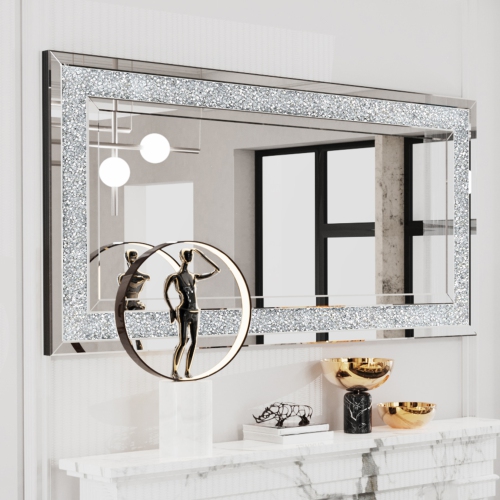



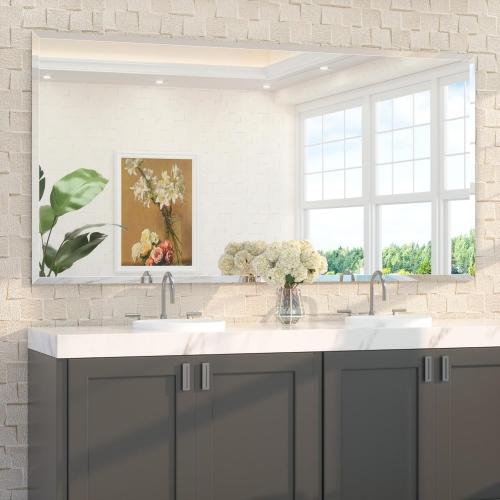
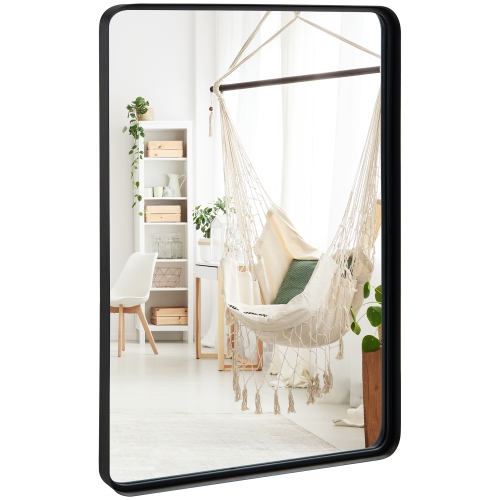



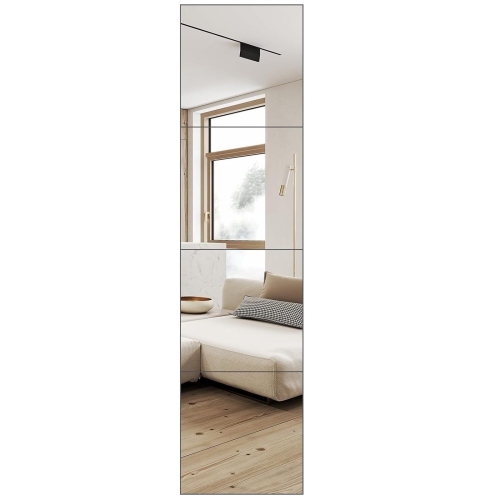

A mirror’s impact goes beyond its frame
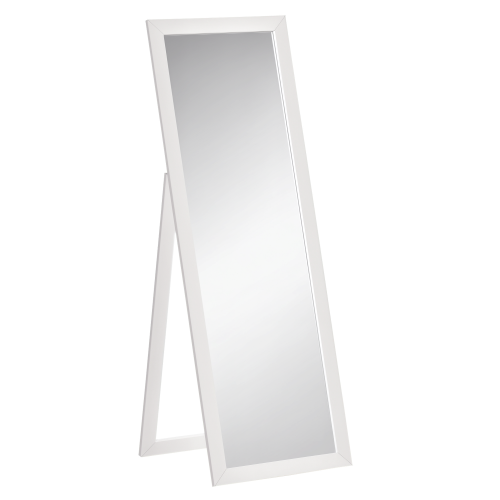
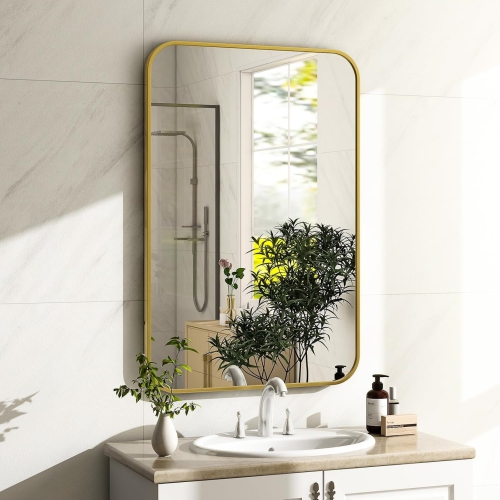
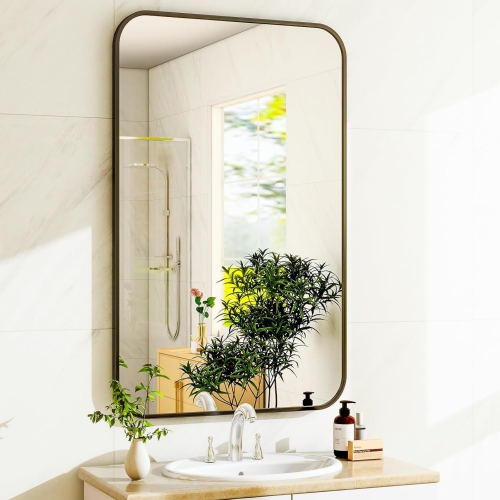
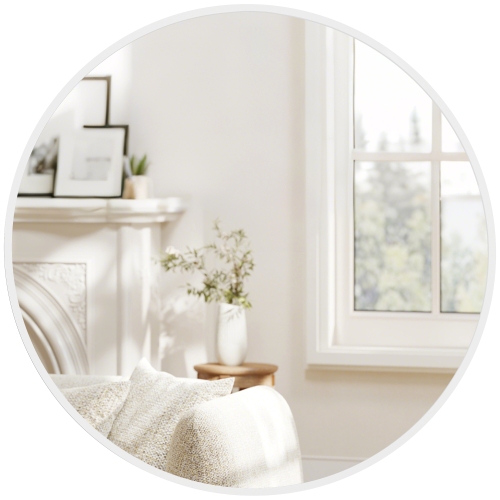
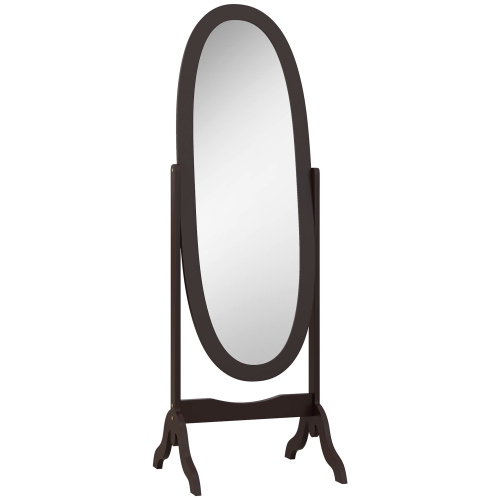
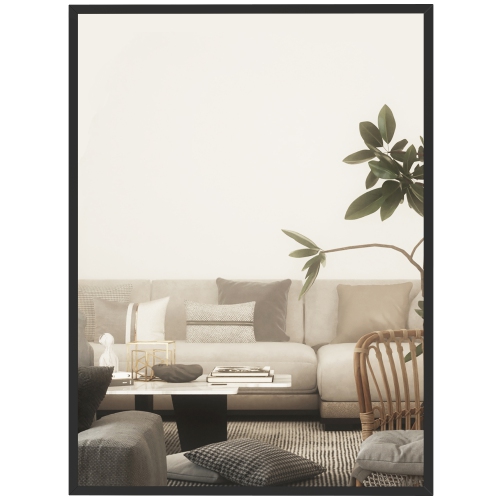
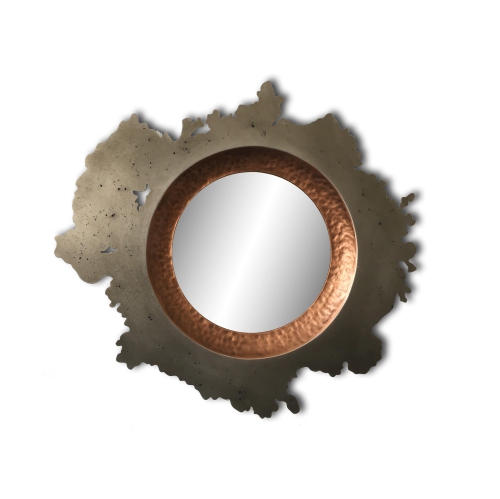
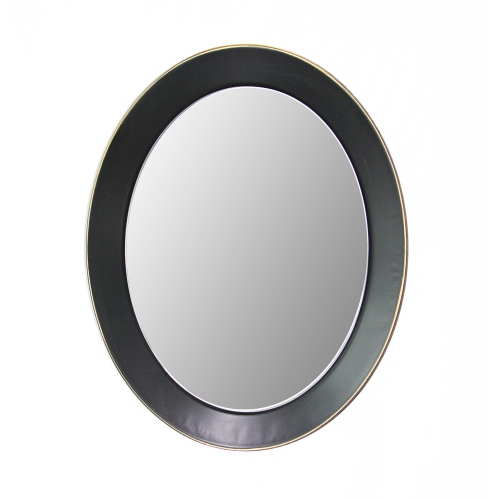
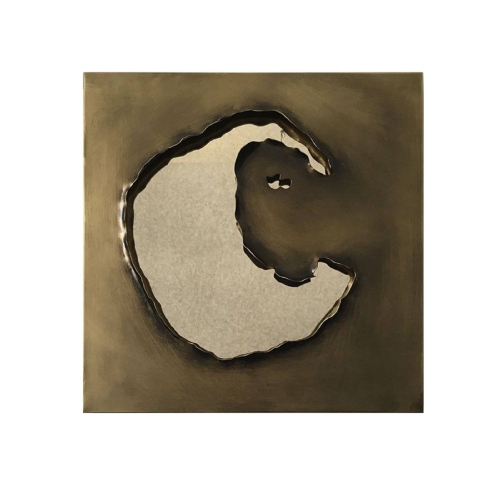
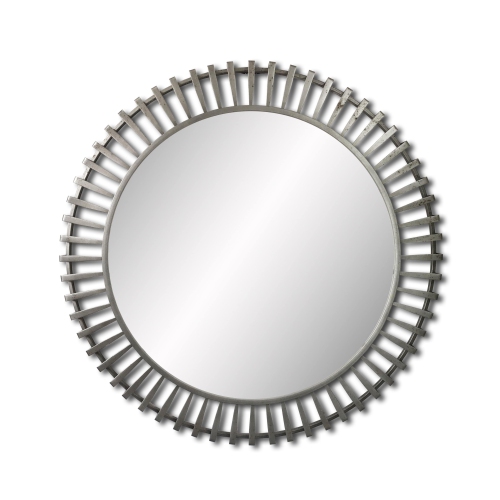
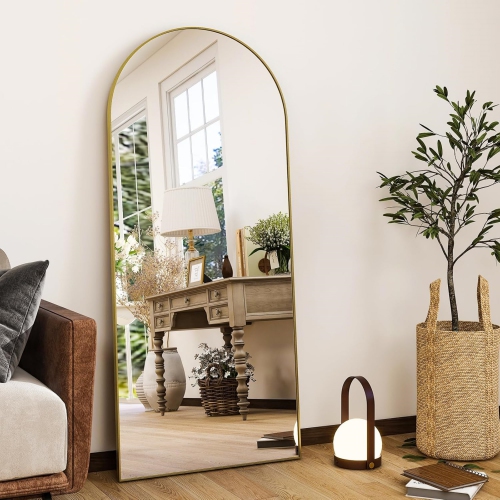
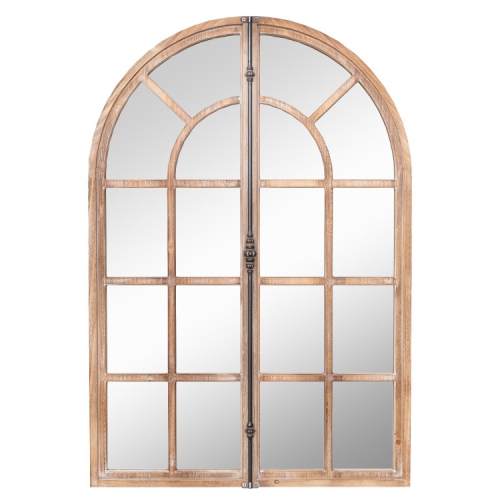
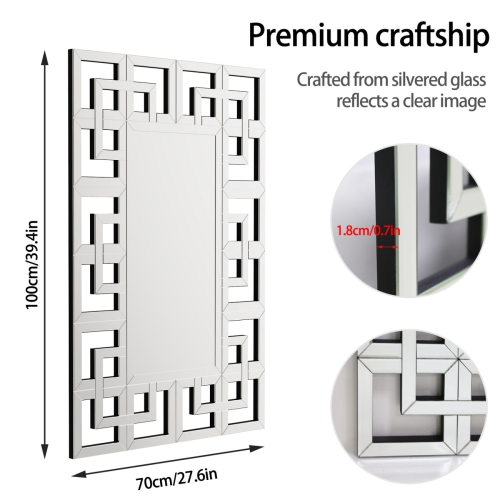
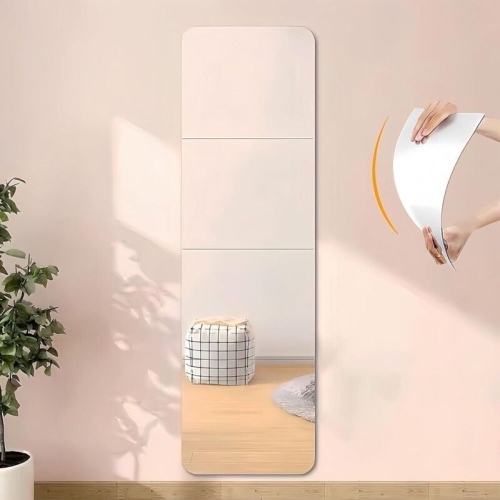
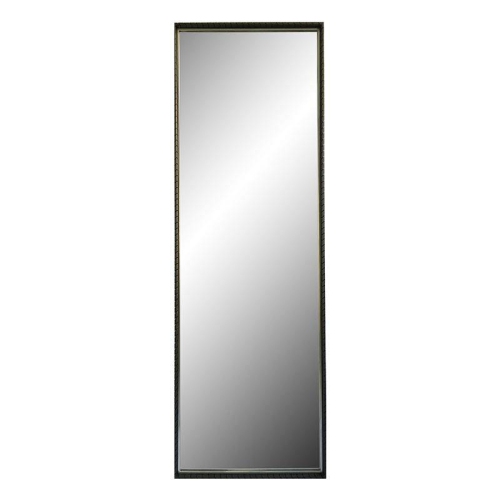
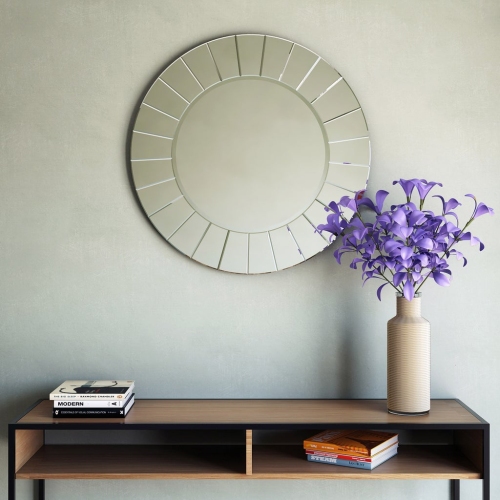
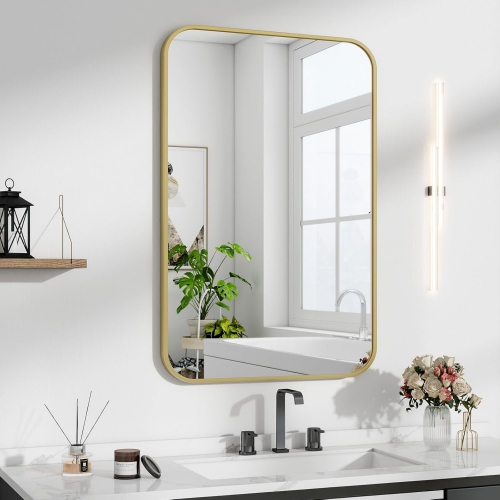
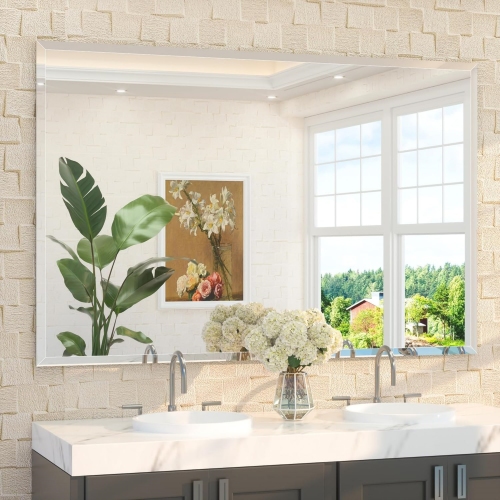
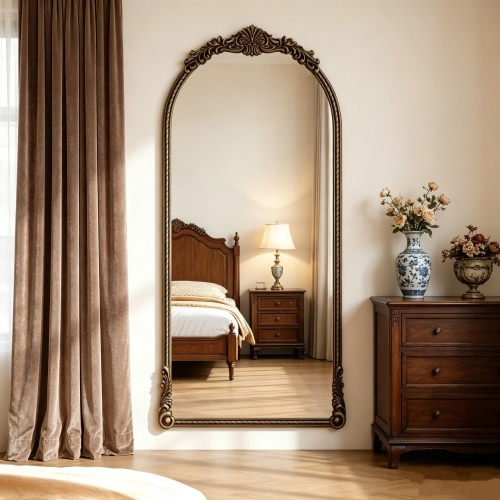
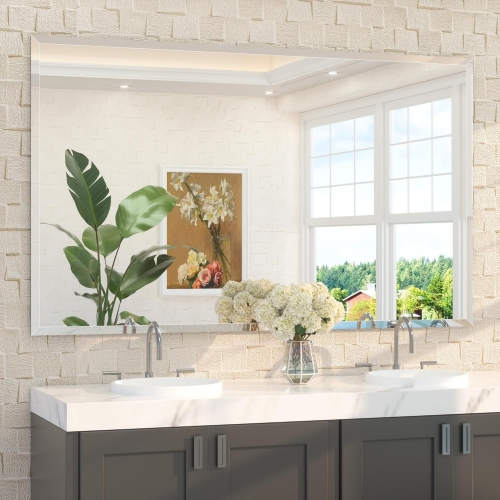
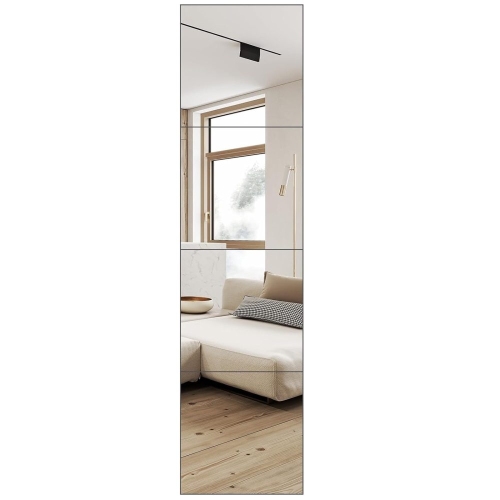
Decorative mirrors for living room spaces bring together everyday function and the visual appeal of wall art. A mirror can give a seating area a stronger focal point, draw attention to architectural details, or reflect a favourite part of the room, such as a bookcase, a pendant light, or a view through a window. Its effect depends as much on what it reflects as on the frame itself. Across from a window, it may help distribute daylight through the space; opposite a busy storage area, it can make that same clutter more noticeable. Shape also changes the mood of a room. A round mirror softens the straight lines of a sofa, media console, and rectangular rug, while an arched design introduces height without the sharper outline of a square corner. Rectangular mirrors feel structured and work well with long furniture arrangements, and irregular shapes can serve as an expressive accent against a simple wall. Frame details help connect the mirror to the rest of the furnishings. A slim black border can echo dark table legs or lighting fixtures, while a warm metallic finish can pick up the tones of cabinet handles and picture frames. Wood offers visible grain and texture, with lighter finishes lending an airy feel and deeper tones adding visual weight. An ornate frame creates a more prominent presence, especially when the surrounding furniture has quieter lines. For a broader look at shapes and frame styles, decorative wall mirrors can complement both coordinated living room furniture and arrangements built around pieces collected over time. Matching every finish is not essential; repeating a colour, curve, or texture is often enough to make the room feel connected. In a compact apartment, a well-placed mirror can create an impression of depth without taking up floor space. In a larger living room, it can help define a reading corner or give an otherwise bare wall a clear purpose.
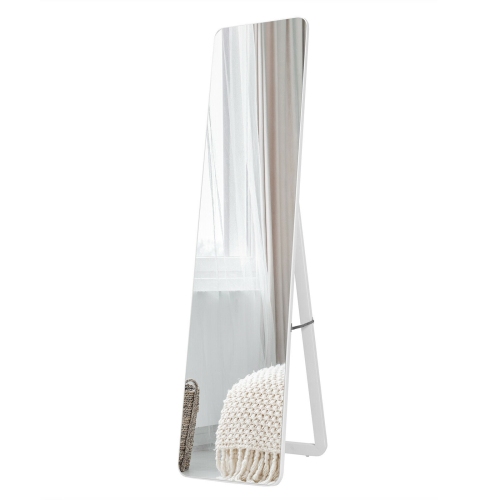
Size and placement determine whether a mirror feels settled into a living room or disconnected from it. Above a sofa or console, a mirror that is narrower than the furniture below generally leaves a comfortable margin on either side. A very small mirror on a broad wall may feel isolated unless it forms part of an arrangement with artwork or other wall accents. An oversized mirror has a stronger architectural presence, but its frame, weight, and reflection need room to work. Measuring the wall and marking the proposed outline with removable paper makes it easier to picture the proportions before installation. The space between the furniture and the lower edge of the frame matters, too: enough clearance keeps the arrangement from feeling crowded, while an excessive gap can make the mirror appear to float away from the furniture. Placement should account for the room as it is actually used, including sightlines from a seated position. A mirror that looks balanced while standing may reflect a bright ceiling fixture directly towards someone relaxing on the sofa. Near a television, its position can also introduce distracting reflections, so checking the view from the main seats is worthwhile. Portrait orientation can suit a narrow wall between openings, while landscape orientation often follows the lines of a long console or sofa. Some mirrors support both orientations, but the supplied fittings and mounting instructions determine what is permitted. Wall construction is another practical consideration, since drywall, masonry, and studs require suitable hardware and different installation methods. A heavy mirror needs secure support appropriate to its weight, not simply a hook chosen for convenience. Over a fireplace, clearances and exposure to heat must comply with the requirements for both the fireplace and the mirror. Floor-standing styles need enough depth to remain outside walkways, and leaning designs should be secured as directed, particularly in homes with children or pets.
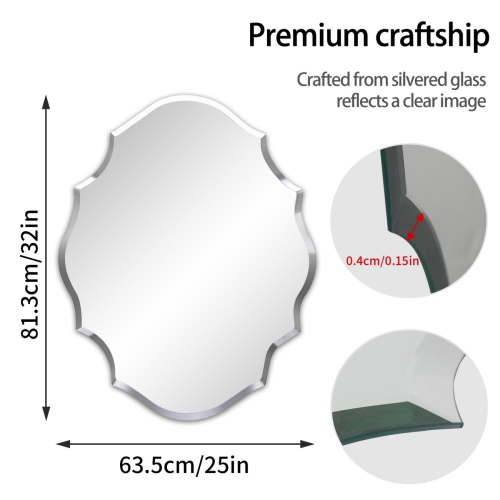
Materials and construction influence how a decorative mirror looks up close, how it holds up to daily life, and how much attention it needs. Solid wood frames can show natural variations in grain, while wood veneer provides a real wood surface over a supporting core. Engineered wood can offer a smooth, consistent base for painted or wrapped finishes, though exposed edges may be vulnerable to moisture. Metal frames range from fine, understated borders to substantial profiles, with painted, plated, or brushed surfaces each requiring suitable care. Resin and moulded frames can carry intricate detailing, but raised edges and narrow flourishes deserve careful handling when the mirror is moved. Frameless designs place more emphasis on the glass outline, and bevelled edges catch light differently from flat, polished edges. A deliberately aged reflective finish creates a softer, more atmospheric effect, whereas clear glass is better suited to a crisp reflection and everyday appearance checks. Glass quality, flatness, and secure backing all contribute to the finished result; a mirror intended for regular use should provide a reflection that suits that purpose without distracting distortion. For routine care, a soft, lint-free cloth helps remove fingerprints and dust without scratching the surface. Where the care instructions allow glass cleaner, applying it to the cloth rather than spraying the mirror directly helps prevent liquid from collecting along the edges or reaching the backing. Frames may need a separate cleaning method, especially when they have textured paint, wood finishes, or metallic detailing. Abrasive pads and harsh cleaners can damage these surfaces, and carved recesses are often better dusted gently with a soft brush. During a move, protecting the corners and supporting the frame helps reduce the risk of chips, cracks, and loosened joints. A mirror can also make a thoughtful housewarming or wedding gift when the recipient’s style, wall space, and ability to mount it are known. Whether chosen for a first apartment, a shared family room, or a formal sitting area, the most useful design balances a pleasing reflection with proportions, construction, and care needs that fit the home.
Top selling and popular products
-
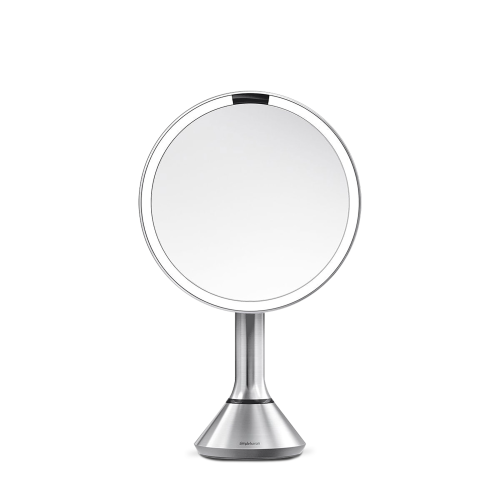 Your price for this item is $270
-
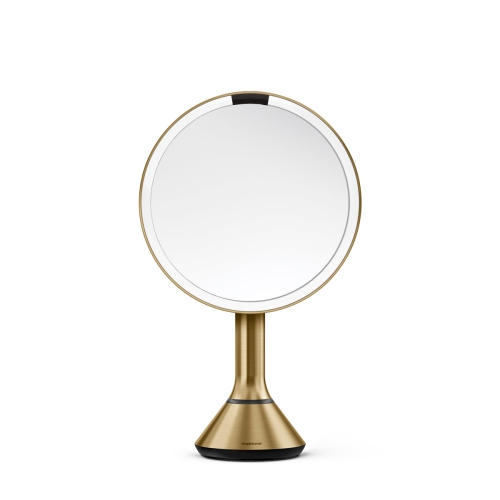 Your price for this item is $270
-
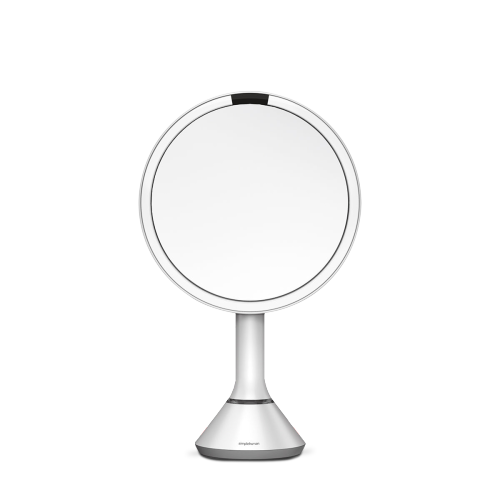 Your price for this item is $270
-
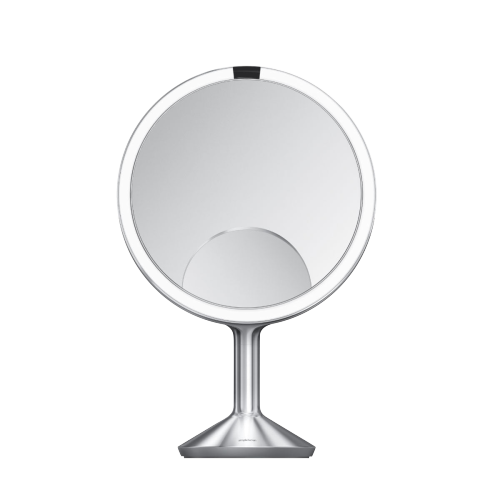 Your price for this item is $450
-
 Your price for this item is $184.99
-
 Your price for this item is $149.99
-
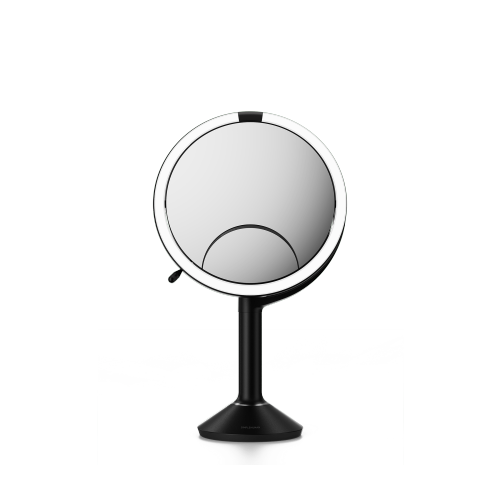 Your price for this item is $400
-
 Your price for this item is $399
Discover more categories related to Decorative Mirrors for Living Room
Top Collections:
Pokemon Centers, Pokémon 30th Celebration Cards, Best Budget Office Chairs, Kindle Devices, Best Cameras for Sports Photography, Canon G7X Cameras, Best Black Friday Deals On Electronics, Best Laptops for Writers, iPhone 15 Apple, Jackery Power Stations
Some products may be subject to Environmental Handling Fees
(EHF) depending on your province.
Learn more about EHFs.