Decorative Outdoor Rugs
Transform your outdoor spaces into inviting retreats with decorative outdoor rugs that combine style and functionality. Perfect for patios, decks, or balconies, these rugs are designed to withstand the elements while adding a touch of elegance to your exterior decor. Available in a range of colors, patterns, and sizes, they offer endless possibilities to complement any outdoor aesthetic. Whether you're hosting a summer barbecue or enjoying a quiet evening under the stars, an outdoor rug can enhance comfort and warmth, making your space feel like an extension of your home. Discover how these versatile pieces can elevate your outdoor experience today.
Sort



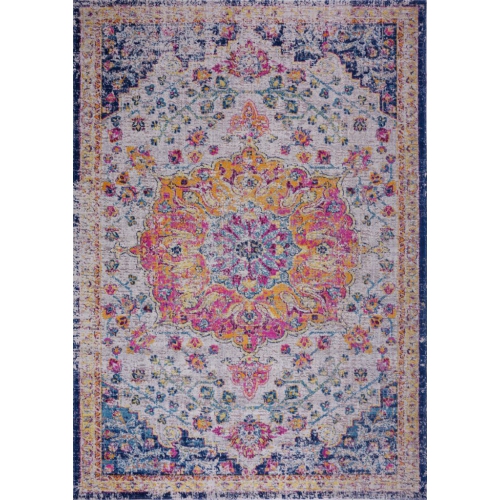
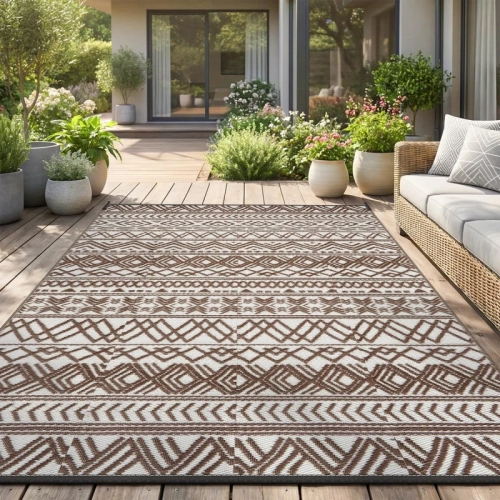


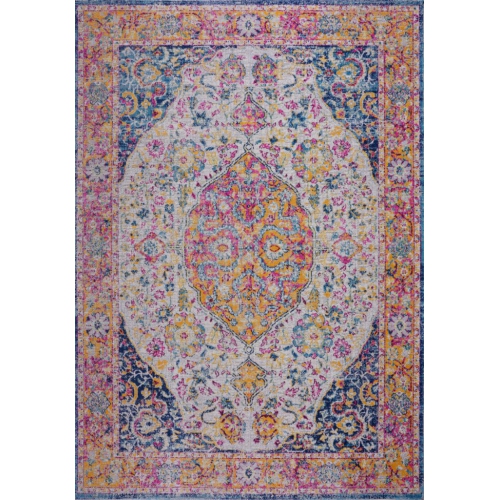

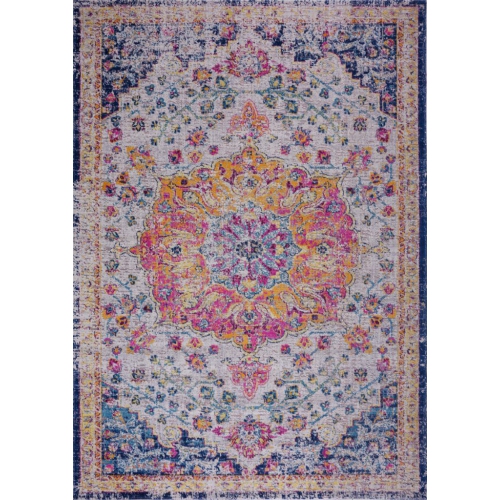
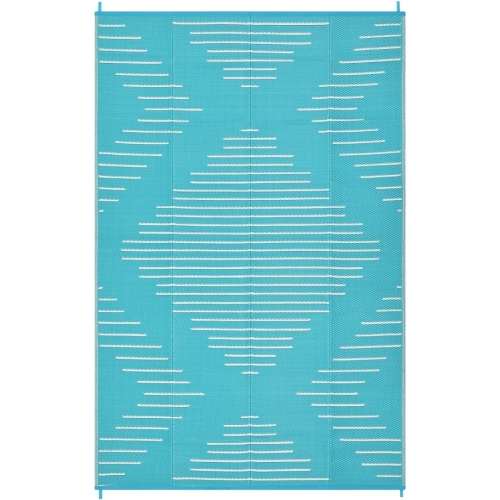

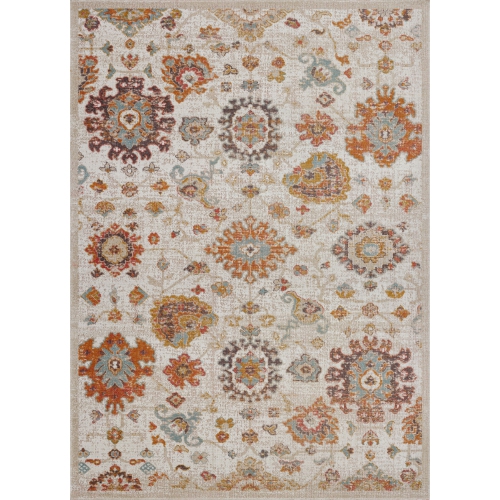
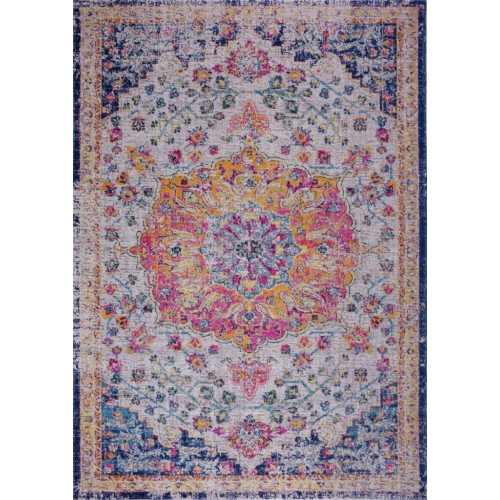


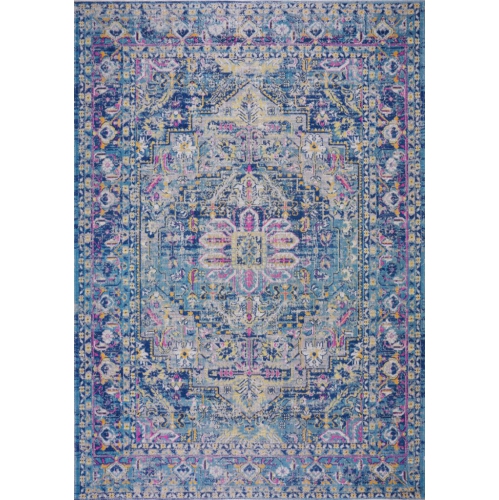


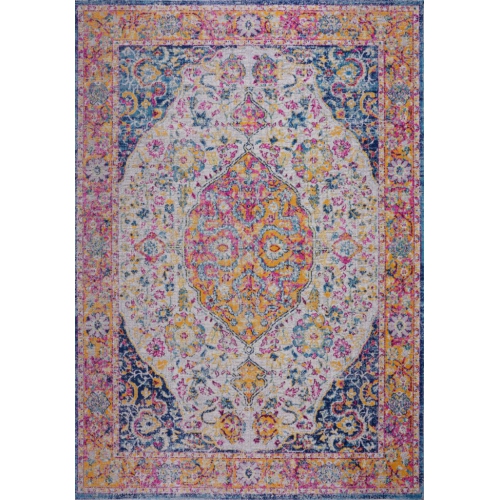


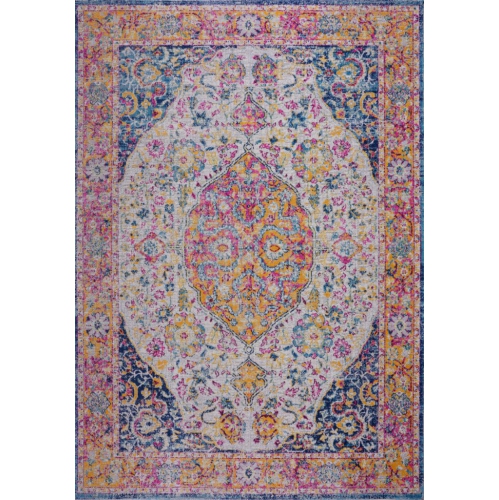

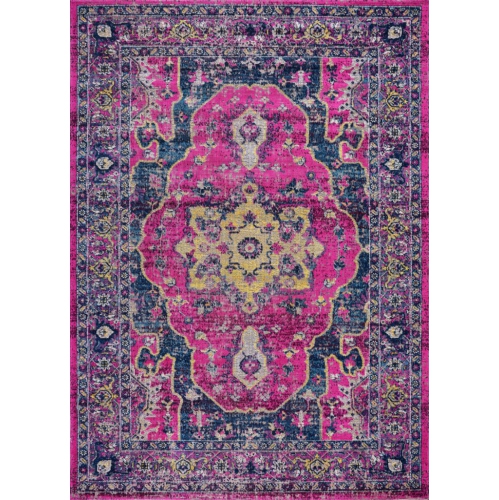

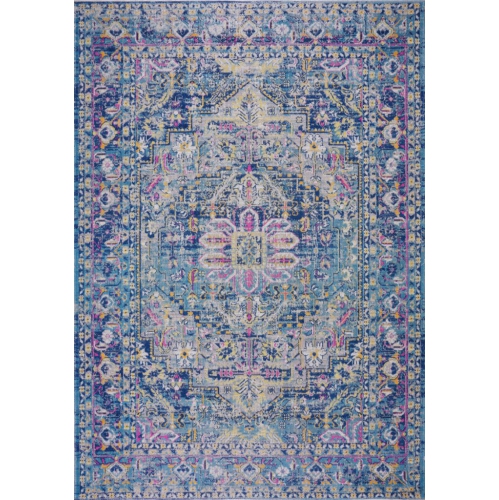






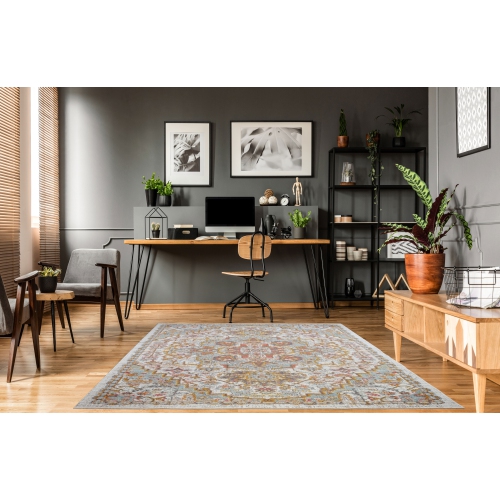
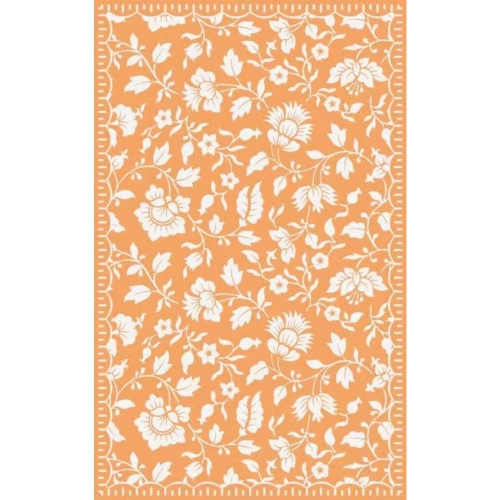
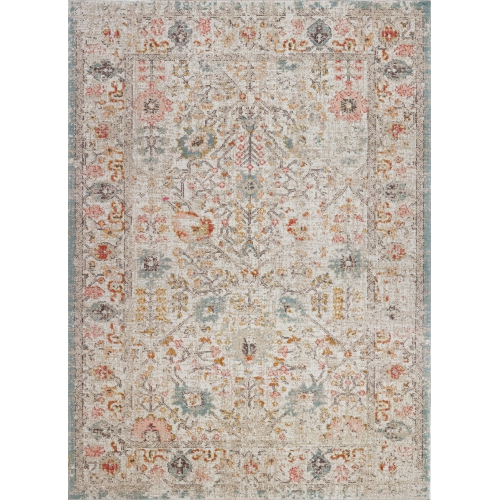


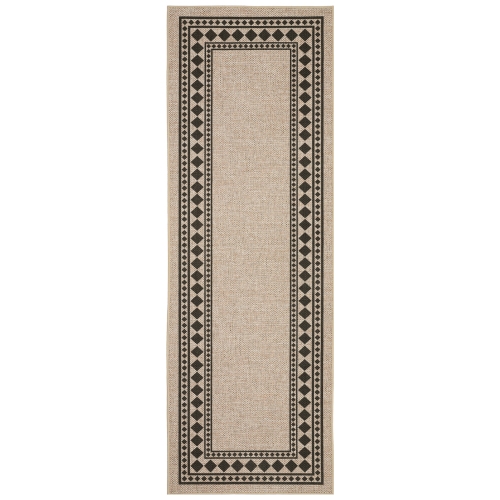
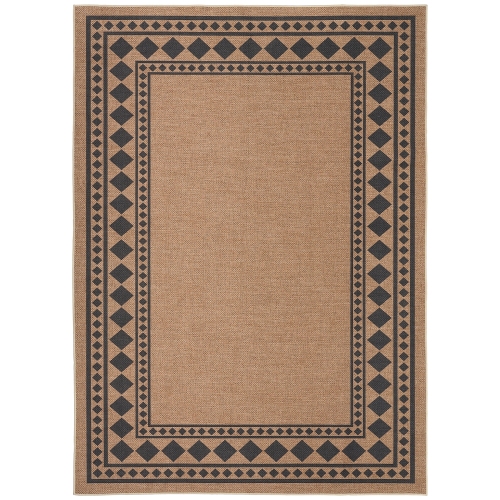


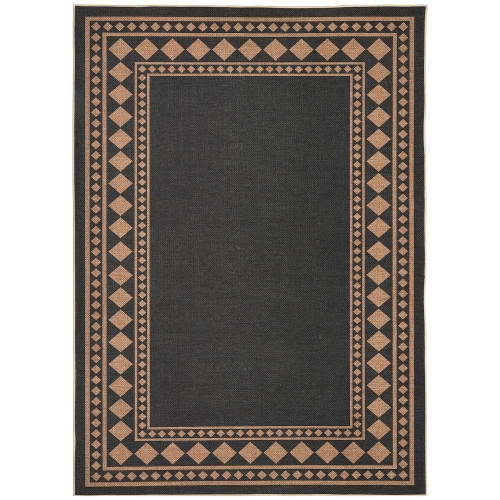

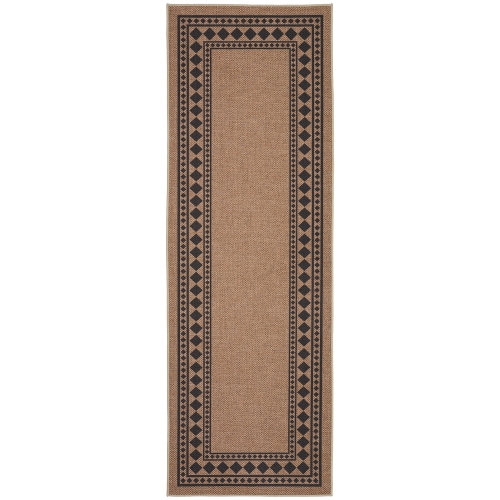
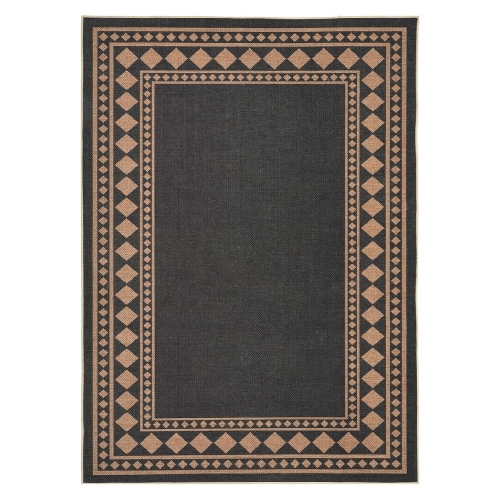
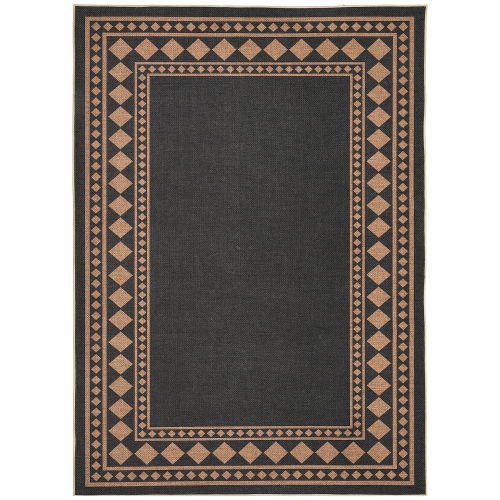
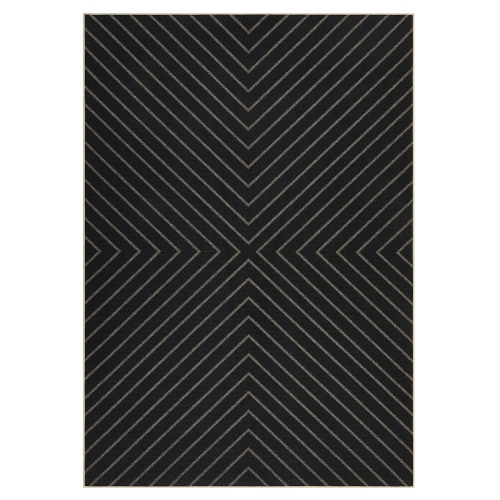
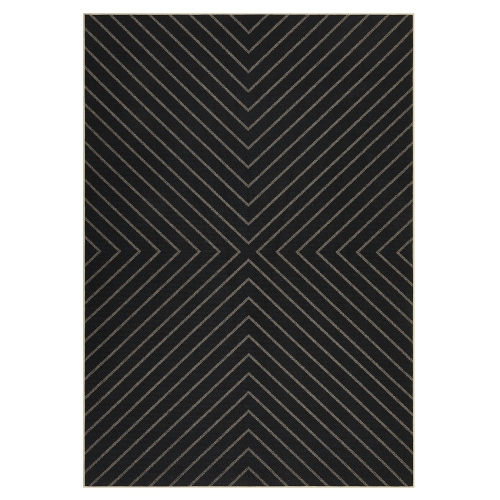
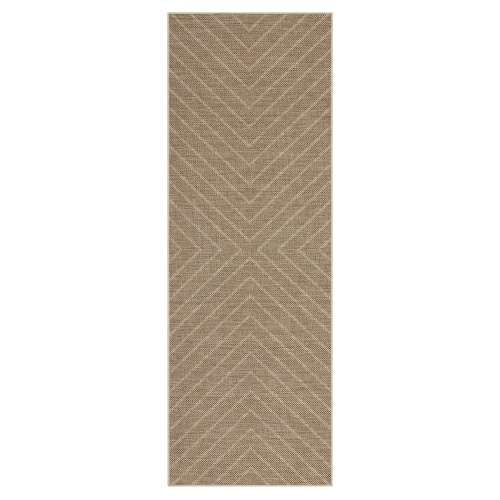
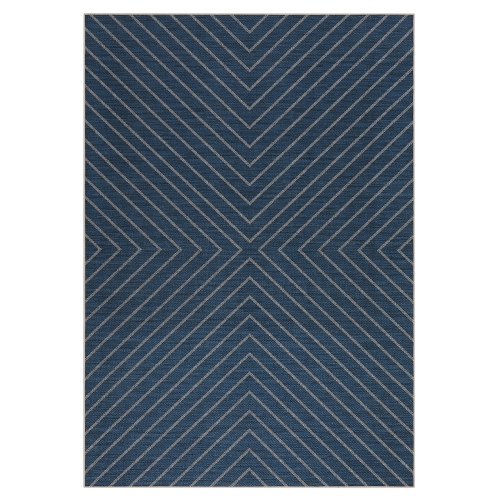
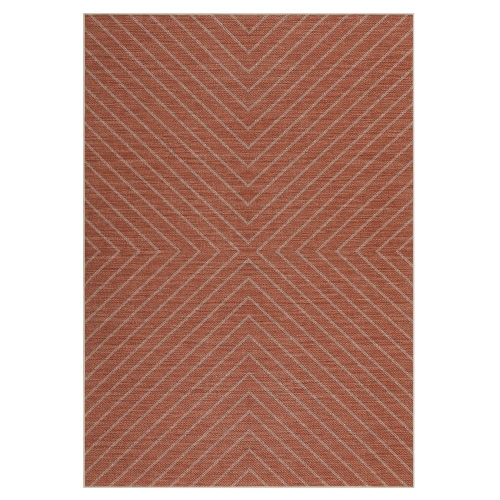
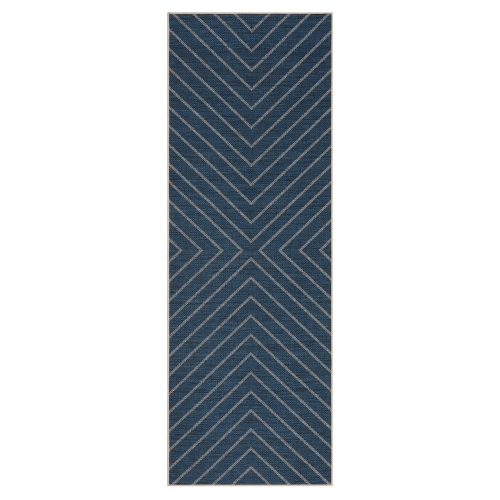
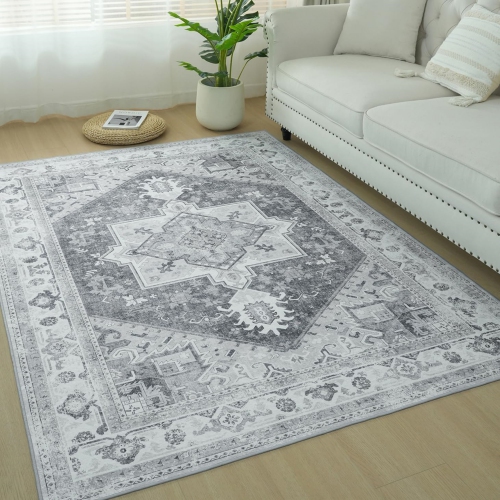
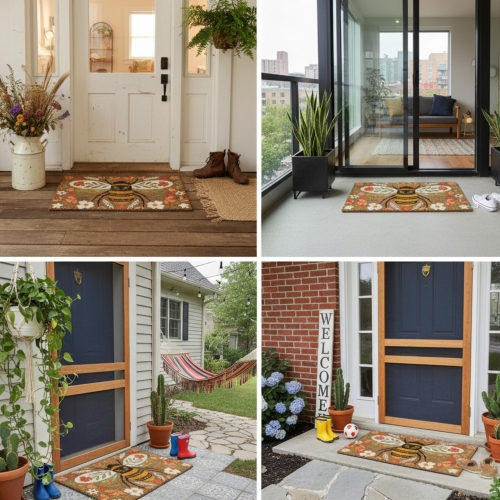
A well-placed rug pulls your patio together
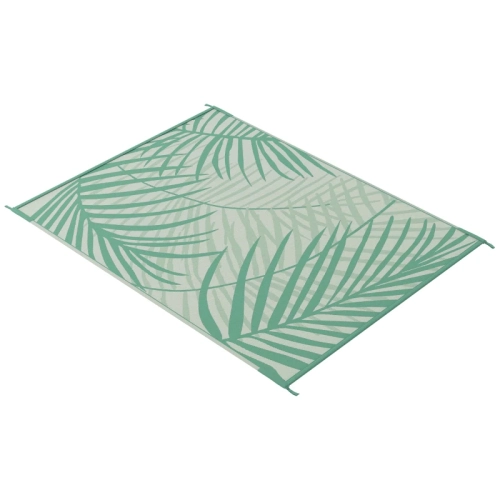
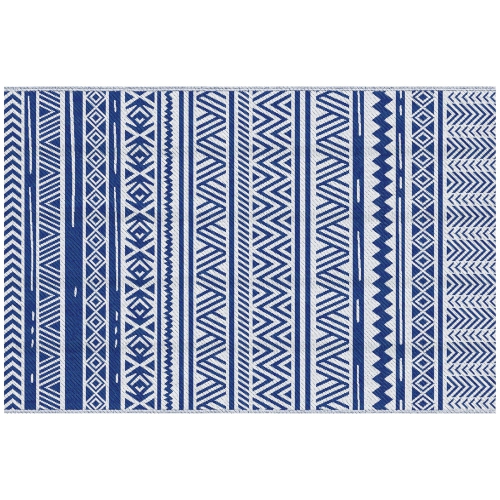
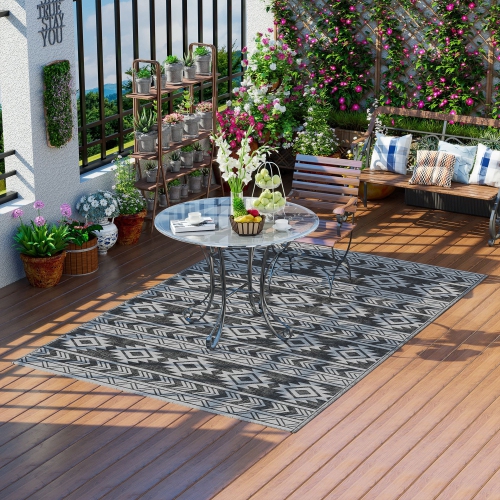
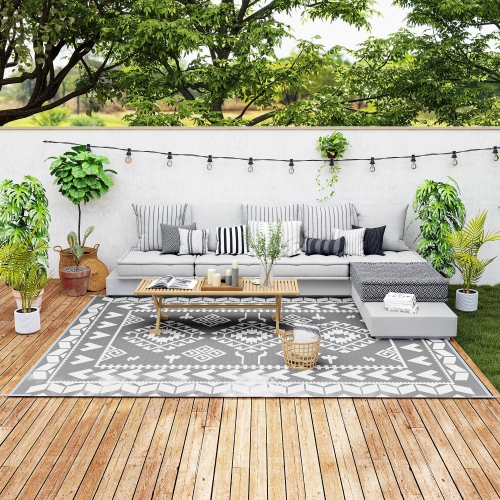
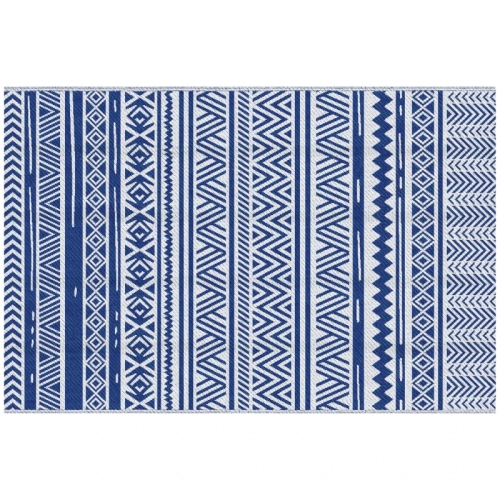
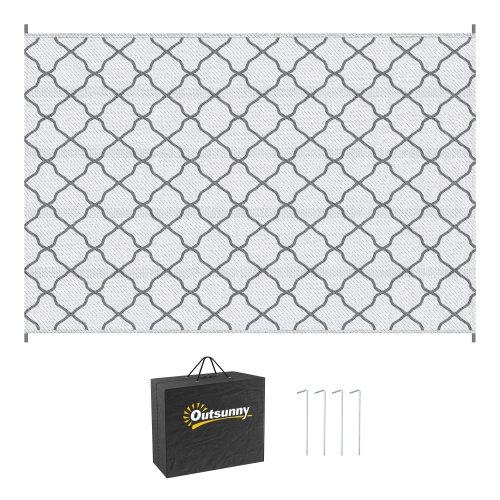
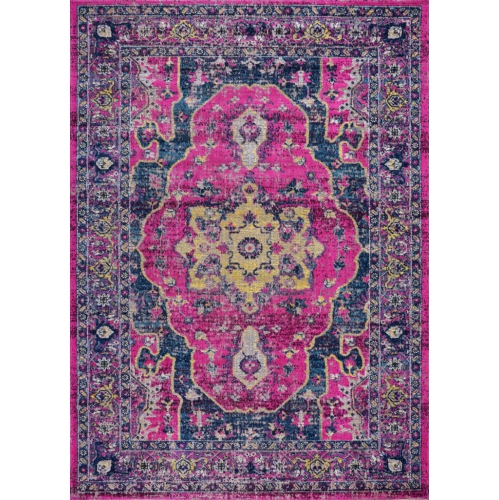
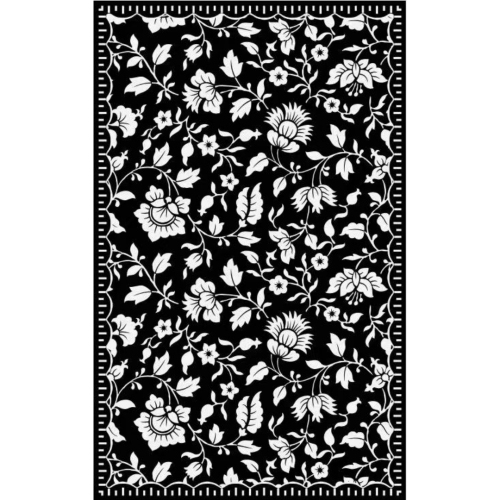
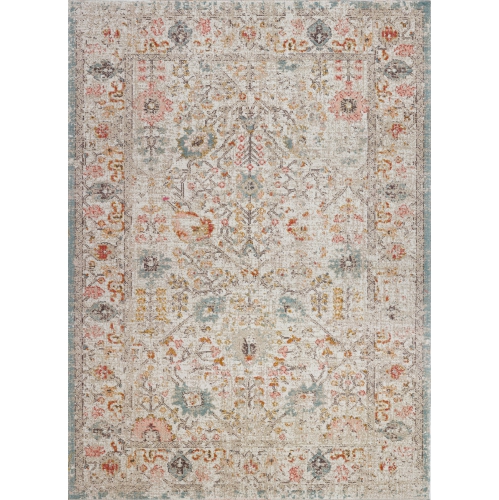
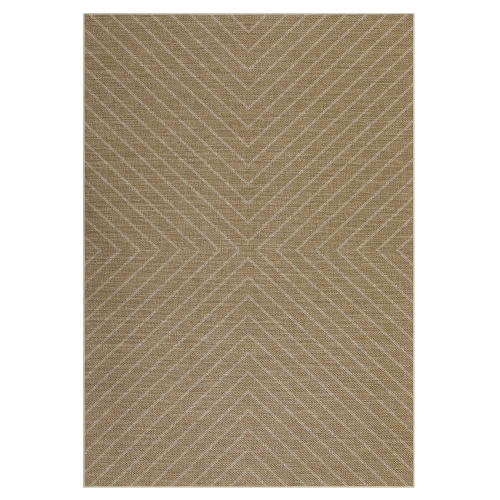
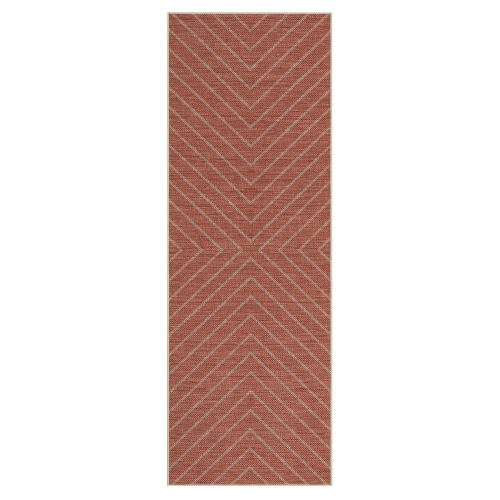
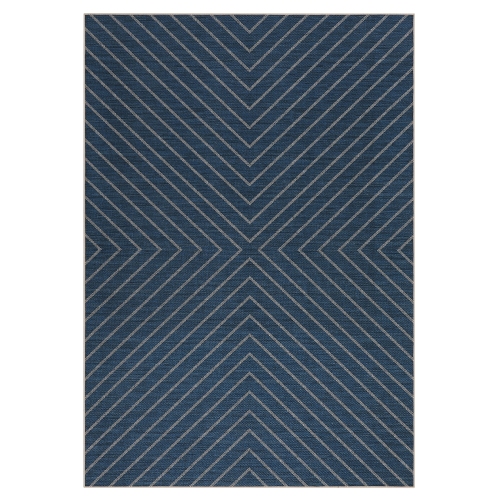
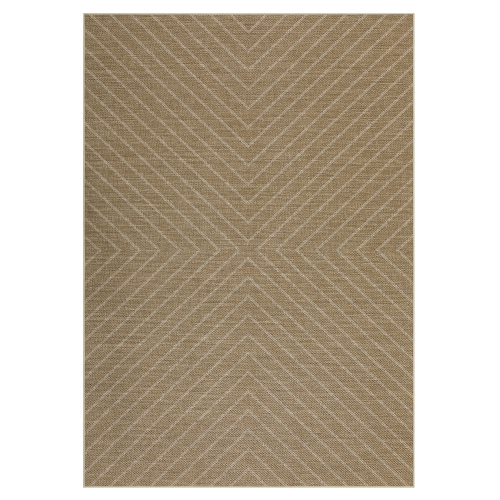
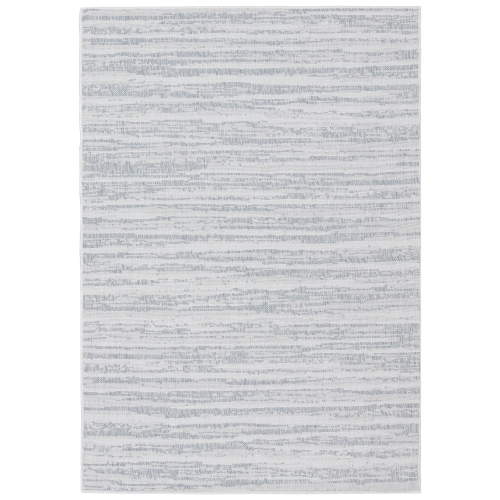
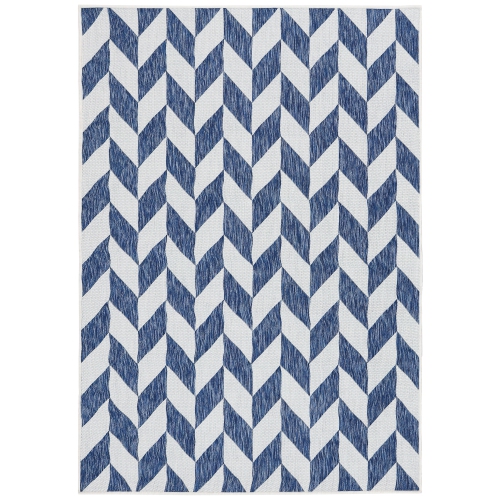
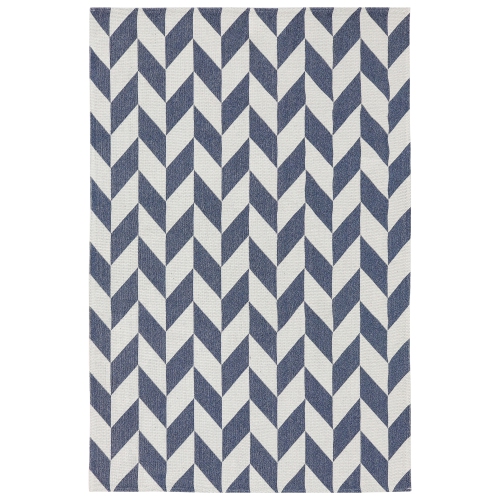
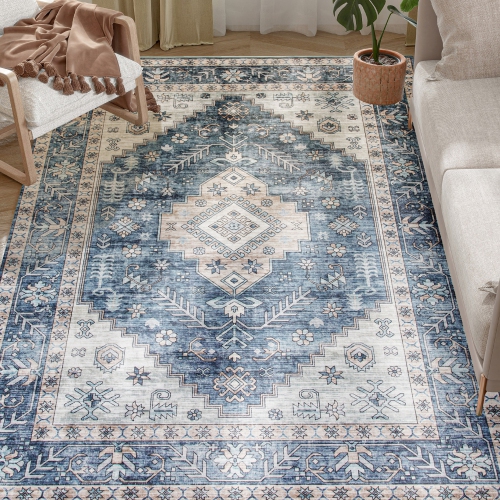
Decorative outdoor rugs bring colour, pattern, and underfoot comfort to patios, decks, balconies, and porches, helping outdoor seating and dining areas feel more thoughtfully arranged. A rug can anchor a sofa and coffee table, frame a bistro set, or turn an otherwise bare corner into a comfortable place to read. Unlike an indoor rug placed outside temporarily, an outdoor-rated rug uses materials and construction intended for exposure to outdoor conditions, although its suitability for uncovered spaces depends on its care instructions. Polypropylene is a common choice because its fibres absorb little moisture and are generally easy to clean. Polyester is another option, with a soft feel and the ability to carry detailed patterns and rich colours. Fibre type alone does not determine performance: the weave, backing, edge finishing, and any protective treatments also matter. Flatwoven designs offer a streamlined look, while textured weaves introduce subtle variation without relying on bold prints. Geometric patterns can echo the straight lines of deck boards or modern furniture, and botanical motifs work naturally beside container gardens and leafy planters. Stripes can draw attention along a narrow balcony, while a muted border gives a busy seating arrangement a more settled appearance. For a brighter focal point, colourful outdoor rugs can bring together cushions, patio umbrellas, and painted accessories without requiring every piece to match. Terracotta, blue, green, and warm neutral tones each create a different mood, especially when paired with wood, metal, or woven furniture. Pattern scale changes the effect, too: a large motif remains visible beneath furniture, while a smaller repeating design creates a more continuous surface. Decorative appeal works best alongside practical suitability, so a rug’s intended placement matters as much as its appearance. A sheltered porch with occasional foot traffic has different needs from an open dining area used for frequent family meals.
Size and shape determine how comfortably an outdoor rug fits into everyday activity. In a seating area, a rug large enough to sit beneath the front legs of the main furniture pieces helps connect the arrangement rather than leaving a small rectangle floating under the coffee table. Beneath a dining table, extra coverage around the edges allows chairs to move back without their legs catching on the rug’s border. The useful measurement is the space occupied when people are sitting down or getting up, not just the tabletop itself. On a compact balcony, a smaller rectangular rug can define a sitting spot while leaving room around planters, railings, and the doorway. Round rugs complement circular tables and can soften an angular layout, while runners suit long, narrow spaces where a wider rug would interfere with furniture or foot traffic. Door clearance deserves attention, particularly at balcony entrances and screened porches; even a relatively thin rug may catch beneath a low-swinging door. Low-profile construction is often practical around dining chairs, serving carts, and frequently used walkways because it presents less of an edge for wheels and furniture legs to cross. A smooth, stable installation matters for households with children, pets, or anyone using a mobility aid. A rug pad may help reduce movement, but it needs to be rated for outdoor use and compatible with both the rug and the surface below it. Some backing materials can mark certain deck finishes, so surface-care guidance is worth checking before placement. Rugs should also stay clear of drainage openings and access points. For renters and people furnishing smaller outdoor spaces, a well-proportioned rug offers a noticeable decorative change without permanently altering the setting. In larger layouts, separate rugs can distinguish a conversation area from a dining space, with related colours or patterns keeping the overall arrangement connected.
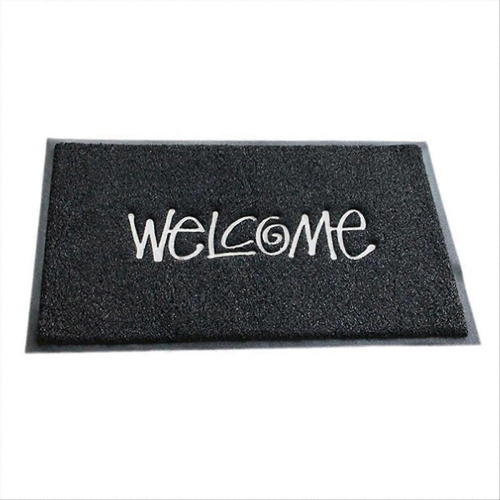
Outdoor rug durability depends on how the rug is made, where it sits, and how it is maintained. Resistance to moisture does not necessarily mean a rug is waterproof, and a surface that sheds a small spill may still need thorough drying after prolonged rain. Sun exposure can also affect colour over time, even when a rug is described as fade-resistant. A covered placement generally limits direct exposure, while an uncovered deck calls for closer attention to drainage and drying. Airflow beneath and around the rug helps moisture escape; a rug left pressed against a damp surface can remain wet underneath after the top feels dry. Furniture feet, plant pots, and decorative containers can create additional spots where water collects, making occasional repositioning useful. Routine care usually starts with removing loose grit, leaves, and crumbs before they settle into the weave. Depending on the care label, that may mean shaking out a smaller rug, sweeping with a soft broom, or vacuuming with a suitable setting. Spills are easier to manage when blotted promptly rather than rubbed into the fibres. For washable designs, mild soap and water may be appropriate, followed by thorough rinsing and drying on both sides, but not every backing or finish is suitable for hosing down. Strong cleaners, stiff brushes, and pressure washers can damage fibres or edging unless the manufacturer specifically permits them. Rugs used beneath dining furniture may benefit from patterns that make small marks less noticeable, while lighter, simpler designs can make debris easier to spot and remove. If a rug will be put away between uses or during extended periods without use, it should be clean and completely dry before being rolled and stored in a dry location. These details support the decorative role of an outdoor rug: a comfortable surface beside a lounge chair, a defined setting for shared meals, or a welcoming accent at a covered entrance, with materials and proportions suited to the way that space is used.
Top selling and popular products
-
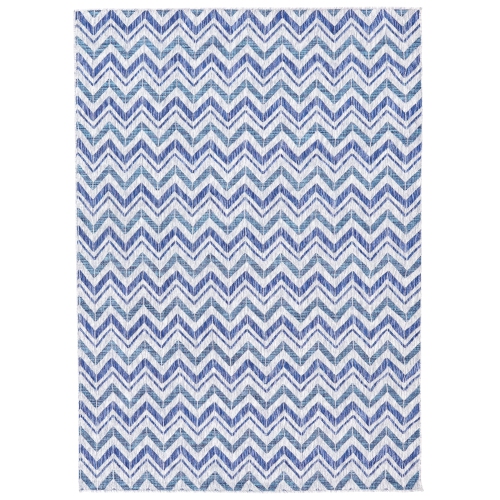 Your price for this item is $129.15
-
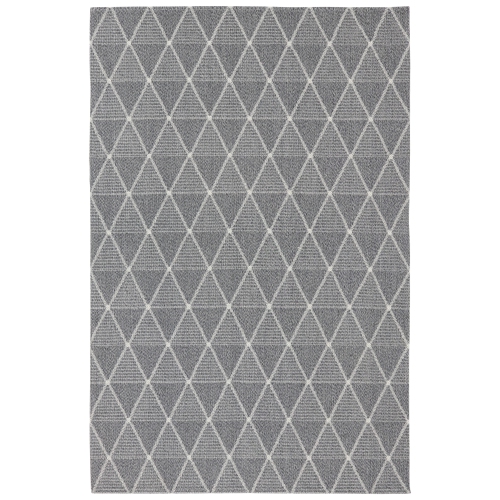 Your price for this item is $130.55
-
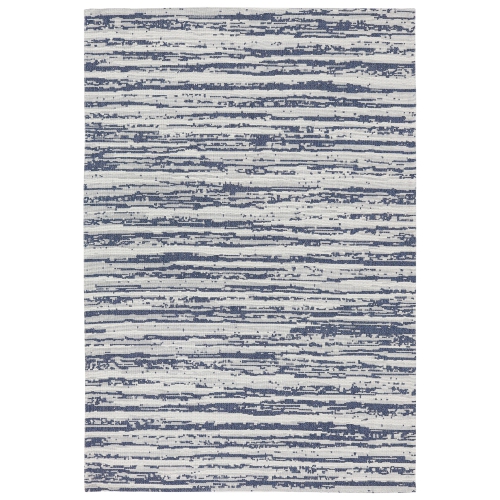 Your price for this item is $130.55
-
 Your price for this item is $129.15
-
 Your price for this item is $129.15
-
 Your price for this item is $130.55
-
 Your price for this item is $111.99
-
 Your price for this item is $124.99
Discover more categories related to Decorative Outdoor Rugs
Top Collections:
Pokemon Centers, Kindle Devices, Best Cameras for Sports Photography, Pokémon 30th Celebration Cards, Apple iPhones 16, Canon G7X Cameras, iPhone 15 Apple, Flip Phones, Samsung Galaxy Phones, Alarm Clock
Some products may be subject to Environmental Handling Fees
(EHF) depending on your province.
Learn more about EHFs.