Office Swivel Chairs
Upgrade your workspace with this selection of office swivel chairs designed to provide comfort and style while you work. Whether you're looking for a sleek, modern design or a more traditional look, we have a variety of options to suit your needs. From ergonomic features to adjustable settings, these office swivel chairs are perfect for creating a productive and comfortable environment in your home office or workplace.
Sort




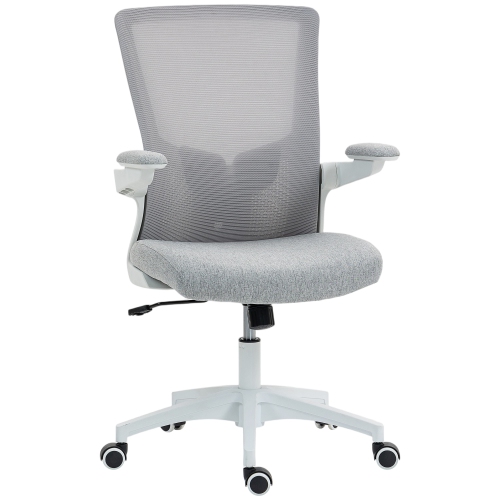
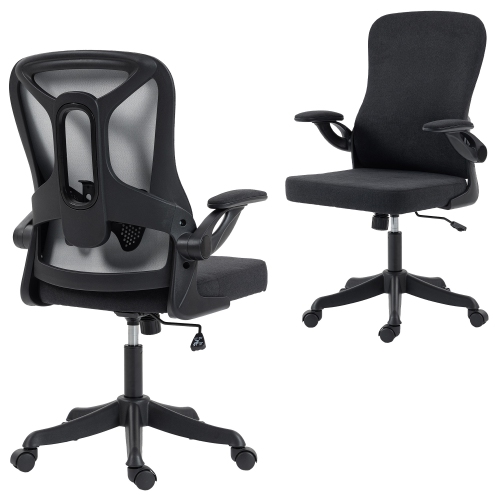
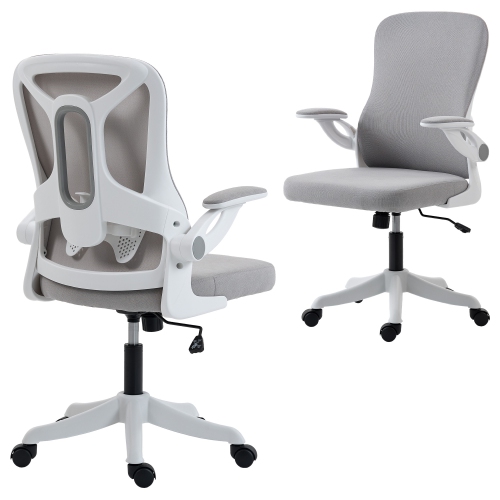
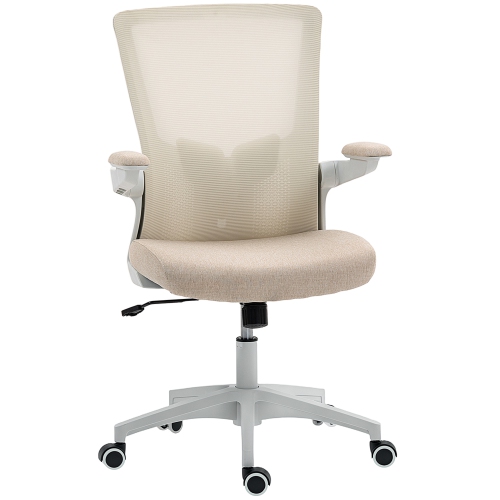





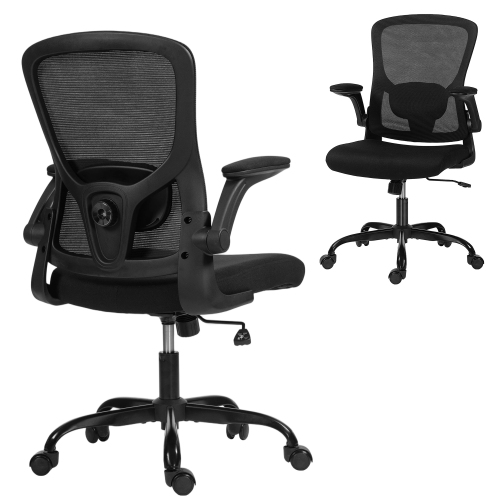
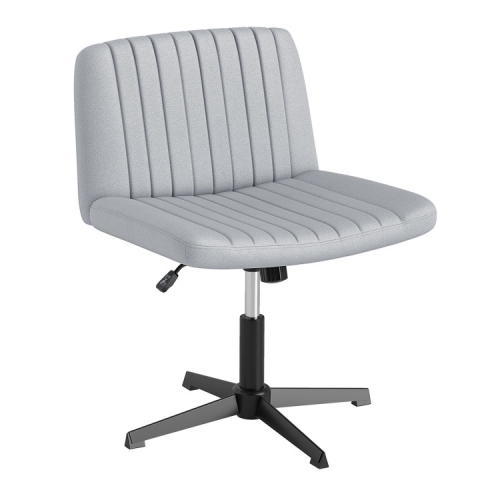
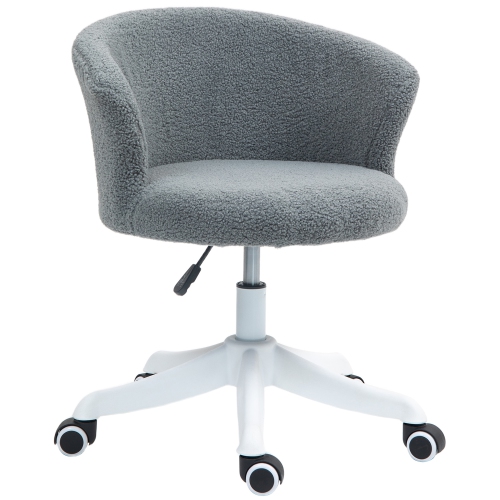

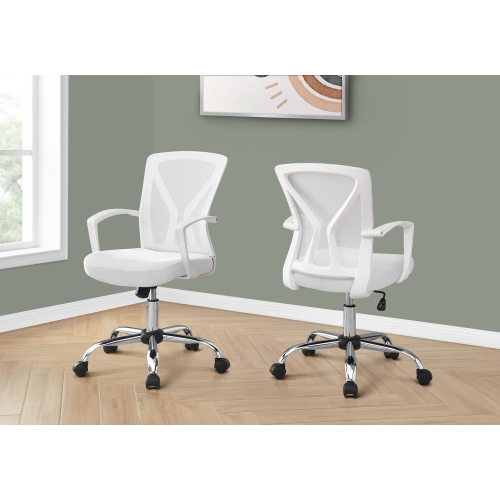
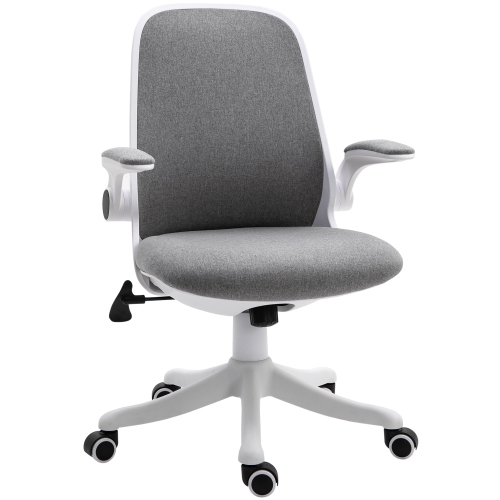


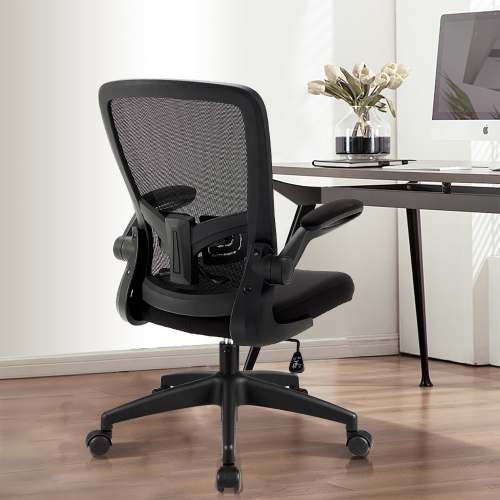


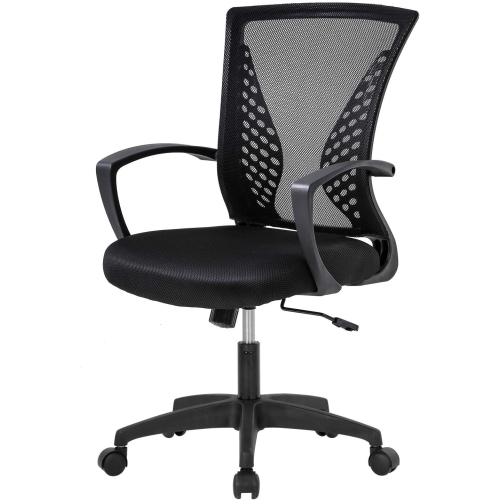
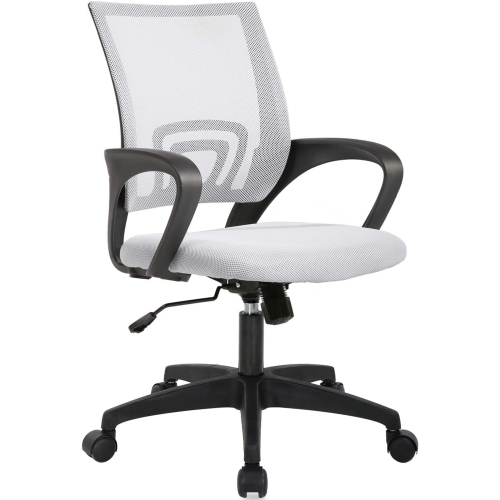

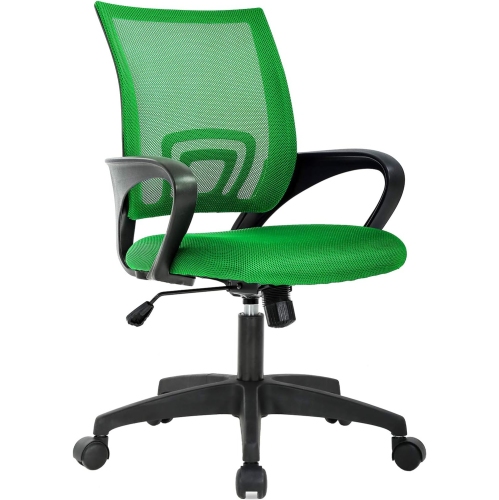

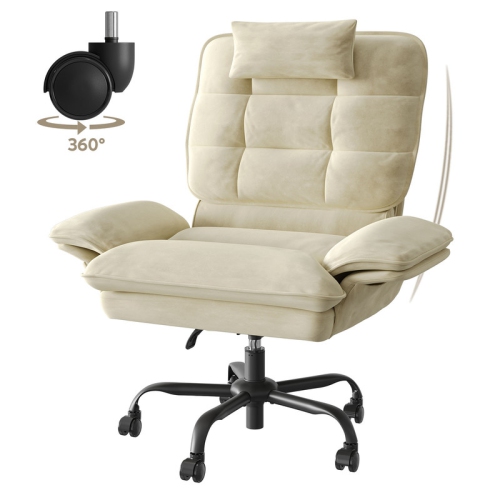
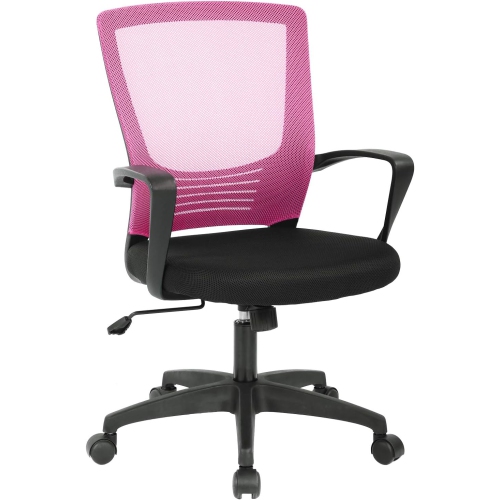
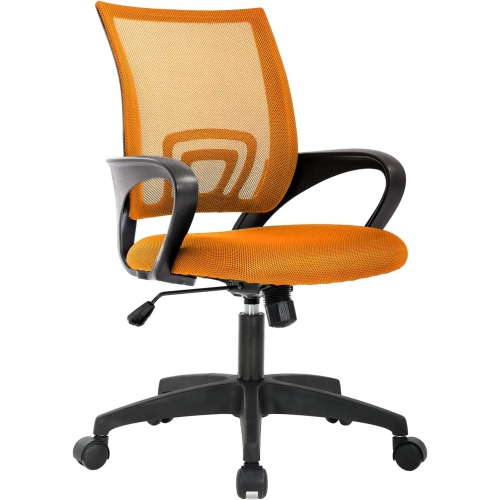

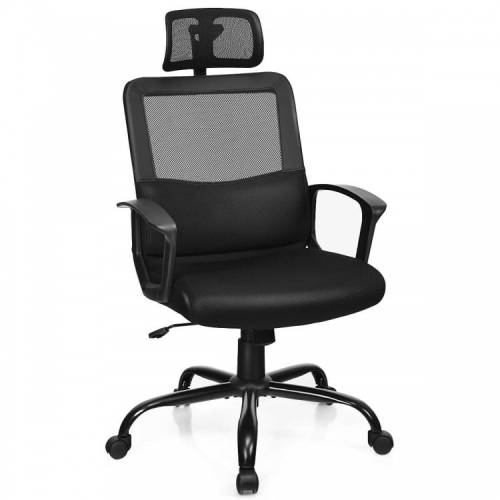
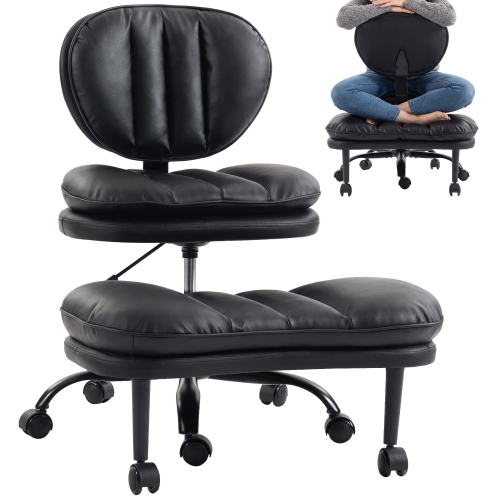
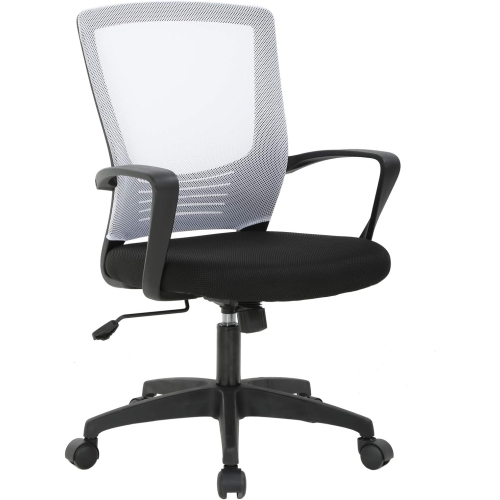
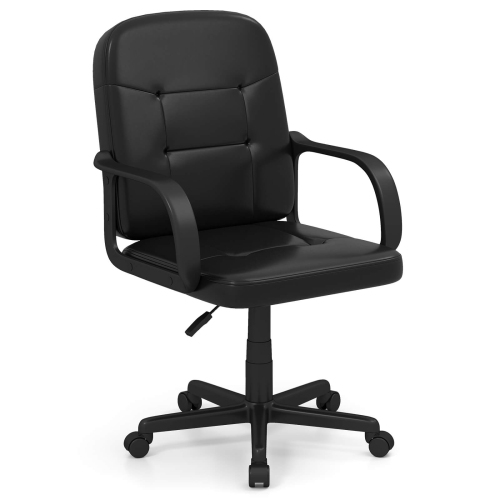
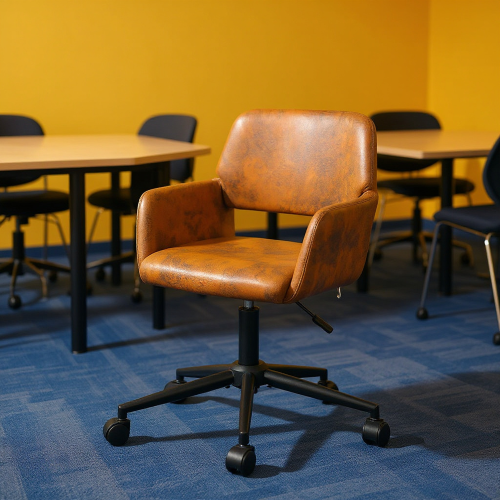
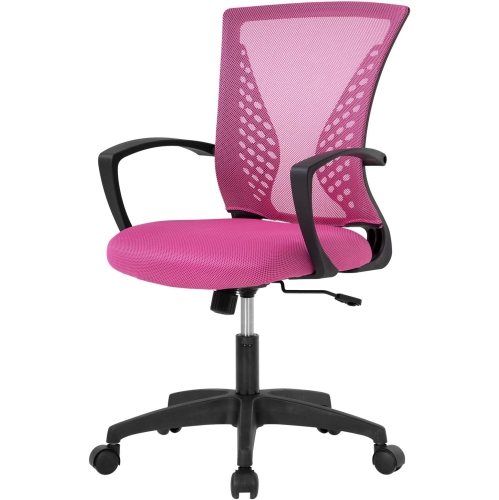

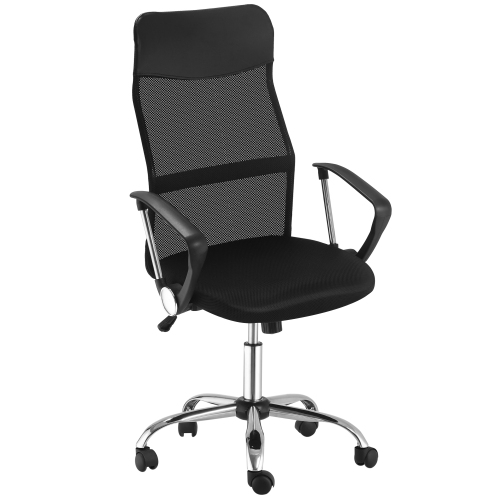

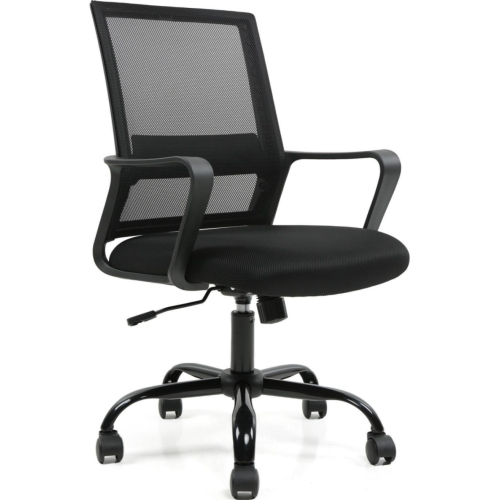


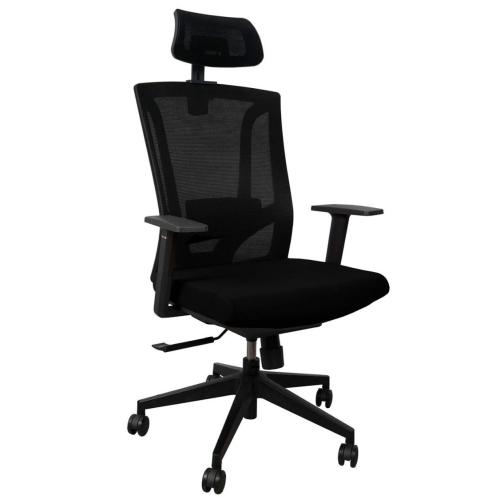
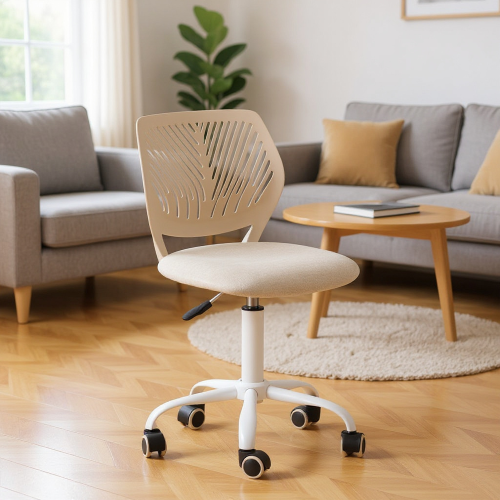
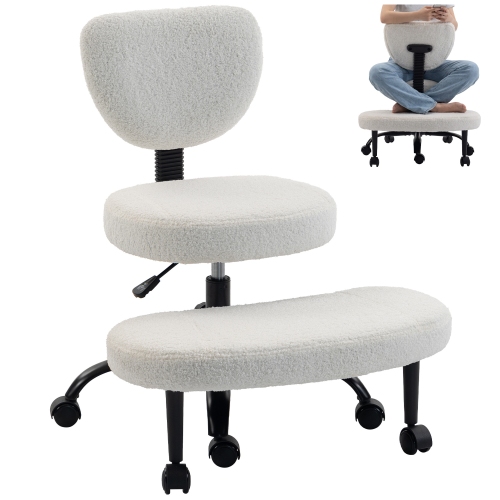


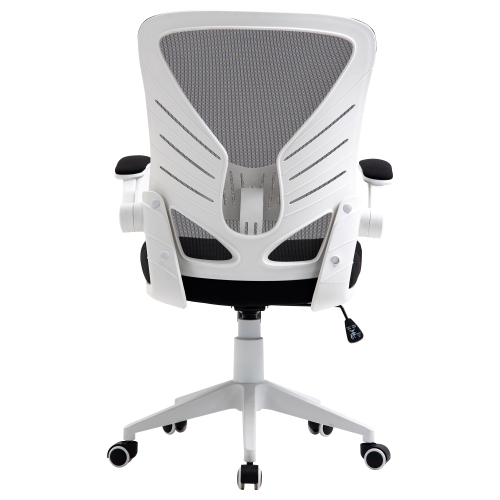
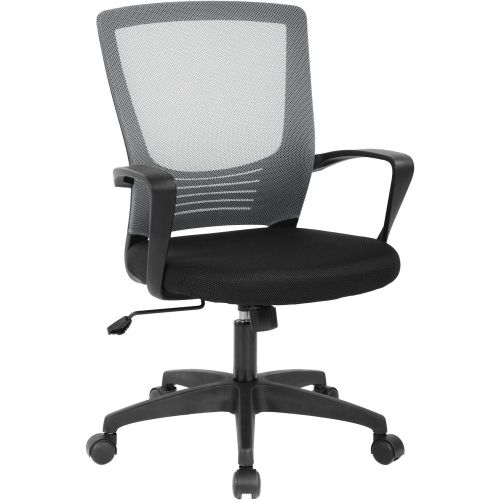

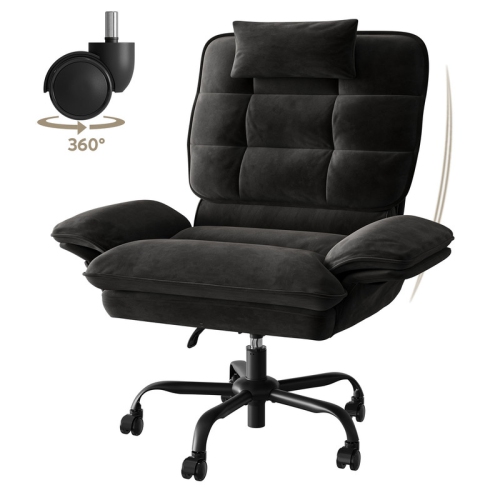


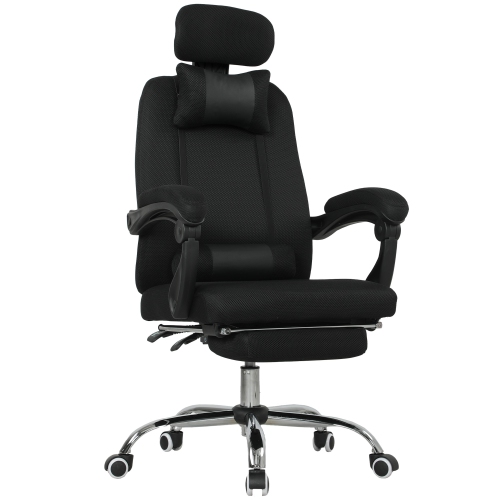
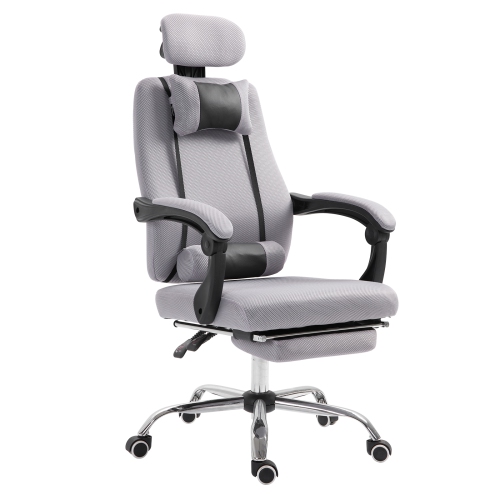

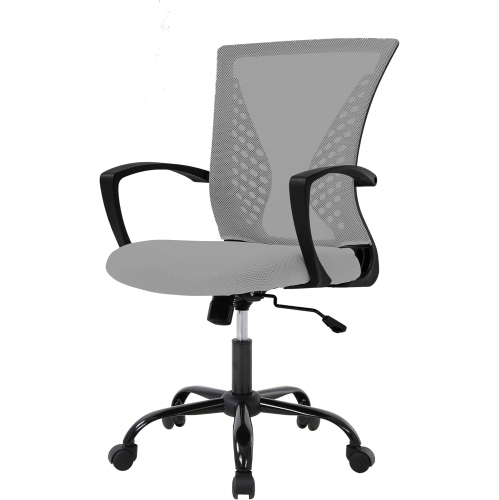
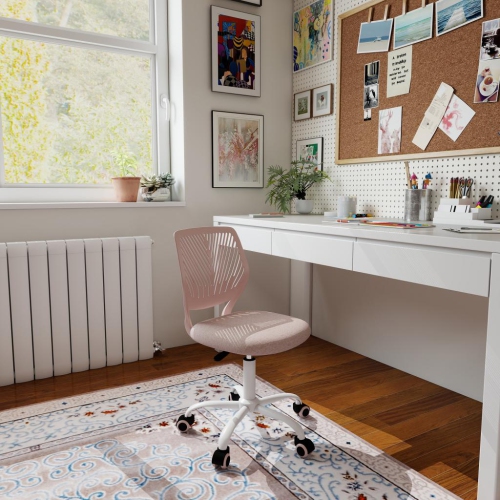
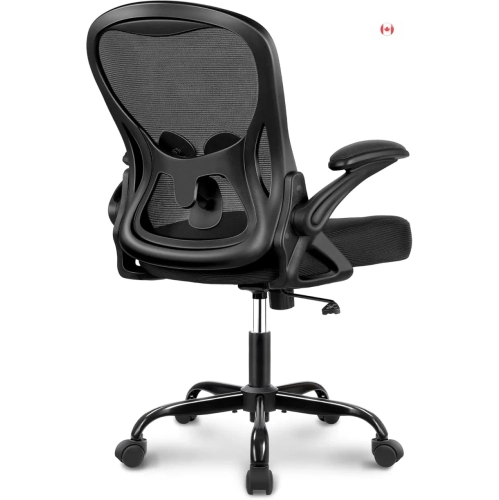


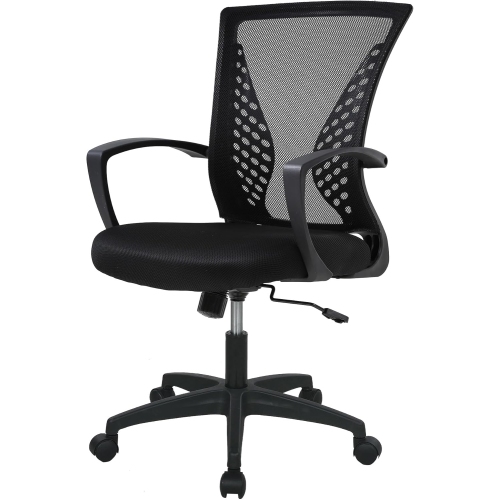
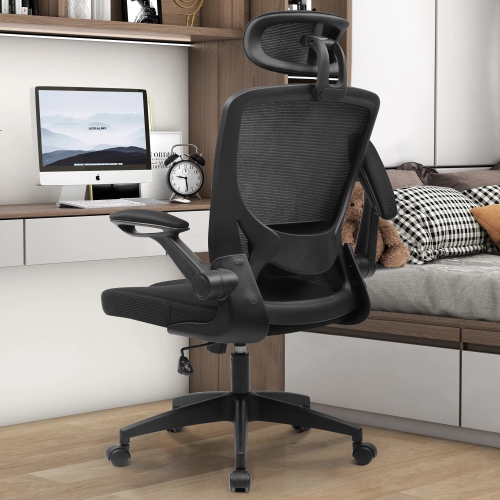

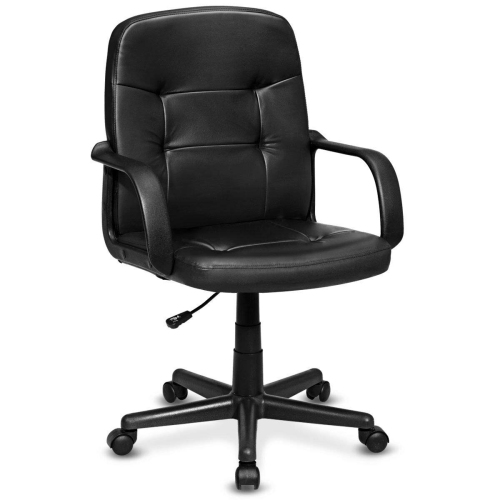
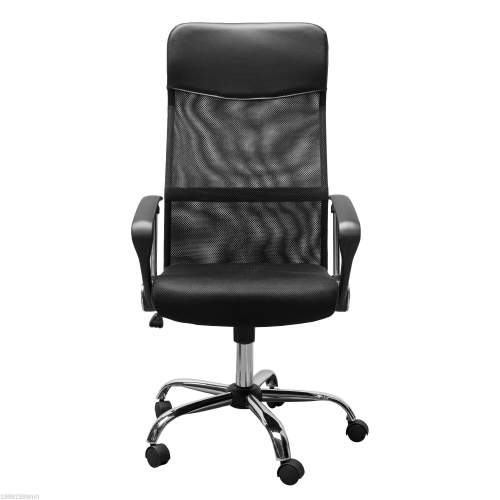


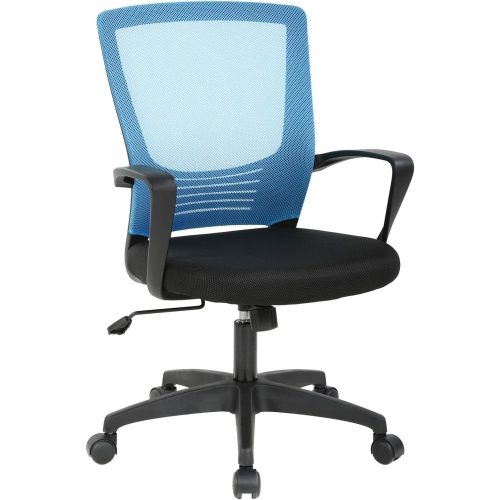


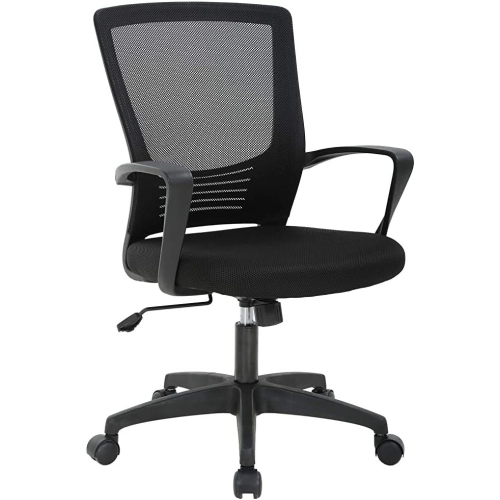
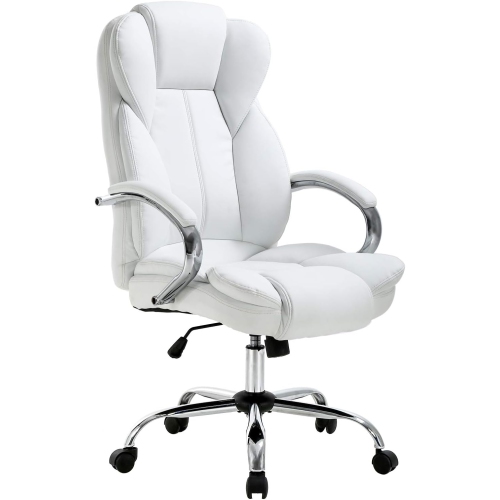
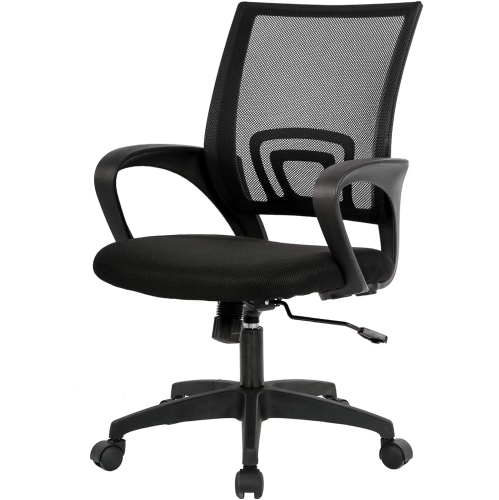


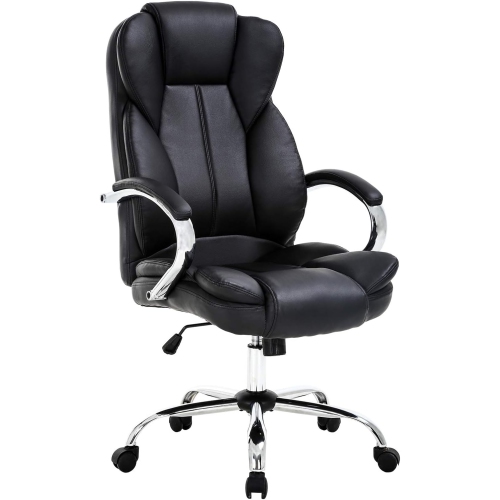
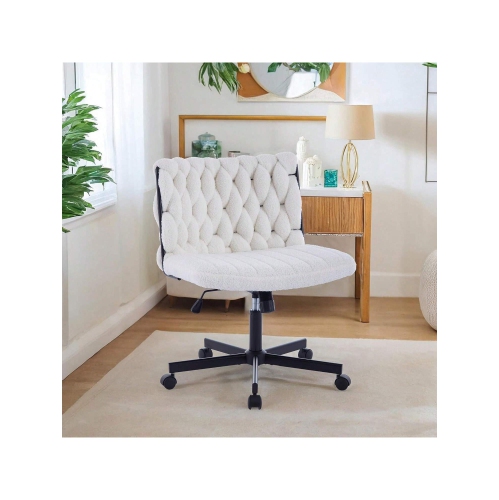
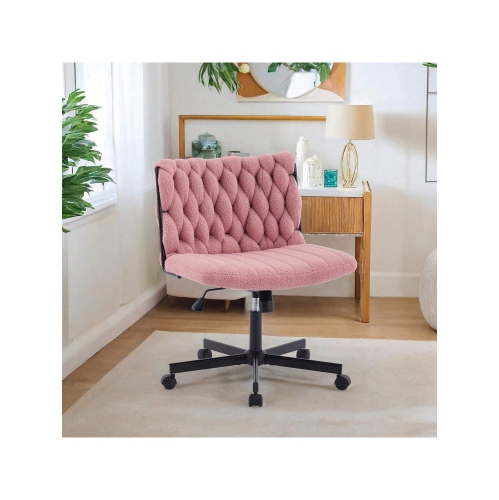
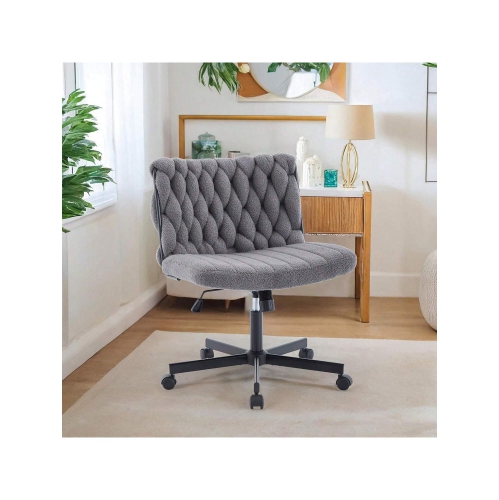

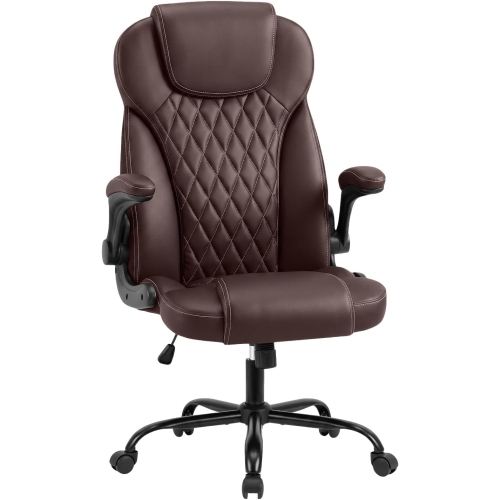
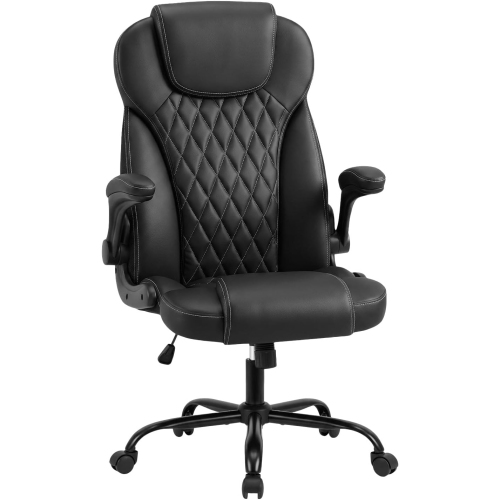

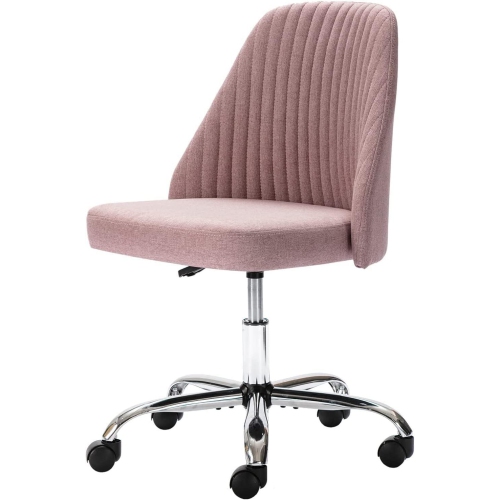

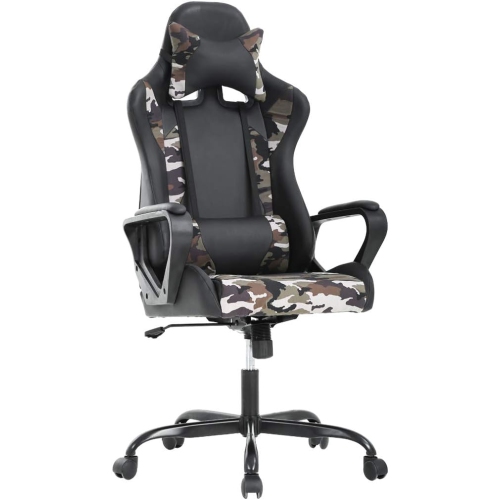
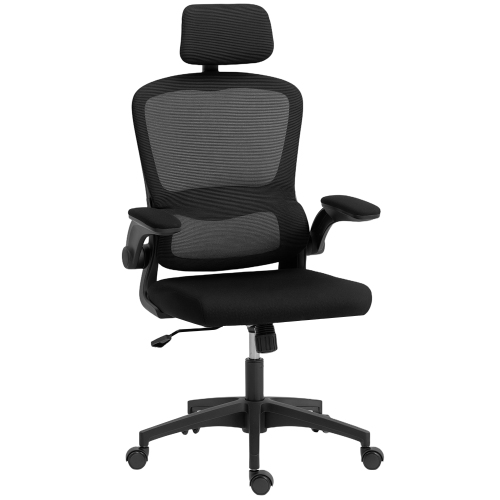


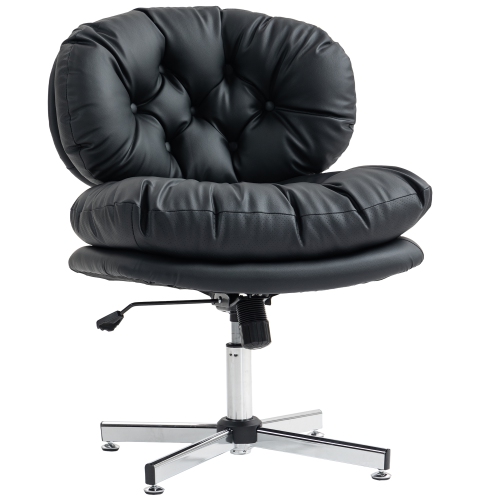
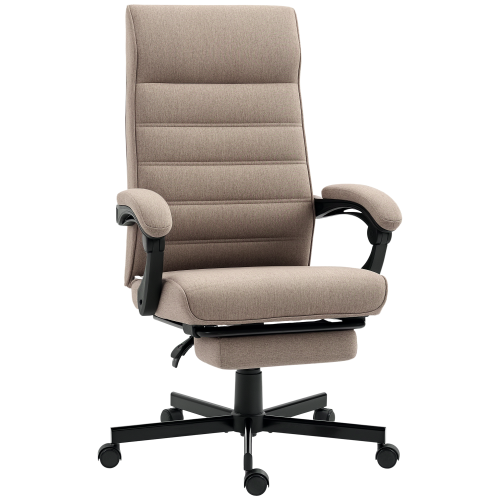
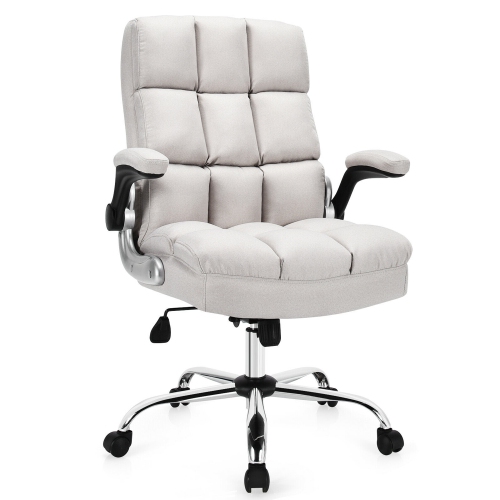
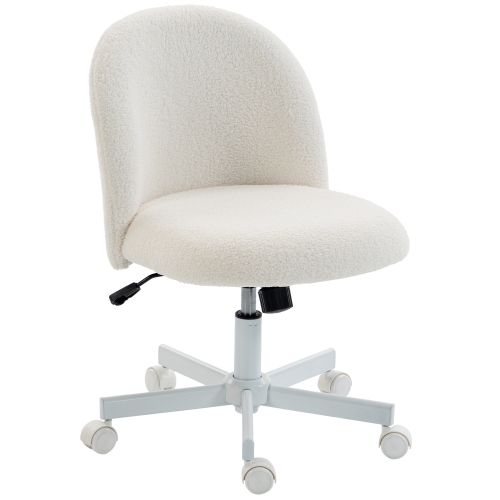



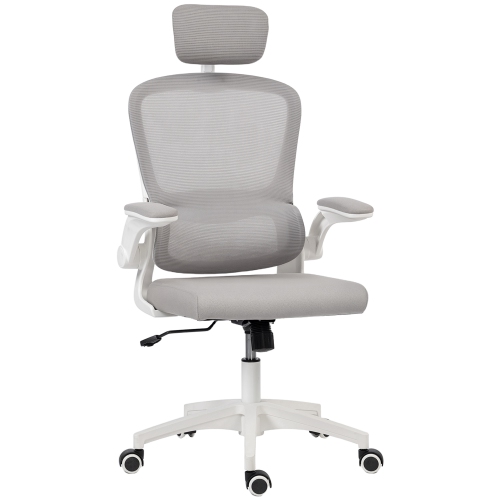
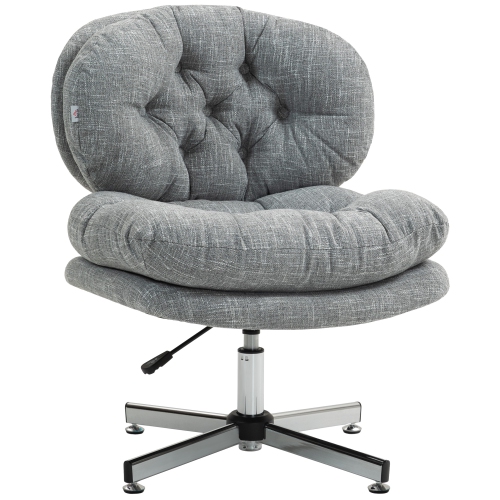

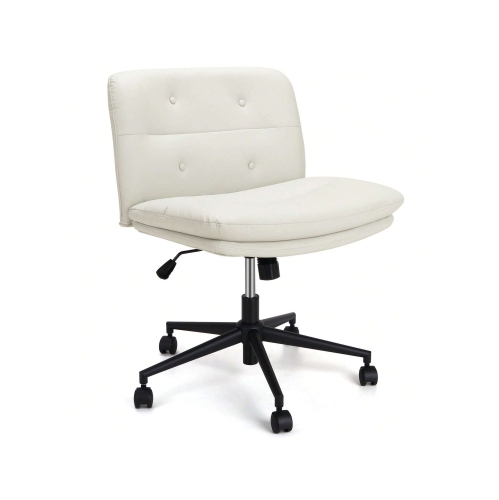
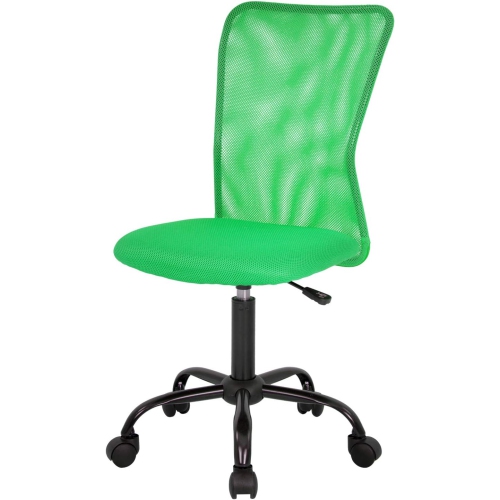

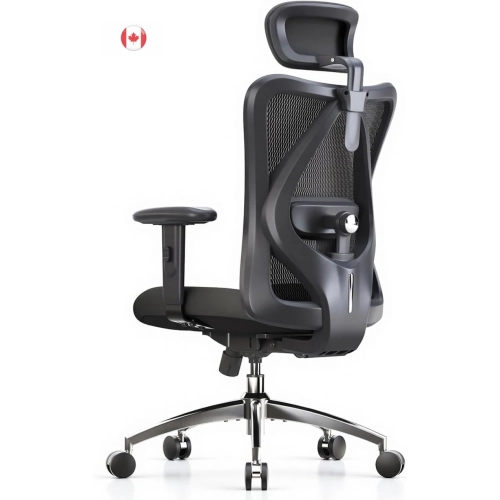
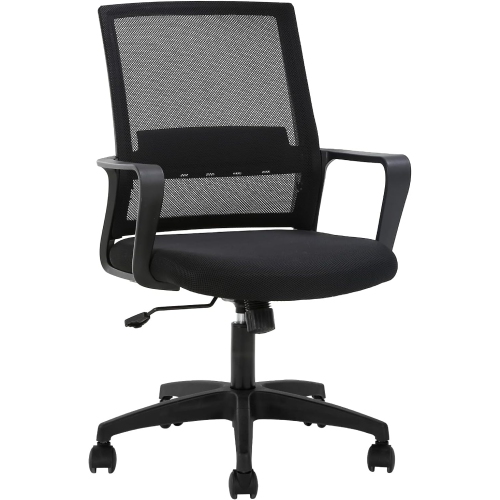

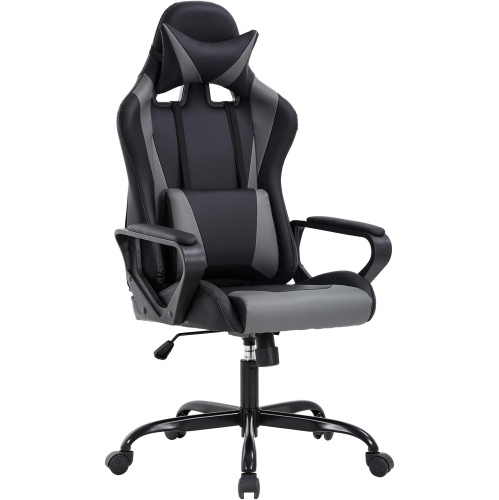

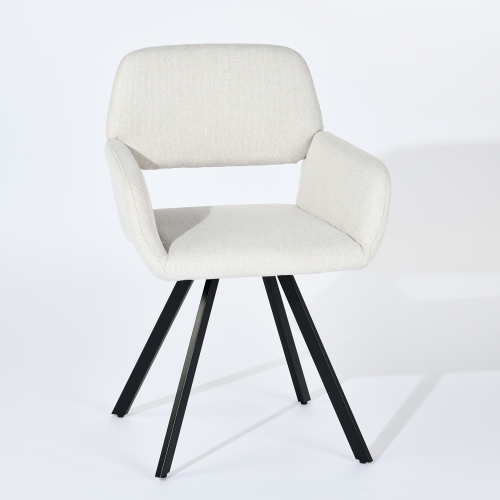
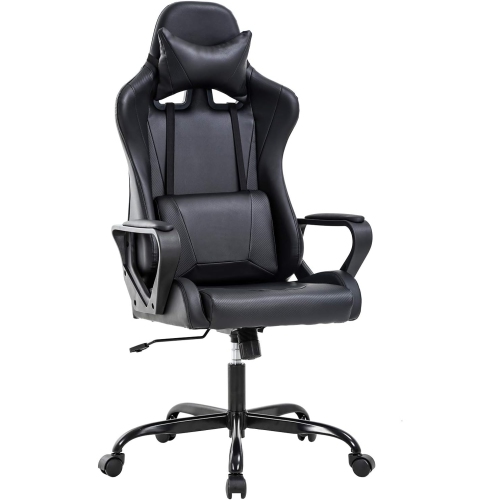
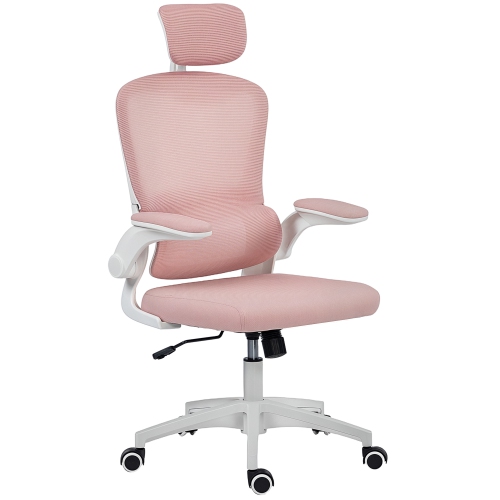
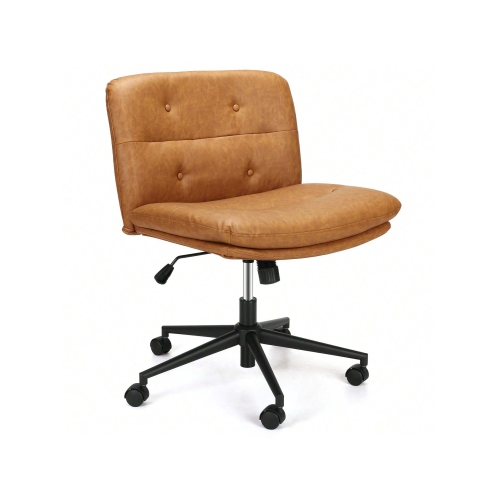


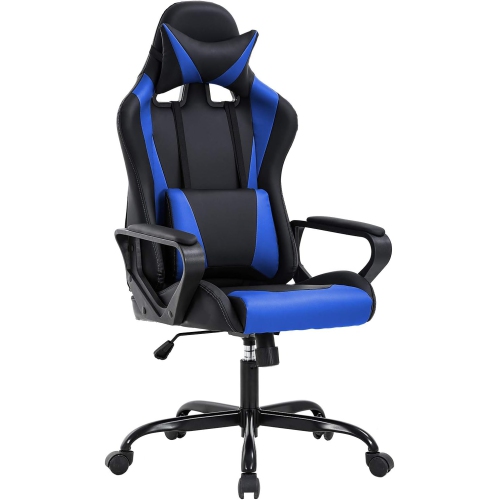

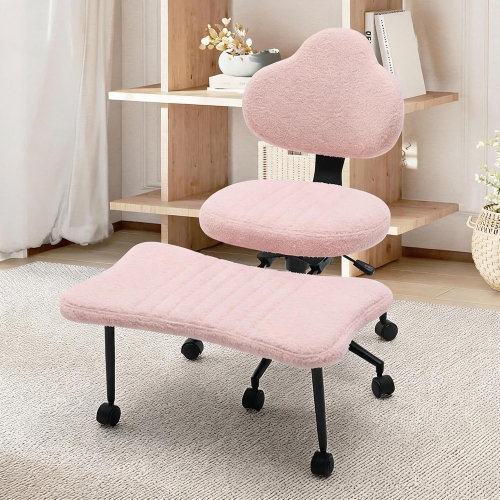

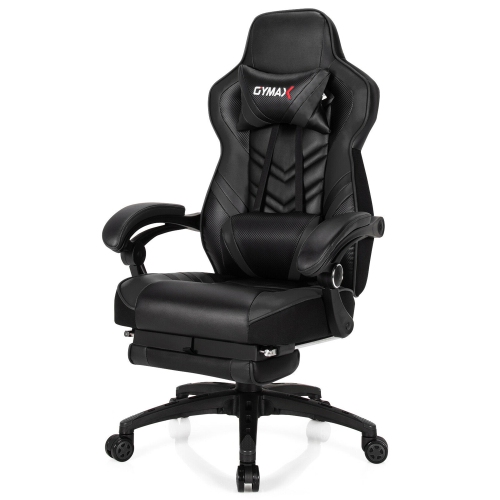
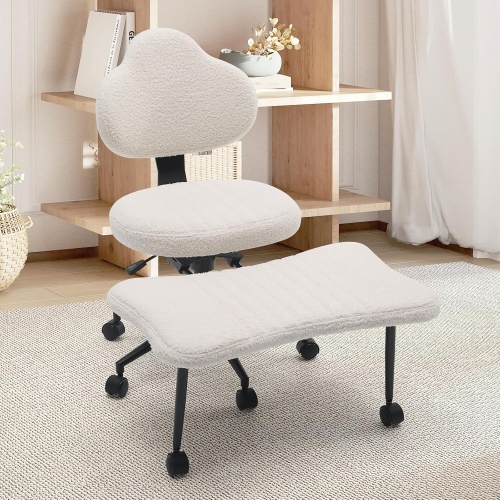
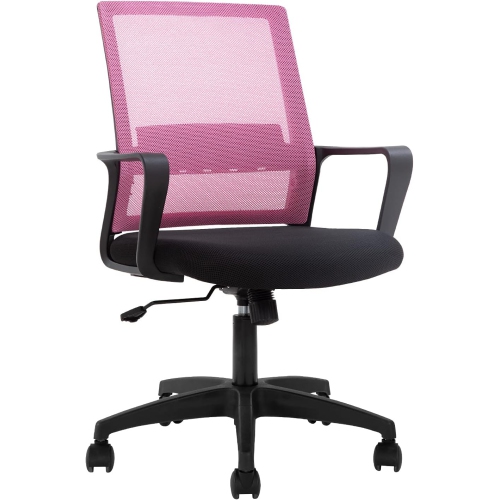
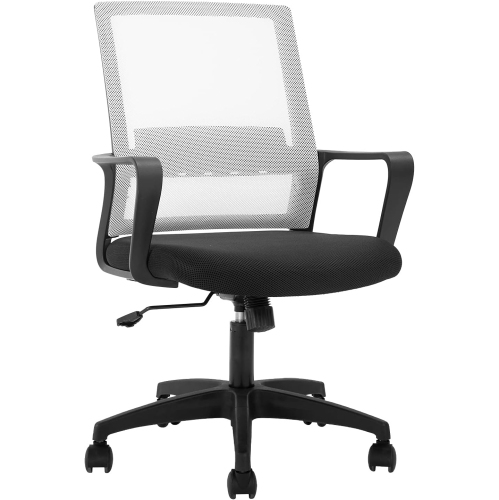
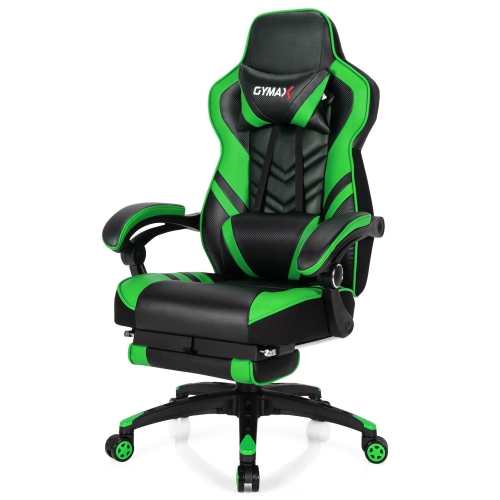
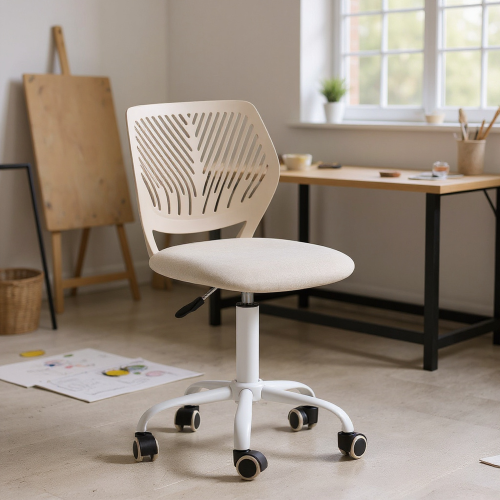
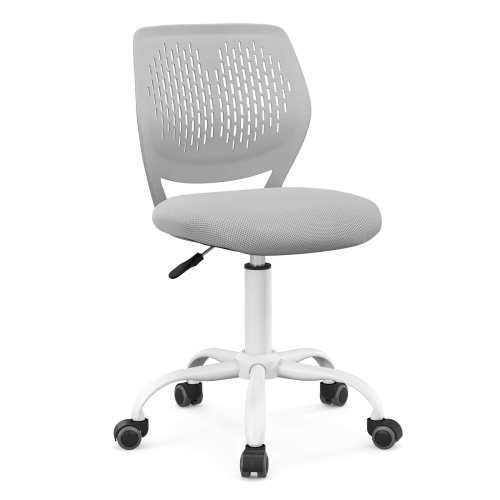
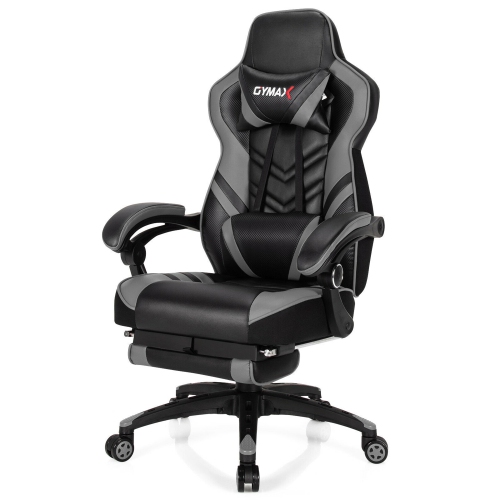
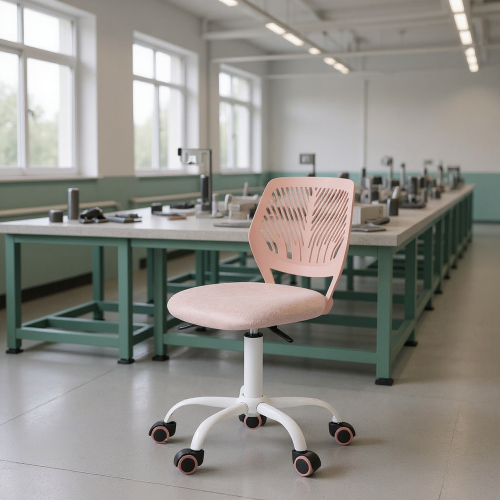
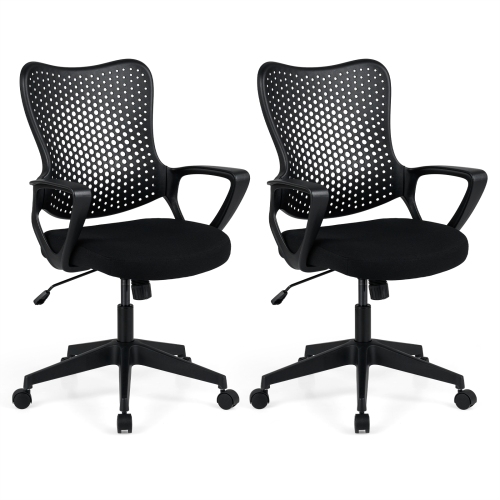
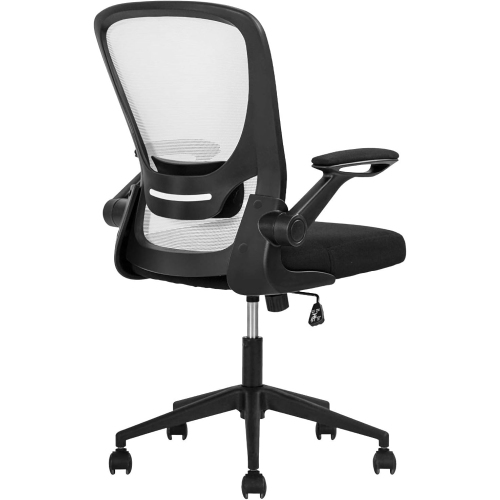

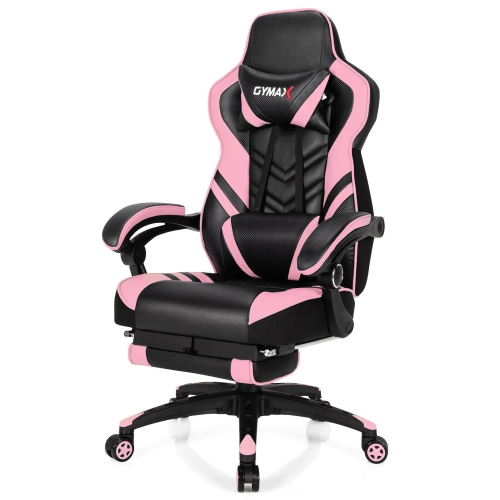
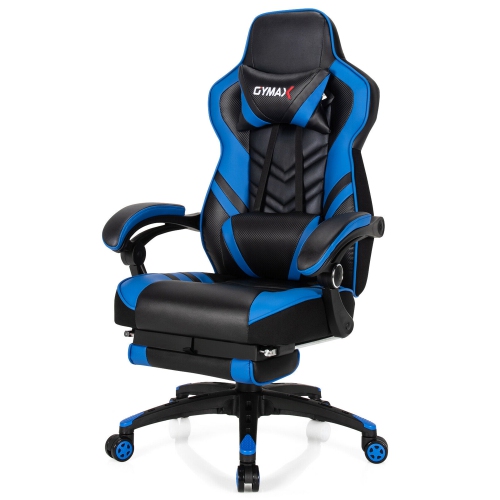


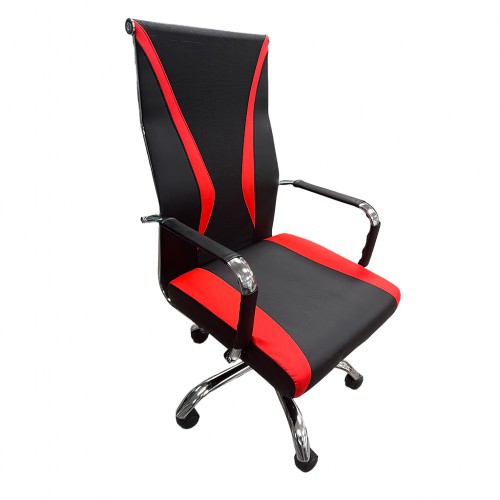


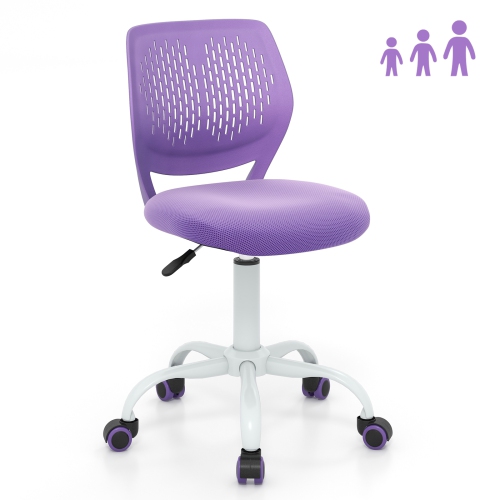
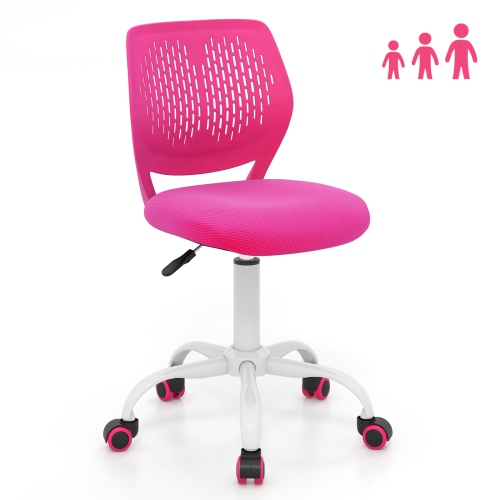


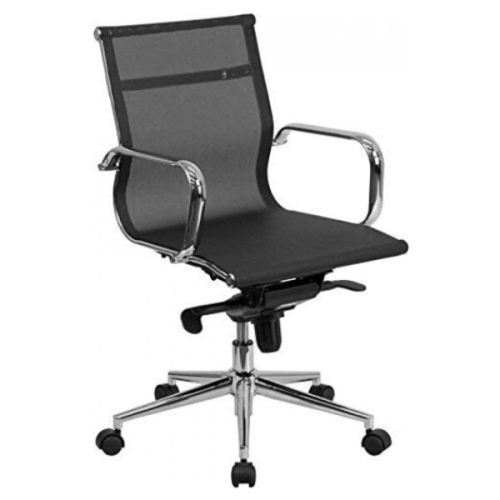
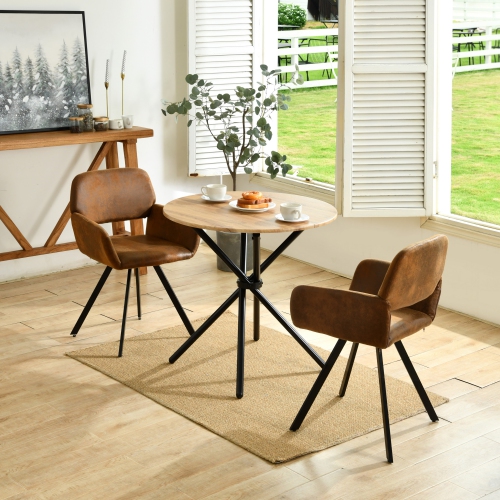
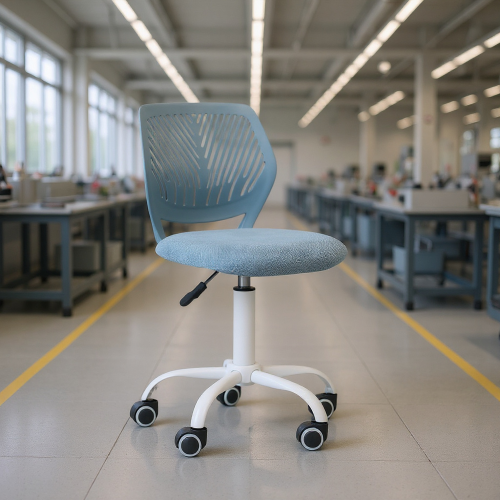


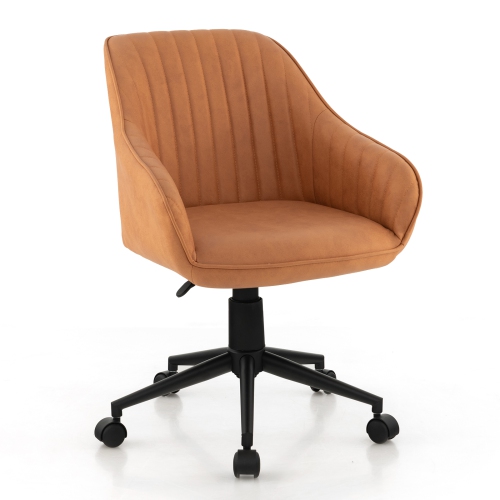
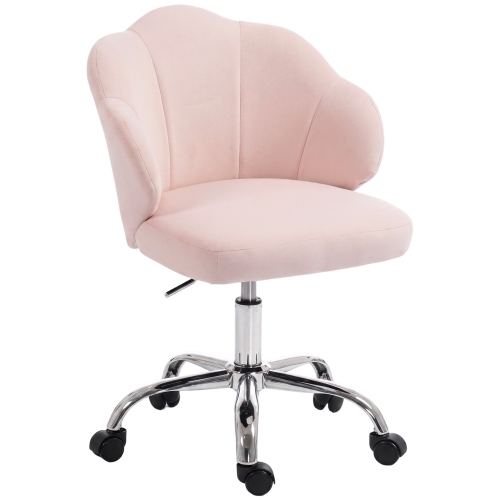
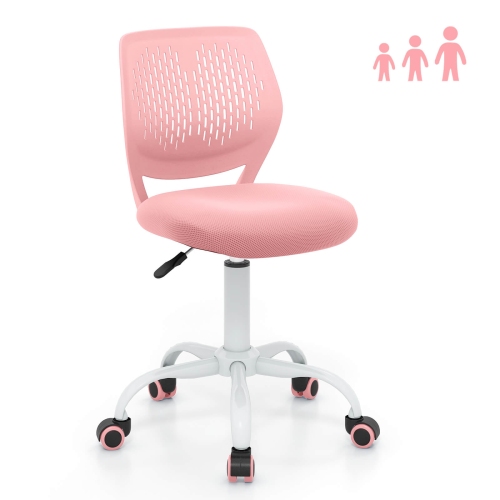

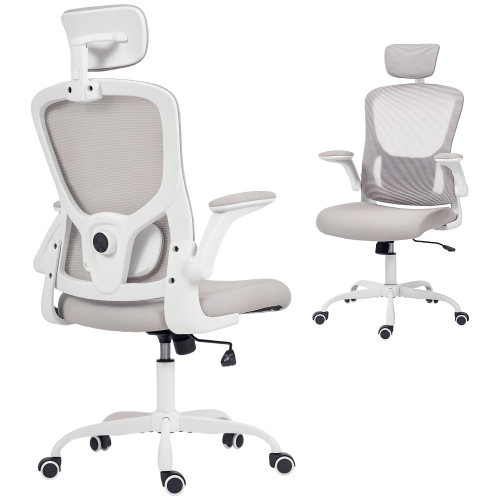
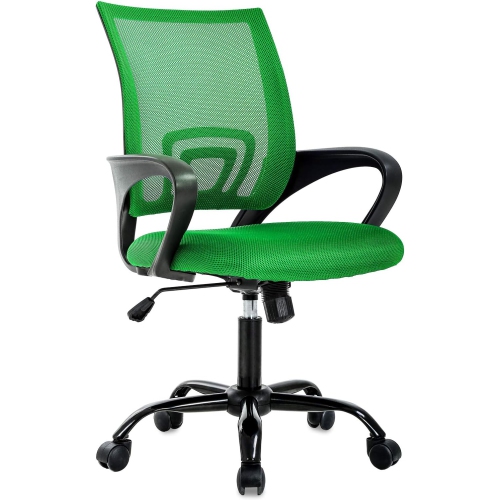
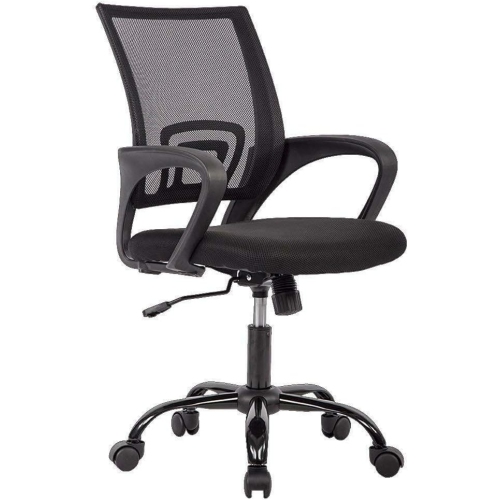

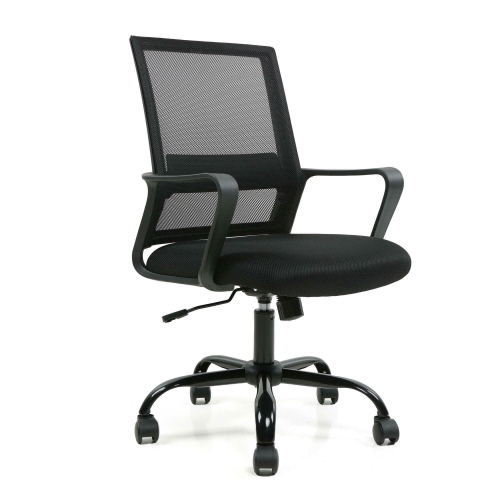

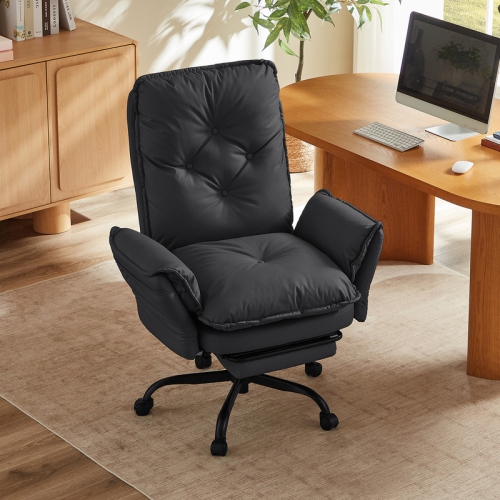
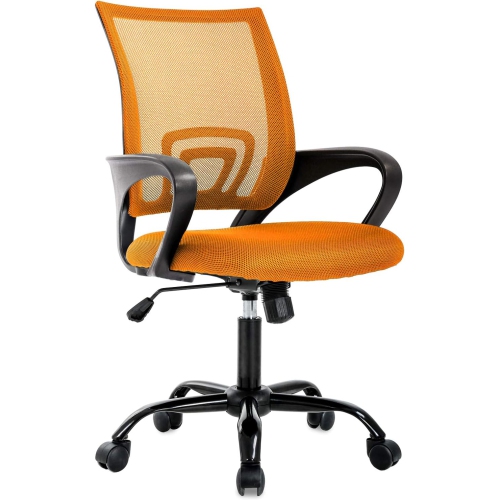

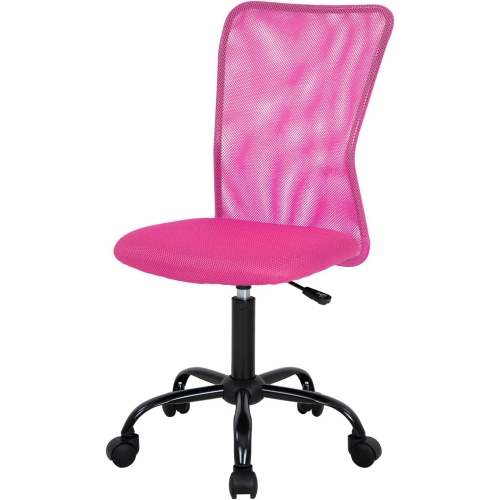
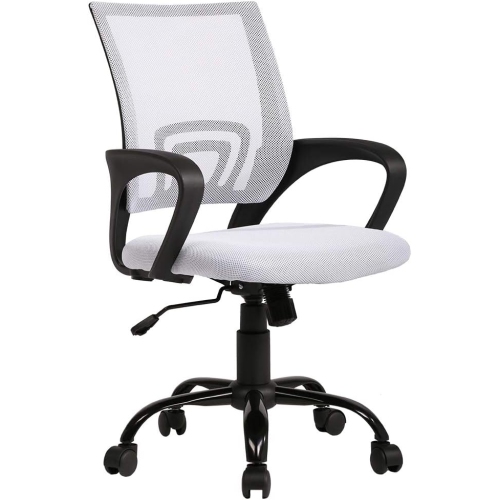
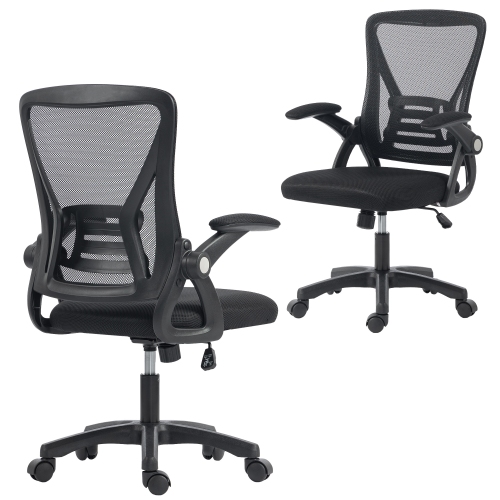
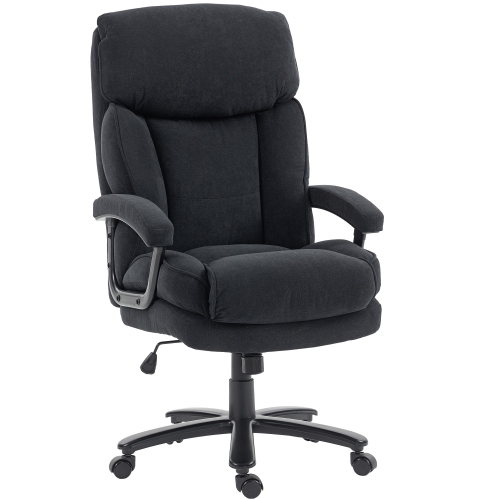


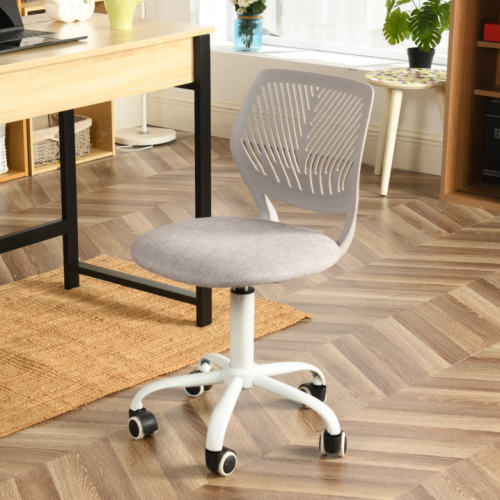
Comfort at your desk goes beyond the swivel
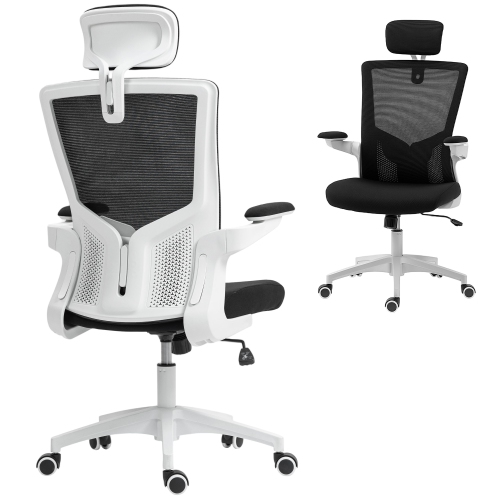
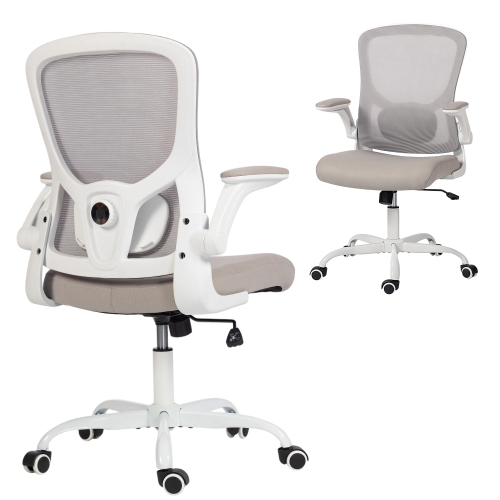
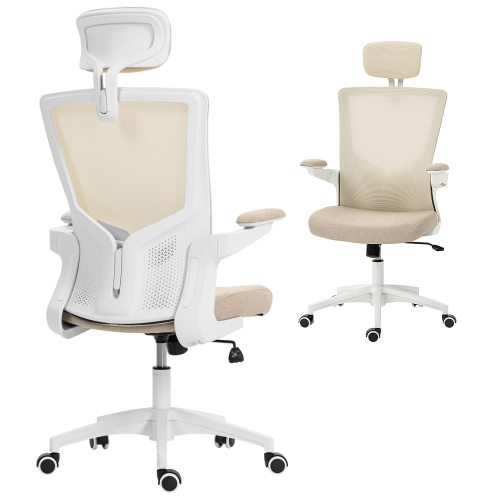
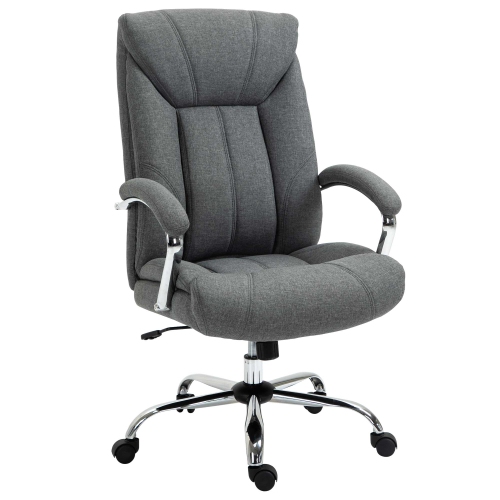
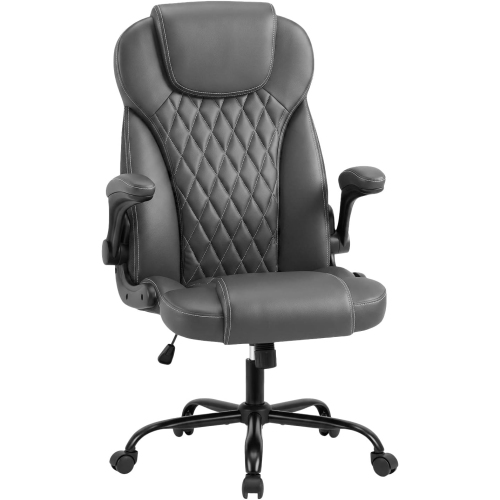
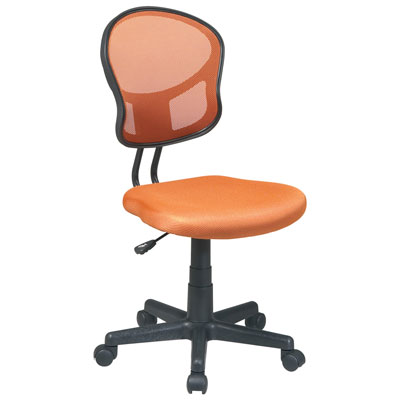
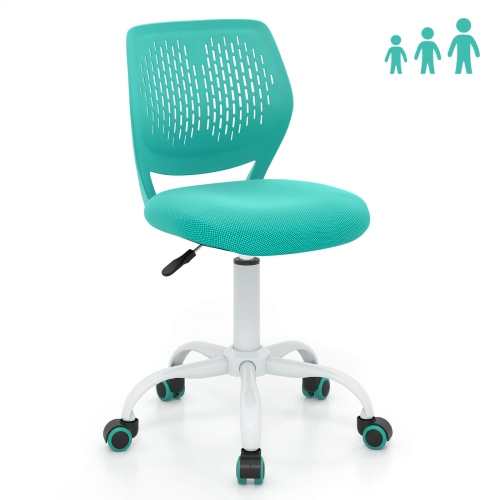
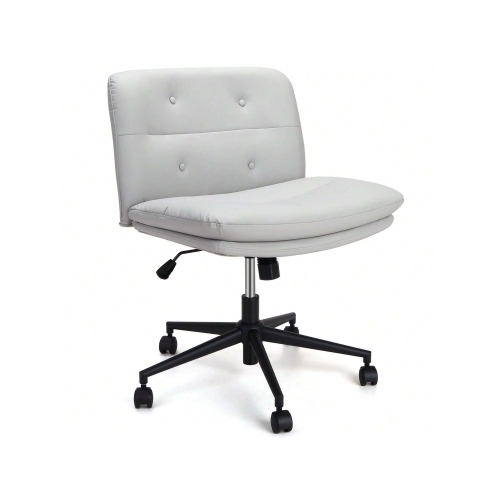
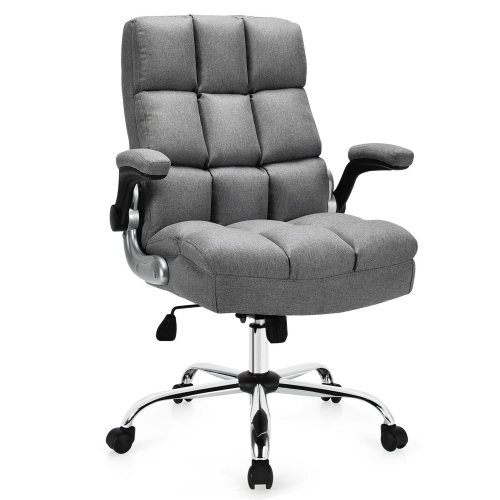
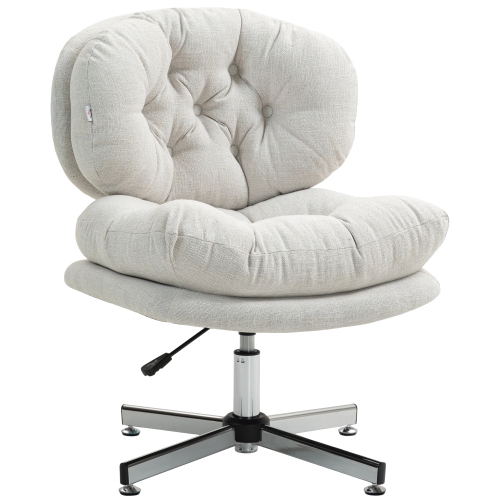
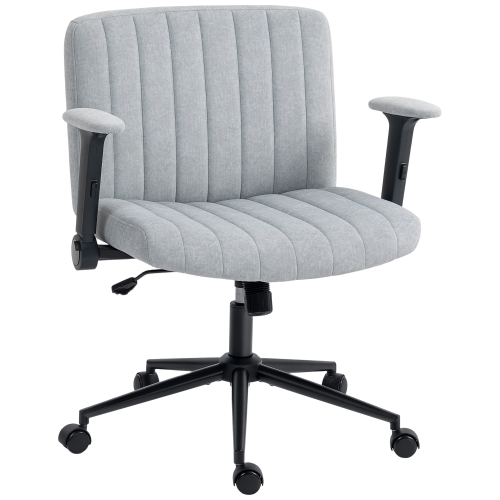
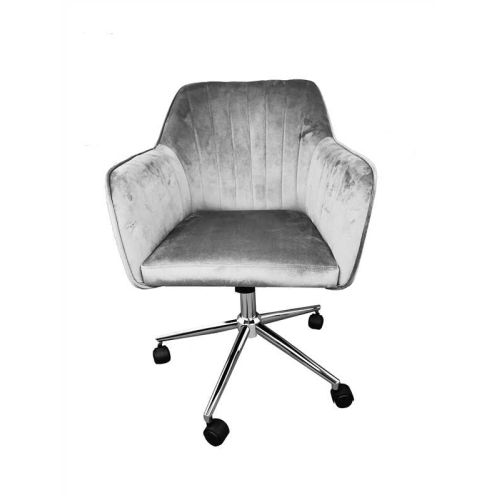
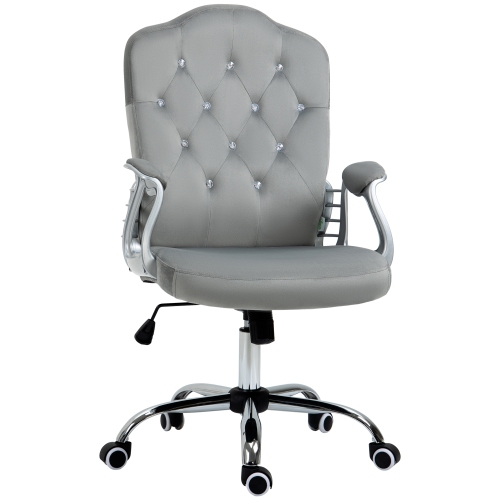
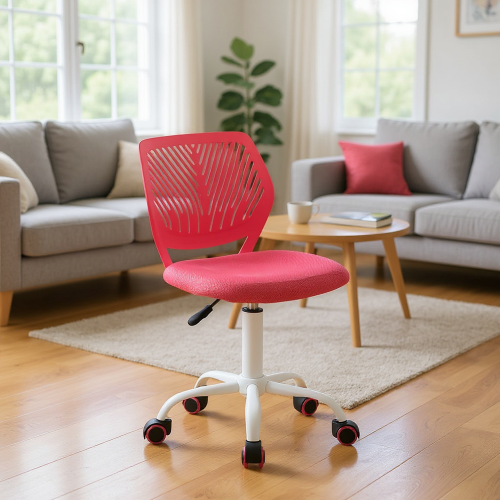
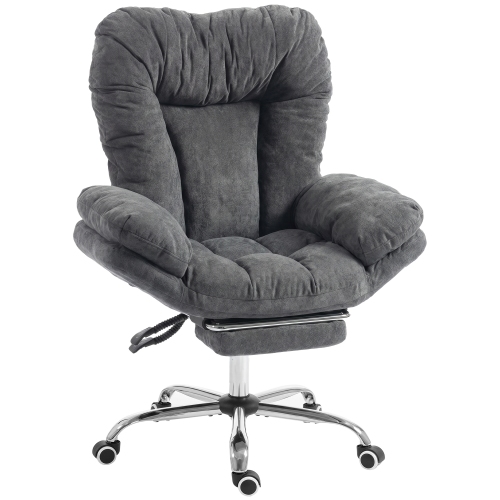
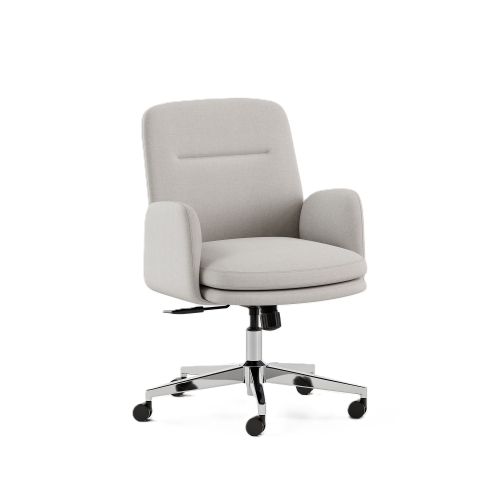
Office swivel chairs bring flexible movement to a workspace, allowing the seat to turn while the base stays oriented in place. Many designs offer a full 360-degree swivel, making it easier to move between a computer screen, a notebook, and a nearby storage unit without repeatedly lifting or dragging the chair. That freedom is useful at an L-shaped desk, a shared workstation, or a compact home office where one surface serves several purposes. Swivelling and rolling are separate functions: a swivel mechanism rotates the seat, while casters let the entire chair travel across the floor. Chairs with glides or stationary feet can still swivel, offering a more settled arrangement where rolling movement is unnecessary. The right caster type depends on the floor beneath the desk. Wheels designed for carpet may behave differently on wood, laminate, or tile, so compatibility matters more than appearance alone. A floor mat suited to the surface can help protect flooring and make movement smoother, particularly where carpet pile adds resistance. Within this category, task chairs often have a practical, relatively compact shape, while executive-style chairs typically feature taller backs and more substantial padding. Ergonomic designs may offer more ways to adjust the seat, backrest, and armrests, although the exact functions vary. An armless chair can tuck neatly beneath a small desk, while a chair with adjustable arms may suit someone who alternates between typing and reading documents. For workspaces where clean lines and coordinated furnishings matter, Modern Office Chairs offer a related style direction. A slim frame can sit comfortably alongside a light wood desk, while an upholstered chair may blend into a living area that doubles as a workspace. The most useful choice balances that visual fit with the space needed to turn, roll, and sit comfortably throughout everyday tasks. Students, remote workers, hobbyists, and people managing household paperwork can all benefit from seating matched to how their desk is used.
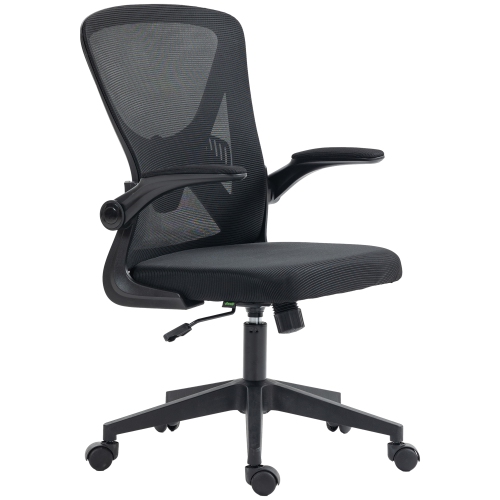
Fit determines how well an office swivel chair works with both the person sitting in it and the desk in front of it. Seat height adjustment helps position the feet on the floor or a suitable footrest while keeping the work surface within comfortable reach. Seat depth is equally important: there should be some clearance between the front edge of the seat and the backs of the knees when the user sits against the backrest. A seat that is too deep can make back support difficult to use, while a shallow seat may provide insufficient support beneath the thighs. Adjustable seat depth can be helpful for shared workstations or for users whose proportions do not suit a fixed seat. Seat width, armrest spacing, and the chair’s stated weight capacity also deserve attention, since a generous-looking cushion does not necessarily indicate a suitable fit. Lumbar support is intended to follow the lower back’s natural curve; height or depth adjustment allows more precise positioning than a fixed contour. A backrest should support a comfortable working posture without pushing the shoulders forward. Headrests may be useful during reclined pauses, but their usefulness depends on whether their height and angle suit the user. Tilt tension changes how much resistance the chair provides when leaning back, while a tilt lock holds the mechanism in a supported position, depending on the design. These features serve different purposes and are not interchangeable. Armrests can support the forearms between tasks, but they should not force the shoulders upward or prevent the chair from moving close enough to the desk. For example, padded fixed arms may feel comfortable during a call yet catch beneath a low desktop when it is time to type. Adjustable or flip-up arms can address that clearance issue on some designs. Measuring the desk opening and the chair’s overall width, rather than seat width alone, helps account for the base and armrests. Even a well-fitted chair works best alongside regular changes in position and breaks from sitting; adjustment features support comfort rather than guaranteeing it.
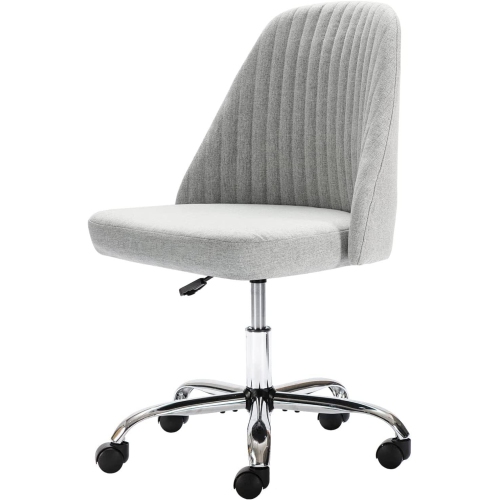
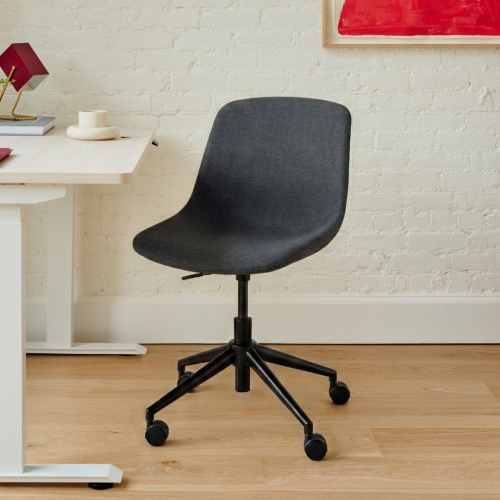
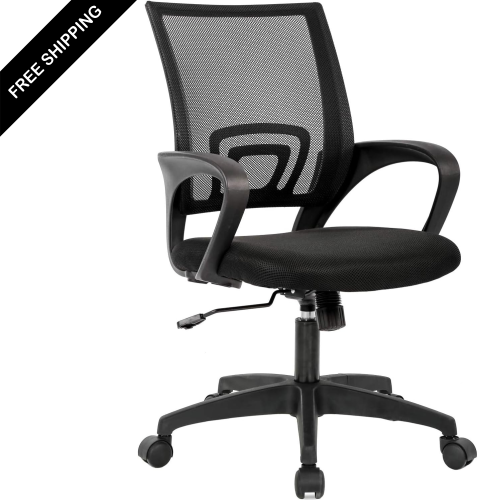
Materials influence the feel, appearance, and upkeep of office swivel chairs as much as their shape does. Mesh backs allow airflow and can offer a lighter visual profile, making them a natural fit for spaces where a bulky upholstered back would dominate the room. Mesh tension and frame placement affect comfort, particularly around the shoulders and the edges of the backrest. Fabric upholstery offers varied textures and colours, from understated charcoal to softer neutral tones, and can make a desk area feel more integrated with surrounding furniture. Its weave and cleaning requirements matter in a busy household, especially where crumbs, dust, or pet hair are common. Leather and synthetic leather provide a smoother surface, but they are distinct materials with different care needs. Genuine leather may develop visible character with use, while synthetic coverings can vary in their resistance to abrasion, cracking, and peeling. Neither appearance nor cushion thickness alone establishes durability. Cushion density, stitching, upholstery tension, and the construction of the base and adjustment mechanisms all contribute to how a chair holds up. A softly padded seat may feel inviting at first, yet comfort over longer sessions also depends on how evenly it supports the user. For occasional paperwork, a straightforward chair with basic height adjustment may be sufficient; daily desk work often makes a wider range of adjustments more valuable. Routine care starts with the manufacturer’s instructions, using cleaning methods appropriate to the upholstery and avoiding harsh treatments that could damage its finish. Dust and hair can collect around casters, so keeping those areas clear helps preserve smooth movement. Accessible fasteners may need periodic checks where the care instructions specify them, and a chair that develops wobbling or unreliable height adjustment needs attention before continued use. Sufficient clearance around the base also reduces repeated contact with cabinets and desk legs. Whether the chair sits in a dedicated office, a student’s study corner, or a multipurpose room, thoughtful proportions, suitable materials, and dependable movement make it easier to keep the workspace comfortable, tidy, and practical.
Top selling and popular products
-
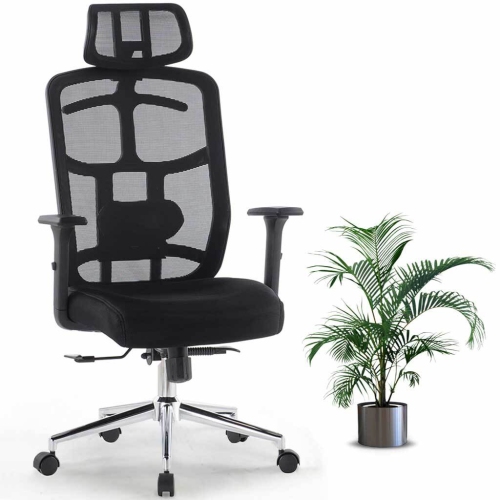 Your price for this item is $136.99
-
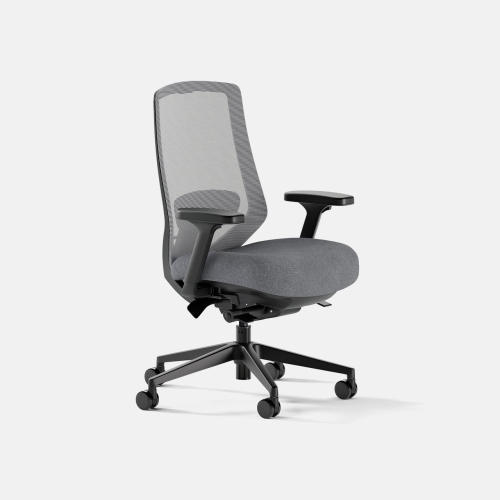 Your price for this item is $599
-
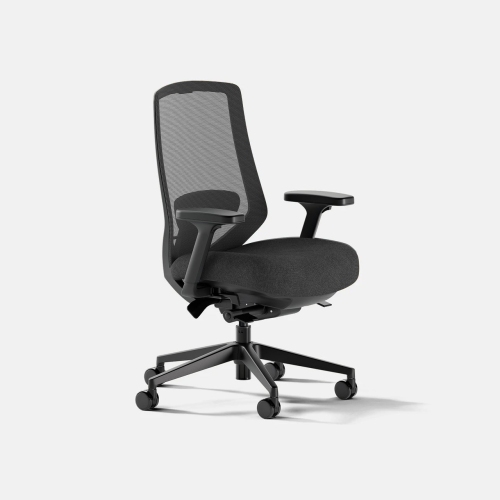 Your price for this item is $599
-
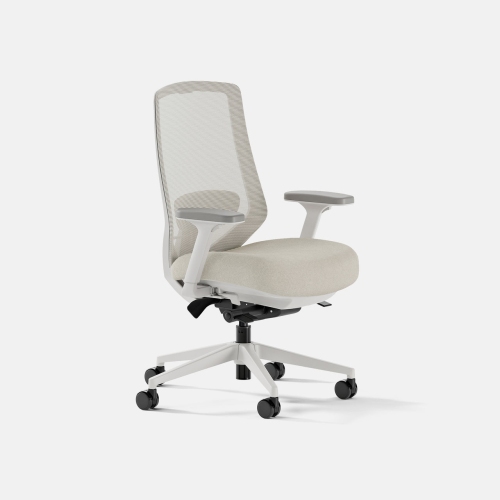 Your price for this item is $599
-
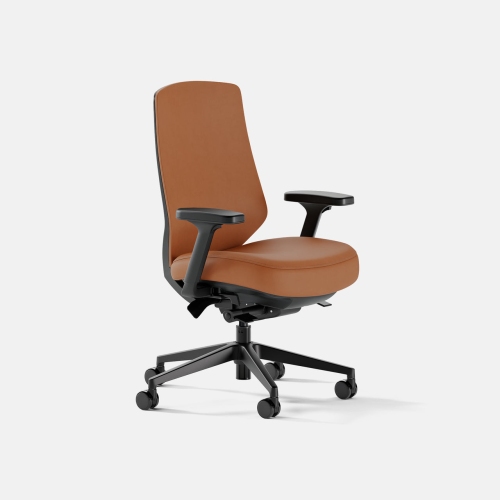 Your price for this item is $649
-
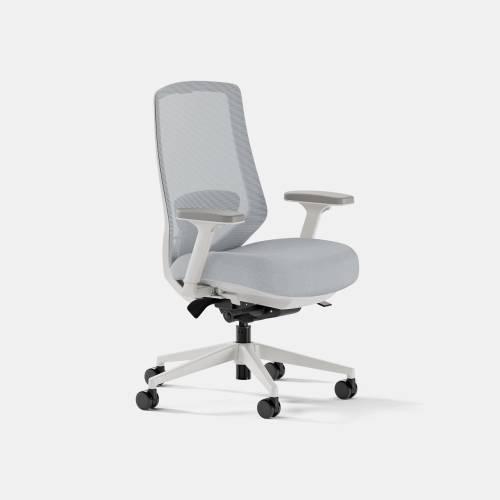 Your price for this item is $599
-
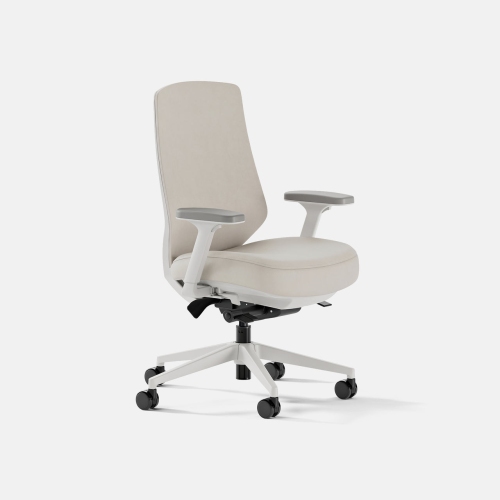 Your price for this item is $649
-
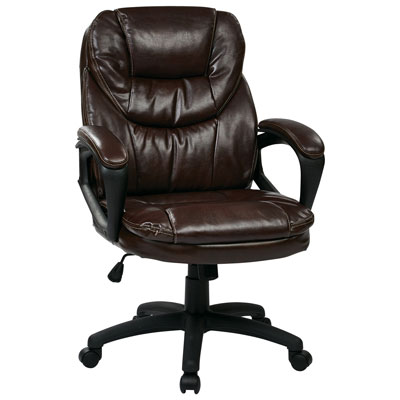 Your price for this item is $459.99
Discover more categories related to Office Swivel Chairs
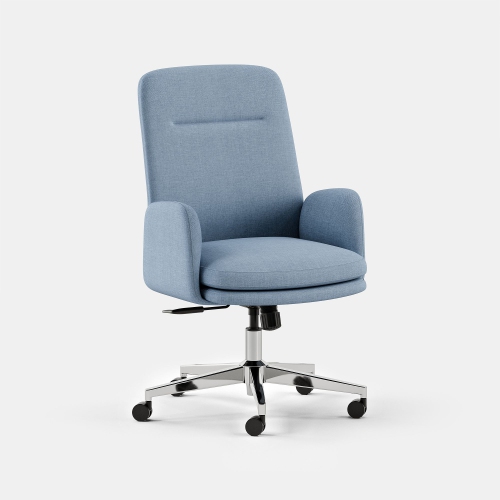
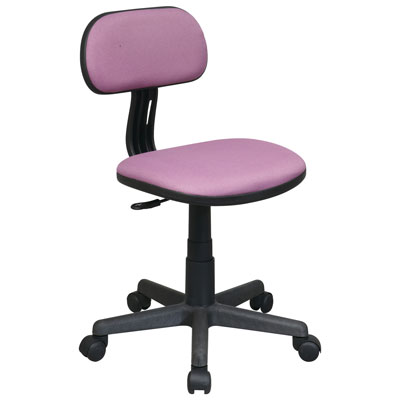
Top Collections:
Pokemon Centers, Kindle Devices, Best Black Friday Deals This Year, Pokémon 30th Celebration Cards, Best Black Friday Deals On Electronics, Best Cameras for Sports Photography, Best Black Friday Deals On Apple Products, Canon G7X Cameras, iPhone 15 Apple, Candle Warmer Lights
Some products may be subject to Environmental Handling Fees
(EHF) depending on your province.
Learn more about EHFs.