Office Chairs
Upgrade your workspace with the perfect office chair to support productivity and comfort throughout your day. Whether you’re setting up a home office or refreshing your business environment, finding the right seating can make all the difference. Explore a wide selection of office chair options designed to suit various needs, styles, and preferences. From sleek modern designs to classic choices, discover seating solutions that help create an efficient and inviting work area.
Sort
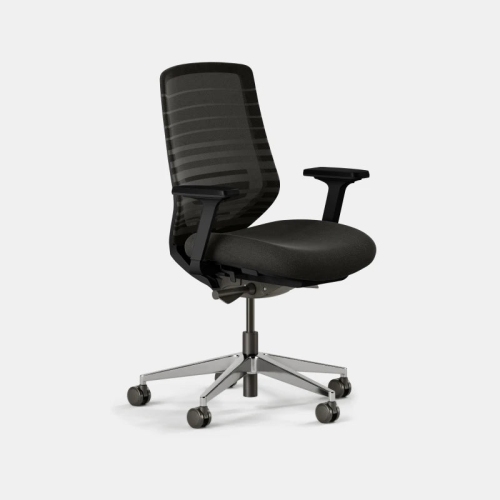
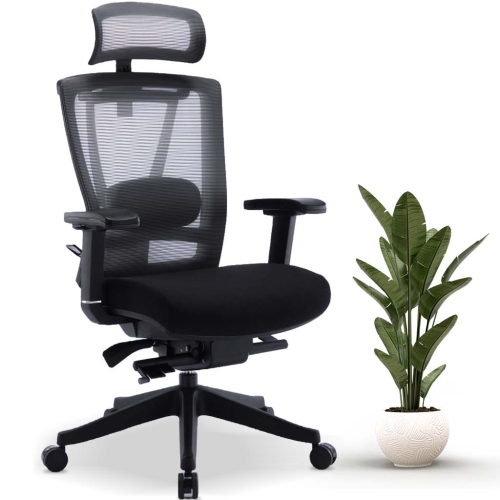
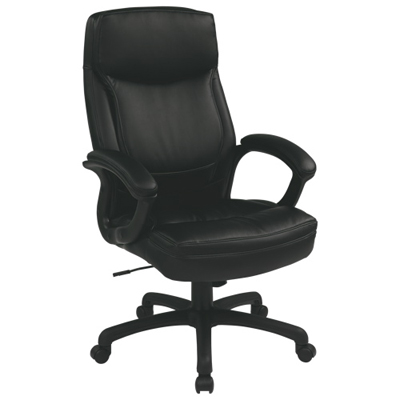
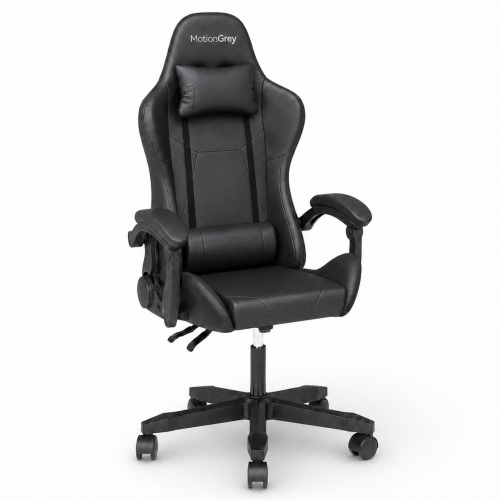

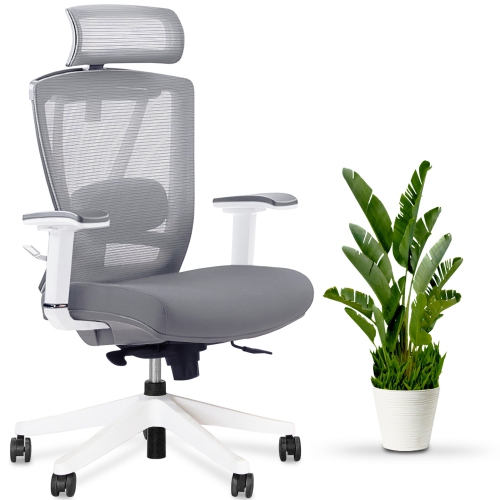
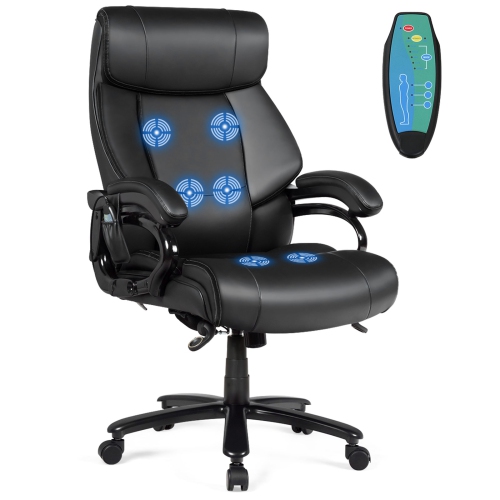
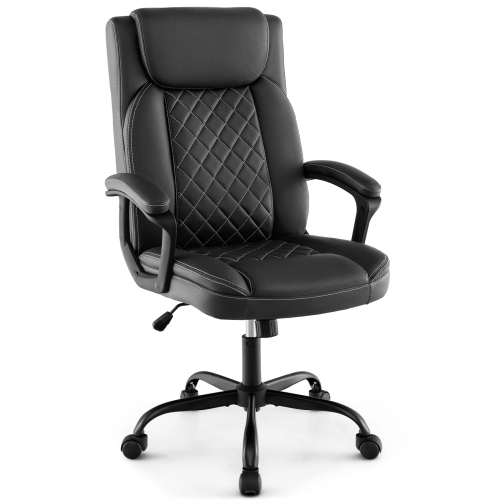
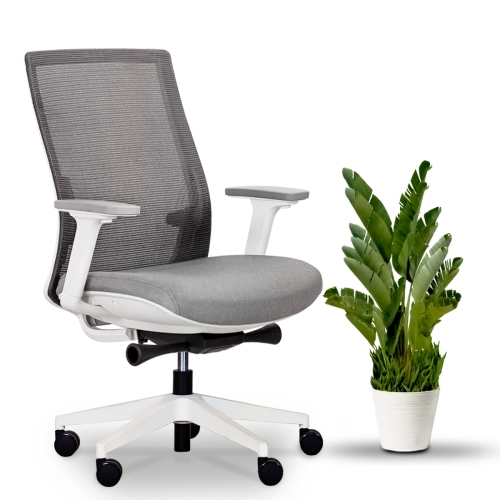
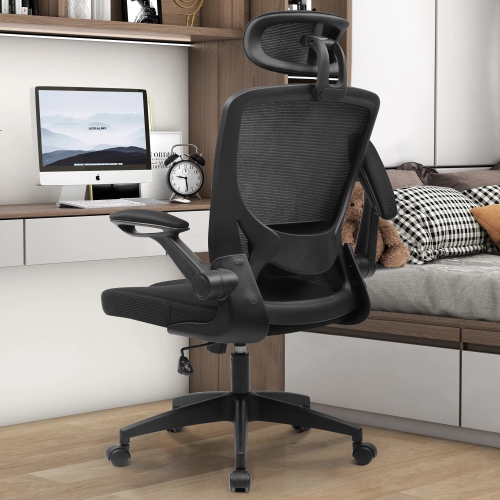
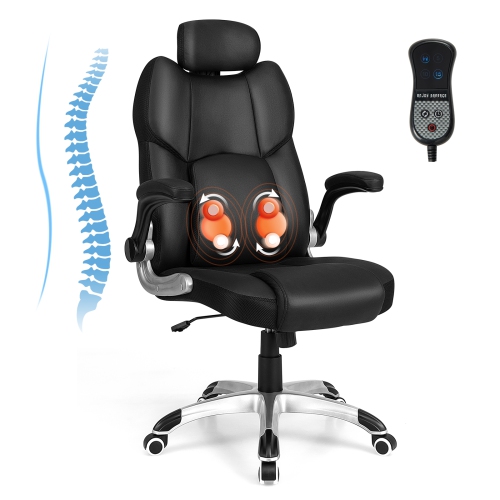
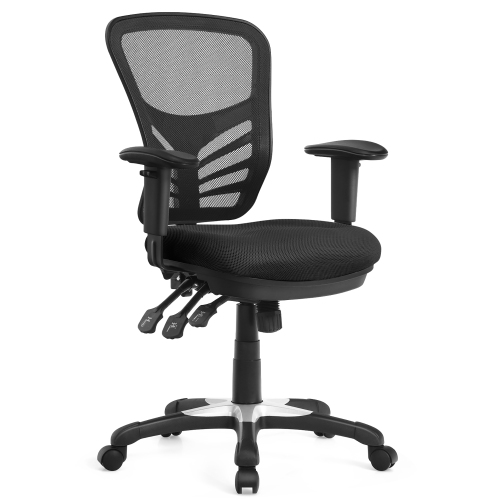
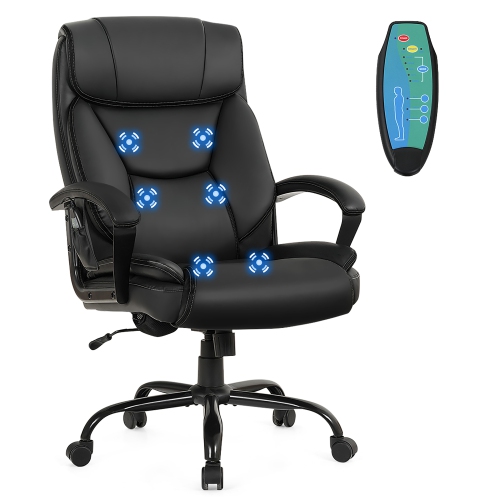
Comfort starts with a chair that fits you
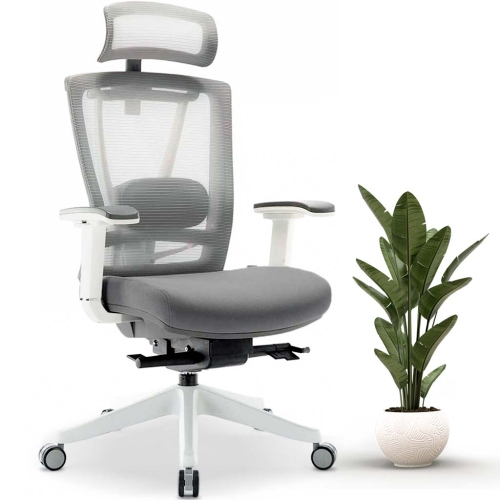
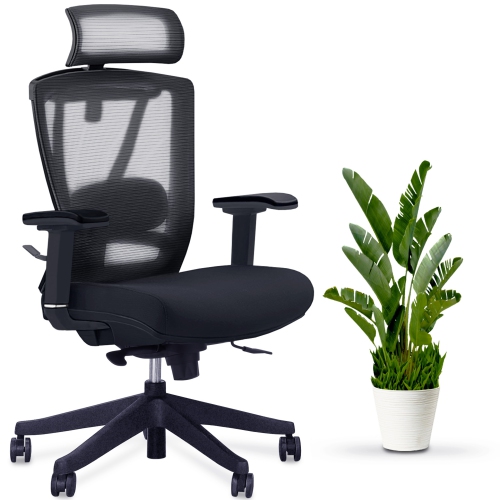
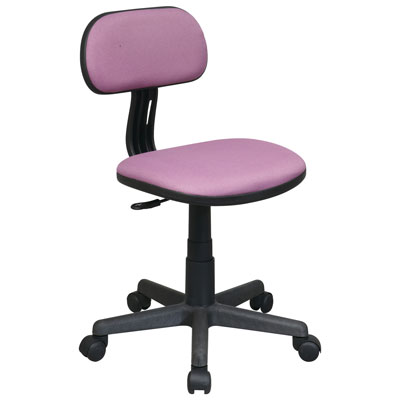
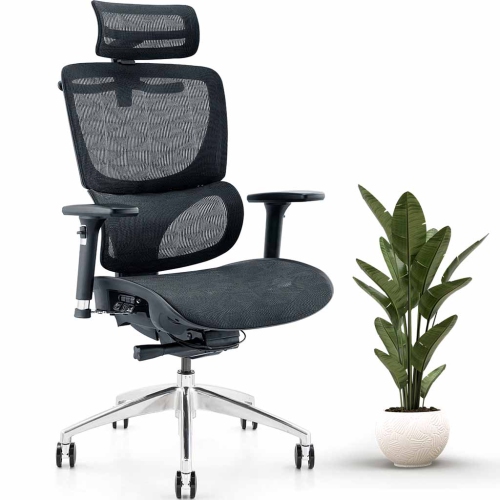
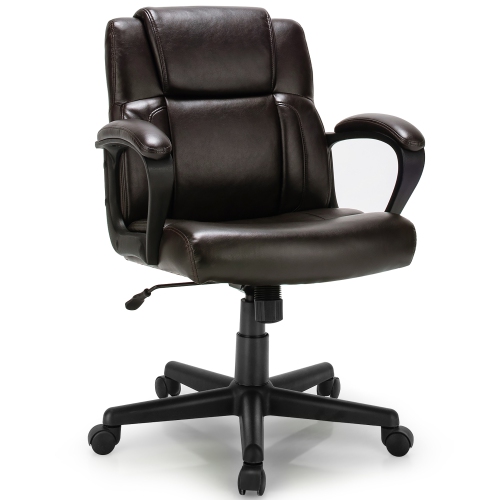
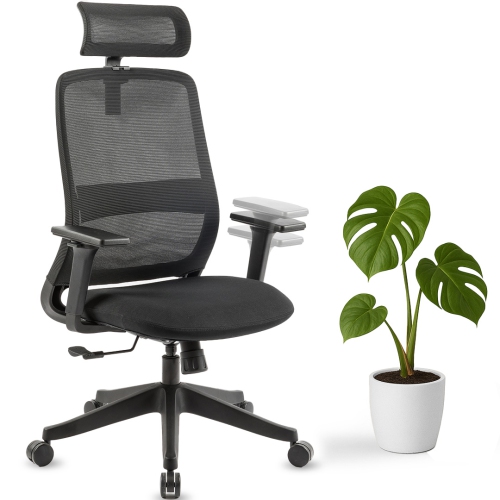
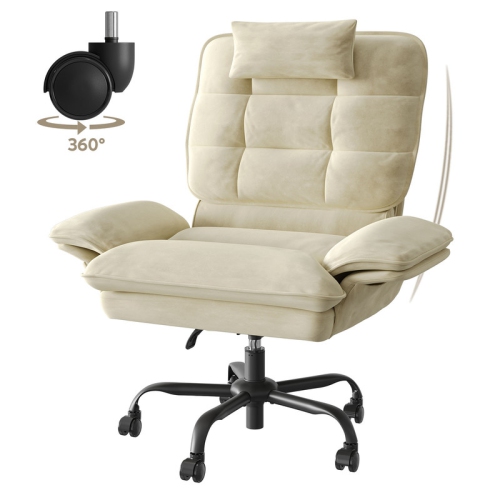
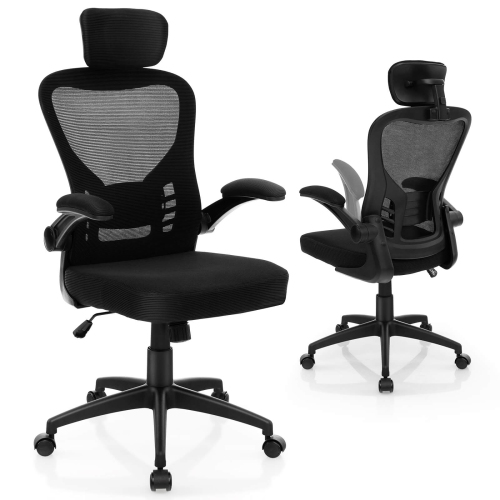
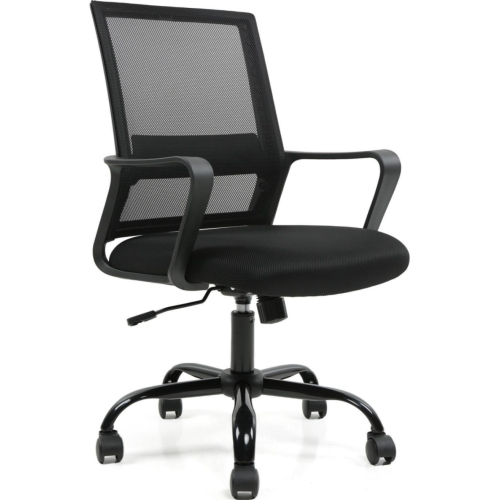
Office chairs bring support, mobility, and a finished look to spaces where work happens, from a dedicated home office to a shared workstation or a desk tucked into a living room. Their designs range from compact task chairs with straightforward adjustments to ergonomic office chairs with more ways to tailor the fit, as well as executive chairs with taller backs and generous padding. The right style depends on how the chair will be used and how it fits the person sitting in it. A student moving between reading and typing may value a compact chair that rolls easily beneath a desk, while someone working through lengthy video meetings may appreciate adjustable lumbar support and a backrest that allows changes in position. Seat height is a useful starting point: feet should rest comfortably on the floor or a footrest, with shoulders relaxed when hands reach the keyboard. Seat depth matters just as much. A seat that extends too far forward can press against the backs of the knees, while one that is too shallow may leave the thighs insufficiently supported. A little clearance between the seat edge and the knees allows room to move without losing contact with the backrest. Back height and lumbar support shape the feel of the chair, particularly when switching between upright typing and a more relaxed reading position. Adjustable armrests can support the forearms without lifting the shoulders, and their width and height affect how closely the chair can approach a desk. Fixed arms may suit a simpler setup, but their clearance beneath the desktop is worth checking. Ergonomic features are most useful when they match the sitter’s proportions and working habits; the label alone does not establish a good fit. For shared workspaces, accessible adjustment controls make it easier for different people to reset the chair rather than adapt themselves to someone else’s settings. No office chair replaces regular movement, so room to stand, stretch, and step away remains part of a comfortable workspace.
Materials influence both the appearance of office chairs and the way they feel over time. Mesh backs allow airflow and often create a lighter visual profile, which can work well in smaller rooms where a bulky chair would dominate the desk area. Mesh seats have a distinct suspended feel, while upholstered seats provide cushioning that varies with the foam and construction underneath. Fabric upholstery offers texture and a broad range of colours, making it easier to coordinate a workspace with nearby furniture. Genuine leather has a characteristic grain and requires care suited to its finish, while faux leather can offer a smooth, wipeable surface with maintenance requirements that vary by material. Neither a thick cushion nor a soft first impression tells the whole story about support: foam density, seat shape, and the underlying structure also affect how a chair feels during extended use. A gently contoured seat can help distribute pressure, provided its shape suits the person using it. Beyond upholstery, tilt and recline mechanisms influence everyday comfort. Tilt tension controls how much resistance is felt when leaning back, and a locking mechanism can hold the backrest or tilt at designated positions. Some chairs allow the backrest and seat to move together at different rates, while others have simpler movement. These differences become noticeable when alternating between focused screen work, phone calls, and reviewing documents. Office chairs share many features with Computer Chairs, particularly where the workspace centres on a keyboard, mouse, and monitor. In either setting, the chair needs to work with the desk rather than sit comfortably in isolation. Overall width, armrest height, and the space needed to recline all affect the fit. A swivel base makes turning towards a nearby cabinet or second work surface easier, while casters should be suitable for the flooring. A compatible chair mat can help protect flooring and provide a more consistent rolling surface, especially where carpet makes movement difficult.
Durability comes from the complete construction of an office chair, including its frame, base, lift mechanism, upholstery, and moving parts. A stable base and secure connections matter as much as the visible finish, particularly for a chair that is adjusted or moved frequently. The stated weight capacity and recommended use help establish whether a chair suits its intended user; seat dimensions should be considered separately, since capacity alone does not describe usable sitting space. A compact task chair may suit a desk used for household paperwork or short study sessions, whereas a chair used throughout the workday benefits from a closer look at adjustment range, sustained support, and accessible controls. Taller users may need more seat depth and back height, while shorter users may need a lower minimum seat height or a footrest to maintain comfortable contact beneath their feet. Headrests can support some reclined positions, but their height and angle need to match the sitter rather than push the head forward during typing. For a home office that shares space with the rest of the room, details such as upholstery colour, base finish, and overall silhouette can help the chair feel at home beside existing furnishings. Care requirements are equally practical. Dust and crumbs can collect along seat seams, beneath cushions, and around caster housings, so routine cleaning helps keep these areas tidy and moving freely. Upholstery should be cleaned according to its care directions, using suitable methods rather than assuming every surface tolerates the same cleaner. Periodic checks of accessible fasteners and adjustment mechanisms can help identify looseness or wear, with any tightening or maintenance carried out as directed by the manufacturer. Assembly requirements also deserve attention, including the room needed to position the base and attach the backrest safely. An office chair can be a thoughtful gift for someone establishing a workspace, but personal fit is important enough to involve the recipient in choosing dimensions and features. Whether used for professional work, coursework, creative projects, or managing everyday tasks, a well-matched chair supports a workspace that is comfortable, practical, and easy to use.
Top selling and popular products
-
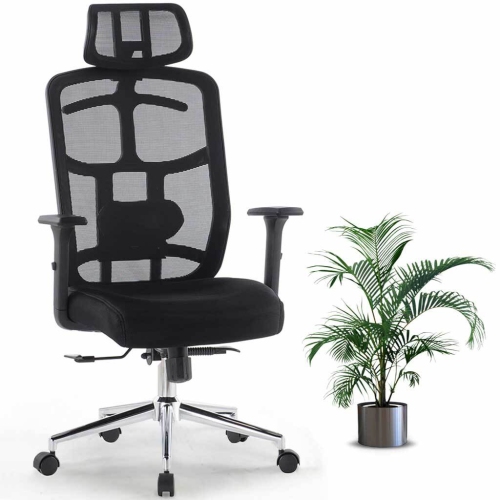 Your price for this item is $129.99
-
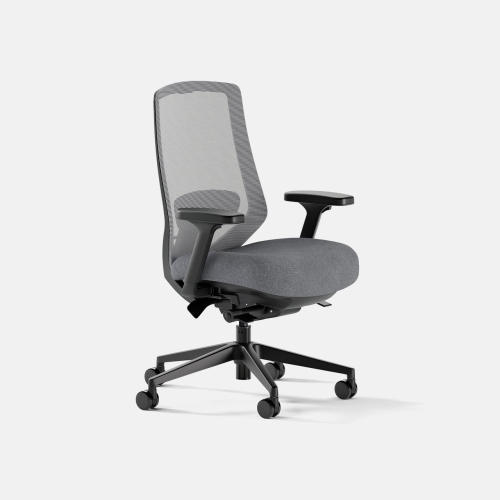 Your price for this item is $539.1
-
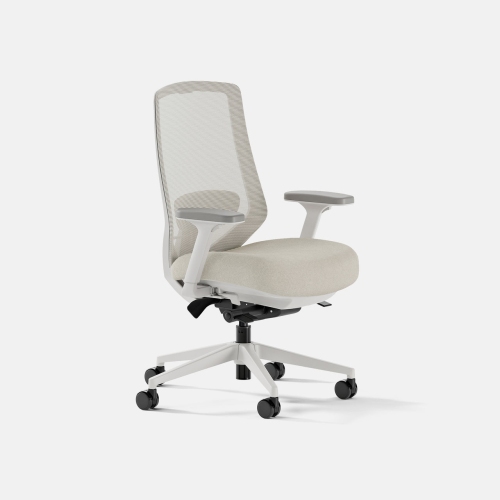 Your price for this item is $539.1
-
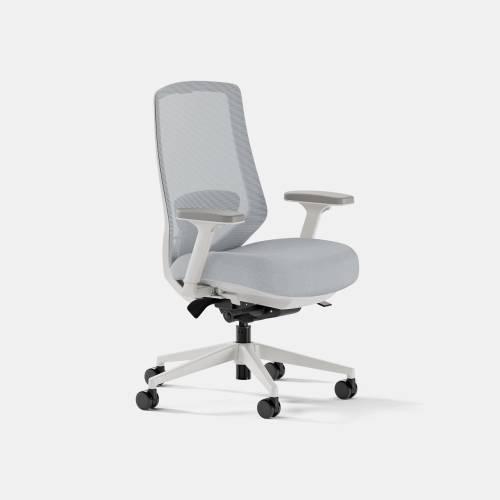 Your price for this item is $539.1
-
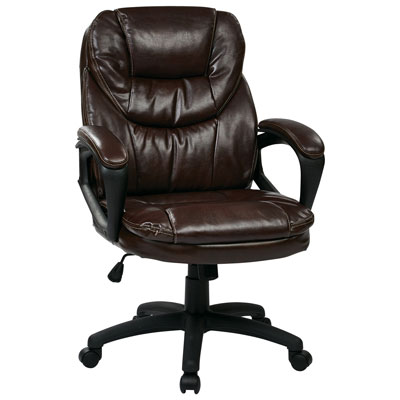 Your price for this item is $459.99
-
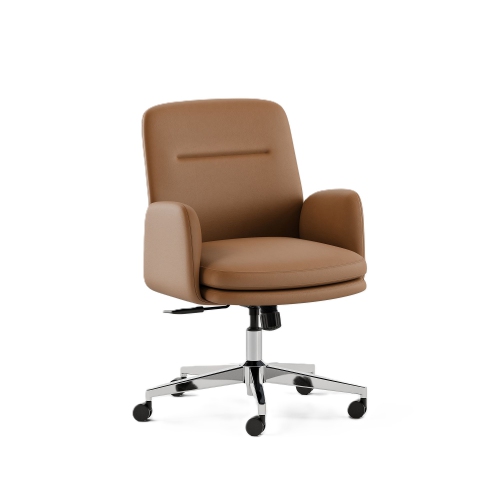 Your price for this item is $343.2
-
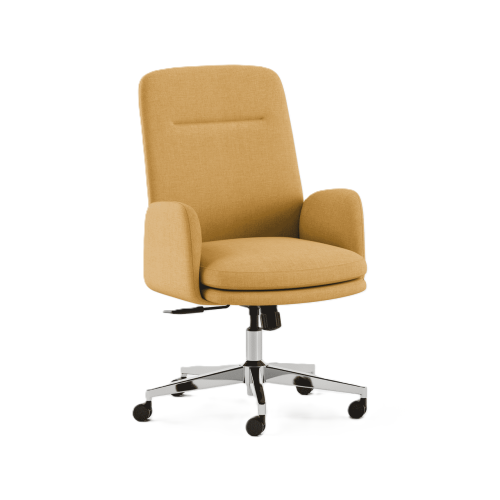 Your price for this item is $343.2
-
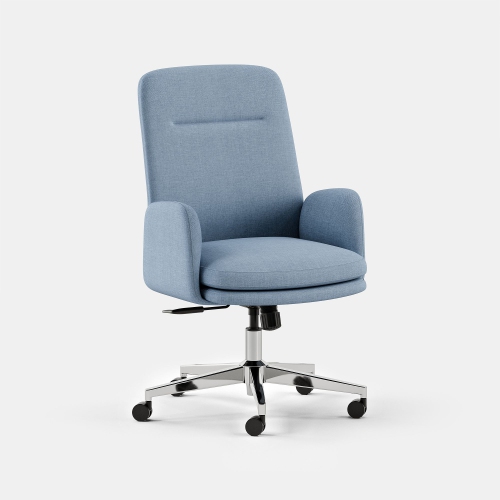 Your price for this item is $343.2
Discover more categories related to Office Chairs

Top Collections:
Best Black Friday Deals This Year, Best Black Friday Deals On Electronics, Kindle Devices, Dyson Airwrap, Best Cameras for Sports Photography, Best Budget Office Chairs, Canon G7X Cameras, PS5 Pro Consoles, Best Black Friday Deals On Apple Products, XBOX One S Consoles
Some products may be subject to Environmental Handling Fees
(EHF) depending on your province.
Learn more about EHFs.