Dewalt 20V Max Cordless Drill
Upgrade your toolkit with the power and convenience of the Dewalt 20V Max Cordless Drill. Designed for both professionals and DIY enthusiasts, this versatile tool delivers reliable performance for a wide range of projects. Whether you're tackling home improvements or jobsite tasks, the Dewalt 20V Max Cordless Drill offers the flexibility and mobility you need to work efficiently. Explore our selection to find the right model that fits your needs and experience the difference in every project.
Sort






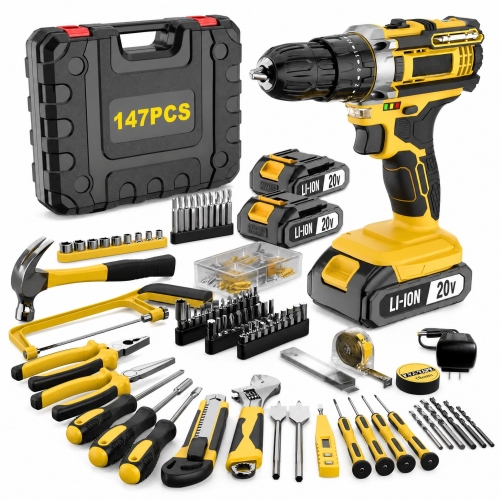
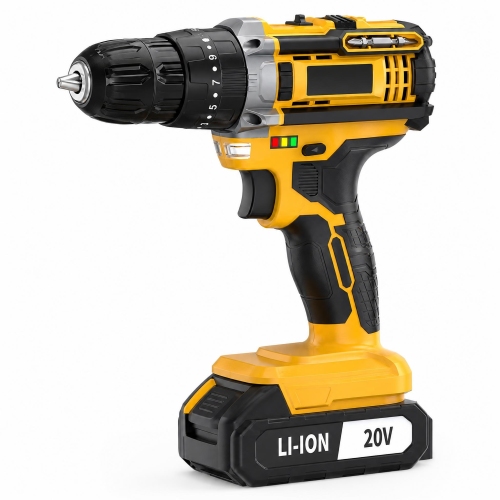
Why drill control matters as much as power
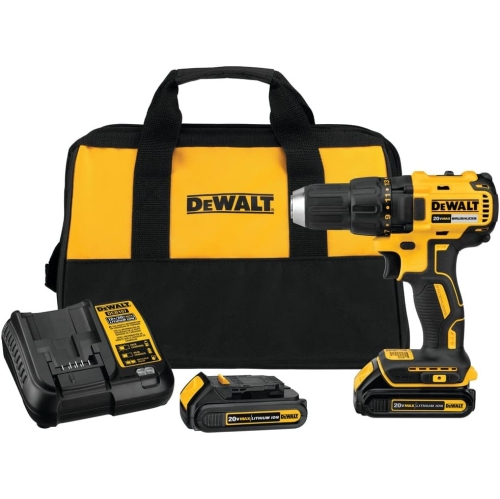
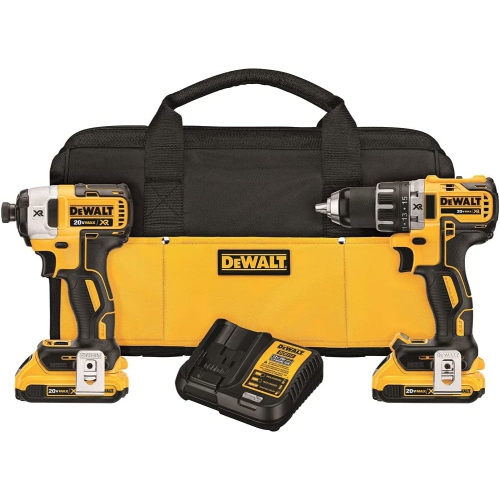
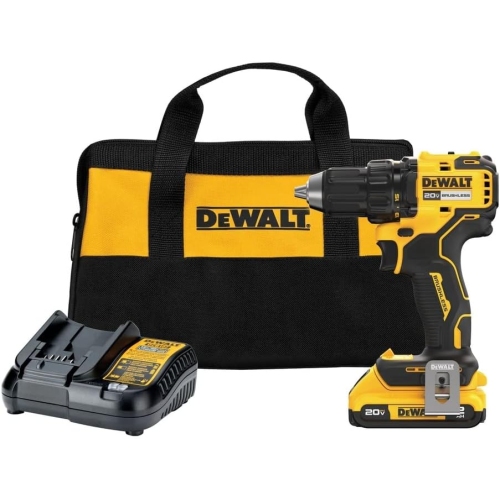
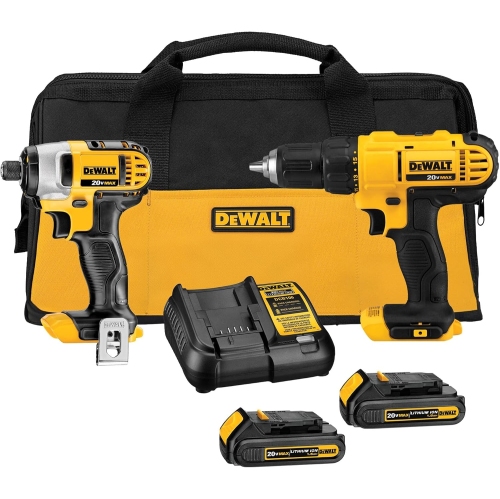
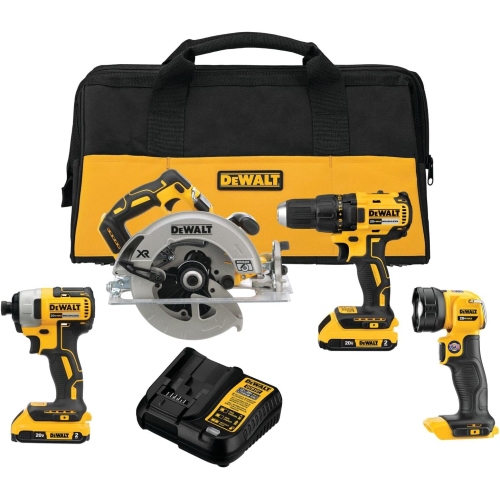
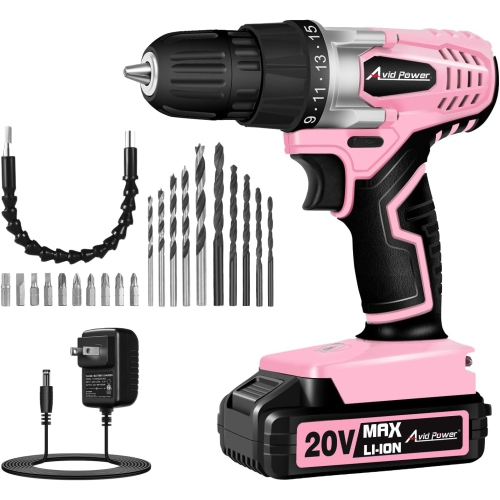
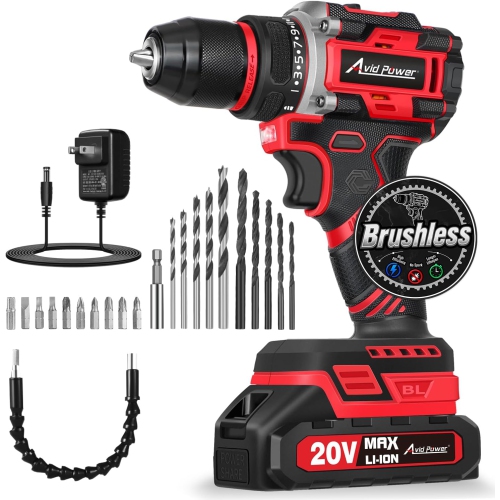
20V Max cordless drills are rechargeable power tools used for drilling holes and driving screws in home projects, workshop tasks, and trade work. Their cordless design makes them useful wherever a trailing power cord would get in the way, from assembling a bookcase in a spare room to fastening cabinet hardware or boring holes through framing lumber. A drill/driver combines a rotating chuck with adjustable speed and torque control, allowing the same tool to move between making pilot holes and seating fasteners. That versatility suits homeowners handling repairs, furniture makers working with timber, and tradespeople who need a portable tool for repeated drilling and fastening. The work material matters as much as the task: softwood, hardwood, sheet metal, and masonry each require appropriate bits and operating settings. A standard drill/driver is suited to many wood and metal applications, while a model with a hammer-drilling mode adds a pulsing action for certain masonry jobs. That feature does not make every cordless drill suitable for demanding concrete work, and an impact driver is a different tool designed primarily for fastening. For everyday projects, controlled power is often more useful than sheer output. A small pilot hole can help prevent a narrow wooden rail from splitting, while an adjustable clutch can help limit overdriving when fastening a hinge to a cabinet door. Larger holes, longer screws, and denser materials place greater demands on the motor, battery, and operator. Compact designs can be easier to position inside cupboards or between closely spaced supports, whereas larger drills may offer features better suited to sustained, demanding work. Published drilling capacities provide useful context because performance varies with the material, bit diameter, and application. These differences make the category relevant to both occasional household maintenance and regular workshop use, without suggesting that every drill has the same capabilities. Safe access also shapes the work: drilling into a wall requires attention to concealed wiring, pipes, and the wall material, rather than relying on motor power alone.
Construction and handling influence how a cordless drill feels over a full project. Many designs combine a moulded housing, textured grip surfaces, and metal components around the chuck or transmission, although the exact materials vary. A comfortable grip supports control when lining up a hole, and the balance between the tool body and battery affects how tiring it feels during repeated use. A shorter head can make a noticeable difference when installing drawer slides inside a cabinet, while a heavier battery may become more noticeable when fastening above shoulder height. Brushless motors are common in this category and can offer efficient operation with fewer motor components subject to friction wear, but motor type alone does not determine drilling performance or service life. Chuck capacity is another practical distinction. A 1/2-inch chuck can accept a wider range of shank sizes than a 3/8-inch chuck, though a larger chuck does not mean every large bit is appropriate for the tool. A keyless chuck allows bit changes without a separate chuck key, with secure tightening essential to keeping the bit properly held. Variable-speed triggers help provide a gentle start before increasing speed, and multiple gear ranges can support different drilling and fastening demands. Clutch settings are particularly useful for repeated screwdriving, but they are not calibrated torque measurements; the result still depends on the fastener, material, and technique. Built-in work lights can improve visibility inside a cupboard or beneath a workbench, although they do not replace adequate task lighting. Suitable drill bits and driver bits are equally important to the finished result. Sharp, correctly sized bits help produce cleaner holes, while a driver bit that fits the screw head closely reduces slipping and damage. When a supplied side handle is required for an application, it provides additional control against twisting forces. Eye protection and a securely clamped workpiece remain important even for a quick repair, particularly when drilling metal or working with small parts that could rotate unexpectedly.
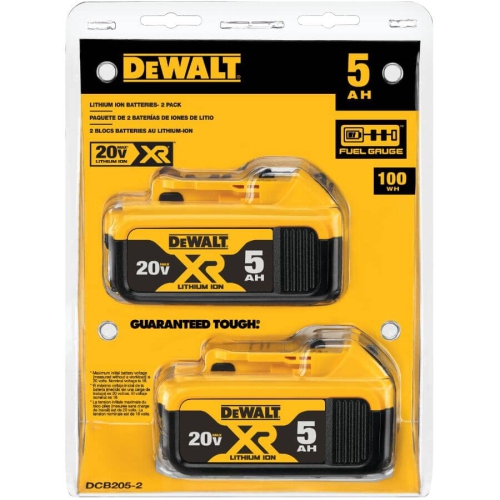
Battery fit, charging requirements, and routine care are central to owning a 20V Max cordless drill. The 20V Max designation describes maximum initial battery voltage without a workload; nominal voltage is 18V. Voltage labels alone do not establish compatibility, so the connection, battery platform, charger requirements, and manufacturer’s compatibility information all matter. The Dewalt 20V Batteries page provides a related place to explore battery options, with suitability determined by the exact drill and battery specifications. Battery capacity, expressed in amp-hours, helps describe how much charge a pack can hold, but it is not a promise of a fixed number of holes or screws. Runtime changes with material resistance, bit size, fastening demands, and the condition of the tool and battery. A smaller compatible pack can keep the drill easier to handle for light assembly, while a higher-capacity pack may support longer sessions at the expense of added weight. Package contents also affect how a tool fits an existing setup: a bare tool requires a compatible battery and charger, whereas a kit may include those components and a carrying case or bag. For someone receiving a drill as a gift, compatibility with tools already owned can be more useful than an accessory count. Practical care helps preserve that usefulness. Removing the battery before changing accessories or cleaning reduces the risk of an accidental start. Clear ventilation openings, a clean chuck, and undamaged battery contacts support normal operation, while a dry storage case helps keep the tool and accessories organized and protected between jobs. Batteries and chargers should be used and stored according to their manufacturer’s directions, and a damaged battery should not remain in use. With appropriate accessories, careful handling, and a battery setup matched to the work, a cordless drill can serve tasks ranging from tightening furniture fittings to building shelving and completing more involved woodworking projects.
Top selling and popular products
-
 Your price for this item is $59.99
-
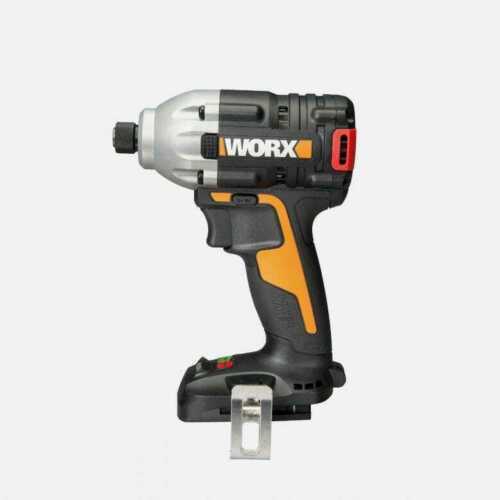 Your price for this item is $199.99
-
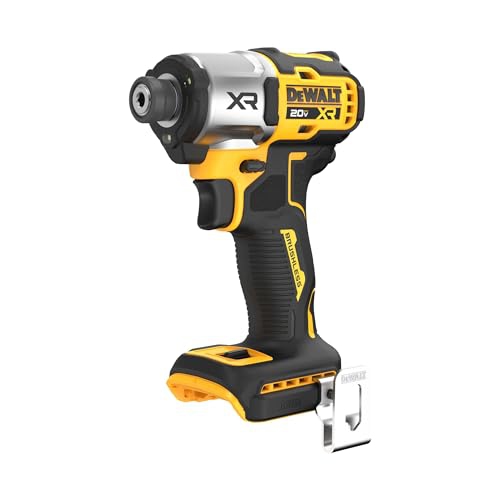 Your price for this item is $159.99
-
 Your price for this item is $139.99
-
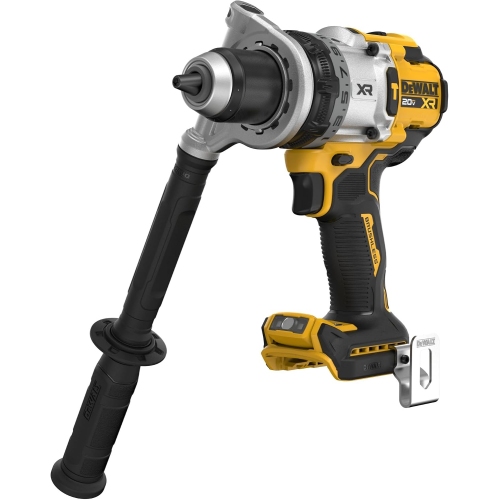 Your price for this item is $339
-
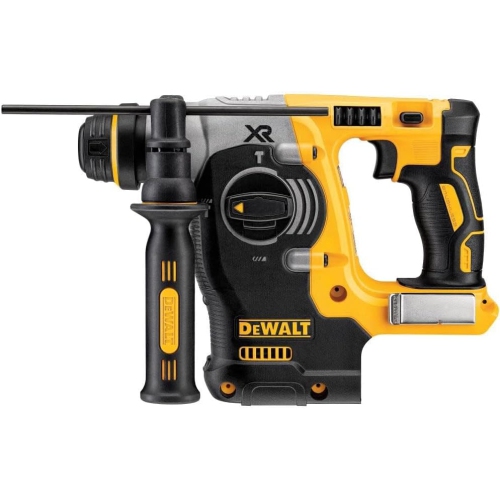 Your price for this item is $549.99
-
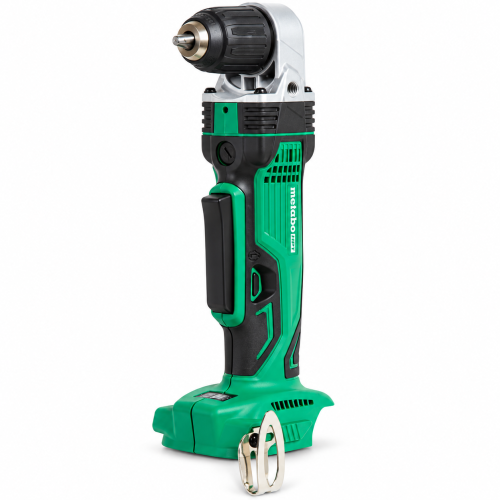 Your price for this item is $135
-
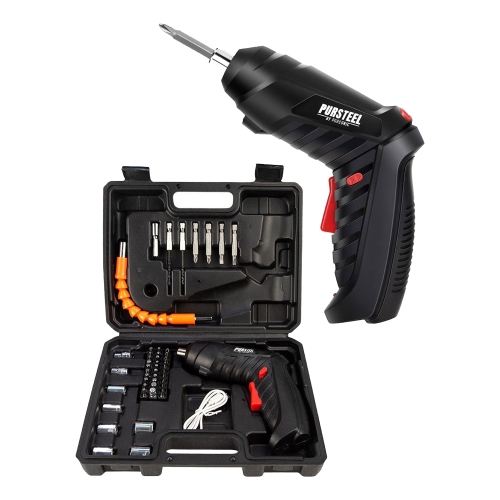 Your price for this item is $47.99
Discover more categories related to Dewalt 20V Max Cordless Drill
Top Collections:
Best Black Friday Deals This Year, Best Black Friday Deals On Electronics, Kindle Devices, Pokemon Centers, Best Black Friday Deals On Apple Products, Best Cameras for Sports Photography, Dyson Airwrap, Pokémon 30th Celebration Cards, Apple iPhone 17 Pro, Canon G7X Cameras
Some products may be subject to Environmental Handling Fees
(EHF) depending on your province.
Learn more about EHFs.