Dimmable Daylight LED Bulbs
Dimmable Daylight LED Bulbs offer a versatile lighting solution for any space, allowing you to create the perfect ambiance for work, relaxation, or entertaining. With a bright, natural daylight effect, these bulbs are designed to enhance visibility and comfort in your home or office. Explore a wide selection of Dimmable Daylight LED Bulbs to find the ideal match for your lighting needs, whether you’re updating fixtures, outfitting new spaces, or simply looking to enjoy greater control over your room’s illumination.
Sort
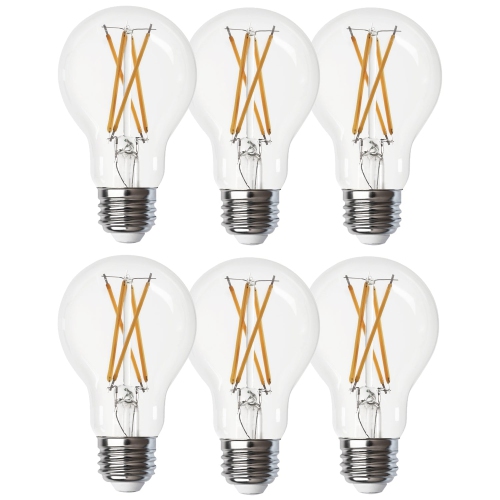
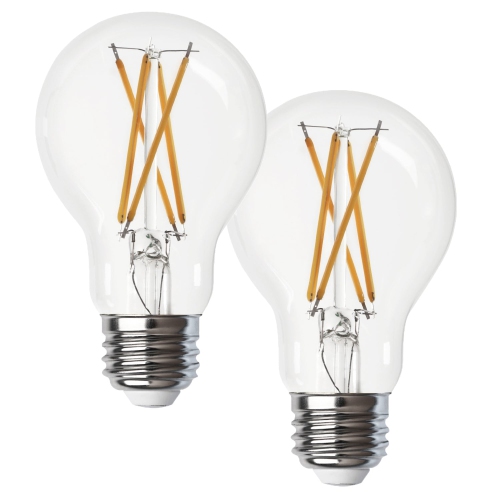

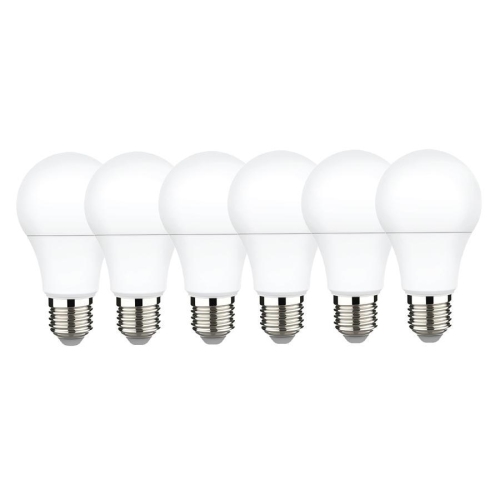
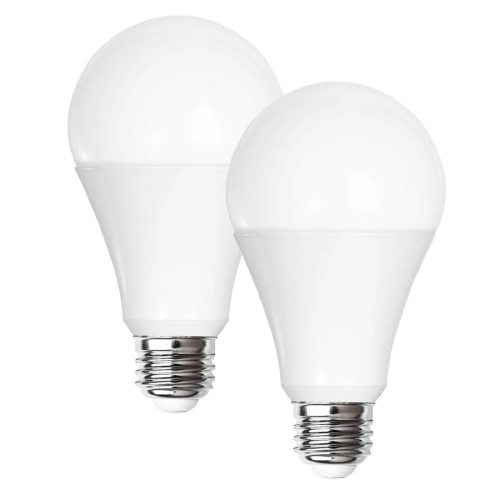
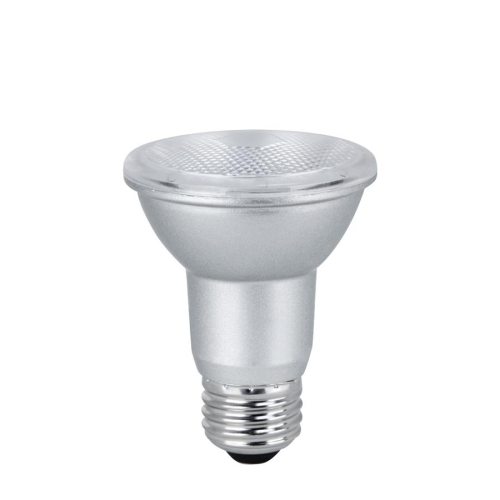
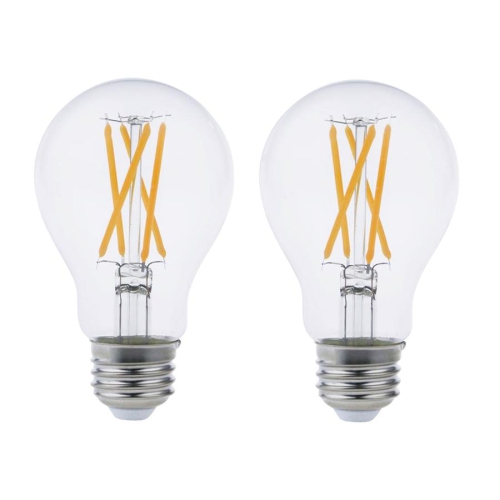
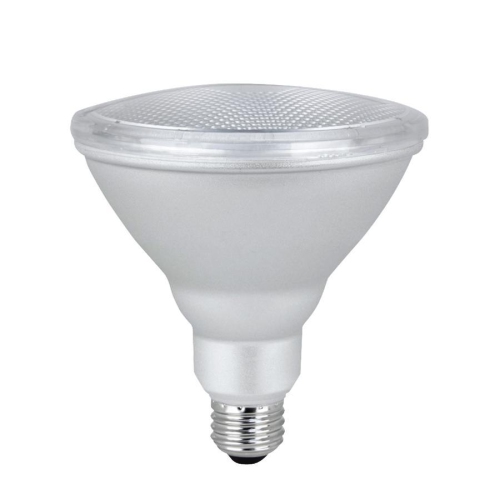
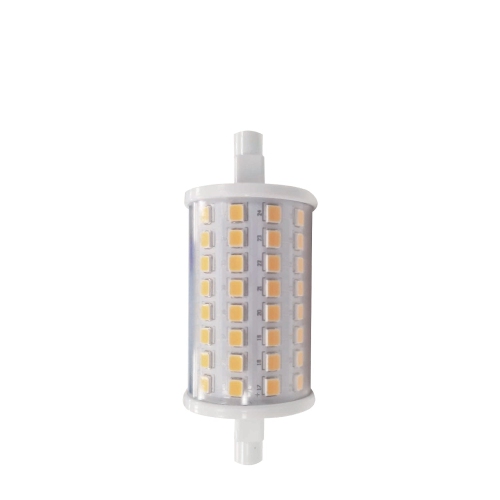
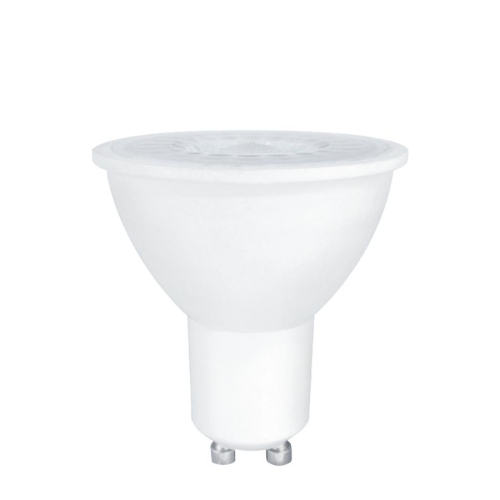
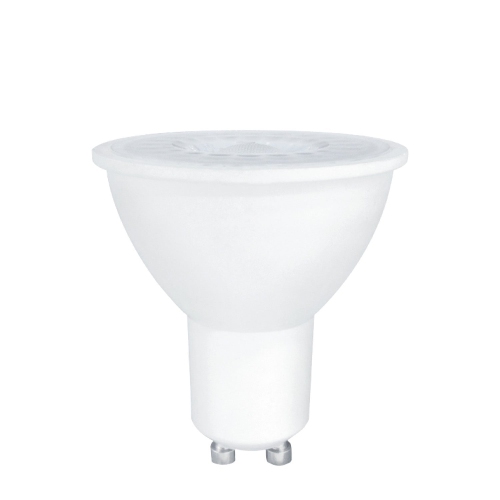
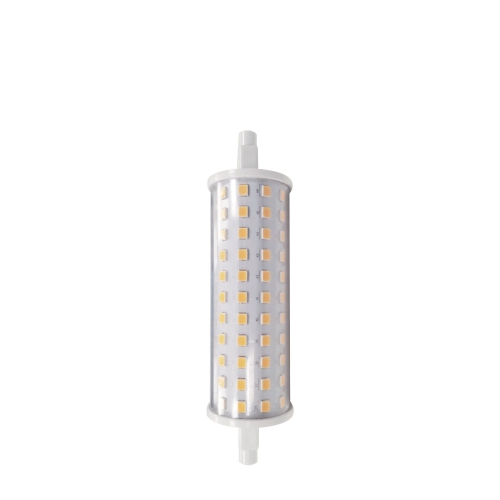
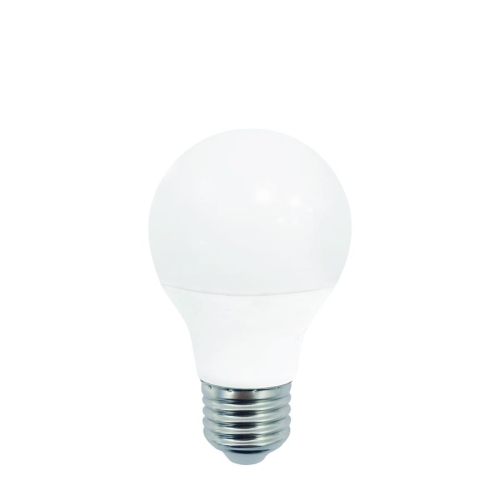
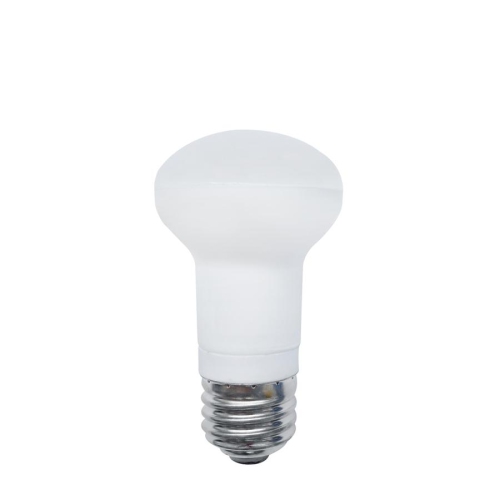
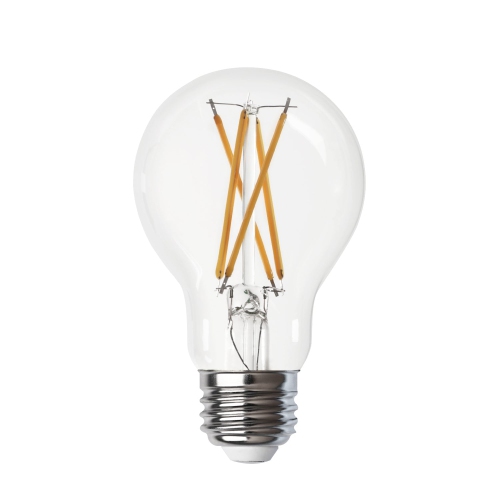
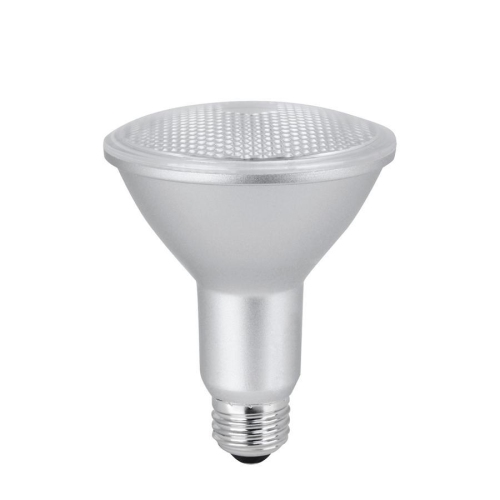
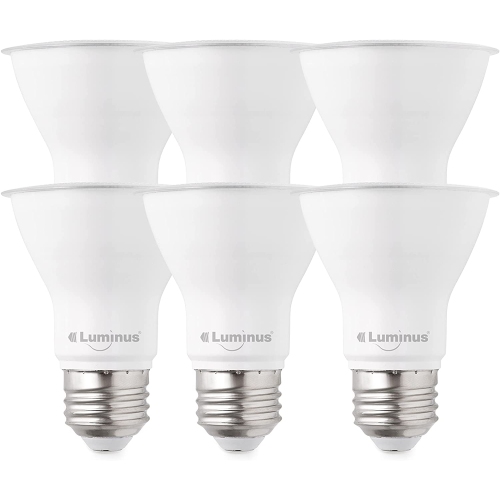

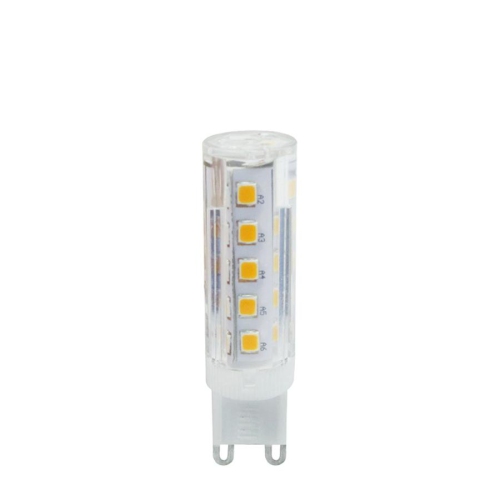
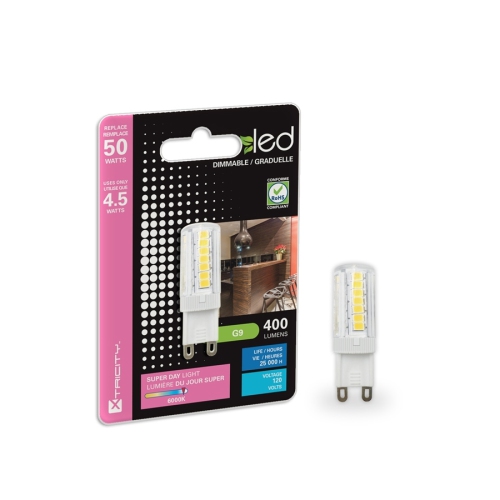
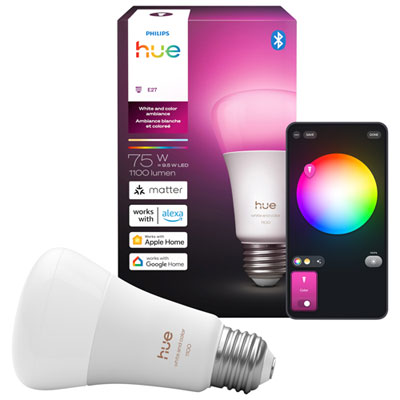
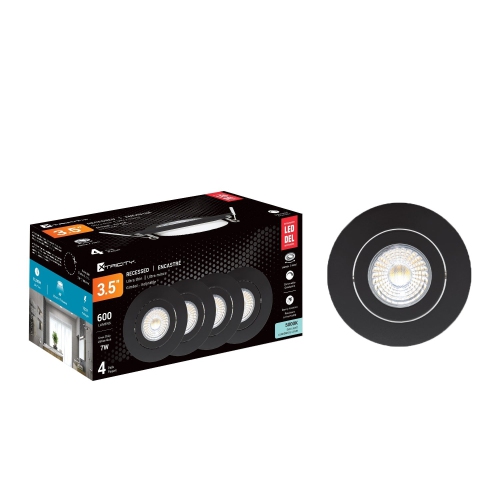
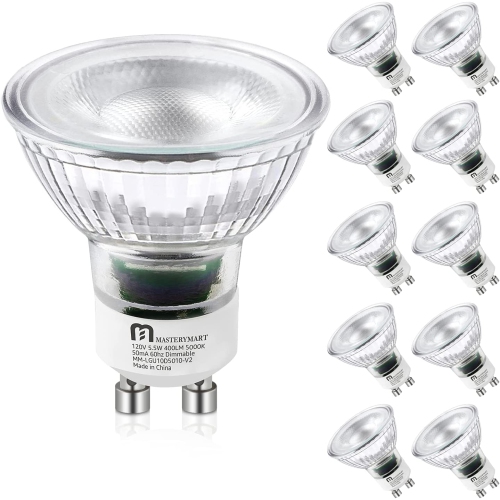
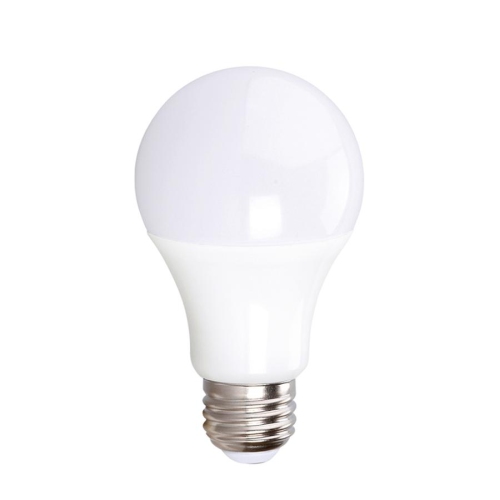
Daylight clarity at a brightness that suits your space
Dimmable daylight LED bulbs combine a crisp, cool-white appearance with adjustable brightness, making them useful wherever clear illumination needs to work alongside more subdued lighting. Daylight bulbs commonly have a colour temperature of 5000K, although some are labelled daylight at higher Kelvin ratings, such as 6500K. The Kelvin rating describes the appearance of the light, not its brightness: a 5000K bulb generally looks whiter and cooler than a 2700K warm-white bulb, even when both produce the same number of lumens. This distinction matters in kitchens, home offices, laundry rooms, and hobby spaces, where a clear view of surfaces and small details can be helpful. Over a kitchen island, daylight illumination can make recipe text and ingredient labels easier to see; beside a sewing machine, it can illuminate seams and fine stitching. Dimming adds flexibility when a room serves several purposes, allowing bright light for focused tasks and a lower level for less demanding activities. Lumens provide the most useful comparison of light output. Around 800 lumens is a familiar reference point for the brightness of a traditional 60-watt incandescent bulb, while higher lumen ratings suit applications that need more light. Wattage describes electrical power consumption rather than brightness, so two LED bulbs with different wattages can produce similar illumination. The fixture’s shade, the bulb’s position, and the colour of nearby walls also influence how bright the space feels. A dark lampshade absorbs more light than a pale, translucent one, while an exposed bulb can create uncomfortable glare even at a moderate lumen rating. Colour rendering is another consideration for artwork, clothing, and food preparation. A higher colour rendering index, or CRI, generally helps colours appear closer to how they look under a reference light source. Daylight colour temperature alone does not guarantee high colour accuracy, so these specifications describe different qualities rather than interchangeable benefits.
The fit of dimmable daylight LED bulbs involves both their physical dimensions and their electrical compatibility. Bulb shape and base type are separate details: A19 describes a familiar pear-shaped bulb, while E26 identifies the medium screw base commonly used in Canadian household lamps and fixtures. Other fittings require different bases, and a bulb that looks similar may not connect correctly. Overall length and width matter in shallow ceiling fixtures, narrow shades, and lamps with enclosed covers. A bulb that screws into the socket can still be too large for the shade or sit where its light creates a bright spot at eye level. Reflector shapes direct light differently from standard household bulbs, making beam angle relevant in recessed fixtures and directional lighting. A broad beam can spread illumination across a work surface, while a narrower beam concentrates it on a smaller area. Dimming performance depends on the bulb and the control working together. A bulb must be explicitly labelled dimmable, and the dimmer must support LED loads; even then, manufacturer compatibility information offers the clearest indication of a suitable pairing. Older controls designed for incandescent bulbs can cause buzzing, flickering, uneven adjustment, or a bulb that switches off before the slider reaches its lowest position. Some LED dimmers include a low-end adjustment that helps establish a stable minimum brightness. The total connected load and the number of bulbs on one control also affect performance, so the dimmer’s LED-specific rating matters more than its incandescent rating. Matching bulbs within a multi-light fixture can help produce a more uniform appearance and a more consistent dimming response. Most fixed-colour daylight bulbs retain approximately the same cool-white appearance as they dim; lower brightness does not automatically create a warm amber glow. Bulbs with a stated dim-to-warm feature behave differently. Smart controls add another compatibility consideration, since many smart bulbs need continuous power and are not intended to operate through a conventional wall dimmer.
Materials, fixture conditions, and everyday handling all influence how well daylight LED bulbs suit a particular space. Glass envelopes can provide a familiar appearance, while plastic diffusers are often lighter and less prone to shattering; either material may be clear or frosted, depending on the design. Frosted surfaces soften the view of the light source, which can be useful in open shades and fixtures visible from a seated position. Clear designs create a more exposed point of light and can produce sharper reflections on glossy surfaces. Neither finish replaces the need for an appropriate shade or diffuser where glare is a concern. Inside the bulb, electronic components and heat-management features support operation, and suitability for an enclosed fixture is an important specification. LEDs still generate heat, particularly around their base, so a bulb intended only for open fixtures may not perform as expected inside a sealed ceiling light. Rated service life is an estimate under specified operating conditions, not a promise that every bulb will last the same number of years. Frequent use, heat buildup, and unsuitable controls can affect longevity. For routine care, power should be switched off and the bulb allowed to cool before handling; a soft, dry cloth can remove dust without wetting the base or socket. Secure seating matters, but overtightening can damage the bulb or fitting. Bathrooms, covered entrances, and exposed exterior fixtures bring additional requirements, including the appropriate damp- or wet-location rating. For exterior applications, Dimmable Outdoor LED Bulbs offer a related category where location ratings and fixture compatibility remain essential considerations. Indoors, dimmable daylight lighting can suit students working at a desk, home cooks preparing meals, and hobbyists handling detailed projects. Its strongest appeal is that combination of clear task lighting and adjustable output, with the bulb’s brightness, colour appearance, shape, and dimming behaviour matched to the way the space is used.
Top selling and popular products
-
 Your price for this item is $180
-
 Your price for this item is $55
-
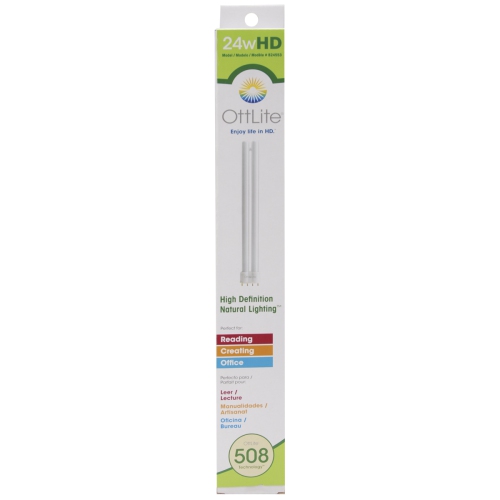 Your price for this item is $55
-
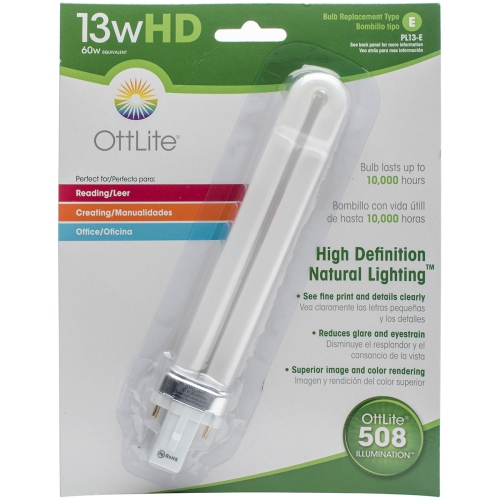 Your price for this item is $55
-
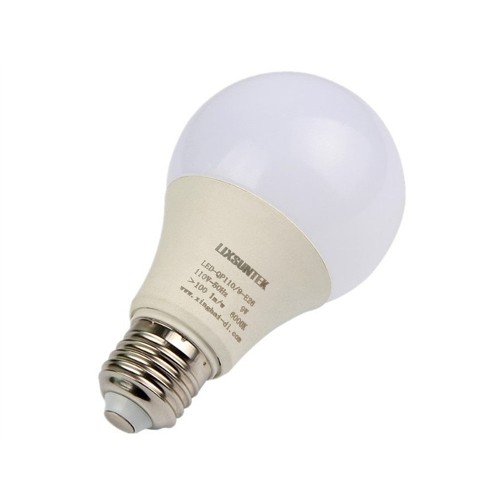 Your price for this item is $9.99
-
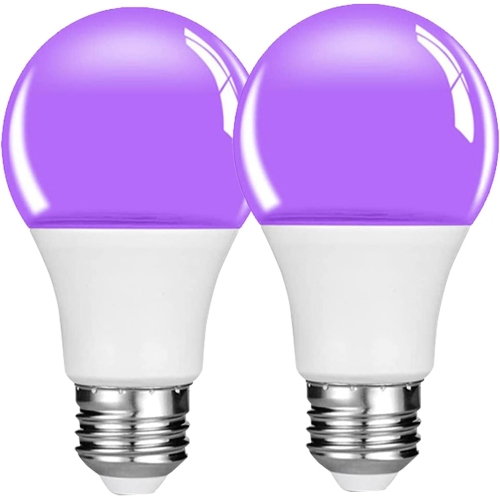 Your price for this item is $23.38
-
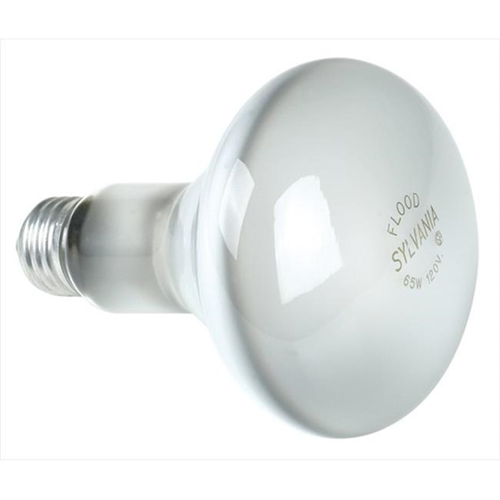 Your price for this item is $128.69
-
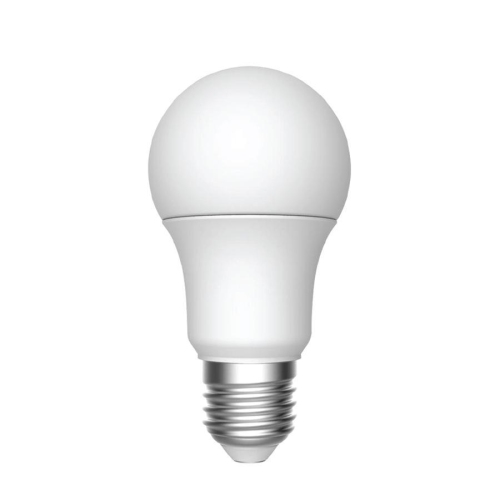 Your price for this item is $4.97
Discover more categories related to Dimmable Daylight LED Bulbs
Top Collections:
Best Black Friday Deals This Year, Best Black Friday Deals On Electronics, Kindle Devices, Best Black Friday Deals On Apple Products, Best Budget Office Chairs, Best Cameras for Sports Photography, Dyson Airwrap, Canon G7X Cameras, Best Laptops for Writers, Samsung Galaxy Phones
Some products may be subject to Environmental Handling Fees
(EHF) depending on your province.
Learn more about EHFs.