Dimmable E26 LED Bulbs
Dimmable E26 LED Bulbs offer a convenient way to customize the lighting in any room, from cozy living spaces to productive home offices. With their standard E26 base, these bulbs are compatible with a wide range of fixtures, making them an easy upgrade for your home or workspace. Whether you’re looking to create a relaxing ambiance or need brighter illumination for tasks, Dimmable E26 LED Bulbs provide versatile lighting options to suit your needs. Explore the selection to find the perfect fit for your lamps, ceiling lights, and more.
Sort






Smooth dimming takes more than a matching base
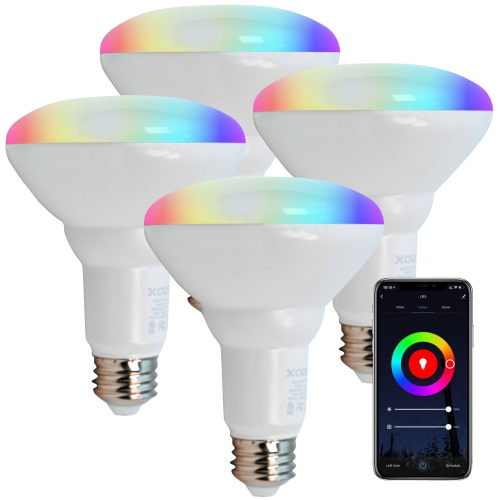
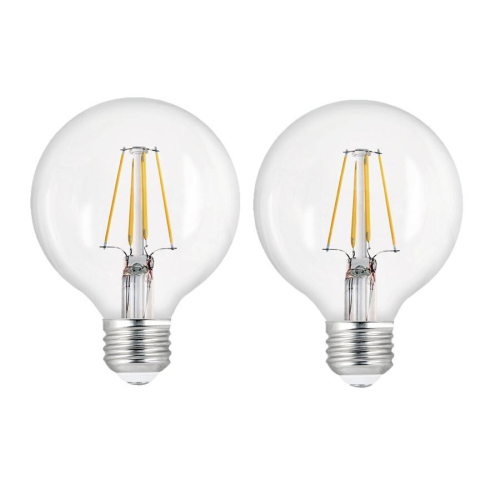
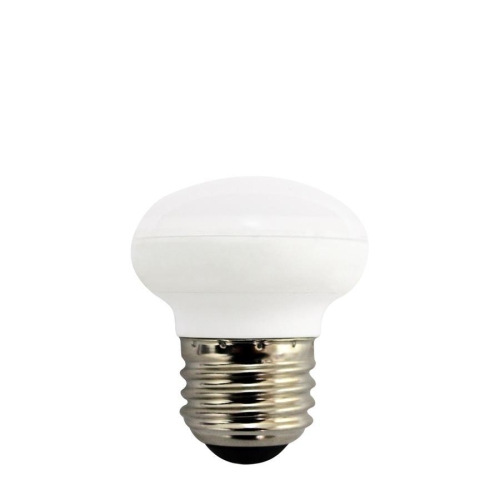
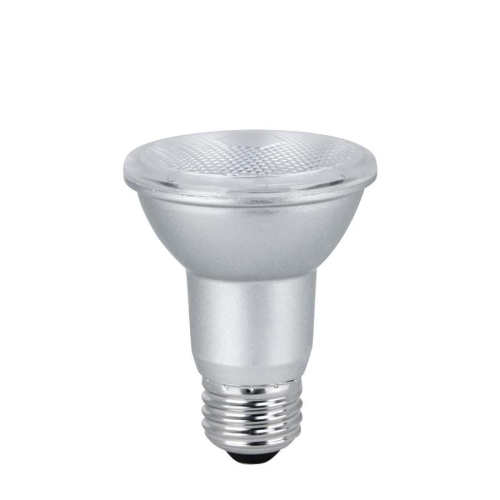
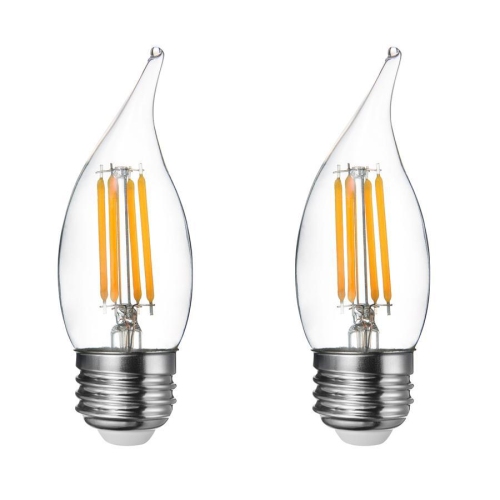
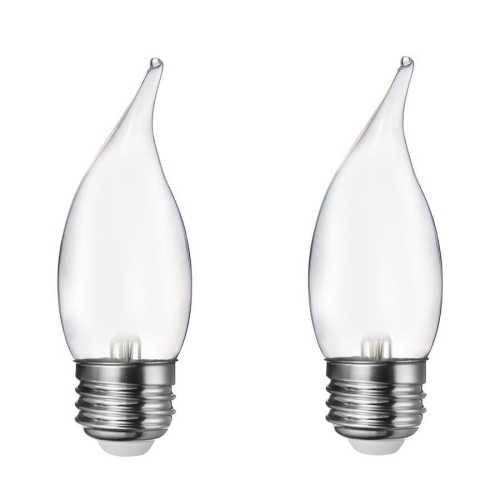
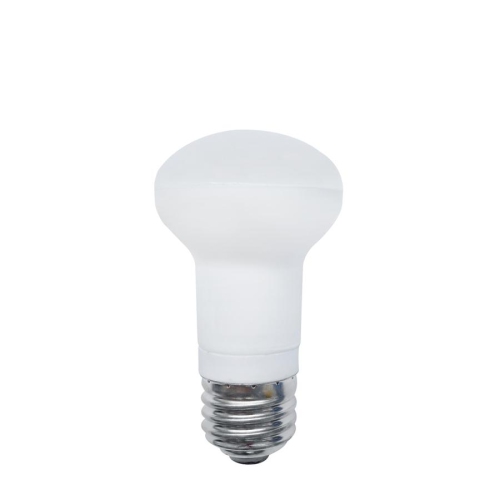
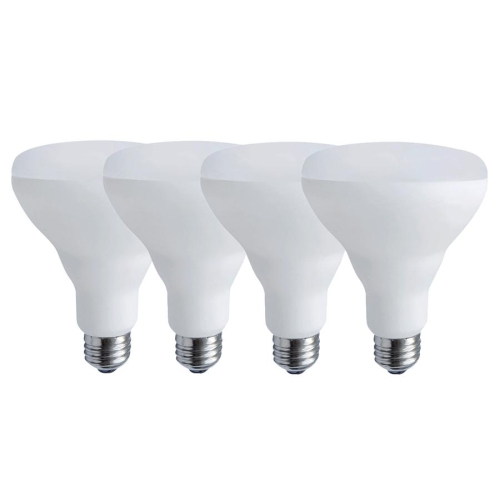
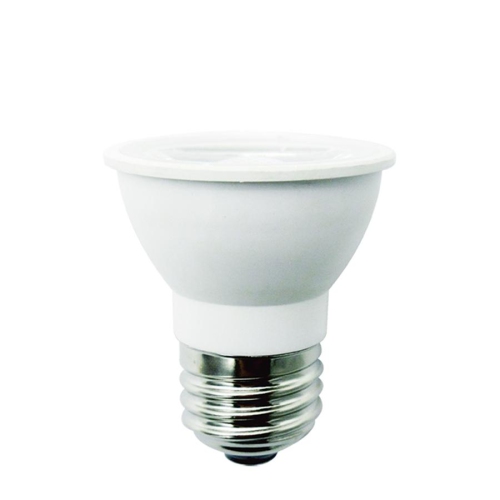
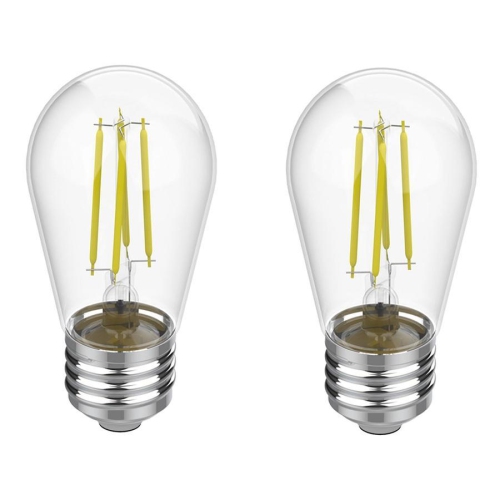
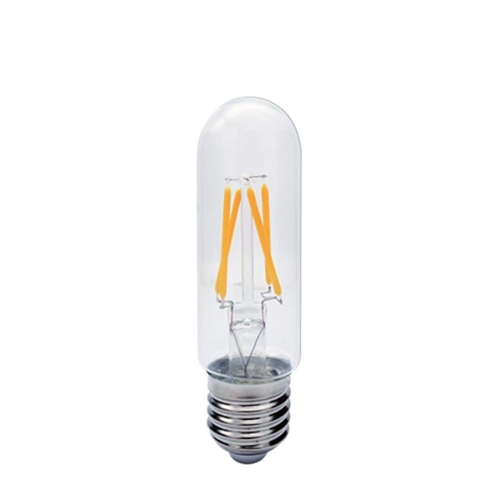
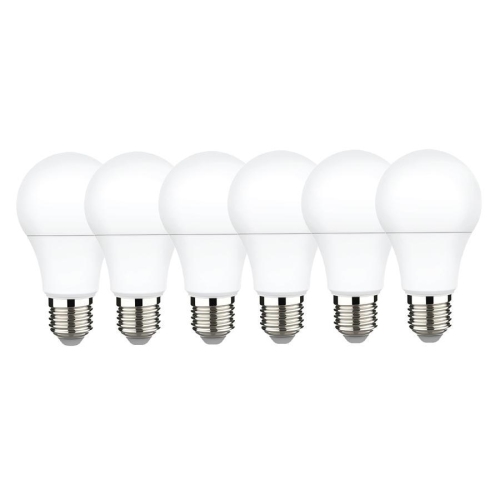
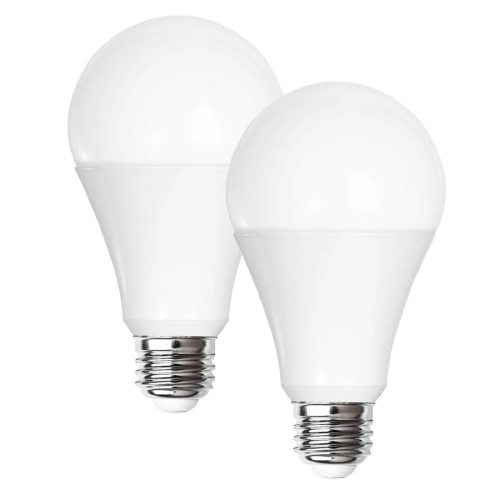
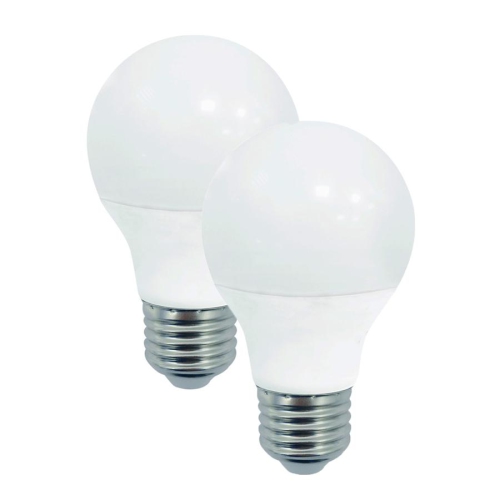
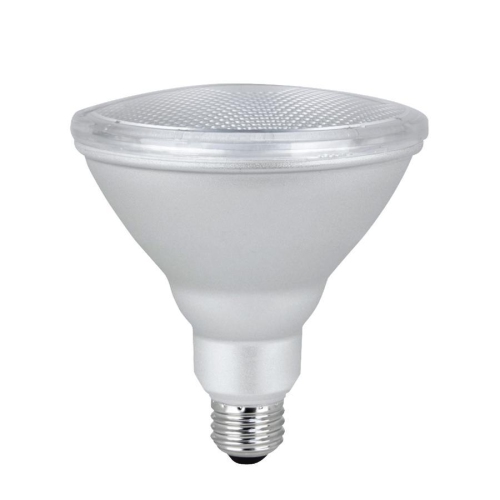
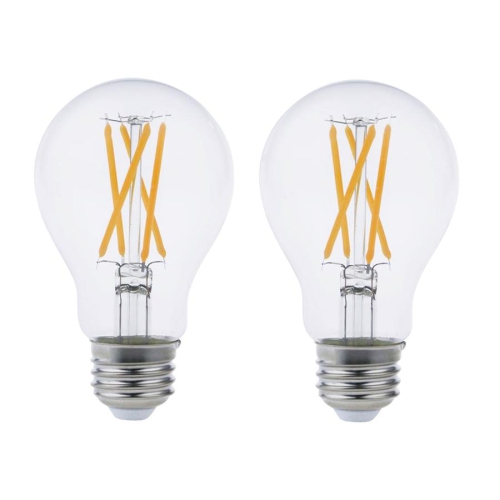
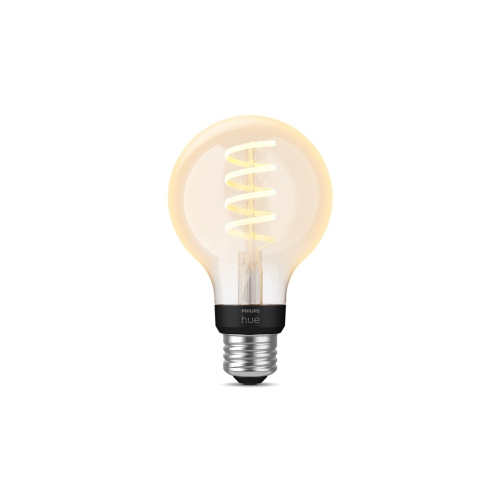
Dimmable E26 LED bulbs pair a familiar screw-in base with adjustable light output for table lamps, ceiling fixtures, pendants, and other compatible household lighting. E26 identifies an Edison screw base measuring approximately 26 millimetres in diameter; it describes the connection, not the bulb’s shape, brightness, or colour. This medium base is common in Canadian homes, but a matching socket is only one part of a suitable fit. The bulb’s voltage, dimensions, and fixture rating also matter, especially inside a narrow shade or beneath a glass cover. A19 bulbs have the familiar rounded household profile, while globe bulbs offer a fuller shape for exposed fixtures and elongated filament styles suit pendants where the bulb itself forms part of the design. Different shapes can share an E26 base without being interchangeable in every fixture. A wide globe may fit the socket yet sit too close to a shade, while a tall bulb may extend beyond the edge of a pendant. Glass envelopes can provide the crisp appearance associated with traditional bulbs, while some designs use plastic diffusers that are less prone to shattering. Neither material alone determines lighting quality or expected life. Clear finishes reveal the internal filaments and can cast more defined highlights through an open shade; frosted finishes soften the appearance of the light source and help reduce the visibility of individual LED elements. In a reading lamp beside an armchair, a frosted bulb behind a shade can feel comfortable at eye level. Above a dining table, a clear filament bulb can become a visible design detail, with dimming allowing a brighter setting for homework and a lower setting for meals. These bulbs suit households that use one room for several activities, as well as renters replacing bulbs in existing lamps, provided the fixture and controls are compatible. Matching the bulb’s physical size and finish to its intended setting helps the lighting look considered rather than simply functional.
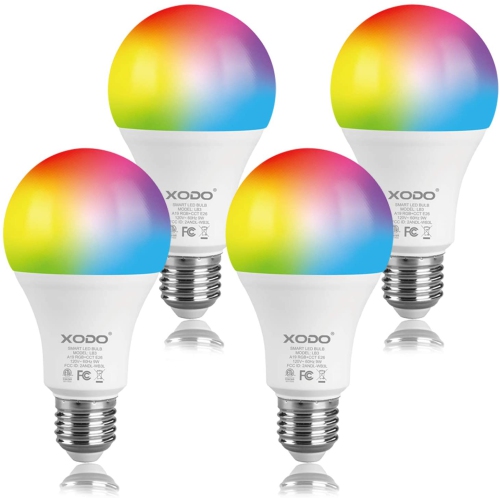
Brightness and light colour have separate roles in how dimmable E26 LED bulbs feel in a room. Lumens describe visible light output, while watts describe electrical power consumption. As a general comparison, an approximately 800-lumen LED bulb provides brightness similar to a traditional 60-watt incandescent bulb, although the light reaching a surface also depends on the shade, fixture, and beam pattern. Around 450 lumens is often associated with a 40-watt incandescent replacement, while approximately 1,600 lumens corresponds to a 100-watt replacement. These comparisons are useful starting points rather than promises of identical results in every lamp. A dark fabric shade absorbs more light than a pale translucent one, and a multi-bulb ceiling fixture combines the output of several sources. Choosing enough light for the brightest intended task leaves room to lower the output when a softer setting is preferred. Colour temperature, expressed in kelvins, describes whether the light appears warmer or cooler. Bulbs around 2700K generally produce a warm white appearance, 3000K offers a slightly crisper warm white, and 4000K to 5000K moves towards neutral or daylight-like white. A warm tone can complement wood furniture and upholstered seating, while a more neutral tone may suit a work surface where clear visibility matters. Colour rendering is another useful distinction: a higher colour rendering index, or CRI, generally helps colours appear more faithful compared with a reference light source at the same colour temperature. This can matter near a wardrobe, bathroom mirror, craft table, or artwork. Standard dimmable LEDs usually retain a similar light colour as their brightness decreases. Dim-to-warm bulbs are designed to shift towards a warmer appearance at lower settings, while selectable-colour bulbs allow a choice among preset colour temperatures. These features are not interchangeable, and a bulb with adjustable colour is not automatically dimmable. For fixtures with several visible bulbs, matching colour temperature, lumen output, and finish helps create an even appearance rather than a mixture of bright spots and different white tones.
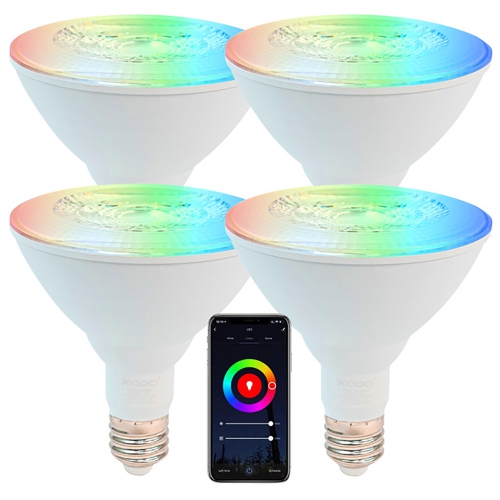
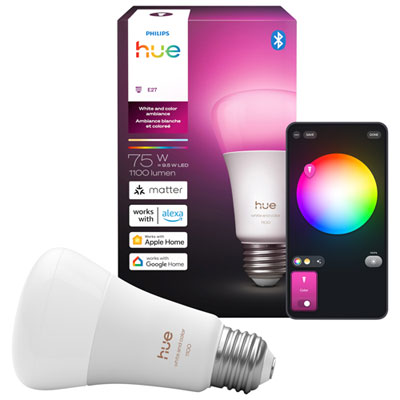
Smooth dimming depends on the bulb and the control working together. A bulb marked dimmable still needs a compatible dimmer; an older switch intended for incandescent lighting may produce flicker, buzzing, an abrupt shut-off, or a limited adjustment range when paired with LEDs. An LED-rated dimmer is a better starting point, but manufacturer compatibility information remains important because not every LED bulb works equally well with every LED-rated control. Minimum and maximum load requirements also apply, and the permitted LED load can differ from the incandescent rating printed on a dimmer. A single low-wattage bulb and a fixture holding several bulbs can therefore behave differently on the same control. Some dimmers provide a low-end adjustment that helps establish a stable minimum brightness, but the achievable range depends on the combination. Dimmable does not necessarily mean the bulb will fade continuously from full brightness to almost no light. Touch lamps, illuminated switches, and lamps with built-in dimming electronics may have additional compatibility requirements. Smart bulbs also need particular care: many require constant power and use an app or dedicated control for dimming rather than a conventional wall dimmer. Durability depends on appropriate installation as well as the bulb’s construction. LEDs produce heat at their electronic components, so a bulb should be used inside a fully enclosed fixture only when its specifications permit it. Recessed housings, covered ceiling lights, and other restricted spaces can have requirements beyond the base size. A stated lifespan is a rated estimate under specified conditions, not a guarantee of years of service in every setting. For routine care, switching off the power, allowing the bulb to cool, and gently removing dust with a dry cloth can help keep the light unobstructed without wetting the base. Fixtures exposed to moisture require a suitable location rating; an E26 base and dimming capability do not establish outdoor suitability. For lighting beyond indoor rooms, Dimmable Outdoor LED Bulbs provide a related option, with damp- or wet-location ratings and fixture compatibility remaining essential considerations.
Top selling and popular products
-
 Your price for this item is $180
-
 Your price for this item is $55
-
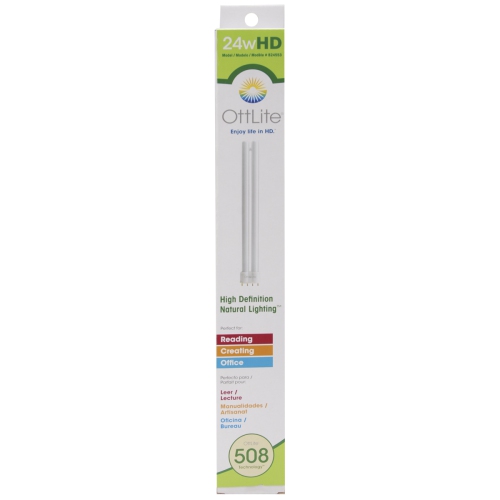 Your price for this item is $55
-
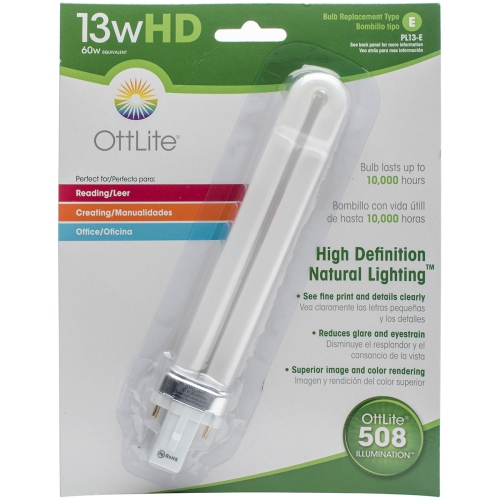 Your price for this item is $55
-
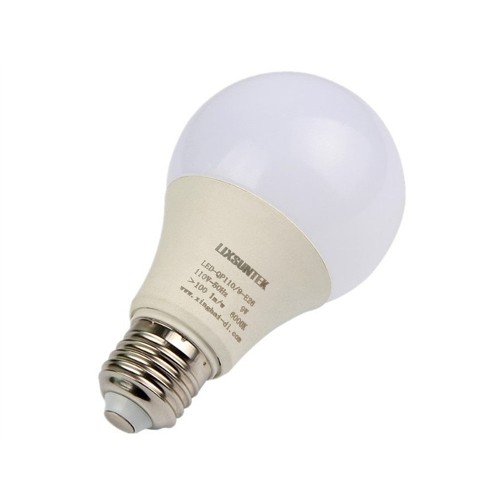 Your price for this item is $9.99
-
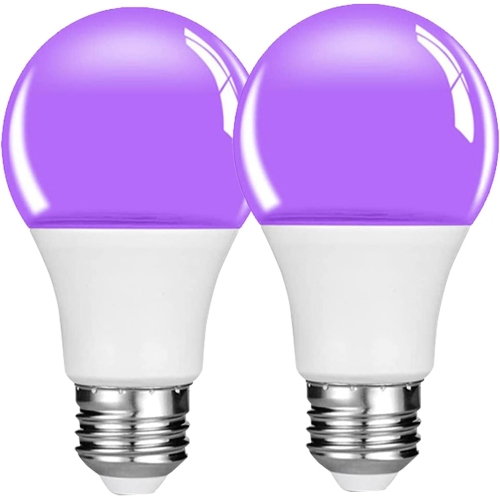 Your price for this item is $23.38
-
 Your price for this item is $128.69
-
 Your price for this item is $4.97
Discover more categories related to Dimmable E26 LED Bulbs
Top Collections:
Best Black Friday Deals This Year, Best Black Friday Deals On Electronics, Kindle Devices, Best Black Friday Deals On Apple Products, Best Budget Office Chairs, Best Cameras for Sports Photography, Dyson Airwrap, Canon G7X Cameras, Best Laptops for Writers, Samsung Galaxy Phones
Some products may be subject to Environmental Handling Fees
(EHF) depending on your province.
Learn more about EHFs.