Dimmable Outdoor LED Bulbs
Dimmable Outdoor LED Bulbs offer a versatile lighting solution for patios, gardens, decks, and other exterior spaces. Designed to enhance your outdoor ambiance, these bulbs allow you to easily adjust brightness levels to suit any occasion or mood. Whether you're hosting a backyard gathering or enjoying a quiet evening under the stars, Dimmable Outdoor LED Bulbs help create the perfect atmosphere while providing reliable illumination for your home's exterior. Explore a range of options to find the ideal fit for your outdoor lighting needs.
Sort

Smooth outdoor dimming depends on more than brightness
Dimmable outdoor LED bulbs provide adjustable light for exterior fixtures, allowing brightness to be raised for everyday tasks or lowered for a softer glow. They combine LED lighting with dimming capability, but suitability for outdoor use depends on the bulb’s location rating, operating limits and compatibility with the fixture and dimmer. Common formats include general-purpose A-shaped bulbs and reflector styles such as PAR30, PAR38 and BR30, although shape alone does not confirm that a bulb is suitable for outdoor installation. A porch lantern, recessed soffit light and driveway floodlight can each require a different combination of base, dimensions and beam pattern. The base must match the socket: E26 describes a medium screw base, not the bulb’s shape, brightness or outdoor rating. For fixtures with that socket size, Dimmable E26 LED Bulbs offer a related category to explore while checking the outdoor-use requirements of the intended installation. Smaller decorative fixtures may use another base, so matching the existing bulb’s markings is more reliable than judging by appearance. Physical fit matters just as much. A wide reflector bulb may not pass through a lantern’s opening, while a longer bulb can prevent a glass cover from closing properly. Fixture dimensions, maximum permitted wattage and any restrictions on bulb shape should all be checked before replacement. In a clear-sided lantern, the bulb is part of the visual design: a clear finish can reveal a decorative filament arrangement, while a frosted finish softens the appearance of the light source. Reflector bulbs serve a different purpose, directing light towards a path, entrance or other defined area. A narrower beam concentrates illumination, whereas a wider flood spreads it across more space. Neither is automatically better; the useful choice depends on mounting height, the distance to the surface being lit and whether the fixture is meant to illuminate a task area or provide a welcoming background glow. Keeping the light source recessed within a suitable shade can also make an entrance more comfortable to approach.
Brightness and light colour determine how an outdoor space feels and how clearly everyday details can be seen. Lumens describe light output, while watts describe electrical power consumption; an LED bulb’s wattage alone is not a dependable measure of brightness. A covered entry needs enough illumination to find keys and read a door number, while a larger driveway may need a broader distribution of light rather than one intense spot. Lowering the output can make a seating area feel relaxed, but steps, changes in level and frequently used walkways still need clear visibility. Colour temperature, expressed in kelvins, affects the appearance of the light rather than its brightness. Warm white light around 2700K to 3000K gives brick, wood and outdoor seating a softer appearance. A more neutral white, such as 4000K, can suit a utility entrance or work area where a crisper look is preferred. Using similar colour temperatures across neighbouring fixtures helps an exterior look cohesive, especially when several lights are visible from the street. Standard dimmable LEDs generally retain a similar light colour as they dim; bulbs specifically described as warm-dimming become warmer at lower settings. Smooth adjustment also depends on the controls. A bulb marked dimmable is not necessarily compatible with every wall dimmer, particularly an older control designed for incandescent lighting. The bulb and dimmer manufacturers’ compatibility information, supported dimming method, and minimum and maximum load requirements help establish a suitable pairing. Multiple low-wattage LEDs on one circuit can behave differently from the bulbs they replace, even when the total wattage appears modest. Flickering, buzzing, delayed illumination or lights that switch off abruptly near the bottom of the slider can indicate a mismatch or a need for an approved low-end adjustment. The usable dimming range varies, so a dimmable label should not be interpreted as a promise of adjustment all the way to darkness. For fixtures connected to motion sensors, timers or photocells, compatibility with those controls matters too, since not every LED bulb is designed for every switching arrangement.
Outdoor durability begins with choosing the correct location rating for the actual exposure. Damp-rated bulbs are intended for protected locations where moisture may be present but water does not directly reach the bulb, subject to the manufacturer’s installation requirements. Wet-rated bulbs are designed for locations exposed to water, again within their stated conditions of use. A roof over an entrance does not automatically make every fixture beneath it a damp location, particularly where wind-driven rain can reach the fitting. The fixture itself must also be suitable for its location; installing an outdoor-rated bulb does not make an indoor fixture safe outdoors. Likewise, a wet-location rating does not mean a bulb can be submerged. Enclosed fixtures introduce another consideration because a sealed globe or lantern can retain heat. Only bulbs approved for enclosed use should be installed where the fixture’s design requires that rating, and ventilation openings should remain unobstructed. Outdoor operating-temperature specifications are worth checking for exposed installations in Canada, as performance depends on the limits stated for the bulb and any associated controls. Glass and plastic bulb housings have different handling characteristics, but neither material alone establishes resistance to moisture, impact or prolonged outdoor exposure. The product’s ratings and the protection provided by the fixture are more useful measures. Good upkeep helps preserve light output and makes deterioration easier to notice. With power switched off and the bulb cool, accessible surfaces can be cleaned according to the manufacturer’s directions; dirt on a lens or fixture cover can reduce useful illumination. Cracked covers, damaged seals, corrosion or moisture inside a fitting call for attention rather than simply a brighter replacement bulb. Higher or difficult-to-reach installations may require professional servicing. For homeowners, tenants with permission to change bulbs, and anyone refreshing an entrance or patio, a well-matched replacement balances comfortable light with practical visibility. Consistent bulb shapes, colour temperatures and dimming behaviour across a group of fixtures can make even a modest lighting update feel considered, without casting unnecessary glare towards adjacent windows or beyond the area that needs illumination.
Top selling and popular products
-
 Your price for this item is $99.99
-
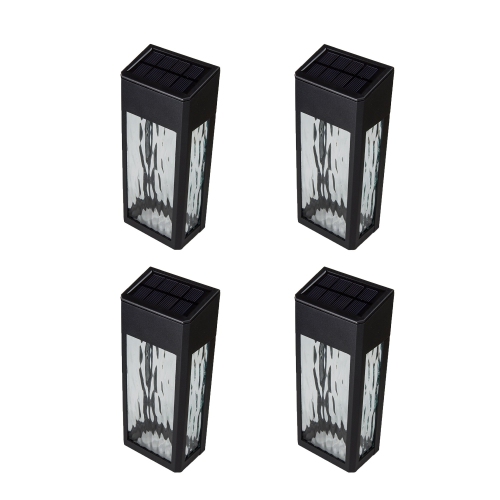 Your price for this item is $73.99
-
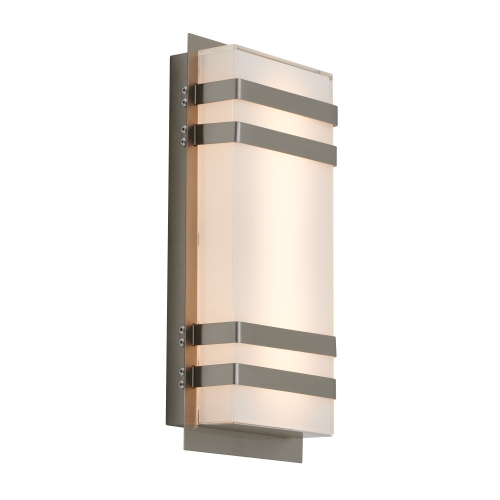 Your price for this item is $69.99
-
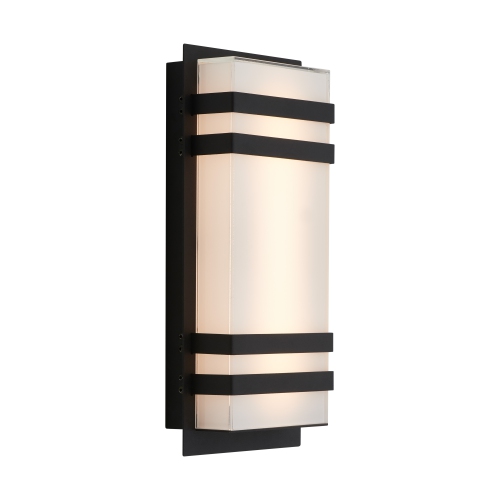 Your price for this item is $59.99
-
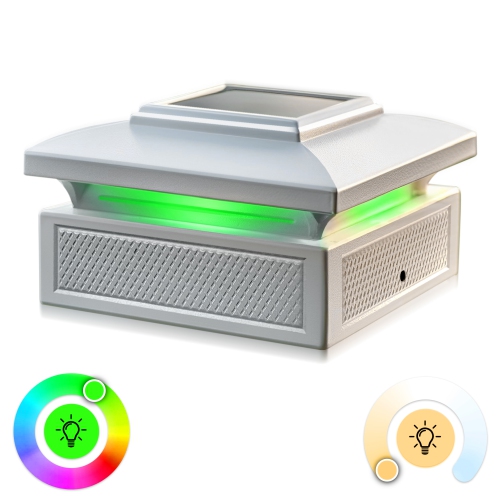 Your price for this item is $99.99
-
 Your price for this item is $99.99
-
 Your price for this item is $99.99
-
 Your price for this item is $99
Discover more categories related to Dimmable Outdoor LED Bulbs
Top Collections:
Best Black Friday Deals This Year, Best Black Friday Deals On Electronics, Kindle Devices, Best Black Friday Deals On Apple Products, Best Budget Office Chairs, Best Cameras for Sports Photography, Dyson Airwrap, Canon G7X Cameras, Best Laptops for Writers, Samsung Galaxy Phones
Some products may be subject to Environmental Handling Fees
(EHF) depending on your province.
Learn more about EHFs.