Dinner Platters
Elevate your dining experience with our exquisite collection of dinner platters, perfect for showcasing culinary creations and enhancing every meal. Whether you're hosting a festive gathering or enjoying a quiet family dinner, these platters offer the ideal blend of style and functionality. Designed to complement any table setting, they come in a variety of shapes, sizes, and materials to suit your personal taste and occasion. Explore options that cater to both casual meals and special celebrations, ensuring your dishes are presented with flair. Transform your dining table into a masterpiece with our diverse selection of elegant dinner platters.
Sort







Why platter shape matters for shared meals
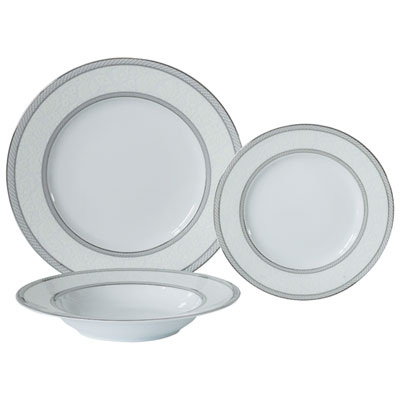
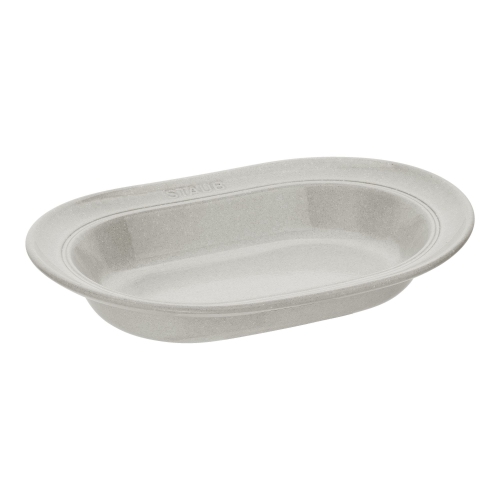
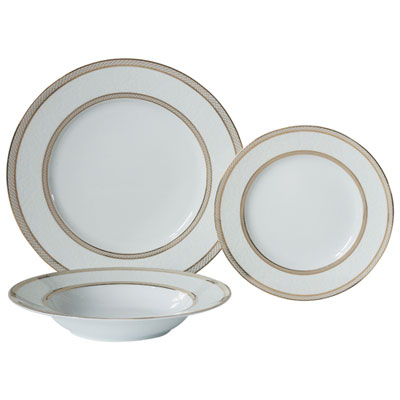
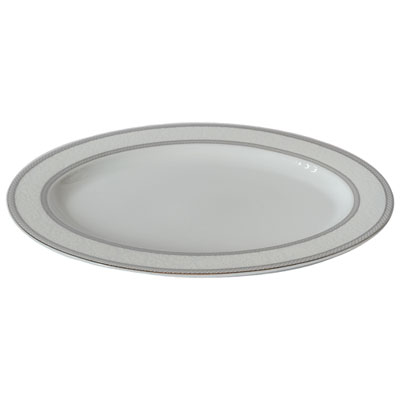
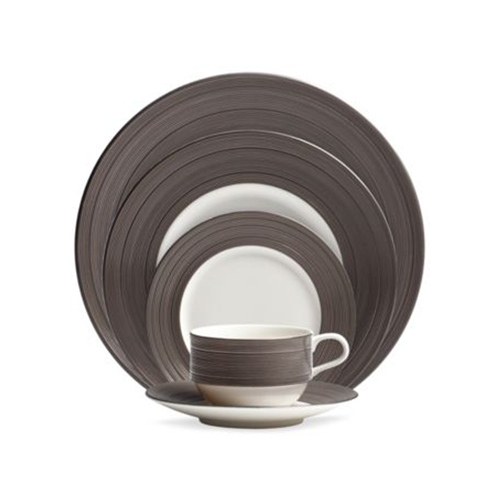
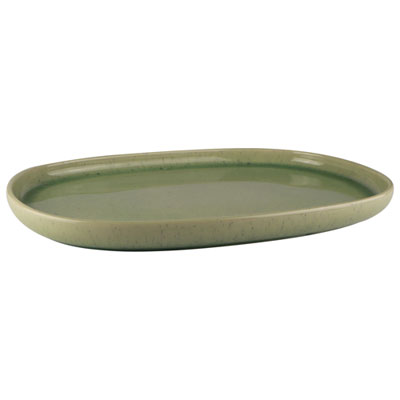
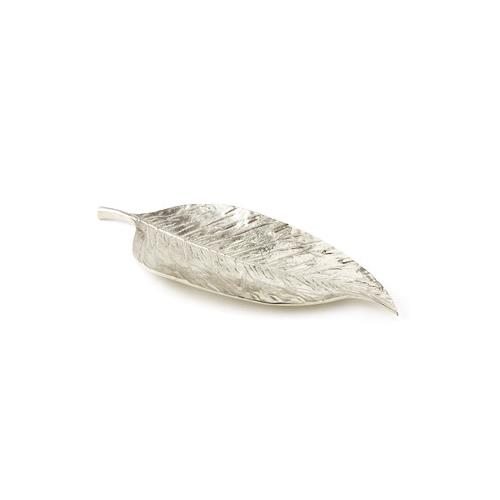
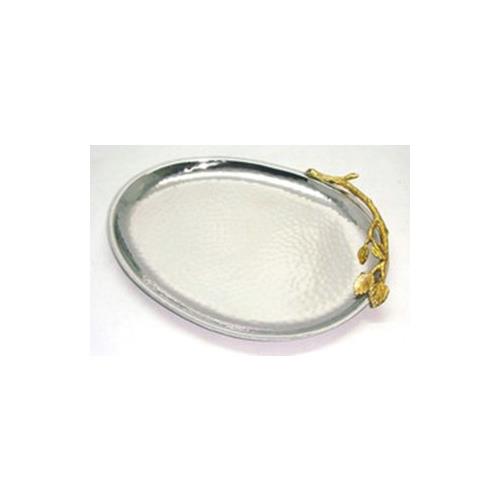
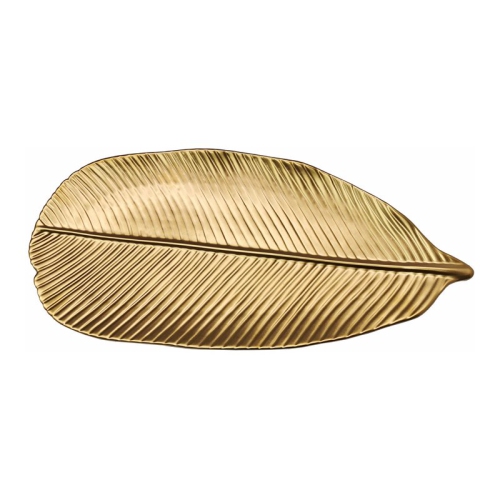
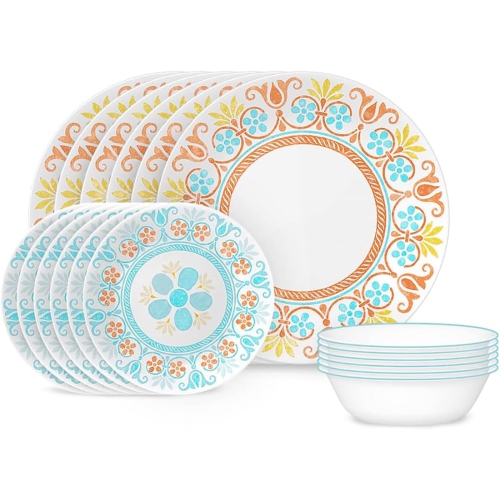
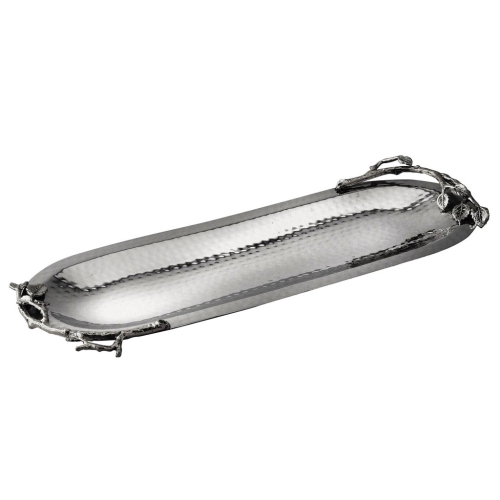
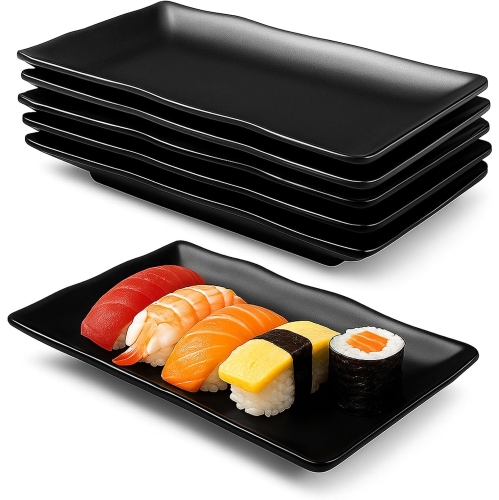
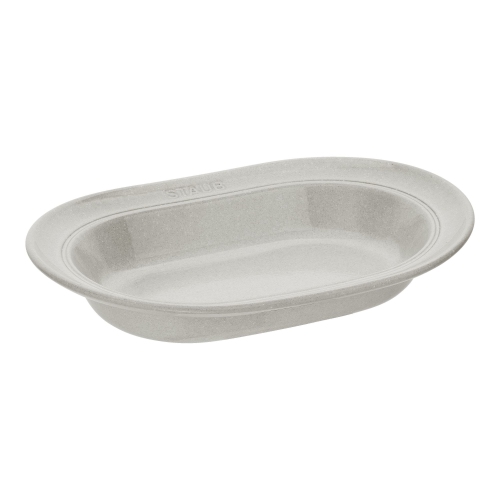
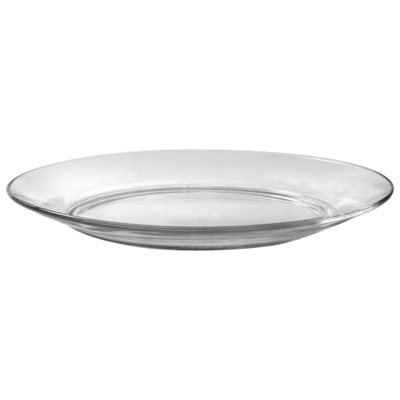
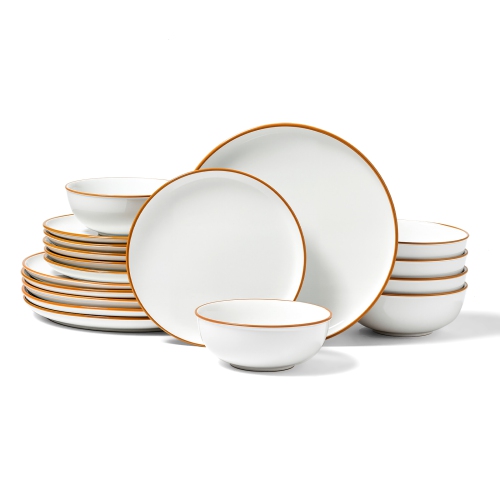
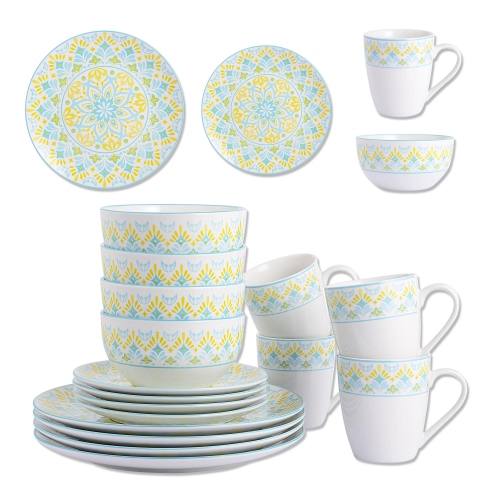
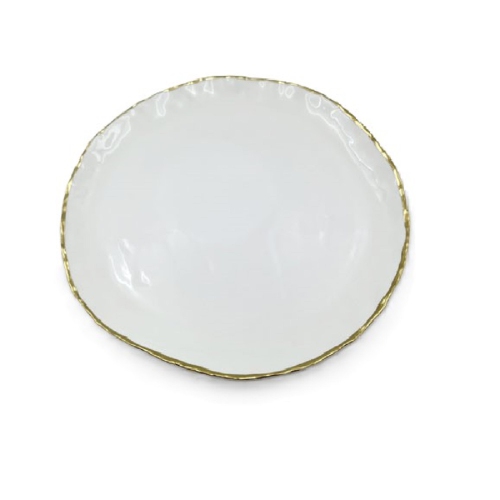
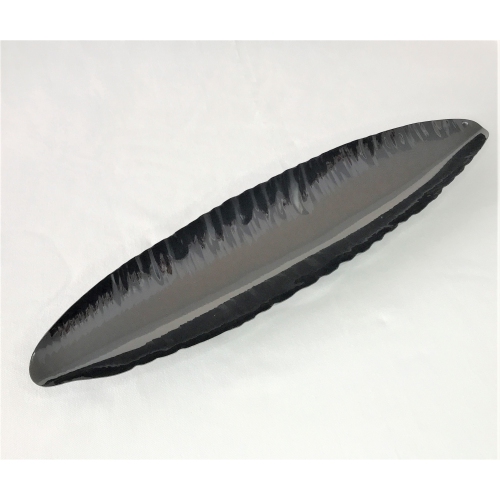
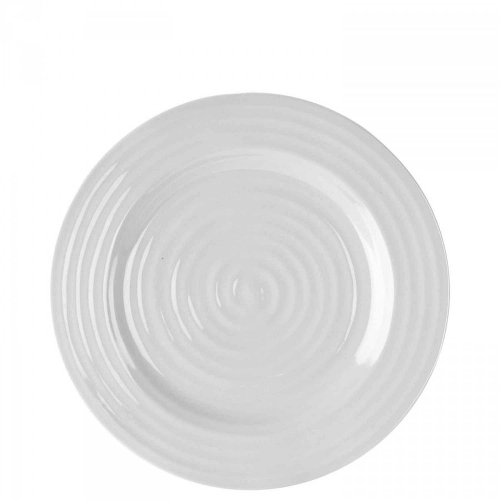
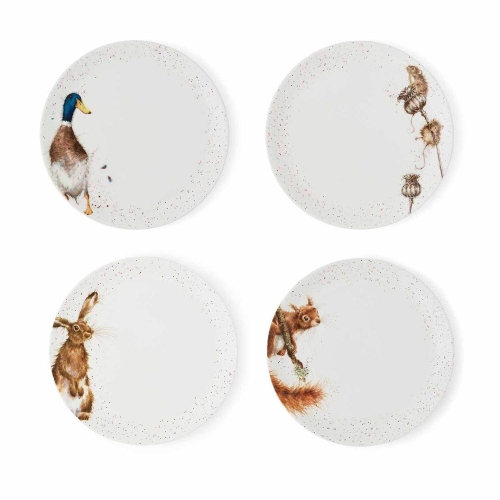
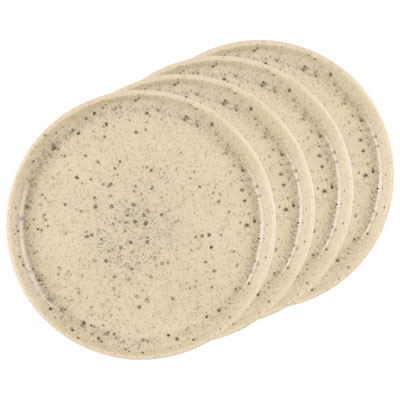
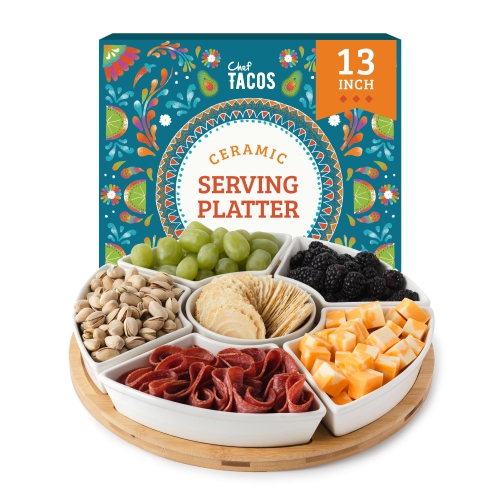
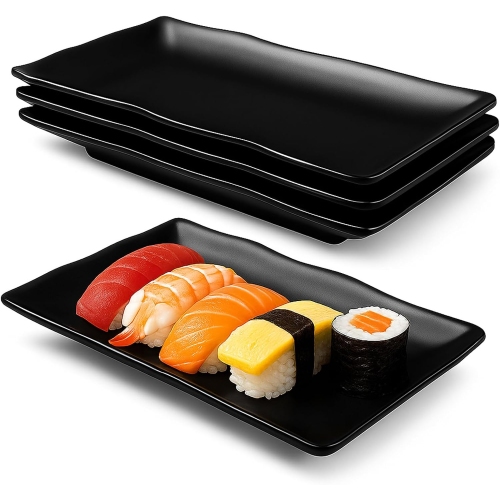
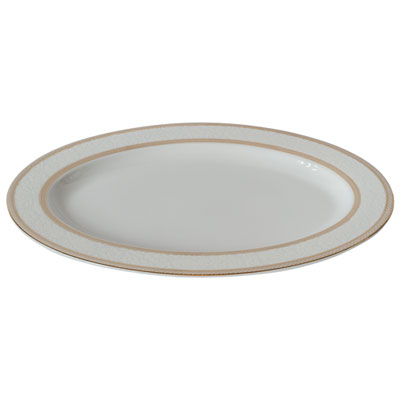
Dinner platters are large serving dishes designed to bring shared portions of food to the table, from a sliced roast surrounded by vegetables to a generous arrangement of sandwiches. Unlike individual dinner plates, a platter holds food for several people to help themselves, making it useful for family meals, casual gatherings, and more formal entertaining. The most practical shape depends on what is being served and how much room is left on the table once glasses, cutlery, and side dishes are in place. Oval serving platters suit longer foods such as whole fish, asparagus, or rows of sliced meat, while round platters work well for arranging appetizers around a central bowl of dip. Rectangular designs provide straight edges for neatly arranged wraps, sushi, or pastries, although their corners can take up more space in a crowded cupboard. A broad, flat surface makes it easier to lift delicate portions with a spatula; a raised rim helps keep loose grains, dressings, and meat juices from spilling over the edge. Deeper designs suit foods with a little sauce, but a serving bowl is generally more practical for soups or dishes with plenty of liquid. Size is worth considering in relation to both the meal and the people sharing it. One oversized platter can create an attractive centrepiece, yet several smaller platters may be easier to pass around a long table and replenish during dinner. A wide rim or integrated handles can offer a more secure place to grip, particularly when carrying food from the kitchen. For a coordinated table, serving pieces can share a colour, finish, or rim detail with Dinner Plate Sets without needing to match exactly. Plain white platters let colourful vegetables and garnishes stand out, while subtle patterns or textured edges add interest to a simple place setting. Leaving some clear space around the food keeps the rim usable and makes portions easier to lift without disturbing the whole arrangement.
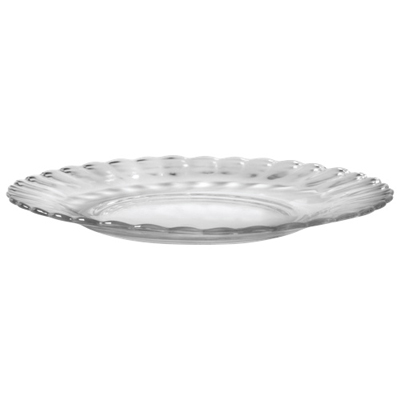
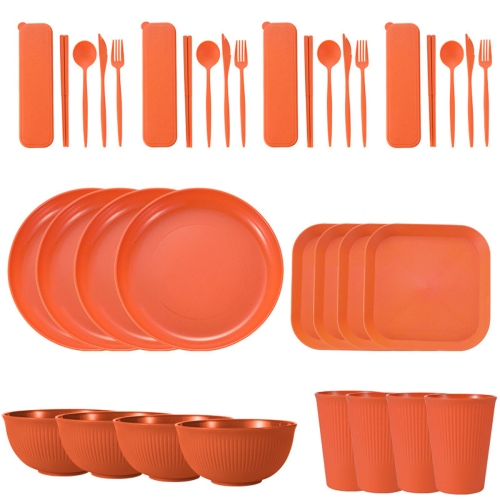
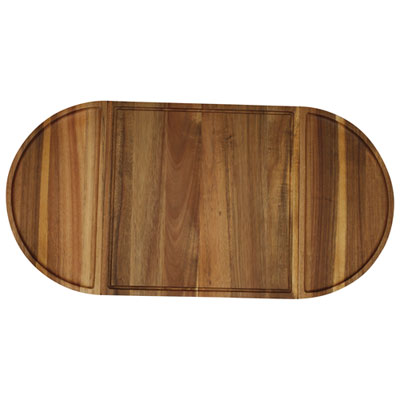
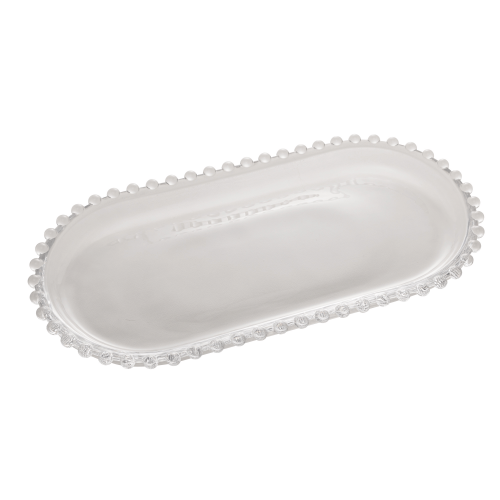
Material affects a dinner platter’s weight, appearance, care requirements, and suitability for different tasks. Porcelain serving platters typically have a smooth, glazed surface and can work equally well for everyday meals and dressier occasions. Their weight and resistance to chips vary with construction, so a slim profile should not be taken as a guarantee of either fragility or strength. Stoneware often has a substantial feel and a more relaxed appearance, with finishes ranging from smooth and glossy to softly textured. A large stoneware platter can be heavy before any food is added, which matters when passing it between guests or lifting it from a high shelf. Earthenware offers another ceramic option, often with expressive shapes or colourful glazes; keeping its surface free of chips and cracks is important for continued food use. Glass platters provide a clear or translucent backdrop that suits layered salads, fruit, and neatly arranged appetizers. Glass construction varies, and neither a thick base nor a clear appearance confirms that a piece is suitable for the oven, microwave, or sudden temperature changes. Wood serving platters bring visible grain and a warm tone to the table, particularly alongside bread, cheese, and foods that do not release much liquid. Their suitability for moist, oily, or strongly coloured foods depends on the wood and its food-contact finish. Melamine offers a comparatively lightweight option for carrying snacks or serving meals where the weight of ceramic would be inconvenient. It should not be used in the microwave or conventional oven, and any limits for hot food should be checked before use. Stainless steel can be practical where easy handling and resistance to breakage are priorities, though surface scratches may develop with regular use. Across materials, the best choice is not simply the hardest or heaviest option. It is the one whose handling, finish, and care needs suit the household. Smooth serving areas are useful for wiping up sauces, while heavily textured surfaces can take more attention to clean. Metallic trim, applied details, and some finishes may also introduce restrictions that do not apply to an otherwise similar-looking platter.
Fit and care become especially important with larger dinner platters. Measurements should account for the full outside dimensions, including handles, rather than just the area that holds food. A platter may fit comfortably on the dining table but be awkward in a shallow cupboard, a compact sink, or a dishwasher rack. For dishes that will be assembled ahead of time, refrigerator shelf depth and space for a cover also matter. Checking these details helps avoid balancing a loaded platter at an angle or transferring a carefully arranged meal to another dish. Dishwasher-safe labelling is useful, but the platter still needs to sit securely without blocking a spray arm or touching neighbouring pieces. Handwashing may be required for wood, certain finishes, and delicate details; wood generally benefits from prompt cleaning and thorough drying rather than soaking. Ceramic and glass pieces should be protected from knocks around the rim, and abrupt changes in temperature should be avoided unless the manufacturer specifically permits them. Microwave-safe does not mean oven-safe, and a serving platter should not be treated as cookware unless it is expressly designed for that purpose. When serving carved meat, use a separate carving board unless the platter is also rated as a cutting surface. This helps protect the finish and provides a more stable place for knife work. In storage, a soft divider between stacked pieces can reduce rubbing, while upright storage needs secure supports and enough room to lift each platter out safely. For households that serve shared meals often, comfortable handling and straightforward cleanup may matter more than elaborate details. Someone who enjoys arranging appetizers might prefer a wide surface with room to separate flavours and leave space for serving utensils. Dinner platters can also make thoughtful housewarming or wedding gifts, especially when their dimensions suit the recipient’s kitchen and their style works with existing tableware. A versatile shape and manageable weight help make a serving piece useful well beyond special occasions, whether it holds breakfast pastries for visiting family or vegetables passed around at an ordinary evening meal.
Material affects a dinner platter’s weight, appearance, care requirements, and suitability for different tasks. Porcelain serving platters typically have a smooth, glazed surface and can work equally well for everyday meals and dressier occasions. Their weight and resistance to chips vary with construction, so a slim profile should not be taken as a guarantee of either fragility or strength. Stoneware often has a substantial feel and a more relaxed appearance, with finishes ranging from smooth and glossy to softly textured. A large stoneware platter can be heavy before any food is added, which matters when passing it between guests or lifting it from a high shelf. Earthenware offers another ceramic option, often with expressive shapes or colourful glazes; keeping its surface free of chips and cracks is important for continued food use. Glass platters provide a clear or translucent backdrop that suits layered salads, fruit, and neatly arranged appetizers. Glass construction varies, and neither a thick base nor a clear appearance confirms that a piece is suitable for the oven, microwave, or sudden temperature changes. Wood serving platters bring visible grain and a warm tone to the table, particularly alongside bread, cheese, and foods that do not release much liquid. Their suitability for moist, oily, or strongly coloured foods depends on the wood and its food-contact finish. Melamine offers a comparatively lightweight option for carrying snacks or serving meals where the weight of ceramic would be inconvenient. It should not be used in the microwave or conventional oven, and any limits for hot food should be checked before use. Stainless steel can be practical where easy handling and resistance to breakage are priorities, though surface scratches may develop with regular use. Across materials, the best choice is not simply the hardest or heaviest option. It is the one whose handling, finish, and care needs suit the household. Smooth serving areas are useful for wiping up sauces, while heavily textured surfaces can take more attention to clean. Metallic trim, applied details, and some finishes may also introduce restrictions that do not apply to an otherwise similar-looking platter.
Fit and care become especially important with larger dinner platters. Measurements should account for the full outside dimensions, including handles, rather than just the area that holds food. A platter may fit comfortably on the dining table but be awkward in a shallow cupboard, a compact sink, or a dishwasher rack. For dishes that will be assembled ahead of time, refrigerator shelf depth and space for a cover also matter. Checking these details helps avoid balancing a loaded platter at an angle or transferring a carefully arranged meal to another dish. Dishwasher-safe labelling is useful, but the platter still needs to sit securely without blocking a spray arm or touching neighbouring pieces. Handwashing may be required for wood, certain finishes, and delicate details; wood generally benefits from prompt cleaning and thorough drying rather than soaking. Ceramic and glass pieces should be protected from knocks around the rim, and abrupt changes in temperature should be avoided unless the manufacturer specifically permits them. Microwave-safe does not mean oven-safe, and a serving platter should not be treated as cookware unless it is expressly designed for that purpose. When serving carved meat, use a separate carving board unless the platter is also rated as a cutting surface. This helps protect the finish and provides a more stable place for knife work. In storage, a soft divider between stacked pieces can reduce rubbing, while upright storage needs secure supports and enough room to lift each platter out safely. For households that serve shared meals often, comfortable handling and straightforward cleanup may matter more than elaborate details. Someone who enjoys arranging appetizers might prefer a wide surface with room to separate flavours and leave space for serving utensils. Dinner platters can also make thoughtful housewarming or wedding gifts, especially when their dimensions suit the recipient’s kitchen and their style works with existing tableware. A versatile shape and manageable weight help make a serving piece useful well beyond special occasions, whether it holds breakfast pastries for visiting family or vegetables passed around at an ordinary evening meal.
Top selling and popular products
-
 Your price for this item is $170.66
 -
 Your price for this item is $59.99
 -
 Your price for this item is $39.99
 -
 Your price for this item is $139.99
 -
 Your price for this item is $39.99
 -
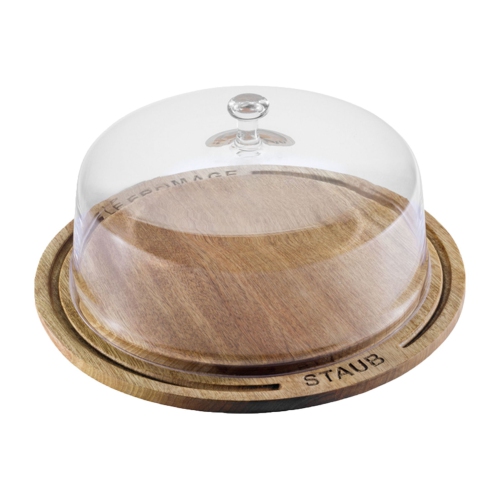 Your price for this item is $89.99
 -
 Your price for this item is $25.49
 -
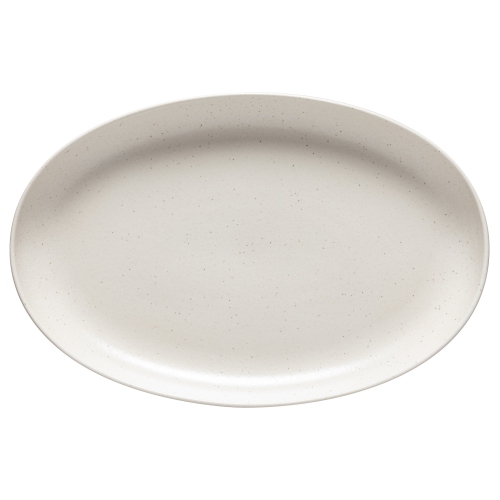 Your price for this item is $59.43
Discover more categories related to Dinner Platters
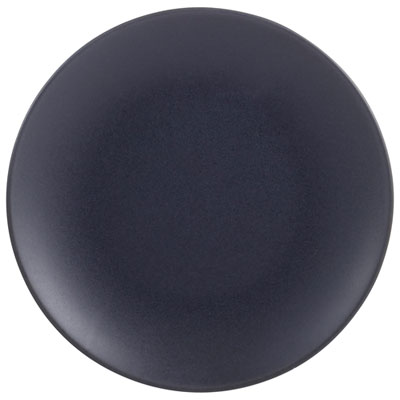
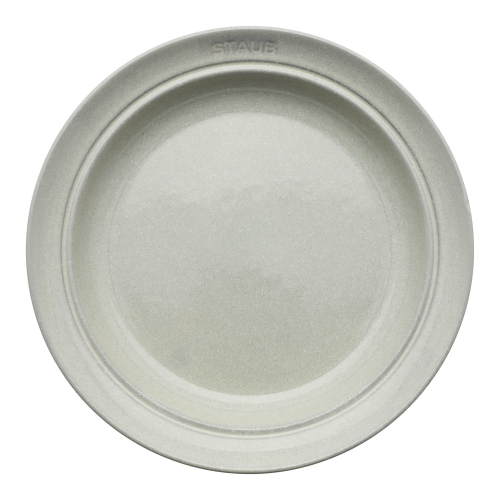
Top Collections:
Pokemon Centers, Kindle Devices, Budget 4K TVs, Canon G7X Cameras, Apple iPhones 16, iPhone 15 Apple, Refurbished Apple Laptops, Motorola Razr Phones, Flip Phones, Needoh Sale
Some products may be subject to Environmental Handling Fees
(EHF) depending on your province.
Learn more about EHFs.