Soup Plates
Elevate your dining experience with our exquisite collection of soup plates, perfect for serving everything from hearty stews to delicate bisques. Designed to combine functionality with style, these plates add a touch of elegance to any table setting. Whether you're hosting a formal dinner party or enjoying a cozy meal at home, our diverse selection ensures you'll find the ideal soup plates to complement your culinary creations. Explore our range and discover the perfect blend of practicality and sophistication for your kitchen.
Sort
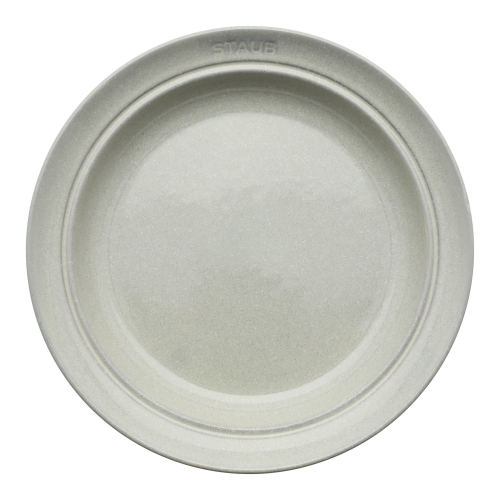
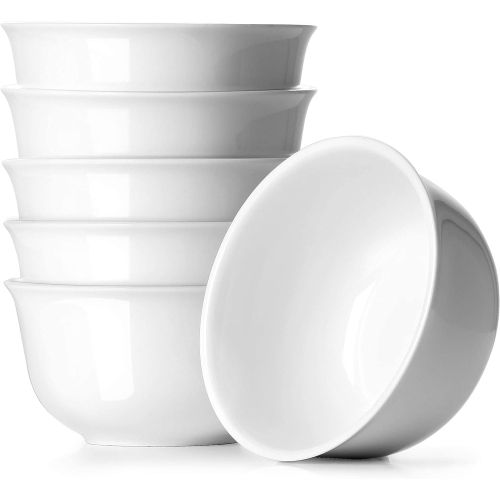
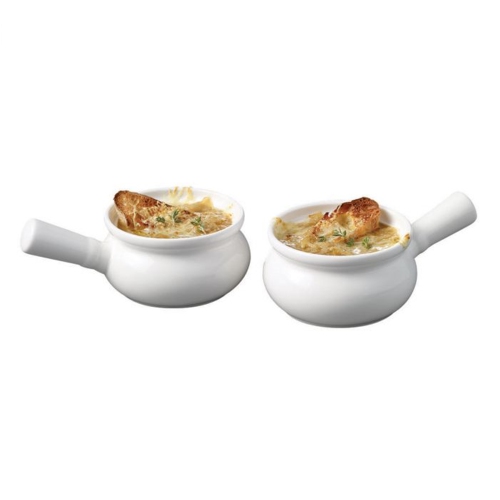
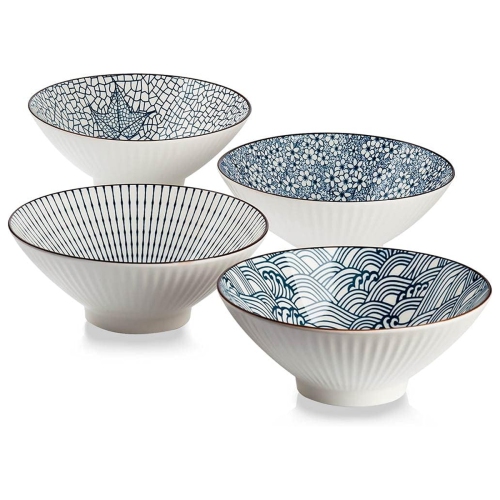
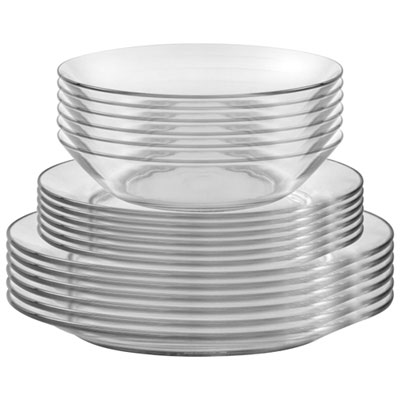
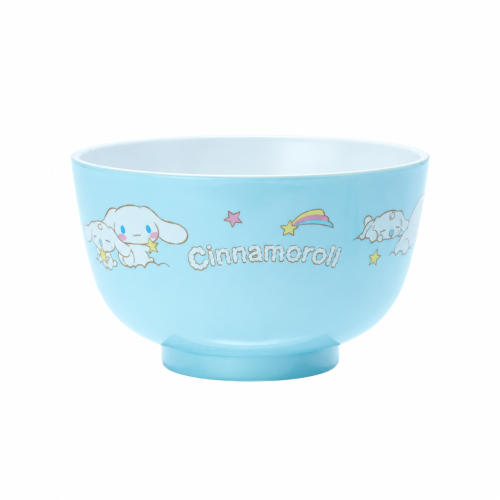
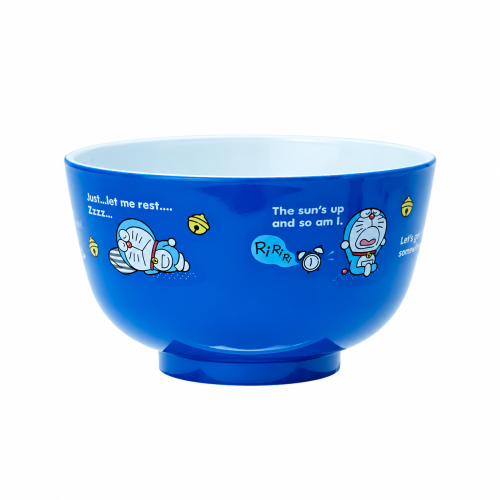
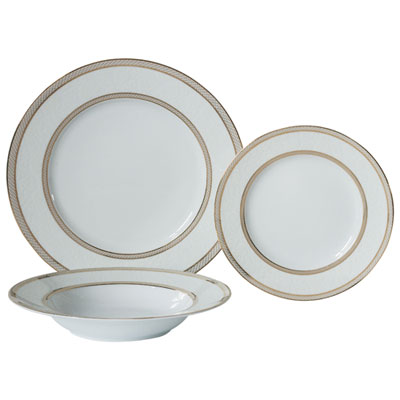
The shallow shape that serves more than soup
Soup plates are shallow dishes with a recessed centre and a flat or gently sloping rim, designed to hold soup and other foods served with broth or sauce. Their shape sits between a flat dinner plate and a deep bowl: the central well contains the food, while the surrounding rim frames the serving and provides a place to grip the dish. This makes soup plates useful for everything from tomato soup and chunky vegetable stews to mushroom risotto, ravioli and saucy pasta. A wide opening leaves ingredients visible and accessible, whether that means a scattering of herbs, a swirl of cream or pieces of bread soaking up broth. The shallower shape also makes it easier to bring a spoon towards the edge without reaching into a tall bowl. Depth matters, though, particularly for soups with a high proportion of liquid. For generous servings of broth, noodles or ingredients that need more room, deeper soup bowls may suit the meal better. With soup plates, the balance between rim width and usable space is especially important. Two plates with the same outside diameter can hold quite different portions if one has a broad border and the other has a larger central well. Dimensions describe the space a plate occupies, while capacity gives a better sense of how much it can hold. Even then, a comfortable serving leaves room below the edge so that carrying the plate does not send broth over the rim. Smaller portions work well for a first course, while a wider, deeper well can accommodate soup as the main meal. At the table, a broad rim gives the dish a composed appearance without requiring elaborate presentation. A few croutons or a spoonful of sour cream can stand out against a plain surface, making the same plate equally at home at an everyday lunch or a more carefully arranged dinner.
Material influences the weight, appearance and everyday care of soup plates. Porcelain often has a smooth finish and can feel relatively refined, although thickness and weight vary considerably between designs. Stoneware tends to have a more substantial feel, with finishes ranging from evenly glazed surfaces to softly varied colours. Earthenware can bring a relaxed, handmade appearance to a place setting, but its care requirements deserve attention, particularly where an unglazed foot or a chipped surface could absorb moisture. Glass offers another look, allowing the colour of a tablecloth or placemat to remain visible beneath the dish. Its resistance to heat and sudden temperature changes depends on the type of glass and the manufacturer's specifications, rather than appearance alone. Lightweight materials such as melamine can be practical where easy handling and resistance to breakage matter, but they should not be assumed suitable for a microwave or oven. Across all materials, dishwasher, microwave and oven suitability are separate features. A plate that tolerates dishwasher cleaning is not automatically appropriate for reheating, and an oven-safe designation may still come with limits. These details matter for anyone who likes to warm serving dishes or reheat a portion without transferring it. Glaze and surface finish affect daily use as well. A smooth interior allows a spoon to move easily across the well and makes dried-on soup easier to remove, while heavily textured surfaces may need more attention around ridges and grooves. Metallic decoration can introduce additional care restrictions. For routine cleaning, non-abrasive tools help protect the finish, and a brief soak can loosen food without forceful scrubbing. Sudden changes from hot to cold can damage some materials, so cooling before washing is often important. Durability also depends on handling: thin rims may be more vulnerable to knocks, while heavier plates can be awkward to lift when full. Chips and cracks deserve attention because they can leave sharp edges or make thorough cleaning more difficult.
The most useful soup plates fit naturally into the way a household eats, serves and stores dishes. A broad, flat rim can be easier to hold with both hands, but the plate's filled weight and the shape of its edge matter just as much. For someone with limited grip strength, a manageable size may be more comfortable than an oversized plate, even if both have similar styling. Children learning to use a spoon may benefit from a more defined inner curve that helps contain food, although a deeper bowl may be more suitable when spills are a frequent concern. Storage is another practical consideration. Plates that nest neatly take up less cupboard space, while pronounced rims or irregular shapes can create taller stacks. Enough clearance between pieces helps prevent rims from catching when a plate is lifted out. Dishwasher fit is worth considering too, since a wide soup plate may need more room between rack tines than a flat dinner plate. At a place setting, the outside diameter should leave comfortable space for cutlery, a drinking glass and any bread plate alongside it. Visually, white and cream finishes provide a quiet background for colourful soups and coordinate easily with many existing dinner sets. Darker glazes create stronger contrast with pale chowders or creamy pasta, while patterned rims add detail without covering the food itself. Matching pieces give the table a consistent look, but complementary colours can feel equally considered when their shapes and proportions work together. For households that use soup plates for several kinds of meals, a simple profile can move easily from a quick lunch to a shared dinner. They can also make a thoughtful housewarming or wedding gift, particularly for someone who enjoys cooking, hosting or building a coordinated dinnerware collection. The recipient's cupboard space, preferred portions and cleaning habits are more useful considerations than appearance alone. A well-suited soup plate combines a comfortable serving depth, an appealing finish and care requirements that fit everyday routines, making it a versatile part of the table rather than a dish reserved for a single recipe.
Top selling and popular products
-
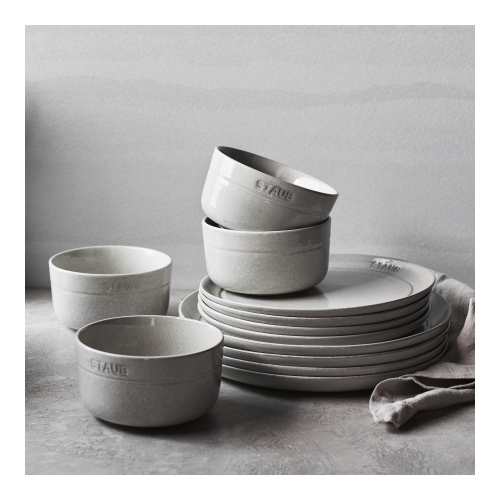 Your price for this item is $279.99
-
 Your price for this item is $279.99
-
 Your price for this item is $136.99
-
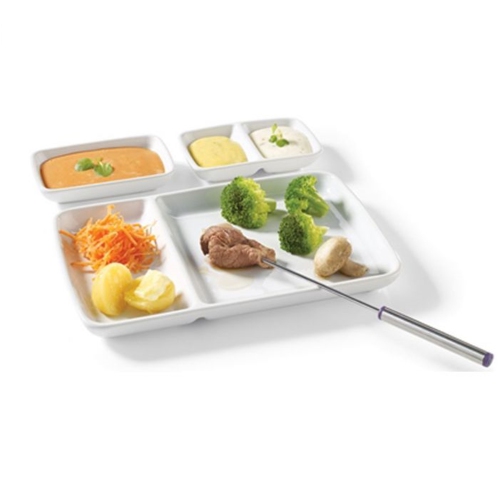 Your price for this item is $21.97
-
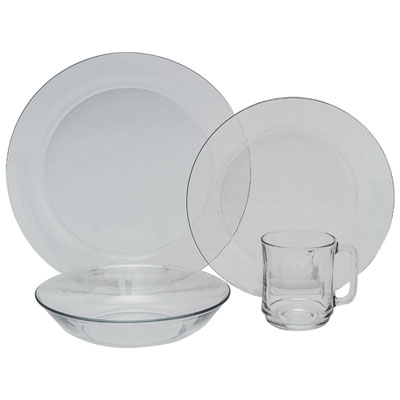 Your price for this item is $164.99
-
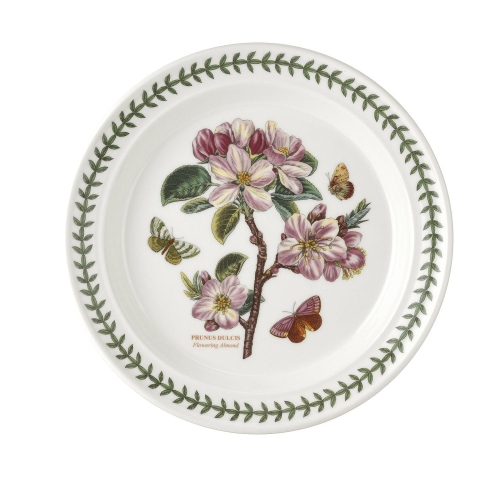 Your price for this item is $59.62
-
 Your price for this item is $113.99
-
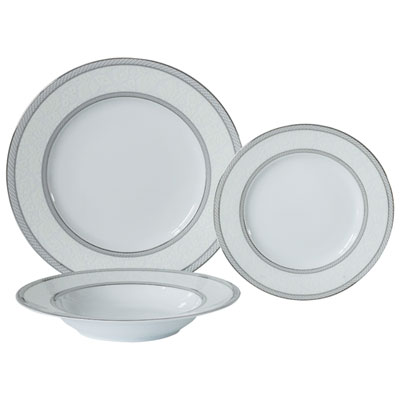 Your price for this item is $279.99
Discover more categories related to Soup Plates


Top Collections:
Pokemon Centers, Best Black Friday Deals This Year, Best Black Friday Deals On Electronics, Kindle Devices, Best Budget Office Chairs, Best Black Friday Deals On Apple Products, Best Cameras for Sports Photography, Pokémon 30th Celebration Cards, Dyson Airwrap, Canon G7X Cameras
Some products may be subject to Environmental Handling Fees
(EHF) depending on your province.
Learn more about EHFs.