Salad Plates
Elevate your dining experience with our exquisite collection of salad plates, designed to add a touch of elegance and functionality to every meal. Perfect for both casual lunches and formal dinners, these versatile plates effortlessly complement any table setting. Explore a diverse range of styles, colors, and materials that cater to your unique taste and enhance your culinary presentation. Whether you're hosting a dinner party or enjoying a quiet meal at home, our selection of salad plates promises to bring style and sophistication to your dining table. Discover the perfect blend of design and practicality with options that suit every occasion.
Sort
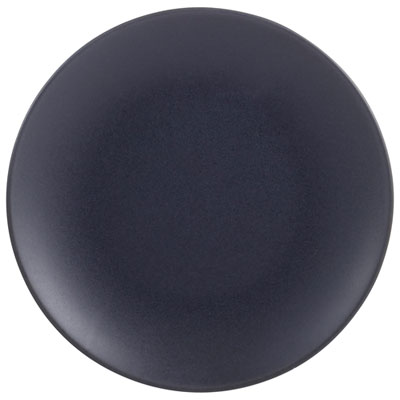
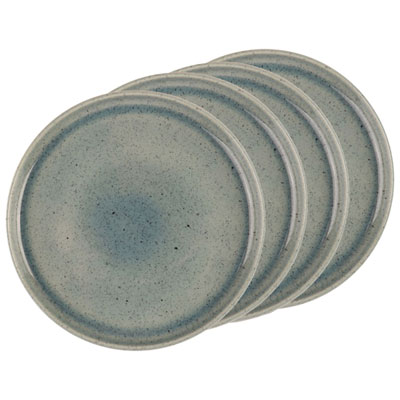
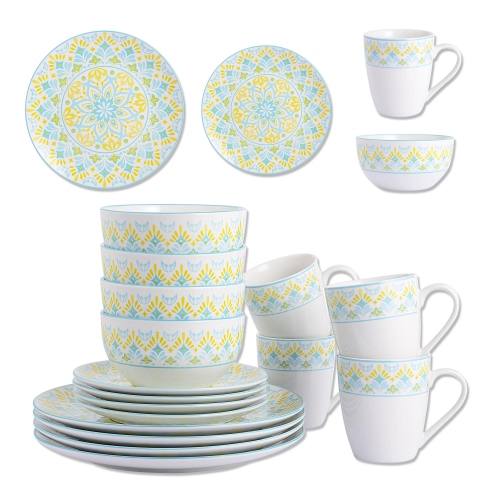
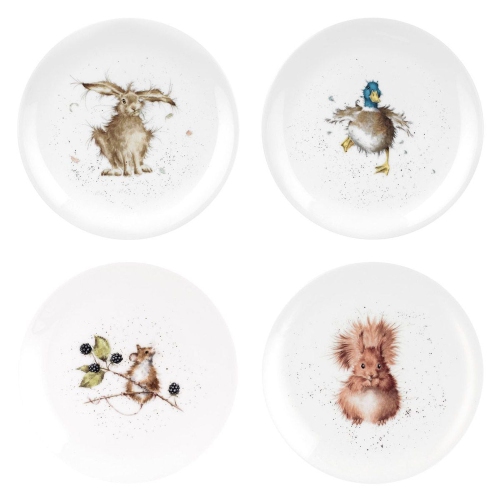
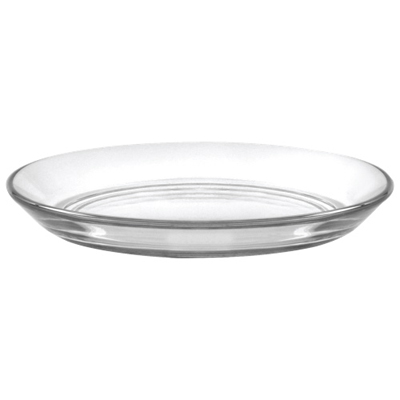
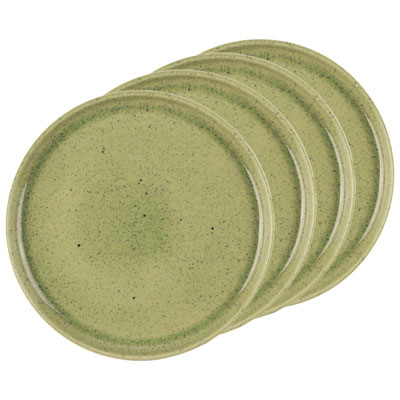
A versatile plate size for more than salad
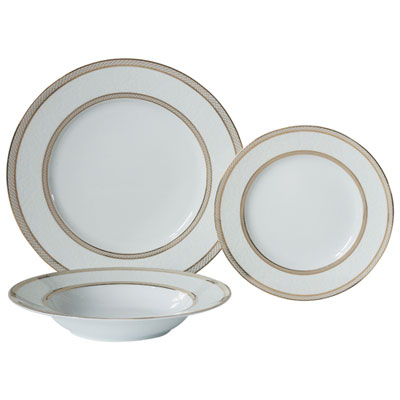
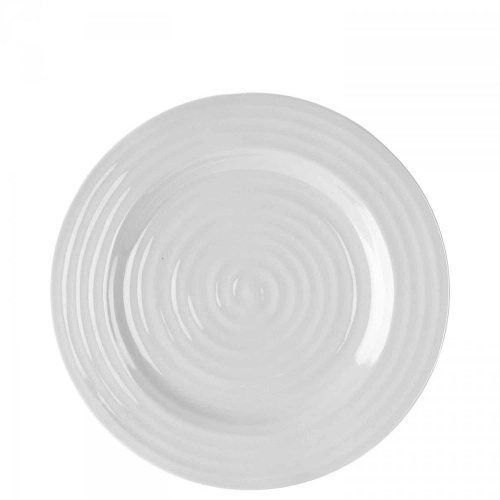
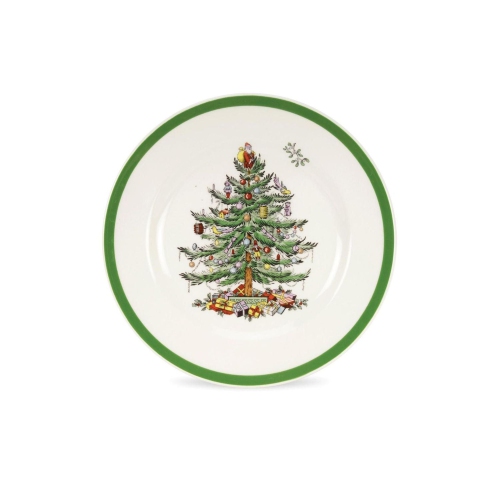
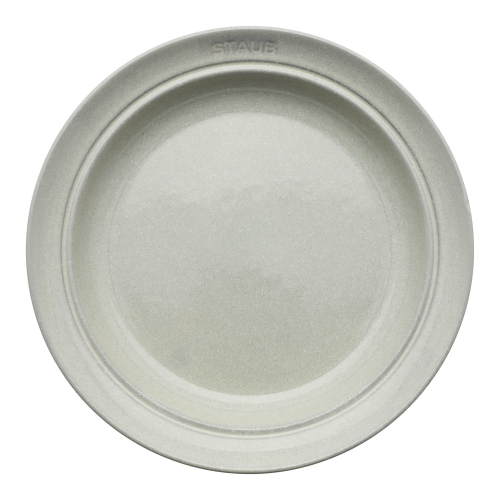
Salad plates bring a useful middle size to the table: more generous than a bread plate, yet smaller and easier to arrange than a full dinner plate. Often measuring approximately 7 to 9 inches across, they suit a first course of leafy greens, sliced tomatoes with fresh mozzarella, or roasted vegetables dressed with a little vinaigrette. Their role extends well beyond salad. A sandwich at lunch, toast and fruit at breakfast, or a few appetizers before dinner can all sit comfortably on this size of plate without looking lost in the centre. The most useful dimensions depend on both the food being served and the table itself. A broad, flat centre leaves room to spread ingredients without crowding them, while a gently raised rim helps contain dressing and keeps small pieces from slipping off as the plate is carried. A wide border frames a modest portion attractively, although it reduces the usable surface compared with a narrow-rimmed plate of the same diameter. For salads piled with grains, beans, or large leaves, a slightly deeper profile may feel more practical than a completely flat shape. At a smaller dining table, compact plates also leave more space for glasses, serving dishes, and elbows. Round shapes fit naturally into most place settings, while square or softly irregular shapes bring a different look and may occupy more cupboard space than their stated width suggests. For a coordinated table, salad plates can echo the shape or colour of existing dinnerware without matching every detail. They also work alongside Dessert Plates when a meal calls for separate courses, allowing a fresh plate for cake or fruit after the salad has been cleared. A household that serves meals in several stages may value a consistent place setting, while someone preparing a quick lunch may simply appreciate a plate that fits the portion and is easy to carry.
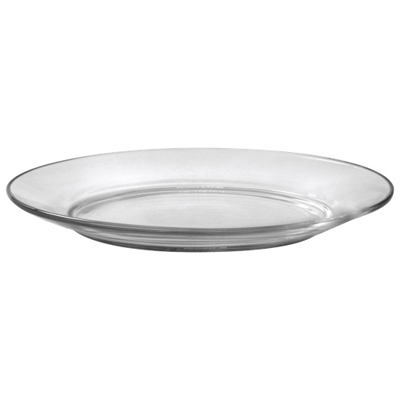
Material affects how a salad plate feels in the hand, how it looks beside other dishes, and how it stands up to regular use. Porcelain often has a refined appearance with a relatively smooth surface and can offer strength without excessive thickness, though its weight and durability vary by construction. Stoneware tends to feel more substantial, with glazes that can range from smooth and glossy to softly textured. Its heft can be reassuring on the table, but a stack may be heavy to lift from an overhead cupboard. Earthenware can bring rich colour and a relaxed, handcrafted look; it generally benefits from careful handling, particularly around edges that may chip. Glass provides another distinct finish, whether clear, coloured, or opaque, and makes it easy to see the contrast between the plate and the food. Tempered glass is designed for greater resistance to certain stresses than ordinary glass, but it is not unbreakable and still needs to be handled according to its care instructions. Melamine is lightweight and resists breakage, making it useful where dishes are moved frequently or a lighter place setting is preferred, but it should not be used in a microwave. No material name alone confirms whether a plate is suitable for the dishwasher, microwave, freezer, or oven; those uses depend on the manufacturer's specifications, including any decoration or metallic trim. Finish deserves attention, too. A glossy white surface gives vivid ingredients a clean backdrop, while muted colours can complement wood tables, woven placemats, and patterned linens. Speckled or reactive glazes may show intentional variation from one plate to the next, which suits a less uniform setting. Matte finishes can develop visible cutlery marks, depending on the glaze, and heavily textured surfaces may require more attention during washing. For everyday meals, a comfortable weight, smooth eating surface, and well-finished base can matter as much as the colour.
The right salad plates fit into daily routines as easily as they fit on the table. A couple sharing a small kitchen may prefer a compact stack that leaves room for bowls, while a larger household may need enough place settings to serve everyone without washing dishes between courses. For frequent hosting, allowing for both seated guests and extra servings can be helpful, especially when small plates are used for appetizers as well as salad. Consistent sizing makes stacks easier to manage, but mixed colours or patterns can still look considered when they share a similar shape or background tone. Cupboard depth, shelf height, and dishwasher rack spacing are worth checking, since a pronounced rim or curved profile can change how neatly plates stack or stand between rack tines. Plates should sit securely rather than wobble, and their bases should feel smooth enough not to scratch the surface beneath them. Care habits also influence how well dinnerware lasts. Follow the stated washing instructions, avoid knocking rims together while loading the dishwasher, and leave enough separation for water to reach the eating surface. Where handwashing is required, a soft sponge and a suitable dish detergent are usually gentler on the finish than abrasive pads. Sudden temperature changes can damage some materials, so a plate should not move directly between very hot and cold conditions unless it is expressly designed for that use. Chipped edges or significant cracks are reasons to stop using a plate for food, rather than relying on its remaining appearance. As a gift, salad plates can be a thoughtful choice for a housewarming, wedding, or someone furnishing a first home, particularly when their size and style complement dinnerware already in use. Simple shapes offer flexibility, while a distinctive glaze or border can make smaller meals feel more personal. Whether set out for a shared dinner or used for a solitary lunch, a well-chosen salad plate earns its place through comfortable proportions, dependable care, and a surface that makes food appealing.
Material affects how a salad plate feels in the hand, how it looks beside other dishes, and how it stands up to regular use. Porcelain often has a refined appearance with a relatively smooth surface and can offer strength without excessive thickness, though its weight and durability vary by construction. Stoneware tends to feel more substantial, with glazes that can range from smooth and glossy to softly textured. Its heft can be reassuring on the table, but a stack may be heavy to lift from an overhead cupboard. Earthenware can bring rich colour and a relaxed, handcrafted look; it generally benefits from careful handling, particularly around edges that may chip. Glass provides another distinct finish, whether clear, coloured, or opaque, and makes it easy to see the contrast between the plate and the food. Tempered glass is designed for greater resistance to certain stresses than ordinary glass, but it is not unbreakable and still needs to be handled according to its care instructions. Melamine is lightweight and resists breakage, making it useful where dishes are moved frequently or a lighter place setting is preferred, but it should not be used in a microwave. No material name alone confirms whether a plate is suitable for the dishwasher, microwave, freezer, or oven; those uses depend on the manufacturer's specifications, including any decoration or metallic trim. Finish deserves attention, too. A glossy white surface gives vivid ingredients a clean backdrop, while muted colours can complement wood tables, woven placemats, and patterned linens. Speckled or reactive glazes may show intentional variation from one plate to the next, which suits a less uniform setting. Matte finishes can develop visible cutlery marks, depending on the glaze, and heavily textured surfaces may require more attention during washing. For everyday meals, a comfortable weight, smooth eating surface, and well-finished base can matter as much as the colour.
The right salad plates fit into daily routines as easily as they fit on the table. A couple sharing a small kitchen may prefer a compact stack that leaves room for bowls, while a larger household may need enough place settings to serve everyone without washing dishes between courses. For frequent hosting, allowing for both seated guests and extra servings can be helpful, especially when small plates are used for appetizers as well as salad. Consistent sizing makes stacks easier to manage, but mixed colours or patterns can still look considered when they share a similar shape or background tone. Cupboard depth, shelf height, and dishwasher rack spacing are worth checking, since a pronounced rim or curved profile can change how neatly plates stack or stand between rack tines. Plates should sit securely rather than wobble, and their bases should feel smooth enough not to scratch the surface beneath them. Care habits also influence how well dinnerware lasts. Follow the stated washing instructions, avoid knocking rims together while loading the dishwasher, and leave enough separation for water to reach the eating surface. Where handwashing is required, a soft sponge and a suitable dish detergent are usually gentler on the finish than abrasive pads. Sudden temperature changes can damage some materials, so a plate should not move directly between very hot and cold conditions unless it is expressly designed for that use. Chipped edges or significant cracks are reasons to stop using a plate for food, rather than relying on its remaining appearance. As a gift, salad plates can be a thoughtful choice for a housewarming, wedding, or someone furnishing a first home, particularly when their size and style complement dinnerware already in use. Simple shapes offer flexibility, while a distinctive glaze or border can make smaller meals feel more personal. Whether set out for a shared dinner or used for a solitary lunch, a well-chosen salad plate earns its place through comfortable proportions, dependable care, and a surface that makes food appealing.
Top selling and popular products
-
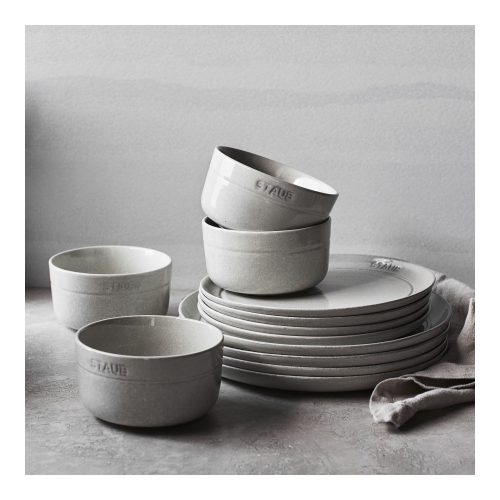 Your price for this item is $279.99
 -
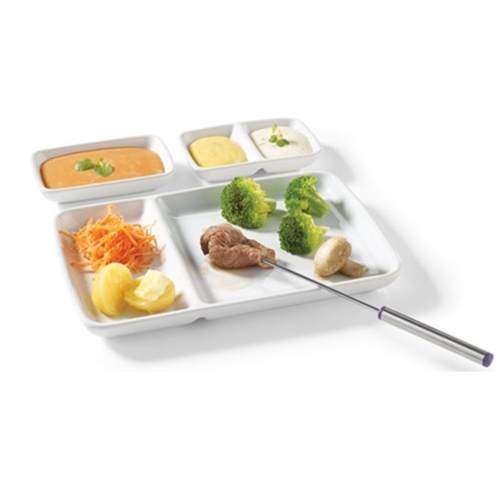 Your price for this item is $21.97
 -
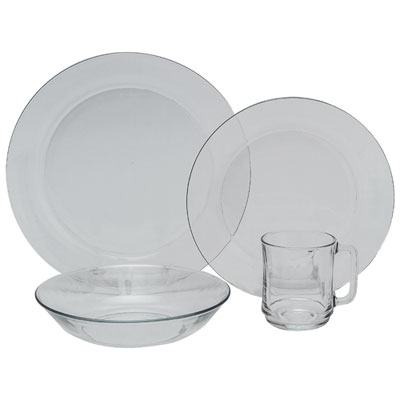 Your price for this item is $153.99
 -
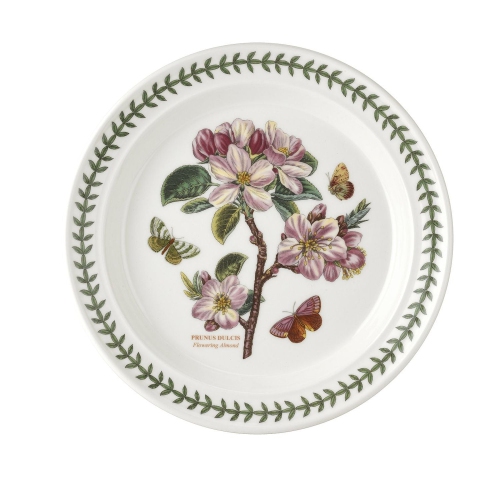 Your price for this item is $57.5
 -
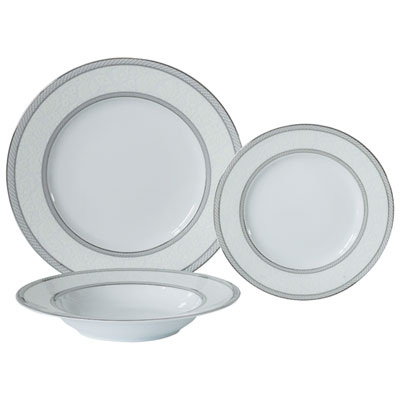 Your price for this item is $279.99
 -
 Your price for this item is $59.99
 -
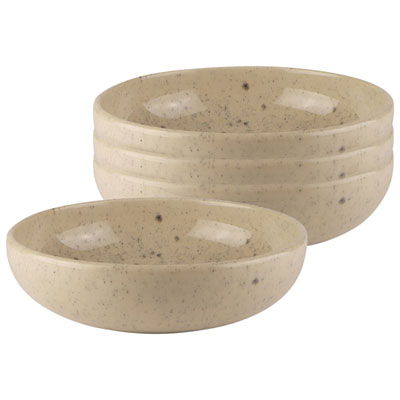 Your price for this item is $54.99
 -
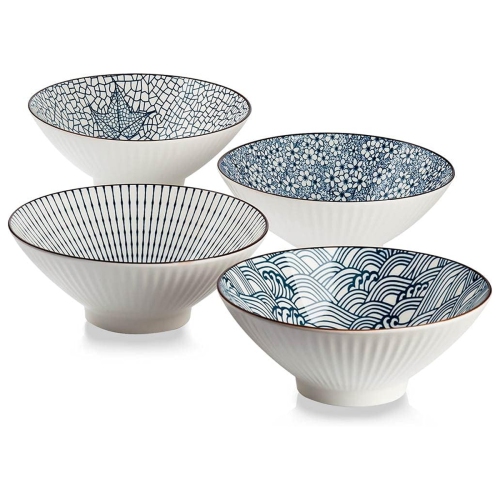 Your price for this item is $86.43
Discover more categories related to Salad Plates
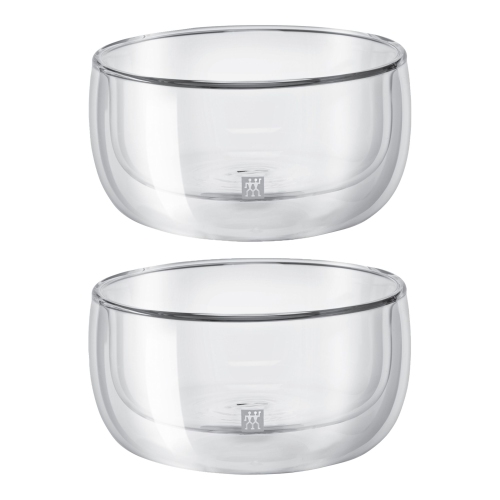
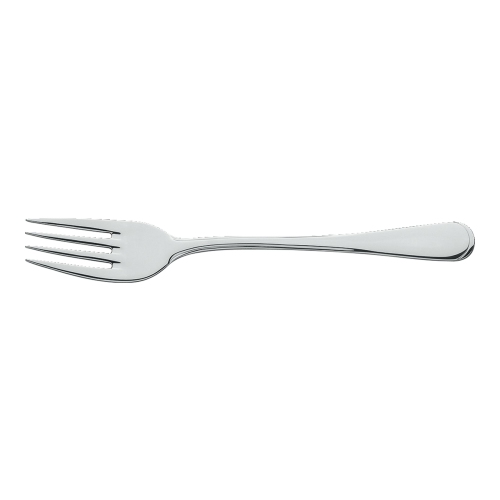
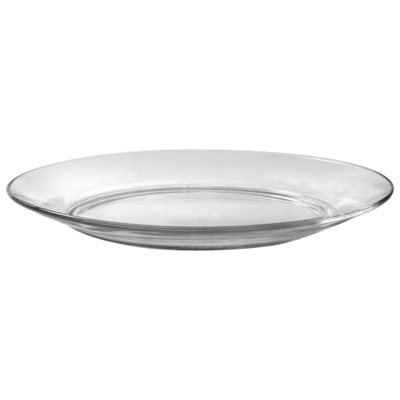
Top Collections:
Pokemon Centers, Kindle Devices, Apple iPhones 16, Canon G7X Cameras, iPhone 15 Apple, Refurbished Apple Laptops, Motorola Razr Phones, Flip Phones, Apple iPad 10th Gen, Alarm Clock
Some products may be subject to Environmental Handling Fees
(EHF) depending on your province.
Learn more about EHFs.