Display Bookcases
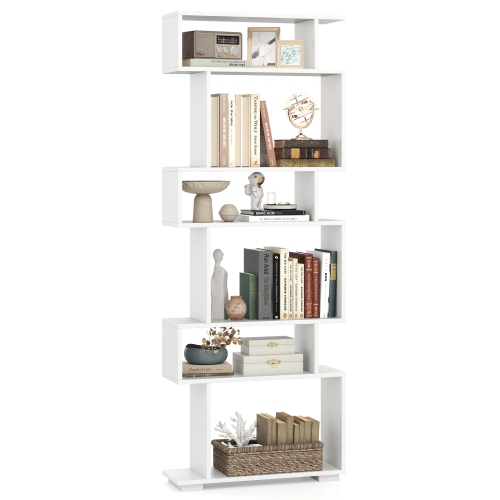
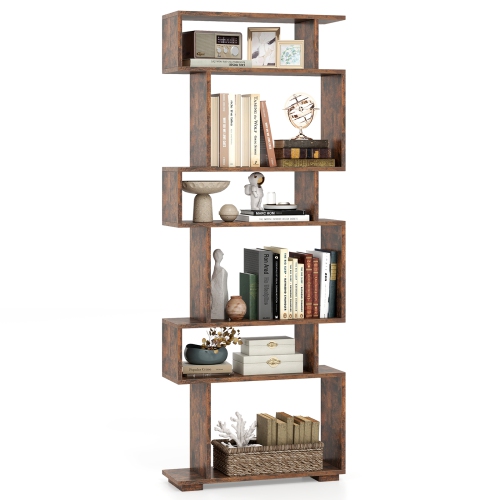
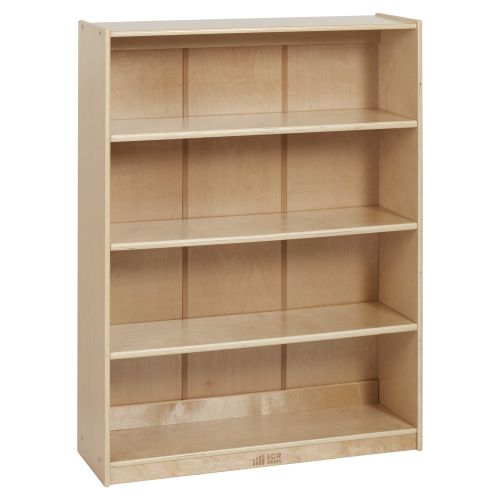
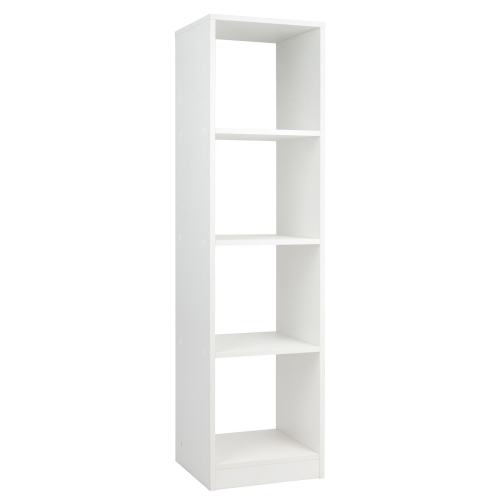
Looking to add a touch of elegance and functionality to your living space? Look no further than our collection of display bookcases. These versatile pieces of furniture not only provide ample storage for your favorite books, but also offer a stylish way to showcase your most cherished decorative items. Whether you're a bookworm looking to organize your literary treasures or a design enthusiast aiming to create a visually stunning display, our range of display bookcases has something for everyone. With various sizes, styles, and finishes available, finding the perfect bookcase to complement your home decor has never been easier. Also check out our selection of open shelf bookcases for even more great options!
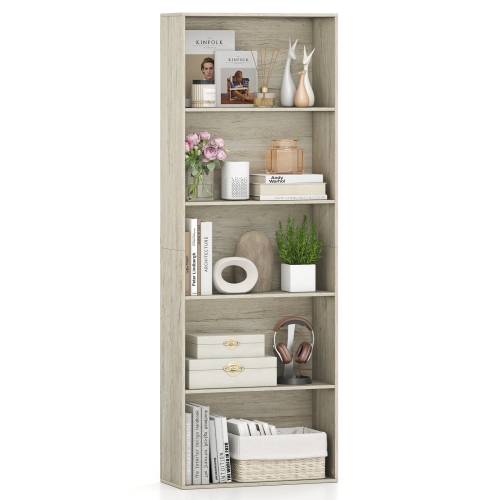
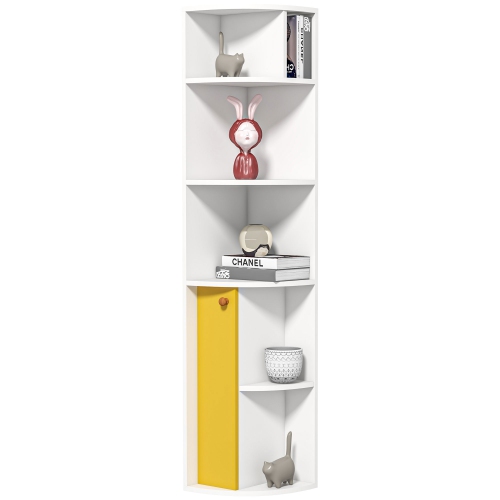
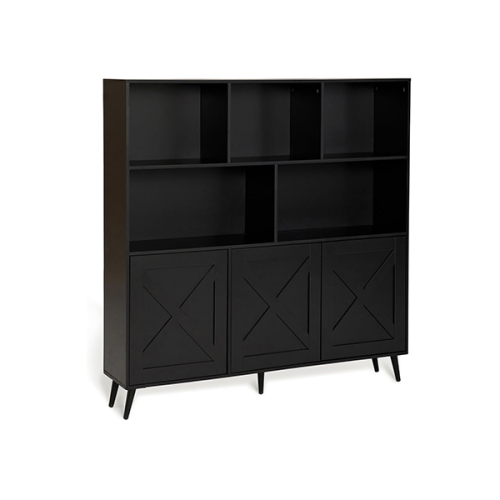
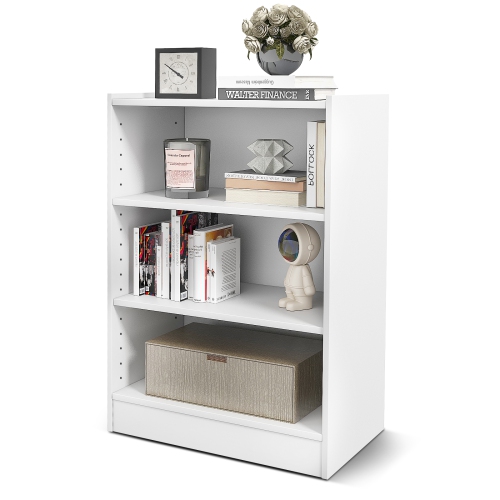

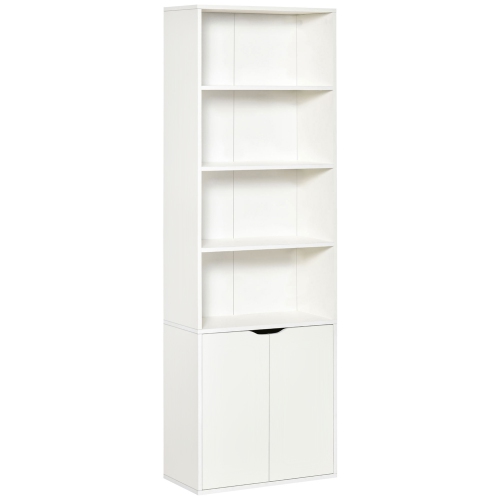
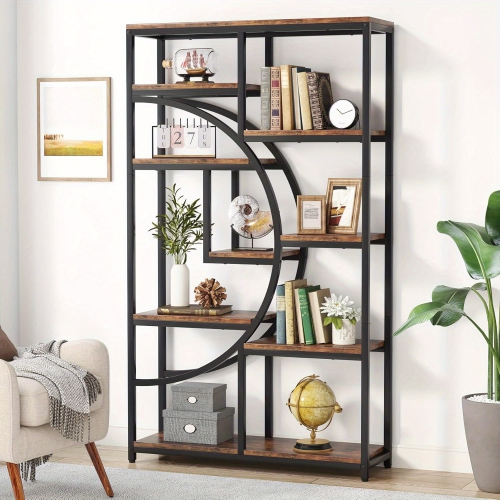
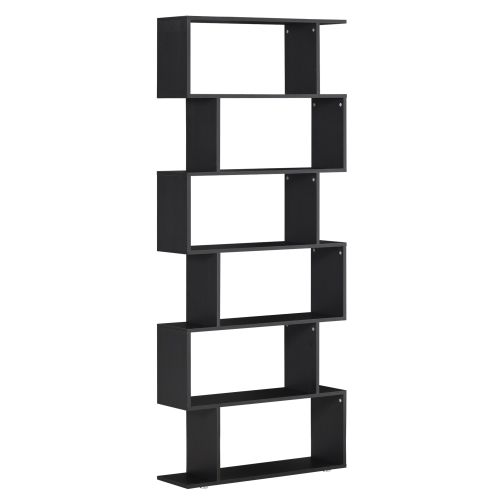

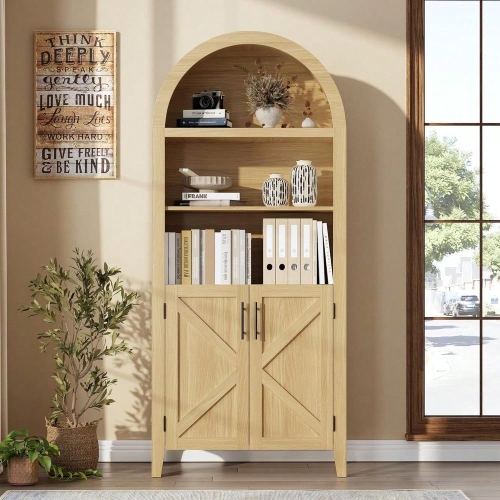
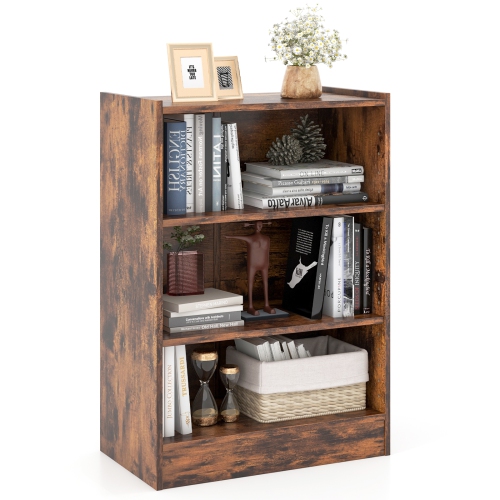
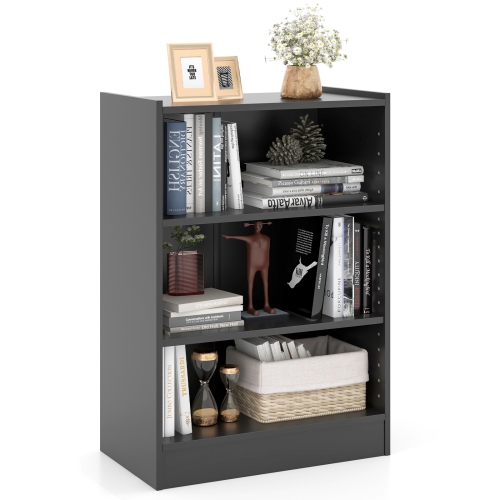
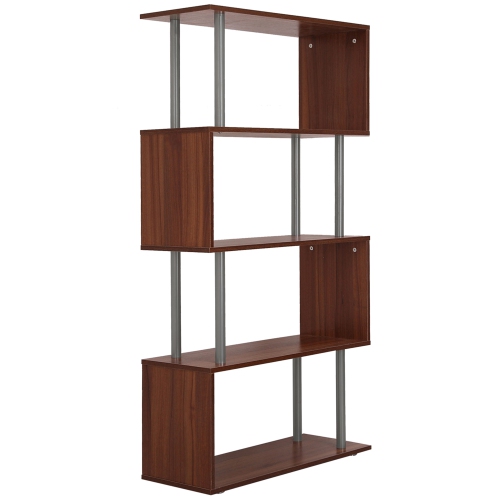
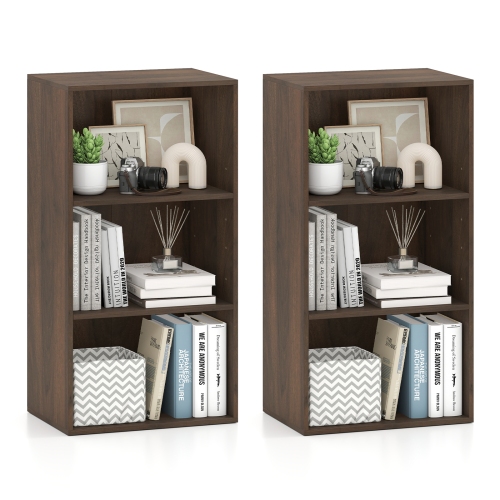
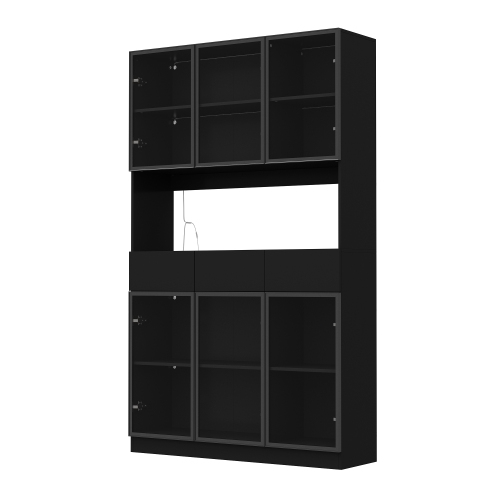
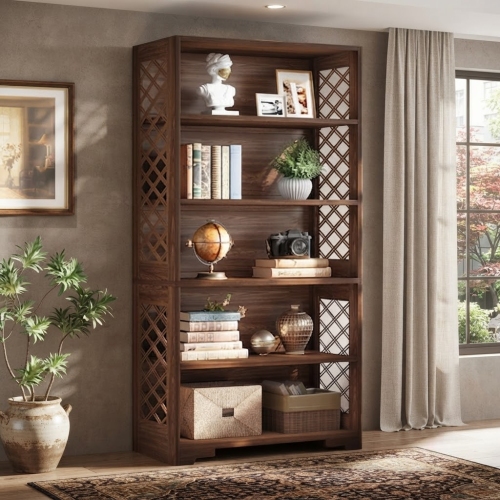
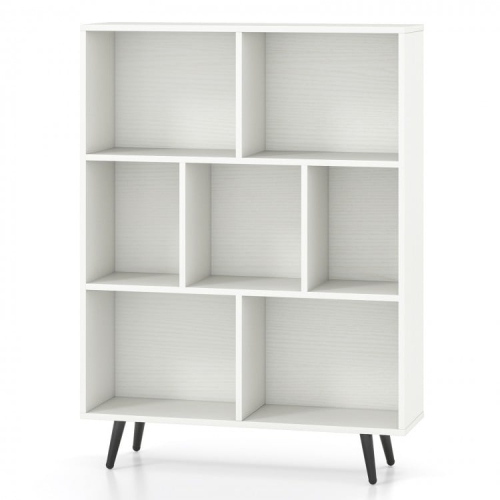
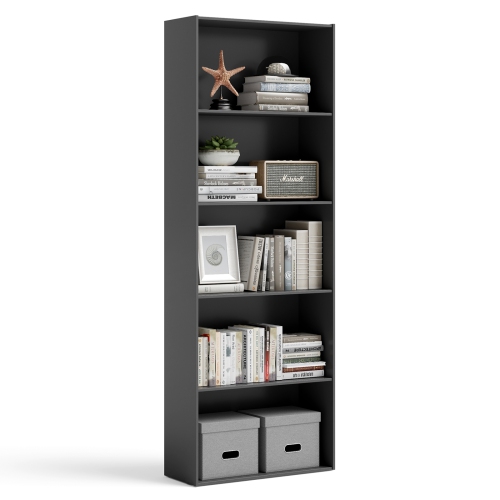
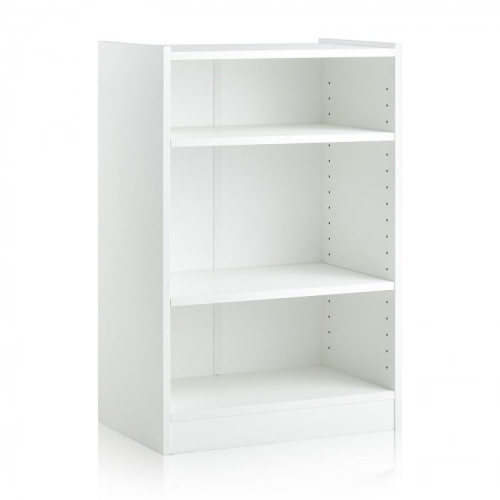
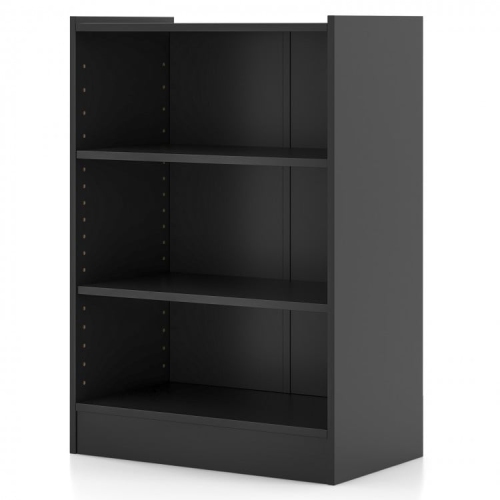
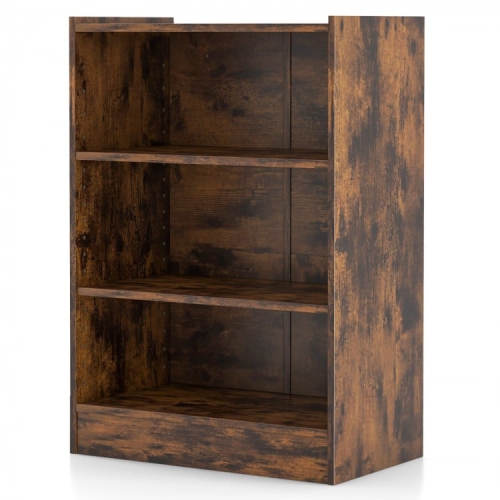
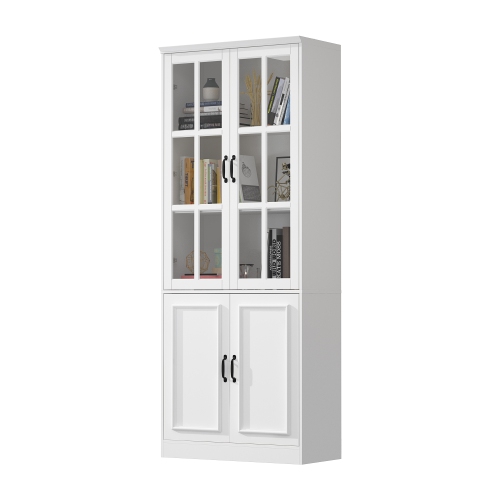
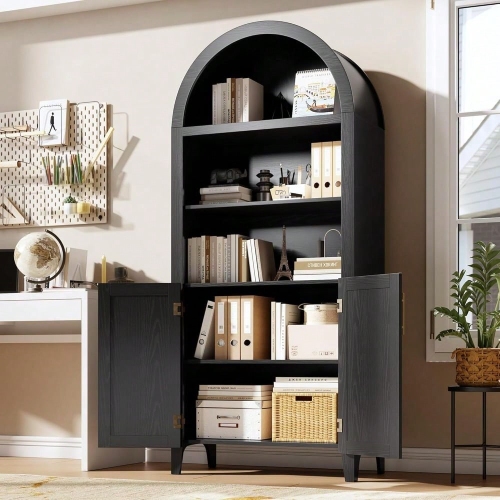
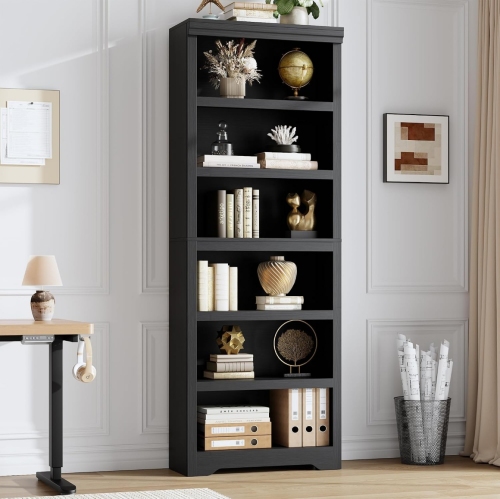
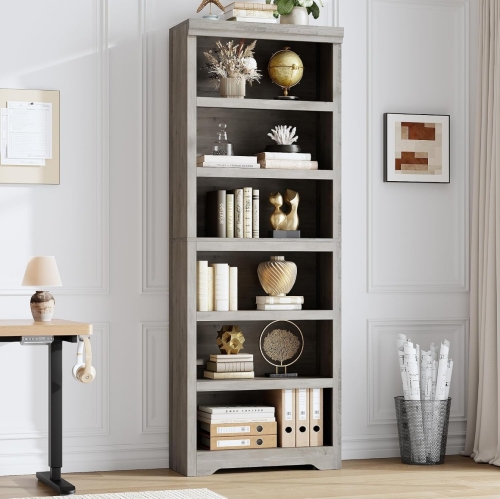
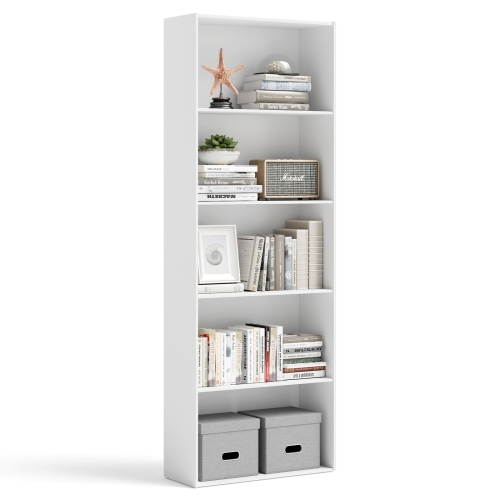
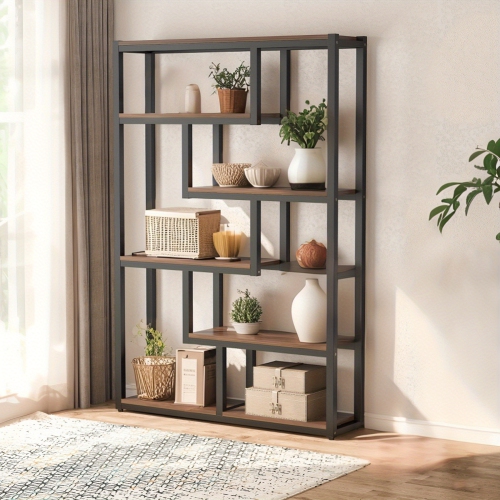
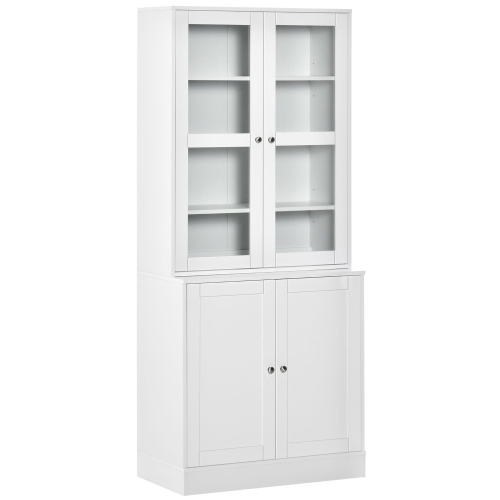
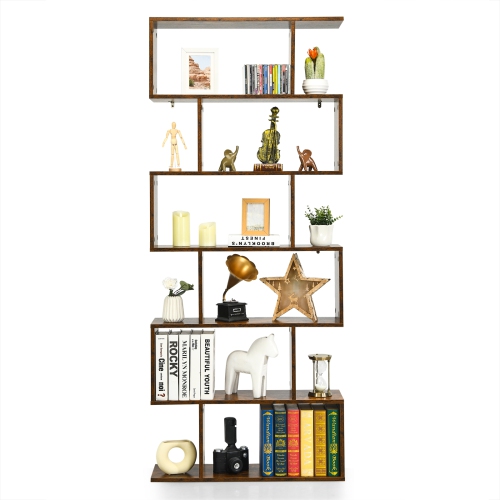
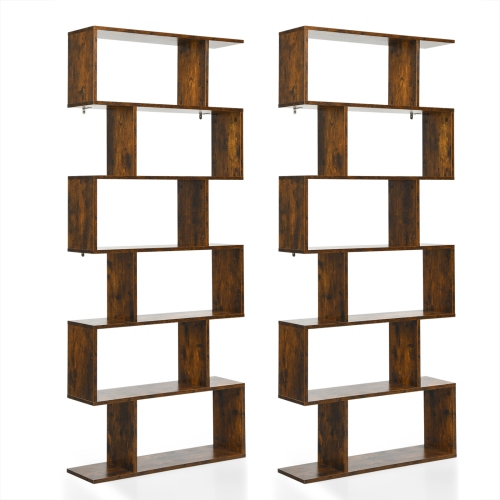
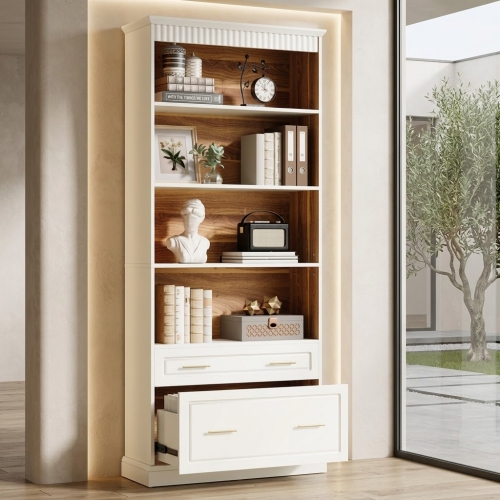
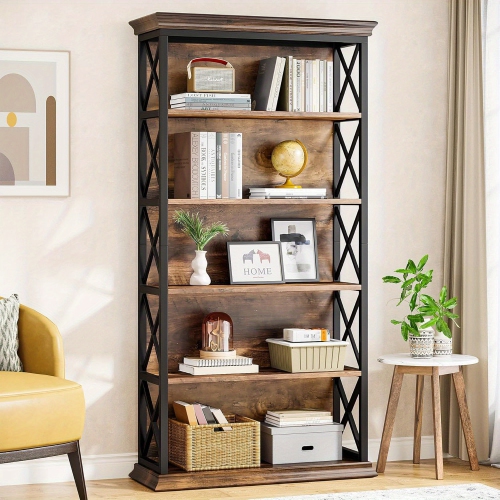
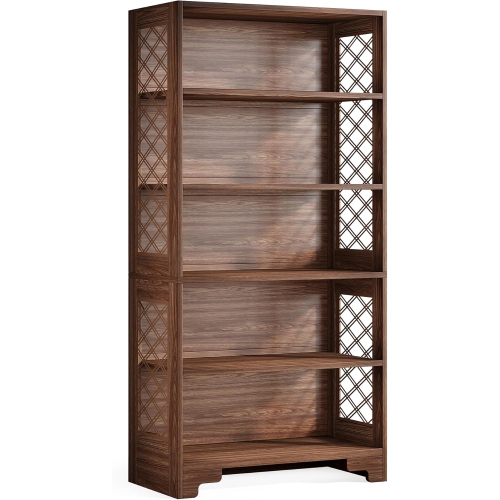

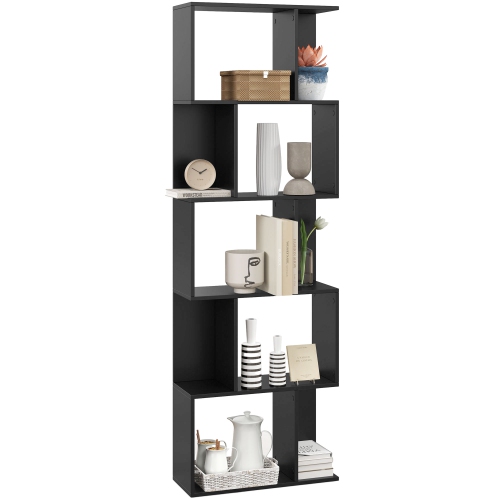
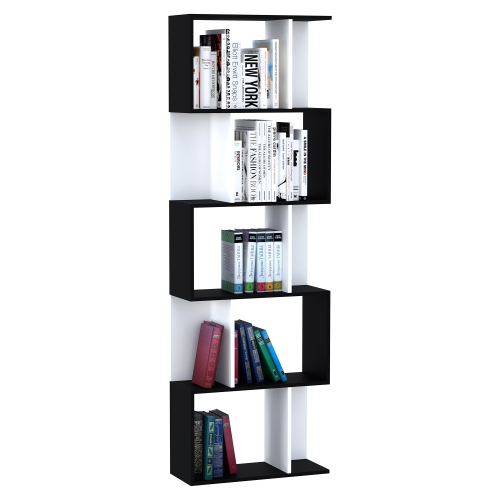
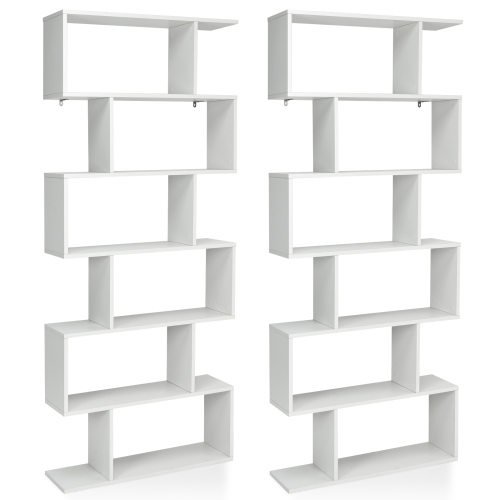
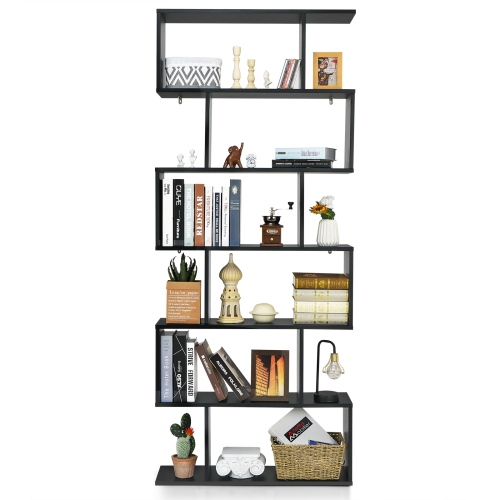
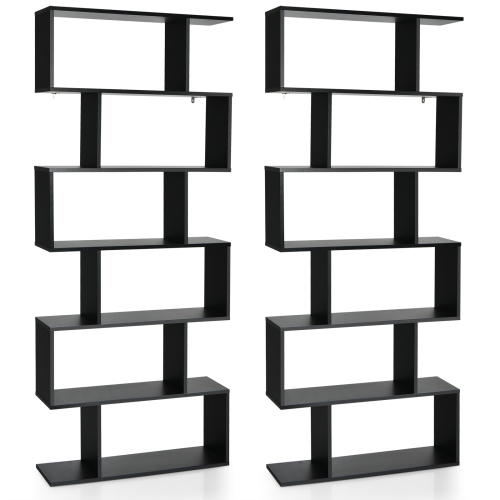

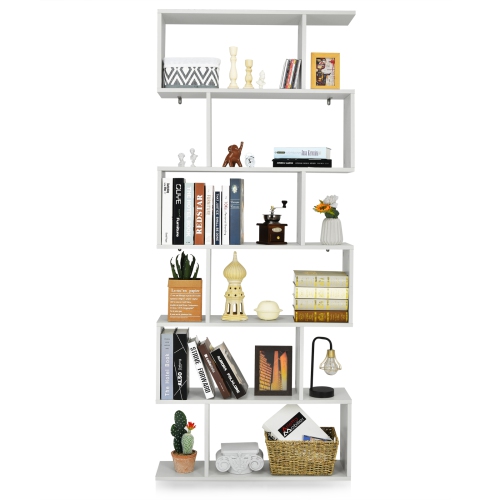
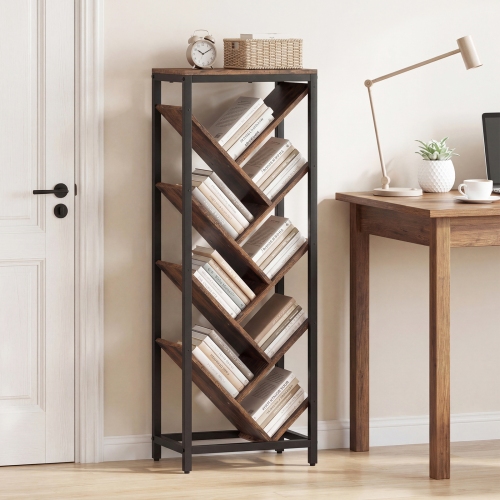
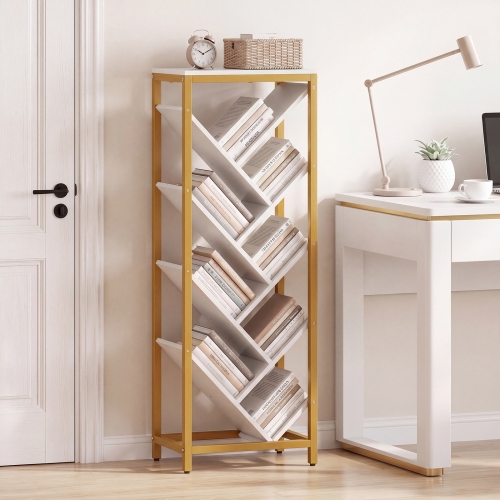
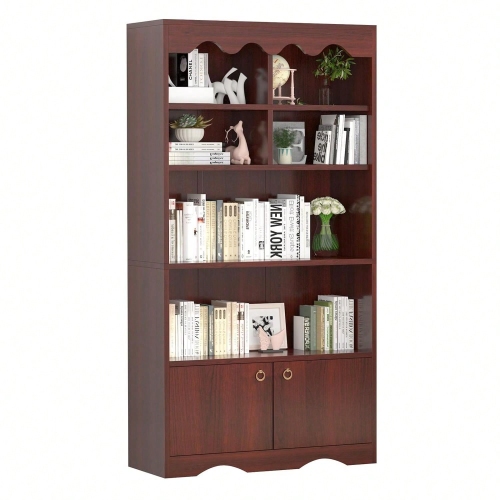

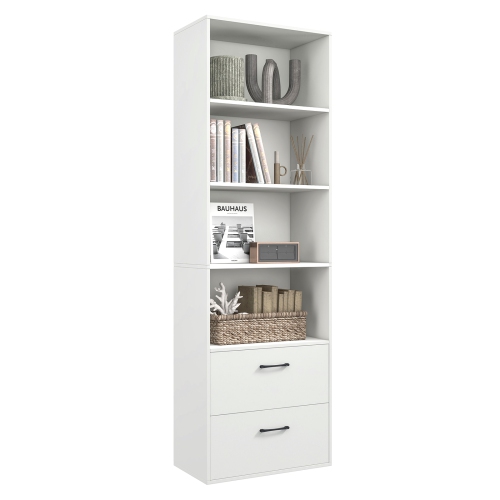
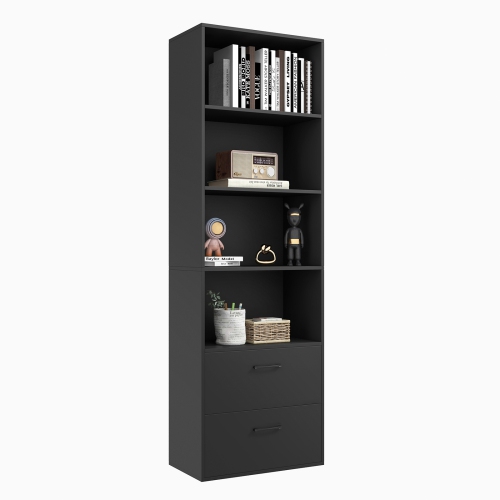
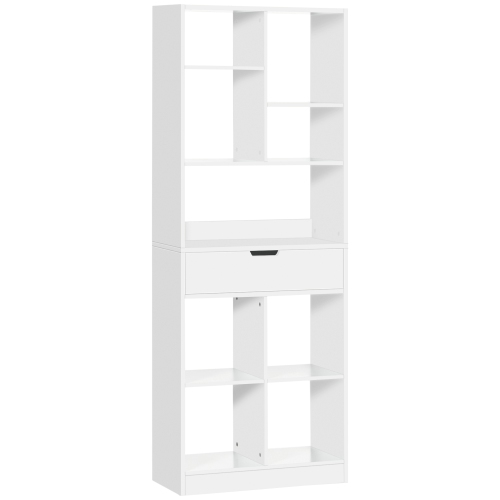
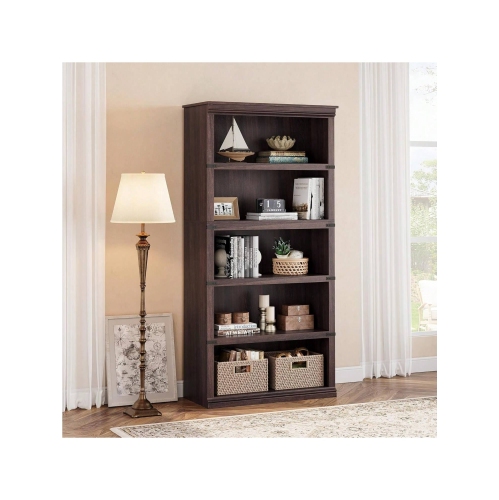
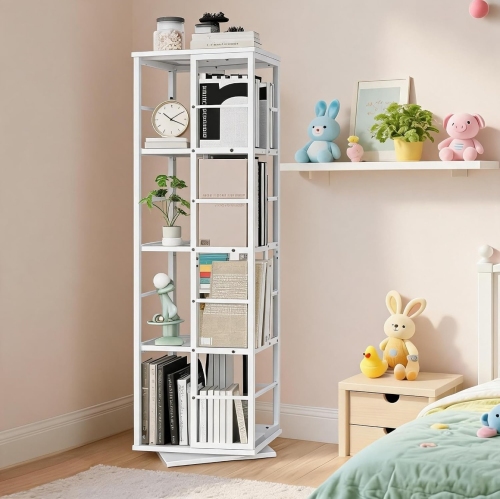
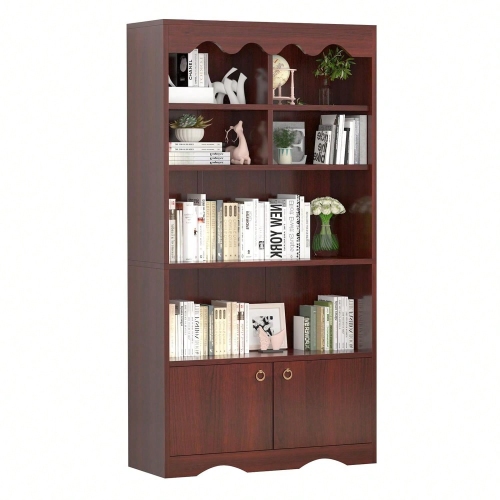
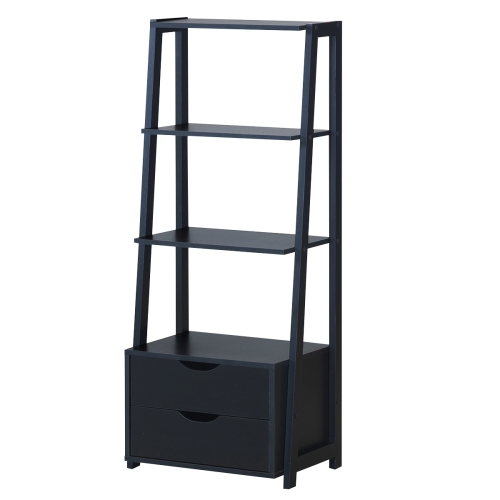
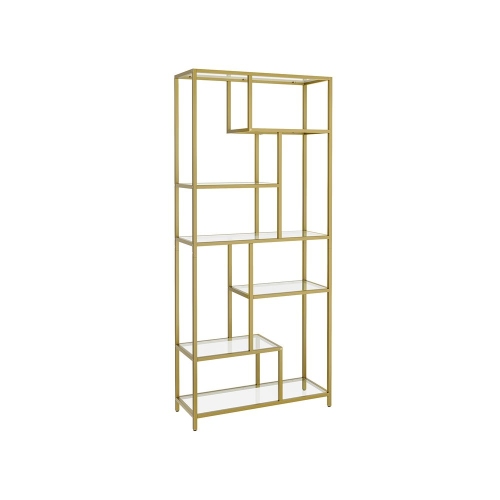
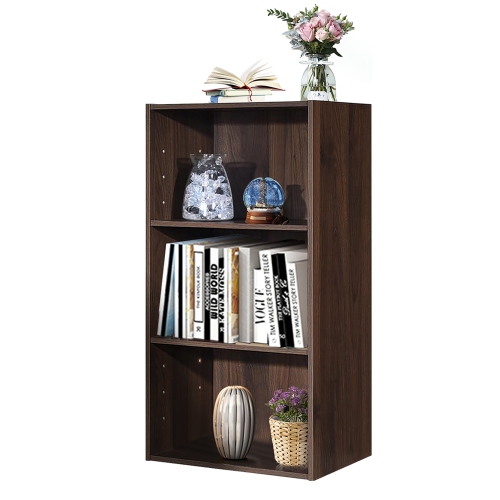

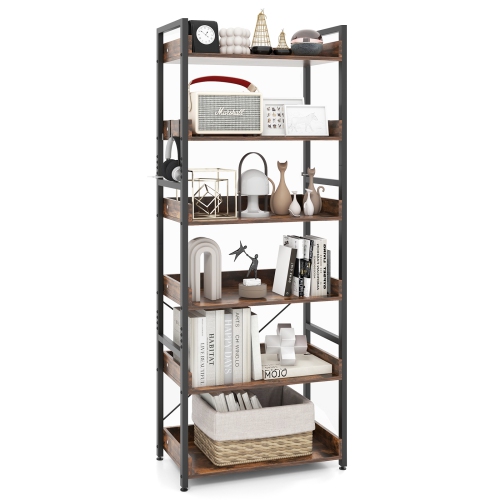
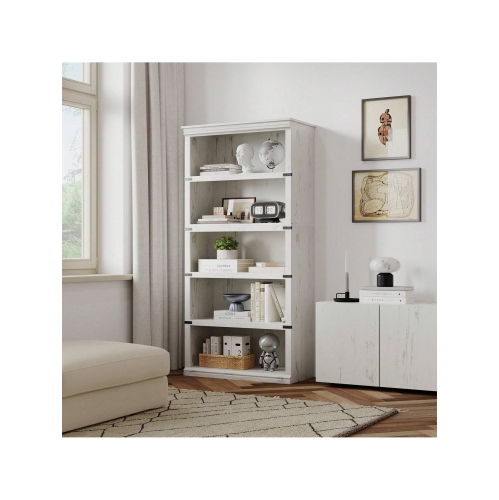
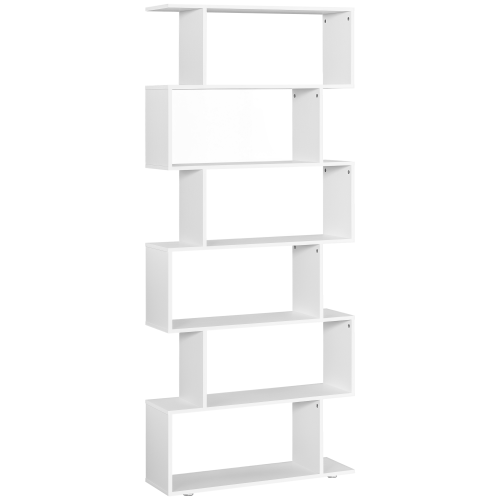
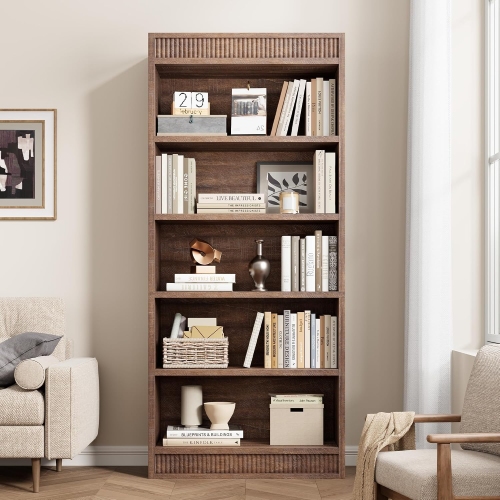
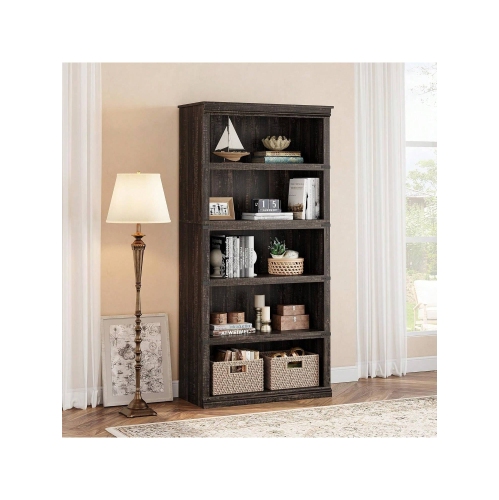
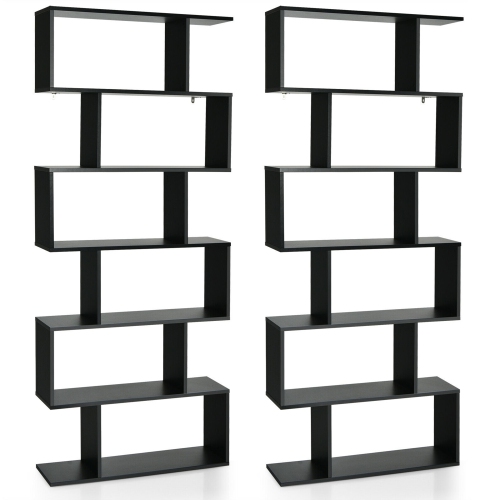
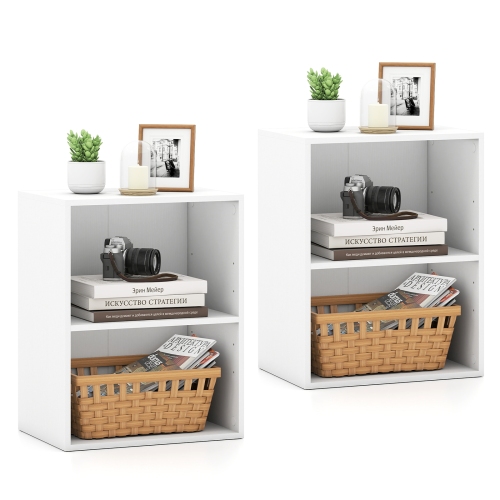
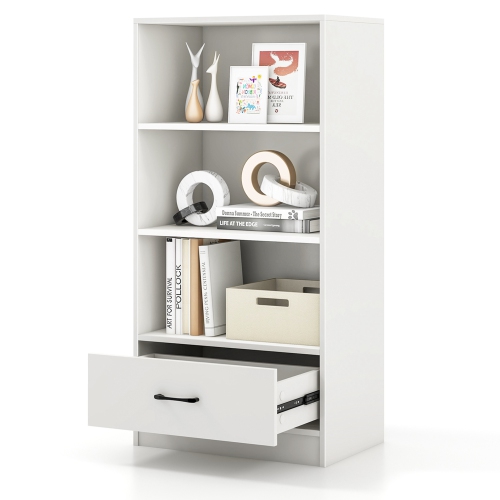
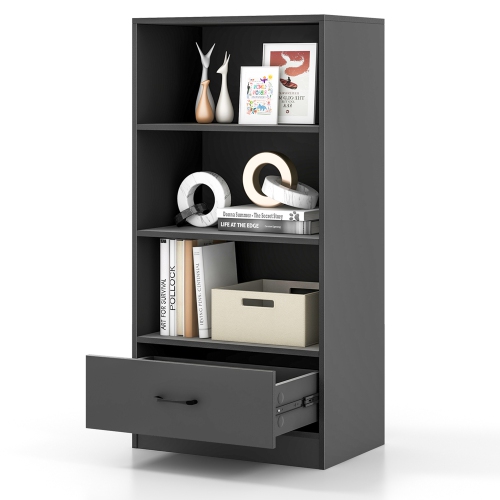
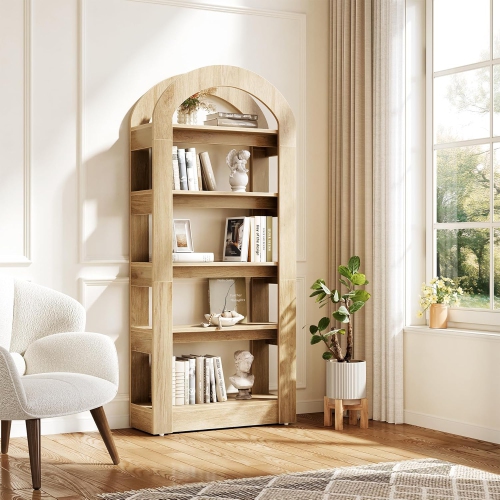

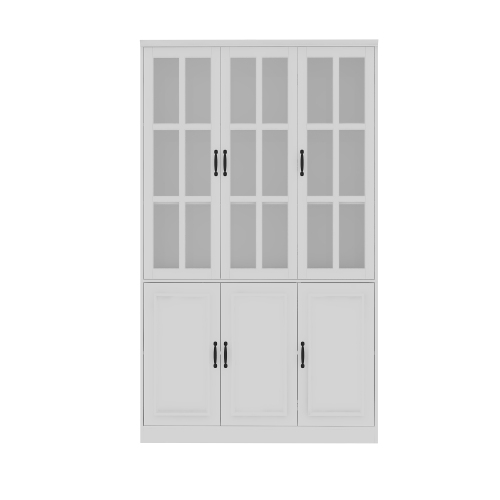
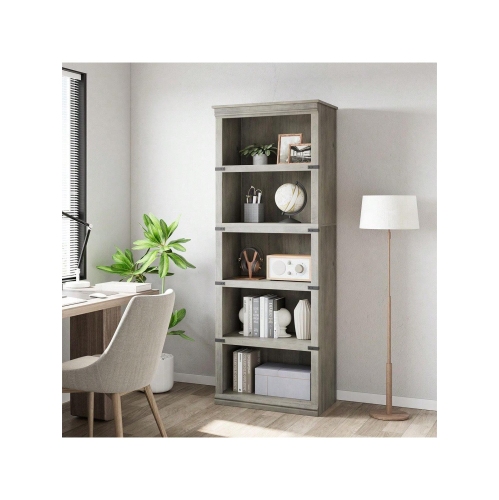

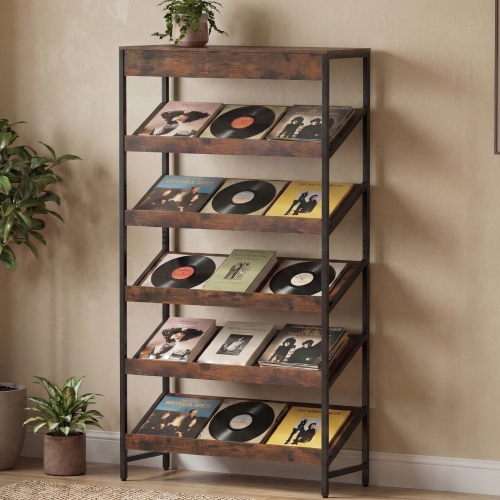
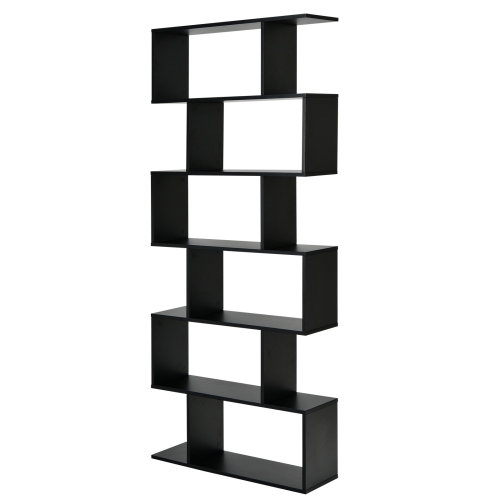

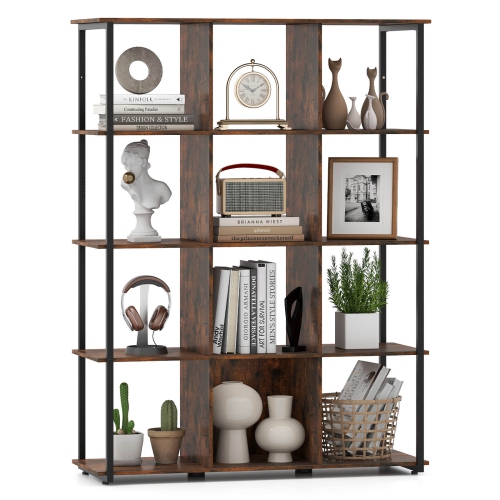
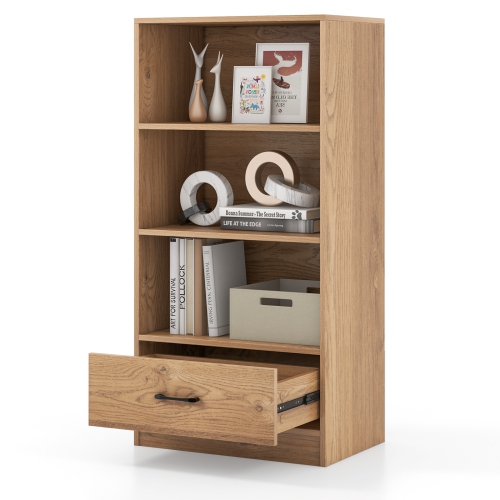
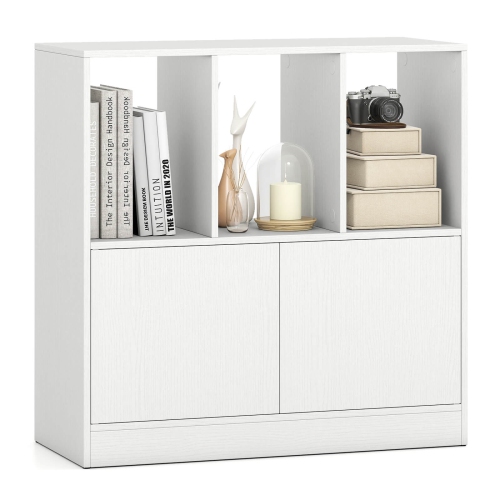
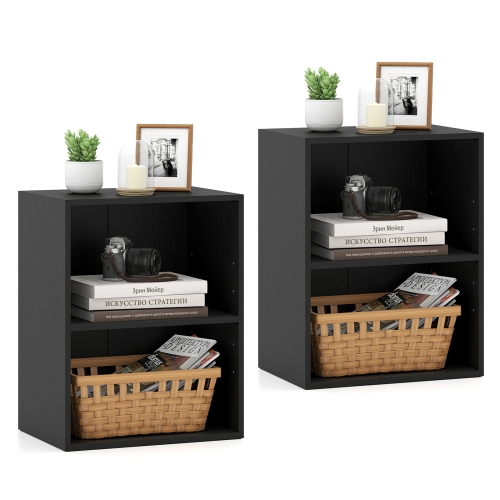

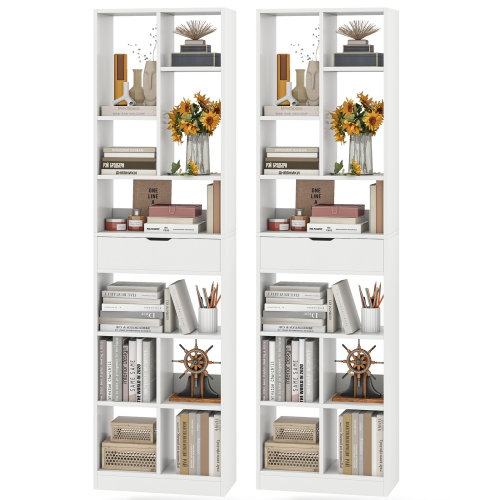
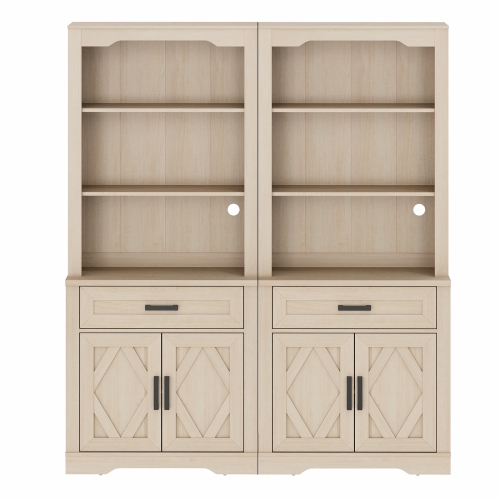
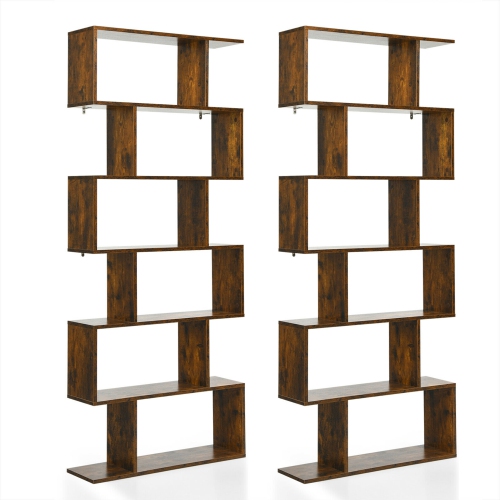
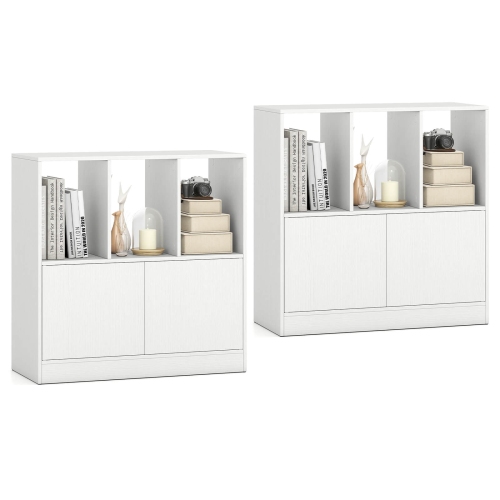
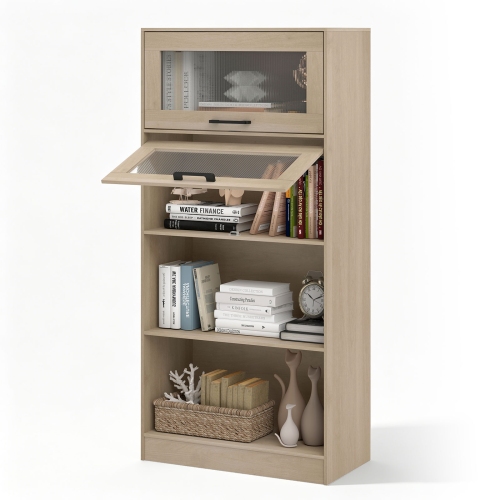

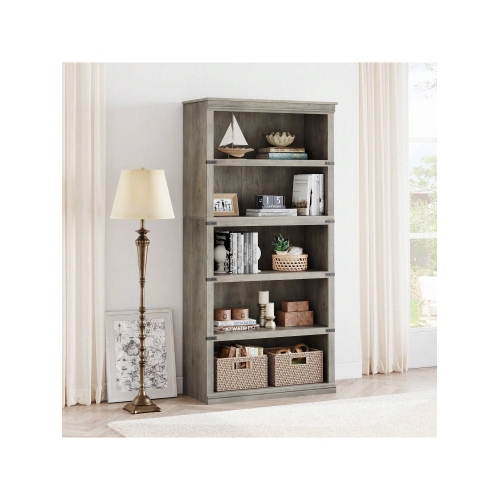
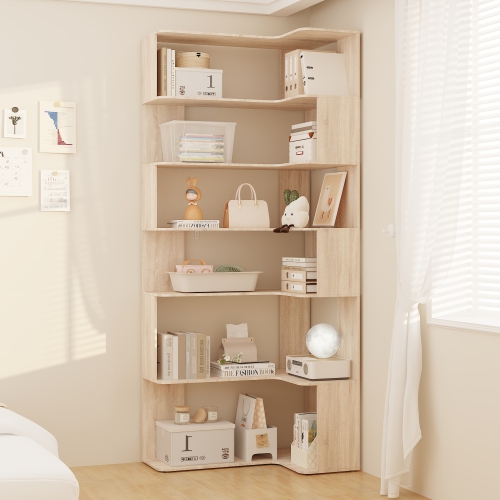
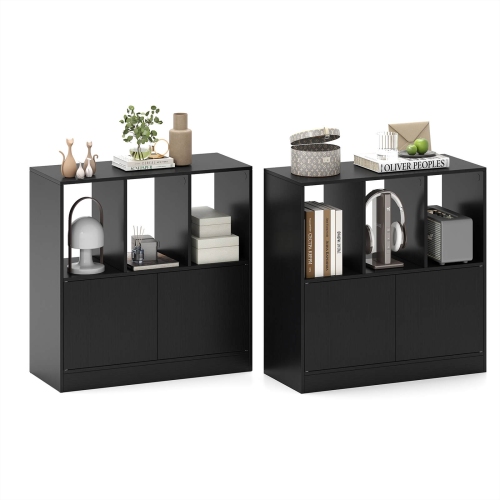
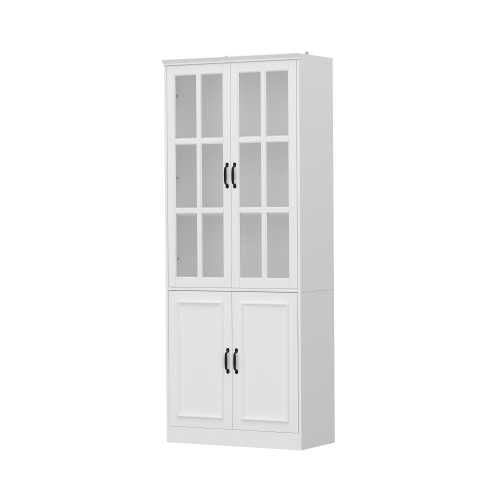
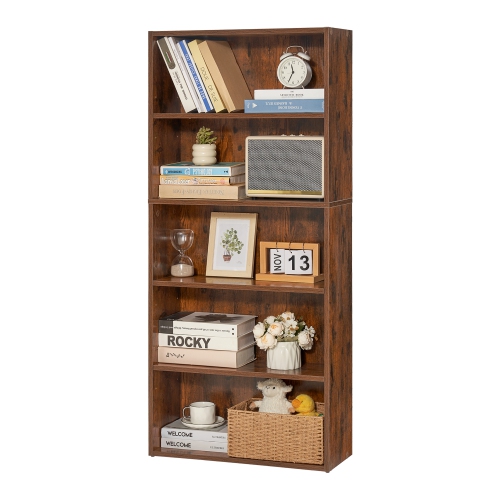
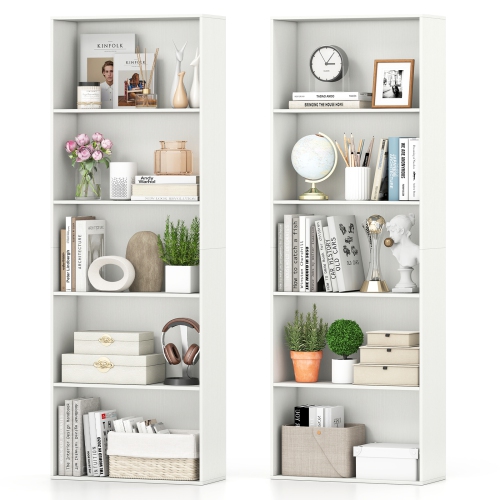
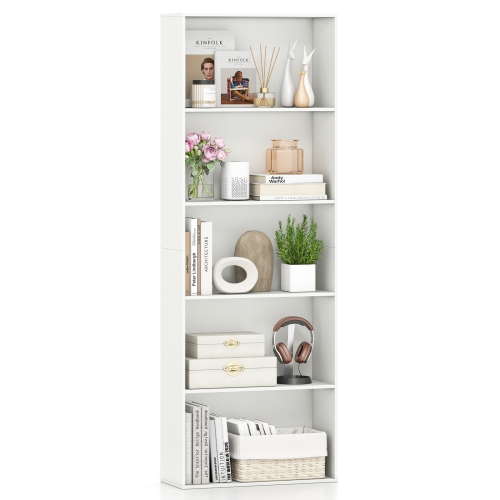
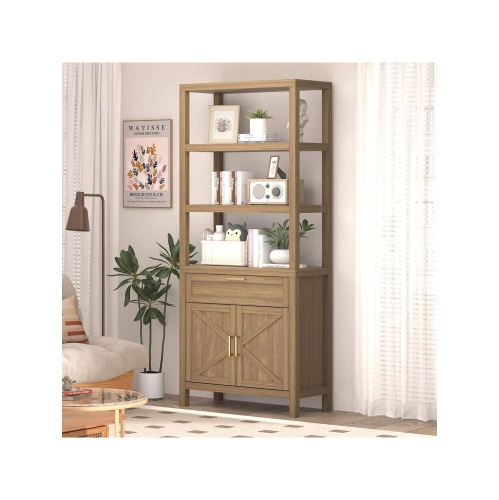
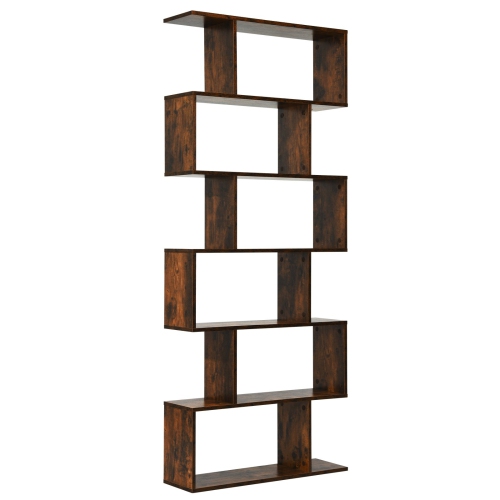
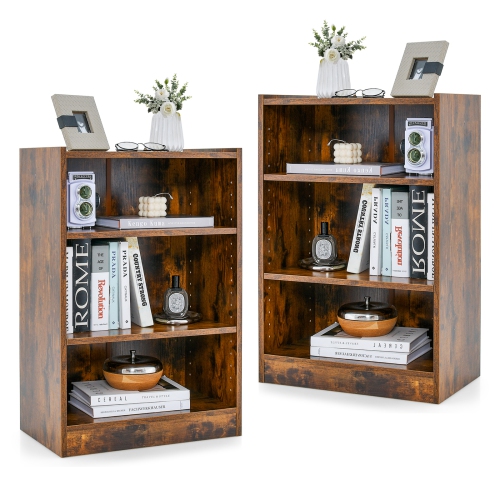
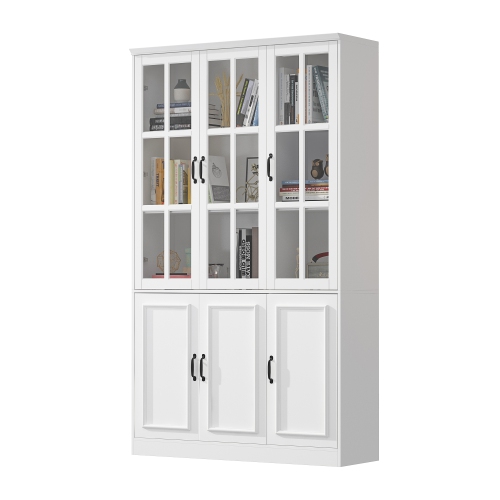
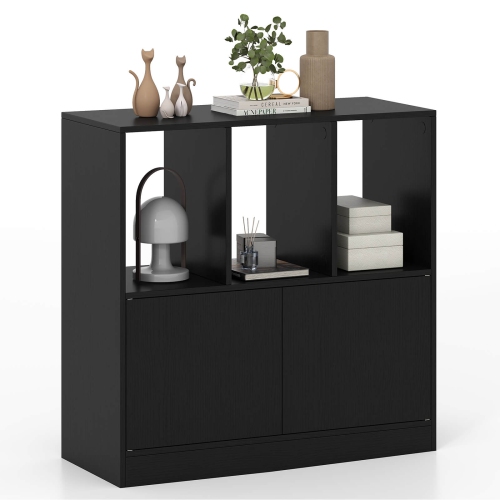
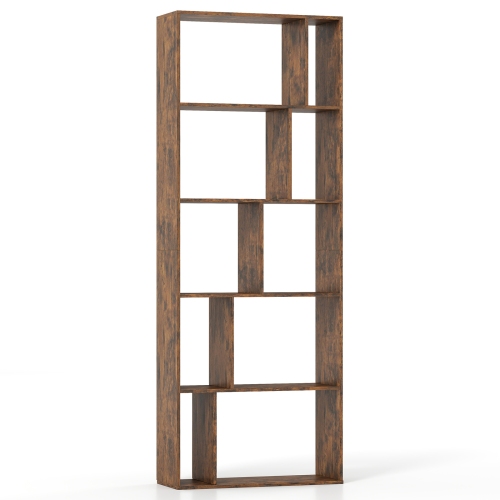
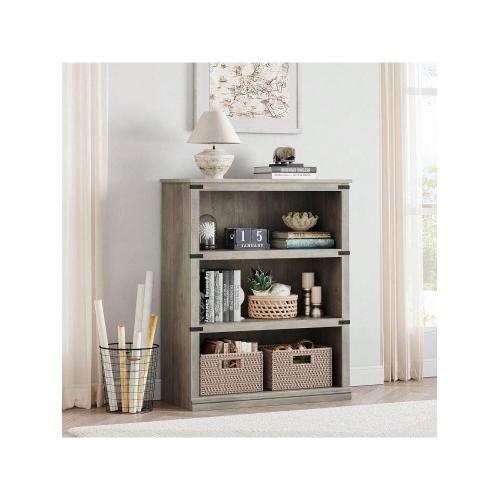
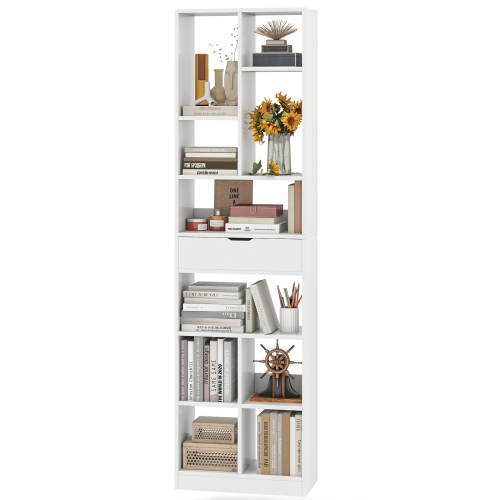
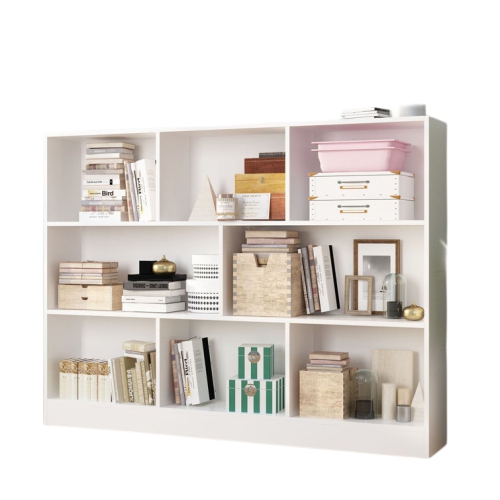
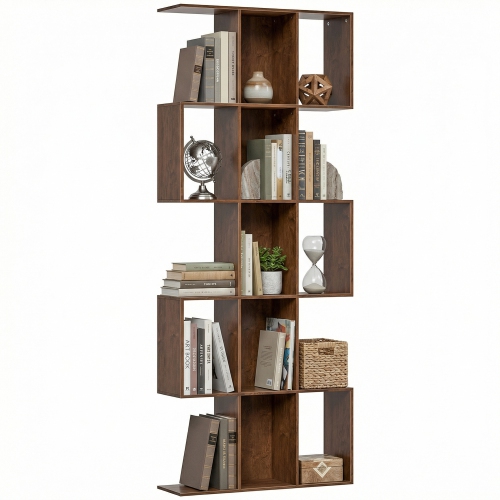
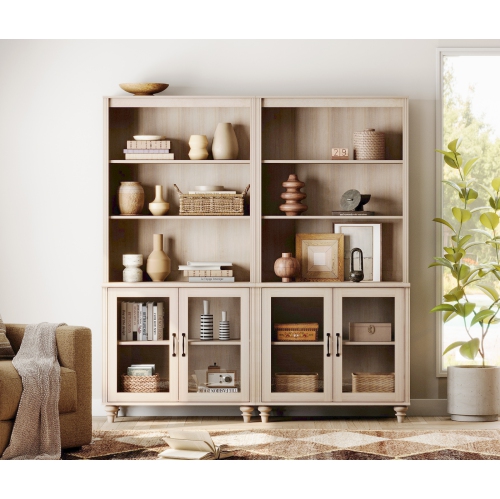
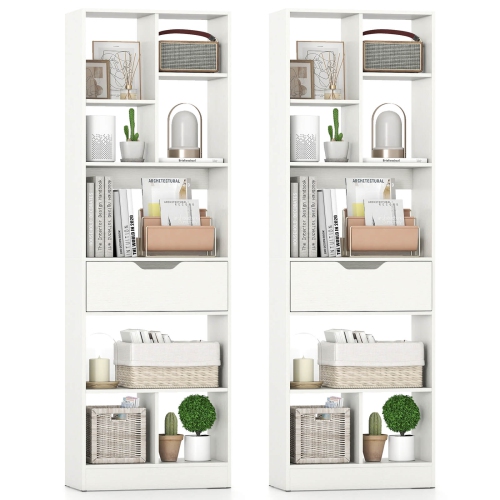
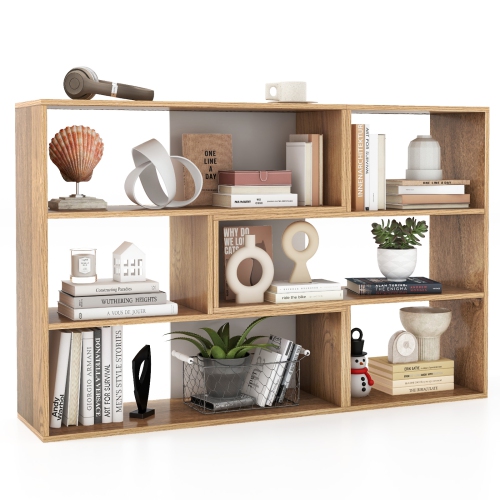
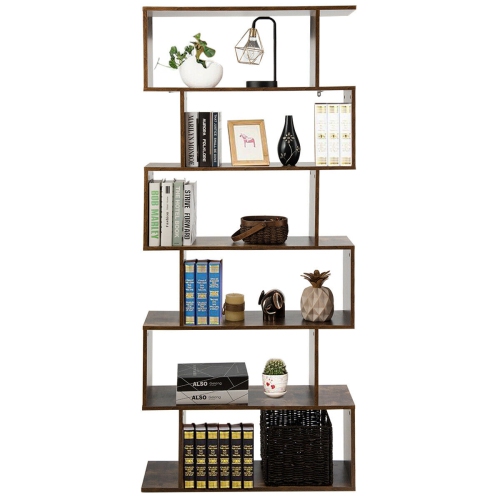
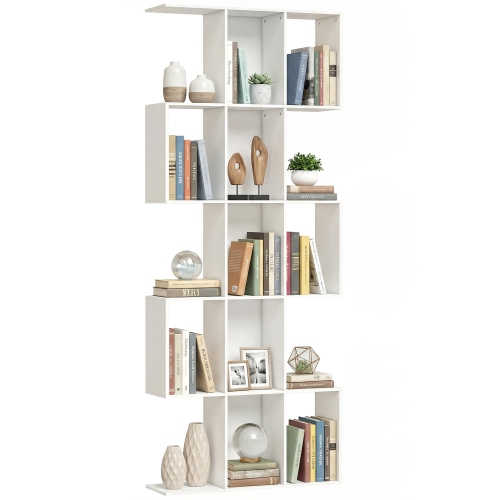
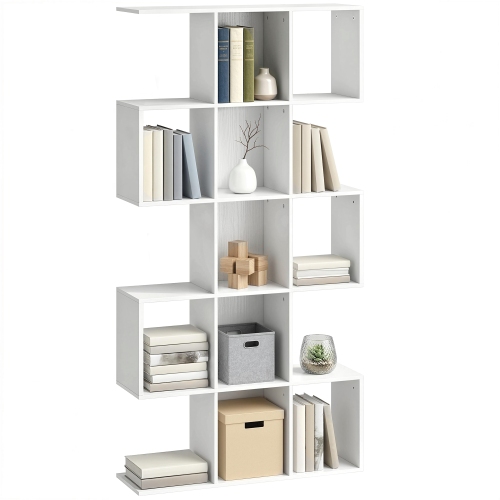
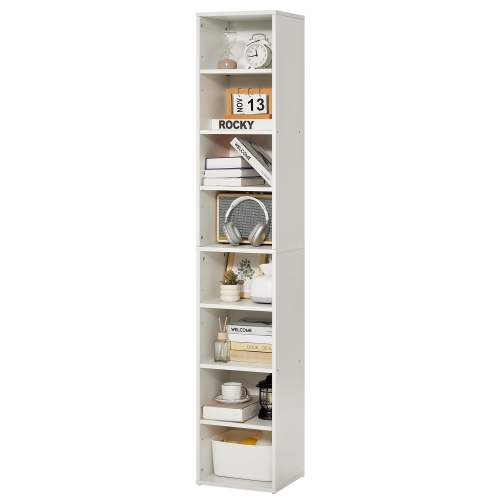
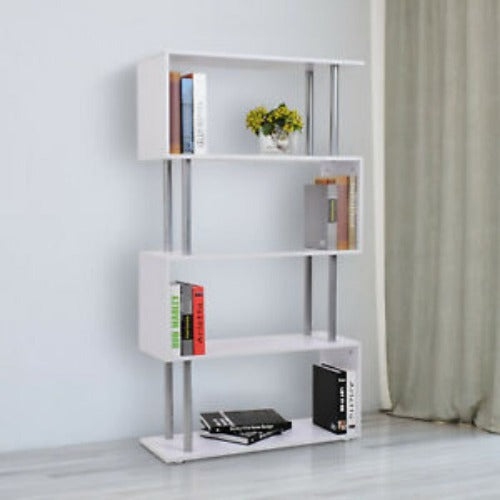
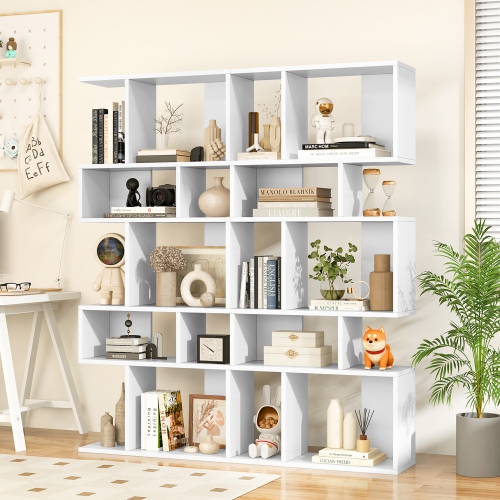
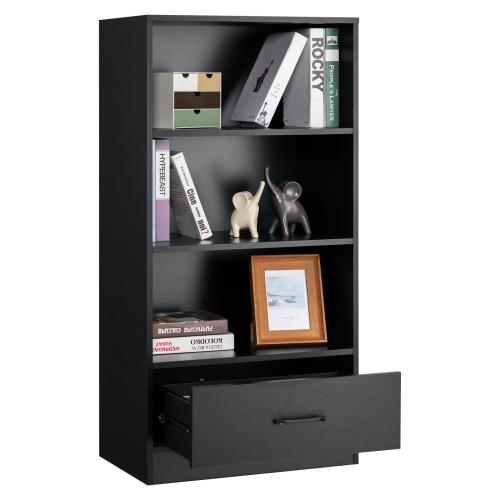
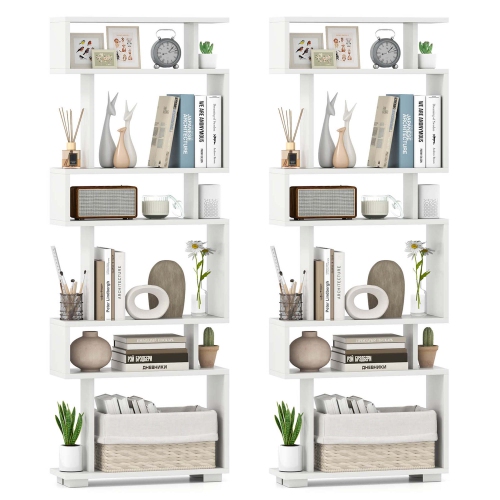
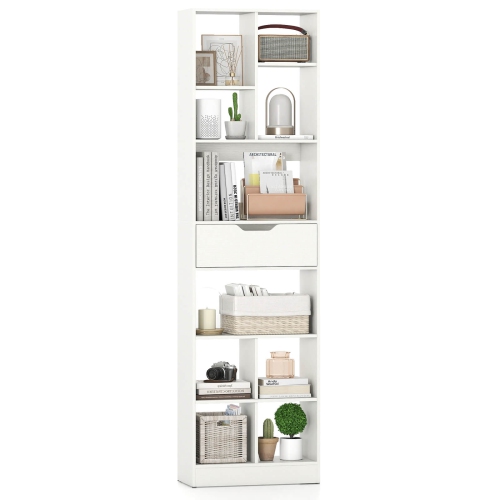
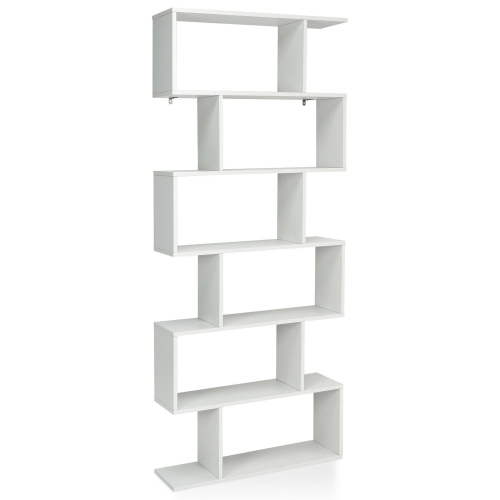
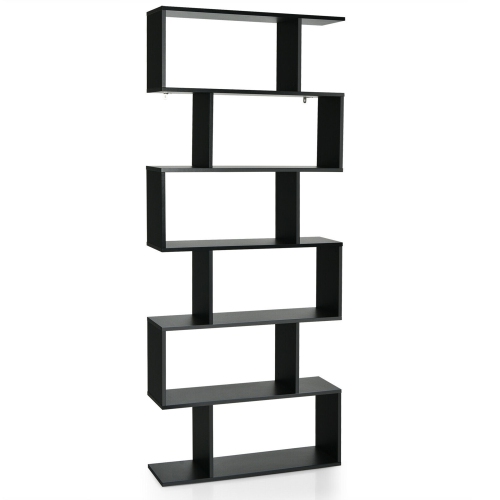
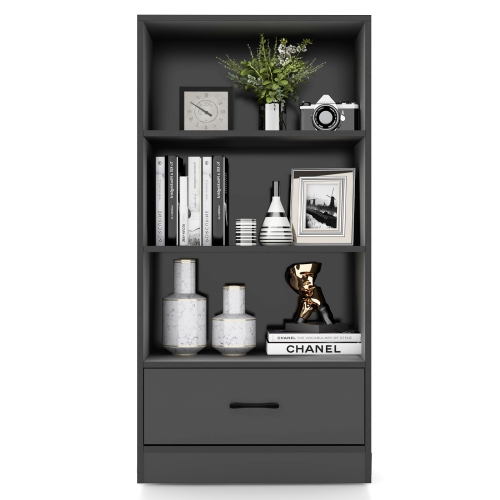
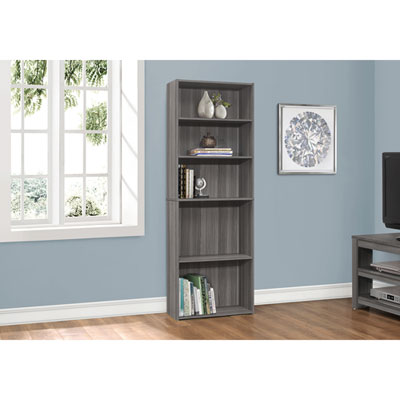
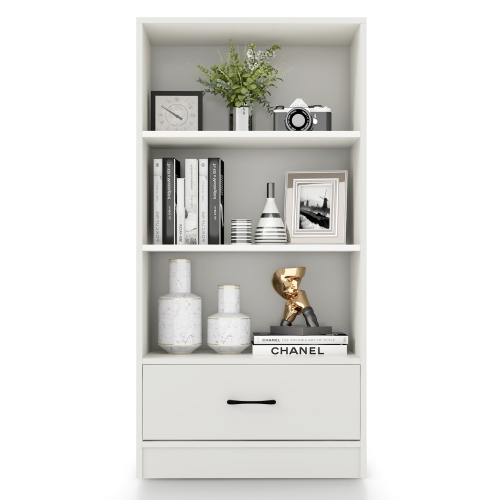
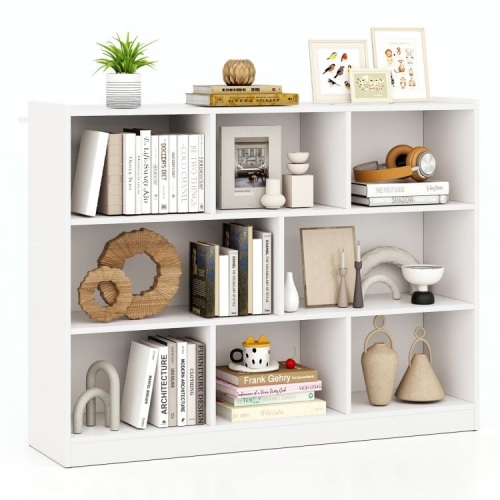
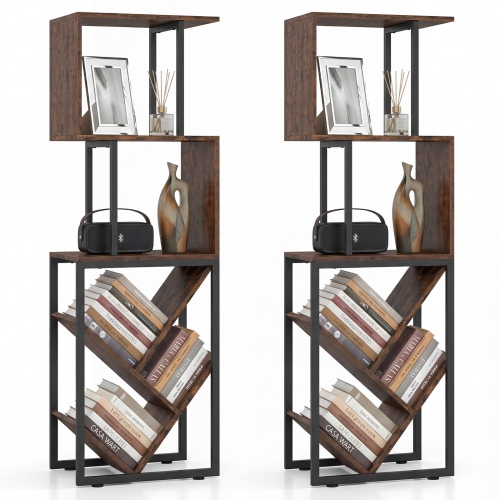
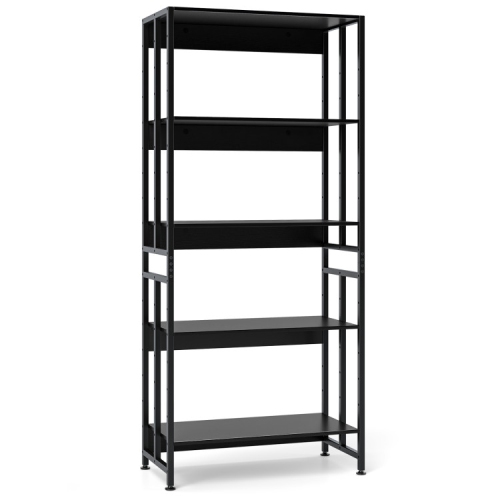
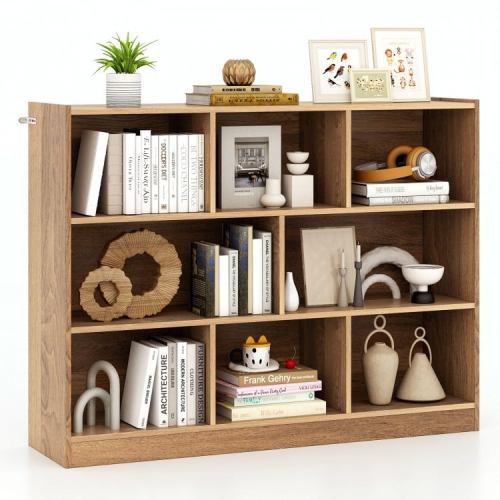
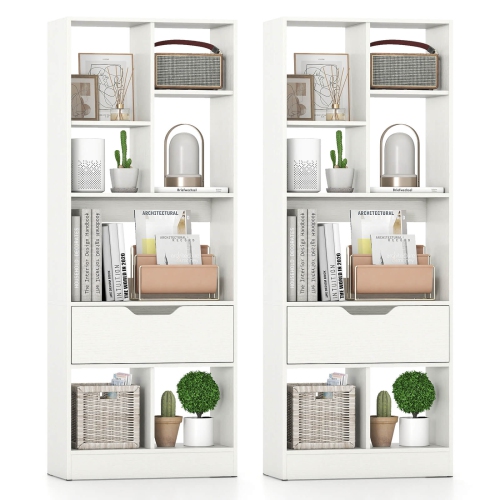
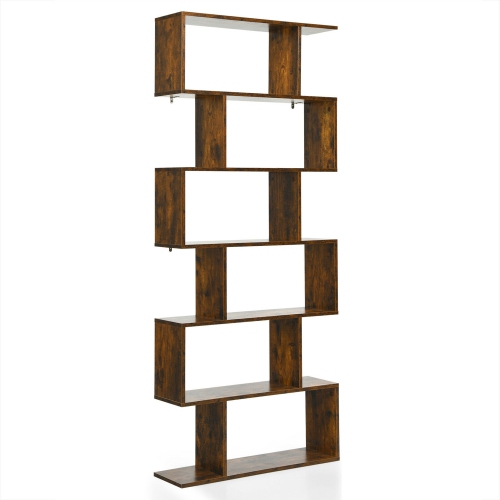
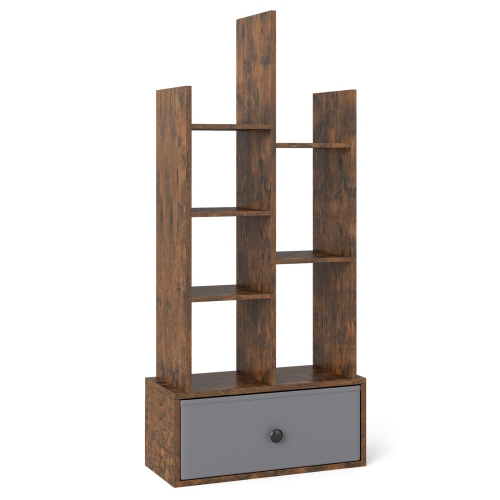
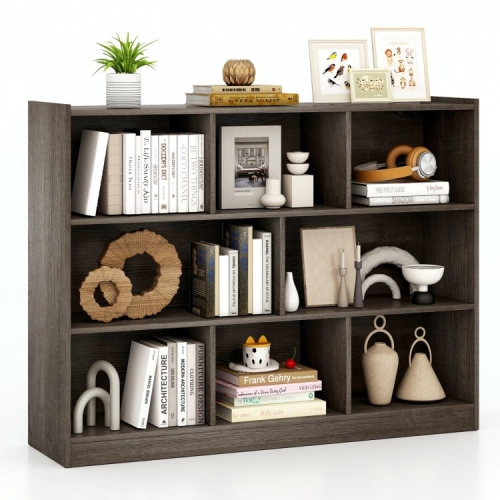
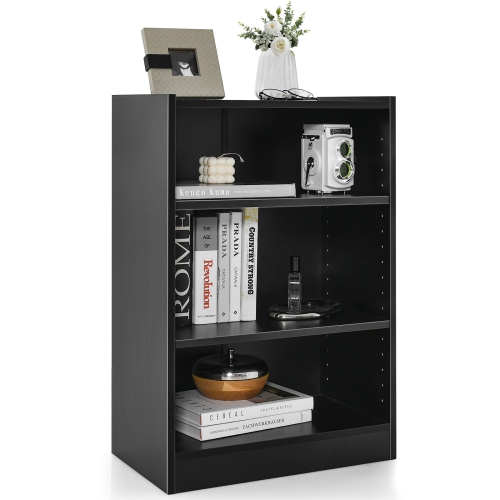
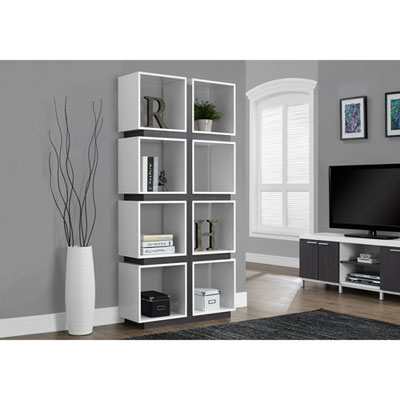
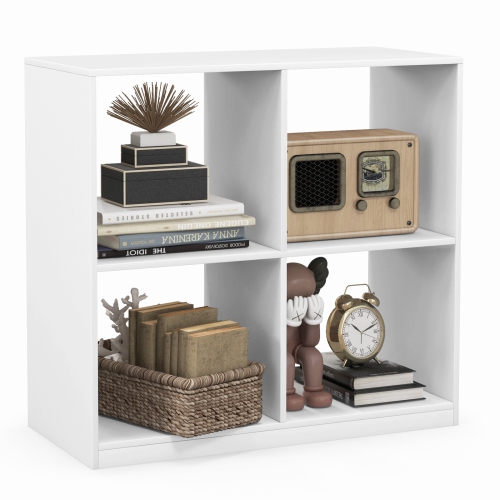
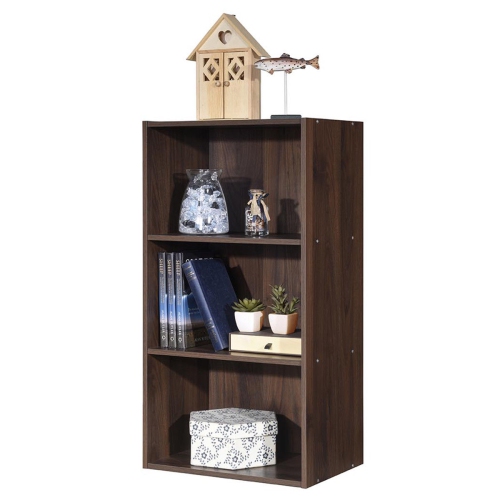
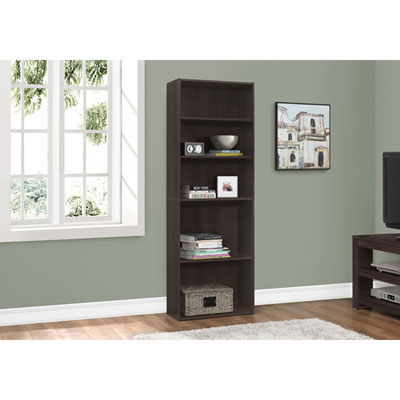

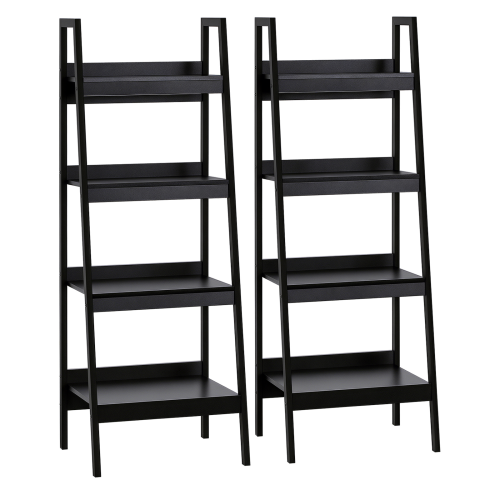
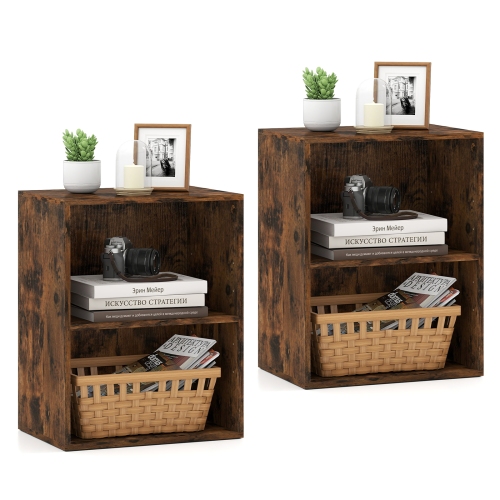
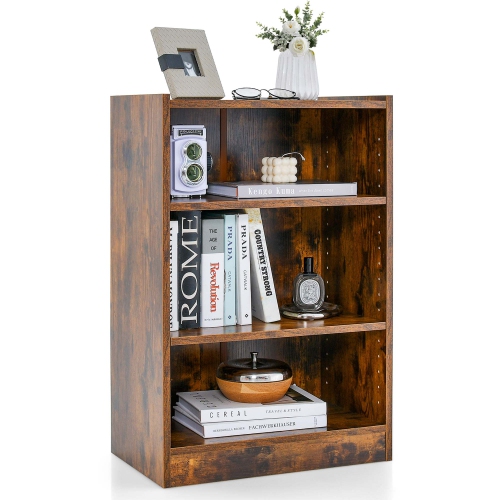
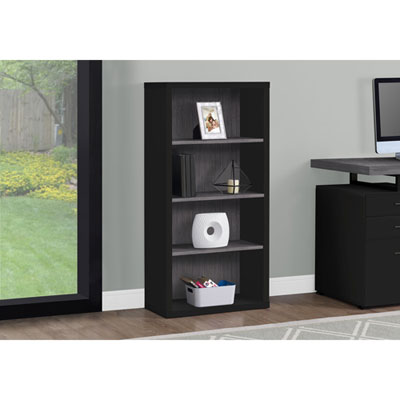
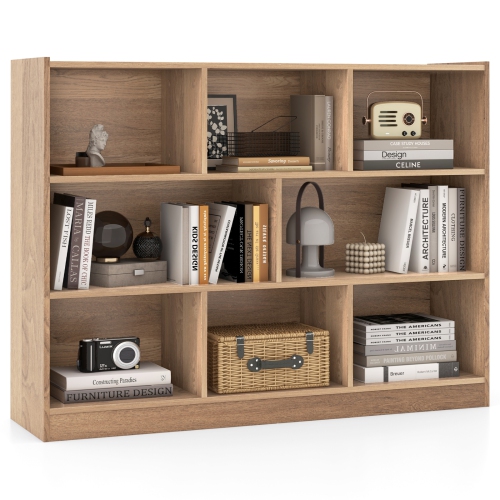
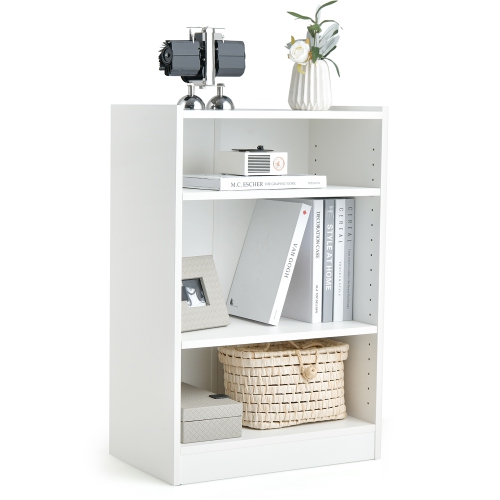

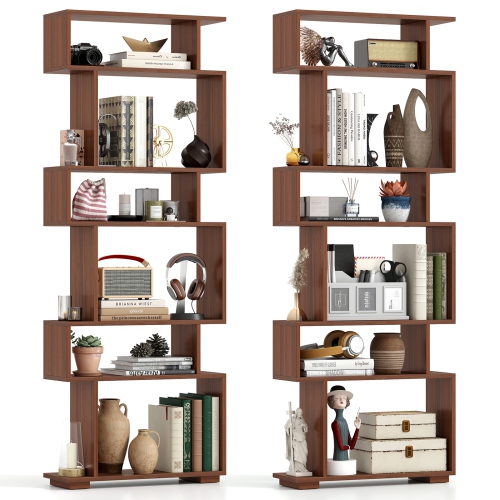
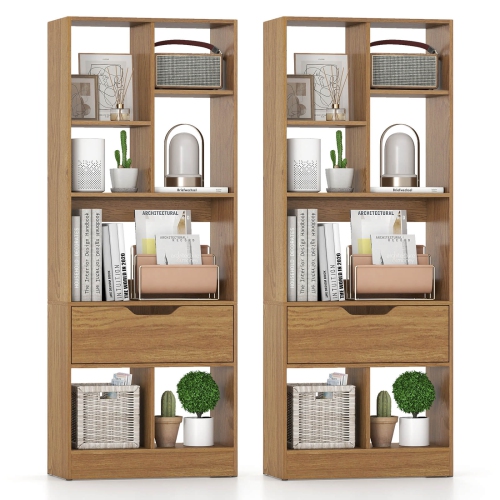
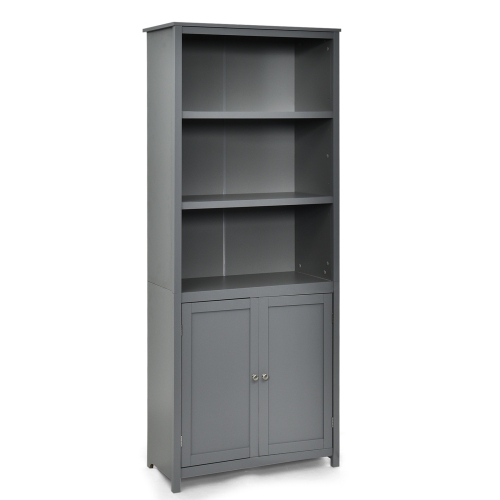
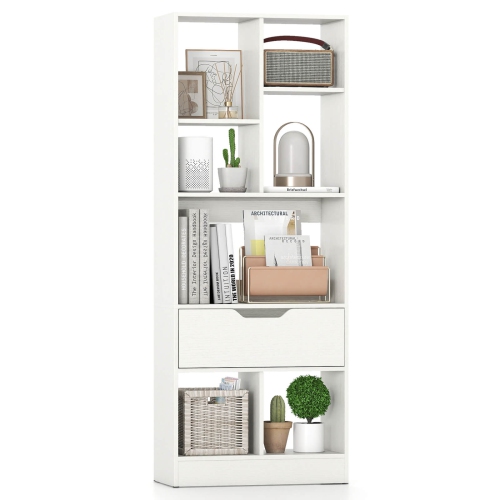
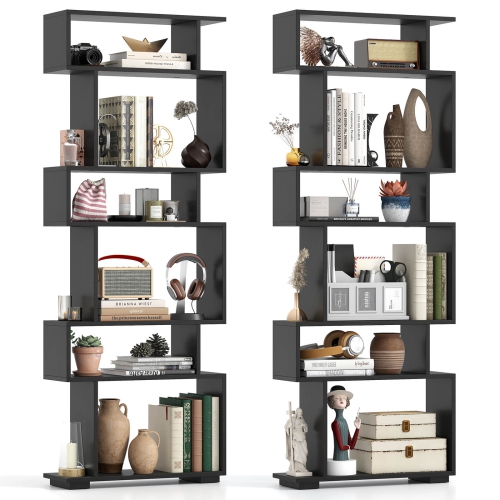
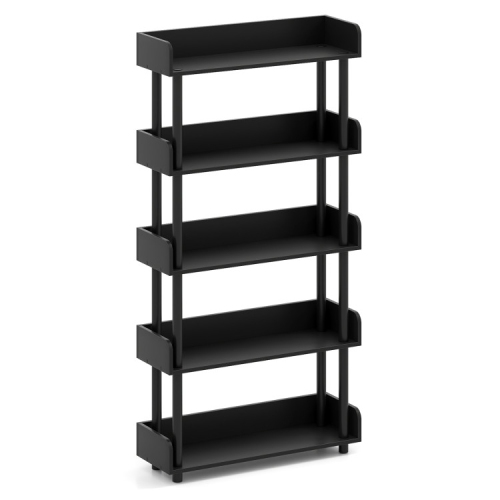
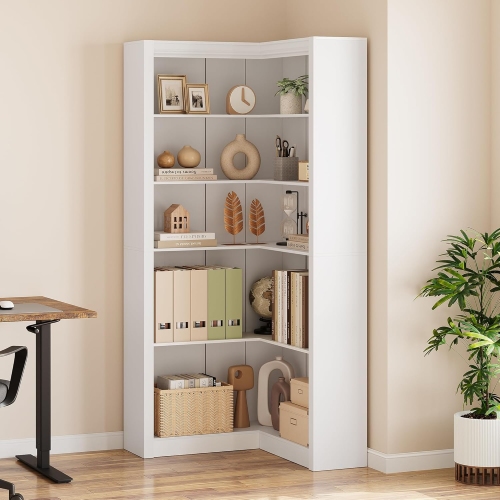
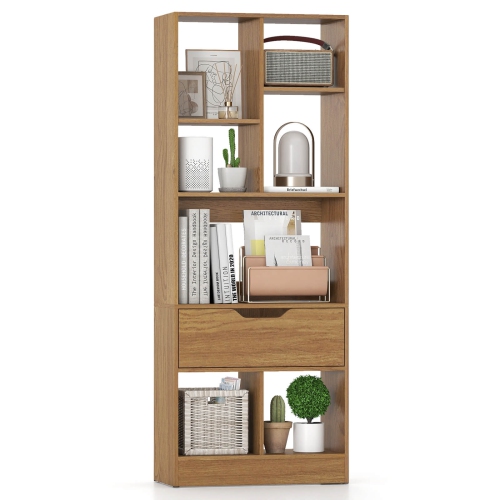
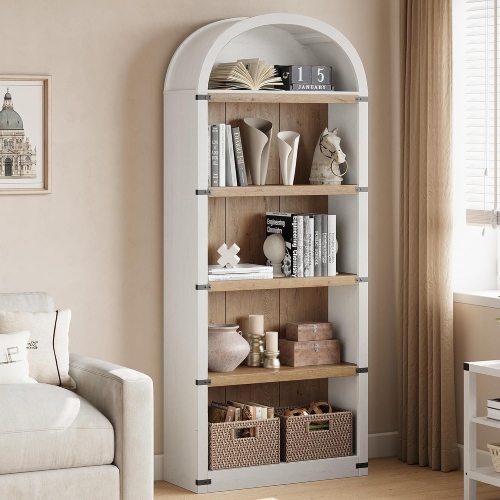
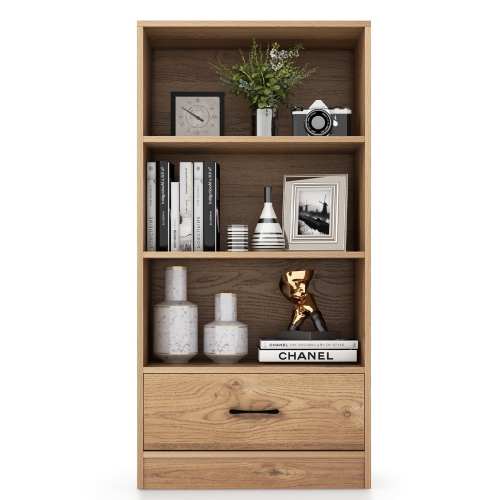
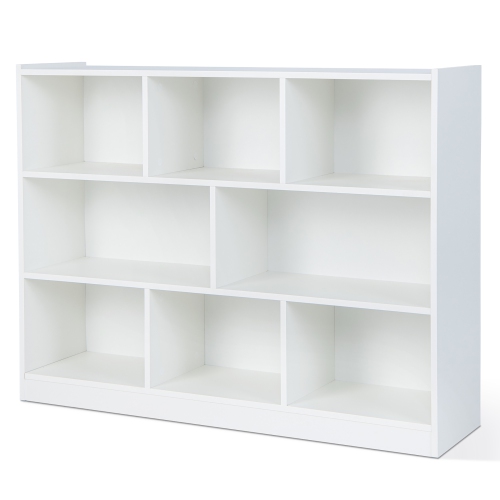
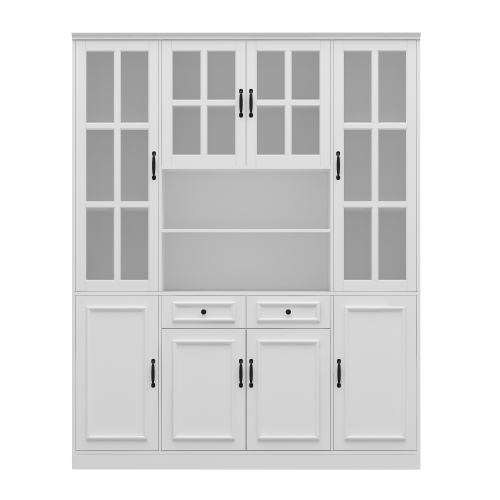
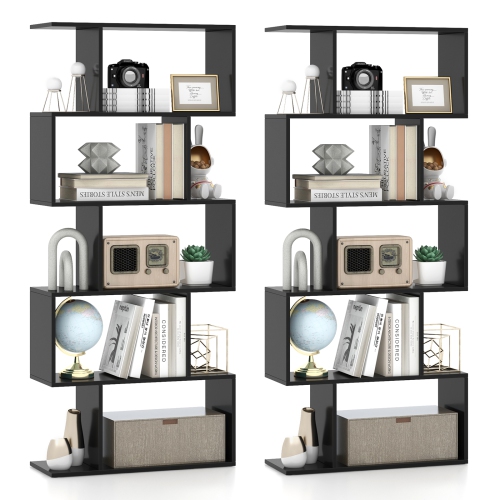
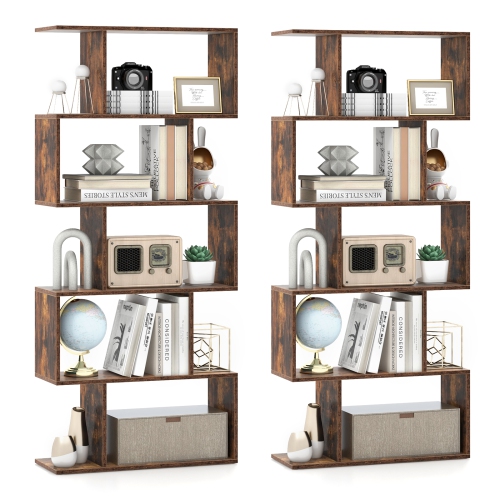
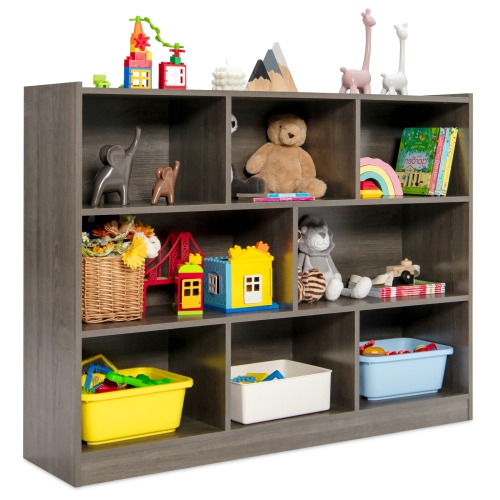
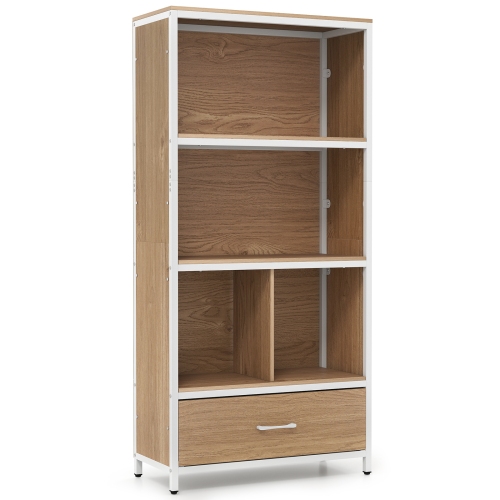
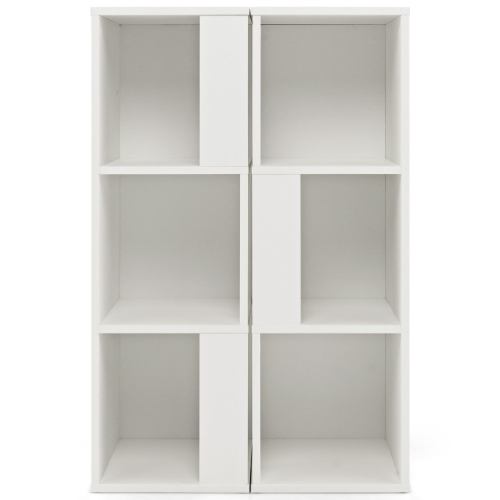
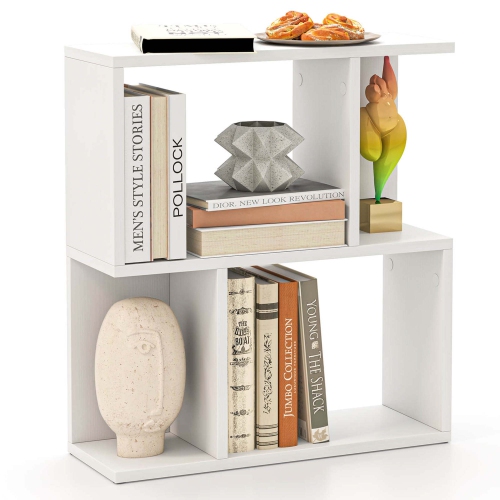
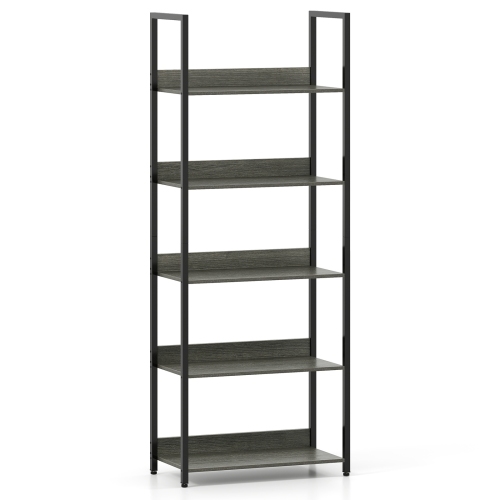
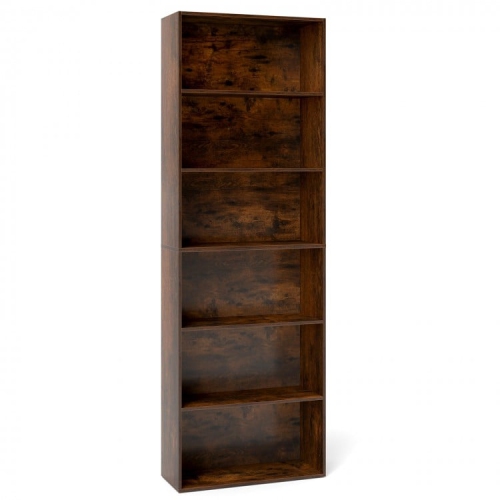
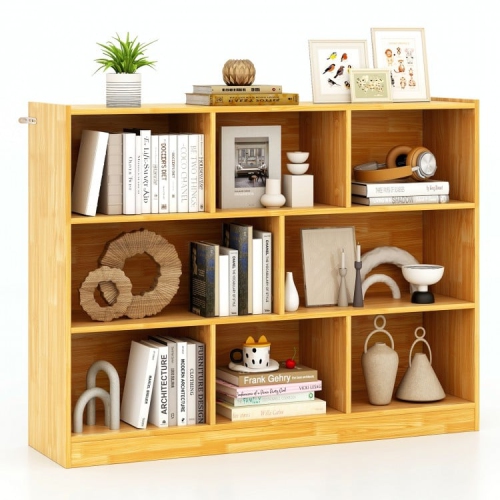

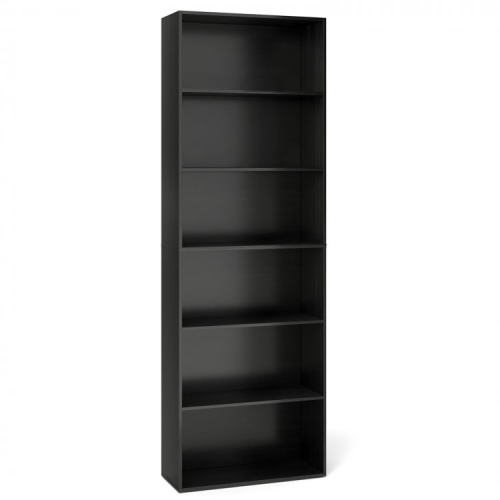
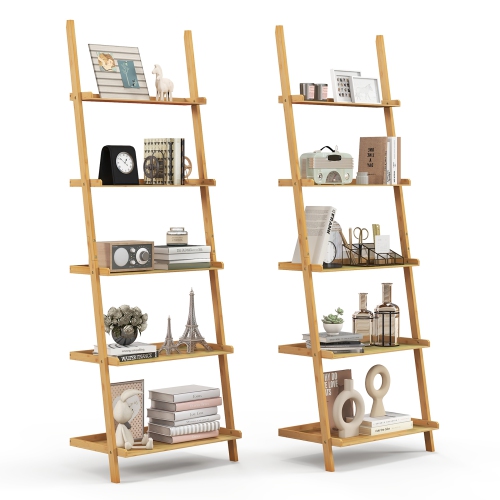
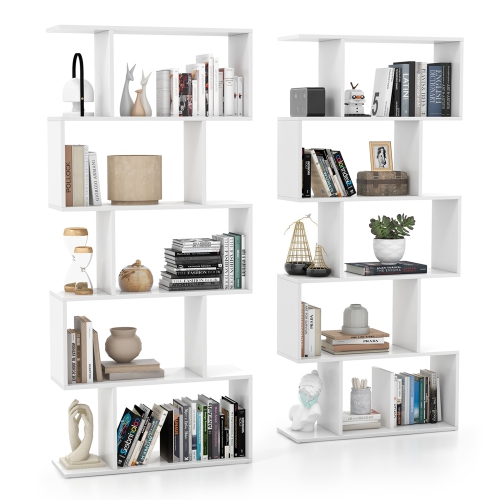
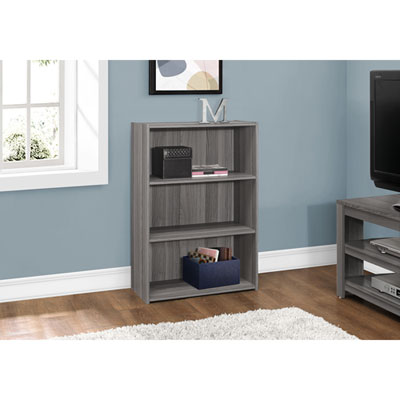
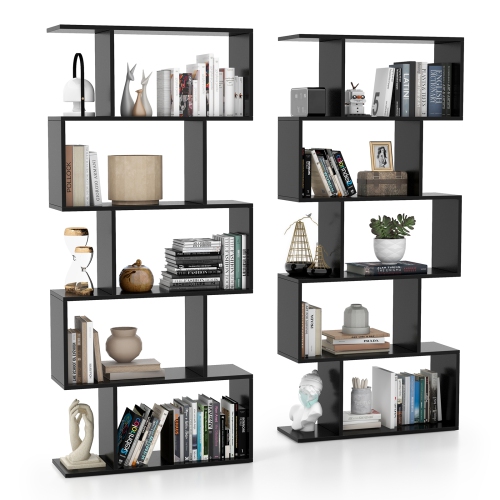
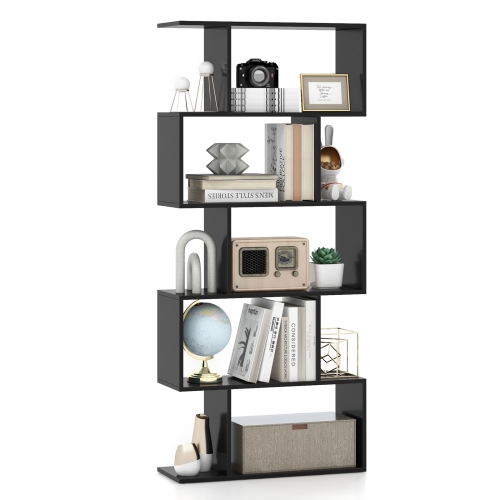
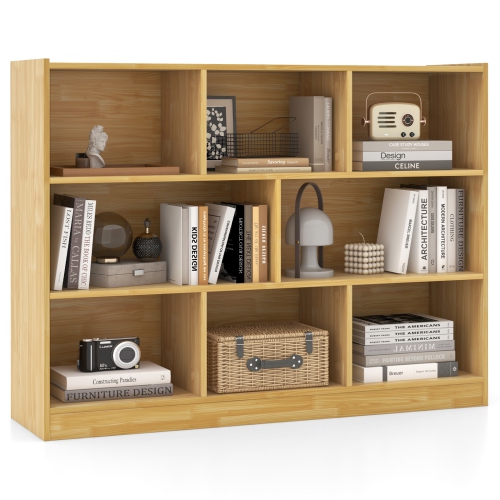
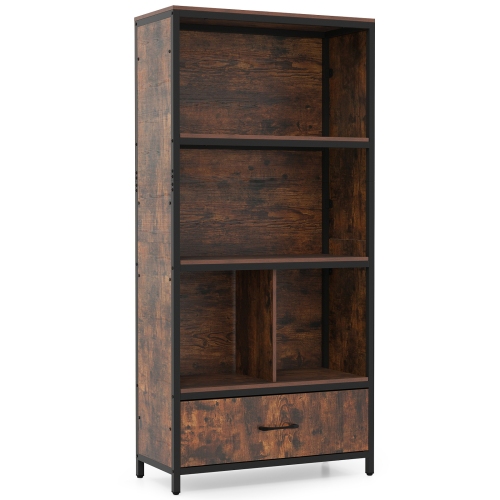
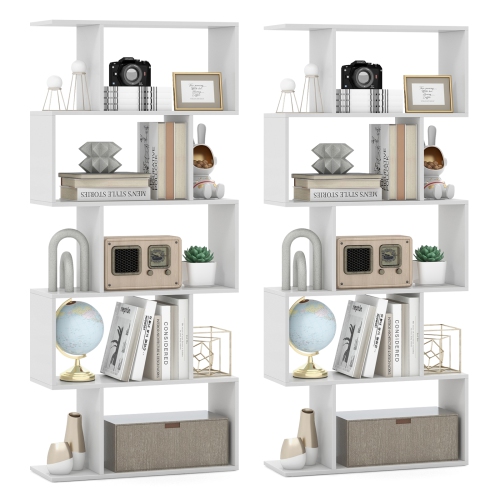
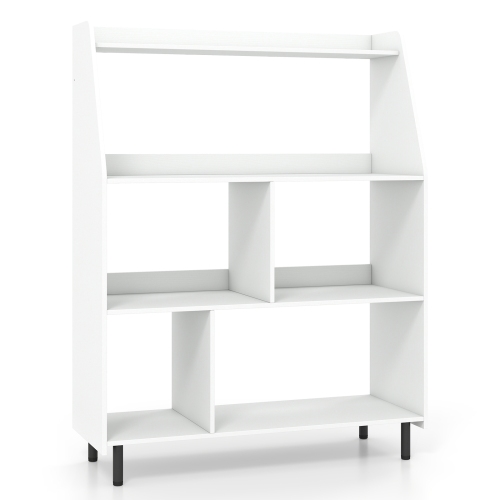

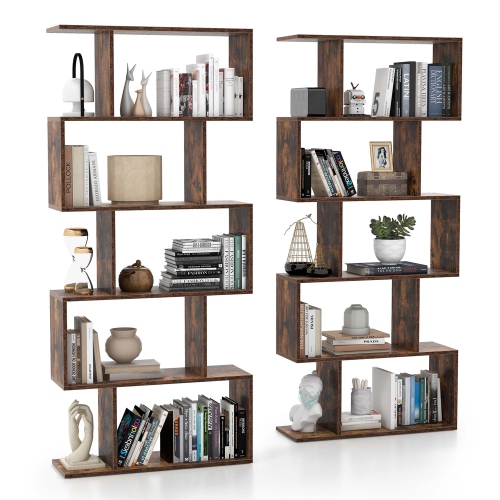
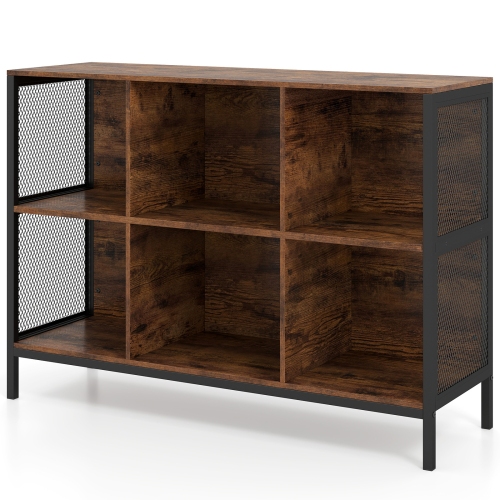
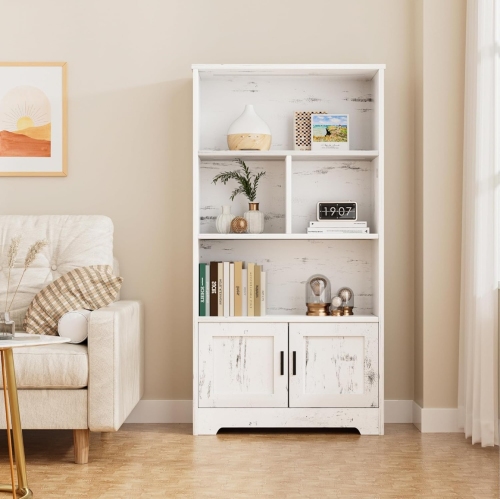
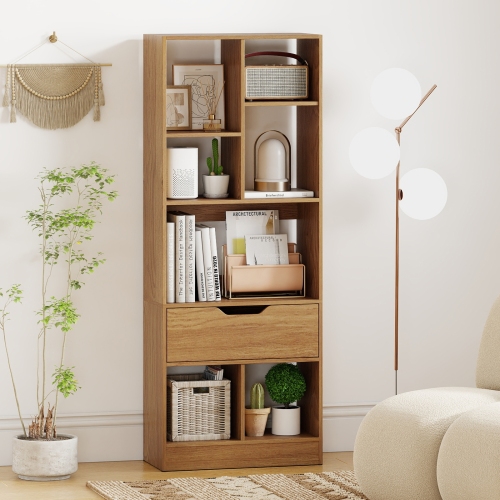
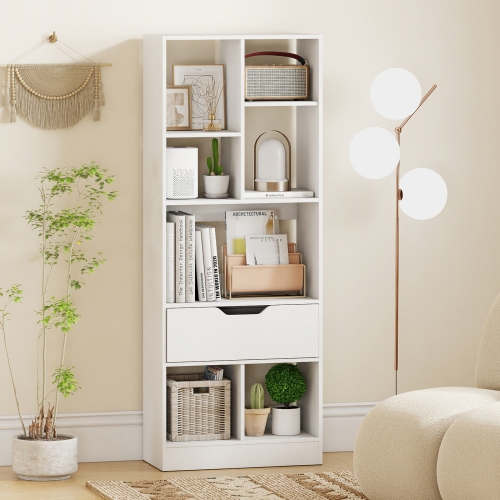
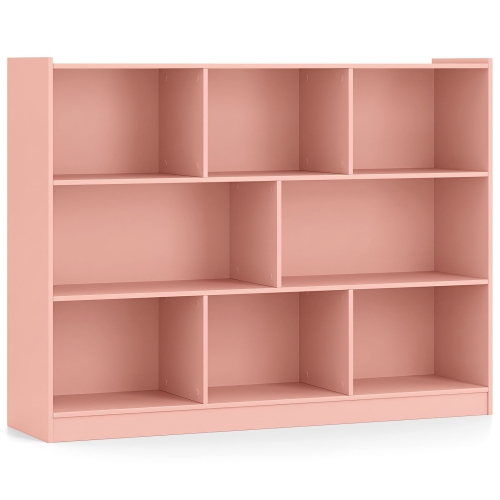
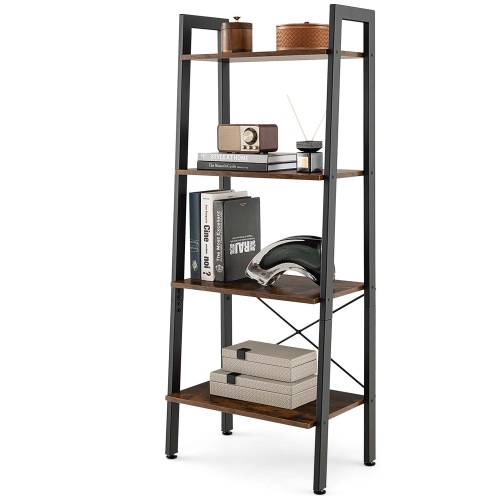
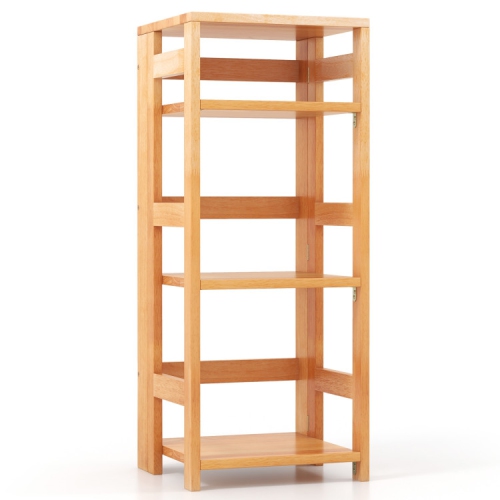
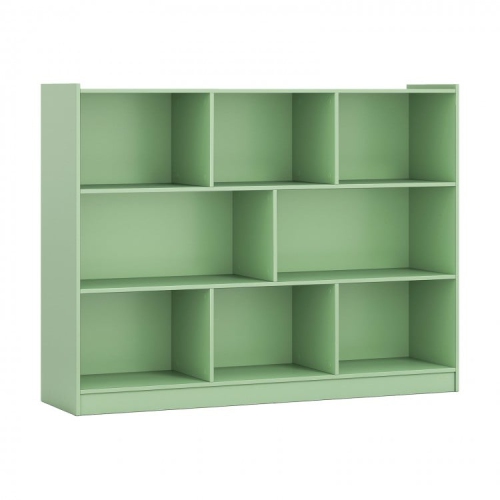
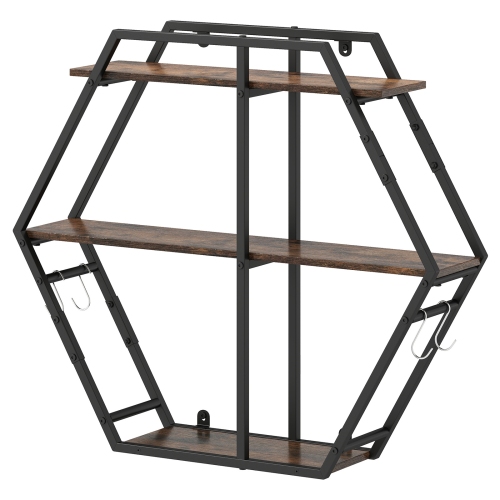
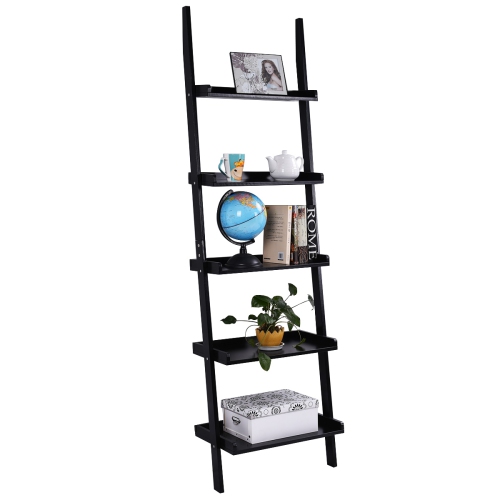
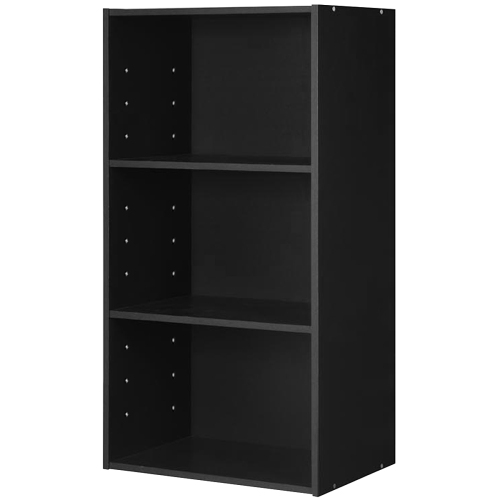

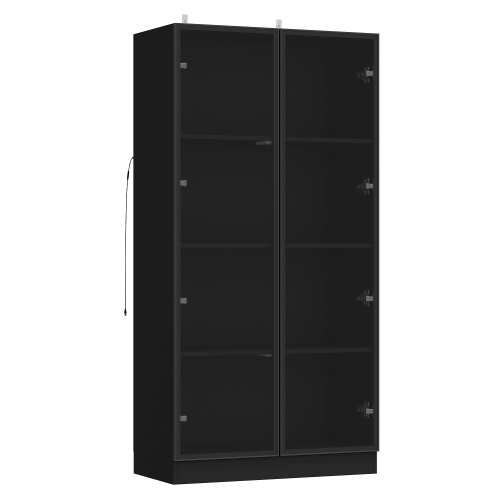
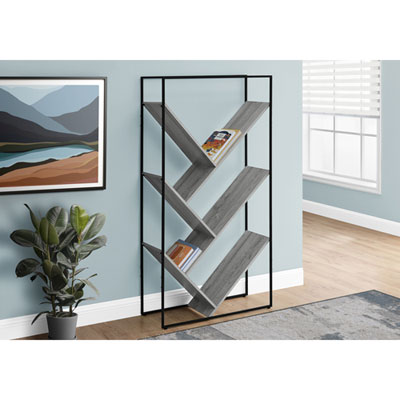
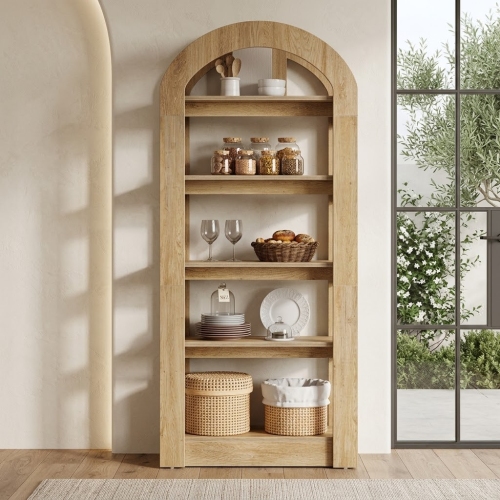
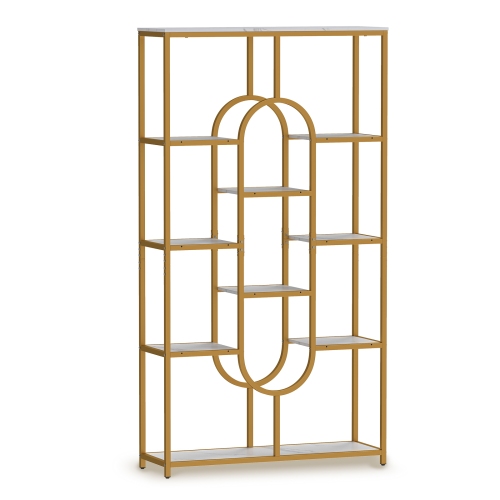
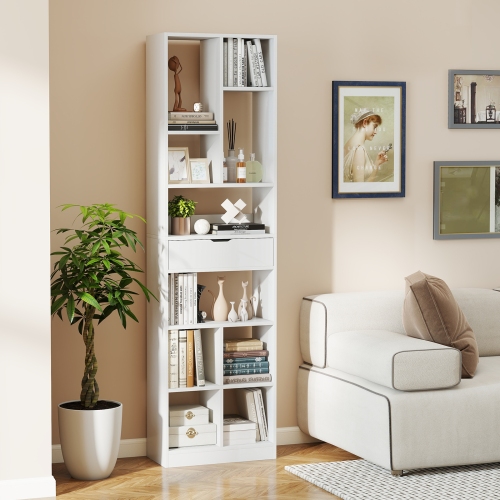
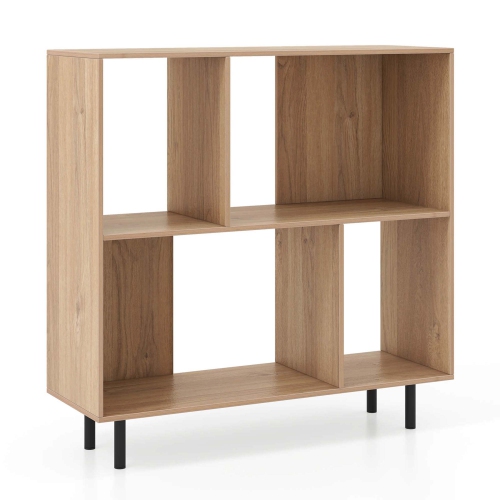
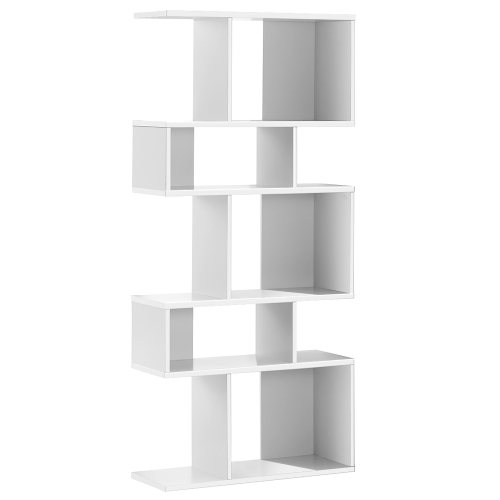
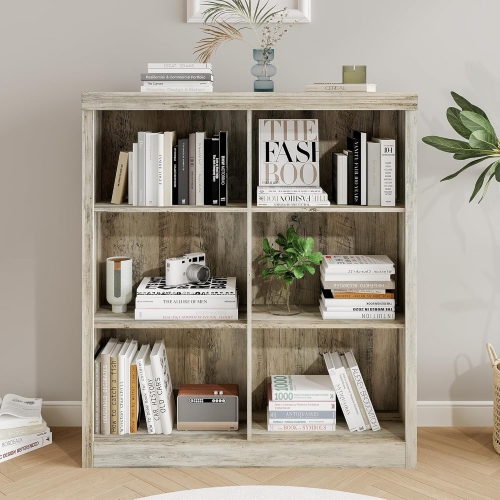
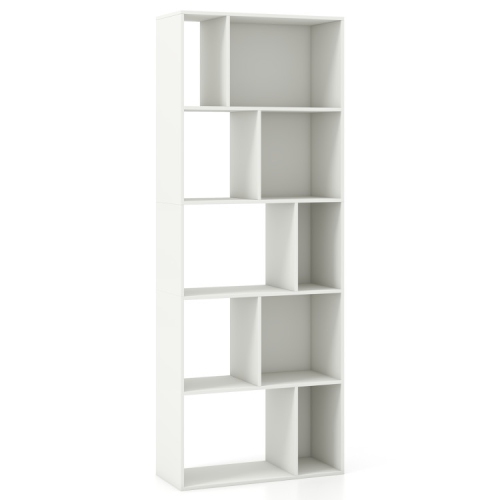
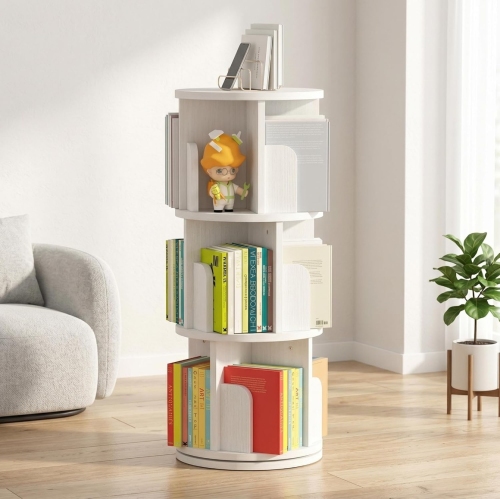
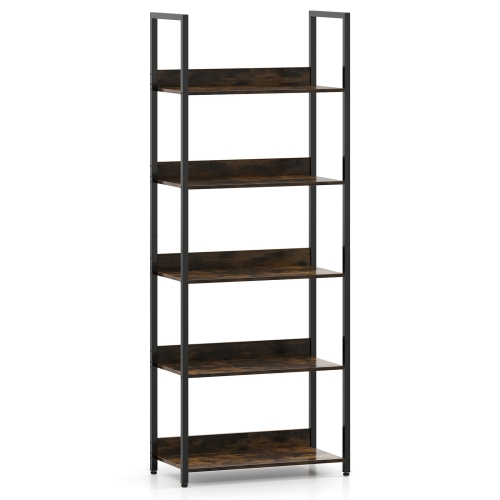
Books and favourite objects become part of your décor
Materials influence the appearance, weight, and long-term performance of a display bookcase. Solid wood brings visible grain and natural variation, with finishes ranging from pale tones to deeper shades that give a collection a more traditional backdrop. Wood veneer provides a real-wood surface over a supporting core, while engineered wood can offer a smooth, consistent finish that works well with painted or wood-look designs. Metal frames create a more open outline and can pair easily with wood shelves, especially where nearby furniture already includes dark hardware or exposed metal legs. Glass shelves and doors keep sightlines open, but fingerprints and dust can be more noticeable on transparent surfaces. Durability depends on more than the material name: shelf thickness, support spacing, joints, backing, and hardware all affect how a bookcase handles daily use. Heavy books placed across a wide, unsupported shelf can cause bowing over time, so both individual shelf limits and the total weight capacity matter. A row of large art books demands different support from a few lightweight ornaments. Fit also goes beyond measuring an empty section of wall. Overall height, width, and depth need to work with skirting boards, nearby outlets, and the path people take through the room. Doors require clearance to open, and a deep cabinet can feel intrusive beside a narrow passage even when it technically fits the wall. Shelf depth should suit the intended contents without allowing larger books or display pieces to overhang. Delivery access is another practical consideration, particularly where a tall unit must pass through a stairwell or turn into a small room. Adjustable feet can help compensate for minor floor unevenness, but they do not replace the anti-tip restraints specified by the manufacturer. Tall furniture should be secured as directed, with heavier contents kept lower down. An open-backed bookcase may offer an airy look, but it should only serve as a room divider if its construction and installation requirements support that use.
A well-arranged display bookcase feels personal without making everything compete for attention. Books grouped in short vertical runs are easy to browse, while a small horizontal stack can provide a resting place for a lightweight object if the books and shelf beneath it can support the load. Leaving some space around a framed photograph or a handmade bowl makes its shape easier to appreciate than placing objects edge to edge. Repeating a colour in a few places can connect a varied collection, while different heights keep the arrangement from looking rigid. Everyday access is important, too: frequently read books belong on reachable shelves, and delicate pieces are better positioned where sleeves, bags, or passing hands are less likely to catch them. For households with children or pets, secure installation and thoughtful placement matter more than achieving a perfectly balanced display. Glass doors should never be treated as a substitute for keeping fragile or unsuitable contents safely out of reach. Readers, hobbyists, collectors, and people furnishing a first home may all find a display bookcase useful, and it can make a thoughtful housewarming gift when the recipient’s measurements and preferred style are known. Care is generally straightforward, but it should match the materials and finish. A soft cloth helps remove surface dust; glass cleaner is best applied to the cloth rather than sprayed near wood edges, hinges, or lighting components. Wood and engineered-wood surfaces should not be left wet, and abrasive pads can mark finishes or scratch glass. Strong direct sunlight may fade book spines and some finishes, so placement can affect how well a collection retains its appearance. Hinges, shelf supports, and wall restraints also benefit from periodic checks, especially after moving the furniture or rearranging a heavy collection. With suitable dimensions, sound support, and a layout that suits its contents, a display bookcase can remain useful as reading habits, interests, and room arrangements change.
Top selling and popular products
-
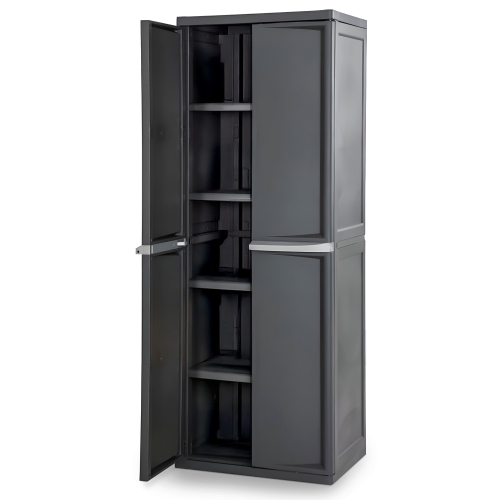 Your price for this item is $576.99
-
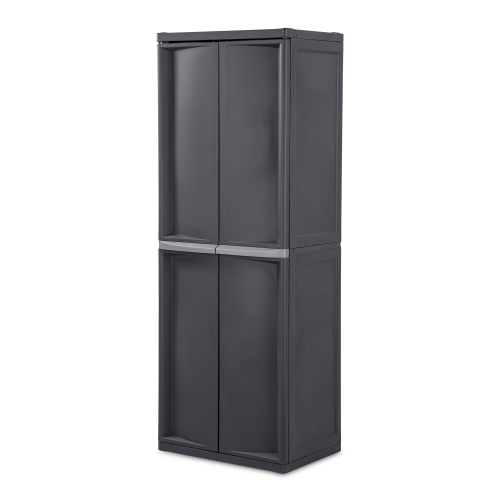 Your price for this item is $1166.99
-
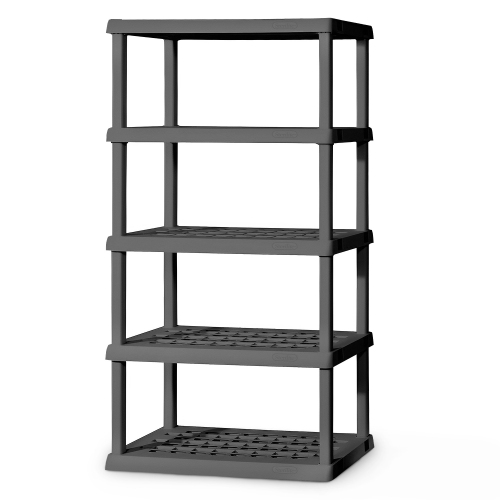 Your price for this item is $347.99
-
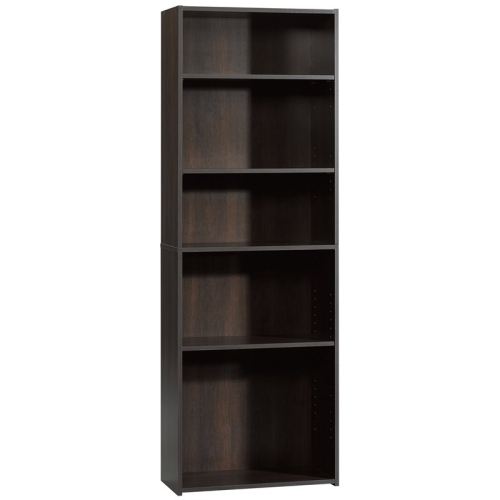 Your price for this item is $208.99
-
 Your price for this item is $137.99
-
 Your price for this item is $592.99
-
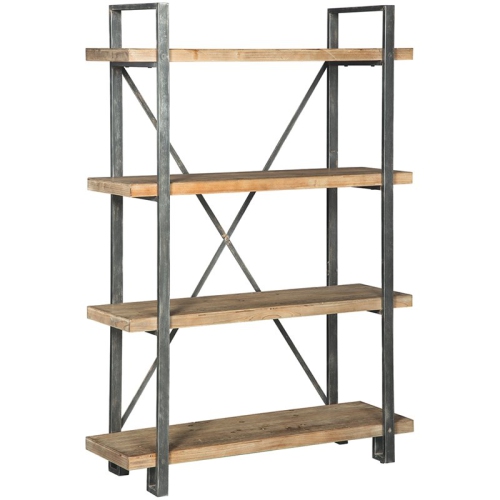 Your price for this item is $599
-
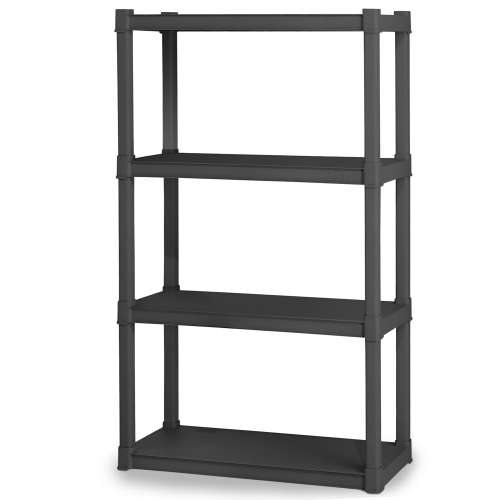 Your price for this item is $186.99