Display Racks With Hooks
Display racks with hooks offer a practical solution for organizing and showcasing a variety of items, whether at home, in the office, or in retail spaces. Designed to maximize visibility and accessibility, these versatile racks help keep essentials neatly arranged and easy to find. With options suitable for different spaces and needs, display racks with hooks make it simple to create an organized and visually appealing setup. Explore a wide selection to find the perfect fit for your storage and display requirements.
Sort
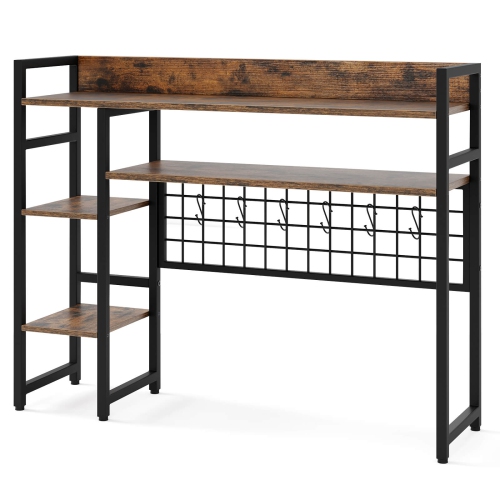

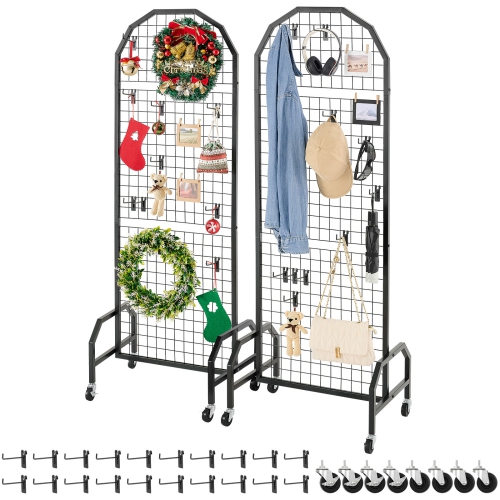
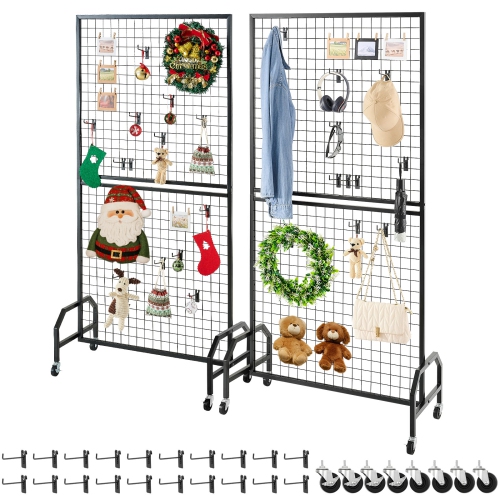
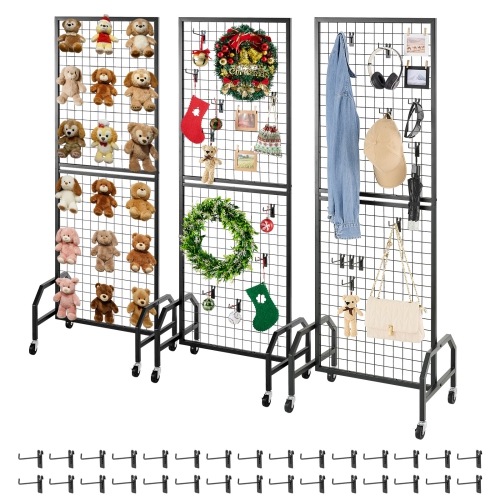
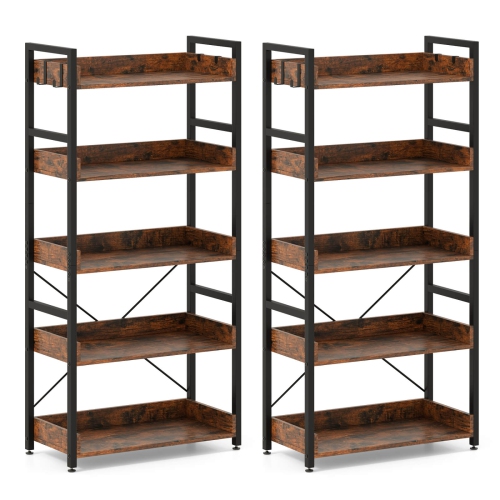

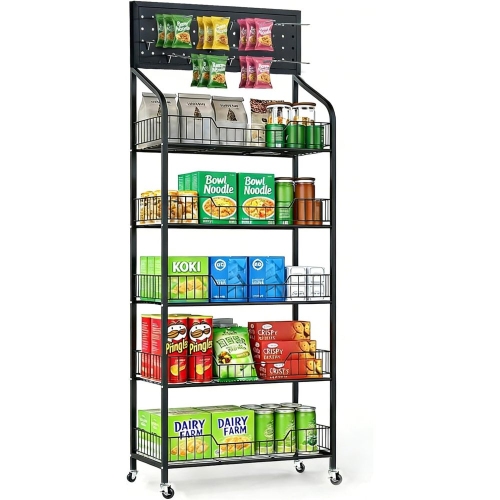


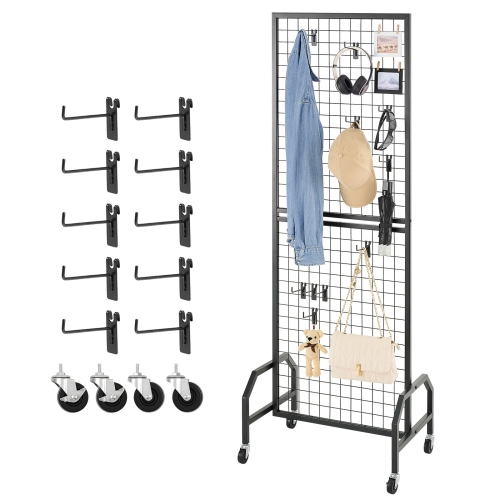

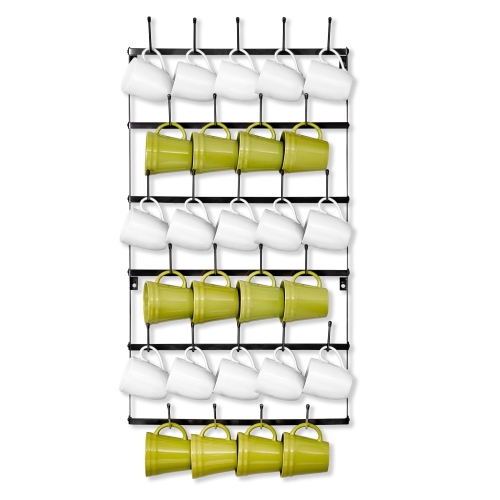
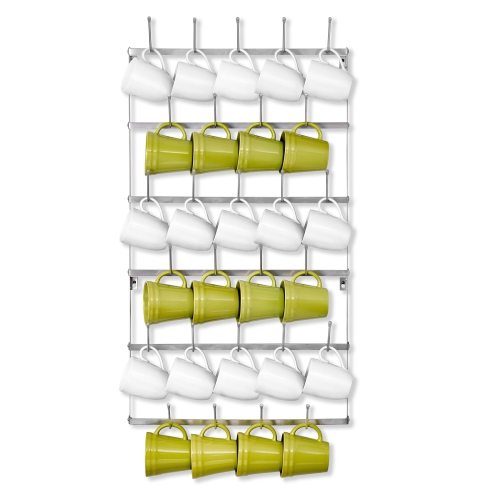
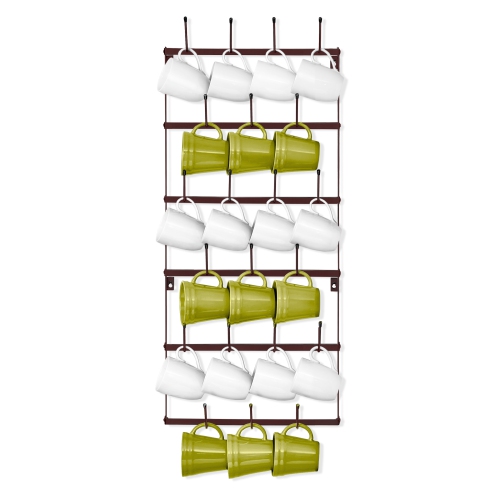
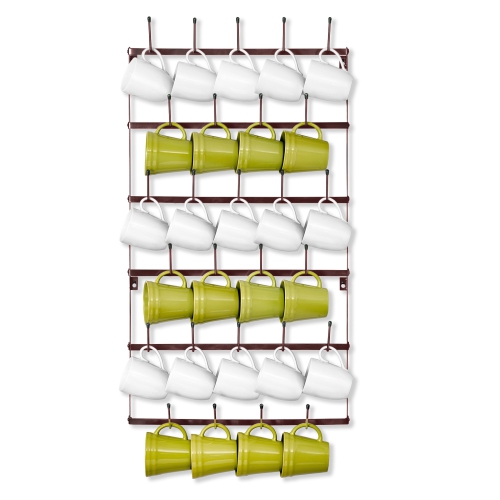
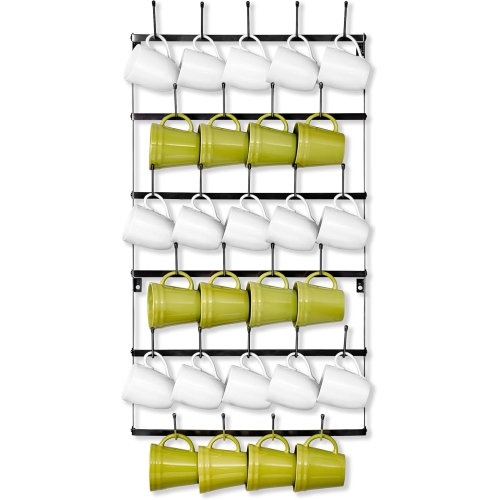
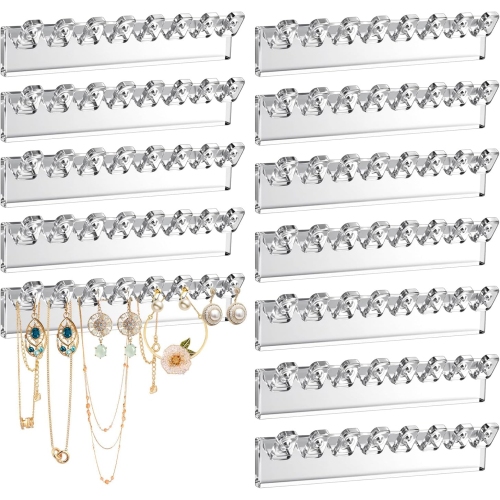
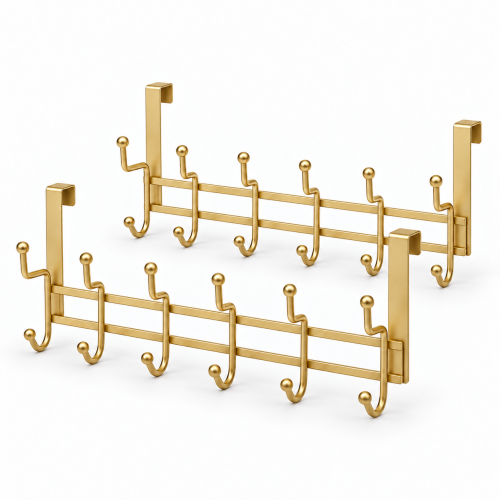
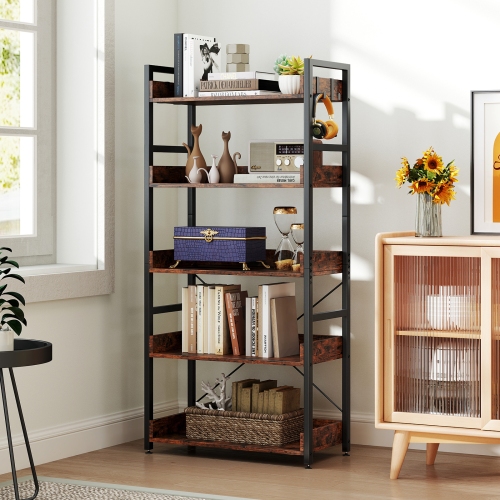
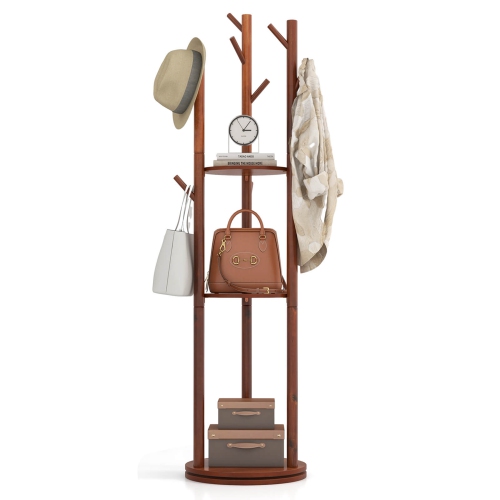
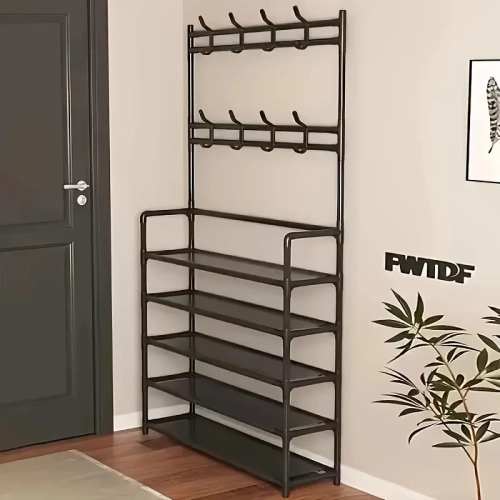
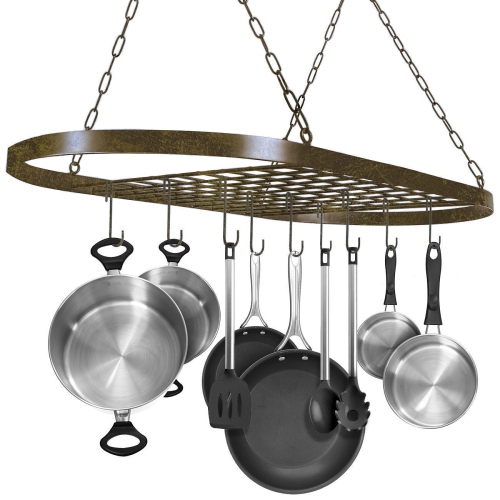
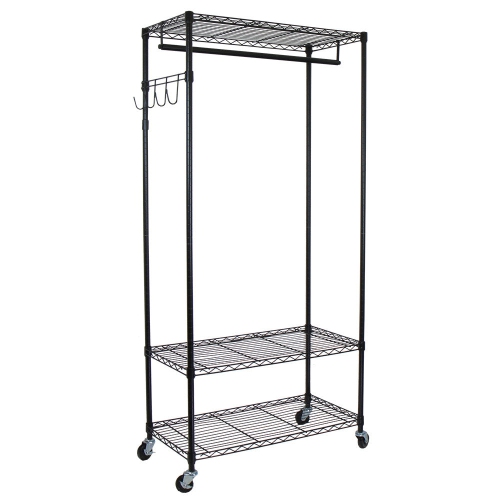
Hanging merchandise stays organized and easy to browse
Display racks with hooks are fixtures that keep hanging merchandise visible, organized, and easy to browse. Used in retail shops, vendor booths, studios, and workspaces, they provide a place for packaged accessories, craft supplies, small tools, and other goods with hanging holes or loops. Their open layout makes it easier to see individual designs without sorting through a bin, while rows of hooks can separate sizes, colours, or styles. Common formats include countertop stands, freestanding floor racks, rotating displays, and panel systems fitted with detachable hooks. A compact countertop rack brings small accessories into view without taking over an entire table. Taller floor-standing designs offer more vertical display space, leaving nearby surfaces free for other uses. Rotating racks allow several faces of merchandise to share one footprint, although they need enough surrounding clearance to turn without catching adjacent displays. Pegboard panels use a pattern of holes to support compatible hooks, gridwall uses an open wire framework, and slatwall accepts fittings designed for its horizontal channels. Each system offers a different balance of visibility, flexibility, and support. Racks that combine shelves and hooks can bring related merchandise together, with boxed goods resting below or beside hanging accessories. This arrangement can make a display feel cohesive without placing everything at the same height. In a small shop, a narrow rack may sit alongside a service counter; at a craft market, a tabletop stand can lift lightweight pieces above the table covering so their shapes are easier to see. The most suitable format depends on the space it occupies, the goods it holds, and whether browsing takes place from one side or all around. A display that faces a wall has different access needs from a spinner positioned in the centre of a booth, where every side becomes part of the presentation. Open sightlines also help shoppers notice labels and compare designs without repeatedly moving neighbouring pieces out of the way.
Materials and construction influence how a display rack feels in daily use. Steel frames and wire panels are common choices for commercial fixtures, with painted, plated, or powder-coated finishes providing different appearances and care requirements. Smooth finishes are particularly useful around fabric loops and delicate packaging, where a rough edge could snag or tear the material. Wood components can add a warmer appearance, while combinations of wood and metal may suit spaces where the rack is part of the overall presentation. Durability depends on more than the main material: joints, welds, fasteners, hook connections, and the base all contribute to stability. A broad or weighted base can help a freestanding rack resist tipping, but the manufacturer's load limits and placement requirements still matter. Total rack capacity and individual hook capacity are separate measurements, and neither should be assumed from the thickness of the frame alone. The fit between the hook and the merchandise is equally important. Longer hooks can hold a deeper row of hanging packages, but they also project farther into the browsing space. Shorter hooks keep a display compact and may make individual pieces easier to reach. Hook diameter needs to fit through packaging holes or hanging loops without forcing them open, while the spacing between hooks should allow neighbouring pieces to hang freely. A row of wide pouches, for example, needs more room than a row of narrow cards. Vertical spacing matters as well, since lower merchandise can become hidden behind longer packages above it. Removable hooks make rearrangement possible, provided they are compatible with the panel's hole spacing, wire dimensions, or channel profile. Fixed hooks offer a consistent layout but leave less room for changing the arrangement. Raised hook ends can help retain hanging goods, although they do not replace careful loading. Heavier loads belong where the rack's design supports them, with weight distributed evenly rather than concentrated along one outer edge. Clear capacity information and assembly requirements make these details easier to assess before a fixture becomes part of a working space.
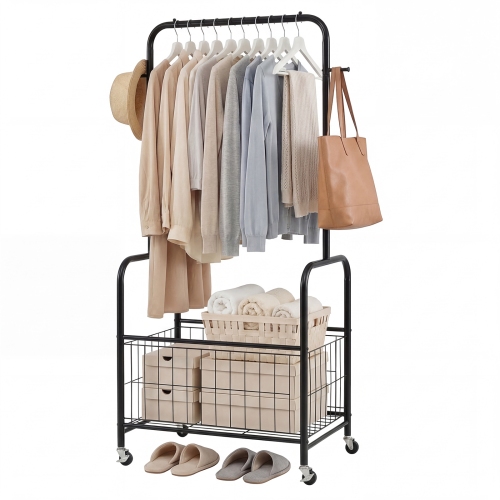
Day-to-day use brings practical details into focus, especially when a rack moves between locations. Casters can make a floor display easier to reposition, while locking casters help hold it in place during browsing; wheel design and floor compatibility also affect how smoothly it moves. A mobile rack still needs to be handled according to its instructions, which may require removing merchandise before transport. For vendor booths and shared workspaces, the assembled footprint is only part of the fit: base width, projecting hooks, turning clearance, and access to nearby drawers or doors all take up room. Flat-pack or detachable construction can simplify storage and transport, though repeated assembly places greater importance on sound connections and properly tightened hardware. In a permanent retail setting, wall-mounted panels can free up floor space when secured with suitable fixings to a surface capable of supporting the loaded display. Keeping walkways clear and avoiding exposed hooks at awkward approach points helps the arrangement remain comfortable to browse. Care is generally straightforward but should follow the finish manufacturer's directions. Dust can collect at hook joints and along panel edges, and a soft cloth with an appropriate mild cleaner is often sufficient for routine cleaning. Abrasive pads or harsh chemicals may damage coatings, while moisture left around connections can contribute to corrosion on susceptible metal parts. Regular checks for bent hooks, loose fasteners, damaged coatings, and wheels that no longer lock properly help keep the fixture dependable. These racks serve shop owners, makers, exhibitors, and hobbyists who need visible, accessible storage rather than closed containers. In an apparel setting, hook displays can hold smaller accessories alongside Clothing Display Racks, giving hanging garments and complementary pieces their own space. In a studio or workshop, the same basic format can keep frequently used supplies in view. A well-proportioned display supports the goods without overwhelming them, leaving enough space for labels to remain readable and for a shopper or user to remove one piece without disturbing the rest.
Top selling and popular products
-
 Your price for this item is $130
-
 Your price for this item is $150
-
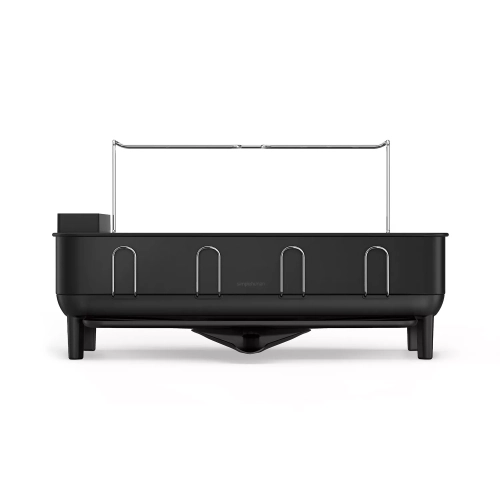 Your price for this item is $150
-
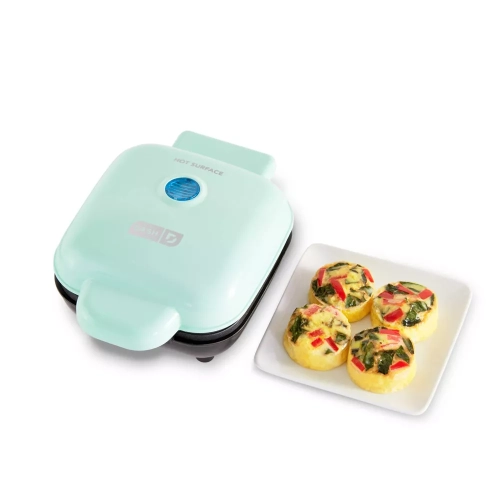 Your price for this item is $109.99
-
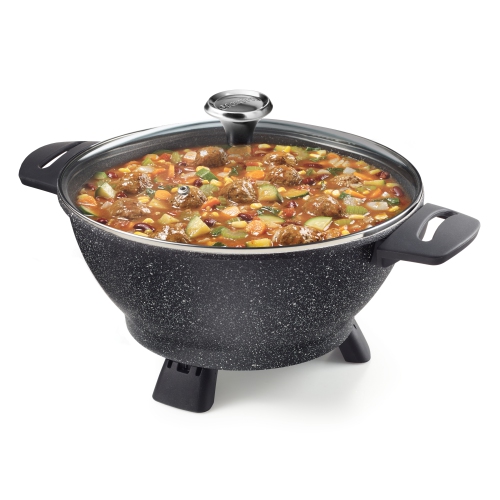 Your price for this item is $79.99
-
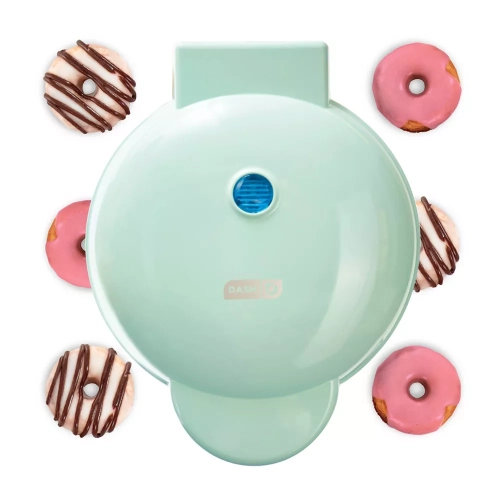 Your price for this item is $87.99
-
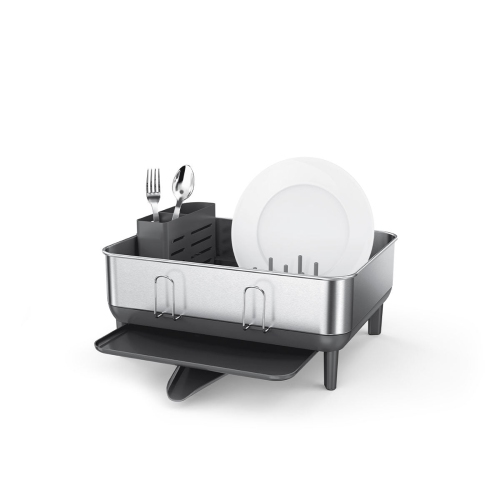 Your price for this item is $100
-
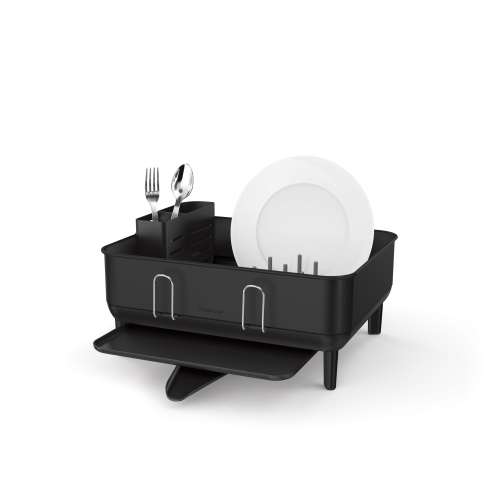 Your price for this item is $120
Discover more categories related to Display Racks With Hooks

Top Collections:
Best Black Friday Deals This Year, Best Black Friday Deals On Electronics, Kindle Devices, Dyson Airwrap, Best Cameras for Sports Photography, Best Budget Office Chairs, Canon G7X Cameras, PS5 Pro Consoles, Best Black Friday Deals On Apple Products, XBOX One S Consoles
Some products may be subject to Environmental Handling Fees
(EHF) depending on your province.
Learn more about EHFs.