Dog Muzzle
Ensure your furry friend’s safety and comfort with a reliable dog muzzle. Whether you're training a new pup, visiting the vet, or simply taking a walk in the park, a well-fitted dog muzzle can provide peace of mind for both you and your pet. Explore our selection of high-quality muzzles designed to suit various breeds and sizes, ensuring that your canine companion remains secure and stress-free in any situation. Find the perfect dog muzzle to meet your needs and keep your best friend happy and safe.
Sort




Understanding fit, training, and supervised use helps dogs adjust
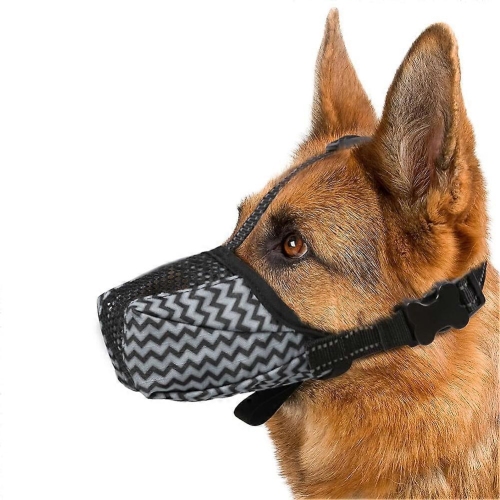
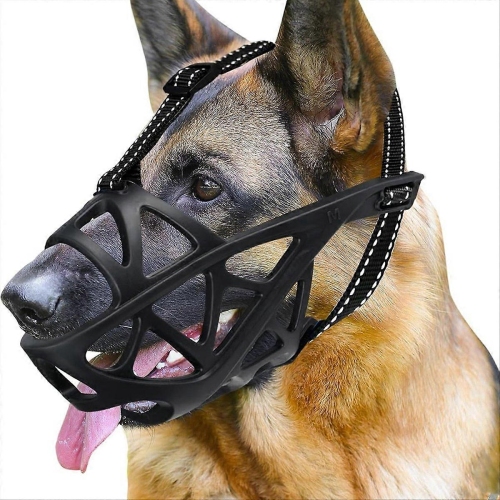
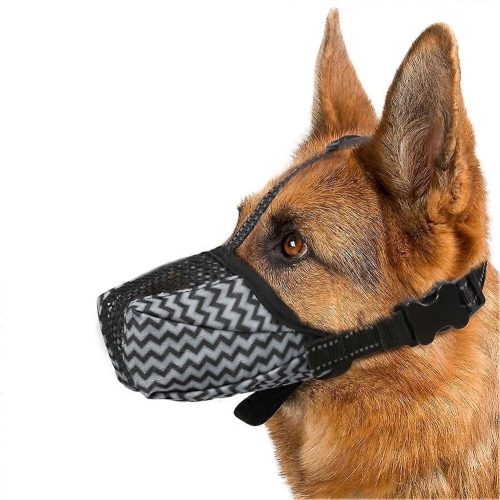
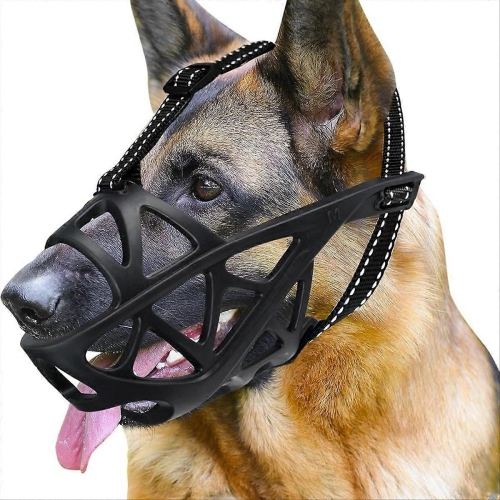
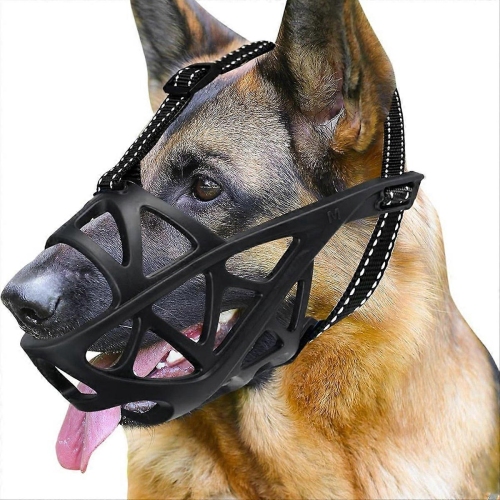
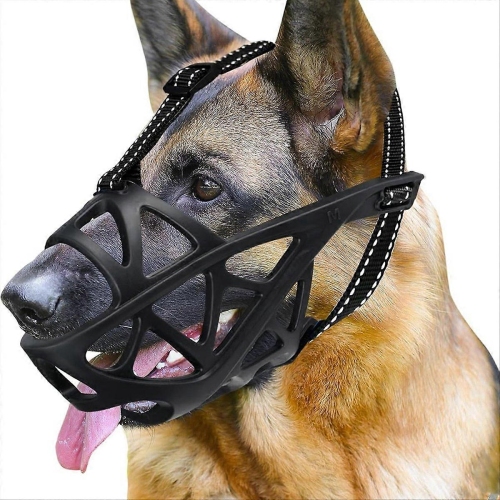
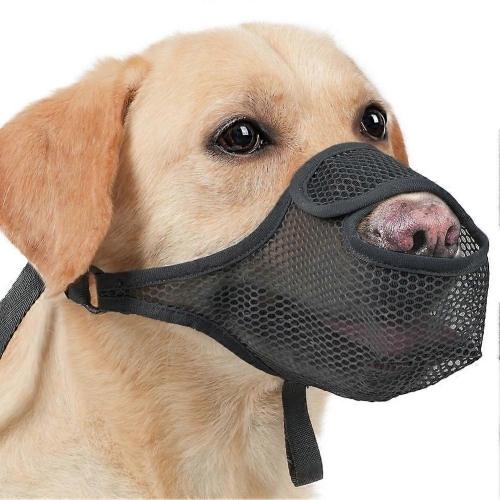
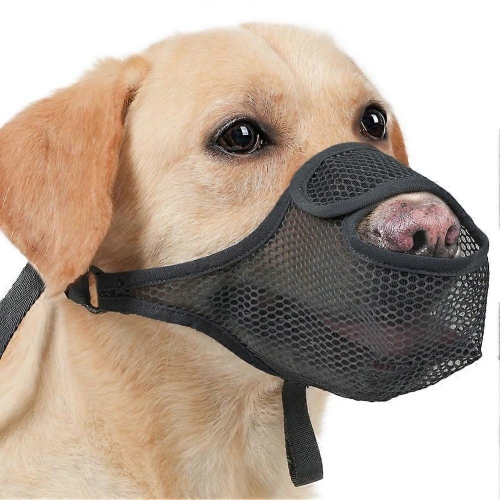
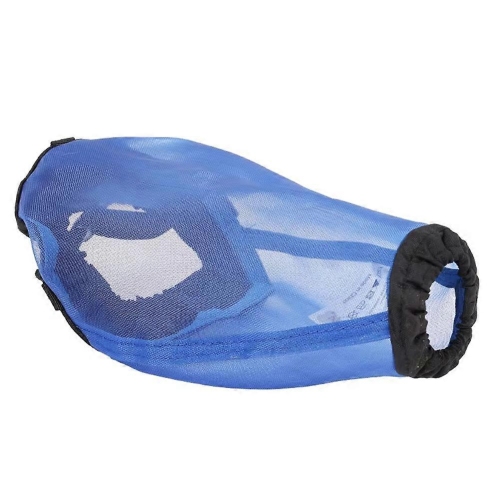
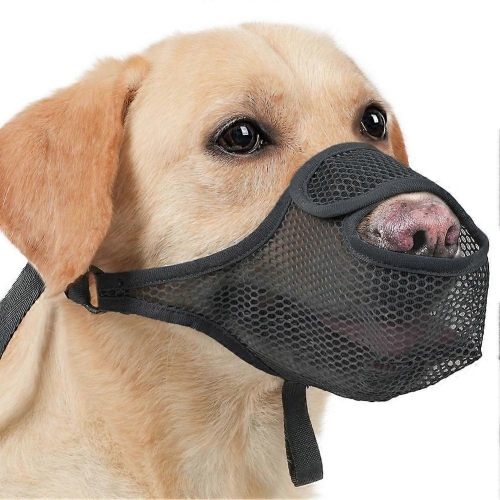
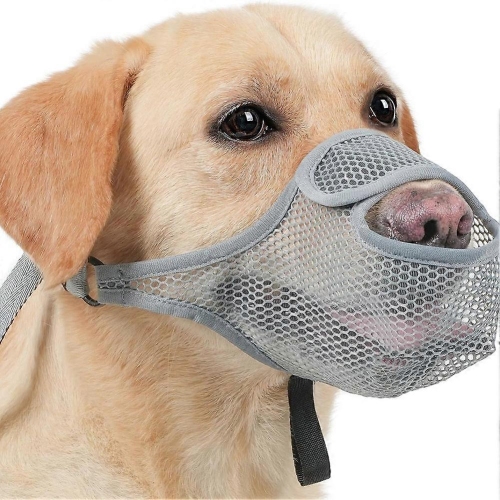
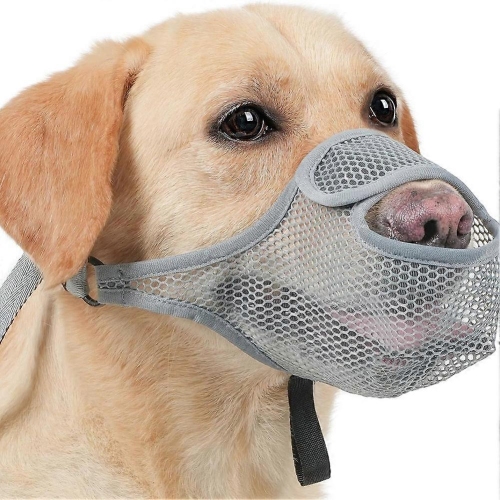
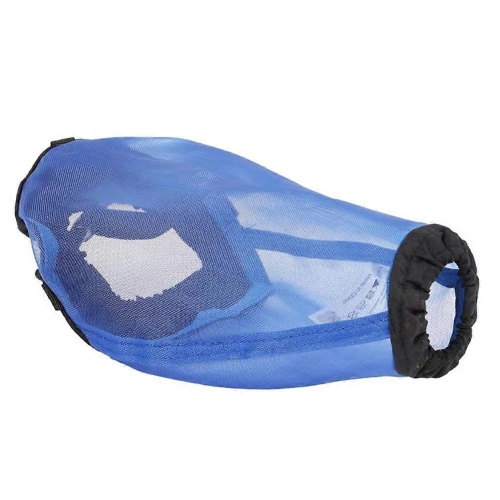
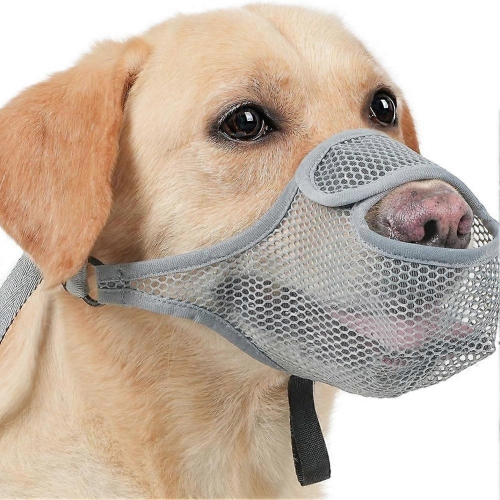
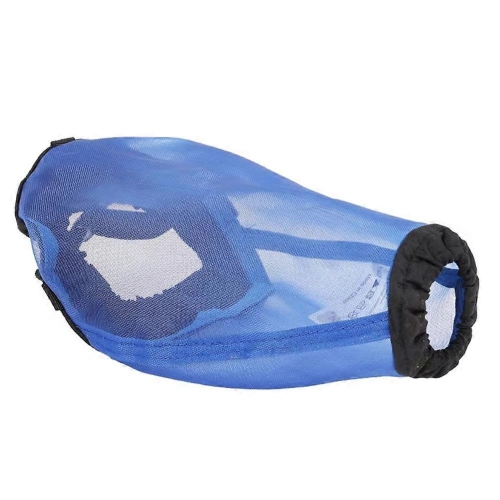
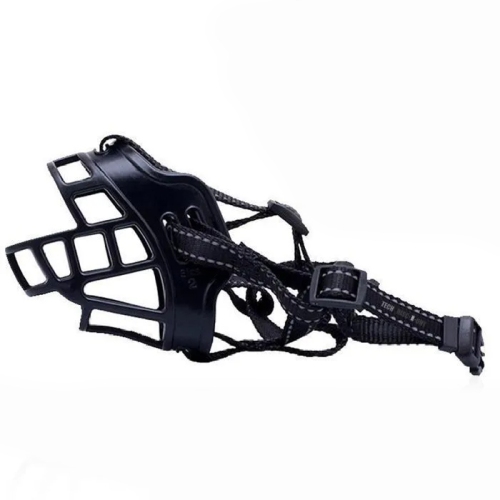
Choosing a dog muzzle starts with understanding when, where, and why your dog will wear it. A muzzle may be useful for supervised veterinary examinations, grooming appointments, nail trims, controlled introductions, walks, training sessions, or preventing scavenging and unwanted biting. The best style depends on the activity and the length of wear. Basket muzzles, including plastic, rubber, wire, or coated designs, are generally suited to longer supervised periods because they give a dog room to open their mouth, pant, drink water, and accept treats. This added space is especially important during walks, training, and socialization, when a dog may need to cool themselves or respond to rewards. Soft fabric, mesh, or sleeve-style muzzles can hold the mouth more securely closed and are intended only for brief, closely supervised moments, such as a quick examination or nail trim. They restrict panting and should not be used for exercise, travel, extended wear, or situations where a dog may become warm or distressed. Even during the cooler months, indoor rooms, vehicles, grooming salons, and busy appointments can become uncomfortable quickly. A muzzle should never be used as a way to leave a dog alone, and it should not replace a veterinary assessment or a qualified trainer’s guidance when fear, anxiety, guarding, or reactive behaviour is involved. For more support with rewards, leads, clickers, and other helpful supplies, explore Dog Training Must Haves.
A proper fit is essential for comfort and safety. Measure your dog’s snout according to the sizing instructions, paying attention to length, circumference, width, and the distance behind the eyes where the straps sit. A long, narrow nose may need a different shape than a broad, short muzzle, and dogs with shorter faces require designs made specifically for their head structure. The muzzle should stay secure without rubbing the bridge of the nose, pinching the cheeks, pressing against the eyes, or interfering with breathing. With a basket style, check that your dog can fully open their mouth inside the basket to pant and regulate body temperature. There should also be enough room for natural movement without allowing the muzzle to slip off or the dog to reach around it. Look for adjustable straps, smooth edges, breathable construction, and a design that does not obstruct the dog’s line of sight. Inspect the fit after your dog moves, shakes their head, sniffs, and walks, since a muzzle that seems comfortable while standing still may shift during activity. Check the skin and coat around the nose, cheeks, and behind the ears after each use, particularly when a dog is still getting accustomed to wearing it. Dogs with flat faces, sensitive skin, respiratory concerns, or a history of panic may need extra care and professional advice before using any muzzle. A muzzle can add peace of mind in a busy clinic or on a carefully managed walk, but it should always be part of a broader plan focused on safety, comfort, and calm handling.
Introduce a muzzle gradually rather than fastening it for the first time just before an appointment. Begin by allowing your dog to investigate it while it rests nearby, then reward relaxed behaviour with small, high-value treats such as soft training bites, peanut butter, or squeeze cheese, provided those foods suit your dog. Place a treat inside the basket and let your dog choose to put their nose in without fastening the straps. Repeat these short sessions until your dog happily approaches the muzzle, then briefly touch the straps, fasten them for a moment, and reward before removing it. Build duration slowly over several sessions, pairing the muzzle with pleasant activities and calm praise. Keep the first walks short and familiar, and watch for pawing, rubbing, freezing, frantic movement, excessive drooling, or other signs that the fit or pace needs adjustment. Never force a dog’s face into a muzzle, use it as punishment, or leave a muzzled dog unattended with other animals, children, furniture, or outdoor hazards. During walks in cooler weather, a basket muzzle can be practical for dogs that need space to pant and drink, but watch for wet straps, snow or ice buildup, and reduced visibility in dim conditions. A well-chosen muzzle may be a thoughtful, practical gift for a new dog owner, a foster family, or someone preparing for supervised training, provided it is selected for the recipient’s dog’s shape and needs. Careful sizing, patient practice, and attentive supervision help make muzzle use a calm part of responsible dog care rather than a stressful surprise.
Top selling and popular products
-
 Your price for this item is $18
-
 Your price for this item is $18
-
 Your price for this item is $18
-
 Your price for this item is $18
-
 Your price for this item is $18
-
 Your price for this item is $18
-
 Your price for this item is $18
-
 Your price for this item is $18
Discover more categories related to Dog Muzzle

Top Collections:
Pokemon Centers, Best Cameras for Sports Photography, Kindle Devices, Samsung Galaxy Phones, Canon G7X Cameras, Pokémon 30th Celebration Cards, Refurbished Apple Laptops, iPhone 15 Apple, Laptops for Students, Budget Smartphones
Some products may be subject to Environmental Handling Fees
(EHF) depending on your province.
Learn more about EHFs.