Egyptian Cotton Sheets
If you're looking for a luxurious sleeping experience, Egyptian cotton sheets are the perfect choice. Egyptian cotton is known for its superior quality and softness, making it a popular choice for those seeking a comfortable night's sleep. These sheets are made to last, and with proper care can remain in excellent condition for many years. Here are some of the best options available on the market today.
Sort












Why sheet quality goes beyond thread count
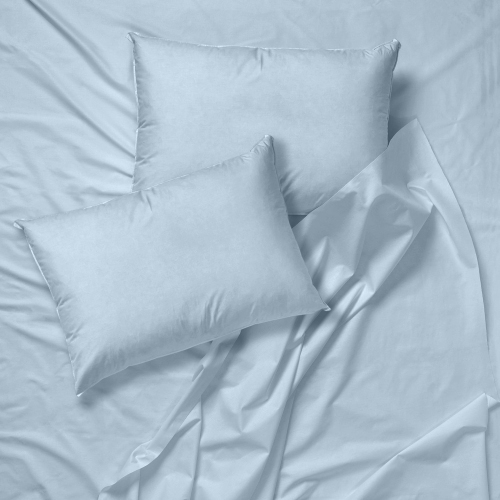
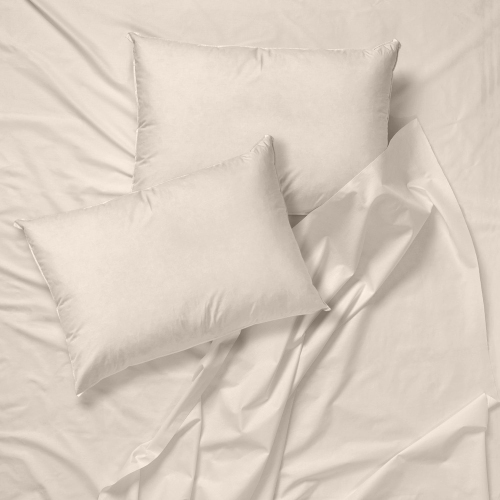
Egyptian cotton sheets are bed linens made with cotton grown in Egypt, with long-staple and extra-long-staple varieties especially valued for their smooth feel and strength. Staple length refers to the length of the individual cotton fibres. Longer fibres can be spun into fine, strong yarns with fewer exposed ends, helping create a fabric that feels smooth against the skin and resists wear with proper care. Fibre origin, yarn quality, weave, and finishing all contribute to the result, so the words “Egyptian cotton” alone do not describe every aspect of a sheet’s quality. A label stating 100% Egyptian cotton provides a clearer indication of fibre content than a description that mentions Egyptian cotton without specifying the proportion. Blended fabrics may have a different feel and different care requirements, depending on the other fibres used. Documented origin or independent certification can also help substantiate claims about where the cotton was grown; the country where the sheets were sewn is a separate detail. Weave makes another noticeable difference. Percale typically has a matte finish and a crisp, lightly textured feel, while sateen usually has a subtle sheen and a smoother, more fluid drape. Neither weave is automatically better: someone who enjoys the freshly pressed feel of hotel bedding may prefer percale, while someone drawn to a silky surface may favour sateen. Thread count describes the number of threads woven into a square inch of fabric, but it is not a complete measure of quality. A higher number does not necessarily mean softer, stronger, or more breathable sheets, particularly when yarn construction and counting methods differ. Well-made fabric with a moderate thread count can be more satisfying than a densely woven alternative with a much larger number on the label. The most useful comparison brings together verified fibre content, weave, construction, and the kind of texture that makes a bed feel inviting.
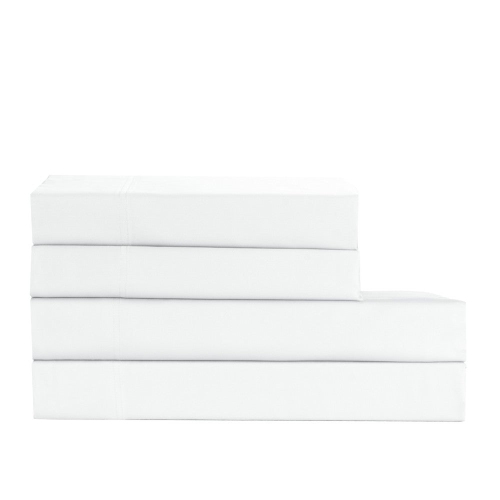
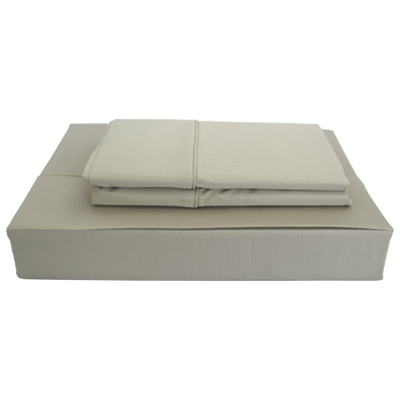
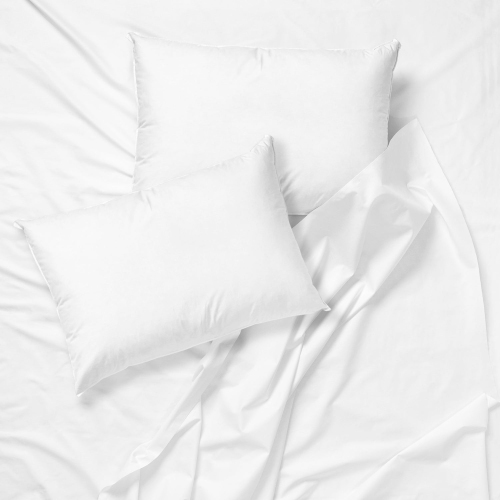
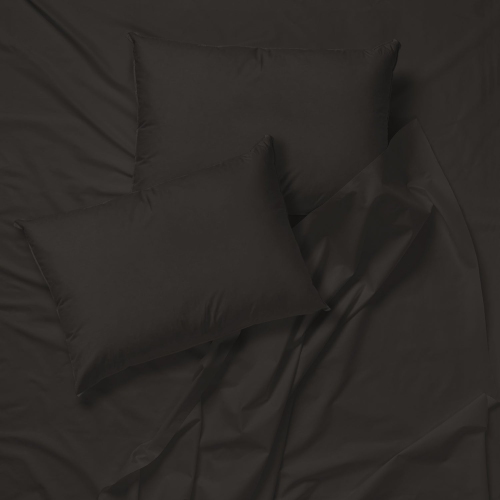
Fit determines whether that fabric stays comfortable once the bed is made. Egyptian cotton sheet sets may include a fitted sheet, a flat sheet, and pillowcases, but the number and dimensions of the pieces vary. Checking the contents matters when replacing a complete set, furnishing a guest room, or buying bedding for a bed with an unusual pillow arrangement. Mattress size is only the starting point. A fitted sheet also needs enough pocket depth to accommodate the full height of the mattress, including a topper if one is used. Measuring from the bottom edge to the top of the sleeping surface gives a more useful reference than relying on a mattress description alone. A pocket that is too shallow can pull free at the corners, while excess fabric can gather beneath the sleeper. Elastic around the full perimeter can help hold a fitted sheet in place, although accurate sizing remains important. Twin and twin XL mattresses require different sheet lengths, and king and California king dimensions are not interchangeable. Adjustable beds and split mattress arrangements may require separate fitted sheets even when a shared flat sheet is preferred. Pillowcase sizing deserves the same attention: a standard pillow can look lost inside an oversized case, while a tightly packed case may alter how a fuller pillow feels. Flat-sheet dimensions affect how much fabric is available to tuck in at the foot and sides, especially on a taller mattress. Colour and finish help connect these practical details to the room itself. White and soft neutral shades create an understated backdrop for patterned duvet covers, while deeper colours can give a simple bed a more defined presence. Sateen’s light-reflecting surface may make a colour appear different from the same shade in matte percale. For everyday use, secure corners, comfortable pillowcases, and enough fabric to make the bed neatly often matter more than decorative details.
Across the broader Cotton Sheets category, care requirements are worth considering alongside softness and appearance. Egyptian cotton sheets can become more supple with repeated washing, but their lifespan depends on fabric quality, laundering habits, and how frequently they are used. The sewn-in care label provides the best starting point because dyes, finishes, and decorative stitching may require particular treatment. Washing bedding separately from garments with zippers, hooks, or rough surfaces helps reduce abrasion and snagging. Leaving enough room in the washer allows the fabric to move freely and rinse thoroughly, rather than remaining twisted into a dense bundle. A suitable detergent used in the recommended amount helps avoid residue that can leave sheets feeling stiff. Bleach and fabric softener are not appropriate for every fabric or finish, so neither should be treated as an automatic part of the routine. Prompt removal after drying can limit deep creases, and smoothing the sheets before folding makes them easier to store neatly. Cotton naturally wrinkles; a few soft folds are part of its character rather than evidence of poor quality. For a more tailored appearance, ironing may be an option when permitted by the care label. Rotating between sets gives each one a break between uses and makes laundry day less disruptive, particularly in a frequently used bedroom. Sheets should be completely dry before being folded away in a clean, dry cupboard. For guest rooms, a clearly labelled size and a coordinated set can make preparing the bed straightforward. As a housewarming or wedding gift, Egyptian cotton bedding is most useful when the recipient’s mattress dimensions, pillow sizes, and preferred colours are known. It can also suit someone refreshing a main bedroom or replacing mismatched linens with a consistent set. The lasting appeal comes from the combination of a pleasing fabric surface, dependable fit, and manageable care: details that are felt each time the bed is made and used.
Top selling and popular products
-
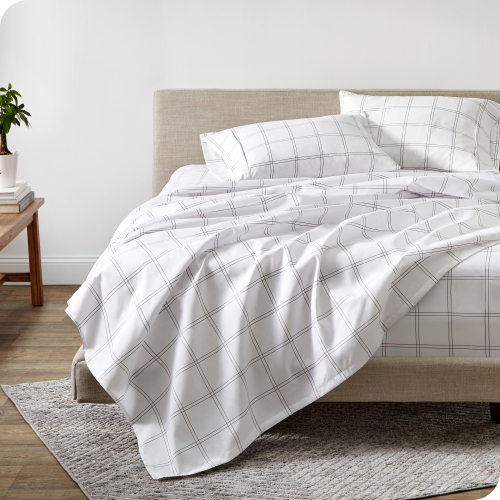 Your price for this item is $95.99
-
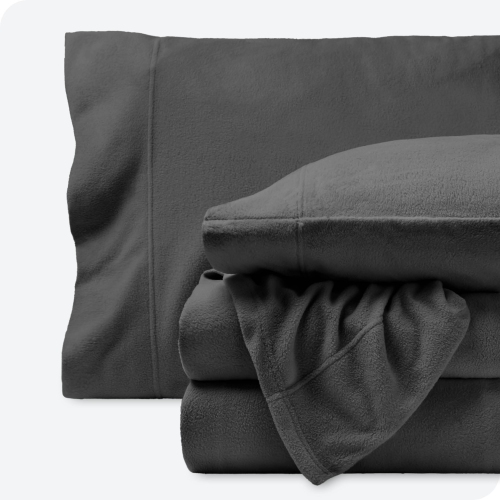 Your price for this item is $122.99
-
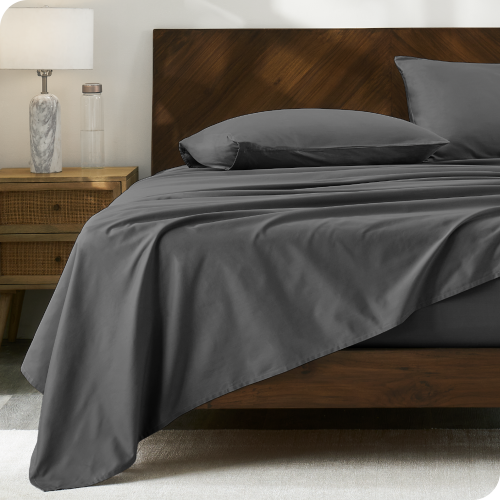 Your price for this item is $156.99
-
 Your price for this item is $284.99
-
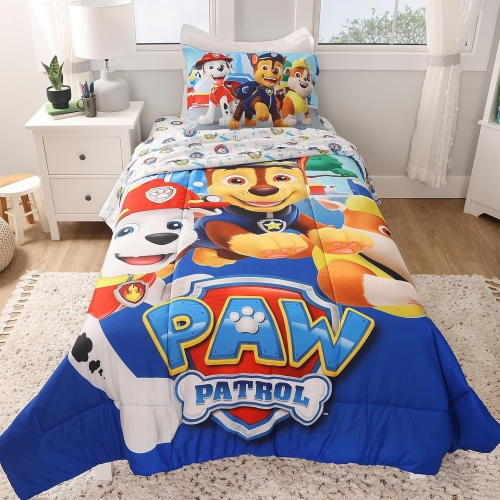 Your price for this item is $80.99
-
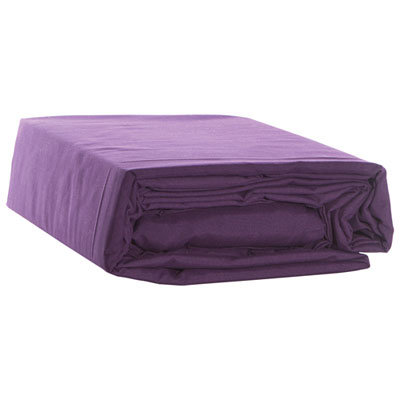 Your price for this item is $80.98
-
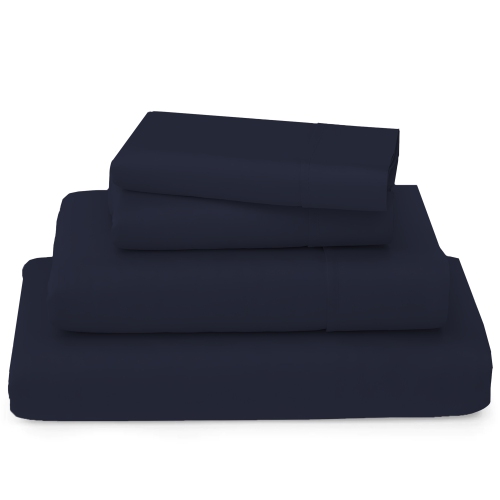 Your price for this item is $34.99
-
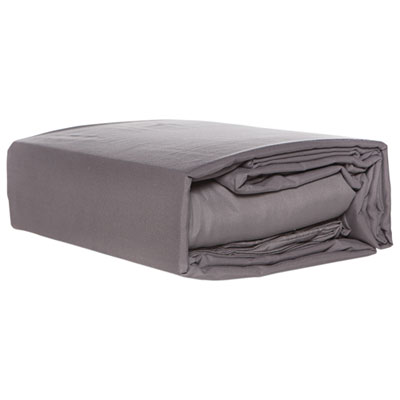 Your price for this item is $99.99
Discover more categories related to Egyptian Cotton Sheets


Top Collections:
Pokemon Centers, Kindle Devices, Best Cameras for Sports Photography, Pokémon 30th Celebration Cards, Apple iPhones 16, Canon G7X Cameras, iPhone 15 Apple, Flip Phones, Samsung Galaxy Phones, Alarm Clock
Some products may be subject to Environmental Handling Fees
(EHF) depending on your province.
Learn more about EHFs.