Egyptian Quality Sheets
Experience the luxurious comfort and elegance of Egyptian Quality Sheets, crafted to elevate your bedding experience to a whole new level. Indulge in the softness and durability of these high-quality sheets, designed to provide you with a restful night's sleep every time you slip into bed. Made from premium materials and featuring exquisite craftsmanship, Egyptian Quality Sheets offer a perfect blend of style and comfort for your bedroom sanctuary. Explore our collection and discover the perfect sheets to enhance your sleeping oasis.
Sort











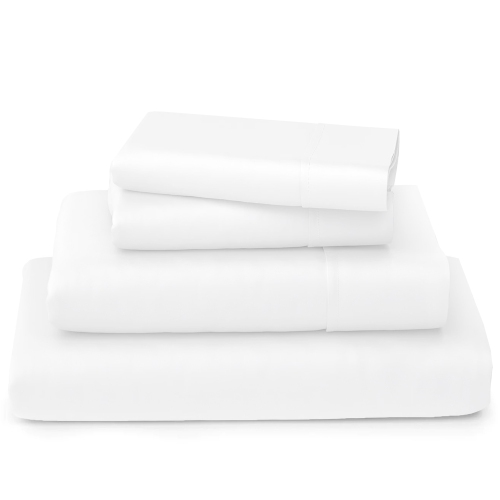
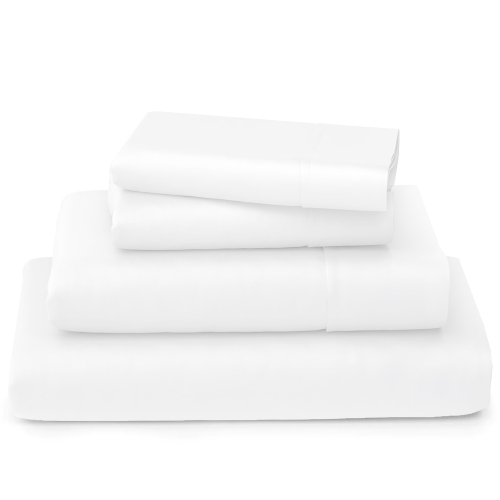
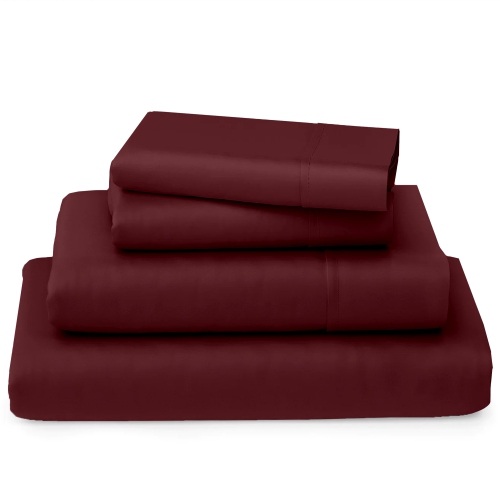
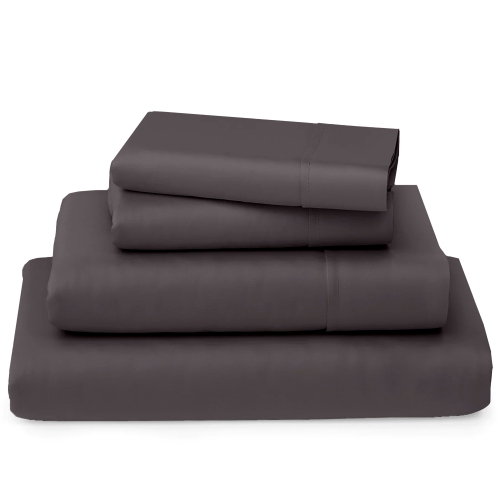

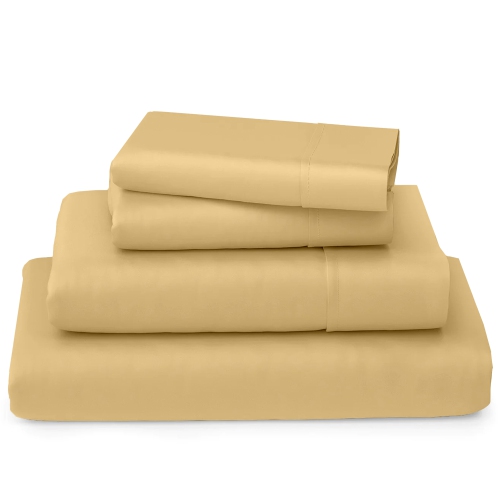
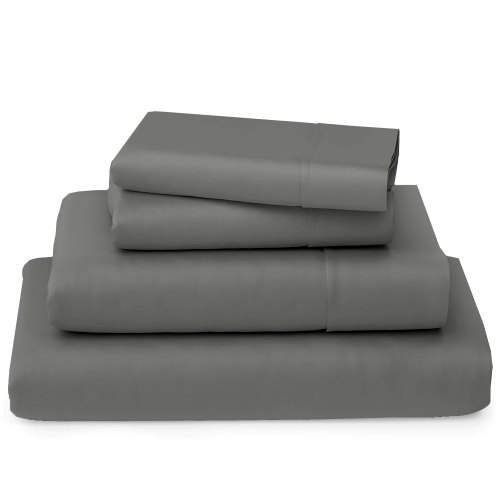
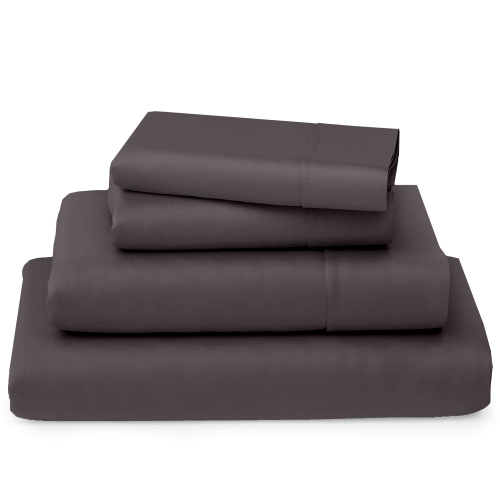
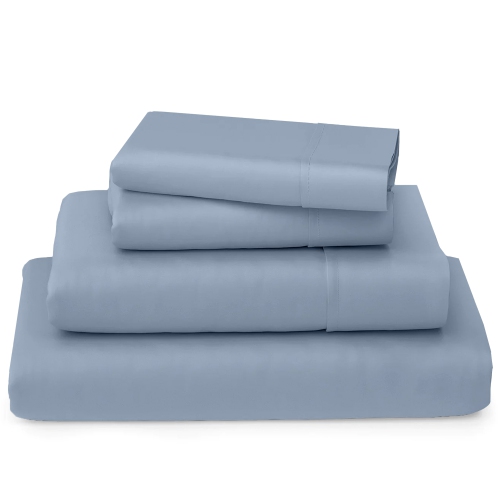
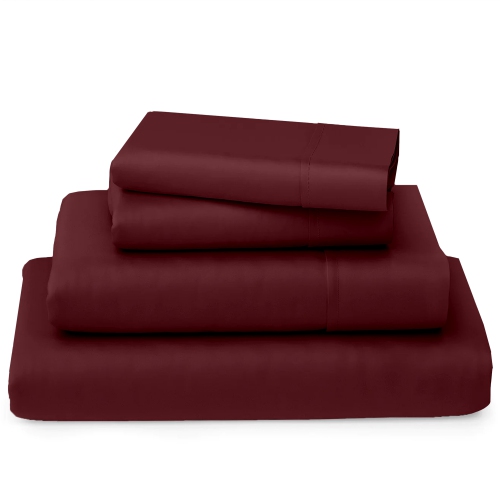


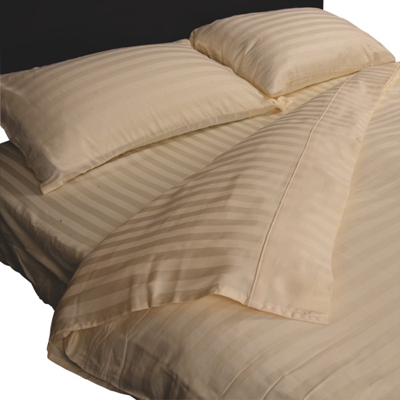


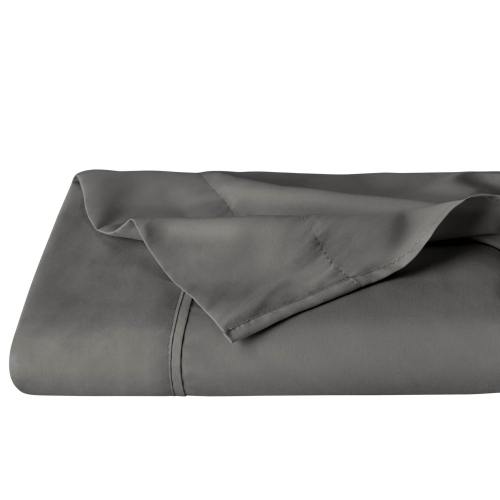


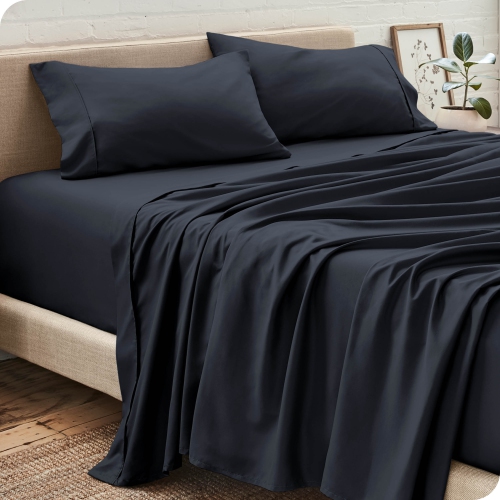


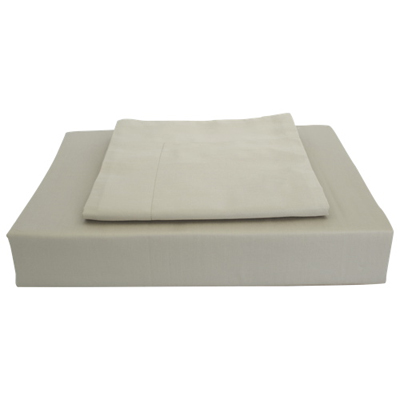


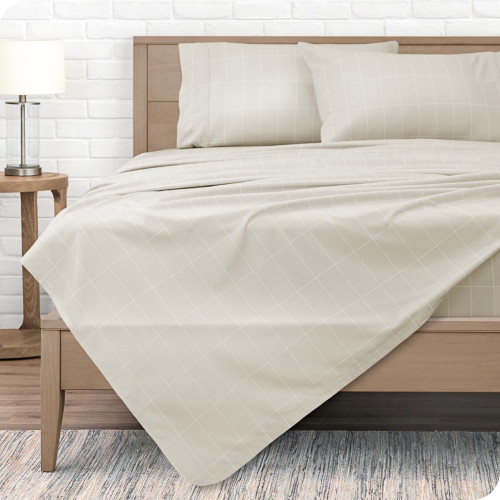


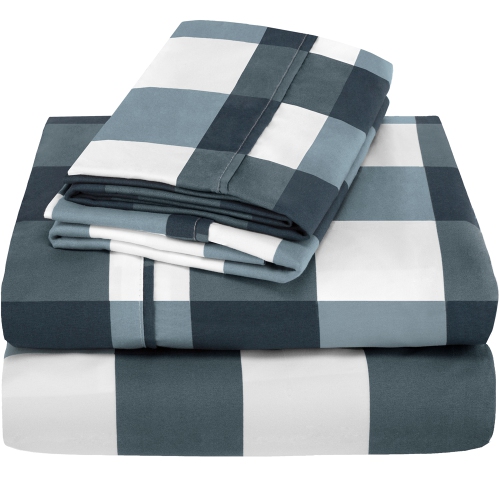


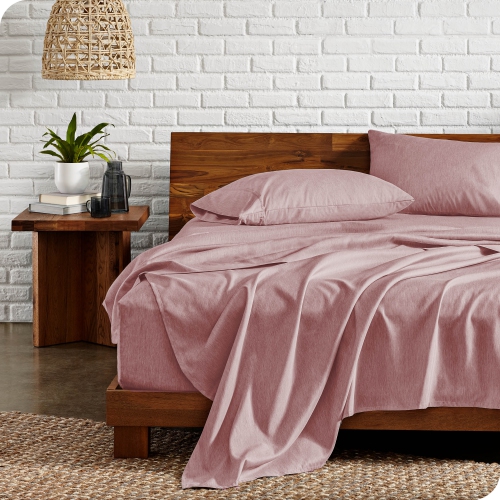


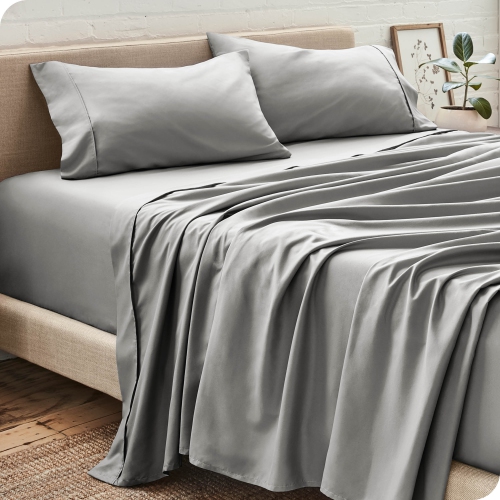


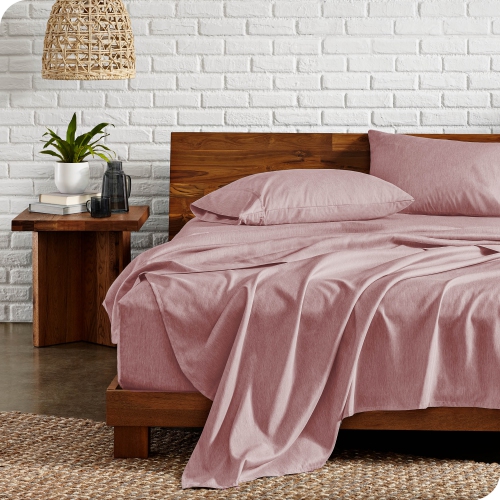


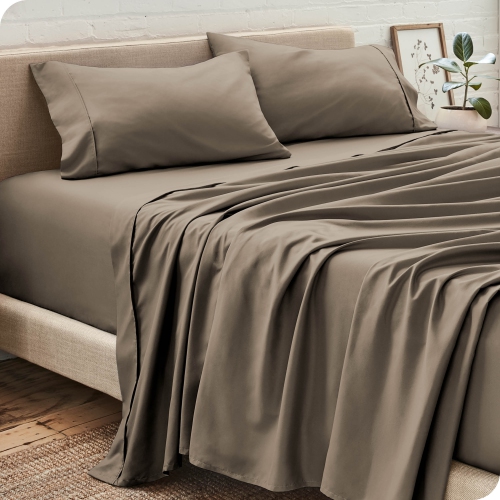
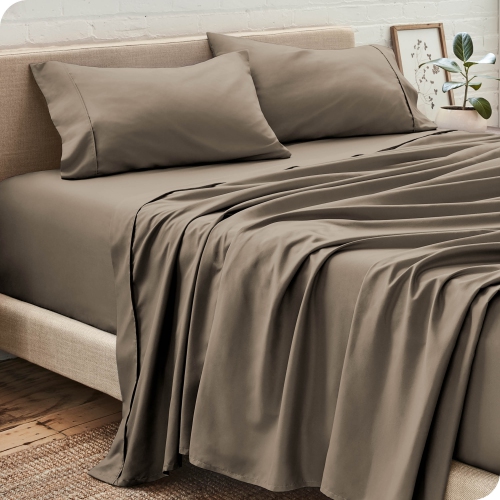


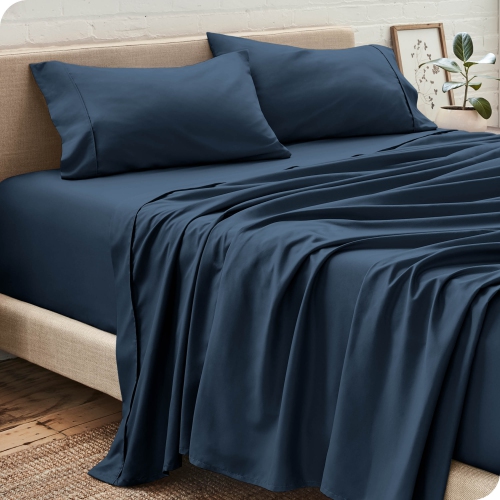


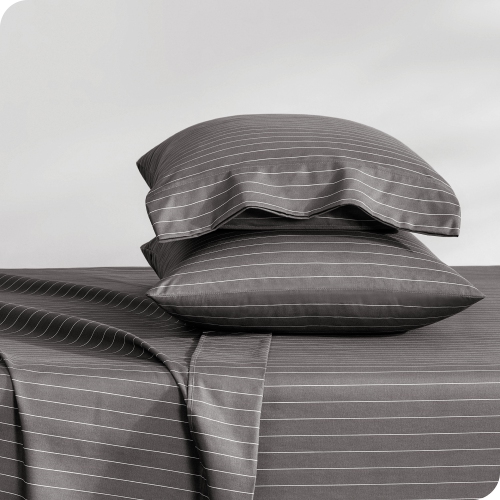


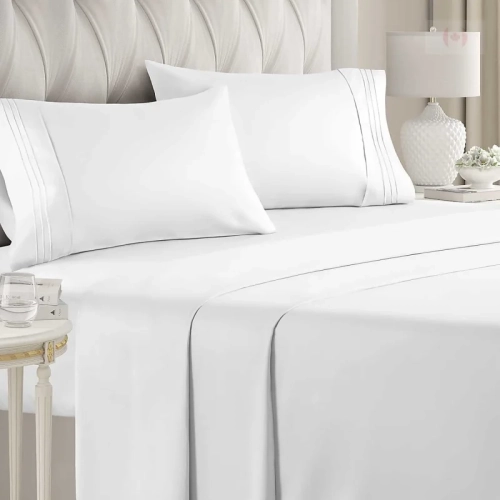


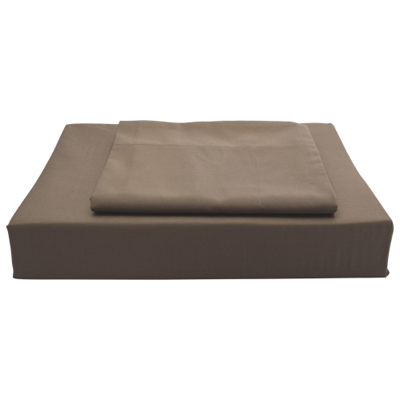





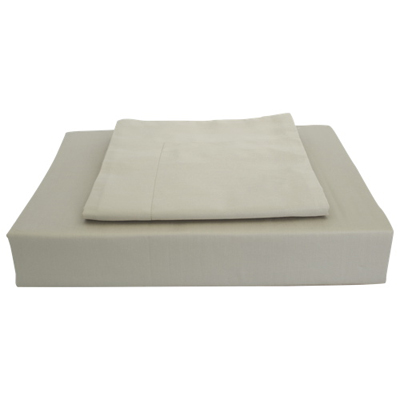


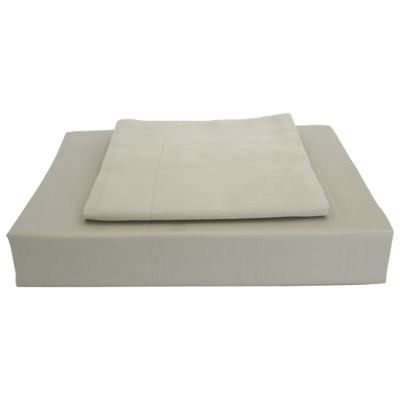
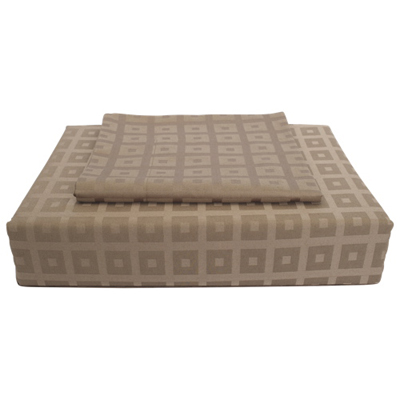

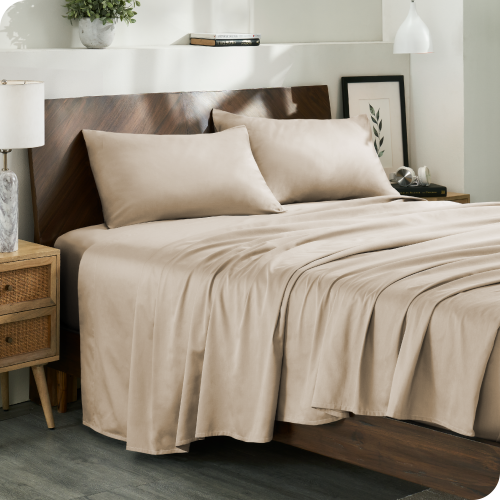





Why softer sheets depend on more than thread count
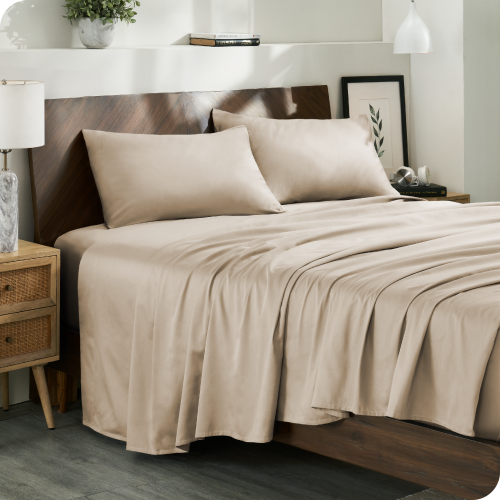
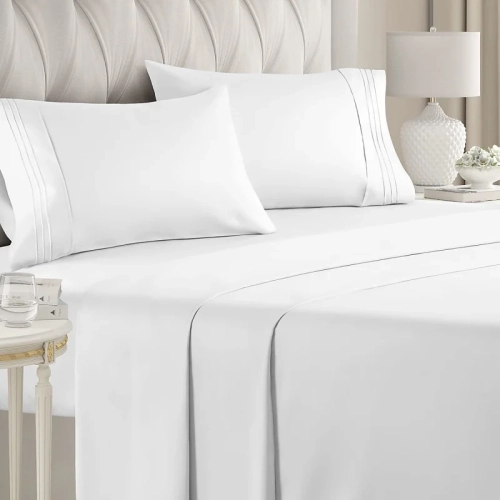
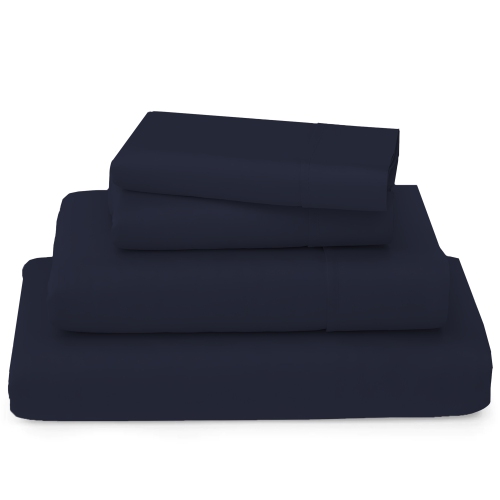
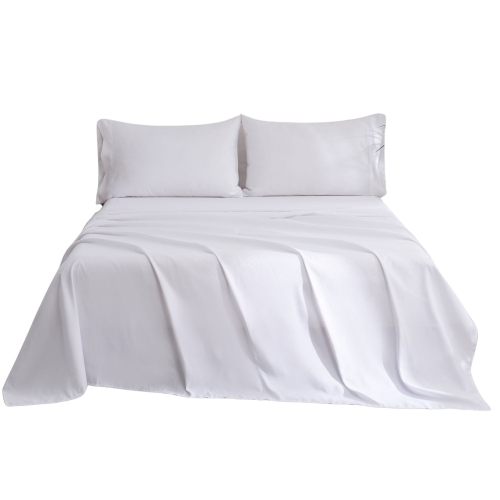
Egyptian quality sheets bring to mind smooth cotton, a neatly dressed bed, and fabric that feels inviting night after night. The phrase describes a bedding style associated with softness and refined finishing, but it is not, by itself, proof that the fabric contains cotton grown in Egypt. Egyptian cotton refers to the cotton’s origin, while long-staple and extra-long-staple describe fibre length. Those details matter because longer fibres can be spun into fine, strong yarns with fewer exposed ends, helping create a smoother surface that resists pilling when properly made and cared for. Not every sheet carrying an Egyptian quality description has the same composition, so the fibre label and any documented sourcing claims provide more useful detail than the name alone. A fabric labelled 100% Egyptian cotton differs from an Egyptian cotton blend, ordinary cotton, or polyester made to imitate a silky cotton finish. Each can have a place in a bedroom, but the feel, absorbency, and care requirements will differ. For cotton sheets, weave is another defining feature. Percale uses a simple one-over, one-under construction that generally produces a matte appearance and a crisp, lightweight hand. Sateen exposes more yarn across the surface, giving the fabric a subtle sheen, smoother drape, and often a more substantial feel. Neither weave is inherently better; someone who enjoys the freshly pressed feel of hotel bedding may prefer percale, while someone drawn to a fluid, softly lustrous finish may favour sateen. Thread count describes the number of threads woven into a square inch of fabric, not an overall quality score. Counts around 300 to 600 can be a useful starting point for many cotton sheets, but fibre quality, yarn construction, weave, and finishing remain important. An unusually high count does not automatically mean greater softness or longer wear, and a well-made fabric with a moderate count can feel more comfortable than a denser alternative.
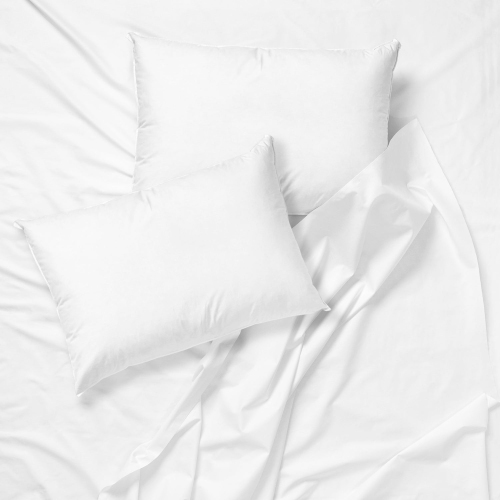
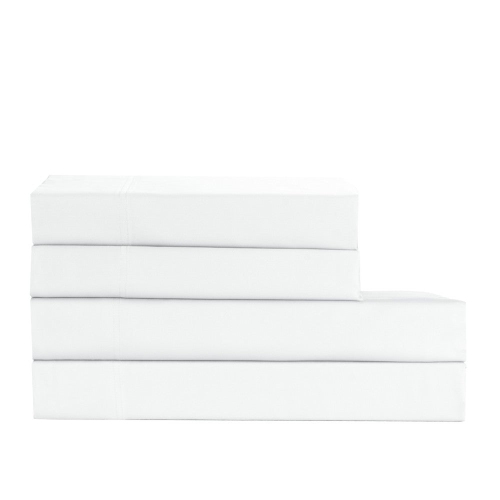
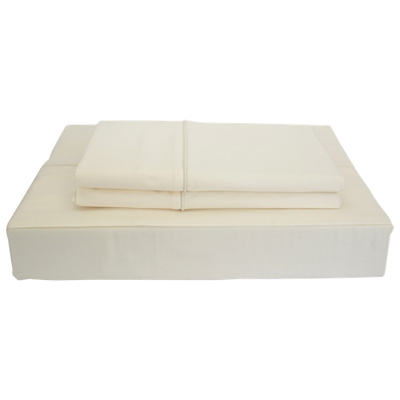
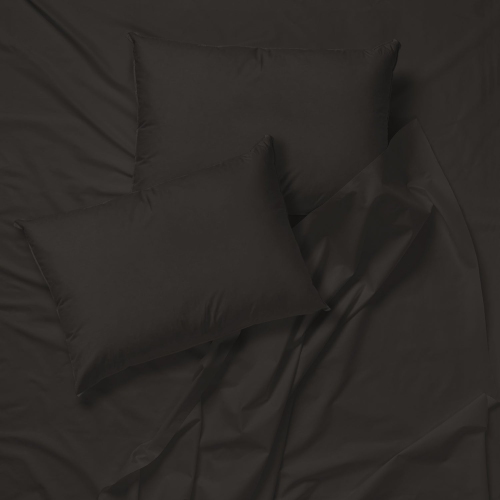
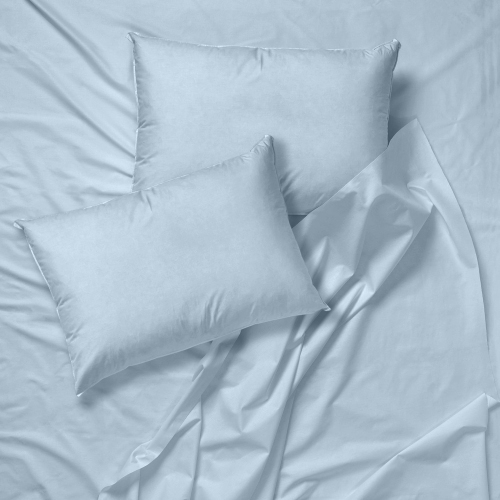
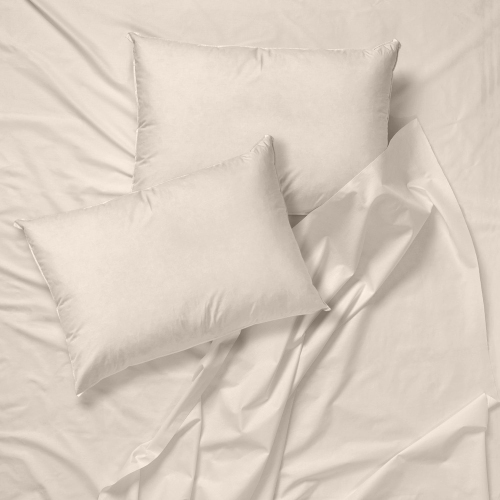
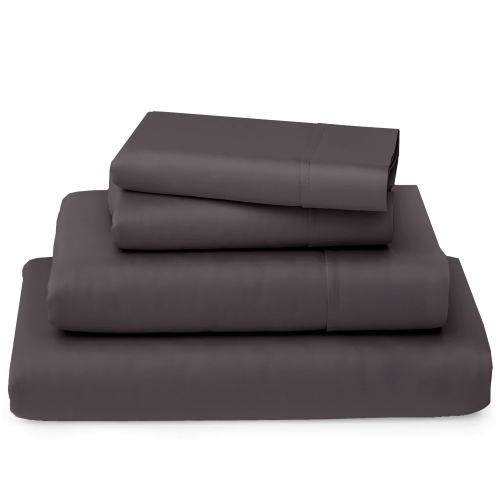
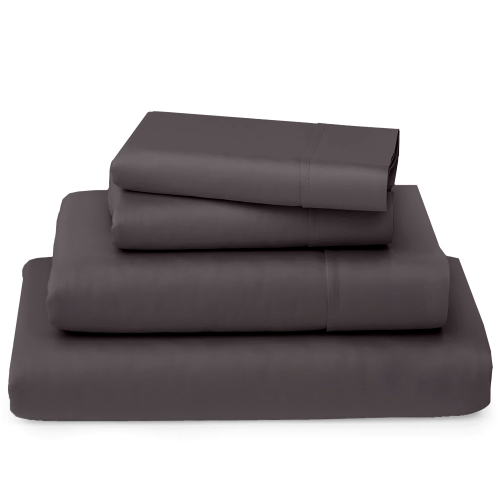
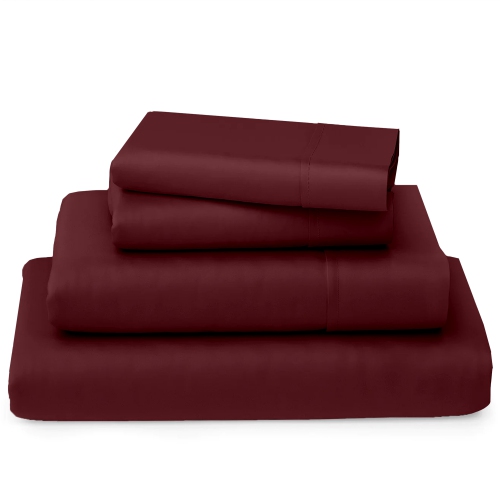
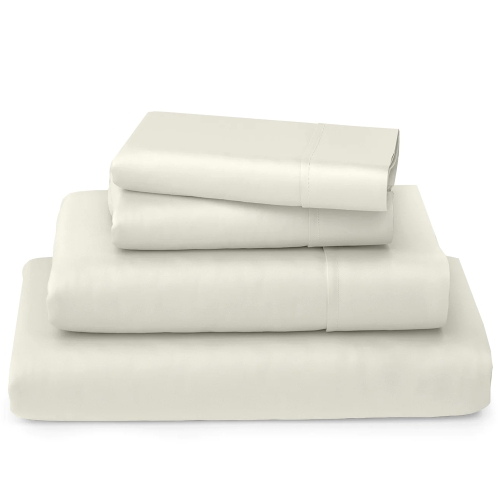
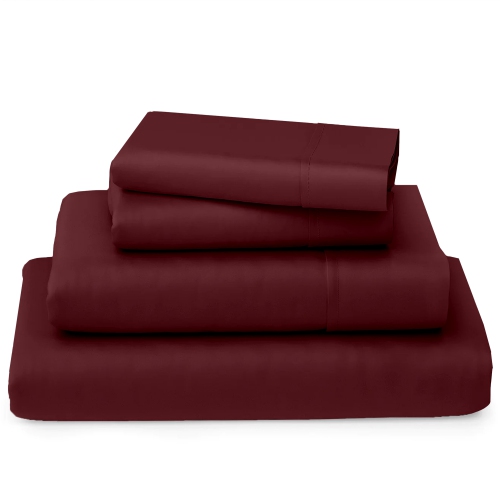
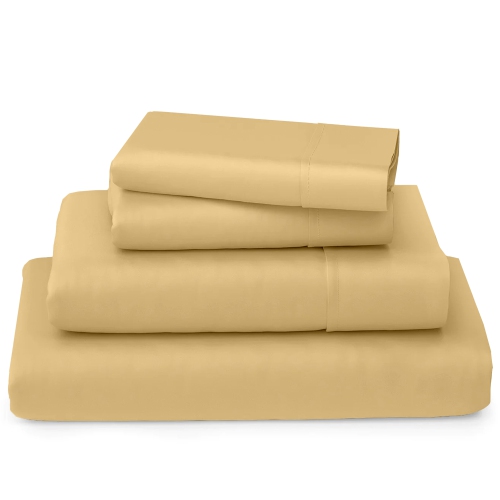
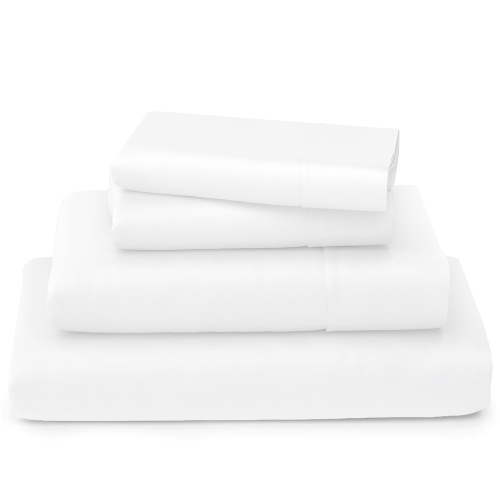
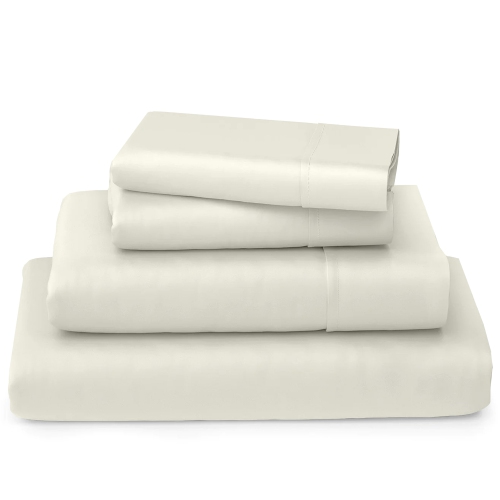
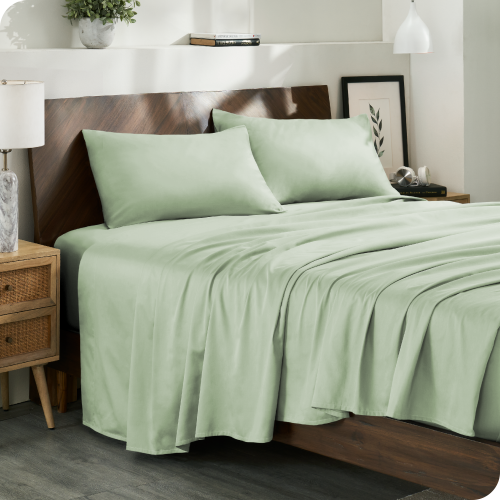
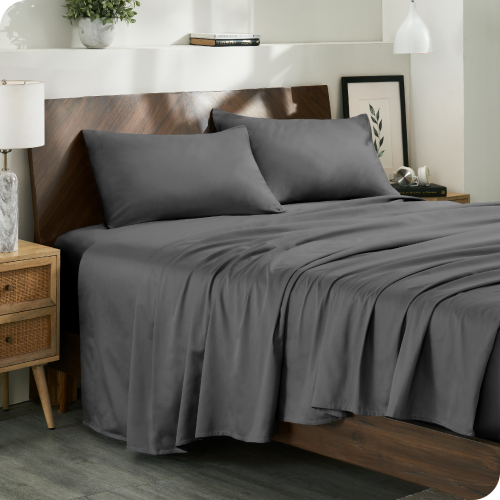
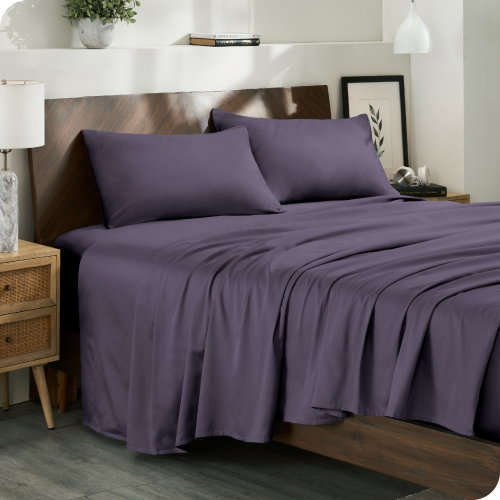
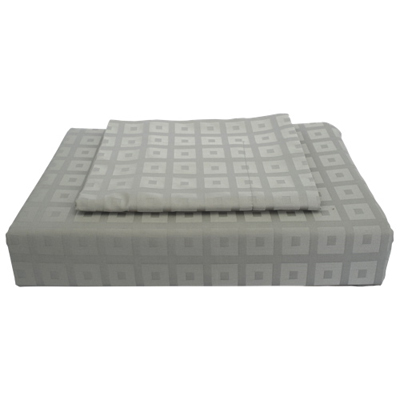
The fit of Egyptian quality sheets has as much influence on everyday comfort as the fabric itself. A fitted sheet should sit securely around the mattress without pulling the corners upward or leaving large folds beneath the sleeper. Standard mattress names are a starting point, but actual sheet dimensions and pocket depth help establish whether the fit will work. A mattress topper or thick protective cover adds height, so the full sleeping surface needs to be included in that measurement. Pocket depth describes the fitted sheet’s capacity, although the stated maximum mattress depth is often the clearer specification when provided. Full-perimeter elastic can help keep the sheet in place, particularly for sleepers who turn frequently, but elastic alone cannot compensate for an undersized pocket. Adjustable beds may need sheets that accommodate movement, and a split king arrangement generally uses two fitted sheets sized for the individual mattresses rather than one standard king fitted sheet. Set contents also deserve attention: fitted sheets, flat sheets, and pillowcases are not included in identical quantities across all bedding sets. Pillowcase dimensions matter just as much as mattress dimensions, especially when larger pillows are part of the bed. A flat sheet with enough width to tuck comfortably can create a tidy finish without restricting movement, while pillowcases with envelope closures can help conceal the pillow ends. Colour and surface finish shape the room’s overall appearance, too. White and ivory offer a clean backdrop for patterned duvet covers, muted shades blend easily with textured blankets, and deeper colours can give simple bedding a more defined presence. A sateen weave may catch the light differently from a matte percale, even in a similar shade. For a broader mix of fabrics and finishes, High Quality Bed Sheets offers a related bedding category to explore. Coordinating sheets with existing pillow shams, duvet covers, and mattress dimensions helps make the whole bed feel considered rather than simply matched.
Day-to-day care helps preserve the qualities that make good sheets enjoyable: a smooth surface, sound seams, and a fitted edge that holds its shape. The sewn-in care label takes priority because cotton, blended fabrics, decorative trims, and different finishes may require different treatment. Washing before first use removes residual manufacturing finishes and allows the fabric’s everyday feel to emerge. A suitable mild detergent, a cycle that follows the label, and enough space in the washing machine for the sheets to move freely support thorough cleaning without unnecessary abrasion. Washing bedding separately from towels, exposed zippers, and rough fabrics can also reduce friction and snagging. Excess detergent may leave residue, while fabric softener can coat fibres and affect absorbency; more laundry product does not necessarily produce softer bedding. Where tumble drying is permitted, the recommended setting and prompt removal help limit overdrying and deep creases. Cotton naturally wrinkles, particularly in a crisp percale weave, and some creasing is not evidence of poor quality. Smoothing the sheets as they are folded or placed on the bed can create a relaxed, tidy appearance without a sharply pressed finish. Some shrinkage is possible, which makes following care directions especially important for a fitted sheet already close to its mattress-depth limit. Over time, neatly finished hems, evenly sewn seams, and resilient elastic contribute to durability alongside fibre length and fabric construction. Rotating between sets spreads wear and leaves a clean set ready while another is being washed. Sheets should be completely dry before storage, then folded in a dry cupboard or drawer with matching pillowcases kept together. These practical details suit bedding used in a main bedroom, a regularly occupied guest room, or a first apartment where easy upkeep matters as much as appearance. Egyptian quality sheets can also make a thoughtful housewarming or wedding gift when the recipient’s mattress size, pillow dimensions, and fabric preferences are known. A crisp, matte finish and a silky, draping finish offer distinctly different experiences, so matching those preferences is more meaningful than relying on thread count alone. The most satisfying choice combines clearly described materials, a secure fit, comfortable texture, and care requirements that suit the household’s routine.
Top selling and popular products
-
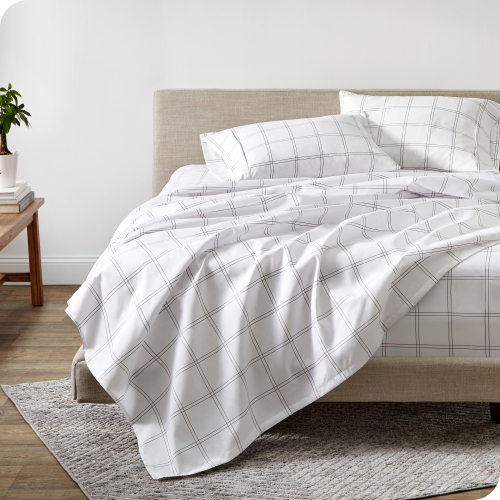 Your price for this item is $95.99
-
 Your price for this item is $122.99
-
 Your price for this item is $156.99
-
 Your price for this item is $284.99
-
 Your price for this item is $80.99
-
 Your price for this item is $80.98
-
 Your price for this item is $34.99
-
 Your price for this item is $210
Discover more categories related to Egyptian Quality Sheets


Top Collections:
Pokemon Centers, Kindle Devices, Best Cameras for Sports Photography, Pokémon 30th Celebration Cards, Apple iPhones 16, Canon G7X Cameras, iPhone 15 Apple, Flip Phones, Samsung Galaxy Phones, Alarm Clock
Some products may be subject to Environmental Handling Fees
(EHF) depending on your province.
Learn more about EHFs.