Electric Chairs for Seniors
Electric chairs for seniors offer both comfort and convenience, providing a practical solution for individuals seeking increased mobility and support in their daily lives. Designed with user-friendly features and ergonomic considerations in mind, these chairs cater to the unique needs of seniors looking to enhance their quality of life. Whether you're looking for a cozy recliner with power lift functionality or a stylish piece that seamlessly blends into your home decor, our selection of electric chairs for seniors offers a range of options to suit different preferences and requirements. Discover how these innovative pieces of furniture can bring comfort and ease to your everyday routine.
Sort
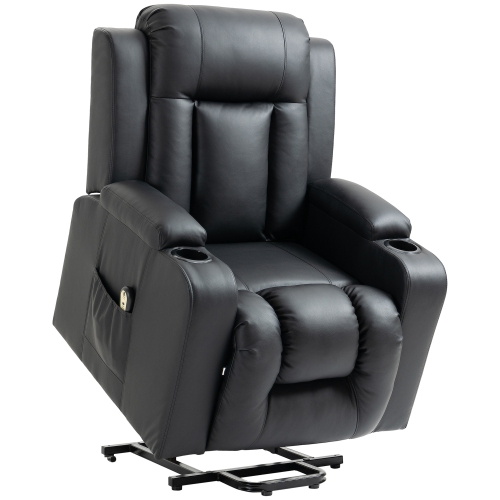
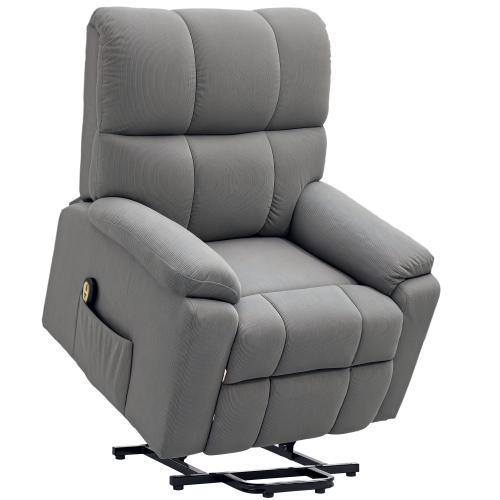
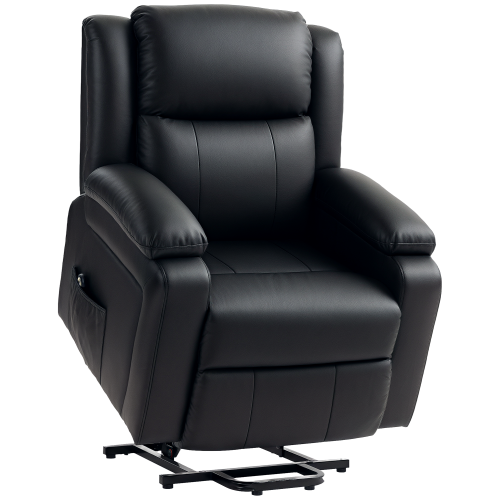
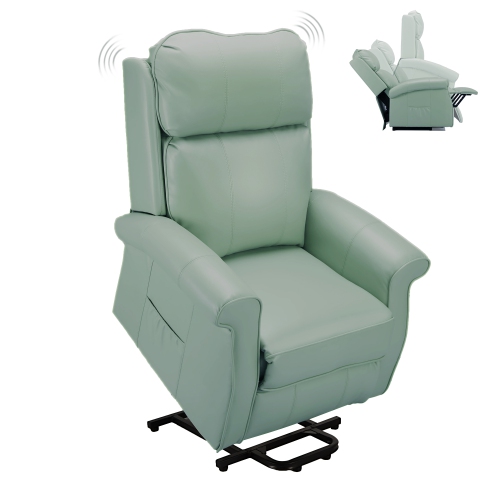
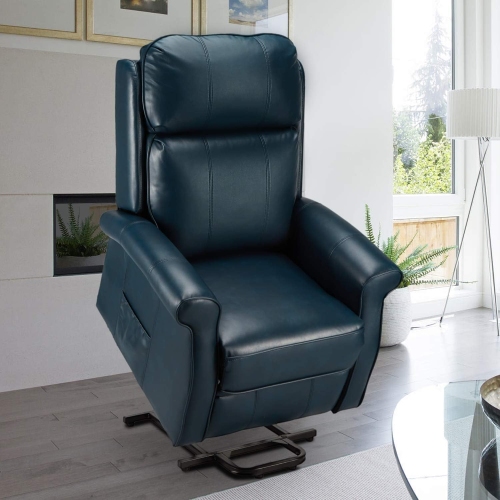
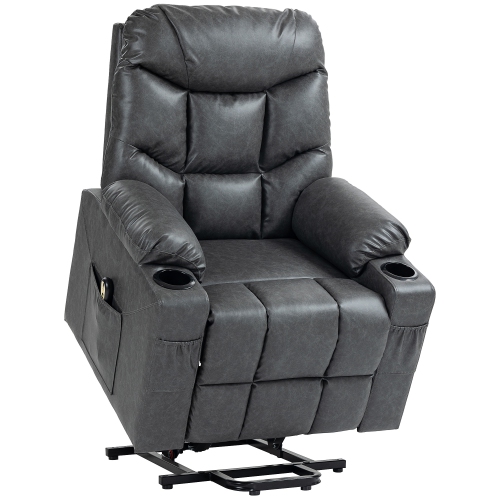
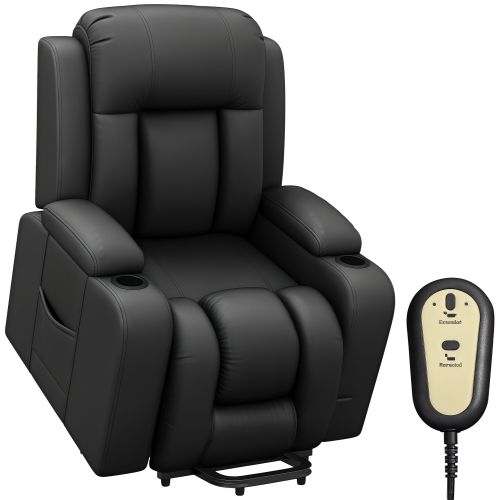
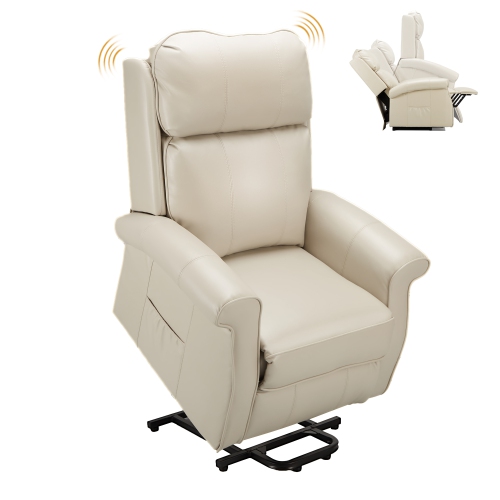

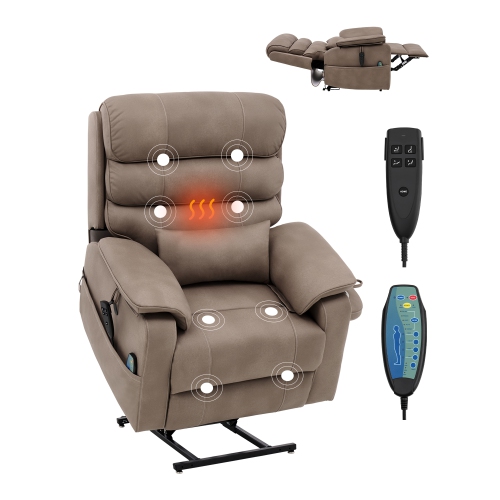
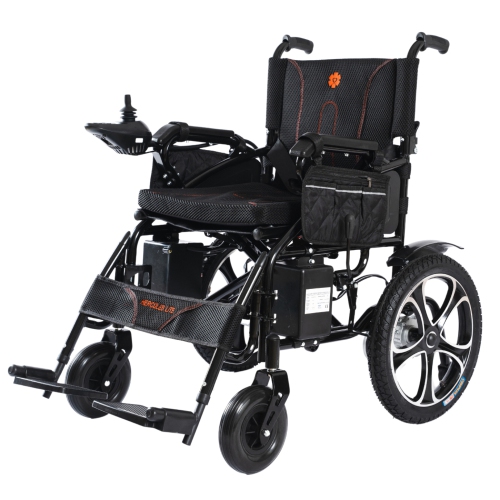
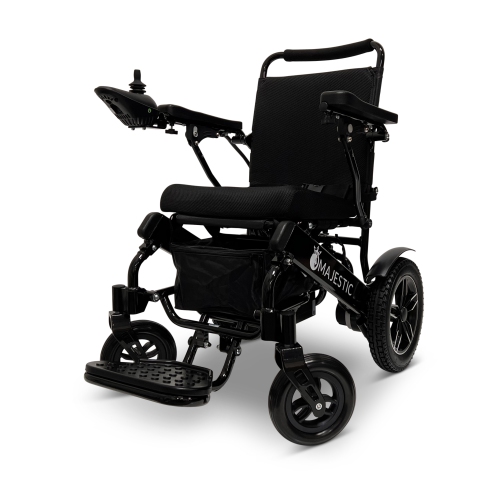

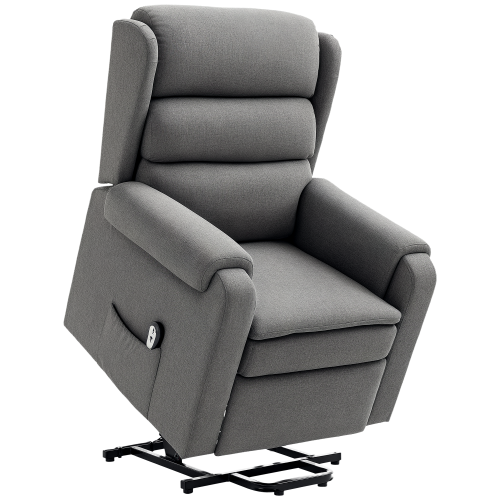
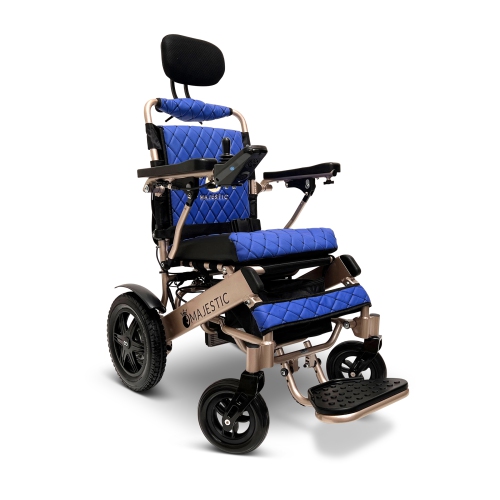
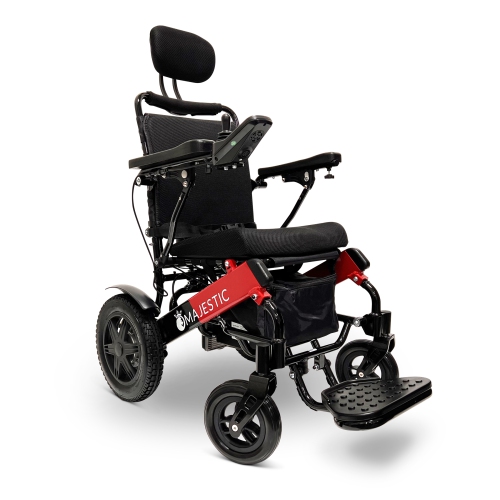
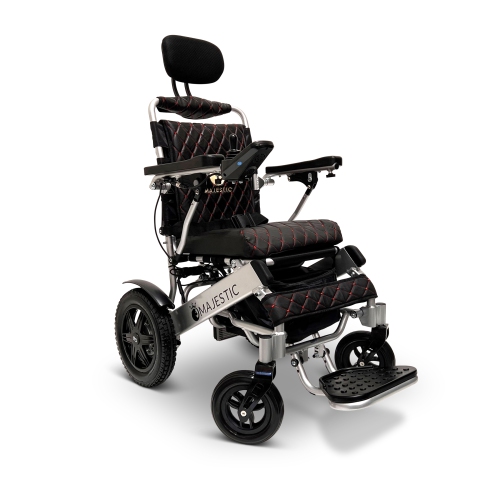
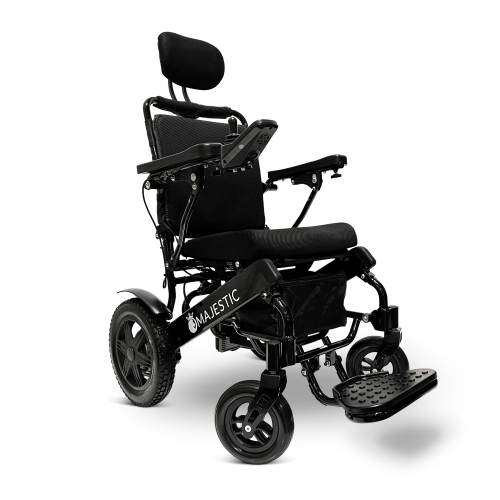
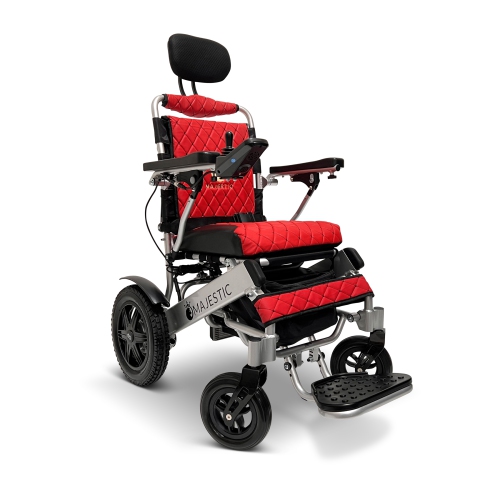
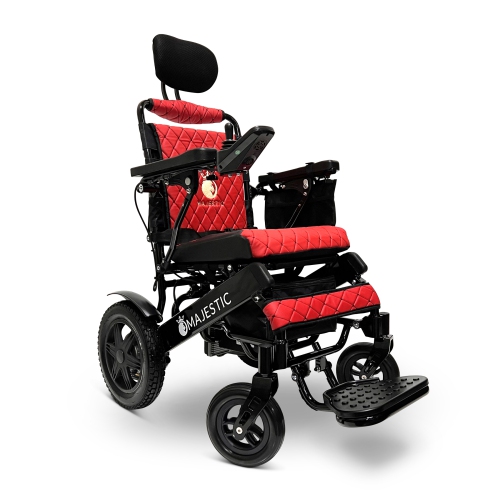
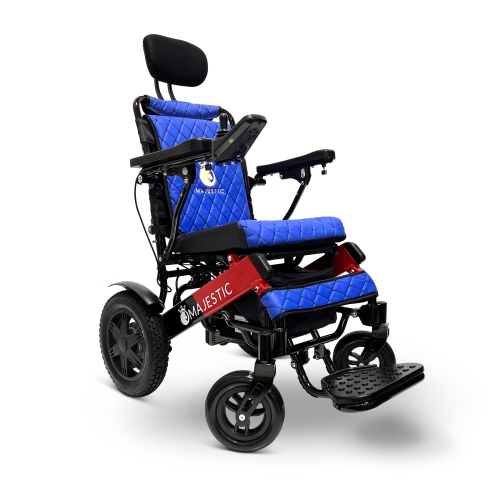
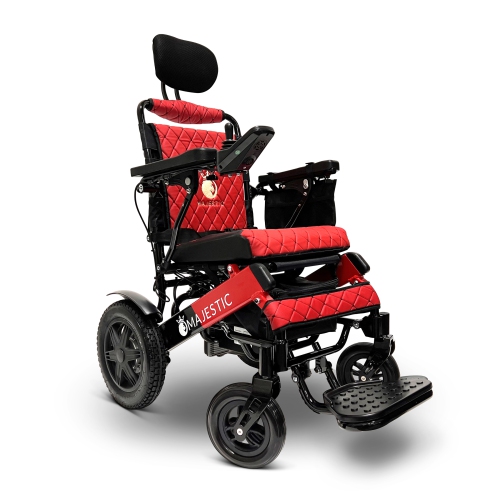
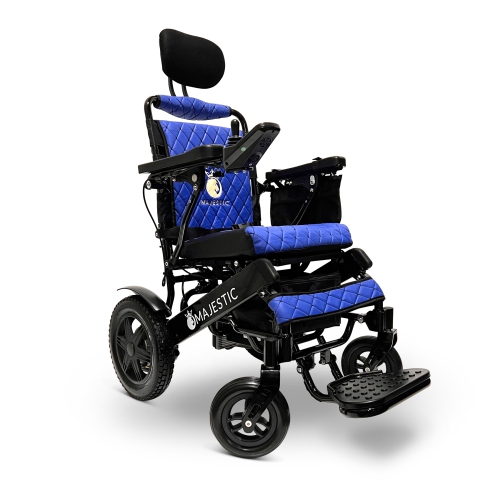
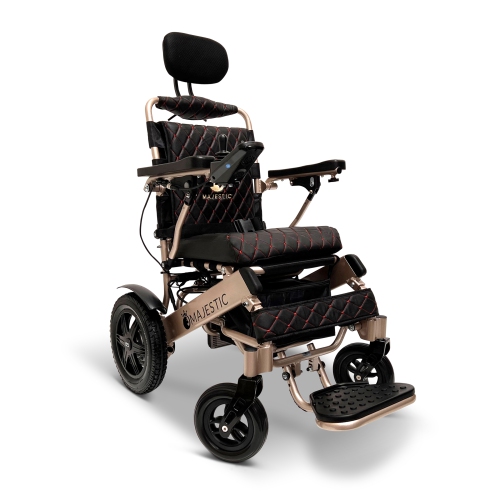
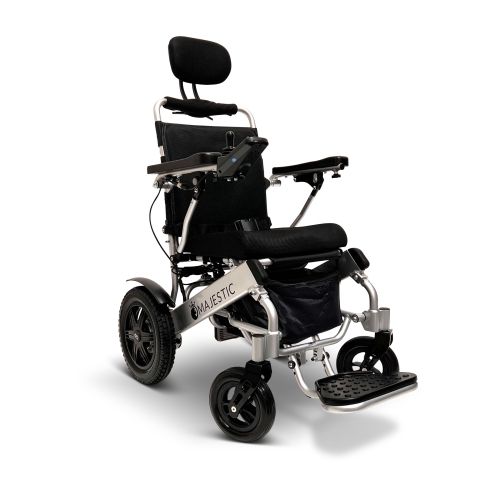
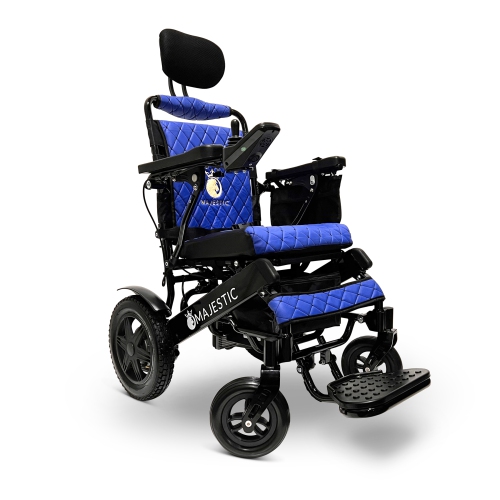
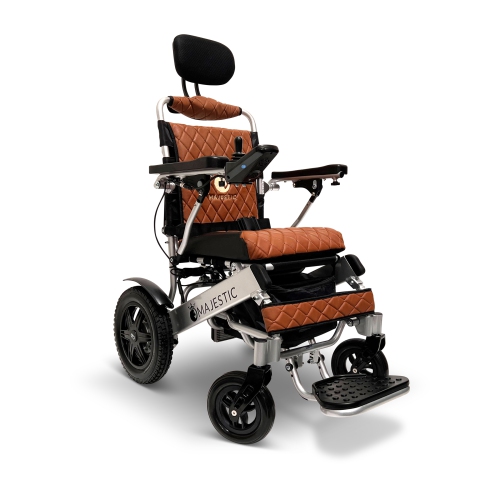
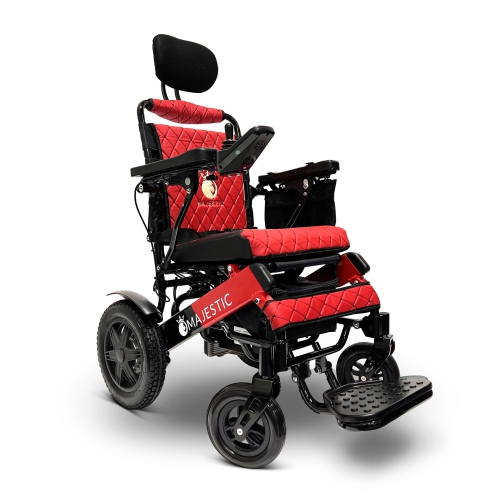
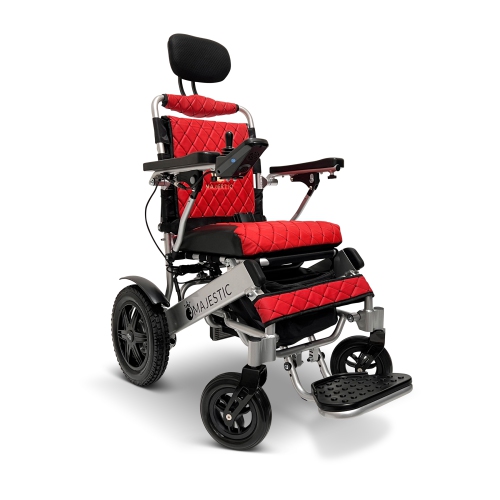
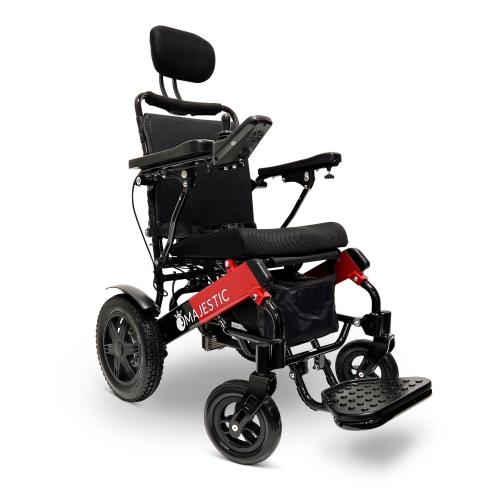
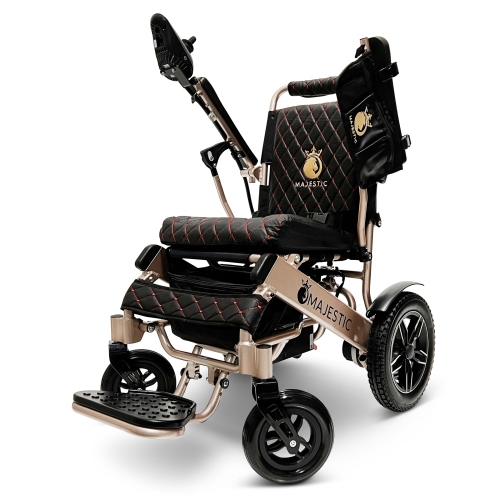
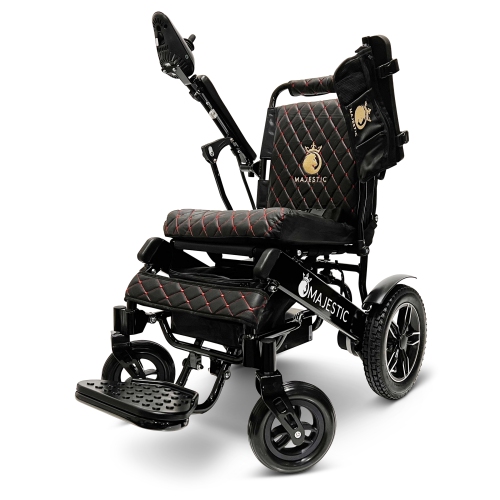
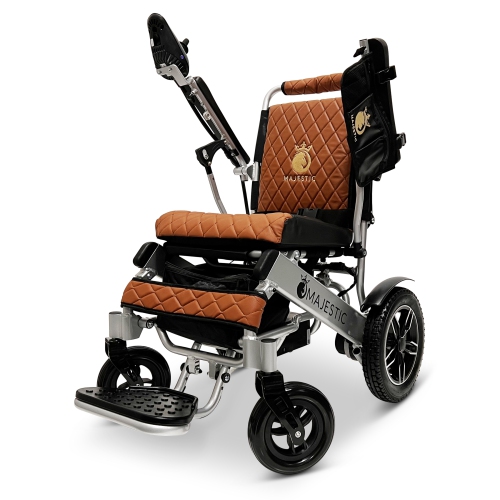
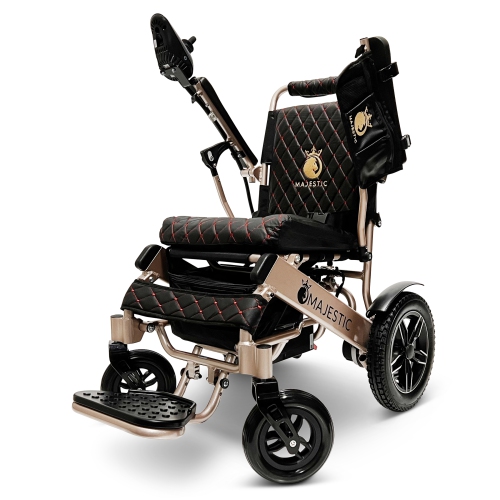
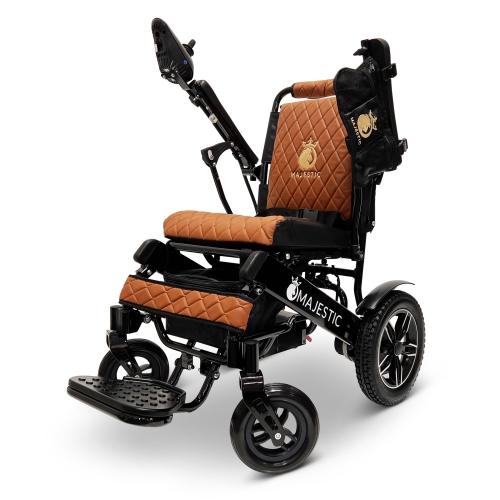
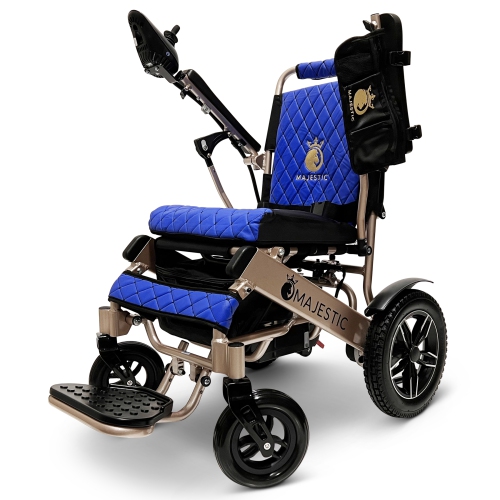
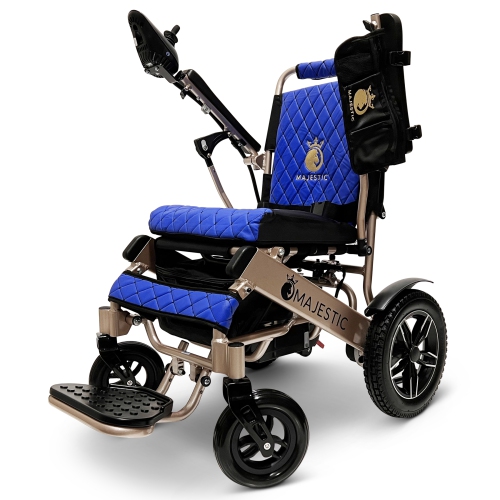
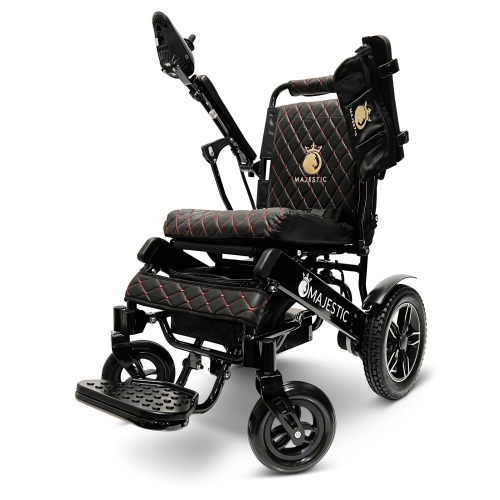
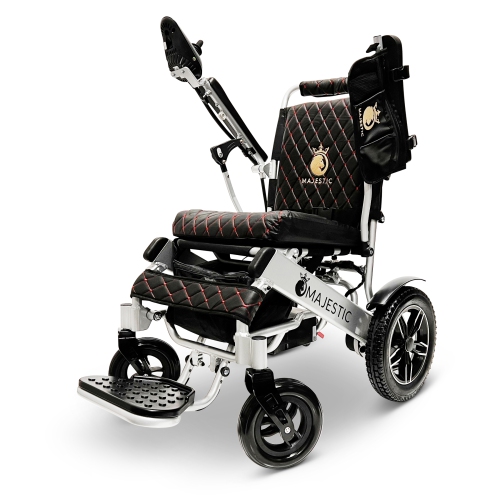
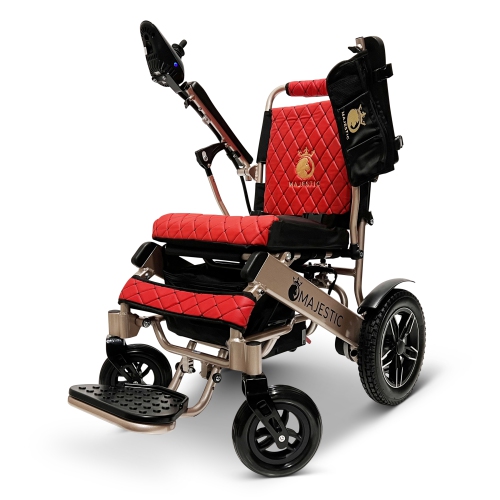
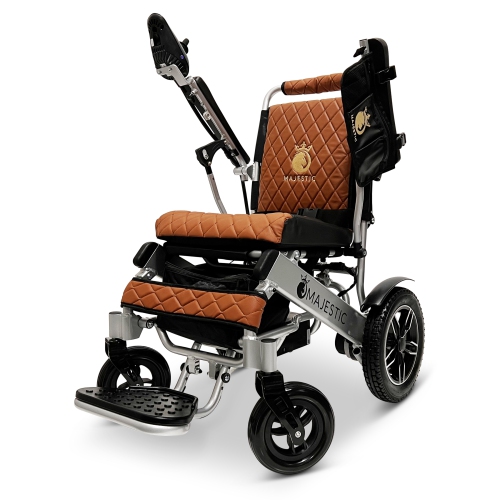
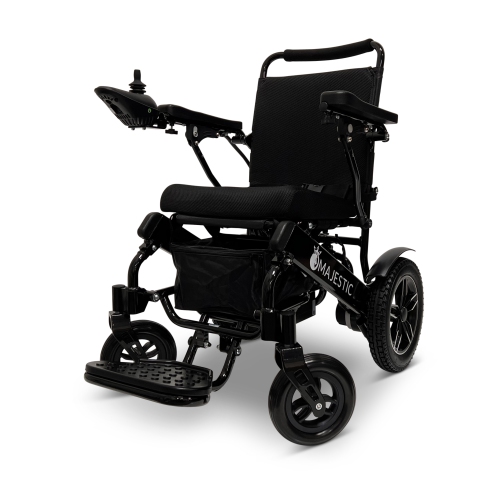
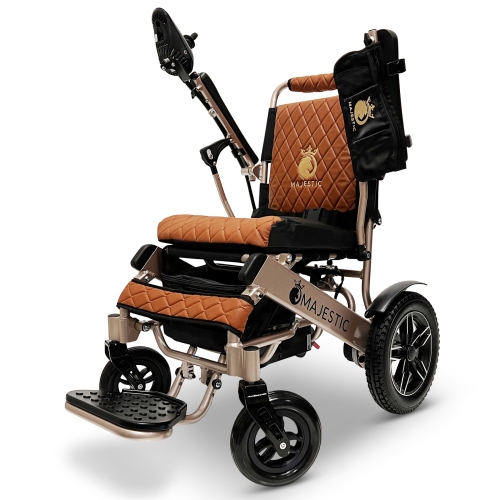
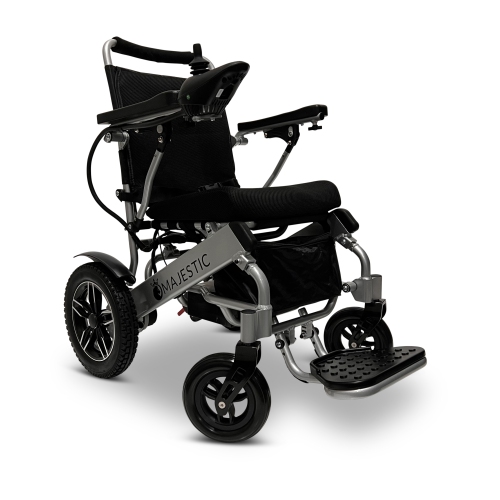
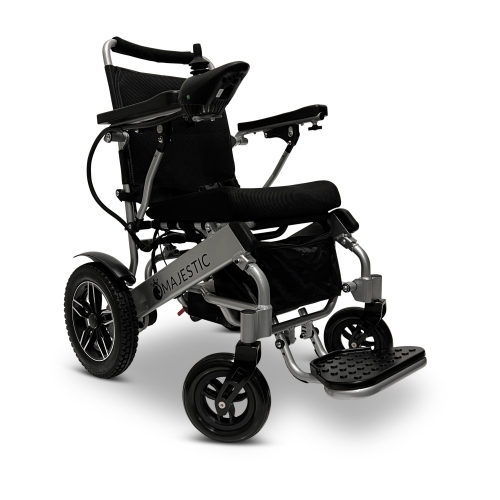
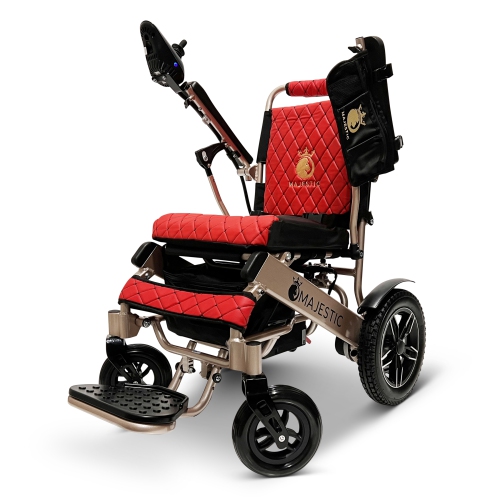
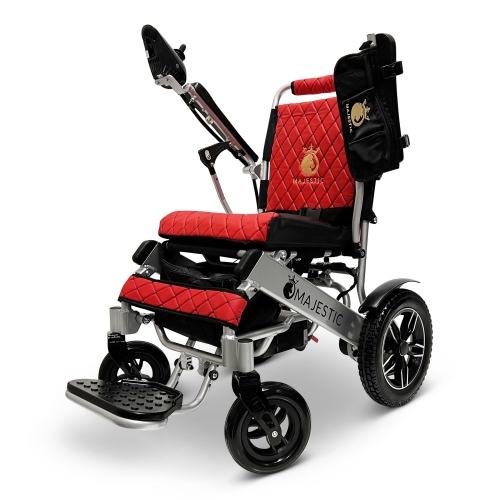
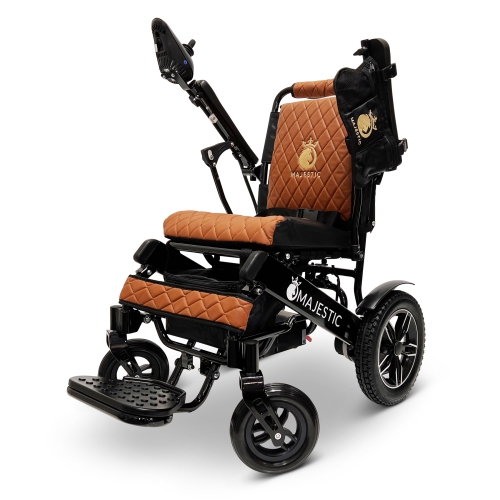
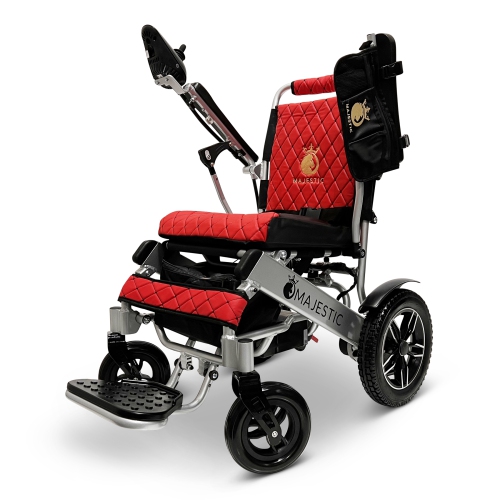
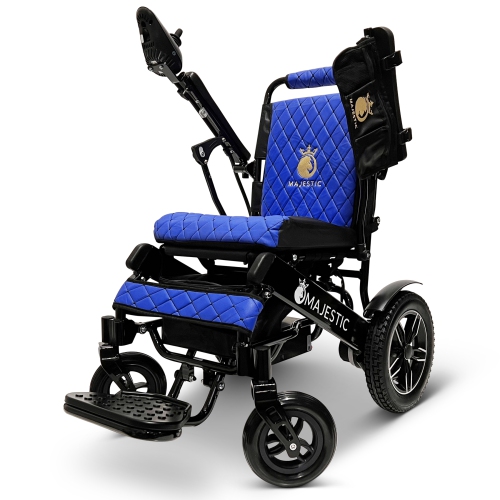

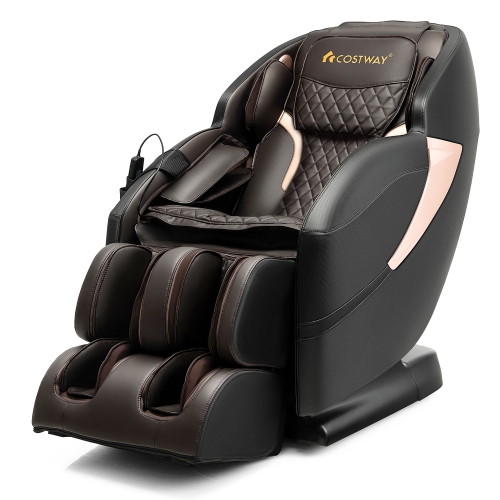
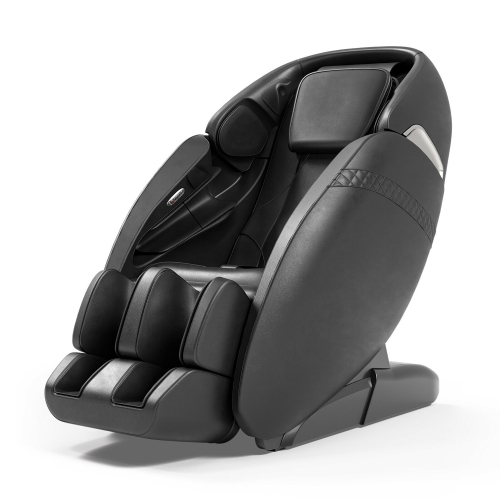
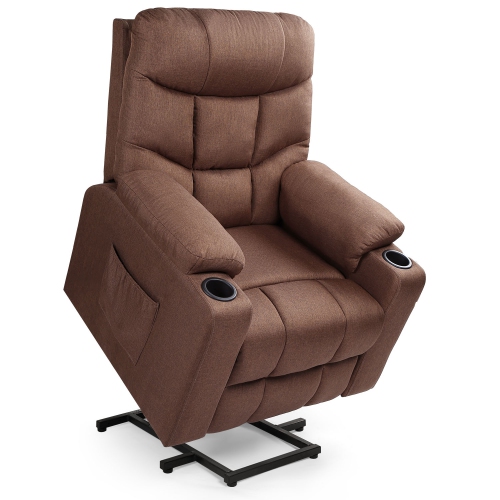
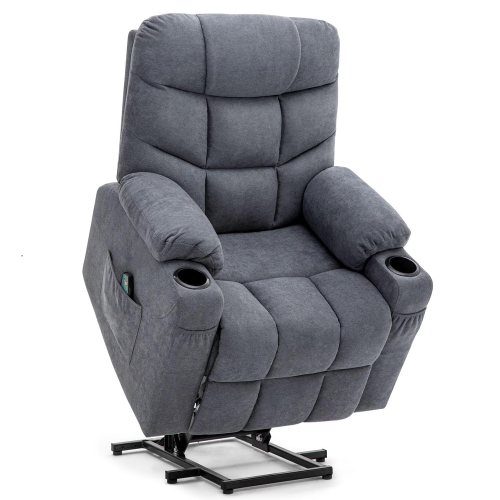
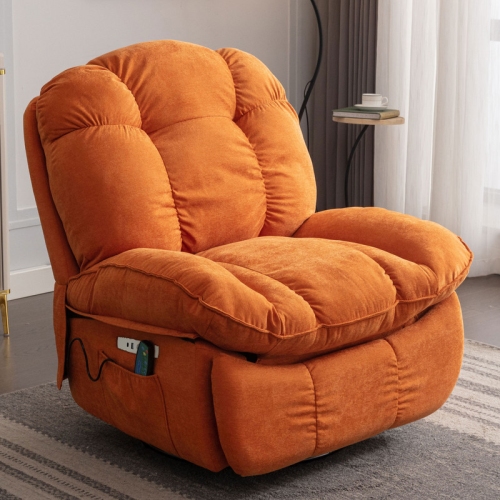
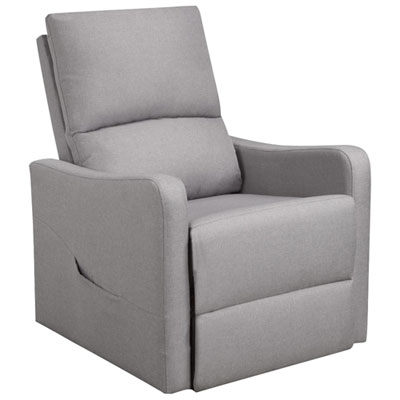
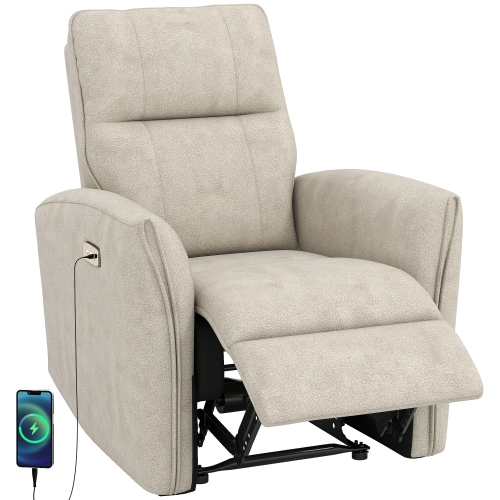
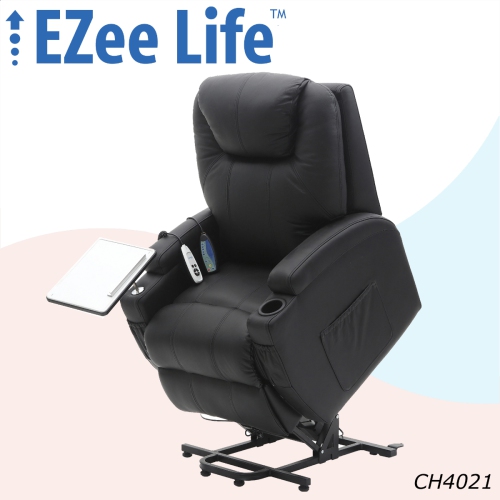

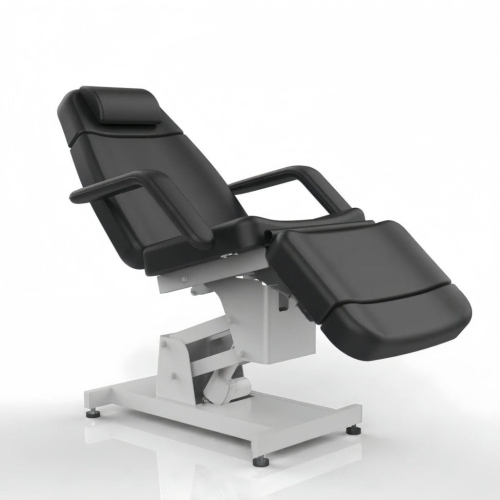
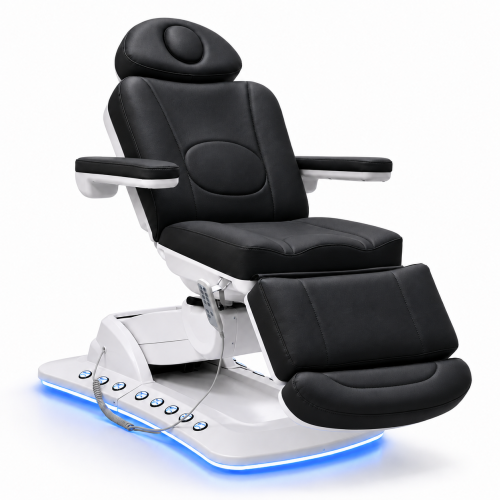
How lift recliners and power chairs support daily routines
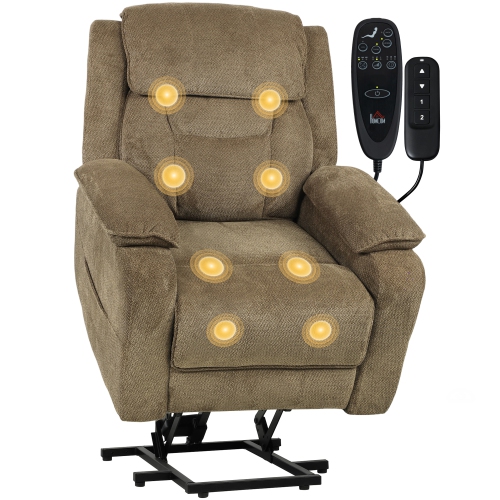
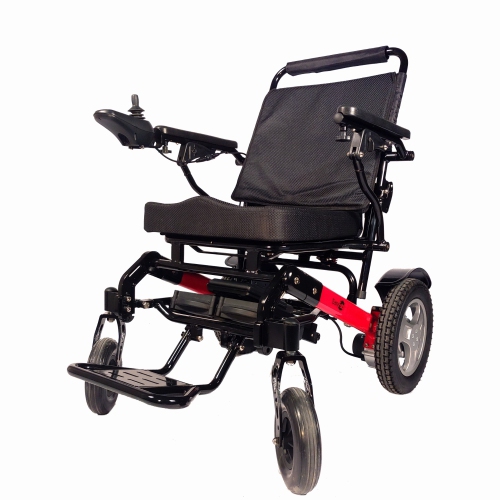
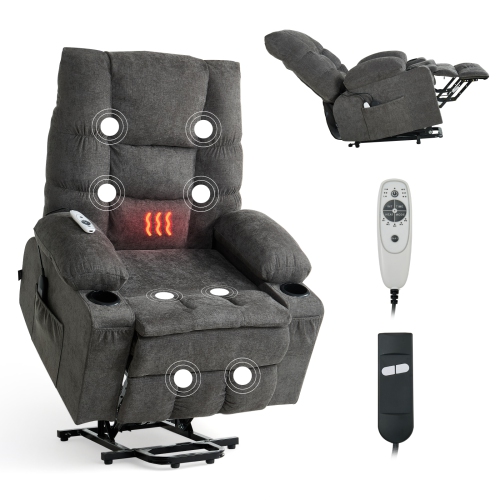
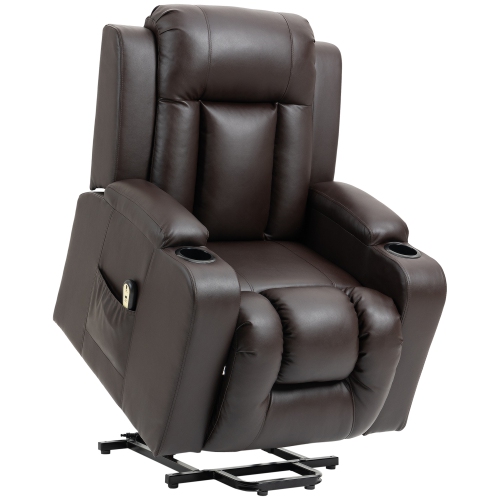
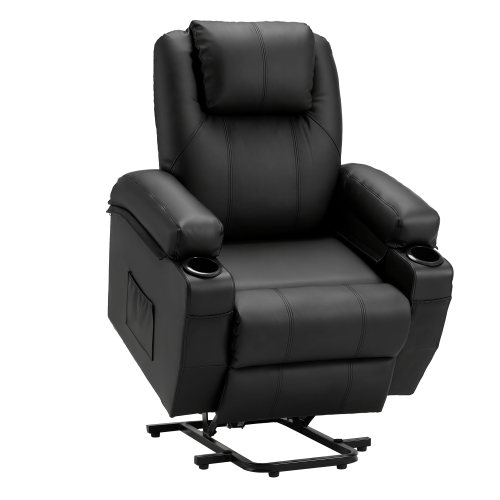
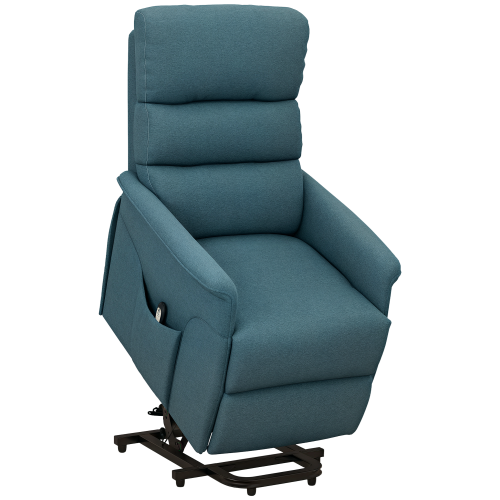
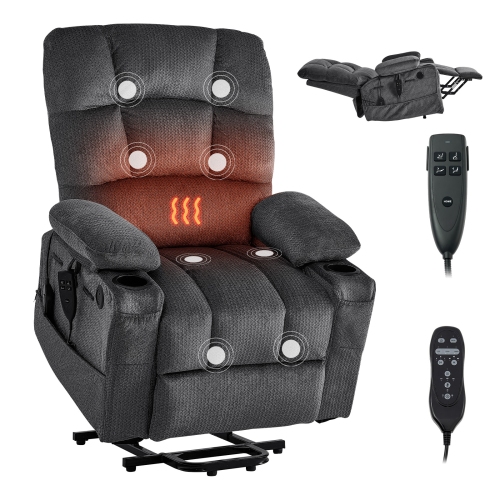
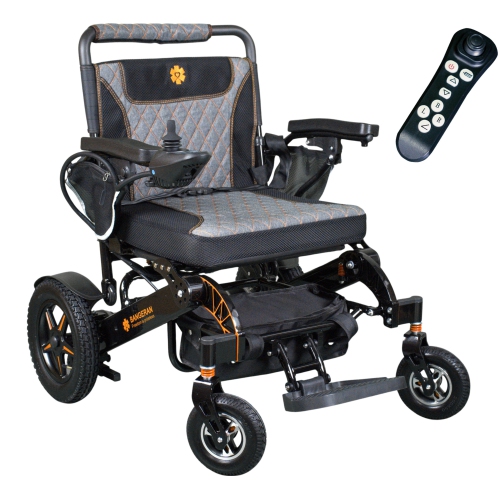
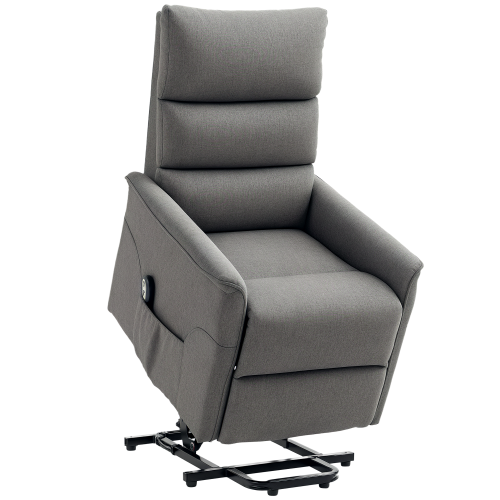
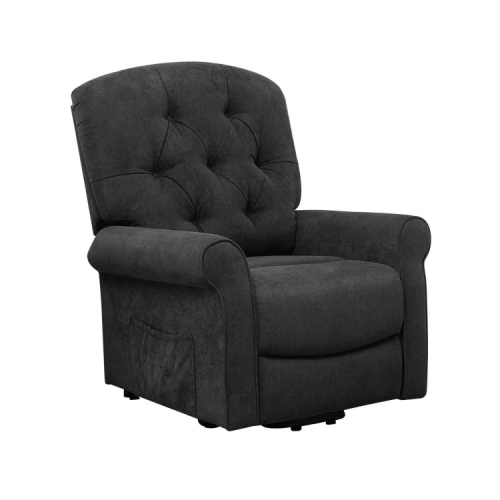
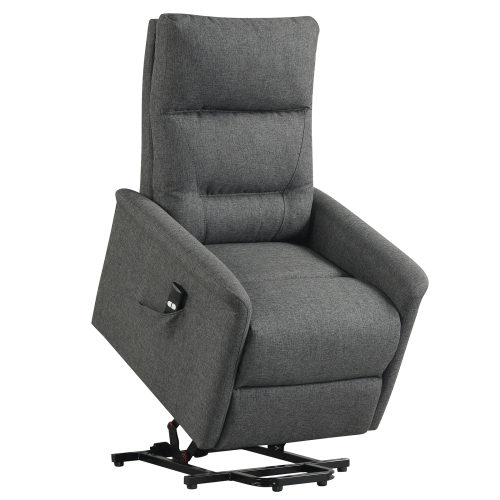
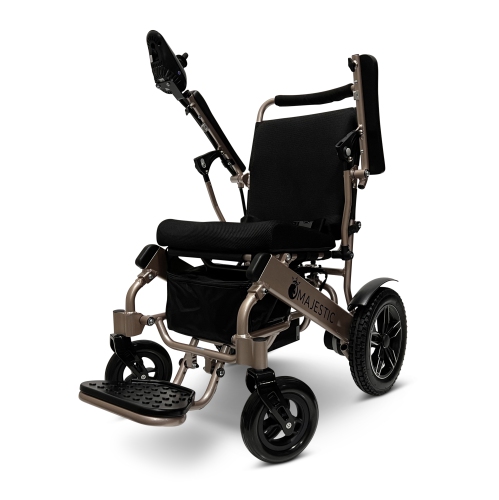
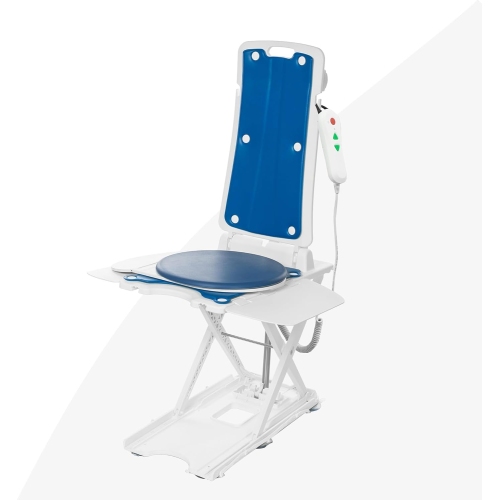
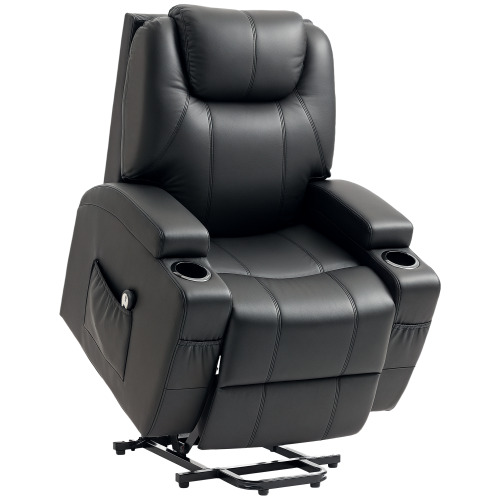
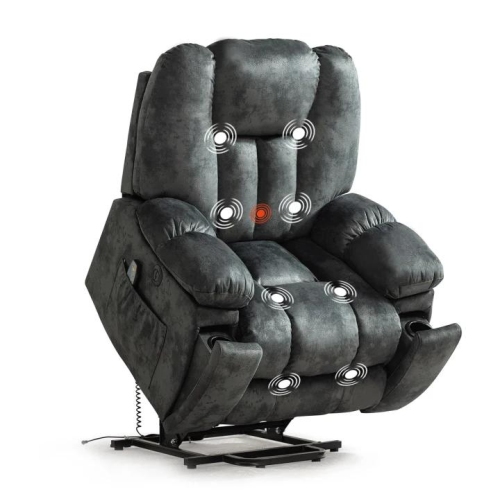
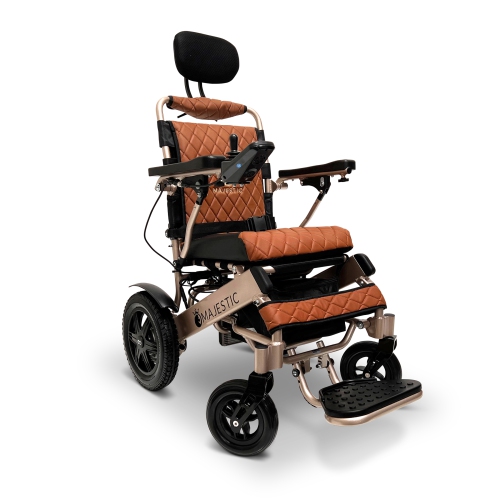
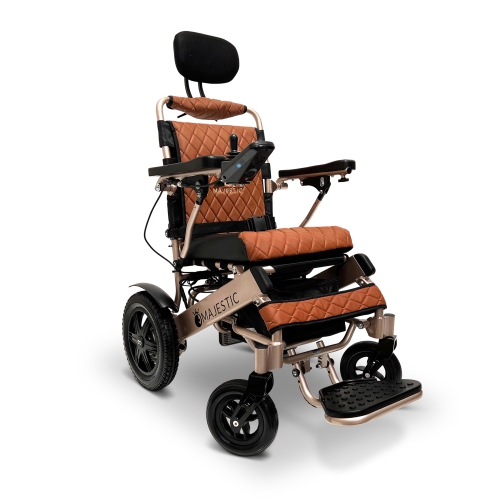
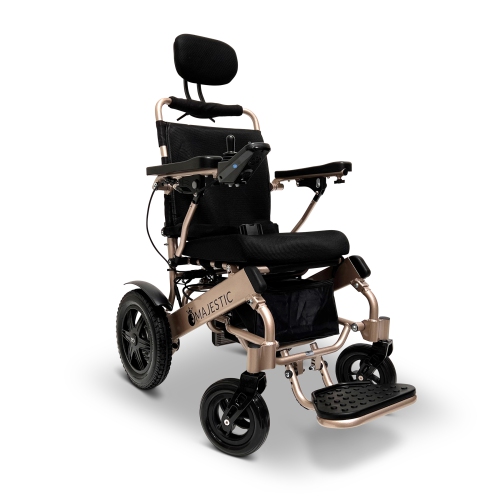
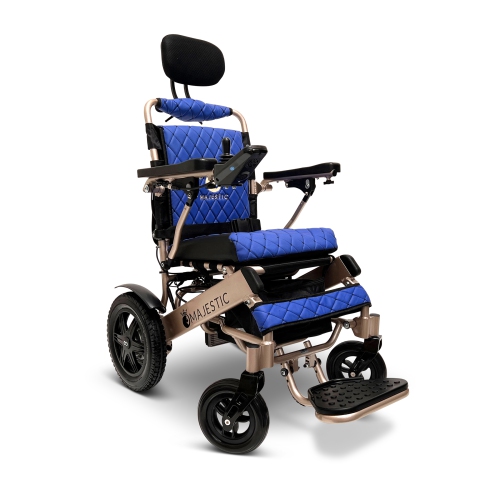
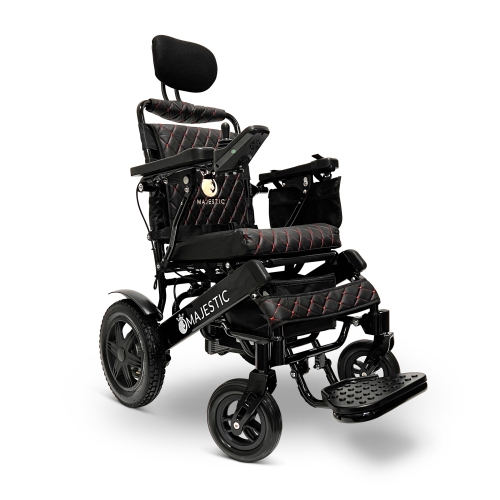
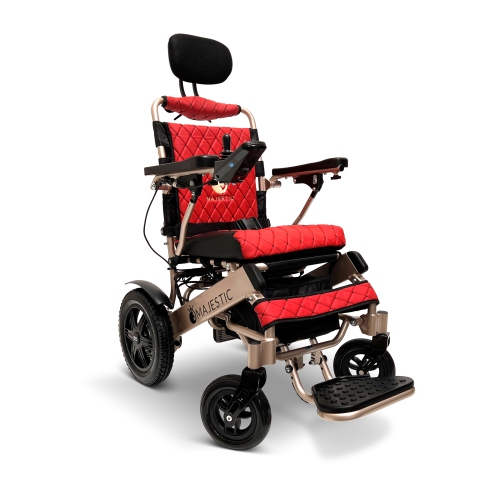
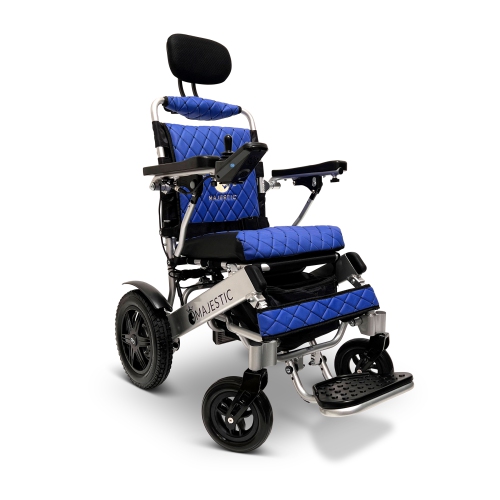
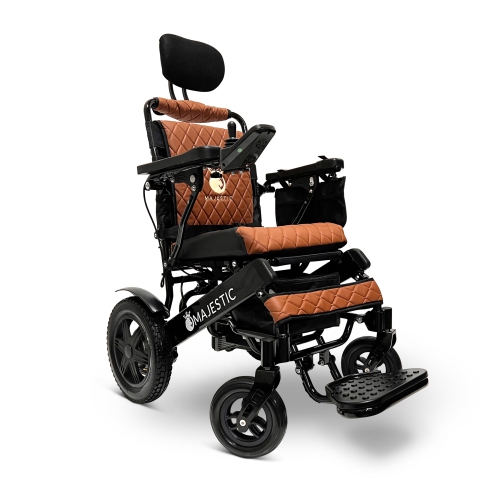
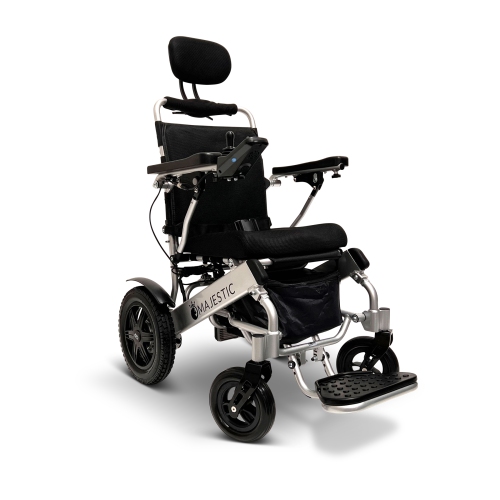
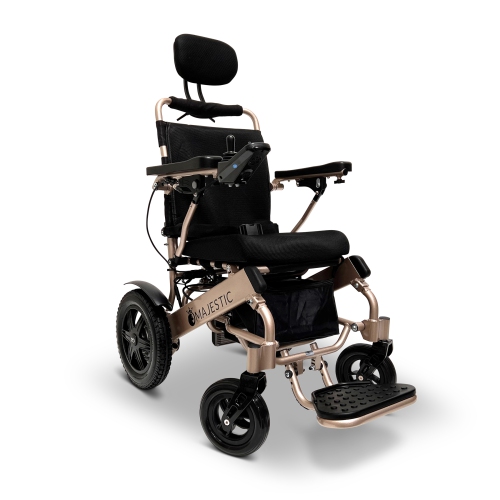
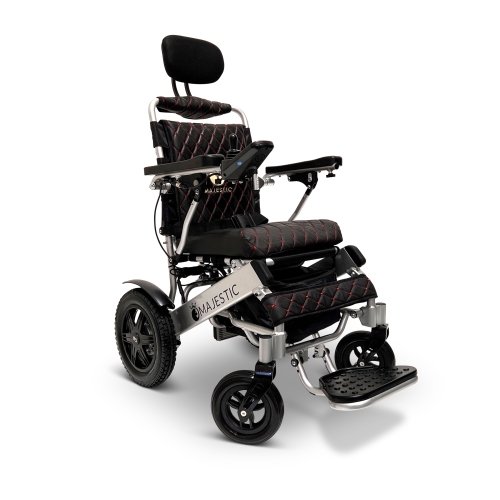
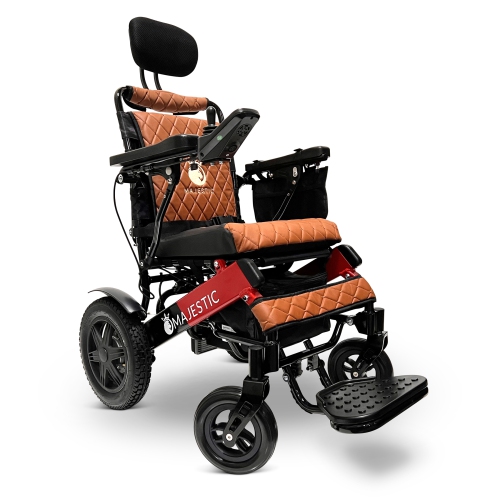
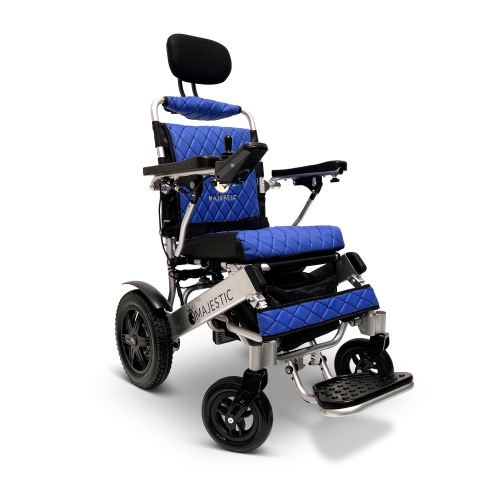
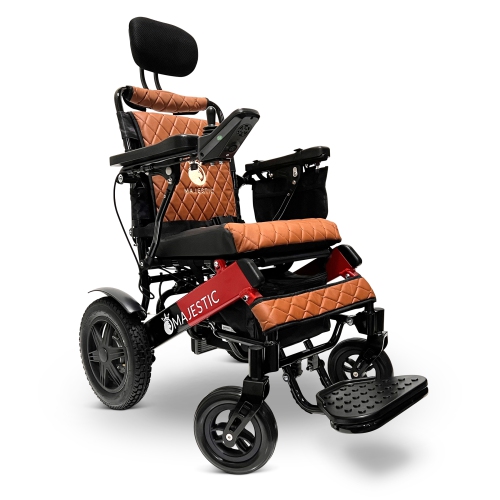
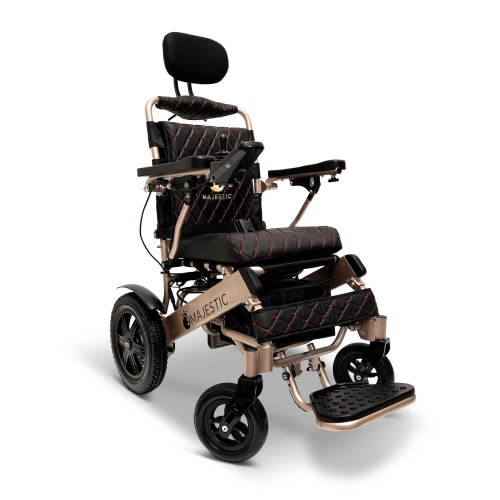
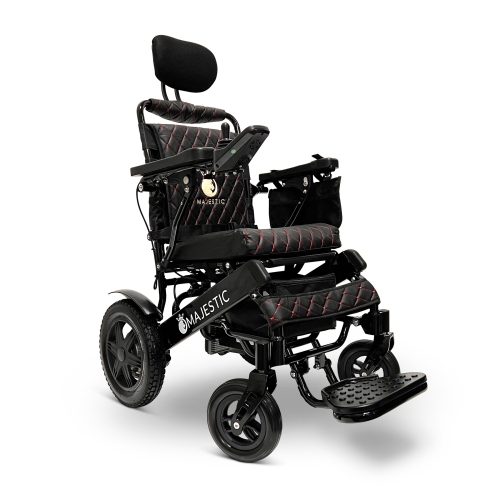
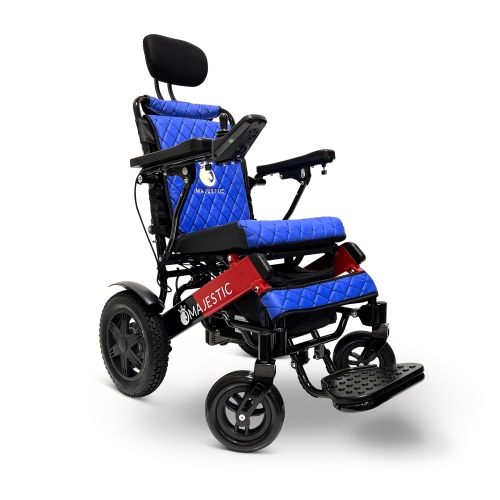
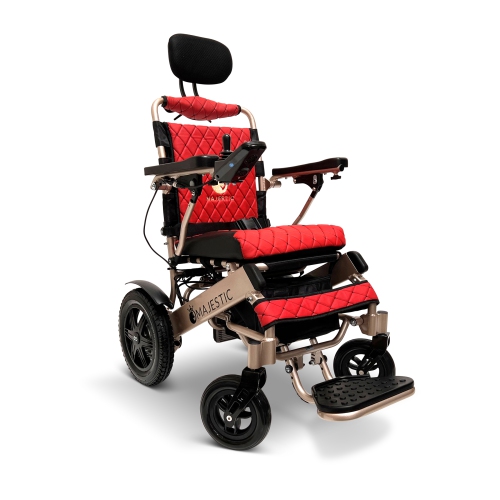
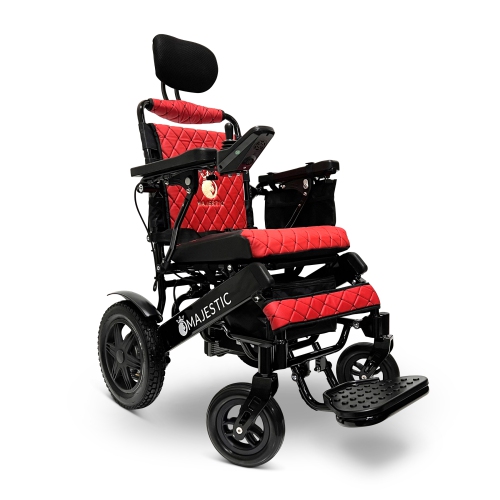
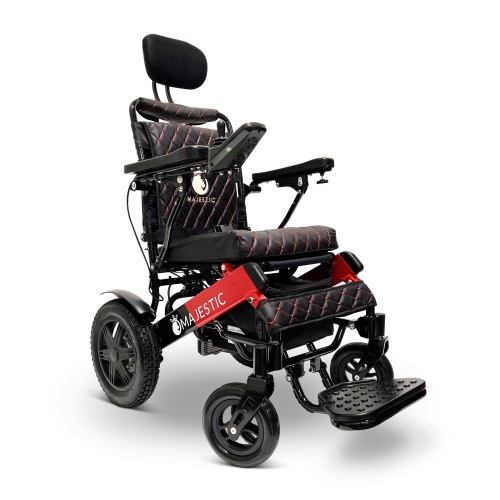
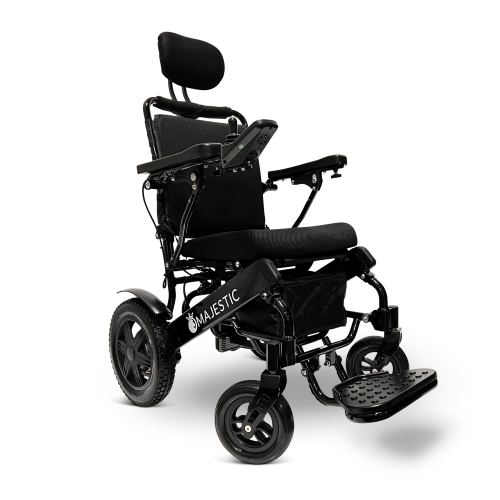
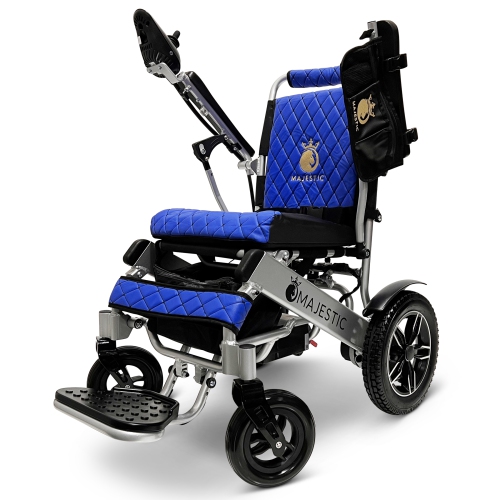
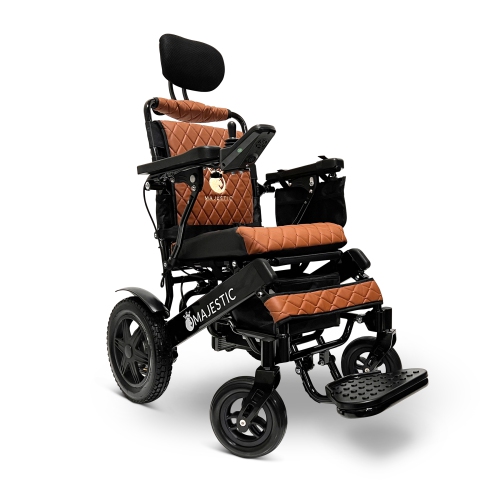
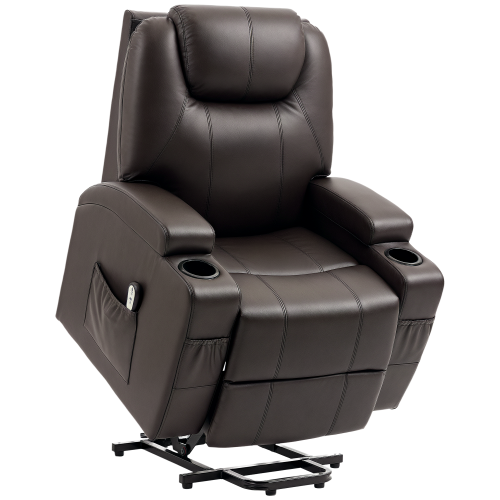
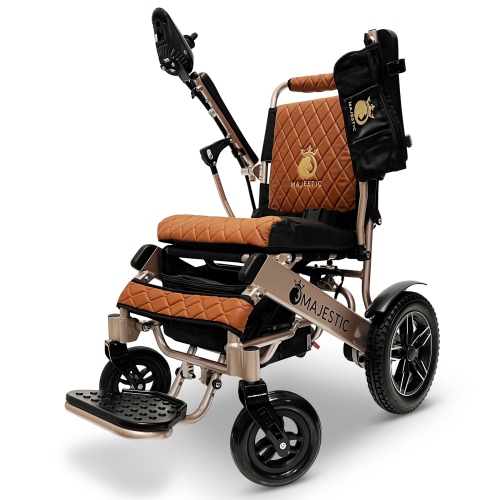
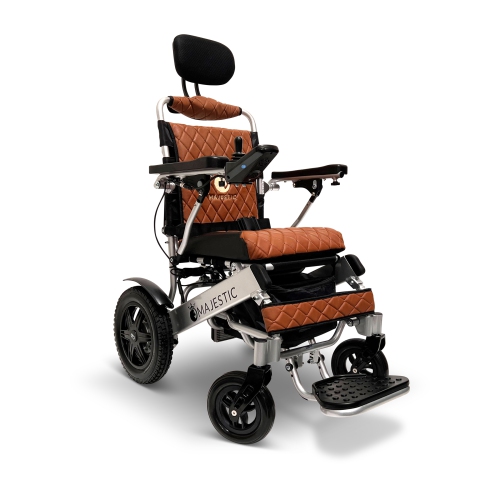
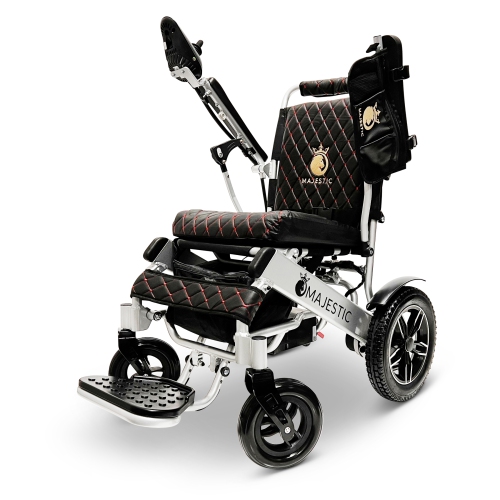
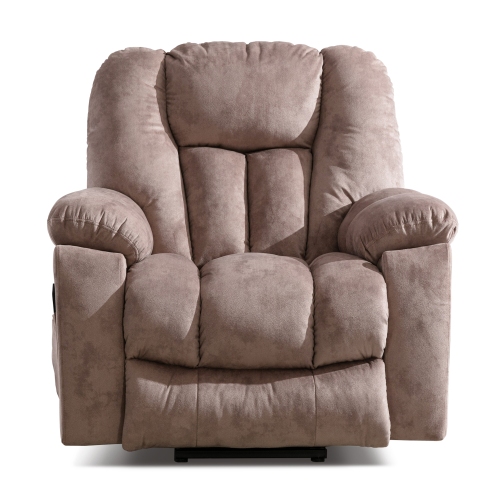
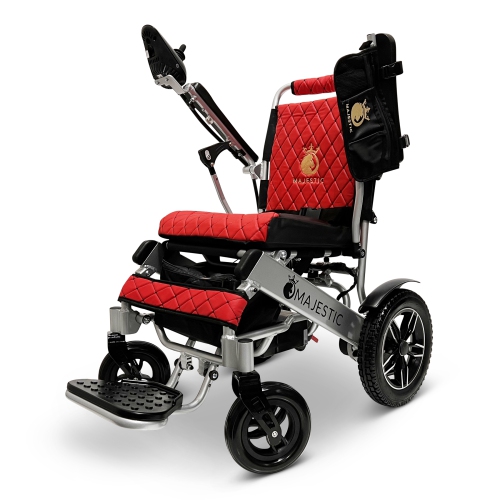
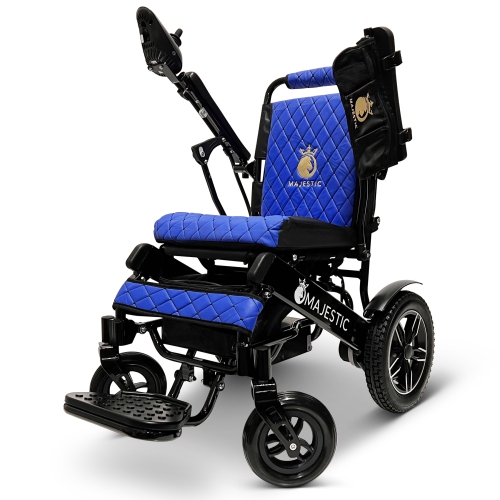
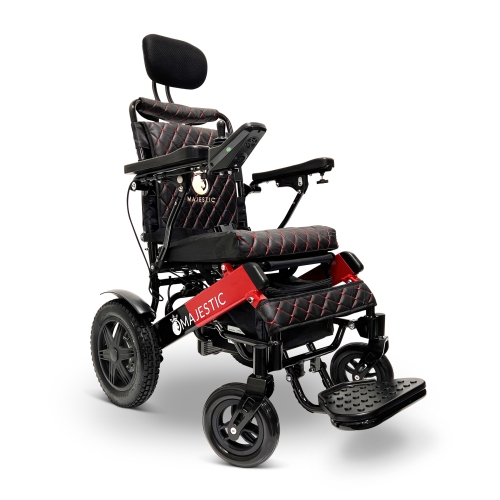
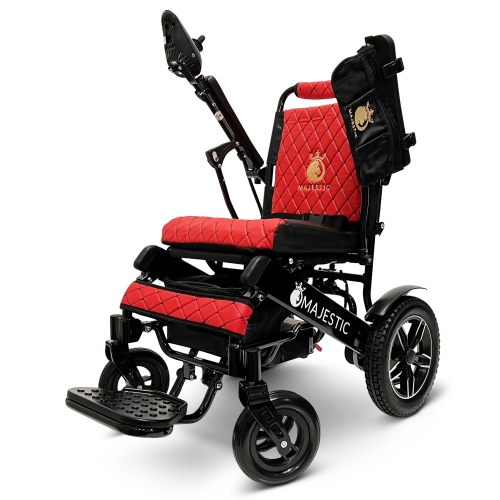
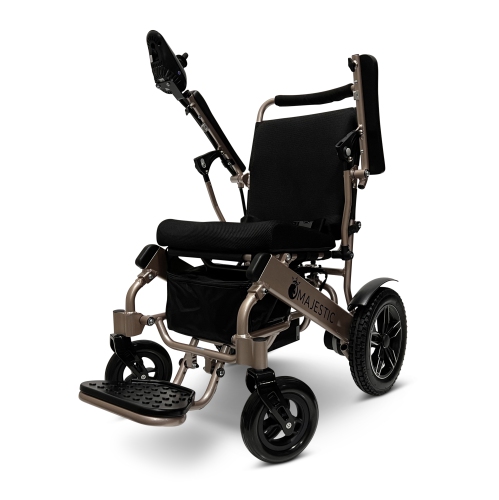
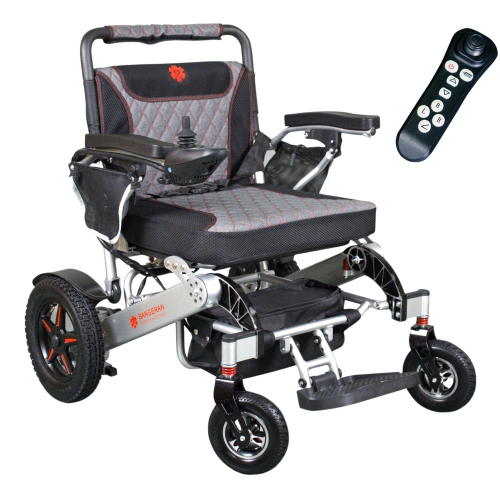
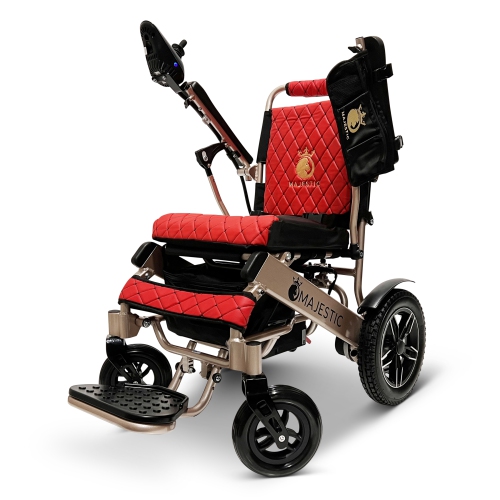
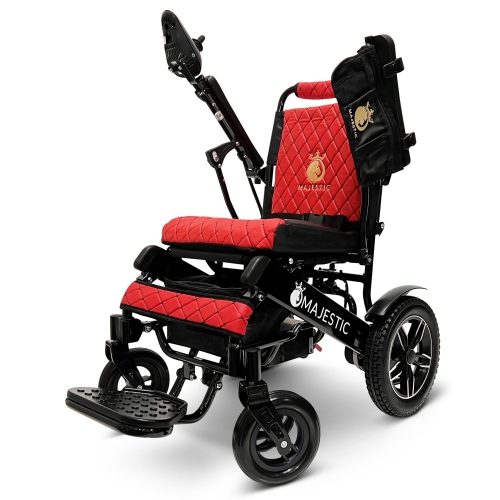
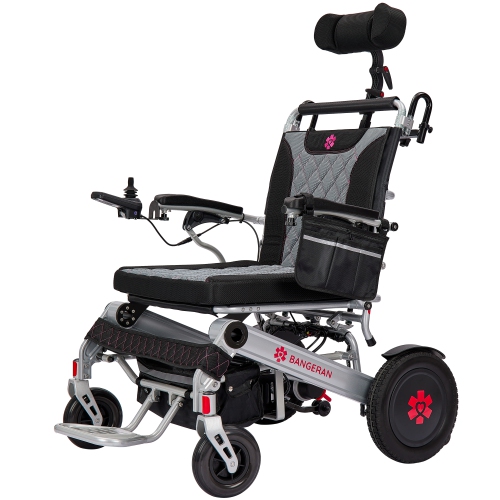
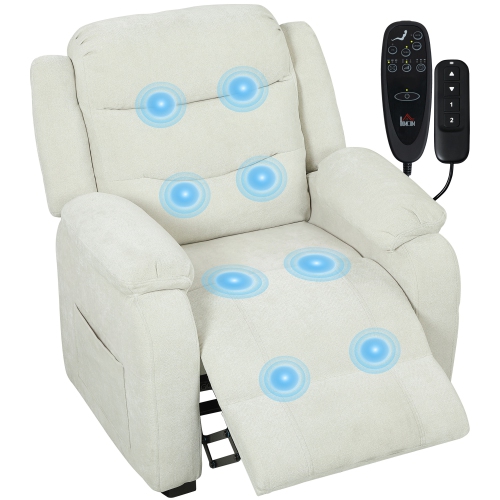
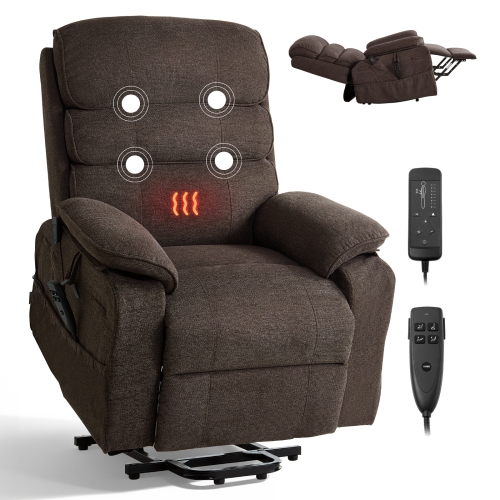
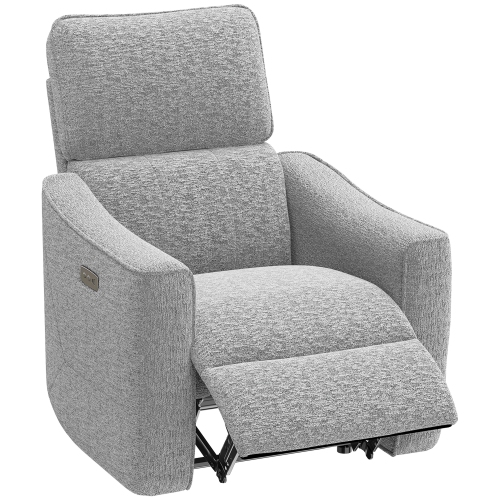
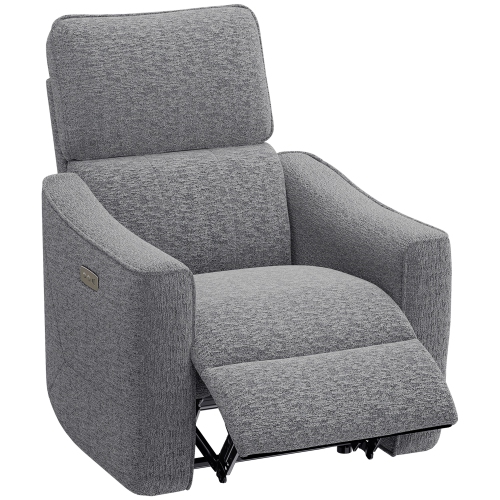
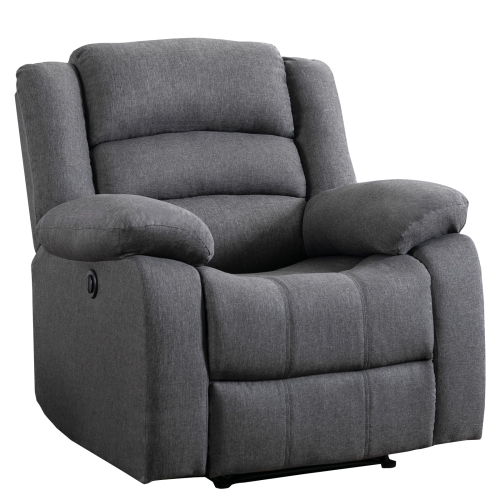
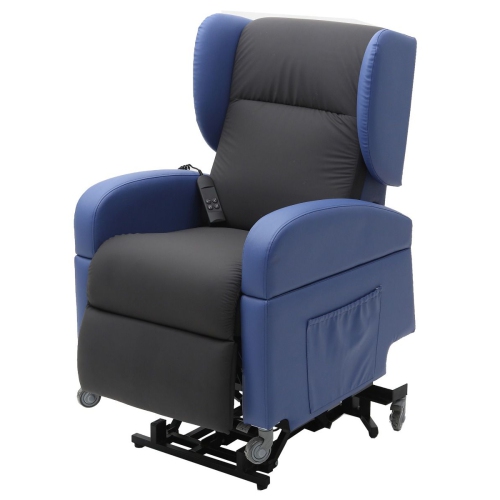
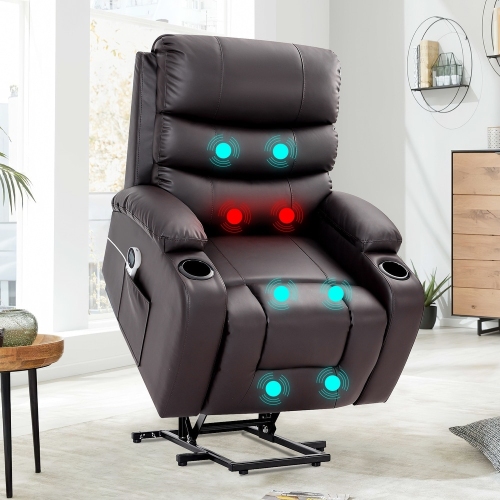
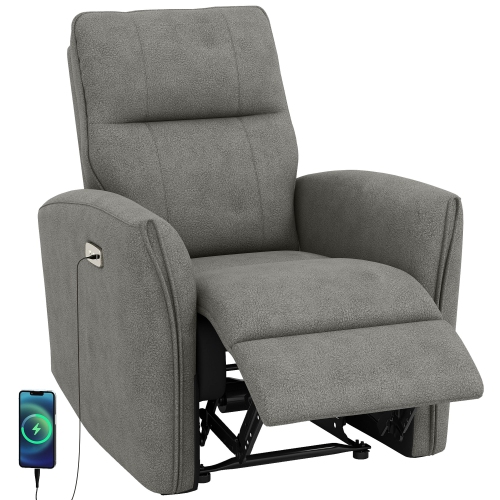
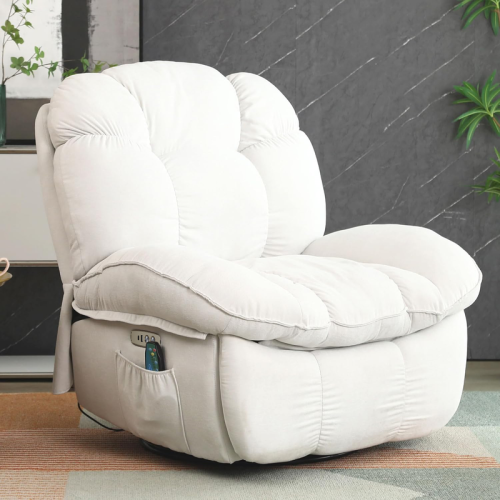
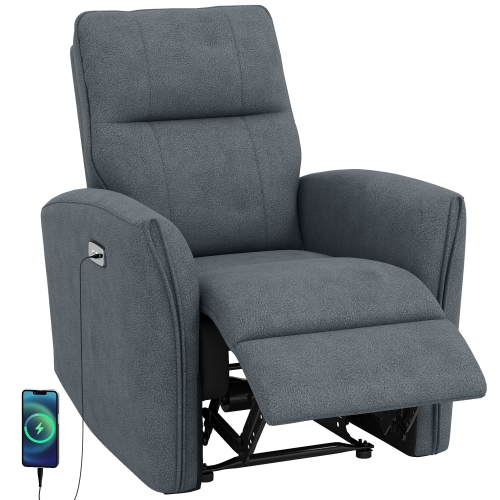
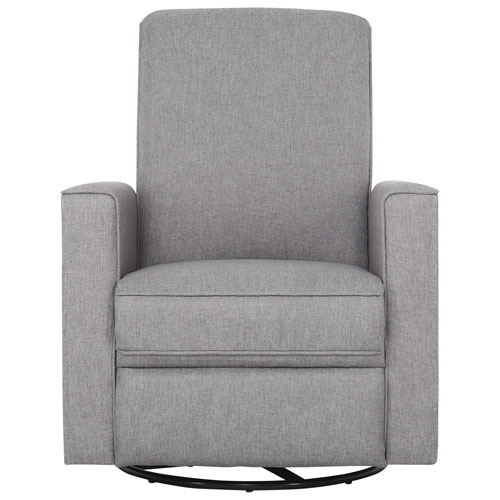
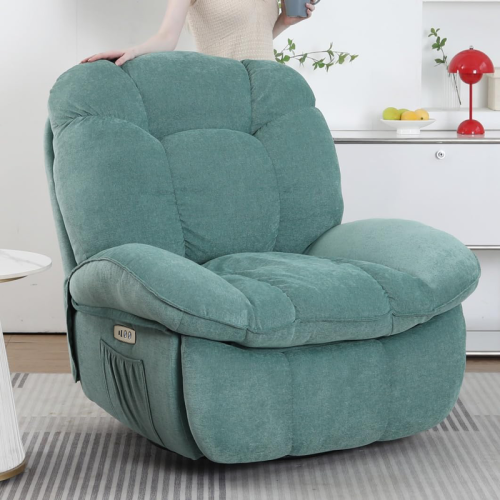
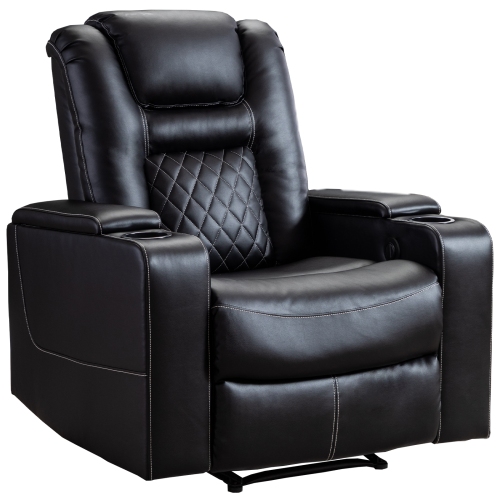
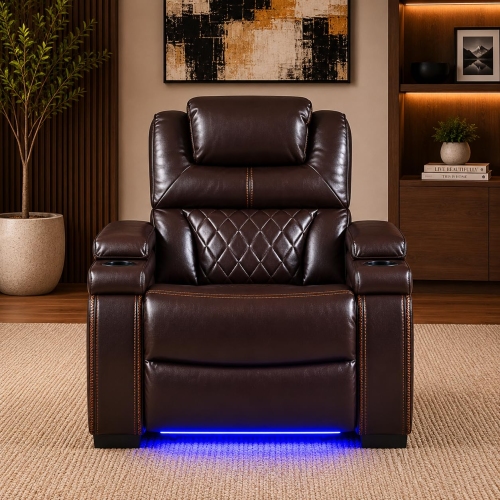
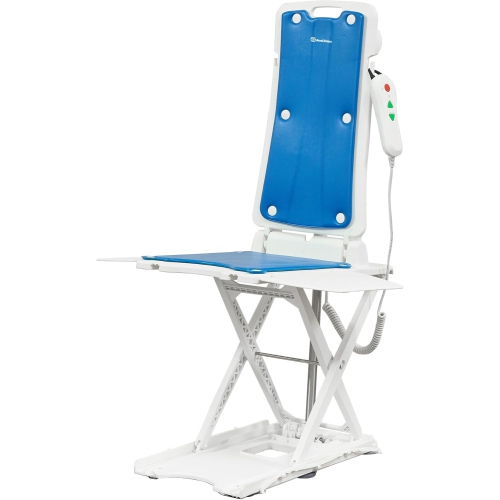
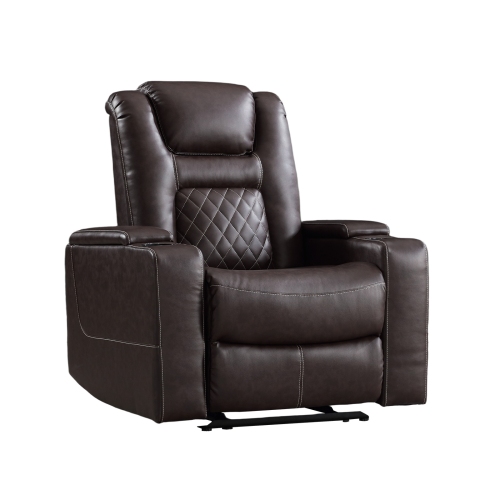
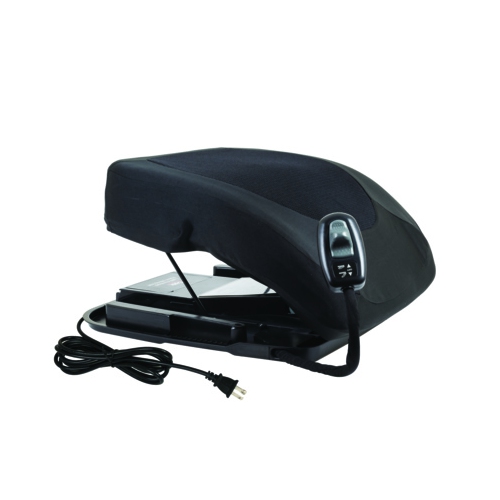
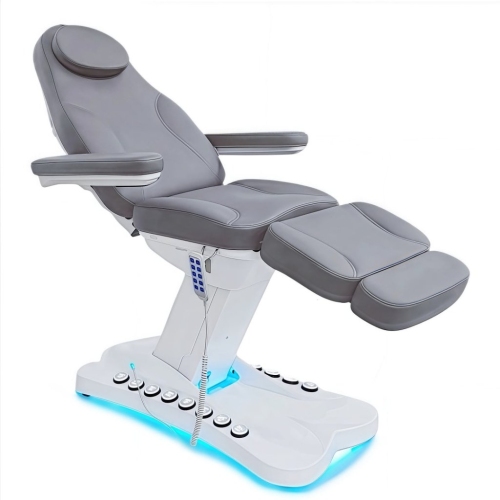
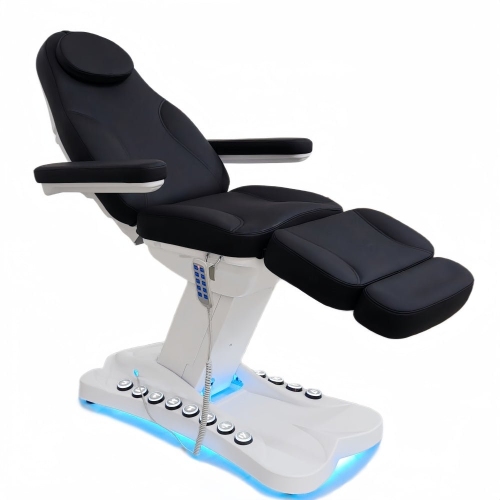
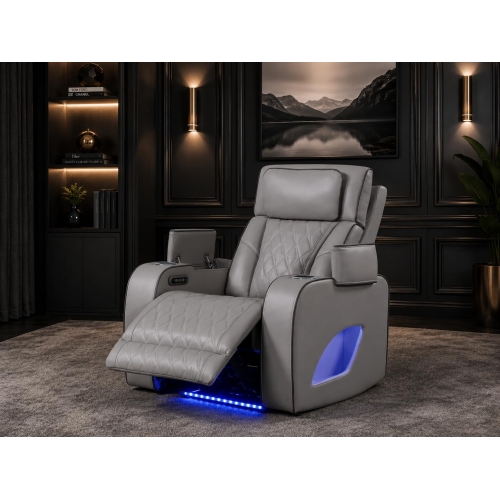
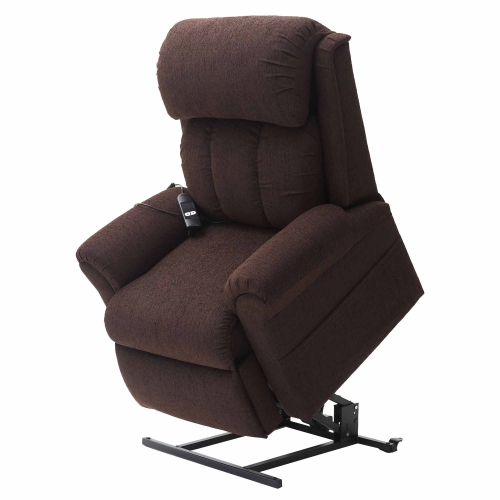
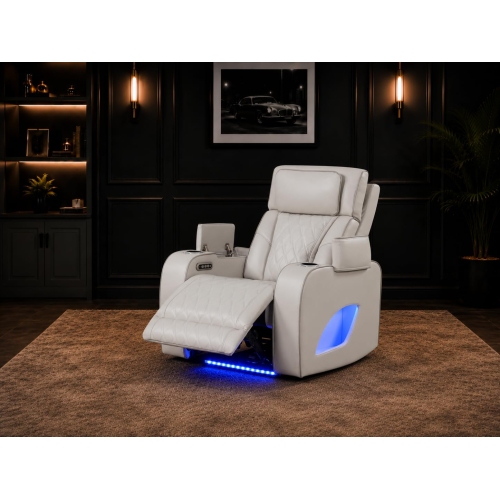
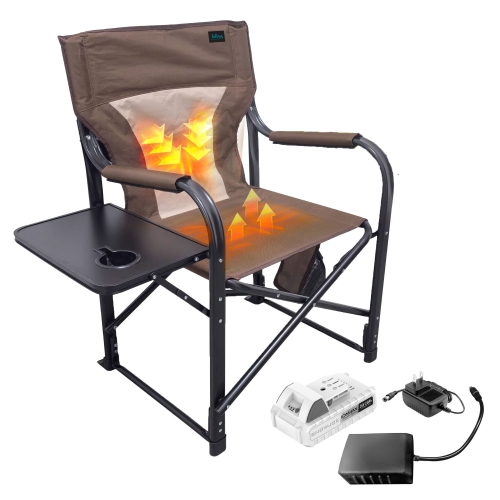
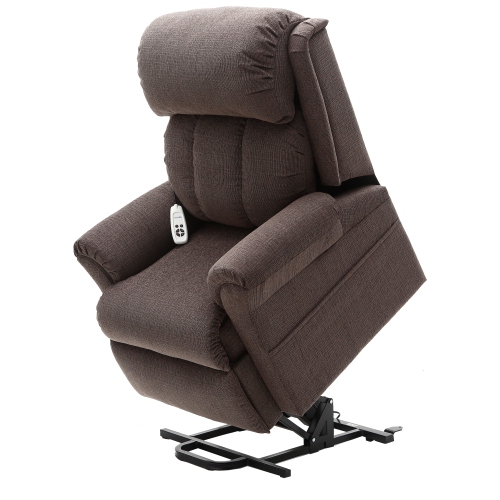
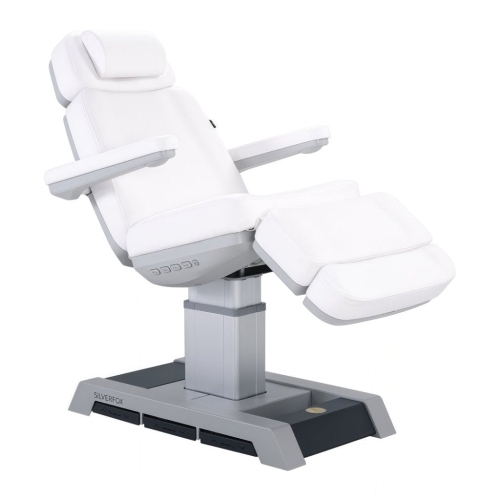
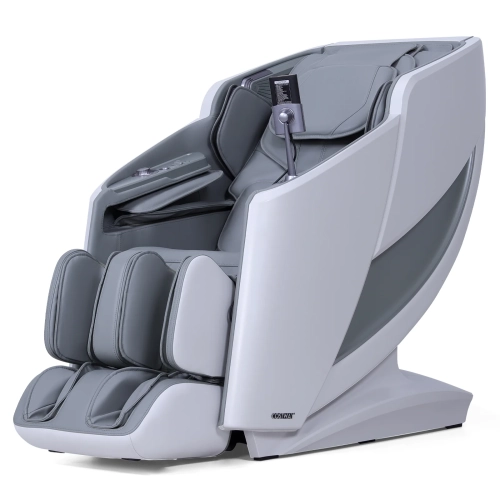
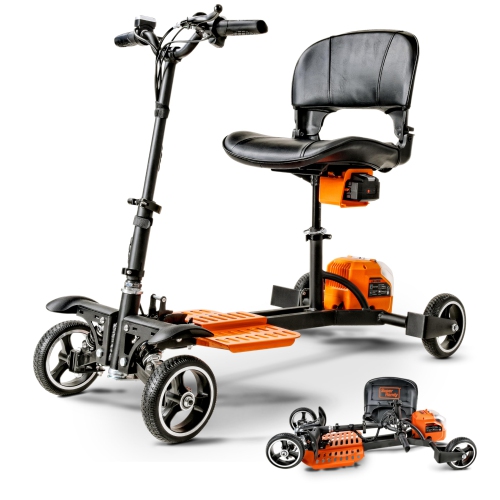
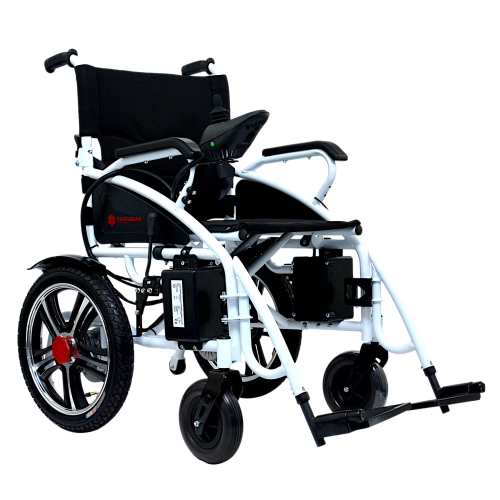
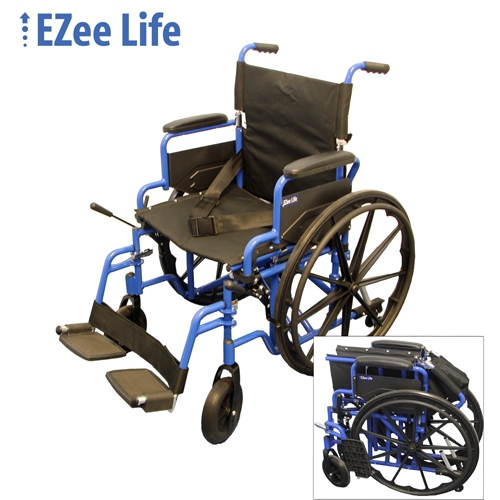
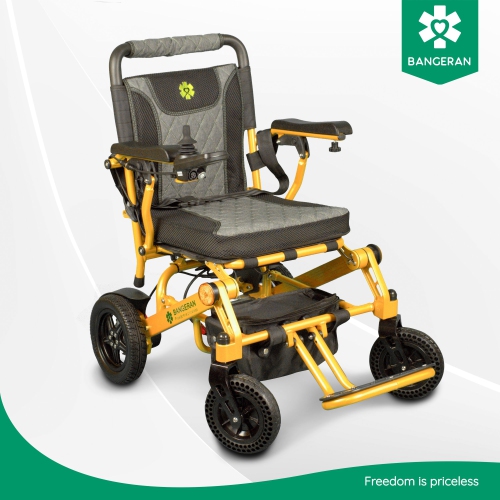
Electric chairs for seniors generally fall into two main categories: power lift recliners for use at home and motorized electric wheelchairs, also called power chairs, for assisted mobility. Although both use electric motors, they are designed for different routines and spaces. A power lift recliner resembles a comfortable living room chair, but its powered mechanism can raise the seat and tilt the back to help the user move more easily between sitting and standing. This can be useful for someone who finds low seating difficult to navigate, has limited leg strength, or simply appreciates extra support during everyday transitions. Once positioned, the chair can recline for reading, watching television, resting, or enjoying a quiet cup of coffee. Electric wheelchairs are built for movement rather than stationary comfort. They typically use a rechargeable battery and joystick-style controls to help a user travel around the home, visit friends, navigate community spaces, or manage errands with greater independence. Some are designed with compact frames or folding features for easier transport, while others prioritize a supportive seat, longer operating range, or stable outdoor performance. When browsing electric chairs for seniors, start by identifying where and how the chair will be used. A lift recliner may be the better match for a living room, bedroom, or recovery space, while a power chair may be more appropriate for someone who needs assistance travelling from room to room or beyond the home. If the goal is soothing comfort rather than lifting or mobility, shoppers may also wish to explore Massage Chairs for Seniors.
For a power lift recliner, pay close attention to the chair’s lift and recline positions, overall dimensions, seat width, seat depth, and recommended weight capacity. The chair should fit the user’s body comfortably while leaving enough space around it for the footrest and for safe movement through the room. Measure the intended location, including the distance from nearby walls and furniture, because some recliners move forward as they open while others extend backwards. A quiet, smooth motor can make daily use feel less disruptive, especially in shared spaces or during evening routines. Handheld controls with large, clearly marked buttons may be easier to operate than small or crowded control panels. Depending on the model, useful features can include independently adjustable back and footrest positions, a lay-flat setting, side pockets, USB charging, heat, or massage. These additions can make a chair feel more personal, but the essential priorities remain stability, comfortable support, straightforward controls, and a mechanism that suits the user’s mobility needs. For a motorized electric wheelchair, consider the control layout, turning radius, chair width, battery type, charging time, travel range, and total weight. A compact power chair may be practical in a home with narrow hallways or for transport in a vehicle, while a sturdier design may provide more support over uneven surfaces. Check whether the chair is intended primarily for indoor use, outdoor use, or both, and review the manufacturer’s guidance for ramps, thresholds, inclines, and weather exposure. Seat cushioning, armrest height, footrest design, and back support also matter because a user may spend extended periods in the chair. A suitable model should be manageable for the person using it and for anyone helping with charging, folding, lifting, or storage. It is wise to review the chair’s instructions and, where appropriate, ask a healthcare professional or mobility specialist to help assess fit and safe operation.
Electric chairs can be meaningful gifts for a parent, grandparent, spouse, or friend who wants more comfort at home or greater freedom to move through the day. A lift recliner may be appreciated by someone who enjoys a familiar reading corner but now finds getting out of a standard armchair tiring. A power chair may suit an active senior who wants to remain involved in family visits, community activities, shopping trips, or time outdoors without relying on someone else for every short journey. The best choice depends on the recipient’s habits, living arrangement, physical abilities, and personal preferences, so it is helpful to involve them in the decision whenever possible. Consider doorways, flooring, storage space, charging access, and the location where the chair will be used most often. In a home setting, keep cords arranged so they do not create a tripping hazard, leave clear space around moving parts, and make sure the user understands the controls before using the chair independently. For a power chair, establish a regular charging routine and allow the battery to charge in a suitable, well-ventilated location according to the instructions. During the warmer seasons, a mobile chair can make it easier to enjoy patios, paths, and visits, provided the route is accessible and the chair is rated for those surfaces. During the cooler months, a lift recliner can create a welcoming place to rest after a busy day, while a portable power chair can help maintain routines when indoor mobility becomes more important. Whether the priority is standing assistance, comfortable reclining, or powered movement, the right electric chair should feel dependable, intuitive, and suited to the user’s everyday surroundings.
For a power lift recliner, pay close attention to the chair’s lift and recline positions, overall dimensions, seat width, seat depth, and recommended weight capacity. The chair should fit the user’s body comfortably while leaving enough space around it for the footrest and for safe movement through the room. Measure the intended location, including the distance from nearby walls and furniture, because some recliners move forward as they open while others extend backwards. A quiet, smooth motor can make daily use feel less disruptive, especially in shared spaces or during evening routines. Handheld controls with large, clearly marked buttons may be easier to operate than small or crowded control panels. Depending on the model, useful features can include independently adjustable back and footrest positions, a lay-flat setting, side pockets, USB charging, heat, or massage. These additions can make a chair feel more personal, but the essential priorities remain stability, comfortable support, straightforward controls, and a mechanism that suits the user’s mobility needs. For a motorized electric wheelchair, consider the control layout, turning radius, chair width, battery type, charging time, travel range, and total weight. A compact power chair may be practical in a home with narrow hallways or for transport in a vehicle, while a sturdier design may provide more support over uneven surfaces. Check whether the chair is intended primarily for indoor use, outdoor use, or both, and review the manufacturer’s guidance for ramps, thresholds, inclines, and weather exposure. Seat cushioning, armrest height, footrest design, and back support also matter because a user may spend extended periods in the chair. A suitable model should be manageable for the person using it and for anyone helping with charging, folding, lifting, or storage. It is wise to review the chair’s instructions and, where appropriate, ask a healthcare professional or mobility specialist to help assess fit and safe operation.
Electric chairs can be meaningful gifts for a parent, grandparent, spouse, or friend who wants more comfort at home or greater freedom to move through the day. A lift recliner may be appreciated by someone who enjoys a familiar reading corner but now finds getting out of a standard armchair tiring. A power chair may suit an active senior who wants to remain involved in family visits, community activities, shopping trips, or time outdoors without relying on someone else for every short journey. The best choice depends on the recipient’s habits, living arrangement, physical abilities, and personal preferences, so it is helpful to involve them in the decision whenever possible. Consider doorways, flooring, storage space, charging access, and the location where the chair will be used most often. In a home setting, keep cords arranged so they do not create a tripping hazard, leave clear space around moving parts, and make sure the user understands the controls before using the chair independently. For a power chair, establish a regular charging routine and allow the battery to charge in a suitable, well-ventilated location according to the instructions. During the warmer seasons, a mobile chair can make it easier to enjoy patios, paths, and visits, provided the route is accessible and the chair is rated for those surfaces. During the cooler months, a lift recliner can create a welcoming place to rest after a busy day, while a portable power chair can help maintain routines when indoor mobility becomes more important. Whether the priority is standing assistance, comfortable reclining, or powered movement, the right electric chair should feel dependable, intuitive, and suited to the user’s everyday surroundings.
Top selling and popular products
-
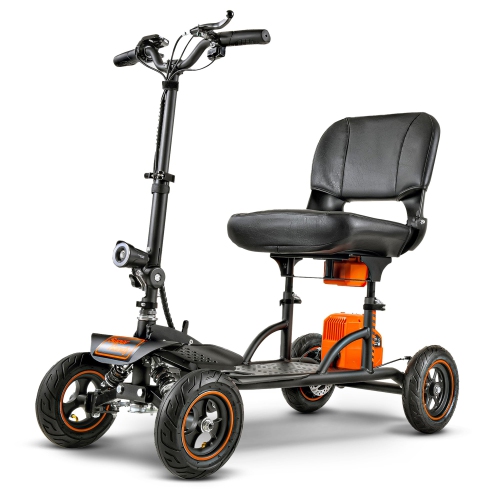 Your price for this item is $1100.99
 -
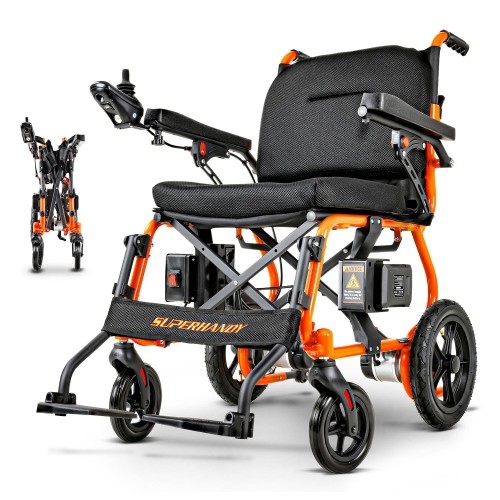 Your price for this item is $950.99
 -
 Your price for this item is $999.99
 -
 Your price for this item is $1999
 -
 Your price for this item is $314.98
 -
 Your price for this item is $458.98
 -
 Your price for this item is $600
 -
 Your price for this item is $1849
Discover more categories related to Electric Chairs for Seniors
Top Collections:
Pokemon Centers, Best Cameras for Sports Photography, Kindle Devices, Samsung Galaxy Phones, Canon G7X Cameras, Pokémon 30th Celebration Cards, Refurbished Apple Laptops, iPhone 15 Apple, Laptops for Students, Budget Smartphones
Some products may be subject to Environmental Handling Fees
(EHF) depending on your province.
Learn more about EHFs.