Electric Scissors
Electric Scissors offer a convenient and efficient solution for a variety of cutting tasks at home, in the office, or for crafting projects. Designed to make your work easier, these versatile tools help you tackle materials with precision and ease. Whether you're working on DIY projects, preparing materials for school assignments, or handling everyday household needs, Electric Scissors provide a reliable option for quick and accurate results. Explore a wide selection to find the perfect fit for your needs and enjoy enhanced productivity with every use.
Sort
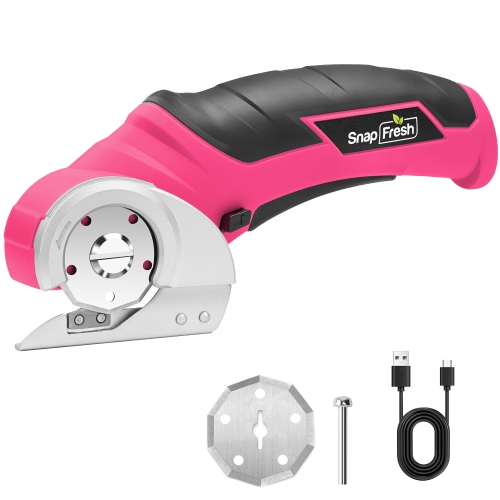
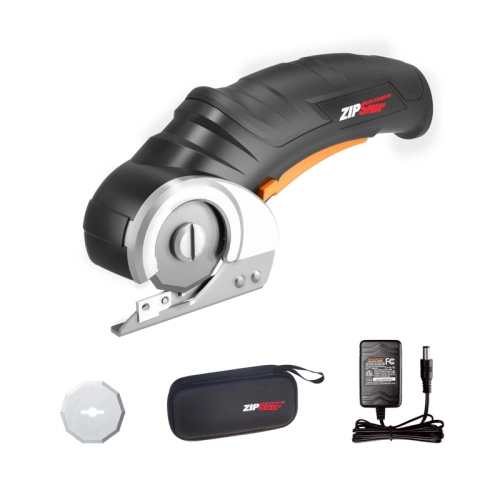
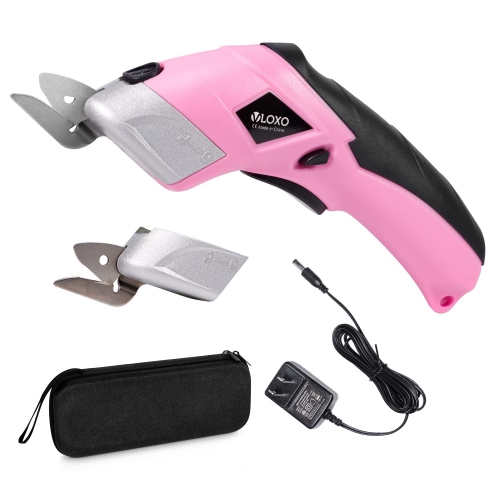
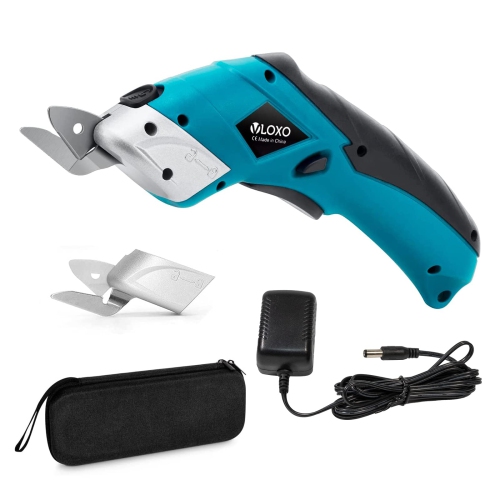


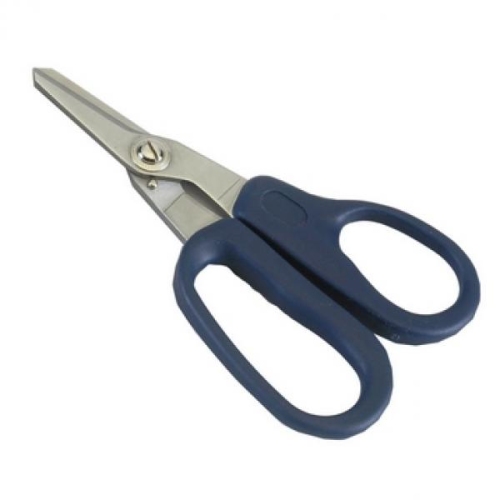
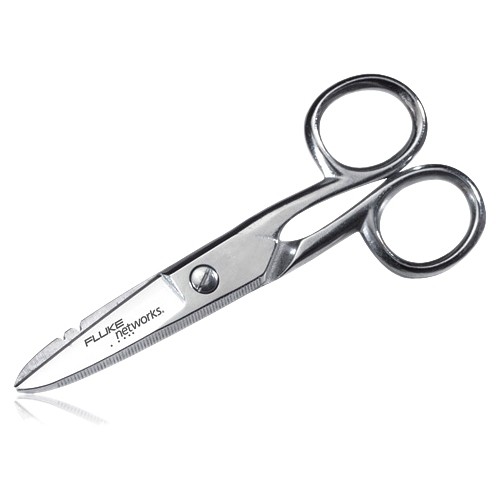


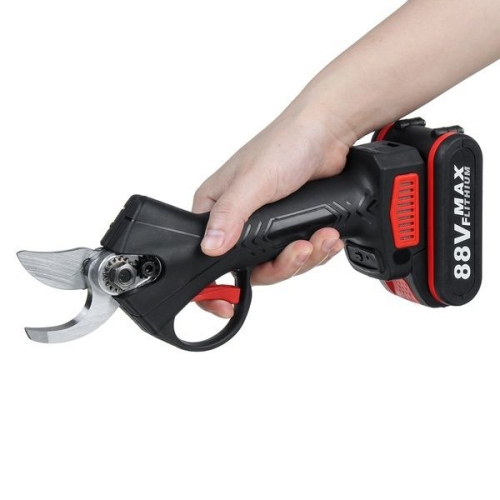
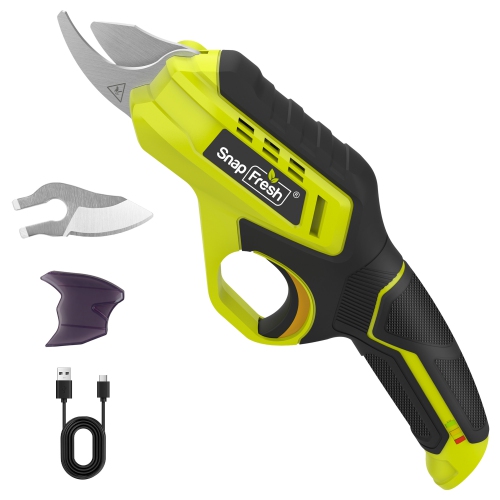
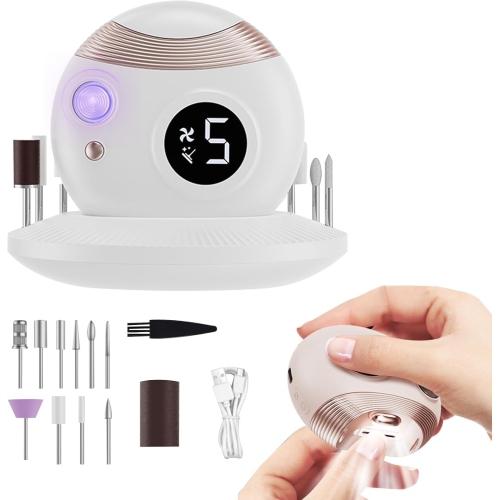
Longer cuts with less repeated hand squeezing
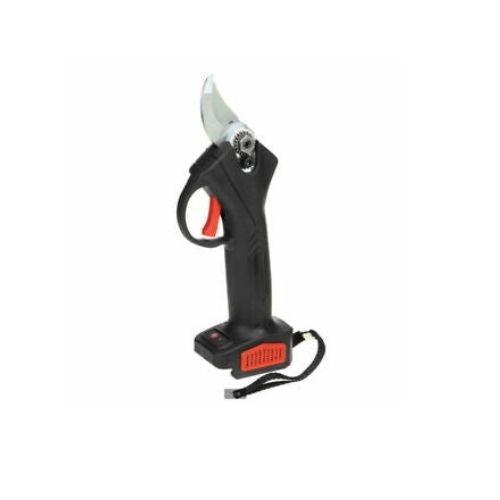
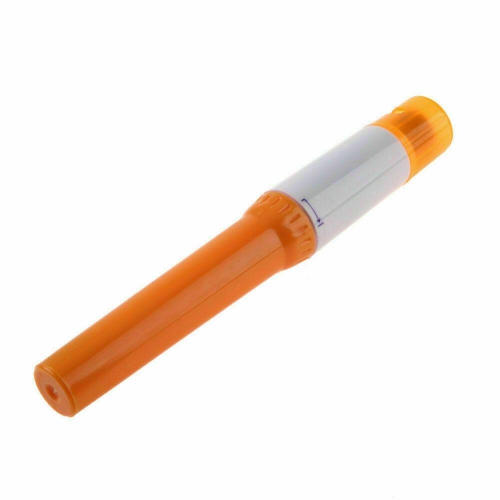
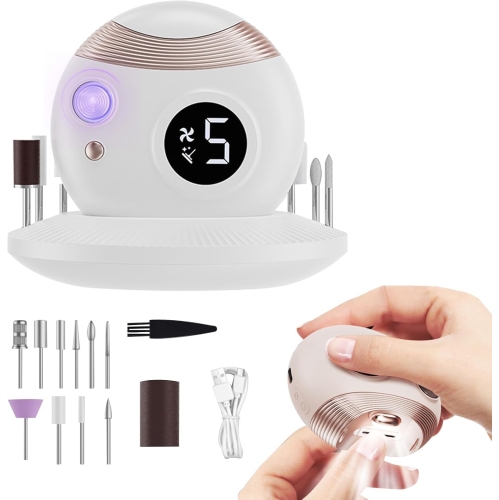
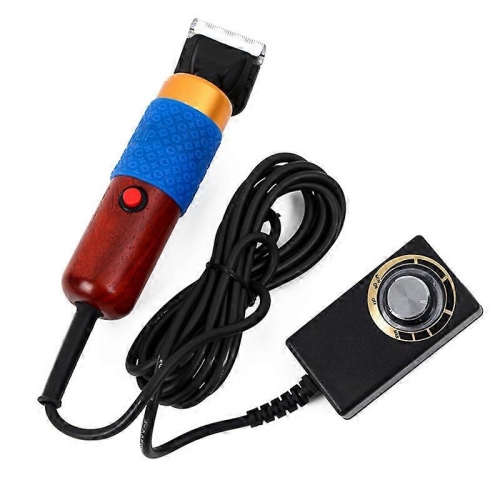
Electric scissors are motor-powered cutting tools that move a blade or cutting wheel to cut compatible materials with less repeated hand squeezing than manual scissors. Often cordless and battery-powered, they can make longer cuts and repetitive trimming more manageable for sewing, crafting, packaging, and light workshop tasks. Corded designs also exist, so the term describes the powered cutting action rather than a single power source. Their usefulness depends on the blade design and the materials they are rated to handle: fabric, felt, paper, cardboard, and certain thin plastics may all be suitable, but not every pair can cut every material. For someone cutting several fabric panels for cushion covers, the appeal is a steady cutting motion across a broad surface. For someone breaking down cardboard packaging, it is the ability to make repeated cuts without opening and closing scissor handles each time. These are different demands, and a tool suited to lightweight textiles is not automatically suitable for dense corrugated board or leather. Cutting capacity includes both material type and thickness, with folded sections, seams, and multiple layers adding resistance. Soft fabric can bunch ahead of an unsuitable blade, while a rigid sheet may be difficult to turn through a tight curve. Blade shape and the design of the lower cutting surface also affect how easily the tool slides beneath the material. Some designs are better suited to long, open cuts than small notches or intricate shapes. Electric scissors can therefore complement, rather than completely replace, a pair of manual scissors. They are particularly useful when a project involves substantial cutting before assembly, such as preparing fabric pieces for simple bags, trimming felt for decorations, or cutting cardboard into manageable sections. A neat result still depends on supporting the material, following the marked line, and working within the tool’s stated limits; powered movement does not make every material equally easy to cut.
Comfort becomes especially noticeable during longer cutting sessions, when handle shape, overall weight, and the position of the controls matter as much as cutting speed. A grip that feels balanced allows the wrist to remain in a comfortable position without requiring an awkward reach to the trigger. The size of the handle opening, where present, can also affect the fit for different hands. Electric scissors may reduce the repeated squeezing associated with manual cutting, but the user still needs to hold, steer, and control a powered tool. A heavier body or a trigger that requires continuous pressure may feel tiring for some people, particularly when the cutting surface is too high or the work extends beyond a comfortable reach. Cordless designs offer freedom to move around a cutting table without managing a trailing cable, which can be helpful when working with a wide piece of fabric. Battery runtime, charging time, and whether the battery is built in or removable influence how well a tool fits occasional projects or extended use. Runtime figures are not a guarantee of identical performance across materials, since thicker or tougher material can place more demand on the motor. Charging connections and power requirements also vary, making compatibility with the specified charger important. Corded designs avoid battery charging interruptions but require access to an outlet and room to keep the cable clear of the cutting path. Guards, trigger locks, and clearly positioned controls are useful features to consider alongside comfort and power. Even with a guard, the cutting area needs to remain visible, with fingers, loose clothing, pins, and other obstructions kept clear. A supported workpiece and an uncluttered surface help maintain control, especially near the end of a cut when smaller offcuts can shift. These tools are intended for attentive adult use, with noise and vibration also worth considering in a shared craft room or workspace.
Blade quality, construction, and maintenance help determine how electric scissors perform over time. Steel blades need an edge and geometry suited to the intended material, while corrosion-resistant finishes can help with routine care without making the cutting head immune to moisture or neglect. Fabric fibres, paper dust, and adhesive residue can collect around moving parts, particularly when a tool is used for packaging as well as crafts. A clean cutting head is easier to inspect, and clearing debris according to the manufacturer’s directions helps prevent buildup from interfering with movement. Cleaning and blade changes require the tool to be switched off and disconnected from power, with a removable battery detached where applicable. The motor housing is not something to immerse in water, and any lubrication or blade servicing should follow the instructions for that design. Replaceable blades or cutting heads can be useful for ongoing use, provided replacements are specifically compatible; a similar appearance does not establish a safe fit. Durability also involves the housing, controls, battery connection, and protection offered during storage. A blade cover or fitted case can keep the cutting area protected between projects, while a designated storage spot helps prevent the tool from being buried beneath fabric or mixed in with loose hardware. For sewing enthusiasts, craft makers, and people who regularly prepare packing materials, electric scissors can be a practical addition to an established workspace. They can also make a thoughtful gift for an adult who enjoys hands-on projects, particularly when the intended materials and preferred grip are already known. Precision work may still call for Professional Scissors, especially for controlled snips, small curves, or detailed finishing. The strongest fit is a tool matched to the actual cutting task, with comfortable handling, clear material ratings, and straightforward care taking priority over speed alone.
Top selling and popular products
-
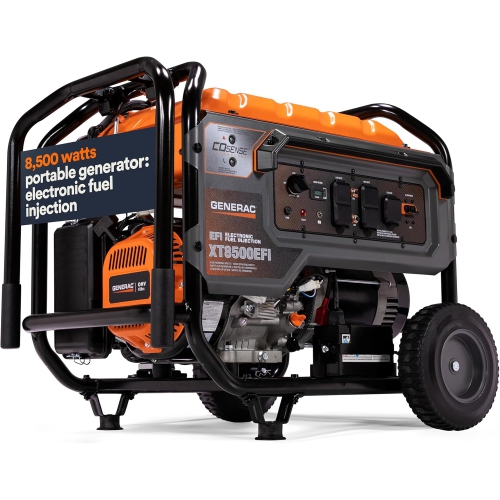 Your price for this item is $3000
-
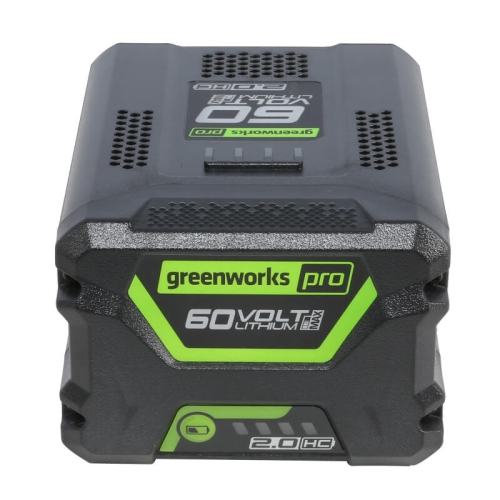 Your price for this item is $152.99
-
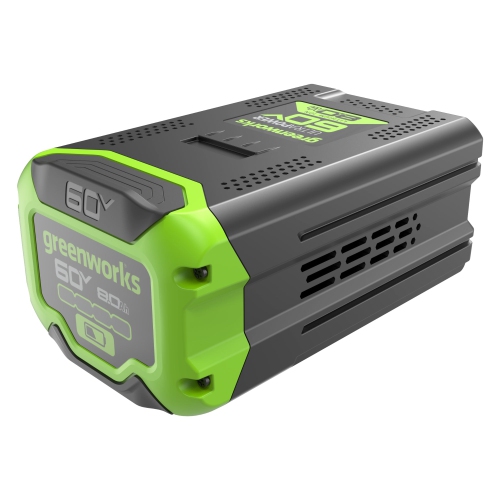 Your price for this item is $329.99
-
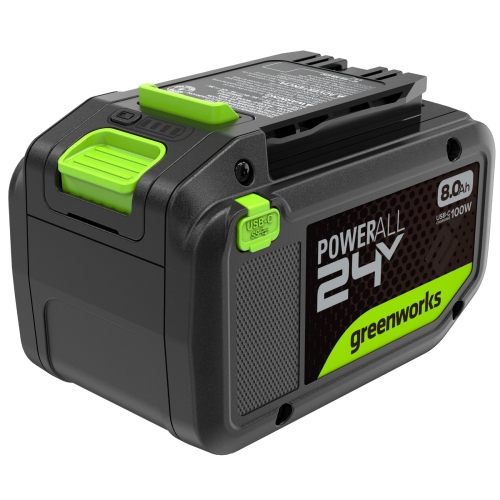 Your price for this item is $144.49
-
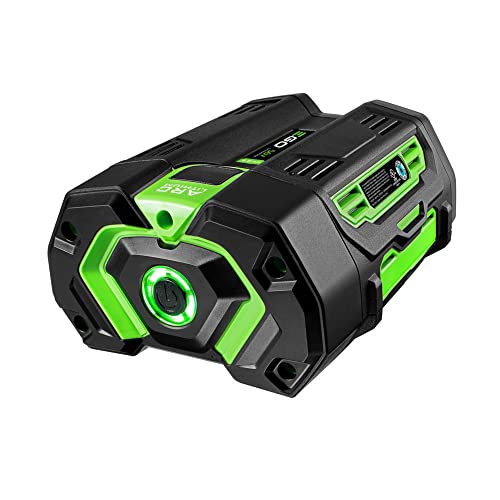 Your price for this item is $255
-
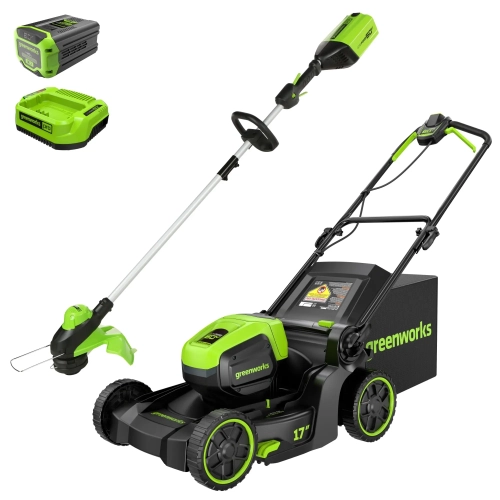 Your price for this item is $779.99
-
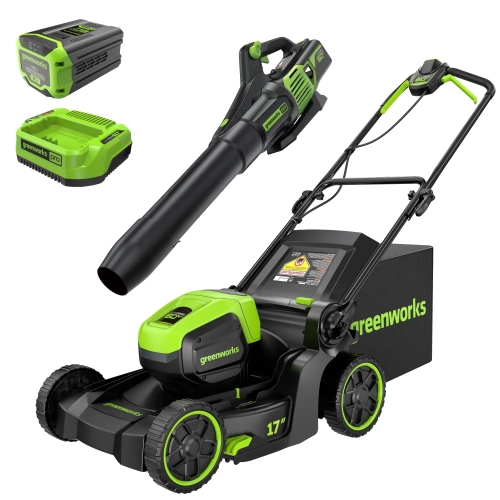 Your price for this item is $659.99
-
 Your price for this item is $999.99
Discover more categories related to Electric Scissors

Top Collections:
Best Black Friday Deals This Year, Best Black Friday Deals On Electronics, Kindle Devices, Pokemon Centers, Best Black Friday Deals On Apple Products, Best Cameras for Sports Photography, Dyson Airwrap, Pokémon 30th Celebration Cards, Apple iPhone 17 Pro, Canon G7X Cameras
Some products may be subject to Environmental Handling Fees
(EHF) depending on your province.
Learn more about EHFs.