Professional Scissors
Upgrade your cutting game with our selection of professional scissors. Whether you're a hairstylist, tailor, or DIY enthusiast, having the right pair of scissors is essential for achieving precise and clean cuts. At Best Buy Canada, we understand the importance of quality tools in your craft, which is why we offer a wide range of professional scissors to meet your specific needs. From ergonomic designs to razor-sharp blades, our collection is curated to deliver exceptional performance and durability. Explore our assortment today and discover the perfect pair of professional scissors to elevate your cutting skills to new heights.
Sort
Why what you cut matters more than the label
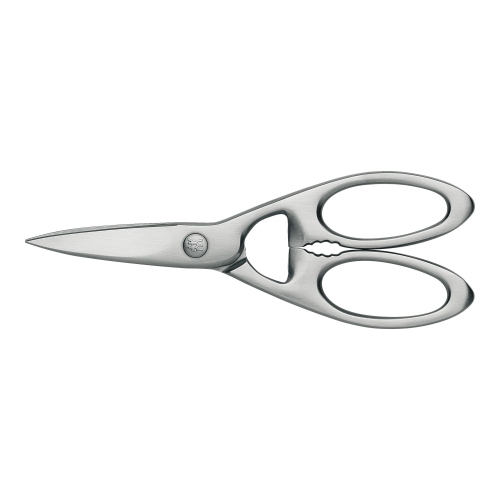
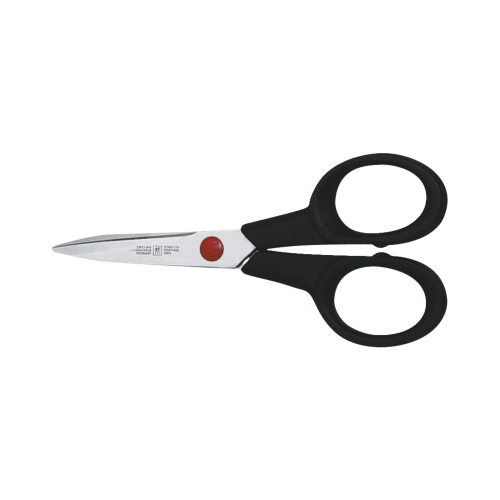
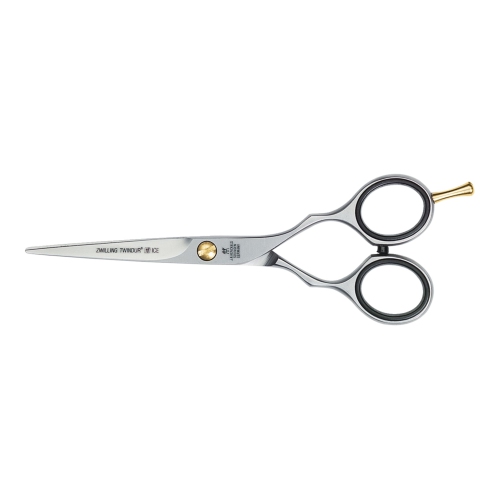
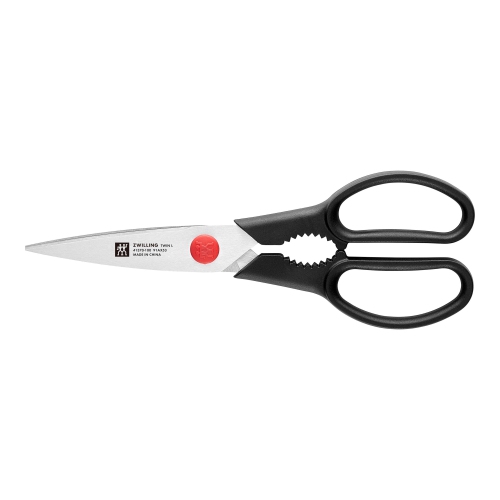
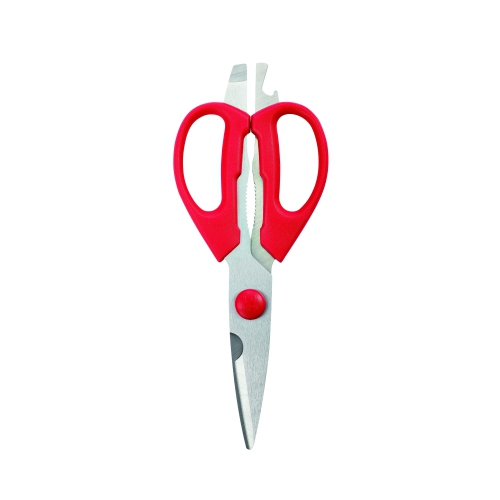
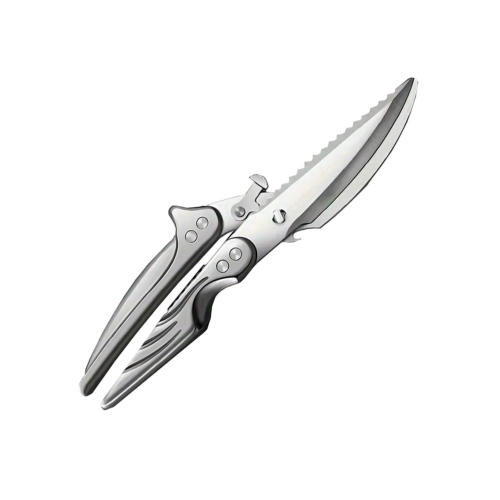
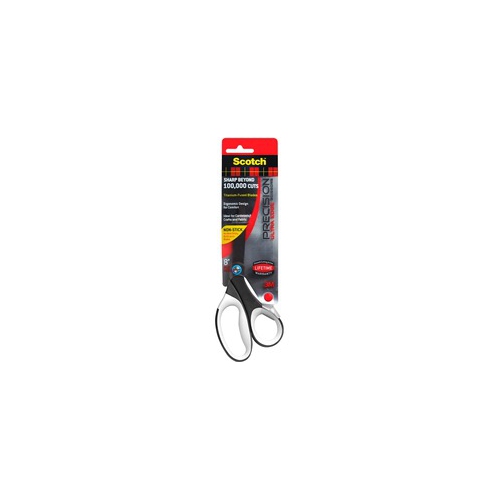
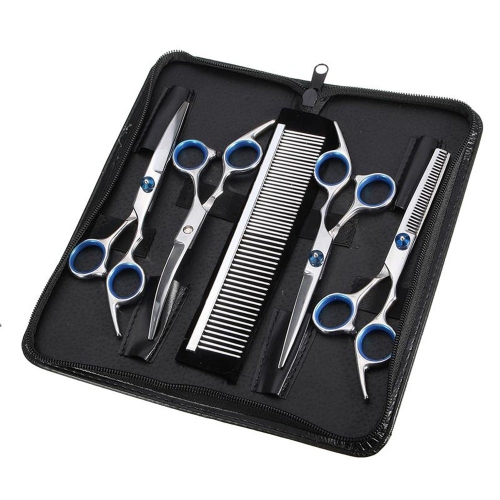
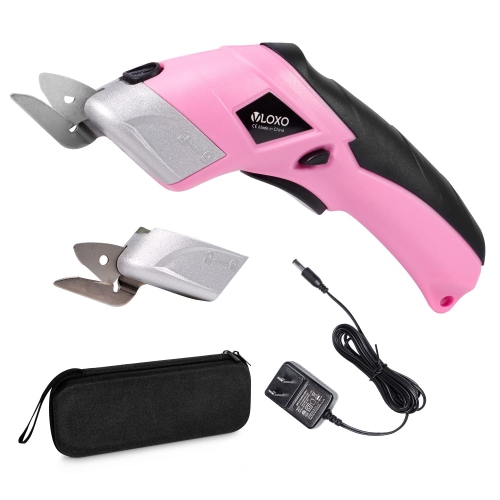
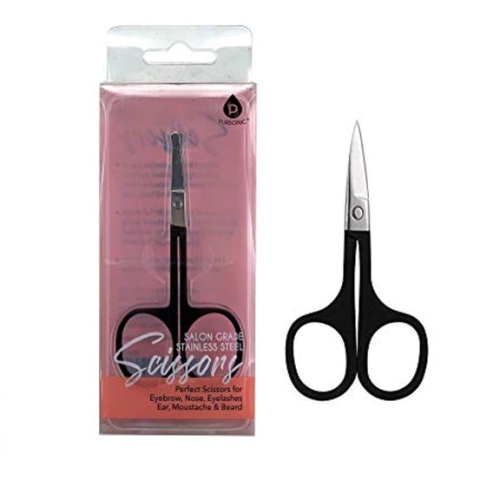
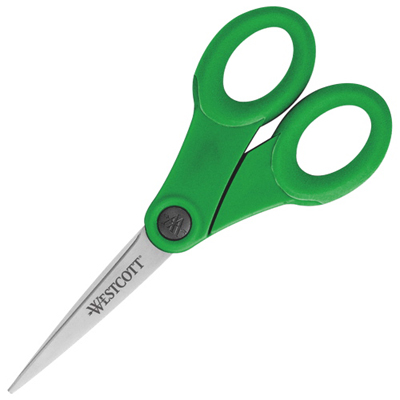
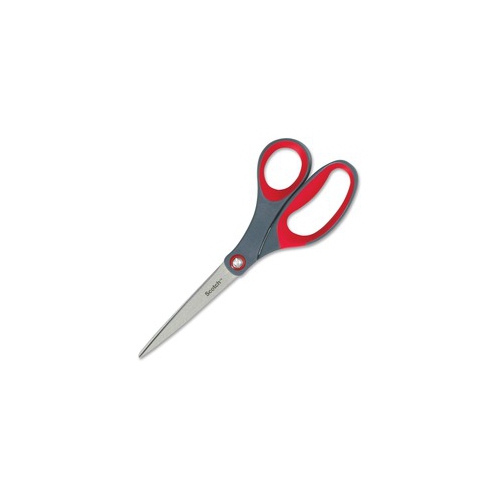
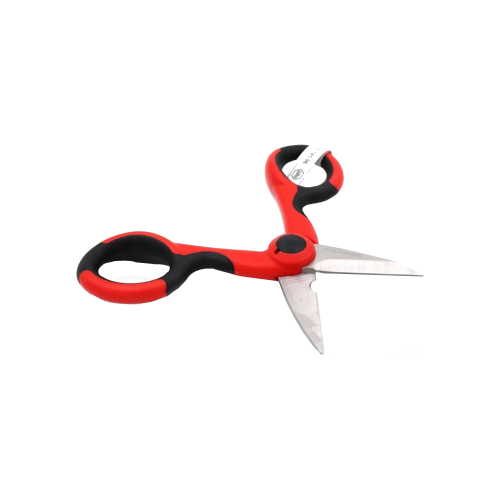
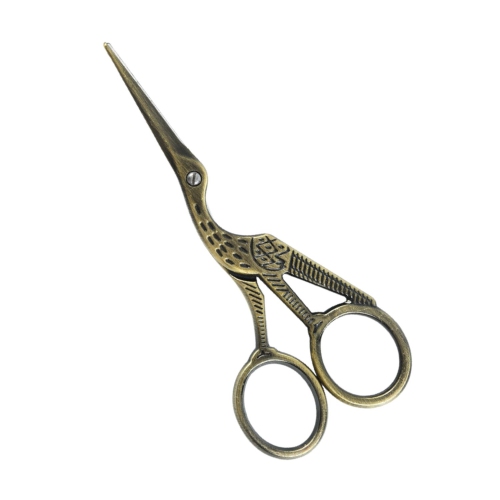
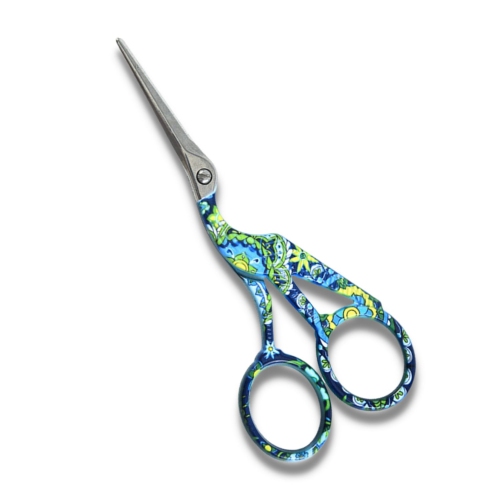
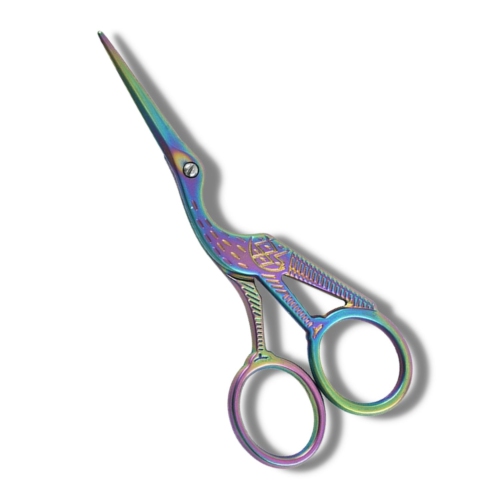
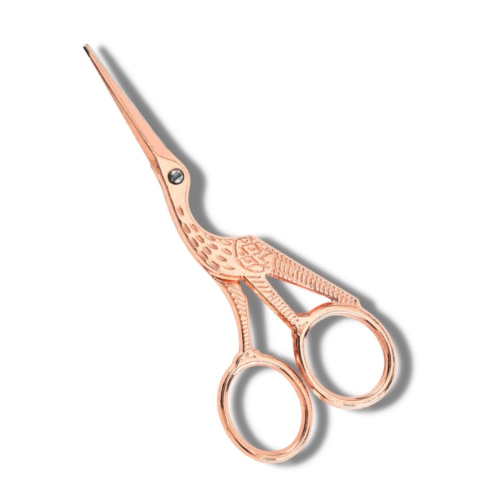
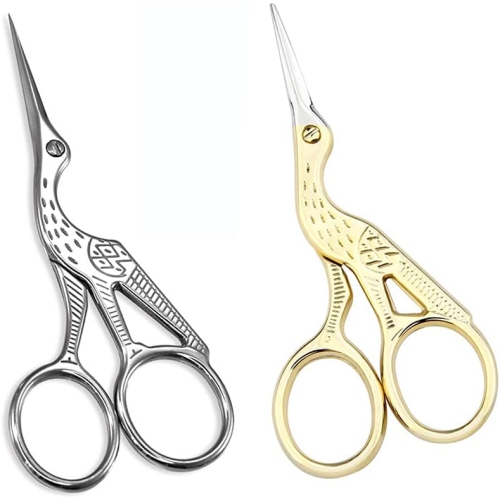
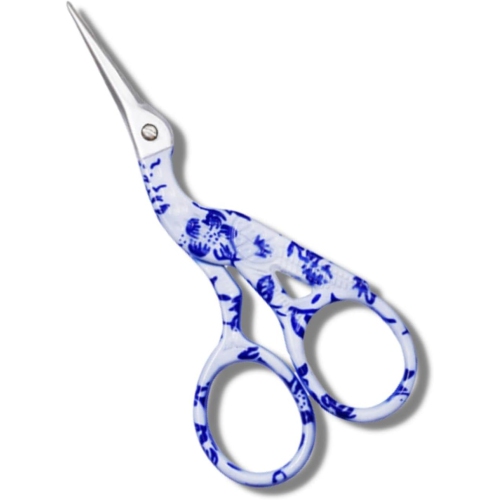
Professional scissors are cutting tools designed for the demands of a particular trade, with blade shapes, edges, handles, and tension systems suited to repeated, controlled use. Hairdressing, barbering, tailoring, upholstery, and workshop tasks place different demands on a pair of scissors, so the intended material matters more than the professional label alone. A stylist needs blades that cut hair cleanly without folding or pushing it away; a tailor needs a smooth, consistent cut through fabric; and a workshop user may need extra grip on slippery or dense materials. These differences explain why scissors that feel excellent at a salon station may be unsuitable at a sewing table. Hair-cutting shears generally have slender blades and finger rings that support precise movement, while dressmaking shears often have longer blades and a larger handle opening to accommodate several fingers. Bent handles on fabric shears help keep the lower blade close to the cutting surface, reducing the need to lift cloth away from a pattern. Utility scissors may use thicker blades, reinforced handles, or a serrated edge, but their suitability for leather, rubber, or other demanding materials depends on the manufacturer’s stated cutting capacity. For salon work, professional hair scissors include designs for shaping, trimming, and removing bulk, with important differences between straight cutting blades and toothed thinning or texturizing blades. Straight blades establish lines and remove length, while toothed blades cut selected strands rather than the entire section. The amount of hair removed varies with tooth spacing and design, making thinning shears a distinct tool rather than a substitute for regular cutting scissors. Professional scissors can also suit hairdressing students, experienced home sewers, costume makers, and other users whose projects benefit from a task-specific cutting tool. Keeping separate pairs for hair, cloth, and general cutting helps preserve both the edge and the predictable feel needed for careful work. It also prevents adhesive residue or debris from one task from transferring to another.
Blade material and construction influence sharpness, corrosion resistance, weight, and how scissors respond to maintenance. Stainless steel is common because it offers a useful balance of strength and resistance to rust, although it still needs cleaning and drying. Steel grade, heat treatment, blade geometry, and workmanship all contribute to performance; a country-of-origin description or an alloy name alone does not establish how well a finished pair will cut. Harder steel can support lasting sharpness, but edge durability also depends on the material being cut and whether the blades are twisted, dropped, or forced. A fine convex edge, often associated with hairdressing shears, supports smooth cutting and techniques that require the blade to move through hair with little resistance. Bevelled edges have a different profile and can provide a robust cutting surface for suitable tasks. Micro-serrated blades help hold some materials in place, which can be useful when fabric or other surfaces tend to slide ahead of the cut. That grip is not appropriate for every technique: an edge intended to hold hair firmly behaves differently from one intended for slide cutting. Length makes another practical difference. Hair-cutting shears commonly measure about 5.5 to 6 inches overall for close control, while longer designs around 6.5 to 7 inches are often used for scissor-over-comb work and cutting broader sections. Listed scissor length usually refers to the complete tool rather than the blade alone, so those measurements should not be treated as cutting-edge lengths. Fabric shears often range from about 8 to 12 inches overall, allowing longer passes along a pattern edge. Shorter blades offer manoeuvrability around curves and small details, while longer blades can reduce the number of opening and closing movements on straight runs. At a cutting table, that can mean fewer interruptions along a trouser leg or curtain panel; around an ear or neckline, a compact pair may offer easier positioning. Neither size is universally better, because control depends on the relationship between the tool, the hand, and the task.
Fit becomes especially noticeable during repeated cutting, when a tight finger ring, awkward thumb angle, or heavy blade can interrupt an otherwise steady rhythm. Finger openings should allow comfortable movement without requiring a hard grip, and removable inserts can refine the fit of compatible designs. Offset handles change the relationship between the thumb and fingers, while a finger rest provides an additional point of support. These features may help some users maintain a more relaxed hand position, but comfort remains individual rather than guaranteed by a handle label. True left-handed scissors reverse the blade arrangement as well as accommodating the hand, helping left-handed users see the cutting line and apply pressure in the intended direction. Symmetrical handles alone do not necessarily make scissors equally effective in either hand. Blade tension also affects the experience: too little tension can allow material to fold between the blades, while excessive tension makes opening and closing harder. Adjustable tension systems allow correction according to the manufacturer’s directions, though adjustment cannot restore a damaged or blunt edge. Routine care is straightforward but should match the tool and its setting. Hair, lint, and residue need to be removed, blades dried thoroughly, and the pivot lubricated only as directed. Salon tools also require cleaning and disinfection appropriate to professional hygiene requirements, using compatible products and contact times rather than assuming every finish tolerates the same treatment. A protective case or dedicated storage space keeps cutting edges from knocking against other tools and helps prevent accidental contact with exposed points. Fabric scissors are best reserved for their intended textiles, and pins, wire, or other hard objects should not be cut unless the tool is expressly designed for them. Sharpening is best handled by someone familiar with the particular blade geometry, especially for convex hair shears or serrated edges. As a gift for a stylist, barber, or sewing enthusiast, professional scissors are most useful when the recipient’s handedness, preferred size, and type of work are known. Those practical details turn an appealing tool into one that earns a regular place at the workstation.
Blade material and construction influence sharpness, corrosion resistance, weight, and how scissors respond to maintenance. Stainless steel is common because it offers a useful balance of strength and resistance to rust, although it still needs cleaning and drying. Steel grade, heat treatment, blade geometry, and workmanship all contribute to performance; a country-of-origin description or an alloy name alone does not establish how well a finished pair will cut. Harder steel can support lasting sharpness, but edge durability also depends on the material being cut and whether the blades are twisted, dropped, or forced. A fine convex edge, often associated with hairdressing shears, supports smooth cutting and techniques that require the blade to move through hair with little resistance. Bevelled edges have a different profile and can provide a robust cutting surface for suitable tasks. Micro-serrated blades help hold some materials in place, which can be useful when fabric or other surfaces tend to slide ahead of the cut. That grip is not appropriate for every technique: an edge intended to hold hair firmly behaves differently from one intended for slide cutting. Length makes another practical difference. Hair-cutting shears commonly measure about 5.5 to 6 inches overall for close control, while longer designs around 6.5 to 7 inches are often used for scissor-over-comb work and cutting broader sections. Listed scissor length usually refers to the complete tool rather than the blade alone, so those measurements should not be treated as cutting-edge lengths. Fabric shears often range from about 8 to 12 inches overall, allowing longer passes along a pattern edge. Shorter blades offer manoeuvrability around curves and small details, while longer blades can reduce the number of opening and closing movements on straight runs. At a cutting table, that can mean fewer interruptions along a trouser leg or curtain panel; around an ear or neckline, a compact pair may offer easier positioning. Neither size is universally better, because control depends on the relationship between the tool, the hand, and the task.
Fit becomes especially noticeable during repeated cutting, when a tight finger ring, awkward thumb angle, or heavy blade can interrupt an otherwise steady rhythm. Finger openings should allow comfortable movement without requiring a hard grip, and removable inserts can refine the fit of compatible designs. Offset handles change the relationship between the thumb and fingers, while a finger rest provides an additional point of support. These features may help some users maintain a more relaxed hand position, but comfort remains individual rather than guaranteed by a handle label. True left-handed scissors reverse the blade arrangement as well as accommodating the hand, helping left-handed users see the cutting line and apply pressure in the intended direction. Symmetrical handles alone do not necessarily make scissors equally effective in either hand. Blade tension also affects the experience: too little tension can allow material to fold between the blades, while excessive tension makes opening and closing harder. Adjustable tension systems allow correction according to the manufacturer’s directions, though adjustment cannot restore a damaged or blunt edge. Routine care is straightforward but should match the tool and its setting. Hair, lint, and residue need to be removed, blades dried thoroughly, and the pivot lubricated only as directed. Salon tools also require cleaning and disinfection appropriate to professional hygiene requirements, using compatible products and contact times rather than assuming every finish tolerates the same treatment. A protective case or dedicated storage space keeps cutting edges from knocking against other tools and helps prevent accidental contact with exposed points. Fabric scissors are best reserved for their intended textiles, and pins, wire, or other hard objects should not be cut unless the tool is expressly designed for them. Sharpening is best handled by someone familiar with the particular blade geometry, especially for convex hair shears or serrated edges. As a gift for a stylist, barber, or sewing enthusiast, professional scissors are most useful when the recipient’s handedness, preferred size, and type of work are known. Those practical details turn an appealing tool into one that earns a regular place at the workstation.
Top selling and popular products
-
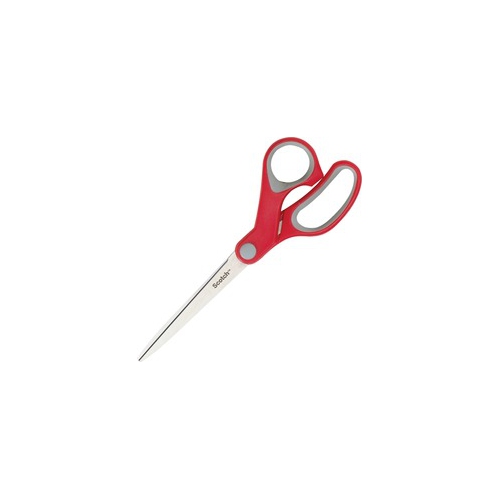 Your price for this item is $3.99
 -
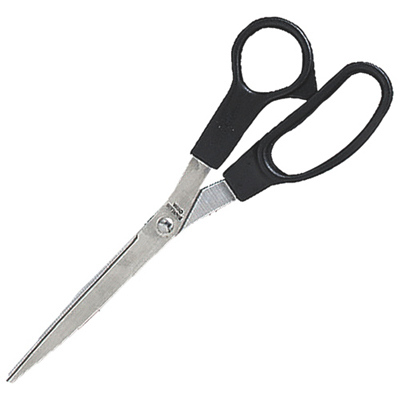 Your price for this item is $4.99
 -
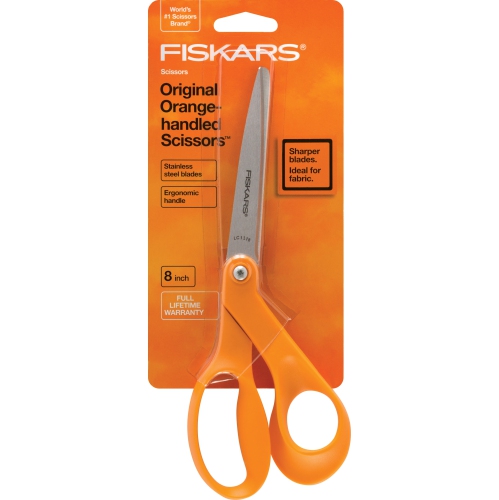 Your price for this item is $34.08
 -
 Your price for this item is $6.99
 -
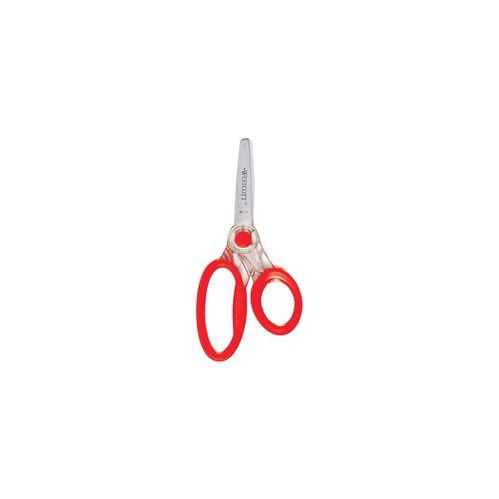 Your price for this item is $3.99
 -
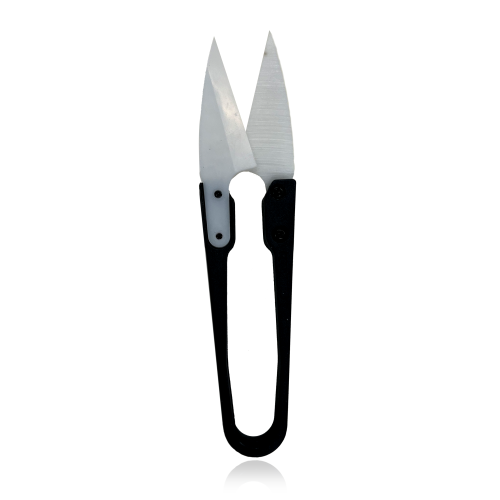 Your price for this item is $30.52
 -
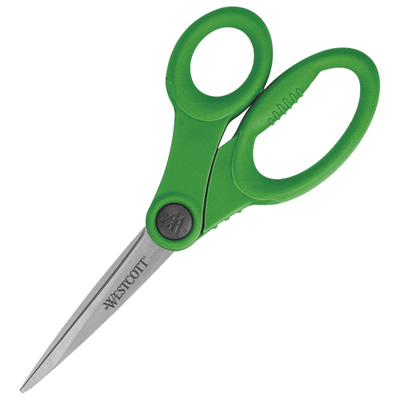 Your price for this item is $9.99
 -
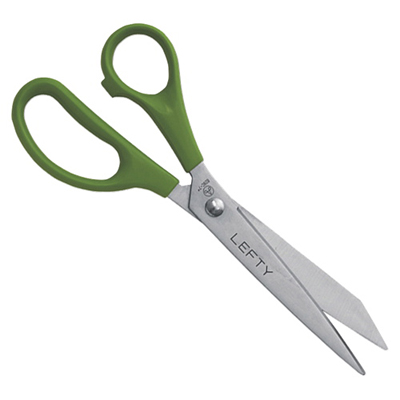 Your price for this item is $10.99
Discover more categories related to Professional Scissors
Top Collections:
Pokemon Centers, Kindle Devices, Best Budget Office Chairs, Apple iPhones 16, Best Laptops for Writers, iPhone 15 Apple, Canon G7X Cameras, Refurbished Apple Laptops, Alarm Clock, Motorola Razr Phones
Some products may be subject to Environmental Handling Fees
(EHF) depending on your province.
Learn more about EHFs.