Ergonomic Office Chairs for Small Spaces
Ergonomic office chairs for small spaces make it easy to create a comfortable and productive workspace, even when square footage is limited. Designed with compact profiles, these chairs fit seamlessly into home offices, apartments, or shared work areas without sacrificing support. Explore a variety of stylish options that help maximize your space while providing the comfort needed for long hours at your desk. Find the perfect ergonomic office chair to suit your needs and enhance any small workspace.
Sort
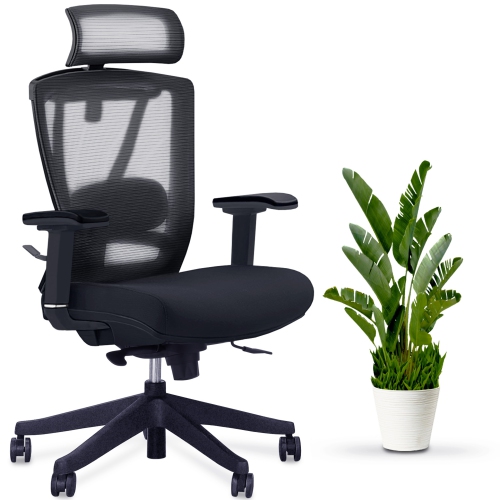
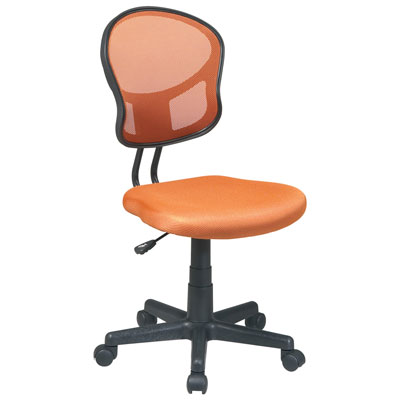

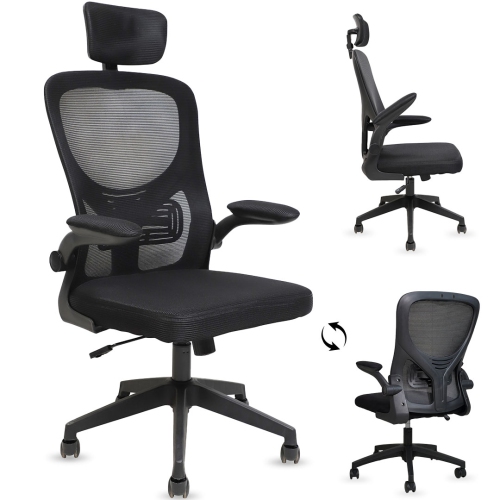
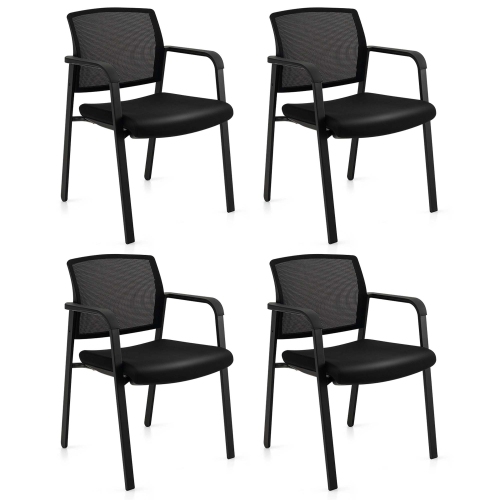
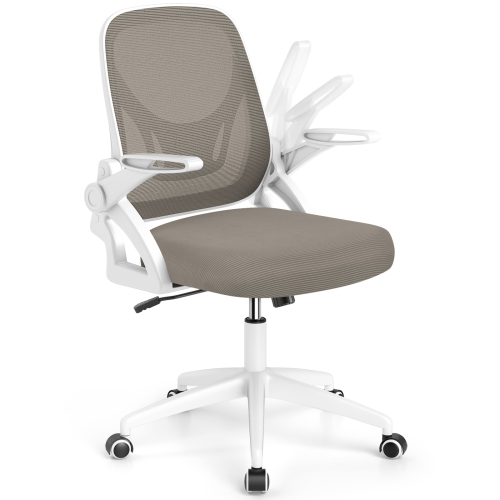
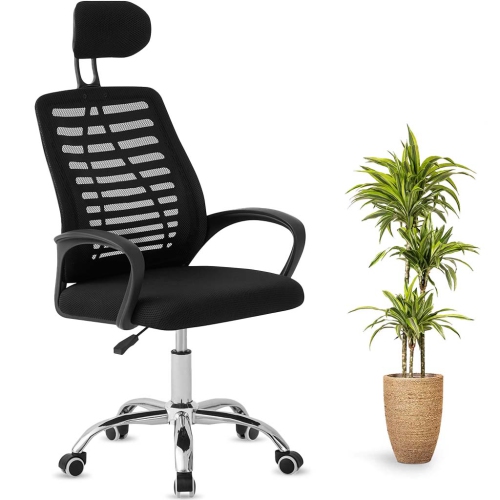
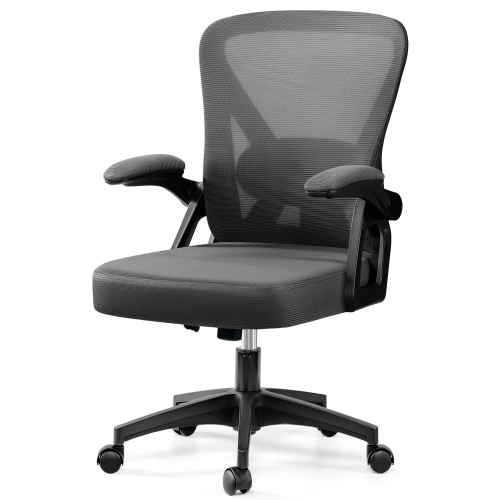
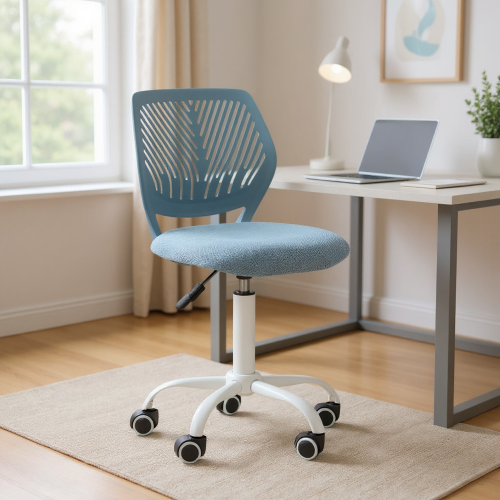
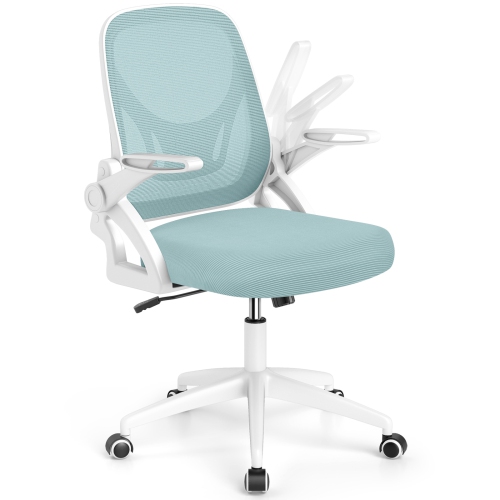
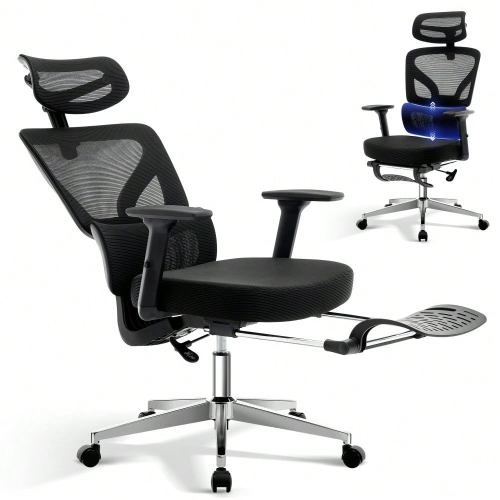
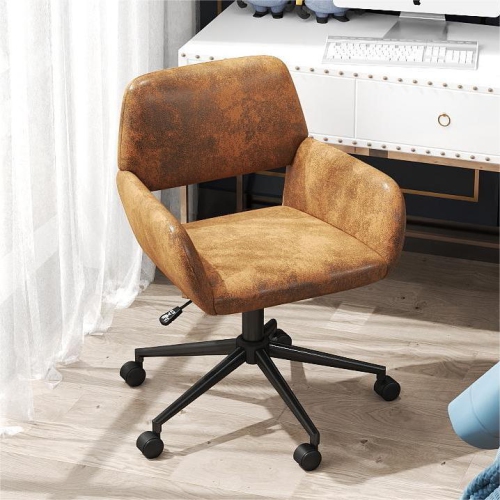
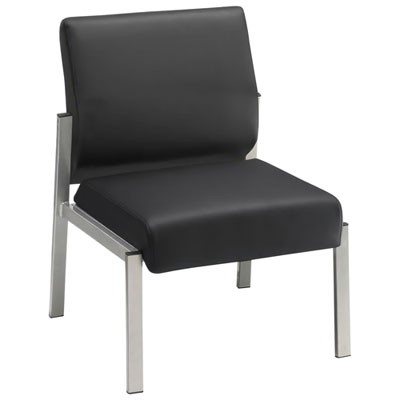
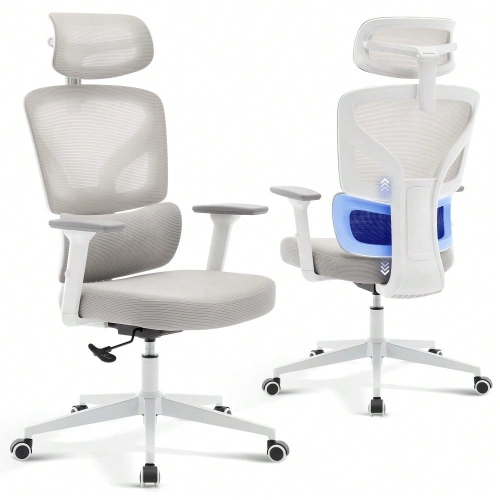
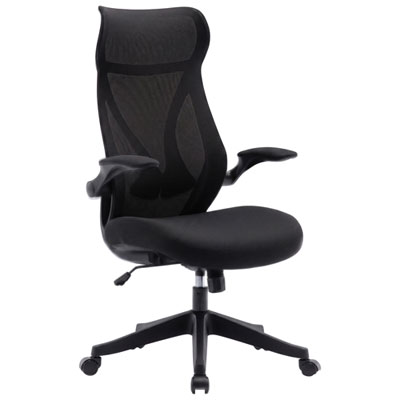
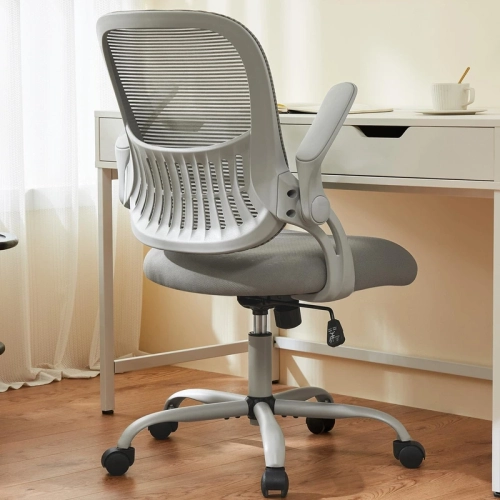
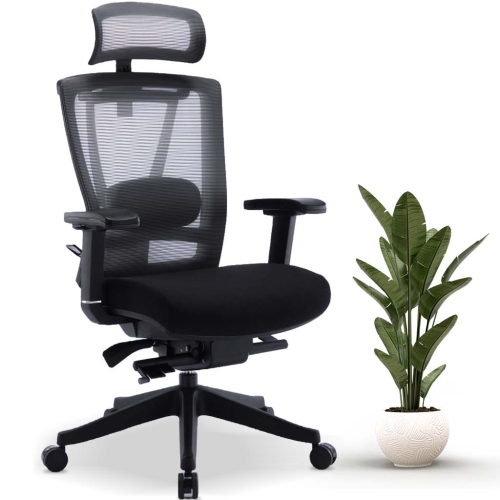
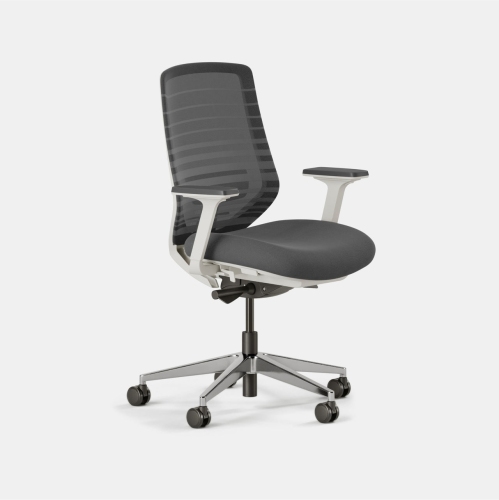
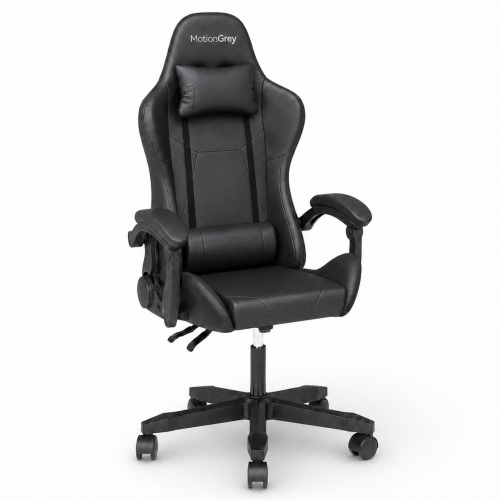
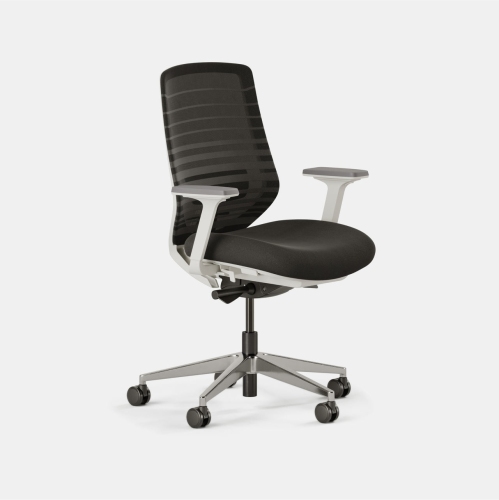
The right fit goes beyond a narrow seat
Ergonomic office chairs for small spaces bring adjustable seating to work areas where every centimetre counts, from a desk beside a bedroom window to a workstation tucked into a living room alcove. Useful space-saving features include a compact base, adjustable or flip-up armrests, and a backrest that provides support without adding unnecessary bulk. Some designs also have folding components that reduce their profile when not in use, although the folded dimensions and operating clearances vary. A chair’s footprint is more than its seat width: the caster base, armrests, backrest and any recline movement all contribute to the room it needs. A narrow-looking seat can still sit above a wide base, while a compact backrest may extend well behind the desk when tilted. Overall width and depth therefore matter alongside the space needed to pull the chair out, sit down and turn comfortably. In a shared room, that movement should leave a usable route to a doorway, wardrobe or nearby furniture. Armless task chairs can move close to a desk without armrests catching on the desktop, making them a practical option for occasional computer work or a mixed-use writing table. Flip-up arms offer another approach, providing a place to rest the forearms during work and lifting out of the way for storage. Height-adjustable arms may also fit beneath a desk, but their lowest position needs to clear the underside, including any drawer or support rail. Chairs with folding backrests can be useful where seating must tuck away after work, provided the folding mechanism is straightforward to operate and secure in its intended positions. For workstations with particularly limited knee room or a narrow desktop, Office Chairs for Small Desks offers a closely related seating category. The aim is a chair that fits both the available floor area and the person using it, rather than simply the smallest chair that can be squeezed into a corner.
A compact ergonomic chair should still allow a supported, comfortable working position. Seat height adjustment helps bring the user into a workable relationship with the desk, with feet resting flat on the floor or on a suitable footrest. When a fixed-height desktop requires the chair to sit higher, a footrest can provide support rather than leaving the feet dangling; it also needs enough room beneath the desk without crowding the chair base. Seat depth is equally important. There should be space between the front edge of the seat and the backs of the knees while the back remains supported. A seat that is too deep can encourage a shorter user to perch forward, while one that is too shallow may provide insufficient thigh support for a taller user. Adjustable seat depth can make a compact chair more adaptable, particularly when two people share a home workstation. Seat width should allow comfortable movement without pressure from the armrests, and the stated weight capacity remains relevant regardless of the chair’s dimensions. Lumbar support may be built into the backrest or adjustable in height, depth or firmness, depending on the design. Its usefulness depends on where it meets the lower back, not simply whether the feature appears in a description. Adjustable backrest height offers another way to refine that fit. Armrests work best when they support relaxed shoulders and allow the elbows to stay near the body; arms that are too high or too widely spaced can get in the way of typing. A headrest is an optional feature rather than a requirement for ergonomic seating, and it can add height and visual bulk in a small room. Tilt tension and a recline lock can allow changes in position, but reclining requires clearance behind the chair. For students, remote workers and people managing household paperwork, the right combination of adjustments depends on body size, desk setup and time spent seated. Longer work sessions make fit and accessible controls especially valuable, while regular standing and movement breaks remain important with any chair.
Materials influence how a small office chair feels, looks and holds up to everyday use. Mesh backrests allow airflow and can give a compact workstation a lighter appearance, while their comfort depends on the mesh tension, frame shape and placement of supporting edges. A mesh seat has a different feel from a padded seat, so the construction matters as much as the material name. Fabric upholstery offers a broad range of colours and textures, with cushioning that can suit a bedroom desk or a work area within the main living space. Tightly woven fabrics may be easier to keep free of loose debris than heavily textured coverings, although cleaning requirements depend on the upholstery. Leather and synthetic leather surfaces offer a smoother finish, but they have different care needs, and neither should be treated with an unapproved cleaner. For any material, routine care starts with the manufacturer’s instructions: removing dust and crumbs, addressing spills promptly and avoiding excessive moisture around upholstery, controls and moving parts. Durability also depends on the frame, base, adjustment mechanisms and how the chair is assembled. A stable base and securely fitted components matter more than a slim appearance alone. Flip-up arms, folding joints and frequently used controls should operate smoothly, with any maintenance performed as directed. Casters need to suit the flooring, and a compatible chair mat can help protect the surface beneath a desk while allowing easier movement. On carpet, rolling resistance can make a chair harder to tuck away; on hard flooring, suitable casters help limit unwanted movement and surface marking. Visual proportions matter in a multipurpose room, too. A lower backrest can sit more discreetly beneath shelving, while an open-frame design may feel less imposing beside a bed or dining area. Neutral upholstery can blend with existing furniture, whereas a distinctive colour can define a small work corner. In either case, useful adjustments, appropriate dimensions and straightforward care give compact seating a practical role beyond its appearance.
Top selling and popular products
-
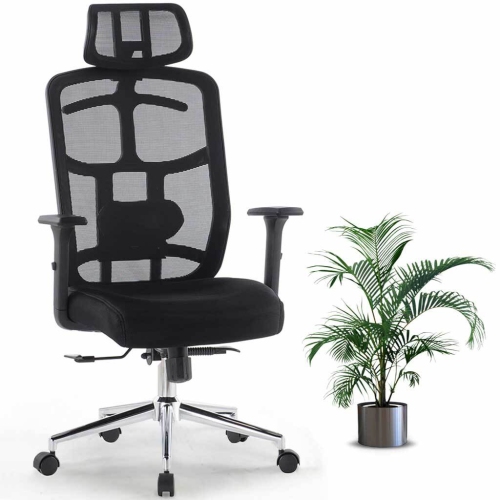 Your price for this item is $126.99
-
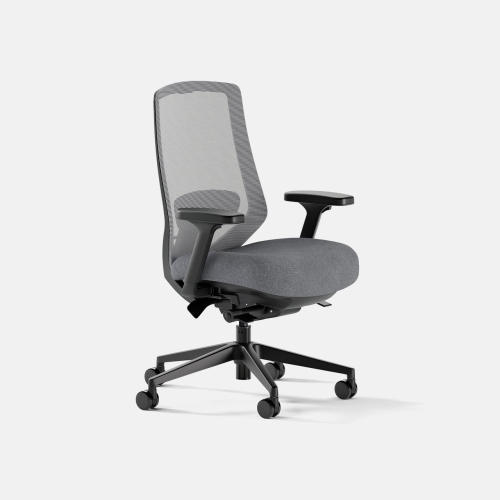 Your price for this item is $599
-
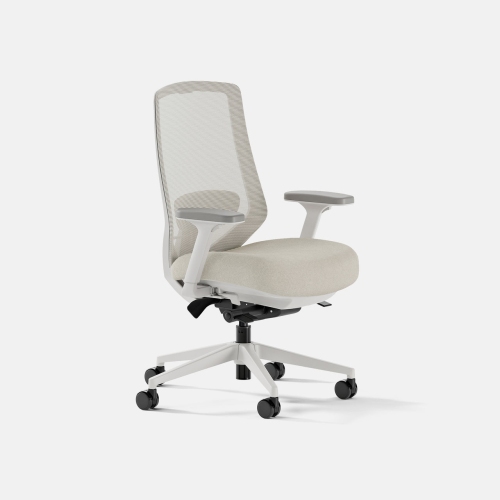 Your price for this item is $599
-
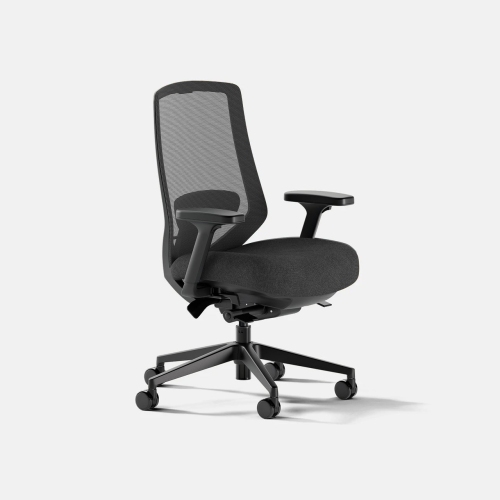 Your price for this item is $599
-
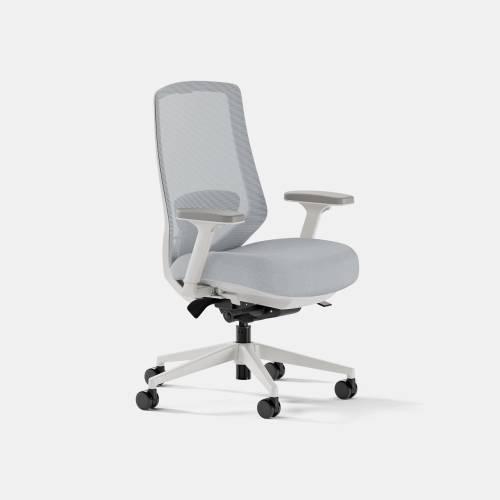 Your price for this item is $599
-
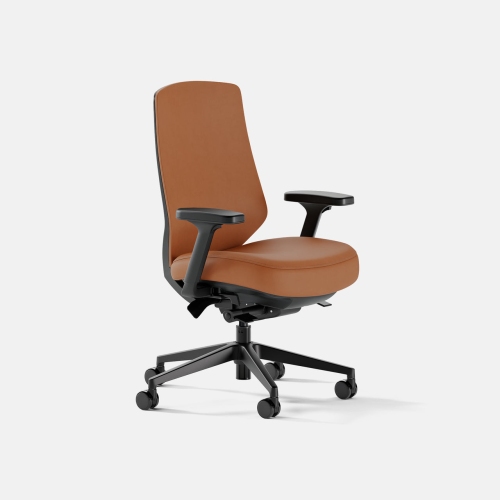 Your price for this item is $649
-
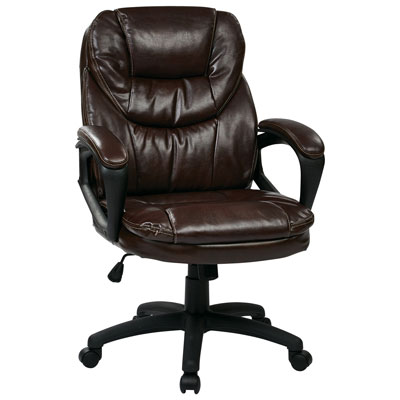 Your price for this item is $459.99
-
 Your price for this item is $429
Discover more categories related to Ergonomic Office Chairs for Small Spaces
Top Collections:
Best Black Friday Deals This Year, Best Black Friday Deals On Electronics, Kindle Devices, Pokemon Centers, Best Black Friday Deals On Apple Products, Best Cameras for Sports Photography, Dyson Airwrap, Pokémon 30th Celebration Cards, Apple iPhone 17 Pro, Canon G7X Cameras
Some products may be subject to Environmental Handling Fees
(EHF) depending on your province.
Learn more about EHFs.