Extra Large Room Dividers
Extra Large Room Dividers offer a versatile solution for creating privacy, defining spaces, and enhancing the layout of any home or office. Perfect for open floor plans or shared environments, these room dividers help maximize functionality while adding a stylish touch to your interior design. Whether you’re looking to separate work areas, create personal retreats, or simply add a decorative element, Extra Large Room Dividers provide the flexibility and convenience to transform your space with ease.
Sort
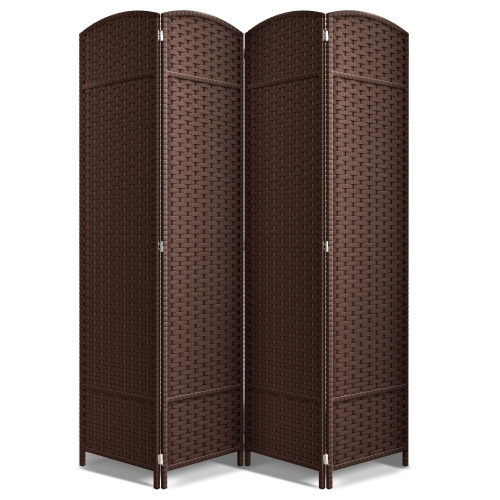
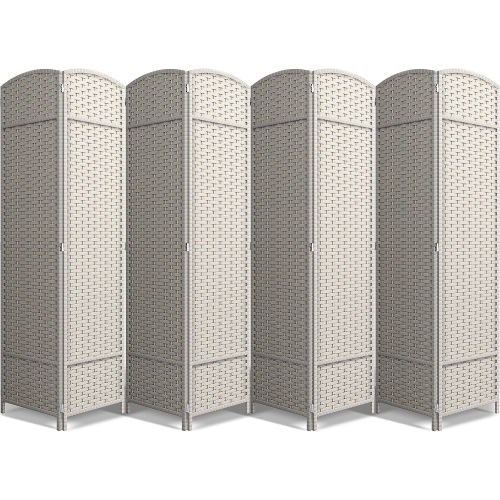
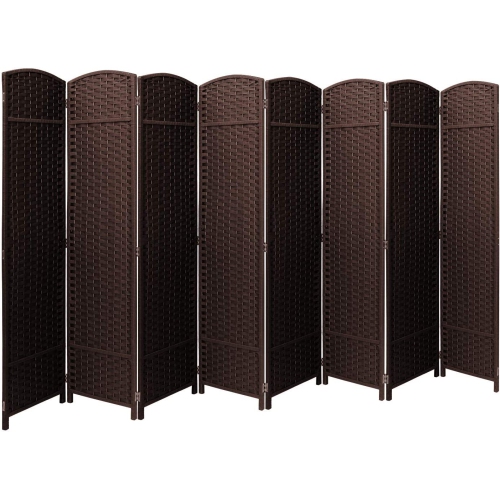
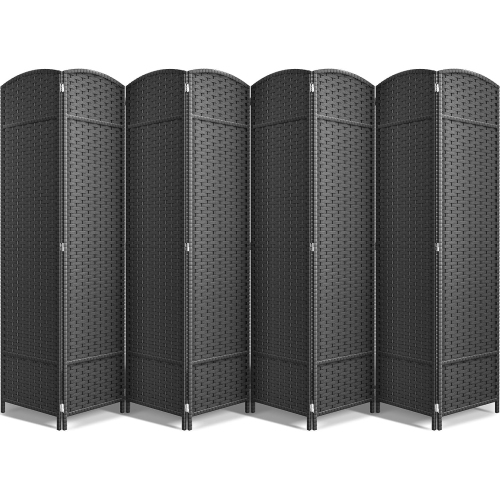




More visual privacy without building a permanent wall
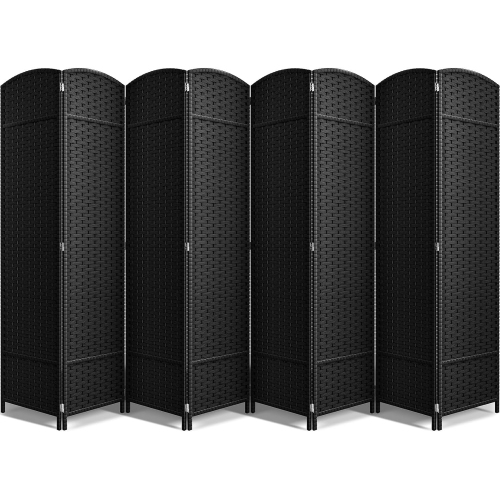
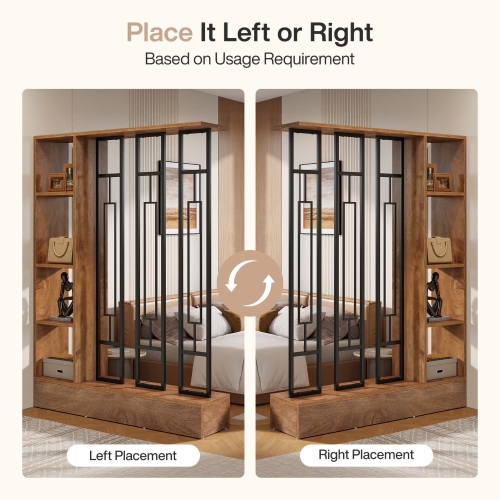
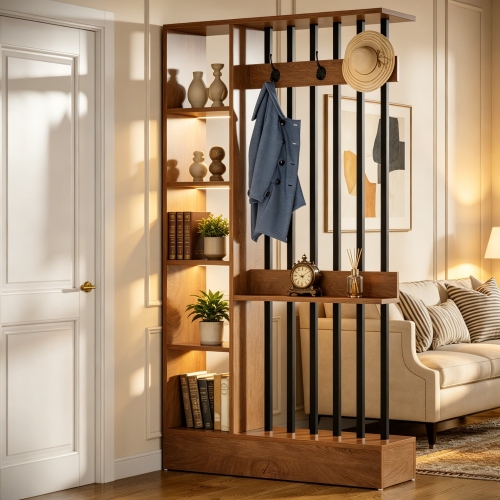
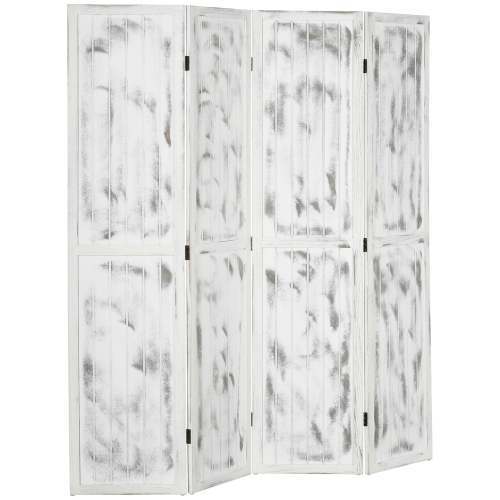
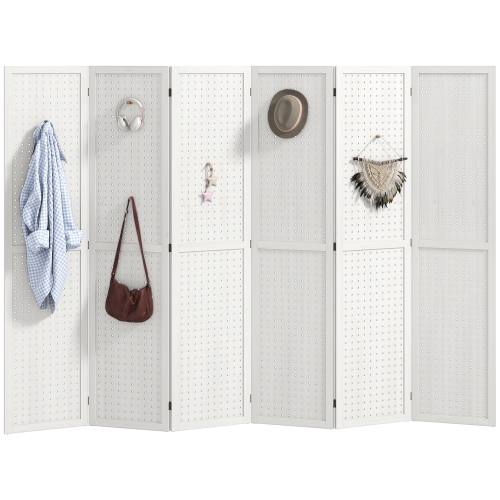
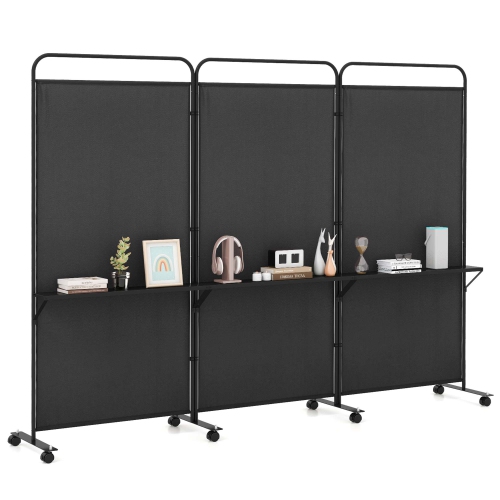
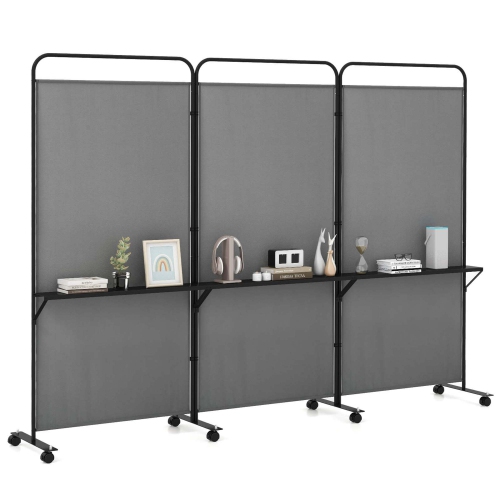
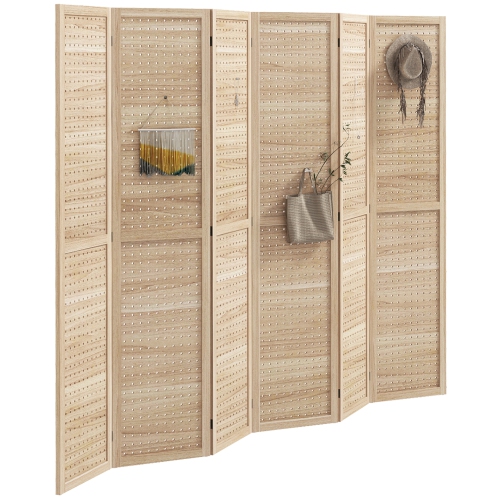
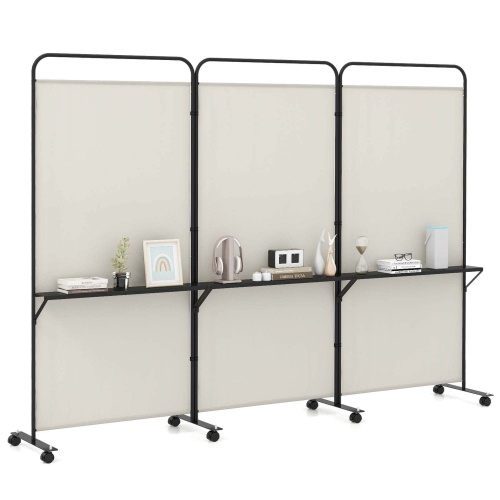
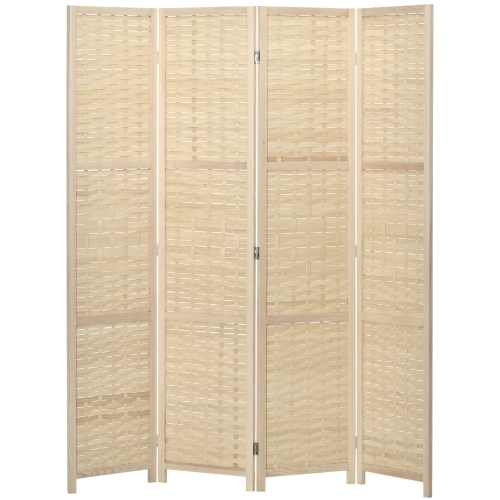
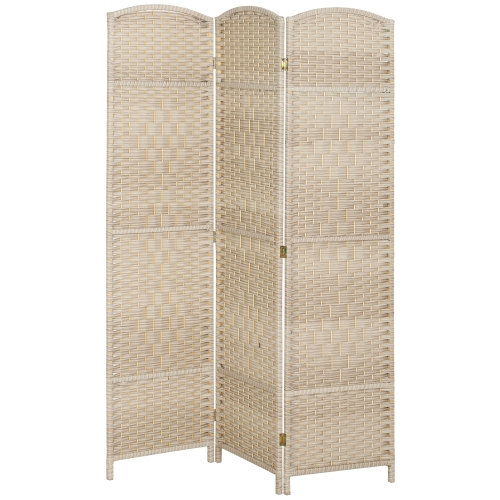
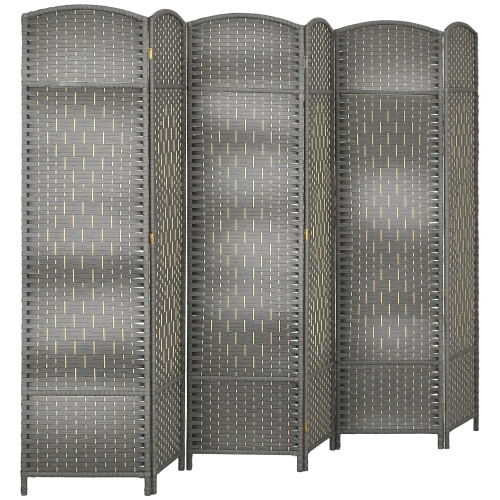
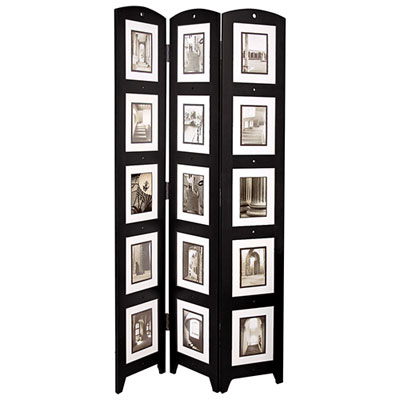
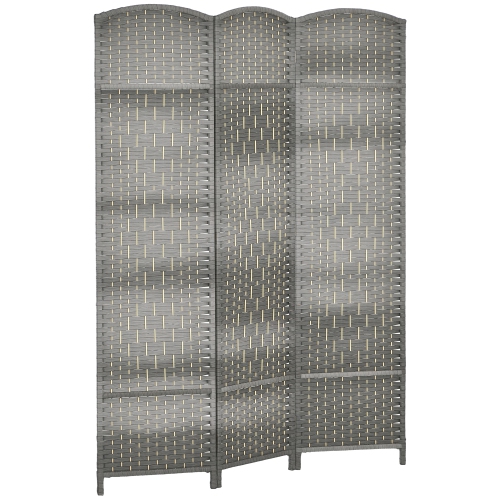
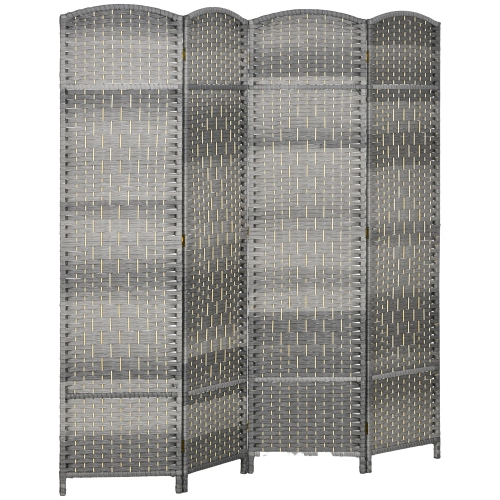
Extra large room dividers separate spacious interiors into distinct areas, adding visual privacy without the work of building a permanent wall. Their broader coverage is useful in open-plan living rooms, studio apartments, shared bedrooms, and multipurpose spaces where one room needs to serve several purposes. A wide partition can place a home office out of sight of the sofa, give overnight guests a more private sleeping area, or separate a dining table from a busy play space. The effect depends on the divider’s height, width, opacity, and placement: a solid screen creates a stronger visual boundary, while an open slatted design marks out a zone without completely blocking the view. Extra large is not a standardized size, so actual dimensions matter more than the label alone. Some dividers offer substantial width through multiple connected panels; others combine a taller frame with broad fabric sections or an adjustable curtain span. Freestanding folding partitions are suited to flexible layouts because their hinged panels can bend around furniture and fold together when not needed. Rolling partitions offer another approach for spaces that change function frequently, provided their overall size and wheel design suit the flooring. Curtain-based dividers can cover a broad opening and draw aside to reconnect the room, although they need an appropriate support system. Mounted or modular partitions generally create a more defined boundary and may involve installation requirements that do not suit every home. For renters, people sharing a living space, and households making room for a desk or guest bed, a movable divider can make an existing floor plan more practical. It can also provide a cleaner backdrop for video calls by screening a bed, storage area, or household activity. That separation is primarily visual, however. An ordinary room screen does not create a soundproof office, and a divider should not be treated as a substitute for a secure wall, door, or child safety barrier.
Fit involves more than comparing a room’s width with the divider’s stated measurements. A folding screen typically needs its panels positioned at angles to stand securely, so its usable coverage may be less than its fully extended width. That angled arrangement also takes up floor space, which matters beside a bed, behind a dining chair, or along the route between a sofa and a doorway. The footprint of support feet, the clearance needed for castors, and the space required to fold or move the partition all affect how comfortably it fits. A divider that neatly conceals a desk can still feel intrusive if its base projects into the main walkway. Height deserves similar attention: seated privacy at a workstation requires different coverage from screening a sleeping area from someone standing nearby. For layouts where vertical coverage matters more than a very broad span, Tall Room Dividers offer a related way to define the space. Light is another part of the fit. An opaque partition between a window and the rest of the room can noticeably reduce borrowed daylight, while translucent fabric or spaced slats may preserve brightness at the expense of privacy. A translucent panel can also reveal silhouettes when the brighter light source is behind it. Woven panels vary in how much they conceal, particularly when viewed close up or from an angle. In a shared work area, solid or tightly woven surfaces may help reduce visual distractions, while an open design can suit a living room where the goal is simply to distinguish the reading corner from the dining area. Fabric-covered acoustic partitions may reduce reflected sound when designed and tested for that purpose, but performance depends on their construction and placement. Gaps above, below, and around a divider still allow sound to travel. Clear access to doors, exits, vents, and frequently used storage helps keep the new arrangement comfortable rather than cramped.
Materials and construction influence the appearance, weight, care needs, and everyday durability of extra large room dividers. Wood frames can bring a substantial, furniture-like presence to a large room, with finishes that sit comfortably alongside dining tables, shelving, or bedroom furniture. Bamboo, rattan, and other woven surfaces introduce texture and may feel visually lighter, although the weave determines how much privacy they provide. Fabric panels offer a softer appearance and can blend into a room through neutral shades or provide contrast through colour and pattern. Metal-framed partitions often have a more structured look, with durability depending on the frame, joints, finish, and panel material rather than metal construction alone. Across a wide span, hinge quality and frame rigidity are particularly important: connected panels should move as intended without excessive looseness, and the base needs to support the divider in its approved configuration. Lightweight designs can be easier to relocate, but low weight does not guarantee stability. Heavier designs may feel more substantial yet be awkward to carry between rooms or manoeuvre around furniture. Locking castors can help keep a rolling divider in place during use, though they do not make it tip-proof. In homes with children or pets, placement away from climbing opportunities and busy play routes is especially important. Care varies by material, with smooth panels generally easier to wipe down than textured weaves that collect dust in their gaps. Fabric may need gentle vacuuming or spot cleaning; removable covers should only be washed if the care instructions permit it. Wood and woven surfaces may need a soft cloth and limited moisture, while abrasive cleaners can damage finishes. Direct sunlight may fade some fabrics or alter finishes over time. Folded dimensions also matter when a screen will spend part of its time stored beside a wardrobe or in a cupboard. A room divider that suits both the daily layout and its storage space is easier to keep in use, whether it screens a permanent workstation or comes out whenever a shared room needs a little more privacy.
Top selling and popular products
-
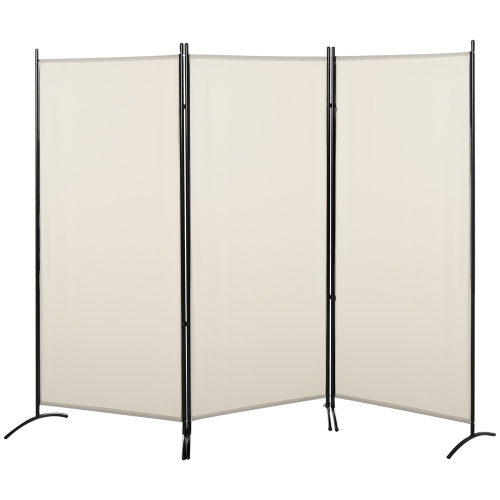 Your price for this item is $80.99
-
 Your price for this item is $154.99
-
 Your price for this item is $179.98
-
 Your price for this item is $94.99
-
 Your price for this item is $106.69
-
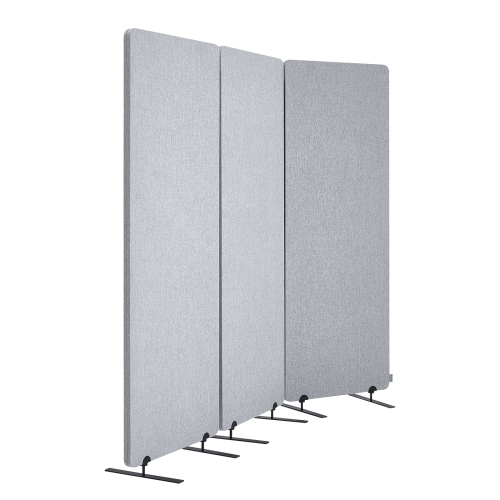 Your price for this item is $589.99
-
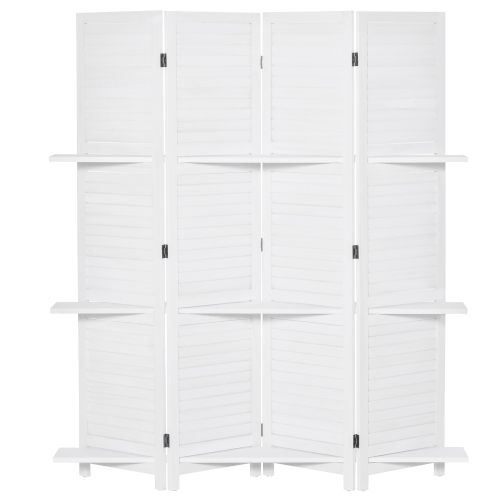 Your price for this item is $156.99
-
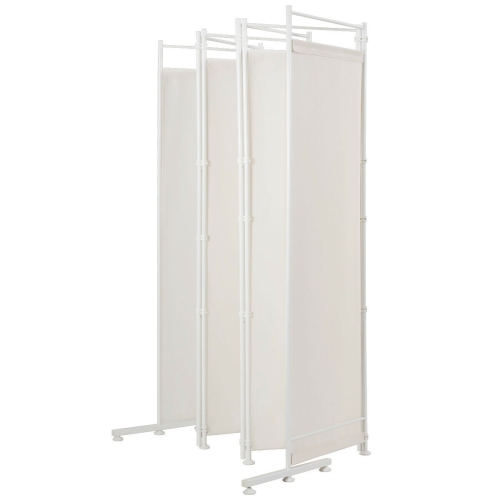 Your price for this item is $236.99
Discover more categories related to Extra Large Room Dividers
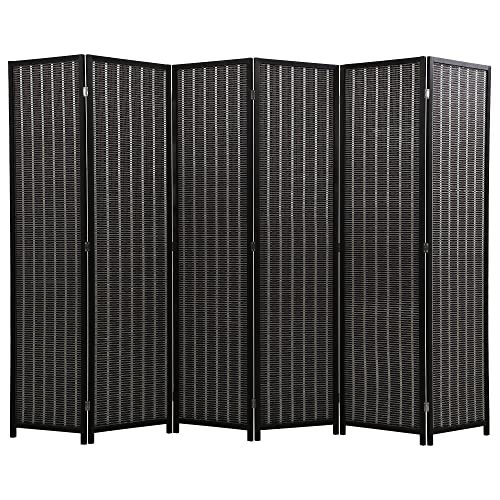
Top Collections:
Pokemon Centers, Best Cameras for Sports Photography, Kindle Devices, Samsung Galaxy Phones, Canon G7X Cameras, Pokémon 30th Celebration Cards, Refurbished Apple Laptops, iPhone 15 Apple, Laptops for Students, Budget Smartphones
Some products may be subject to Environmental Handling Fees
(EHF) depending on your province.
Learn more about EHFs.