Tall Room Dividers
Create a stylish and functional space with these tall room dividers. Whether you're looking to add privacy to an open-concept living area, create separate zones in a studio apartment, or simply enhance the overall aesthetic of your home, these tall room dividers offer a versatile solution. From sleek and modern designs to rustic and natural finishes, these room dividers are not only practical but also add a touch of elegance to almost any room.
Sort
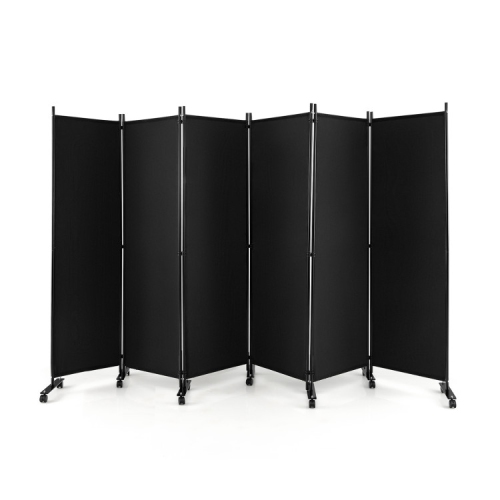
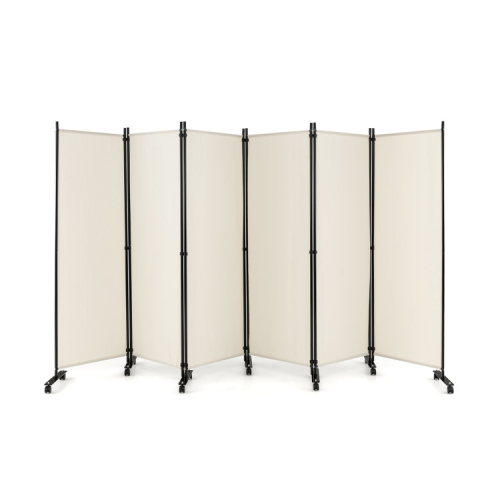
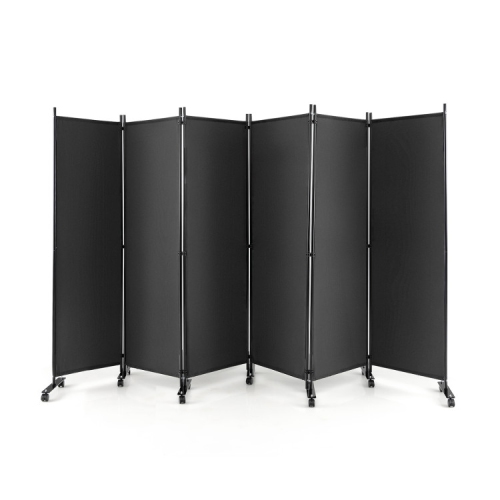


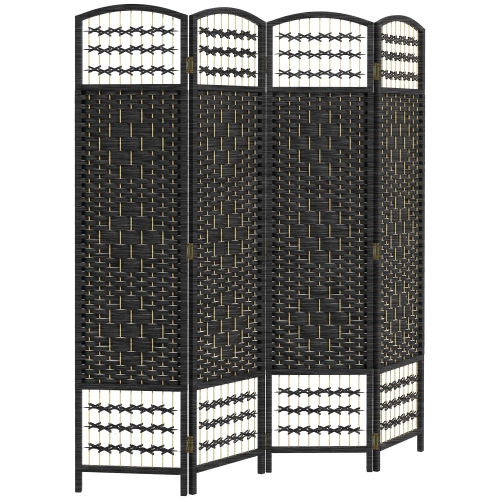
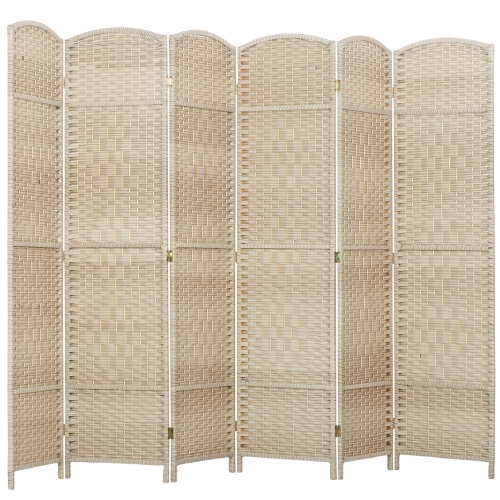
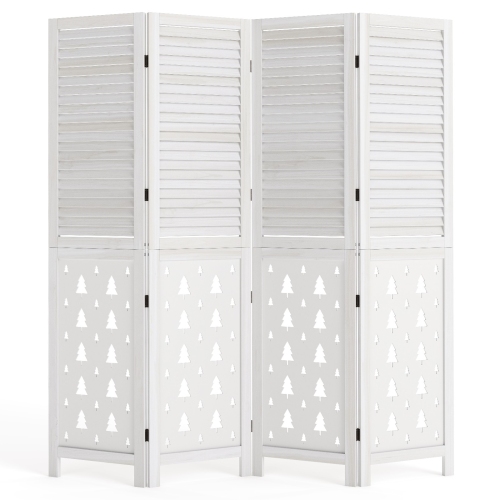
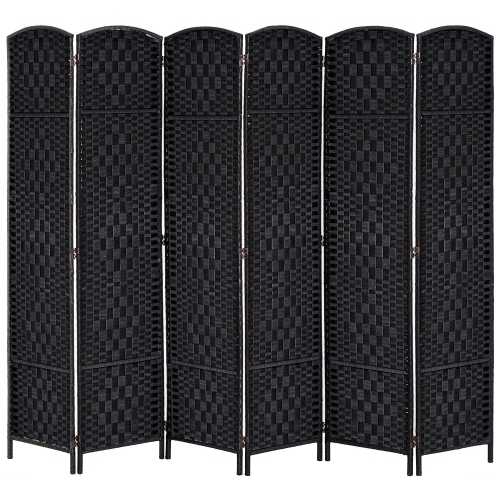
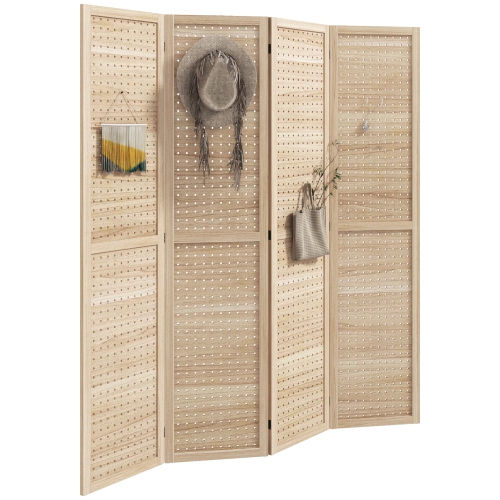
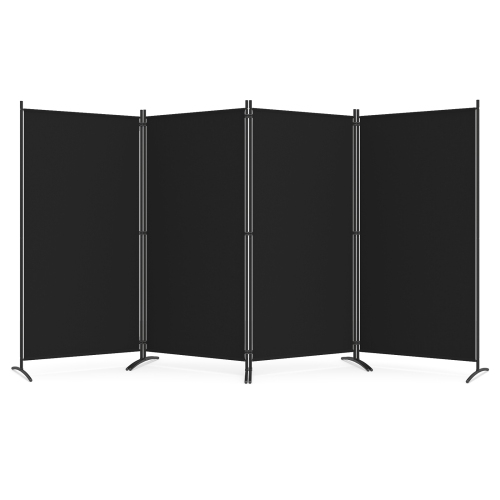
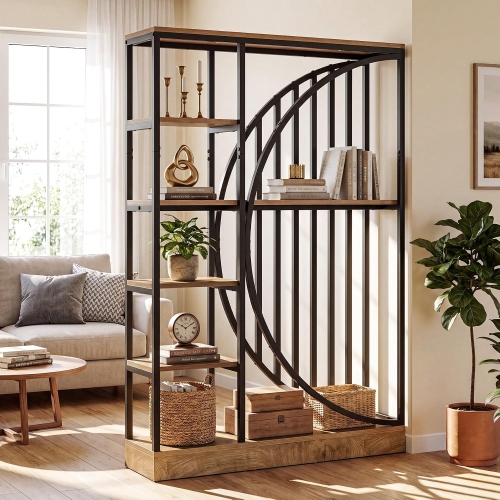
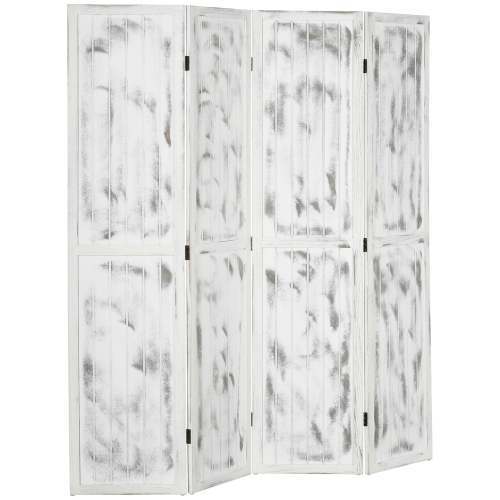
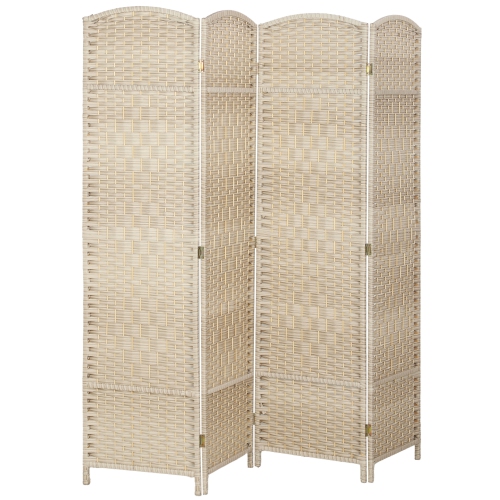
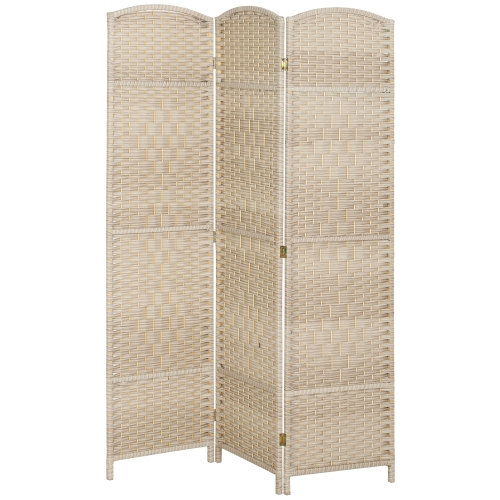
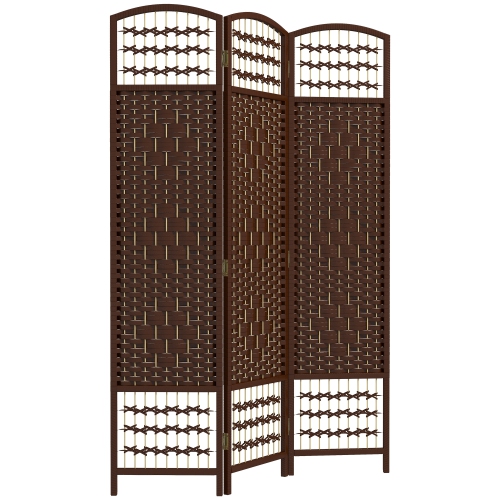
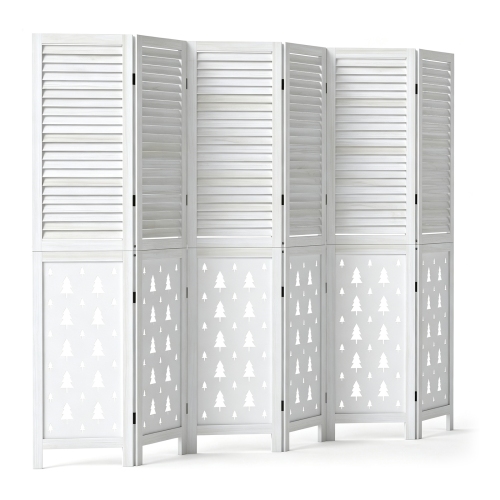
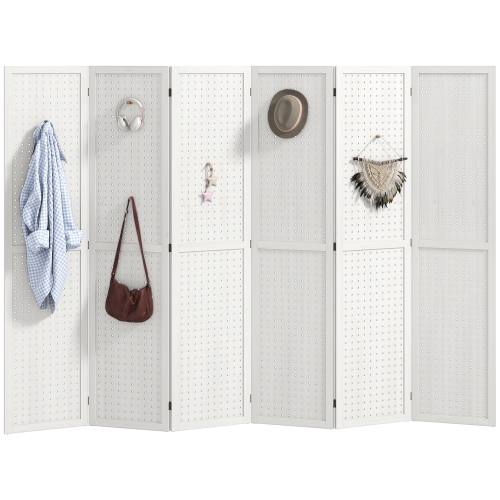
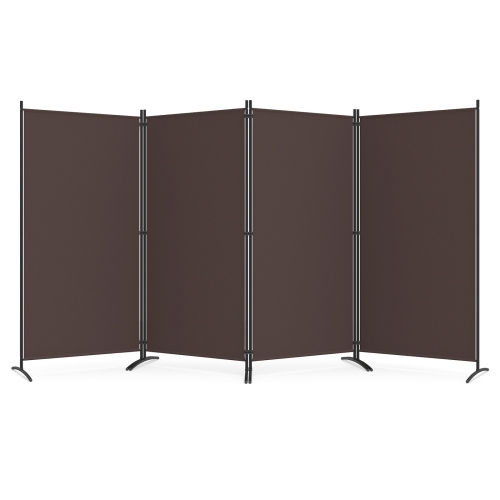
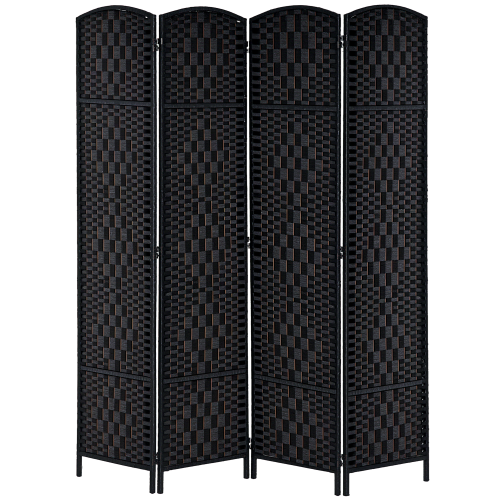

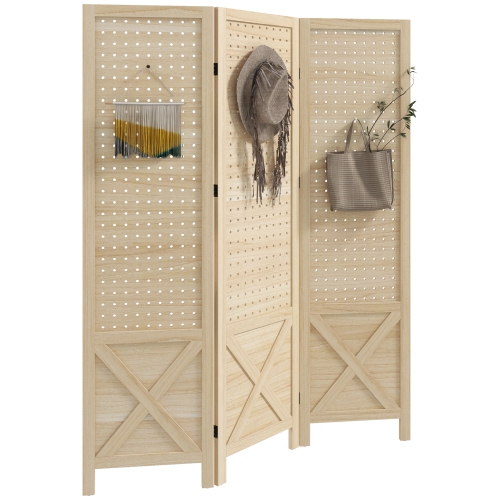
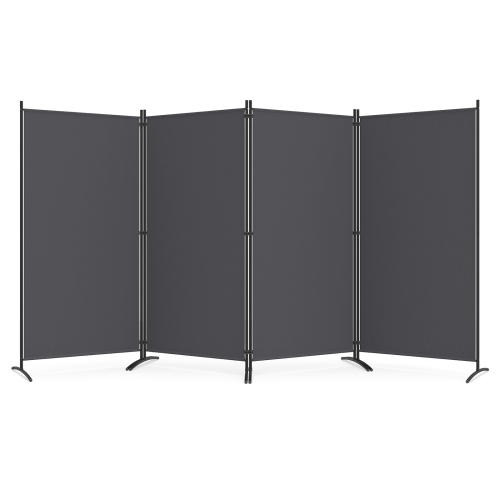

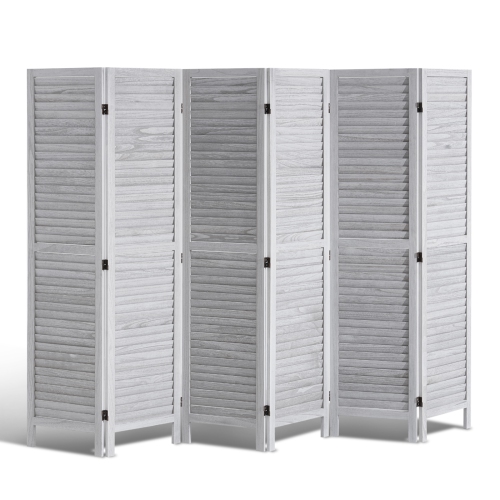


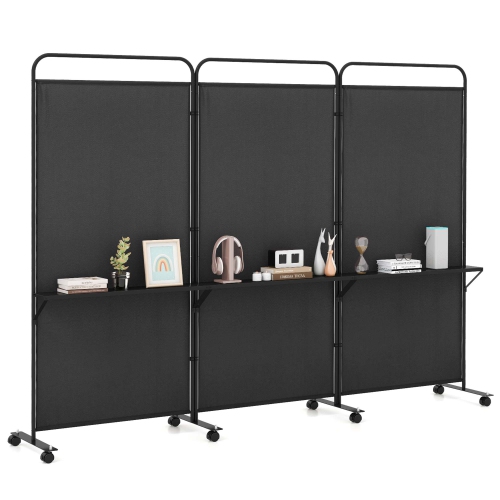
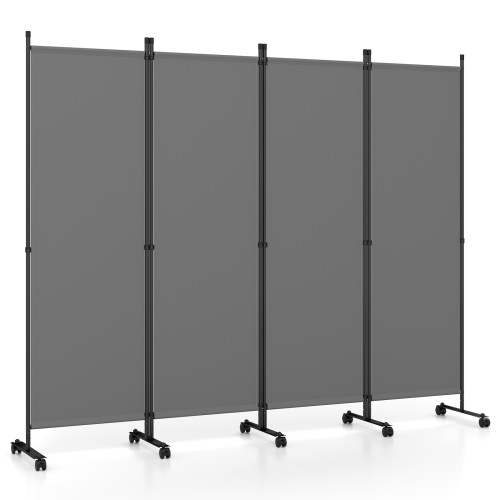
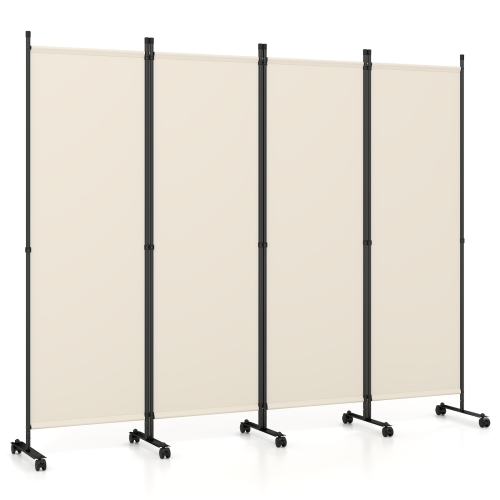
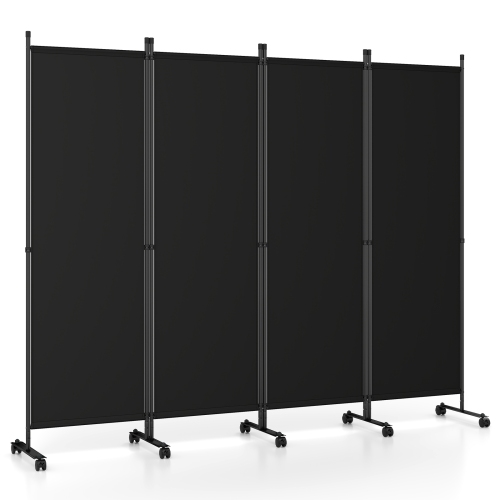
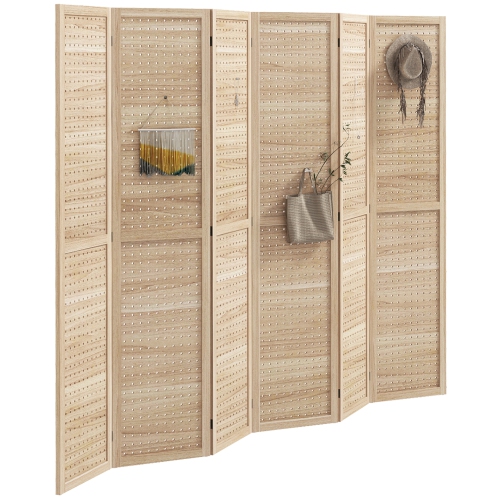
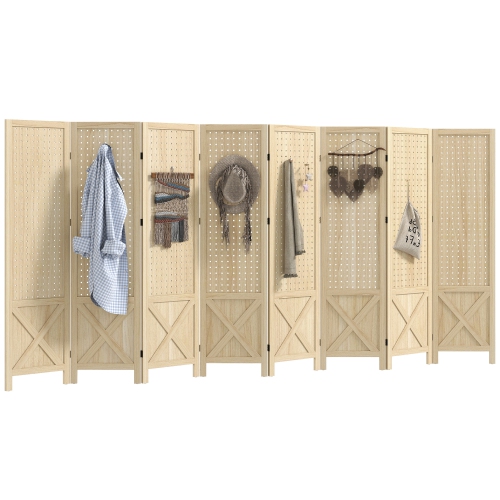
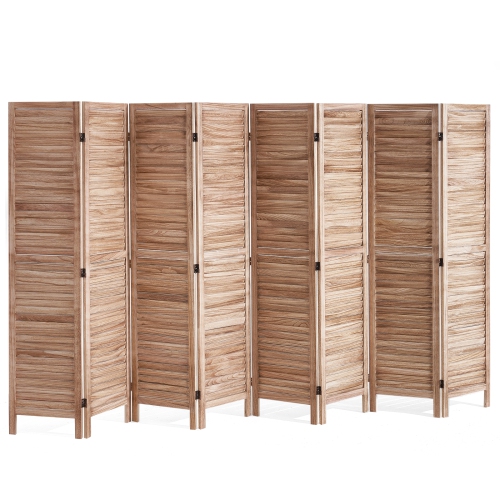
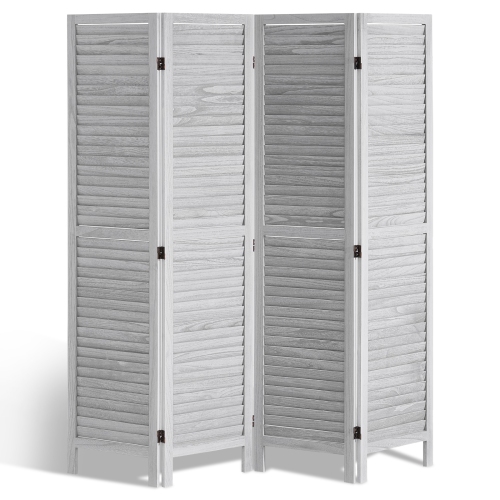
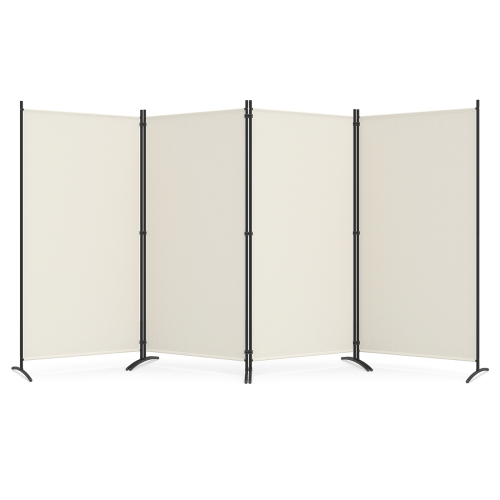
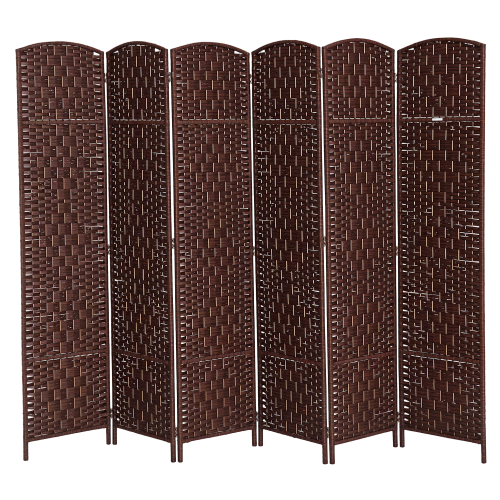
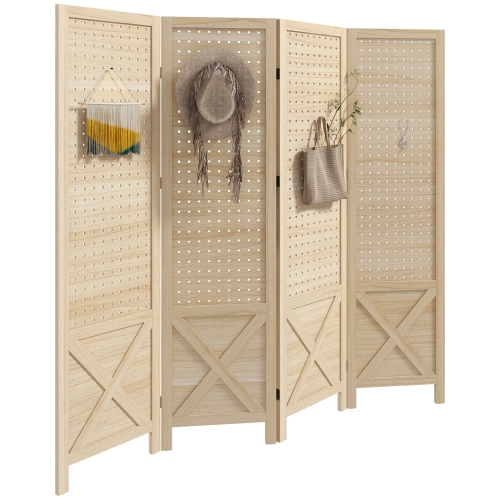
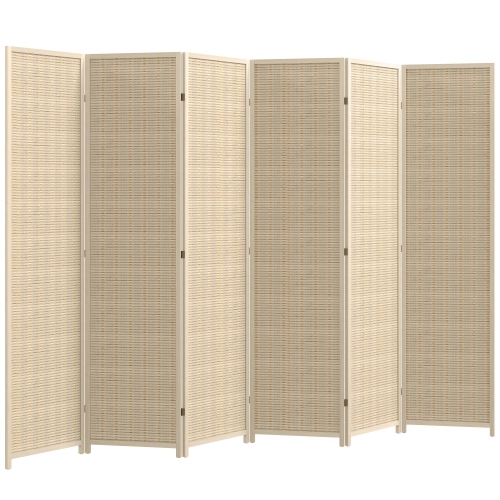
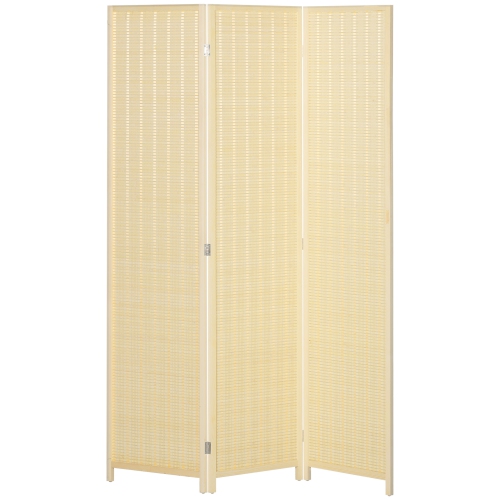

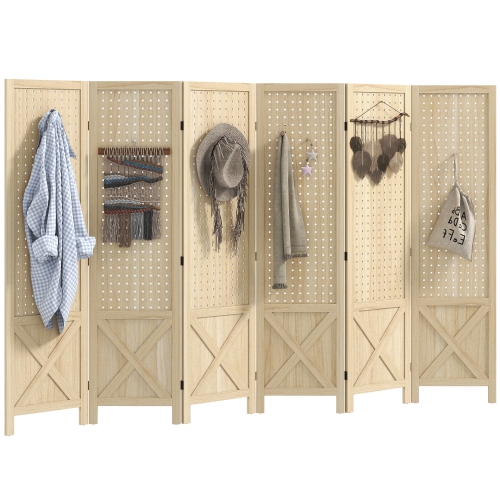
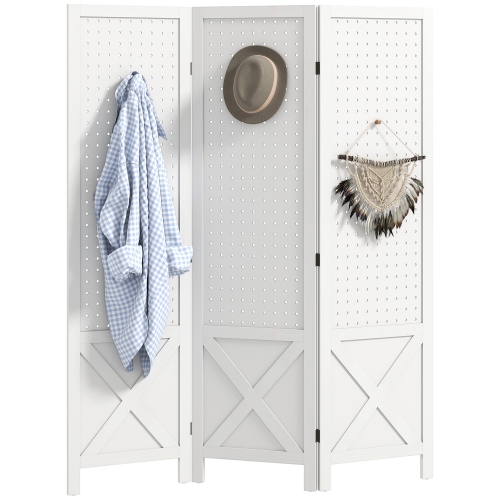
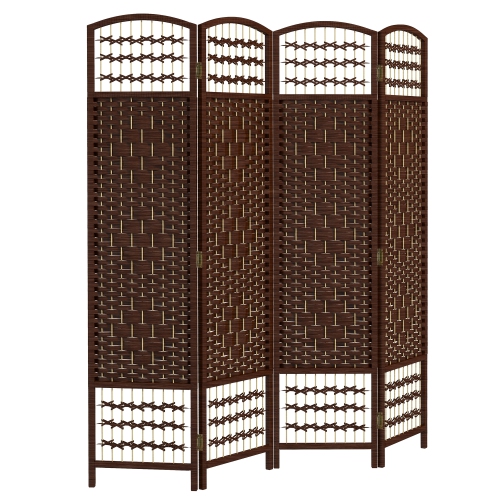
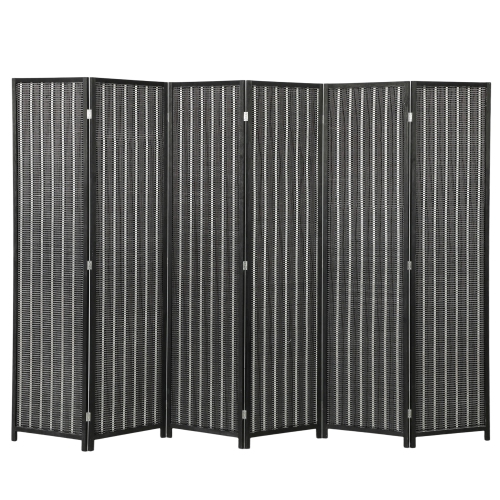
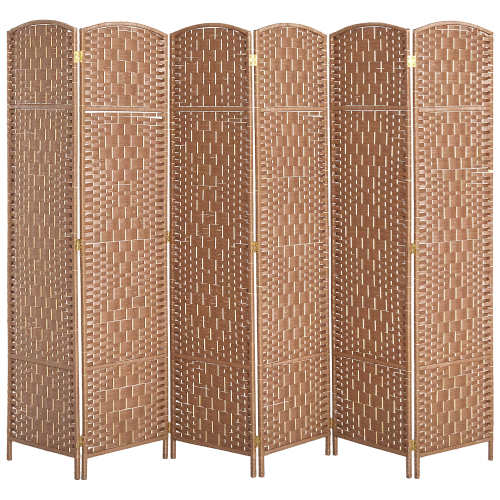
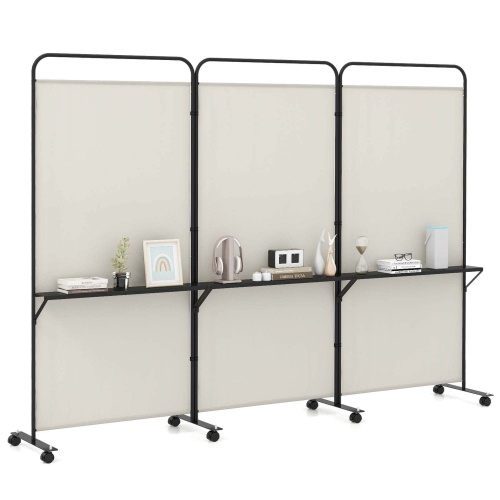
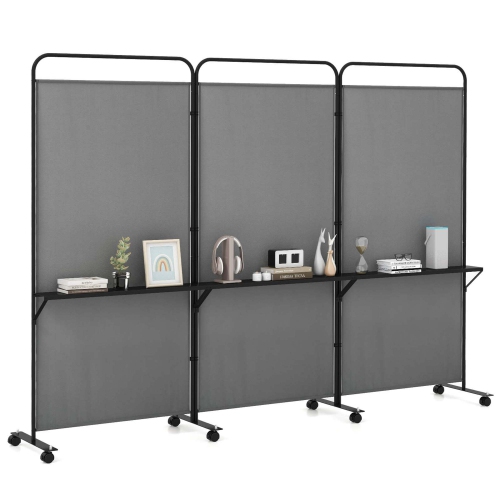
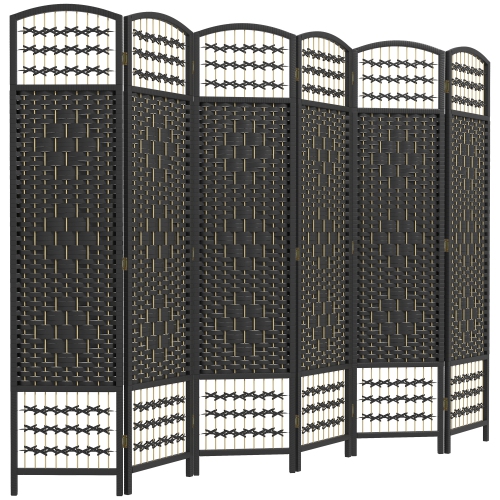
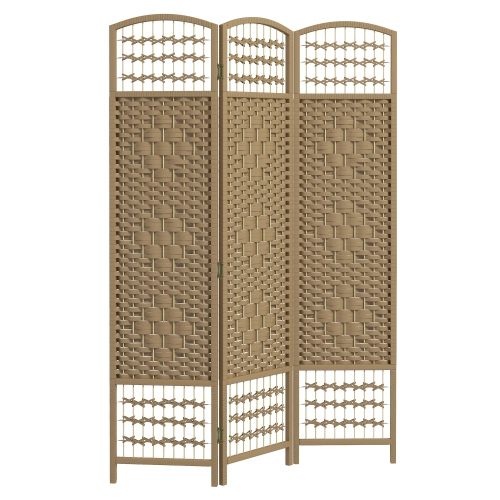
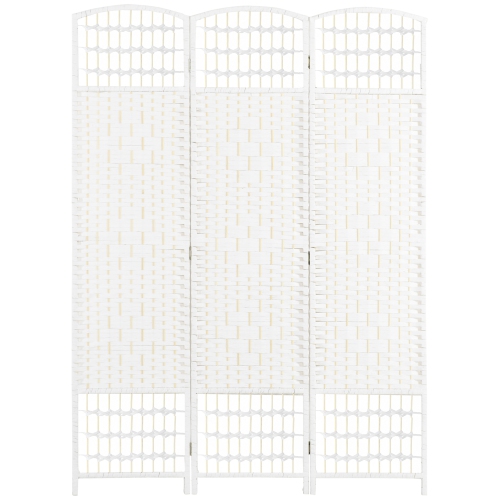
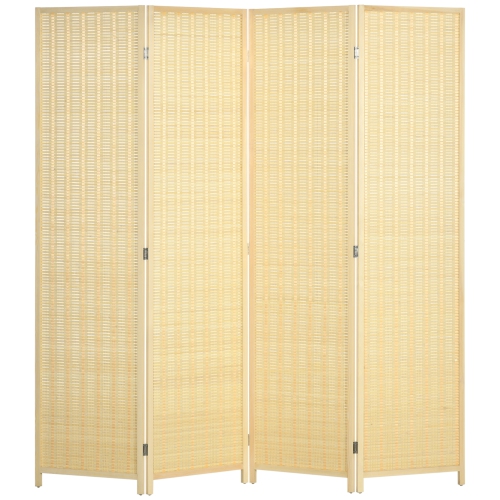


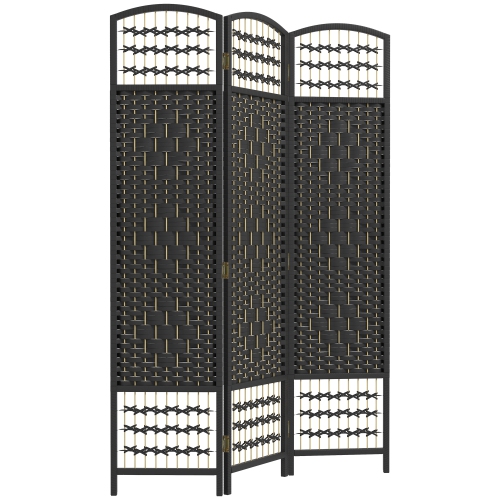
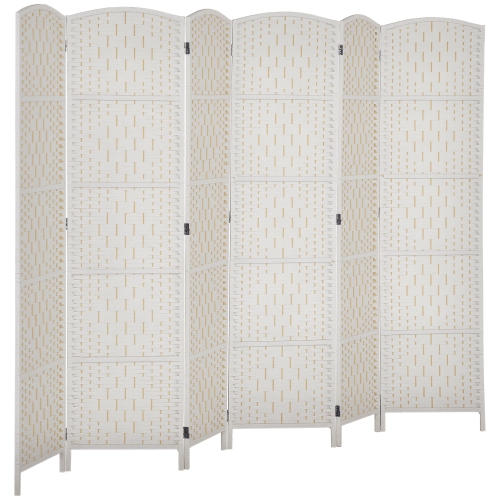
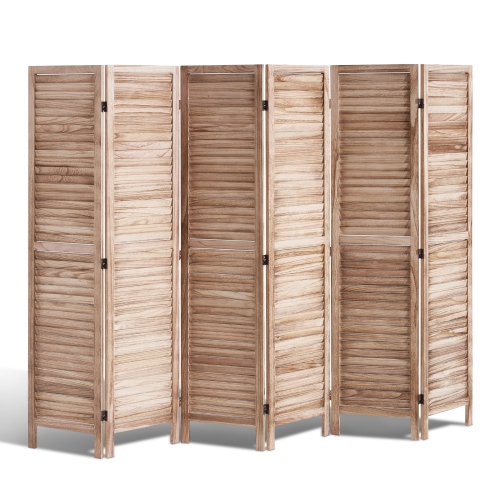
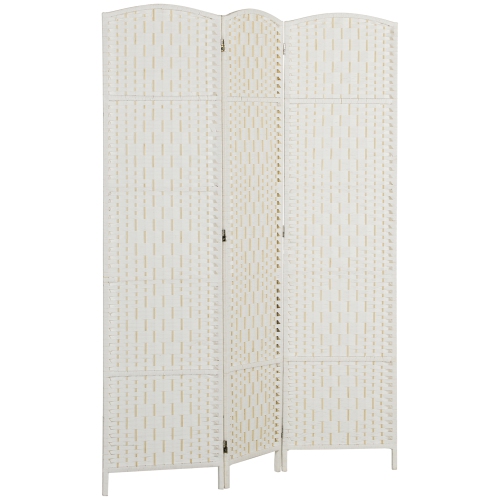
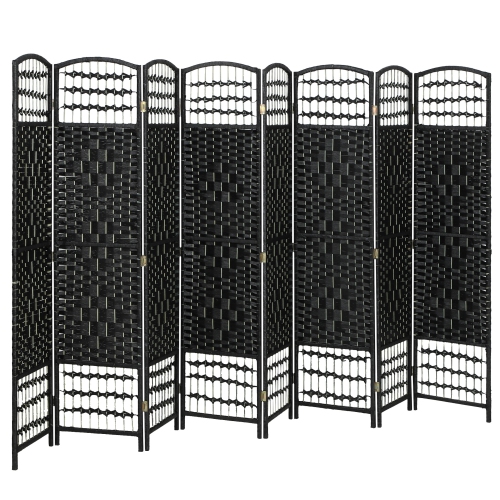
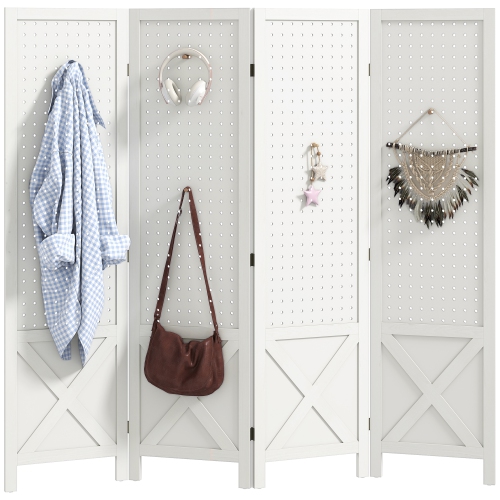
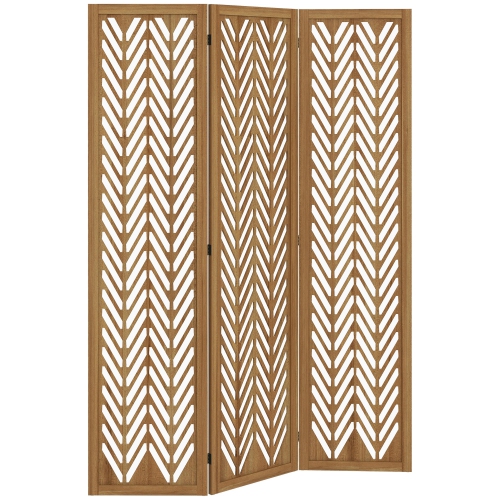

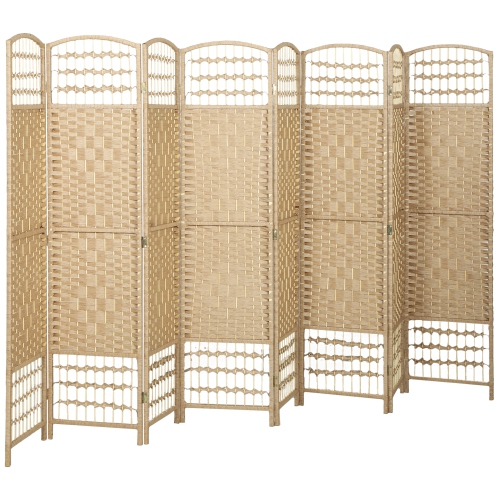
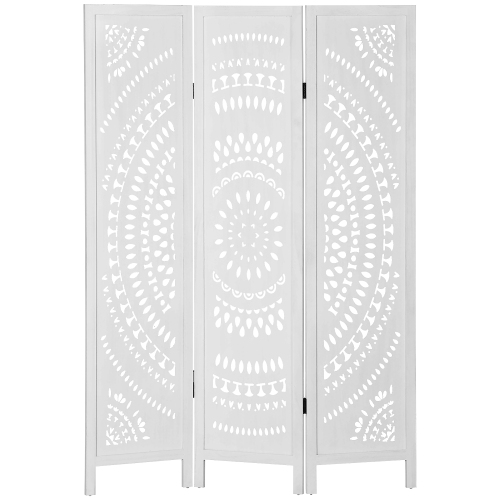
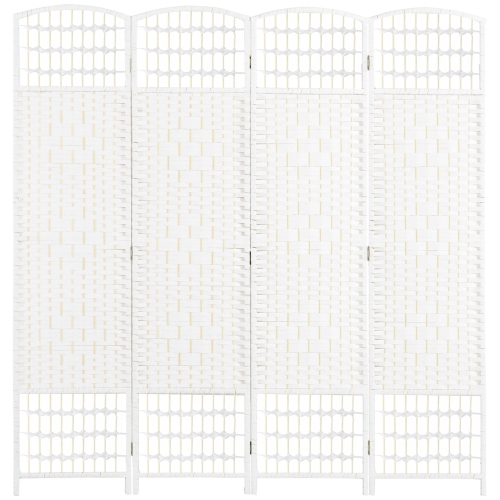
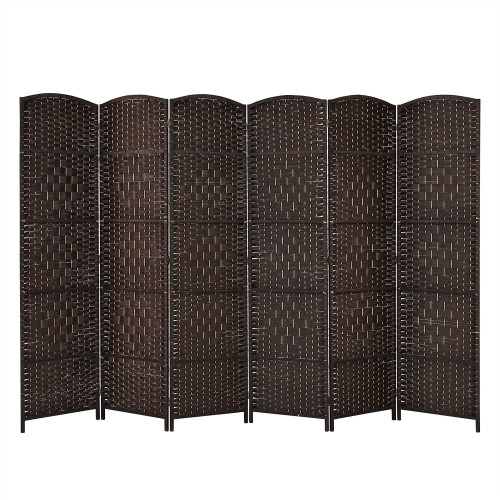
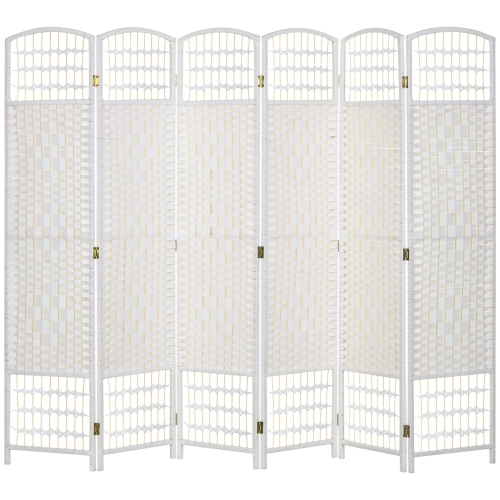
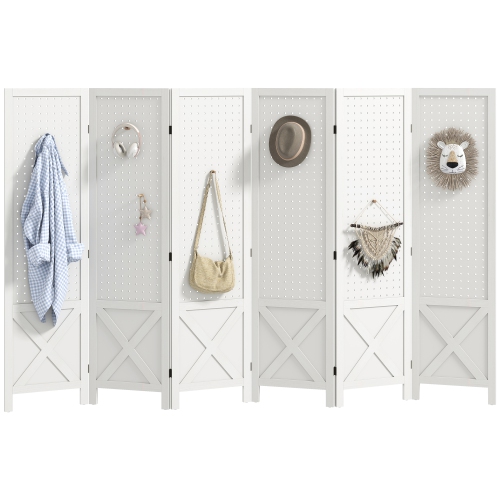
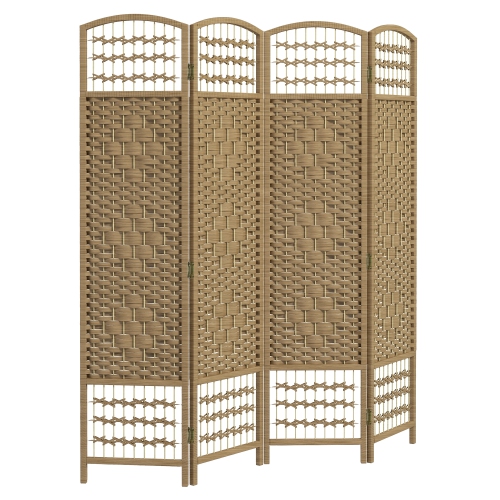
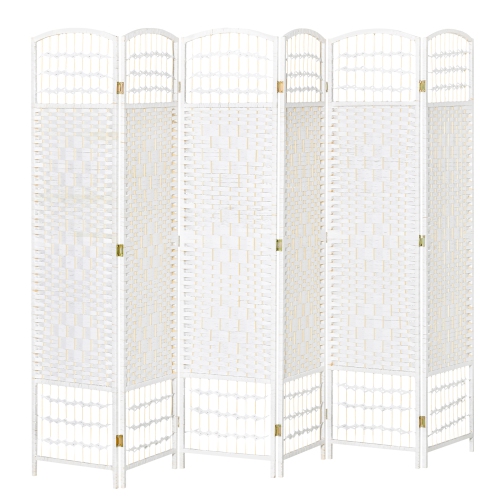
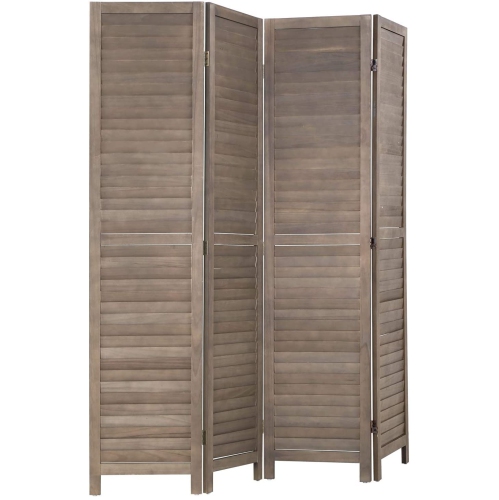
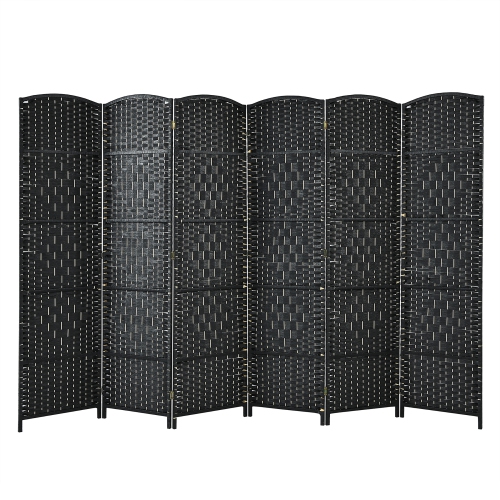
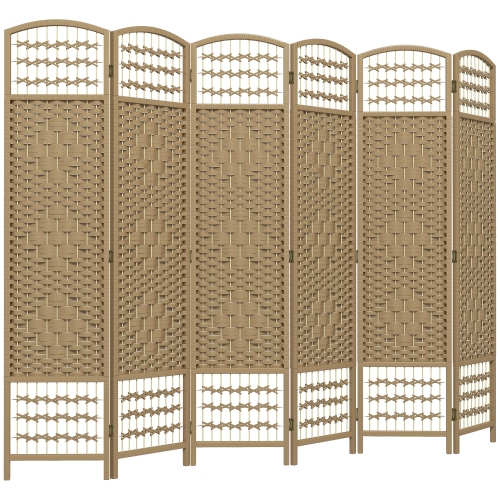
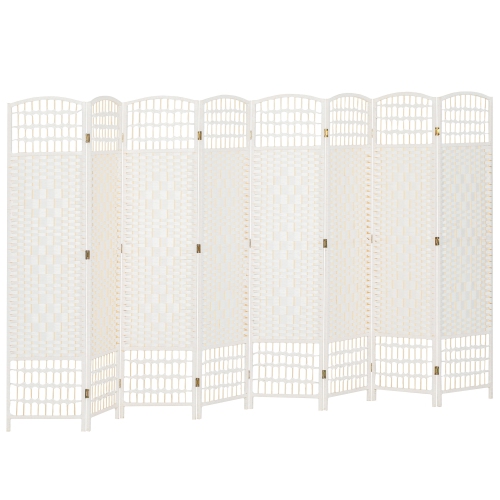
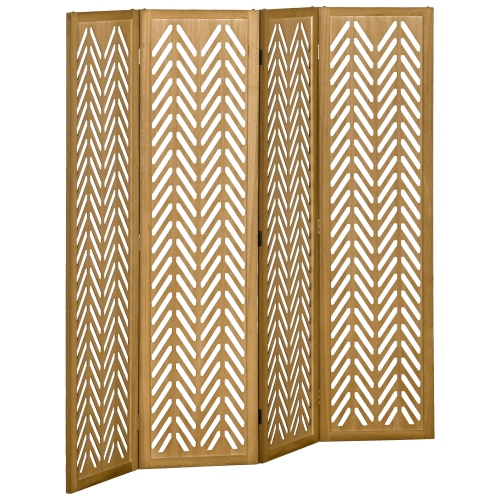
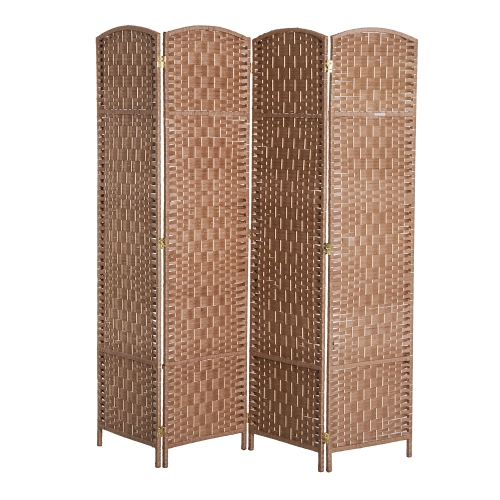
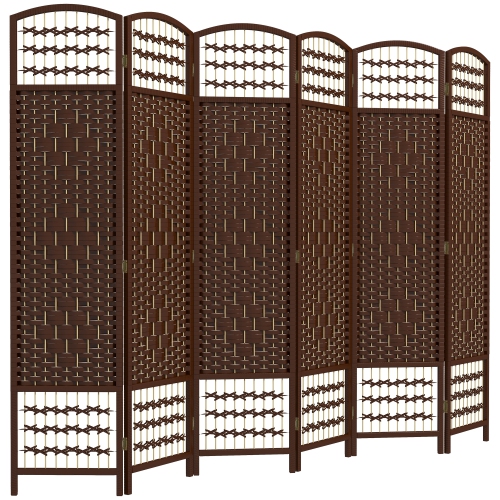
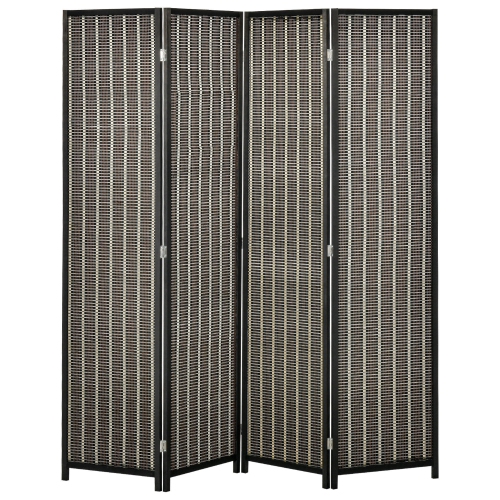
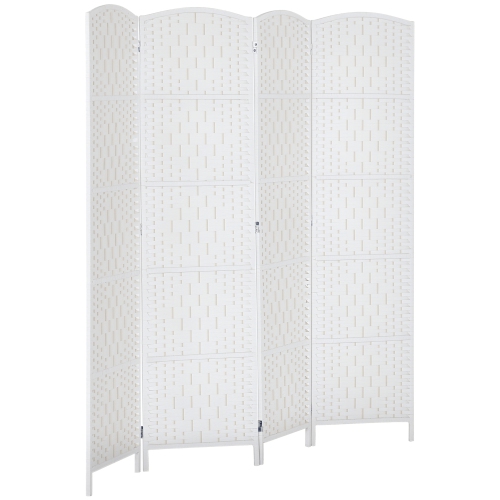
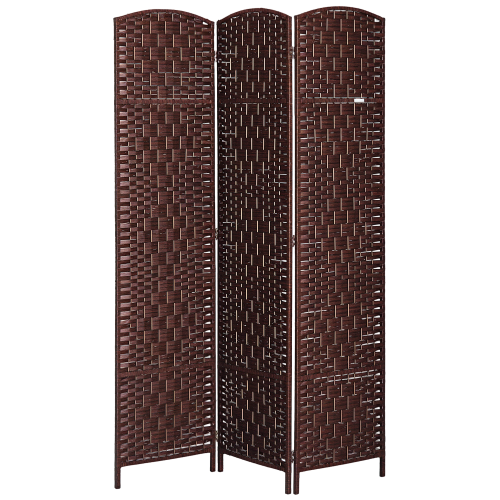
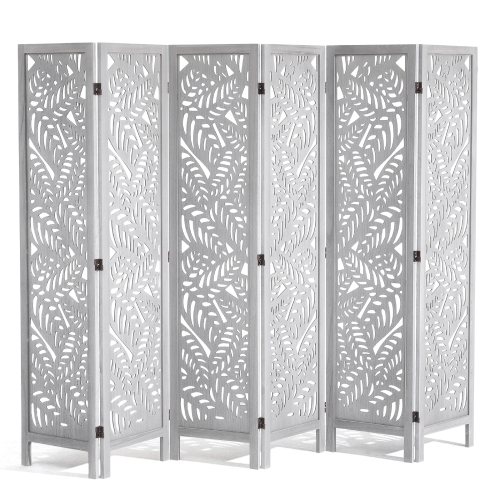

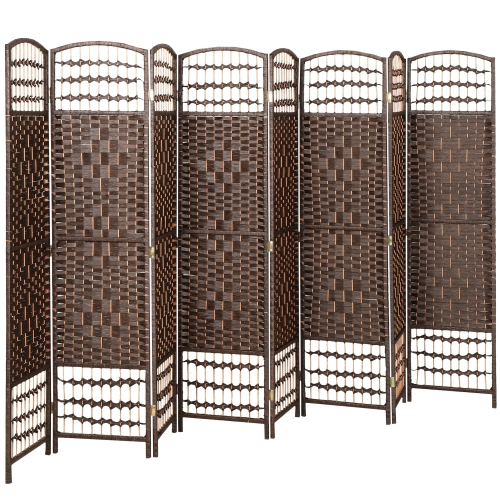
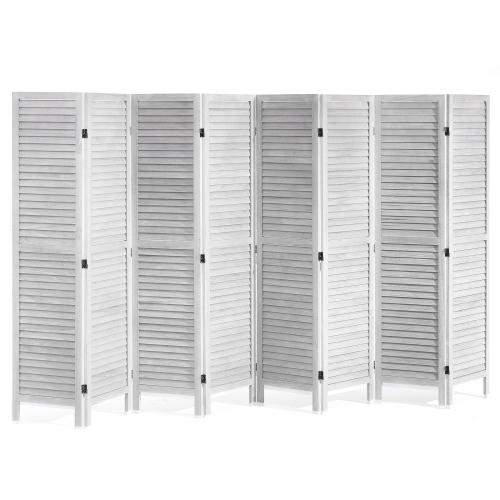
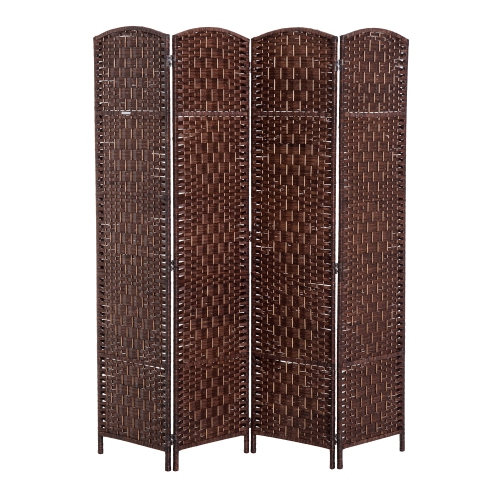
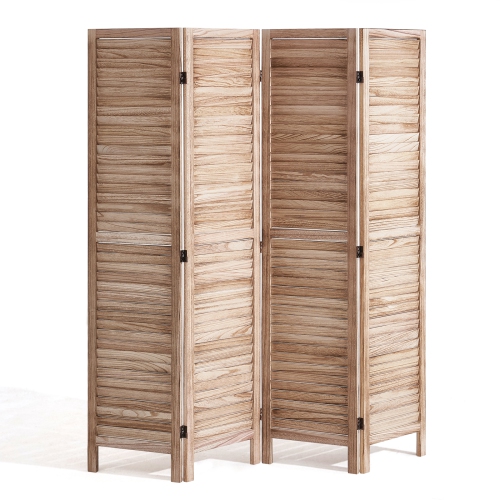
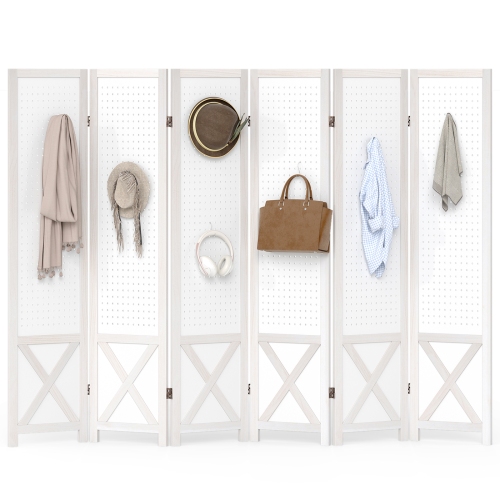

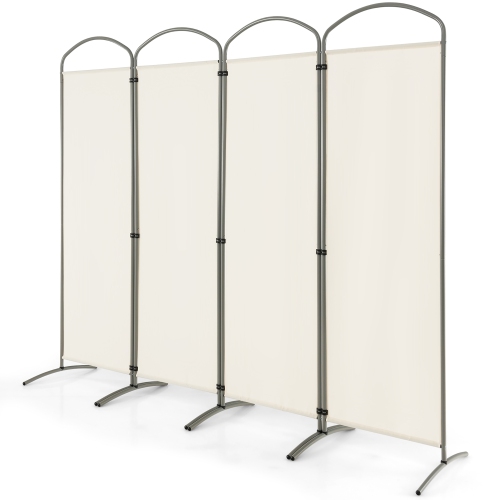


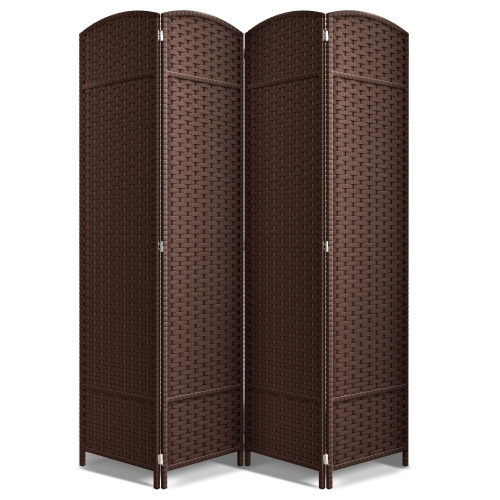
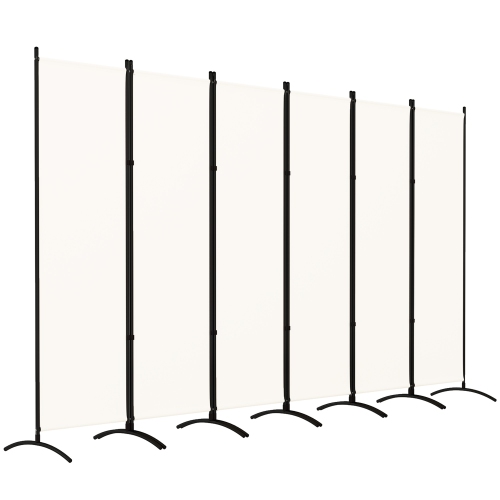
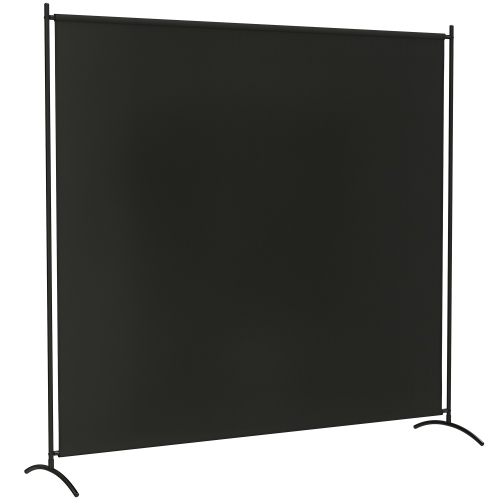

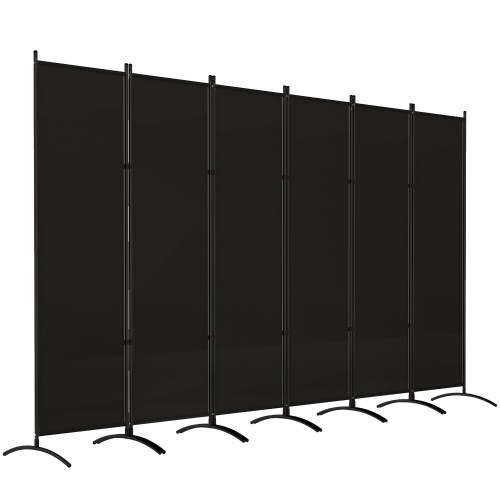
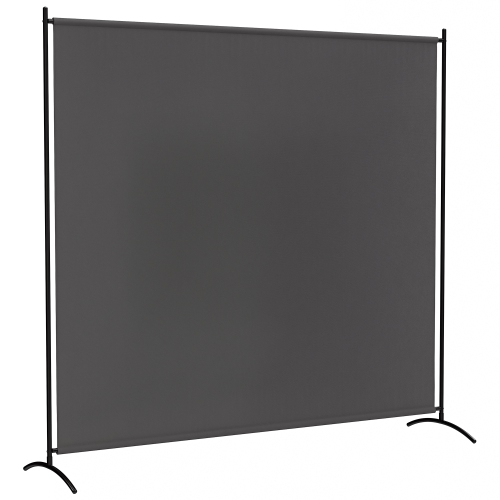
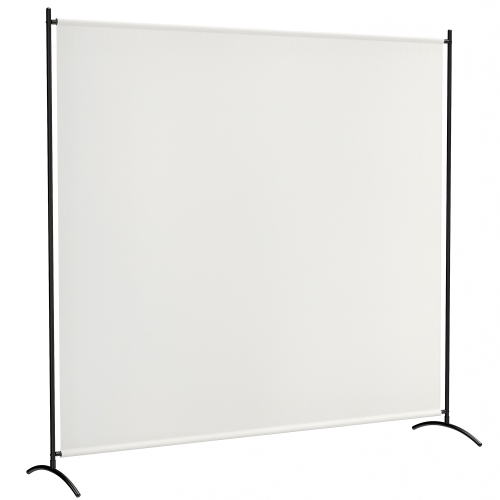
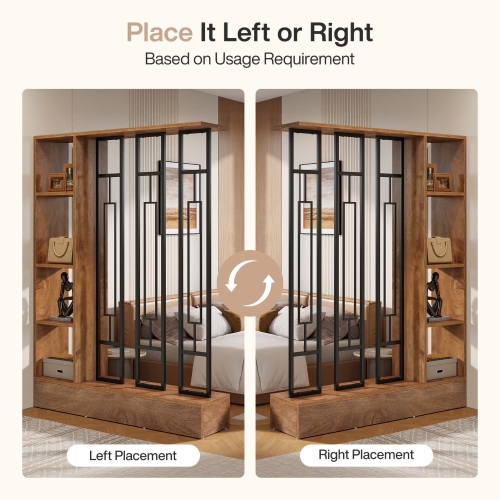
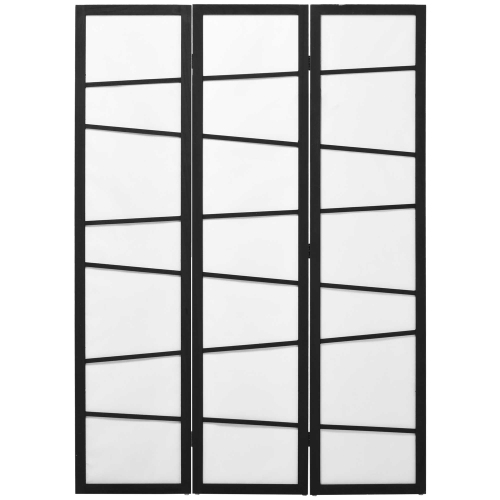
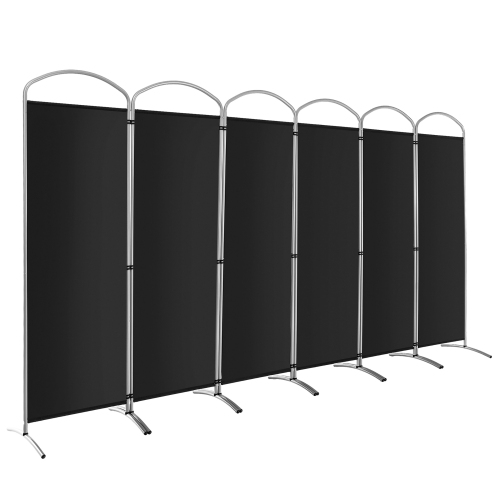
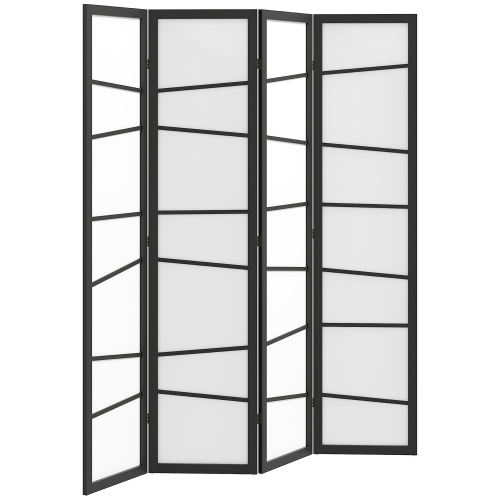
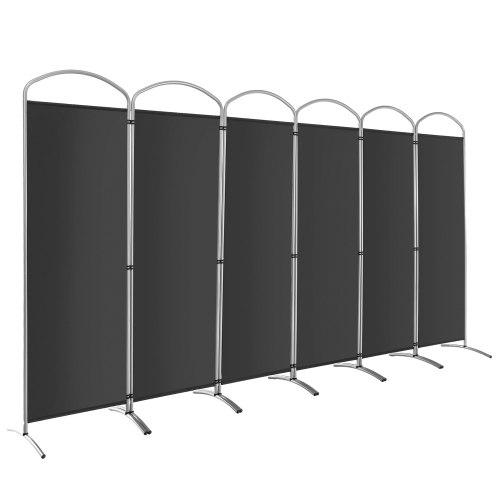
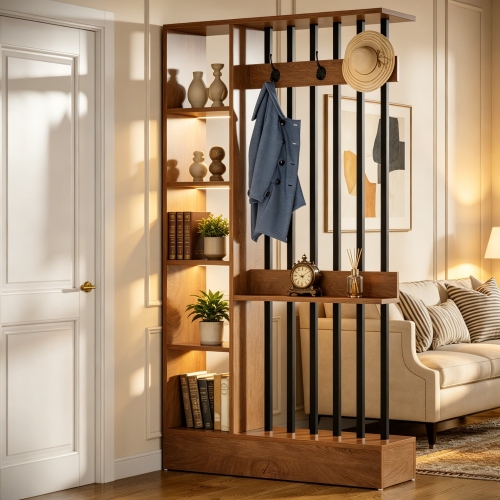
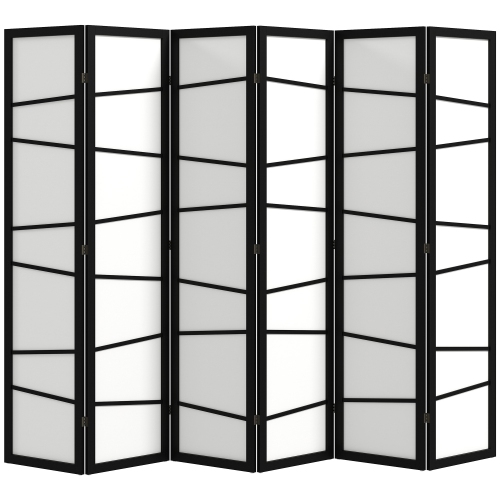
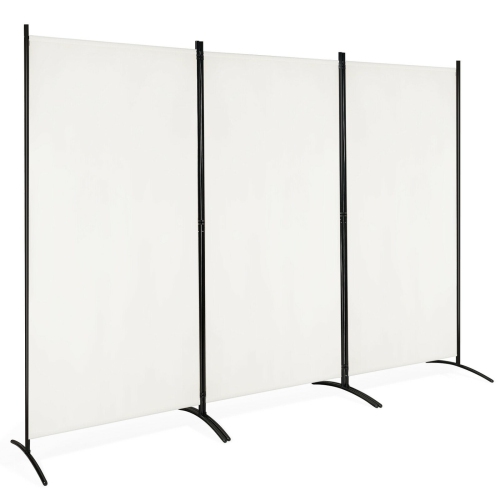
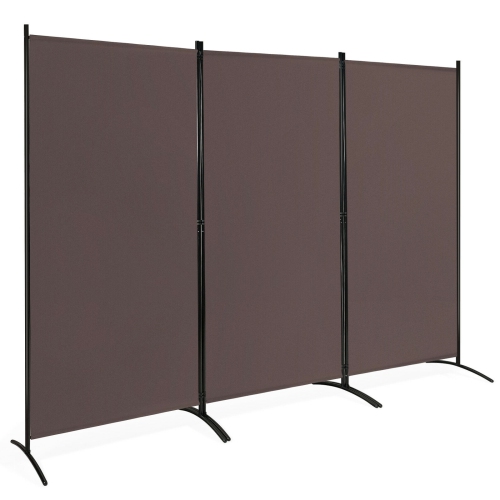
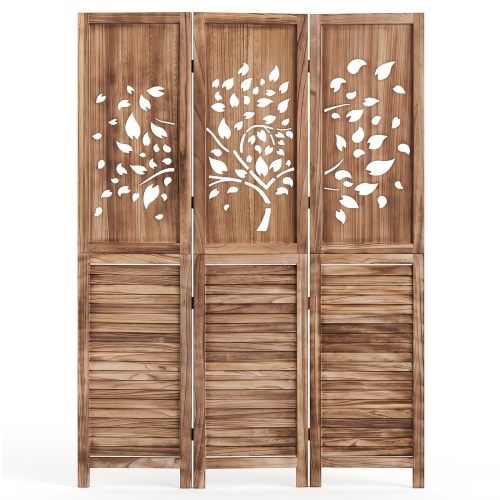
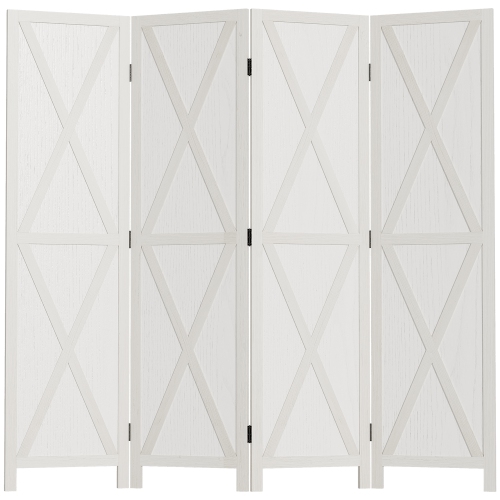
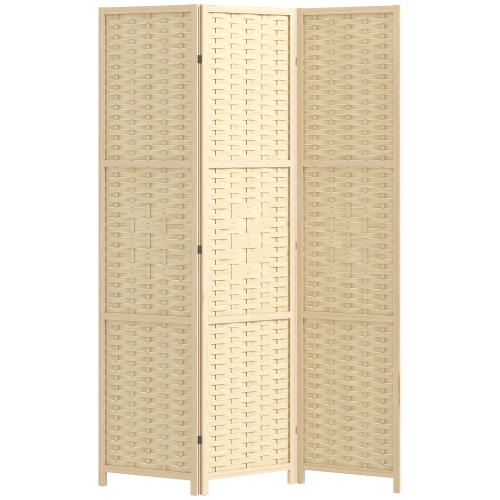
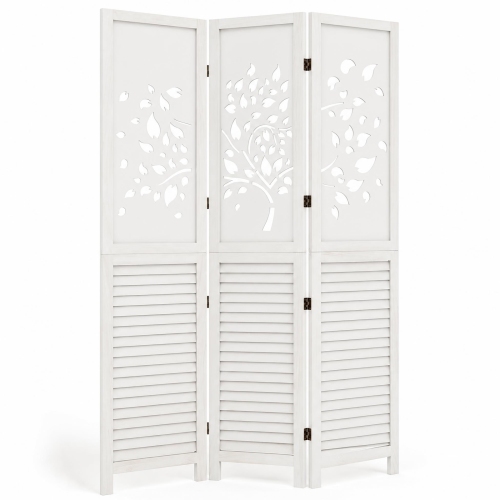
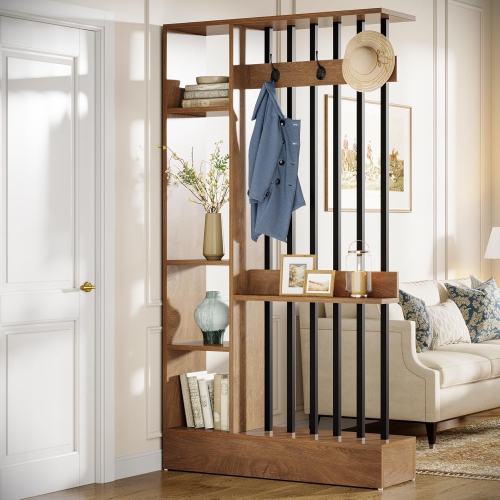
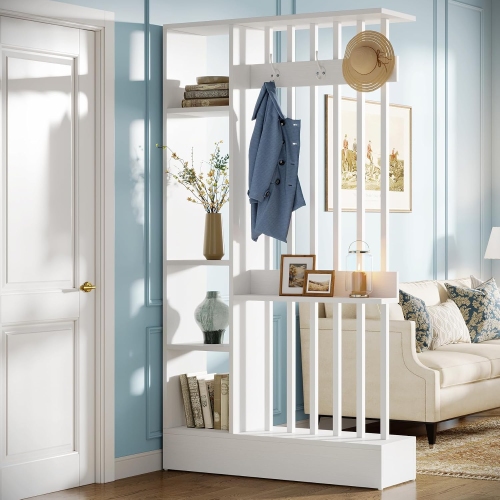
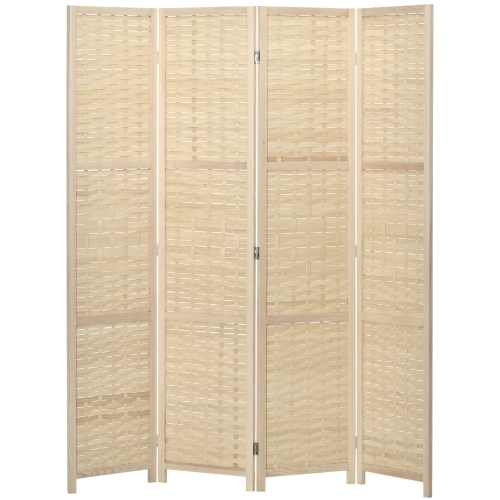
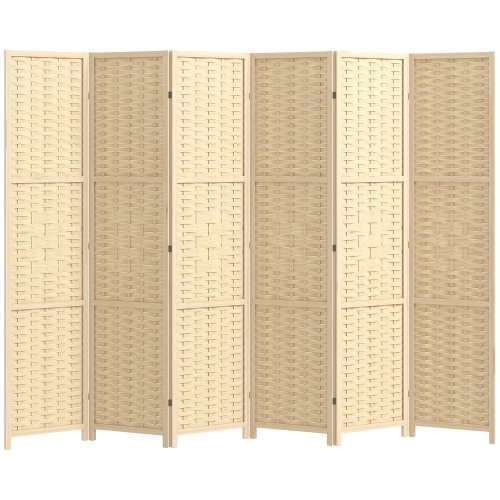




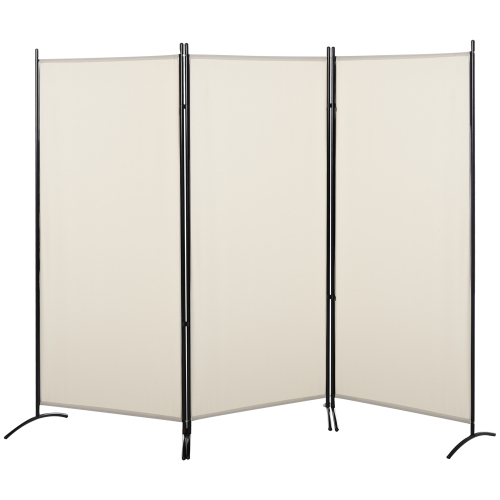
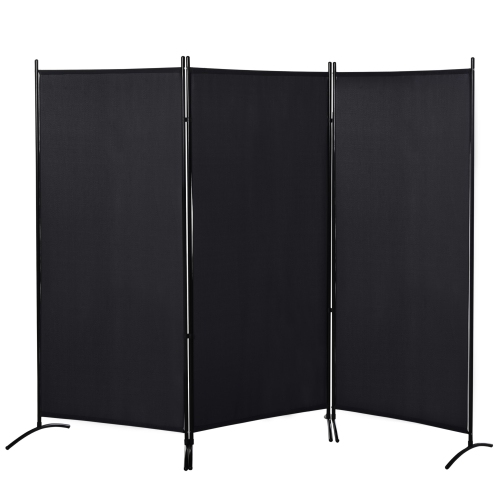

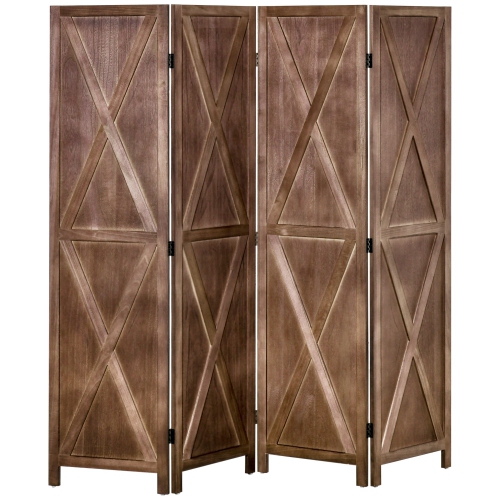
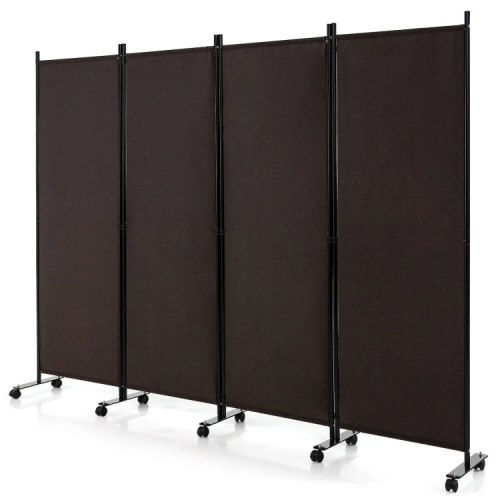
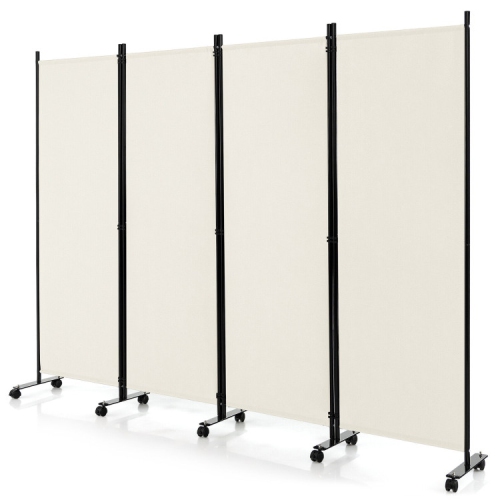
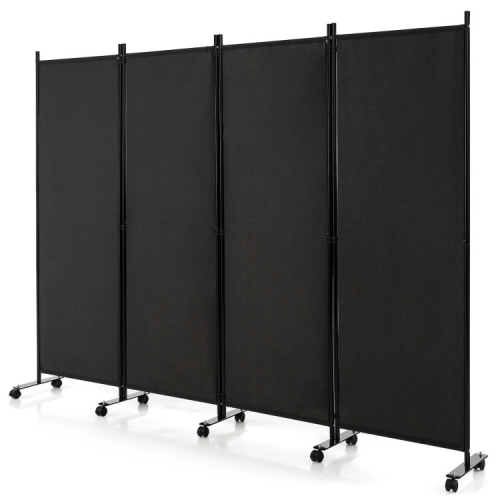
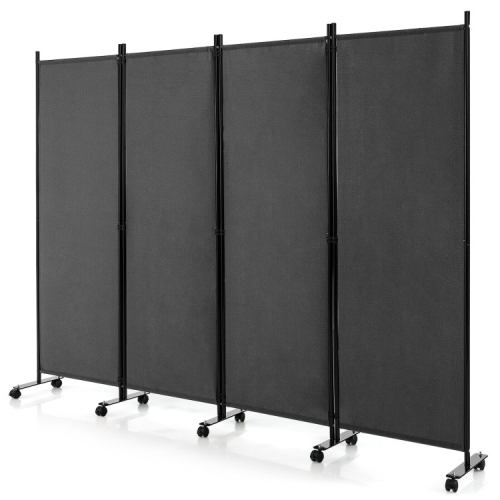

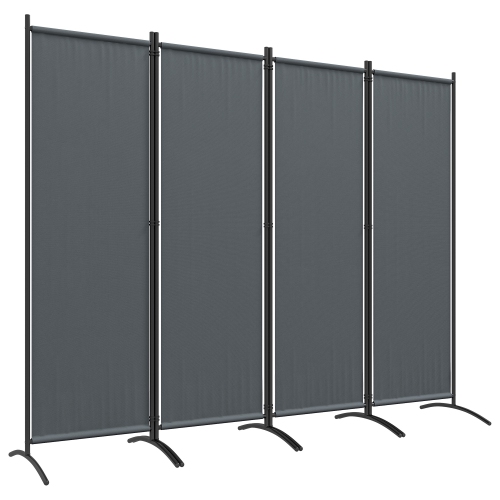
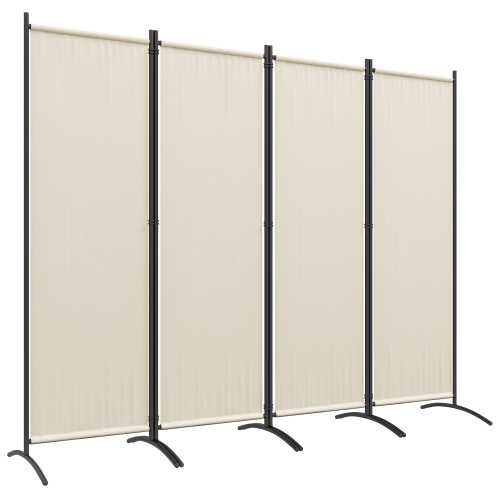

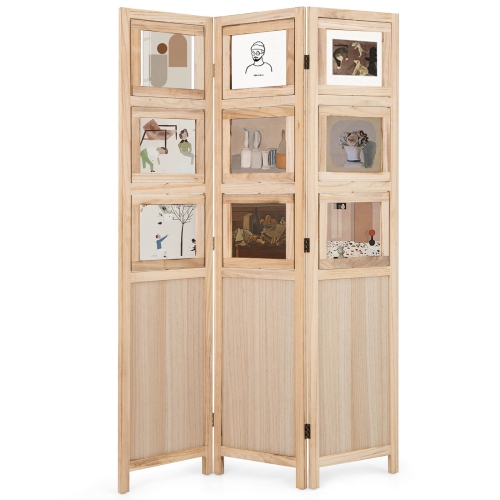
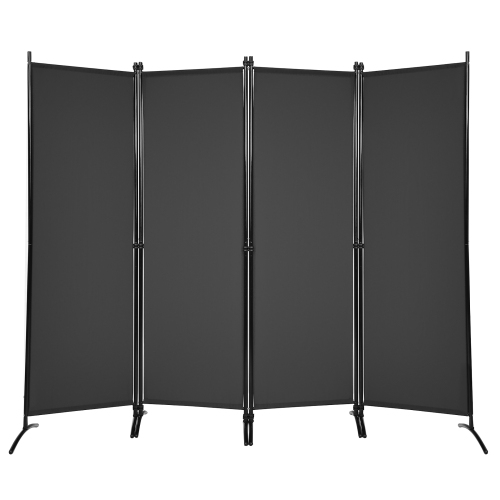
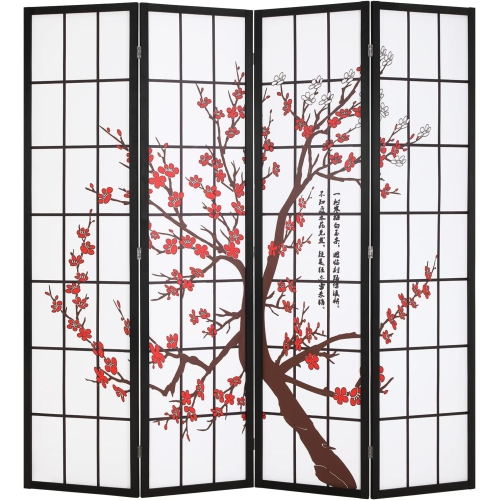
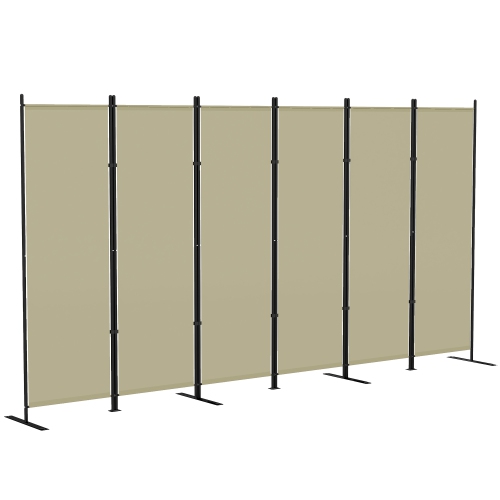
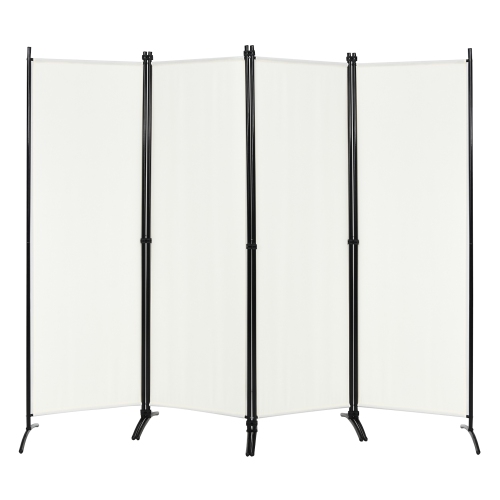
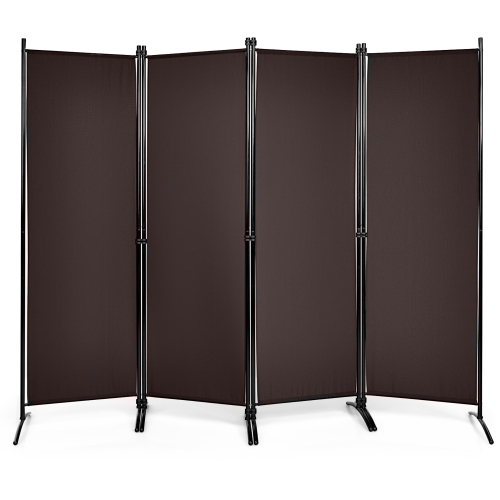
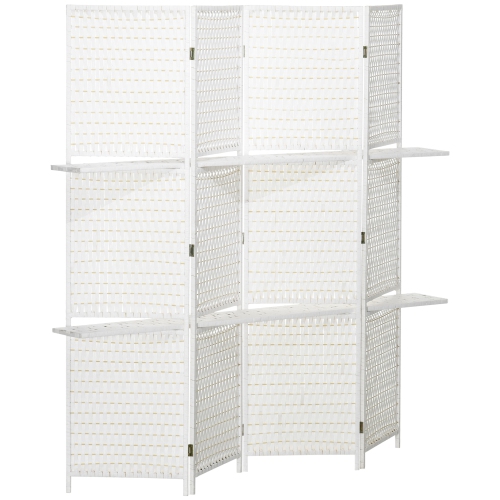

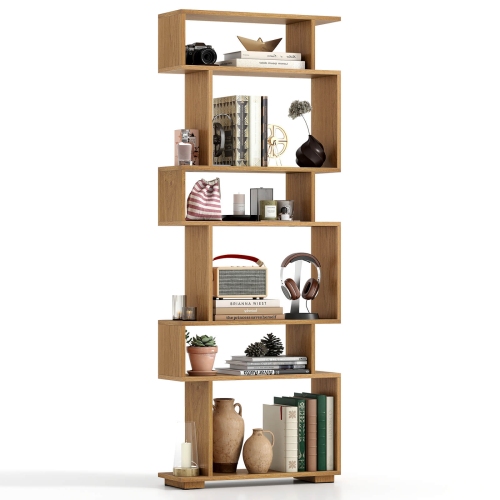
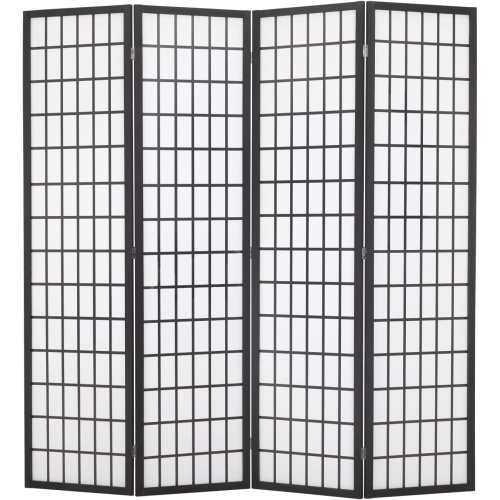


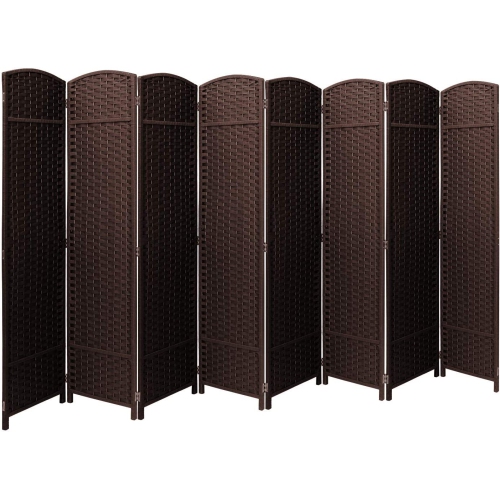
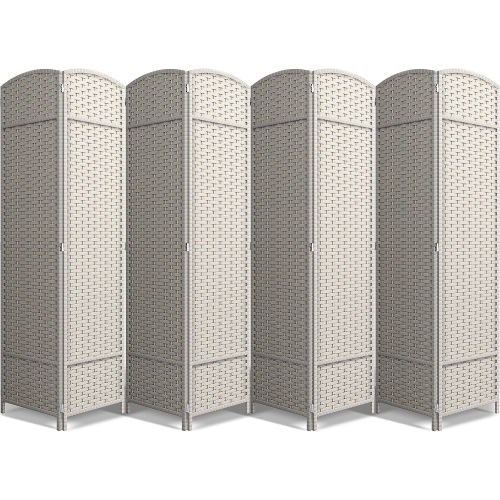

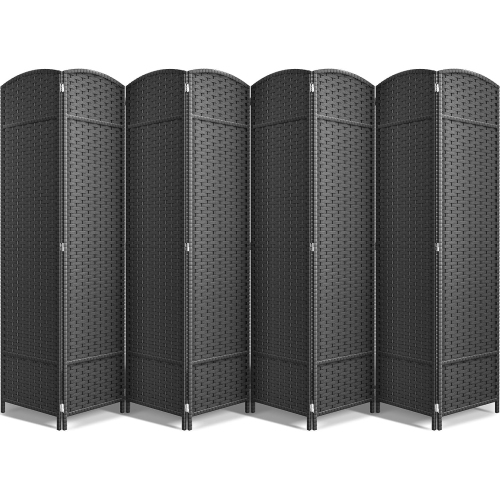

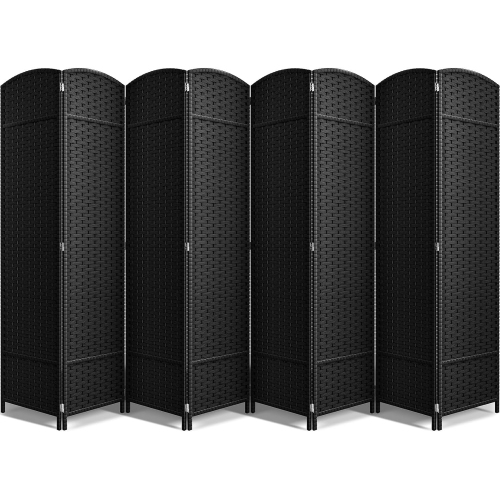
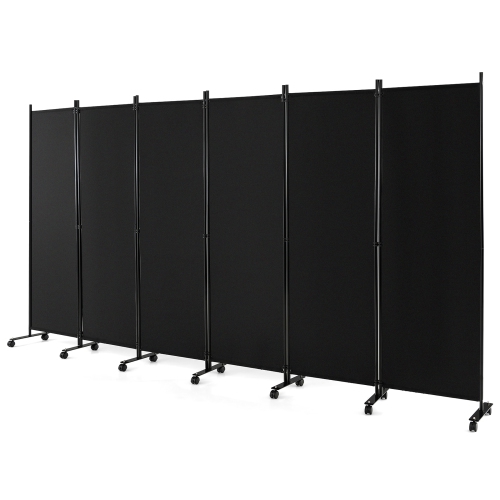

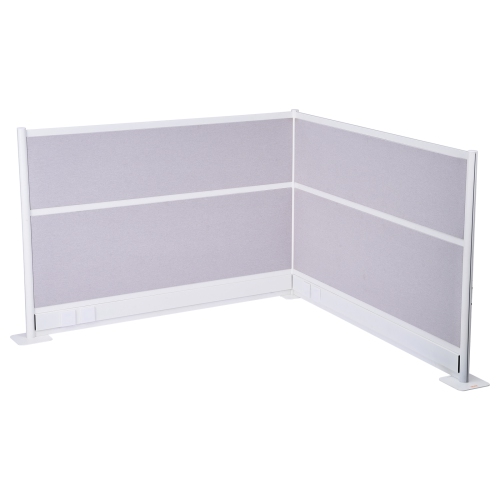
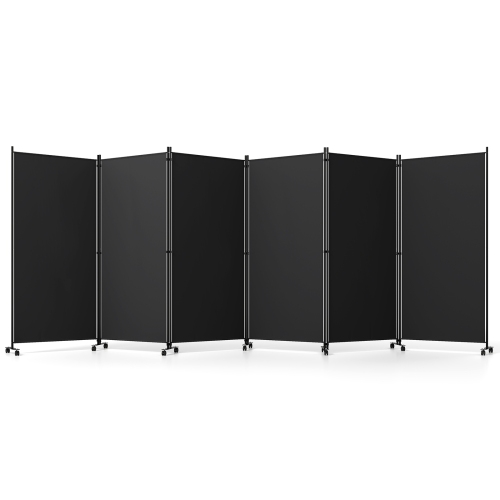
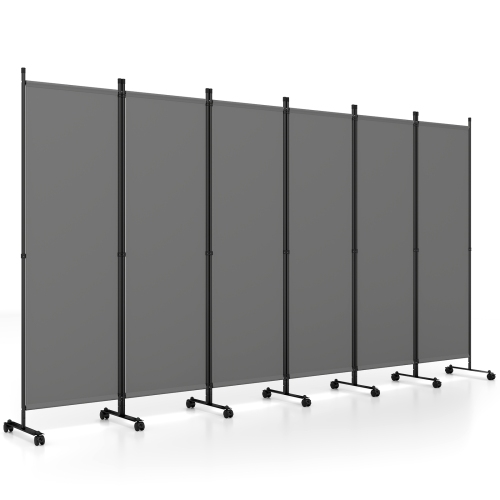
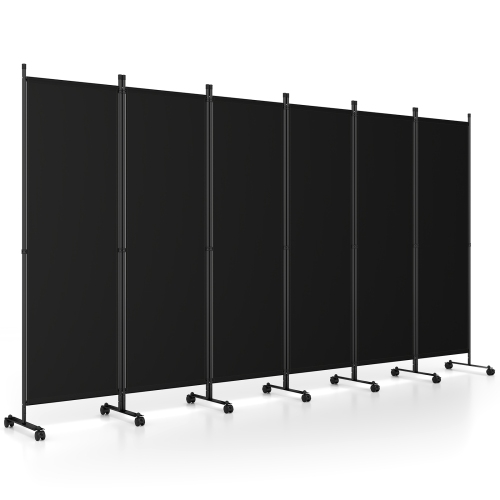
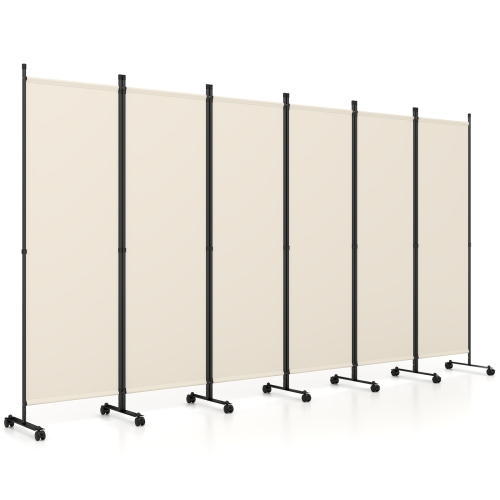
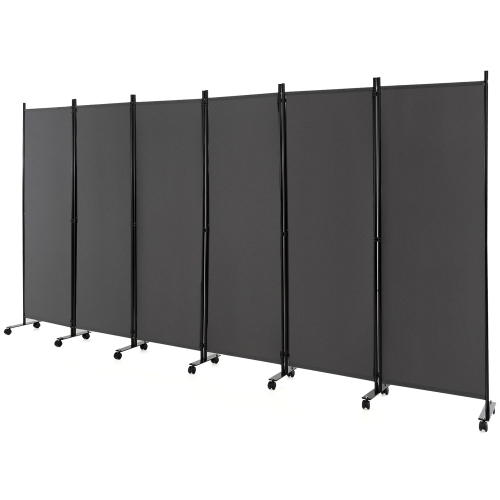
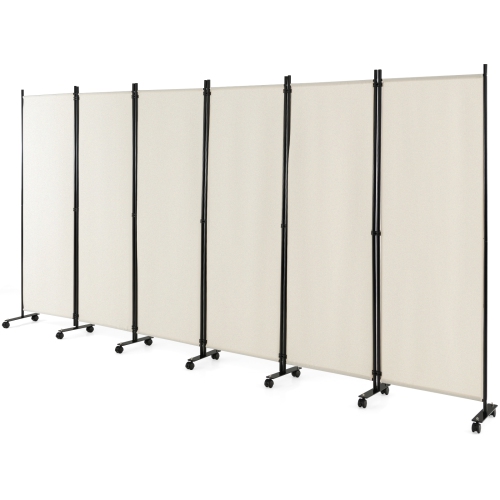
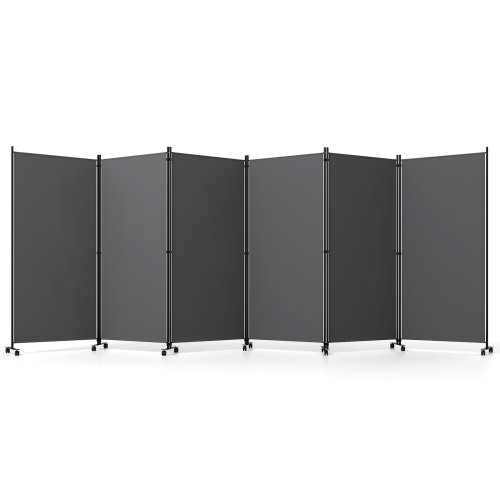
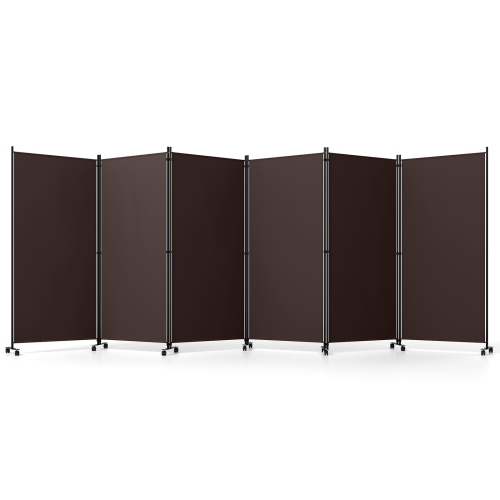


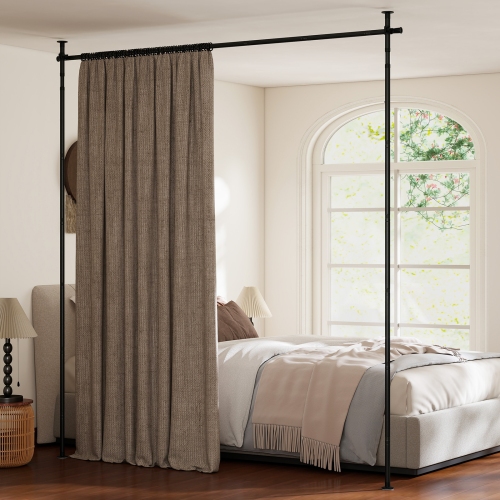
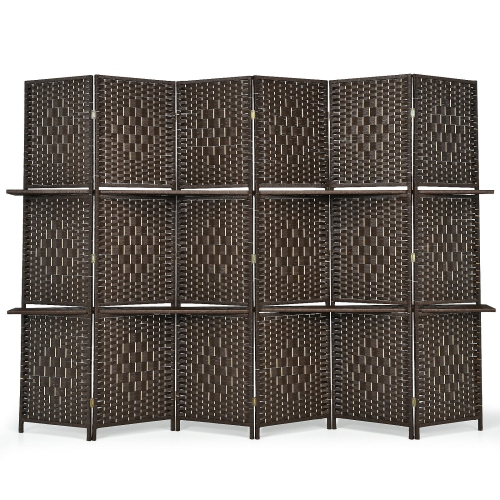
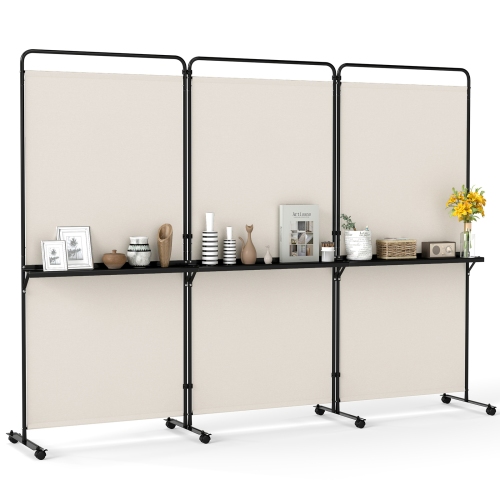
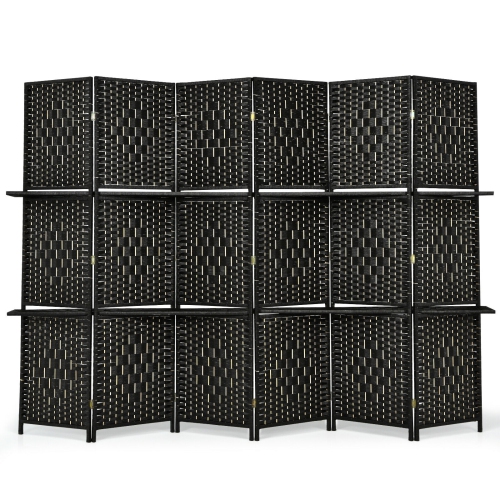

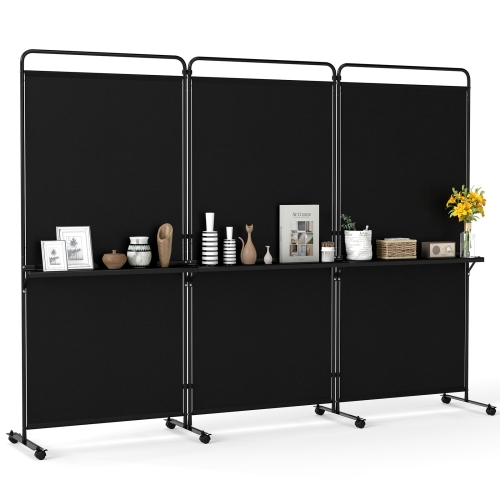
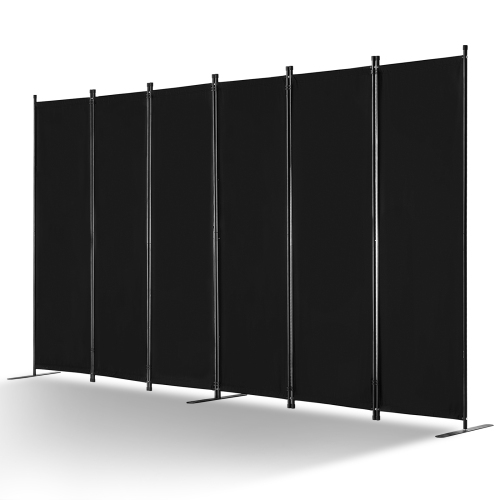
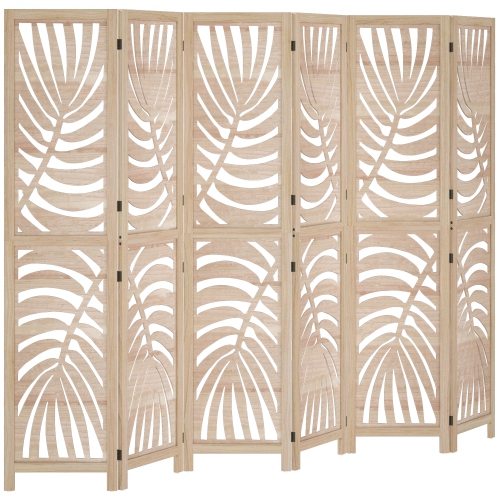
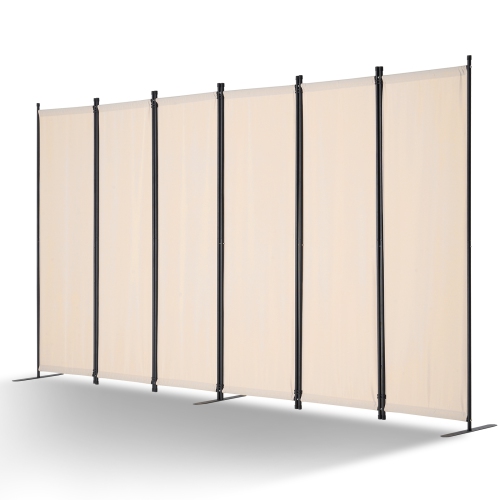
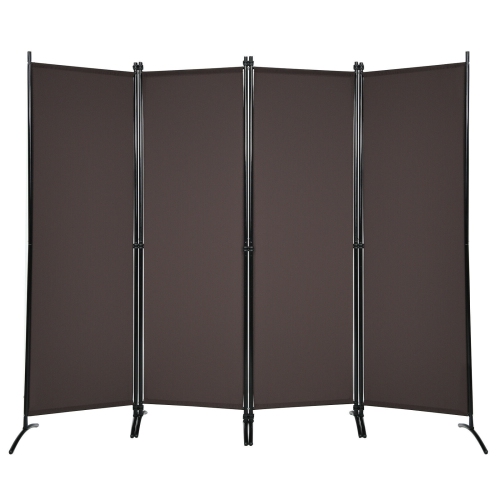
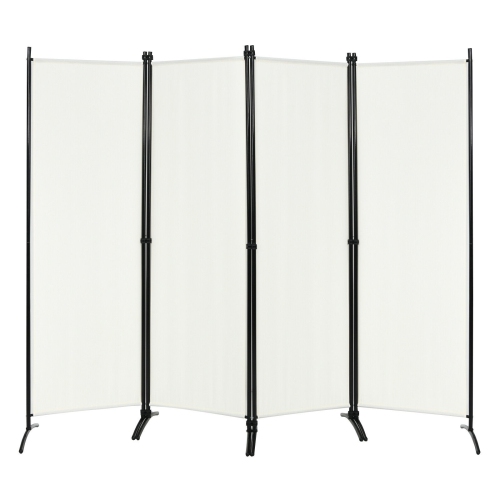
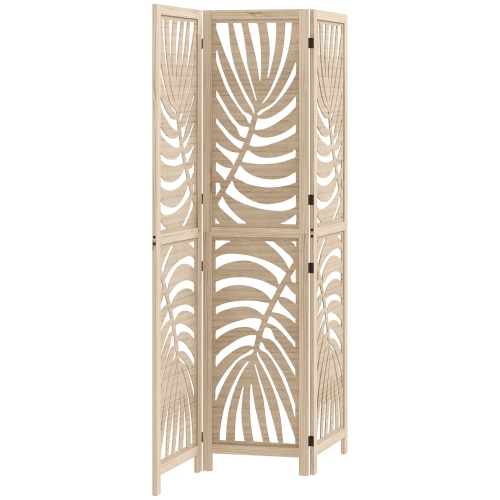
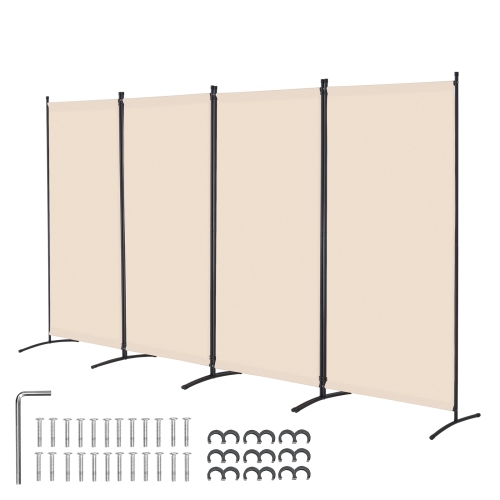
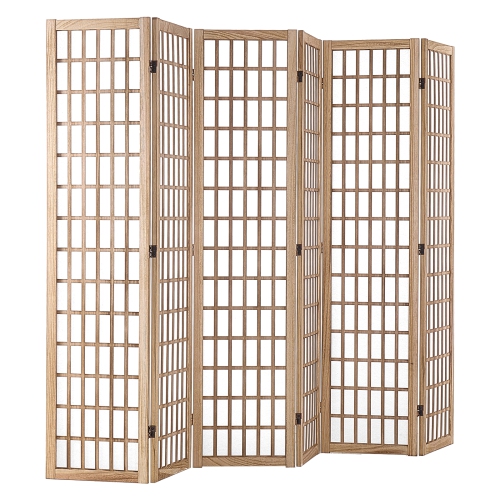
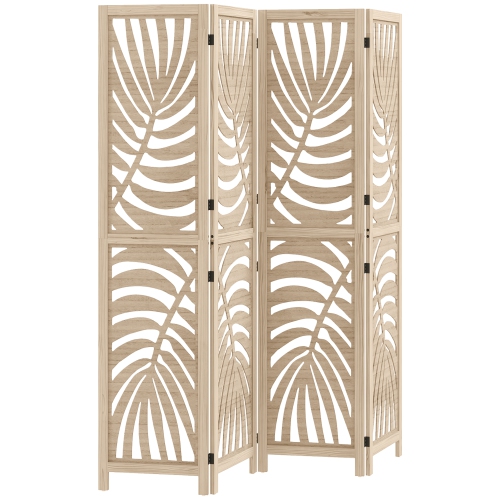
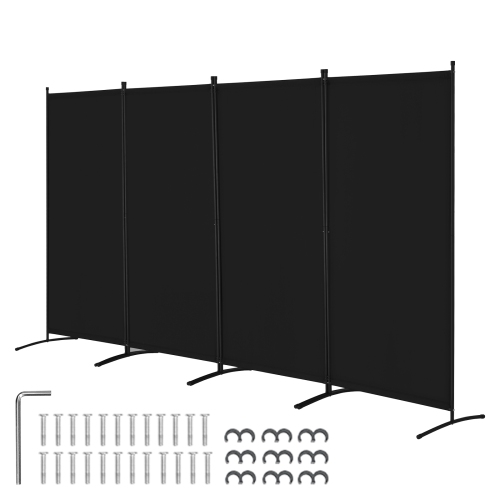
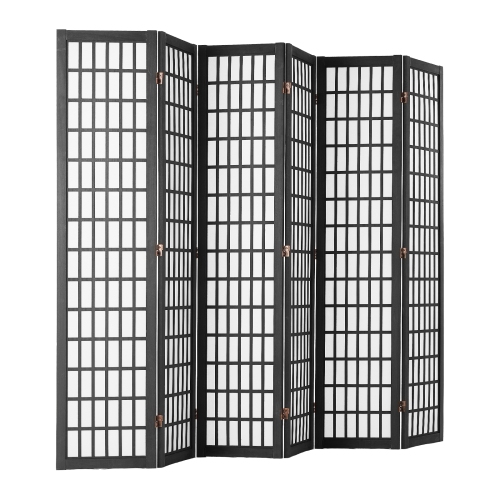
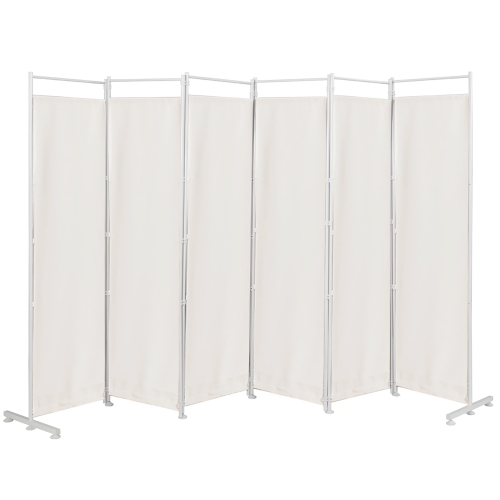
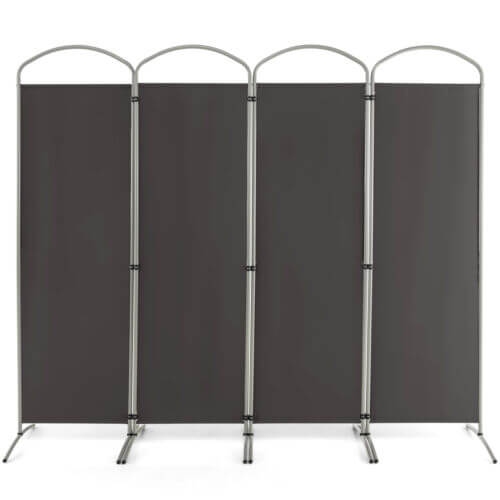
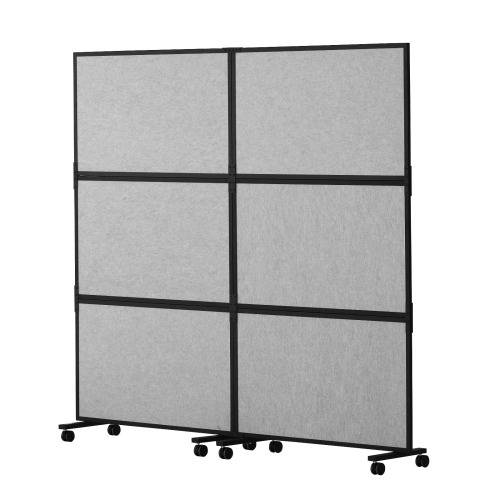
Visual privacy at standing height without permanent walls
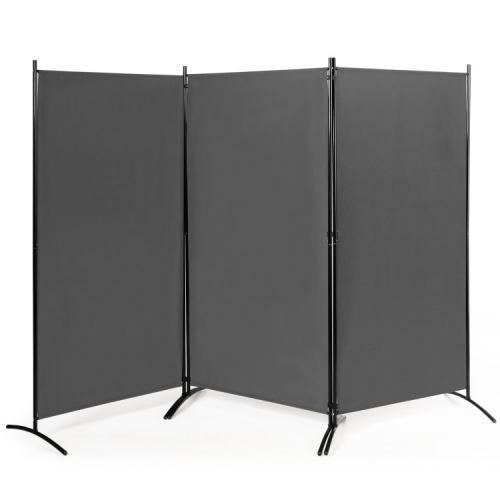
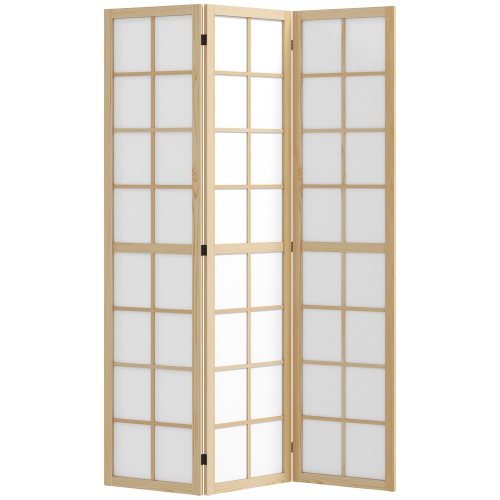
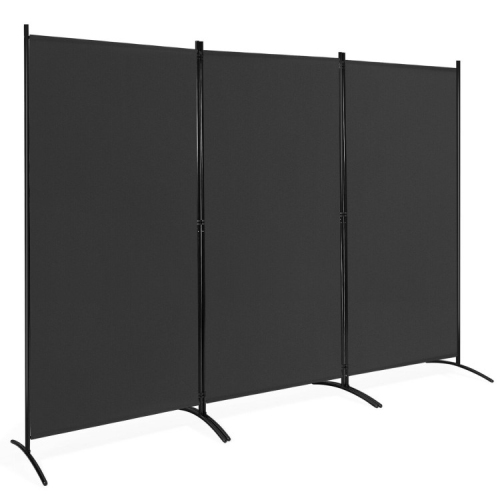
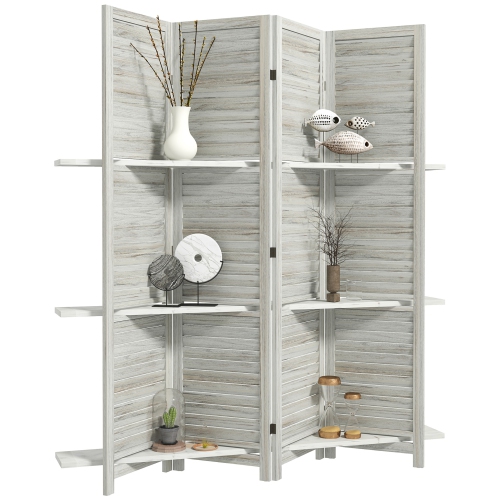
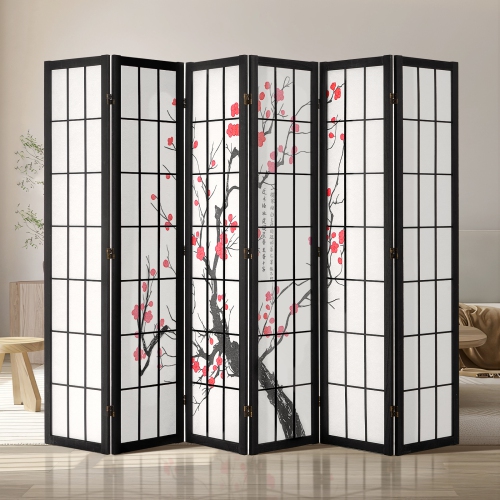
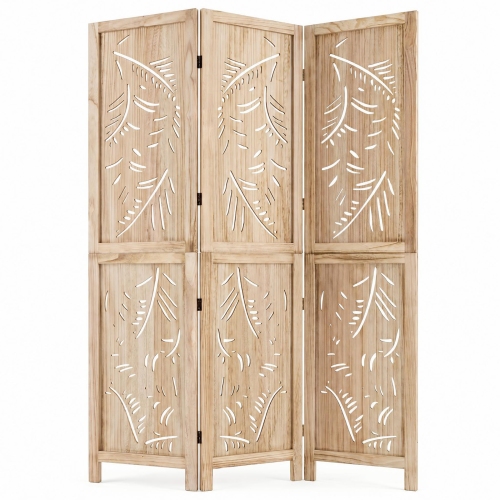
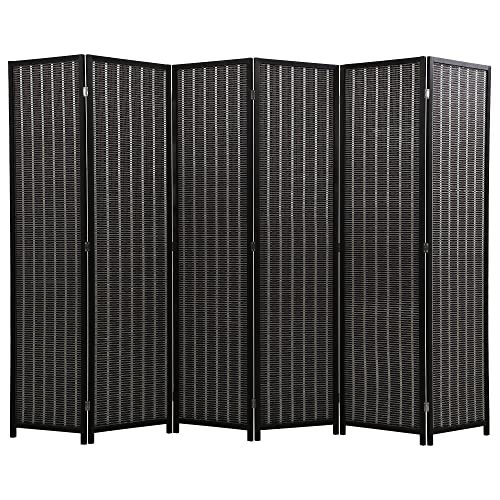
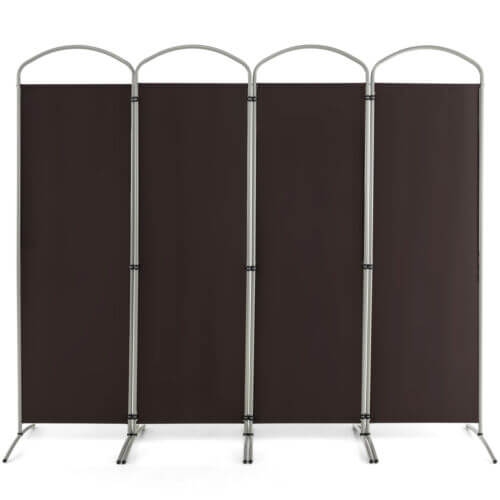
Tall room dividers separate areas within a room, adding visual privacy without the permanence of a built-in wall. Many freestanding designs stand around 6 feet high, while taller partitions and adjustable systems can reach 7 to 9 feet or more, depending on their construction. That extra height helps screen a bed in a studio apartment, conceal a dressing area, or create a more defined workspace beside a living room. Unlike a low shelving unit, a tall privacy screen can interrupt sightlines at standing height, making it useful where people regularly walk past. Folding room dividers use hinged panels arranged in a gentle zigzag, while single-panel partitions generally rely on supporting feet or a wider base. Curtain-style dividers hang from a compatible rod or track, with some tension-mounted systems extending between the floor and ceiling. Each format occupies space differently: a folding screen needs depth to stand securely, a panel with feet extends beyond the face of the screen, and a curtain needs room to gather when drawn open. Height alone does not determine how private a divider feels. Solid panels and closely woven materials offer more visual coverage than open latticework, while translucent inserts soften the view without fully hiding silhouettes. In a shared bedroom, an opaque screen can establish a personal corner; behind a desk, it can provide a tidy backdrop for video calls. A taller divider can also mark the edge of a dining area in an open-plan home without requiring furniture to be pushed against the walls. For a broader look at partition styles, Best Room Dividers offers another way to explore options beyond height alone. The most useful tall room divider balances coverage with everyday access, giving each area a clear purpose while leaving enough room to move naturally between them. In a compact apartment, that might mean screening only the side of a sleeping area visible from the entrance rather than enclosing the bed on every side.
Materials influence a tall room divider’s appearance, weight, light transmission, and upkeep. Wood frames and solid wood panels bring a substantial furniture-like presence, with finishes that can coordinate with a bed frame, dining table, or bookcase. Engineered wood can provide a smooth, consistent surface, although exposed edges and care requirements vary by construction. Rattan, bamboo, and other woven materials introduce texture and can feel less visually heavy than a solid partition of the same size. The weave matters as much as the material: a tight pattern may obscure the view effectively, while a more open pattern leaves small gaps that become noticeable when light shines through from behind. Shoji-style screens typically pair a structured frame with translucent paper or a paper-like insert, creating separation while allowing diffused light to pass through. These inserts deserve particular attention in busy households, since resistance to punctures and moisture depends on the material used. Louvered panels offer another balance of light and coverage, but visibility through the slats changes with their angle and the viewer’s position. Fabric panels range from lightly textured surfaces to denser, opaque coverings, and removable fabric is only washable when the care label says so. Metal frames can create a slim outline, though the overall weight and steadiness still depend on the base, joints, and panel dimensions. For a divider that will move regularly between a desk and a guest sleeping area, manageable weight and comfortable handling may matter more than an elaborate finish. For one that stays in place, sturdy hinges, secure connections, and a finish suited to routine cleaning become especially important. A soft cloth or a vacuum brush attachment may suit some surfaces, while delicate inserts and woven fibres need gentler treatment according to the manufacturer’s directions. Avoid soaking panels or applying a cleaner without checking compatibility. Dust can settle along slats, hinge edges, and textured surfaces, so access to both sides makes routine care easier. Colour also affects the result: pale panels tend to blend into lighter walls, while darker frames make the divider a more prominent part of the room.
Fit is especially important with tall room dividers because a screen that looks narrow when folded can occupy a surprisingly large footprint when set up. Measure the intended placement for height, width, and depth, including the supporting feet and any clearance needed to fold or reposition the panels. The listed width of a folding divider may describe its fully extended span rather than the coverage it provides in a stable zigzag arrangement. Check the specified setup rather than assuming every panel can sit in a straight line. Ceiling height matters for extra-tall screens, but so do doorways, overhead fixtures, and the route the divider will take into the room. For floor-to-ceiling tension systems, confirm the supported height range, compatible ceiling and floor surfaces, and installation requirements; a no-drill design still needs appropriate contact points and correct adjustment. In rental housing, checking property rules before fitting rods, tracks, or brackets can prevent unnecessary complications. Placement should preserve clear routes to doors and windows and avoid obstructing vents, heaters, sprinklers, or other safety equipment. Tall freestanding panels also need careful positioning around children and pets, particularly where climbing, pulling, or accidental bumps are possible. Follow any anchoring requirements and do not treat a room divider as a safety gate or load-bearing structure. In a home office, a screen can hide household activity from view, but an ordinary decorative partition does not soundproof the space. Fabric may soften some reflected sound, yet conversations can still travel over and around the divider. Similarly, a screen beside a guest bed provides visual separation rather than the full privacy of a separate bedroom. Those distinctions help match the design to its intended use, whether it is defining a quiet reading corner, separating two desks, or concealing storage from the main seating area. A divider that folds away can support occasional changes without permanently rearranging the room, provided there is a suitable place to store it securely. The right combination of height, opacity, footprint, and construction makes a tall partition feel like a considered part of the furniture rather than an obstacle added between it.
Top selling and popular products
-
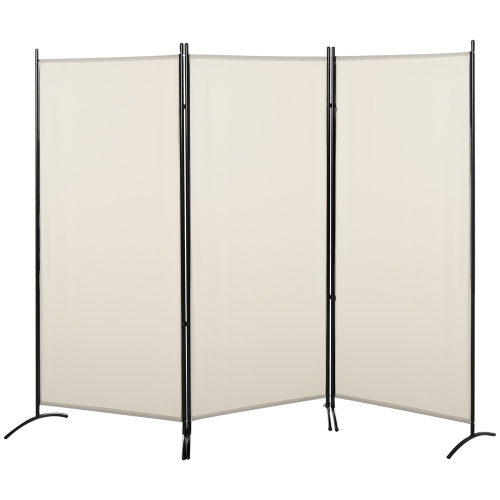 Your price for this item is $80.99
-
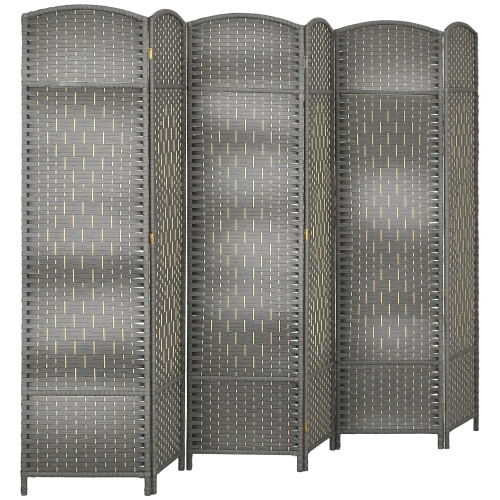 Your price for this item is $154.99
-
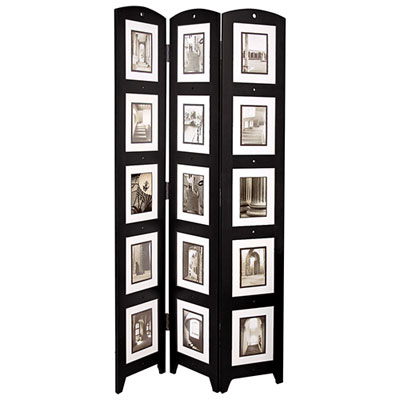 Your price for this item is $179.98
-
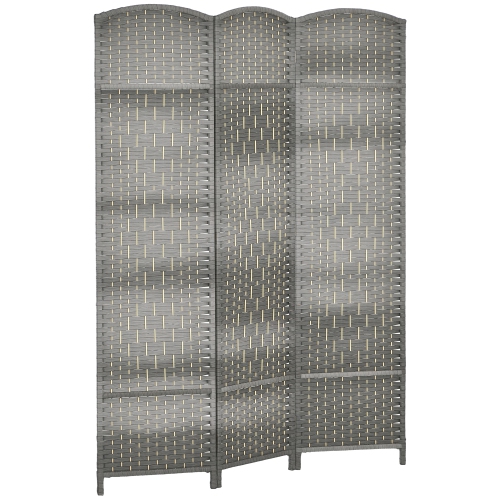 Your price for this item is $94.99
-
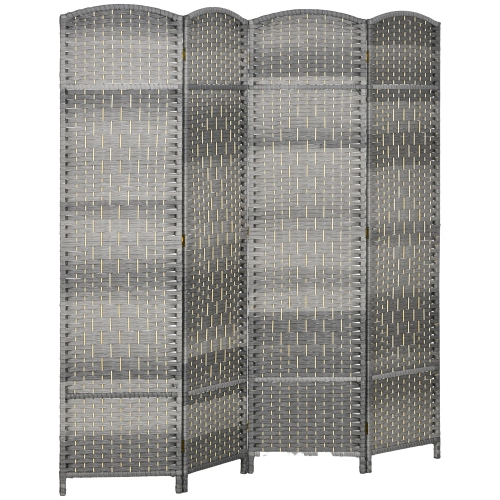 Your price for this item is $106.69
-
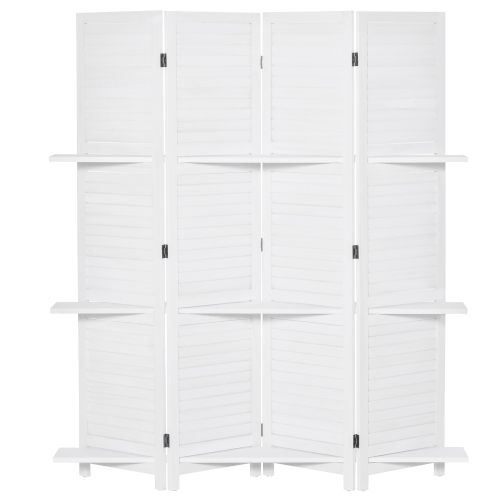 Your price for this item is $156.99
-
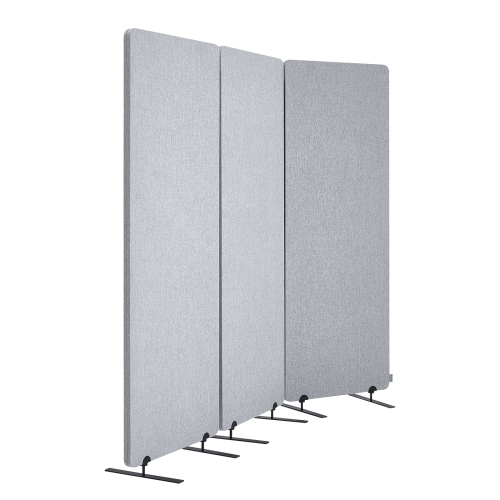 Your price for this item is $589.99
-
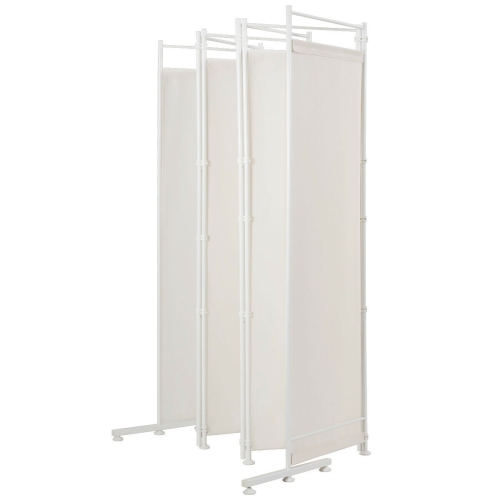 Your price for this item is $236.99
Discover more categories related to Tall Room Dividers
Top Collections:
Pokemon Centers, Best Cameras for Sports Photography, Kindle Devices, Samsung Galaxy Phones, Canon G7X Cameras, Pokémon 30th Celebration Cards, Refurbished Apple Laptops, iPhone 15 Apple, Laptops for Students, Budget Smartphones
Some products may be subject to Environmental Handling Fees
(EHF) depending on your province.
Learn more about EHFs.