Farmhouse Kitchen Counter Stools
Farmhouse Kitchen Counter Stools bring a blend of rustic charm and modern comfort to any kitchen or dining space. These stools are designed to complement a variety of home décor styles, making them a versatile addition to your countertop or island seating arrangement. With their inviting look and practical design, Farmhouse Kitchen Counter Stools help create a warm and welcoming atmosphere for family meals, casual gatherings, or quick snacks. Explore the selection to find the perfect fit for your kitchen and enjoy both style and function in every meal.
Sort
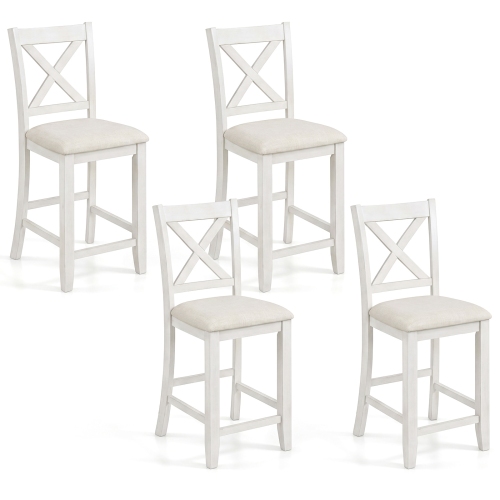
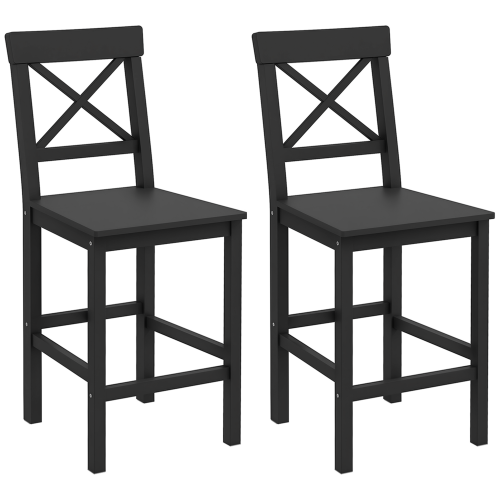
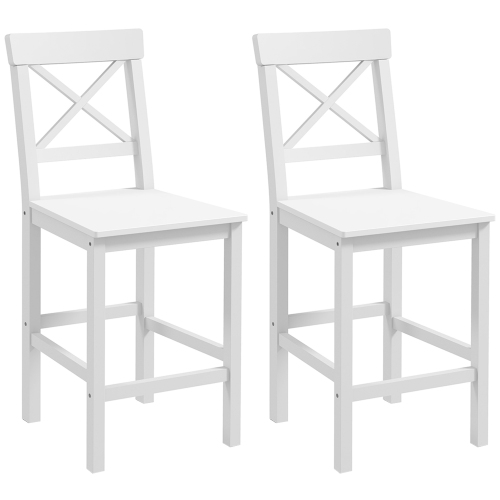
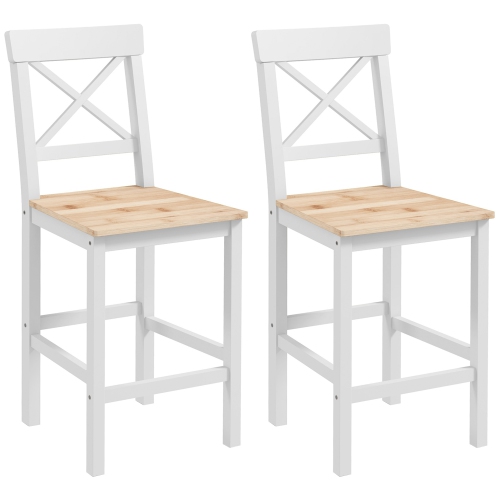
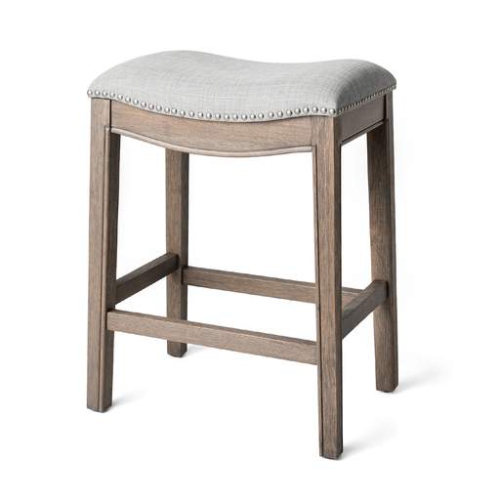
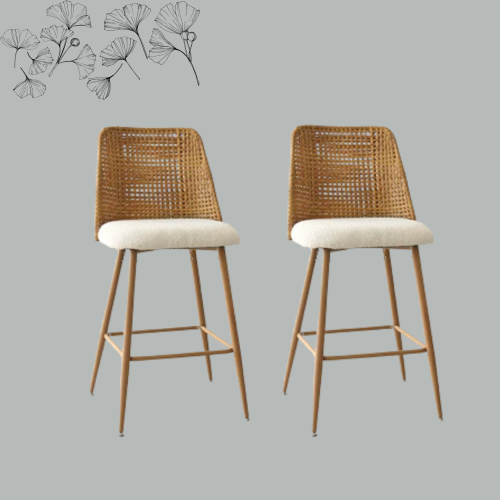
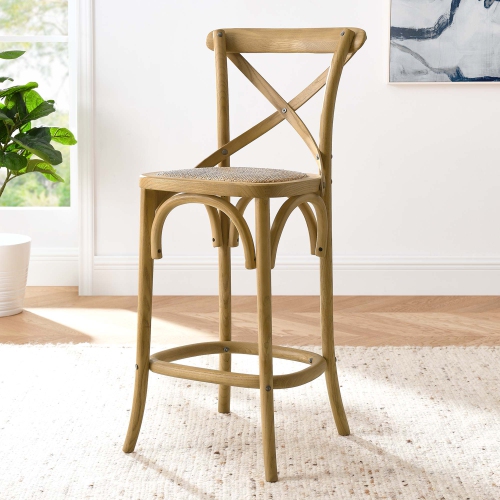
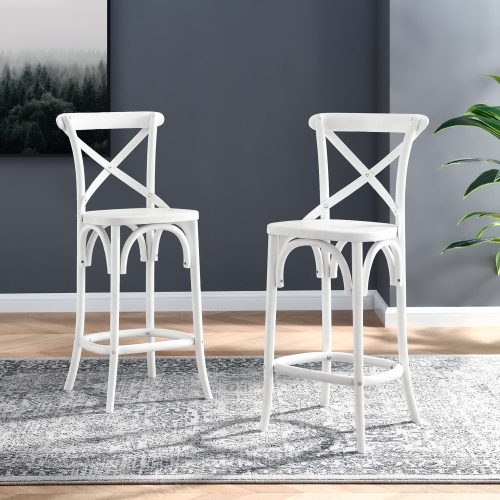
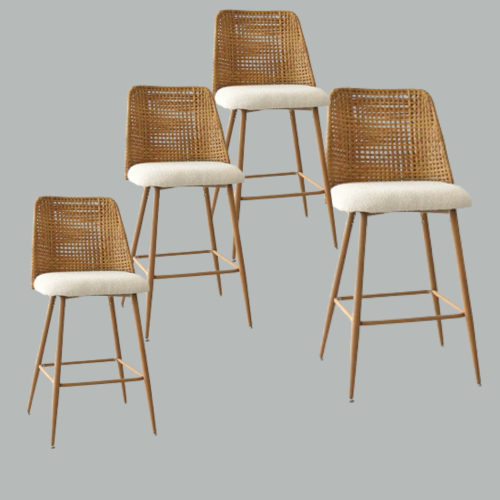
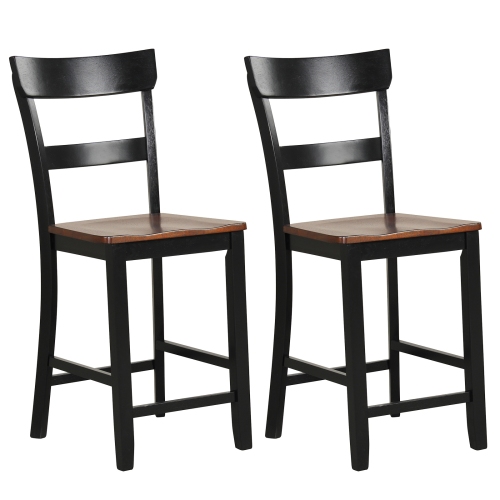
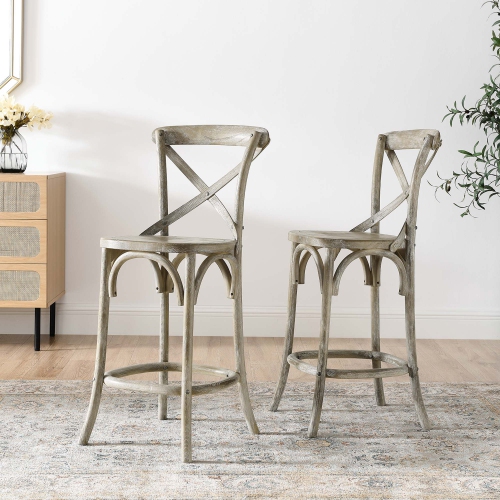
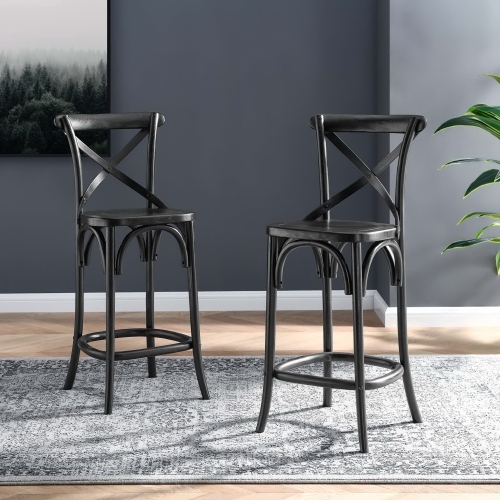
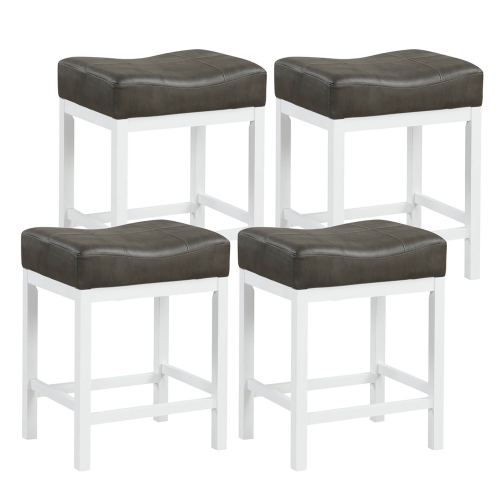
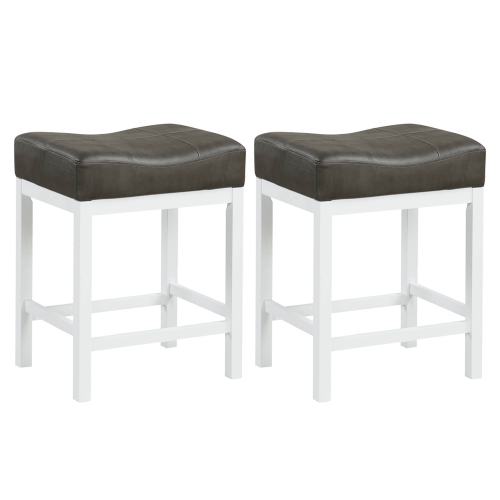
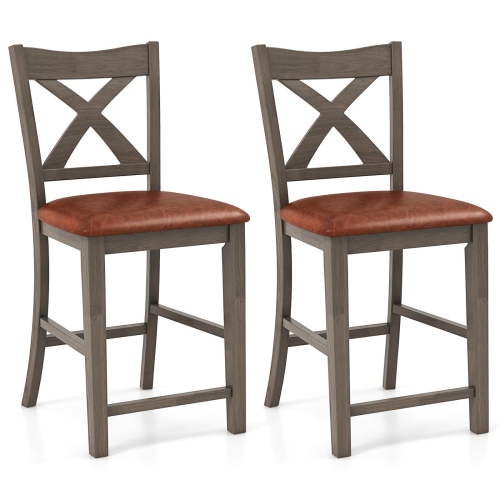
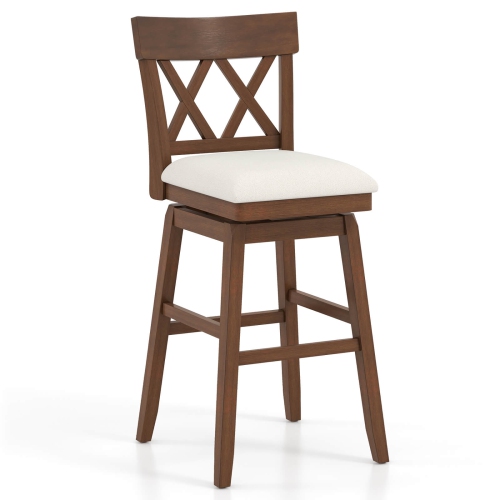
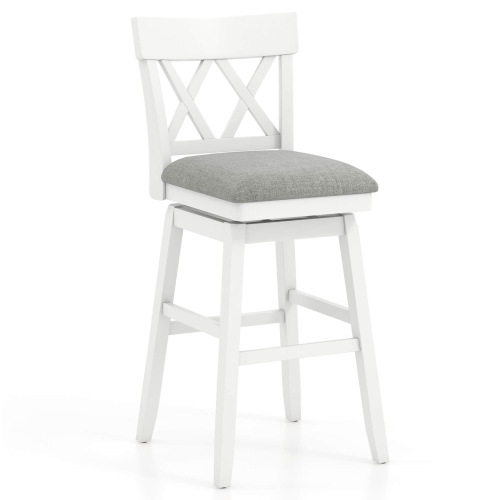
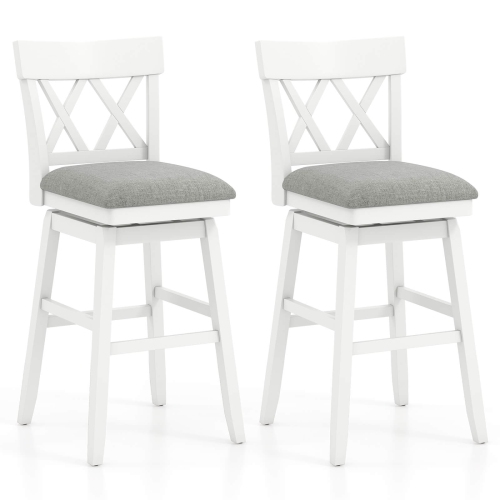
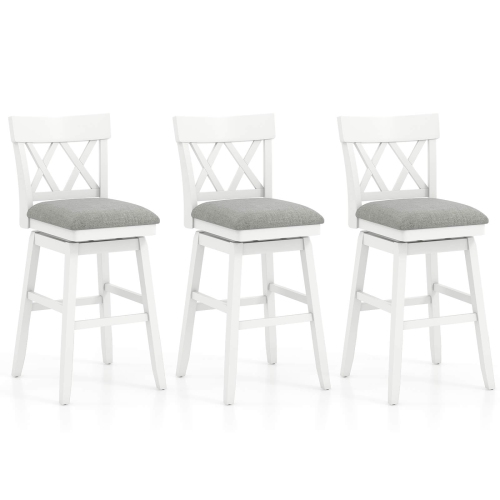
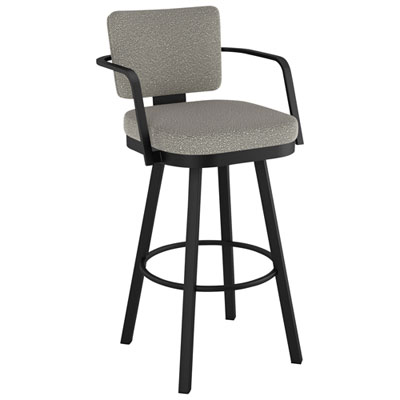
Rustic character with the right fit for your counter
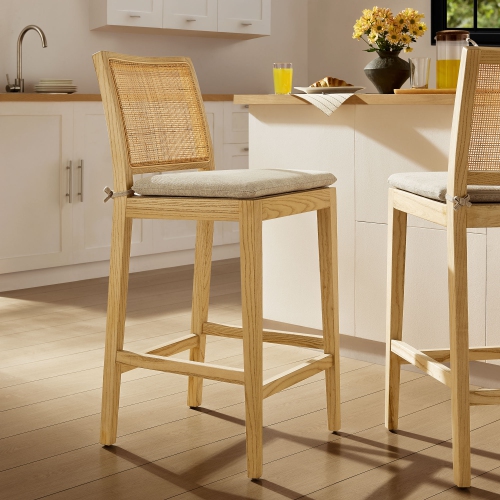
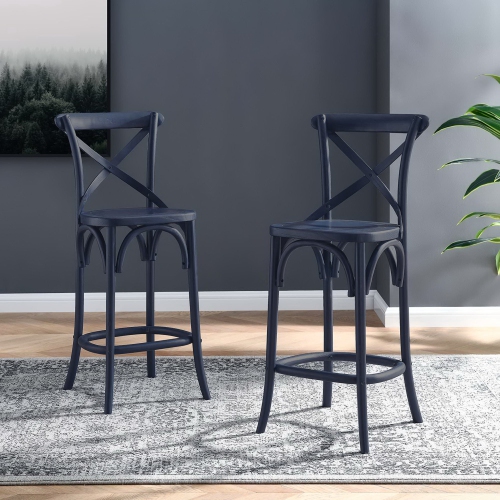
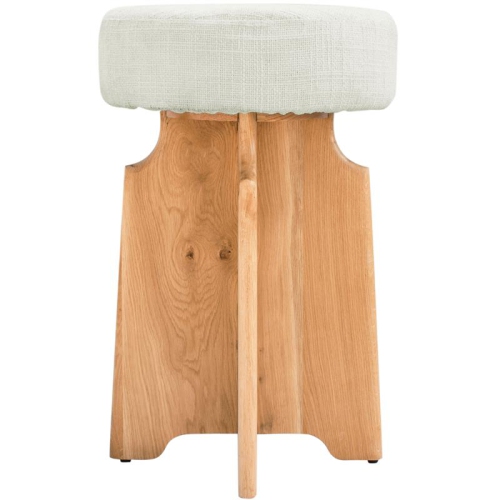
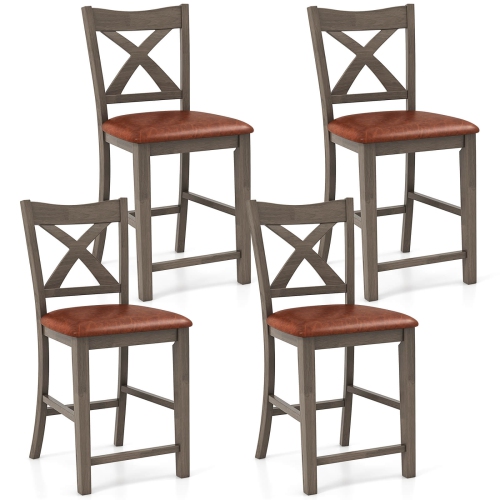
Farmhouse kitchen counter stools combine everyday seating with the warm textures and straightforward shapes associated with country-inspired kitchens. Common styles include wooden ladderback and crossback stools, upholstered seats, and backless saddle stools, each bringing a different balance of support, softness, and visual weight to an island or breakfast counter. Wood grain, painted frames, woven details, and simple metal accents help create the look without requiring every piece of furniture to match. A natural wood seat on a white frame can connect pale cabinetry with a timber dining table, while a black frame adds definition beside a light countertop. Distressed finishes suit a more rustic setting, whereas smoother surfaces and restrained detailing work well in kitchens that mix traditional and contemporary elements. For a more streamlined interpretation, Modern Farmhouse Counter Stools pair familiar rustic textures with simpler profiles and understated detailing. The shape of the back makes a noticeable difference: ladderback slats create an informal country feel, crossbacks add an open geometric pattern, and solid or upholstered backs give seating a more substantial presence. Backless designs keep sightlines clear across an open-plan kitchen and can tuck beneath a suitable overhang when not in use. Saddle seats have a gently curved surface rather than a flat platform, although comfort still depends on seat dimensions and individual preference. Upholstered stools introduce fabric texture and a softer place to sit, particularly where the kitchen island doubles as a spot for conversation or a quick meal. Neutral colours such as cream, grey, beige, and brown are easy to coordinate with tile, wood flooring, and painted cabinets. Contrasting finishes can be equally effective when they repeat a detail already in the room, such as dark cabinet handles or a wood shelf. The overall effect comes from the relationship between materials, proportions, and finishes rather than from a perfectly matched set, leaving room for a kitchen to feel personal and lived in.
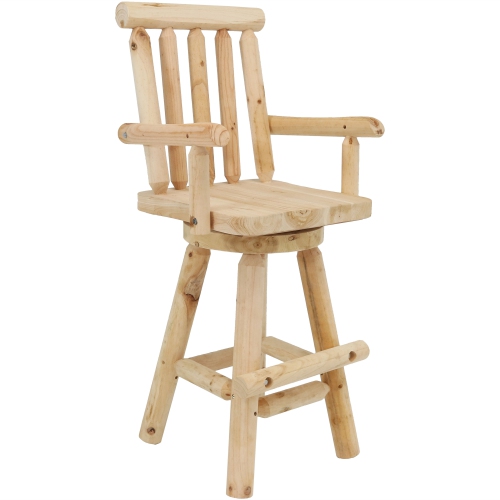
Counter height is the most important distinction between farmhouse kitchen counter stools and taller bar stools. Counter stools commonly have seats approximately 24 to 26 inches high and are intended for countertops around 36 inches high, while bar-height seating is generally designed for a higher surface. These are typical dimensions rather than a guarantee of fit; countertop thickness, support brackets, and decorative aprons can all reduce the space available for knees and thighs. Seat height, overall height, and arm height describe different measurements, so each matters when seating needs to slide beneath an island. A stool with arms may feel comfortable during a longer conversation but remain partly outside the overhang, changing how much walking space is left behind it. Backless seating usually has a smaller visual footprint, though splayed legs or a broad base can still take up considerable floor space. Along the counter, roughly 26 to 30 inches from the centre of one seat to the next is a useful starting point, with wider seats, arms, and swivel movement requiring more room. The usable seating area also depends on nearby drawers, dishwasher doors, cabinet handles, and the route through the kitchen. Two generously spaced stools can be more practical than three squeezed into a short stretch of countertop. For seating used through meals or homework, a supportive back and a conveniently positioned footrest often matter more than decorative details alone. A footrest gives feet somewhere to settle when the seat is too high for them to reach the floor comfortably. Swivel seats can make it easier to turn towards the room without dragging the whole stool, but they need clearance from adjacent seating and cabinetry. Fixed seats keep the arrangement more predictable in narrow spaces. For households with children, age-appropriate seating, a stable base, and supervised use deserve particular attention; a counter stool is not a substitute for a suitable high chair.
Materials and construction influence how farmhouse counter stools feel in daily use and how much care they need. Solid wood offers visible grain and can develop small marks over time, with the finish determining how readily spills wipe away and how noticeable scratches become. Wood veneers provide a real-wood surface over a supporting core, so their care requirements differ from those of an unfinished solid-wood seat. Painted surfaces create a consistent colour, while stained finishes leave more of the grain visible. Metal frames offer another way to introduce contrast, especially alongside wooden seats, although overall sturdiness depends on the design, joints, and assembly rather than the material alone. Secure connections, balanced legs, and the stated weight capacity are useful considerations for seating that will be used every day. Some stools require assembly, and hardware may need periodic tightening according to the manufacturer's directions. Floor contact matters too: suitable protective glides can help reduce scraping, while adjustable feet, where included, may help address a slightly uneven surface. Upholstery brings its own practical differences. Tightly woven fabric can feel comfortable against bare legs, but crumbs and spills need prompt attention, particularly around seams and decorative stitching. Removable cushions or covers may simplify cleaning when their care instructions allow it; a removable cover is not necessarily machine washable. Faux leather and other wipeable coverings offer a smoother surface, though cleaning products still need to suit the material. Woven seats add texture but can catch crumbs in their openings, making gentle, regular cleaning worthwhile. Across materials, a soft cloth, prompt spill cleanup, and manufacturer-approved care help protect the finish without unnecessary abrasion. For a busy breakfast counter, easy-clean surfaces and straightforward shapes may take priority. Where seating is used for lingering over coffee or chatting while dinner is prepared, cushioning and back support may carry more weight. A well-suited stool balances those habits with comfortable proportions and a farmhouse character that feels at home beside the kitchen's existing finishes.
Top selling and popular products
-
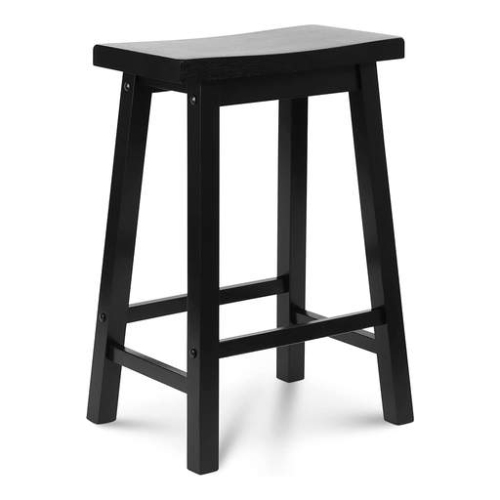 Your price for this item is $93.99
-
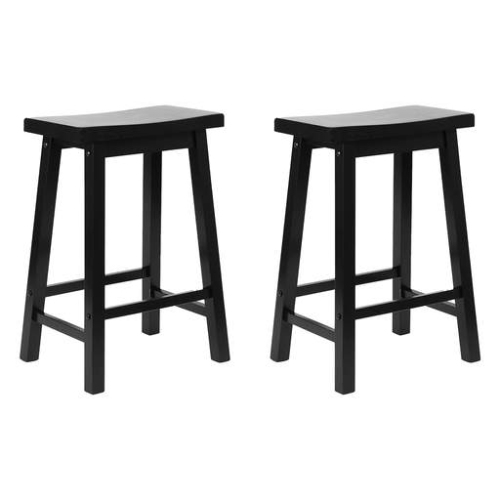 Your price for this item is $223.99
-
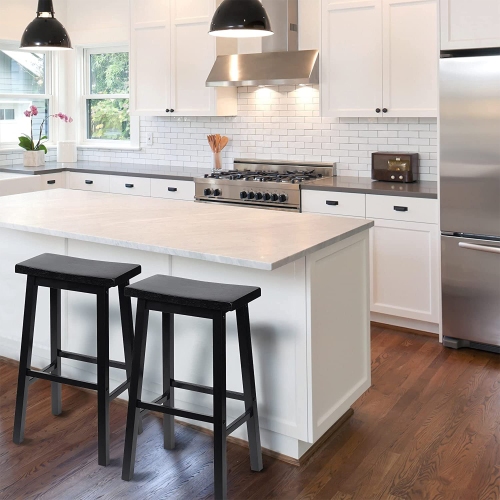 Your price for this item is $557.99
-
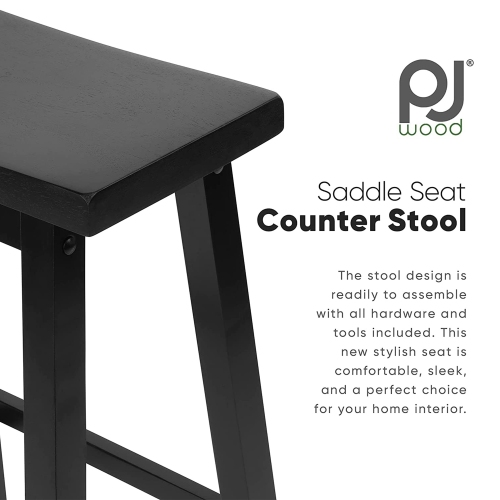 Your price for this item is $202.99
-
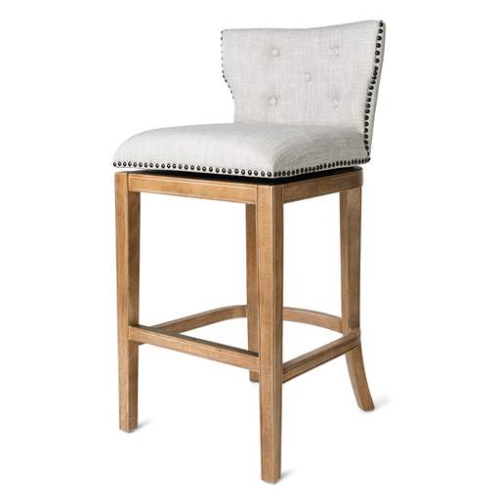 Your price for this item is $508.99
-
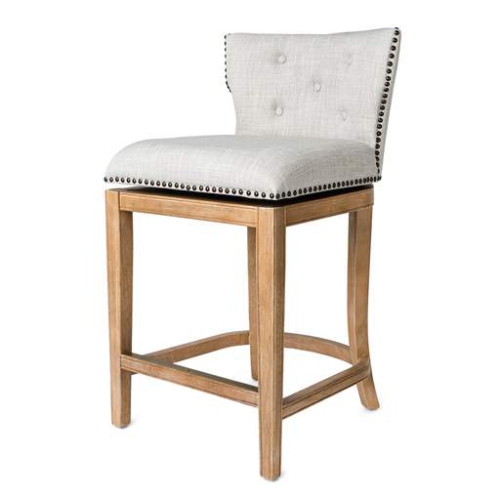 Your price for this item is $556.99
-
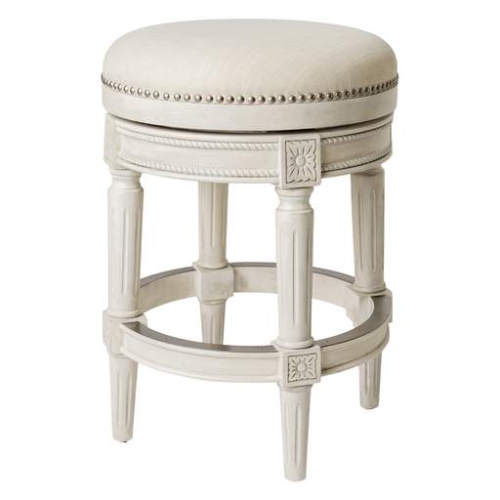 Your price for this item is $449.99
-
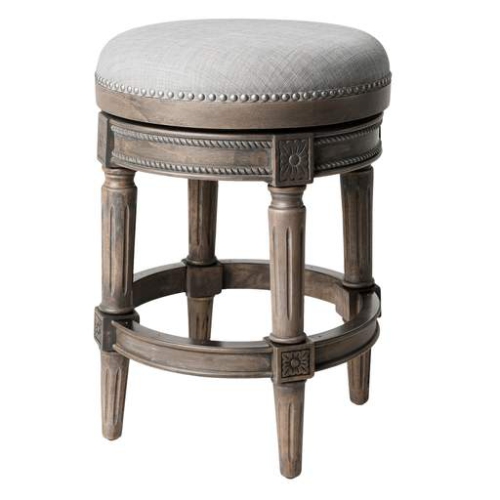 Your price for this item is $468.99
Discover more categories related to Farmhouse Kitchen Counter Stools

Top Collections:
Best Black Friday Deals This Year, Best Black Friday Deals On Electronics, Kindle Devices, Dyson Airwrap, Best Cameras for Sports Photography, Best Budget Office Chairs, Canon G7X Cameras, PS5 Pro Consoles, Best Black Friday Deals On Apple Products, XBOX One S Consoles
Some products may be subject to Environmental Handling Fees
(EHF) depending on your province.
Learn more about EHFs.