Modern Farmhouse Counter Stools
Elevate your kitchen or dining space with the timeless charm of Modern Farmhouse Counter Stools. Blending classic farmhouse appeal with contemporary design, these stools bring warmth and character to any home. Whether you’re gathering around the kitchen island for a quick breakfast or entertaining guests, Modern Farmhouse Counter Stools offer a stylish seating solution that complements a variety of décor styles. Explore versatile options to find the perfect addition to your counter-height spaces.
Sort
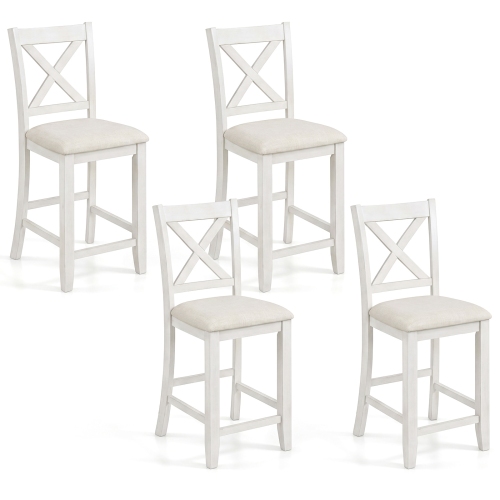
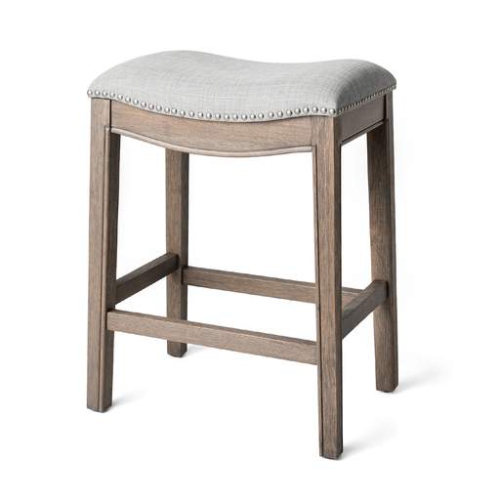
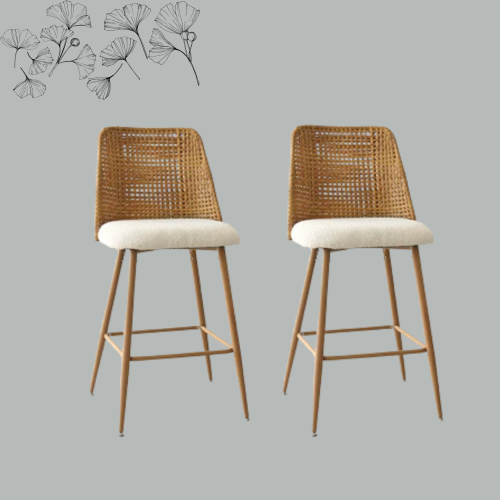
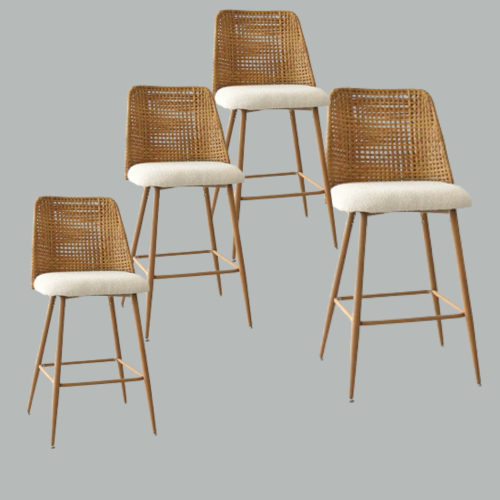
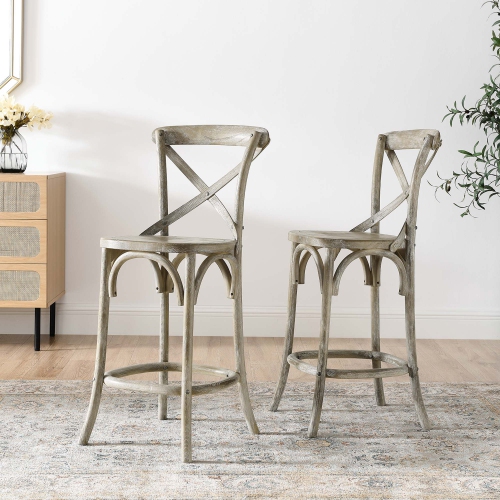
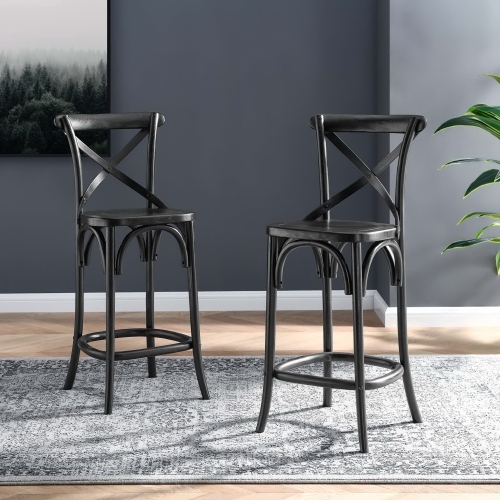
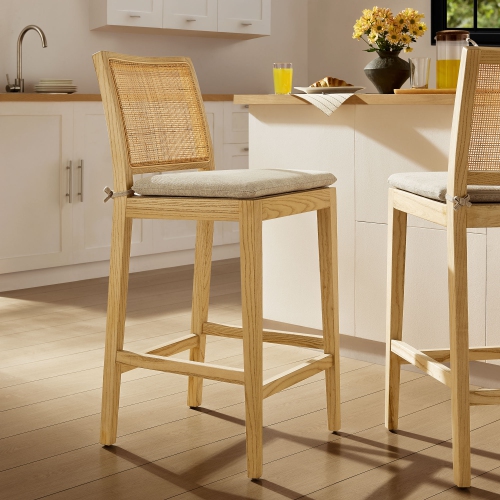
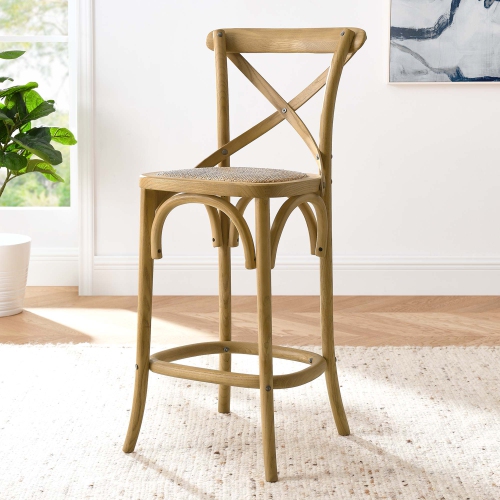
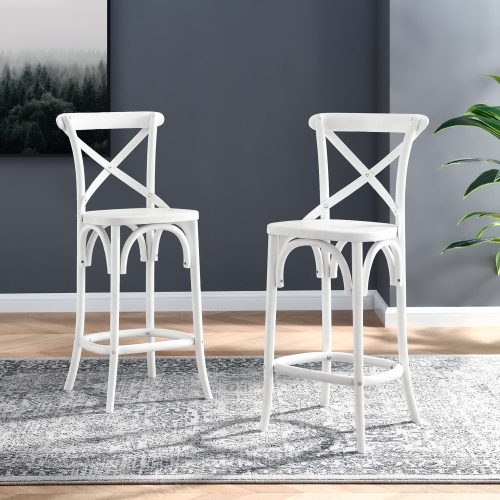
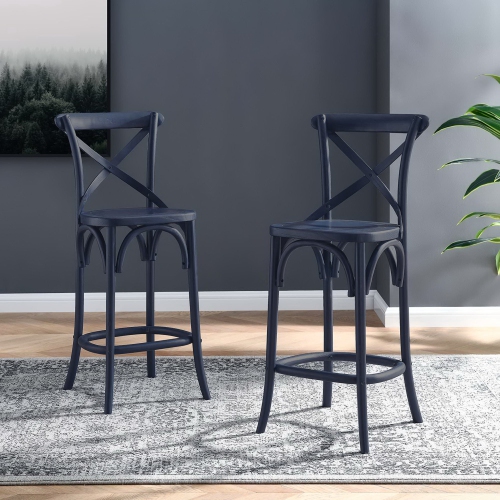
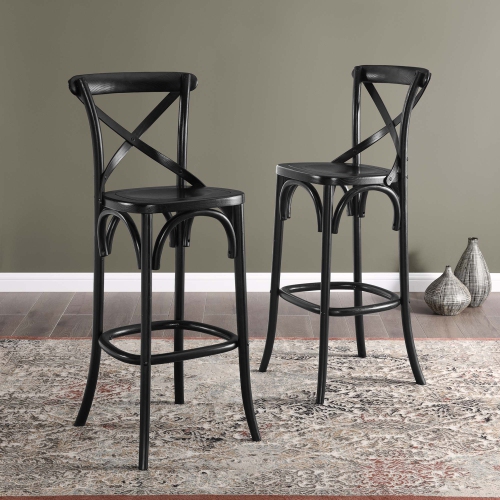
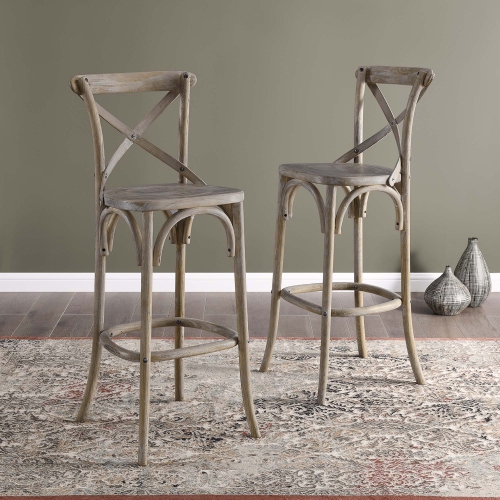
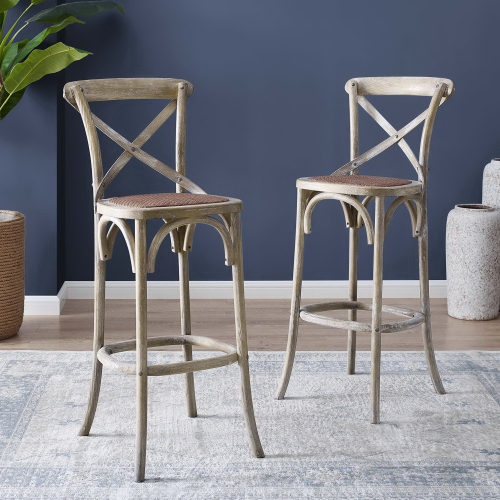
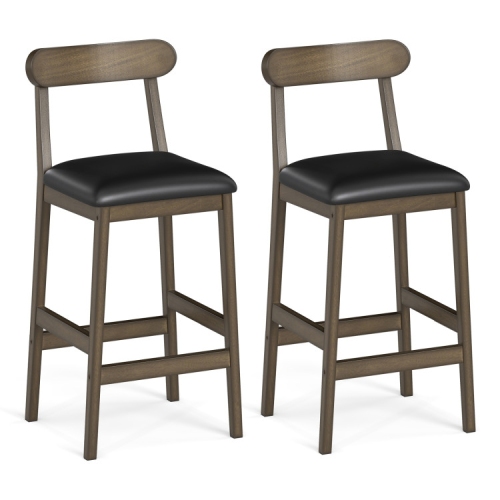
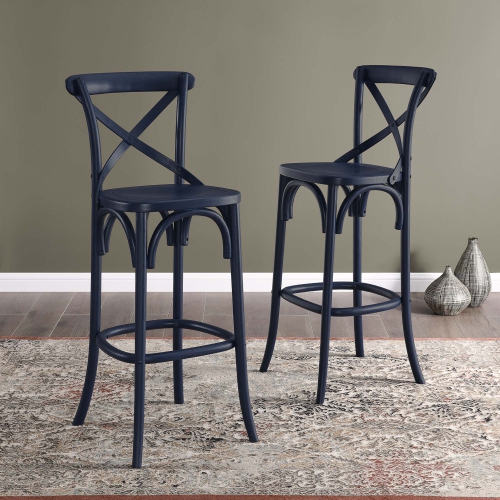
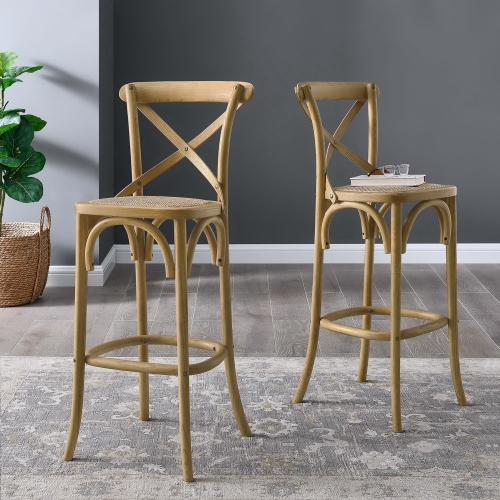
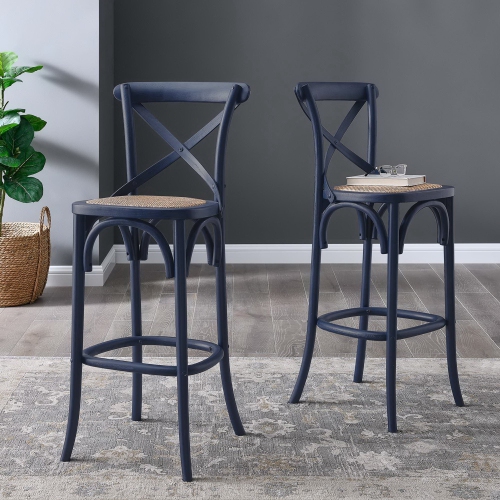
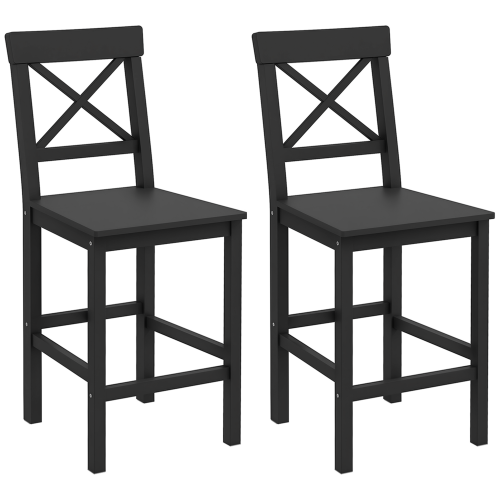
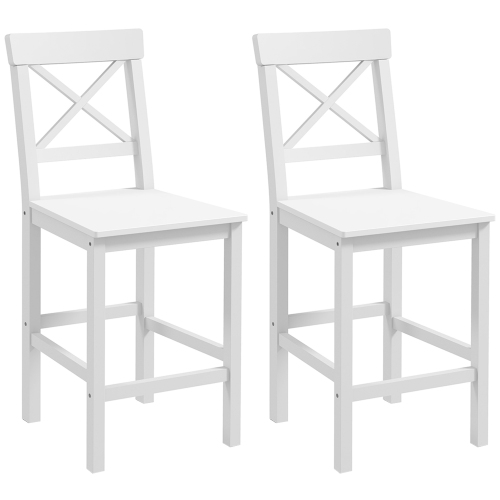
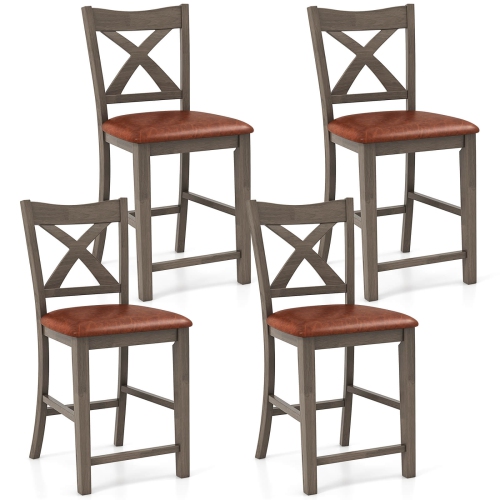
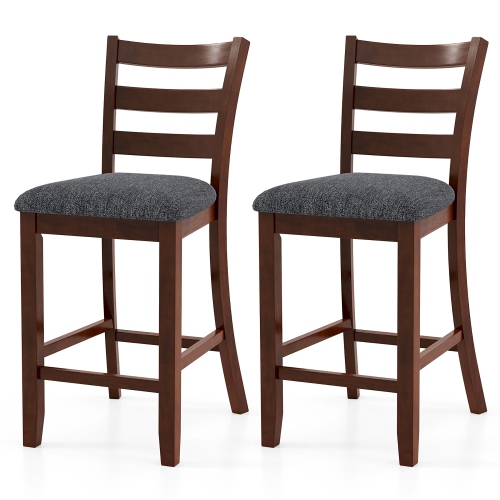
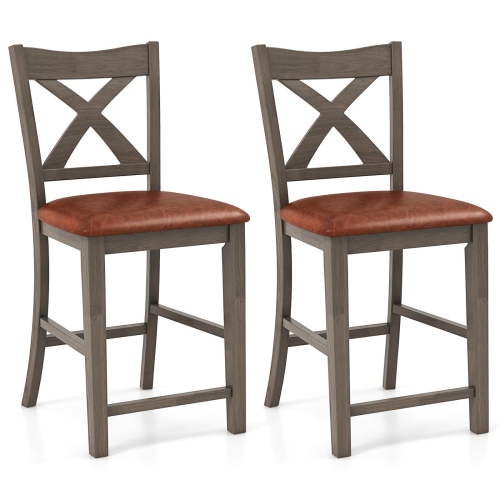
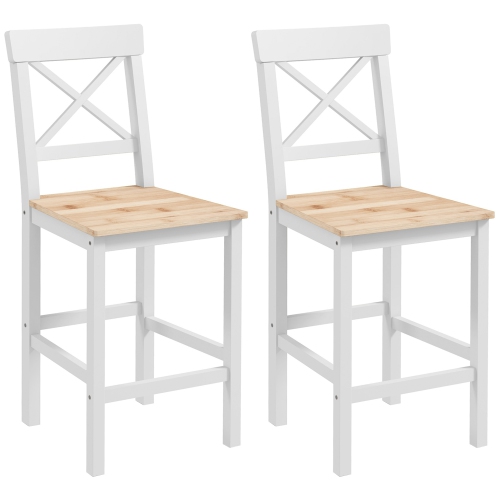
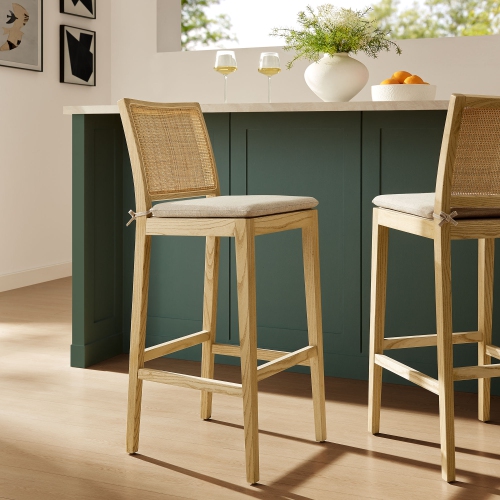
Rustic warmth meets everyday comfort at the counter
Modern farmhouse counter stools combine the warmth of rustic wood with clean lines, restrained detailing, and neutral upholstery. Designed for seating at kitchen islands, breakfast counters, and other counter-height surfaces, they bring a relaxed, lived-in character to spaces that still feel tidy and contemporary. The style works especially well where natural textures meet simple finishes: a wood seat against a black metal frame, an oatmeal-coloured cushion beside painted cabinetry, or a gently curved back that softens the straight edges of an island. Unlike more ornate country furniture, modern farmhouse seating usually keeps its proportions straightforward, allowing visible grain, subtle texture, and practical construction to provide the interest. Finishes can range from pale, lightly brushed wood to deeper brown tones, while black, white, grey, and cream help connect the seating to surrounding cabinets and hardware. Matching every wood tone is not essential; a shared undertone or repeated accent colour can make different materials feel intentional. For a broader expression of this relaxed kitchen style, Farmhouse Kitchen Counter Stools can complement spaces with traditional cabinetry, open shelving, or a mix of old and new furnishings. Material choice influences both appearance and everyday use. Solid wood brings distinctive grain and can develop small surface marks with regular use, while metal frames offer a slimmer visual profile that suits compact islands. Upholstery adds softness and introduces texture without requiring a strong pattern. Woven seats offer another tactile element, though their care requirements and suitability for frequent spills depend on the material and construction. Distressed finishes can make minor signs of wear less noticeable, but decorative distressing is a finish treatment rather than a measure of strength. The most convincing modern farmhouse look comes from balancing these elements, rather than filling every surface with rustic detail. A simple silhouette and a few well-chosen textures often feel more comfortable alongside everyday kitchen essentials than heavily ornamented seating.
Fit matters as much as style because counter stools need to work with the actual dimensions of the kitchen. Counter-height seats commonly measure about 24 to 27 inches from the floor, while a typical kitchen counter is around 36 inches high. Taller counters require a separate height check rather than an assumption that any counter stool will fit. The useful measurement is the relationship between the top of the seat and the underside of the counter, including any apron, drawer, or support that reduces legroom. Approximately 10 to 12 inches of clearance is a common starting point, with the final fit depending on the seating position and the counter’s construction. Bar-height stools are generally taller and can leave too little room beneath a standard kitchen island. Seat width, frame width, and the distance between stools also affect how comfortable a row of seating feels. Allowing roughly 24 to 30 inches of counter length per person can help with initial planning, but broad seats, armrests, and swivel movement may require more space. A generous seat is less useful if neighbouring stools leave no room to move elbows during breakfast. The island overhang should also provide enough knee space to sit naturally without leaning forward. Backless designs can tuck beneath a suitable overhang and keep sightlines open in a smaller kitchen, while low backs offer some support without creating a strong visual barrier. Taller backs can suit longer meals or conversation at the island, although they remain more visible from adjoining rooms. Armrests need their own clearance check, particularly when the stools are intended to slide under the counter. Swivel seats can make it easier to turn towards a dining area or join a conversation, but their full movement needs room around corners, cabinet pulls, and nearby walls. In a busy household, the space behind occupied seats is equally important: someone should be able to pass without forcing the seated person against the counter.
Comfort and construction determine whether modern farmhouse counter stools become useful daily seating or remain mostly decorative. A shaped wooden seat may feel comfortable for a quick coffee, while a padded seat and supportive back can be more inviting for meals, homework, or a long conversation with someone preparing dinner. Cushion firmness matters alongside thickness; a deeply padded seat that compresses substantially can change the sitting height. A well-positioned footrest gives the feet somewhere to settle instead of leaving the legs unsupported, and smooth front edges help reduce pressure behind the knees. For households with children, stable construction, age-appropriate seating, and supervision deserve attention, since an adult counter stool is not a substitute for a child’s designated feeding seat. Load limits, assembly requirements, and care instructions should always be checked for the intended users. Secure joints, firmly fitted hardware, and a frame that sits evenly on the floor contribute to dependable everyday use. Floor protectors can help limit scuffing and scraping sounds, provided they suit the flooring and stay clean. Upholstery also deserves a practical look: textured fabric can add depth to a neutral kitchen, but crumbs may settle into an open weave, and pale seating can show food marks more readily. Leather and synthetic upholstery have different cleaning requirements, so neither should be treated with an all-purpose cleaner without checking the care directions. Wood finishes generally benefit from prompt spill removal and a soft cloth rather than prolonged moisture or abrasive scrubbing. Woven seating may need gentle brushing or vacuuming, depending on its fibres and construction. Cleaning around footrests and checking fasteners periodically can help address the wear that comes with frequent use. For a kitchen island that serves as a breakfast spot, conversation area, and occasional workspace, the strongest choice balances an inviting seat with manageable upkeep. Modern farmhouse styling provides the visual connection, while suitable dimensions, supportive features, and well-matched materials make the seating feel at home in daily life.
Top selling and popular products
-
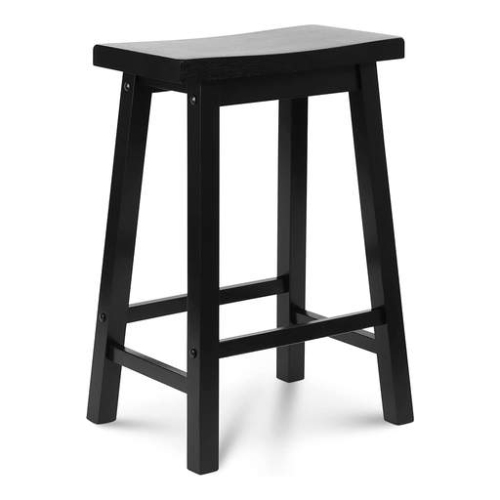 Your price for this item is $93.99
-
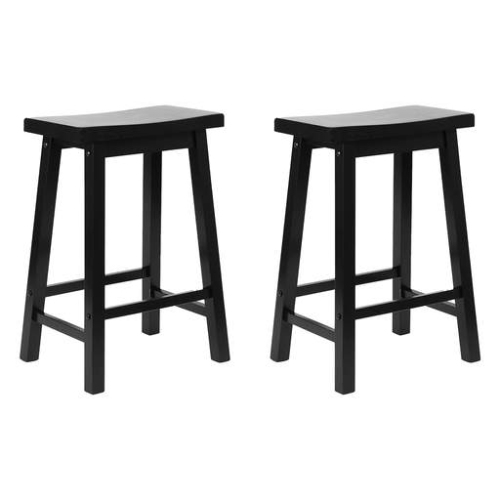 Your price for this item is $223.99
-
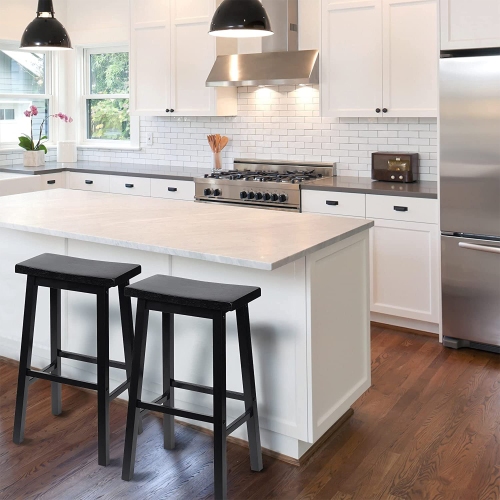 Your price for this item is $557.99
-
 Your price for this item is $202.99
-
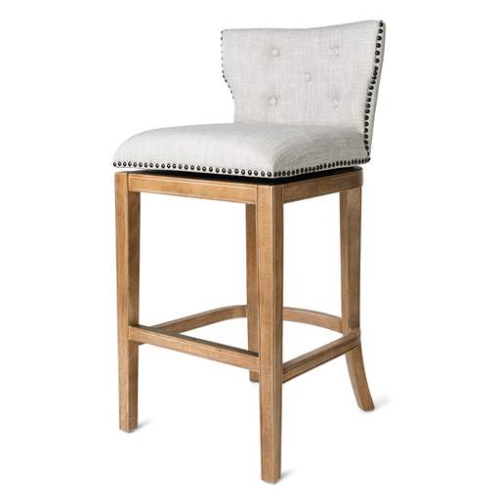 Your price for this item is $508.99
-
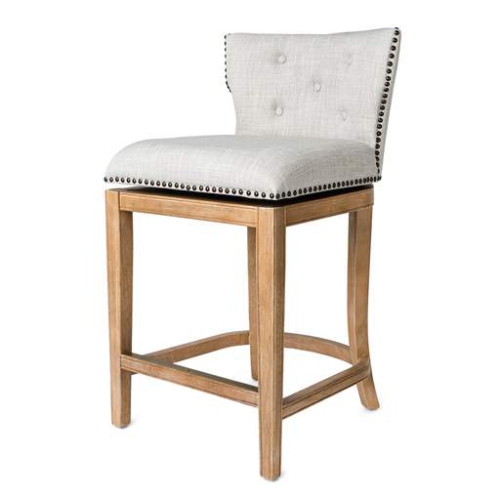 Your price for this item is $556.99
-
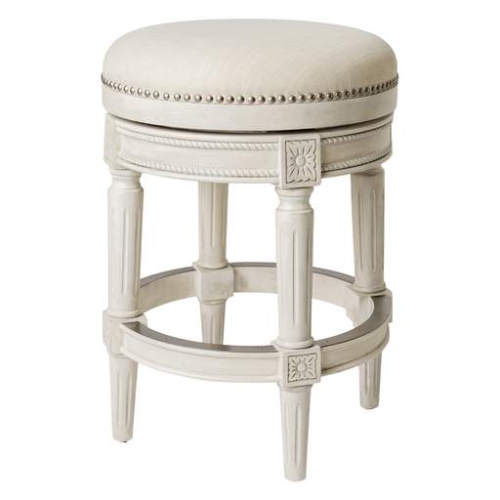 Your price for this item is $449.99
-
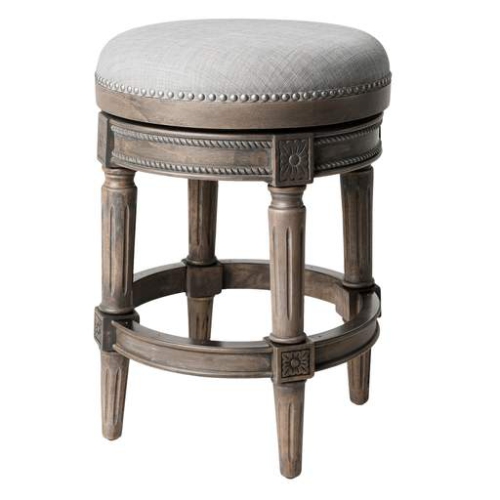 Your price for this item is $468.99
Discover more categories related to Modern Farmhouse Counter Stools

Top Collections:
Best Black Friday Deals This Year, Best Black Friday Deals On Electronics, Kindle Devices, Dyson Airwrap, Best Cameras for Sports Photography, Best Budget Office Chairs, Canon G7X Cameras, PS5 Pro Consoles, Best Black Friday Deals On Apple Products, XBOX One S Consoles
Some products may be subject to Environmental Handling Fees
(EHF) depending on your province.
Learn more about EHFs.