Fashion Lighting
Illuminate your space with our stylish and versatile fashion lighting collection. From contemporary designs to elegant fixtures, our curated selection offers a variety of options to brighten up any room in your home. Whether you're looking to create a cozy ambiance or make a bold statement, our fashion lighting pieces are sure to add a touch of sophistication and flair to your living space. Explore our range of ceiling lights, floor lamps, table lamps, and more to find the perfect lighting solution that suits your style and illuminates your world.
Sort

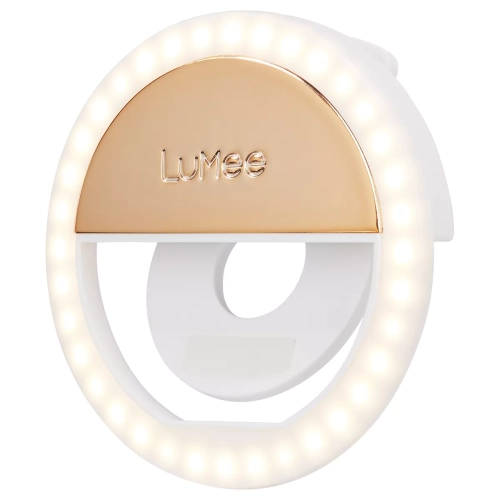
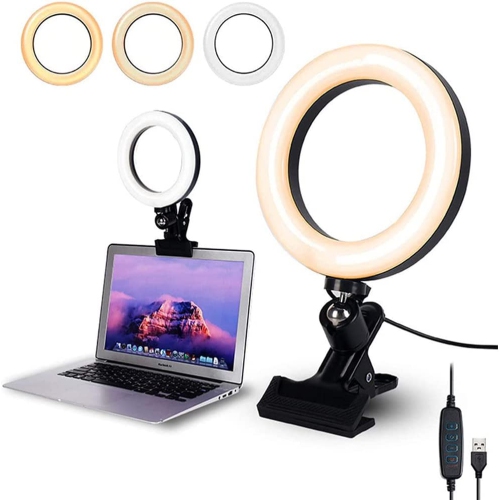
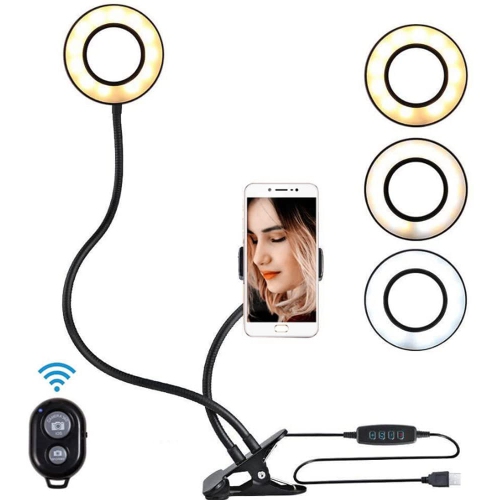
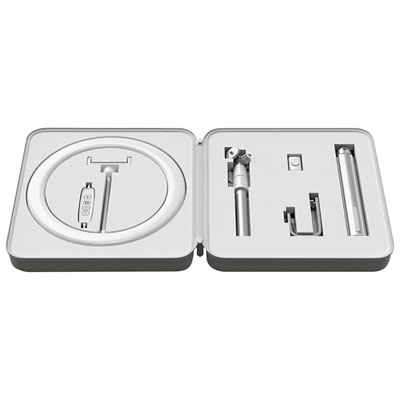
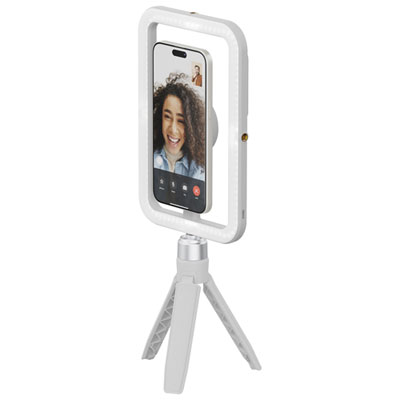
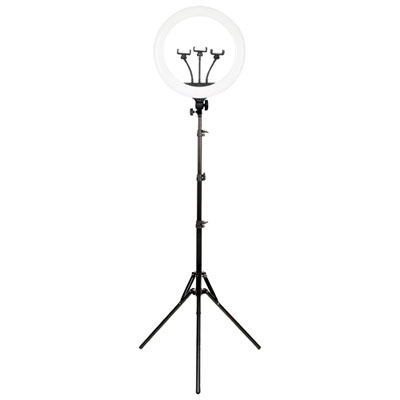
![VIVIDER (Tm) Selfie Ring Light With Cell Phone Holder Stand for Live Stream/makeup, Led Camera Lighting [3-Light Mode] [10-Level Brightness]](https://multimedia.bbycastatic.ca/multimedia/products/500x500/150/15002/15002237.jpg)
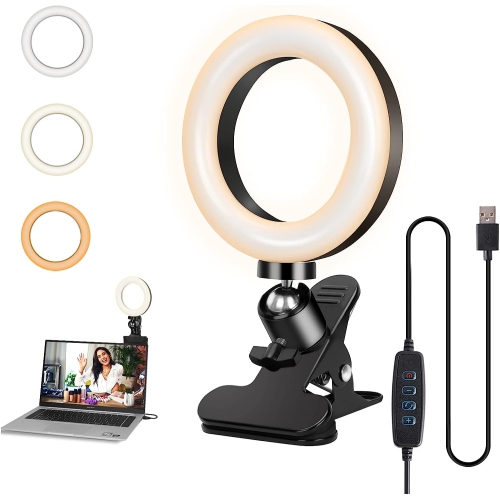
![VIVIDER (Tm) Selfie Ring Light With Cell Phone Holder Stand for Live Stream/makeup, Led Camera Lighting [3-Light Mode]](https://multimedia.bbycastatic.ca/multimedia/products/500x500/154/15406/15406672.jpg)
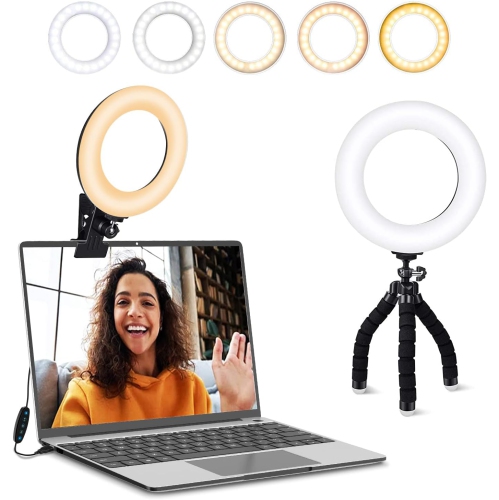
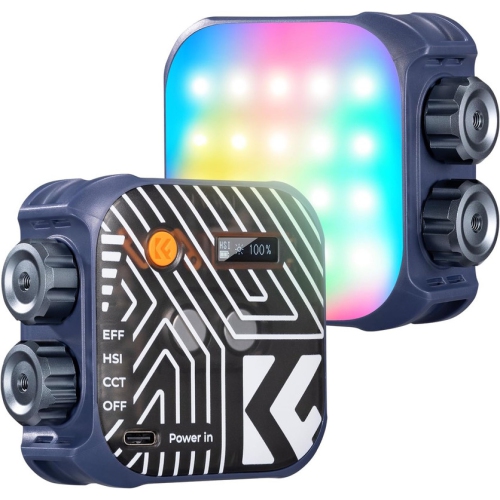
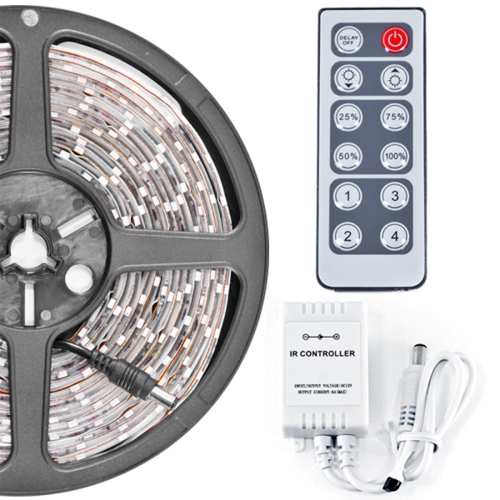
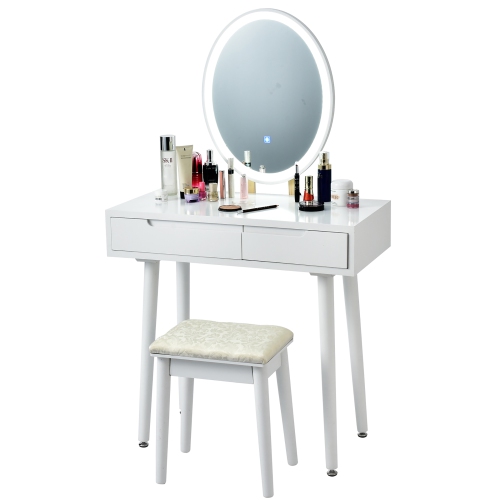

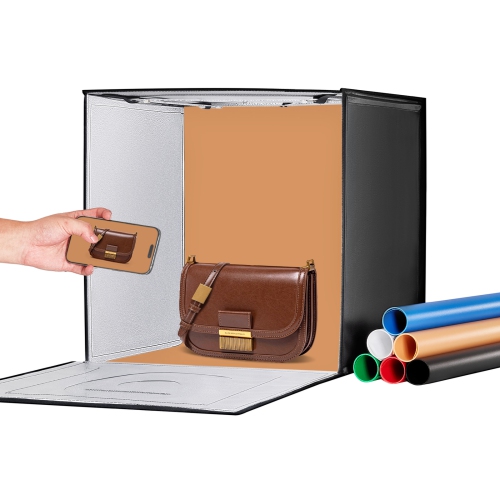

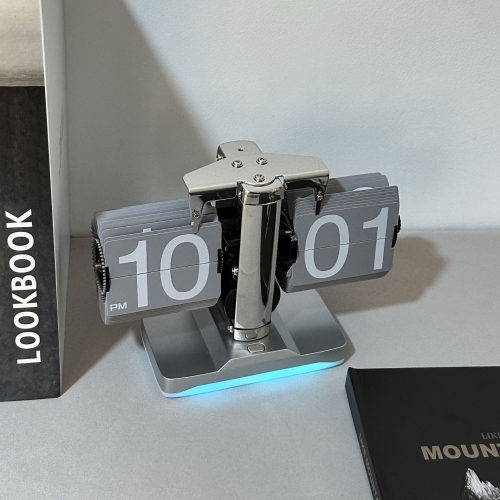
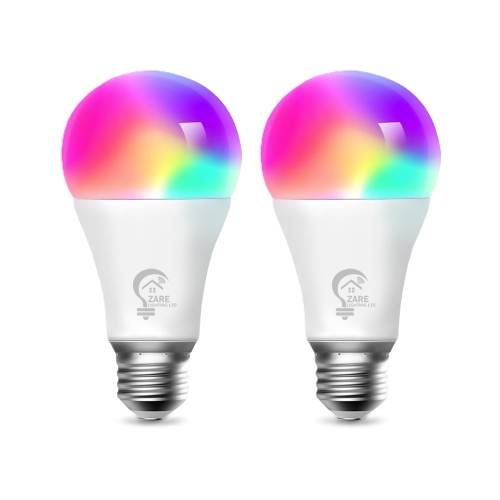
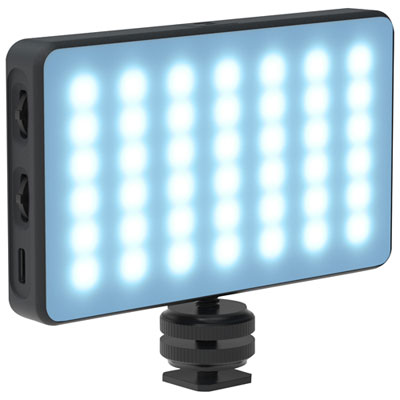


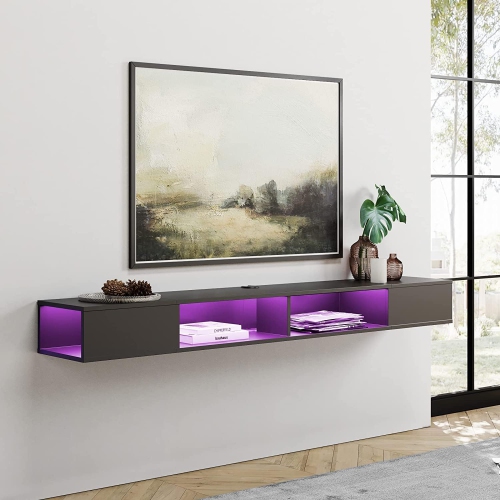

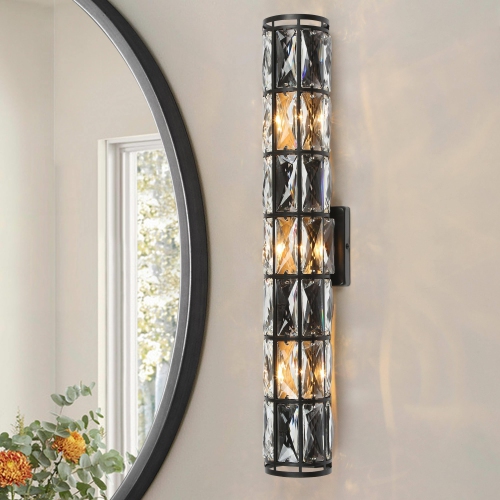
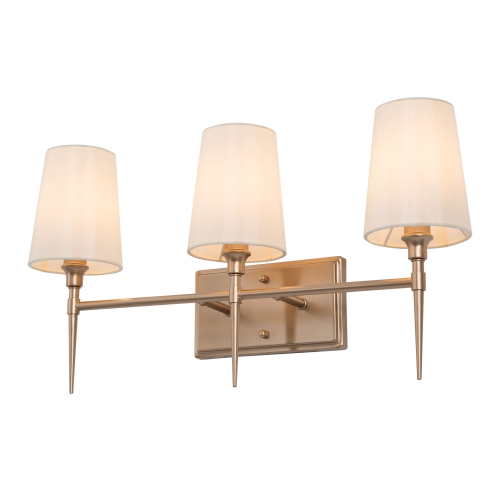
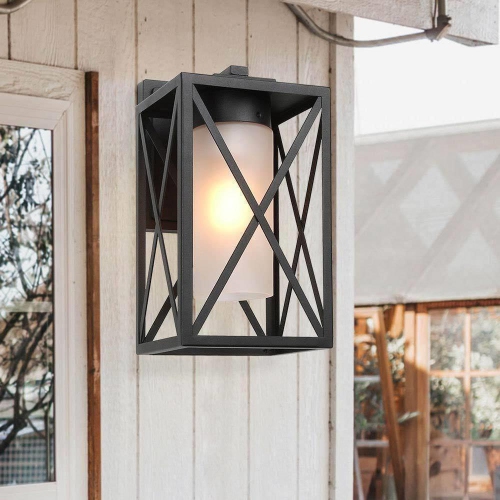
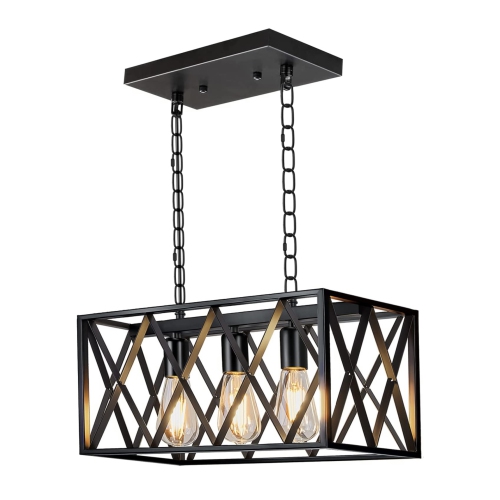

Lighting that reveals texture, structure and personal style
Fashion lighting helps photographers present clothing, accessories and personal style with clarity, dimension and atmosphere. Whether the goal is a clean lookbook, a polished online catalogue, a portfolio image or a dramatic editorial portrait, the right lighting can change how fabric texture, garment structure, skin tone and facial features appear. A well-shaped light reveals the fold of a wool jacket, the sheen of satin, the fine pattern of knitwear and the crisp lines of tailored clothing without making the image feel flat. For many fashion setups, a large softbox used as the key light creates a flattering, wraparound effect, especially when positioned above and to one side of the subject and angled slightly downward. This arrangement can produce natural-looking shadows beneath the cheekbones, chin and folds of clothing while retaining soft catchlights in the eyes. A second light, reflector or bounce surface can lift darker areas on the opposite side of the face and help preserve detail in full-body outfits. Photographers who prefer a more graphic, high-contrast style may choose a harder light source or a grid-controlled modifier to emphasize seams, pleats, leather texture and structured silhouettes. The distance, height and angle of each light matter as much as its brightness. Moving a light closer generally creates softer falloff across the subject, while raising it and pointing it down can add shape without creating distracting shadows. These products are useful for professional studios, home photography spaces, fashion students, stylists, content creators and anyone building a consistent visual identity for clothing or accessory photography. For a broader selection of equipment that can support portrait and fashion shoots, explore Studio Lighting.
When choosing fashion lighting, consider the space, the subject and the type of images you want to create. Continuous lighting makes it possible to see the effect of placement and shadow in real time, which can be reassuring for beginners, stylists and creators working without an assistant. It can also be practical for photo and video sessions where the same setup needs to serve both purposes. Flash-based lighting can provide a strong, controlled burst for crisp still images and may be preferred when photographing a collection over a long session. Adjustable brightness and colour temperature make it easier to match the light to the room, camera settings and fabric being photographed. Size is another important consideration. A broad modifier can soften facial shadows and even out light across a full outfit, while a smaller source can create more defined edges and stronger contrast. For full-length fashion photography, look for a setup that can be positioned high enough to illuminate the model from head to toe without leaving the lower half of the outfit noticeably darker. Stands, adjustable mounts and compact designs can be especially helpful in multipurpose rooms where equipment must be moved between shoots. Accessories that control spill, soften highlights or add directional colour can also expand the range of possible looks. White bounce surfaces help open up shadows, black flags can deepen contrast, and coloured gels can add red, blue or green accents to a background or create separation around the subject. These effects work best when used deliberately: a subtle colour wash can make a neutral outfit feel more expressive, while a tightly controlled beam can draw attention to texture or movement. Checking the colour rendering of a light is also worthwhile, since accurate colour helps clothing appear closer to its real-life tone and reduces correction work during editing.
Fashion lighting can be useful for more than professional campaigns. Someone selling clothing online may use it to create dependable images from one garment to the next, making colours, proportions and details easier to assess. A designer can use a controlled setup to document a new collection, while a model or performer may rely on flattering portrait lighting for a portfolio. Makeup artists, hair stylists and wardrobe specialists can benefit from clear, even illumination when preparing a subject and reviewing the final look. It can also make a thoughtful gift for a photography student, aspiring content creator or creative hobbyist who is moving beyond basic room lighting and wants more control over the finished image. During the warmer seasons, a portable setup can move between a home studio and a brighter location, while during the cooler months it can provide a reliable indoor space for photographing new outfits, accessories and seasonal campaigns. A simple arrangement often starts with one large, softened key light placed roughly 45 degrees to the side and above the subject, followed by gentle fill from the opposite direction. From there, a background light, rim light or coloured accent can add separation and atmosphere. Take time to check shadows around the eyes, under the chin and along the legs, and watch for unwanted reflections on glasses, jewellery or glossy fabric. Small adjustments in height, angle and distance can make an image feel more natural than simply increasing brightness. With the right combination of control, softness and direction, fashion lighting supports images that show clothing honestly while still giving each shoot its own distinctive mood.
When choosing fashion lighting, consider the space, the subject and the type of images you want to create. Continuous lighting makes it possible to see the effect of placement and shadow in real time, which can be reassuring for beginners, stylists and creators working without an assistant. It can also be practical for photo and video sessions where the same setup needs to serve both purposes. Flash-based lighting can provide a strong, controlled burst for crisp still images and may be preferred when photographing a collection over a long session. Adjustable brightness and colour temperature make it easier to match the light to the room, camera settings and fabric being photographed. Size is another important consideration. A broad modifier can soften facial shadows and even out light across a full outfit, while a smaller source can create more defined edges and stronger contrast. For full-length fashion photography, look for a setup that can be positioned high enough to illuminate the model from head to toe without leaving the lower half of the outfit noticeably darker. Stands, adjustable mounts and compact designs can be especially helpful in multipurpose rooms where equipment must be moved between shoots. Accessories that control spill, soften highlights or add directional colour can also expand the range of possible looks. White bounce surfaces help open up shadows, black flags can deepen contrast, and coloured gels can add red, blue or green accents to a background or create separation around the subject. These effects work best when used deliberately: a subtle colour wash can make a neutral outfit feel more expressive, while a tightly controlled beam can draw attention to texture or movement. Checking the colour rendering of a light is also worthwhile, since accurate colour helps clothing appear closer to its real-life tone and reduces correction work during editing.
Fashion lighting can be useful for more than professional campaigns. Someone selling clothing online may use it to create dependable images from one garment to the next, making colours, proportions and details easier to assess. A designer can use a controlled setup to document a new collection, while a model or performer may rely on flattering portrait lighting for a portfolio. Makeup artists, hair stylists and wardrobe specialists can benefit from clear, even illumination when preparing a subject and reviewing the final look. It can also make a thoughtful gift for a photography student, aspiring content creator or creative hobbyist who is moving beyond basic room lighting and wants more control over the finished image. During the warmer seasons, a portable setup can move between a home studio and a brighter location, while during the cooler months it can provide a reliable indoor space for photographing new outfits, accessories and seasonal campaigns. A simple arrangement often starts with one large, softened key light placed roughly 45 degrees to the side and above the subject, followed by gentle fill from the opposite direction. From there, a background light, rim light or coloured accent can add separation and atmosphere. Take time to check shadows around the eyes, under the chin and along the legs, and watch for unwanted reflections on glasses, jewellery or glossy fabric. Small adjustments in height, angle and distance can make an image feel more natural than simply increasing brightness. With the right combination of control, softness and direction, fashion lighting supports images that show clothing honestly while still giving each shoot its own distinctive mood.
Top selling and popular products
-
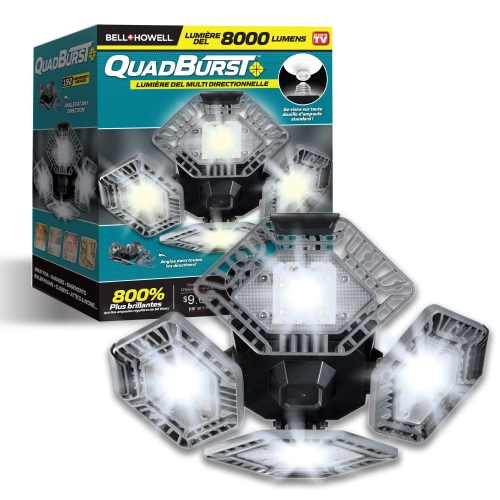 Your price for this item is $49.95
 -
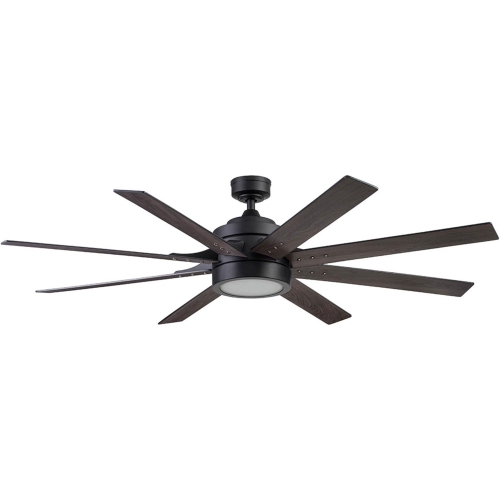 Your price for this item is $386.99
 -
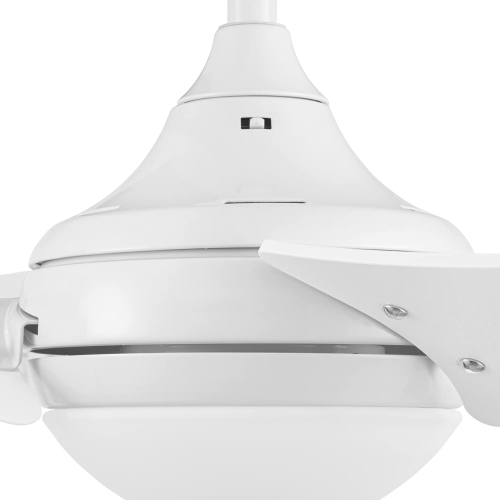 Your price for this item is $187.99
 -
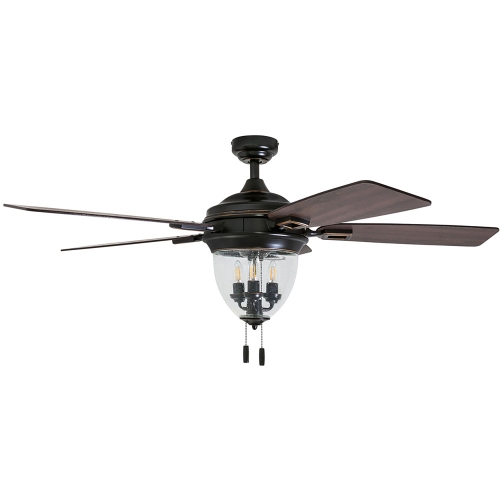 Your price for this item is $287.99
 -
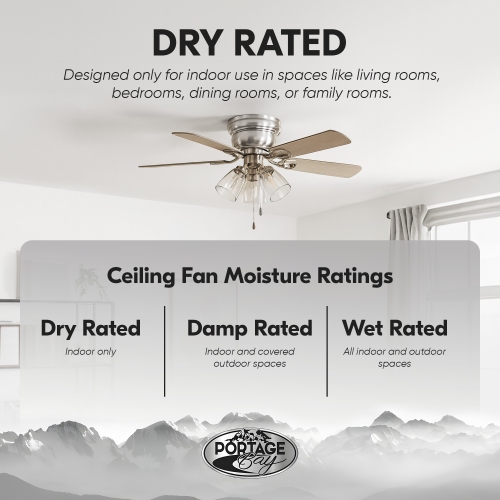 Your price for this item is $161.99
 -
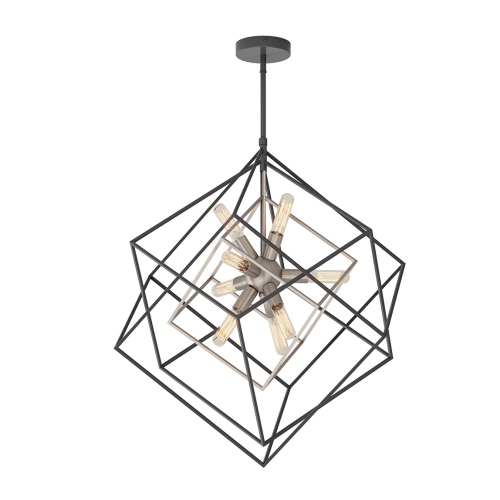 Your price for this item is $299
 -
 Your price for this item is $177.99
 -
 Your price for this item is $166.99
Discover more categories related to Fashion Lighting
Top Collections:
Pokemon Centers, Budget 4K TVs, Best Budget Office Chairs, Kindle Devices, Canon G7X Cameras, Apple iPhones 16, iPhone 15 Apple, Laptops for Business Work, Xiaomi Phones, Flip Phones
Some products may be subject to Environmental Handling Fees
(EHF) depending on your province.
Learn more about EHFs.