Stage Lighting
Transform any performance into a mesmerizing spectacle with the perfect stage lighting solutions. Whether you're setting up for a concert, theater production, or a special event, the right lighting can elevate the atmosphere and captivate your audience. From dynamic LED lights to versatile spotlights, explore a wide range of options designed to enhance every scene with vibrant colors and dramatic effects. Discover how innovative stage lighting can bring your creative vision to life and make every moment shine.
Sort
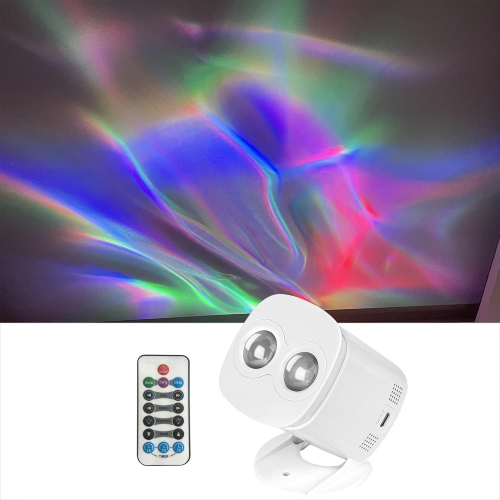
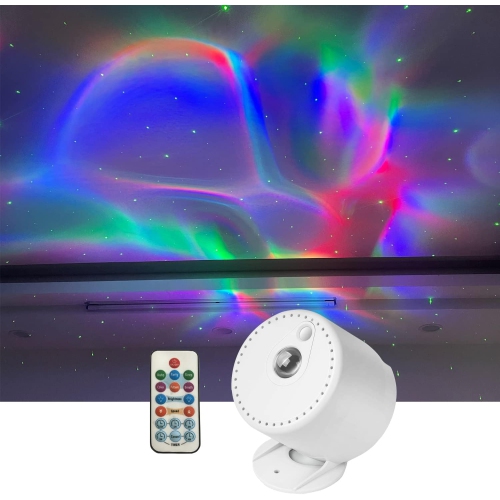
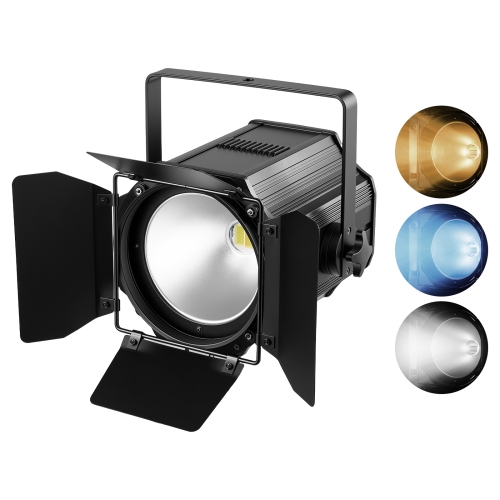
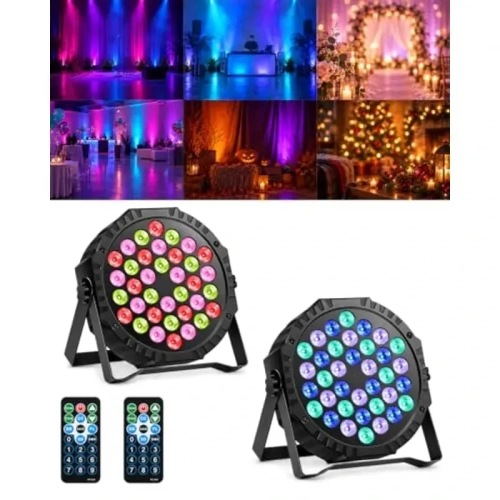
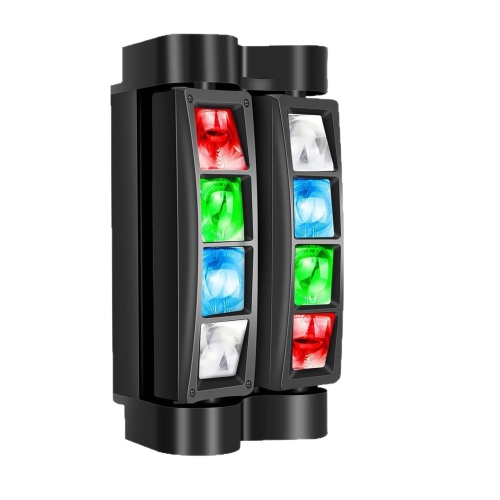
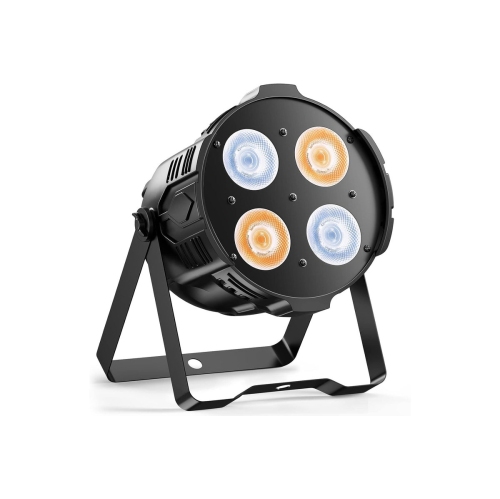
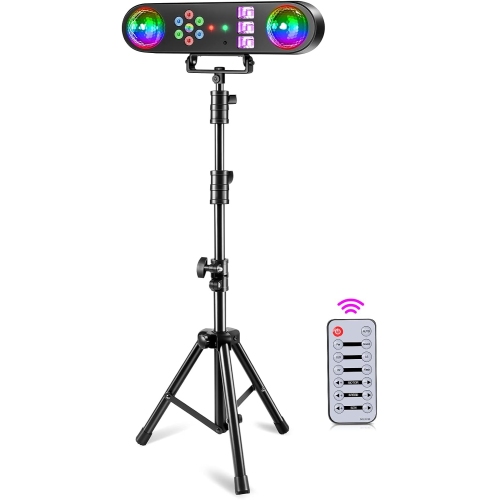
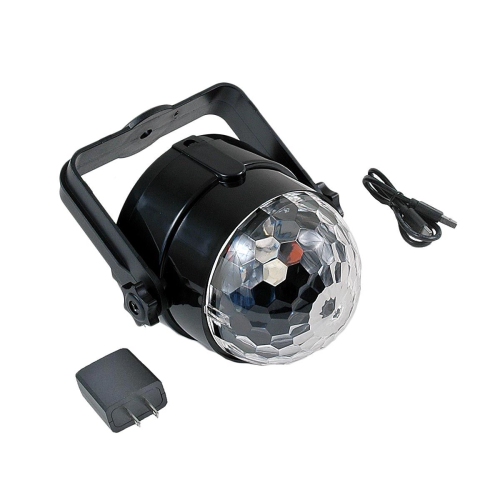
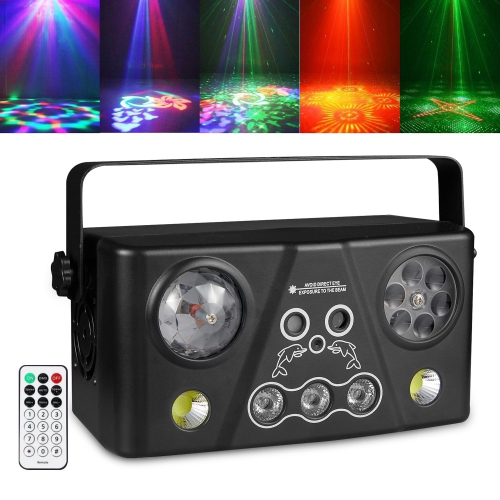
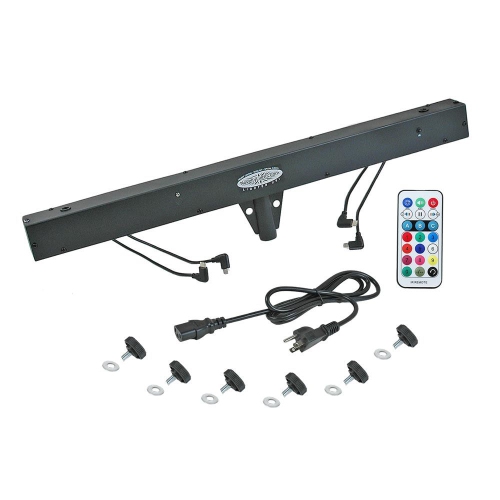

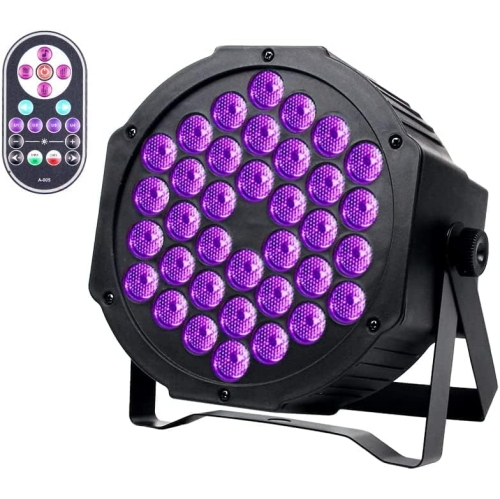
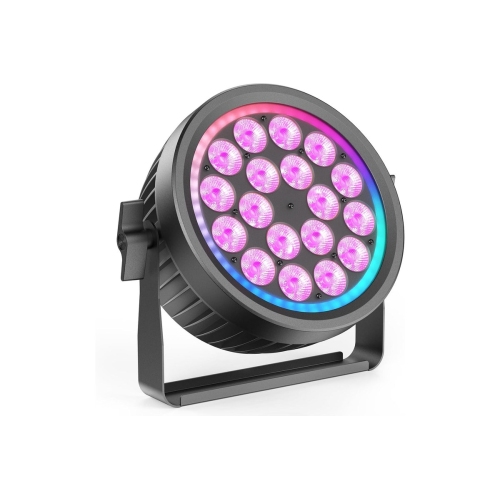
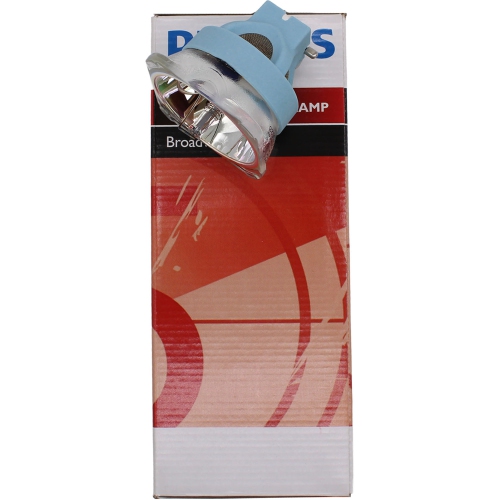
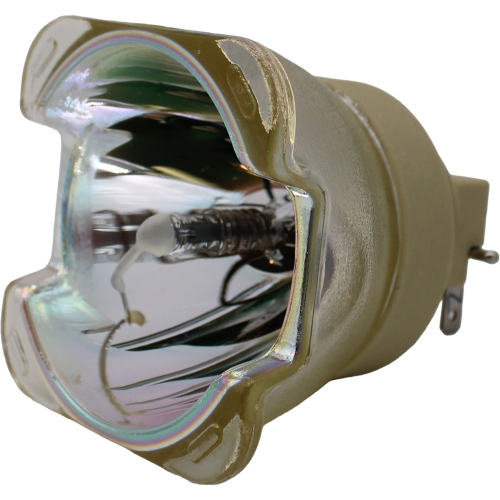
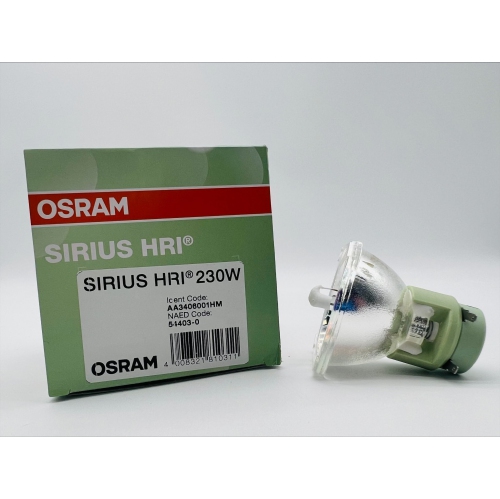

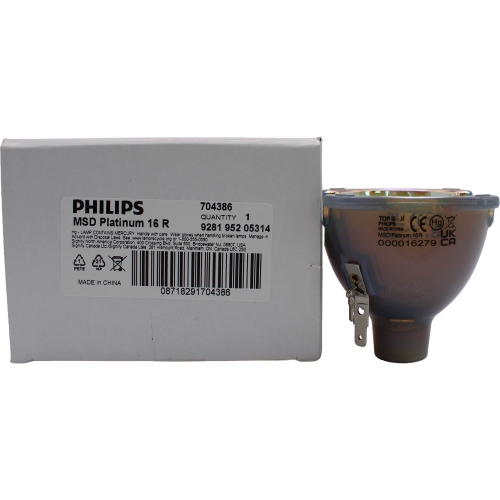
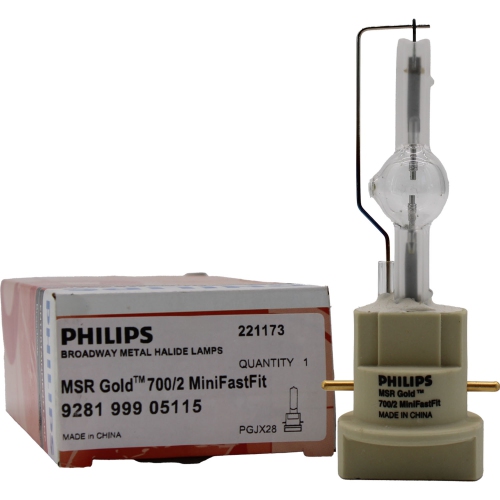
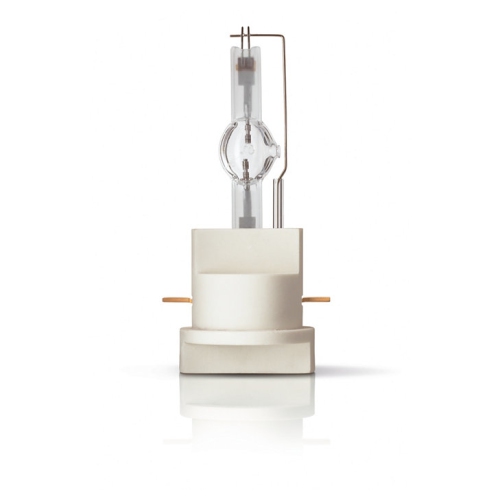
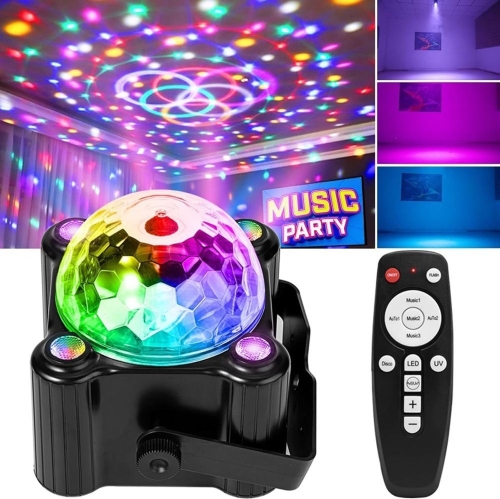

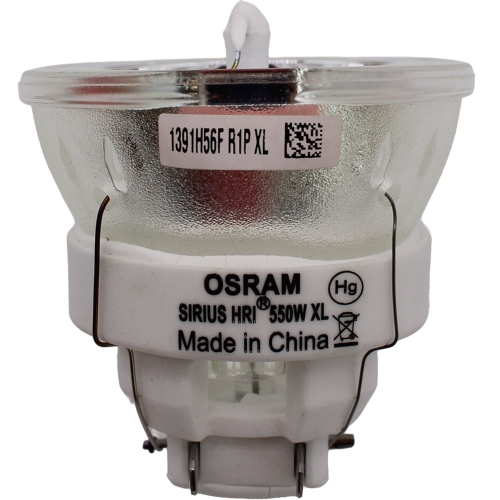

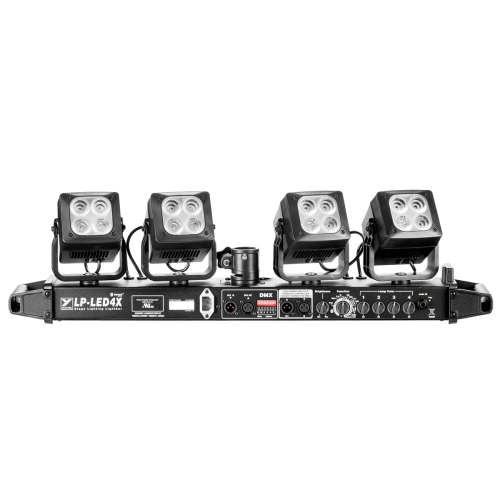
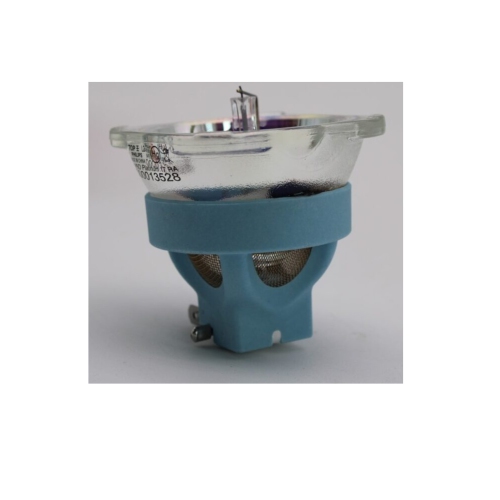
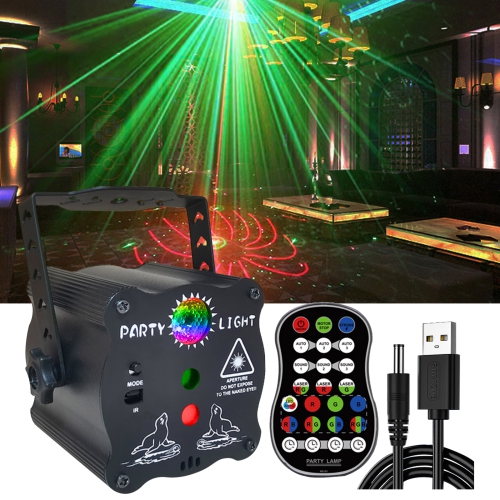
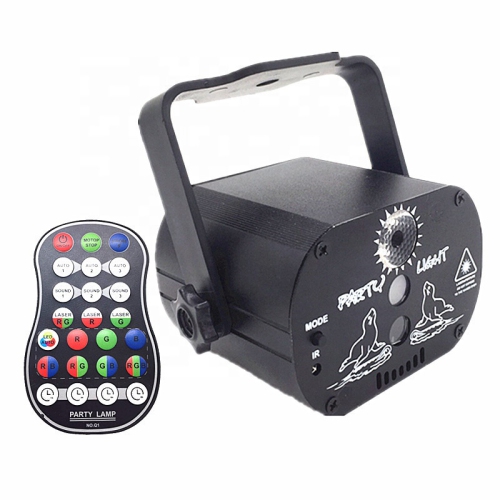
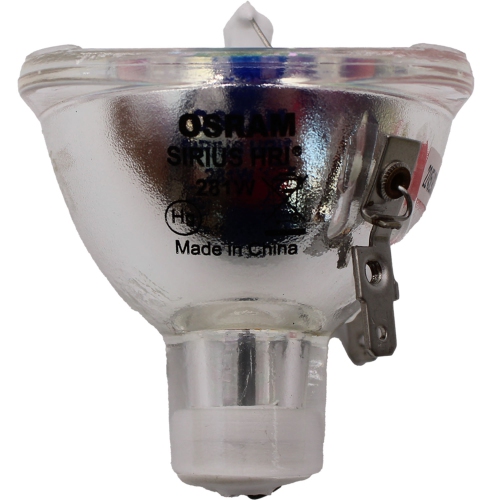
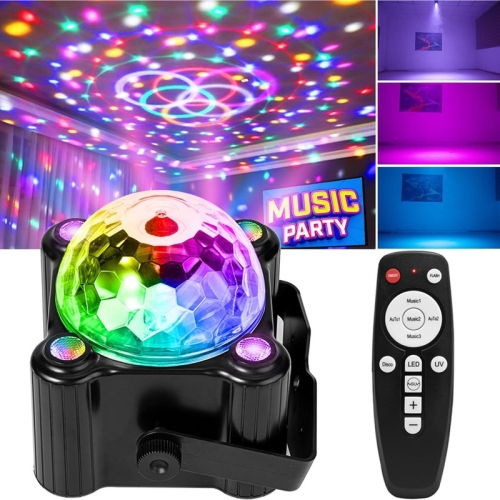
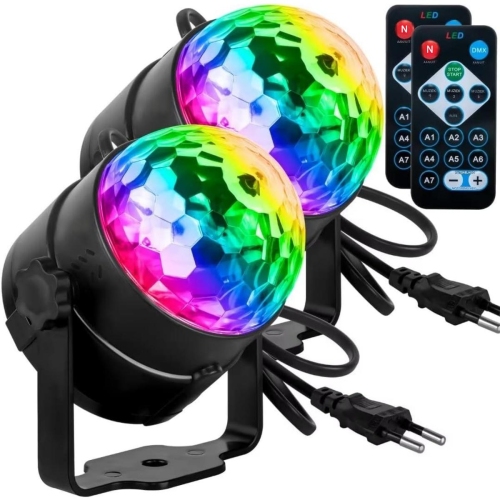
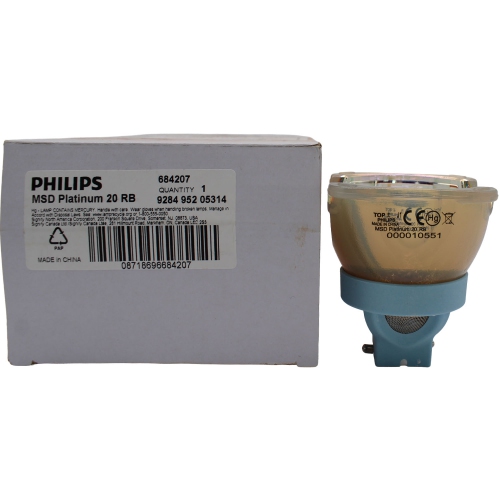
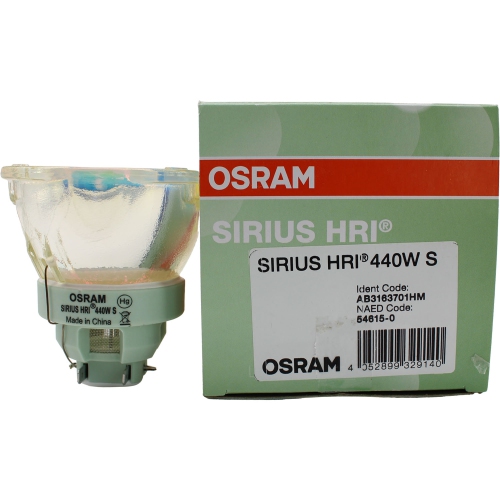
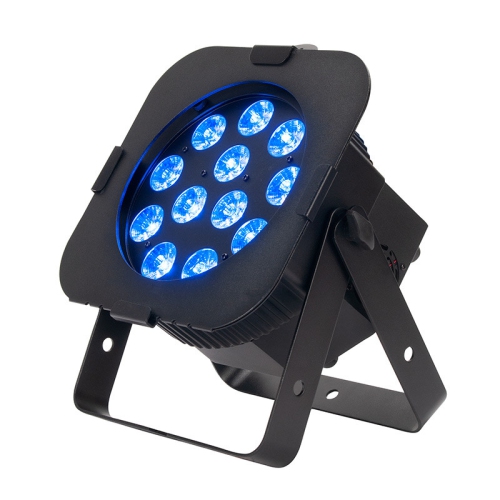
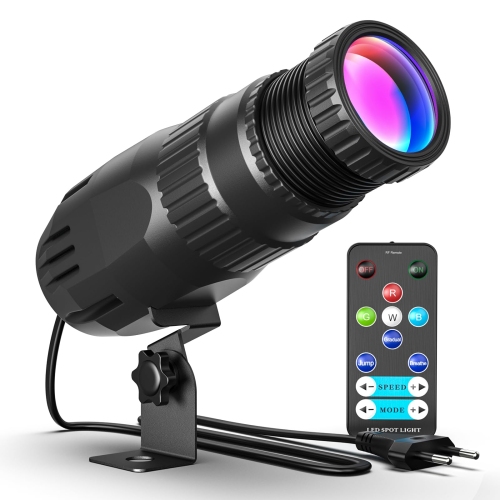
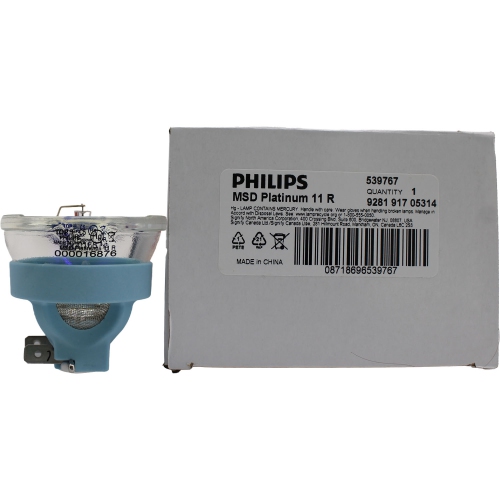
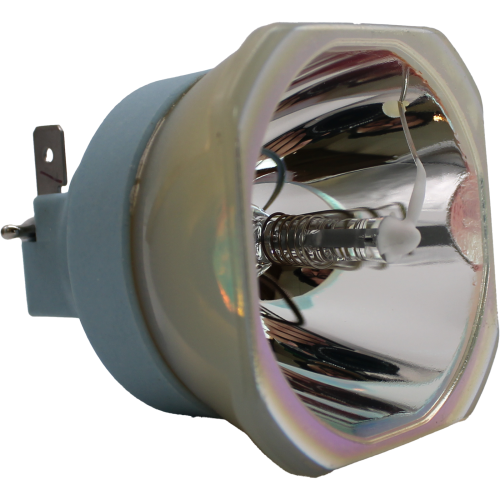

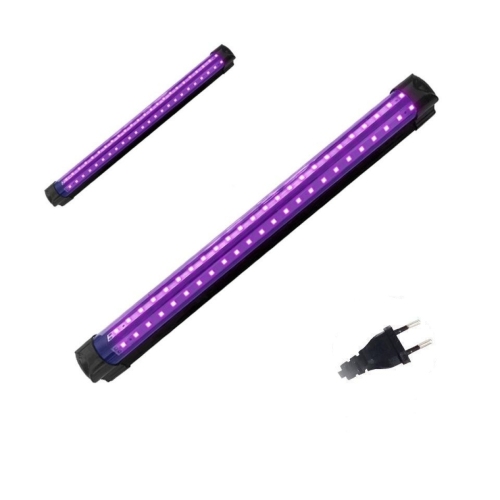


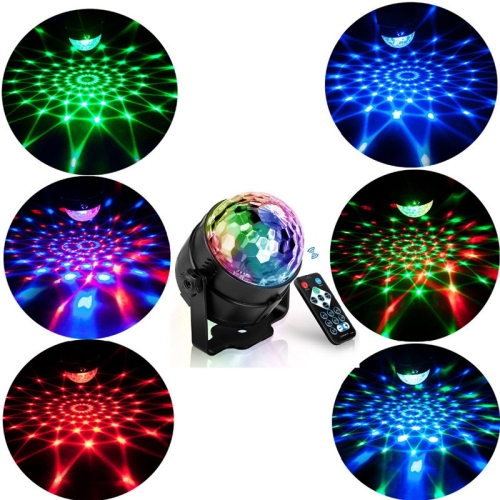
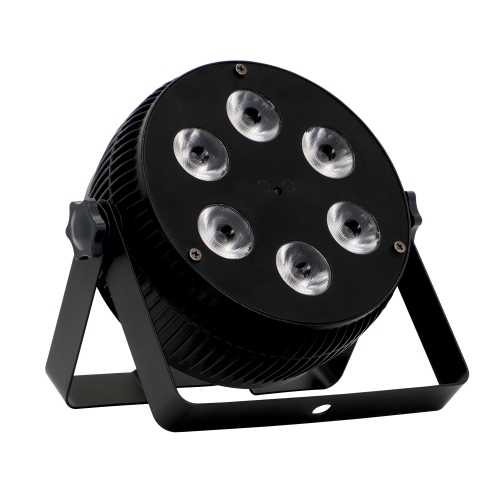
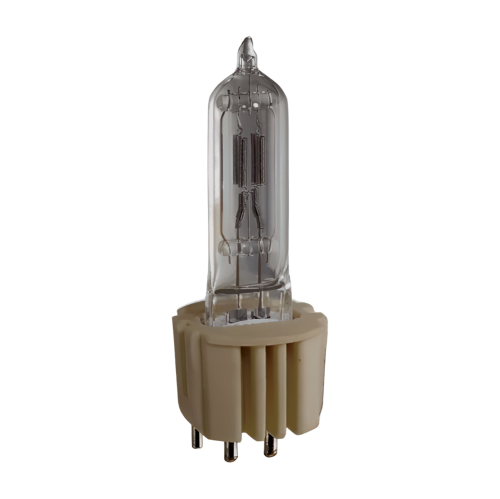
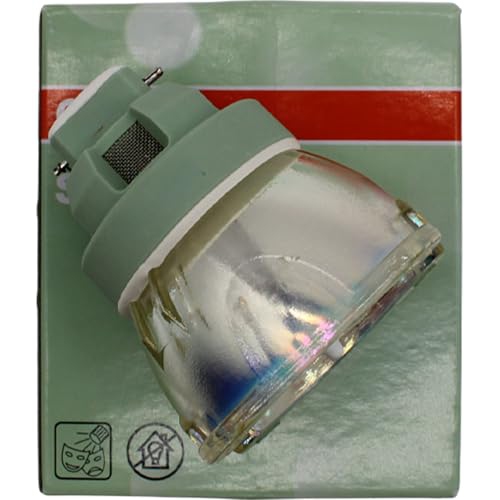
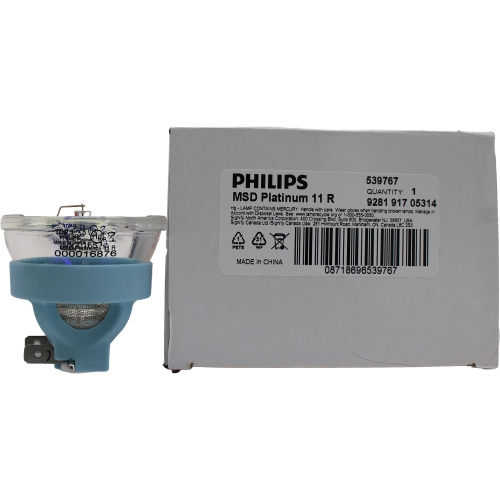
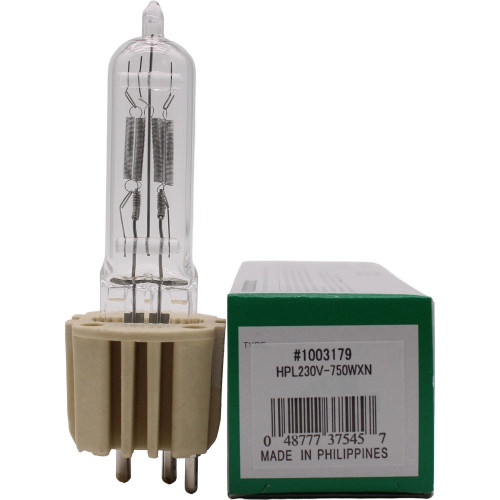

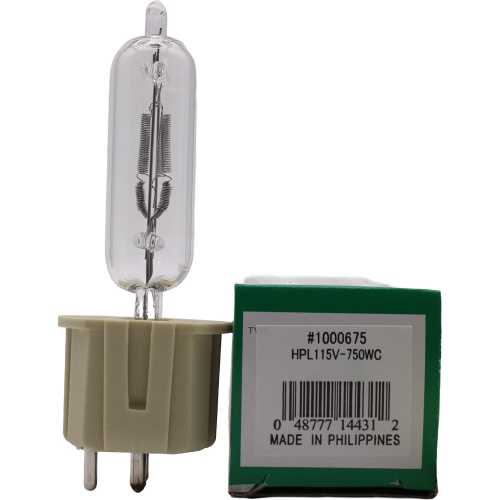
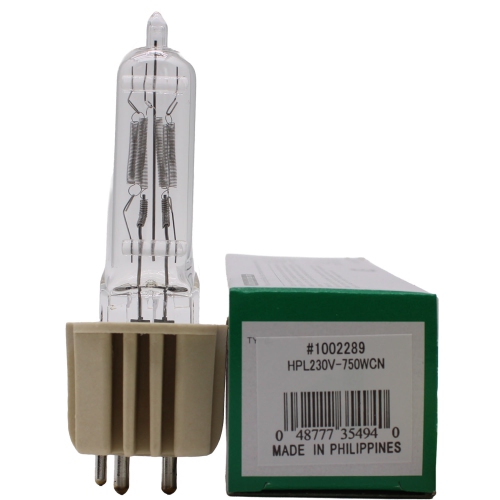
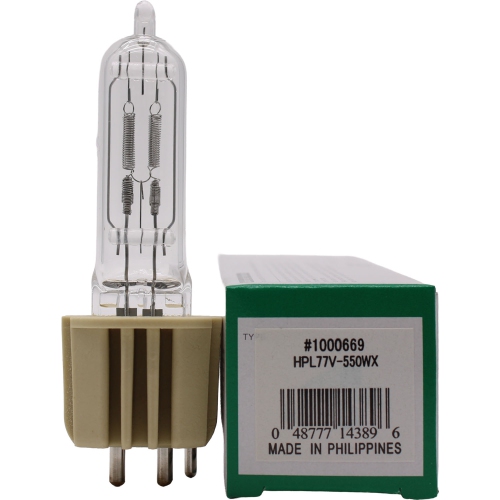
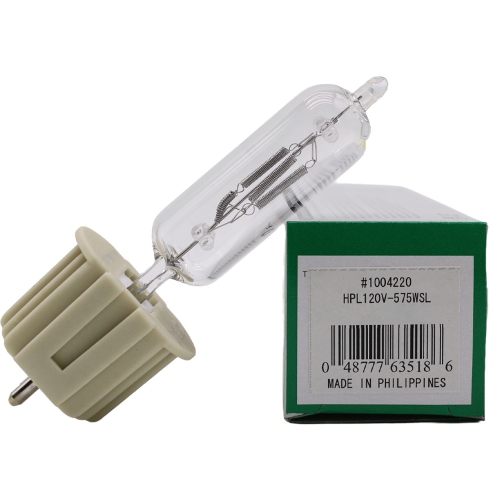

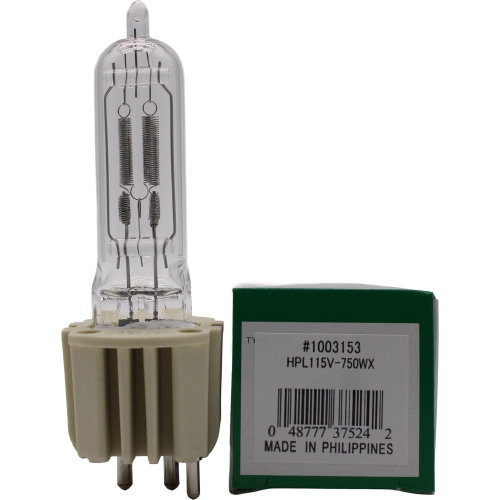
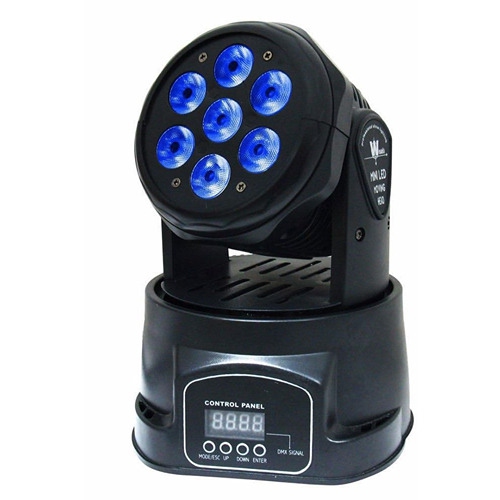

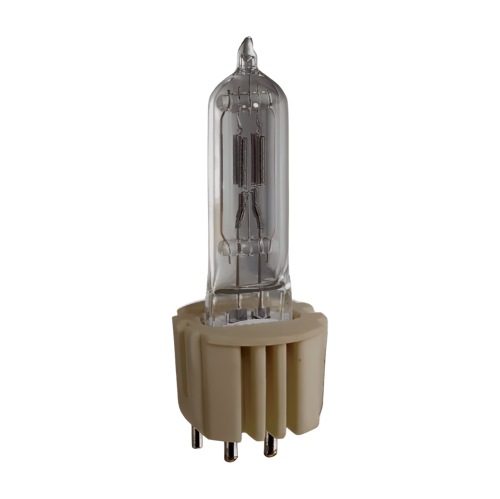
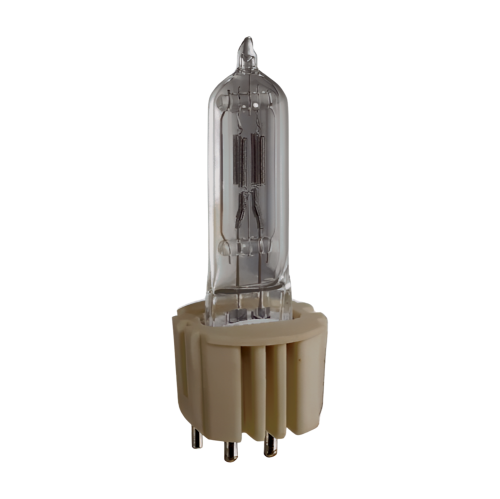
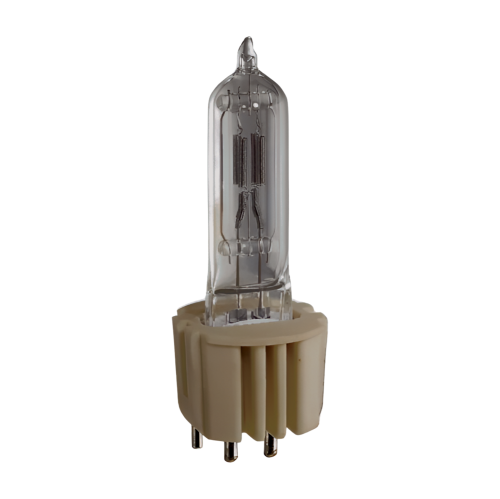
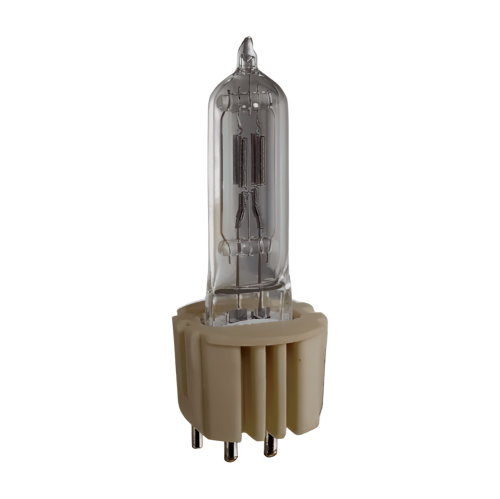
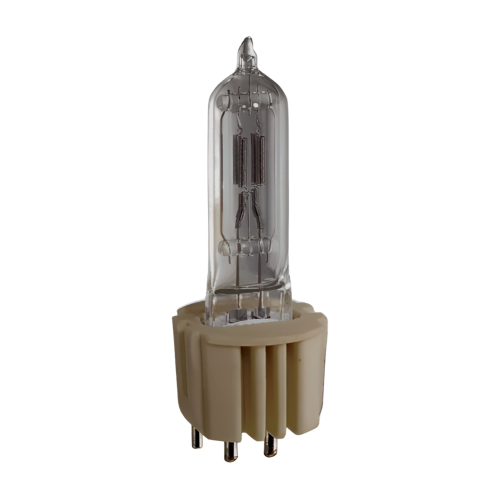
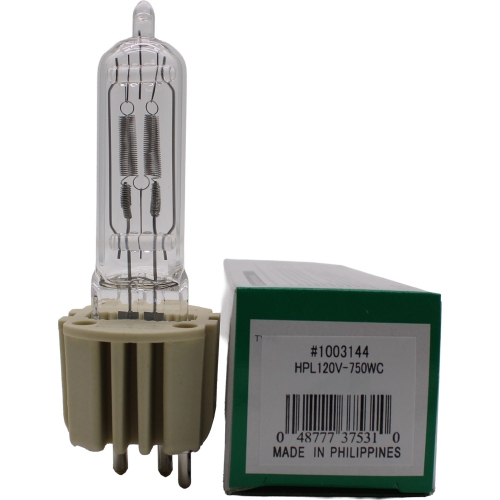
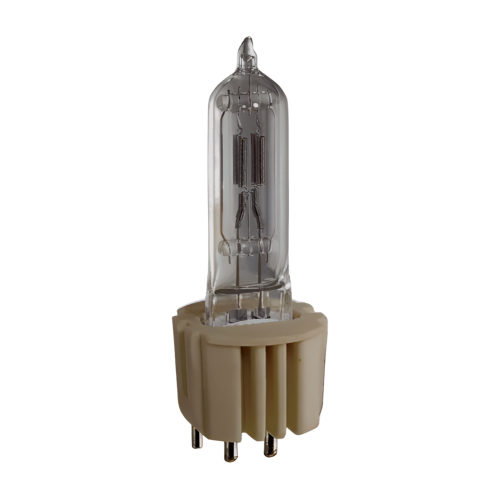
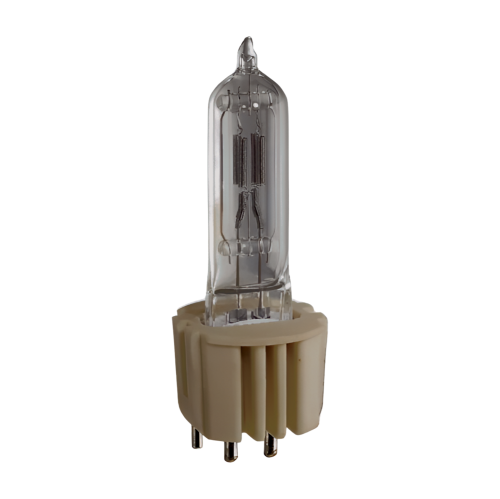

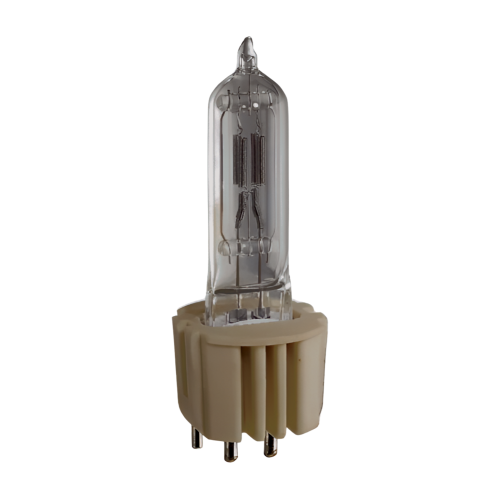
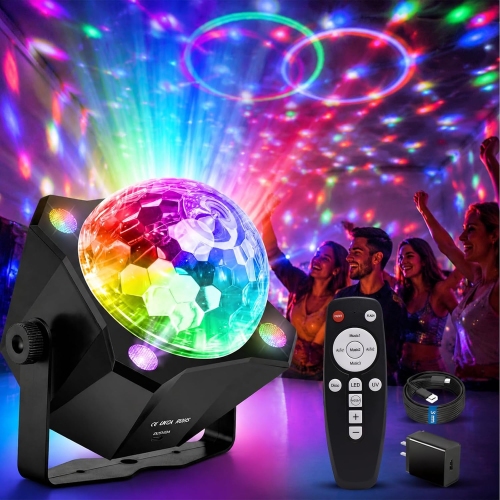
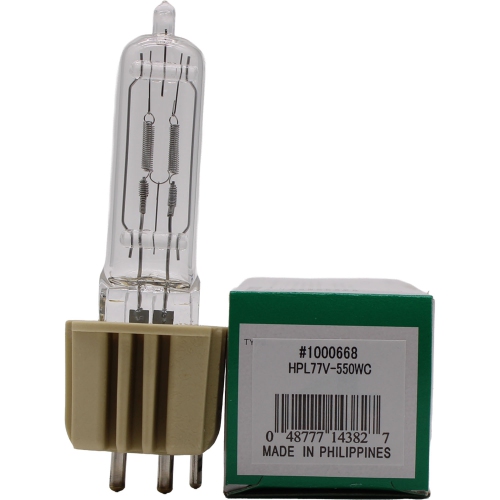
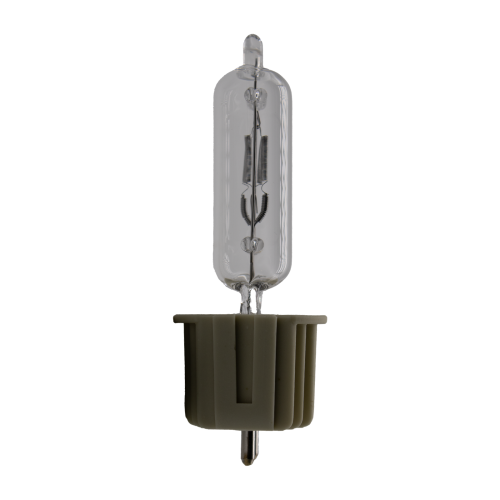
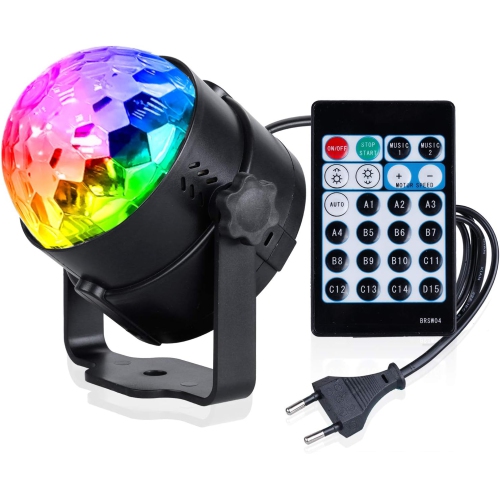
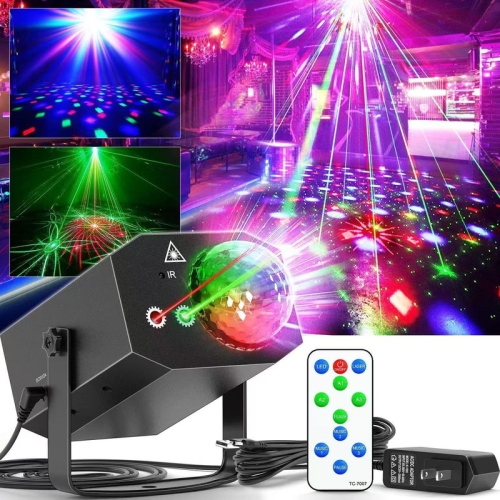
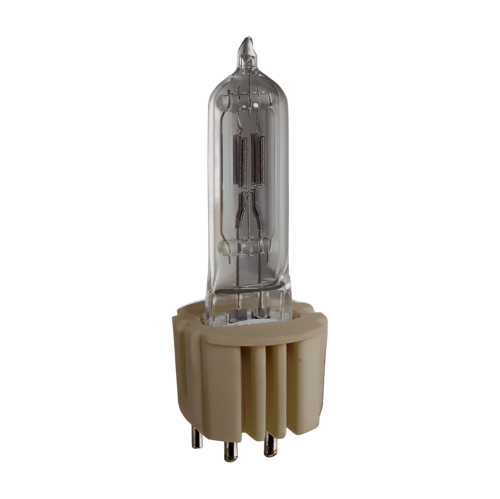

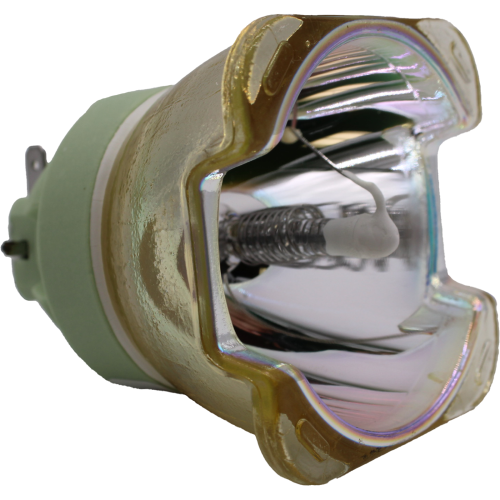



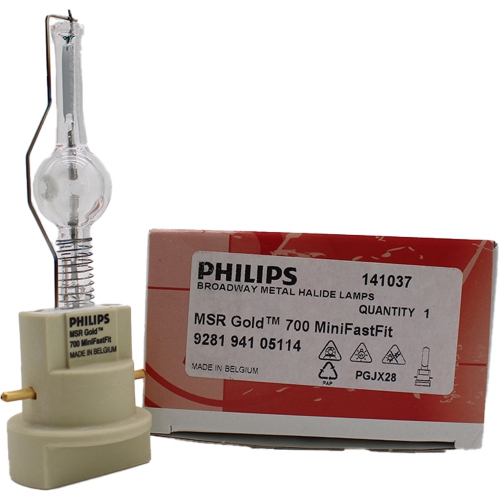
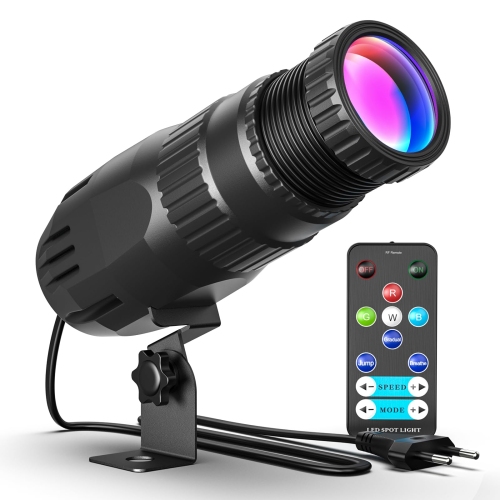
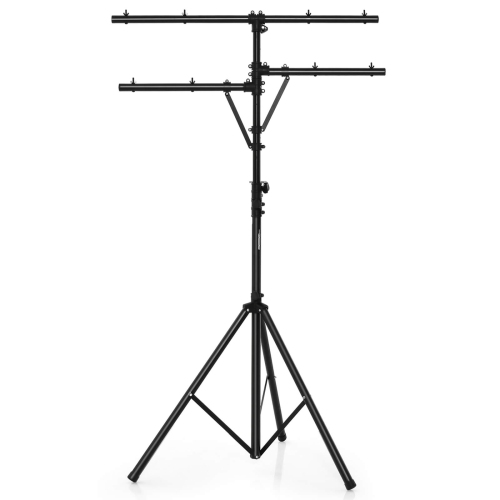

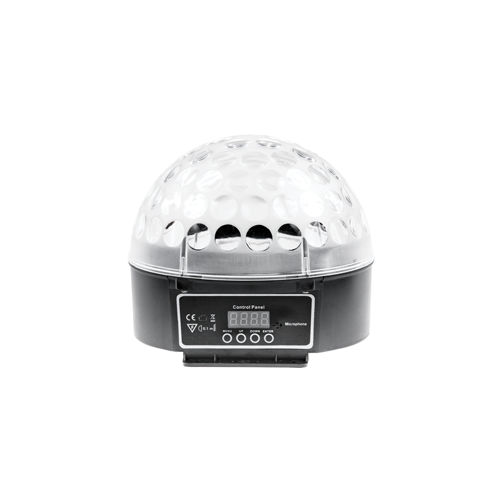
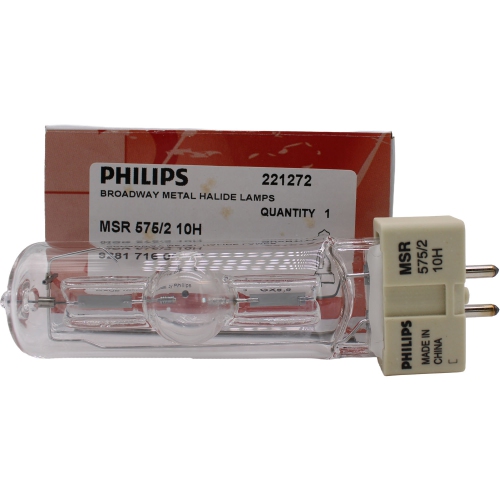
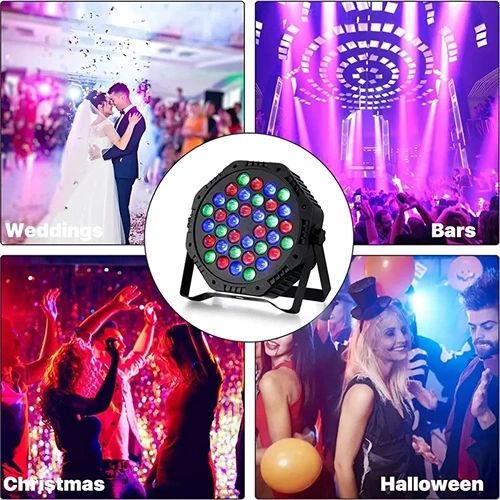
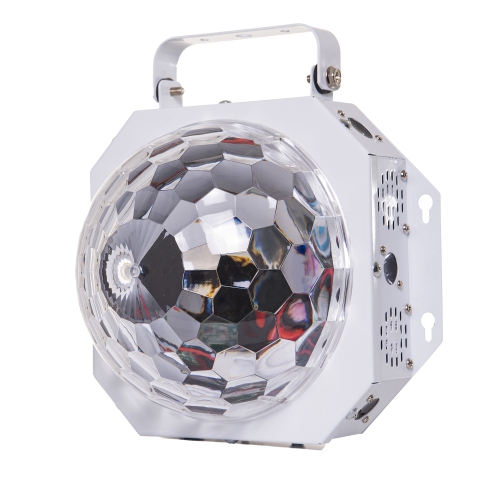
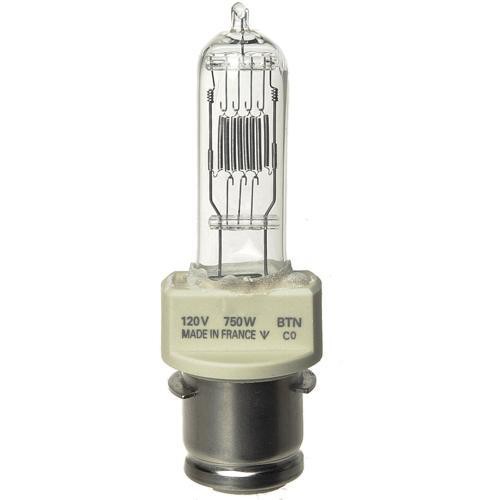
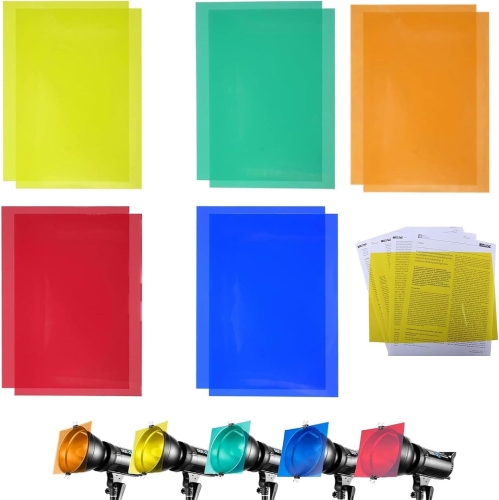
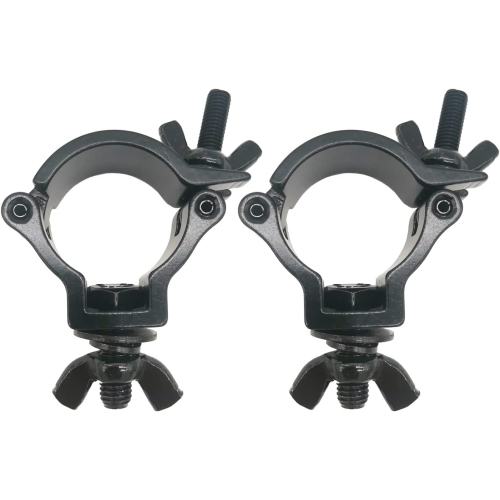


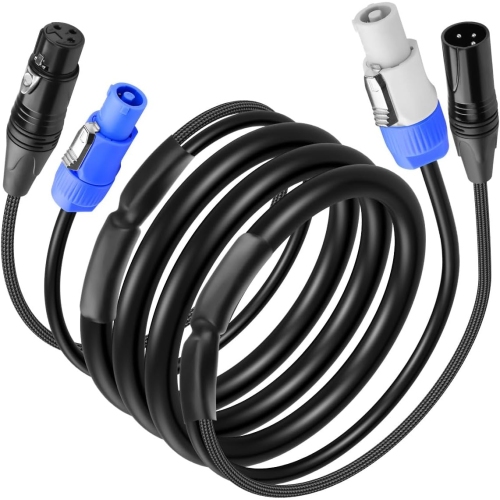
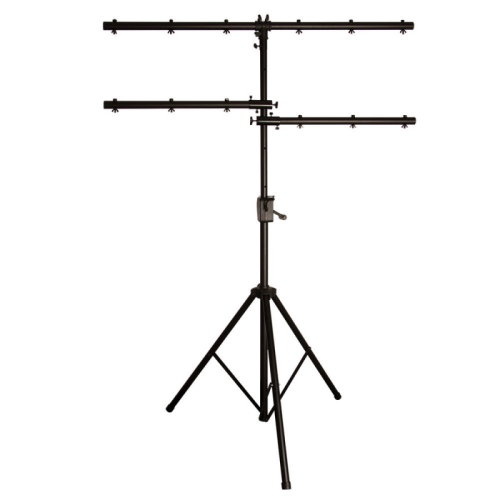

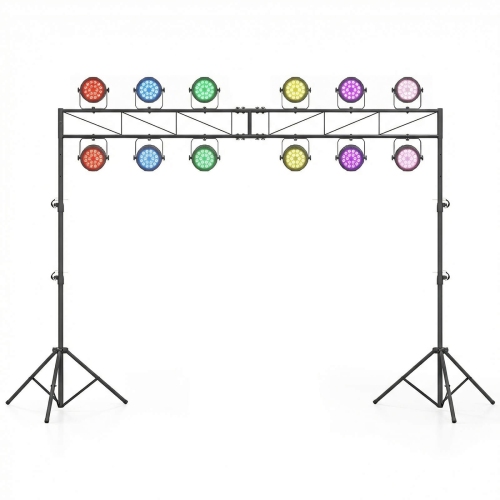




How lighting guides attention and sets the mood
Stage lighting is equipment used to illuminate performers, shape the mood of a performance, and direct an audience’s attention. It makes a speaker’s expression visible from the back of a room, separates a singer from a dark backdrop, and gives a dance floor its sense of movement. The category includes fixtures for broad washes of colour, focused beams, patterned projections, and moving effects, along with the controls and mounting accessories that help them work together. Each serves a different purpose: a wash can cover a wide section of stage, while a narrower spotlight draws attention to a soloist or presentation area. Moving-head fixtures can change direction and create shifting looks, while static fixtures keep light aimed at a consistent position. For theatre groups, mobile DJs, musicians, schools, and event venues, the most useful combination depends on what the audience needs to see and how the space is used. A small spoken-word stage may benefit more from even, flattering front light than dramatic effects; a live band may need clear illumination at the microphones alongside colour behind the performers. Beam angle, working distance, and ceiling height all affect coverage. A beam that appears broad at close range may spread well beyond a small platform when placed farther away, while a narrow beam can leave gaps between performers. Brightness also needs context: electrical wattage alone does not describe how much useful light reaches the stage. Output measurements at a stated distance, where provided, offer a more meaningful comparison. Colour mixing adds another layer of flexibility, from subtle background tones to saturated concert looks. Dedicated white LEDs and colour-rendering information can matter when natural-looking faces, costumes, and scenery are priorities. For performances captured on camera, dimming behaviour and flicker performance deserve attention too, since light that looks steady in person may behave differently at a camera’s selected frame rate. A balanced setup keeps performers visible without making every part of the stage equally bright.
The physical fit of stage lighting matters as much as its visual effect. Compact fixtures suit rehearsal rooms, small platforms, and mobile setups where equipment travels between venues, while larger assemblies require enough space for mounting, ventilation, cable connections, and any moving parts. Metal housings, sturdy brackets, secure connectors, and well-protected controls are useful features for equipment that is packed and unpacked frequently, although housing material alone does not establish durability. Weight, bracket design, and the quality of handles and attachment points all influence everyday handling. A fixture intended to stand on the floor may not offer the same mounting options as one designed for a lighting bar or truss. Compatibility extends beyond whether a clamp physically fits: the fixture, clamp, stand, and supporting structure must all be suitable for the load and intended arrangement. Overhead installations call for appropriate secondary retention and qualified installation rather than improvised attachment methods. In a school hall, a clear route around stands and cables helps keep the performance area usable; in a compact music venue, careful positioning can prevent bright beams from shining directly into the audience’s eyes. Power requirements also affect placement. Fixture ratings, circuit capacity, cable specifications, and manufacturer limits on linked power connections need to suit the complete setup, not just an individual light. Within the broader Lighting Equipment category, stage fixtures often work alongside stands, controllers, and connection accessories, making compatibility an important part of the overall arrangement. Sound can be another practical consideration. Fan noise that disappears beneath an amplified band may be noticeable during a quiet play, speech, or acoustic performance. For shared venues, adjustable positioning and repeatable settings help the same space support assemblies, recitals, presentations, and concerts without treating every event as a completely new installation. The right physical arrangement leaves room for performers to move naturally and for operators to reach controls safely.
Control options determine how stage lighting behaves throughout an event. Standalone settings can provide a fixed colour or an automatic sequence without a separate controller, which may suit a simple backdrop or an informal performance. Sound-activated modes respond to audio, but they do not offer the same deliberate timing as programmed cues. DMX control allows compatible fixtures to receive instructions for functions such as brightness, colour, movement, and effects. The available functions depend on each fixture’s channel mode, so a setup with several controllable features may require more controller capacity than a straightforward wash arrangement. Matching control connections, addressing, and supported functions helps fixtures respond predictably rather than simply sharing the same connector type. Wireless control can reduce some signal-cable runs, but it does not necessarily remove the need for power cables, and compatibility varies between systems. For a theatre production, repeatable cues can carry a scene from a gentle fade to a sharply defined special; for a DJ, grouped fixtures can create coordinated movement without every light doing something different. Smooth dimming and restrained effects often contribute more to a polished result than constant changes. Strobes and intense moving beams also need consideration for audience comfort, accessibility, and venue rules. Day-to-day care supports reliable performance between events. Dust on lenses and ventilation openings can affect light output and cooling, while strained connectors and tightly bent cables can become weak points during repeated setup. Cleaning methods should follow the manufacturer’s directions, with equipment disconnected and allowed to cool before handling where required. Padded transport cases, protected lenses, and neatly stored cables help limit knocks and tangles in transit. Before reuse, checking brackets, cables, and connections can reveal damage that was not obvious during pack-down. Stage lighting works best as a coordinated system: clear visibility establishes the performance, colour supplies atmosphere, and well-timed changes give the audience a reason to look exactly where the action is happening.
Top selling and popular products
-
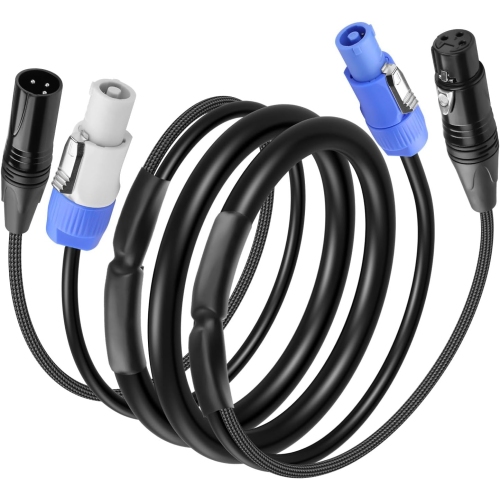
 Your price for this item is $37.99
-
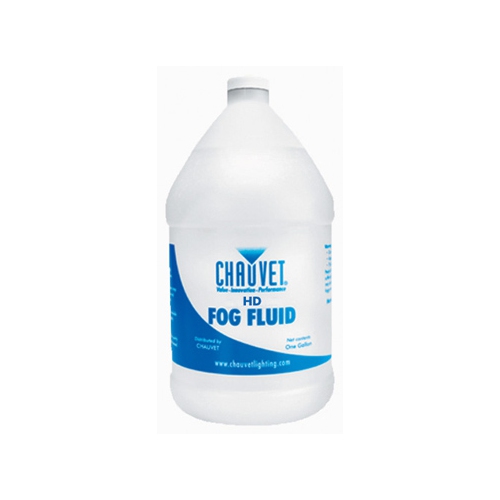
 Your price for this item is $199.99
-
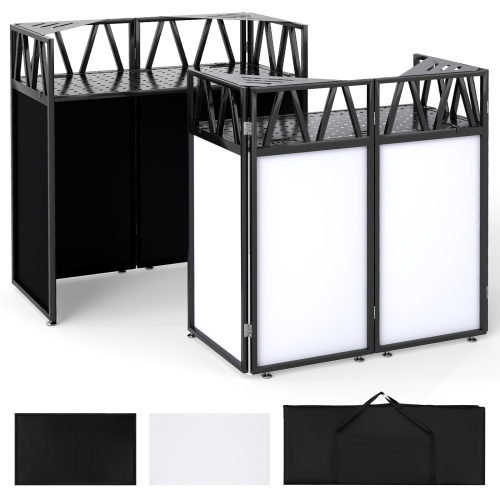
 Your price for this item is $37.98
-
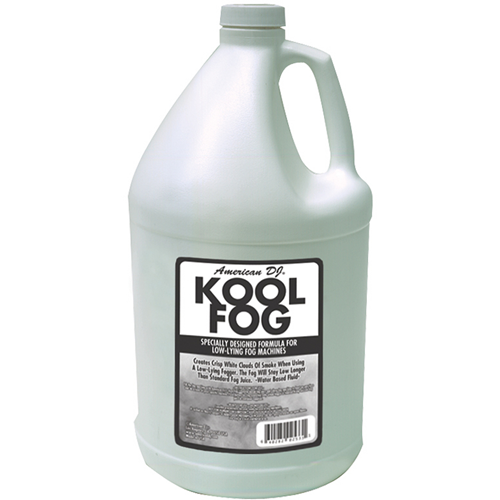
 Your price for this item is $52.99
-
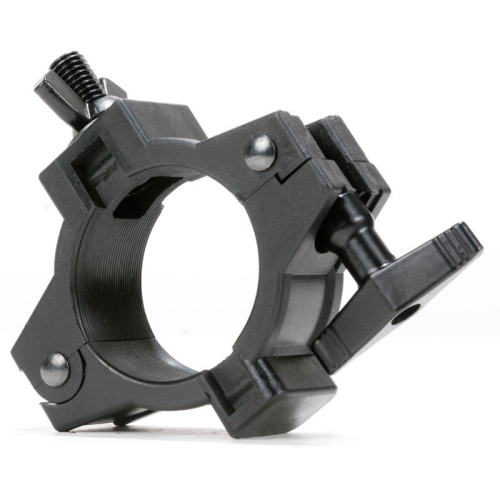 Your price for this item is $14.98
-
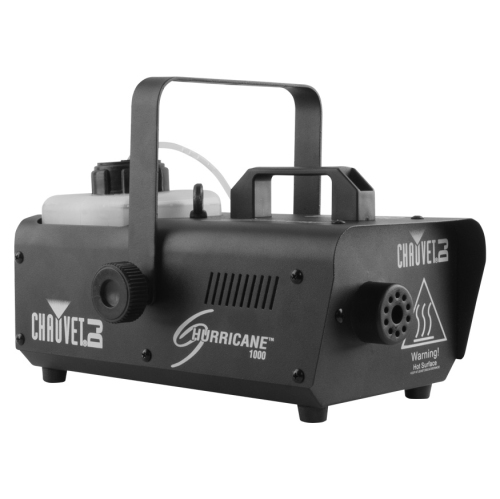 Your price for this item is $205.99
-
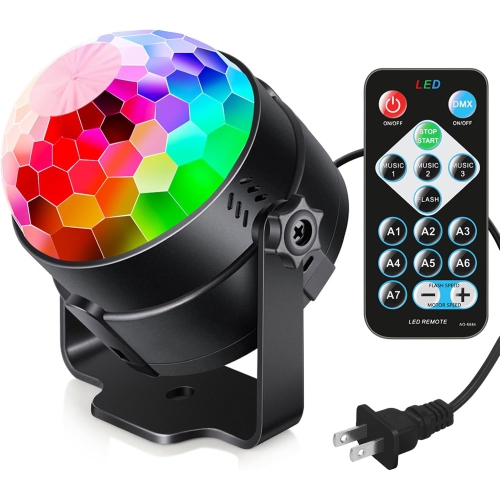 Your price for this item is $17.99
-
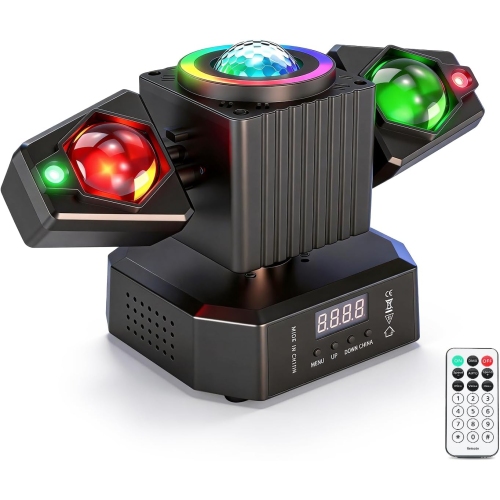 Your price for this item is $128.99
Discover more categories related to Stage Lighting
Top Collections:
Best Black Friday Deals This Year, Best Black Friday Deals On Electronics, Kindle Devices, Best Black Friday Deals On Apple Products, Best Budget Office Chairs, Best Cameras for Sports Photography, Dyson Airwrap, Canon G7X Cameras, Best Laptops for Writers, Samsung Galaxy Phones
Some products may be subject to Environmental Handling Fees
(EHF) depending on your province.
Learn more about EHFs.