Fire Pits With Hidden Propane Tank
Create a cozy and inviting outdoor living space with our collection of fire pits with hidden propane tanks. These stylish and functional fire pits are designed to seamlessly blend into your patio or backyard, offering a sleek and modern look while providing the warmth and ambiance of a traditional fire pit. Say goodbye to unsightly propane tanks cluttering up your outdoor space. With these innovative fire pits, the propane tank is cleverly concealed within the unit, giving you a clean and streamlined look. Whether you're hosting a gathering with friends or simply enjoying a quiet evening under the stars, our selection of fire pits with hidden propane tanks will elevate your outdoor experience to new heights.

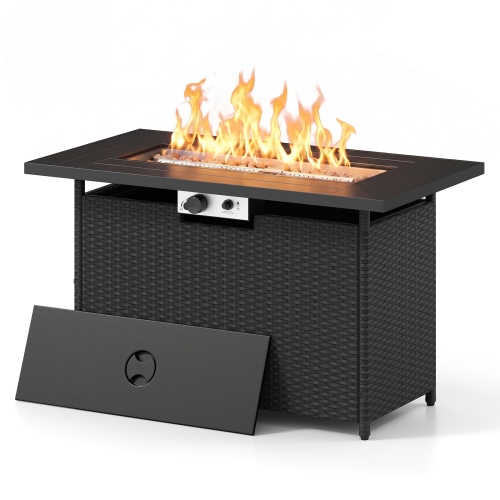
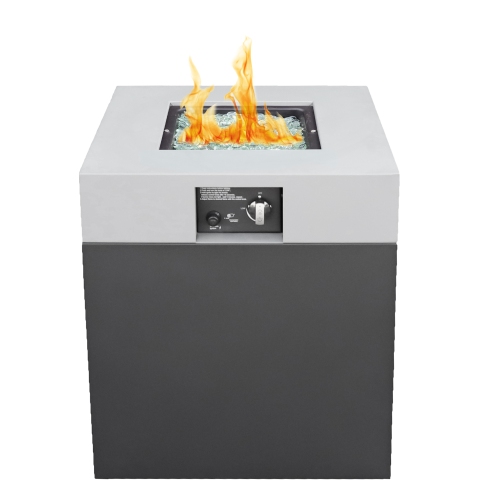
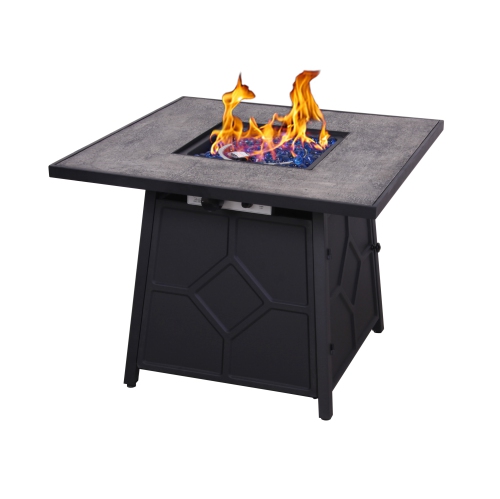

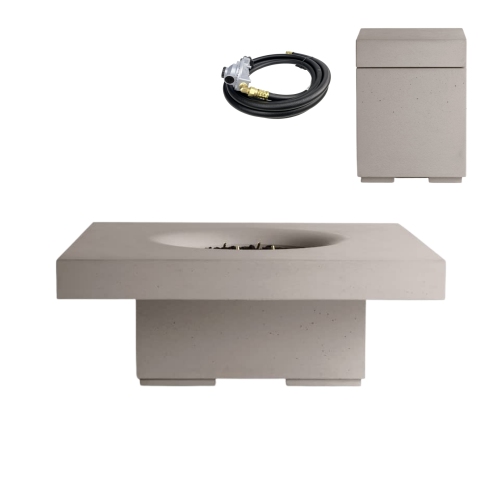
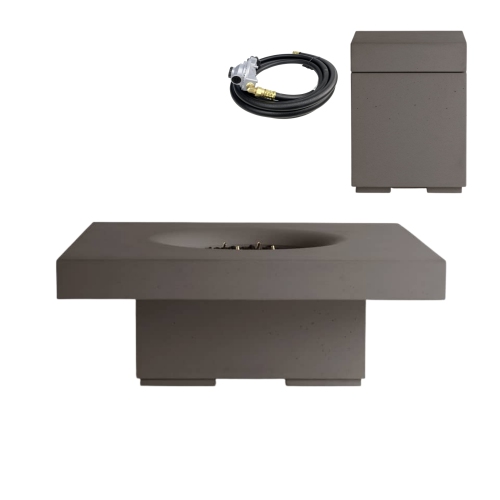


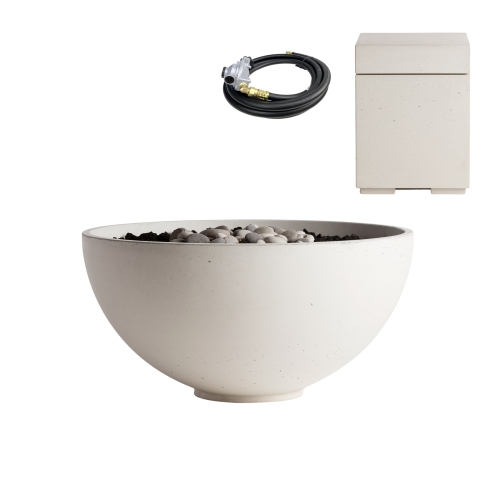

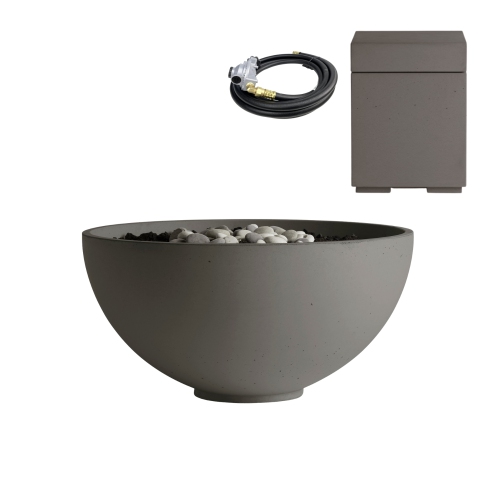


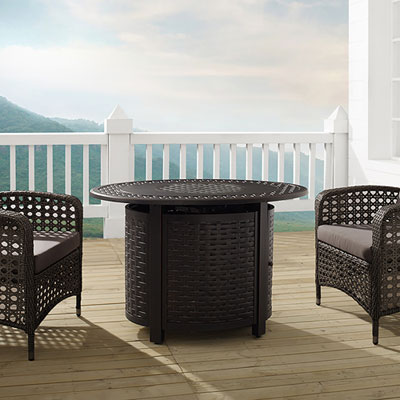
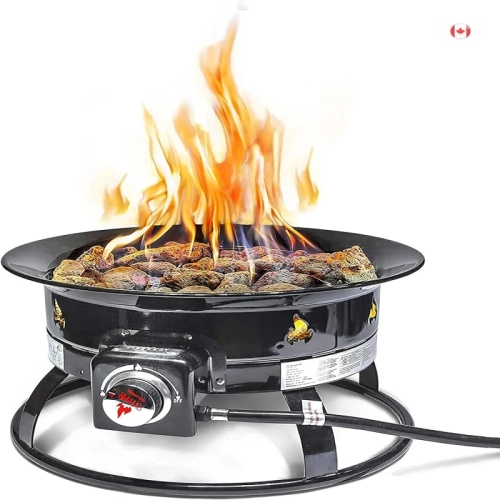


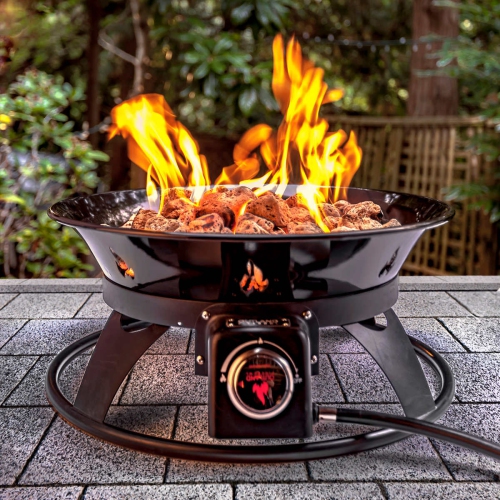
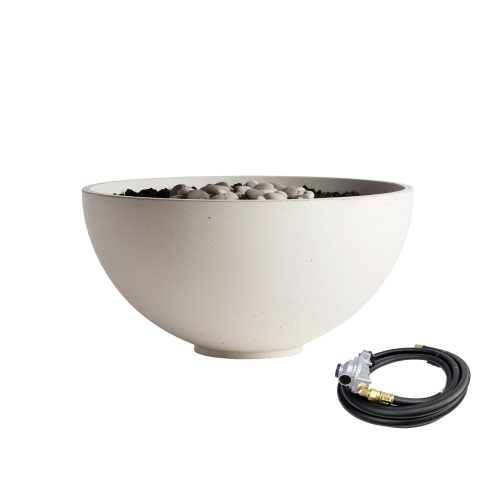


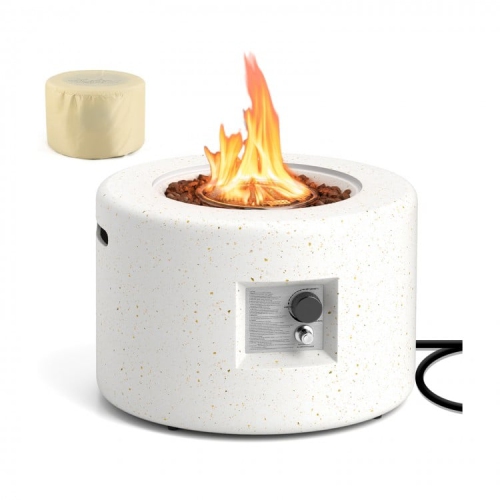
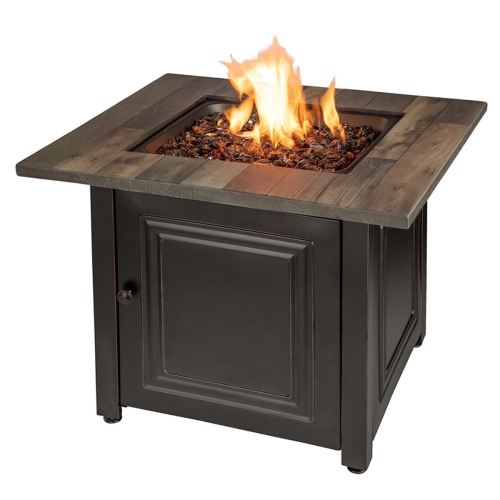
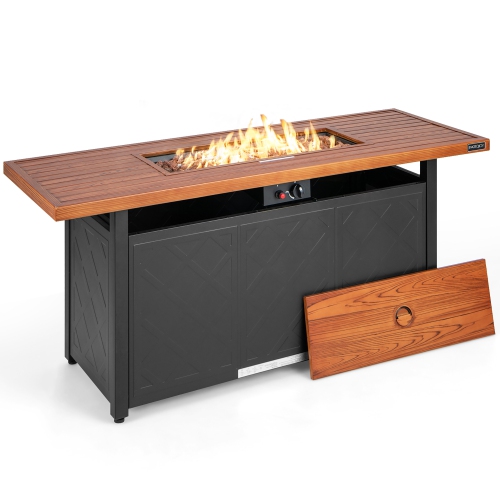


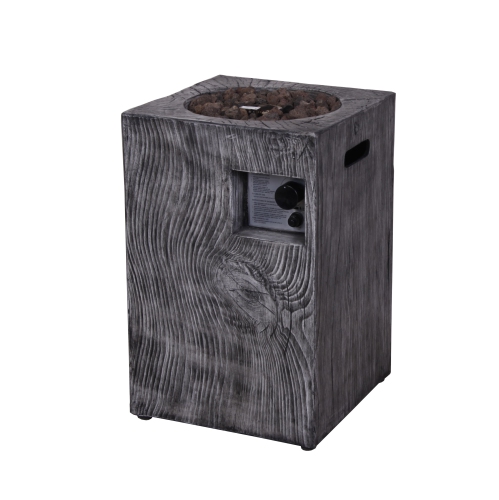
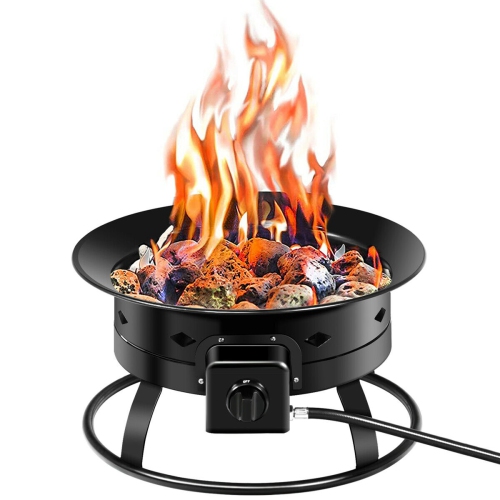





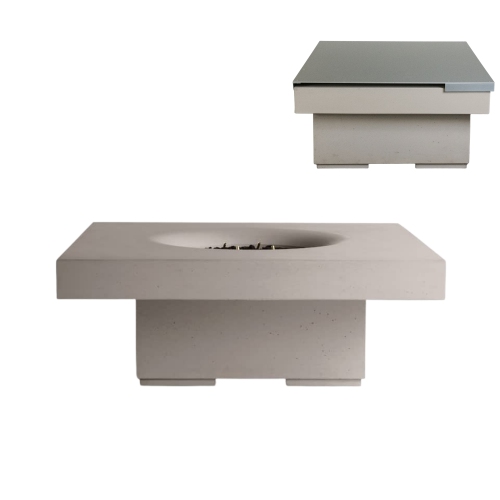


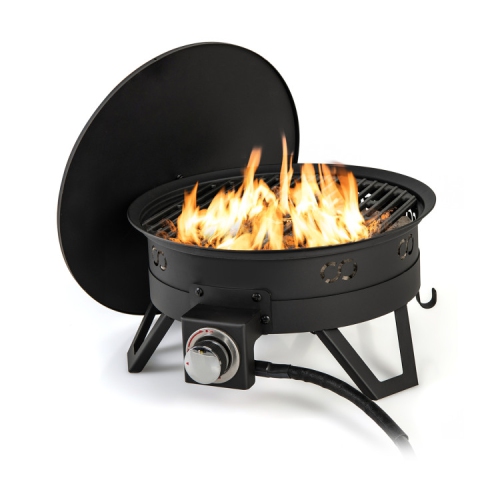

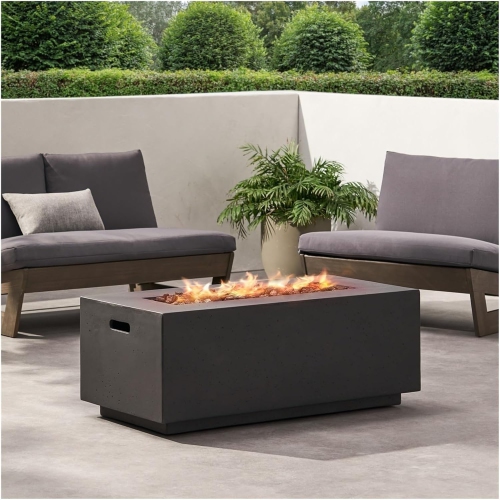
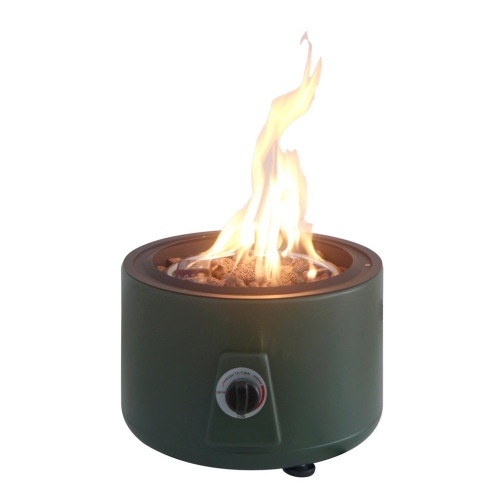


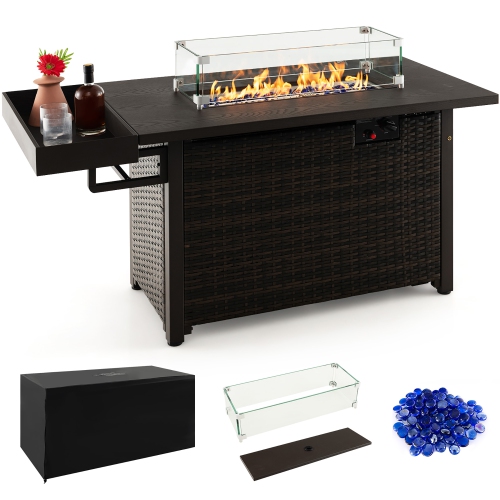

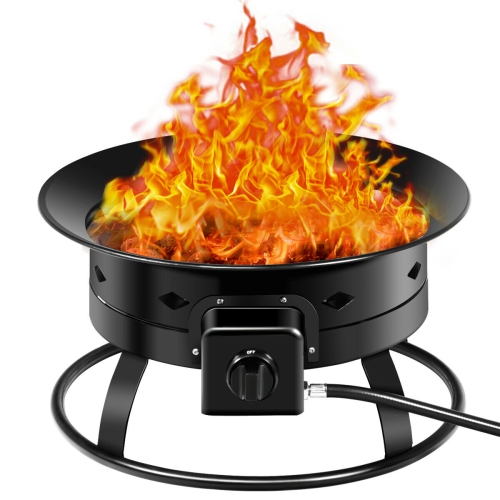
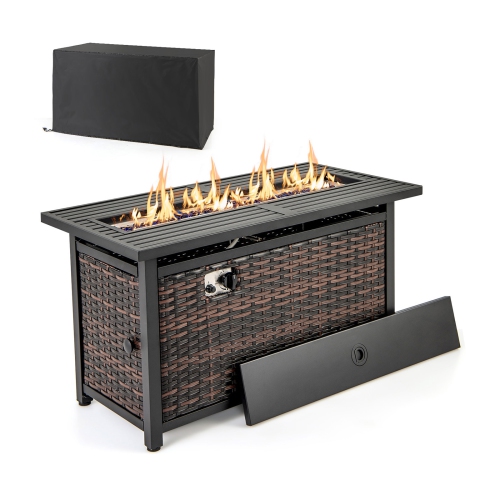
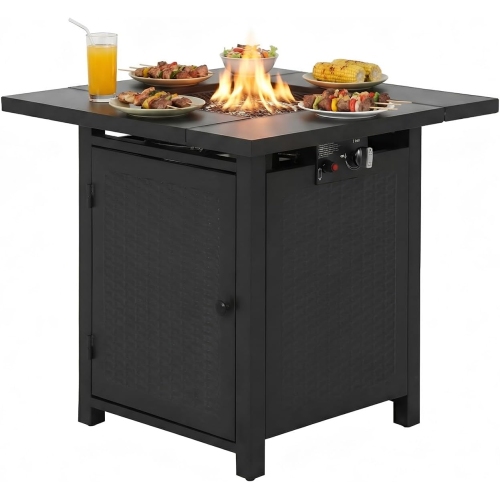


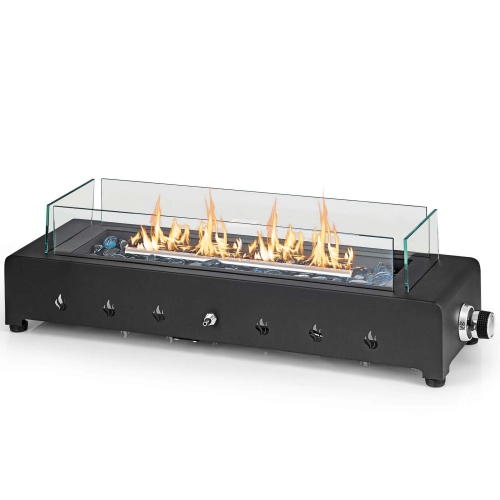

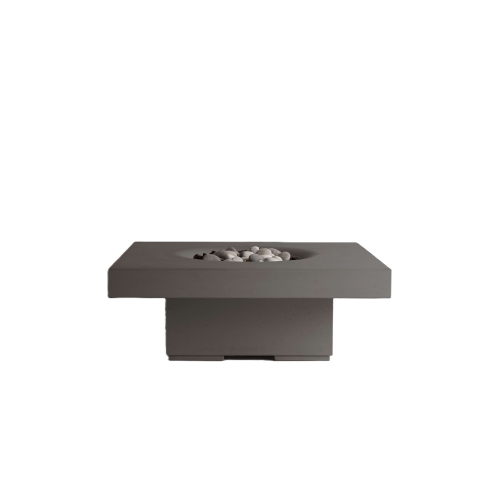


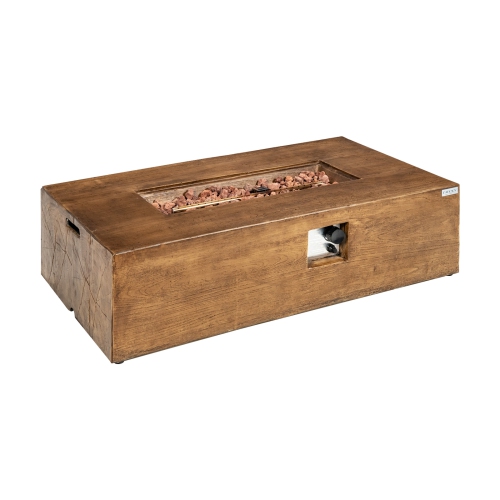
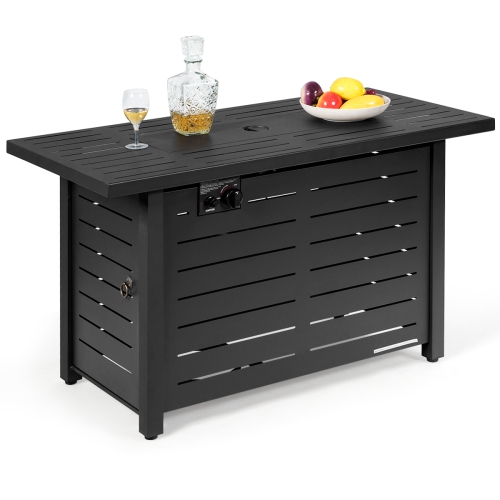


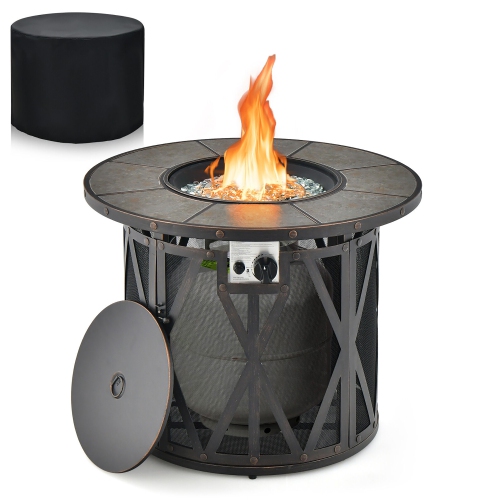


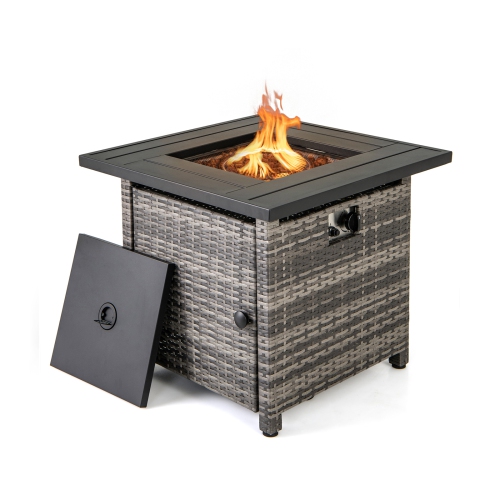


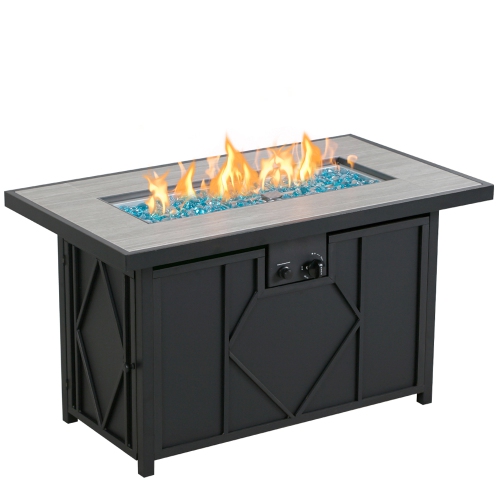


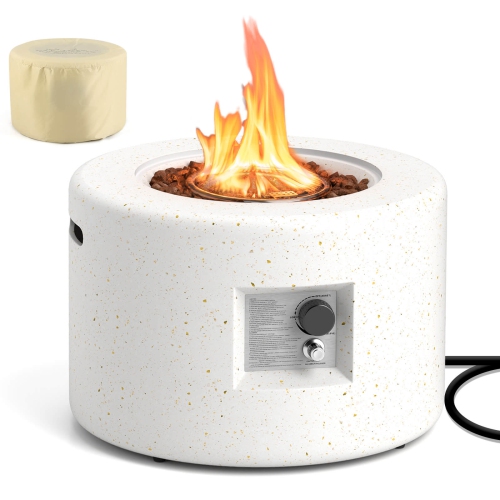
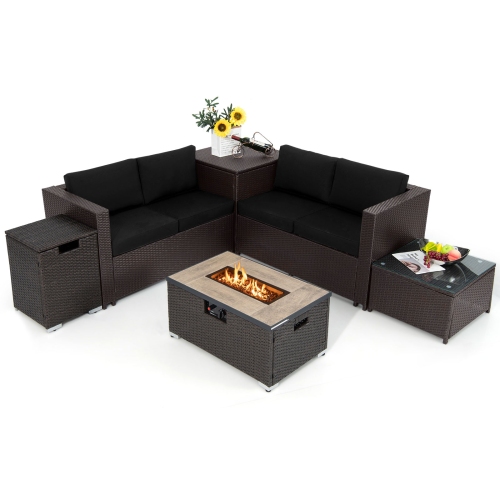
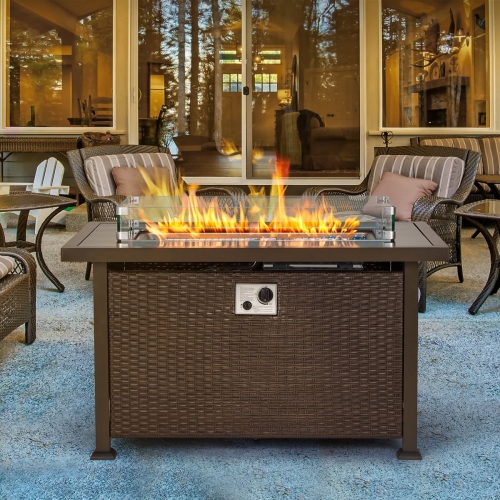


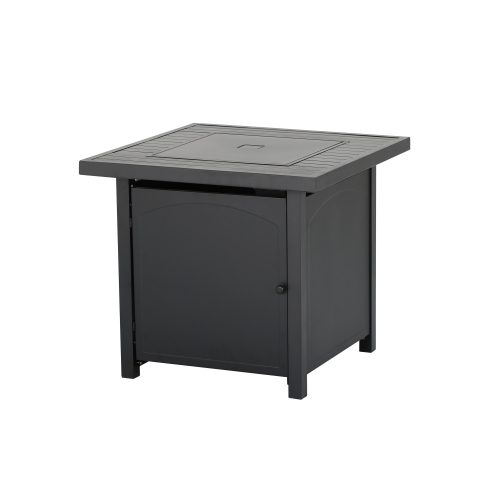
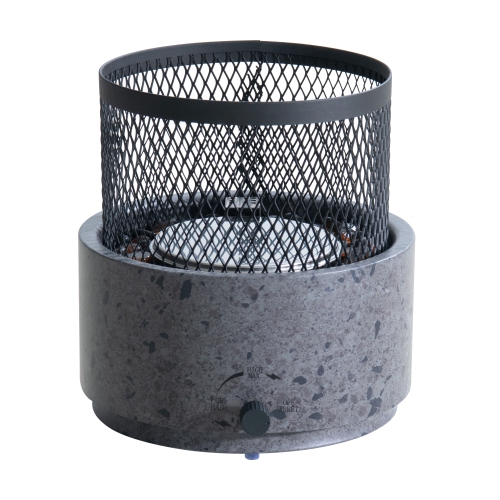


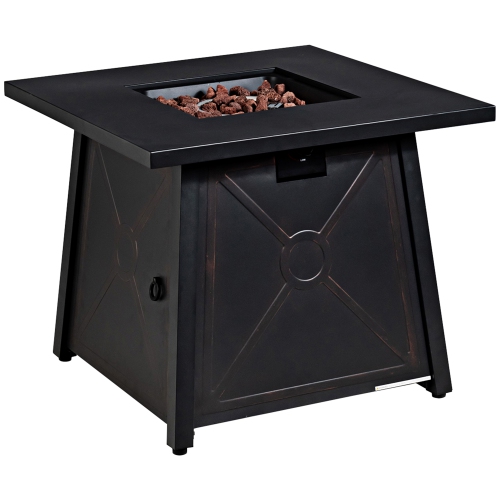
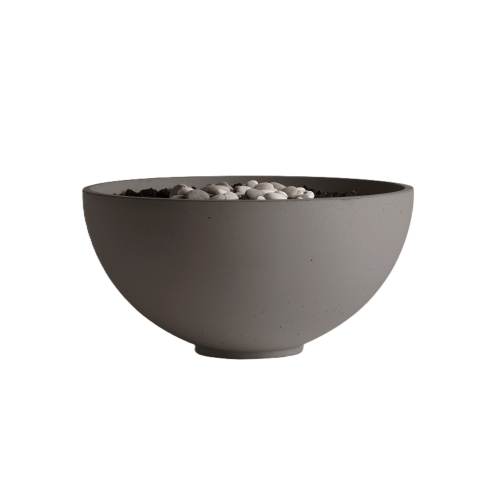

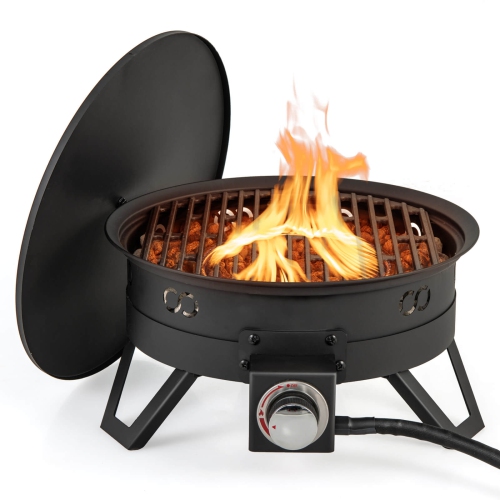
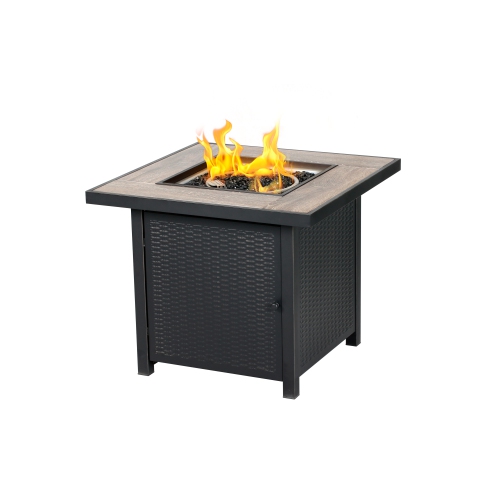


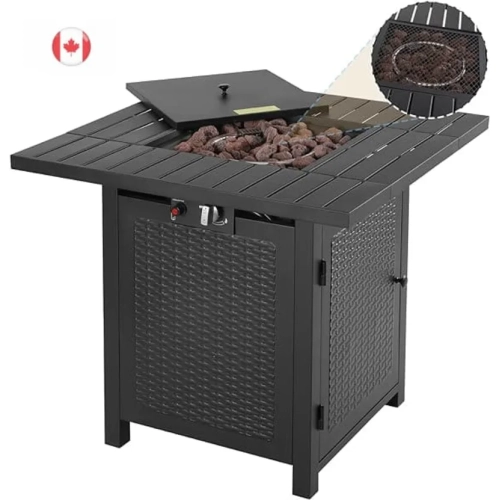


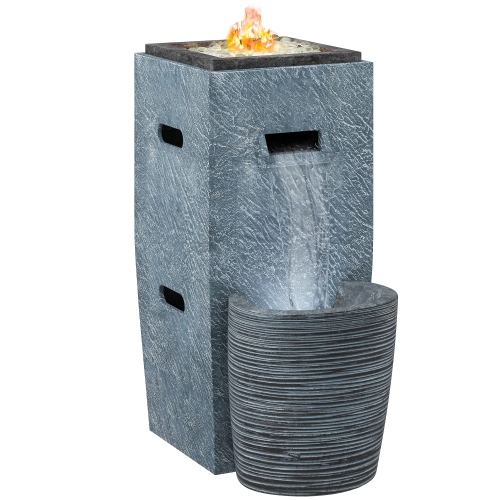
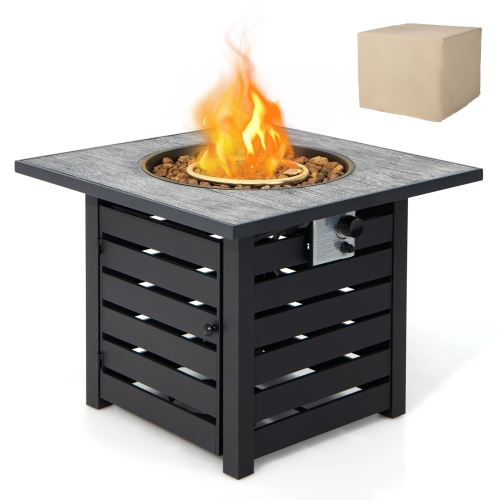
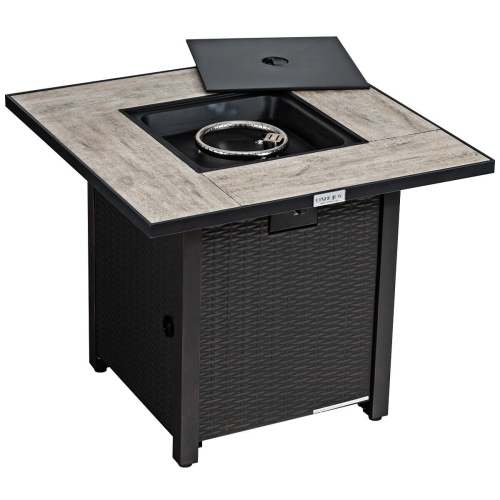

A cleaner patio look starts inside the base
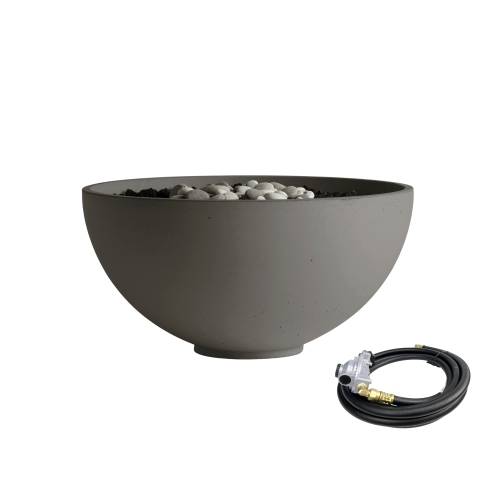
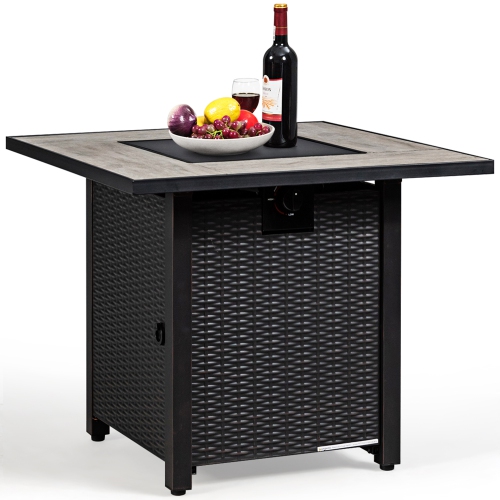
Materials influence both the appearance of a concealed-tank fire pit and the attention it needs over time. Powder-coated steel offers a crisp, structured look, but scratches or chips can leave the underlying metal vulnerable to rust. Aluminium is generally lighter and resists rust, making it practical for layouts that may occasionally be rearranged, although the complete appliance can still be heavy. Stainless steel is often used for burners and other components exposed to heat; its finish benefits from cleaning suited to the particular grade and manufacturer’s recommendations. Concrete and concrete-look composites create a substantial, architectural presence, but they differ in weight, construction, and care requirements. A moulded composite finish should not be assumed to have the same properties as solid concrete, and textured stone-look surfaces may need gentler cleaning than a smooth metal tabletop. Wood-look finishes and woven-style bases can coordinate with existing patio furniture without making the appliance suitable for placement against combustible materials. Among propane fire pit tables, the width of the ledge around the burner is an important distinction: some provide meaningful space for a mug or small plate, while others have only a narrow decorative border. Those surfaces can become hot, and usable space must remain outside the clearances specified for the burner. Rectangular shapes often sit comfortably alongside an outdoor sofa, while round designs can give individual lounge chairs a shared centre point. Square models may suit a compact seating group, provided the required clearances and walking routes remain open. Overall height matters as much as length and width. A taller base can accommodate an upright cylinder, but the tabletop may feel quite different beside low lounge seating than beside upright patio chairs. The tank-access door also needs room to open fully, without requiring heavy furniture to be moved whenever the cylinder needs attention.
Concealing the propane tank improves presentation, not the appliance’s suitability for enclosed spaces. These fire pits are intended for outdoor use and must be positioned according to their installation instructions, with the required separation from walls, furniture, railings, overhead structures, and other combustible materials. An enclosed balcony, garage, tent, or indoor room is not an appropriate location. A roofed patio or other partially covered space requires particular attention to the manufacturer’s restrictions and local requirements; open sides alone do not establish that a location is suitable. For Canadian homes, certification to applicable Canadian gas-appliance standards is a relevant specification, alongside municipal rules and any condominium, strata, or rental-property restrictions. The supporting surface must be stable and suitable for the appliance, and a wood or composite deck should never be assumed acceptable without confirmation in the instructions. Ventilation openings in the tank compartment need to remain unobstructed, since propane can collect in low areas if a leak occurs. The cylinder must be secured in its designated position, with access to the shut-off valve and connections maintained. Leak testing, cylinder changes, and ignition procedures should follow the manufacturer’s directions, and a flame must never be used to search for a leak. Everyday care includes keeping burner ports clear, inspecting accessible hoses and connections as directed, and cleaning spills after surfaces have cooled. Only the specified type and quantity of fire glass or lava rock belongs in the burner area; ordinary stones and improvised fillers are not suitable substitutes. A correctly fitted cover can help protect the finish between uses, but it should be applied only once the fire pit is completely cool. Children and pets need supervision around flames and hot edges, including after shutdown. For households that enjoy conversation around an outdoor seating area, a concealed-tank design can keep the layout visually uncluttered while preserving convenient access for routine care. Its lasting usefulness depends on that combination of thoughtful proportions, appropriate materials, and a location that supports safe operation.
Top selling and popular products
-
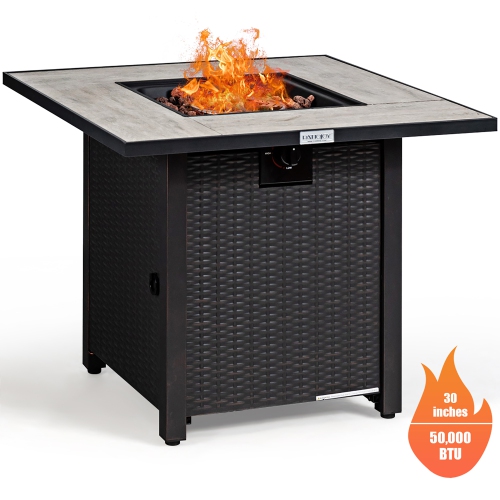 Your price for this item is $275.99
-
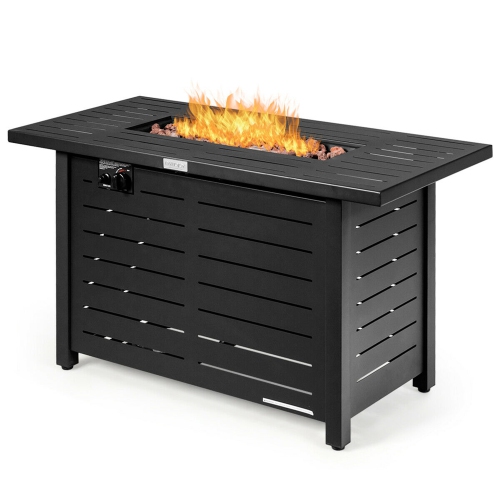 Your price for this item is $329.99
-
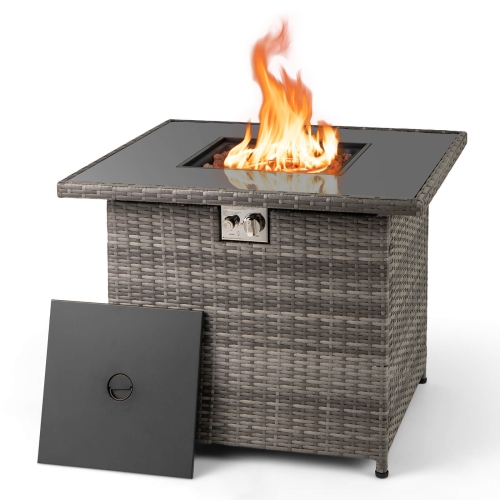 Your price for this item is $319.99
-
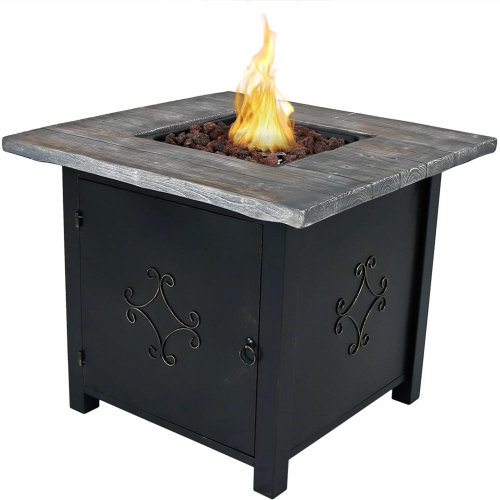 Your price for this item is $484.75
-
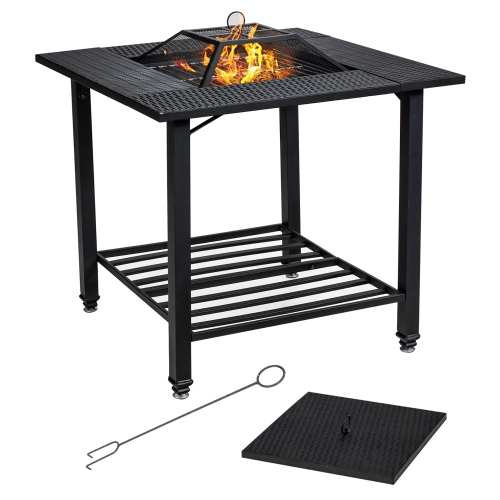 Your price for this item is $133.99
-
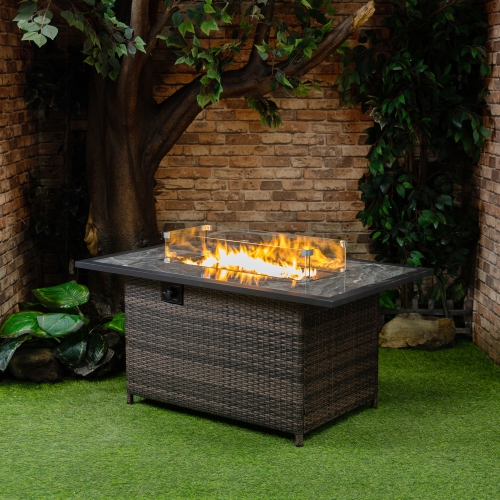 Your price for this item is $799
-
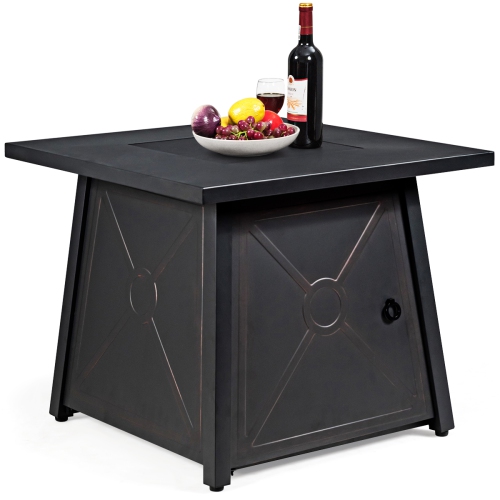 Your price for this item is $269.99
-
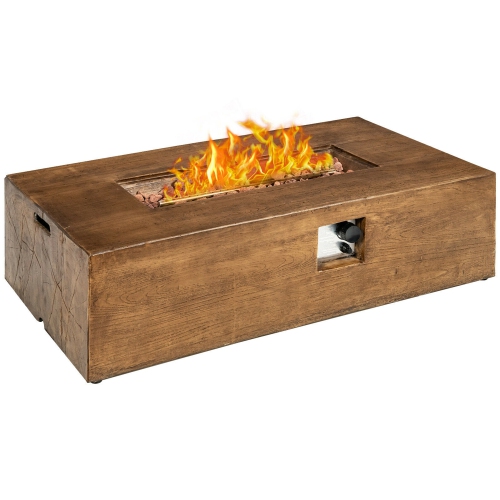 Your price for this item is $599.99
