Fireplace Mesh Screens
Enhance the safety and style of your fireplace with our selection of fireplace mesh screens. Designed to prevent sparks and embers from escaping while adding a touch of elegance to your living space, these mesh screens are both functional and decorative. Whether you're looking to update your current screen or add an extra layer of protection to your home, our range of fireplace mesh screens offers a variety of sizes and styles to suit your needs. Discover the perfect blend of safety and sophistication for your fireplace today.
Sort
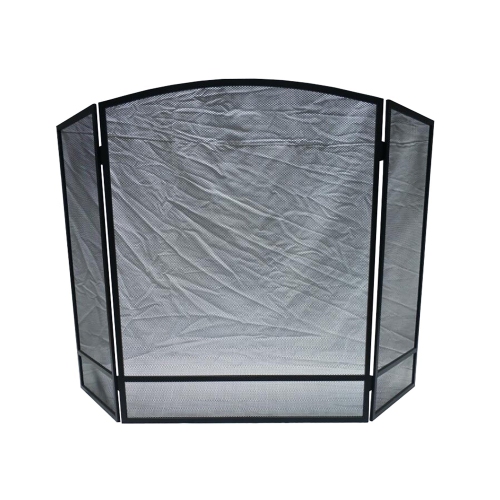
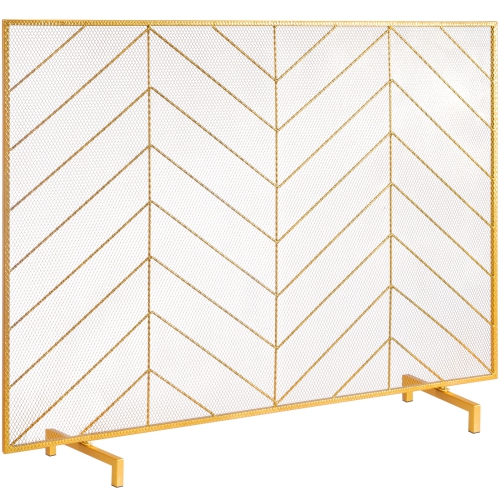
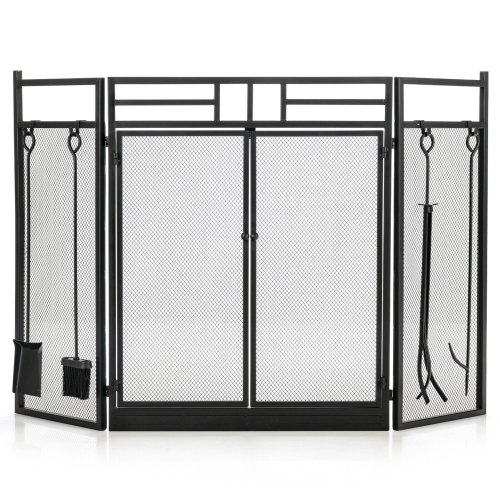
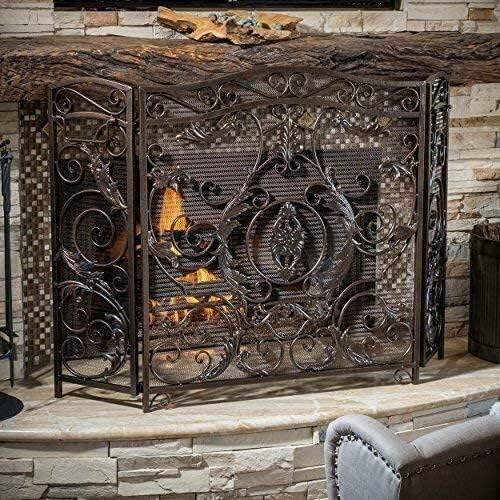
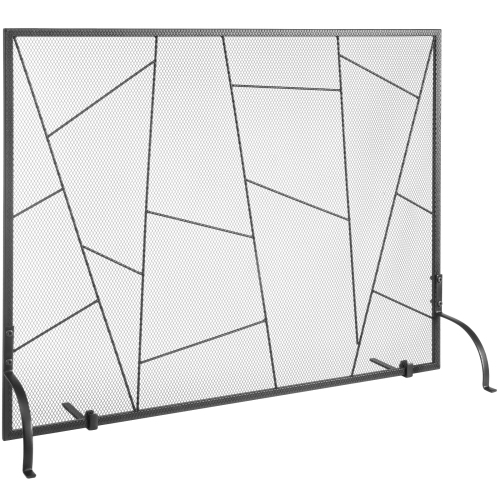
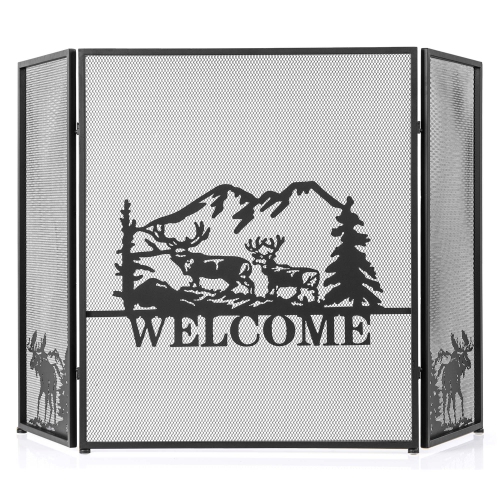
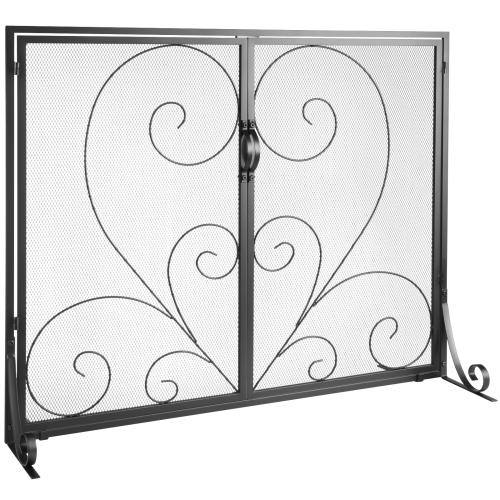
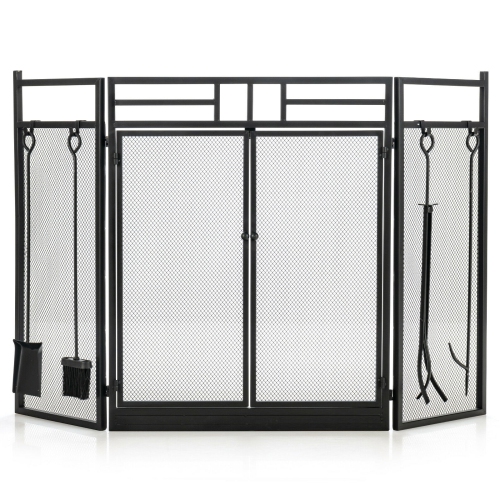
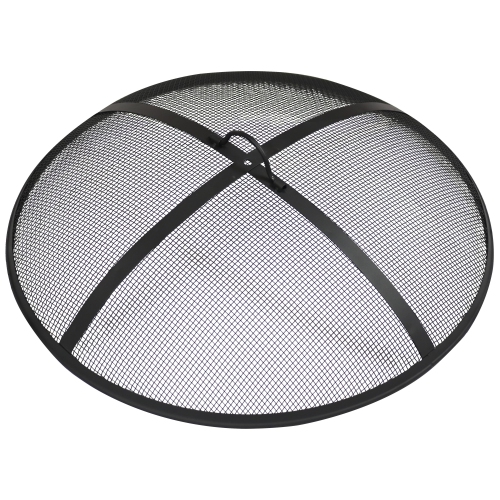

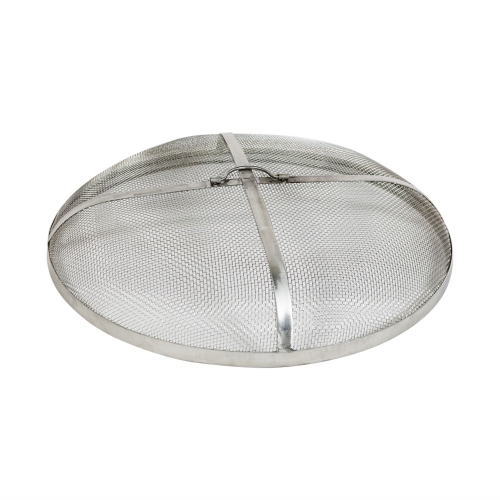
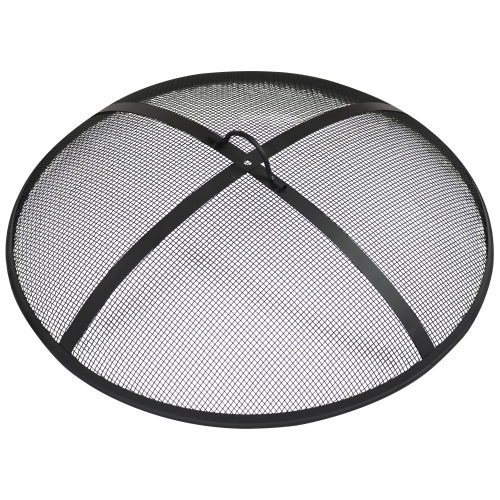
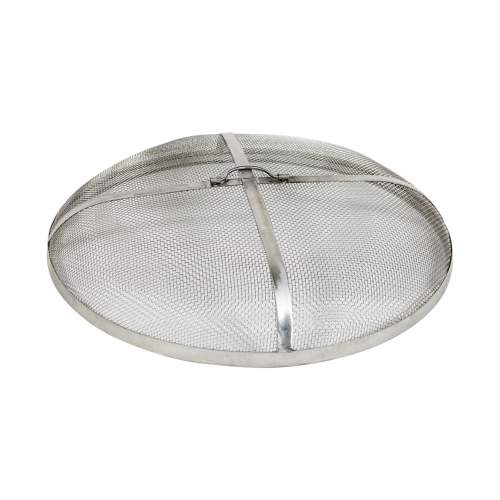

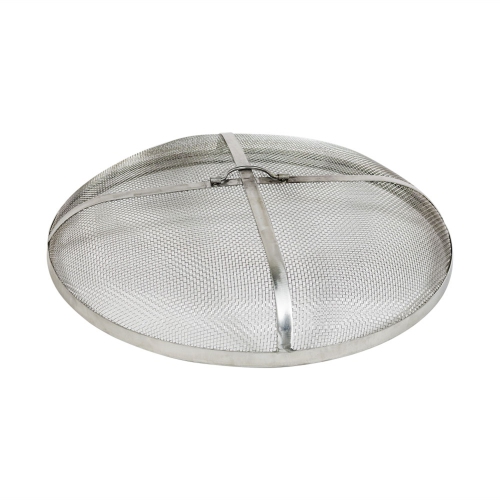

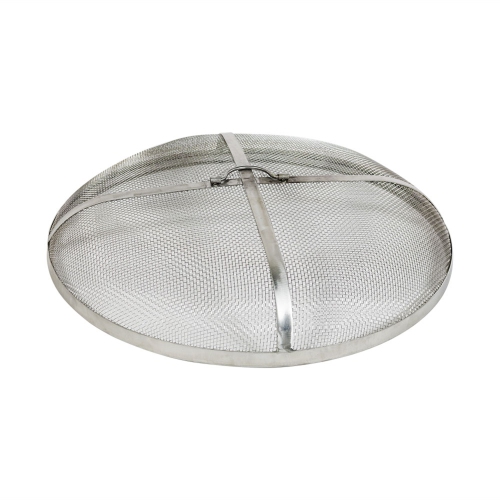
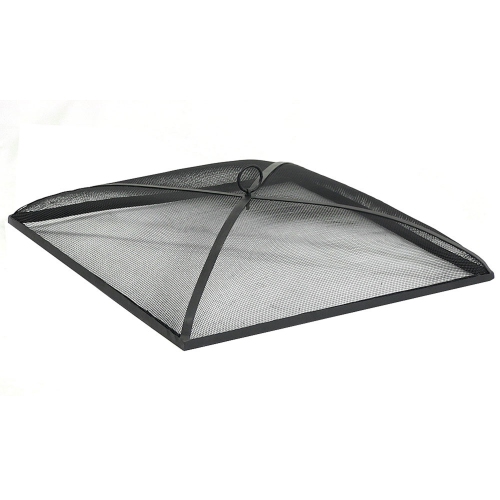
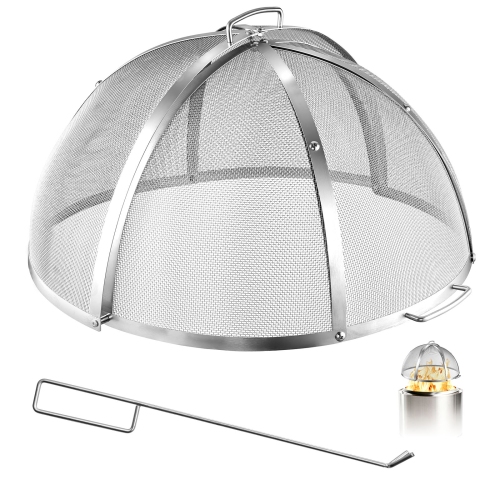
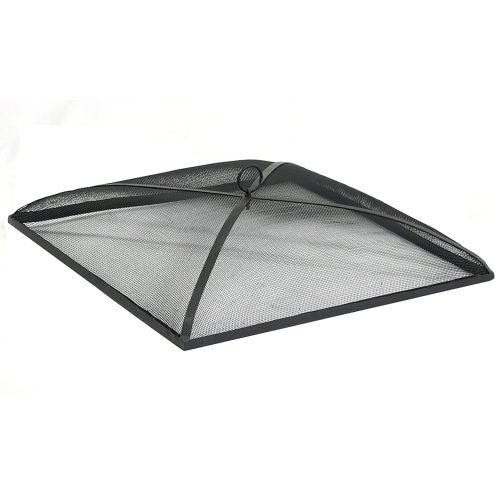
Spark containment without losing sight of the flames
Fireplace mesh screens help contain sparks and embers from an open fire while allowing radiant warmth and a view of the flames. Positioned across the fireplace opening, the woven metal creates a barrier between the firebox and the hearth without the solid appearance of a closed panel. This makes mesh a practical choice for households that enjoy watching a wood fire but want to help keep stray sparks away from nearby flooring and furnishings. The screen works alongside a suitable fireplace grate and properly arranged logs; it is not designed to catch a heavy rolling log or correct an overloaded firebox. Different screen styles suit different fireplace layouts. A single-panel screen creates a clean, uninterrupted outline and can sit close to the opening when its feet and the hearth depth allow. Folding screens use hinged sections to accommodate a wider opening or form a shallow enclosure, while hanging mesh curtains slide along a compatible rod or track for access to the fire. Each design changes how the fireplace looks and how someone tends it. A broad, fixed panel may suit a fireplace that is used occasionally, while an opening door or sliding curtain can make routine access more convenient, provided the assembly is installed and operated as intended. Mesh also offers a visual balance between an exposed firebox and a more substantial barrier. Dark mesh tends to blend into the shadow of the opening, leaving the flames visible behind a fine pattern, while the frame gives the hearth a defined edge. In a room with a stone surround, timber mantel, or simple tiled hearth, that outline can help the fireplace feel finished even when no fire is burning. The most useful screen is one that matches both the fireplace and its everyday use, rather than simply matching the width of the mantel or the style of nearby furniture. For households with children or pets, it is also important to distinguish spark containment from contact protection: ordinary fireplace mesh and its frame can become hot and are not automatically childproof barriers.
Materials and construction influence how a fireplace mesh screen holds its shape, stands securely, and wears over time. Steel is commonly used for mesh and frames because it can form a sturdy barrier with relatively slender components. Stainless steel may offer added resistance to corrosion, while heavier iron frames can provide a substantial appearance. Actual performance depends on the complete design, including the quality of the mesh, joints, hinges, feet, and finish. A frame that feels solid should also sit evenly, without rocking on the intended hearth surface. Mesh should be secured around its edges, with no loose strands, sharp ends, or gaps that undermine its purpose. The weave affects both visibility and spark containment, but appearance alone does not establish suitability for a particular fireplace; the screen’s intended use and manufacturer’s specifications matter more than a close-up photograph. Fit involves several measurements rather than a single width. The fireplace opening’s height and width, the available hearth depth, and any projecting trim or handles all affect placement. A freestanding screen needs enough support beneath its feet, and its frame should cover the opening as specified without interfering with required clearances. For folding designs, the usable width depends on the angle of the side panels, so the fully extended measurement may not represent a stable working position. Hanging mesh curtains require compatible mounting hardware, sufficient coverage, and the intended overlap where the panels meet. Door-style screens also need room to swing without striking the surround or nearby objects. Where protection around the hearth is the main concern, the broader range of Fireplace Safety Screens can provide useful context for different barrier designs. No screen should be assumed suitable for every fuel type or appliance. Gas fireplaces, electric fireplaces, and enclosed wood-burning appliances have their own requirements, and an added barrier must not obstruct vents, interfere with controls, or replace a manufacturer-specified protective assembly. Compatibility is especially important where a fireplace already has glass doors or an integrated safety barrier.
Day-to-day care helps preserve the screen’s appearance and makes wear easier to notice. Cleaning should take place only after the fire is fully extinguished and the screen, fireplace, and ashes are completely cool. Fine mesh can collect dust and soot, so gentle brushing with a soft brush, where permitted by the manufacturer, is generally preferable to scraping or aggressive scrubbing. A soft cloth may be suitable for the frame, but the finish determines which cleaning methods are appropriate. Abrasive pads, harsh chemicals, and excessive moisture can damage coatings or leave metal vulnerable to rust. Any approved damp cleaning should be followed by thorough drying. Ash handling is a separate task: ordinary household vacuums are not suitable for hot ash or embers, which can remain hidden after a fire appears to have gone out. Periodic inspection is equally worthwhile. Bent mesh, spreading gaps, loose hinges, unstable feet, or damaged mounting points can affect how the screen functions and may call for repair or replacement according to the manufacturer’s guidance. A sliding curtain should move freely without being forced, and a hinged door should close as intended. Handles can become hot, so their presence does not mean the screen is safe to touch during use. In a busy living room, placement also needs to account for walking routes, furniture, and the space required to tend the fire safely. A screen does not remove the need to keep combustible materials at the required distance, supervise children and pets, and maintain the fireplace and chimney. Within those practical limits, the frame’s shape and finish can complement the room: a simple rectangular outline suits clean architectural lines, an arched top can echo a curved firebox, and restrained metal detailing can work with a traditional mantel. Matching those visual details with stable construction, appropriate coverage, and manageable upkeep gives fireplace mesh screens a useful role in both the appearance and operation of the hearth.
Top selling and popular products
-
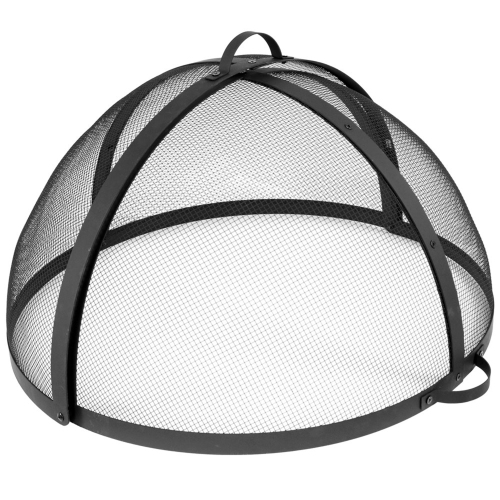 Your price for this item is $317.85
-
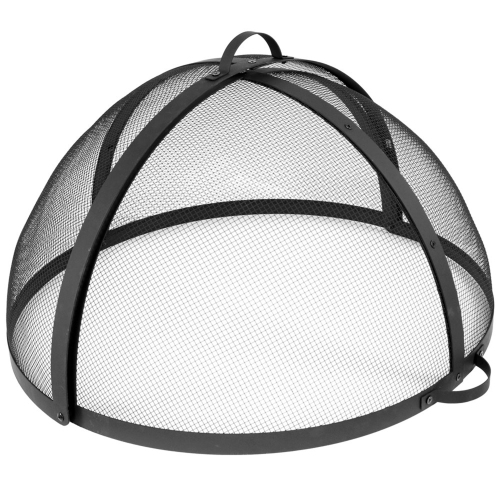 Your price for this item is $340.35
-
 Your price for this item is $266.75
-
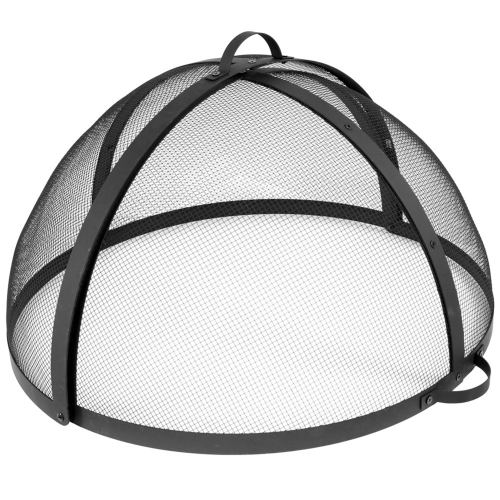 Your price for this item is $270.65
-
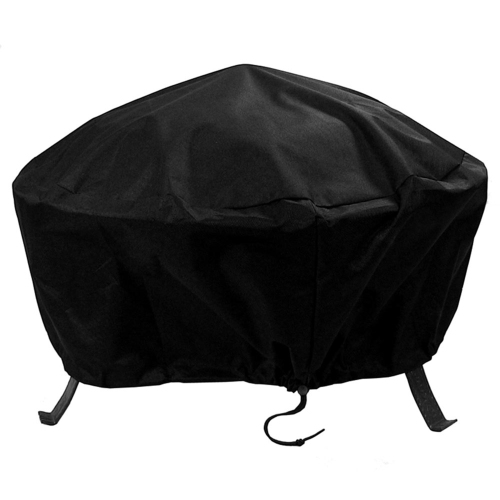 Your price for this item is $45.95
-
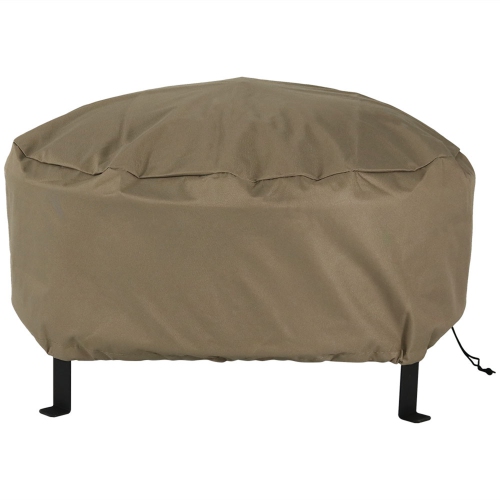 Your price for this item is $45.95
-
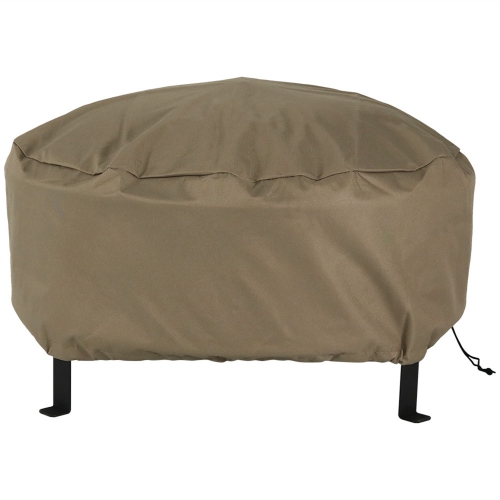 Your price for this item is $48.95
-
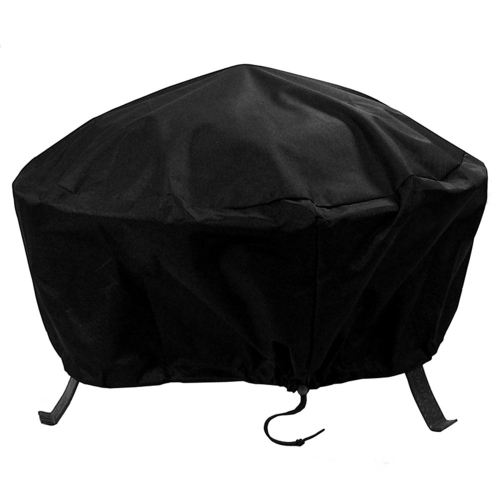 Your price for this item is $77.35
Discover more categories related to Fireplace Mesh Screens

Top Collections:
Best Black Friday Deals This Year, Best Black Friday Deals On Electronics, Kindle Devices, Dyson Airwrap, Best Cameras for Sports Photography, Best Budget Office Chairs, Canon G7X Cameras, PS5 Pro Consoles, Best Black Friday Deals On Apple Products, XBOX One S Consoles
Some products may be subject to Environmental Handling Fees
(EHF) depending on your province.
Learn more about EHFs.