Fireplace Screens
Enhance the ambiance and safety of your hearth with our selection of fireplace screens. Offering both style and functionality, these essential accessories not only add a decorative touch to your fireplace but also provide a protective barrier against sparks and embers. Whether you prefer a traditional, ornate design or a sleek, modern look, our range of fireplace screens caters to various tastes and decor styles. Explore our collection to find the perfect complement for your fireplace while ensuring a cozy and secure environment in your home.
Sort
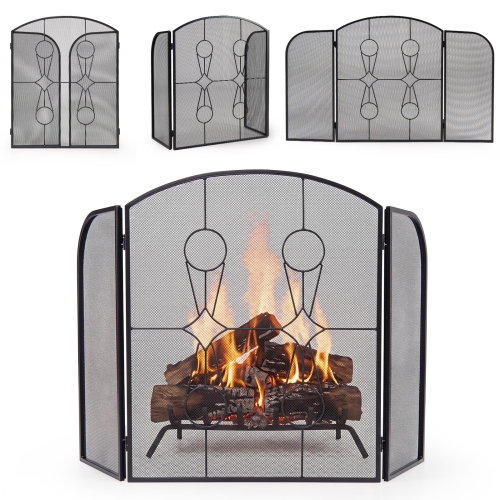
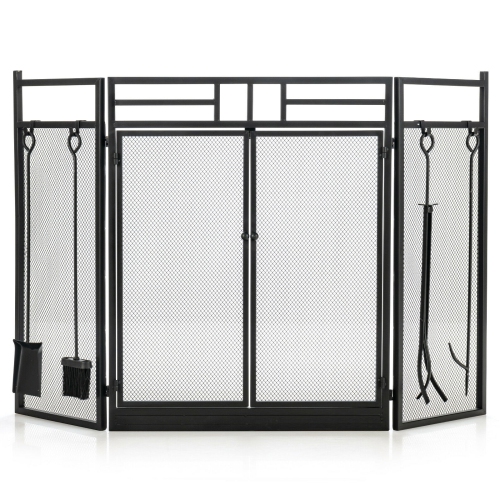
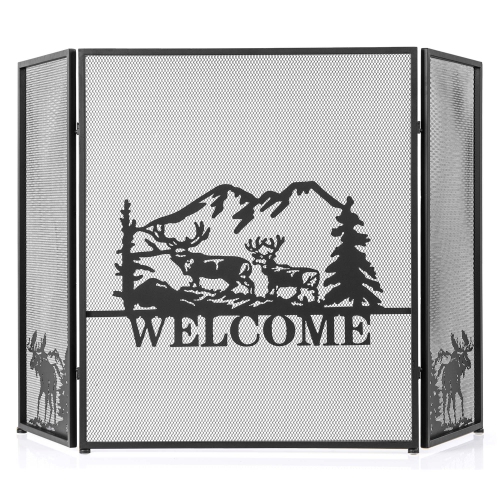
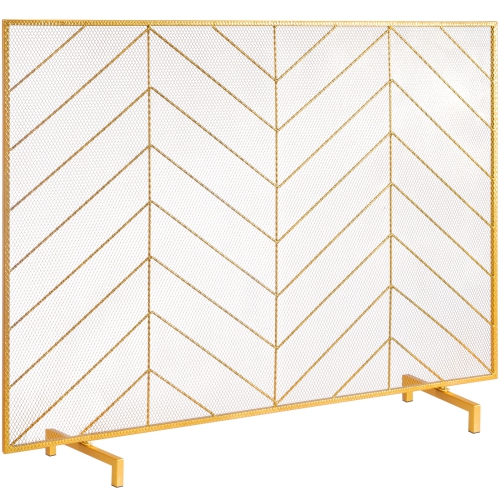
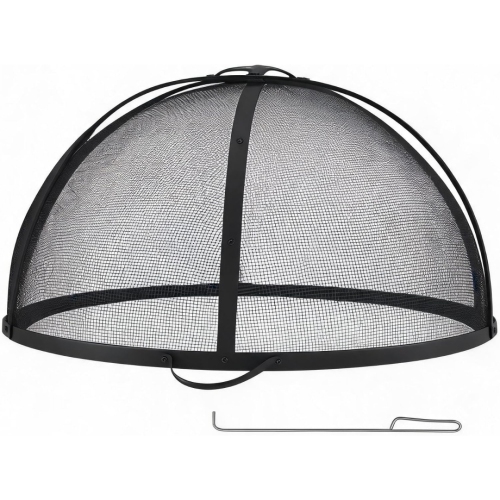

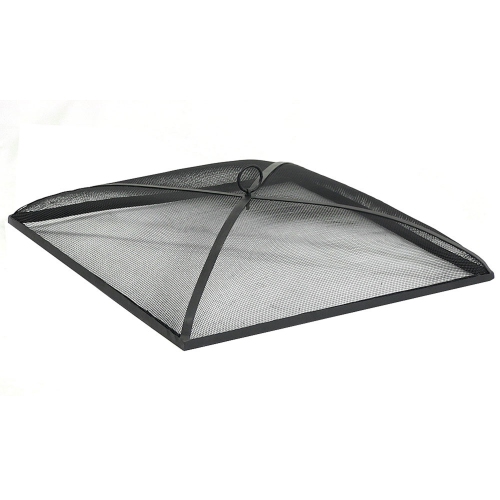
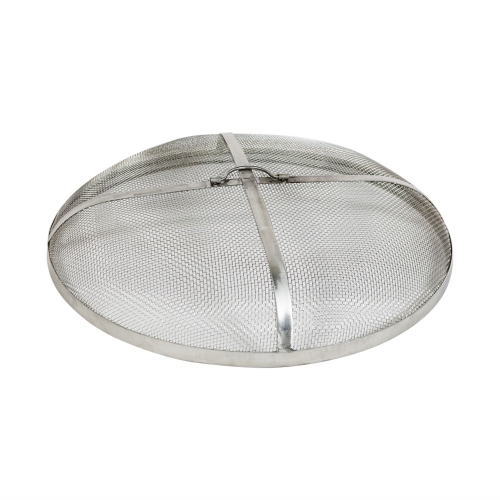
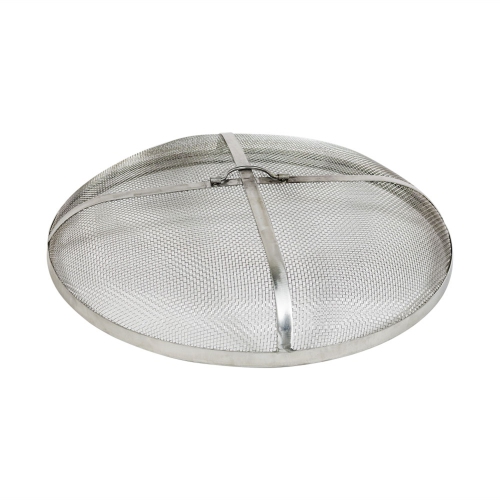
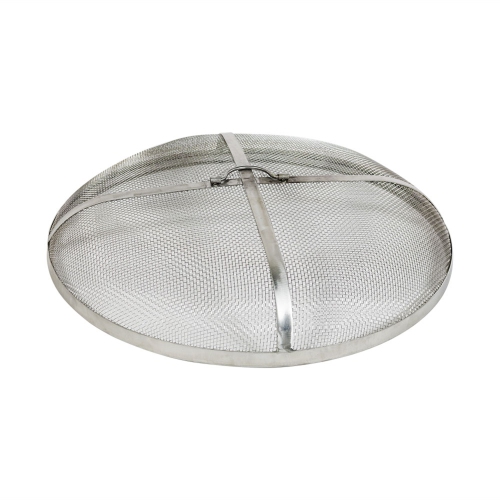
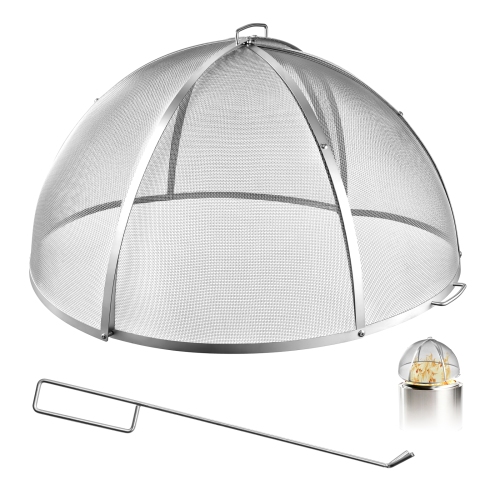
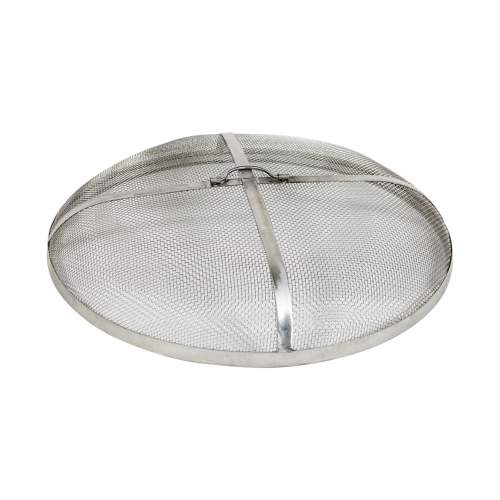

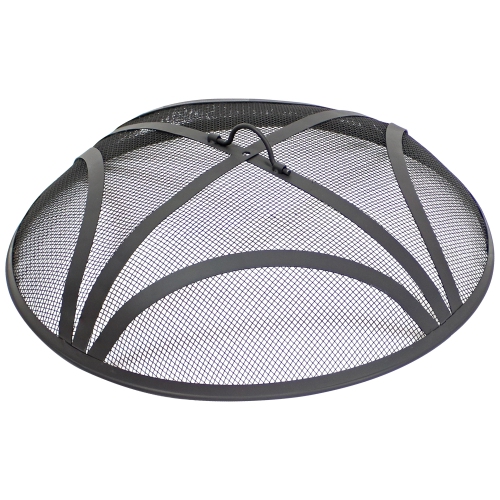

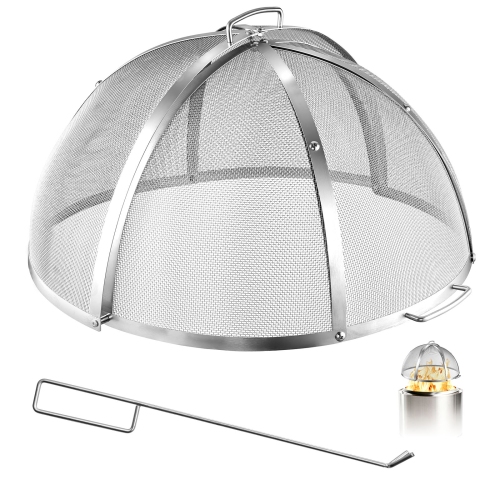
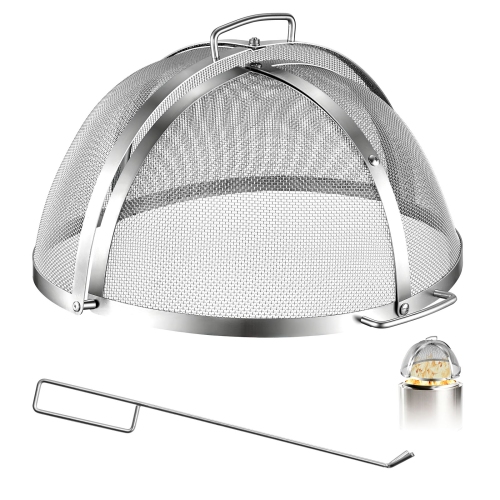
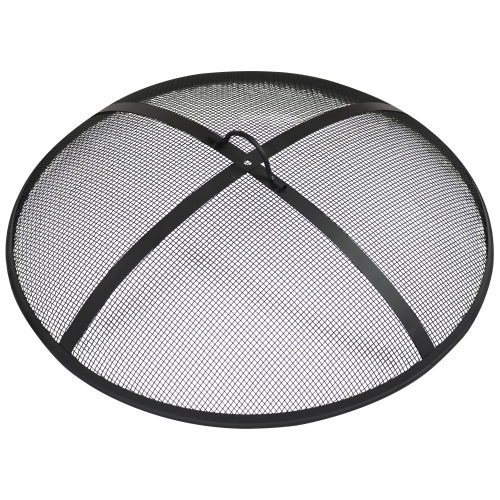
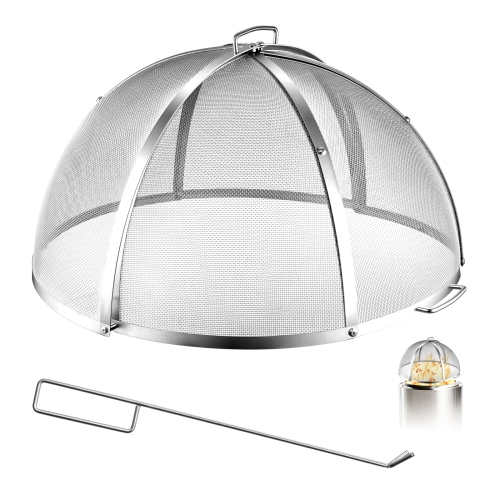
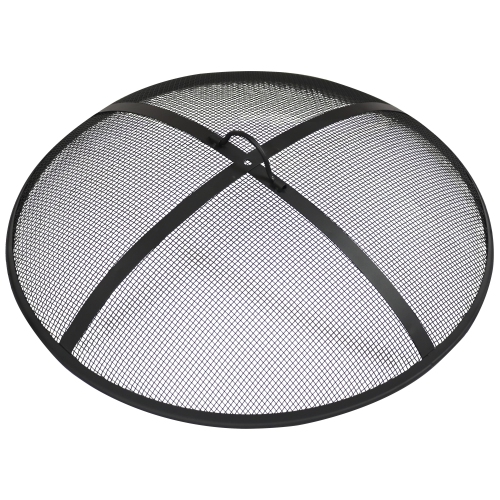

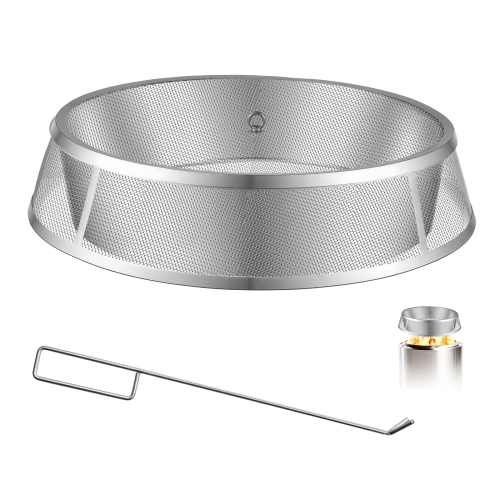
The difference between decorative detail and spark protection
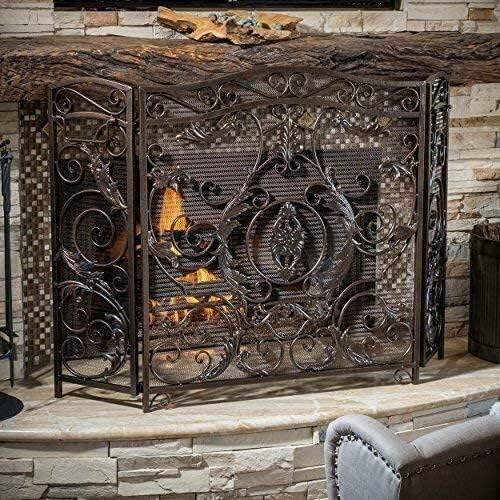
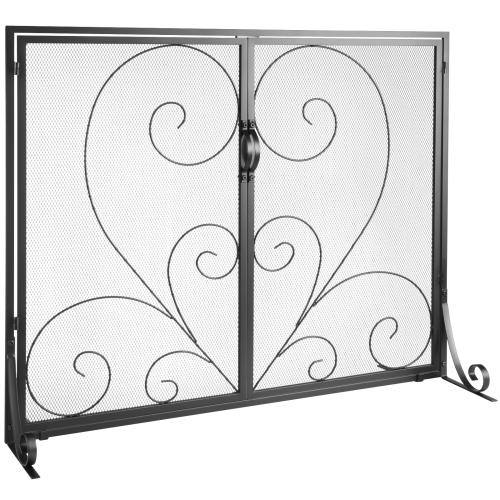
Fireplace screens give a hearth a finished appearance while creating a physical boundary in front of the firebox. For an open wood-burning fireplace, a screen designed for spark protection can help contain stray sparks and embers without hiding the movement of the flames. Decorative screens serve a different purpose: they may frame an unused fireplace or add detail to a room, but ornamental metalwork alone does not necessarily provide suitable spark protection. That distinction matters when choosing a screen for everyday use rather than display. The screen’s shape also influences how the fireplace sits within the room. A simple rectangular frame can echo the straight lines of a stone surround, while an arched top may complement a curved opening or soften a strongly geometric mantel. Slender metal borders leave more of the hearth visible; wider frames and patterned overlays create a more pronounced focal point. Black finishes tend to blend with a dark firebox, whereas brass-toned details can pick up the warmth of nearby lighting, cabinet hardware, or picture frames. Steel and iron are common materials, with durability depending on the quality of the frame, joints, mesh, and finish rather than appearance alone. A substantial frame may feel reassuringly solid, although its weight also affects how comfortably it can be moved for fireplace access. Smooth welds, neatly secured mesh edges, and feet that sit evenly are useful signs of careful construction. Where a finish will be exposed to heat, its suitability for that use is more important than its colour. For a room with an elaborate mantel or strongly patterned tile, restrained metalwork can keep the hearth from feeling crowded. In a simpler setting, a geometric grille or gently curved silhouette can add texture without requiring additional objects on the mantel. The most suitable design balances the fireplace’s practical requirements with the proportions and character of the surrounding space.
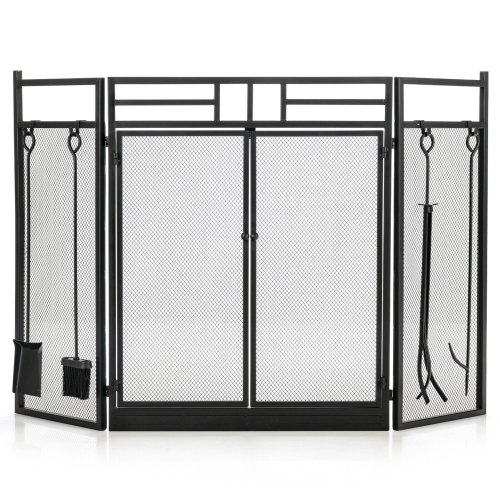
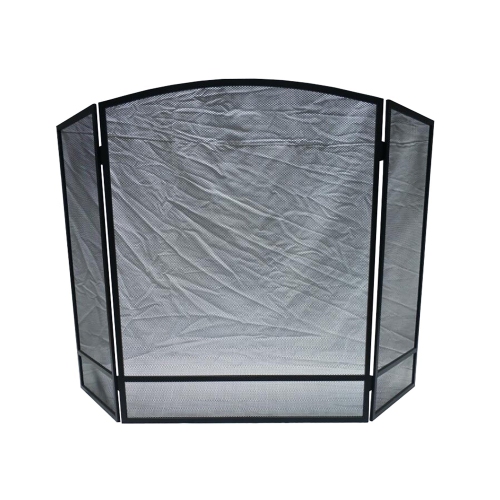
Fit involves more than matching the screen’s stated width to the firebox opening. The height and width of the opening, the depth of the hearth, the shape of the surround, and the space needed for the screen’s feet all affect how it will sit. An arched firebox, for example, needs coverage at its highest point as well as across its widest section. A projecting stone ledge or raised hearth can limit where supporting feet rest, even when the front-facing dimensions seem suitable. Folding screens introduce another consideration because their overall width may be measured with the panels laid flat; once the side panels are angled for support, the usable span across the fireplace becomes narrower. A single-panel screen offers a clean, uninterrupted face, while a multi-panel design can wrap slightly around the opening and adapt to different hearth layouts within its intended range. Neither style should need to balance on an edge, lean against the surround, or extend into a busy walkway to stay upright. The appeal of Fireplace Mesh Screens lies in their fine metal weave, which offers a more open view than a solid decorative panel while providing a spark barrier when designed and rated for that purpose. Mesh should be securely held within its frame, without loose sections or obvious gaps at the edges. Hinged access doors can make tending a compatible fireplace more convenient, although the door opening, latch operation, and required clearance deserve as much attention as the outer dimensions. Handles are useful for access but should not be assumed to stay cool. For gas or electric fireplaces, compatibility depends on the appliance manufacturer’s directions; adding a freestanding screen must not obstruct controls, ventilation openings, or required clearances. A screen is also not interchangeable with fitted fireplace doors or a manufacturer-specified protective barrier. These differences are especially relevant where a fireplace already has glass, integral mesh, or another protective assembly.
Daily use is where thoughtful construction becomes most noticeable. A screen that remains steady when its doors are opened, has hinges that move smoothly, and offers a comfortable grip is easier to live with than one selected only for its appearance. In a frequently used living room, the path between the seating and the hearth matters too: projecting feet or widely spread side panels can become awkward where people regularly pass. Homes with children or pets need particular care around any fireplace, since a freestanding screen can become hot and may tip if pushed or pulled. It is not a child-safety gate, a pet enclosure, or a substitute for supervision and suitable fireplace safeguards. Keeping combustible furnishings and accessories at the clearances required by the fireplace manufacturer remains important, regardless of the screen’s size. Care requirements are generally straightforward but vary with the material and finish. Once the fireplace and screen are completely cool, light dust can often be removed with a soft cloth or brush, while soot deposits may require the cleaning method specified by the screen manufacturer. Abrasive pads, aggressive cleaners, or unnecessary moisture can damage coatings, dull polished details, or encourage rust on exposed metal. Mesh benefits from gentle handling so that cleaning does not stretch it or pull it away from the frame. Occasional checks for loose feet, worn hinges, damaged mesh, or flaking finishes can reveal when attention is needed before further use. A screen intended for an indoor hearth should not be assumed suitable for an outdoor fireplace, where moisture and exposure place different demands on materials and finishes. For someone furnishing a new home or refreshing a familiar room, a well-matched screen can be both useful and visually satisfying. As a housewarming gift, it is most successful when the recipient’s fireplace type, measurements, and preferred style are already known, allowing the screen to feel like a considered part of the room rather than an accessory that needs to be worked around.
Top selling and popular products
-
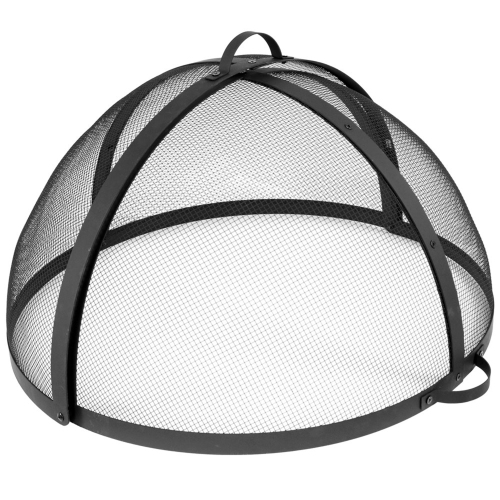 Your price for this item is $317.85
-
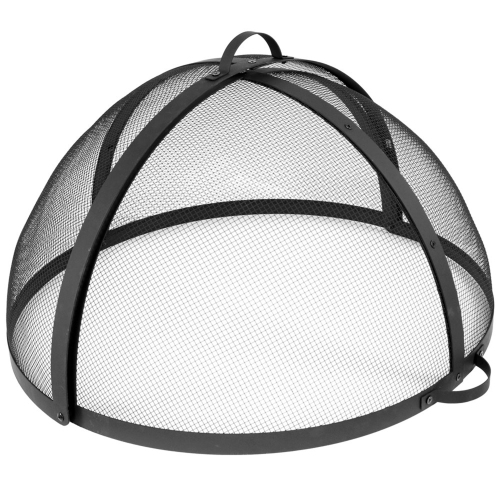 Your price for this item is $340.35
-
 Your price for this item is $266.75
-
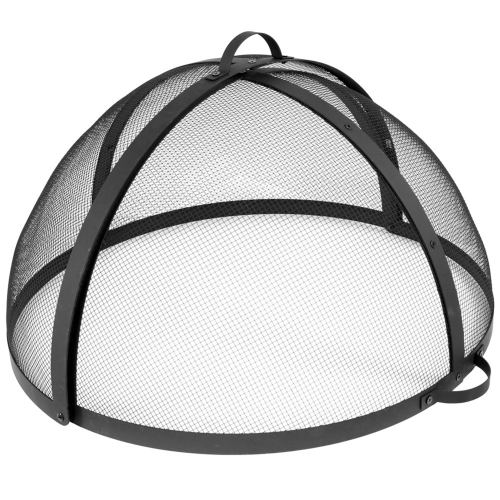 Your price for this item is $270.65
-
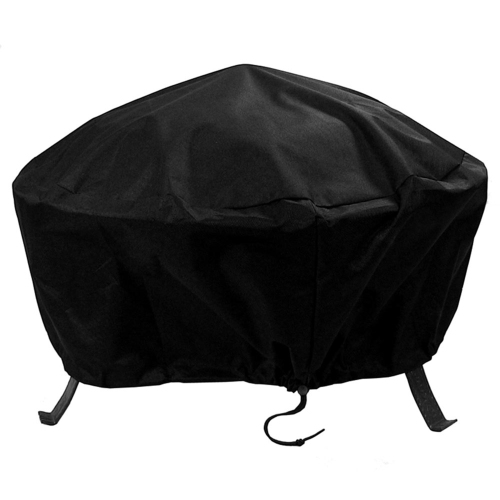 Your price for this item is $45.95
-
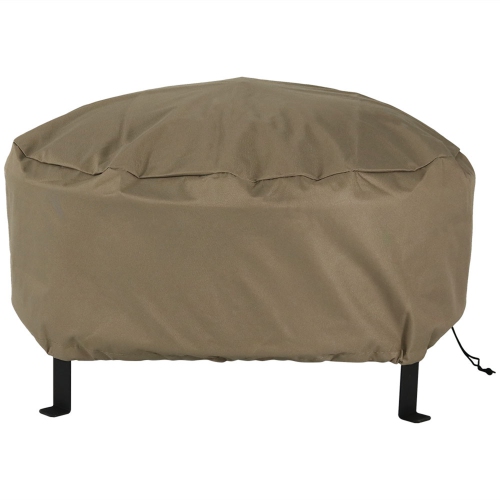 Your price for this item is $45.95
-
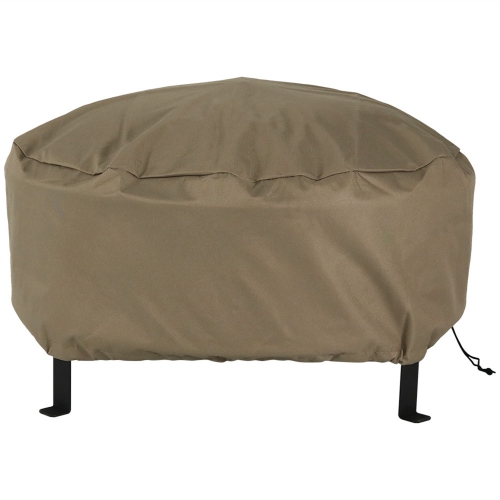 Your price for this item is $48.95
-
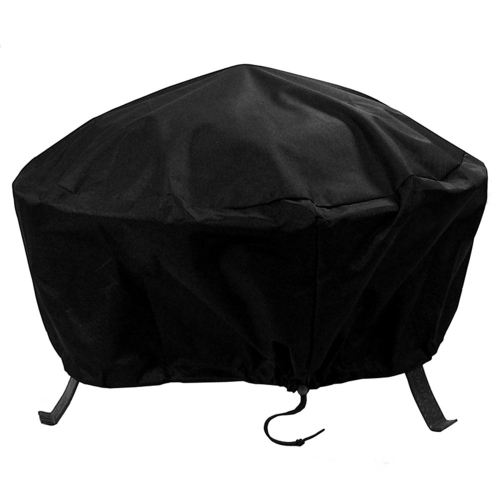 Your price for this item is $77.35
Discover more categories related to Fireplace Screens

Top Collections:
Best Black Friday Deals This Year, Best Black Friday Deals On Electronics, Kindle Devices, Dyson Airwrap, Best Cameras for Sports Photography, Best Budget Office Chairs, Canon G7X Cameras, PS5 Pro Consoles, Best Black Friday Deals On Apple Products, XBOX One S Consoles
Some products may be subject to Environmental Handling Fees
(EHF) depending on your province.
Learn more about EHFs.