Fireplace Screens for Wood Burning Fireplaces
Fireplace Screens for Wood Burning Fireplaces add both style and functionality to any living space, creating a cozy focal point while helping to enhance the ambiance of your hearth. Whether you’re updating your existing setup or designing a new look, these screens offer a variety of designs to complement your home décor. Explore options that blend seamlessly with traditional or modern interiors, making it easy to find the perfect addition for your wood burning fireplace.
Sort
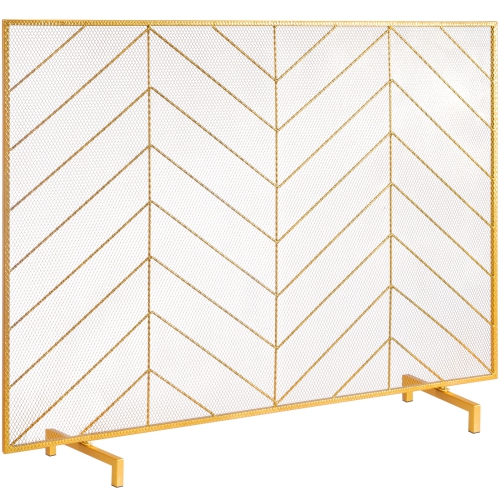
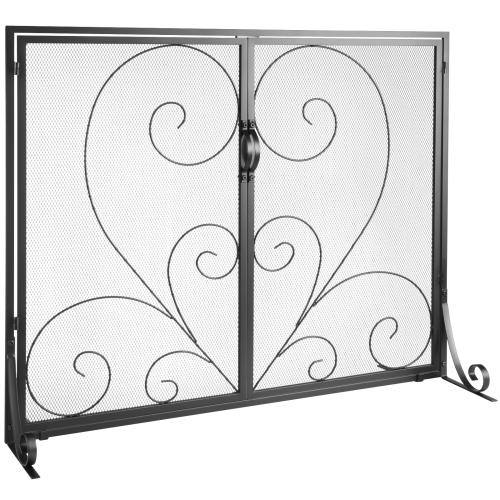
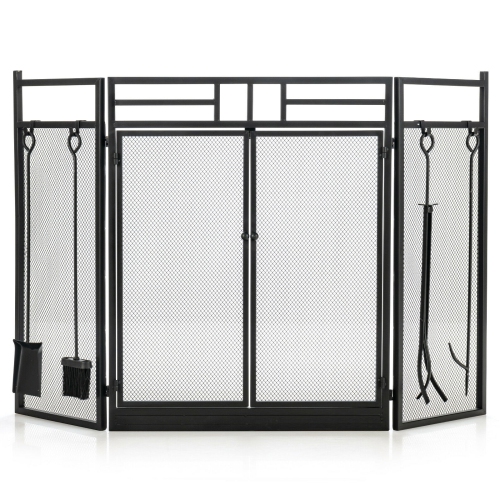
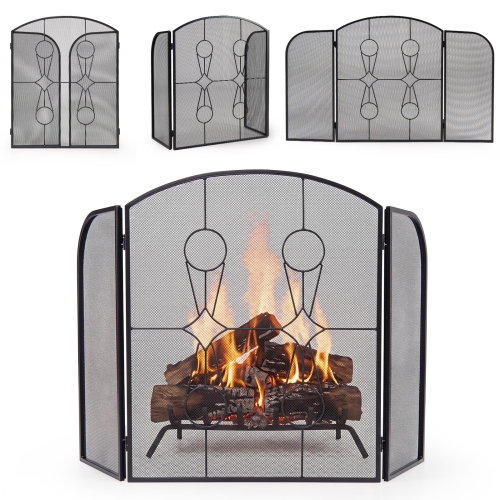
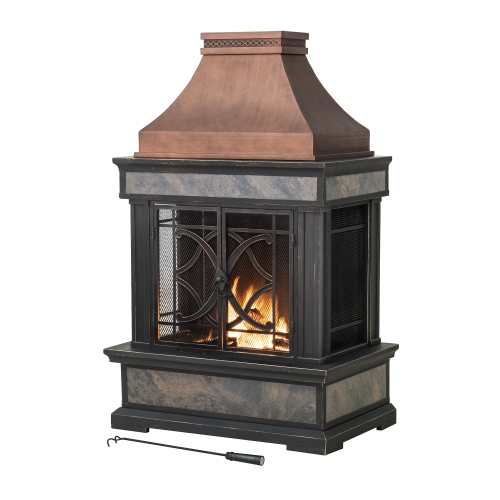
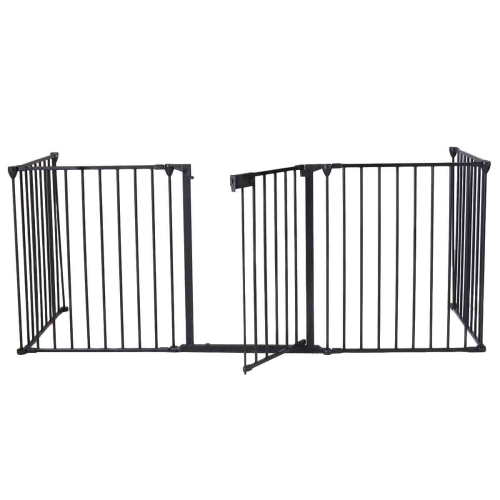
Spark protection without losing sight of the flames
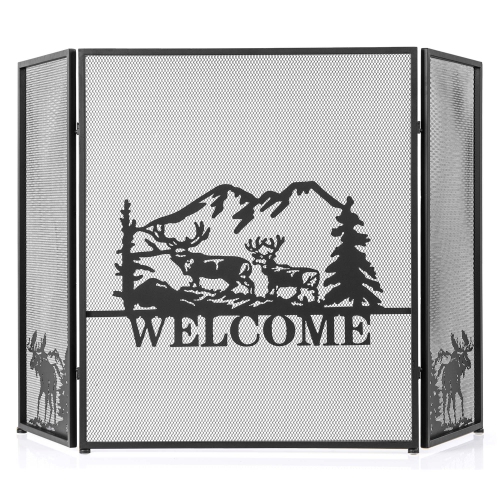
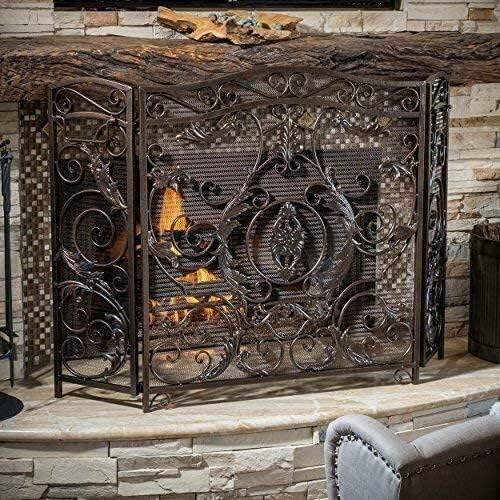
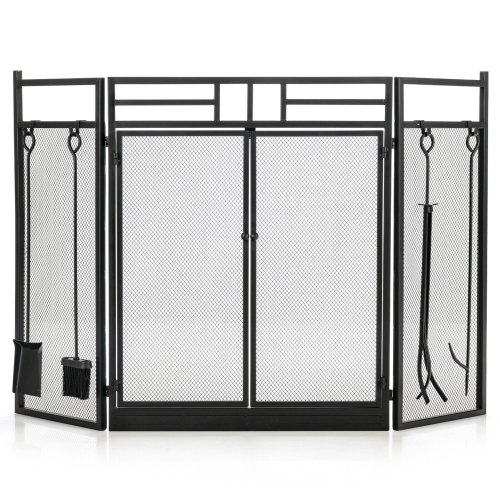
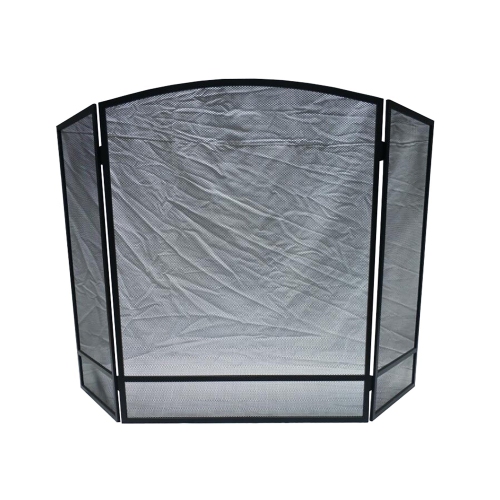
Fireplace screens for wood burning fireplaces place a protective barrier between an open fire and the room, helping contain stray sparks and hot embers without hiding the movement of the flames. When a log settles on the grate or a pocket in the wood pops, fine metal mesh can help intercept burning fragments before they reach the hearth beyond the opening. The screen’s purpose is practical, but its shape and finish also influence how the fireplace looks when no fire is lit. A simple rectangular frame keeps attention on brickwork or stone, while an arched top can echo the curves of a traditional mantel. Flat, single-panel screens offer a clean outline and generally need to be moved aside to access the firebox unless they include doors. Folding screens usually have three or four hinged panels, allowing the side sections to angle back towards the fireplace and support the centre panel. Their adjustable shape can suit different hearth layouts, although the usable width depends on how far the panels are opened. Spark guards with deeper frames provide another option, extending around the opening rather than forming only a flat front. Screens with doors offer access for adding a log or tending the fire without lifting the entire frame away each time. Door openings, hinges, and closures should operate smoothly, with enough clearance for handles and fireplace tools. Magnetic closures can help keep doors shut, but they do not necessarily make a screen child-resistant. For a fireplace used frequently, convenient access and a stable stance can matter as much as appearance. For an occasional fire, a straightforward mesh screen may provide the desired balance of visibility, coverage, and uncomplicated handling. In every case, a screen is an accessory for a properly maintained fireplace, not a replacement for supervision, suitable hearth protection, or safe burning practices. It also becomes hot in use, so its surface should never be treated as a safe place to touch.
Fit is about more than matching the screen’s listed width to the fireplace opening. The opening’s full width and height, the shape of its upper edge, and the depth of the hearth all affect how a screen sits. An arched firebox may need a different frame profile from a square opening, and raised stonework can prevent feet from resting evenly. Measurements taken at the widest and highest points help establish the coverage required, while the manufacturer’s sizing directions determine the appropriate overlap and placement. There is no single extra-width allowance that suits every flat screen, folding screen, or enclosed spark guard. With hinged designs, the total width measured flat is not the same as the working span once the side panels are angled for support. Feet, rear supports, handles, and door swings also take up space beyond the visible frame. On a narrow hearth, these details can decide whether the screen sits securely or projects into a walkway. Materials influence both handling and long-term wear. Steel and iron are common frame materials, with construction, metal thickness, and overall weight affecting rigidity and ease of movement. A substantial frame can feel reassuringly solid, but weight alone does not establish stability; the support design and the surface beneath it matter too. Closely woven metal mesh should be securely attached, without loose edges, tears, or gaps that undermine its purpose. Finishes intended for fireplace use help the frame withstand its intended exposure, though repeated heat, handling, and cleaning can still leave marks over time. Matte black tends to blend into a dark firebox, while brass-tone or brushed-metal finishes create more contrast against masonry. A coloured finish describes appearance rather than necessarily identifying the metal underneath. Decorative scrollwork can complement a traditional room, but open ornamentation without functional mesh is not equivalent to a spark screen. For a clear view of the flames, the mesh pattern, frame thickness, and number of crossbars are worth considering alongside the finish.
Day-to-day suitability often comes down to how the household uses the room. A screen beside a busy seating area needs secure footing and a position that leaves a clear route past the hearth. In a home with children or pets, a conventional fireplace screen should not be assumed to provide a complete access barrier: it can become hot, may tip if pushed, and may have doors that open easily. A purpose-designed hearth guard may be needed to keep people and animals at a safe distance, following its installation requirements. The wider selection of Fireplace Safety Screens can be considered with those different functions in mind, distinguishing spark containment from a barrier intended to restrict access. Nearby rugs, baskets, furniture, and stored firewood must still remain outside the clearances required for the fireplace. The screen cannot prevent smoke or carbon monoxide from entering a room, so proper venting, chimney maintenance, and working alarms remain essential. Care is generally straightforward once both the fire and screen are completely cool. Dust can be lifted with a soft brush or cloth, and any cleaning method should suit the frame’s finish and follow the manufacturer’s directions. Abrasive pads and harsh cleaners can damage coatings or plated surfaces. Mesh attachment points, hinges, feet, and door closures deserve periodic attention, especially if the screen is moved often. Loose hardware, distorted frames, rust, or damaged mesh can affect performance rather than simply appearance. Folding sections should close without forcing the hinges, and a stored screen needs a dry place where the mesh will not be crushed by other belongings. For a housewarming gift, this is a practical choice only when the recipient’s fireplace dimensions, hearth layout, and preferred style are known. A well-matched screen should feel like part of the fireplace: broad enough for proper coverage, steady on its supports, manageable to move when cool, and comfortable to use whenever the hearth is in service.
Top selling and popular products
-
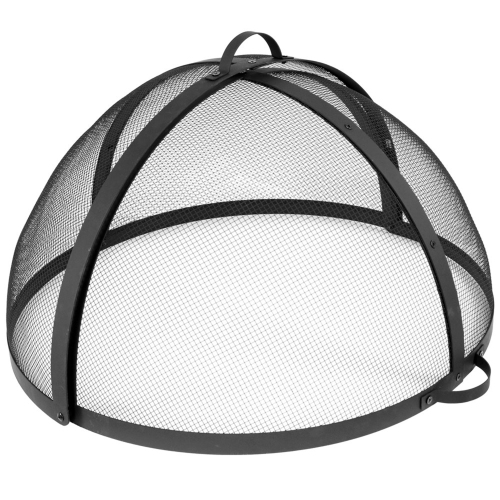 Your price for this item is $317.85
-
 Your price for this item is $340.35
-
 Your price for this item is $266.75
-
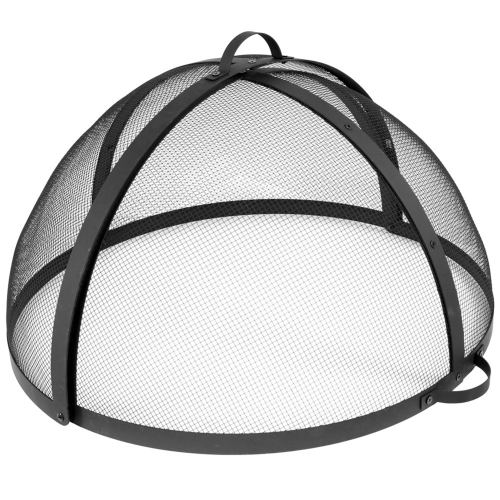 Your price for this item is $270.65
-
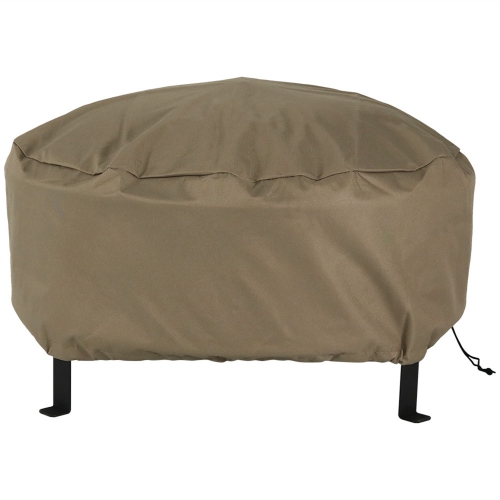 Your price for this item is $48.95
-
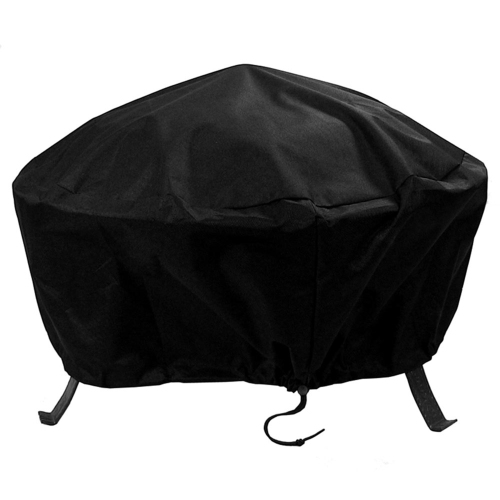 Your price for this item is $45.95
-
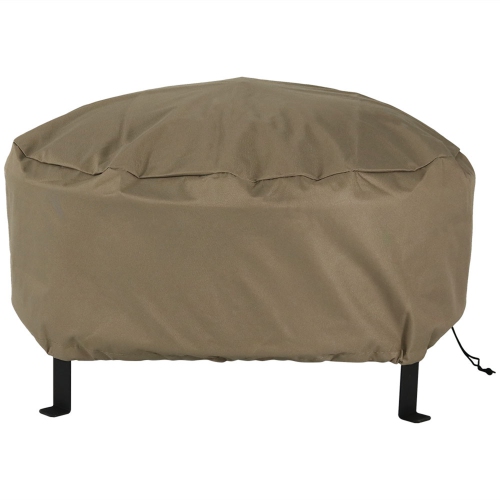 Your price for this item is $45.95
-
 Your price for this item is $77.35
Discover more categories related to Fireplace Screens for Wood Burning Fireplaces
Top Collections:
Best Black Friday Deals This Year, Best Black Friday Deals On Electronics, Kindle Devices, Dyson Airwrap, Best Cameras for Sports Photography, Best Budget Office Chairs, Canon G7X Cameras, PS5 Pro Consoles, Best Black Friday Deals On Apple Products, XBOX One S Consoles
Some products may be subject to Environmental Handling Fees
(EHF) depending on your province.
Learn more about EHFs.