Floor Laptop Desks
A floor laptop desk offers a convenient and flexible workspace solution for any room in your home. Perfect for those who enjoy working, studying, or browsing from the comfort of the floor, these desks provide a stable surface for your laptop and other essentials. Whether you’re setting up in the living room, bedroom, or even a cozy reading nook, a floor laptop desk adapts to your needs and helps create an efficient work setup. Find the ideal option to support your daily activities and enhance your comfort with a floor laptop desk designed to fit your lifestyle.
Sort
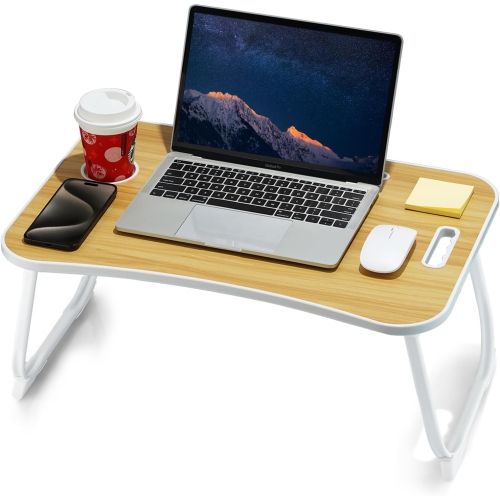
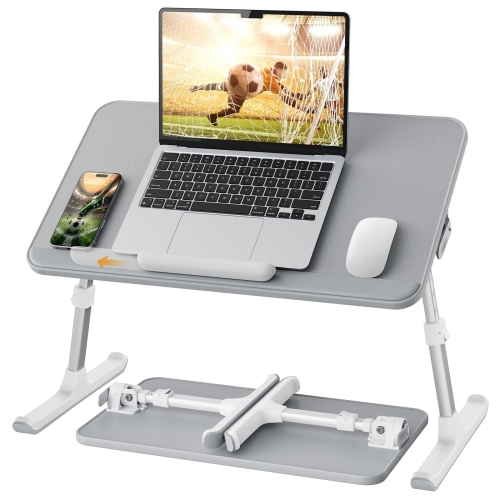
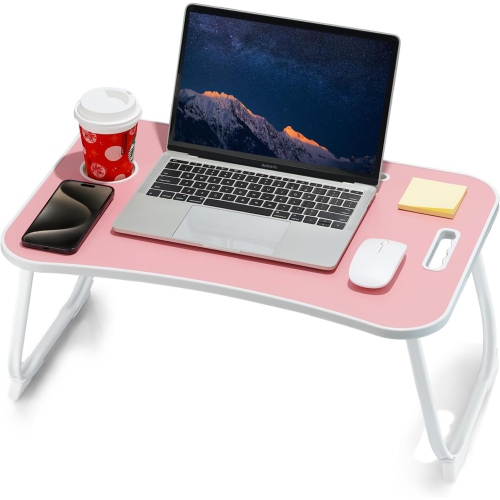
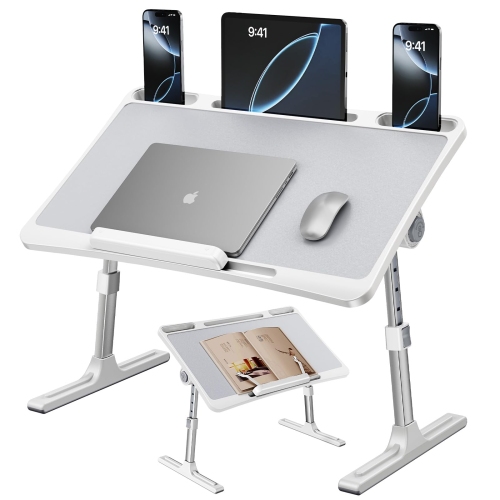
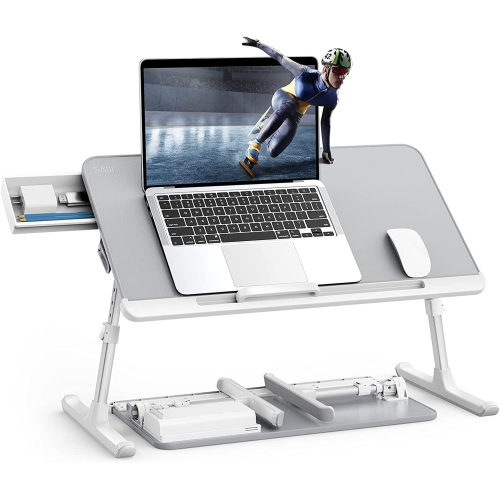
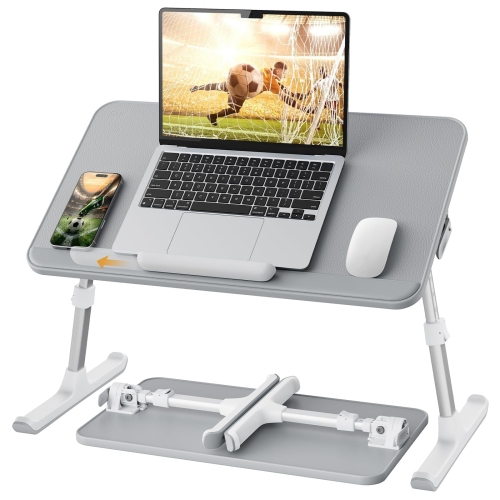
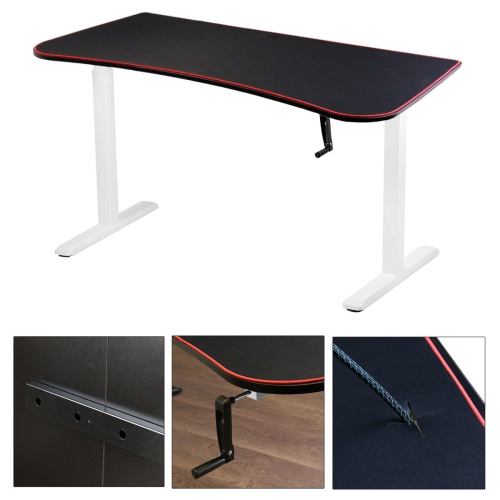
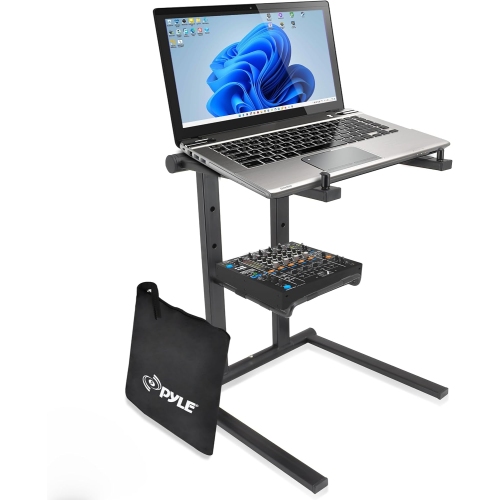
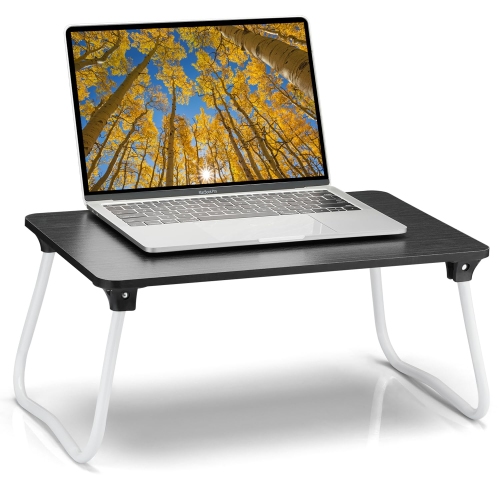
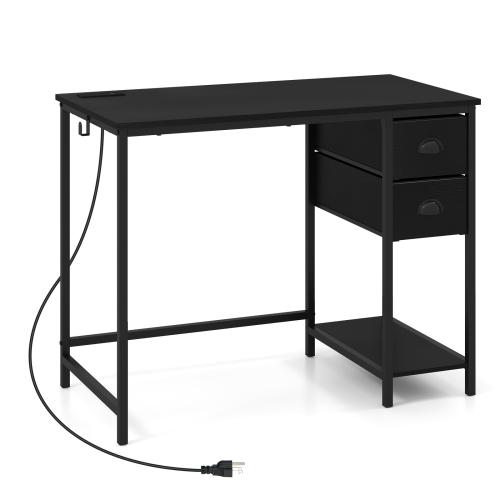
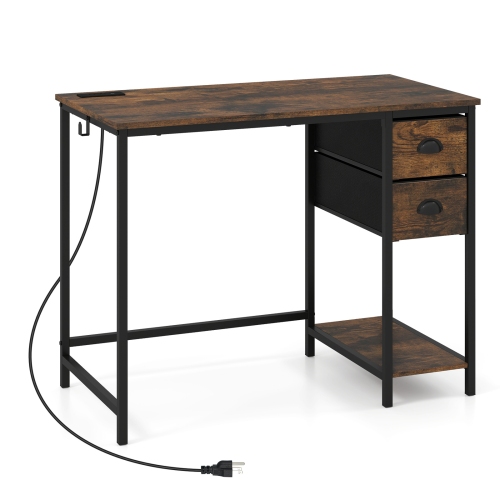
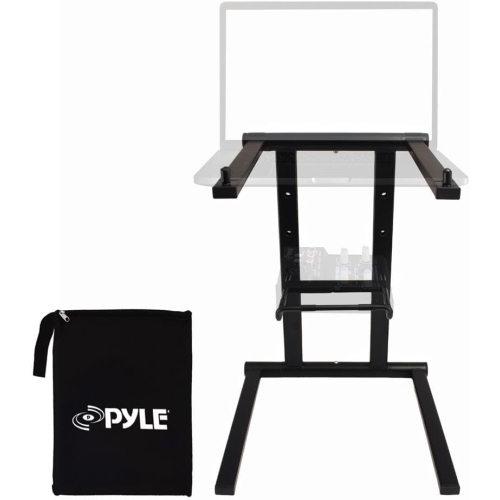
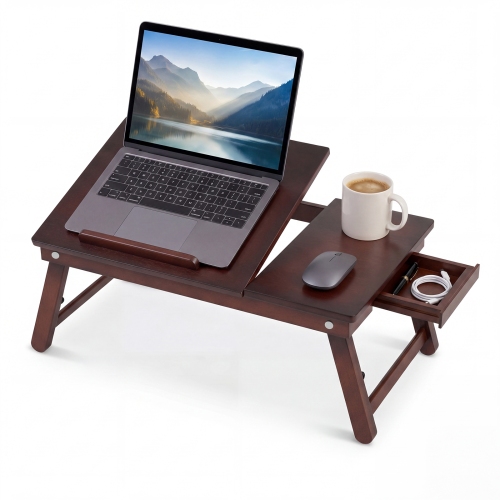
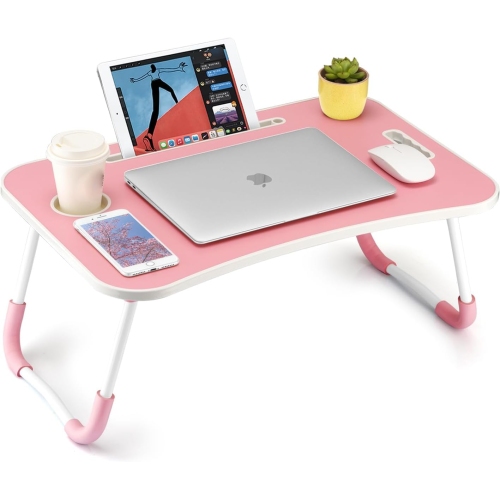
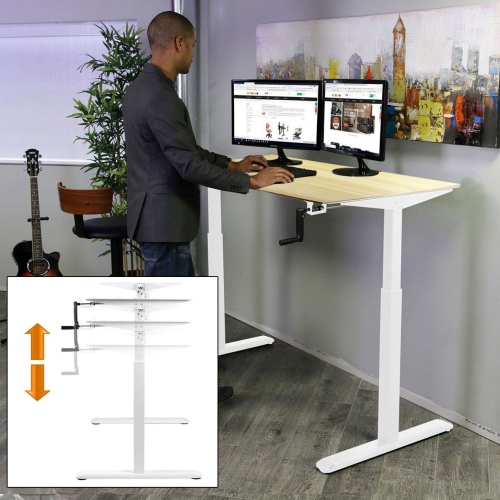
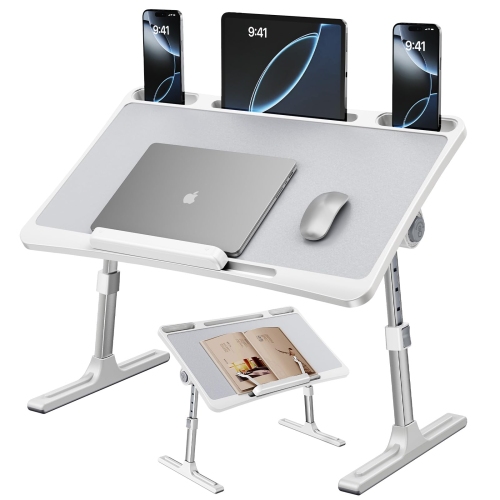
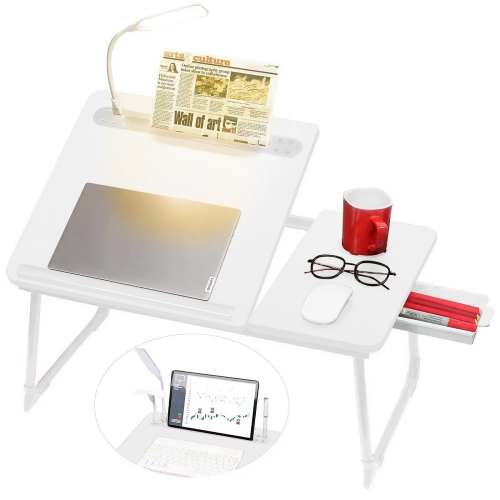
A work surface that fits your seat and space
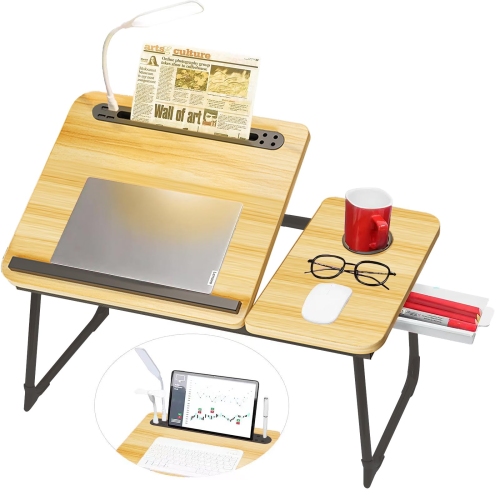
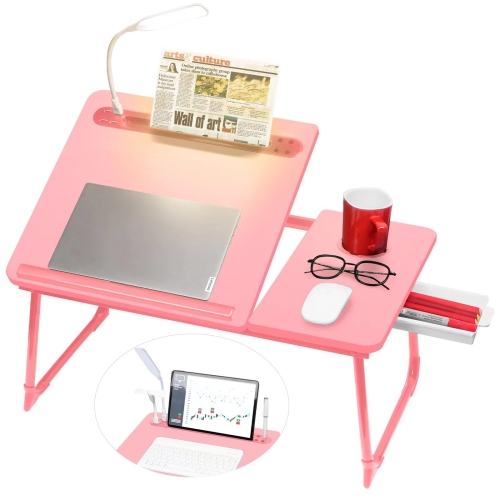
Floor laptop desks bring a dedicated work surface to places where a full-sized desk may not fit, from the open space beside a sofa to a quiet corner used for reading, studying, or personal projects. Unlike a laptop riser that rests on an existing desktop, a floor-supported design has its own legs or base. The category can include low tables for sitting on a cushion or floor chair, as well as taller freestanding designs that position a laptop above a seated user’s legs. These formats serve different spaces and sitting preferences, so the relationship between the base, work surface, and surrounding furniture matters as much as the overall dimensions. A low desk needs enough clearance beneath it for a comfortable seated position, including room to shift legs without knocking against a crossbar. A taller design intended for a sofa or armchair needs to reach comfortably over the seat while keeping its base securely on the floor. Bases that slide beneath furniture depend on the clearance under that furniture; a low sofa frame or reclining mechanism may prevent the base from moving into place. Surface dimensions also shape everyday use. A laptop alone takes up less room than a laptop alongside a mouse, notebook, and reading glasses, while a wide surface may feel cumbersome in a narrow living room. The open space around the desk is equally important, particularly beside a doorway or along a frequently used walking route. For students in shared accommodation, people working with limited floor space, or anyone who wants a separate spot for occasional computer tasks, a well-proportioned floor laptop desk can make an existing room more versatile without requiring a permanent office layout. Its usefulness comes from fitting both the device and the way the space is used, whether that means reviewing lecture notes beside a bed or answering personal emails from a favourite chair. A compact footprint can also leave room for other furniture, provided there is enough space to sit down, stand up, and move the desk safely.
Materials and construction influence how a floor laptop desk feels in use and how well it stands up to repeated adjustment. Solid wood can bring visible grain and a substantial feel, while engineered wood with a laminate or veneer finish offers a different balance of weight, appearance, and surface care. Metal frames can provide a slim supporting structure, though stability depends on the complete design rather than the material alone. Leg placement, base width, joint quality, and the position of the laptop all affect how steady the surface remains during typing. Rounded corners can be useful in close quarters, and a smooth, well-finished edge is more comfortable where forearms rest. Height-adjustable designs offer flexibility across different seats or users, but the adjustment range needs to suit the intended position. Locking knobs, levers, and other mechanisms should hold the selected height securely, with any stated weight limit applying to the load as the manufacturer describes. A tilting work surface may suit reading or certain laptop positions, especially when paired with a retaining ledge, but a steep angle can make typing awkward or allow loose objects to slide. A separate flat section, where included, gives a mouse or notebook a more practical resting place. Device fit involves more than screen size: the laptop’s width, depth, feet, charging connection, and ventilation openings all need consideration. A hard surface helps keep fabric away from underside vents, although a desk should never block the device’s airflow. Comfortable positioning also depends on the user’s seat and posture. Raising a screen may improve its viewing position while putting the built-in keyboard too high for relaxed typing; an external keyboard and mouse can help separate those needs when the work surface has enough room. Adjustable furniture supports more positioning options, but it does not make one seated position suitable for an entire day. Room to change posture and take regular breaks remains important, especially when a sofa or floor cushion serves as the seat.
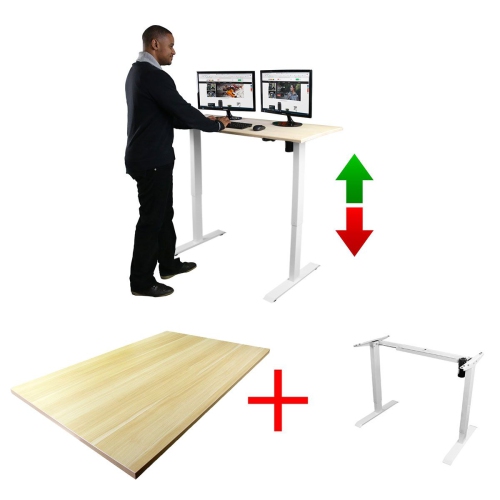
Everyday details often determine whether a floor laptop desk feels convenient after the initial setup. A lightweight frame is easier to move between rooms, while a heavier base may feel more planted once positioned; neither quality replaces a stable design on the intended flooring. Where castors are included, wheel size, floor compatibility, and effective locks matter, especially when typing or connecting a charging cable. Thick rugs can affect rolling and balance, and uneven flooring may require adjustable feet if the design provides them. Folding legs or a collapsible frame can simplify storage in a small home, but the folded dimensions still need to fit the intended cupboard or space beside a cabinet. Carrying points and a manageable weight are useful when the desk will be put away after each session. Cables need a clear route that avoids walkways, moving joints, and the path of reclining furniture, with enough slack to prevent a connected laptop from being pulled when the desk moves. For households sharing one desk, adjustments that are straightforward to reset can make the transition between homework, video calls, and leisure use less disruptive. A floor laptop desk can also be a thoughtful gift for a student or someone furnishing a compact home when their available space and preferred seating arrangement are known. For setups that need a work surface at standing height, Standing Laptop Desks provide a related format with different height and stability requirements. Routine care helps preserve whichever design suits the space: a soft cloth, prompt attention to spills, and cleaning products approved for the finish are generally preferable to abrasive scrubbing or excess moisture. Hinges, fasteners, and adjustment points benefit from periodic checks according to the manufacturer’s directions. Keeping loads within the stated limits, lifting rather than dragging a desk that is not designed to roll, and avoiding leaning heavily on the edge all help protect the frame and joints. These practical details support dependable use without asking a compact laptop surface to perform like a full-sized office desk.
Top selling and popular products
-
 Your price for this item is $133.96
-
 Your price for this item is $122.92
-
 Your price for this item is $132.99
-
 Your price for this item is $149.99
-
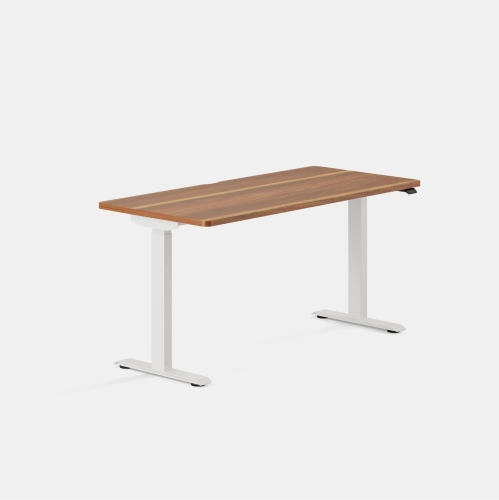 Your price for this item is $679.2
-
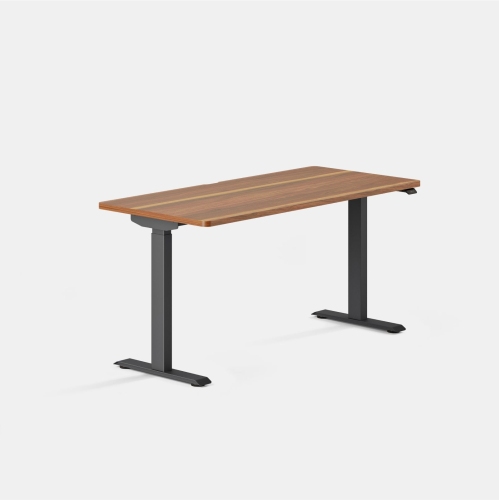 Your price for this item is $679.2
-
 Your price for this item is $519.2
-
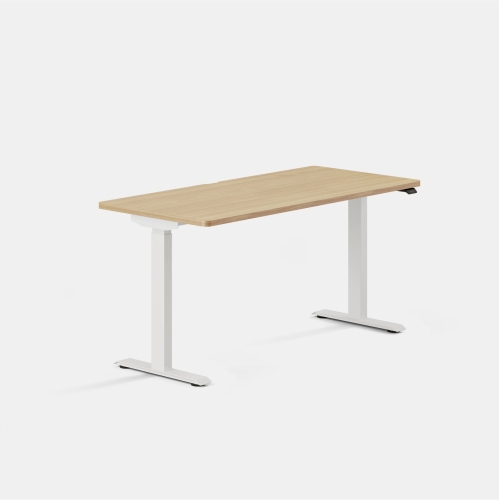 Your price for this item is $679.2
Discover more categories related to Floor Laptop Desks

Top Collections:
Best Black Friday Deals This Year, Best Black Friday Deals On Electronics, Kindle Devices, Dyson Airwrap, Best Cameras for Sports Photography, Best Budget Office Chairs, Canon G7X Cameras, PS5 Pro Consoles, Best Black Friday Deals On Apple Products, XBOX One S Consoles
Some products may be subject to Environmental Handling Fees
(EHF) depending on your province.
Learn more about EHFs.