Standing Laptop Desks
Standing laptop desks offer a convenient solution for creating a flexible and ergonomic workspace at home or in the office. Designed to support productivity and comfort, these desks make it easy to alternate between sitting and standing throughout the day. With a variety of sizes, styles, and finishes available, standing laptop desks can fit seamlessly into any room while helping you stay organized and focused. Explore options that cater to different preferences and space requirements to find the right fit for your needs.
Sort
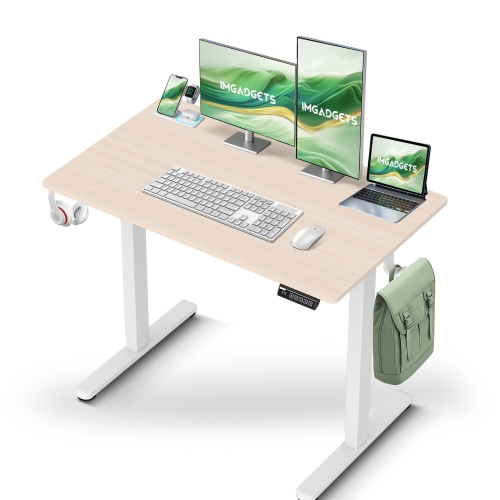
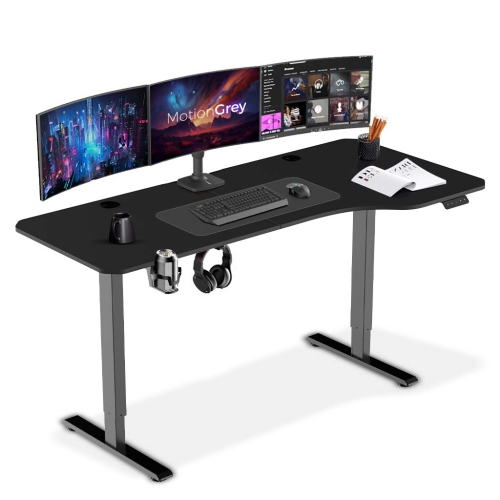
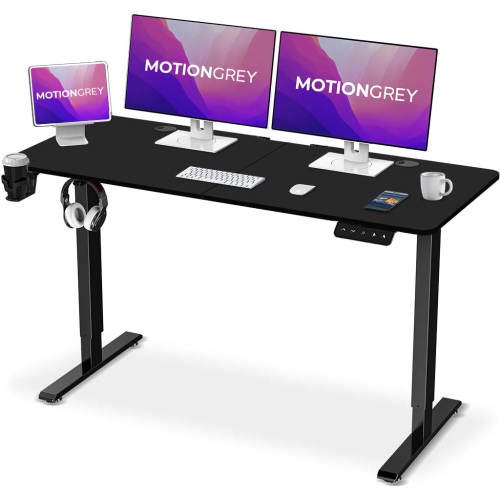
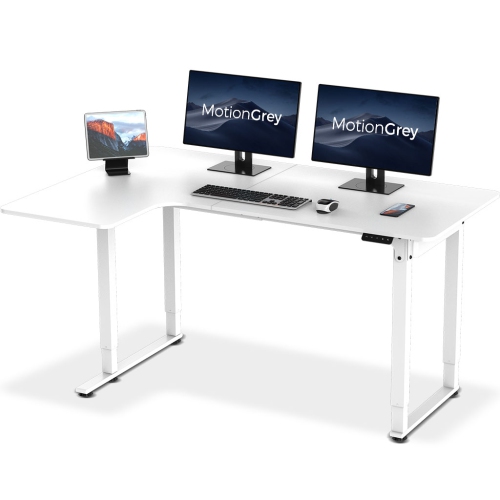
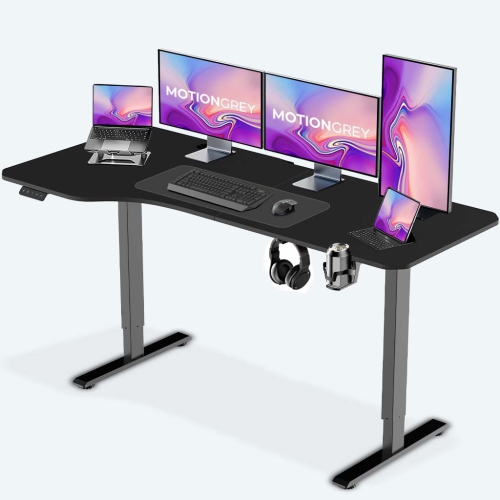

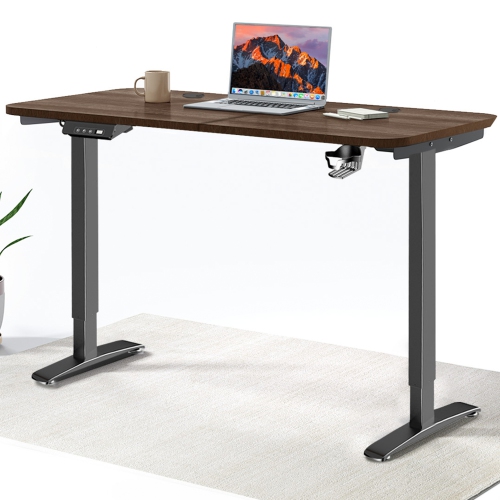
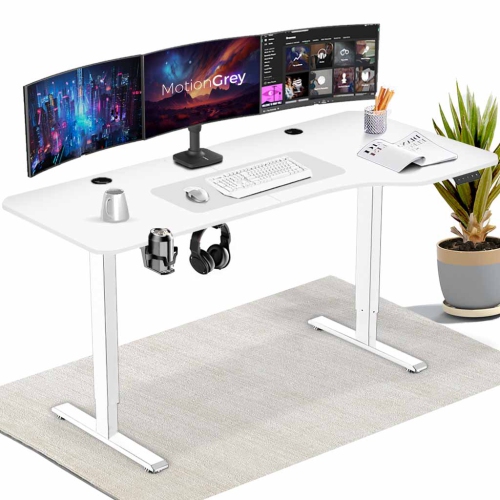
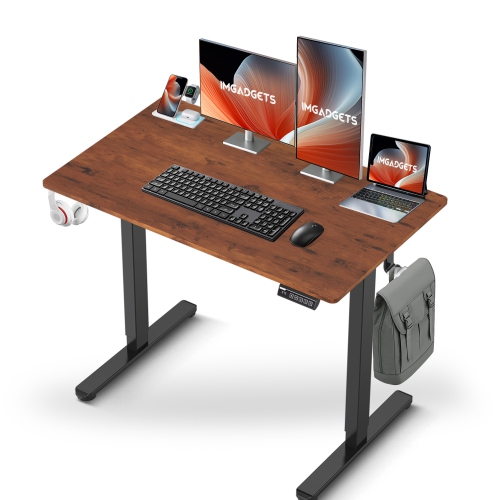
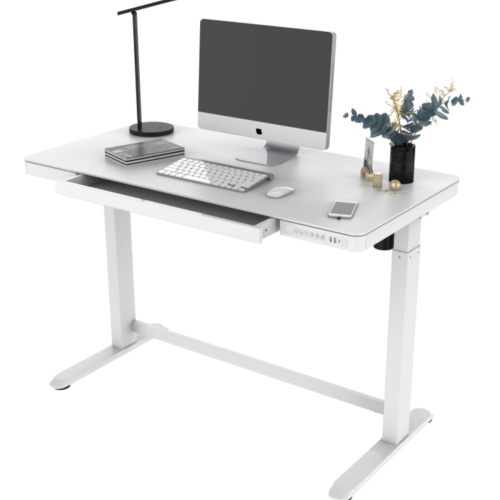
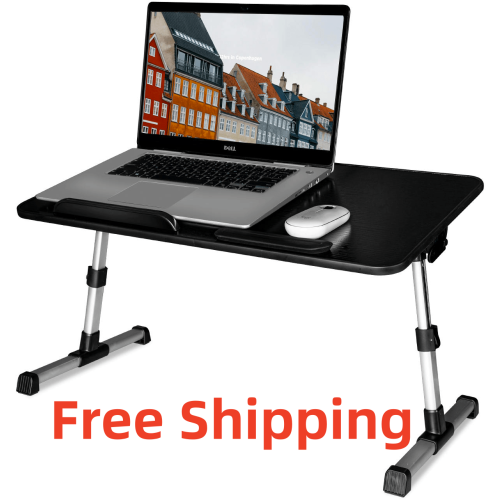
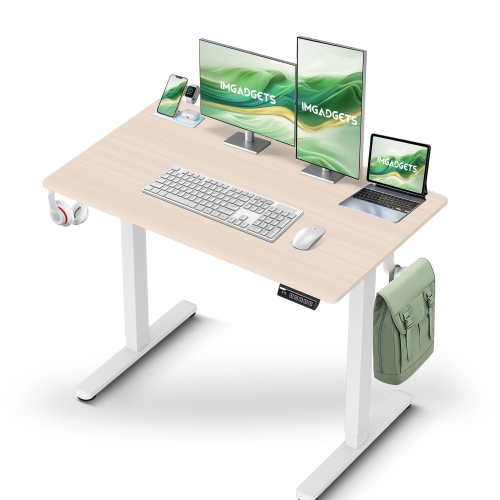
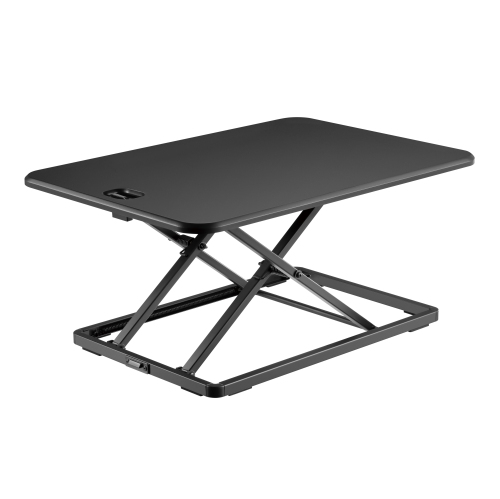
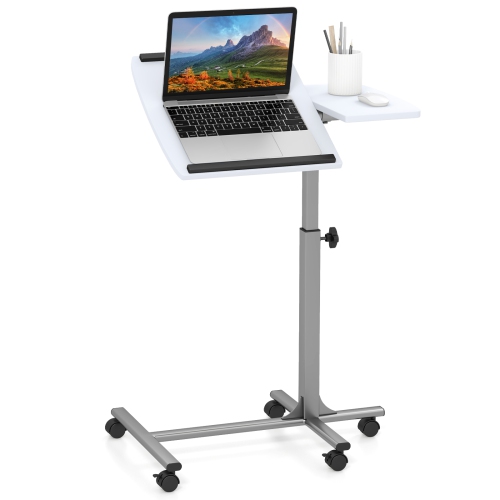
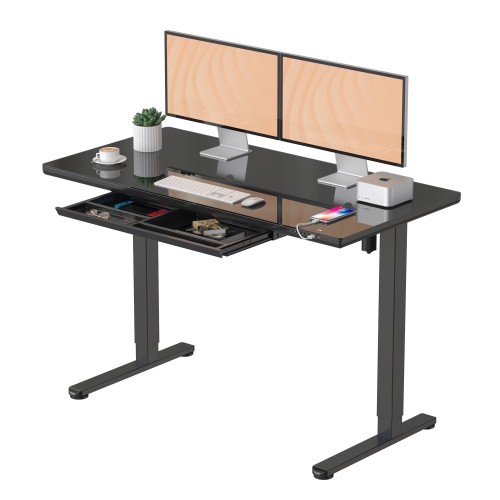
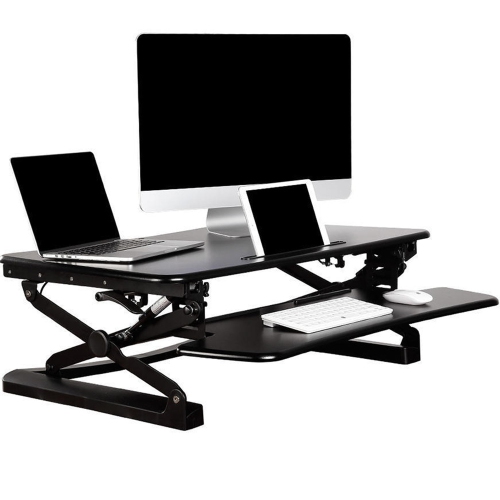
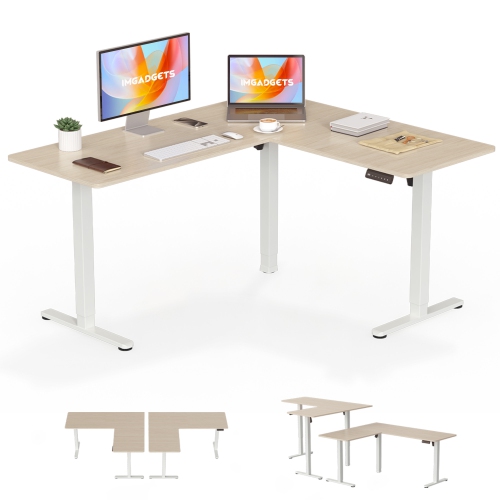
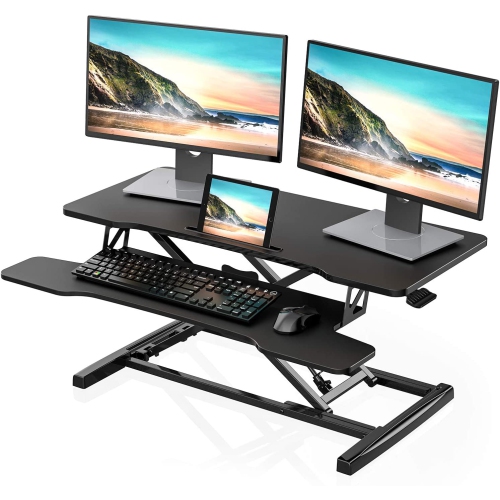
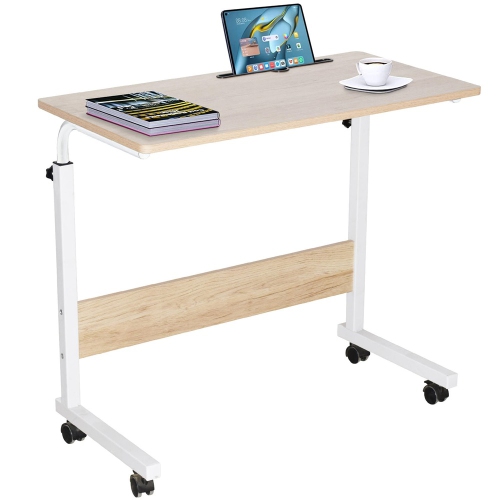
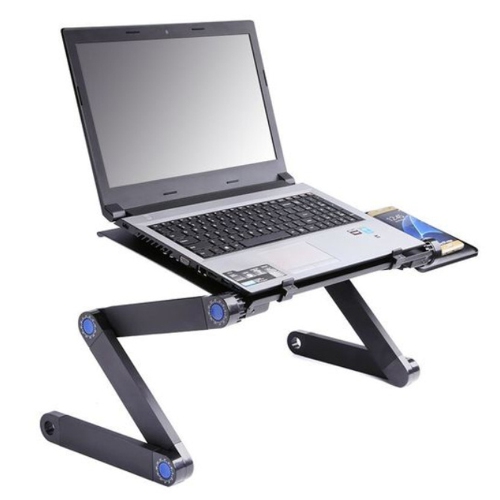
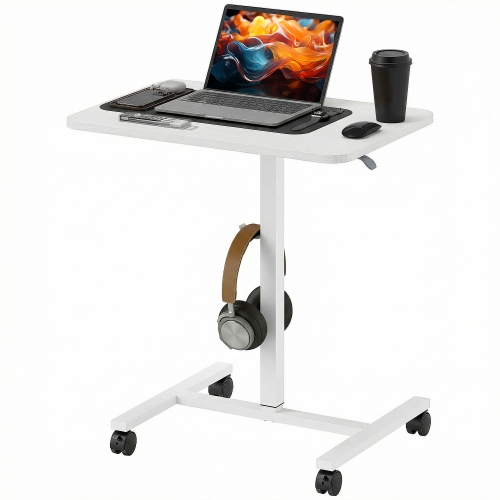
A comfortable laptop setup starts with height and space
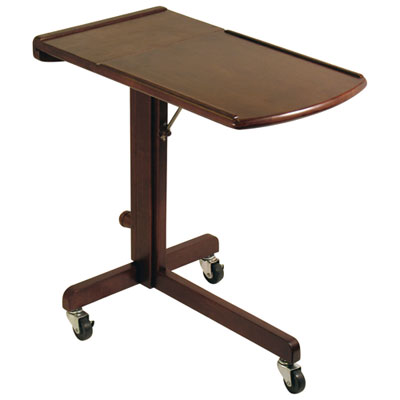
Standing laptop desks bring a notebook computer up to a comfortable working height without necessarily taking up as much floor space as a full-size desk. The category includes freestanding desks with compact tops, rolling laptop carts and tabletop risers that raise a laptop above an existing work surface. A freestanding model can give a small apartment a dedicated work spot without turning the dining table into a permanent desk. A cart can move from beside a bookshelf to an open spot for a video call, while a riser can leave room for a notebook or other paperwork on the desk below. Some standing laptop desks stay at a fixed height; others adjust for different users or have enough range for both sitting and standing. On a tabletop riser, the height of the table underneath counts toward the finished working height, so the same riser can feel quite different on a kitchen countertop than it does on an office desk. For typing, a surface that lets the elbows rest near the sides and the shoulders stay relaxed is a useful reference point. A laptop places the screen and keyboard close together, though, so a height that feels right for typing may leave the display lower than preferred. For longer stretches of work, a laptop stand paired with a separate keyboard and mouse can bring the screen higher without raising the typing surface. Some desks offer room for that arrangement; others are better suited to a laptop on its own for short tasks like checking a calendar, reviewing notes or joining a call. A tilting platform can make the screen easier to see while following a presentation, but a flat top is usually more practical when it needs to hold a mouse or a page of handwritten notes.
The dimensions of a standing laptop desk tell two different stories: how much room there is for the work itself and how much room the desk needs around it. A top that fits the width of a laptop may still feel cramped once a charging cable sticks out at the side or a mouse has to sit next to the keyboard. Depth matters too, especially when a laptop lid opens back over the edge of the base. For a desk that tucks beside a cabinet or against a wall, the widest point may be at the feet or wheels rather than at the desktop. Enough clearance to roll a cart past a chair or turn it in a narrow hallway can make the difference between a desk that moves easily and one that ends up staying put. Weight ratings are most useful when they account for everything on the top, including a laptop stand or monitor if the desk is designed to hold one. Stability matters even with a light load: a small amount of movement can be more noticeable while typing with the desk fully raised than while reading at a lower setting. A wider base can give a freestanding desk a steadier feel, while levelling feet can help it sit evenly on a slightly uneven floor. On a rolling cart, locking casters help keep it in place once parked. Hard flooring is usually easier to roll across than thick carpet, and even a low threshold can interrupt an otherwise clear route between rooms. Materials affect how the desk feels to move and use. Steel frames can add weight and rigidity, while lighter frames are easier to reposition by hand. A smooth laminate top is practical for everyday wiping, and a rounded front edge can feel more comfortable against the forearms during a long stretch of typing than a sharply squared edge.
A compact standing laptop desk can suit a student who needs to switch between typing and working through notes on paper, a remote worker who shares a room with someone on a different schedule, or an instructor who needs a place for a laptop beside a presentation screen. In a shared office, an adjustable cart can move between people of different heights without taking over a meeting table. At home, a freestanding desk can give someone a place to handle household paperwork without having to clear it away before dinner. A standing desk can also make a practical gift for someone setting up a first apartment or making room for a home office, particularly when the available floor space and the recipient’s preferred working height are known. The intended working position matters more than portability alone: Floor Laptop Desks are a related option for someone who prefers to sit on a cushion or mat and wants a low surface within reach. For a standing setup that stays plugged in, a cable clip can keep the charging cord off the walking path, with enough slack for the desktop to travel through its full height range. A corded cart is easier to move once unplugged, without a cable trailing near its wheels. Routine care depends on the materials and finish, but a soft cloth is generally enough to remove dust and fingerprints, and wiping up spills promptly helps keep moisture away from seams and exposed edges. On desks that get moved or adjusted often, loose fasteners, debris around the casters and worn floor pads are worth checking if the desk no longer feels as steady as it once did. A good everyday fit comes down to the details that are easy to overlook: space to open the laptop lid, somewhere for the mouse to go and a comfortable working height without having to reach forward to type.
Top selling and popular products
-
 Your price for this item is $133.96
-
 Your price for this item is $122.92
-
 Your price for this item is $132.99
-
 Your price for this item is $149.99
-
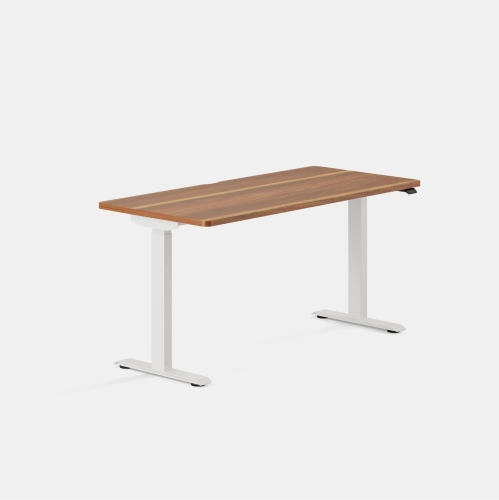 Your price for this item is $679.2
-
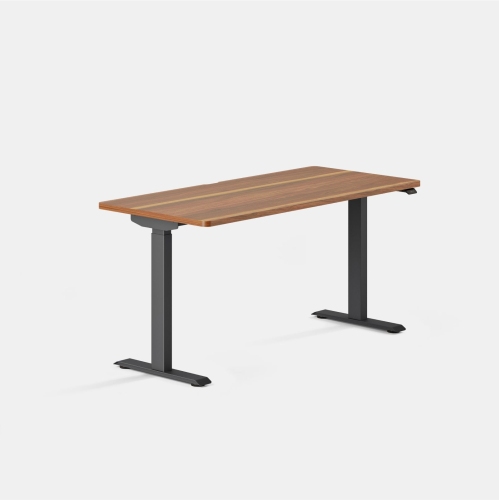 Your price for this item is $679.2
-
 Your price for this item is $519.2
-
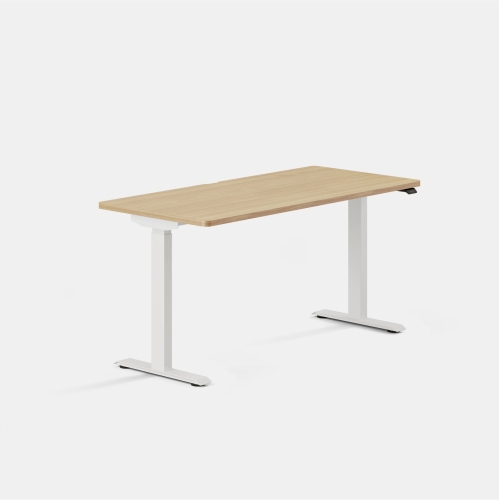 Your price for this item is $679.2
Discover more categories related to Standing Laptop Desks

Top Collections:
Best Black Friday Deals This Year, Best Black Friday Deals On Electronics, Kindle Devices, Dyson Airwrap, Best Cameras for Sports Photography, Best Budget Office Chairs, Canon G7X Cameras, PS5 Pro Consoles, Best Black Friday Deals On Apple Products, XBOX One S Consoles
Some products may be subject to Environmental Handling Fees
(EHF) depending on your province.
Learn more about EHFs.