Garden Boxes
Transform your outdoor space into a lush oasis with our selection of garden boxes. Whether you're a seasoned gardener or just starting out, these versatile boxes are perfect for growing herbs, flowers, vegetables, and more. Elevate your gardening game and bring a touch of greenery to your patio, balcony, or backyard with our range of stylish and functional Garden Boxes.
Sort








Why planting depth matters more than overall height
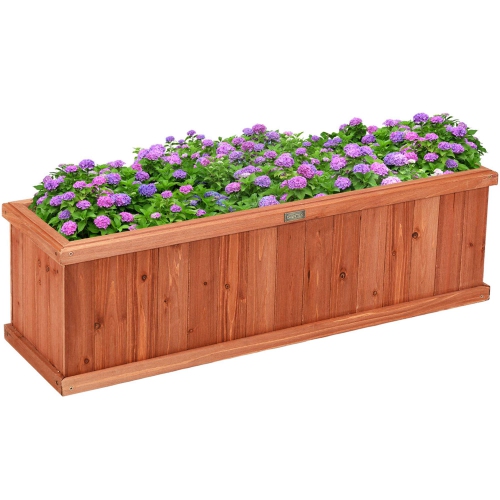
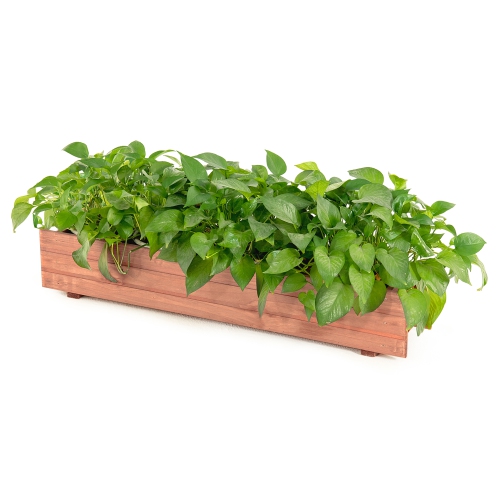
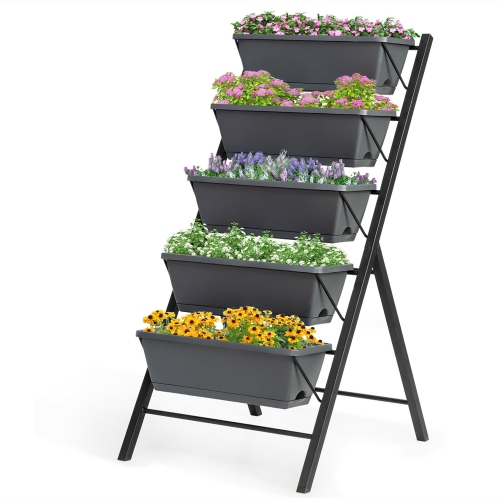
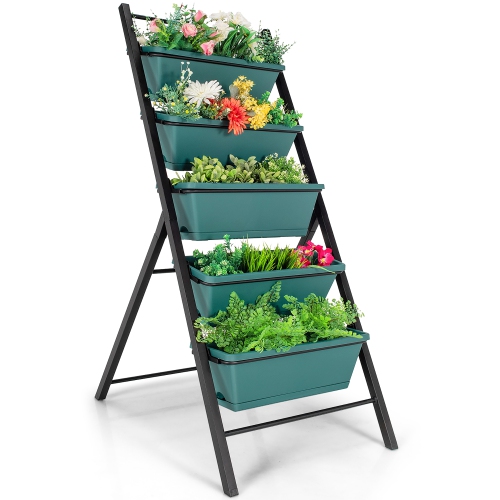
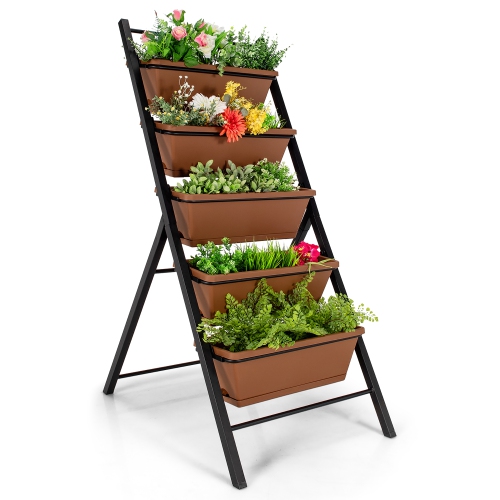
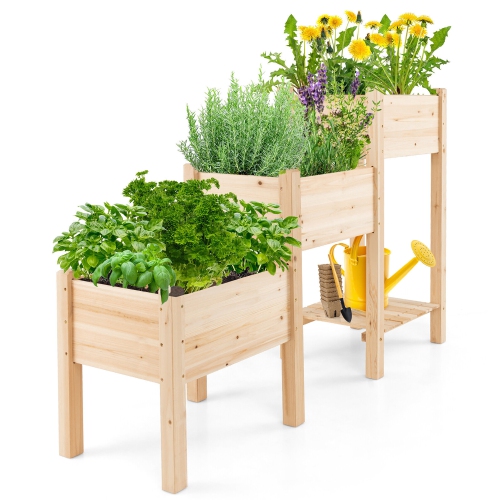
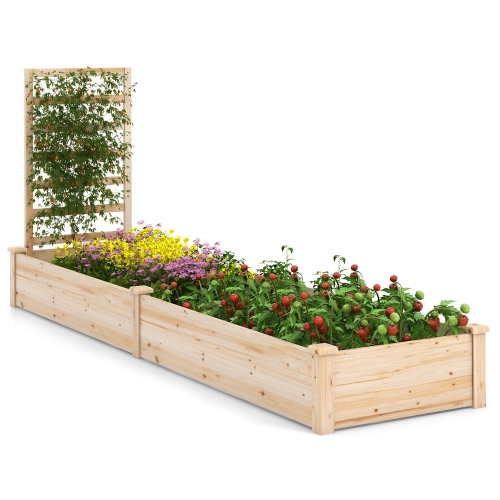
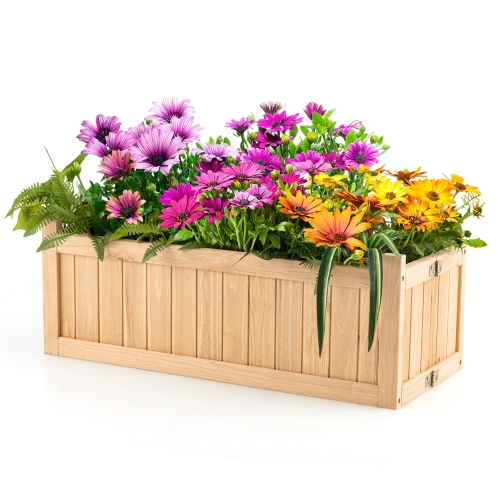
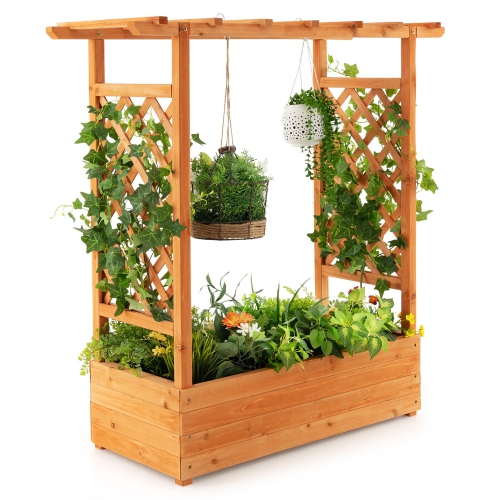
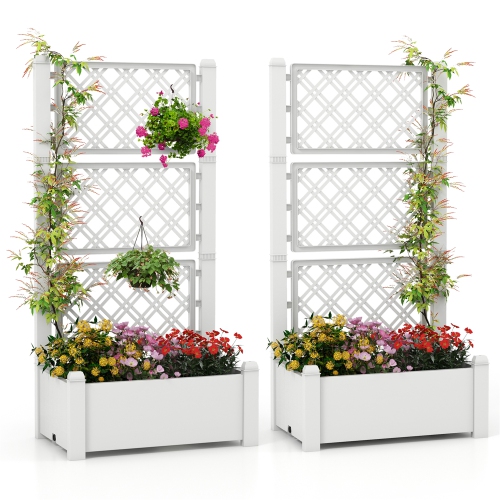
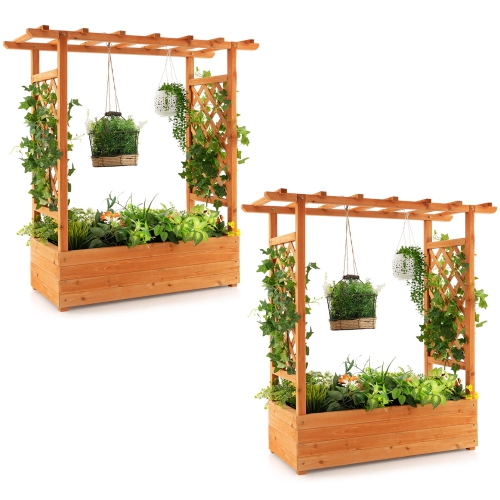
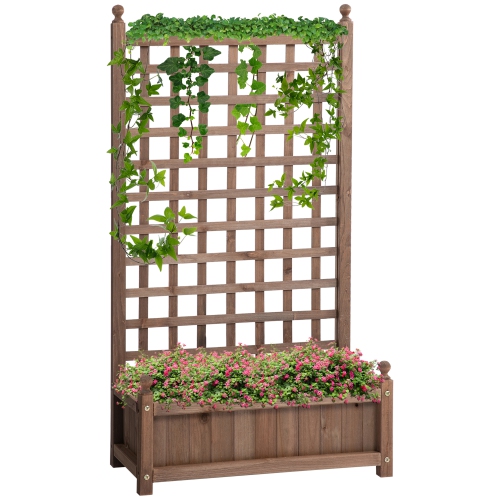
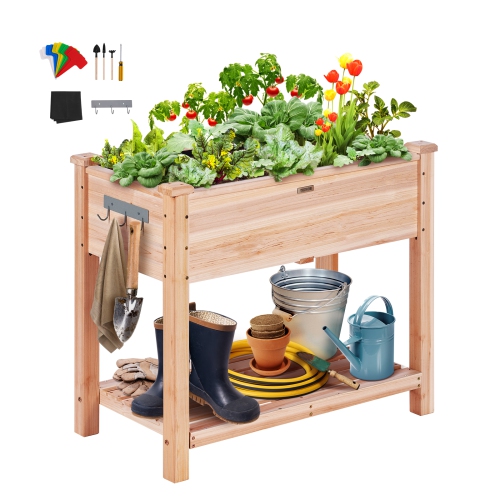
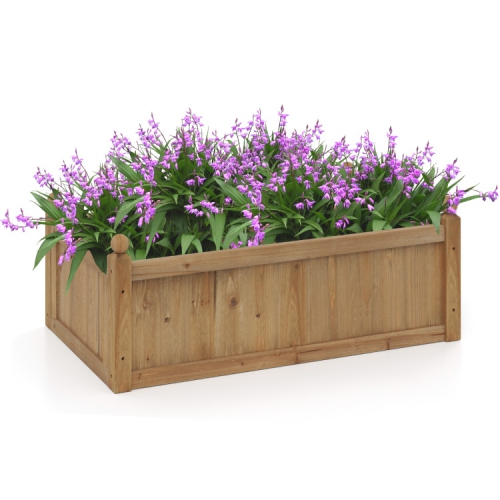
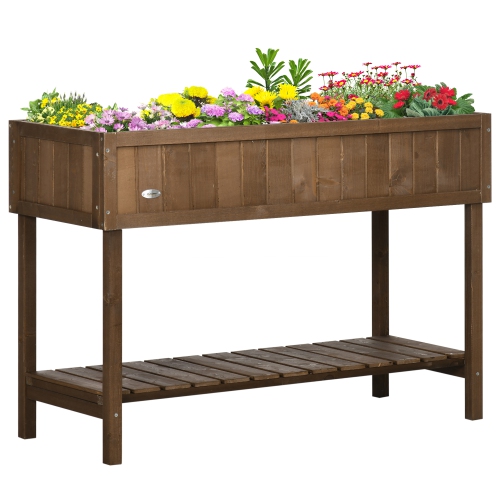
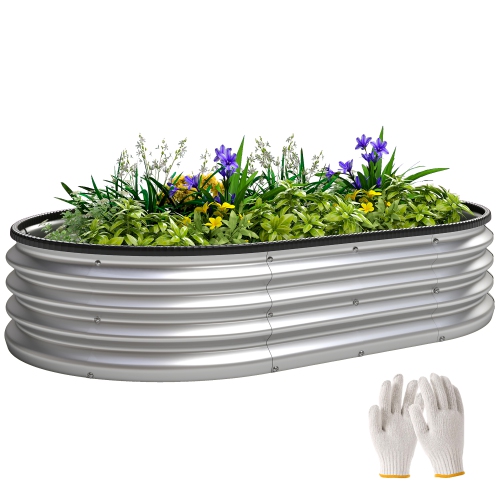
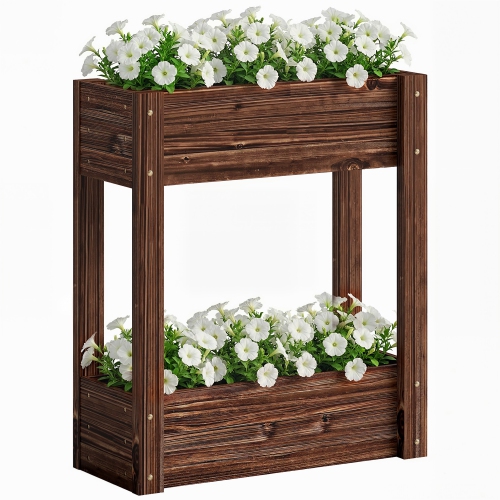
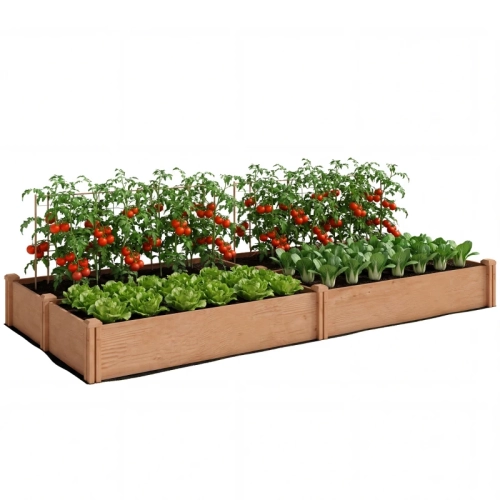
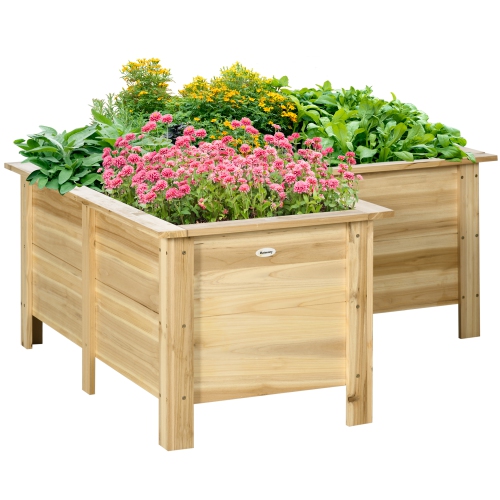
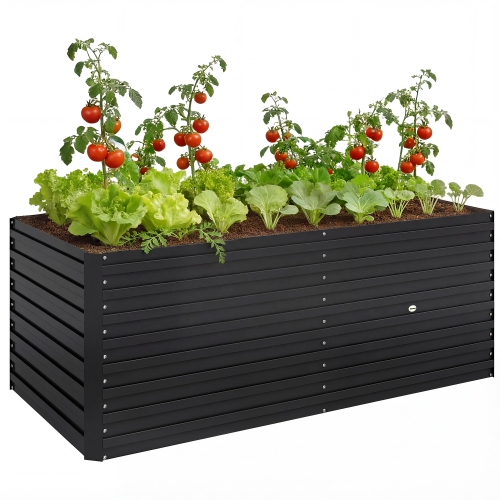
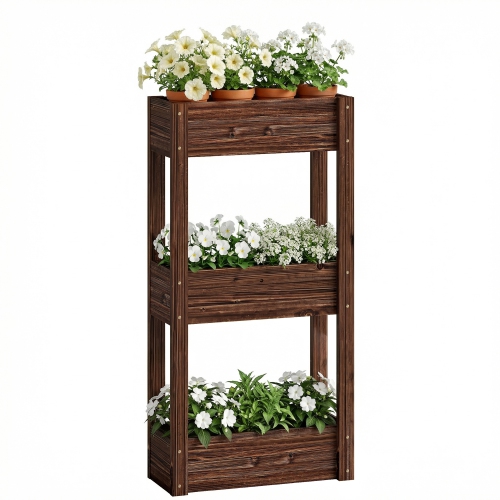
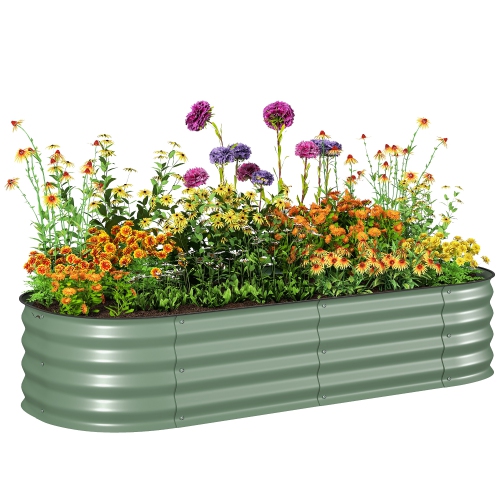
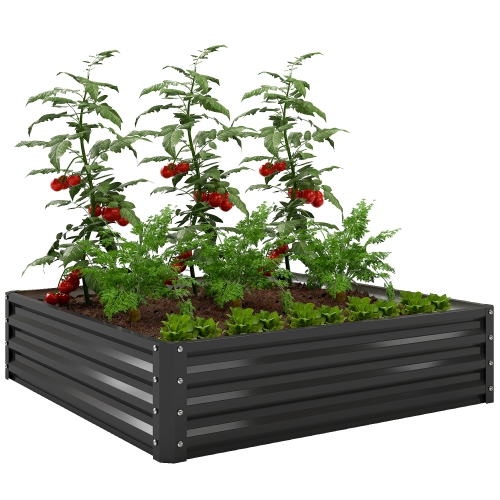
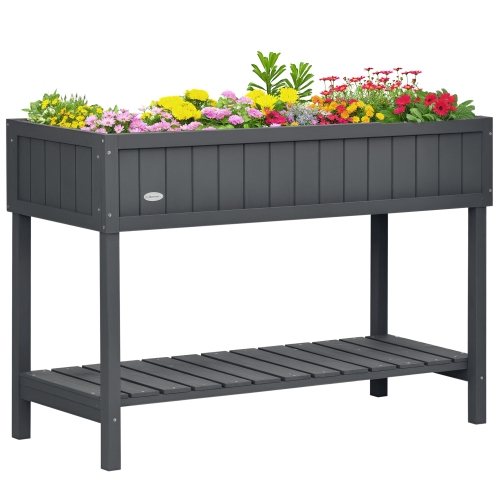
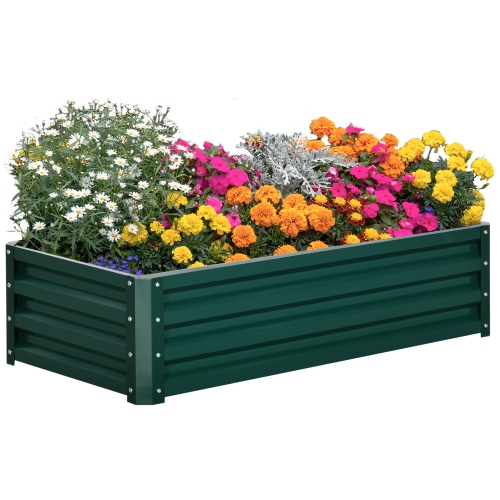
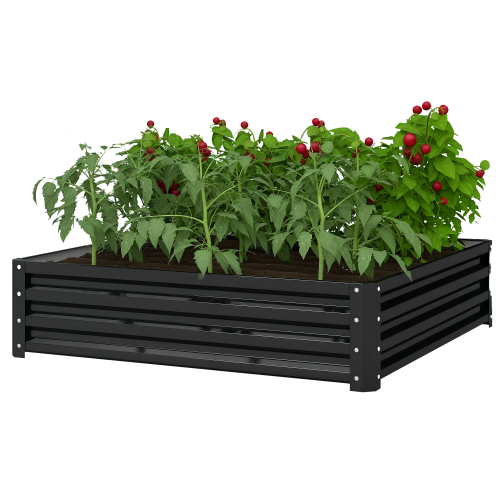
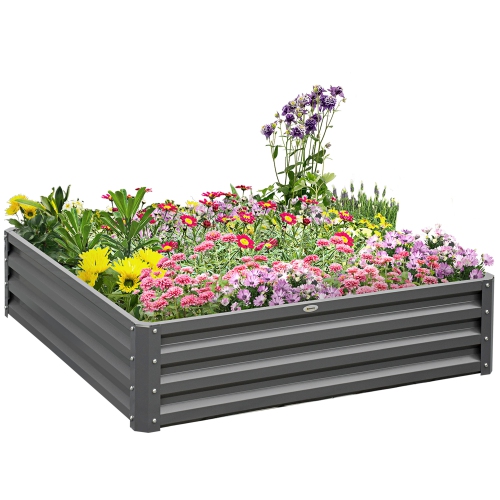
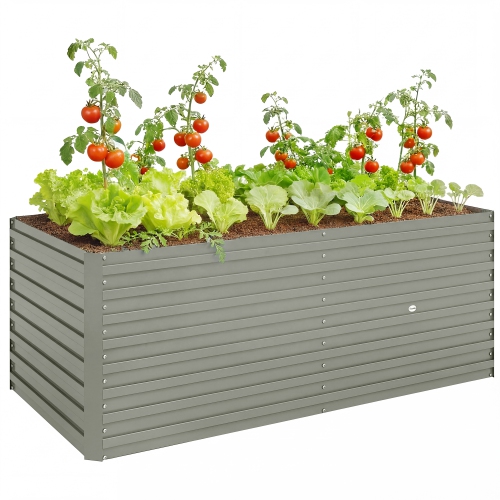
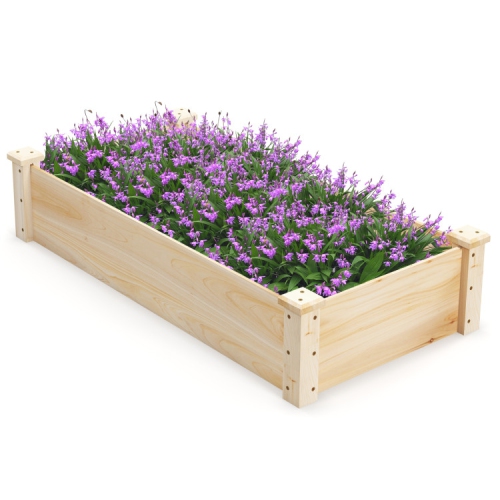
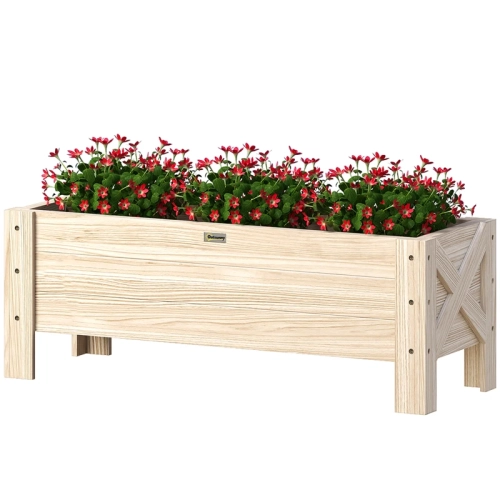
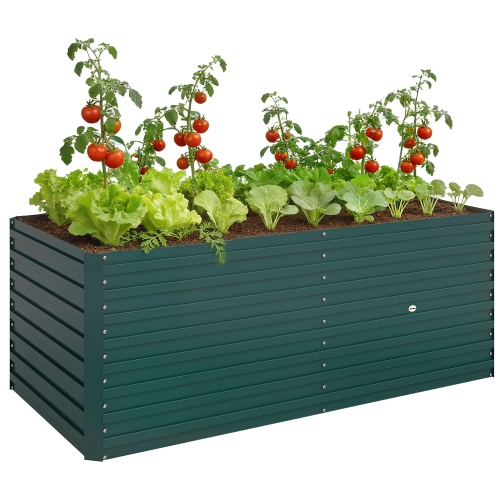
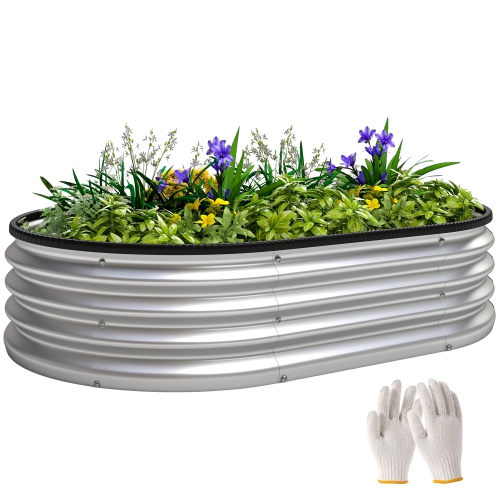
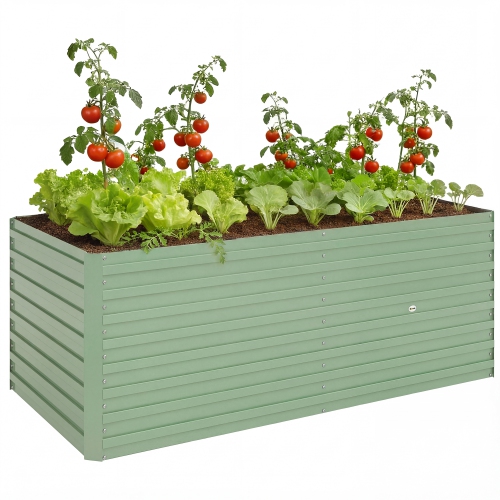
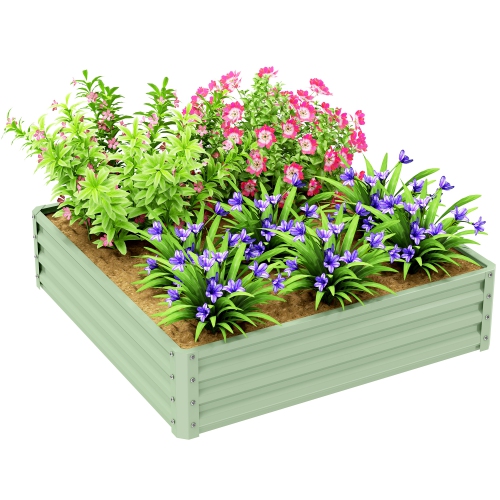
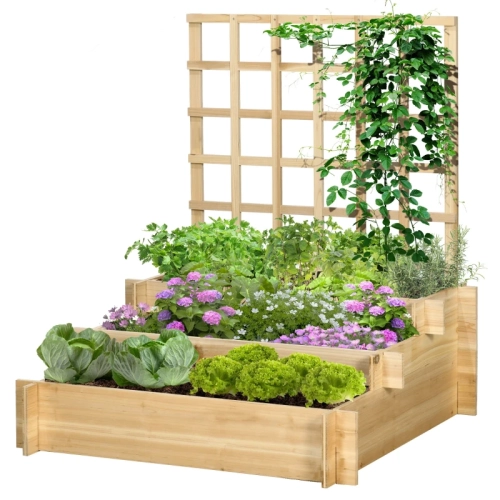
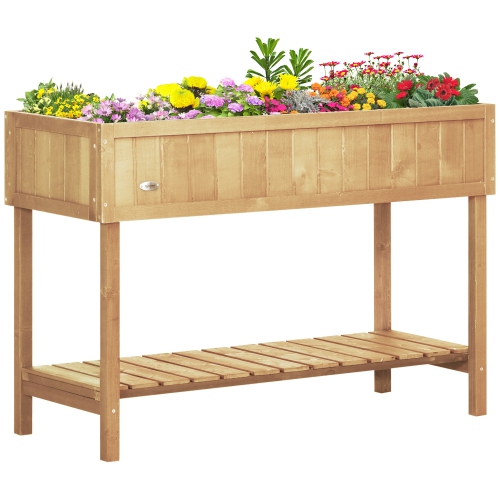
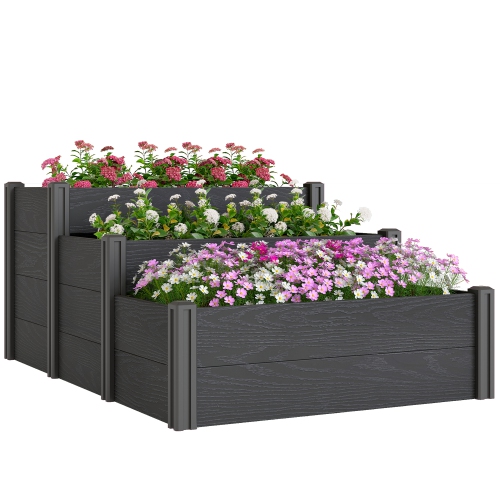
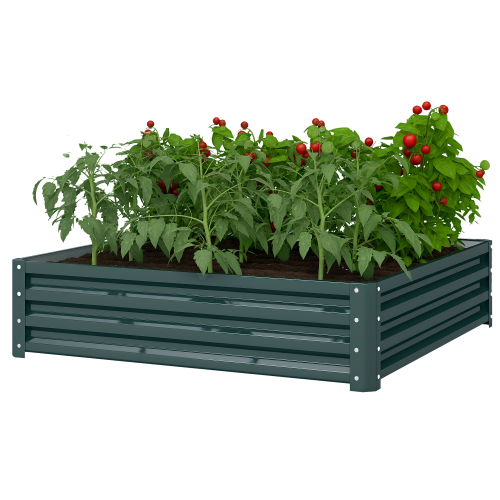
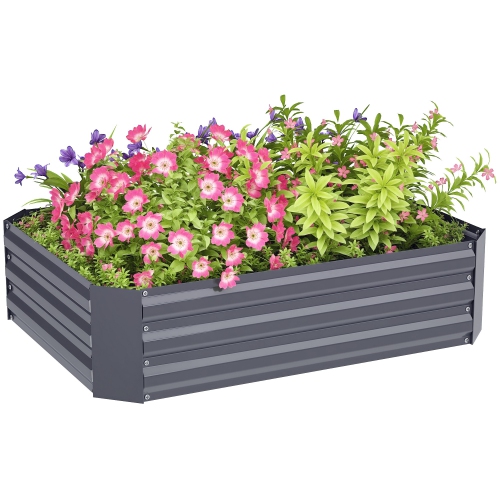
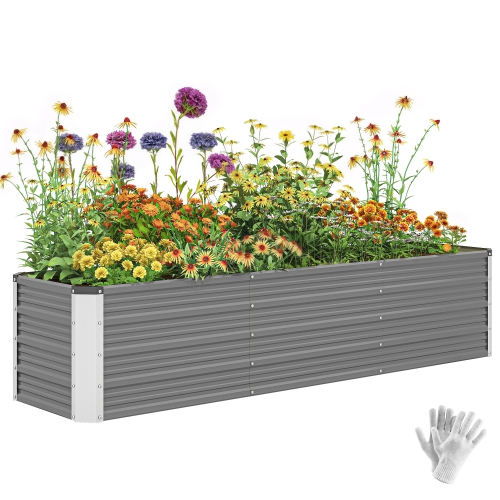
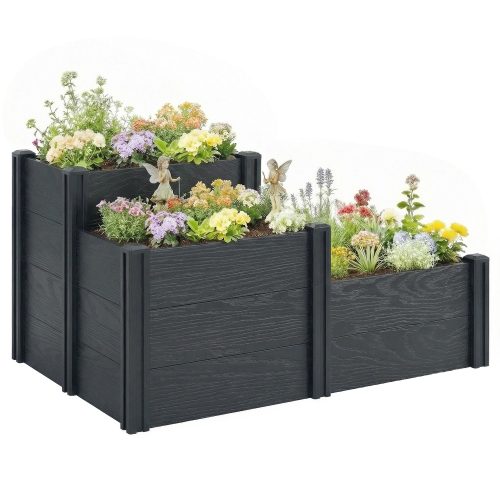
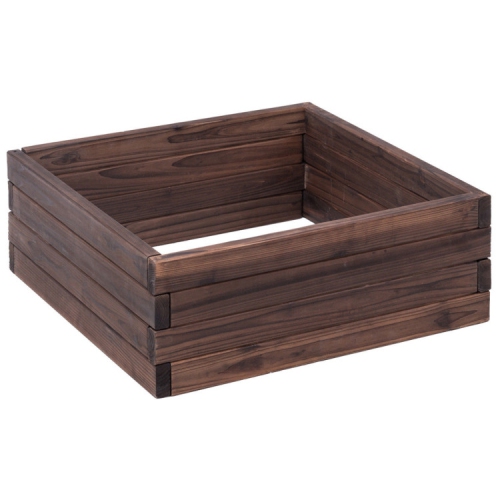
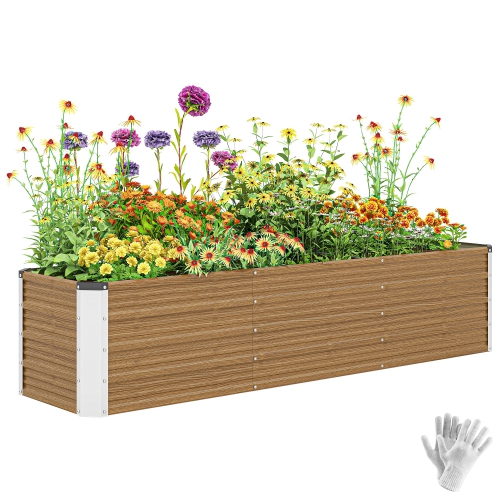
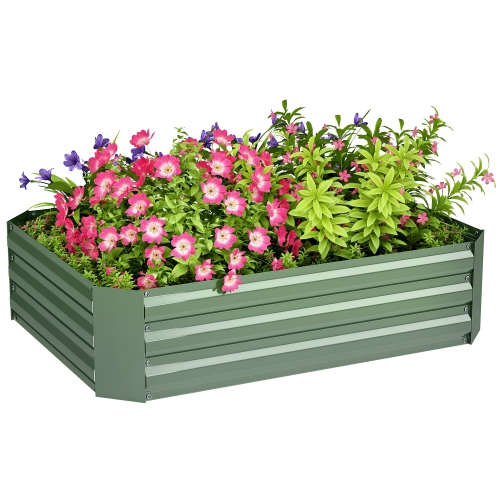
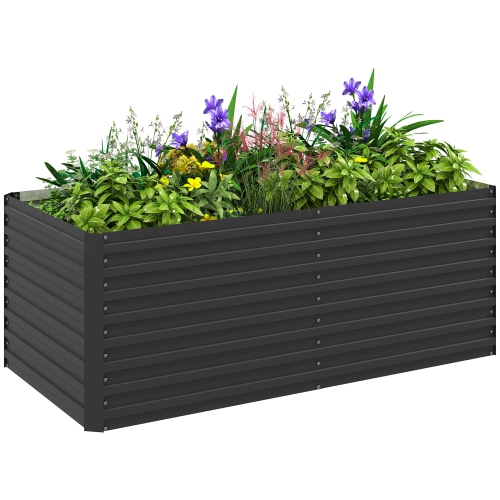
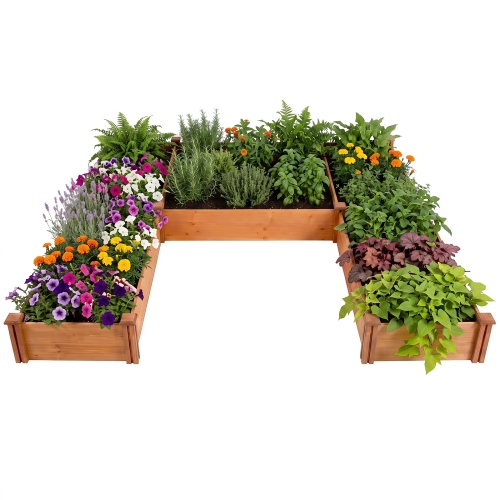
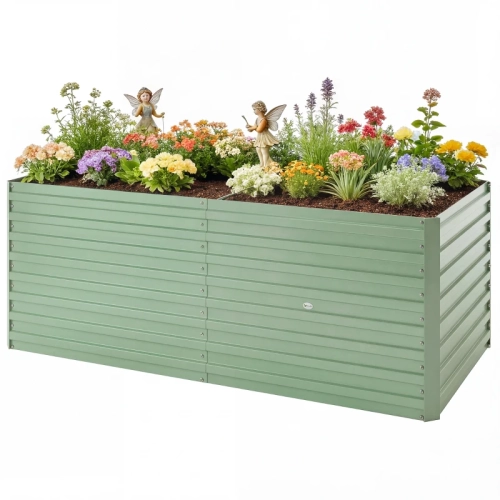
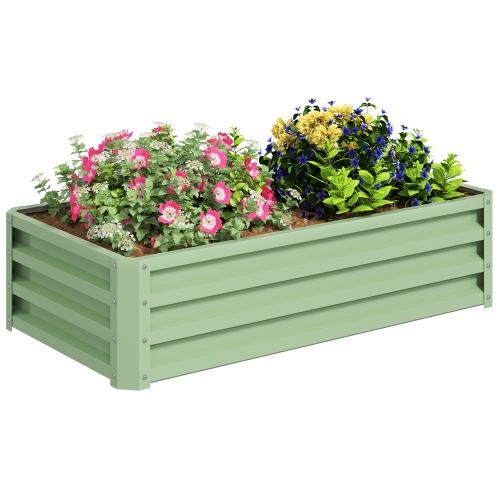
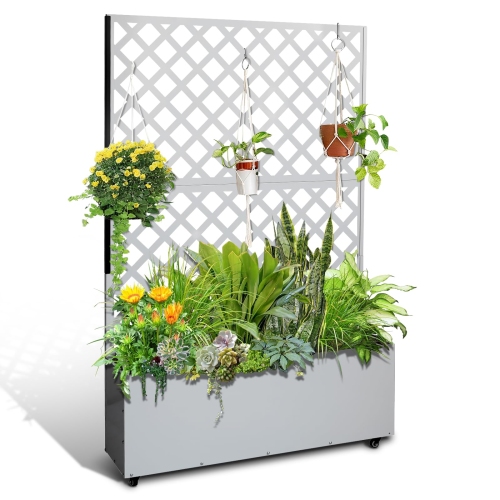
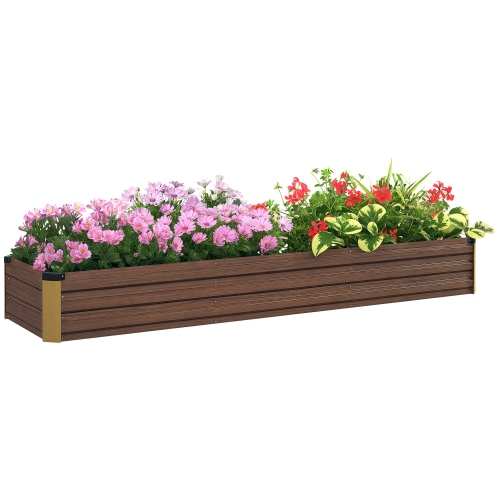
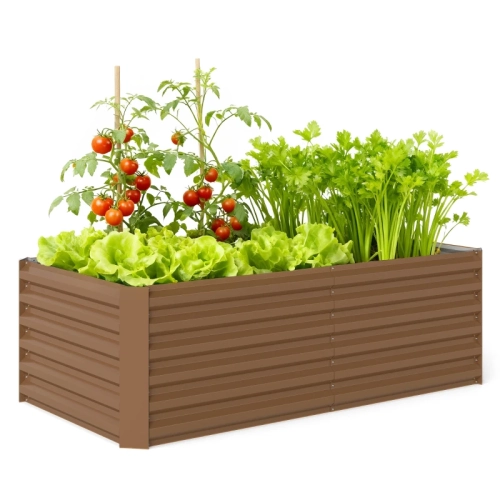
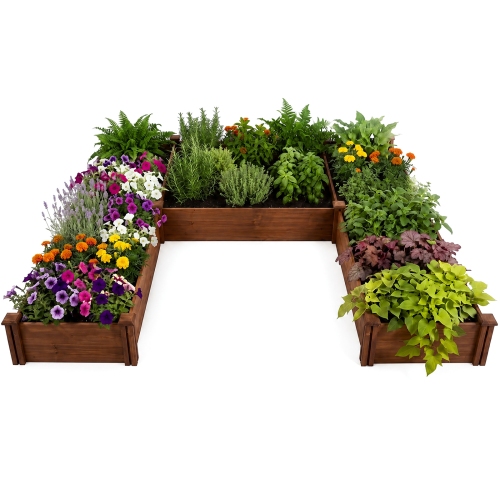
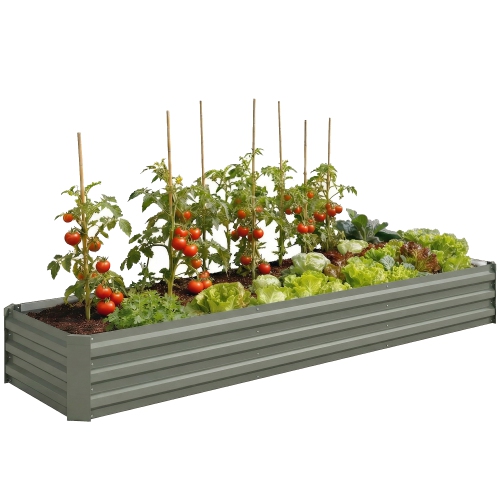
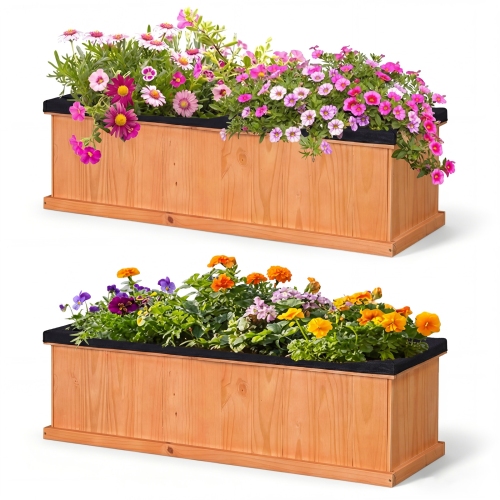
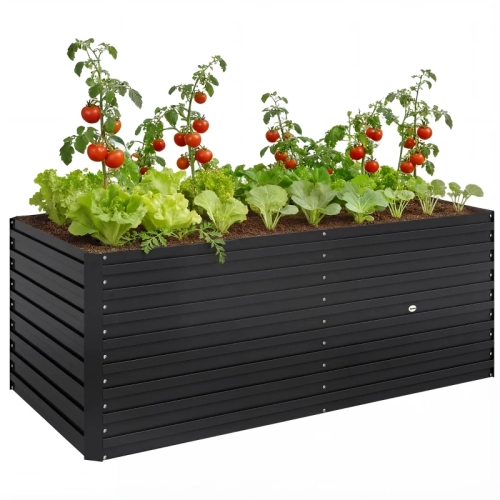
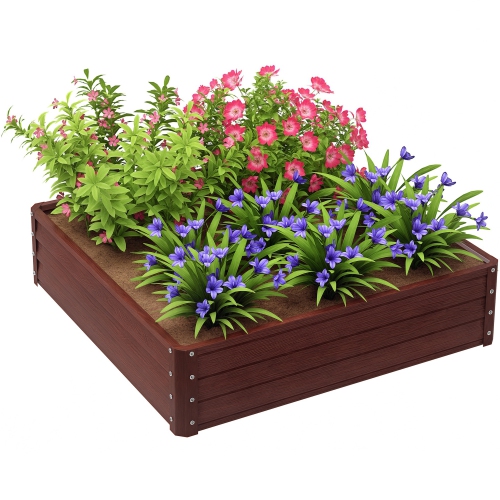
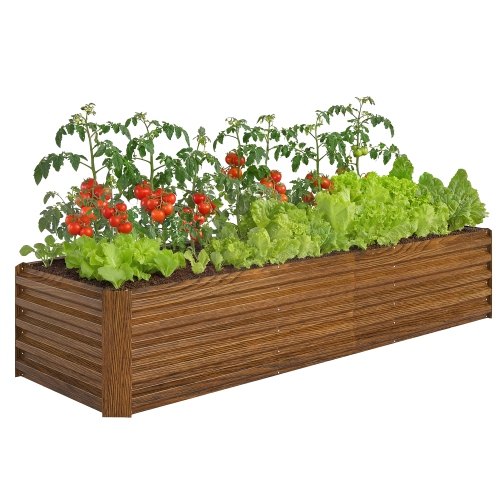
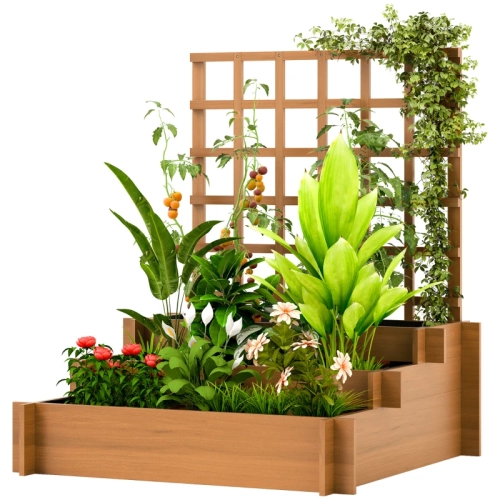
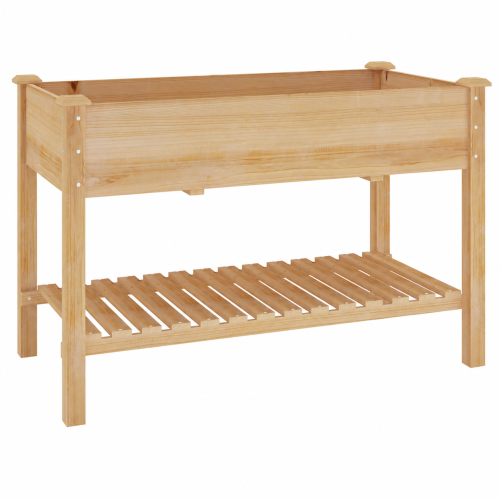
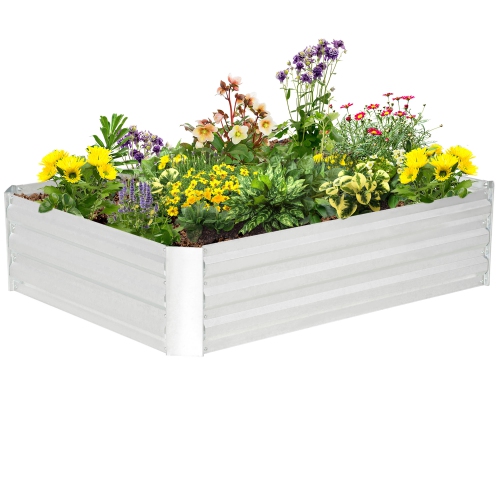
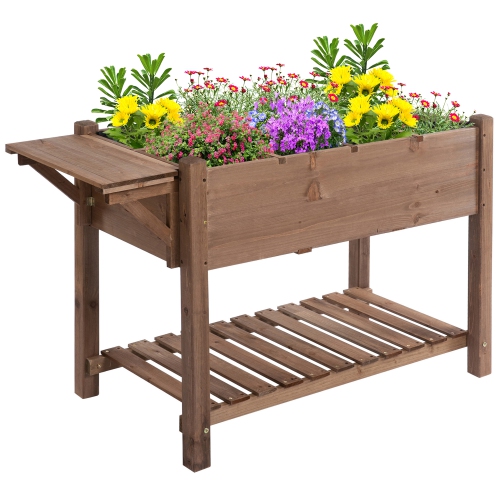
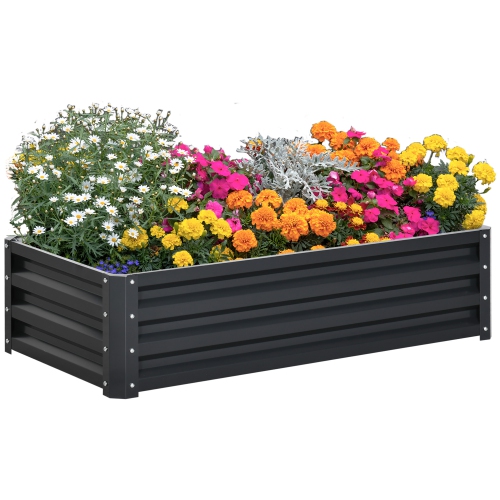
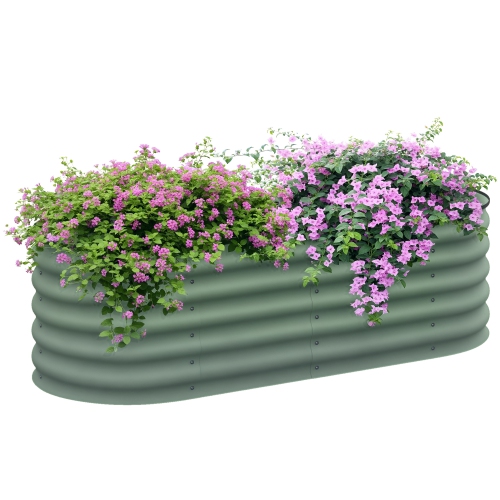
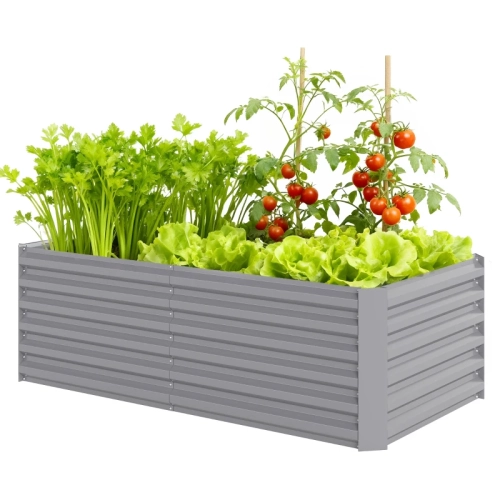
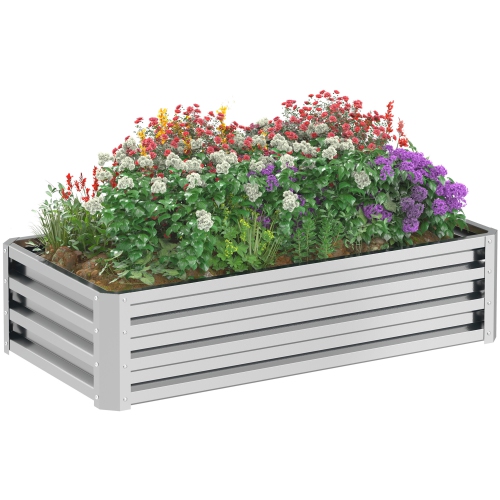
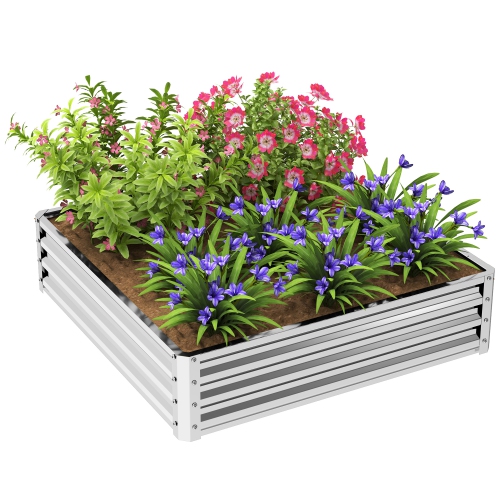
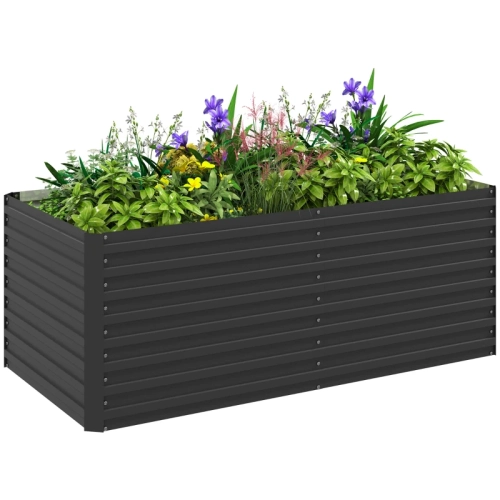
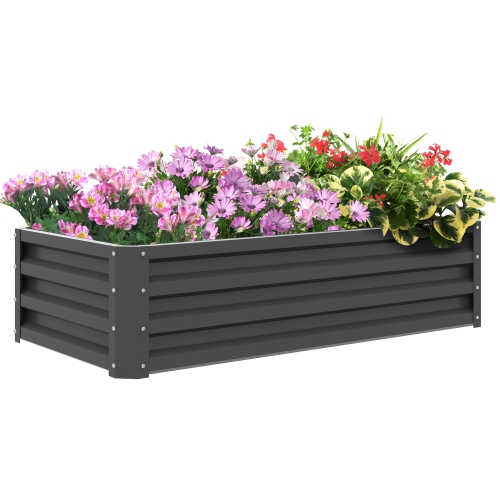
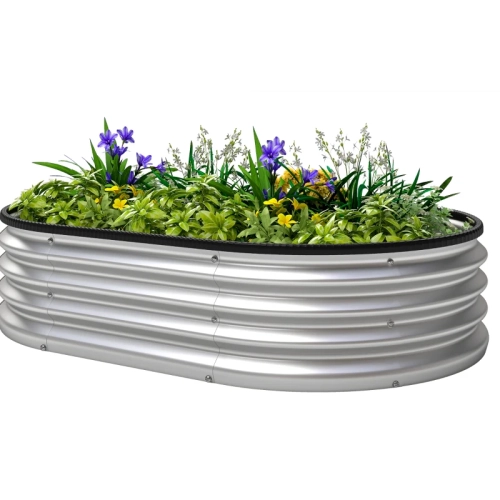
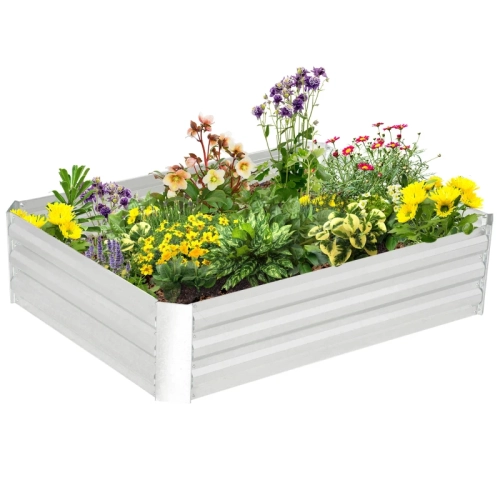
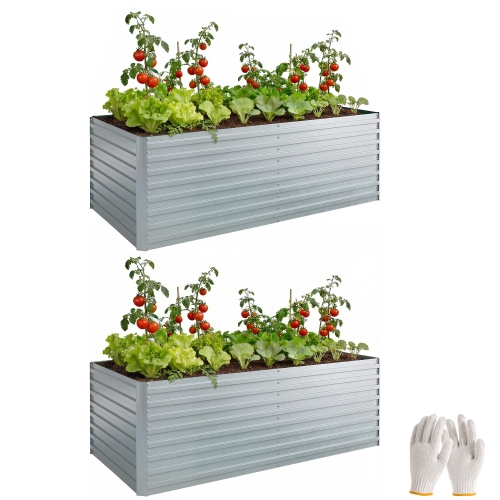
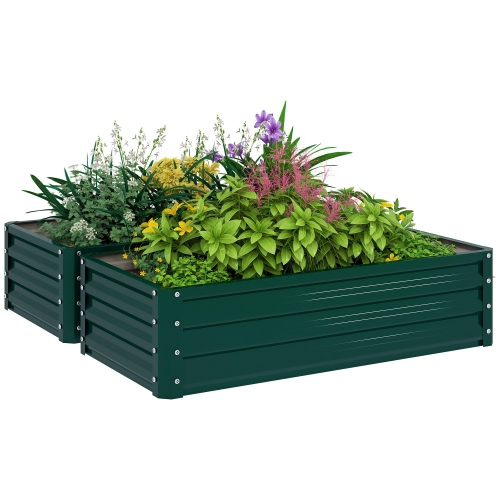
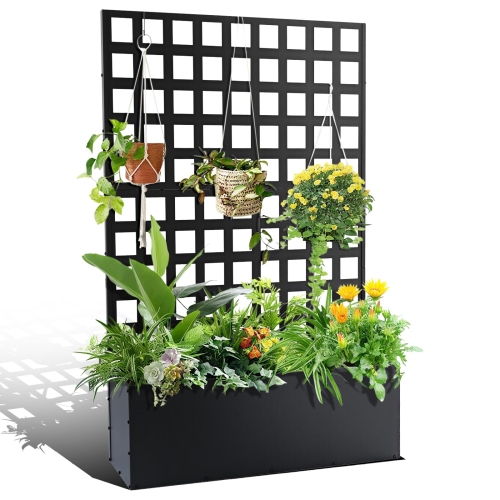
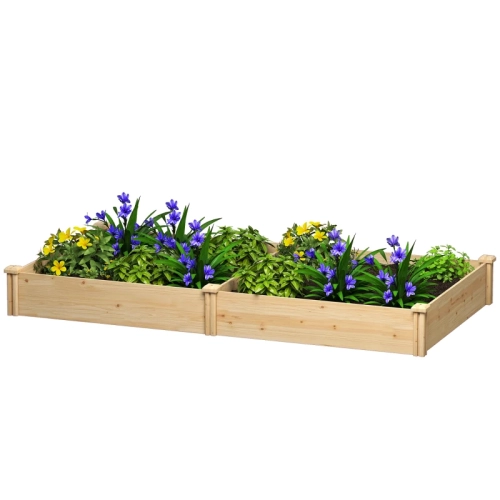
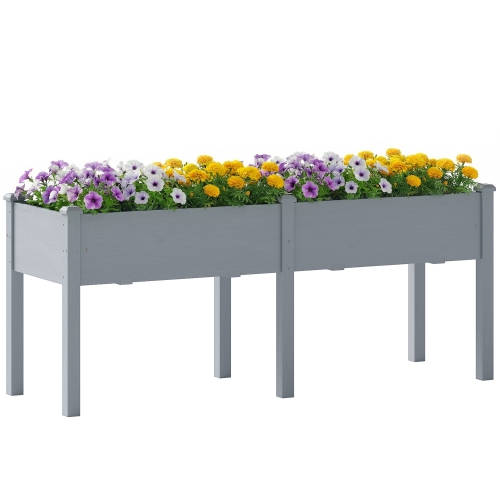
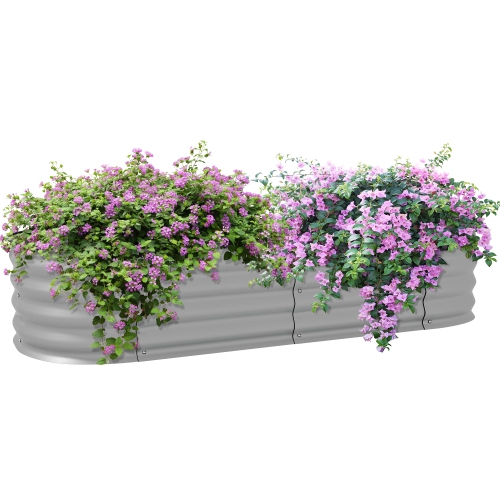
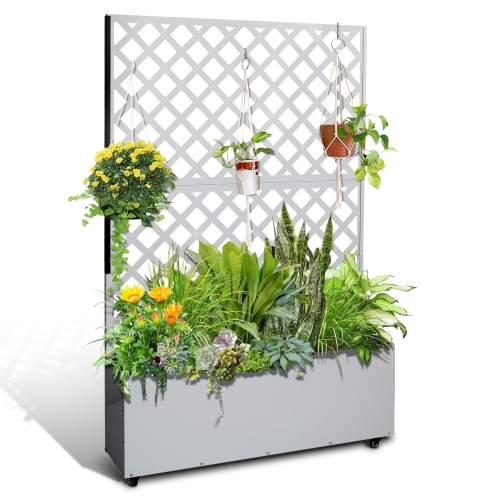
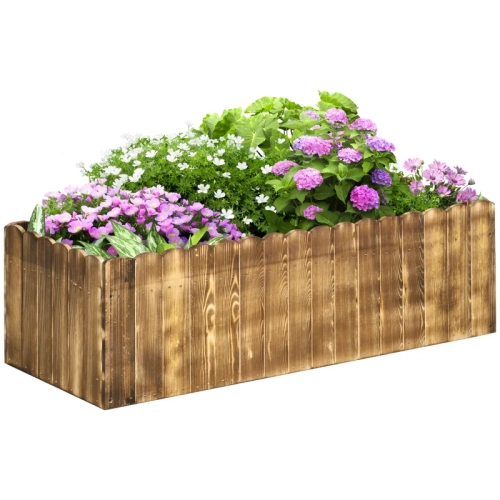
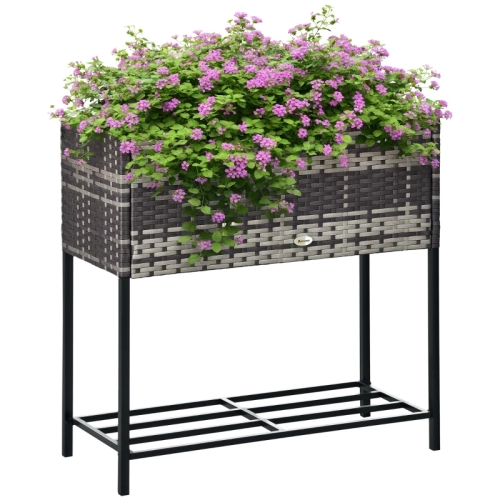
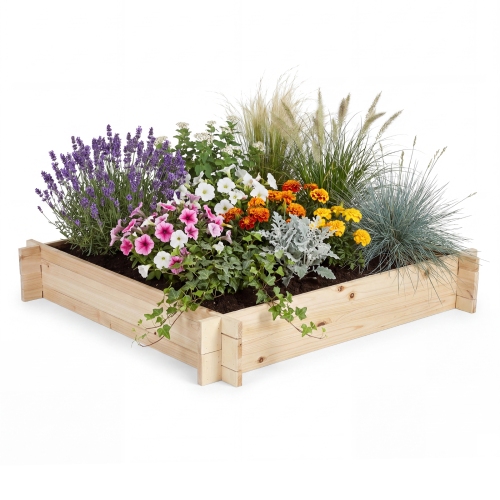
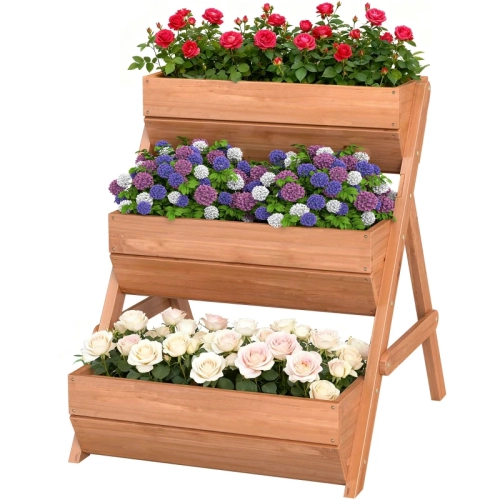
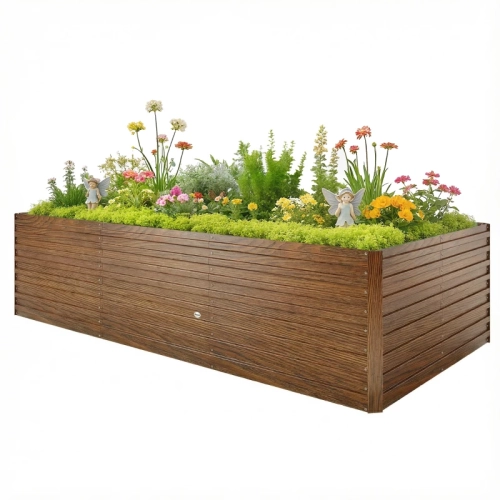
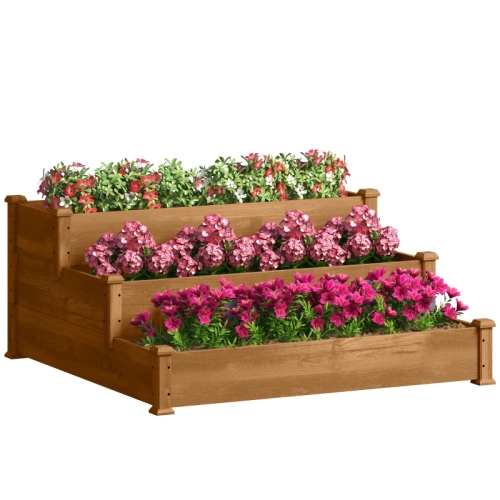
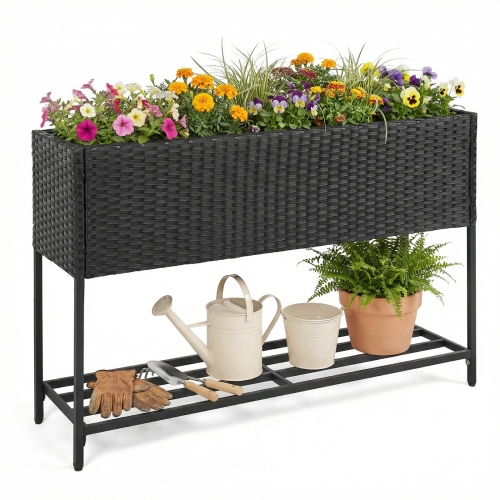
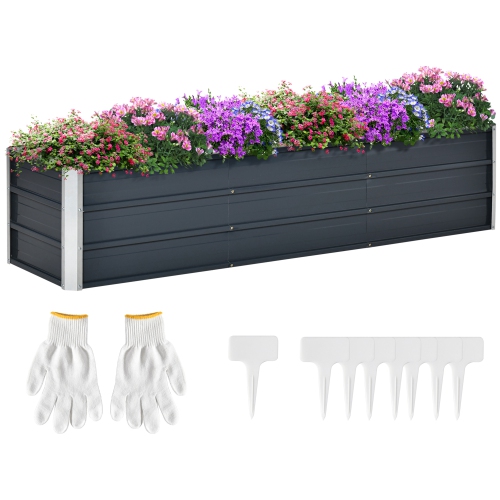
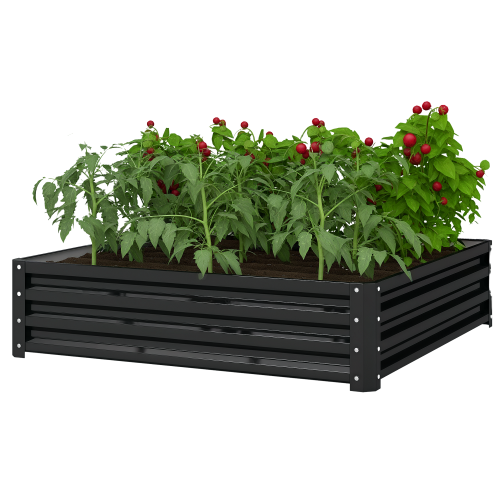
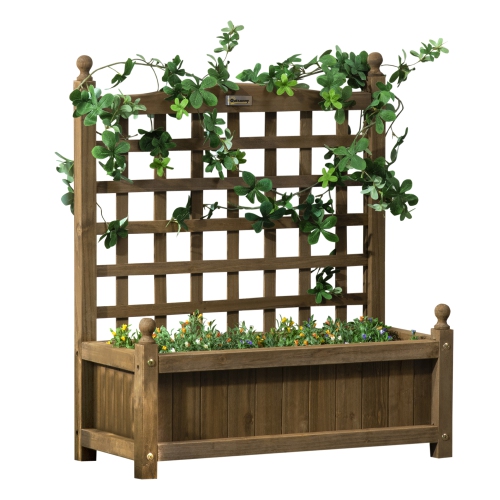
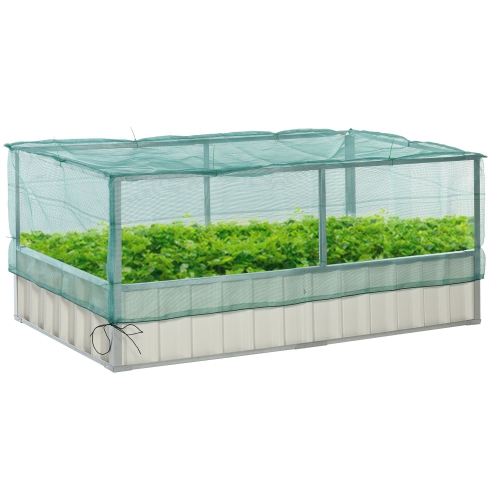
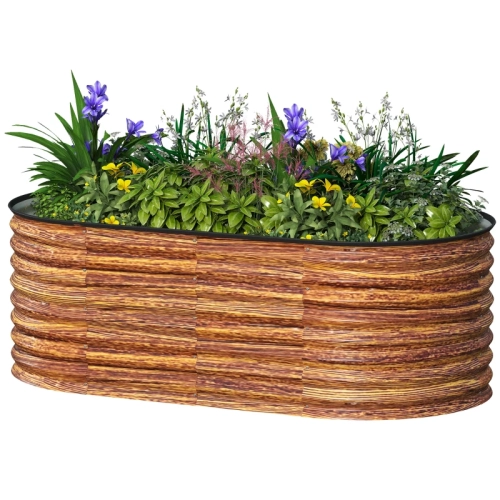
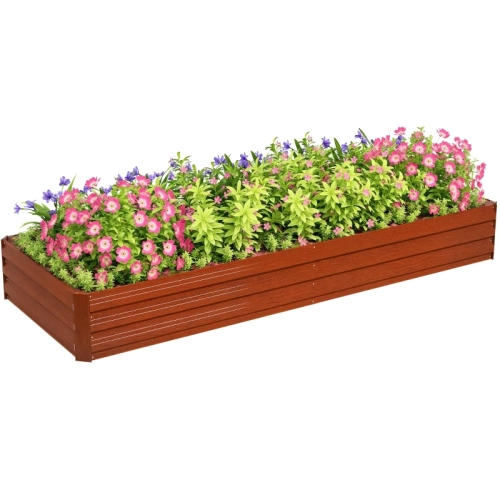
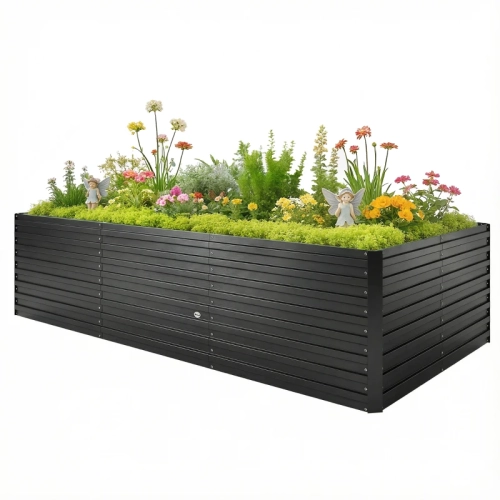
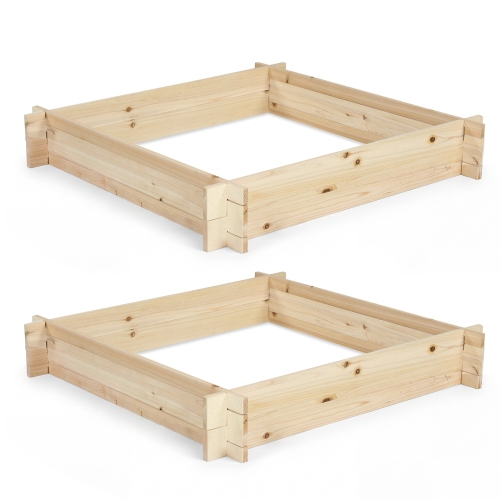
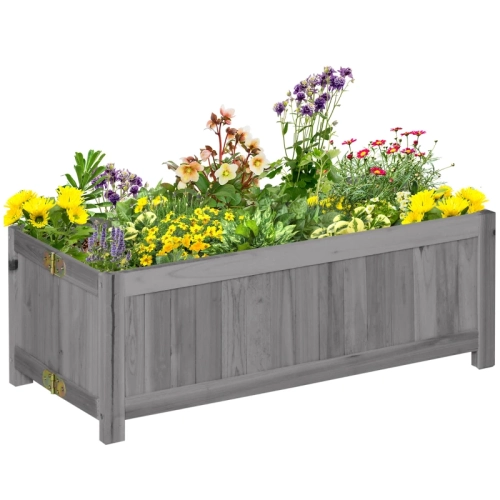
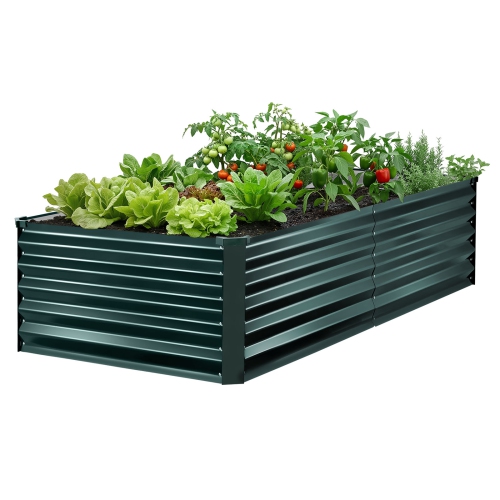
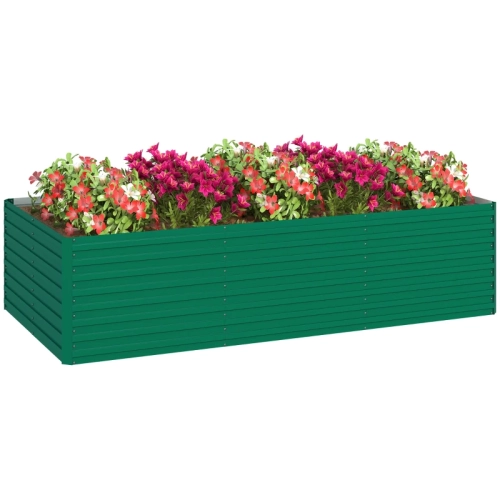
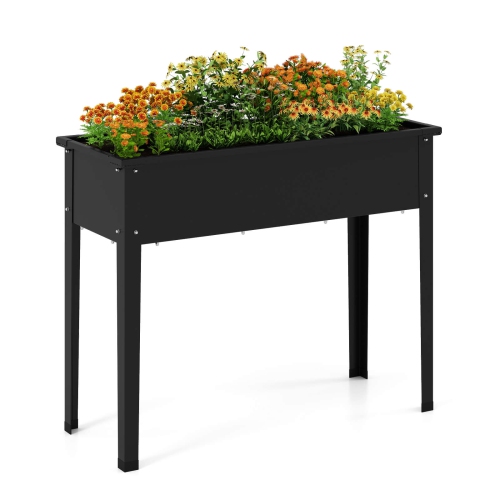
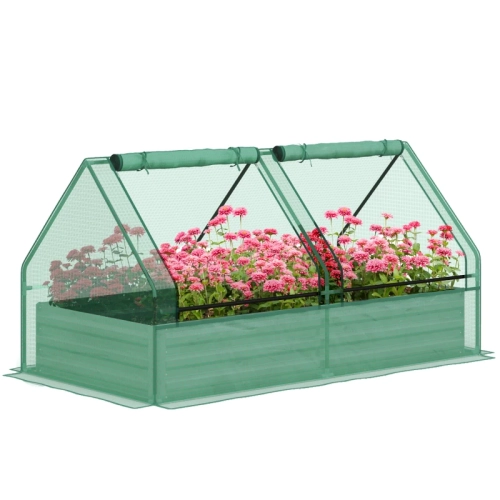
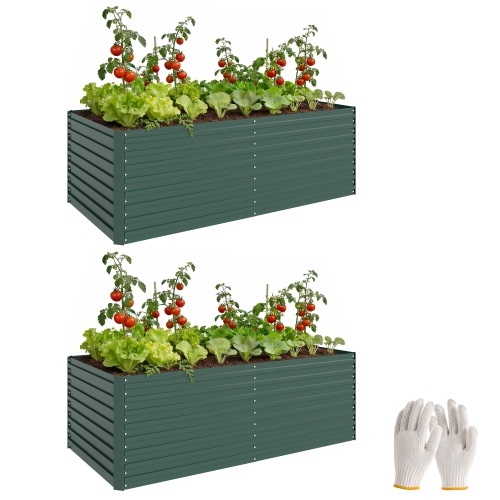
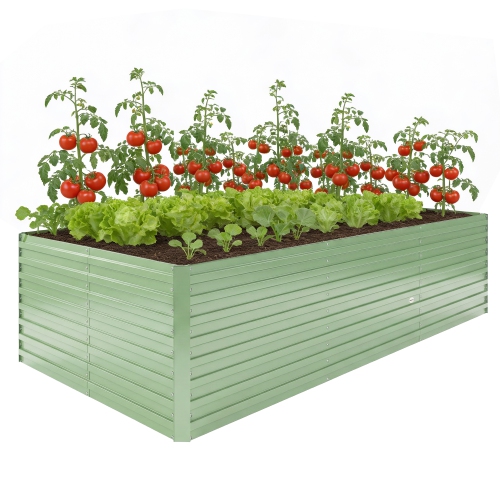
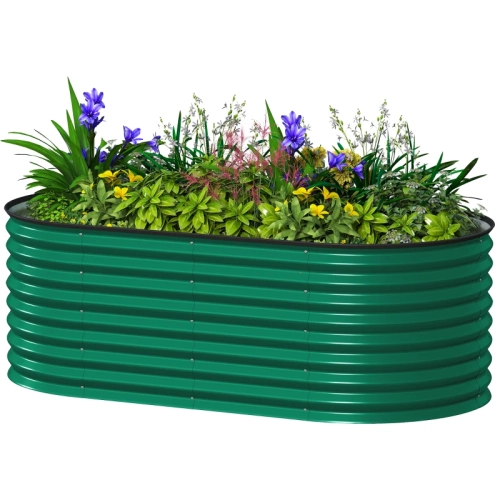
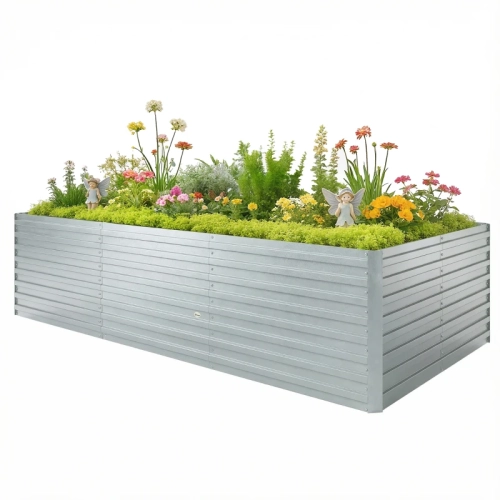
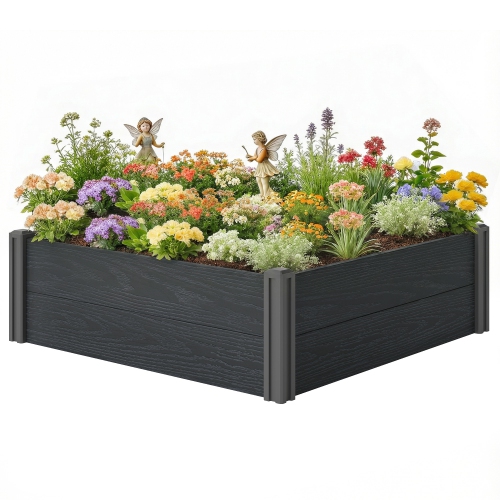
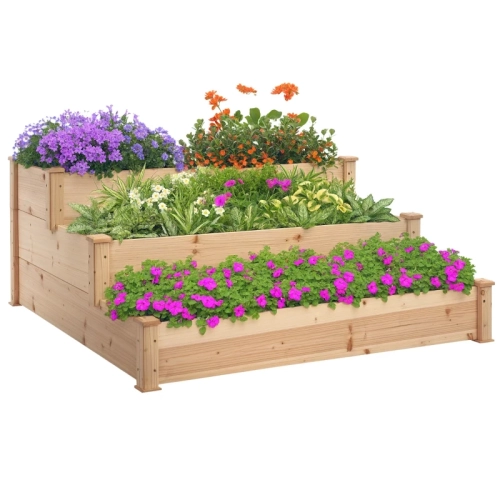
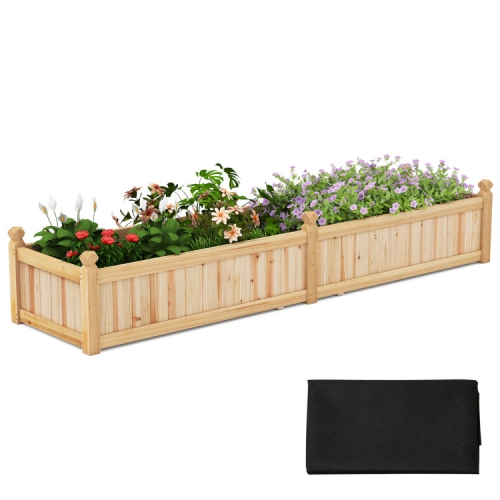
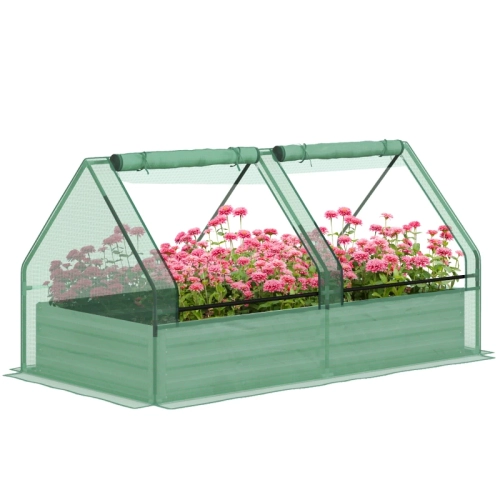
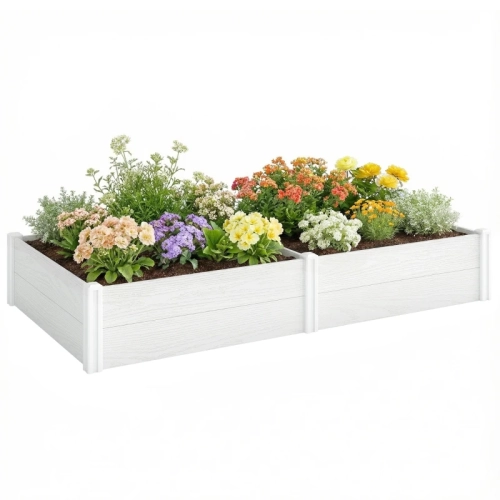
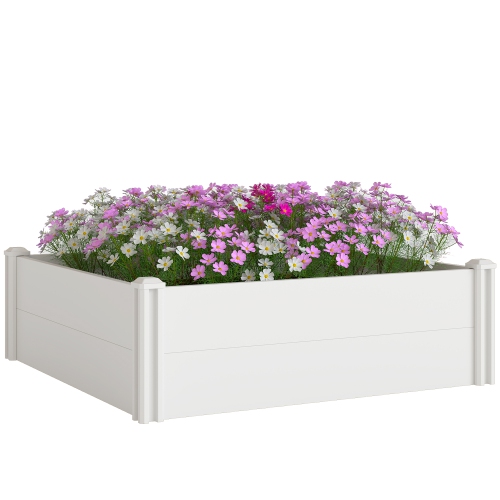
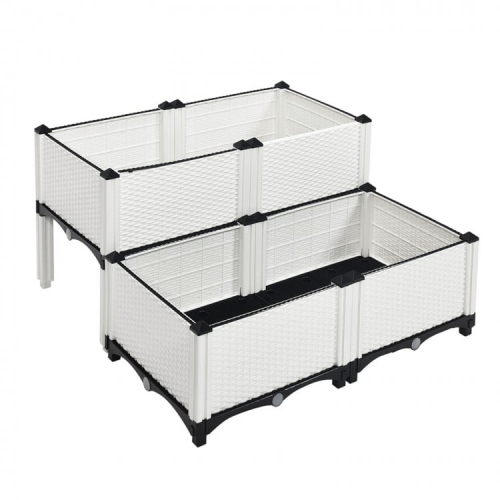
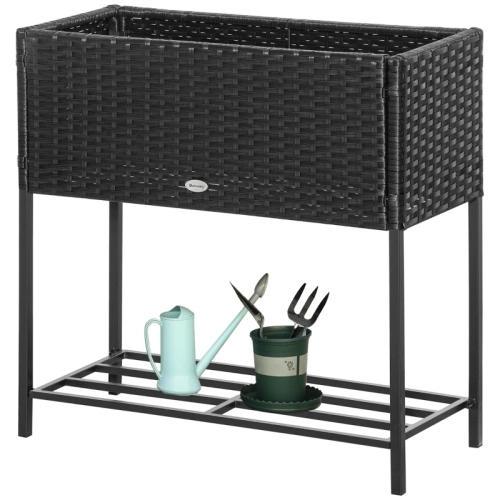
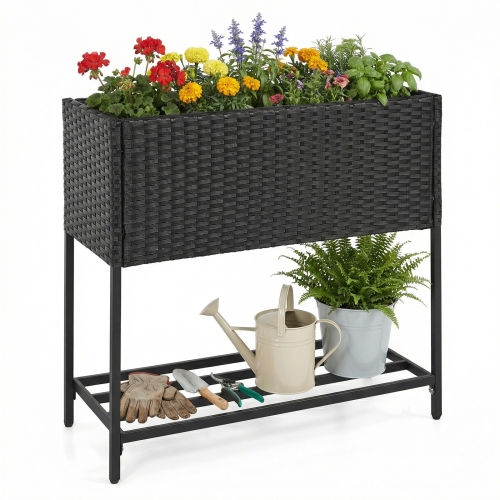
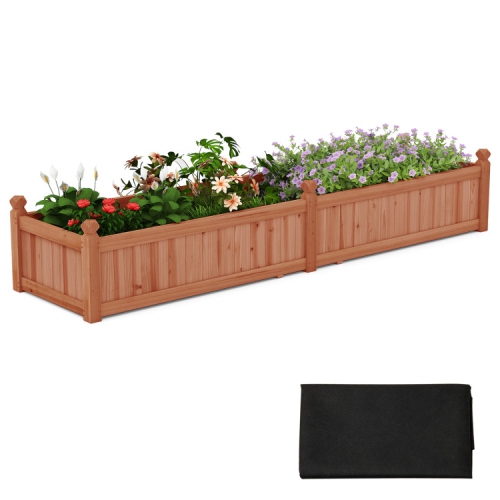
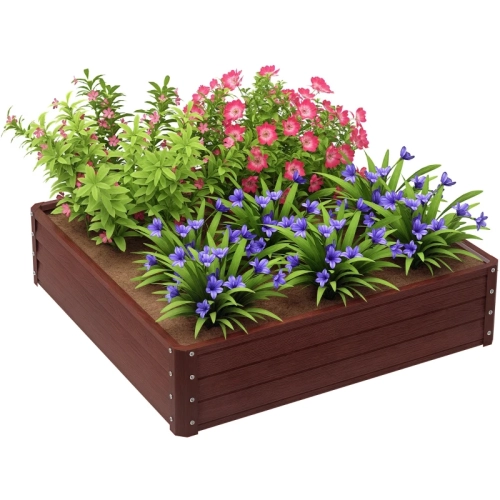
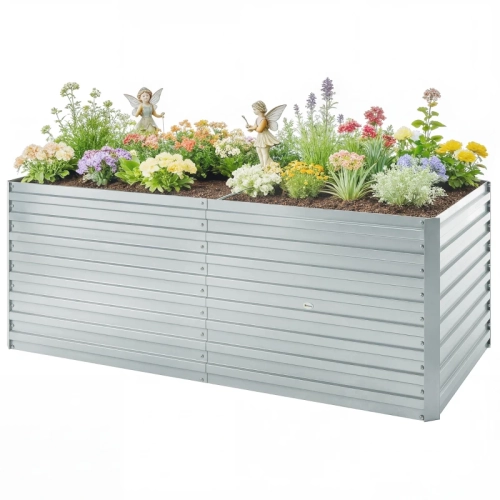
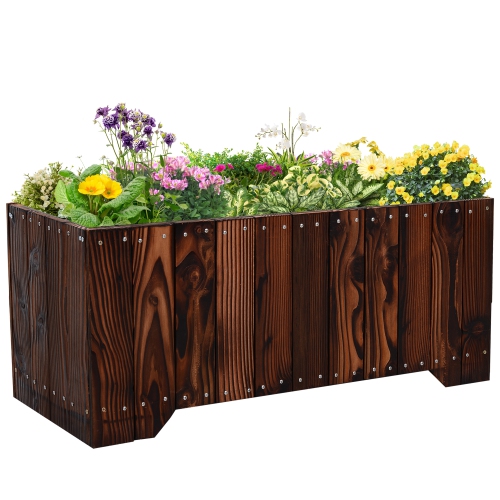
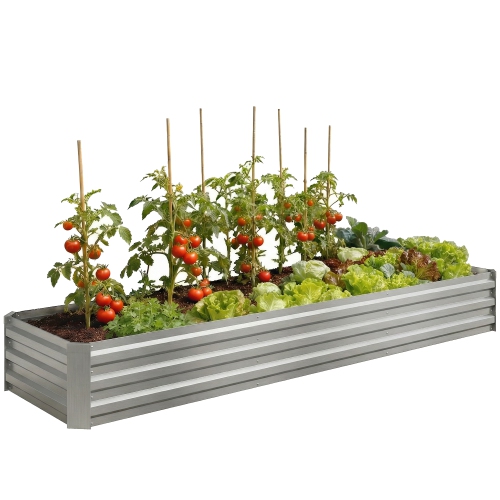
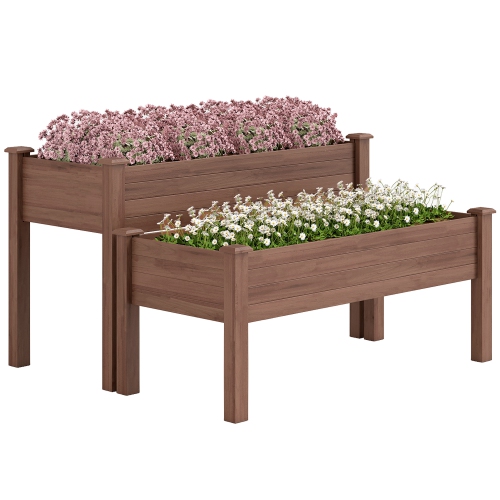
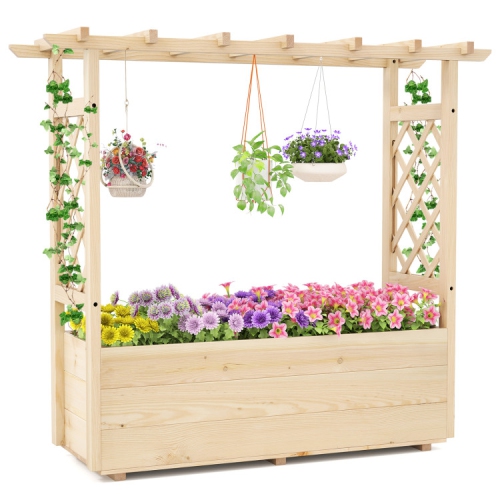
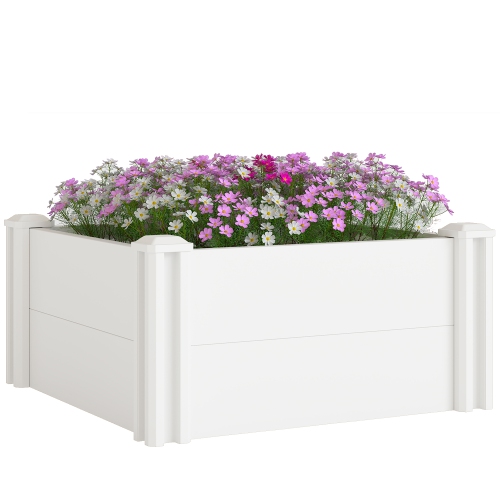
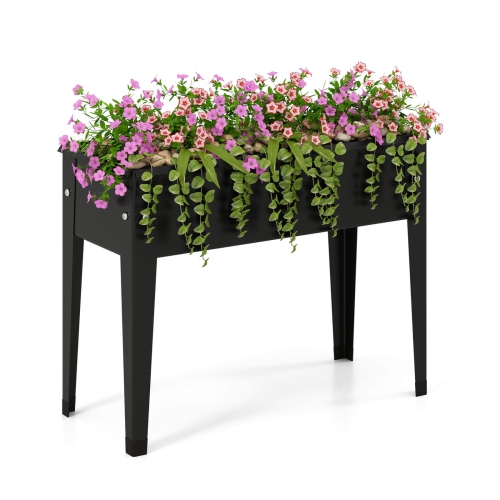
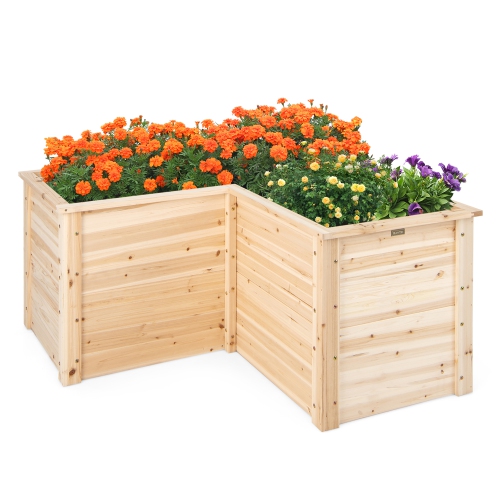
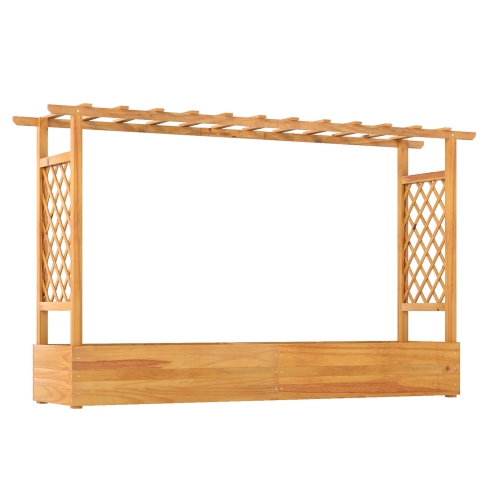
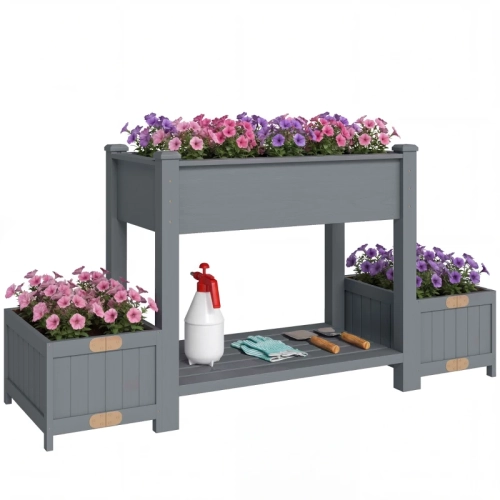
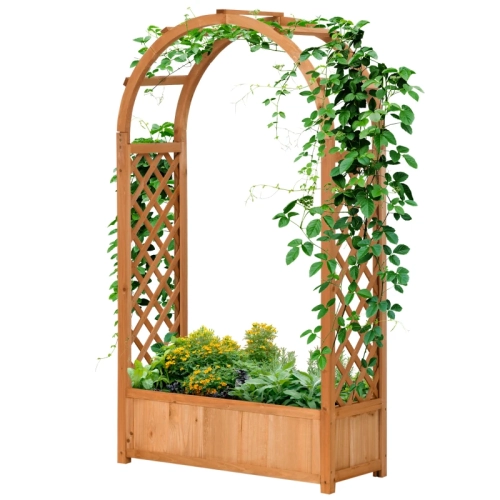
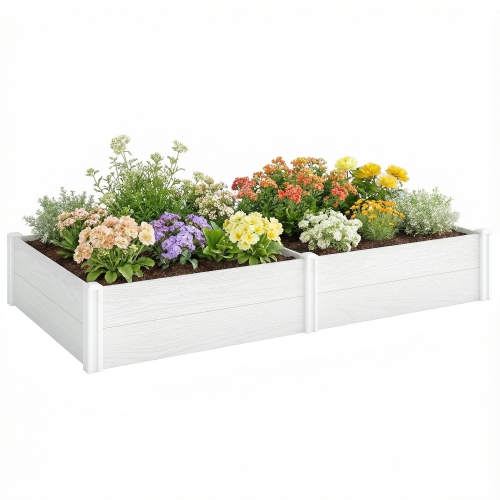
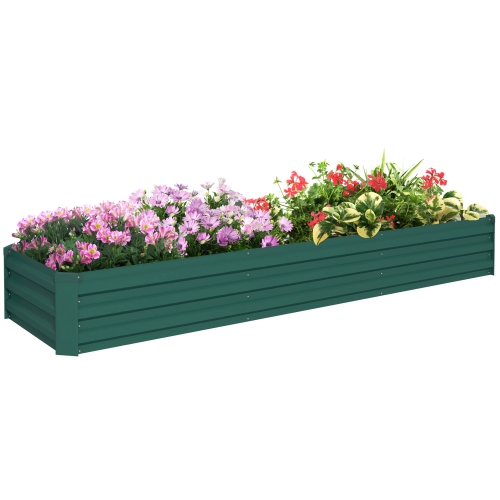
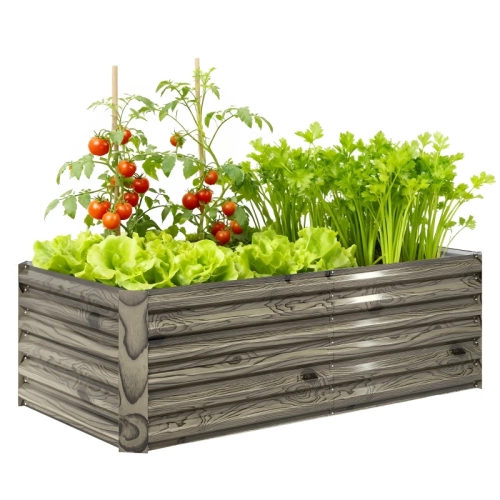
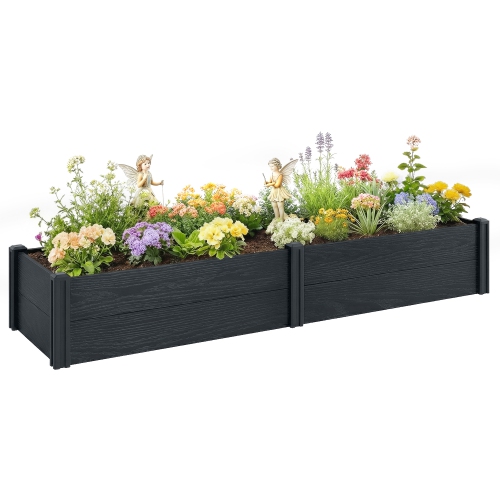
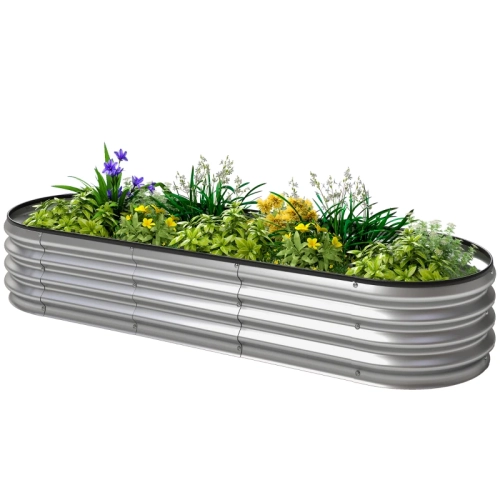
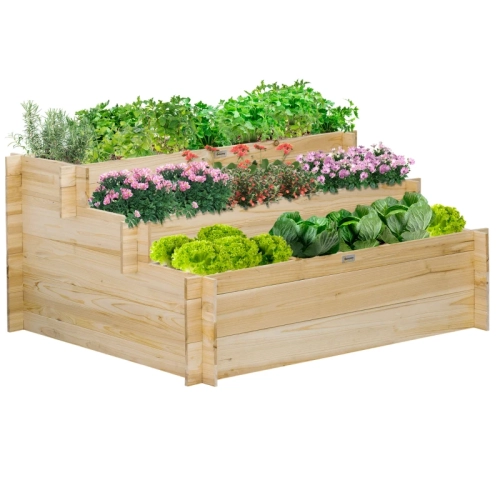
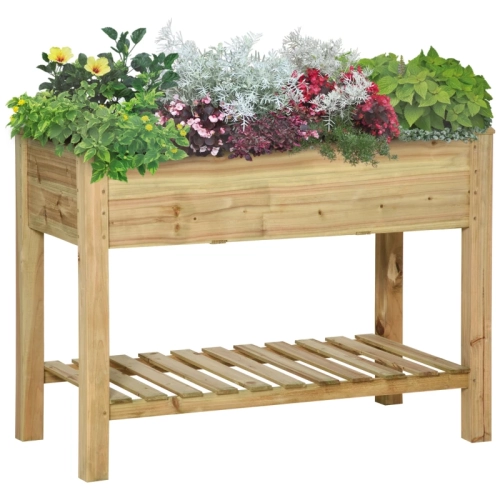
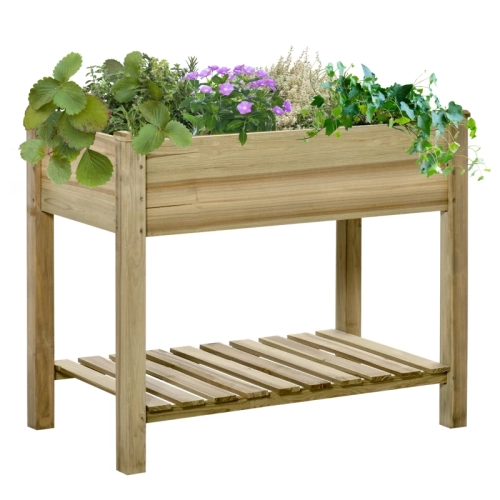
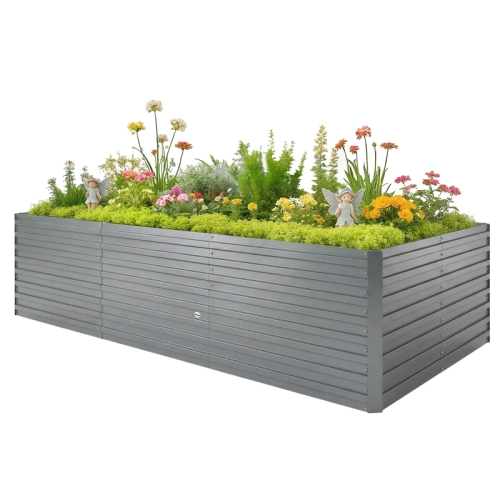
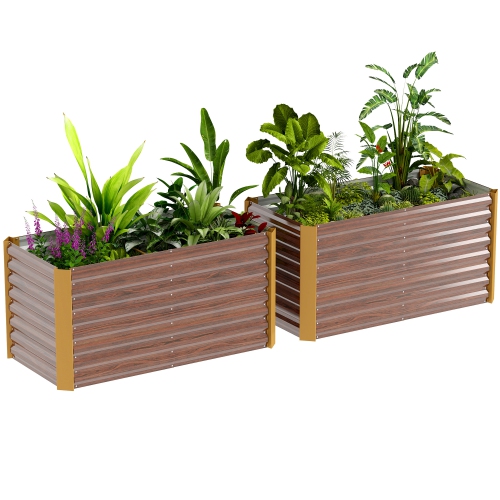
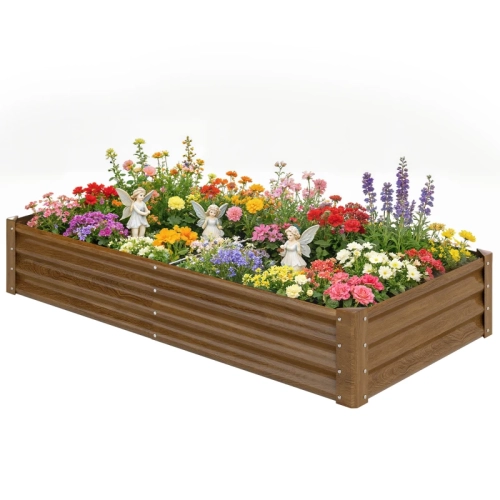
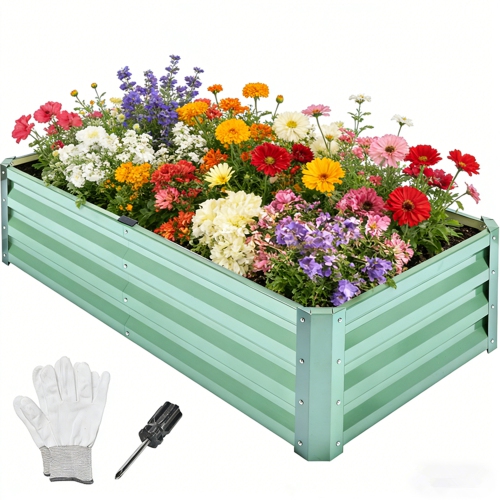
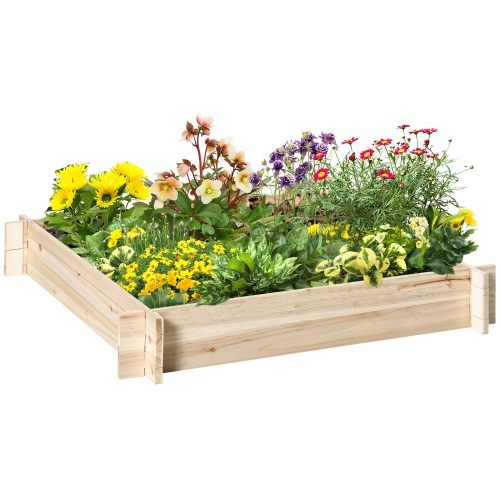
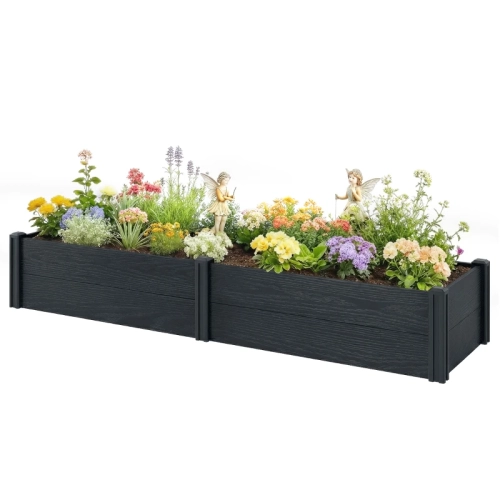
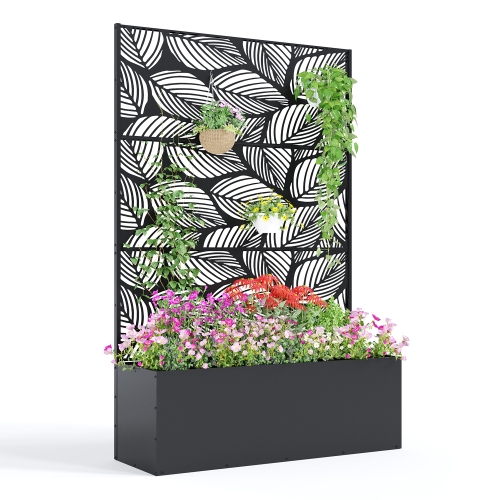
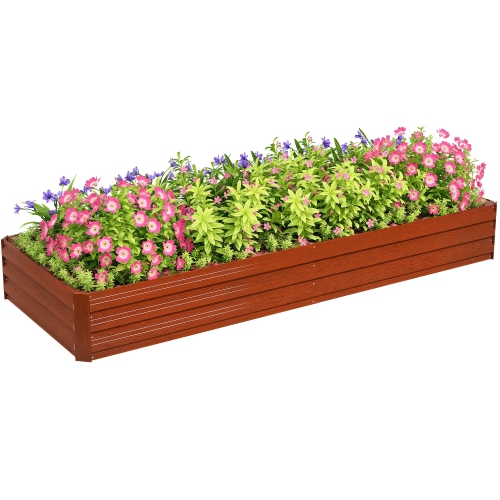
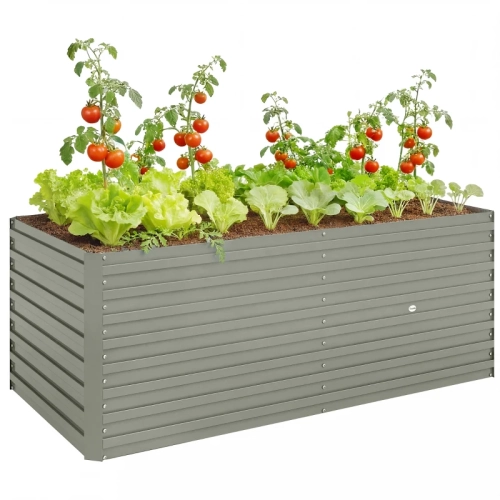
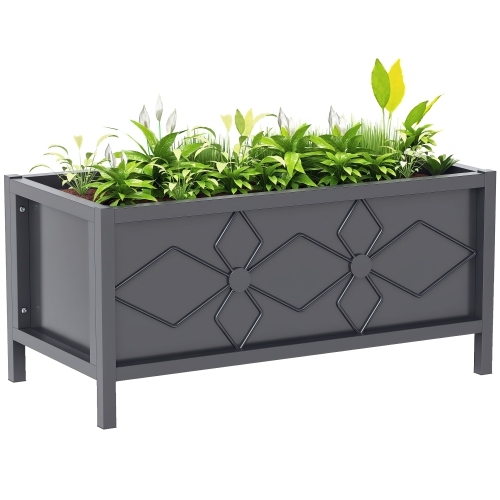
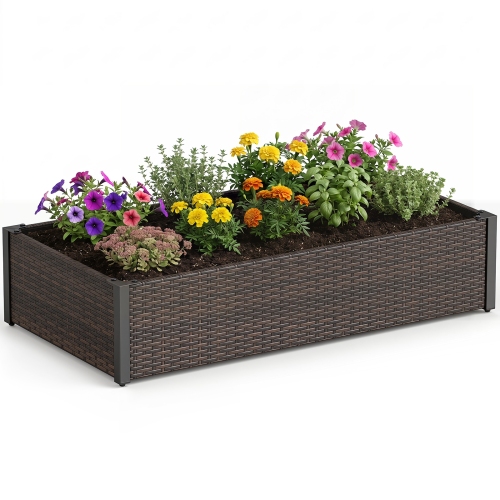
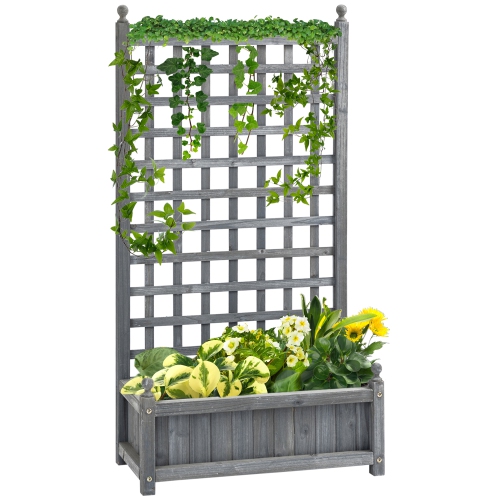
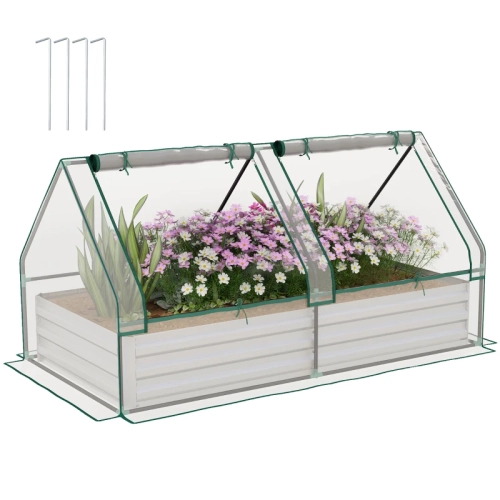
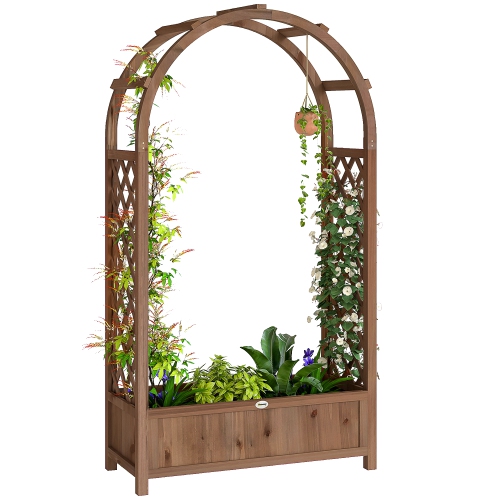
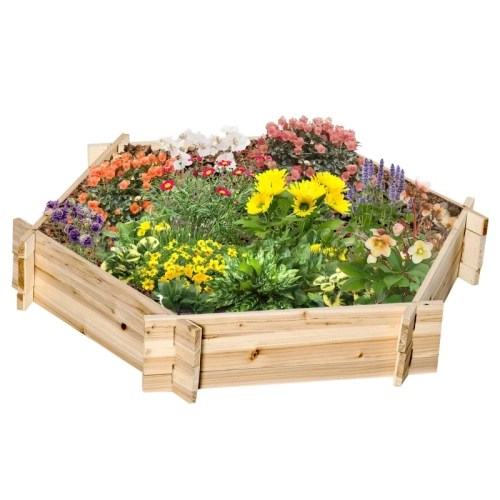
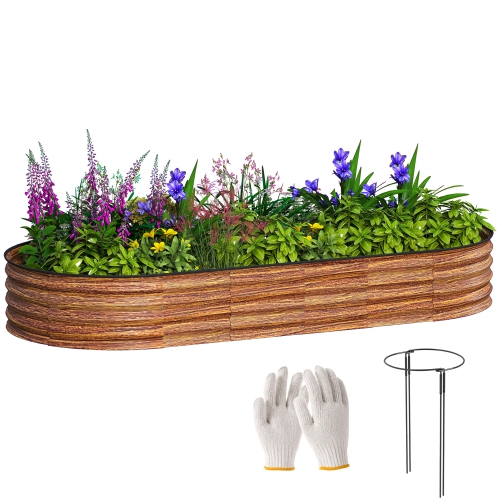
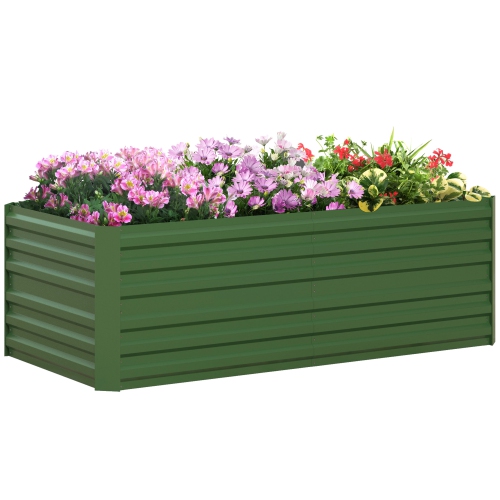
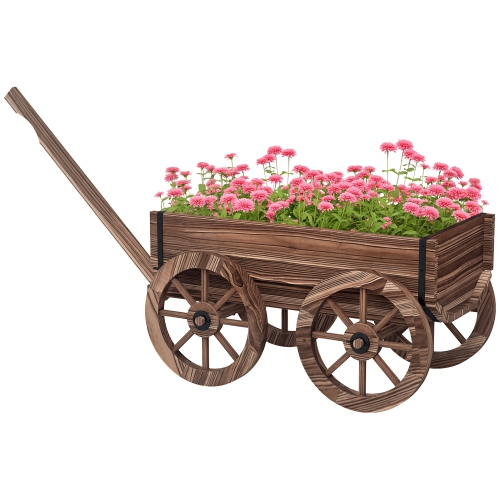
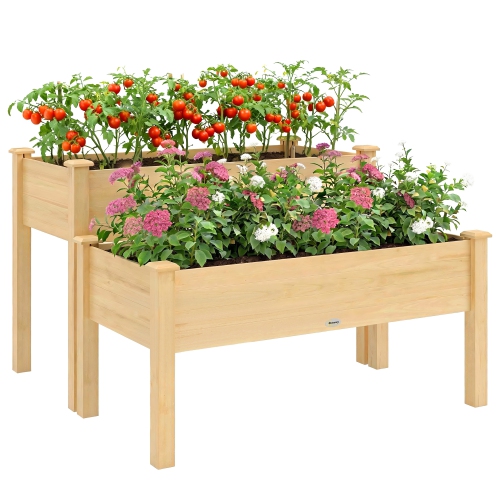
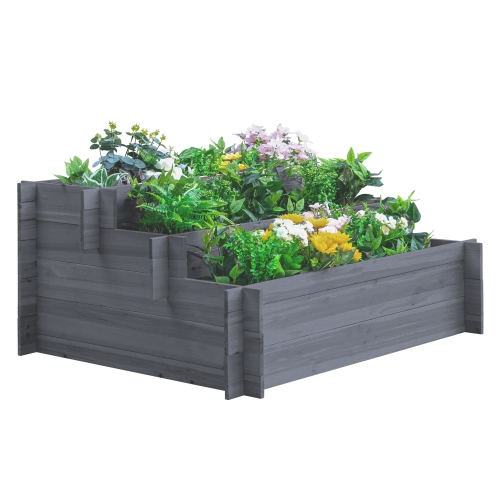
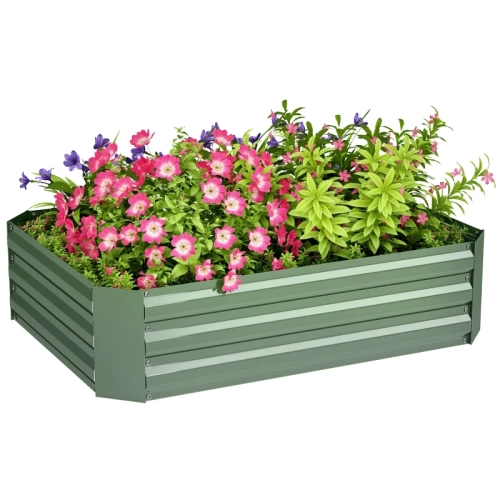
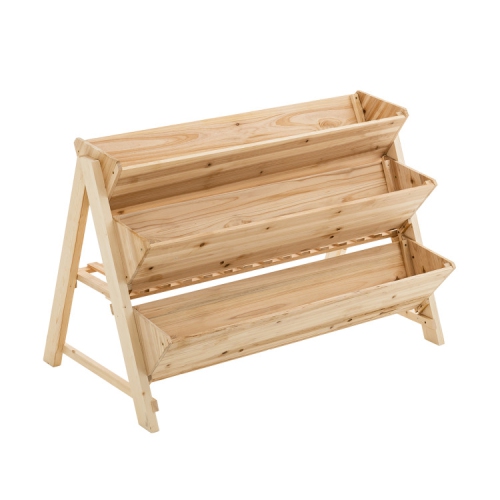
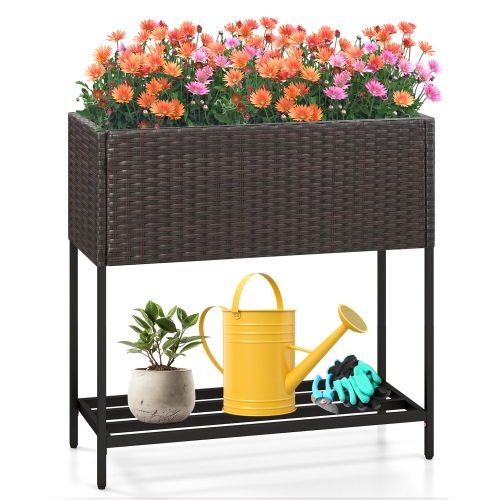
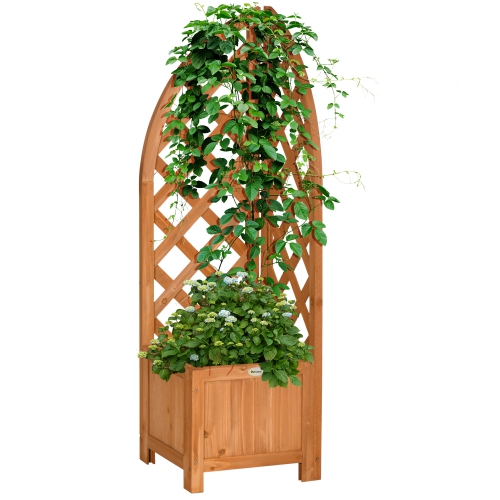
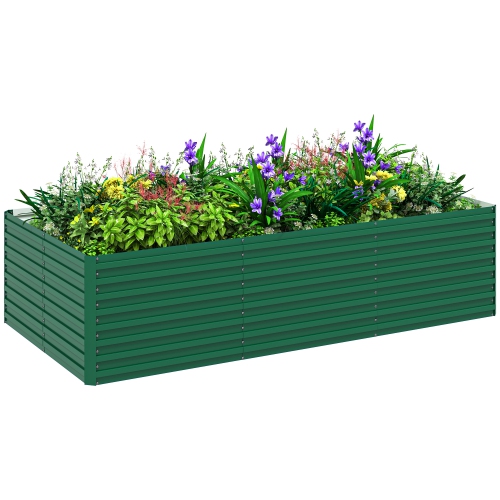
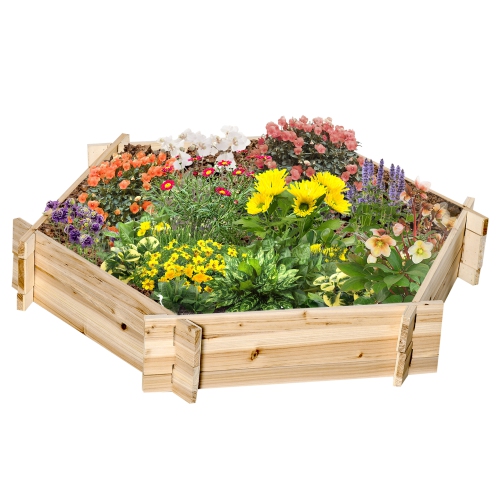
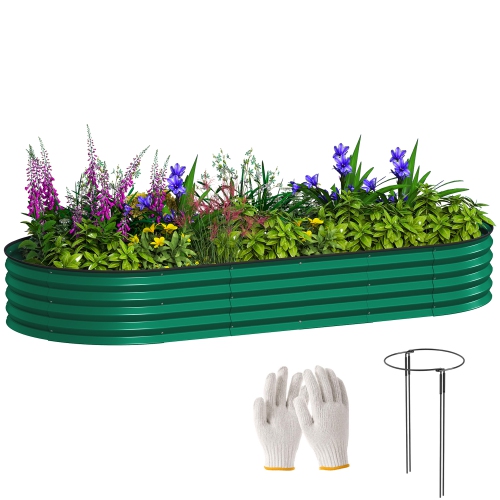
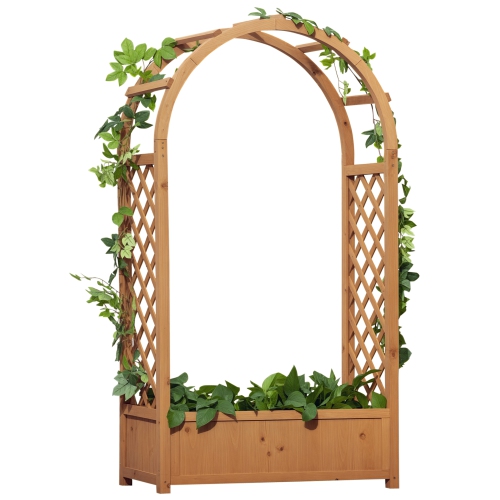
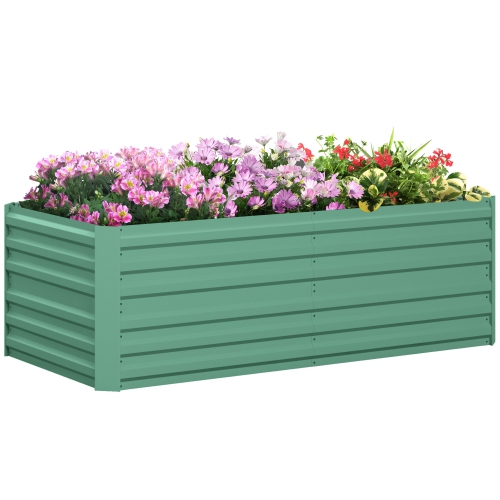
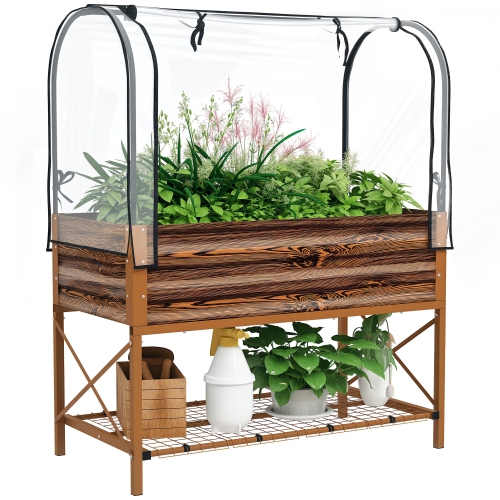
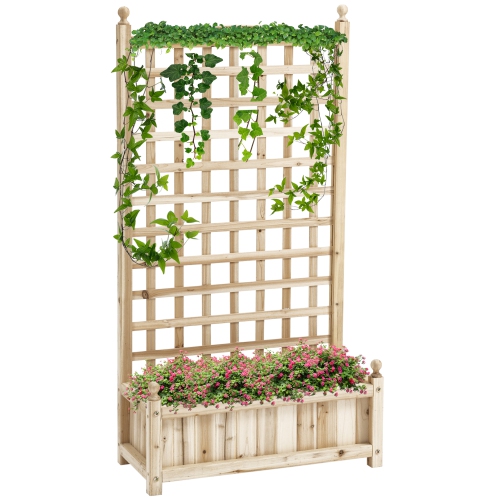
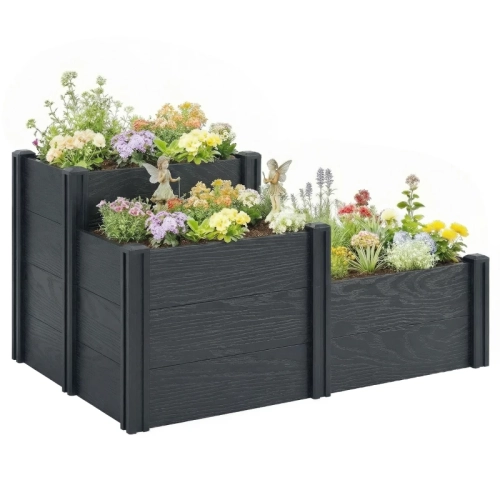
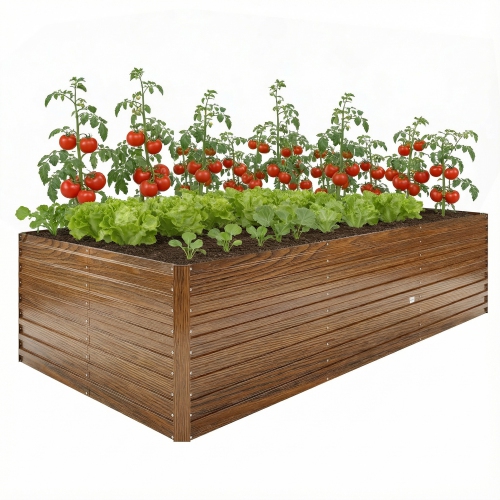
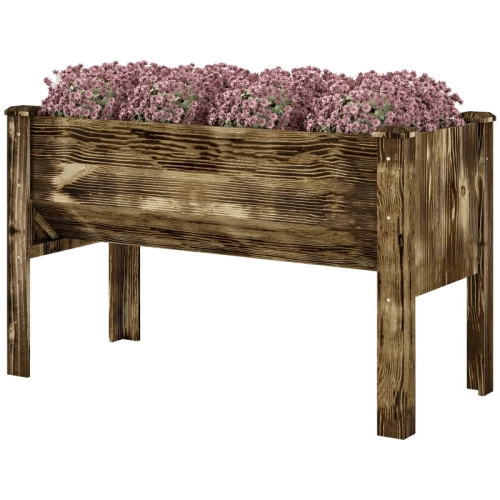
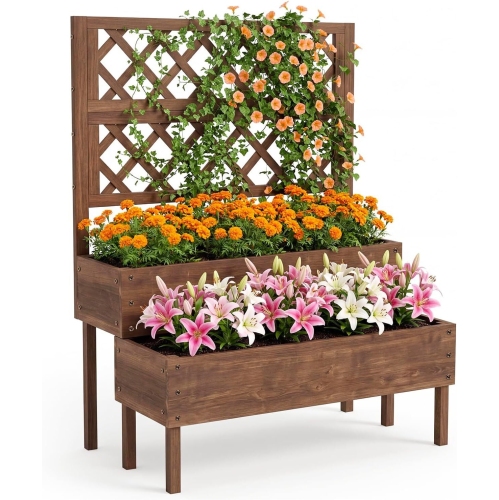
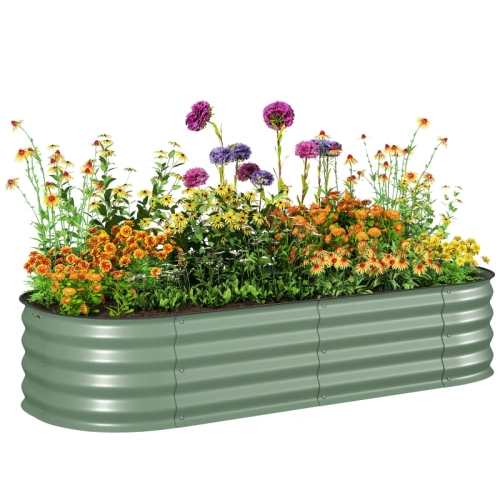
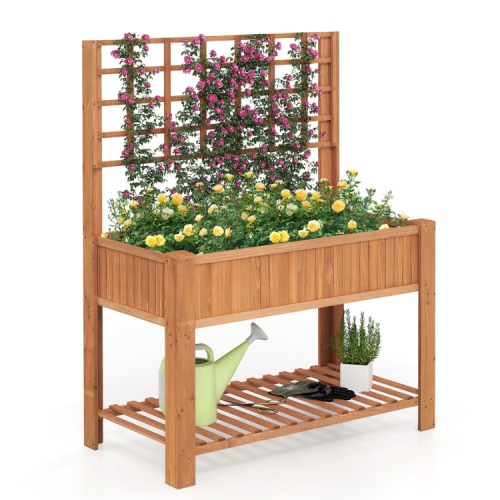
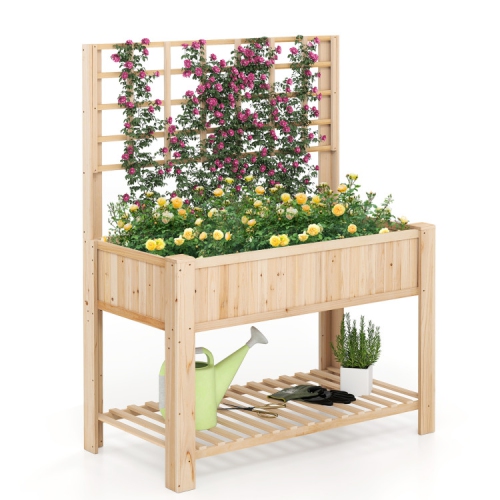
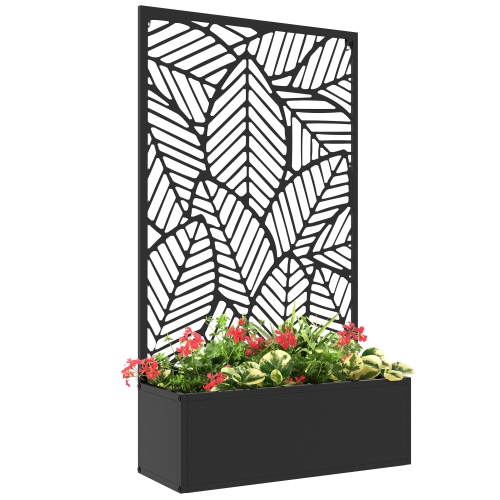
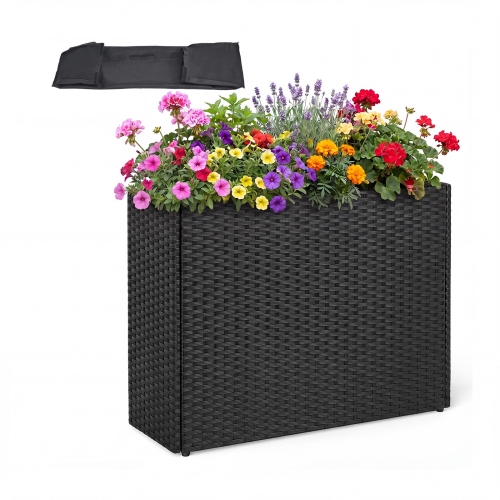
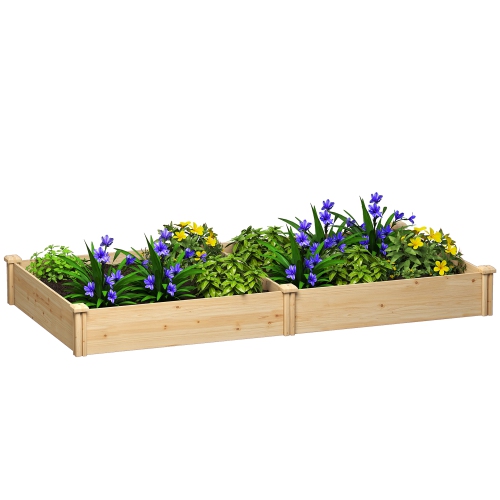
Garden boxes are contained planting spaces for vegetables, herbs, flowers, and other plants, with designs ranging from open-bottom raised garden beds to elevated planter boxes supported by legs. They bring definition to a planting area and make it easier to keep growing soil separate from surrounding paths, paving, or lawn. An open-bottom garden box rests directly on the ground, allowing roots to extend below the frame where the underlying soil permits. This style suits larger backyard planting areas and crops that benefit from generous root space. An elevated garden box holds soil in a contained base above the ground, bringing plants within a more comfortable reach for tending and harvesting. Freestanding planter boxes offer another option for patios, decks, and other hard surfaces, while modular frames can create longer beds or separate planting sections. The distinction matters because a raised frame and an elevated planter may look similar in a photograph but have different requirements for support, drainage, and soil capacity. A compact herb box near a kitchen door serves a different purpose from a broad vegetable bed with room for leafy greens, beans, and root crops. Shallow-rooted herbs and smaller flowers can suit modest containers, while larger plants need enough depth and volume to support their roots as they mature. The usable planting depth is more informative than the overall exterior height, particularly when a design includes legs, shelving, or a false bottom. Width also affects everyday comfort: plants are easier to tend when the centre of the box can be reached without stepping into the soil. For a bed accessible from only one side, a narrower shape can be more practical than a wide square. Garden boxes can help organize planting and reduce accidental foot traffic through growing areas, although they do not eliminate weeds or replace regular care. Their appeal lies in creating a defined, manageable place to grow, whether the setting is a small outdoor sitting area, a shared courtyard, or a spacious backyard.
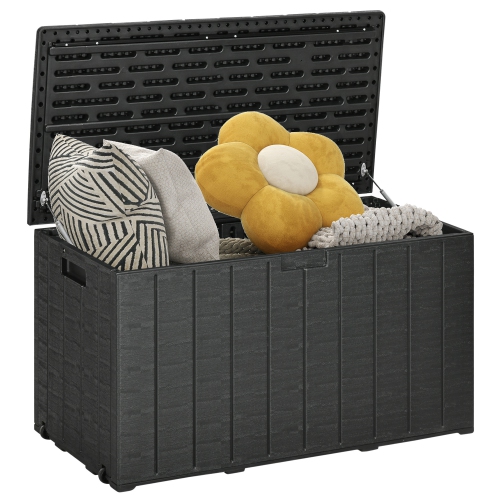
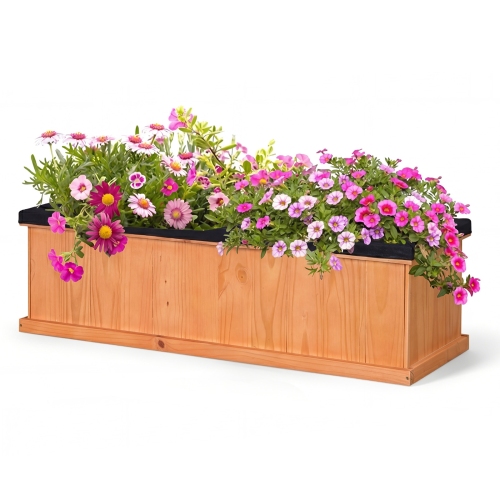
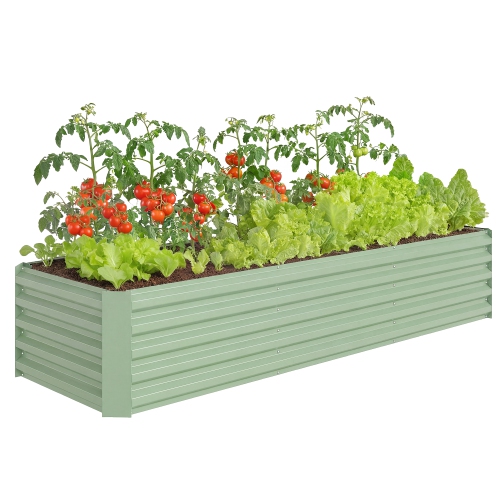
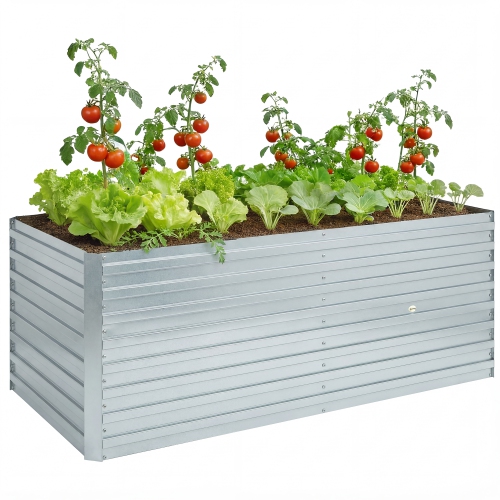
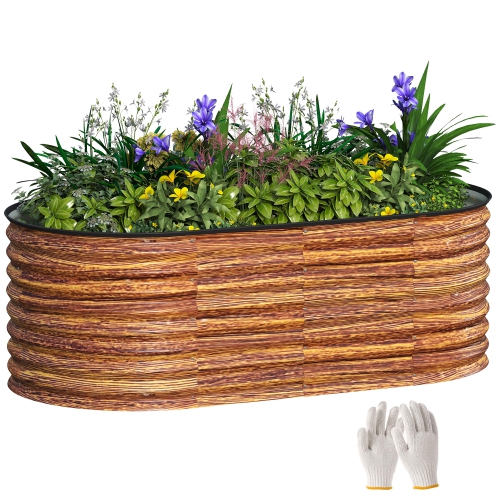
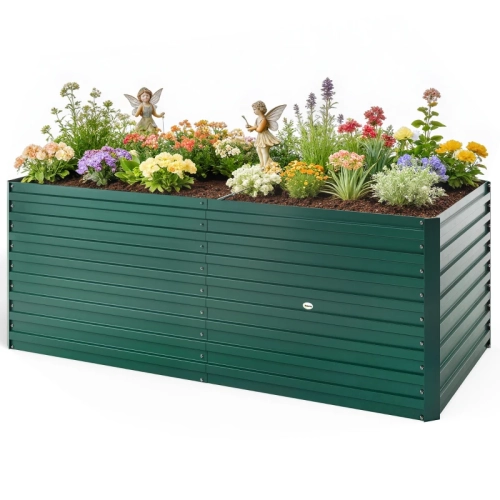
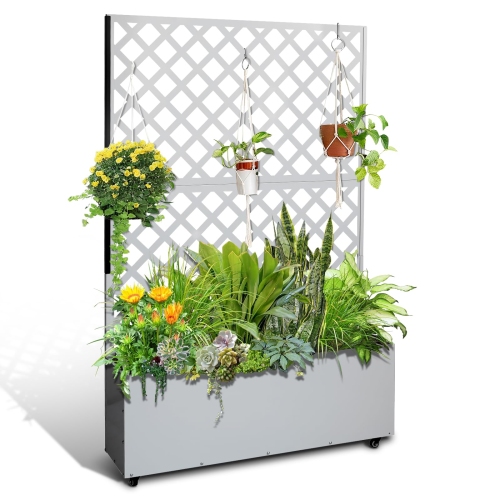
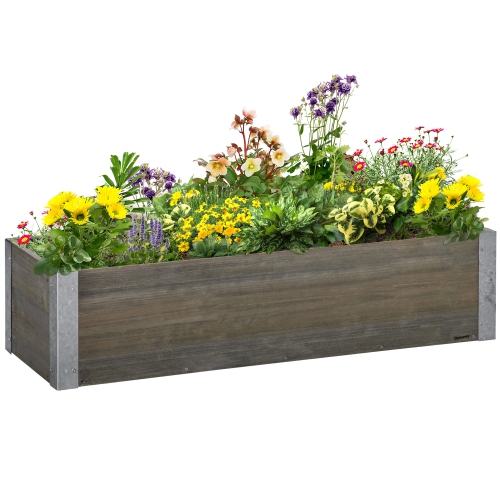
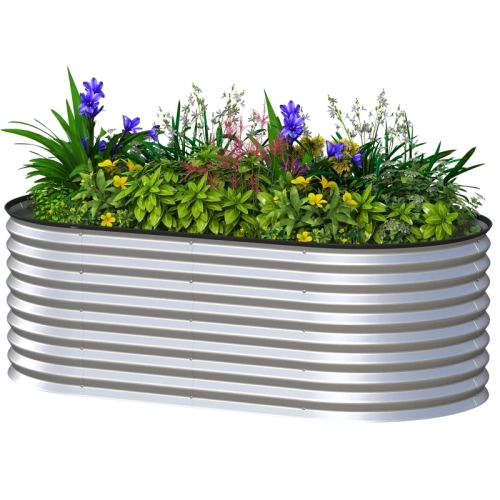
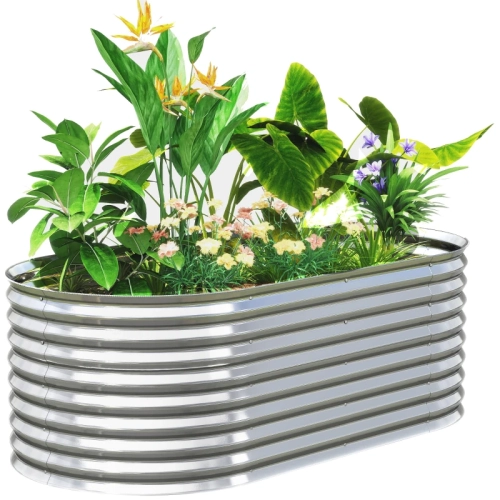
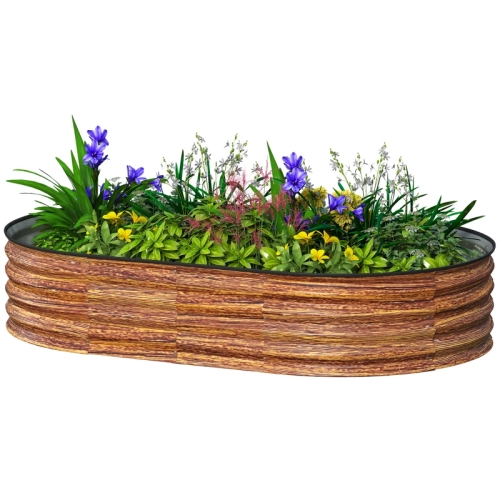
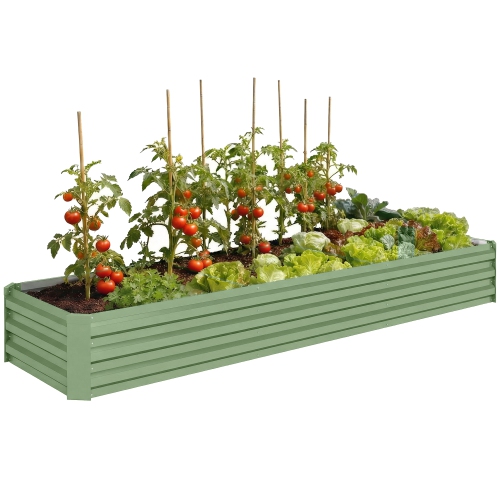
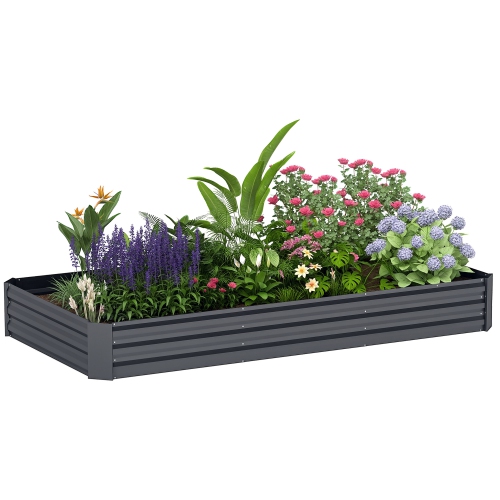
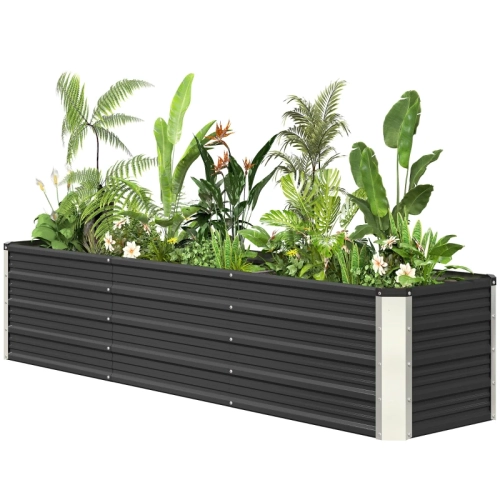
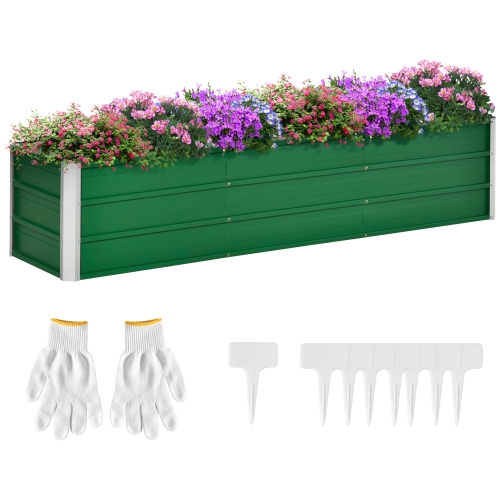
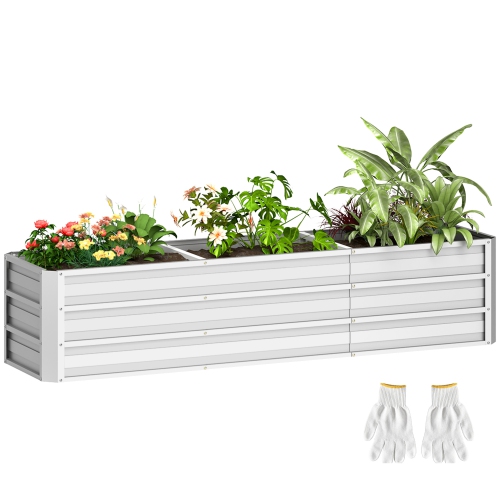
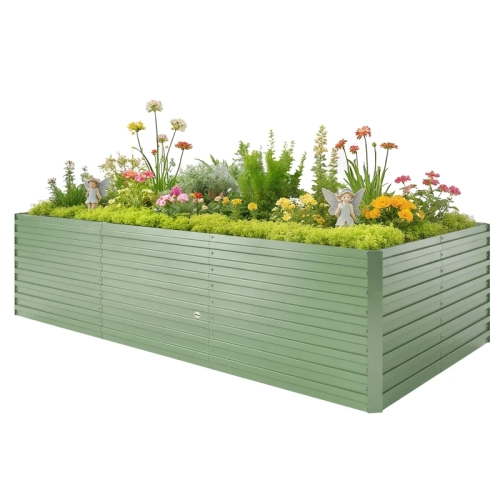
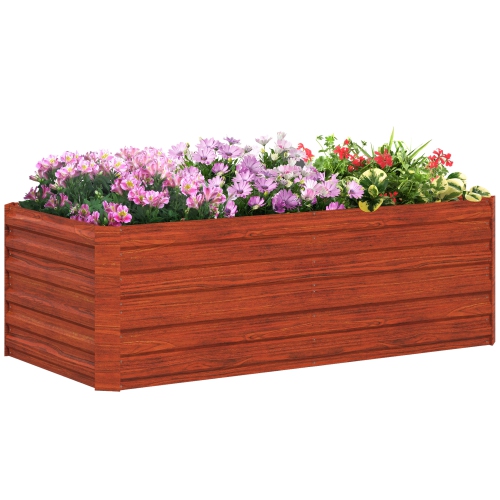
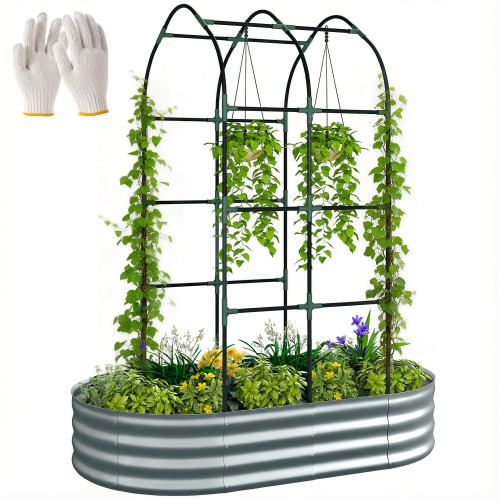
Materials influence a garden box’s appearance, weight, upkeep, and long-term durability. Wooden garden boxes have a familiar, textured look that sits comfortably beside fences, outdoor furniture, and stone paths. Cedar is often chosen for its natural resistance to decay, though no wood is immune to deterioration with prolonged moisture exposure. Fir and other woods may have different care requirements, making the wood species, construction, and finish worth considering together. Boards should feel secure at their joins, and any coating or treatment should be suitable for the intended planting use, especially where herbs or vegetables will be grown. Wood can change colour, develop small surface checks, or become rough over time; sound joints and intact boards matter more to function than a perfectly uniform finish. Metal garden boxes offer a more defined profile, with straight or curved panels that can suit both compact layouts and larger planting areas. Galvanized steel resists corrosion through a protective zinc coating, but scratches, exposed edges, and damaged finishes can affect its longevity. Secure corner connections and safely finished upper edges are particularly useful where people reach across the sides. Plastic garden boxes are often lighter to move when empty and are generally straightforward to wipe clean. Their resistance to fading, cracking, and distortion varies with the material and construction, so suitability for outdoor use matters. Composite garden boxes combine a board-like appearance with care requirements that depend on their particular material blend. Across all materials, a sturdy frame needs to cope with the outward pressure of filled soil, not just stand neatly when empty. Elevated designs also need dependable legs, bracing, and a base rated to support their contents. Drainage openings should remain clear, and any liner should be compatible with the box and allow excess water to escape. Routine care can be as simple as removing soil from joints, checking fasteners, and cleaning surfaces according to the material’s care directions. These details help distinguish a box that merely looks right from one that remains practical through repeated planting and watering.
The best-fitting garden box works with both the planting plan and the space around it. Exterior measurements need to account for projecting corners, handles, legs, and any attached shelf, while nearby doors, gates, and walkways still need room to function. On a balcony or raised deck, the combined weight of the box, wet soil, plants, and stored water can be substantial; the structure’s permitted load and any building rules are important considerations before placement. Drainage also needs a clear destination so runoff does not collect beneath the planter, stain surfaces, or reach neighbouring spaces. A tray may protect a surface in some arrangements, but standing water should not be allowed to keep roots saturated. Self-watering garden boxes use a reservoir to supply moisture between waterings, which can be useful where frequent watering is inconvenient, although plants still need monitoring and the reservoir needs appropriate filling and overflow control. Position influences what will grow well: a sun-loving vegetable and a shade-tolerant flowering plant have different needs, even when their containers are identical. Plant spacing matters just as much as box dimensions, since a small transplant can develop into a plant that crowds neighbouring herbs or trails over an edge. A mix of upright and trailing plants can soften a patio boundary, while separate boxes can keep plants with different watering needs apart. Flower Boxes offer a related option when the emphasis is on floral displays beside seating areas or along an outdoor edge. For people who prefer to tend plants while seated, an elevated design may offer a more comfortable working height, provided its reach, stability, and clearance suit the user. Garden boxes can also make thoughtful gifts for keen cooks who enjoy fresh herbs, people setting up a new outdoor space, or gardeners looking for a smaller planting area to maintain. Matching the size and style to the recipient’s available space is more useful than choosing the largest box, especially when assembly, filling, and access to water will shape how easily it becomes part of daily life.
Top selling and popular products
-
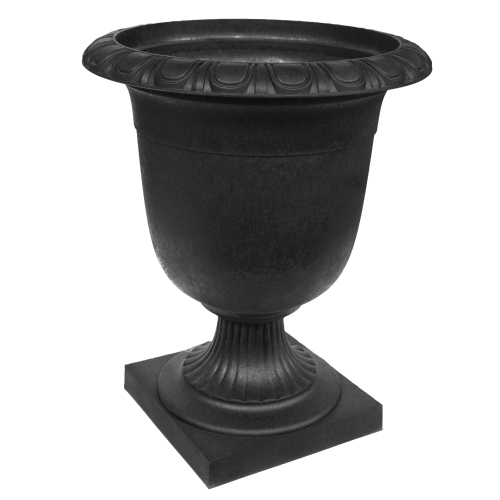 Your price for this item is $204.99
-
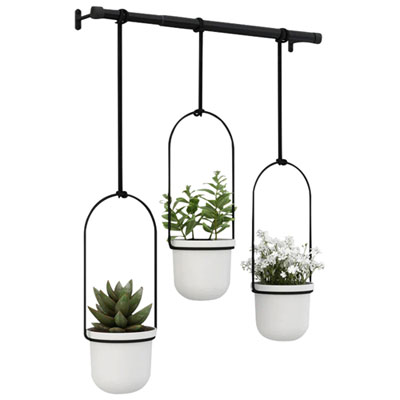 Your price for this item is $65.98
-
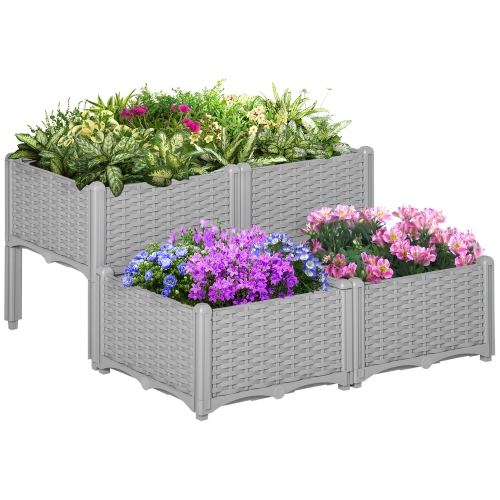 Your price for this item is $94.99
-
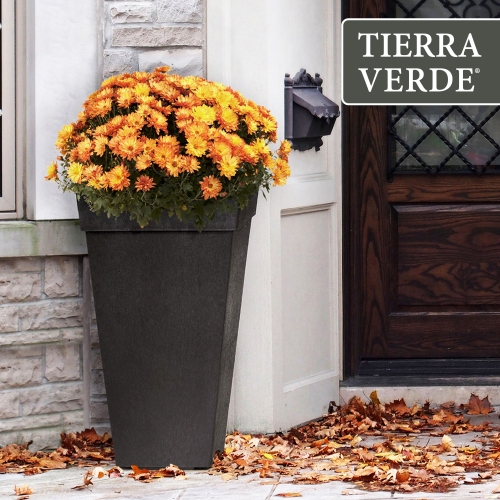 Your price for this item is $187.99
-
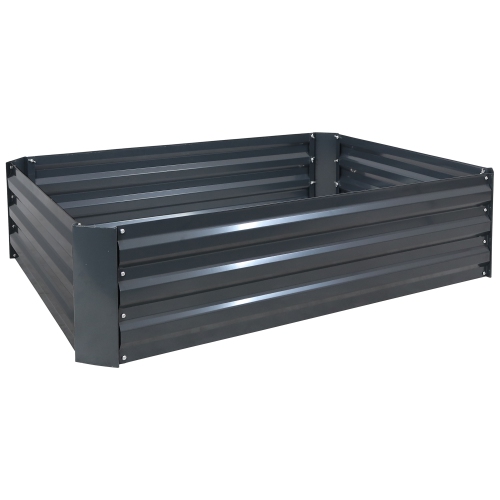 Your price for this item is $117.75
-
 Your price for this item is $117.75
-
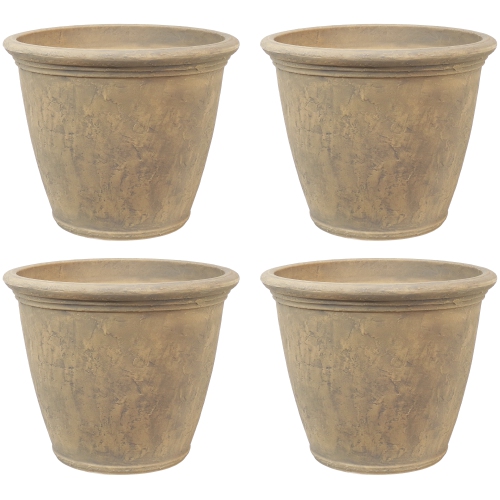 Your price for this item is $415.35
-
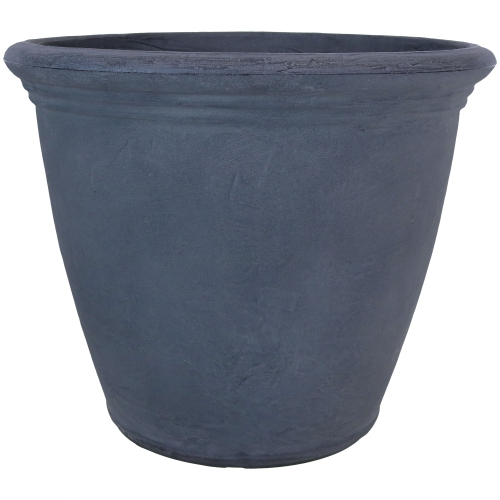 Your price for this item is $134.25
Discover more categories related to Garden Boxes
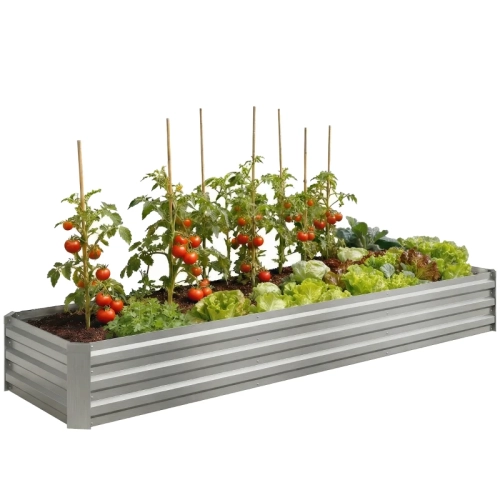
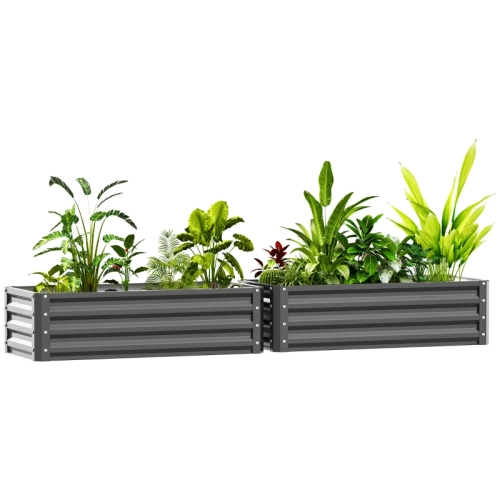
Top Collections:
Best Black Friday Deals This Year, Best Black Friday Deals On Electronics, Kindle Devices, Pokemon Centers, Best Black Friday Deals On Apple Products, Best Cameras for Sports Photography, Dyson Airwrap, Pokémon 30th Celebration Cards, Apple iPhone 17 Pro, Canon G7X Cameras
Some products may be subject to Environmental Handling Fees
(EHF) depending on your province.
Learn more about EHFs.