Foldable Boxes
Foldable boxes offer a versatile and space-saving solution for organizing your home, office, or travel essentials. Whether you're looking to declutter your living space, streamline your storage options, or pack efficiently for a trip, these boxes provide the flexibility you need. Designed to be easily collapsible when not in use, foldable boxes are perfect for maximizing storage efficiency without compromising on style or convenience. Explore a variety of sizes and designs to find the ideal foldable boxes that cater to your organizational needs while seamlessly fitting into any environment.
Sort
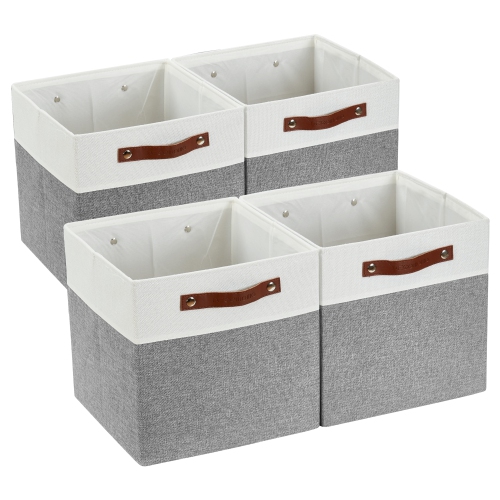


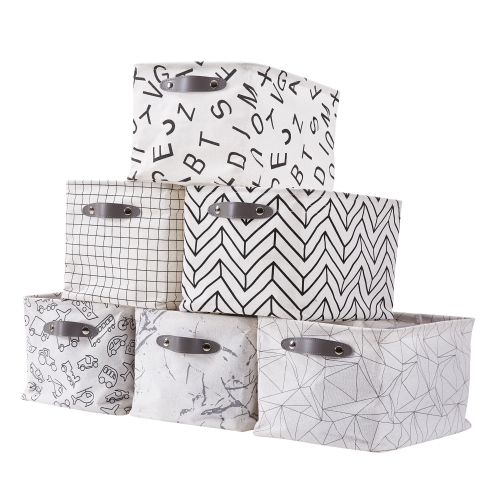


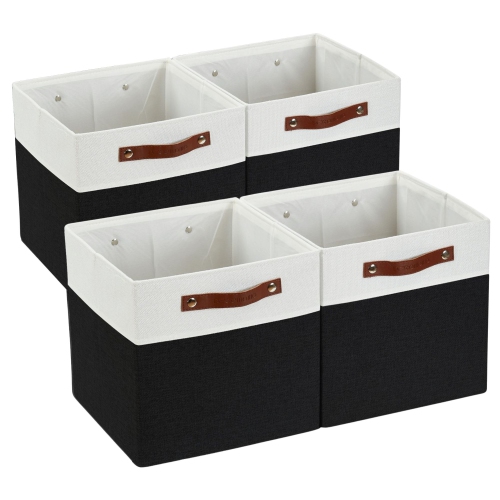


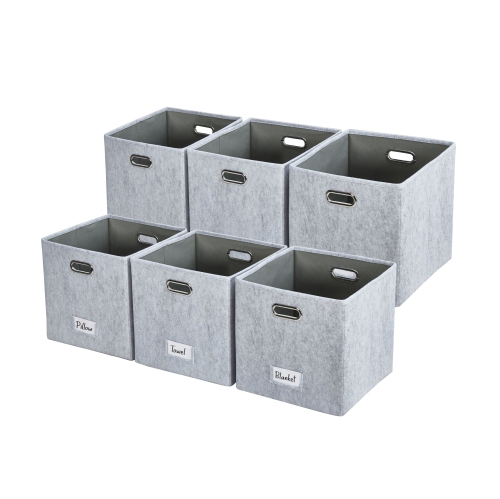




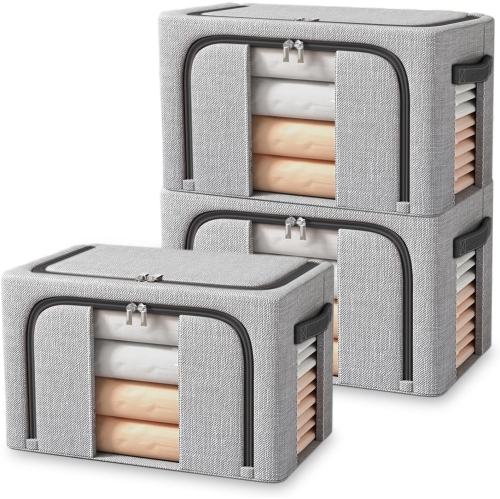


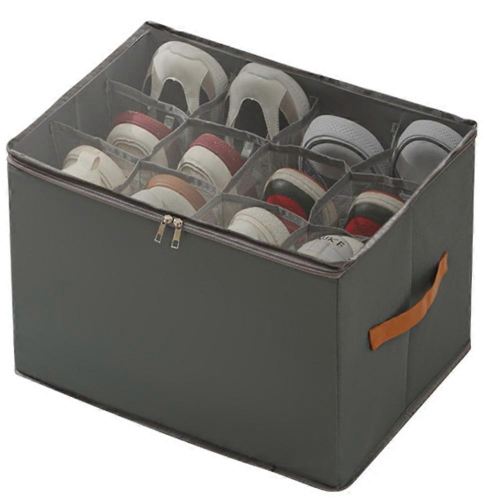


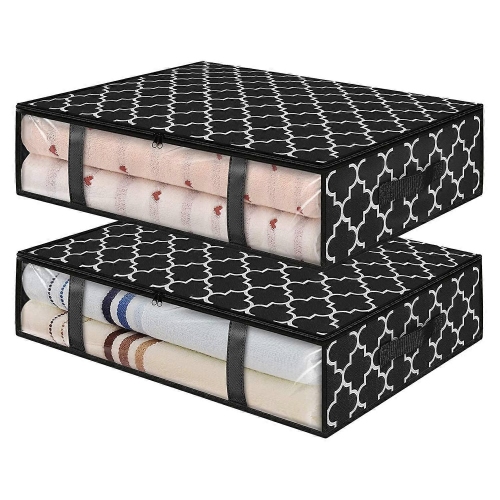
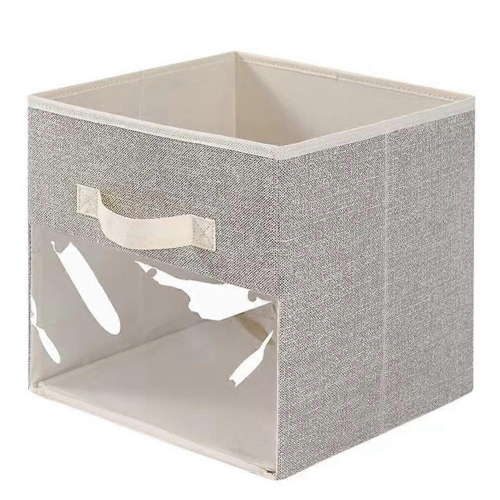
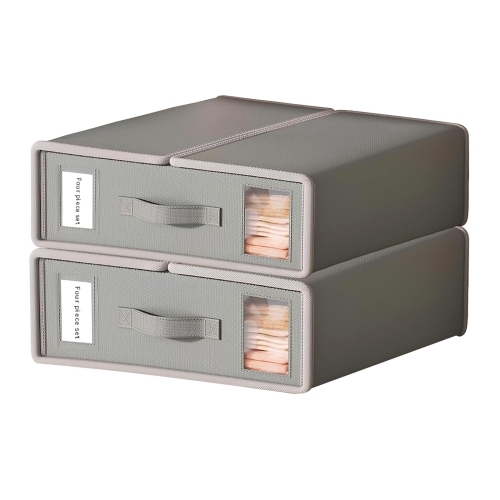
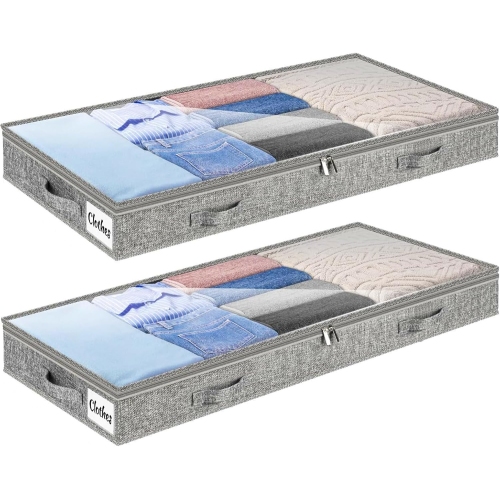


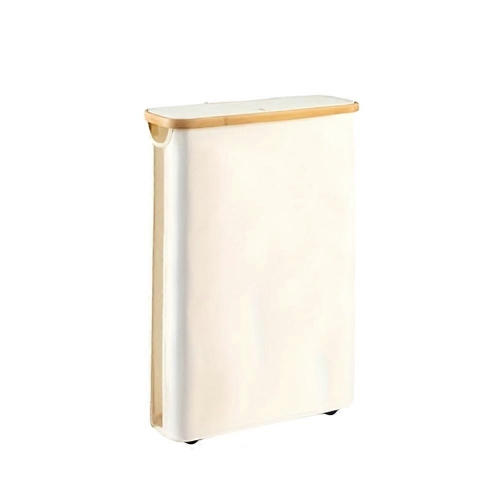
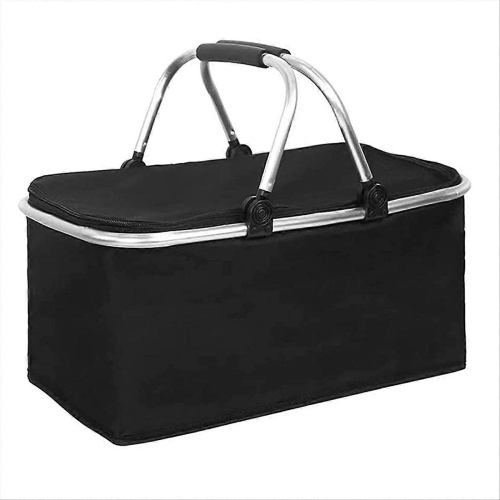
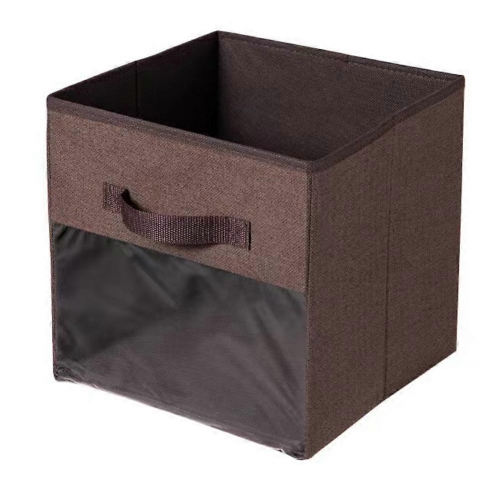
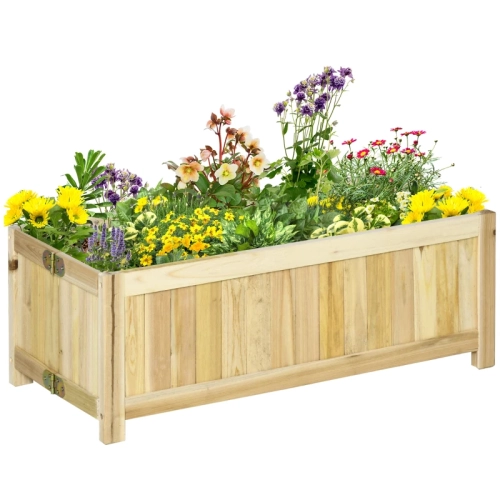
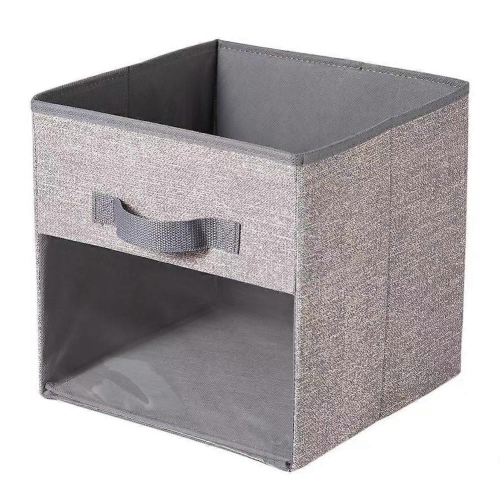

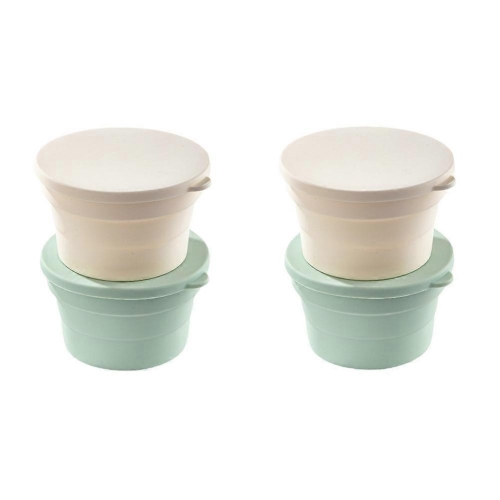
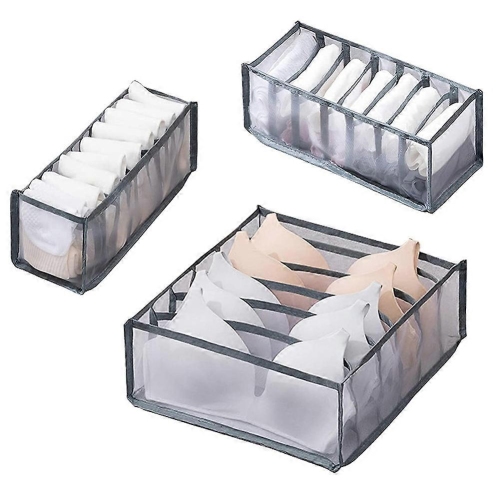
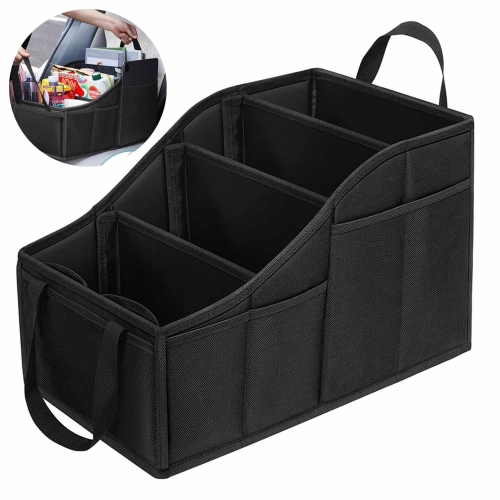

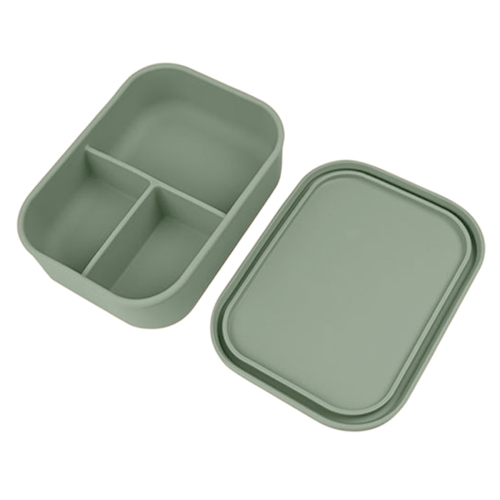


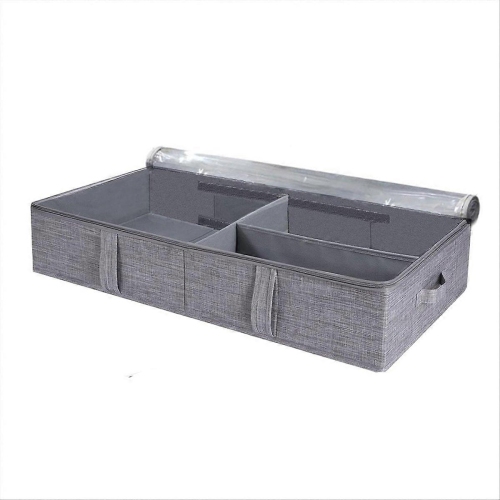






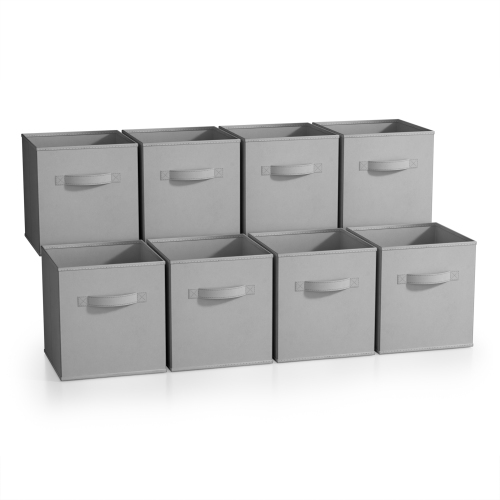


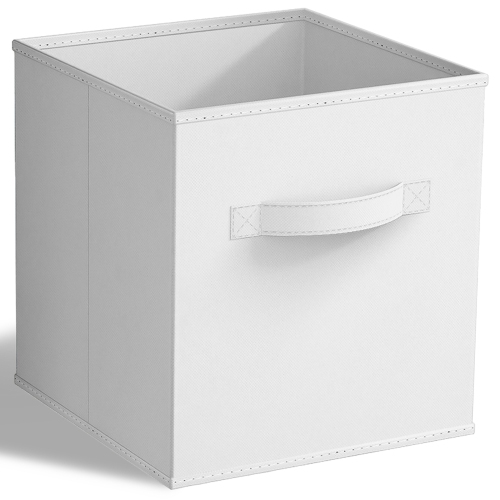

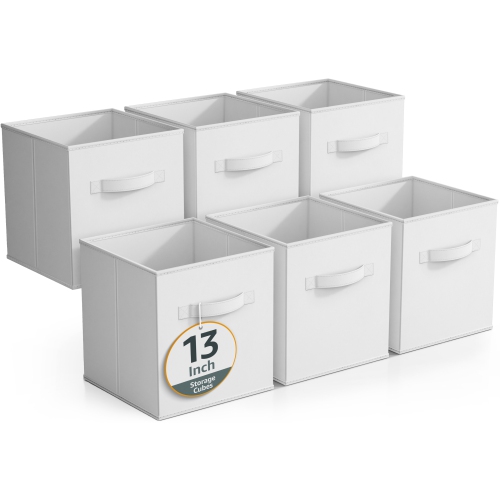


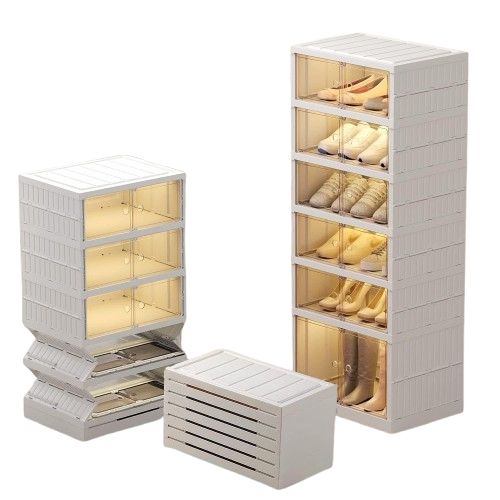
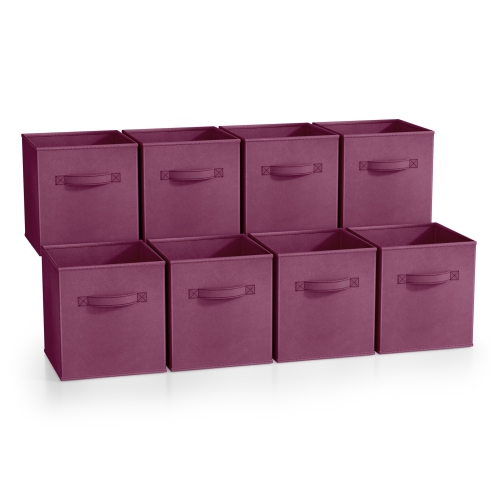


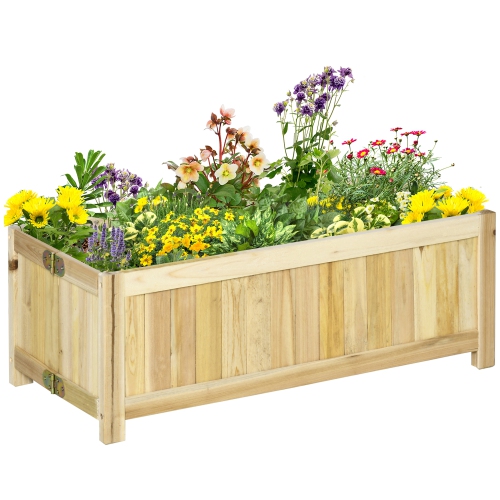


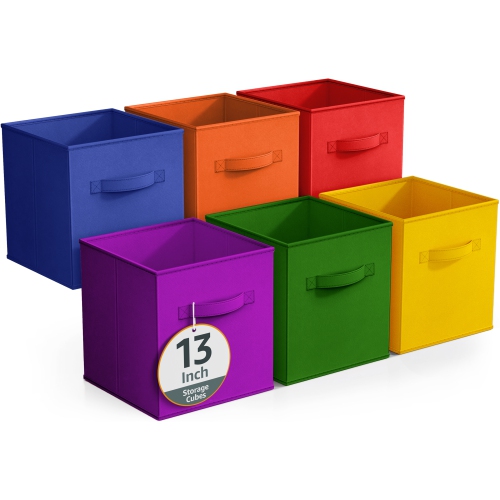


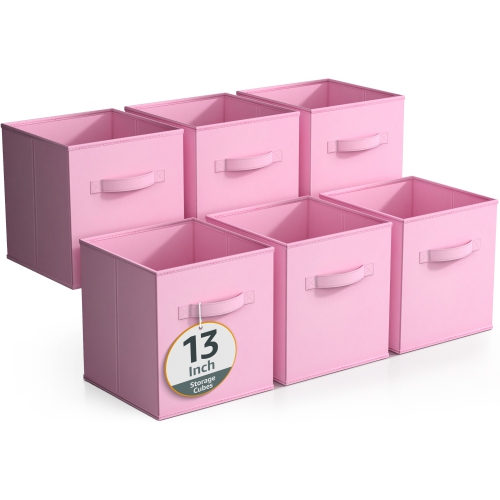

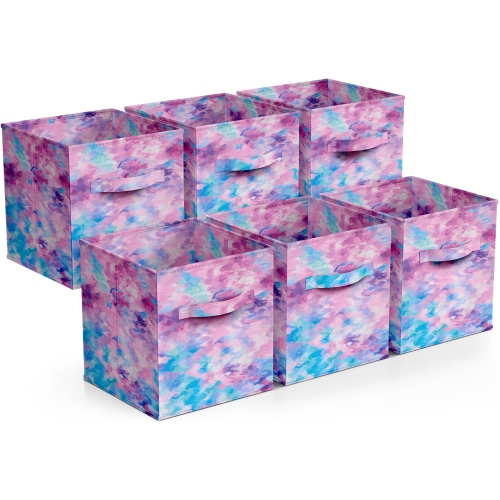


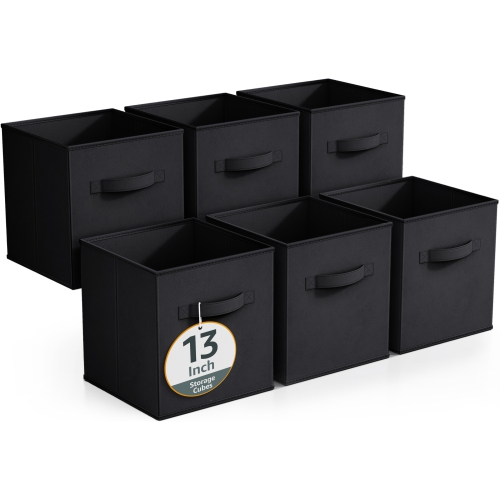


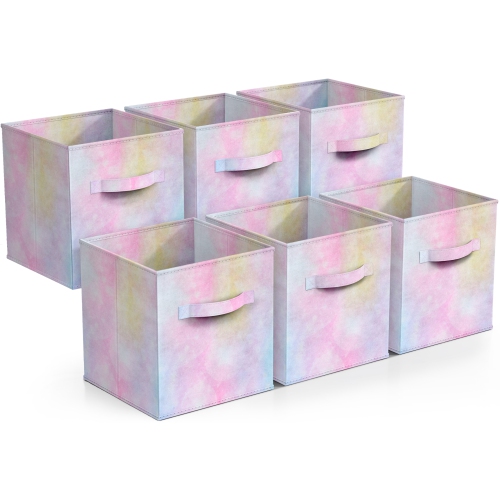
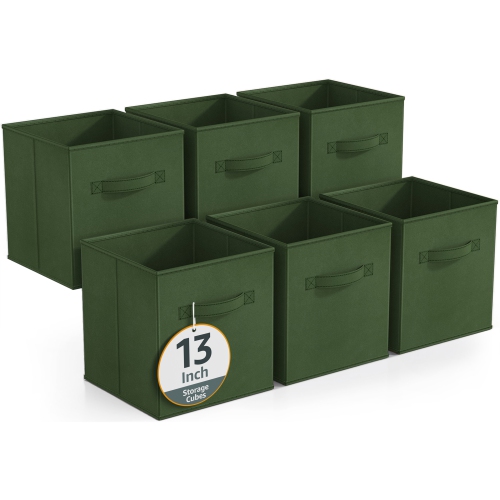

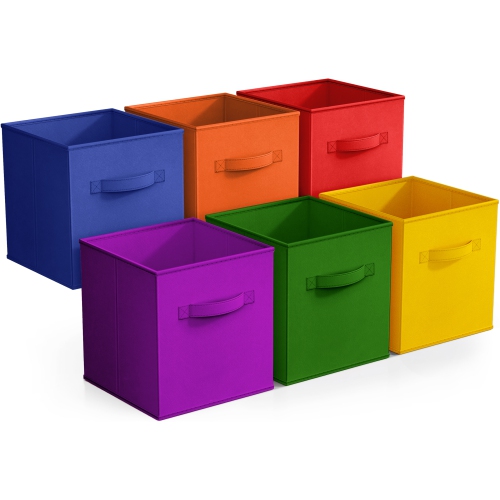

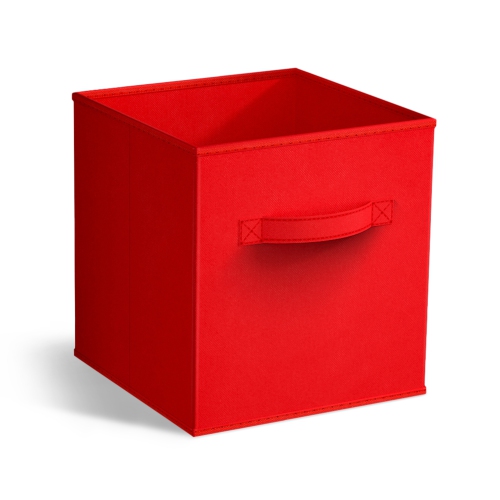


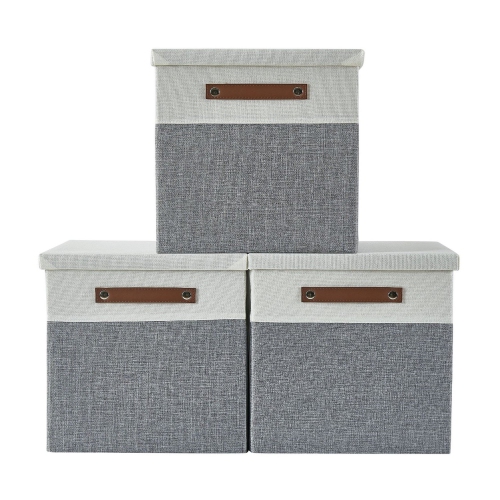







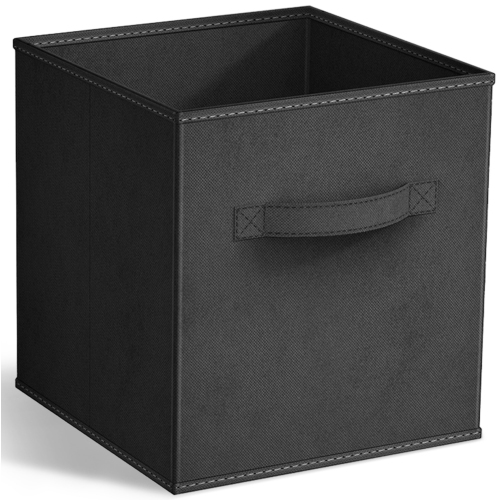

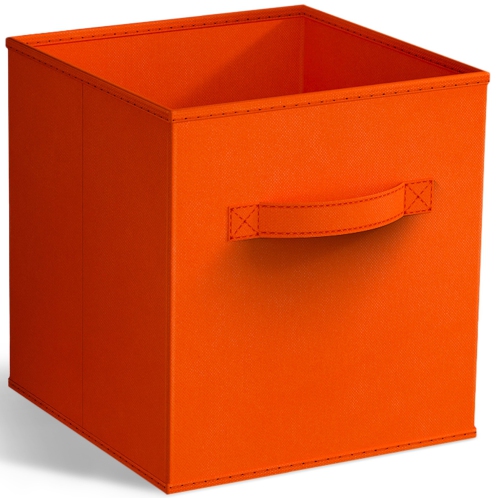


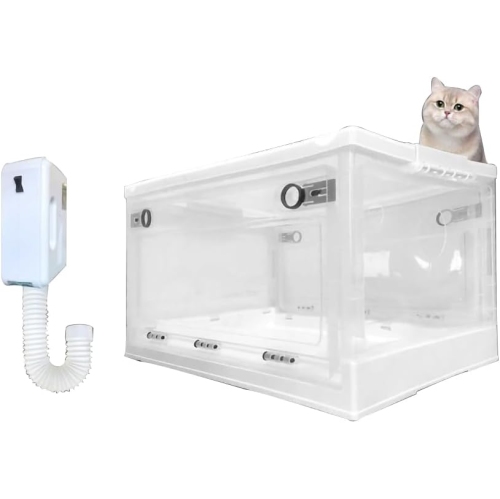


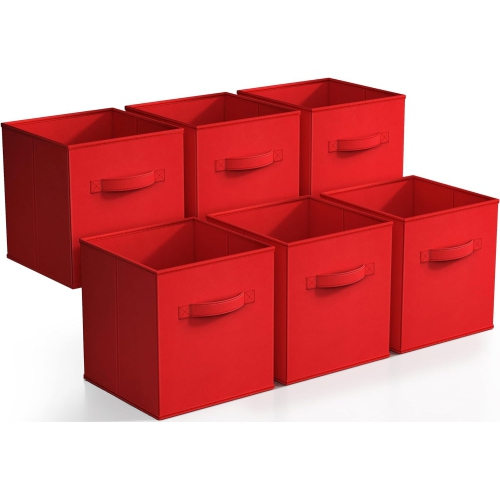


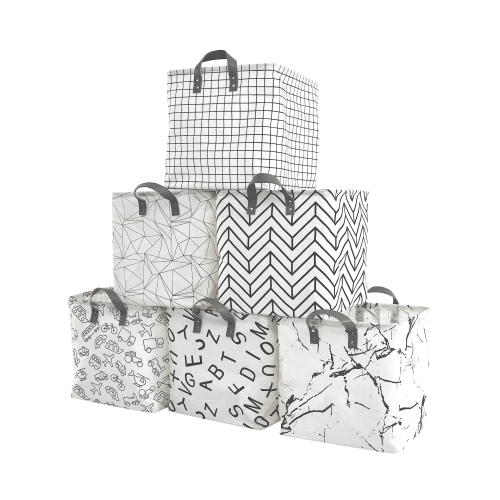


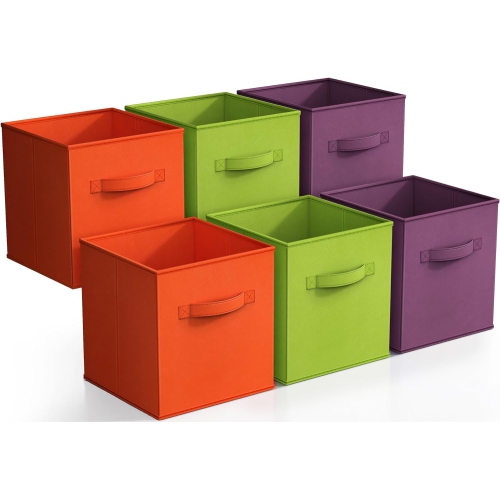


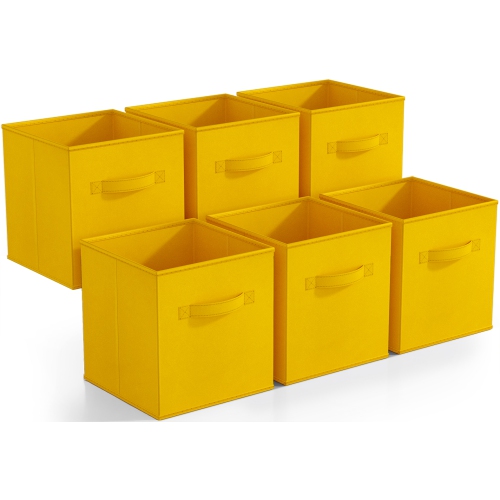
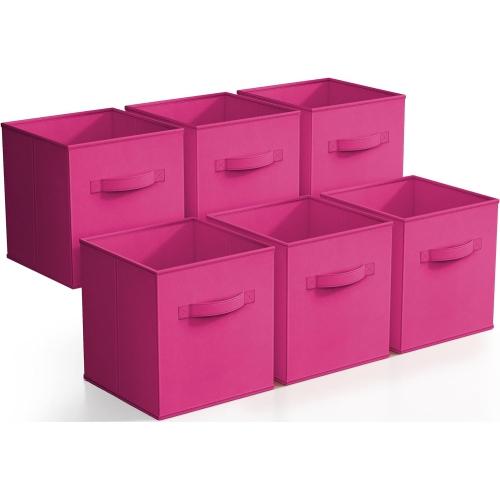
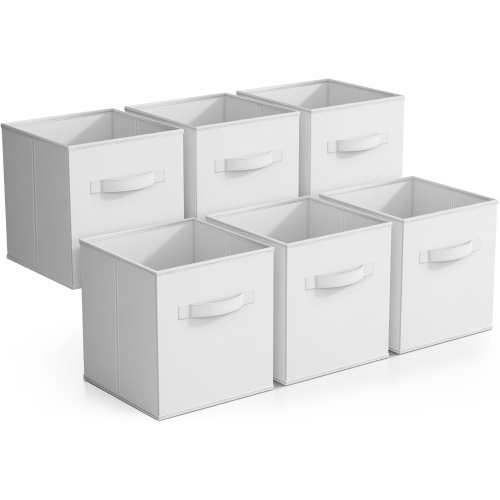
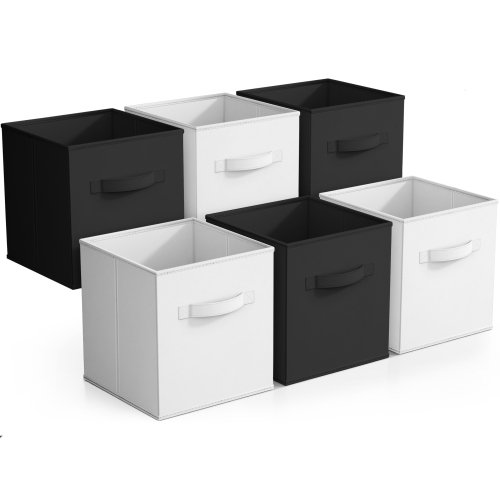


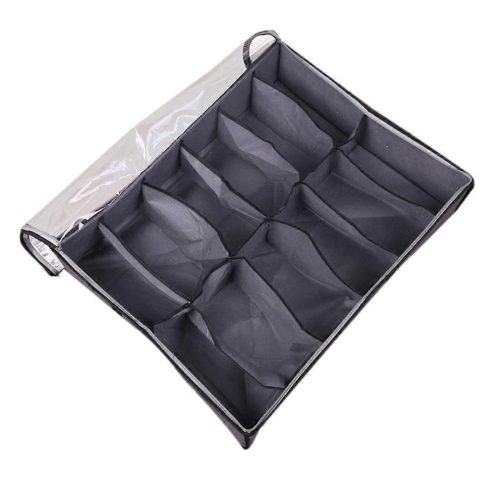

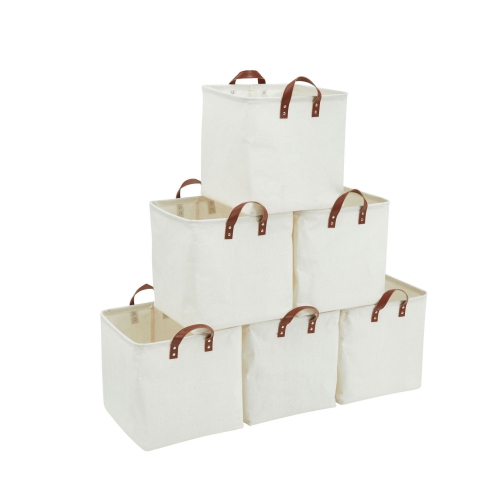


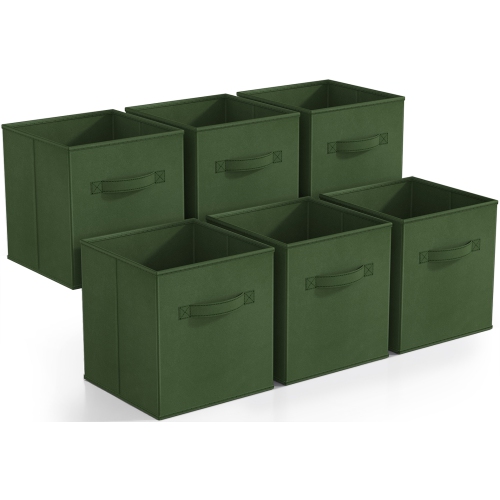

Storage that folds flat when you need the space
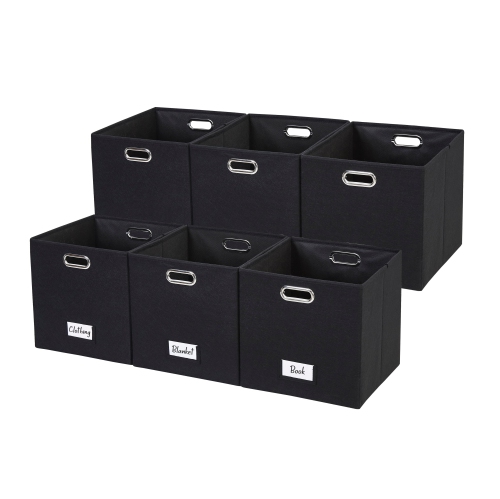
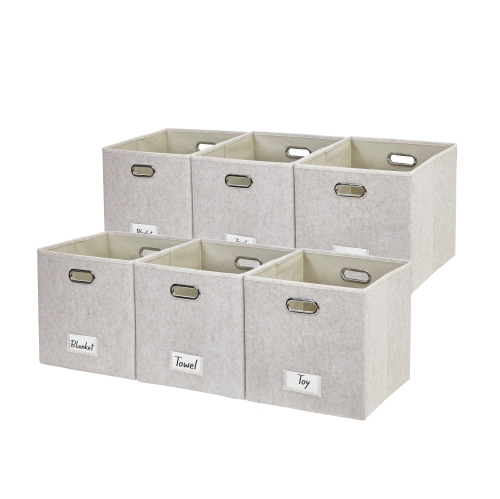
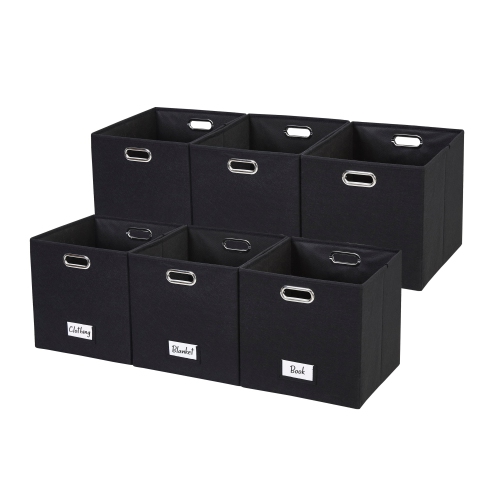
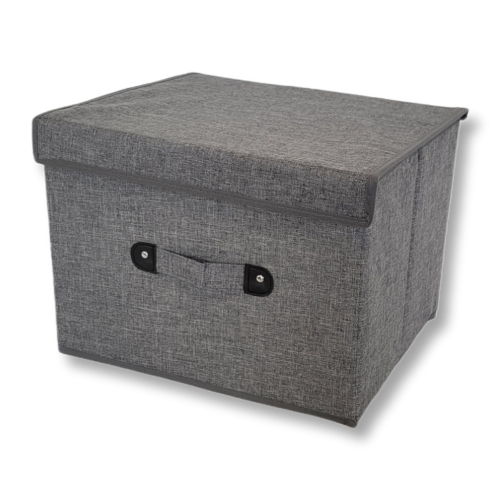
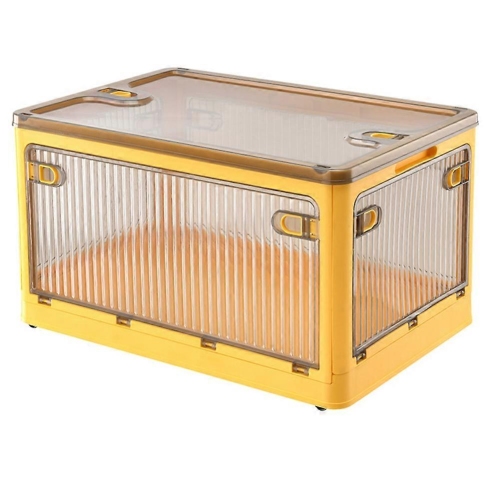
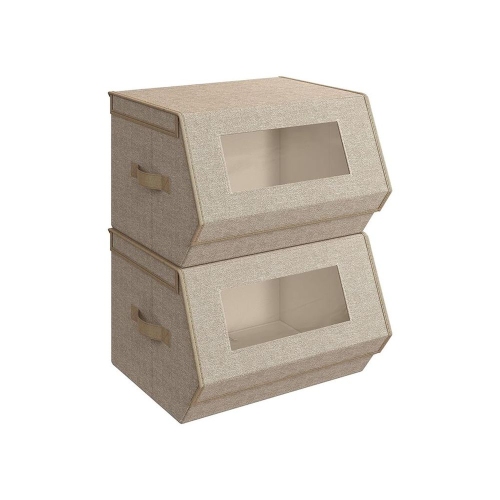
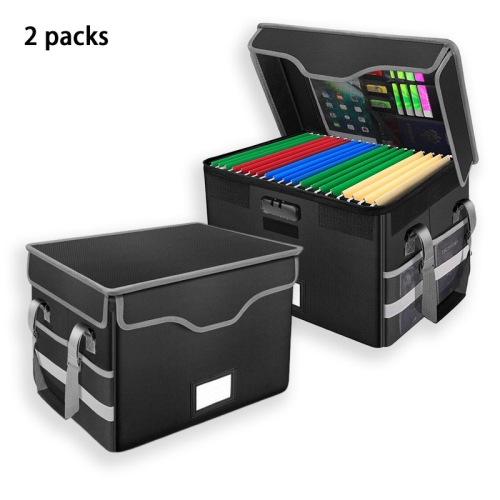
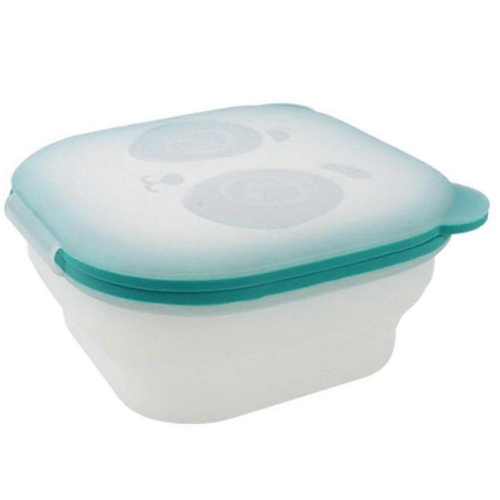
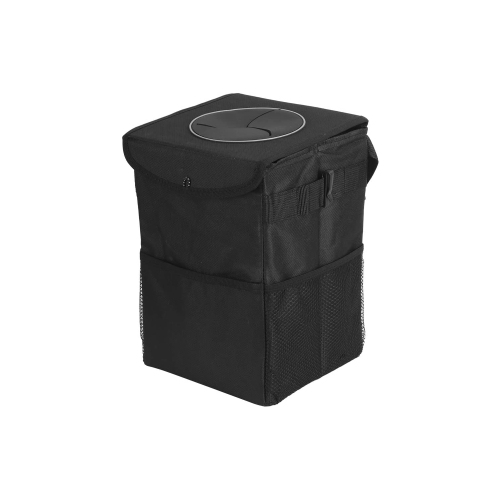
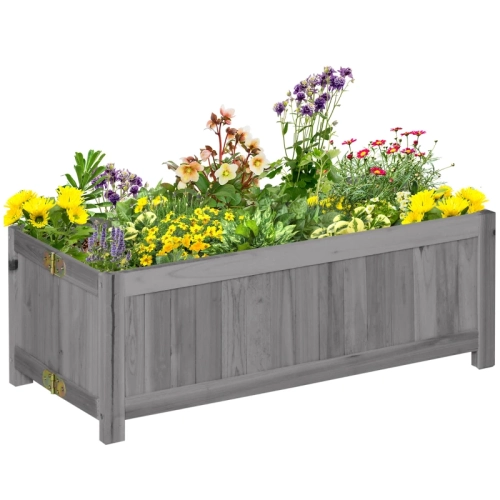
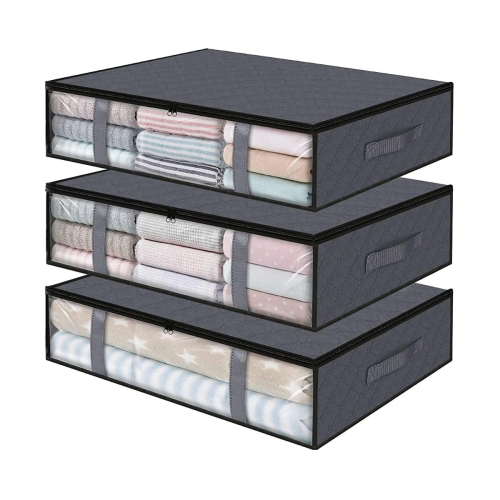
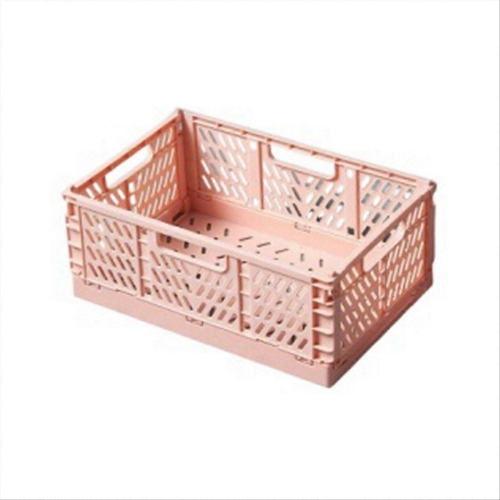
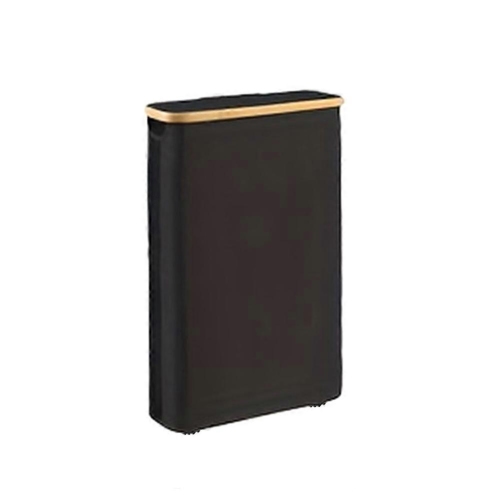
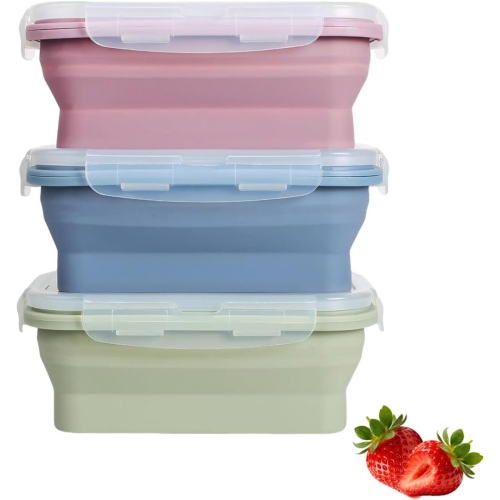
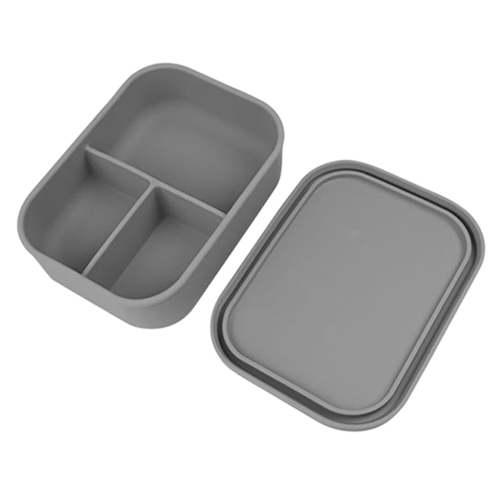
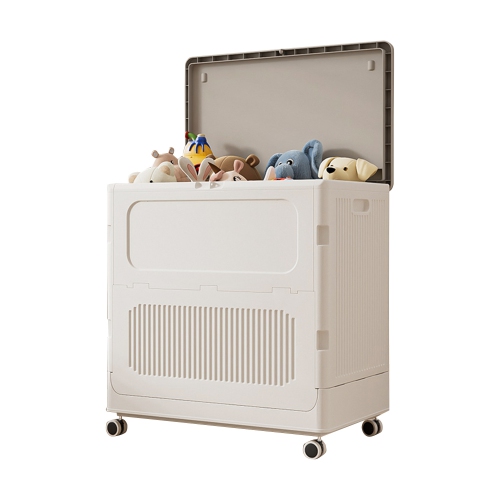
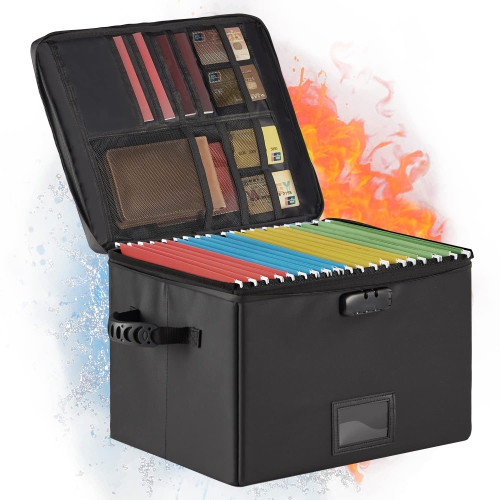
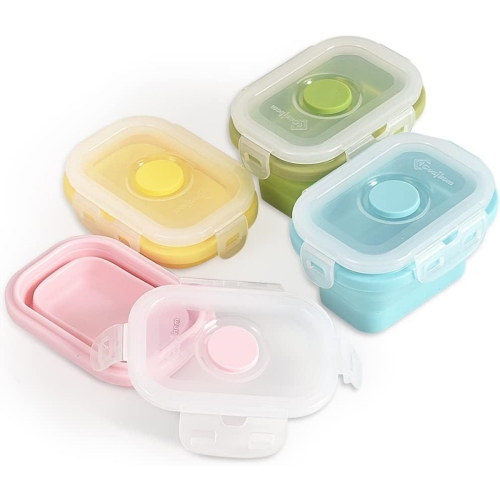
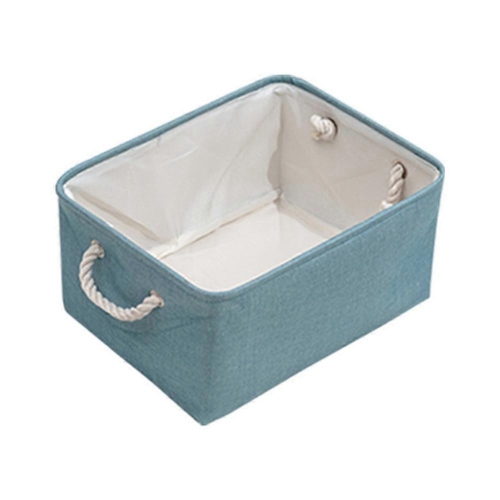
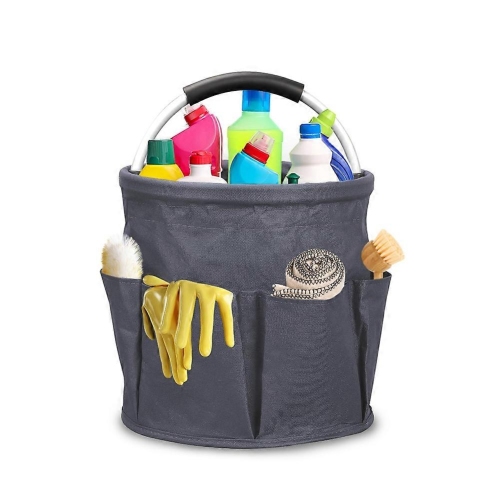
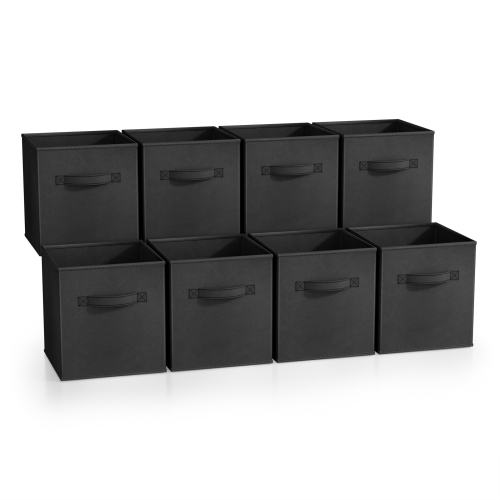
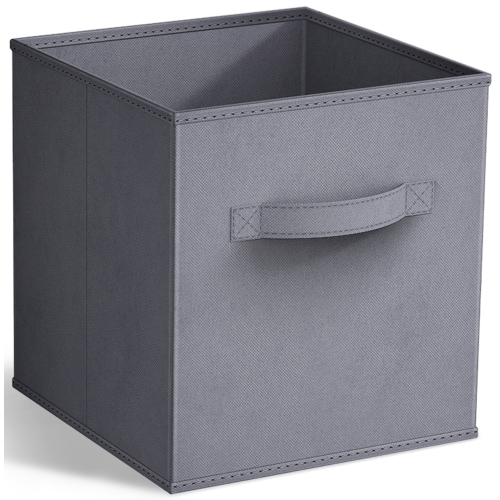
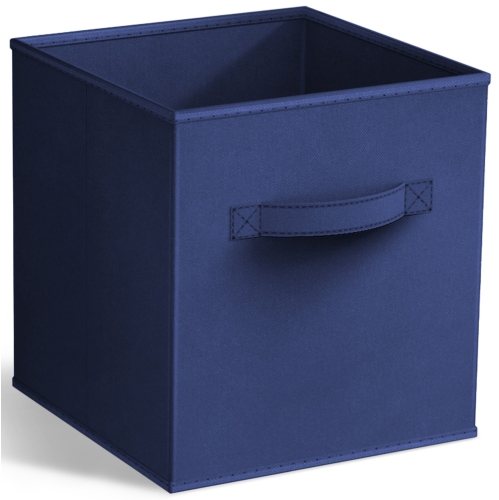
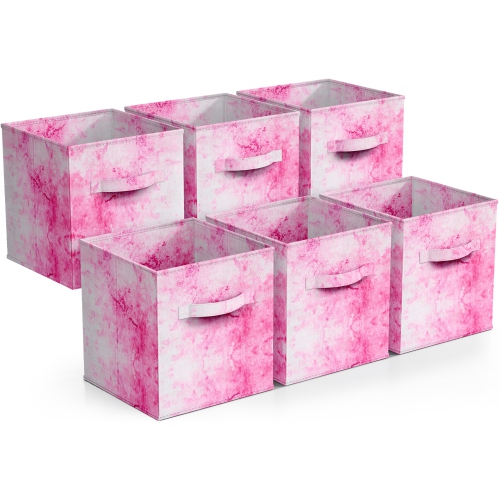
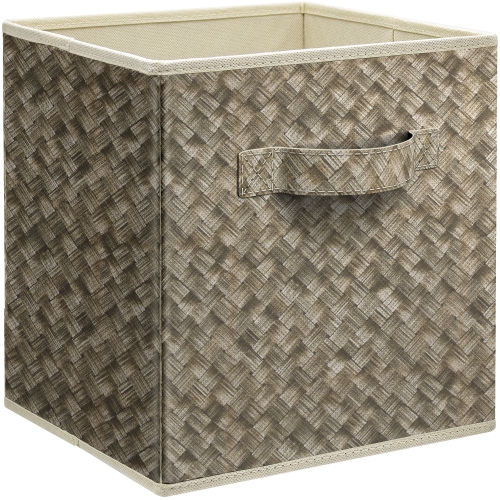
Foldable boxes are collapsible storage containers with sides or panels that fold inward or flatten when the box is empty. They provide space for everyday belongings without taking up the same amount of room between uses as a fixed storage bin. Common styles include fabric storage cubes for shelves and closets, folding plastic crates for carrying and sorting, and low-profile fabric boxes that slide beneath a bed. Each serves a slightly different purpose: a soft-sided cube keeps scarves together on a closet shelf, while a rigid folding crate can hold household supplies that need to move from one room to another. For apartments, shared homes, and rooms that serve more than one purpose, the ability to tuck unused boxes beside a wardrobe or onto a narrow shelf is especially useful. Fabric designs often use polyester, non-woven fabric, or linen-blend covers over reinforcing panels, with a removable base that helps the box hold its shape. Plastic versions commonly use polypropylene or another rigid plastic, with hinged walls that lock into position. Some foldable boxes have open tops for quick access; others include lids, zippers, or front openings to keep contents covered. Open cubes suit belongings reached for several times a day, such as craft supplies or rolled hand towels, while covered designs are better suited to spare linens and less frequently used accessories. Foldable storage boxes also sit within the broader range of Storage Boxes, with their main distinction being the ability to collapse between uses. That feature matters most when storage needs vary, such as when a student packs up a room or a home office shares space with a guest bed. A box that folds flat offers flexibility, but its usefulness still depends on how well its shape, construction, and opening match the belongings it will hold and the place it will sit.
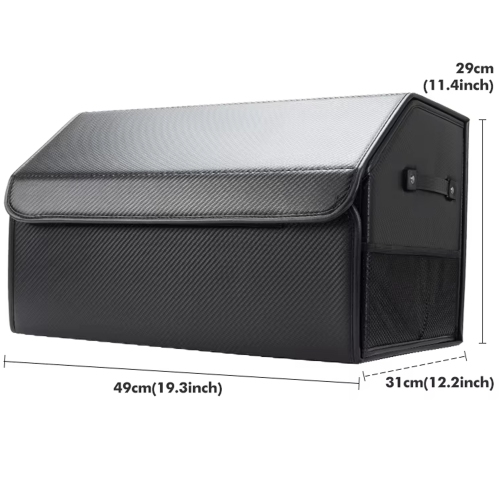
Fit involves more than checking whether a box looks small enough for a shelf. External dimensions determine whether it fits inside a cube organizer, beneath a bed frame, or beside other containers, while internal dimensions determine what can actually go inside. Reinforced walls, thick rims, and lids can reduce usable space, so a box that fits a shelf neatly may still be too narrow for a document folder or a folded blanket. For shelf storage, a little clearance above and beside the box makes it easier to grasp the handle and pull it out without scraping neighbouring surfaces. Under-bed storage needs enough room to slide past the frame, centre supports, and any flooring transitions; the height of a filled fabric box may be greater than its empty height if it is overpacked. Lid access also deserves attention. A lift-off lid needs space above it, whereas a zippered top may need the whole box pulled out before its contents are reachable. Front-opening designs can make access easier in a stack, provided the construction is intended for stacking and the opening remains unobstructed. Shape influences how naturally a box works in daily routines. Square fabric cubes pair well with compartment shelving, rectangular boxes make use of deeper closet shelves, and shallow cases keep small accessories from disappearing beneath larger belongings. Handles should suit the way the box will be moved: a front pull tab helps with sliding a lightweight cube, while reinforced side handles are more useful for carrying a loaded container with both hands. For someone sorting sewing materials at a dining table, a portable box can keep supplies together between projects. In a child's room, lightweight open bins can make tidying easier when placed within reach, with small parts kept away from younger children. Students, renters, and anyone sharing limited cupboard space may appreciate matching footprints that sit neatly together, although consistent dimensions are generally more important than matching colours when the goal is efficient storage.
Materials and construction affect how foldable boxes feel, what they can carry, and how they should be cleaned. Fabric boxes are typically lightweight and can be gentle against shelf finishes, but their strength depends heavily on the base, seams, handles, and reinforcing panels. A removable bottom insert should sit flat and reach the corners without buckling. Cardboard-reinforced designs are best kept dry, since moisture can soften the panels even when the outer fabric appears sturdy. Care instructions vary, but many fabric boxes need spot cleaning rather than soaking or machine washing; a soft brush or vacuum upholstery attachment can help lift loose dust when permitted by the manufacturer. Rigid plastic folding crates generally offer a wipe-clean surface, although hinges, catches, and recessed handles may need extra attention to remove trapped debris. Allow cleaned boxes to dry fully before filling or folding them away. Durability is not simply a matter of choosing fabric or plastic: secure stitching, sound hinges, firmly seated bases, and reliable locking tabs all contribute to how well a box handles repeated use. Weight limits should govern what goes inside, especially with books, tools, or other dense belongings. A large capacity does not automatically mean a box is suitable for a heavy load, and a handle is only as strong as its attachment to the wall. Stack boxes only when their design allows it, follow any stated stacking limits, and keep heavier contents low. Lids may help limit dust exposure, but they do not necessarily make a container airtight or waterproof. For clothing and linens, clean, thoroughly dry contents help keep enclosed storage fresh. For cables and small office accessories, internal pouches or dividers can prevent tangles and make individual pieces easier to find. Emptying a box before collapsing it protects its fold lines and prevents objects from pressing against the panels. With a suitable size and load, foldable boxes can keep everyday belongings close at hand while leaving the option to clear the space when it is needed for something else.
Top selling and popular products
-
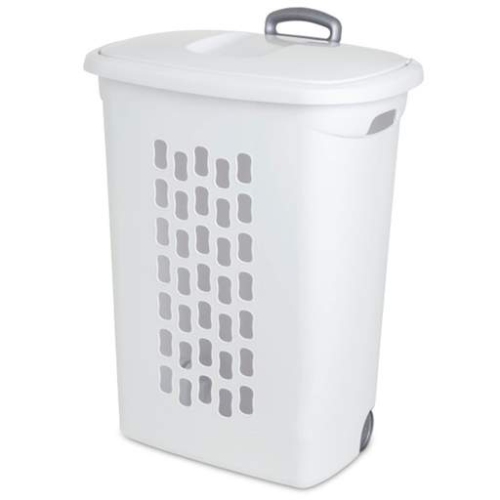 Your price for this item is $517.99
-
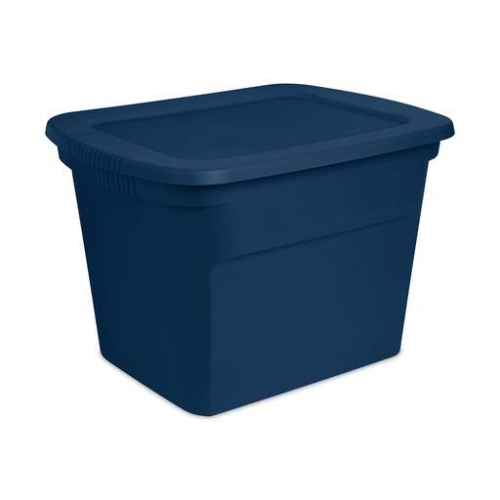 Your price for this item is $881.99
-
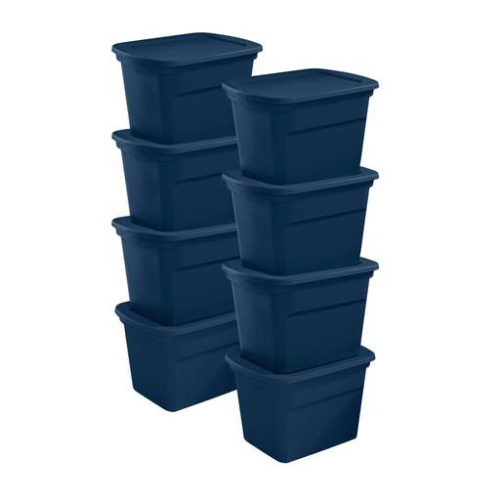 Your price for this item is $227.99
-
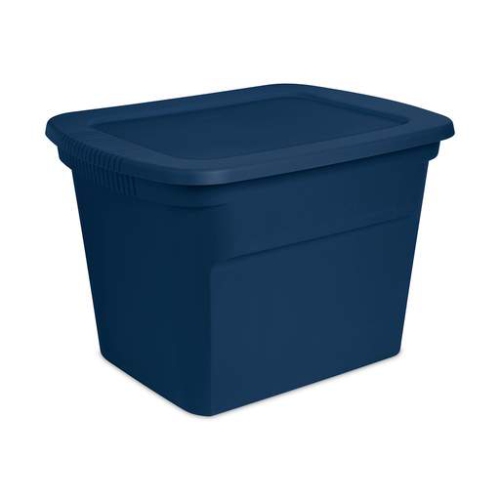 Your price for this item is $661.99
-
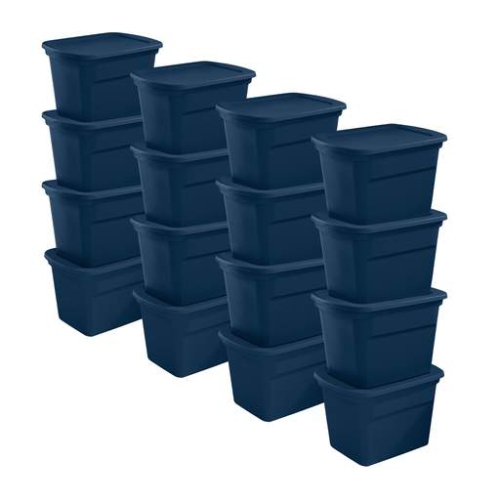 Your price for this item is $440.99
-
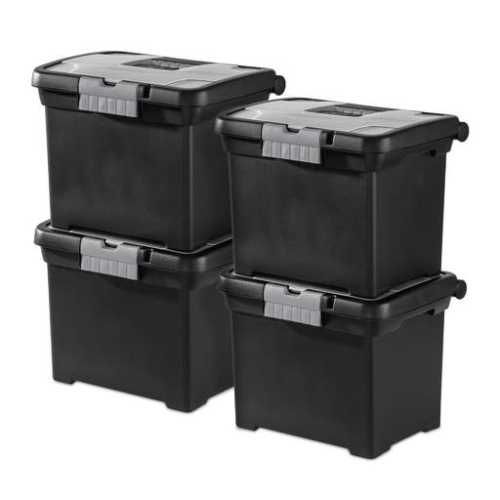 Your price for this item is $132.99
-
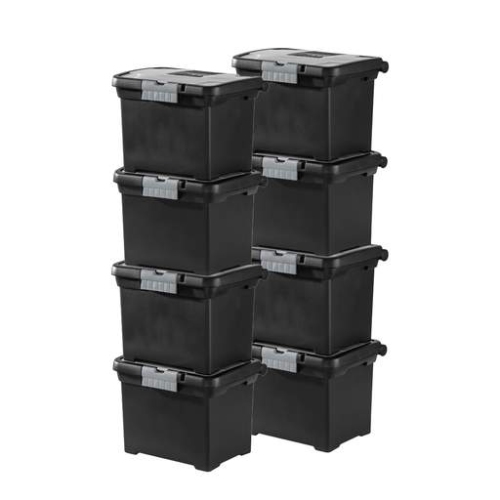 Your price for this item is $260.99
-
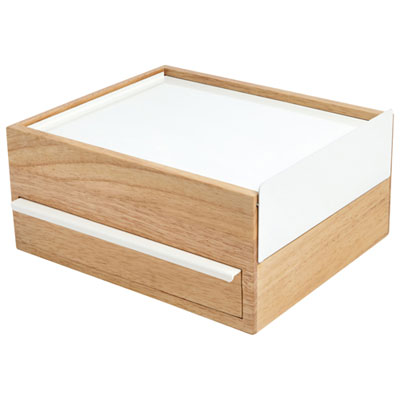 Your price for this item is $64.98
Discover more categories related to Foldable Boxes

Top Collections:
Pokemon Centers, Best Cameras for Sports Photography, Kindle Devices, Samsung Galaxy Phones, Canon G7X Cameras, Pokémon 30th Celebration Cards, Refurbished Apple Laptops, iPhone 15 Apple, Laptops for Students, Budget Smartphones
Some products may be subject to Environmental Handling Fees
(EHF) depending on your province.
Learn more about EHFs.