Freestanding Heaters
Stay warm and cozy all year round with our selection of freestanding heaters. Perfect for adding extra warmth to any room in your home, these versatile heaters offer efficient heating solutions with easy portability. Whether you need to heat up a chilly office space, living room, or bedroom, our range of freestanding heaters provides reliable performance and customizable settings to keep you comfortable during those colder months. Discover the perfect heating solution for your space today.
Sort
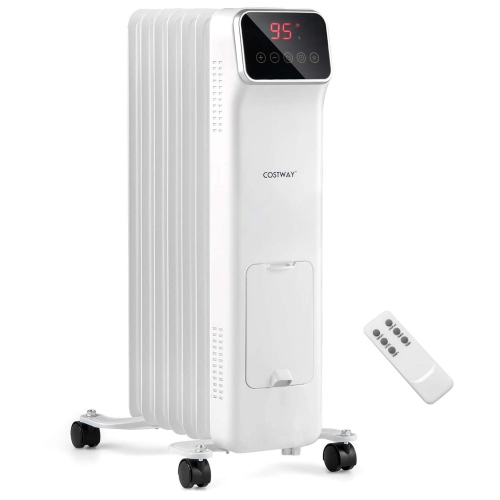
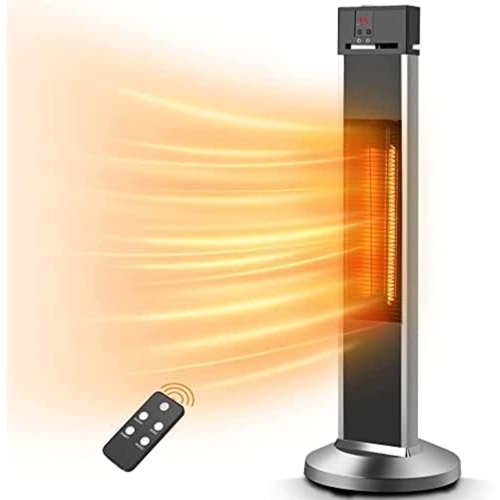
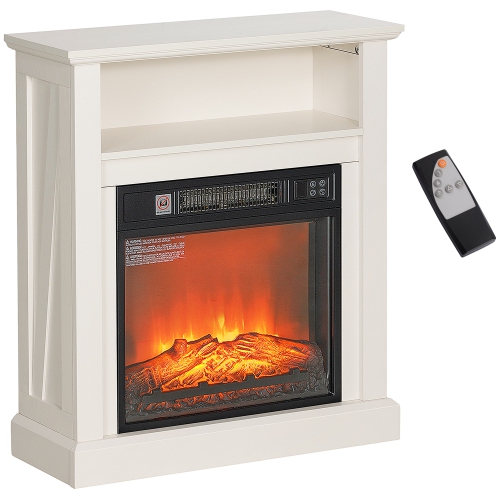
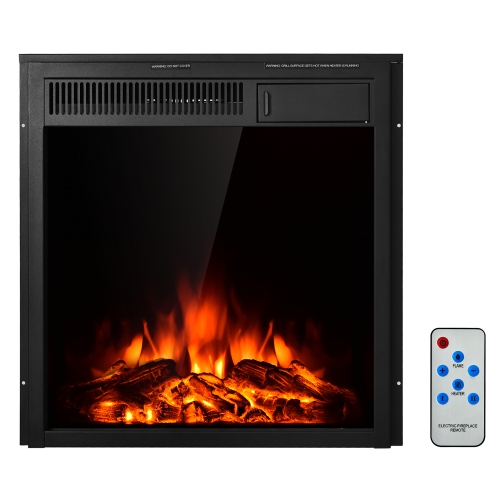

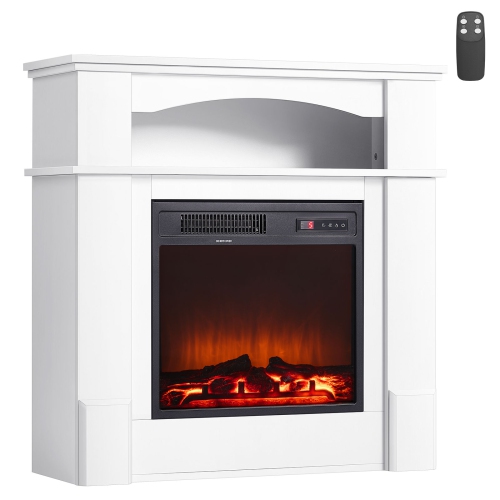
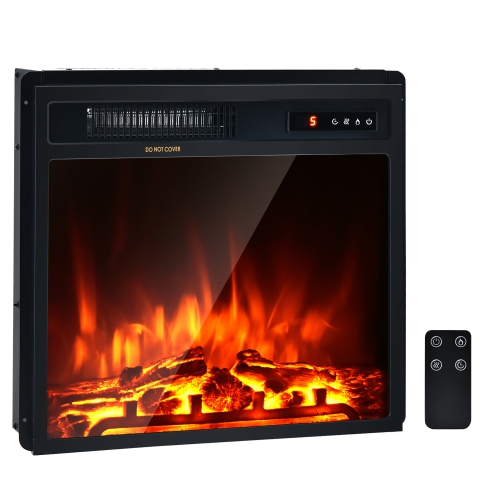
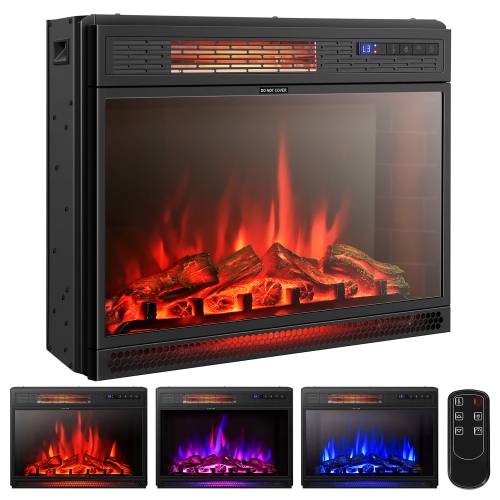
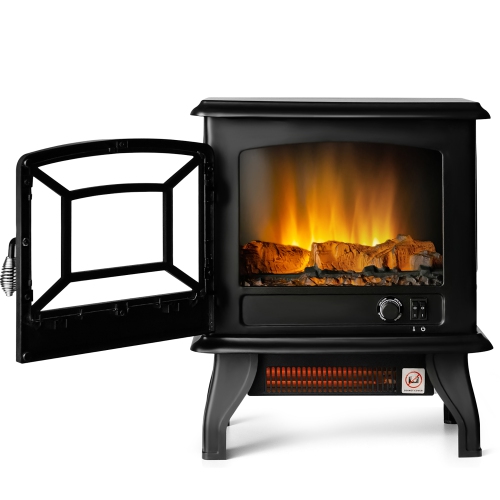

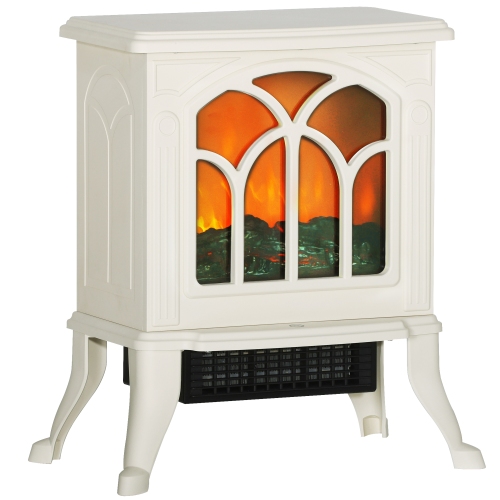
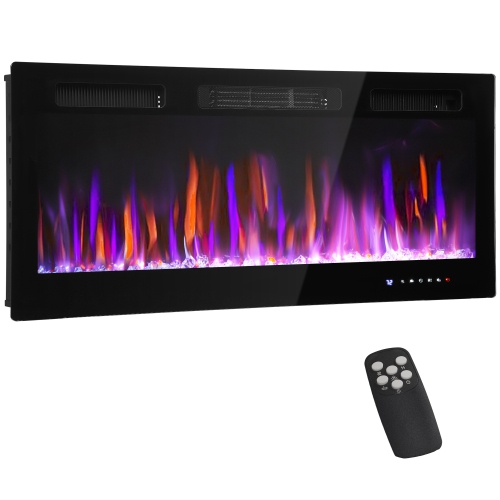
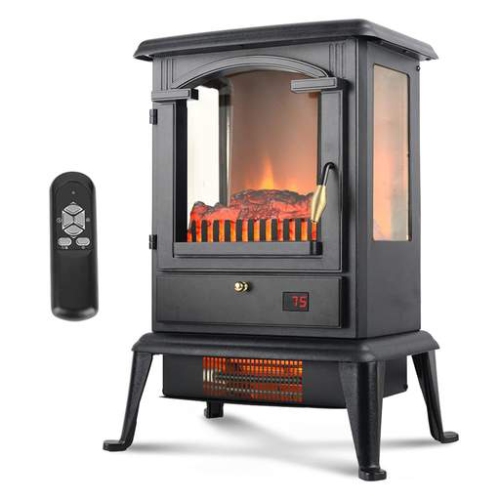
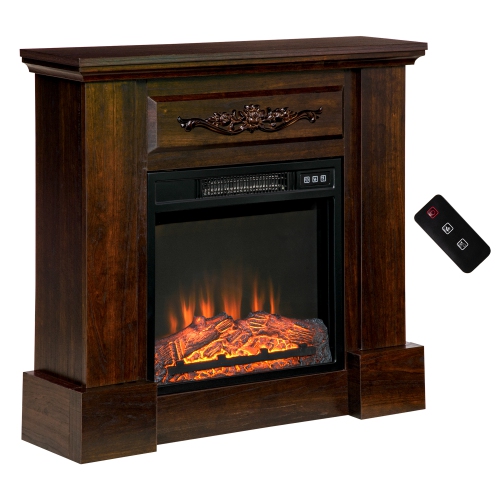
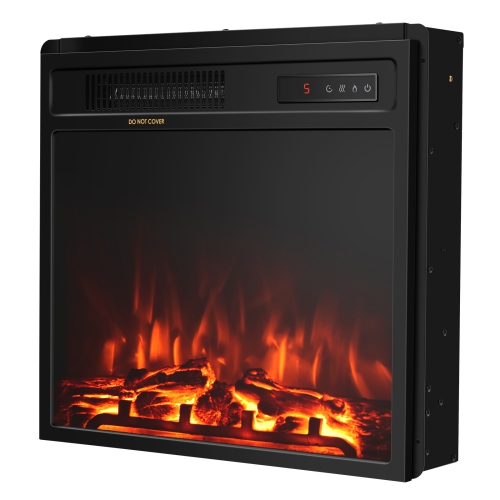
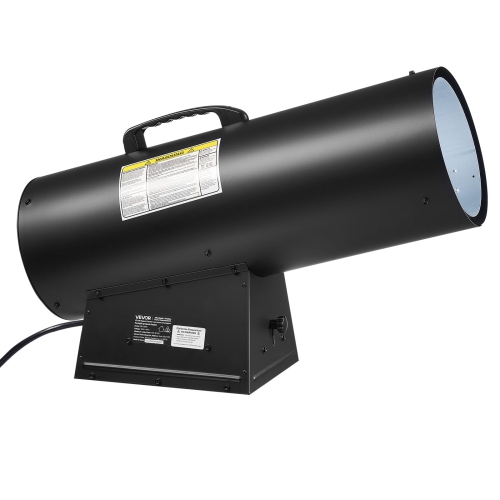
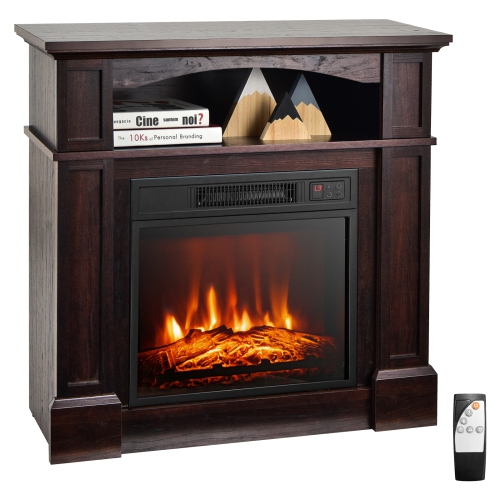
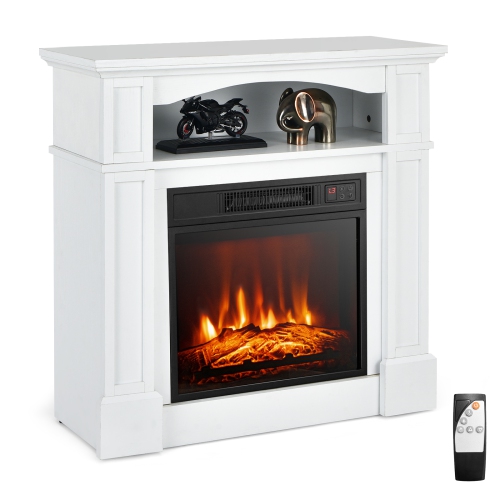
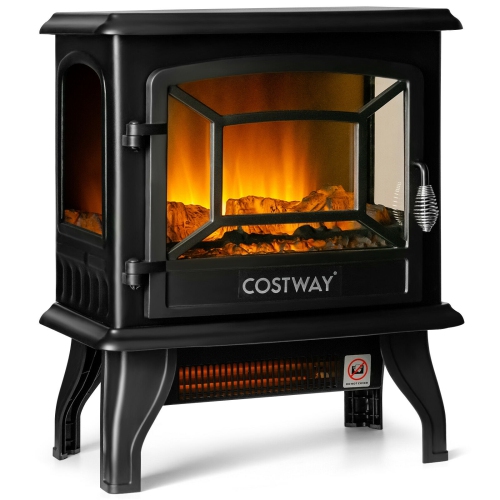
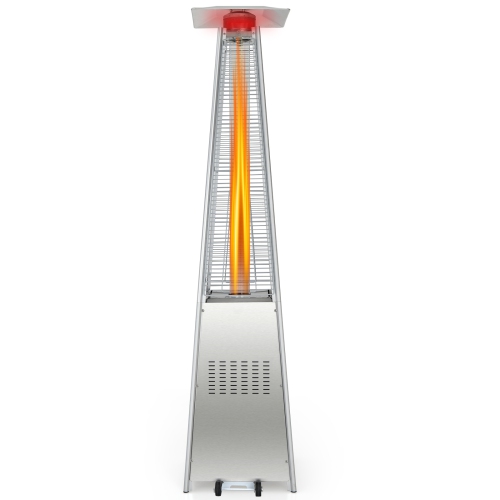
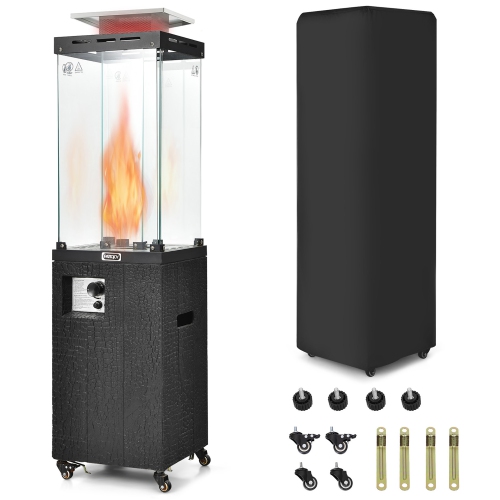
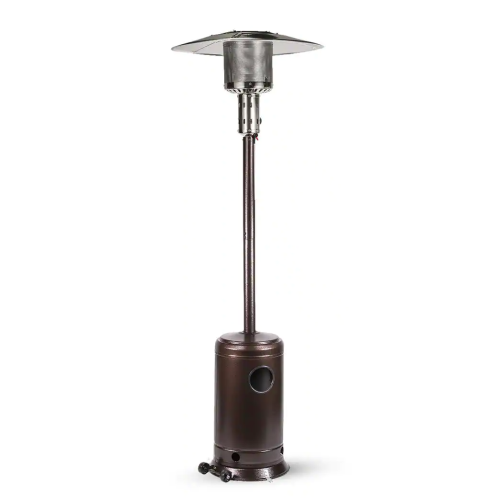




Flexible supplemental warmth that moves with your routine
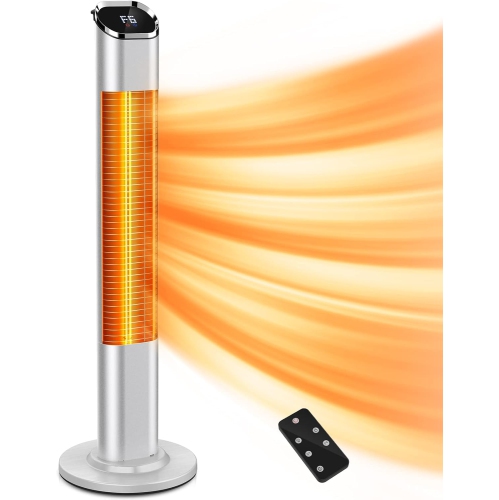
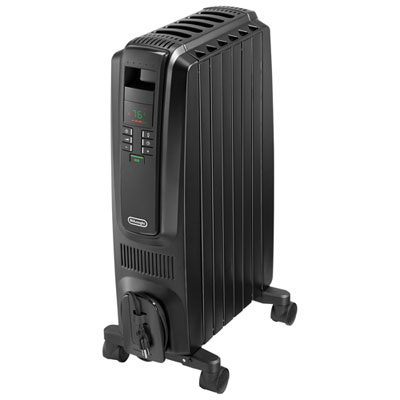
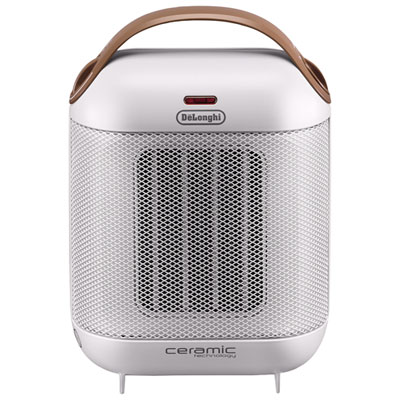
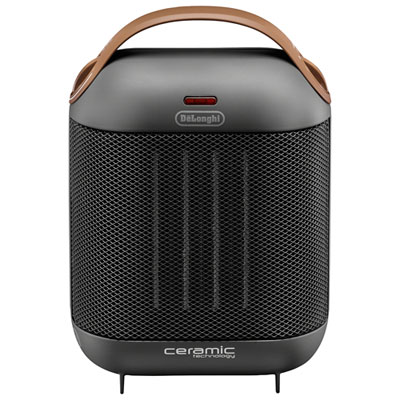
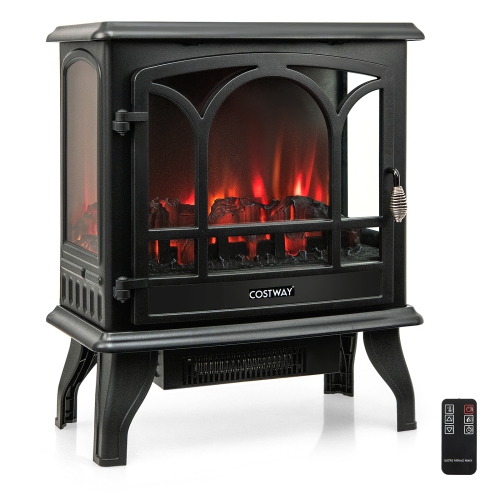
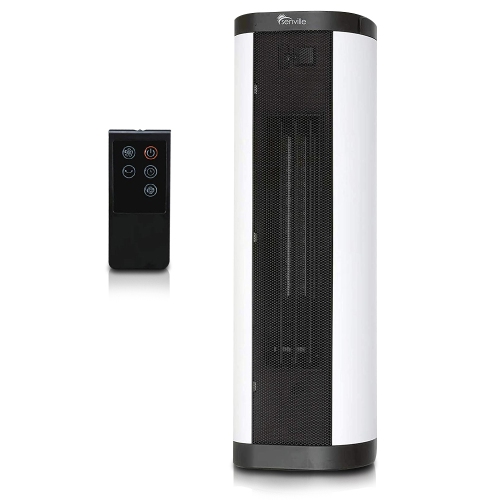
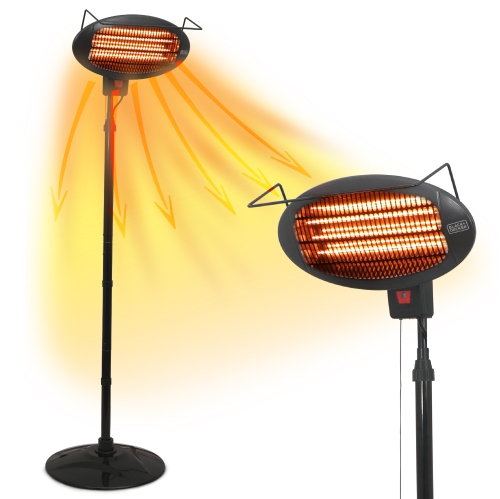
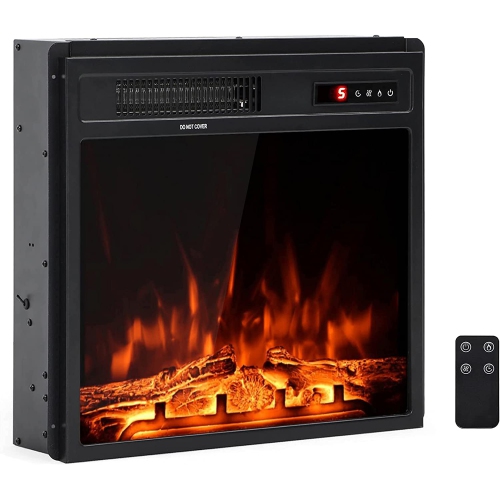
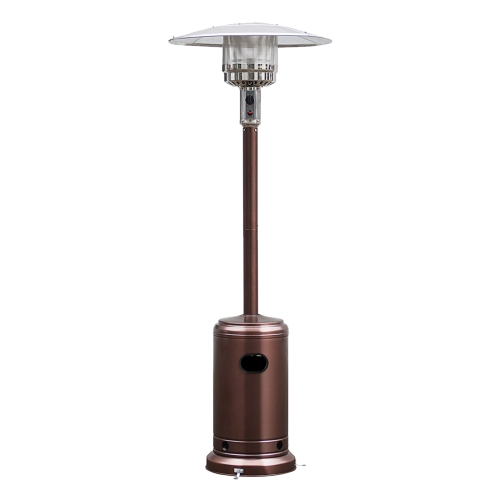
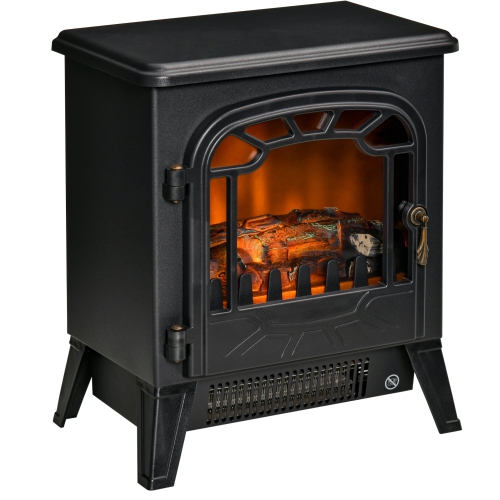
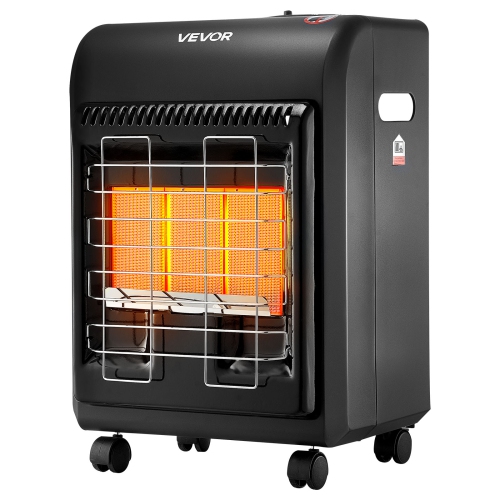
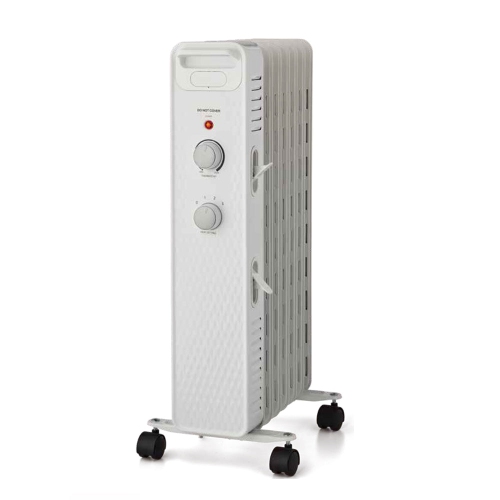
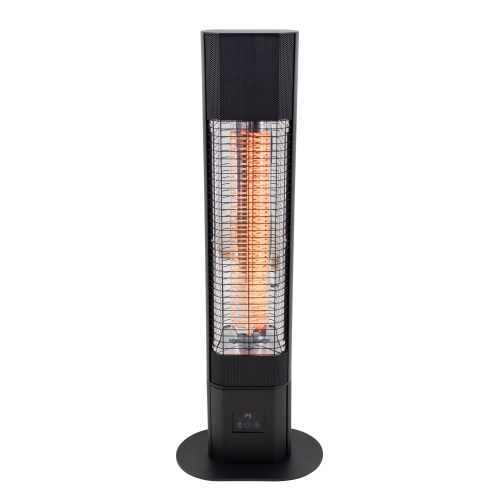
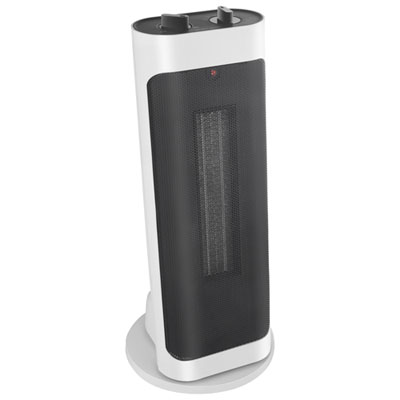
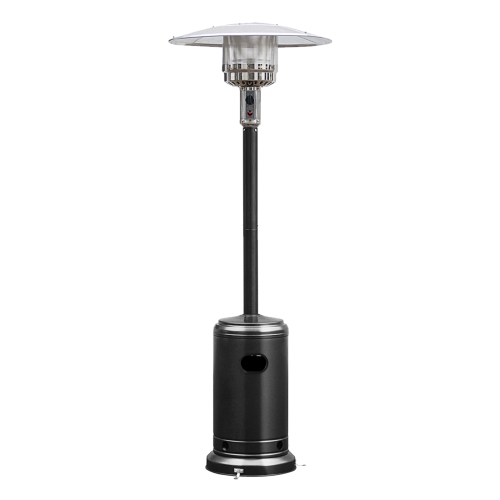
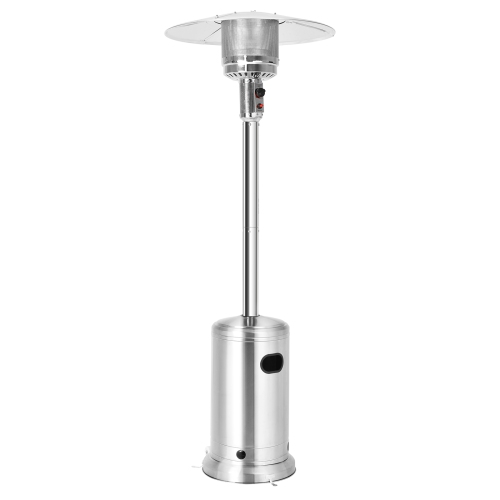
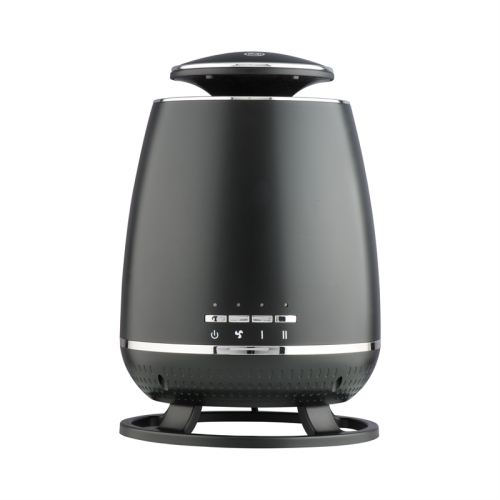
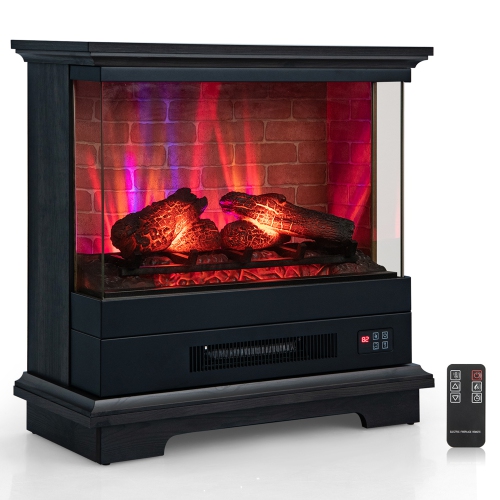
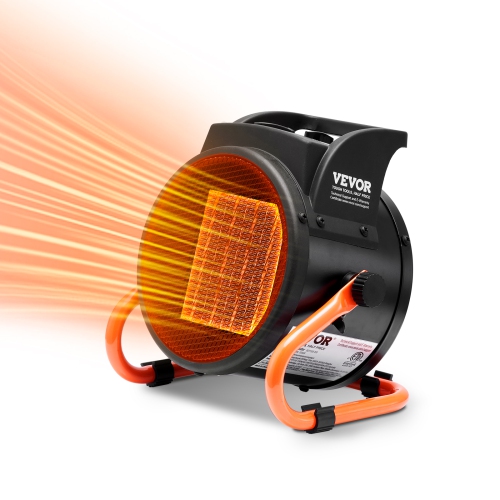
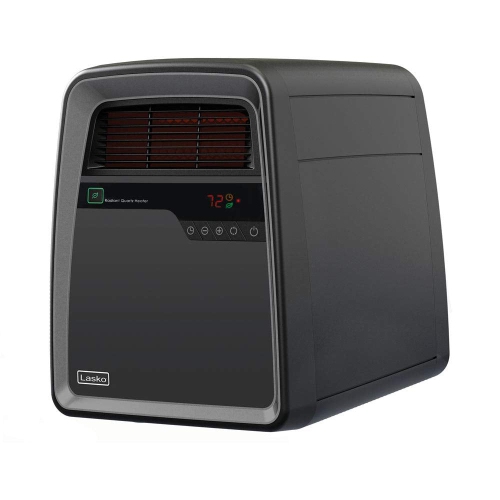
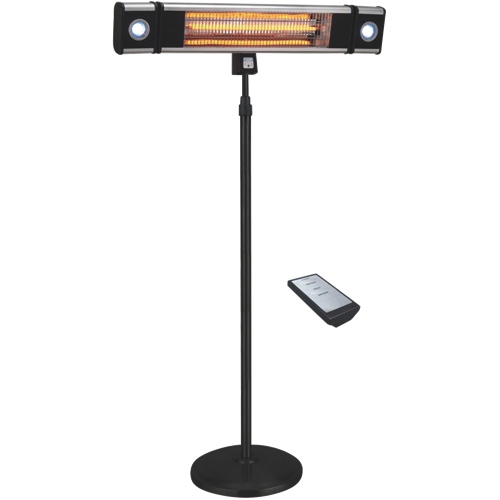
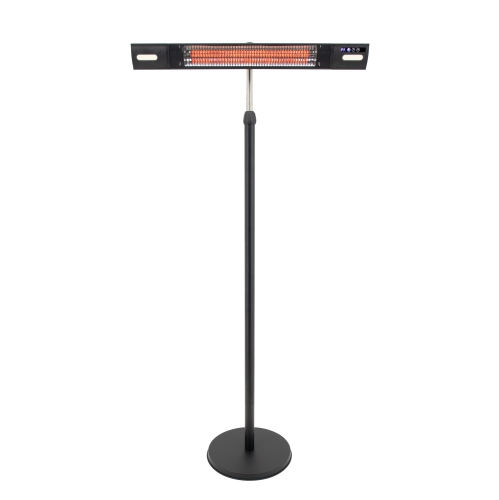
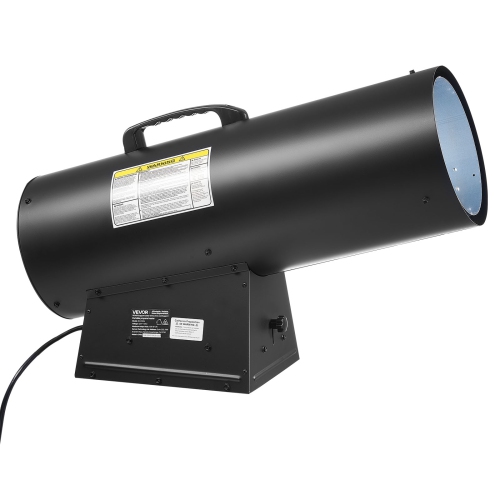
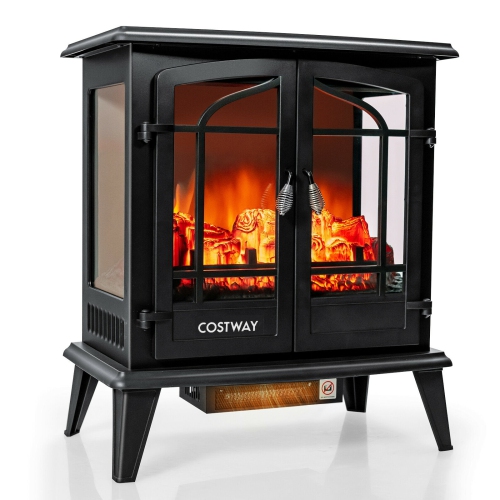
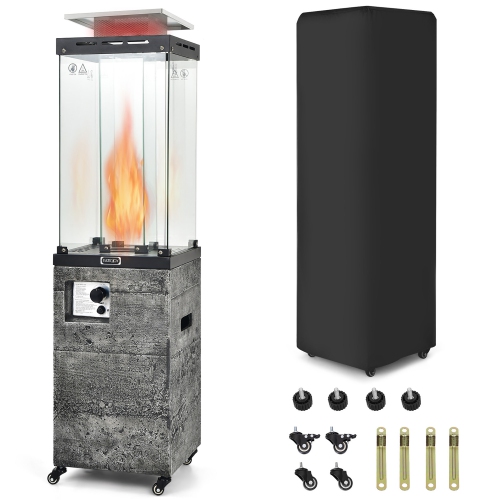
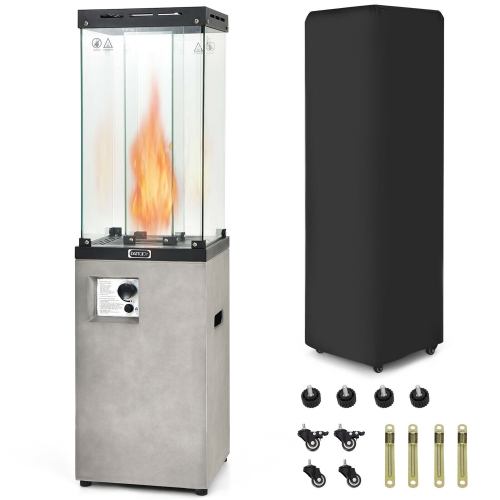
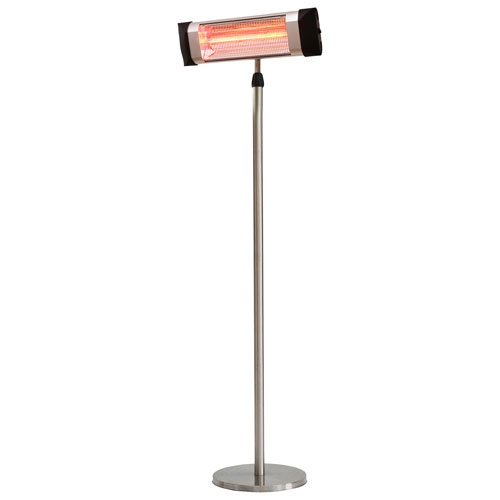
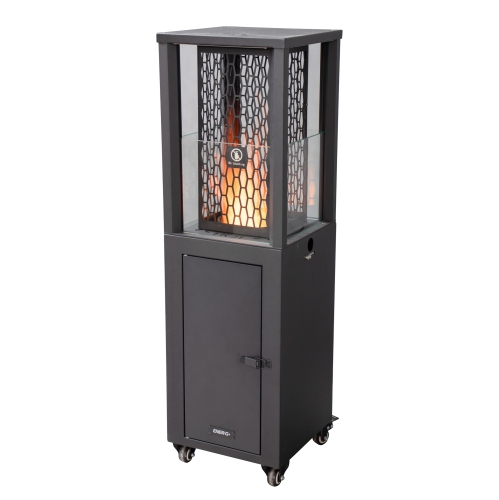
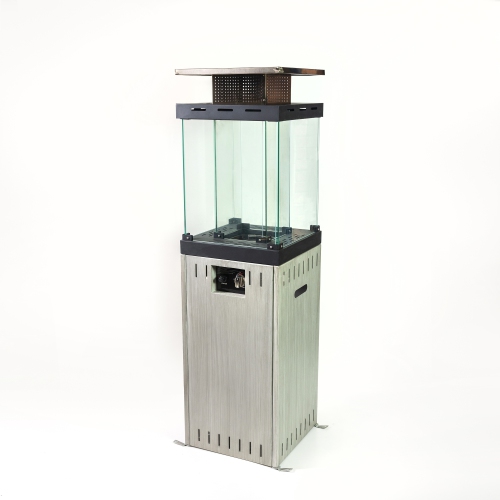
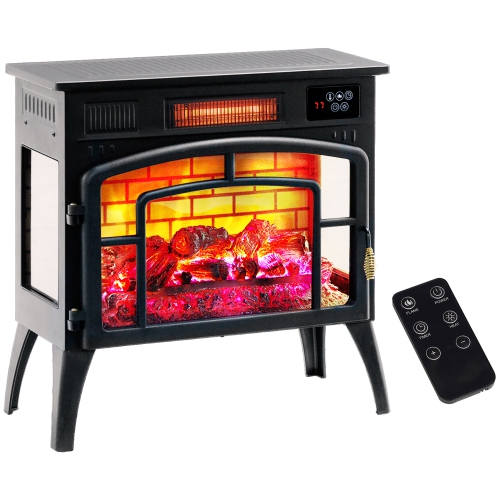
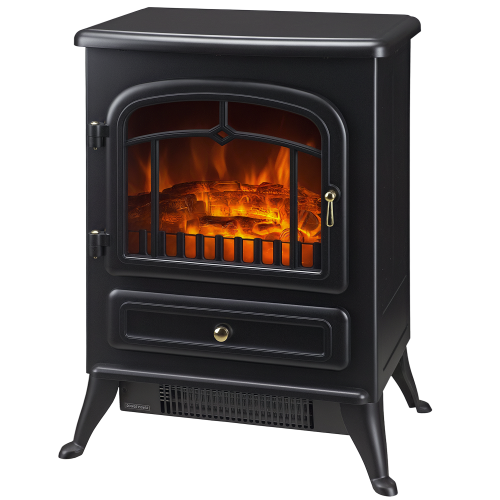
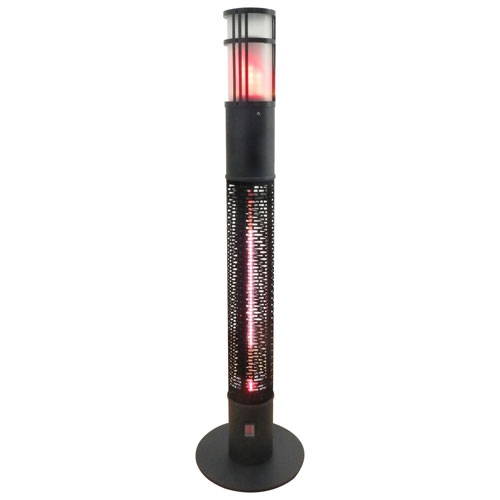
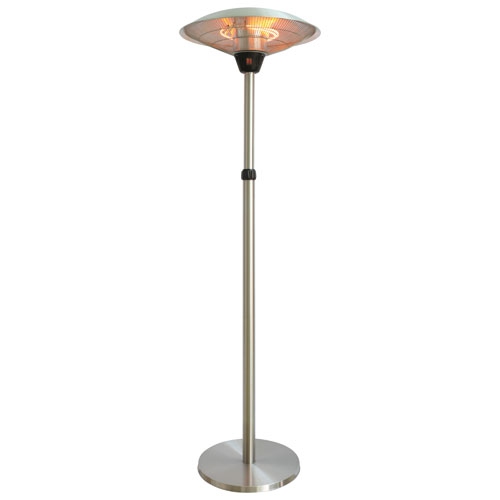
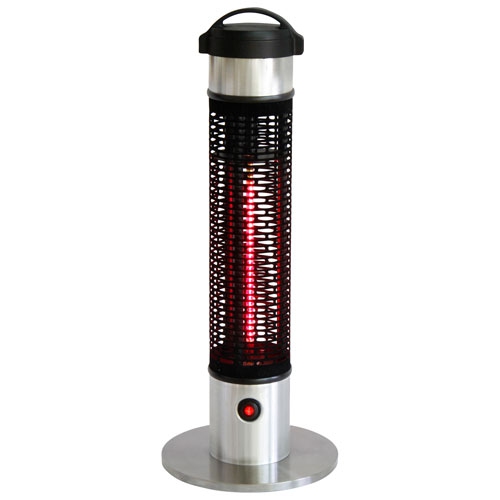
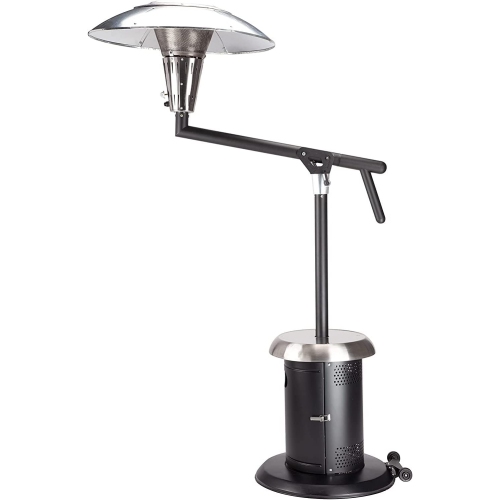
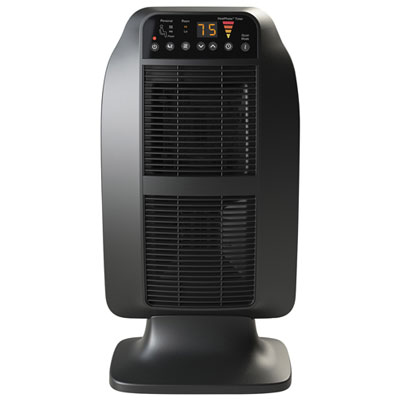
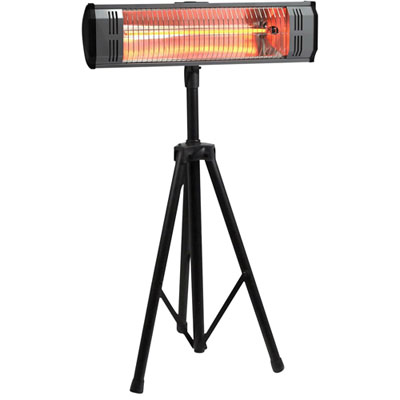
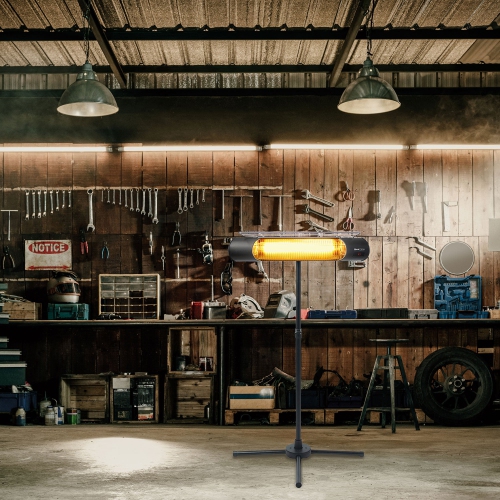
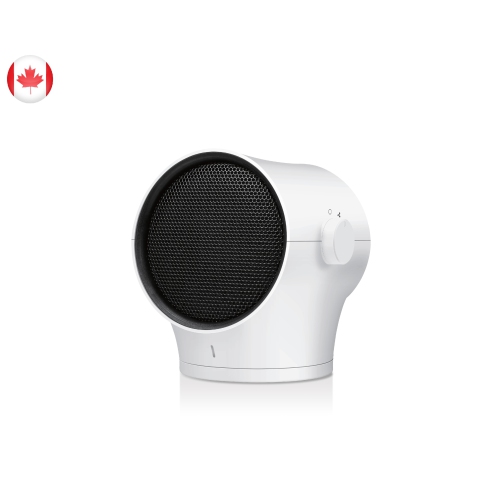
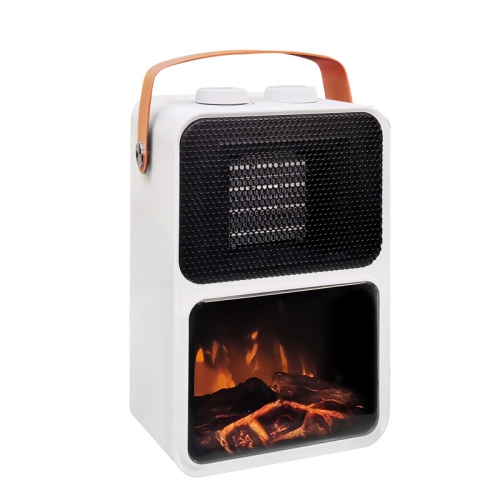
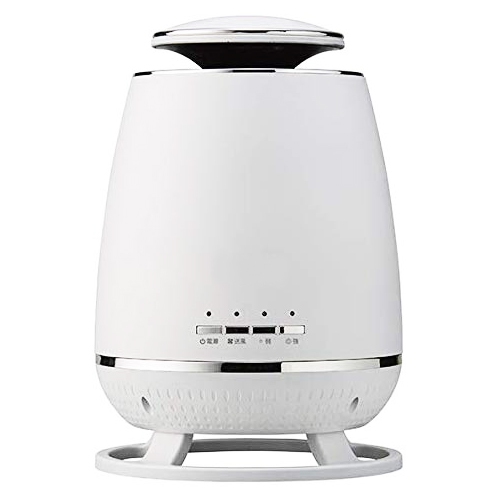
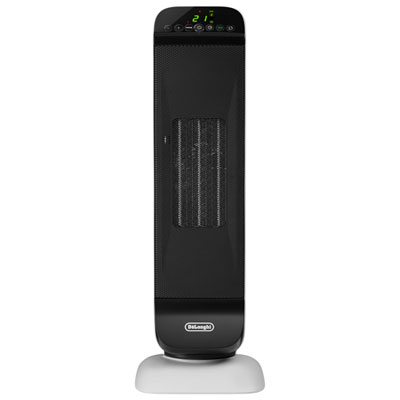
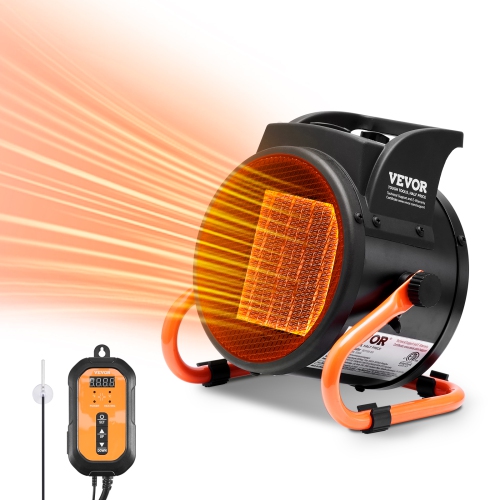
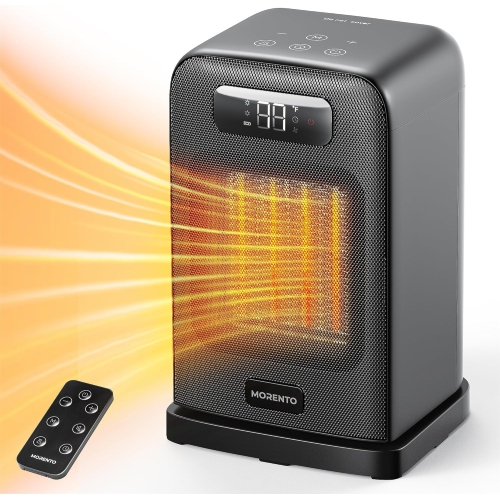
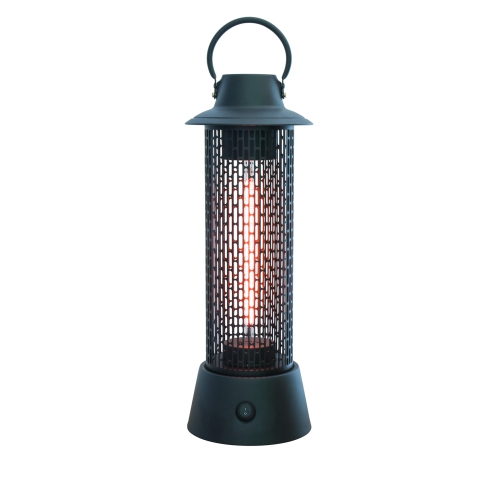
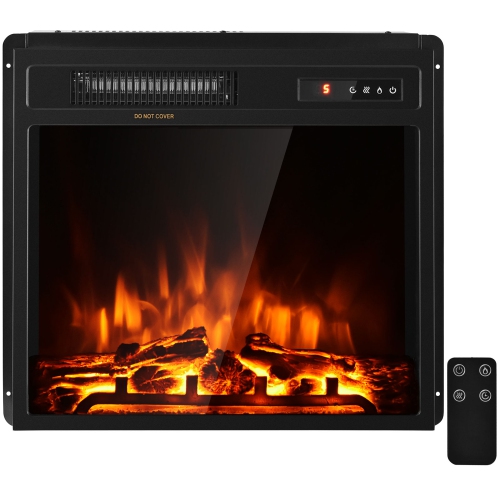
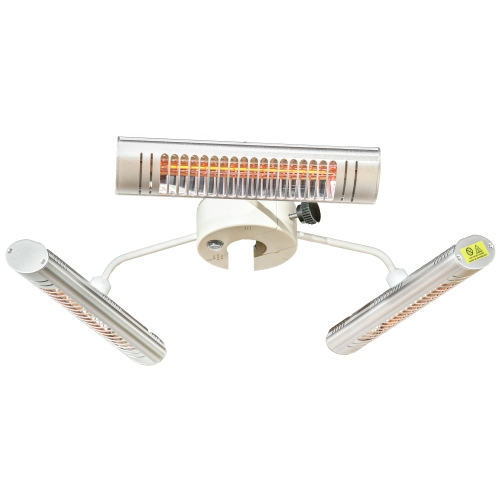
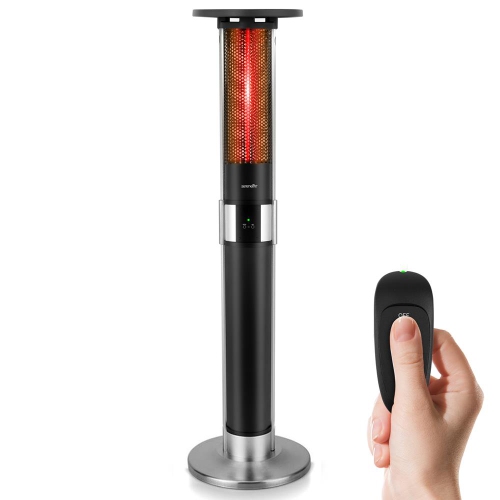
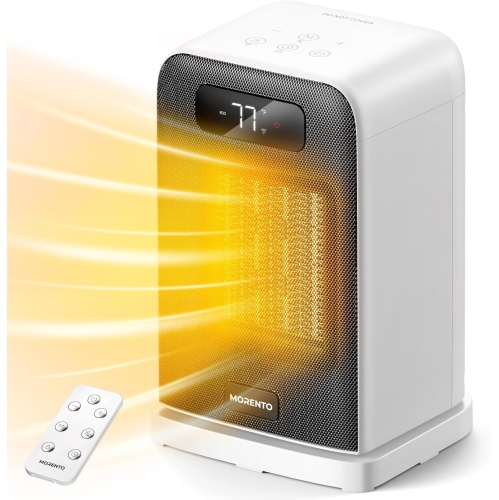
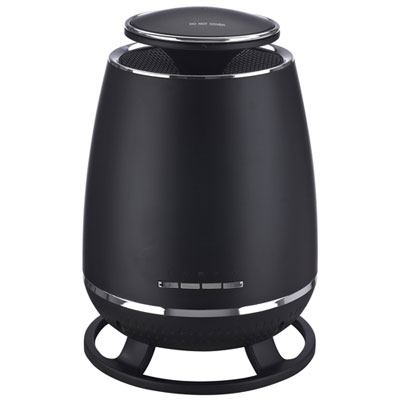
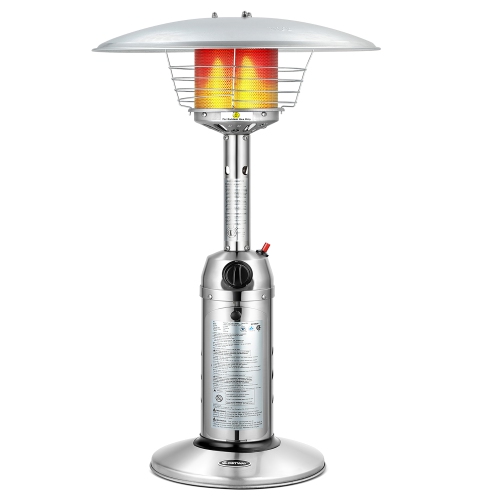
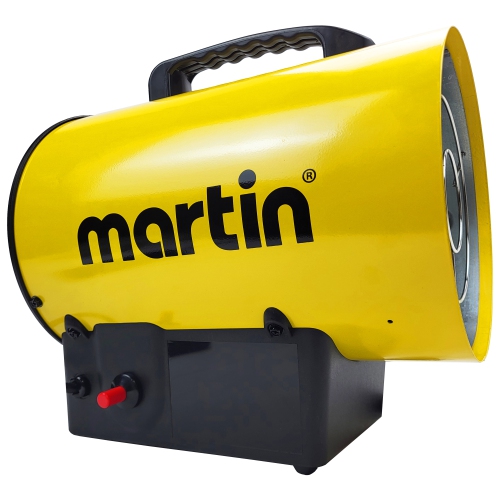
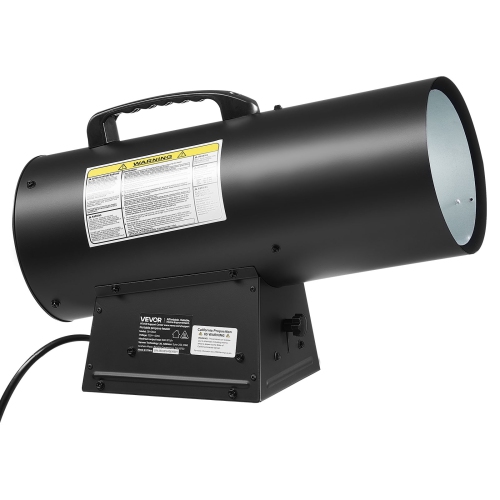
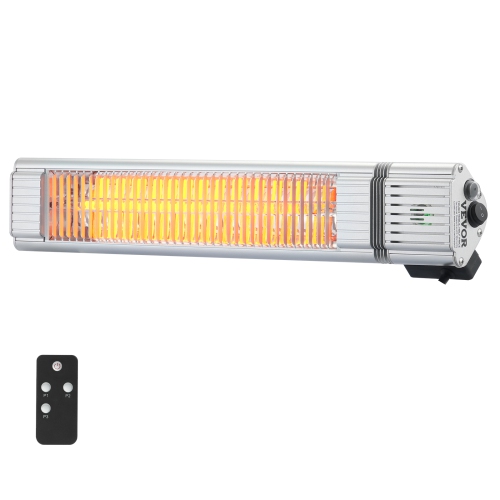
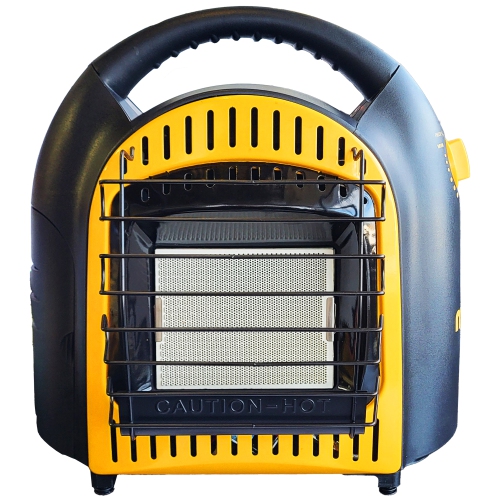
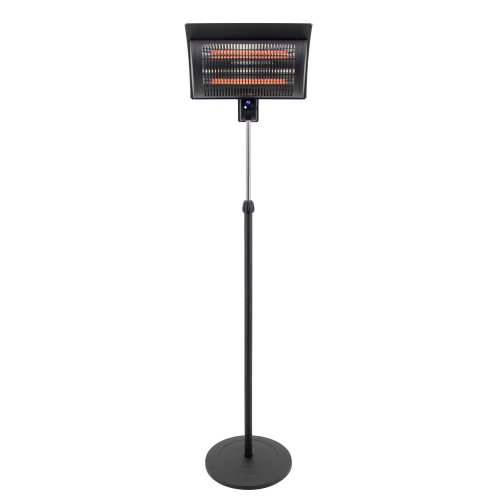
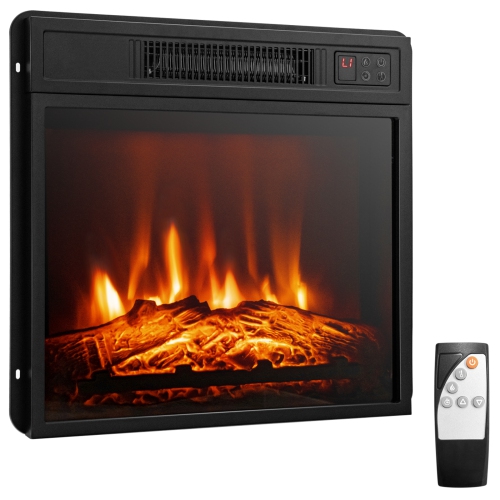
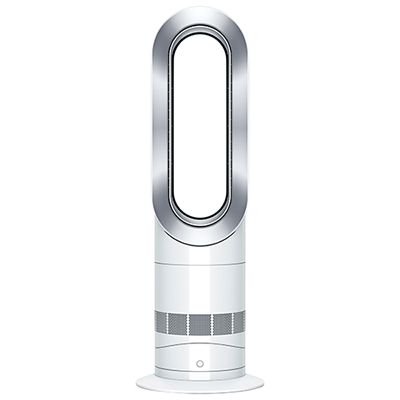
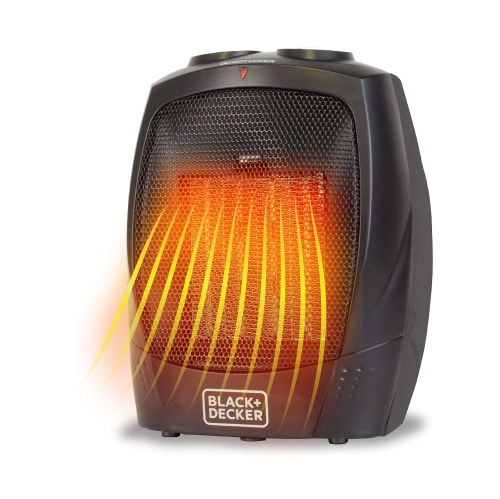
Freestanding heaters offer a flexible way to add warmth without mounting equipment to a wall, installing ductwork, or dedicating valuable table space. Because they stand on the floor, they can be positioned where warmth is needed and moved between rooms as routines change. A compact ceramic or convection heater can help take the chill off a bedroom, home office, hallway, basement, or reading corner, while a taller tower-style heater may distribute warmth across a larger area. Oil-filled radiators are well suited to people who prefer quiet, steady heat over a longer period, since their heated oil continues radiating warmth after the unit reaches its setting. Infrared heaters work differently by warming people and nearby objects directly, making them useful for personal comfort in a defined area rather than attempting to heat an entire open space. Outdoor-rated freestanding electric heaters and propane patio heaters can extend the use of a covered patio, balcony, gazebo, garage workspace, or outdoor entertaining area during cooler weather, but outdoor models should only be used in locations and conditions approved by the manufacturer. When choosing among these types, start with the space, the intended use, and the available power source. Electric heaters are convenient for indoor rooms and areas with a standard outlet, while propane models can provide powerful warmth outdoors where electricity may not be practical. A heater designed for an enclosed room is not automatically suitable for a patio, and an outdoor heater should never be brought indoors unless its instructions specifically permit it. Checking the recommended room or coverage area can help avoid choosing a unit that is too small to be effective or larger than necessary for a personal space.
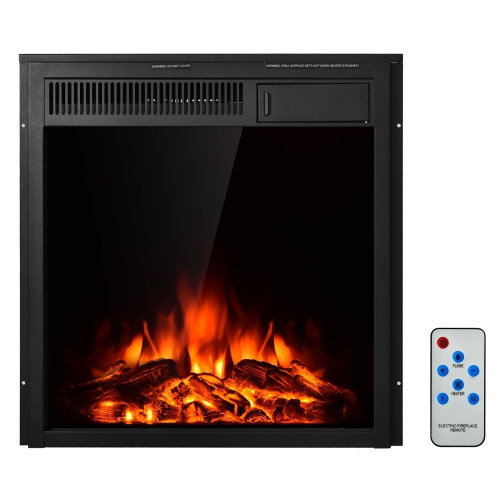
Features can make a noticeable difference in everyday comfort and convenience. Adjustable heat settings allow a freestanding heater to provide a gentle background warmth or a stronger burst of heat when a room feels particularly cold. A thermostat can help maintain a more consistent temperature, while a timer or programmable control can reduce the need to get up and turn the unit off manually. Oscillation may spread warm air across a wider section of a room, whereas a directional design can focus warmth on a chair, desk, workbench, or seating area. Built-in handles and wheels are useful when moving a heater between rooms, although heavier units may be better suited to a dedicated location. Consider the heater’s footprint as well as its height, especially in smaller rooms or busy spaces where walkways need to remain clear. Noise level is another practical consideration: fan-forced ceramic heaters can warm an area quickly but may produce an audible hum, while oil-filled radiators generally operate quietly. People who work, study, read, sleep, or take calls in a quiet room may appreciate a lower-noise design. For a more focused source of warmth at a workstation, explore Desk Heaters. Controls should be easy to read and reach, and a remote control can be helpful when the heater is placed across a room. Look for safety features such as tip-over protection, which shuts the unit off if it is knocked over, and overheat protection, which turns it off if internal components become too hot. A cool-touch exterior, sturdy base, covered heating elements, and a clearly visible power indicator may also be valuable in homes with children or pets. For any outdoor electric model, review its weather-resistance rating and use it only with suitable outdoor connections and protection from conditions beyond its rating. Propane patio heaters should be checked for approved fuel requirements, stable placement, ventilation, and safe clearance from ceilings, walls, furniture, curtains, and other combustible materials.
Freestanding heaters can be especially useful in homes where different people prefer different temperatures, or where only one room needs extra warmth. Someone working from home may use one near a chair or desk rather than heating the entire house, while a family may place a portable unit in a basement, mudroom, or recreation area during cooler months. Renters often value the convenience of a floor-standing design because it can provide supplemental warmth without permanent alterations. They can also be a thoughtful practical gift for a student moving into a chilly residence, a friend setting up a home office, a family preparing an enclosed porch for longer evenings, or anyone who spends time in a garage workshop or covered outdoor seating area. Before buying, measure the area where the heater will sit and make sure there is generous clearance around air inlets, outlets, and heating surfaces. Place it on a level, stable, non-combustible floor, keep cords away from walkways, and avoid using extension cords unless the manufacturer specifically allows it and the cord is rated for the heater’s electrical load. Never cover a heater, dry clothing on it, or leave it operating unattended unless its instructions clearly support that use. Fuel-burning outdoor units need particular care around ventilation and carbon monoxide risks, and they should never be operated in enclosed living spaces, tents, vehicles, or other areas where exhaust can collect. Storage and maintenance matter too: remove dust according to the instructions, inspect cords and connections for damage, keep vents unobstructed, and store propane equipment and cylinders as directed. With the right size, heating method, controls, and safety features, a freestanding heater can provide comfortable supplemental warmth in a focused area while adapting easily as the weather shifts from warm days to cooler evenings.
Features can make a noticeable difference in everyday comfort and convenience. Adjustable heat settings allow a freestanding heater to provide a gentle background warmth or a stronger burst of heat when a room feels particularly cold. A thermostat can help maintain a more consistent temperature, while a timer or programmable control can reduce the need to get up and turn the unit off manually. Oscillation may spread warm air across a wider section of a room, whereas a directional design can focus warmth on a chair, desk, workbench, or seating area. Built-in handles and wheels are useful when moving a heater between rooms, although heavier units may be better suited to a dedicated location. Consider the heater’s footprint as well as its height, especially in smaller rooms or busy spaces where walkways need to remain clear. Noise level is another practical consideration: fan-forced ceramic heaters can warm an area quickly but may produce an audible hum, while oil-filled radiators generally operate quietly. People who work, study, read, sleep, or take calls in a quiet room may appreciate a lower-noise design. For a more focused source of warmth at a workstation, explore Desk Heaters. Controls should be easy to read and reach, and a remote control can be helpful when the heater is placed across a room. Look for safety features such as tip-over protection, which shuts the unit off if it is knocked over, and overheat protection, which turns it off if internal components become too hot. A cool-touch exterior, sturdy base, covered heating elements, and a clearly visible power indicator may also be valuable in homes with children or pets. For any outdoor electric model, review its weather-resistance rating and use it only with suitable outdoor connections and protection from conditions beyond its rating. Propane patio heaters should be checked for approved fuel requirements, stable placement, ventilation, and safe clearance from ceilings, walls, furniture, curtains, and other combustible materials.
Freestanding heaters can be especially useful in homes where different people prefer different temperatures, or where only one room needs extra warmth. Someone working from home may use one near a chair or desk rather than heating the entire house, while a family may place a portable unit in a basement, mudroom, or recreation area during cooler months. Renters often value the convenience of a floor-standing design because it can provide supplemental warmth without permanent alterations. They can also be a thoughtful practical gift for a student moving into a chilly residence, a friend setting up a home office, a family preparing an enclosed porch for longer evenings, or anyone who spends time in a garage workshop or covered outdoor seating area. Before buying, measure the area where the heater will sit and make sure there is generous clearance around air inlets, outlets, and heating surfaces. Place it on a level, stable, non-combustible floor, keep cords away from walkways, and avoid using extension cords unless the manufacturer specifically allows it and the cord is rated for the heater’s electrical load. Never cover a heater, dry clothing on it, or leave it operating unattended unless its instructions clearly support that use. Fuel-burning outdoor units need particular care around ventilation and carbon monoxide risks, and they should never be operated in enclosed living spaces, tents, vehicles, or other areas where exhaust can collect. Storage and maintenance matter too: remove dust according to the instructions, inspect cords and connections for damage, keep vents unobstructed, and store propane equipment and cylinders as directed. With the right size, heating method, controls, and safety features, a freestanding heater can provide comfortable supplemental warmth in a focused area while adapting easily as the weather shifts from warm days to cooler evenings.
Top selling and popular products
-
 Your price for this item is $179.99
 -
 Your price for this item is $549.99
 -
 Your price for this item is $41.99
 -
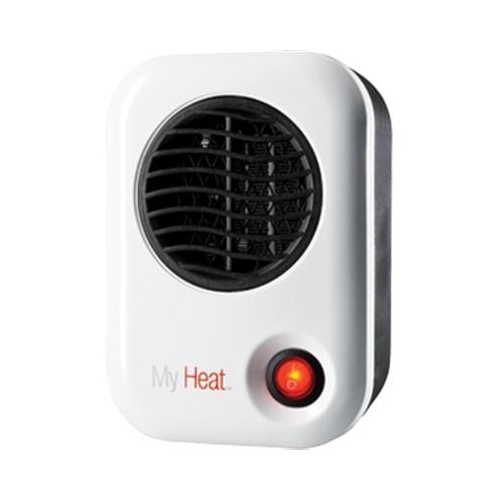 Your price for this item is $100.99
 -
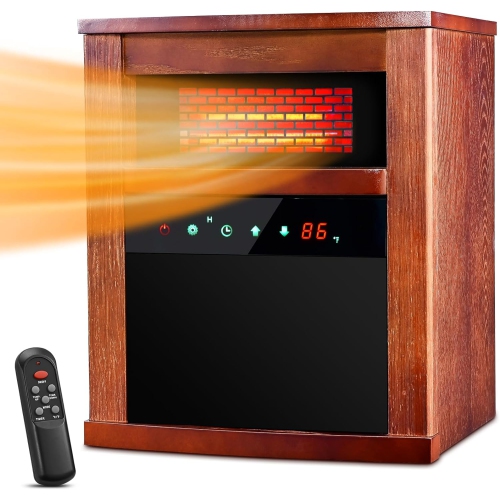 Your price for this item is $219.95
 -
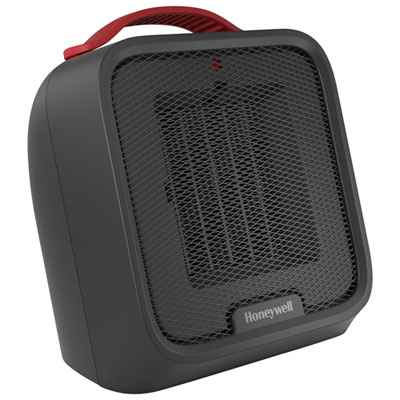 Your price for this item is $64.98
 -
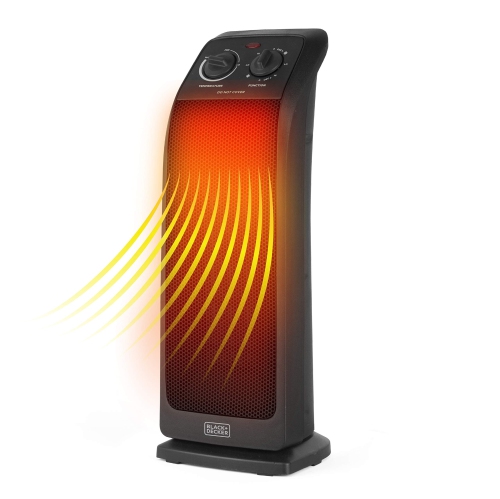 Your price for this item is $68.99
 -
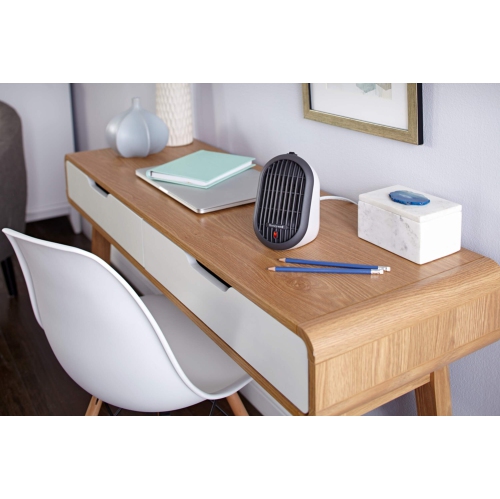 Your price for this item is $50
Discover more categories related to Freestanding Heaters
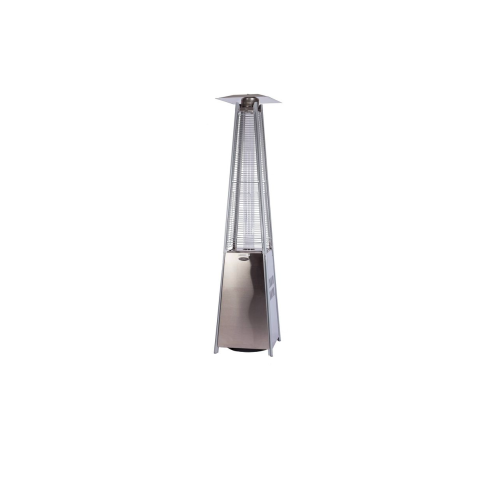
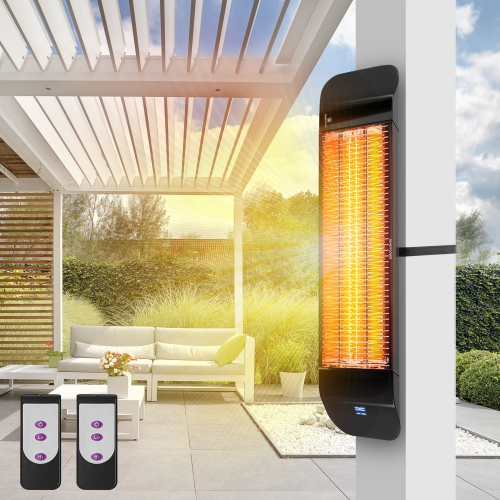
Top Collections:
Pokemon Centers, Kindle Devices, Best Budget Office Chairs, Apple iPhones 16, Best Laptops for Writers, iPhone 15 Apple, Canon G7X Cameras, Refurbished Apple Laptops, Alarm Clock, Motorola Razr Phones
Some products may be subject to Environmental Handling Fees
(EHF) depending on your province.
Learn more about EHFs.