Freestanding Propane Heaters
Stay warm and cozy outdoors with our selection of freestanding propane heaters. Perfect for patios, decks, and other outdoor spaces, these heaters provide reliable heat to keep you comfortable during chilly evenings and cooler seasons. With easy-to-use controls and efficient propane fuel, you can enjoy extended time outside with family and friends without worrying about the dropping temperatures. Explore our range of freestanding propane heaters to find the perfect addition to your outdoor living area.
Sort
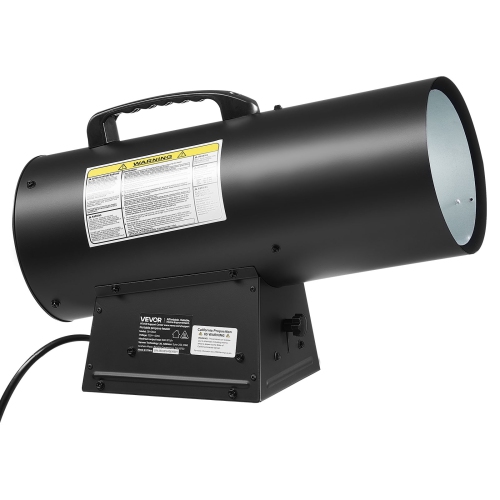
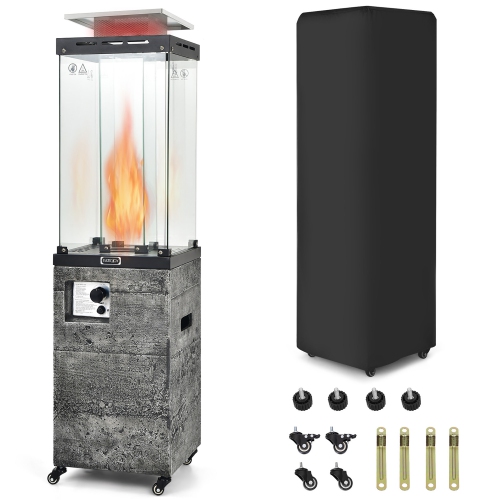
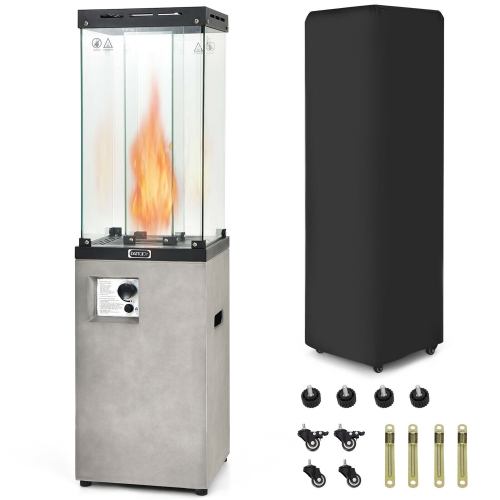
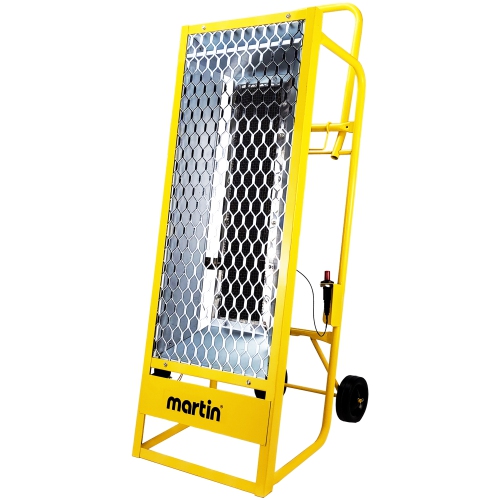

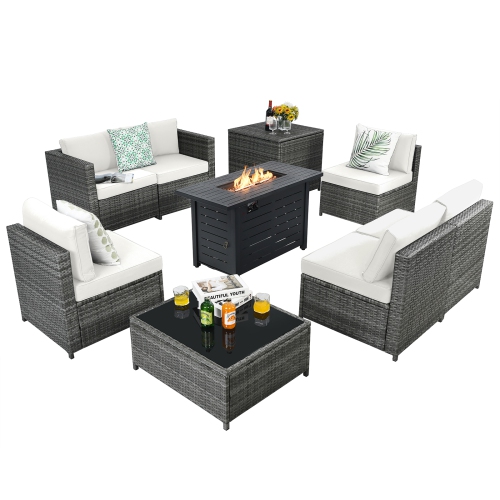
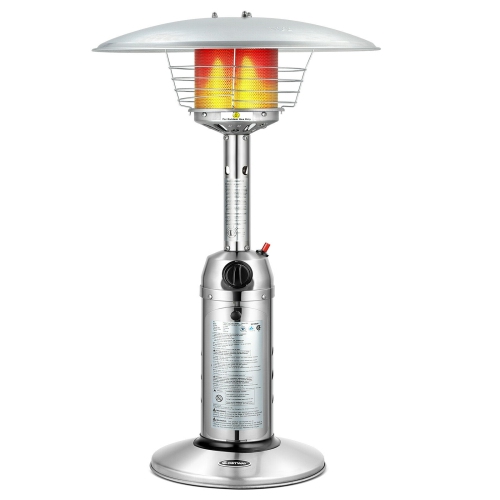
Patio warmth without a permanent gas connection
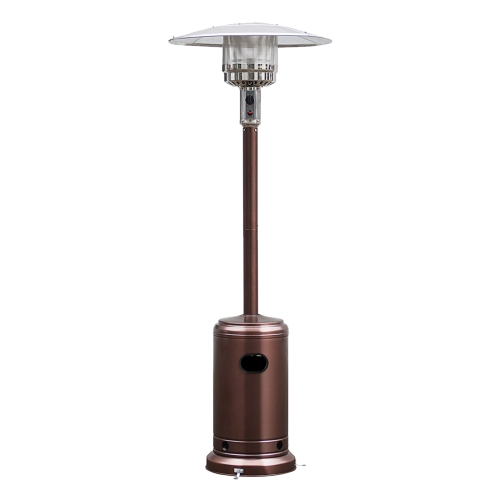
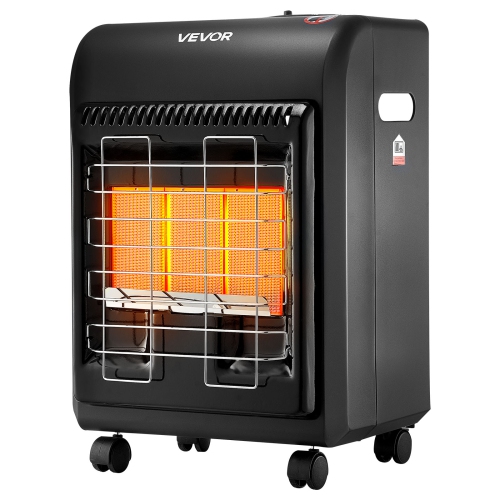
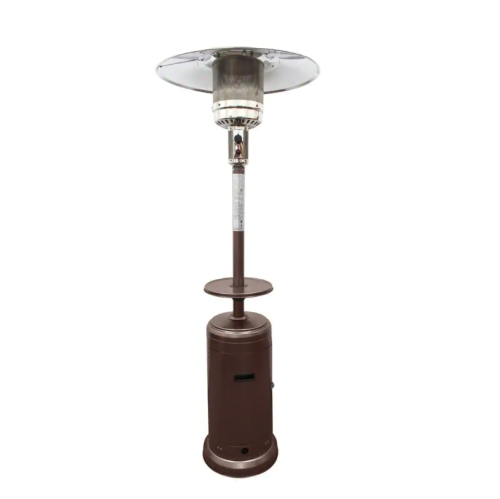
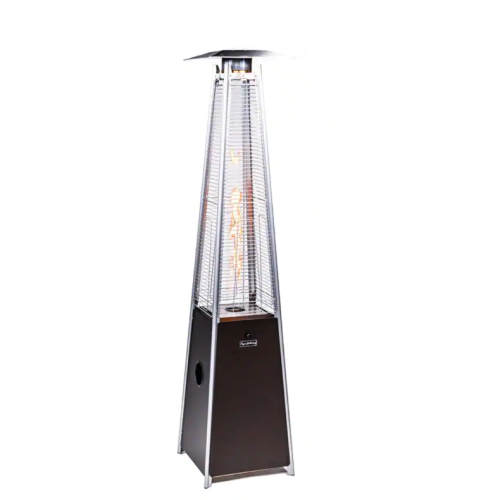
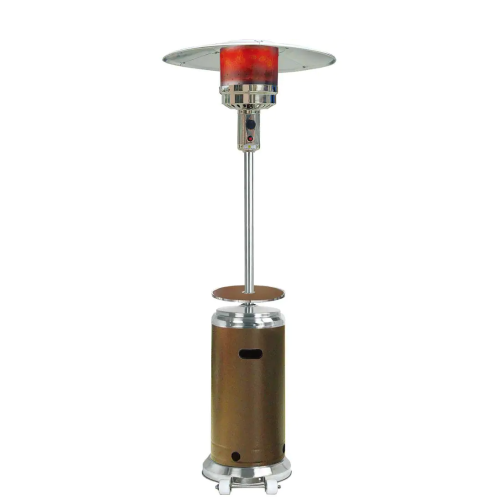
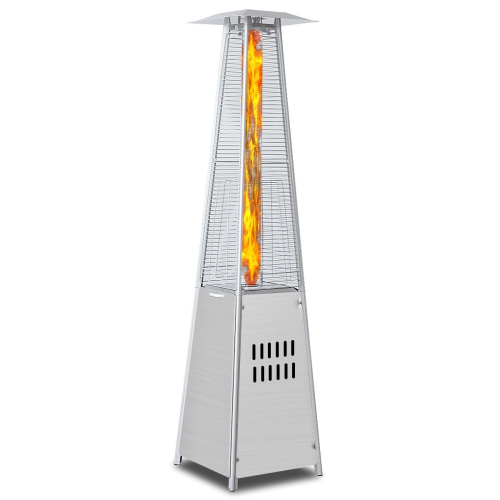
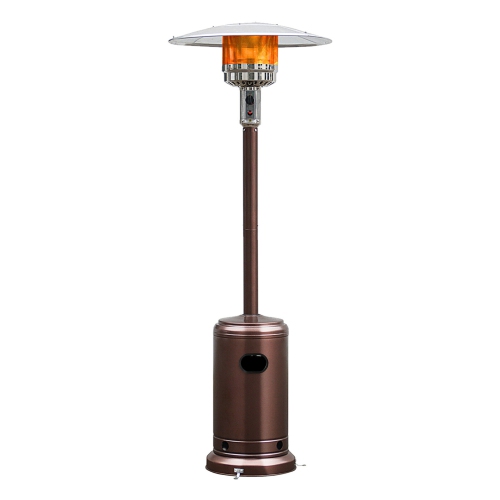
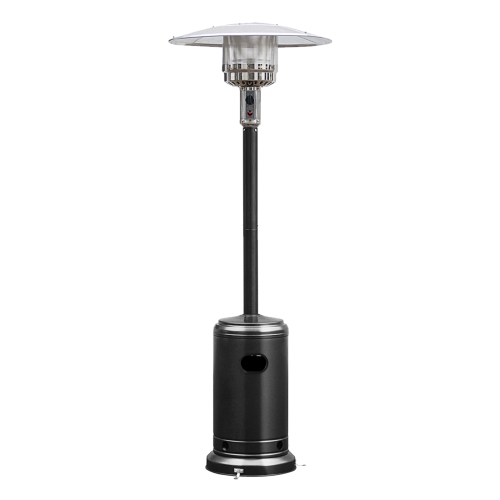
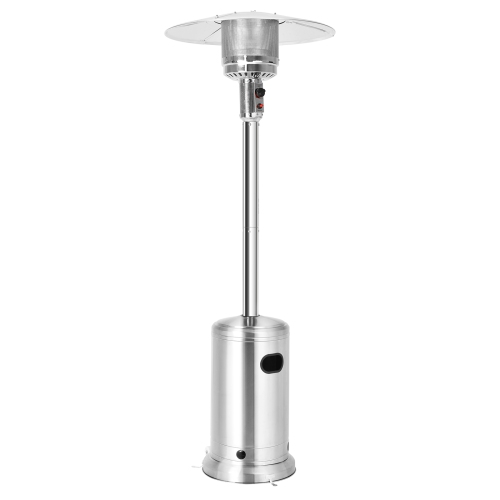
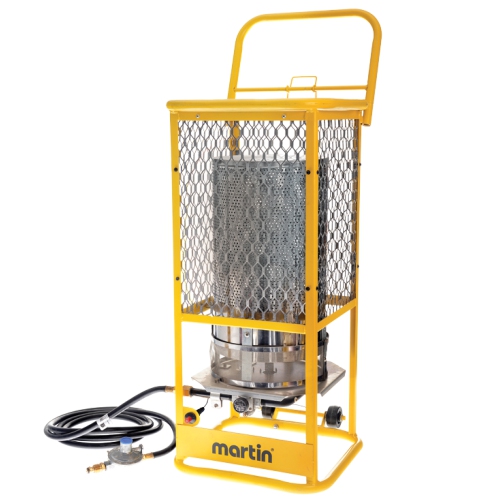
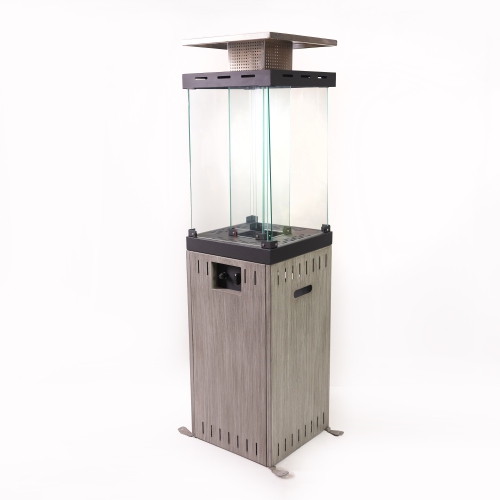
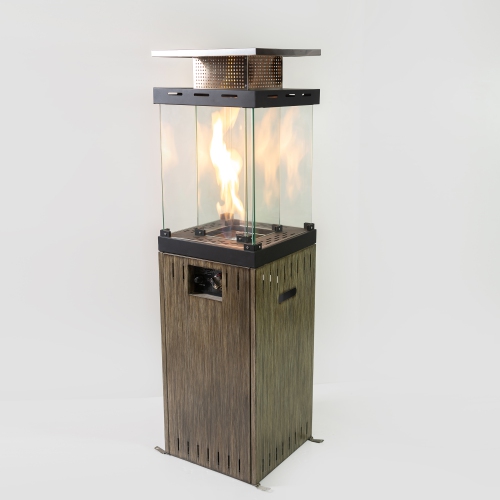
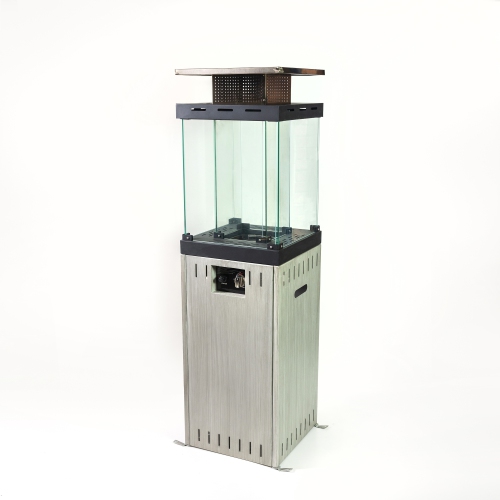
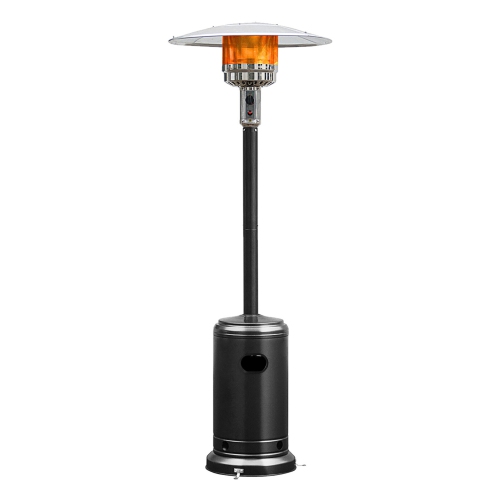
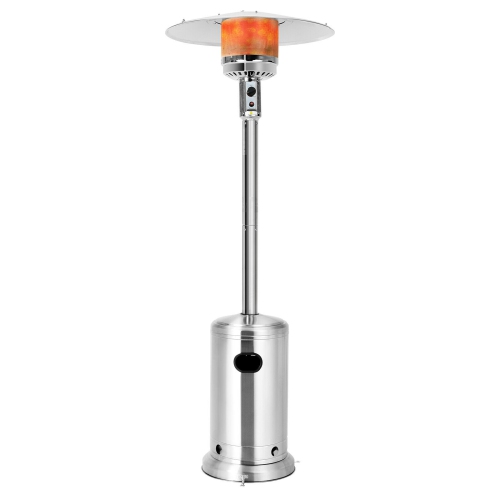
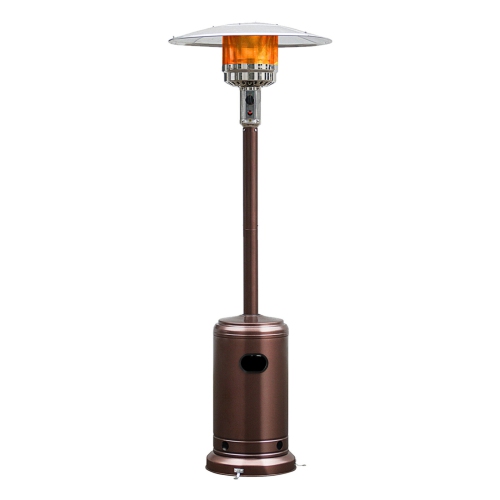
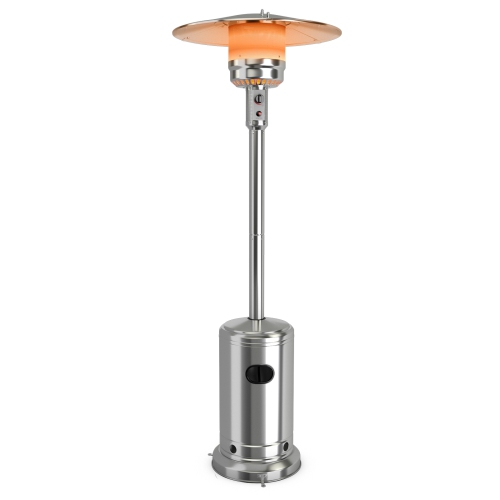
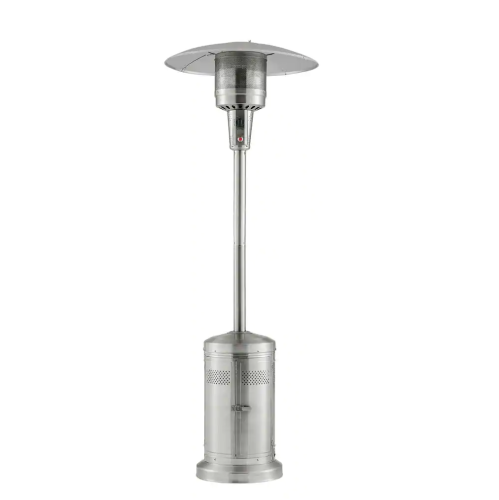
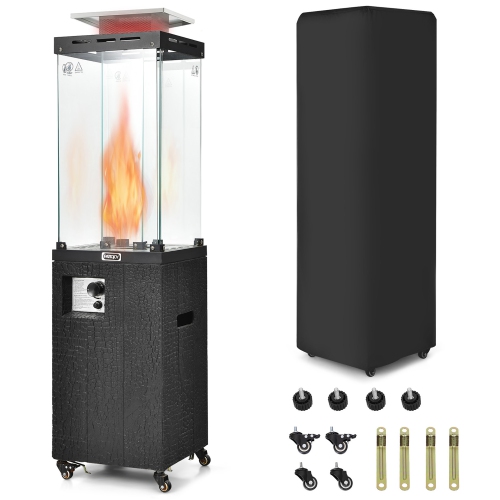
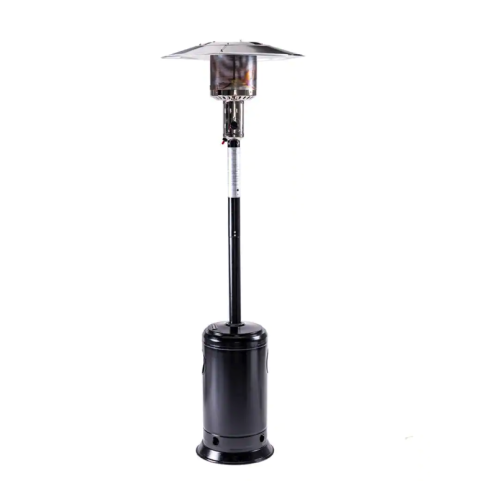
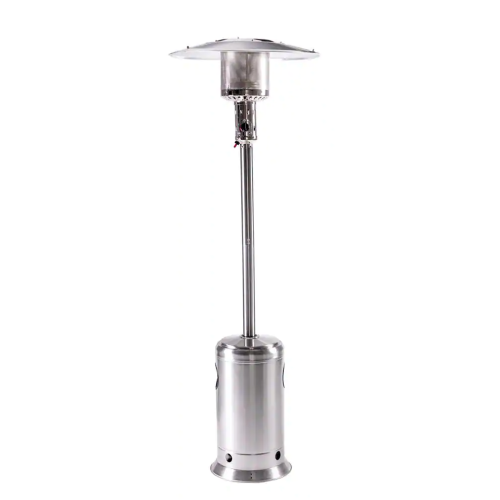
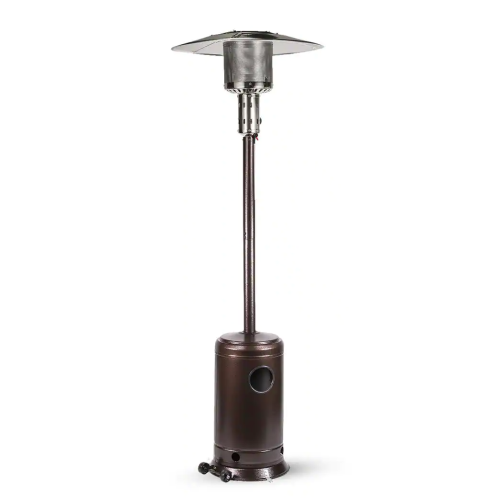
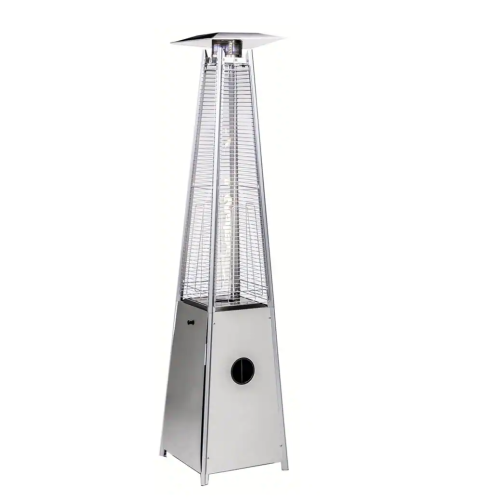
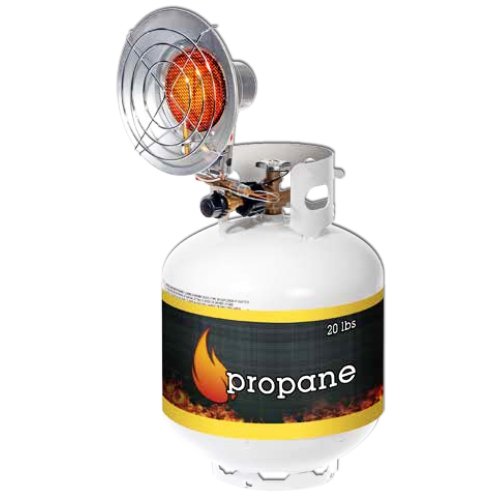
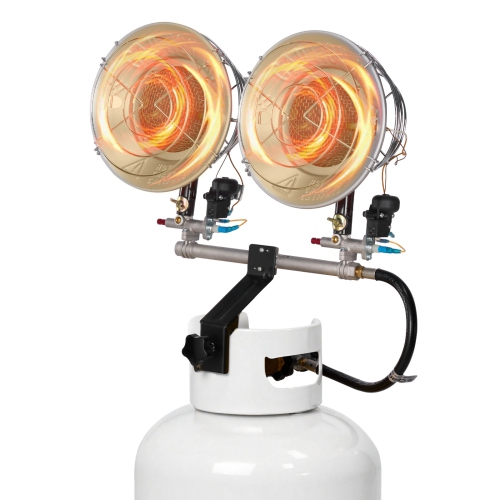
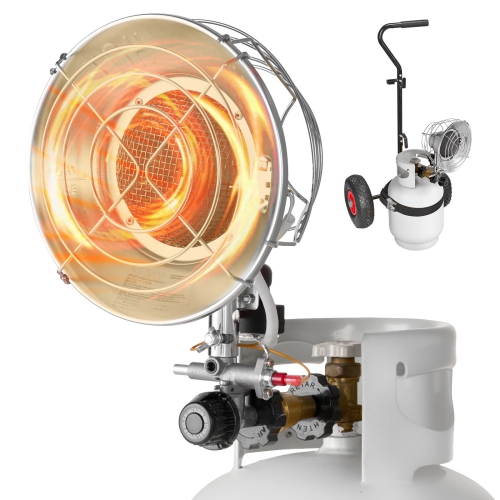
Freestanding propane heaters bring adjustable warmth to outdoor seating areas without needing a permanent gas connection, making them a practical fit for patios, open terraces, and other suitable outdoor gathering spaces. They use propane stored in a compatible cylinder to fuel a burner, with many tall patio designs concealing the cylinder inside the base for a tidy appearance. Because the fuel travels with the heater, placement is not tied to a household natural gas line, although every position still needs to meet the manufacturer’s clearance and surface requirements. Many designs operate without a household electrical outlet; ignition may use a battery or a mechanical spark, depending on the model. Within this category, mushroom-style heaters have a broad reflector above the burner that helps direct radiant heat towards the surrounding seating area. Pyramid and tower designs often feature a visible flame inside a protective glass tube, adding a focal point beside an outdoor lounge or dining arrangement. Their warmth and heat distribution can differ from those of reflector-style heaters, so appearance alone does not tell the whole story. For a closer look at designs intended for outdoor dining and lounging, Propane Patio Heaters are a related category. Heat output is commonly expressed in British thermal units per hour, often shortened to BTU in product descriptions. A higher rating indicates greater fuel input, but it does not guarantee an equally comfortable experience across every patio. Burner design, reflector shape, wind exposure, and the distance between the heater and seated guests all influence how much warmth people feel. An open patio with chairs grouped near the heater presents a different heating task from a long terrace with seating spread along its edge. These heaters are best understood as a source of localized comfort rather than a way to make an entire outdoor space feel like an indoor room. They can make a leisurely meal or conversation more comfortable when outdoor temperatures dip, provided conditions remain suitable for safe operation.
The physical fit of a freestanding propane heater matters just as much as its heat output. A tall unit needs adequate overhead space as well as clearance on every side, and that clearance must account for nearby furniture, railings, umbrellas, branches, and other combustible materials. A heater that fits neatly between two chairs when switched off may not have enough room to operate safely there. Manufacturer-specified clearances are particularly important around awnings and pergolas; an open-sided structure is not automatically an approved location. On a dining patio, the base should sit outside the path used to carry plates or pull out chairs, while the burner remains safely separated from guests. Level, stable footing on an approved surface helps keep the unit upright, and the footprint should leave comfortable walking room even when the space is busy. Materials influence both the look and the maintenance involved. Stainless steel has a clean, understated finish and can resist corrosion, although its grade, exposure, and care affect long-term performance. Powder-coated steel offers a range of colours and a protective finish, but scratches and chips deserve attention because exposed metal can develop rust. Glass flame tubes create a distinctive appearance while adding a component that needs careful handling, inspection, and cleaning once fully cool. A sturdy base, well-fitted access door, and secure reflector assembly contribute to everyday durability. Integrated wheels can simplify repositioning on suitable surfaces, but a tall heater is not meant to be rolled while operating or still hot. Controls that are easy to reach, straightforward cylinder access, and an ignition system suited to the user can make routine use less awkward. Adjustable output is useful for matching the heat to the seating arrangement rather than running at full power throughout a gathering. Cylinder compatibility also deserves attention: many full-height patio heaters are designed around a standard 20 lb propane cylinder, but the specified cylinder size and connection must match the heater. Runtime varies with burner output, the selected setting, and the amount of fuel in the cylinder, so a single runtime figure should not be treated as universal.
Freestanding outdoor propane heaters suit households that regularly use an outdoor dining table, hosts who want a comfortable gathering spot away from the kitchen, and people with an open patio where a permanent heater installation would be impractical. They may also be a thoughtful gift for someone who enjoys entertaining outdoors, provided the recipient has a suitable space, permission to use propane equipment, and a safe place to store the cylinder. Condo, rental, and shared-property rules can restrict propane appliances, particularly on balconies, so suitability extends beyond the size of the available floor area. Outdoor patio heaters must never be used inside a home, garage, tent, or other enclosed space. An open garage door does not make an outdoor heater suitable for indoor use, and a carbon monoxide alarm does not change its permitted location. Equipment intended for indoor heating is a separate category with its own certification, installation, and ventilation requirements. For outdoor designs, safety features may include a tip-over shut-off and a flame-failure device that stops the gas supply if the flame goes out. These features provide additional protection but do not replace correct placement, supervision, or the operating instructions. Children and pets need to stay clear of hot surfaces, and the heater should not be used to dry clothing or support anything other than manufacturer-approved accessories. Gusty conditions can affect both stability and heating performance; a weighted base is not permission to operate in winds beyond the manufacturer’s limits. Routine care usually includes checking the hose and regulator for damage, keeping burner openings clear, and inspecting the reflector and fasteners. Gas connections should be checked for leaks using the manufacturer’s specified method, never an open flame. Cleaning methods should suit the finish, with abrasive products avoided where they could damage protective surfaces. Before moving or covering the heater, shut it down as directed and allow it to cool completely. A properly fitted cover can help protect a stored heater from moisture and debris, while propane cylinders require upright storage in a permitted, well-ventilated outdoor location. With appropriate placement and regular care, a freestanding propane heater can become a useful part of an outdoor seating arrangement without requiring a permanent fixture.
The physical fit of a freestanding propane heater matters just as much as its heat output. A tall unit needs adequate overhead space as well as clearance on every side, and that clearance must account for nearby furniture, railings, umbrellas, branches, and other combustible materials. A heater that fits neatly between two chairs when switched off may not have enough room to operate safely there. Manufacturer-specified clearances are particularly important around awnings and pergolas; an open-sided structure is not automatically an approved location. On a dining patio, the base should sit outside the path used to carry plates or pull out chairs, while the burner remains safely separated from guests. Level, stable footing on an approved surface helps keep the unit upright, and the footprint should leave comfortable walking room even when the space is busy. Materials influence both the look and the maintenance involved. Stainless steel has a clean, understated finish and can resist corrosion, although its grade, exposure, and care affect long-term performance. Powder-coated steel offers a range of colours and a protective finish, but scratches and chips deserve attention because exposed metal can develop rust. Glass flame tubes create a distinctive appearance while adding a component that needs careful handling, inspection, and cleaning once fully cool. A sturdy base, well-fitted access door, and secure reflector assembly contribute to everyday durability. Integrated wheels can simplify repositioning on suitable surfaces, but a tall heater is not meant to be rolled while operating or still hot. Controls that are easy to reach, straightforward cylinder access, and an ignition system suited to the user can make routine use less awkward. Adjustable output is useful for matching the heat to the seating arrangement rather than running at full power throughout a gathering. Cylinder compatibility also deserves attention: many full-height patio heaters are designed around a standard 20 lb propane cylinder, but the specified cylinder size and connection must match the heater. Runtime varies with burner output, the selected setting, and the amount of fuel in the cylinder, so a single runtime figure should not be treated as universal.
Freestanding outdoor propane heaters suit households that regularly use an outdoor dining table, hosts who want a comfortable gathering spot away from the kitchen, and people with an open patio where a permanent heater installation would be impractical. They may also be a thoughtful gift for someone who enjoys entertaining outdoors, provided the recipient has a suitable space, permission to use propane equipment, and a safe place to store the cylinder. Condo, rental, and shared-property rules can restrict propane appliances, particularly on balconies, so suitability extends beyond the size of the available floor area. Outdoor patio heaters must never be used inside a home, garage, tent, or other enclosed space. An open garage door does not make an outdoor heater suitable for indoor use, and a carbon monoxide alarm does not change its permitted location. Equipment intended for indoor heating is a separate category with its own certification, installation, and ventilation requirements. For outdoor designs, safety features may include a tip-over shut-off and a flame-failure device that stops the gas supply if the flame goes out. These features provide additional protection but do not replace correct placement, supervision, or the operating instructions. Children and pets need to stay clear of hot surfaces, and the heater should not be used to dry clothing or support anything other than manufacturer-approved accessories. Gusty conditions can affect both stability and heating performance; a weighted base is not permission to operate in winds beyond the manufacturer’s limits. Routine care usually includes checking the hose and regulator for damage, keeping burner openings clear, and inspecting the reflector and fasteners. Gas connections should be checked for leaks using the manufacturer’s specified method, never an open flame. Cleaning methods should suit the finish, with abrasive products avoided where they could damage protective surfaces. Before moving or covering the heater, shut it down as directed and allow it to cool completely. A properly fitted cover can help protect a stored heater from moisture and debris, while propane cylinders require upright storage in a permitted, well-ventilated outdoor location. With appropriate placement and regular care, a freestanding propane heater can become a useful part of an outdoor seating arrangement without requiring a permanent fixture.
Top selling and popular products
-
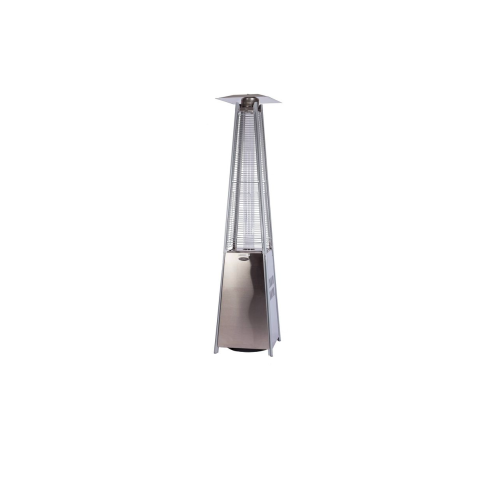 Your price for this item is $879.99
 -
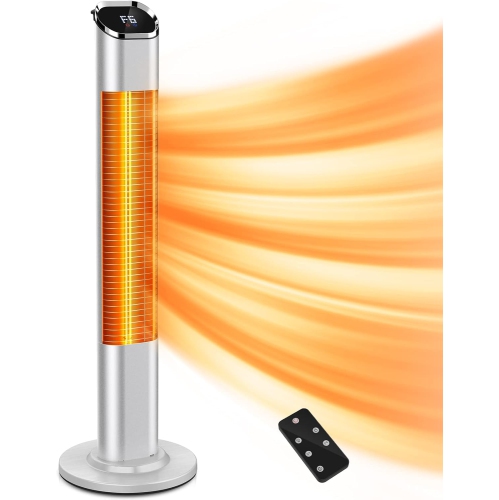 Your price for this item is $219.95
 -
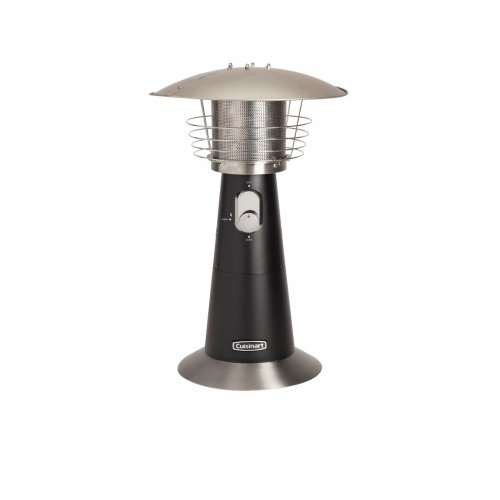 Your price for this item is $329.99
 -
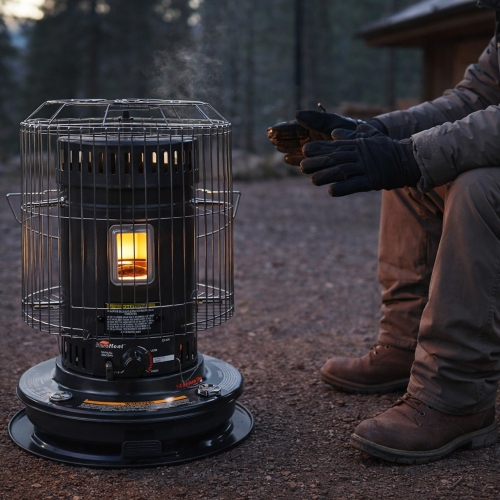 Your price for this item is $751.99
 -
 Your price for this item is $318.99
 -
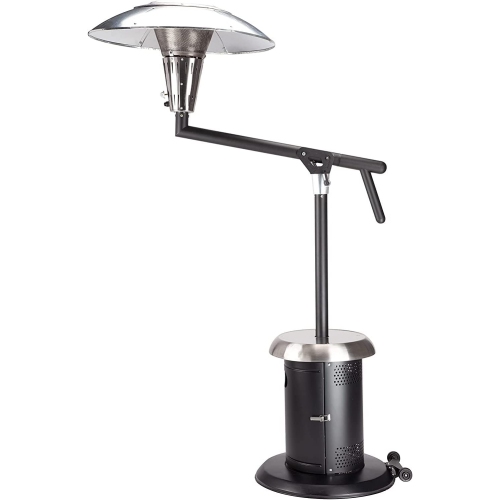 Your price for this item is $1199.99
 -
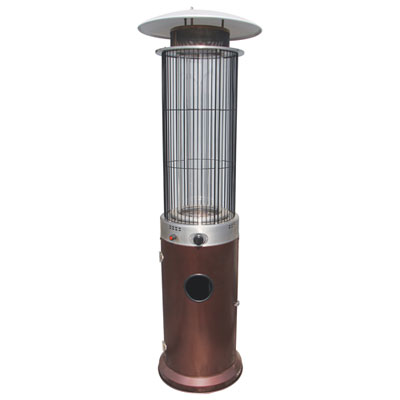 Your price for this item is $399.99
 -
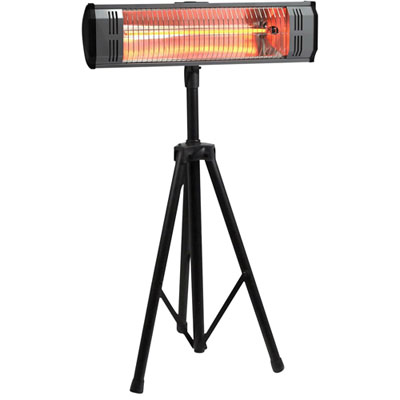 Your price for this item is $259.99
Discover more categories related to Freestanding Propane Heaters
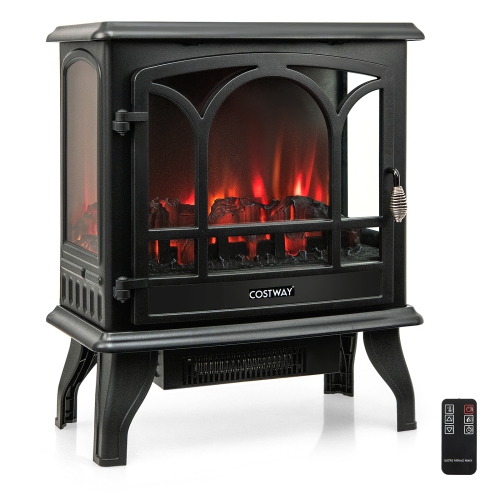
Top Collections:
Pokemon Centers, Kindle Devices, Best Budget Office Chairs, Apple iPhones 16, Best Laptops for Writers, iPhone 15 Apple, Canon G7X Cameras, Refurbished Apple Laptops, Alarm Clock, Motorola Razr Phones
Some products may be subject to Environmental Handling Fees
(EHF) depending on your province.
Learn more about EHFs.