Full Spectrum LED Grow Lights for Bonsai
Full Spectrum LED Grow Lights for Bonsai provide an effective lighting solution designed to support the healthy growth and vibrant appearance of your miniature trees. Ideal for both beginners and experienced bonsai enthusiasts, these lights offer a convenient way to nurture your plants indoors. Whether you’re cultivating classic junipers or experimenting with unique species, Full Spectrum LED Grow Lights for Bonsai help create optimal conditions year-round. Explore a range of options to find the perfect fit for your indoor garden setup.
Sort







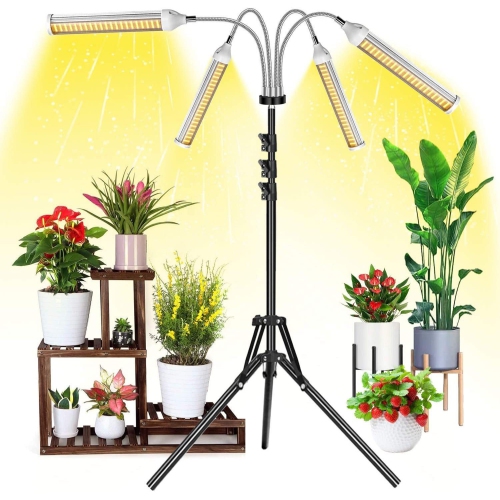


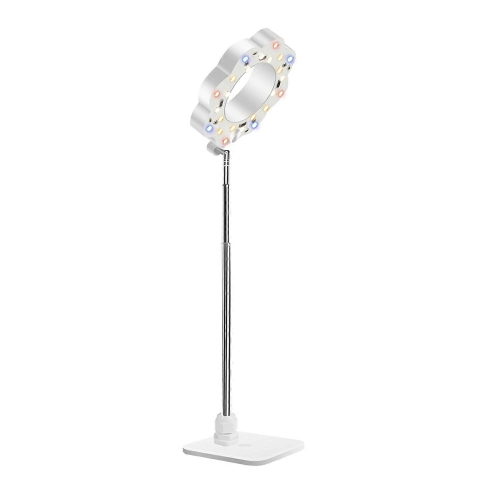
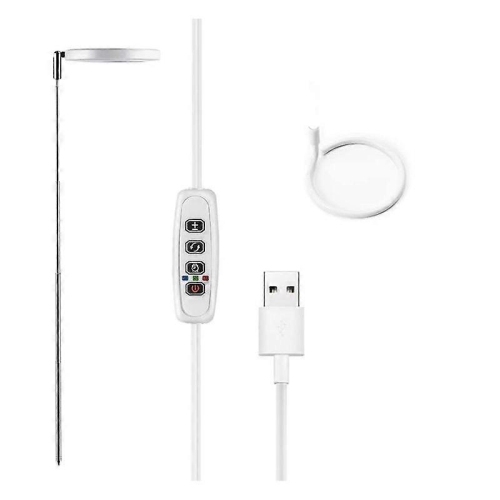
Healthy indoor bonsai need more than the right spectrum
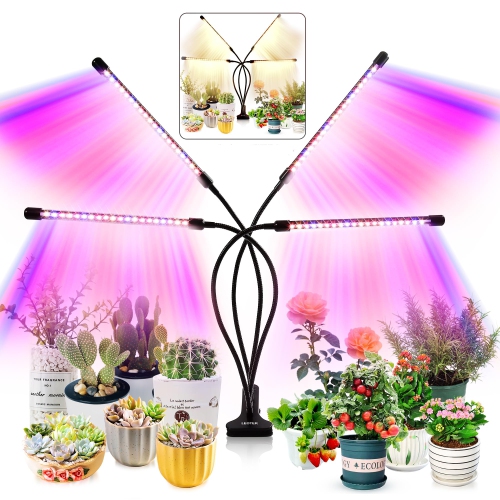
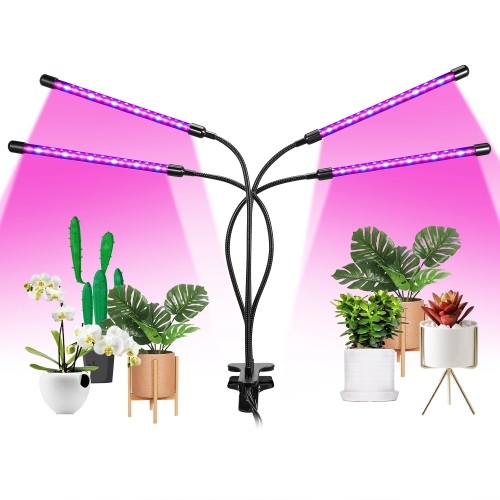
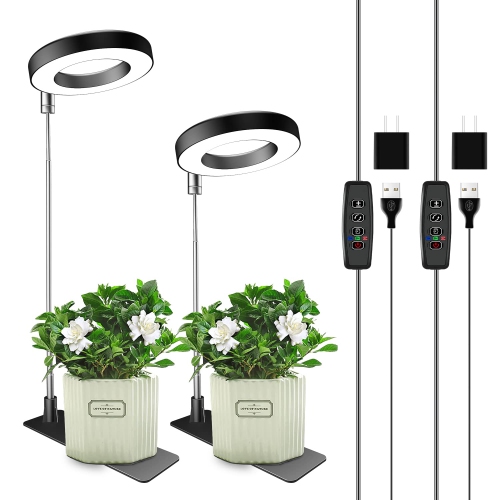
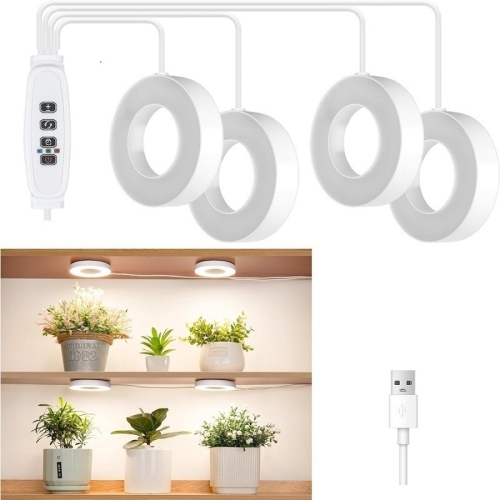
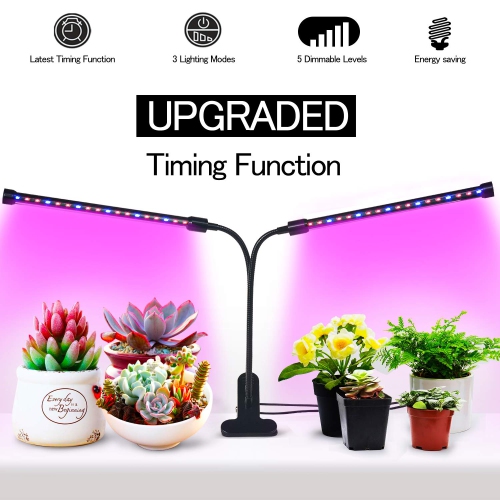
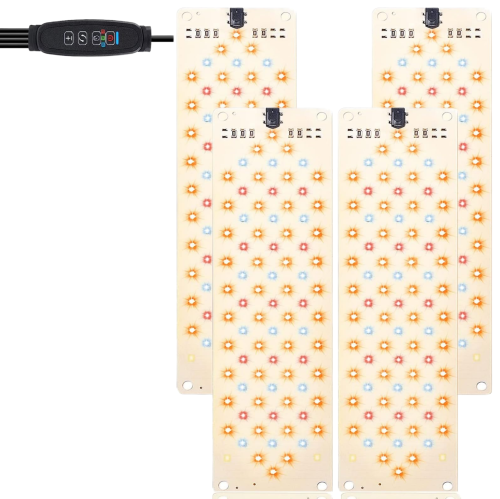
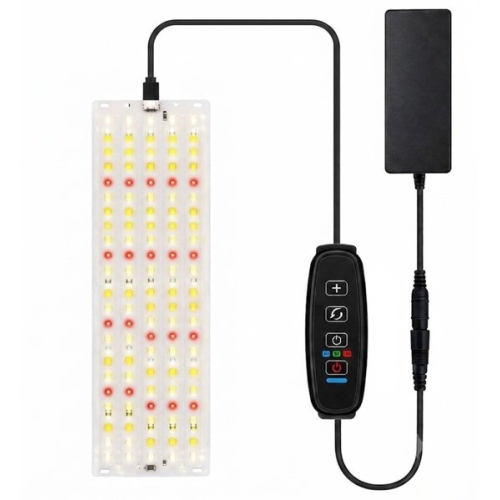
Full spectrum LED grow lights for bonsai provide a broad range of visible light to support photosynthesis while making foliage, bark and branching easier to appreciate indoors. They are particularly useful for suitable tropical bonsai, such as ficus, when light from a window does not reach the whole canopy or is not strong enough for healthy growth. The term “full spectrum” generally describes a broad light output that includes blue and red wavelengths, often produced by white LEDs with additional red diodes. It does not, by itself, tell you how much usable light reaches a tree. Light intensity, coverage, placement and daily operating time all matter alongside spectrum. A small ficus on a side table needs a different arrangement from several trees spread across a display shelf, even if both setups use full spectrum lighting. White light also has a practical advantage for bonsai displays: it allows leaf colour and the outline of the tree to remain more recognizable than they would under strongly pink or purple lighting. Within the broader selection of Full Spectrum LED Lights, fixtures intended for plant growth are the relevant choice, rather than ordinary decorative lighting described with similar terms. Look for specifications that explain plant-light output and coverage at a stated distance. Photosynthetic photon flux density, or PPFD, describes the amount of light useful for photosynthesis arriving at a particular surface; a coverage map can show whether that light is concentrated in the centre or distributed more evenly. Wattage describes electrical power use, not the amount of light reaching every leaf, and colour temperature describes the appearance of white light rather than its suitability for a particular tree. For bonsai, the goal is enough well-distributed light to support healthy foliage and growth, not simply the brightest-looking fixture. Lighting supports the tree’s care, but pruning, watering, root health and species selection still shape the result.
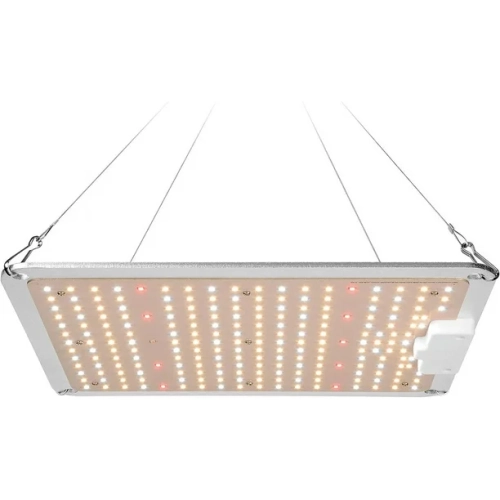
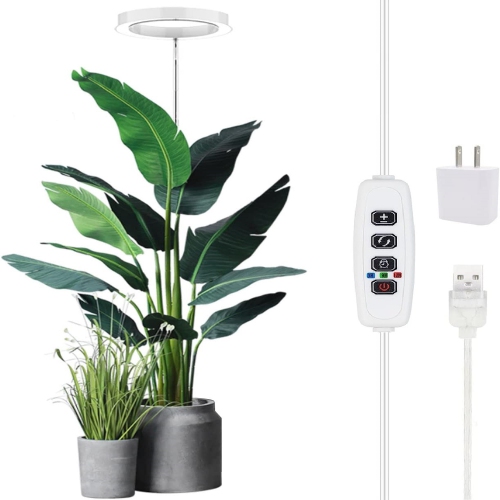
Fixture style makes a noticeable difference to how comfortably a grow light fits into a living space. A screw-in grow bulb can suit a single small tree when paired with a stable, compatible lamp holder. A linear bar can spread light along a shelf, while a suspended panel may provide broader coverage above a group of trees. Adjustable arms offer flexibility around an uneven canopy, although their clamps need a firm mounting surface and enough clearance to stay out of walkways. Before choosing a format, measure the canopy’s width and height, the available mounting space and the distance between shelves. Leave room to lift the pot, turn the tree and reach the soil without knocking the light or bending a branch. A shallow bonsai pot may fit neatly on a shelf while its branching extends well beyond the shelf edges, so pot dimensions alone are not a useful measure of required coverage. Positioning should follow the fixture’s stated hanging distance and the tree’s light needs rather than a universal spacing rule. A light placed too close can create an intense central spot, while one placed too far away may leave the foliage inadequately lit. Dimming and adjustable mounting height make it easier to refine the setup as the canopy develops. Dense foliage can also shade lower branches, so light direction and the tree’s orientation deserve attention. For many indoor tropical bonsai, a consistent daily lighting period of roughly 12 to 16 hours can be a useful starting point, adjusted for species, natural light and plant response. A timer helps keep that schedule steady while preserving an uninterrupted dark period. Check that any timer is compatible with the light’s controls, since some fixtures do not resume operation automatically after power is restored. Grow lights are not a substitute for appropriate growing conditions: junipers and many other outdoor bonsai need outdoor care and natural dormancy, rather than continuous indoor lighting.
Build quality matters when a light will operate for hours above a tree that needs regular watering and handling. Metal housings and effective heat sinks help manage heat from the LEDs, while secure brackets, sound cable connections and a stable base help keep the setup dependable. LEDs still produce heat, so ventilation openings should remain clear and foliage should not touch the fixture. Where a light uses a cooling fan, operating noise may matter beside a reading chair or work desk. Check the fixture’s electrical certification for use in Canada, along with its mounting requirements and any stated moisture protection. A grow light should not be assumed to tolerate splashes simply because it is designed for plants. Keep plugs, power bars and control units away from watering trays, and arrange cords so water cannot run towards electrical connections. Disconnect the light before cleaning, allow it to cool and follow the manufacturer’s care instructions; removing dust from the lens or cover helps maintain light delivery without disturbing the tree. Easy-to-clean surfaces are especially useful near soil, where fine particles can settle on the fixture during repotting. Day-to-day care also includes watching the bonsai itself. Pale patches on leaves, unusually stretched growth or a canopy leaning strongly towards one side can prompt a closer look at light intensity and distribution, though watering, pests and other issues can cause similar changes. Adjust the setup gradually rather than making large changes based on a single leaf. For someone building a first indoor bonsai display, straightforward controls and a secure mount may be more useful than numerous lighting modes. For an established enthusiast, even coverage, dimming and flexible positioning can make a fixture a thoughtful gift, provided its size and light output suit the recipient’s trees. The most practical choice fits both the bonsai and its everyday care routine, leaving space to water, inspect and enjoy the tree without dismantling the display.
Top selling and popular products
-
 Your price for this item is $232.99
-
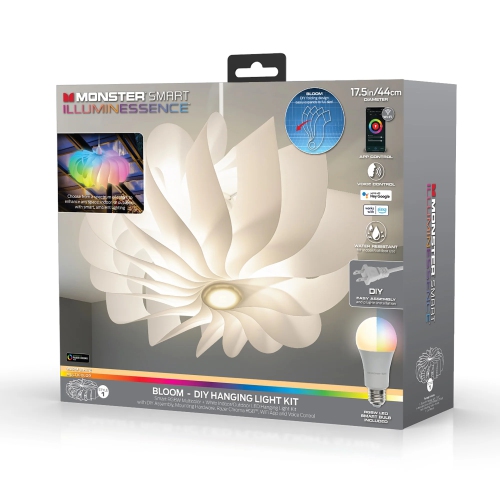 Your price for this item is $49.99
-
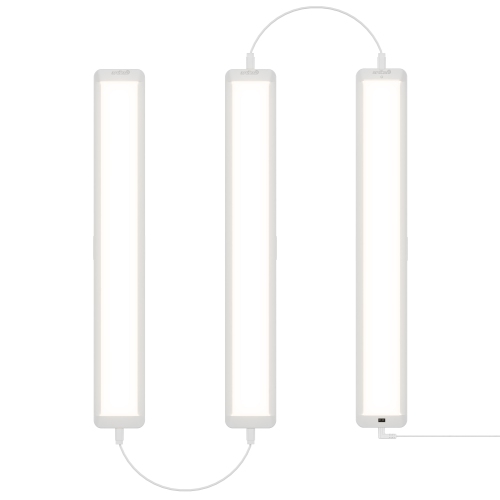 Your price for this item is $67.49
-
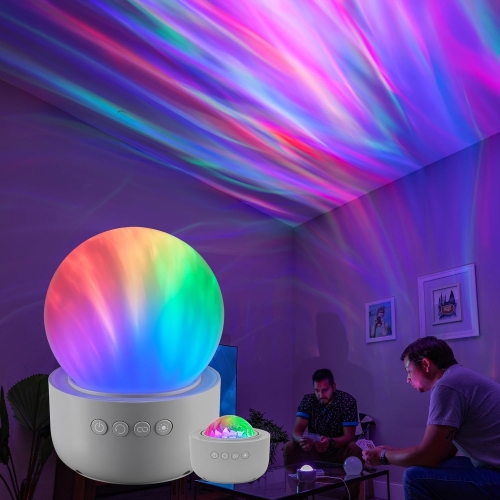 Your price for this item is $29.99
-
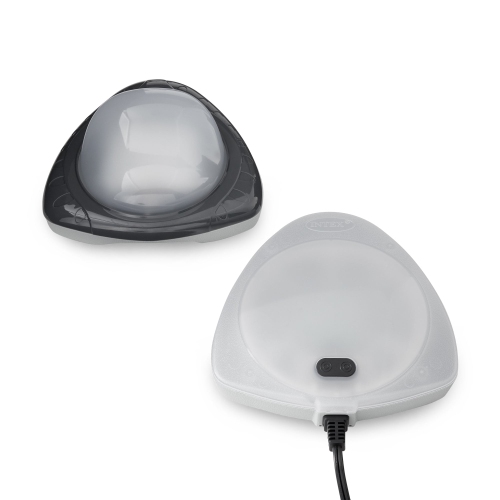 Your price for this item is $119.99
-
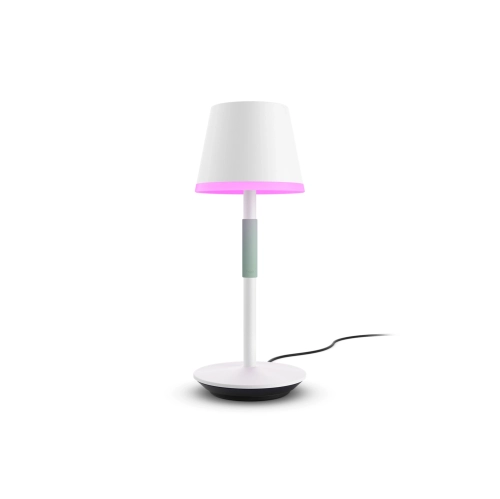 Your price for this item is $230.68
-
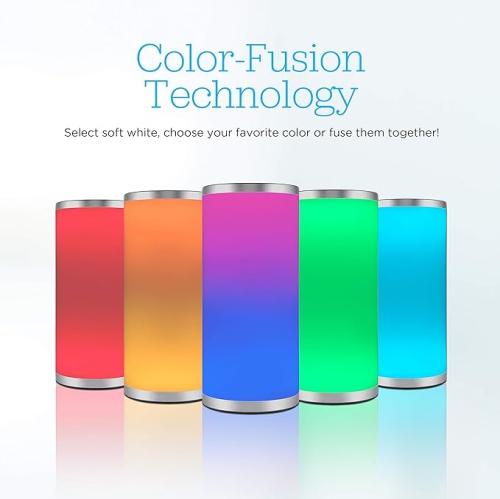 Your price for this item is $26.99
-
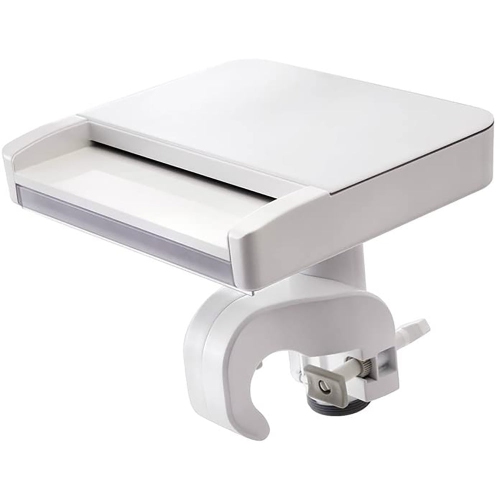 Your price for this item is $129.99
Discover more categories related to Full Spectrum LED Grow Lights for Bonsai
Top Collections:
Pokemon Centers, Pokémon 30th Celebration Cards, Best Budget Office Chairs, Kindle Devices, Best Cameras for Sports Photography, Canon G7X Cameras, Best Black Friday Deals On Electronics, Best Laptops for Writers, iPhone 15 Apple, Jackery Power Stations
Some products may be subject to Environmental Handling Fees
(EHF) depending on your province.
Learn more about EHFs.