Full Spectrum LED Lights
Enhance the growth and vitality of your indoor plants with our wide selection of full-spectrum LED lights. Designed specifically to mimic natural sunlight, these powerful lighting solutions provide your plants with the optimal light spectrum they need for photosynthesis. Whether you're a seasoned gardener or just starting out, our range of full-spectrum LED lights offers an efficient and convenient way to nurture your greenery year-round. Explore our collection today and discover the perfect lighting solution to help your plants thrive in any space.
Sort
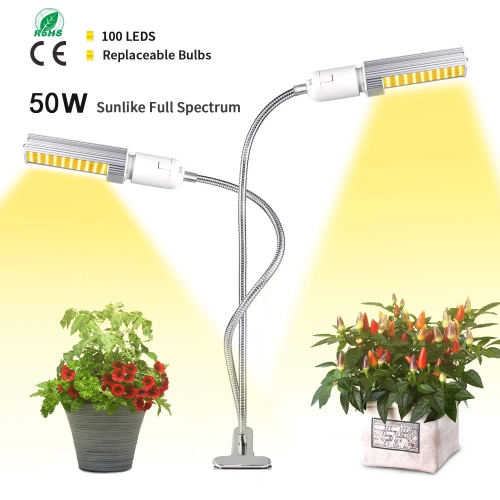
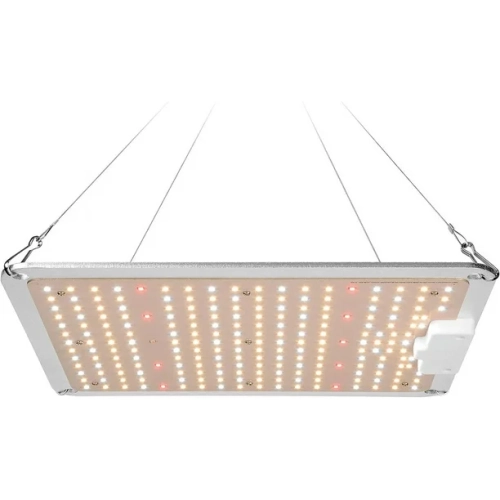


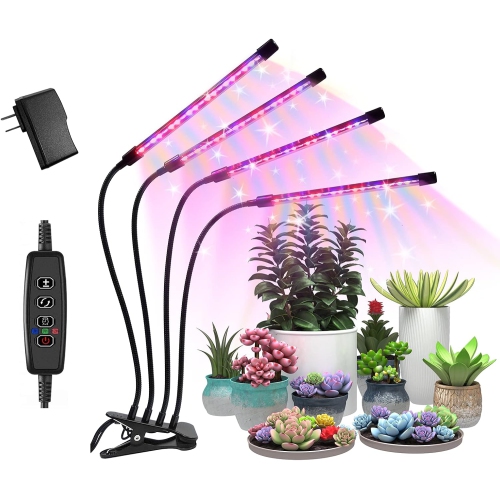
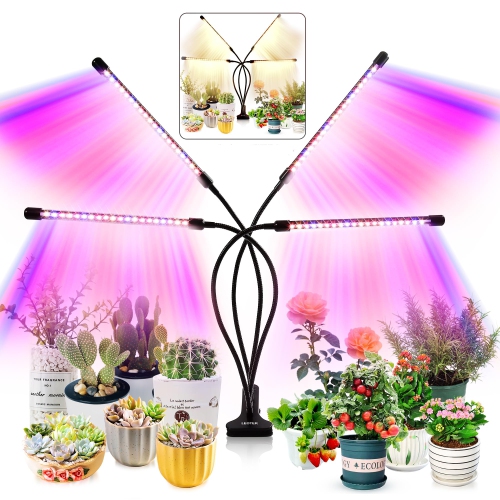

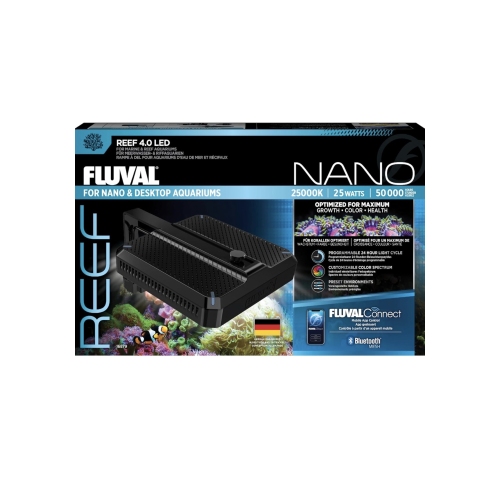


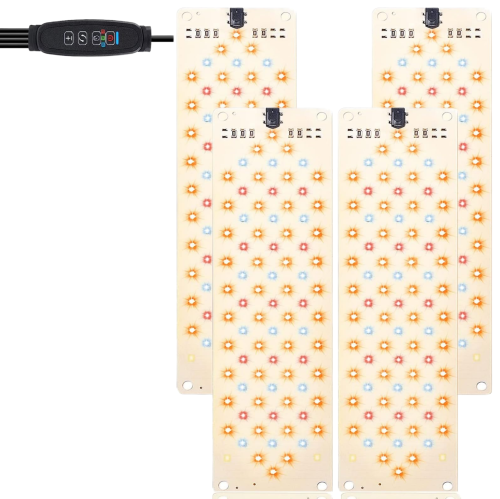
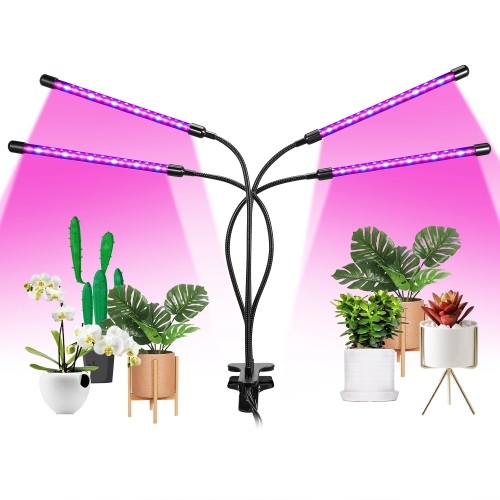

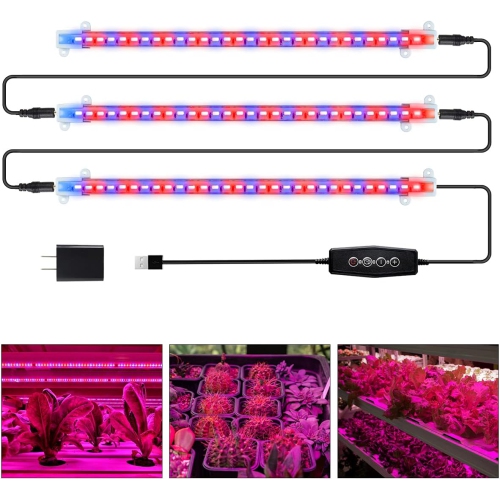
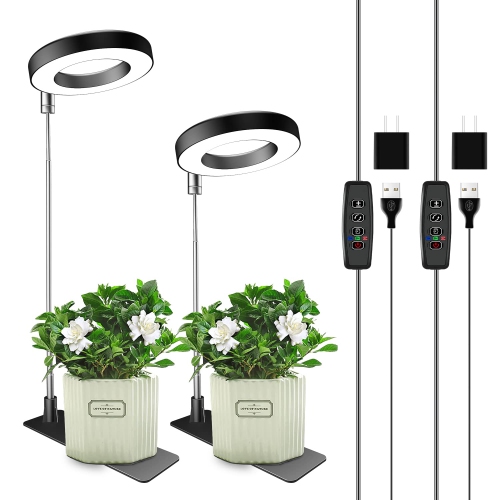

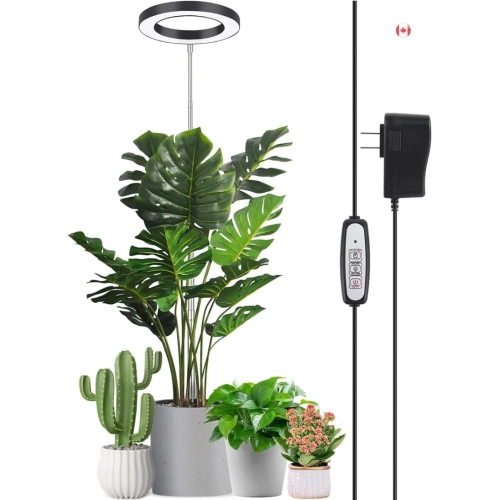
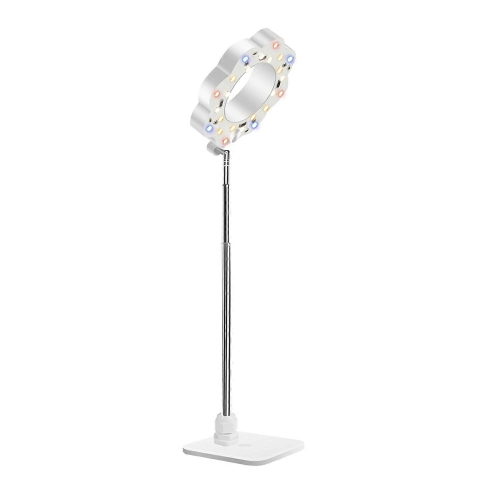

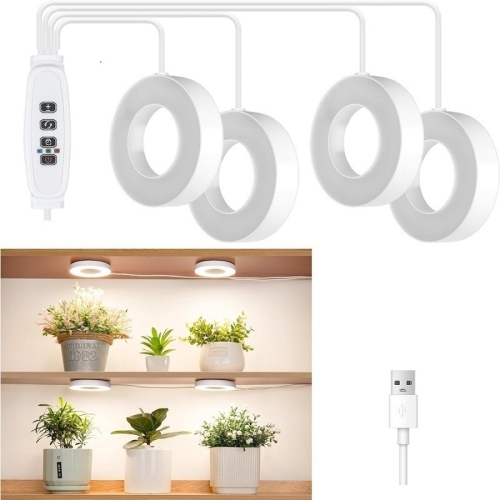


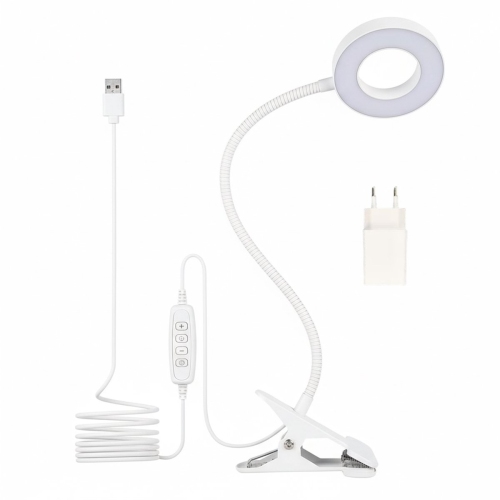


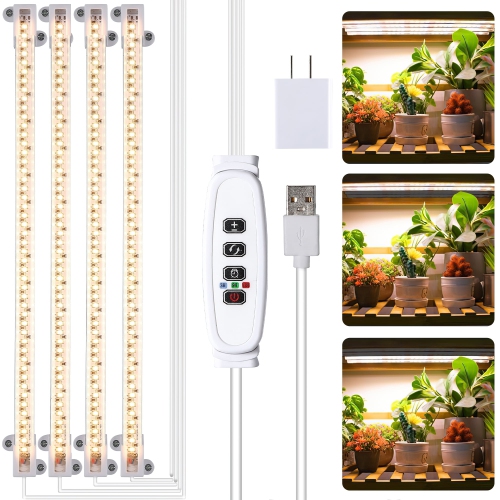
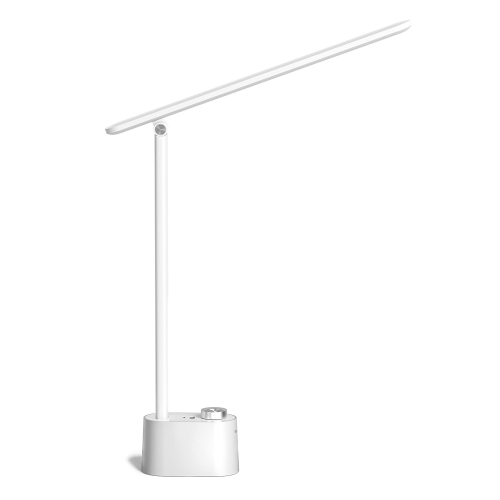
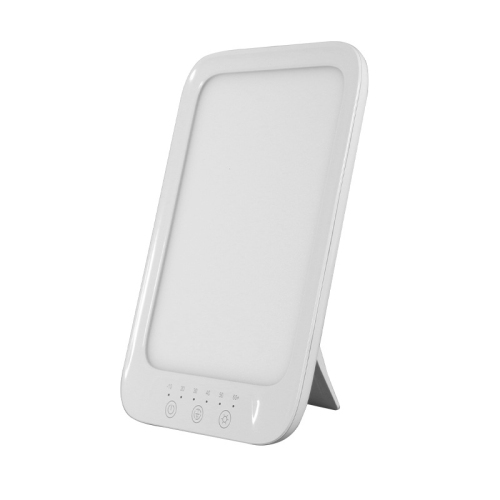










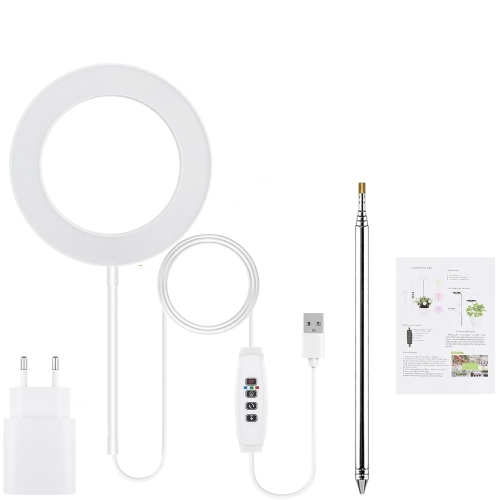
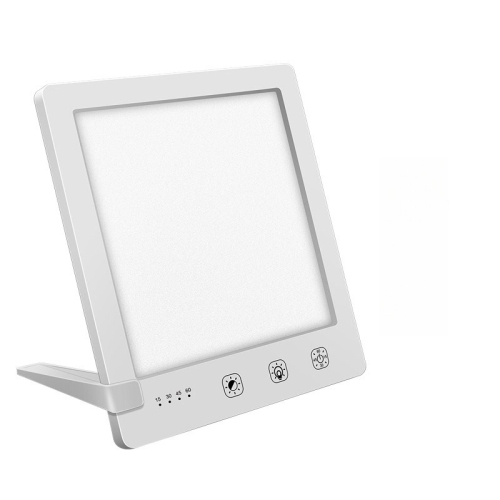
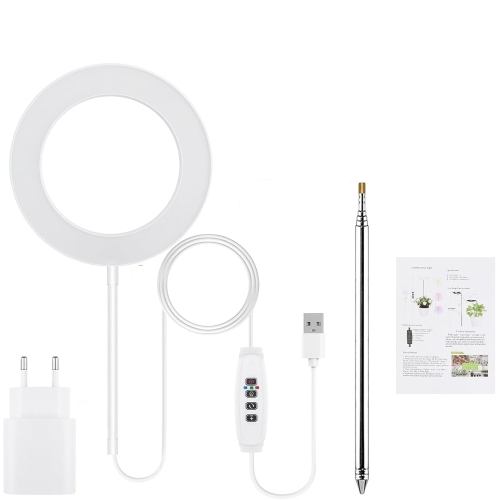
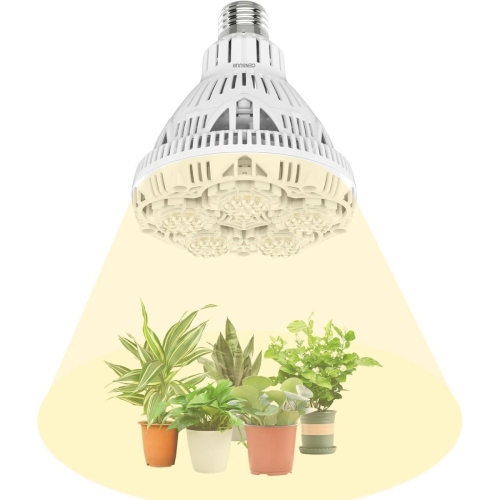








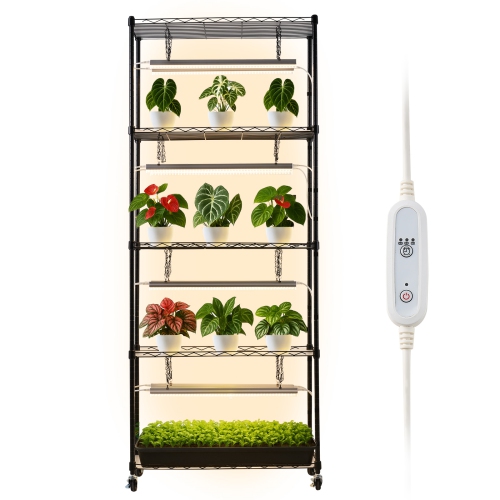
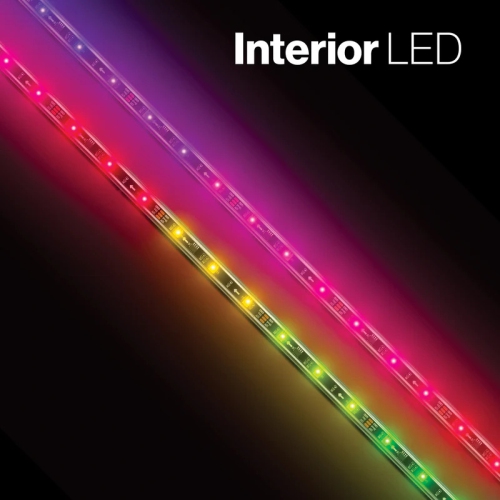
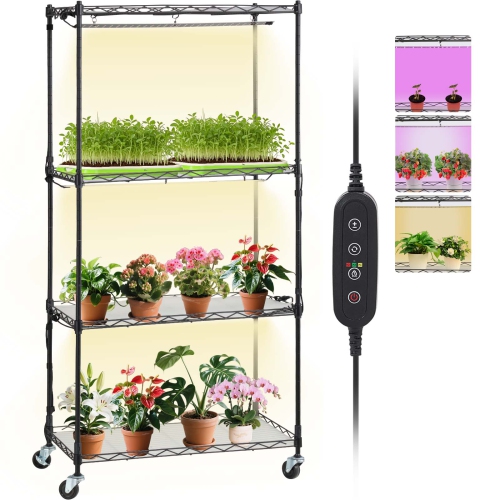


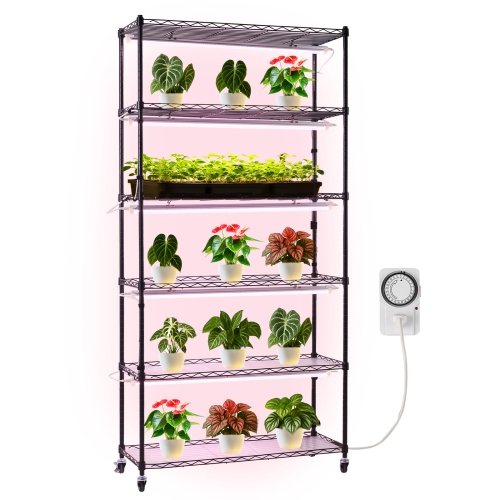
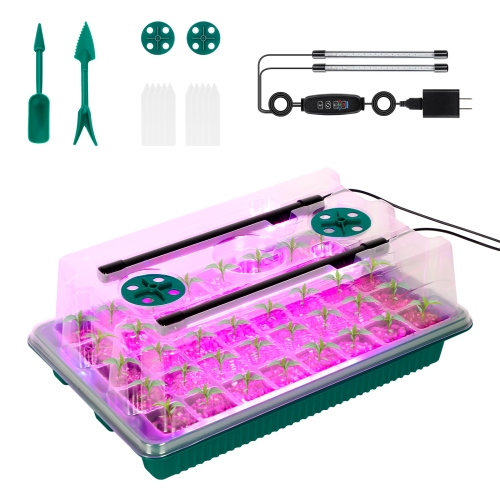
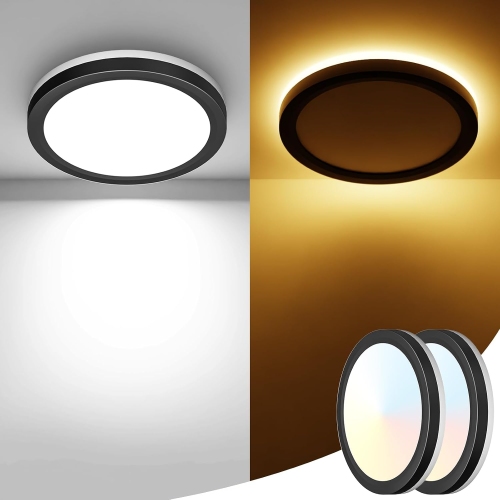
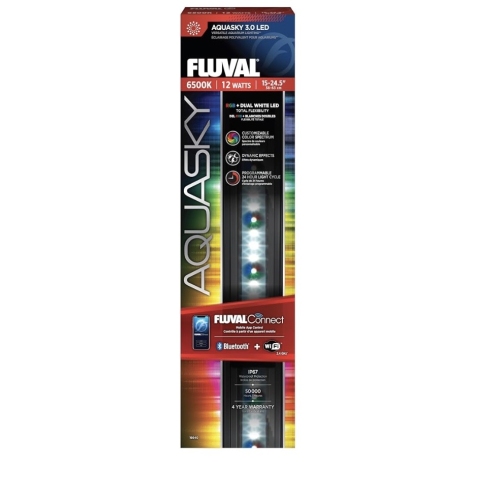
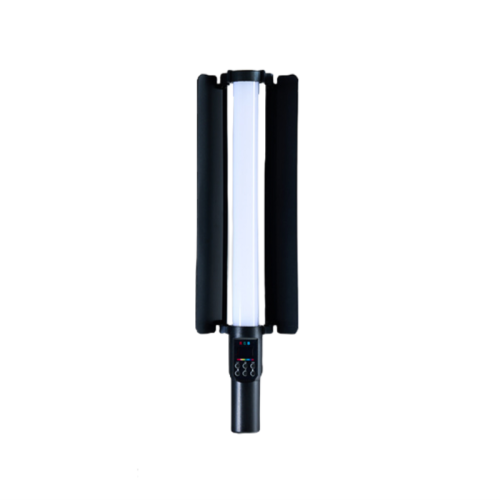




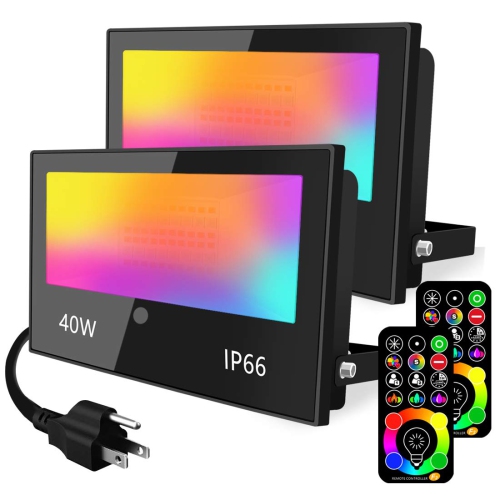


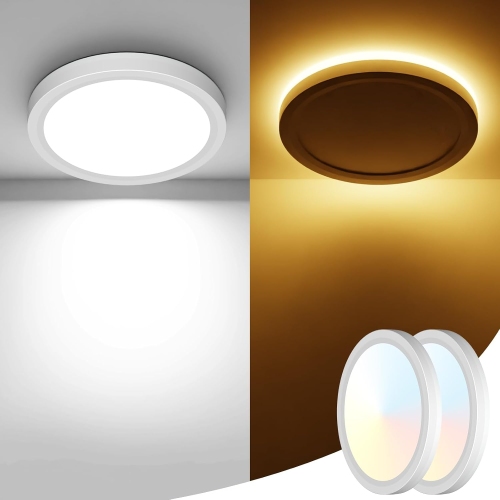
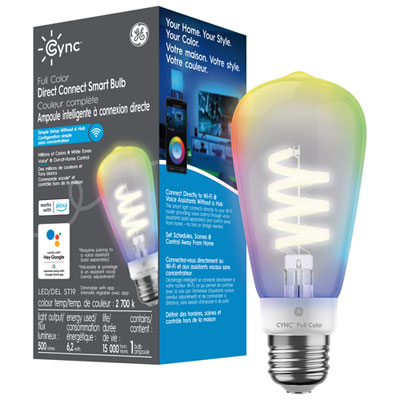

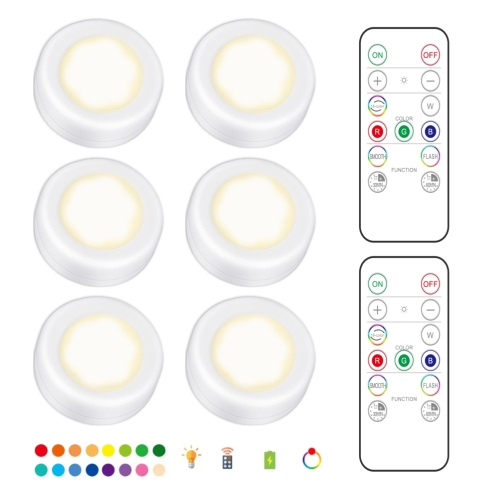
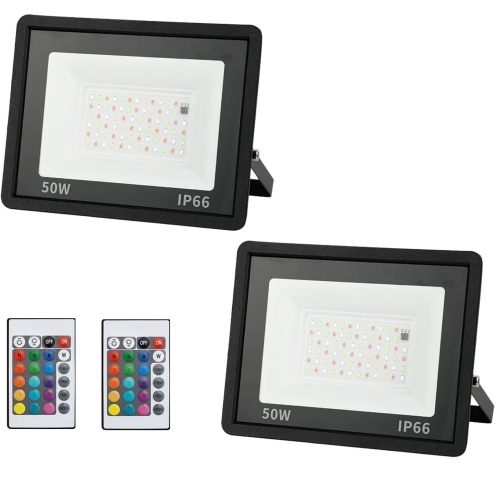

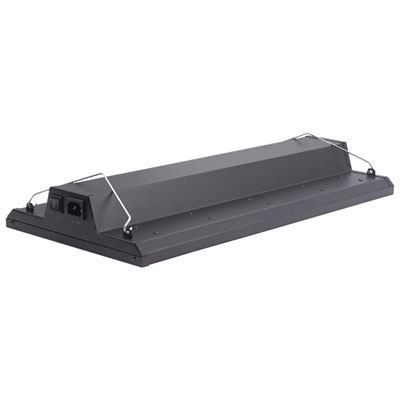


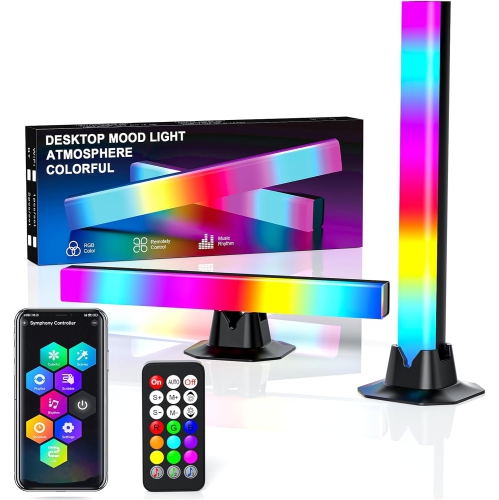


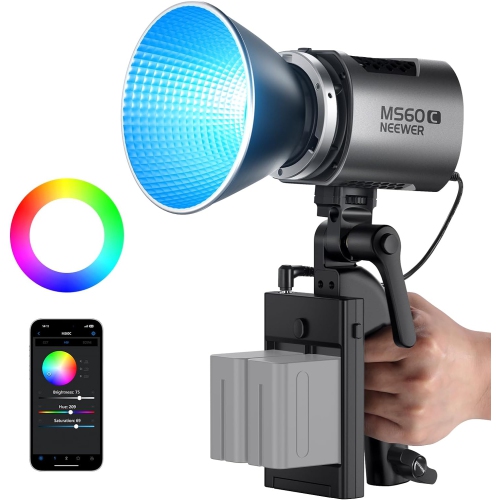
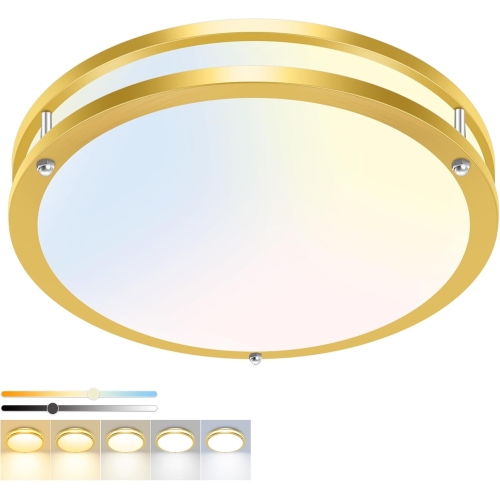

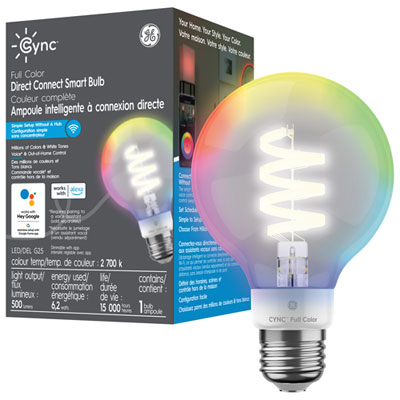

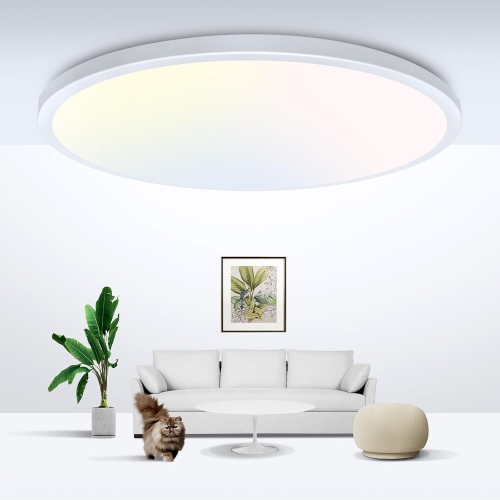

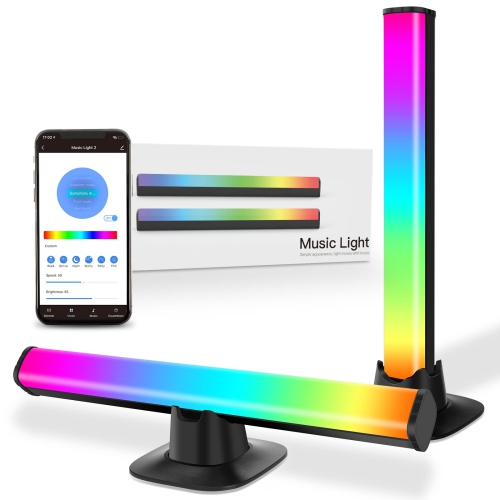

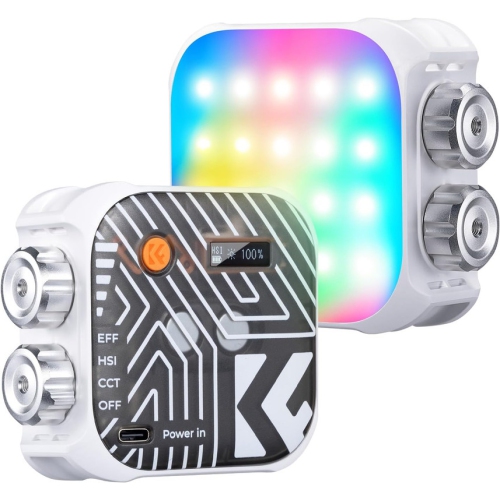

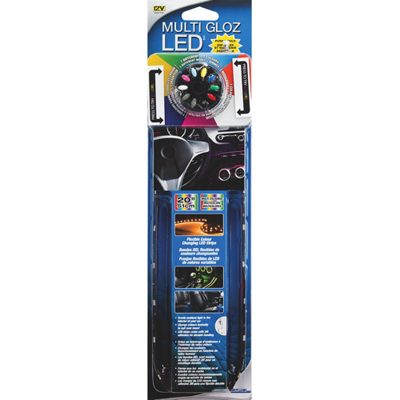

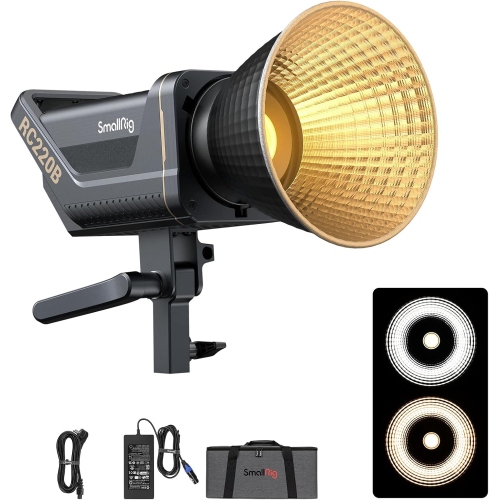
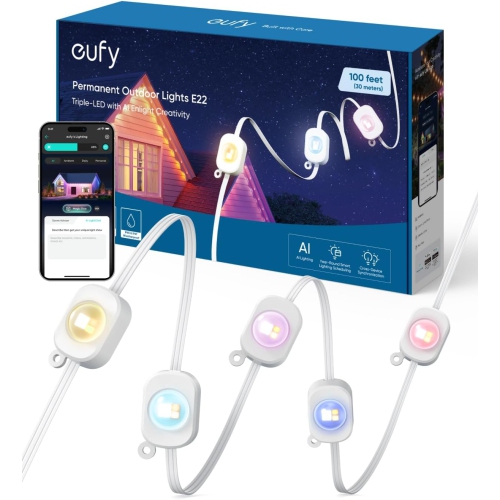

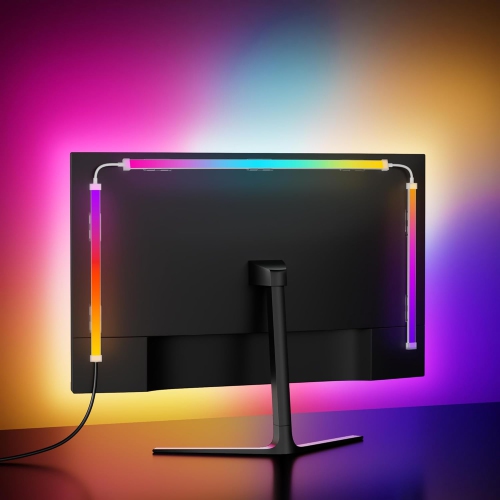

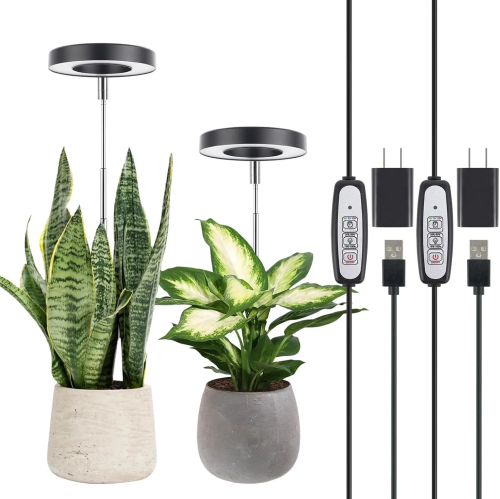
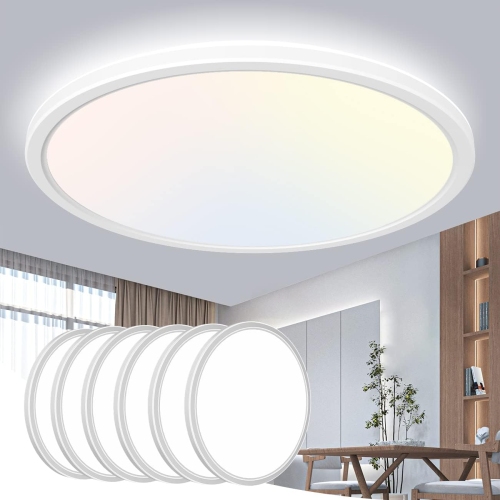
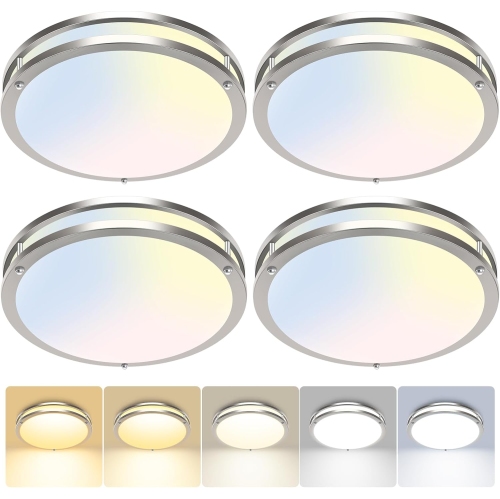


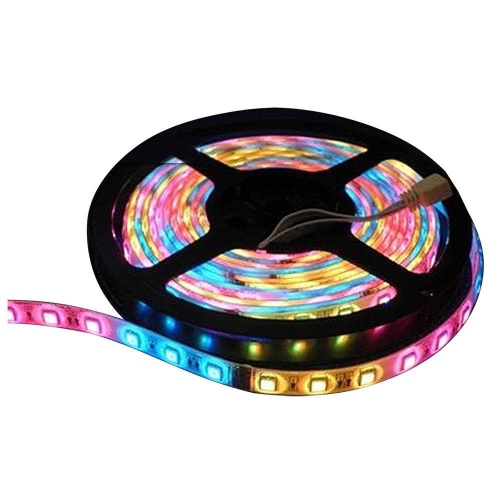
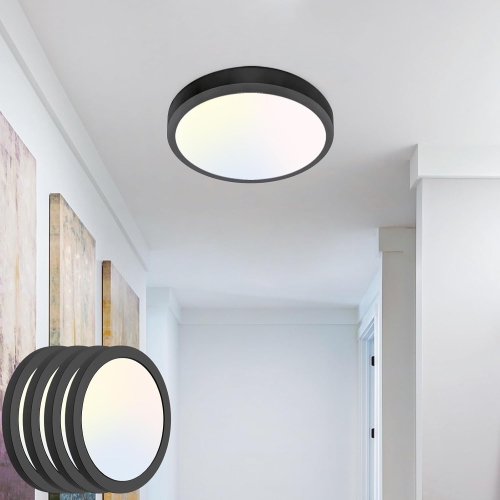
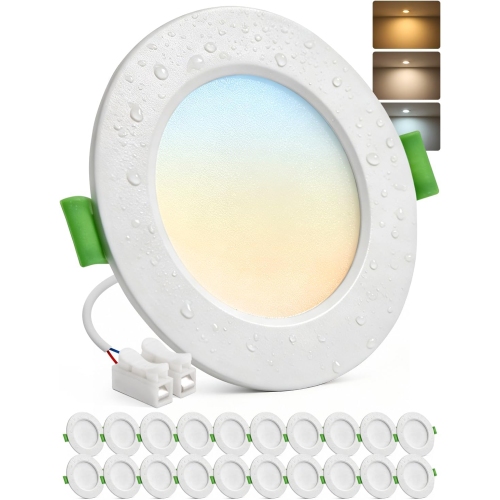


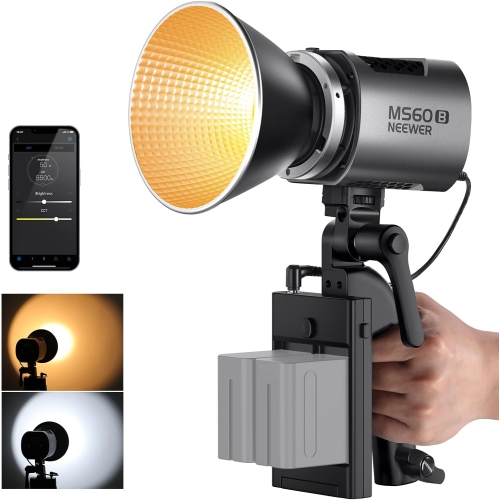
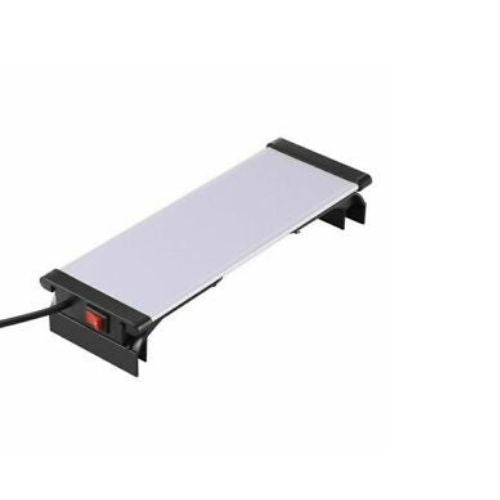
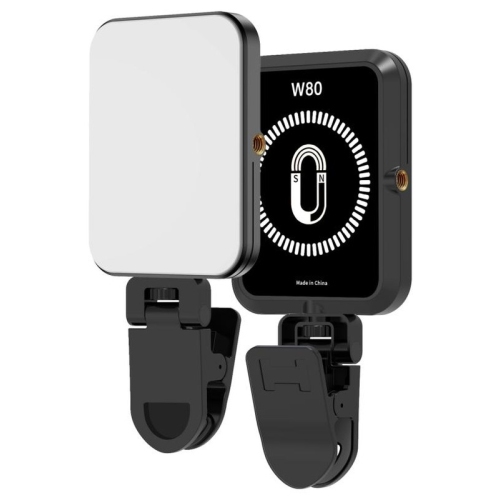
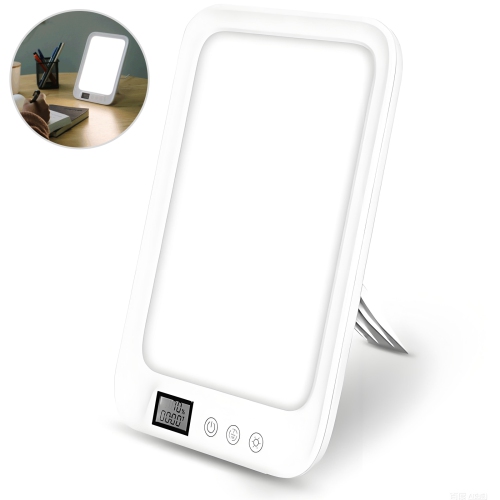
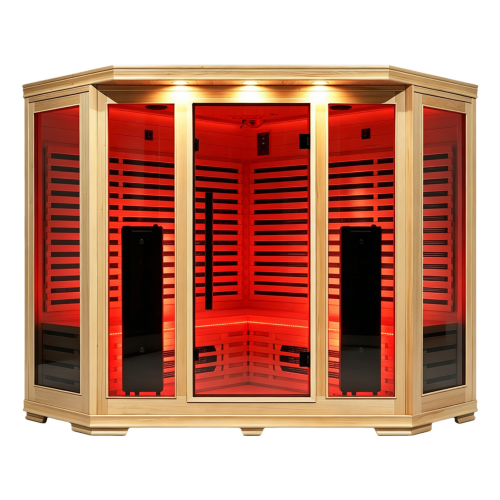
Why your plants need more than a full-spectrum label
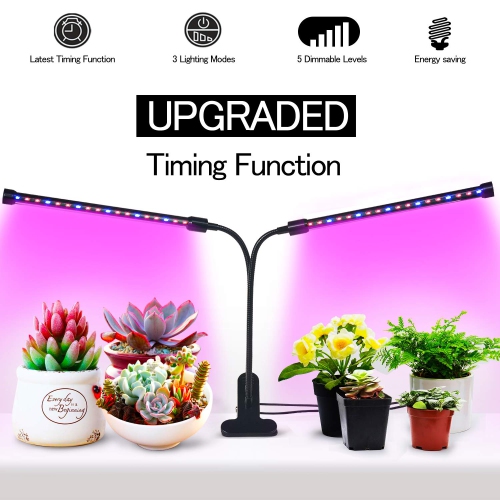
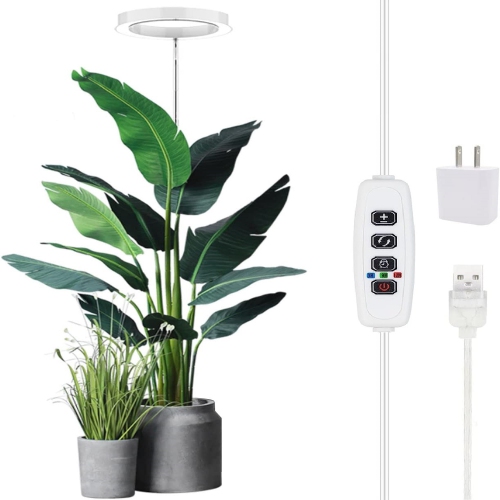
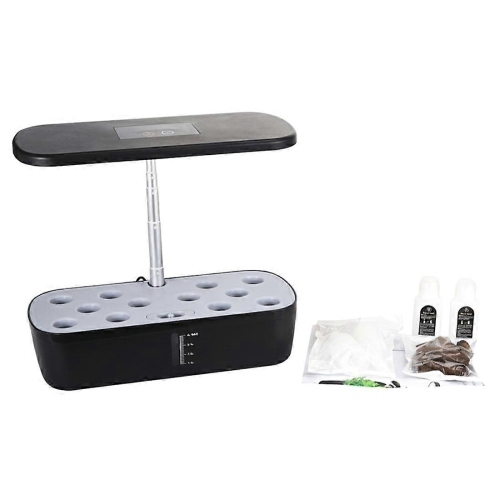
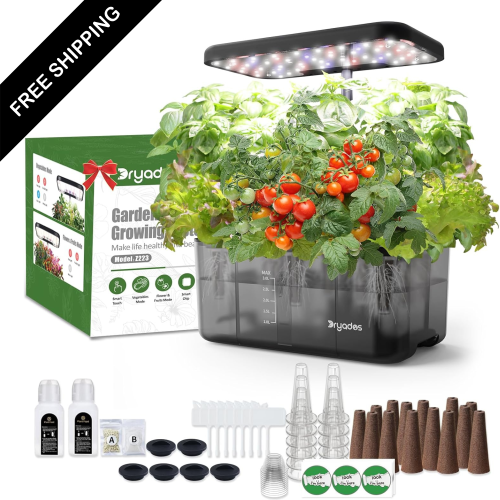
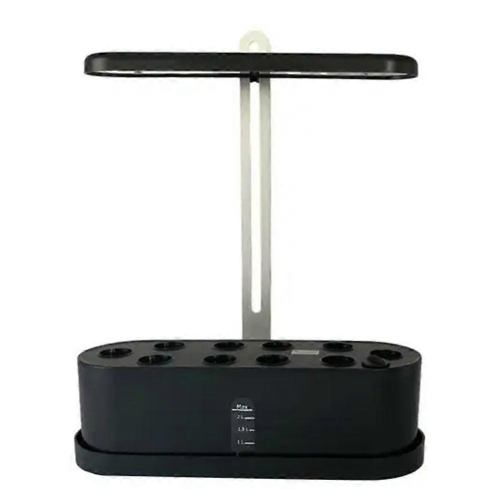
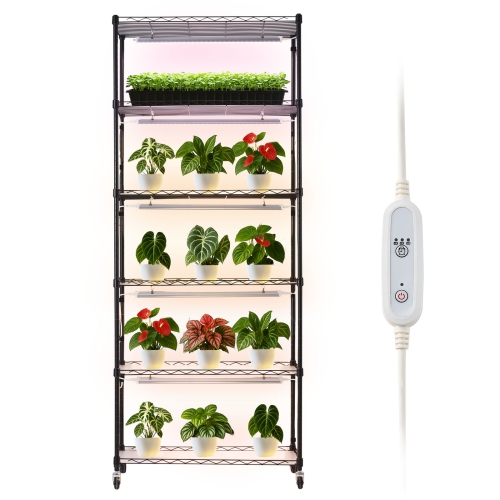
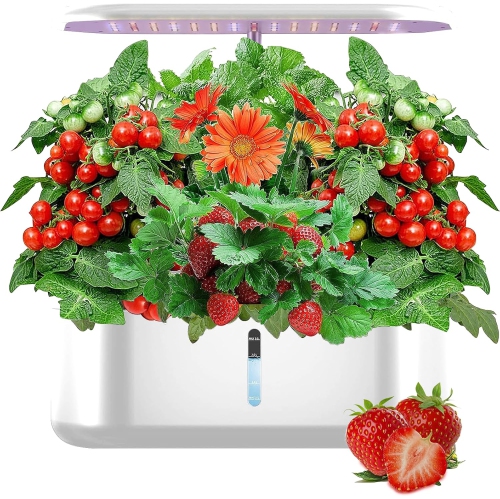
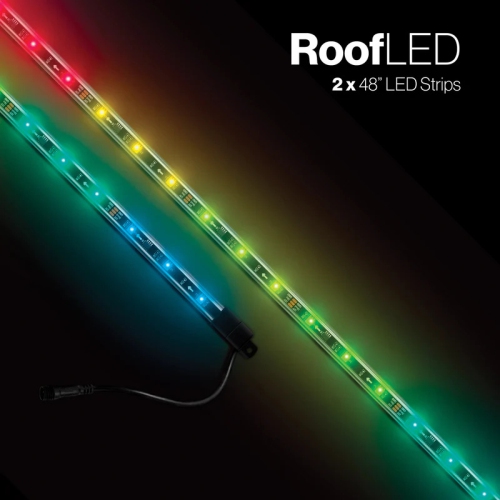
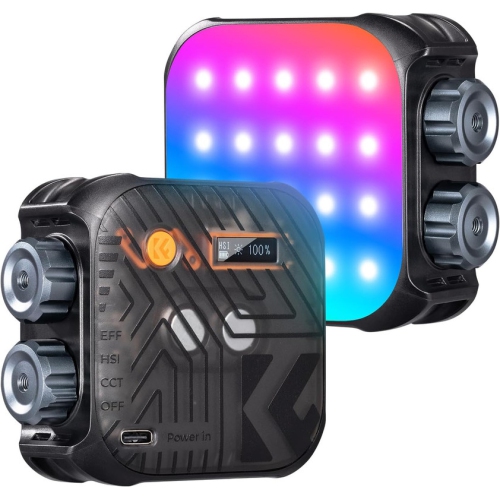
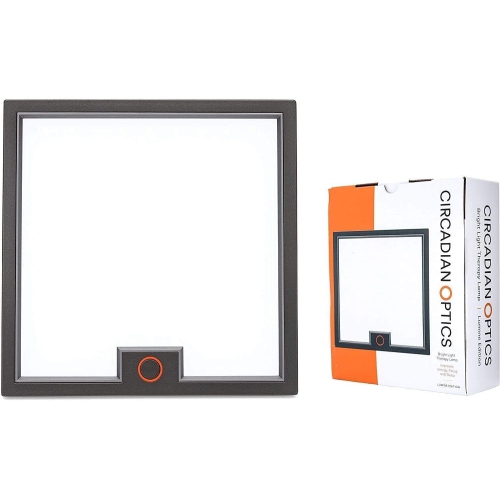
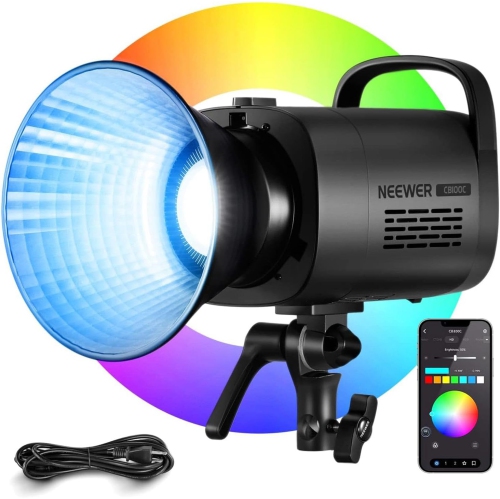
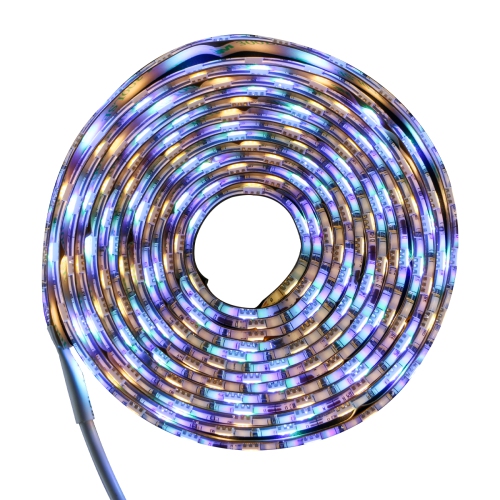
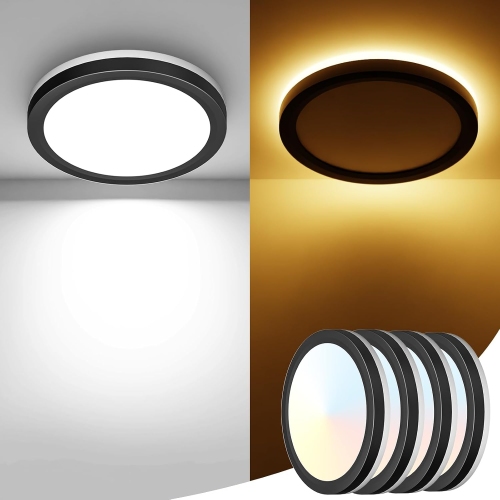
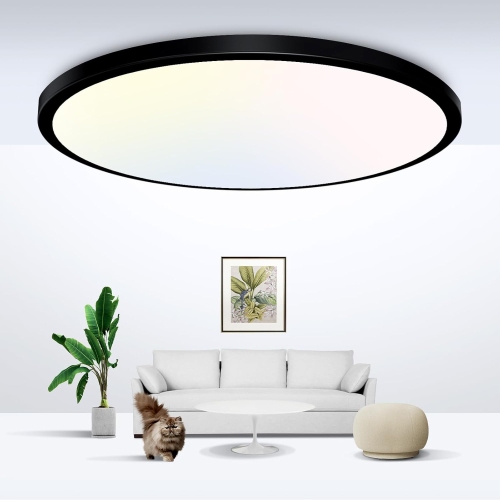
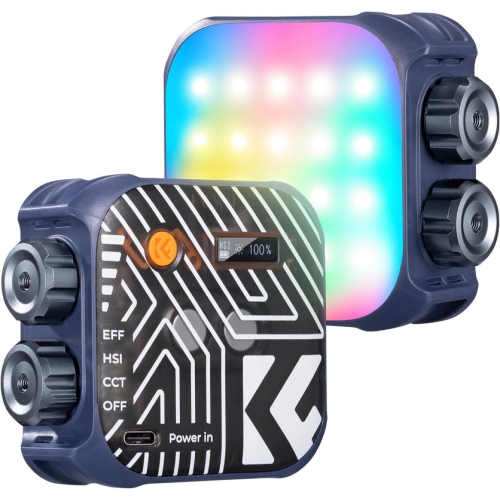
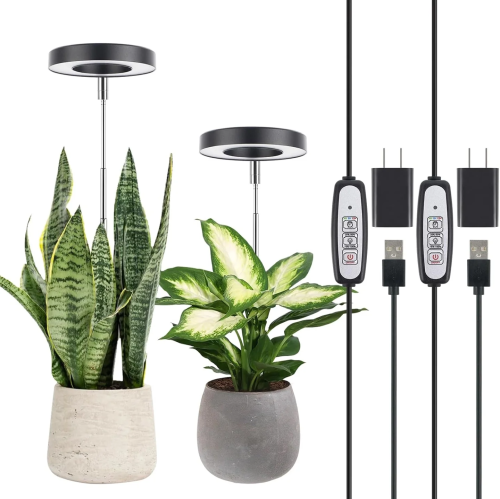
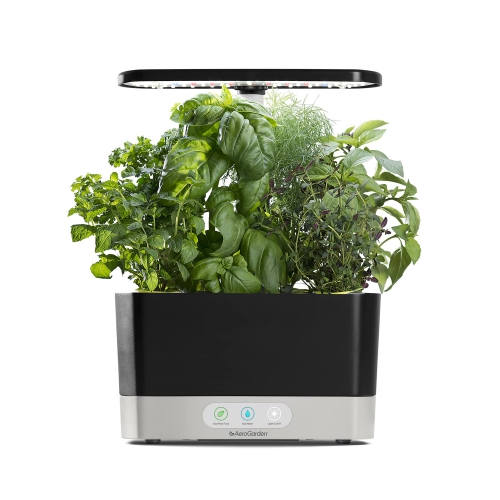
Full-spectrum LED lights provide a broad range of visible wavelengths for indoor growing, giving plants light they can use for photosynthesis while illuminating leaves, stems, and flowers. In grow lighting, “full spectrum” generally describes a blend of wavelengths across the visible range, often appearing white rather than strongly pink or purple. The term does not mean that every light reproduces sunlight exactly, and it does not guarantee a particular brightness or growing result. Red and blue wavelengths play important roles in plant growth, while other visible wavelengths also contribute to photosynthesis and light penetration through foliage. For a kitchen herb shelf, a collection of leafy houseplants, or trays of young seedlings, the practical benefit is light directed where plants need it. White-looking illumination can also make it easier to see leaf colour, notice yellowing, and check for pests without the colour cast associated with some grow lights. Full-spectrum LED grow lights can support different growth stages, but the amount of light required varies considerably. A shade-tolerant foliage plant generally needs less intense illumination than a fruiting pepper plant, and a lamp that suits a small pot of mint may not cover a wide seed tray evenly. Light is also only one part of healthy growth: watering, drainage, nutrients, and adequate space for roots remain important. These lights suit indoor gardeners working with limited window light, cooks growing herbs close to the kitchen, and plant collectors arranging greenery beyond a windowsill. They can also be a thoughtful gift for someone who already enjoys caring for plants, particularly when the fixture fits an existing shelf or growing area. The most useful match depends less on the full-spectrum label alone and more on the relationship between the light output, the plant’s needs, and the size of the space being illuminated.
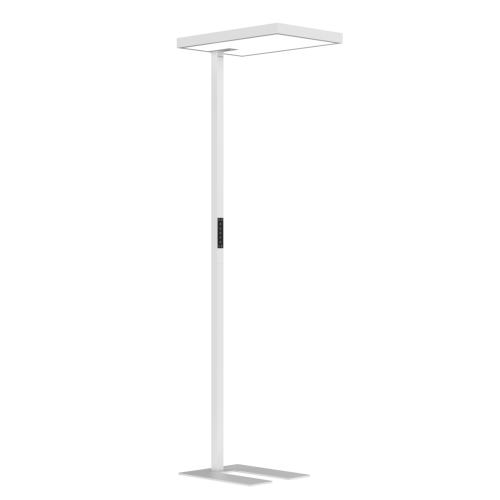
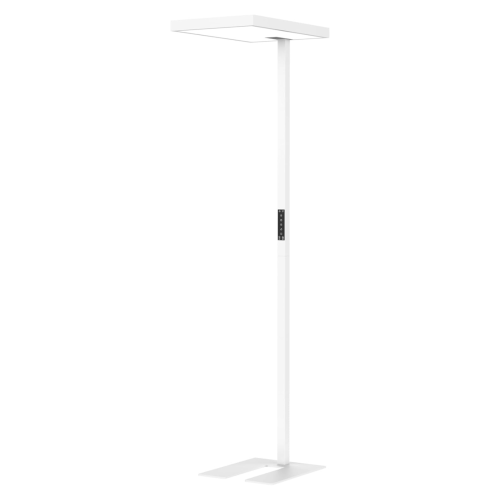
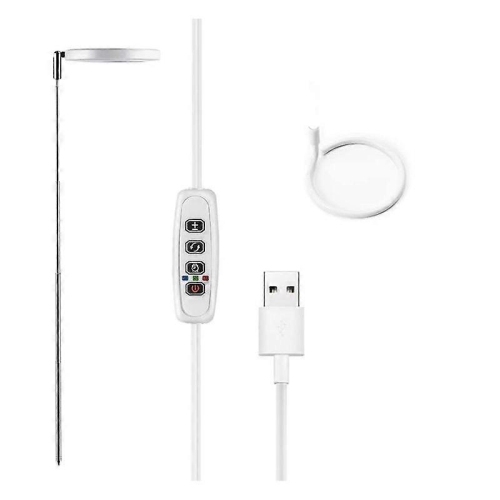
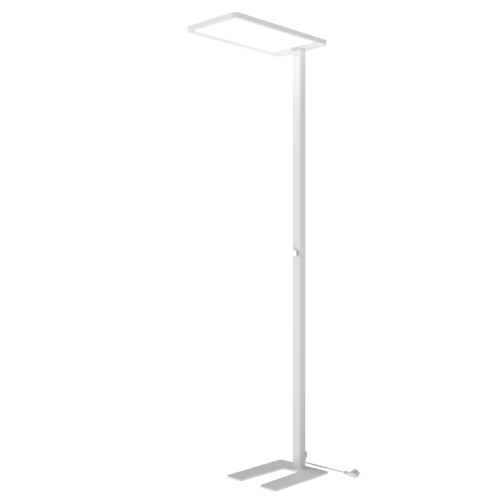
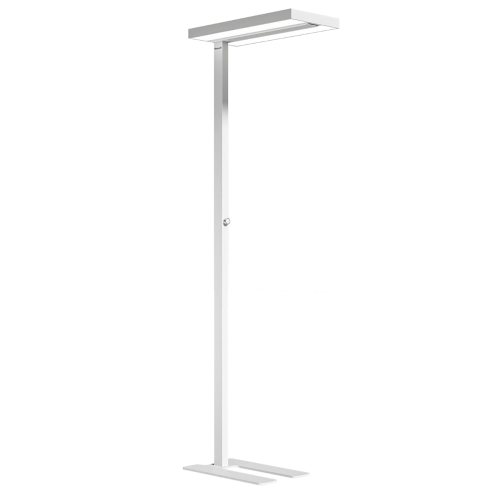
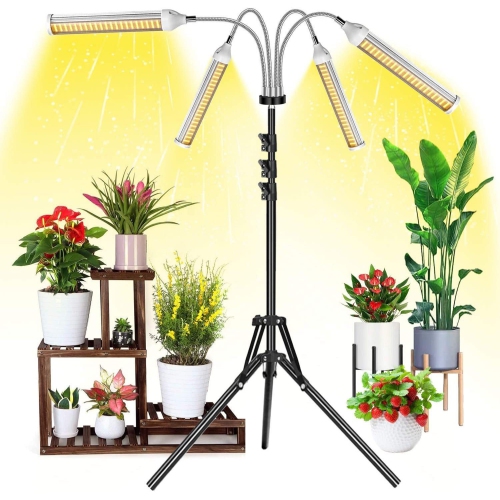
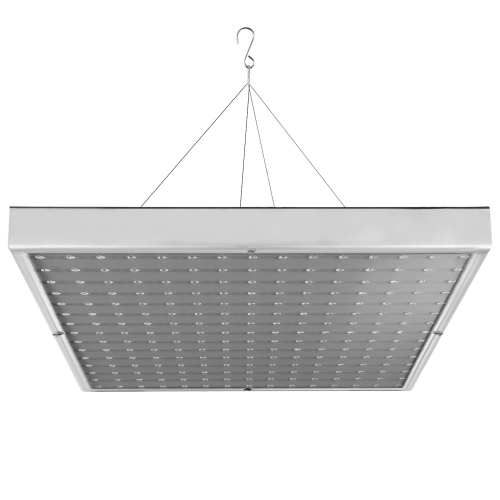
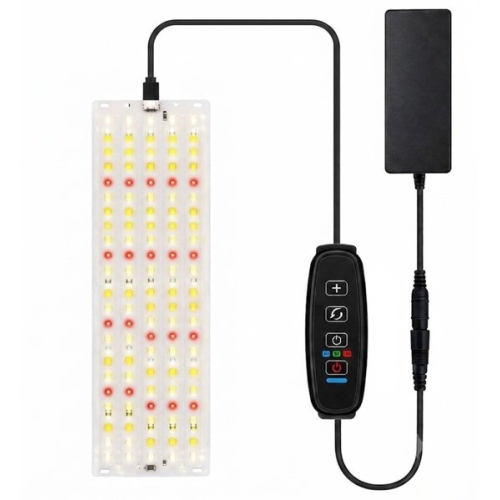
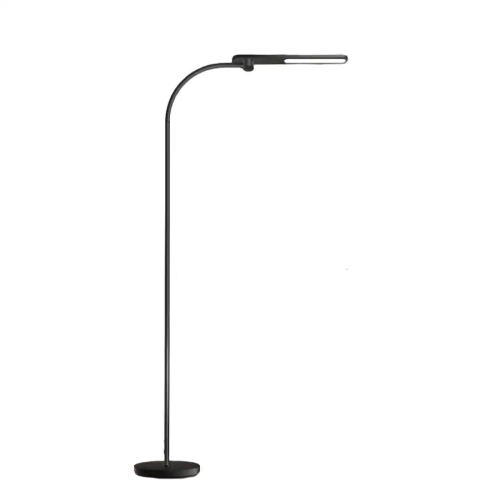
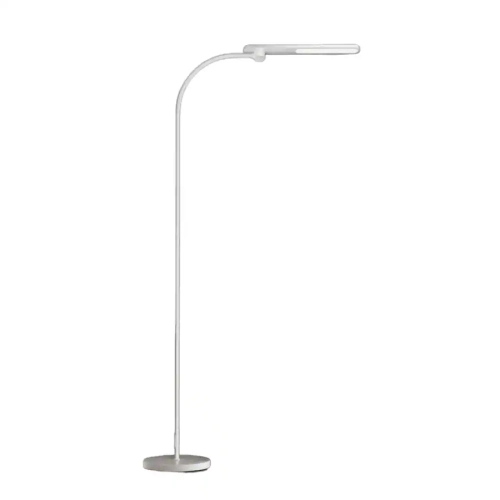
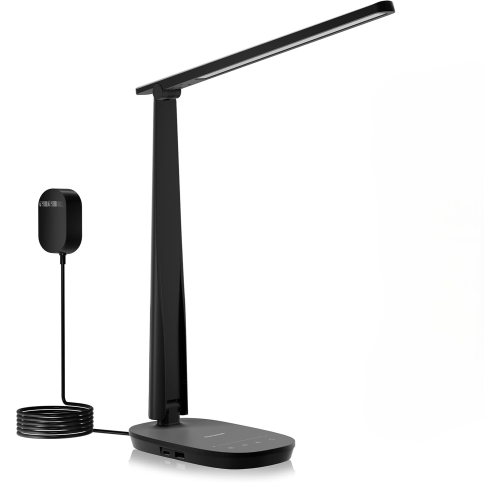
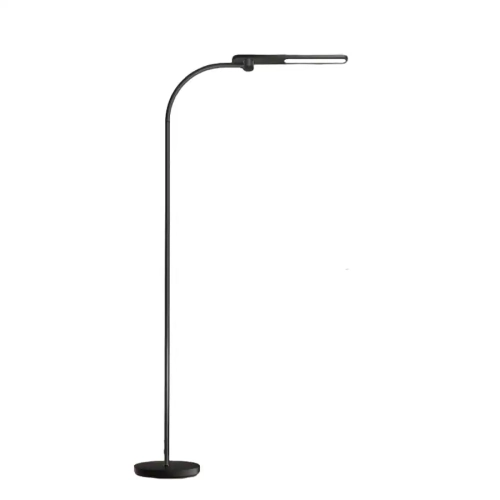
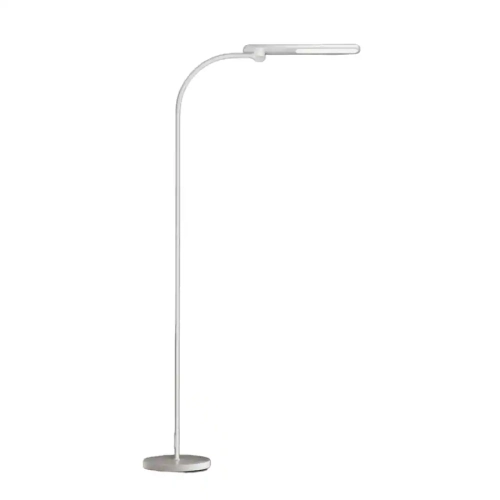
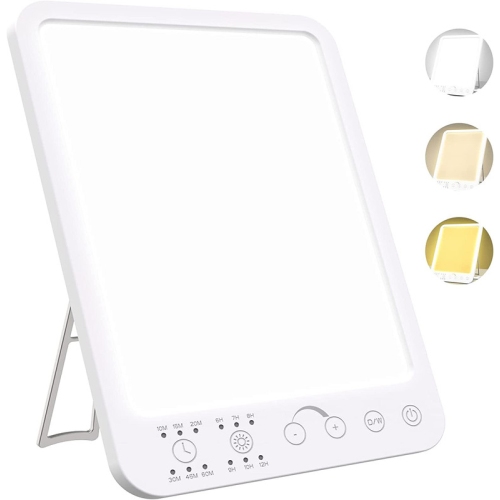
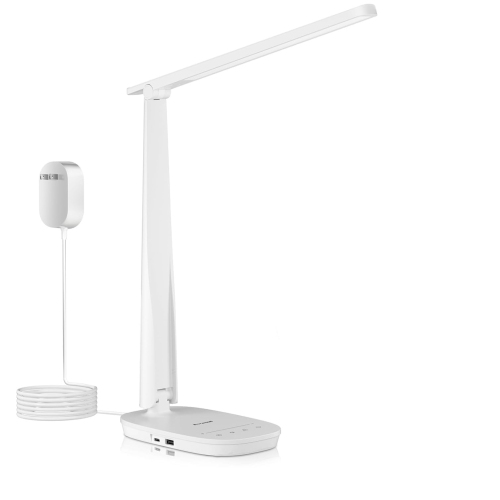
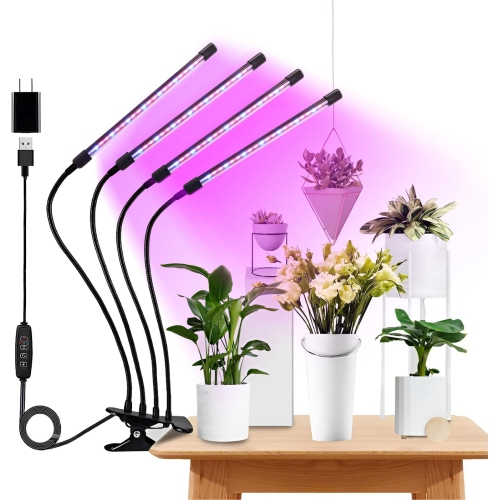
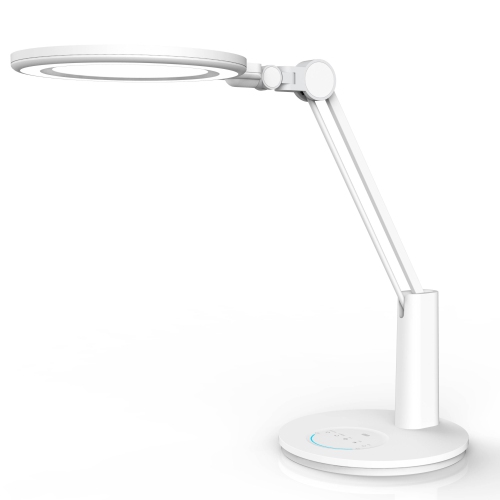
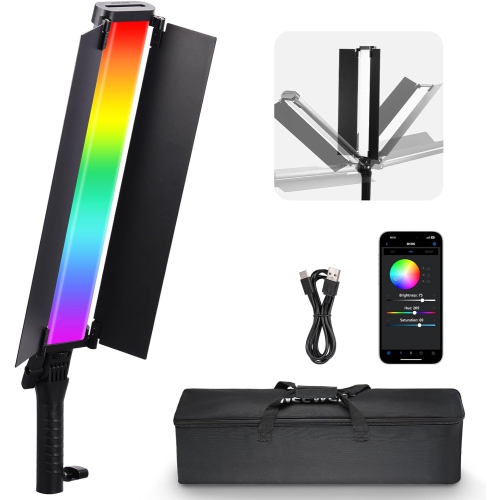
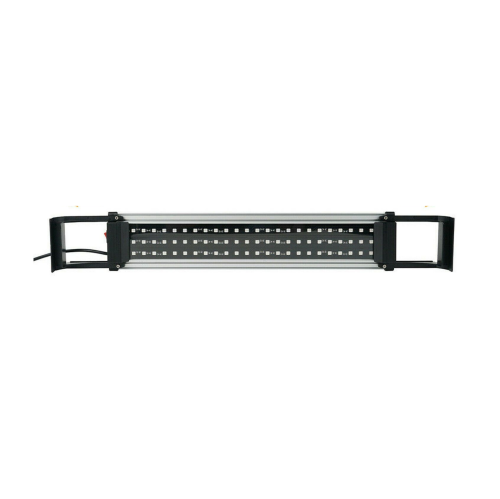
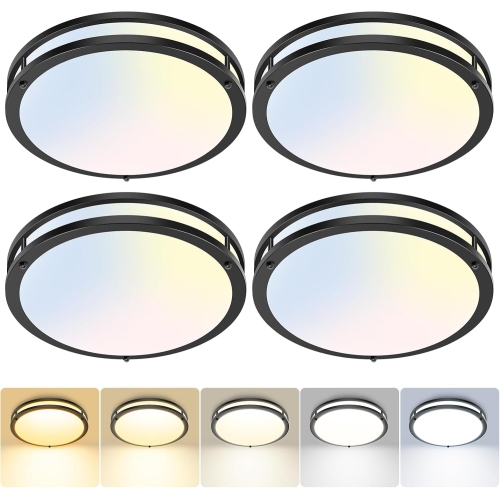
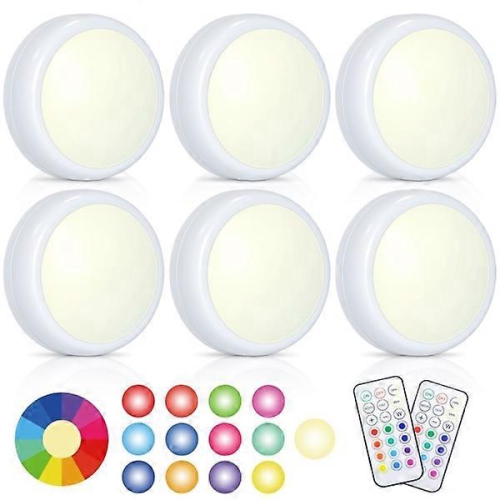
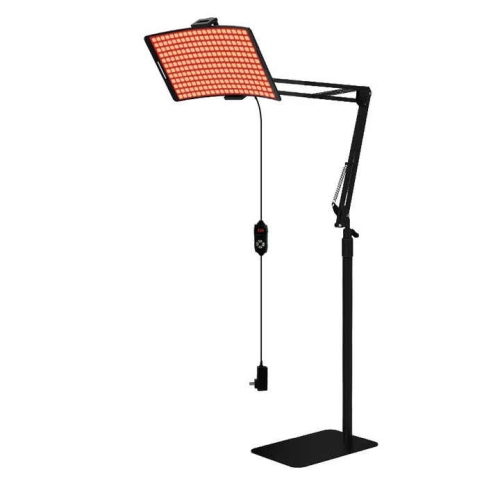
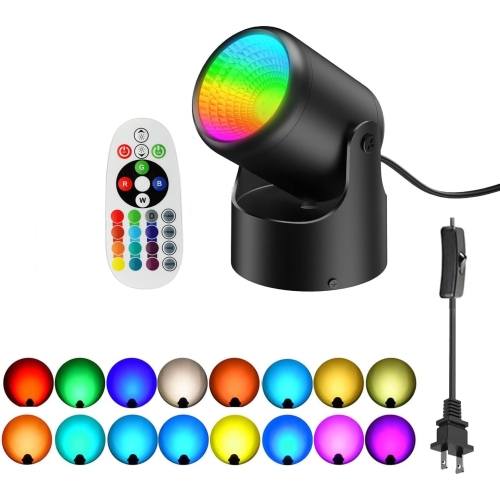
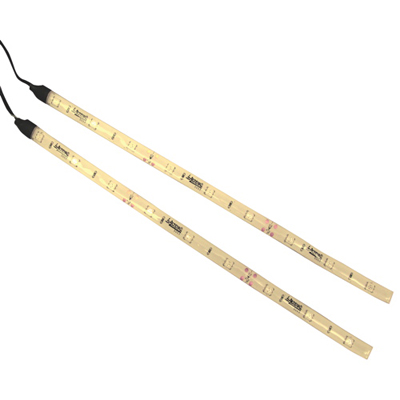
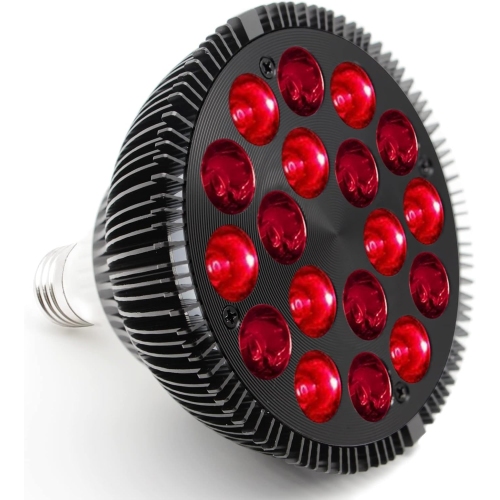
The physical design of full-spectrum LED lights makes a noticeable difference to how comfortably they fit into a home. Linear light bars work well above rows of pots or rectangular trays, while wider panels can distribute light across a larger growing surface. Adjustable arms and compact lamp heads offer flexibility around individual plants, and screw-in grow bulbs can work with compatible fixtures when the socket, wattage rating, ventilation, and intended operating position are suitable. A narrow shelf of small succulents has different coverage needs from a tall plant with spreading leaves; fixture dimensions and mounting options matter as much as the appearance of the light. Related Full Spectrum Grow Lamps offer another way to explore lighting suited to indoor plant spaces. For any format, useful specifications include actual power consumption, recommended coverage, mounting distance, and dimming capability. Wattage describes electrical input, not the exact amount of useful light reaching the leaves. Photosynthetic photon flux density, usually shortened to PPFD, describes the amount of photosynthetically active light arriving at a given area each second. Where supplied, a PPFD map can show whether illumination is fairly even or concentrated mainly beneath the centre of the fixture. Those measurements are meaningful only with their stated mounting distance and test conditions. Lumens describe brightness as perceived by human eyes, so they are less informative on their own for comparing plant-growing performance. Colour temperature describes whether white light looks warmer or cooler; it is not a complete measure of suitability for plants. In a living room or home office, glare control and the direction of the lamp head can help keep the light focused on foliage rather than seating or screens. Cord length, access to an outlet, and clearance above the tallest leaves also affect placement. Secure clamps, stable bases, and appropriately supported hanging fixtures help a growing area feel organized rather than improvised, especially where plants share space with everyday activities.
Durability and ease of care become particularly important when grow lights are used for many hours at a time. Aluminium housings and heat sinks are common because they help move heat away from LED components, while lenses and protective covers influence light distribution and how easily surfaces can be wiped clean. LEDs typically use less electricity than incandescent lighting for a comparable light output, but performance varies across fixtures, and they still generate heat. Passive cooling can keep operation quiet, whereas fixtures with fans may produce audible sound that matters near a desk or reading chair. Published service-life estimates are useful context rather than a promise that every component will last equally long; drivers, switches, cords, and mounting hardware also contribute to dependable operation. Around plants, resistance to moisture deserves close attention. A light intended for a dry indoor location should not be treated as splash-resistant, and any stated protection rating needs to suit the placement. Keeping plugs, connections, and power controls away from watering areas helps separate plant care from electrical equipment. With the light unplugged and cooled, cleaning according to the manufacturer’s directions can remove dust that otherwise collects on housings and light-emitting surfaces. Adjustable height and dimming controls are valuable as seedlings grow taller or a plant collection changes, allowing the same growing space to accommodate different arrangements. Built-in timers or compatible external timers can provide a consistent daily schedule, though plants also need an appropriate dark period rather than continuous illumination. There is no single lighting duration or hanging height that suits every species and fixture. Recommended distances provide a starting point, while plant-specific needs and signs such as stretching, pale leaves, or bleaching help indicate when the setup deserves attention. A well-matched full-spectrum LED light combines suitable output, balanced coverage, secure placement, and straightforward controls. Whether it illuminates basil beside a kitchen counter or a neatly arranged propagation shelf, its value lies in making regular plant care practical within the space available.
Top selling and popular products
-
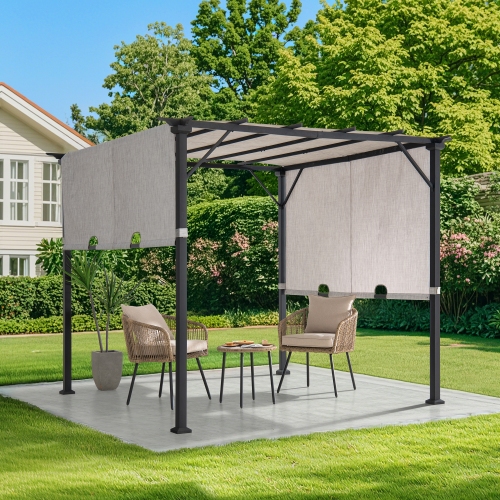 Your price for this item is $232.99
-
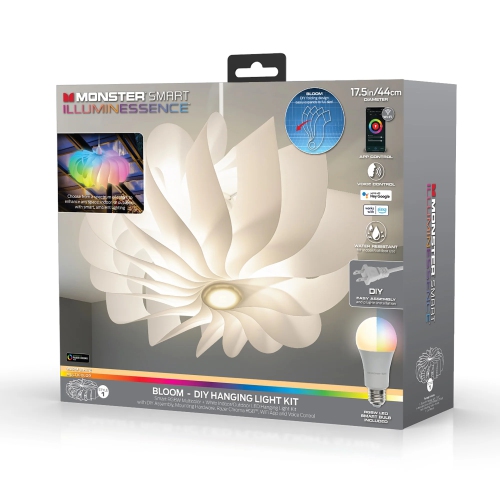 Your price for this item is $49.99
-
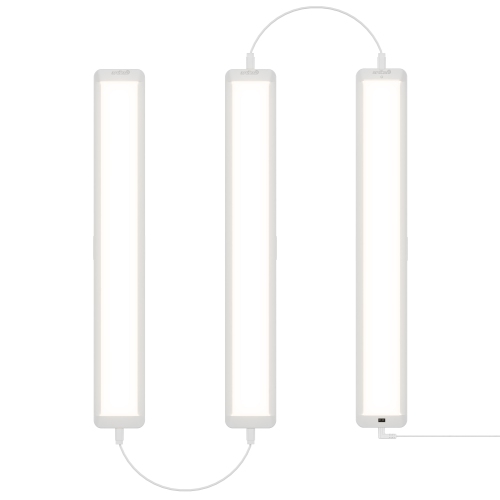 Your price for this item is $67.49
-
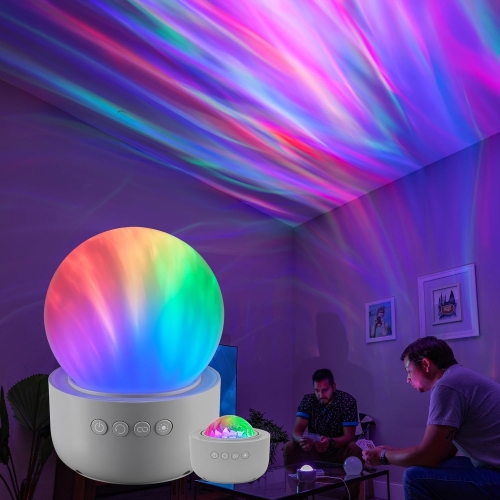 Your price for this item is $29.99
-
 Your price for this item is $119.99
-
 Your price for this item is $230.68
-
 Your price for this item is $26.99
-
 Your price for this item is $129.99
Discover more categories related to Full Spectrum LED Lights
Top Collections:
Pokemon Centers, Pokémon 30th Celebration Cards, Best Budget Office Chairs, Kindle Devices, Best Cameras for Sports Photography, Canon G7X Cameras, Best Black Friday Deals On Electronics, Best Laptops for Writers, iPhone 15 Apple, Jackery Power Stations
Some products may be subject to Environmental Handling Fees
(EHF) depending on your province.
Learn more about EHFs.