Glass Coffee Table And End Tables
A coffee table and end table are the centerpieces of your living room. It's where you set down your drink, your feet when you sit on the sofa, or your book when you read in bed. A good coffee table should be sturdy, attractive, and functional, and it should match the style of your home. Here are some glass top options on the market.
Sort


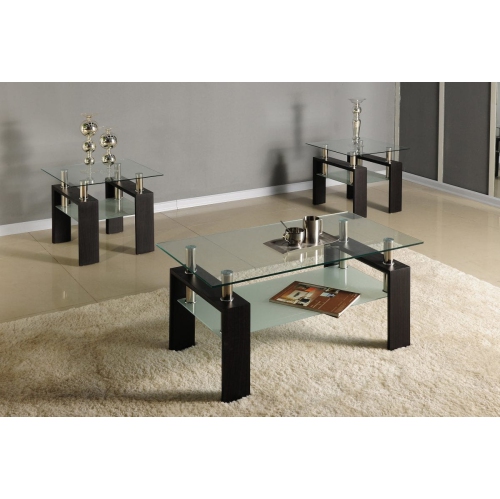
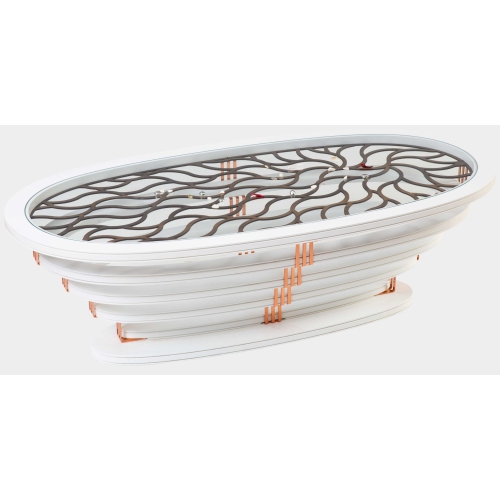
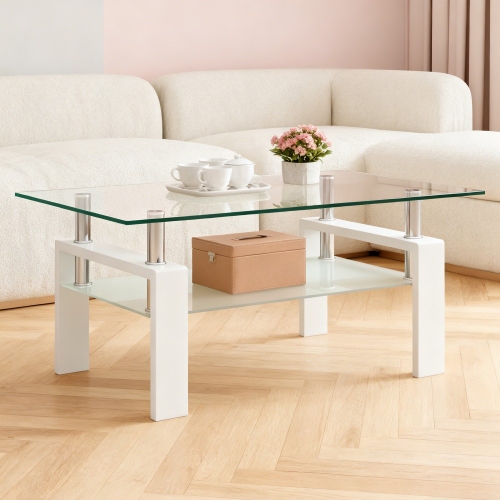

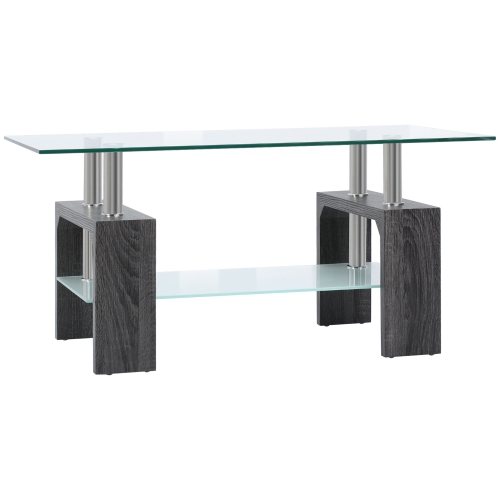
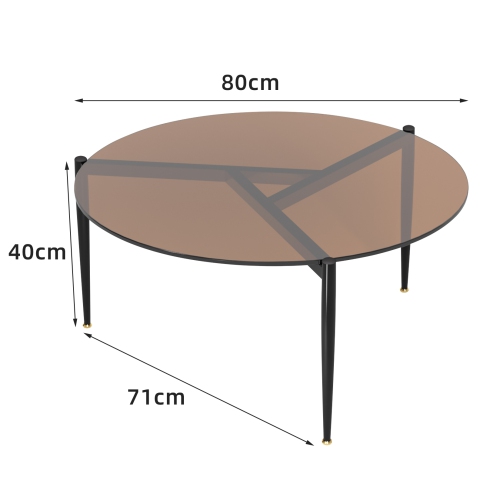
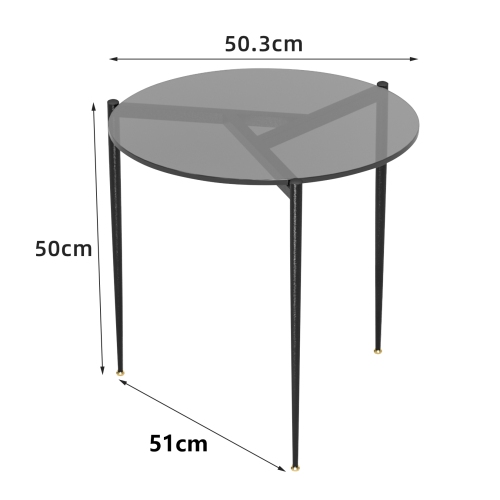
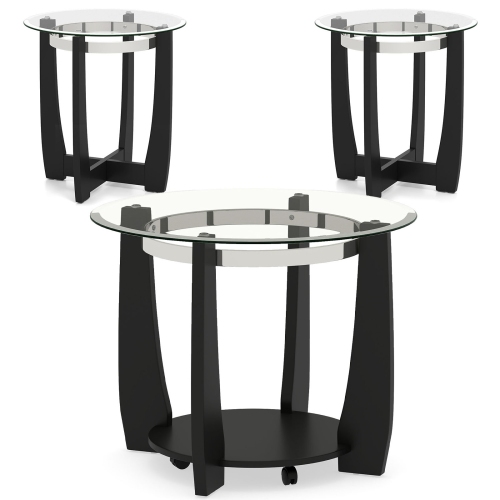
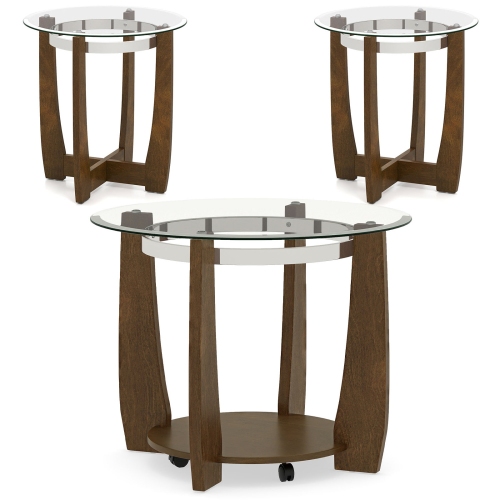
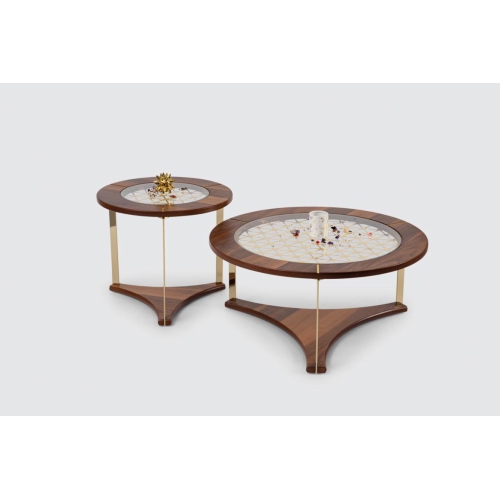


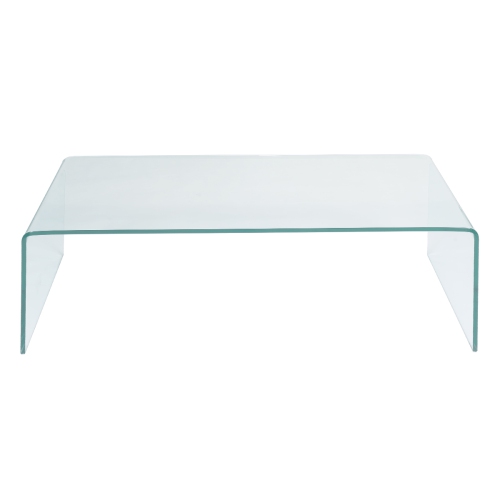

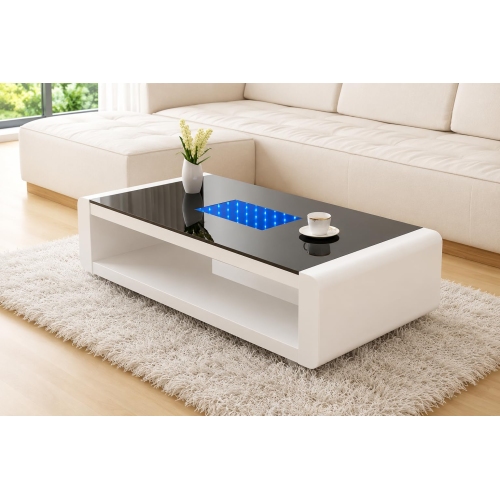


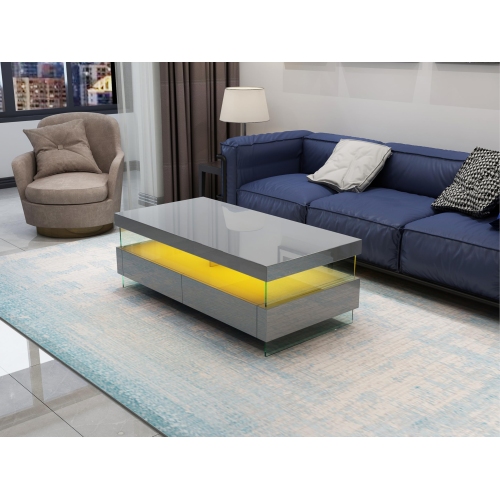

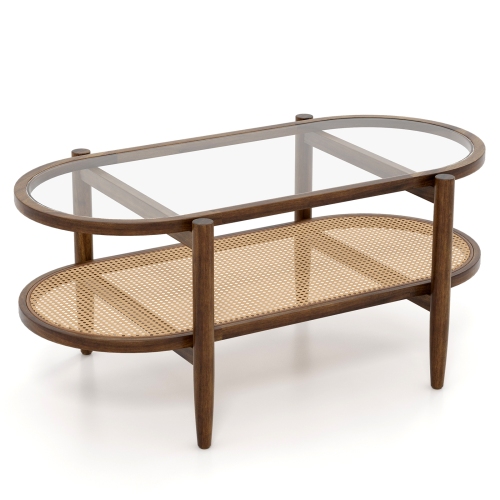
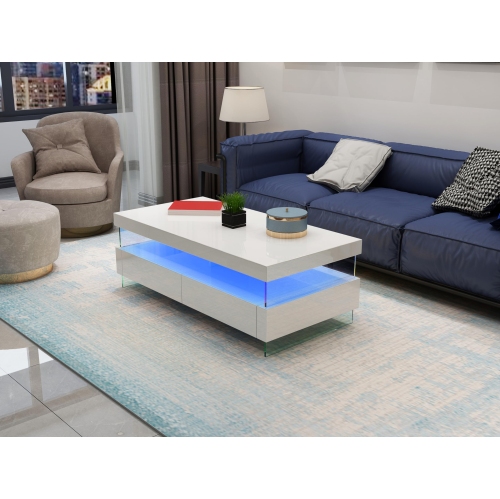
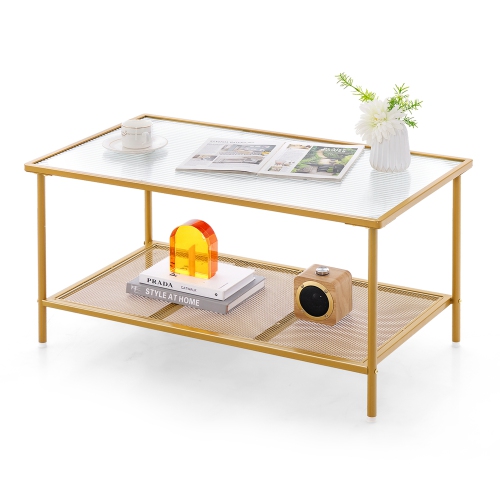

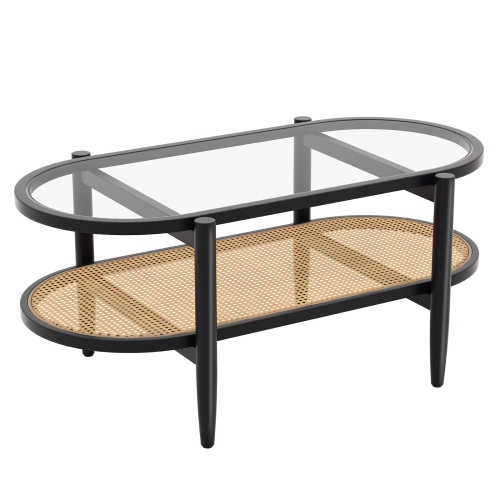
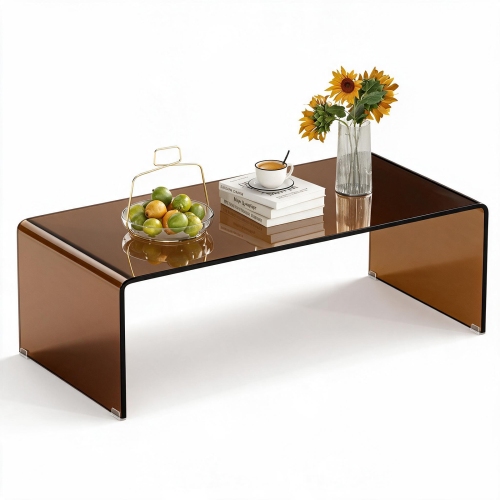
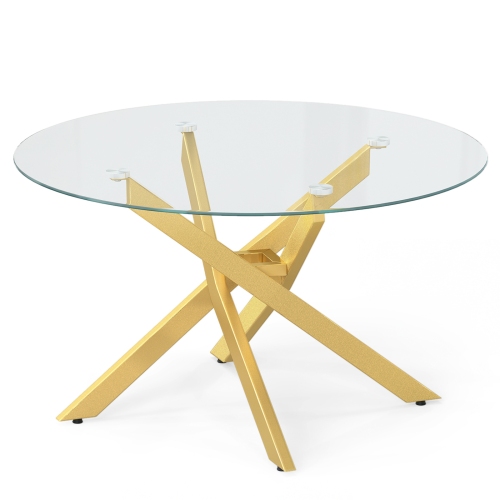

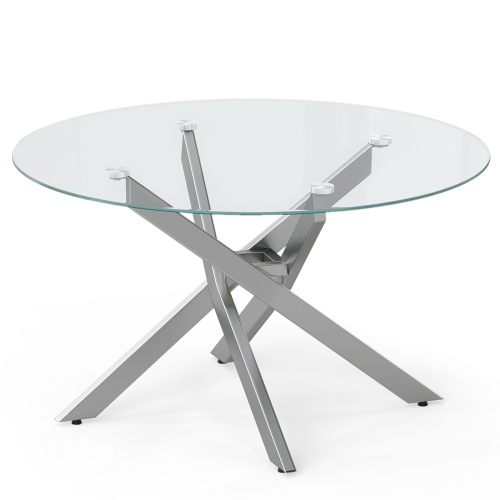


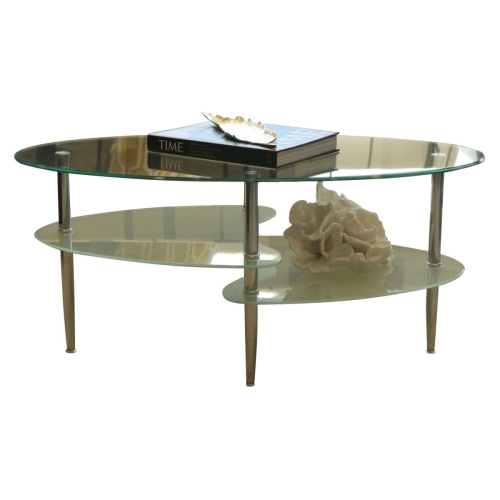
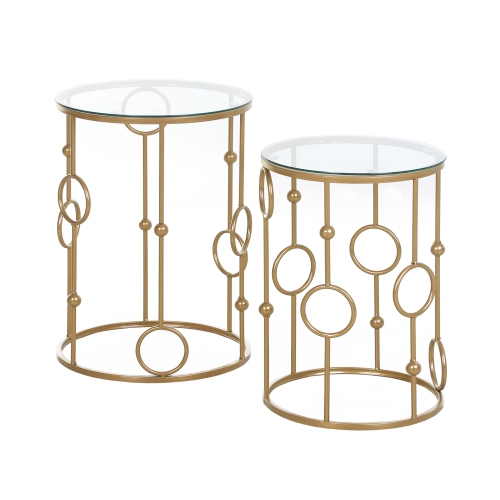

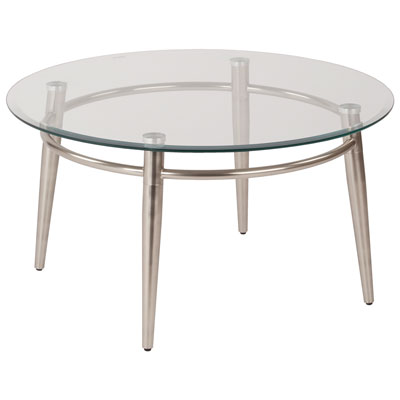
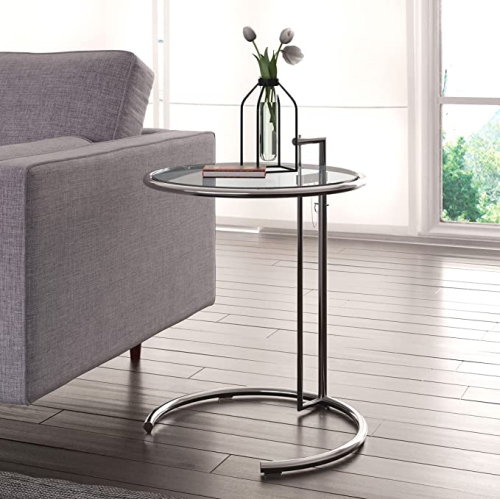


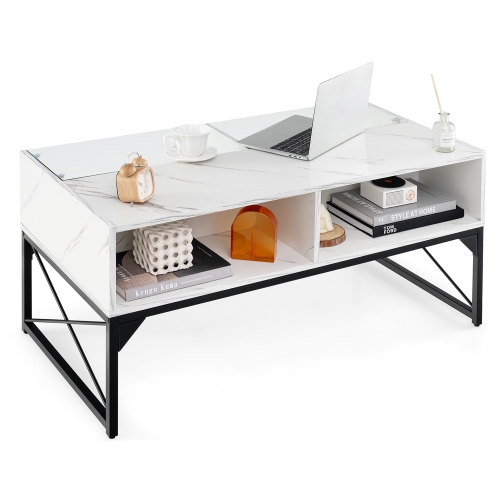


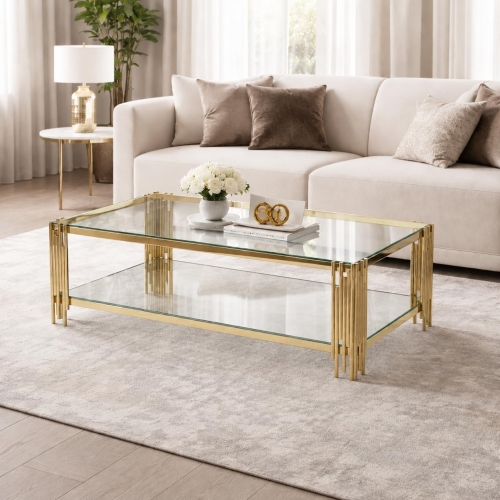


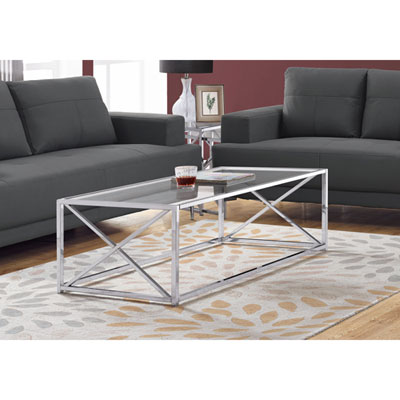
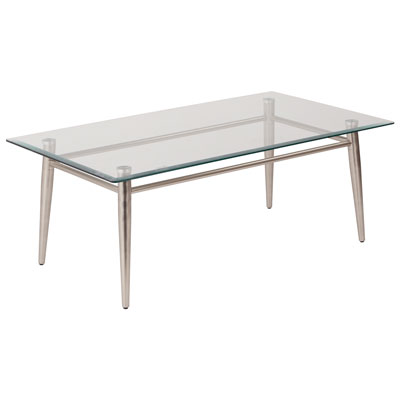

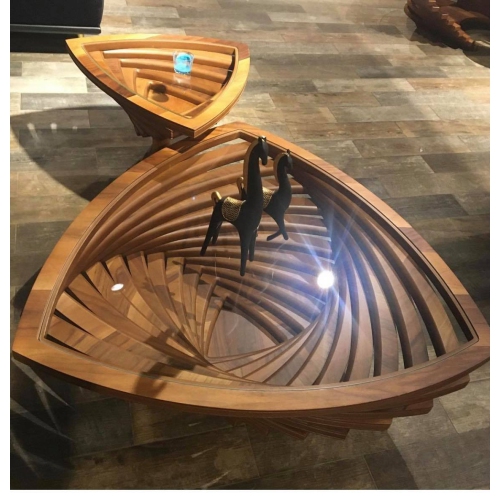
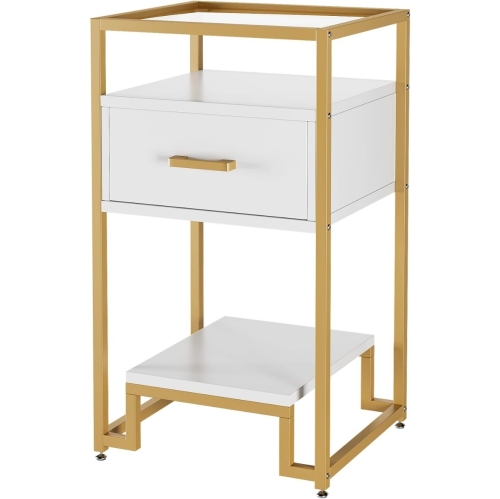
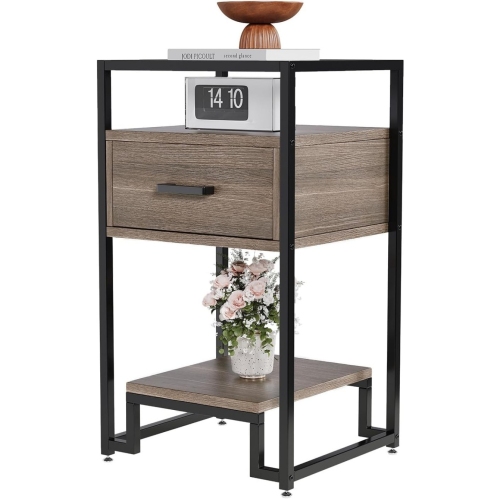
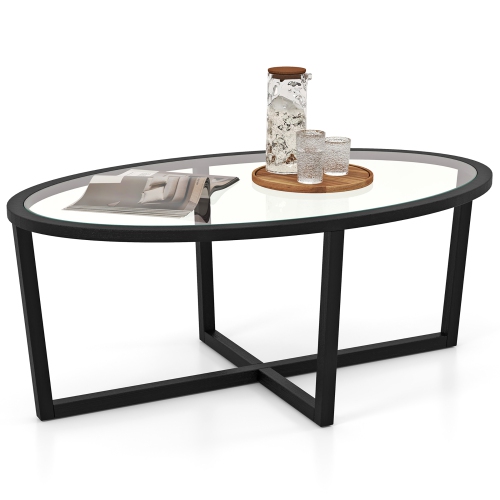
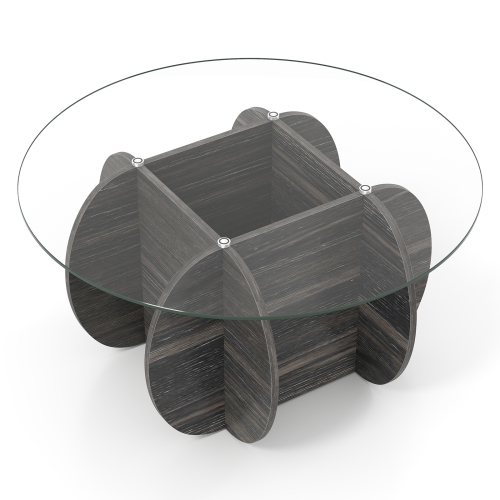


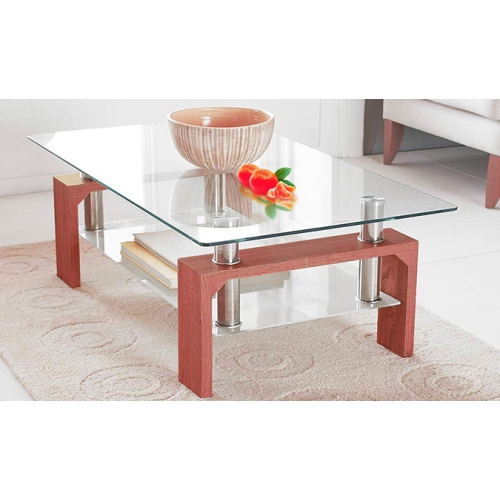


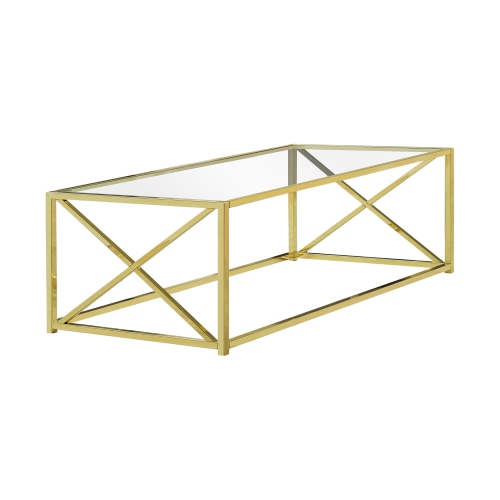


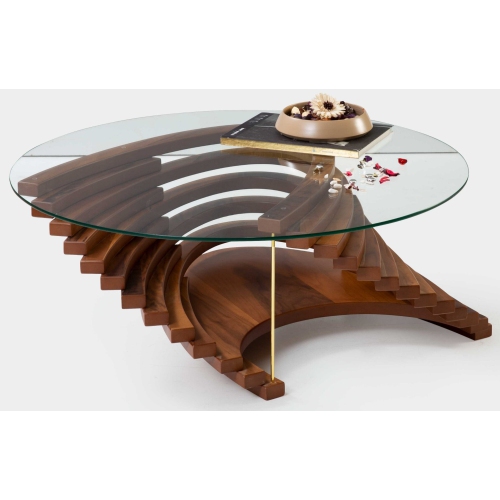


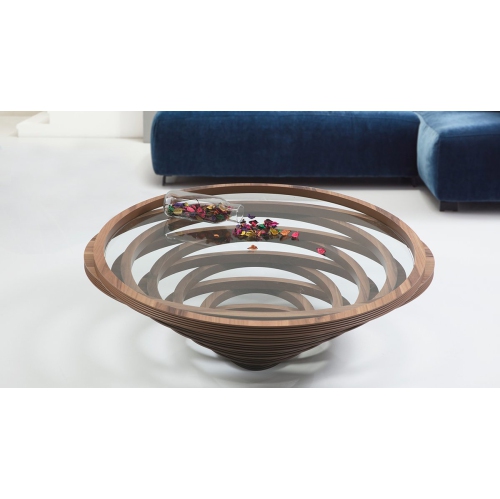

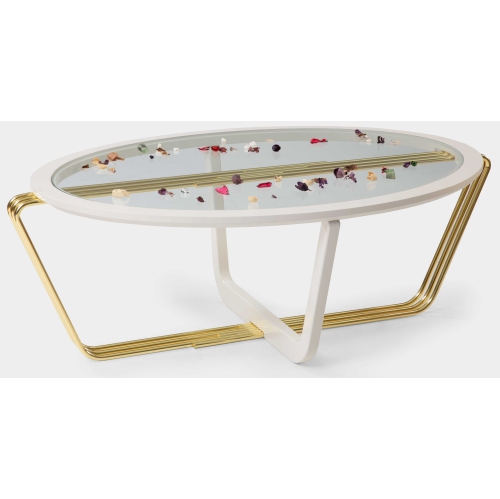


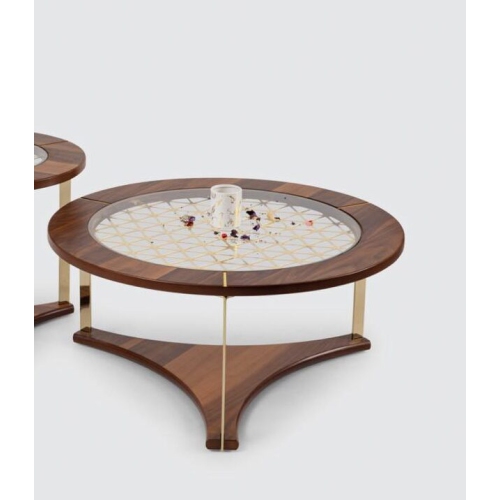

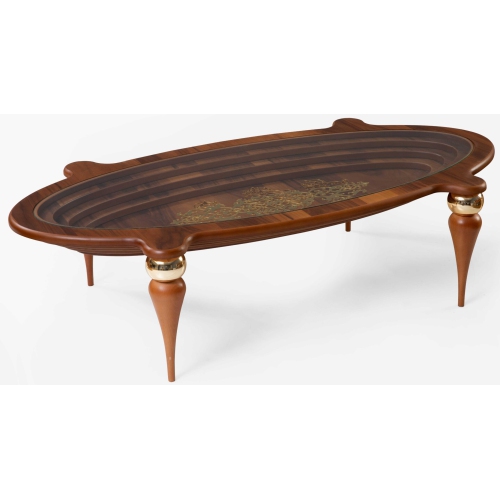
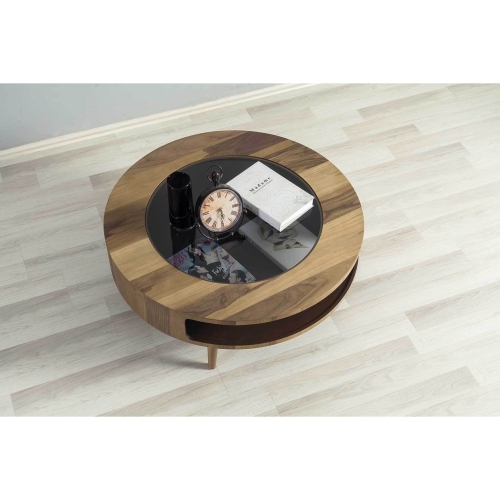
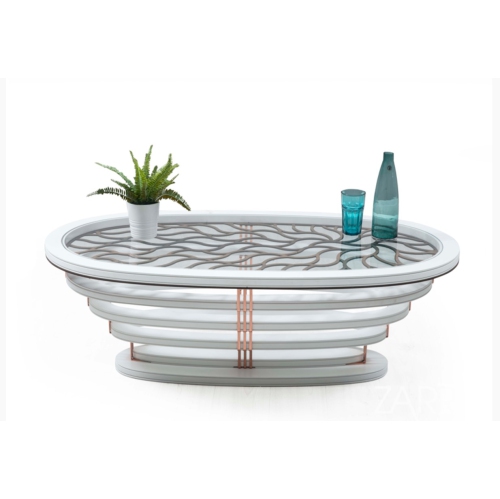
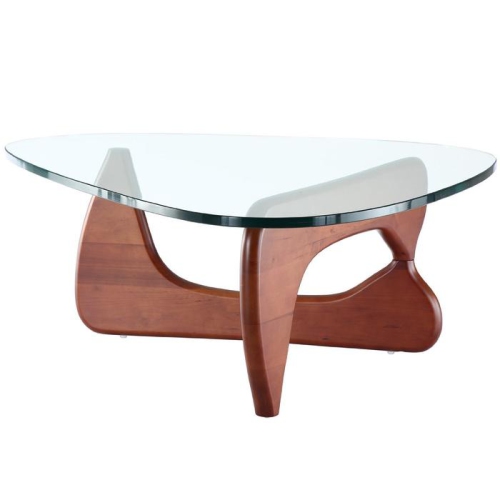


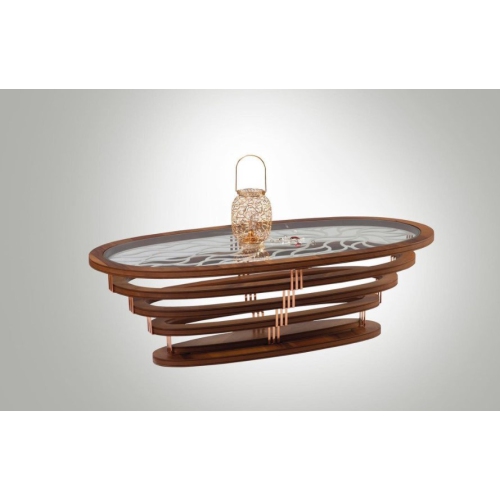
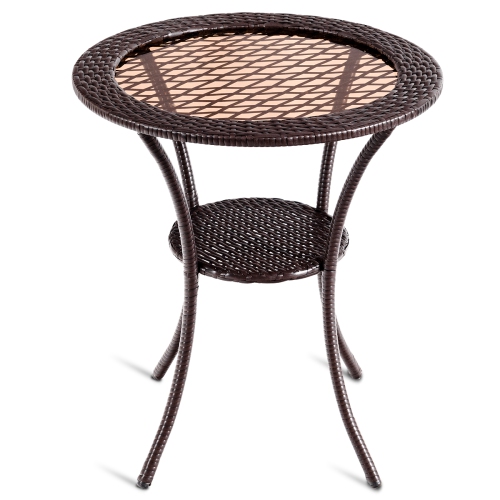
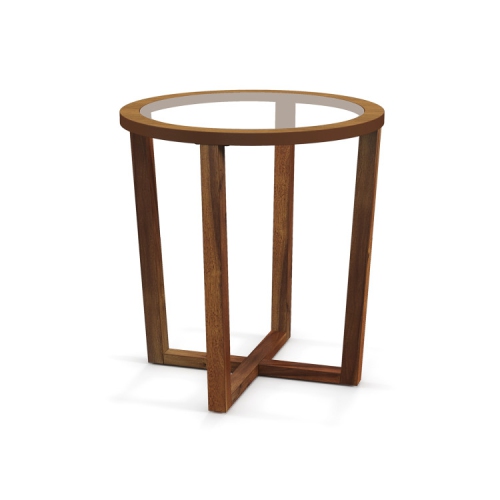
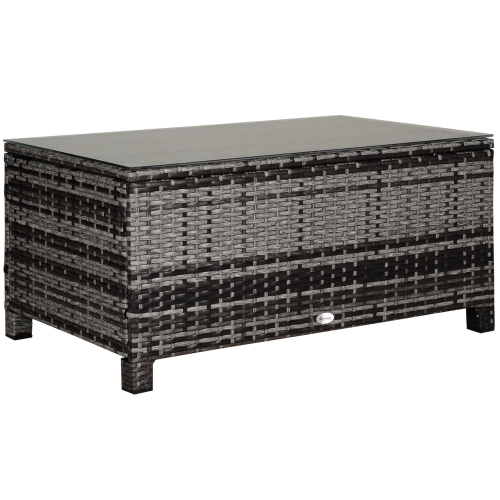
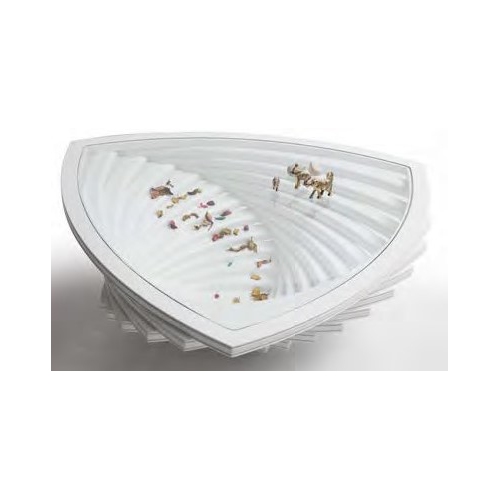
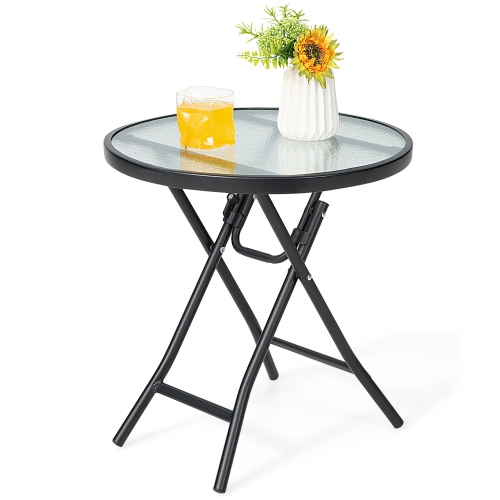
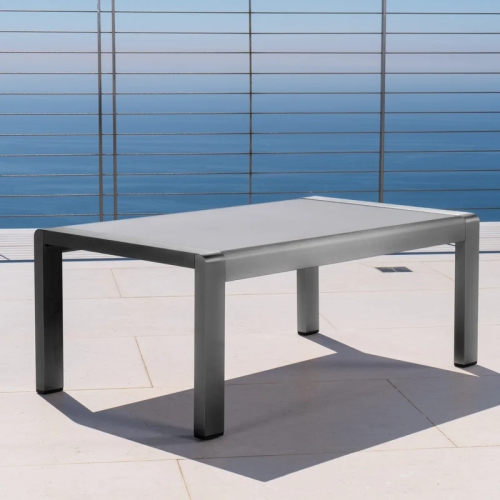

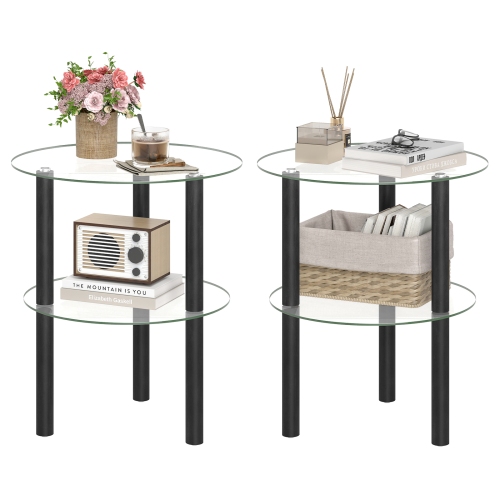
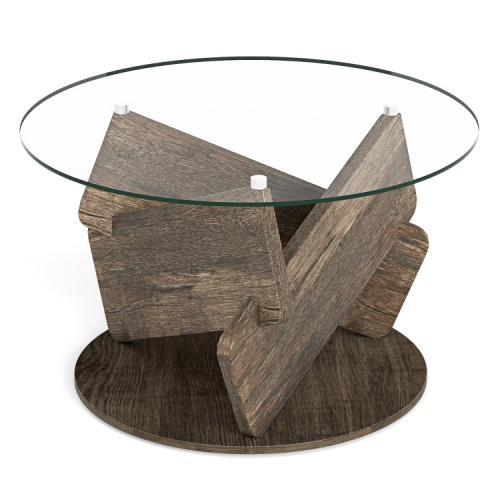
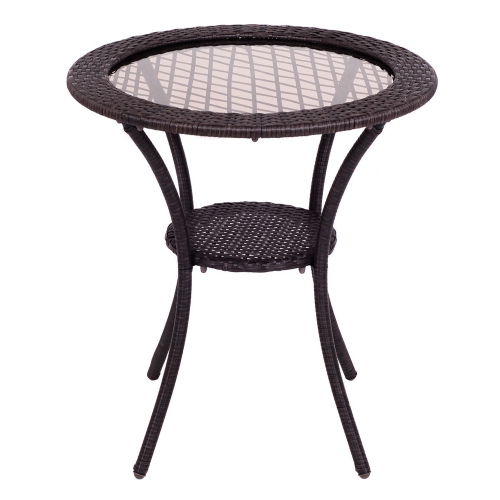

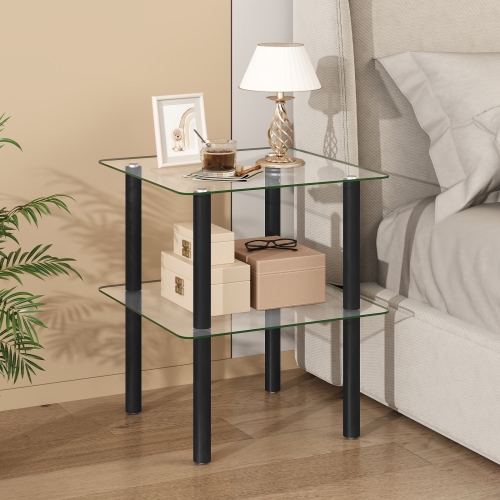
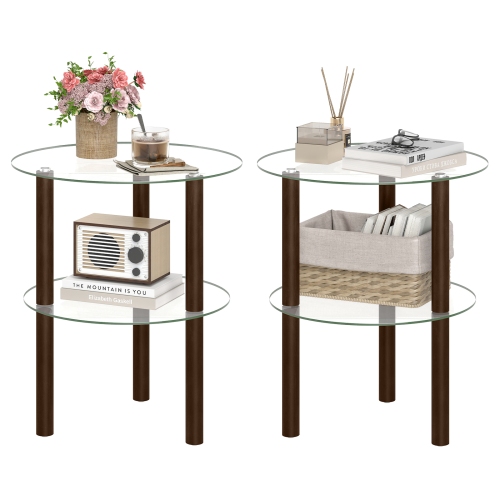
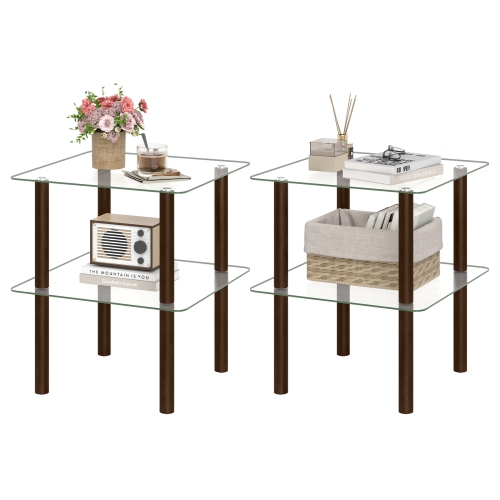
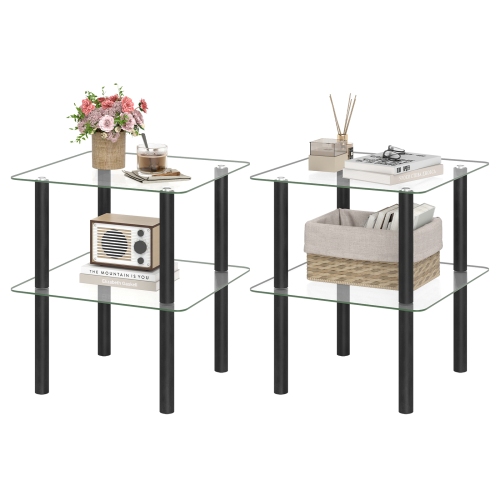
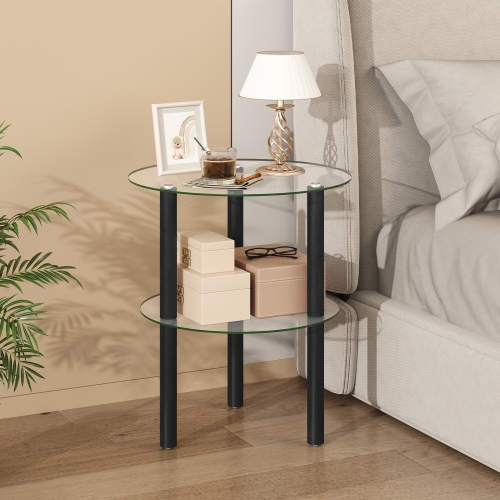

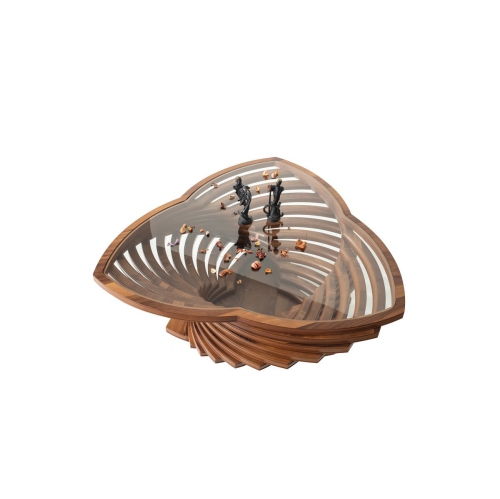
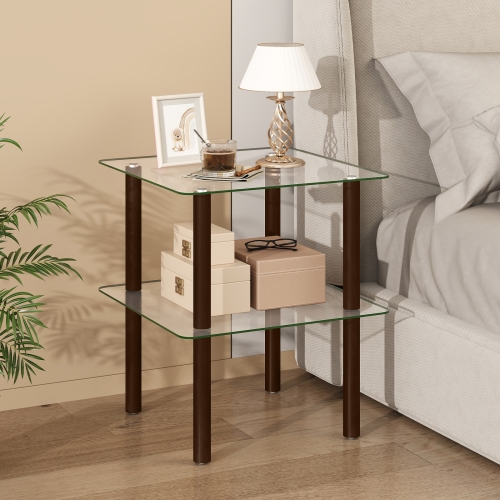
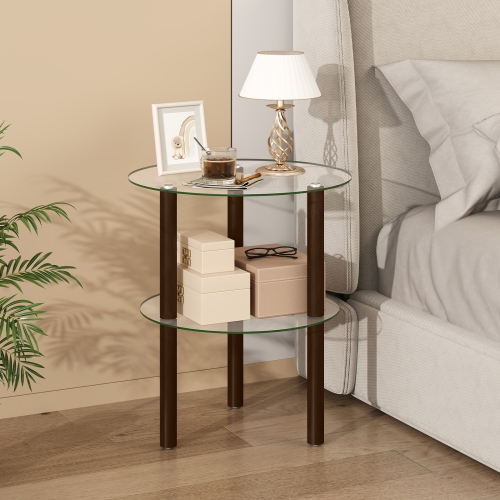
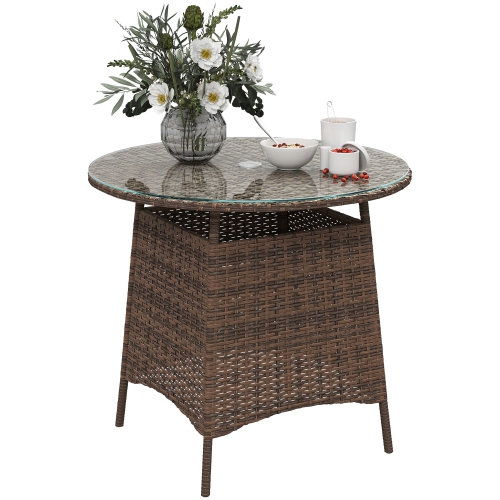
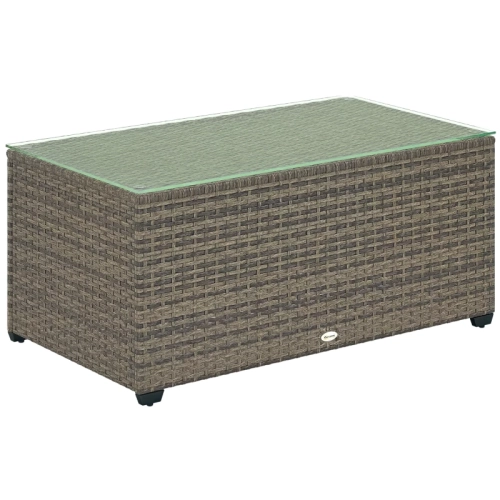

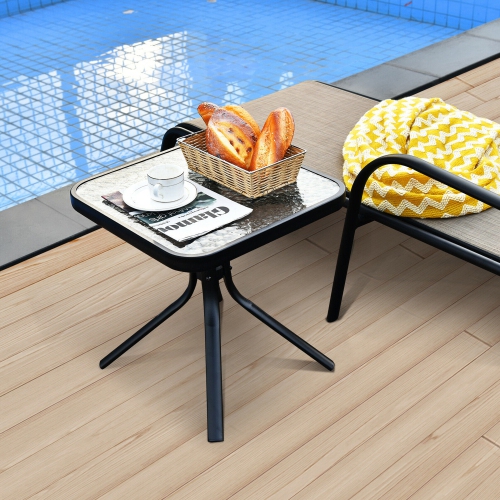

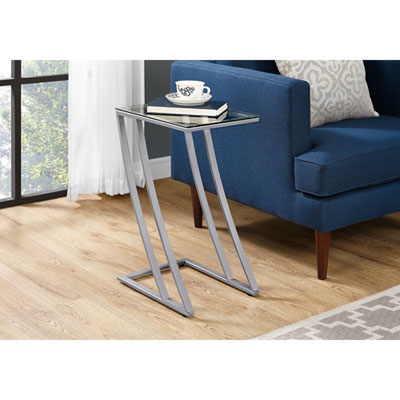


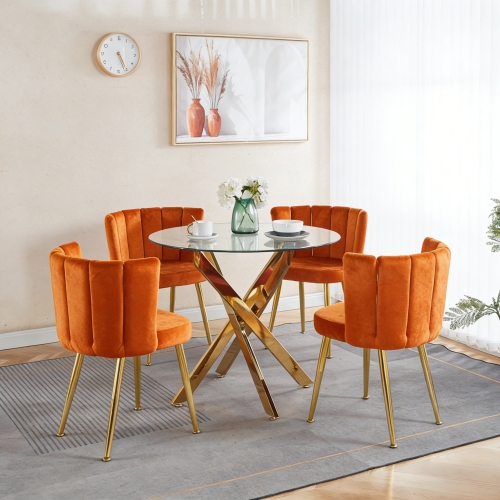

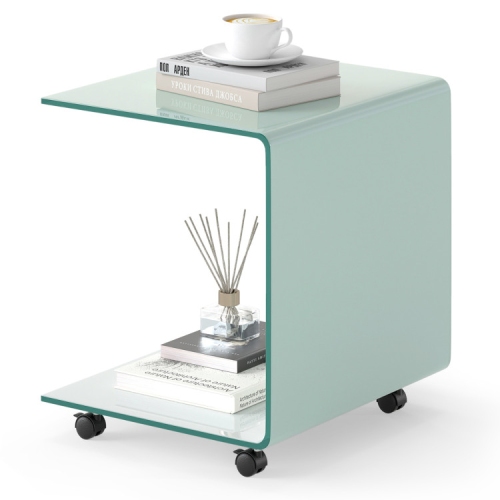
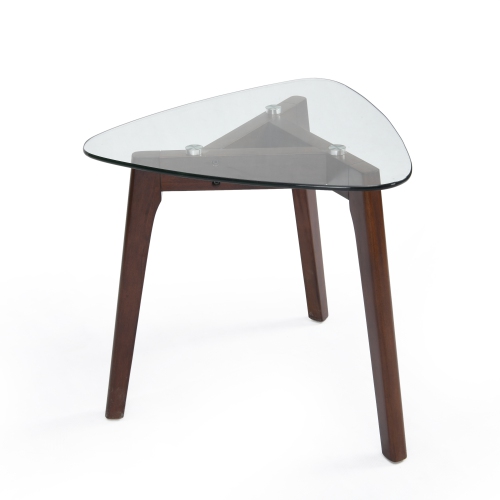


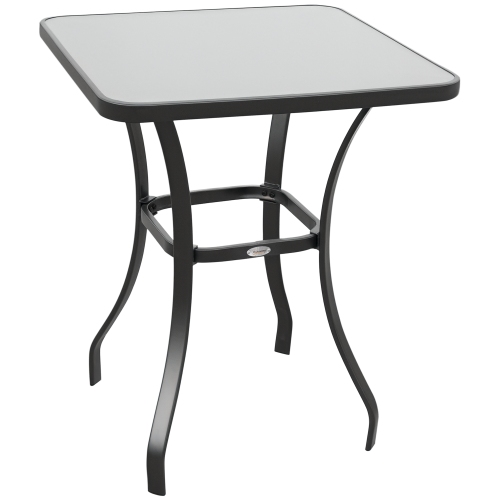


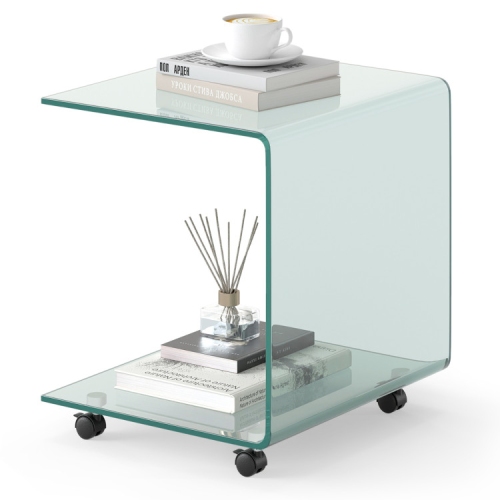
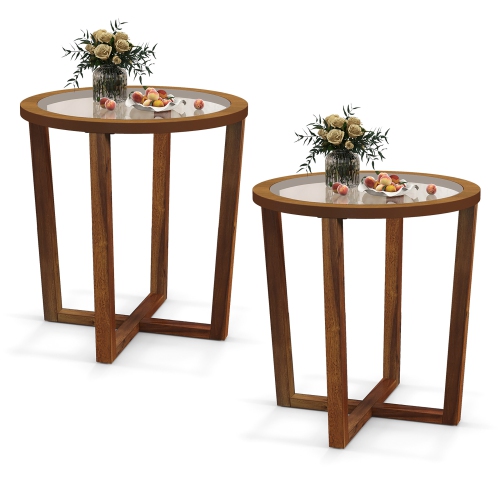
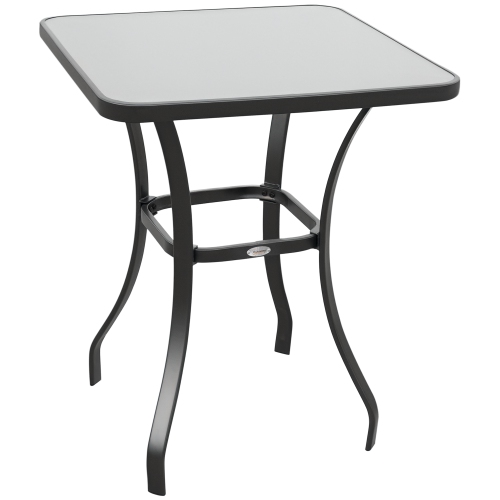
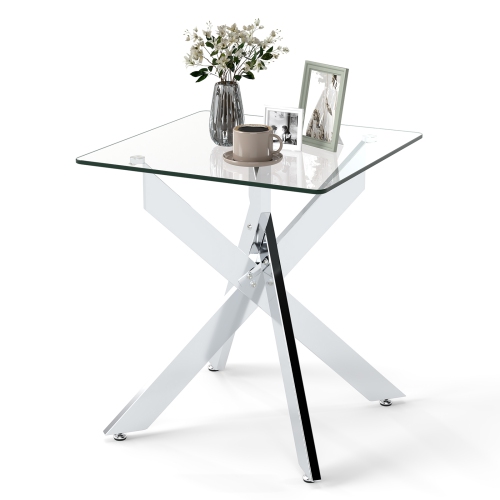

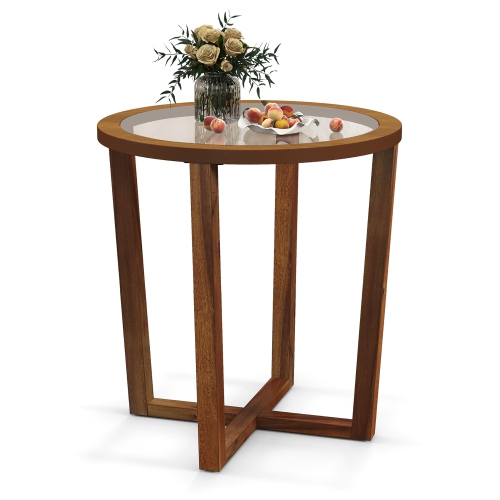


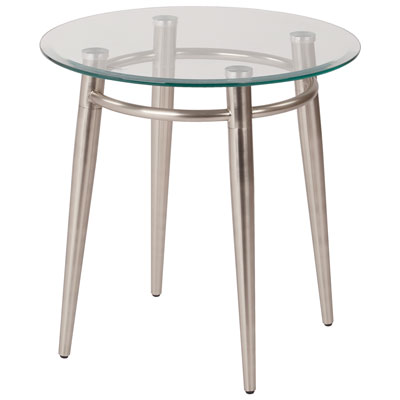
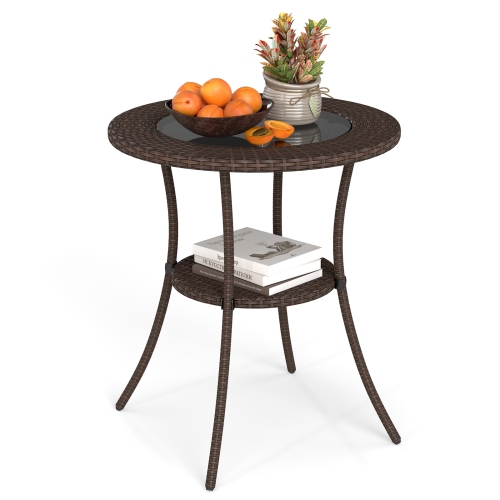
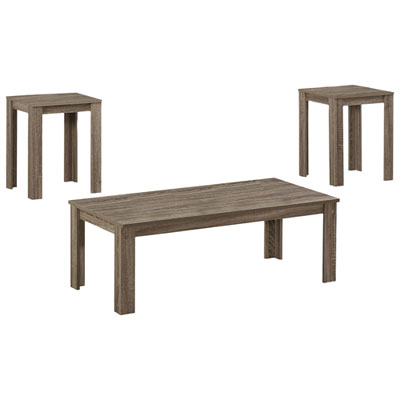

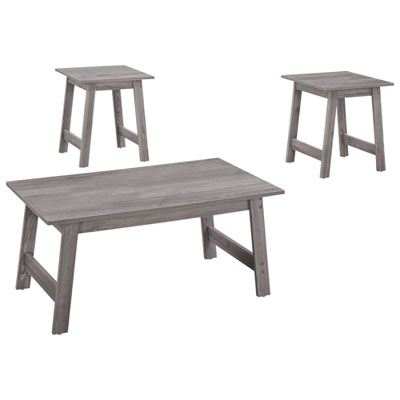

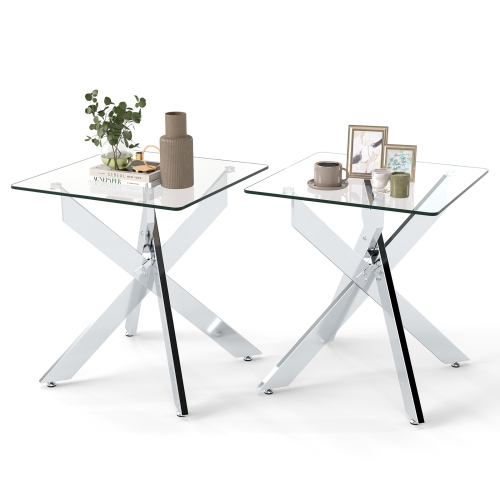


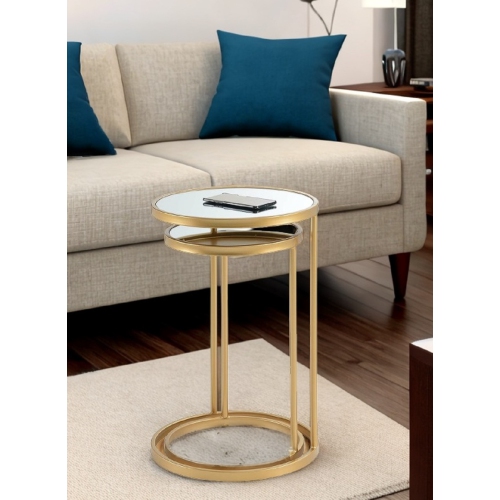


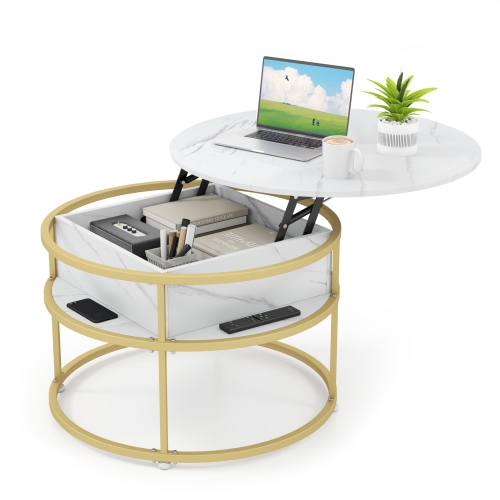


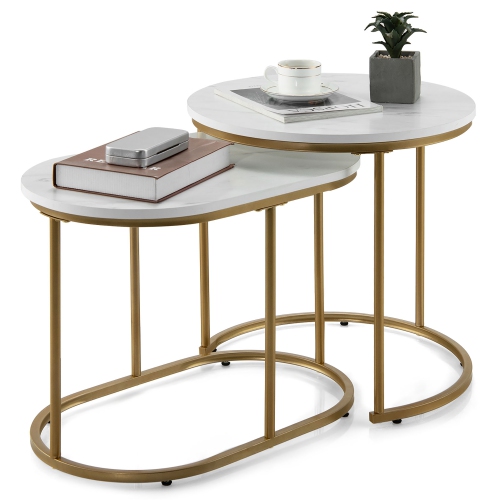
Glass surfaces that let your room’s details shine
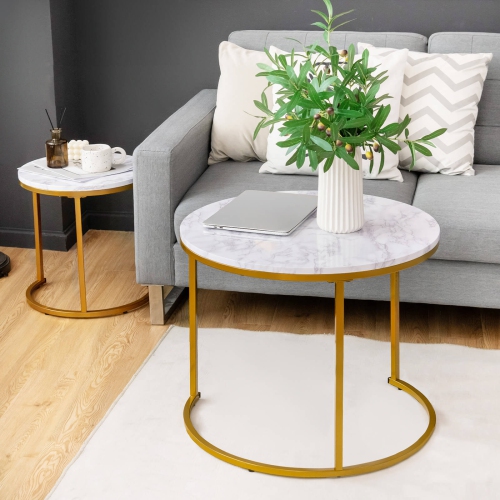
Glass coffee tables and end tables give a seating area a useful surface without adding the visual weight of a solid tabletop. A clear top lets the colour and pattern of a rug show through, while the base remains part of the room’s design rather than disappearing beneath an opaque surface. This makes glass a natural fit for compact living rooms, open-plan spaces, and rooms where a substantial sofa already takes up much of the visual space. The effect depends as much on the frame as on the glass itself. Slim metal legs create a crisp outline, a wood base brings warmth and texture, and a sculptural pedestal can make the table feel like a focal point. Clear glass has an airy appearance, while tinted or frosted glass offers a different degree of transparency and can soften the view of anything stored below. Round tops suit curved seating and relaxed arrangements; rectangular tops echo the lines of longer sofas; square designs can anchor a conversation area with seating on several sides. Glass also works across a wide range of interiors, from clean-lined contemporary rooms to spaces that combine traditional upholstery with simpler accent furniture. A coordinated coffee table and end table set can repeat a frame finish or edge detail throughout the room, but matching every piece is not essential. A glass coffee table paired with end tables that share its wood tone, metal finish, or general proportions can look equally cohesive. In a room with patterned cushions, textured throws, and artwork, transparent surfaces allow those details to remain prominent. Glass is not visually neutral in every setting, however: it reflects light, reveals the structure beneath it, and makes anything placed on top easy to see. The shape of the base, the finish of the hardware, and the arrangement of everyday objects all contribute to the finished look.
The most comfortable fit comes from the relationship between the tables, the seating, and the routes through the room. A coffee table should sit within easy reach of the sofa without crowding the space needed to stand up or walk past. Its height generally works best close to the height of the seat cushions, although a slightly lower profile can suit deep, relaxed seating. Length matters, too: a table that is much shorter than the sofa may leave some seats without a convenient surface, while an oversized top can dominate the arrangement. With a sectional, the open space inside the seating layout is often more useful to consider than the overall length of the furniture. Round or oval glass tables can ease movement around a compact arrangement, though curved edges do not remove the need for care around a hard surface. End tables serve a different role, keeping a reading lamp, a drink, or a remote close to a particular seat. Their height should work with the sofa or chair arm, especially when someone needs to reach sideways without leaning awkwardly. The full footprint includes more than the tabletop: angled legs, wide bases, and lower shelves can affect where feet rest and how easily the table fits beside other furniture. A glass shelf provides space for books or a small basket, but its contents remain visible and contribute to the room’s appearance. Construction is equally important for everyday use. Tempered glass is commonly used in furniture because it is stronger than ordinary glass, but it can still be damaged, particularly at its edges. Glass thickness alone does not establish how much a table can hold; the frame, supports, connections, and stated weight limits also matter. A stable base and a securely supported top are especially relevant in homes with active children or pets. Rounded corners may be preferable in busy walkways, while secure placement helps prevent accidental bumps. Glass tables are intended for their stated furniture use, not for standing, climbing, or sitting unless expressly designed for that purpose.
Daily care is straightforward, but the transparent surface makes fingerprints, dust, and drink rings more noticeable than they might be on a patterned or textured top. A soft, non-abrasive cloth and a cleaner suitable for the glass finish help maintain clarity without scratching the surface. Tinted, frosted, or coated glass may have particular care requirements, and the adjoining frame needs attention as well. A cleaner that suits the tabletop may not suit finished wood or coated metal, so keeping excess liquid away from joints and following the furniture’s care directions helps protect the whole piece. Coasters give mugs and glasses a defined resting place, while a protective pad beneath a decorative bowl or vase can reduce the chance of scratches from a rough underside. Heat-resistant protection is important for hot serving dishes; a glass top should not be assumed to tolerate sudden temperature changes simply because it feels sturdy. For a household that uses the coffee table for snacks, board games, or occasional work, a clear central area is often more useful than an elaborate display. A small tray can gather remotes and other loose objects, leaving space for the activities that actually happen around the sofa. End tables can take on some of that everyday load, separating a lamp and charging accessories from the main coffee table surface. In smaller homes, this division of tasks helps each piece earn its place without making the room feel crowded. In larger seating areas, repeated glass surfaces can connect separate chairs and sofas while keeping sightlines open. The broader selection of coffee tables and end tables also allows glass to be combined with other tabletop materials where different functions call for different finishes. Glass furniture can make a thoughtful housewarming gift when the recipient’s room dimensions, preferred style, and practical needs are known, though personal furniture choices are best informed by those details. Whether furnishing a first apartment, refreshing a family living room, or creating a quiet reading corner, the lasting appeal comes from a balance of proportion, useful surface space, and a design that feels at home beside the seating.
Top selling and popular products
-
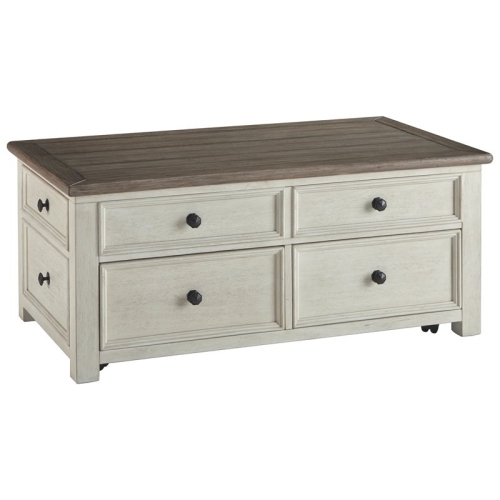 Your price for this item is $949
-
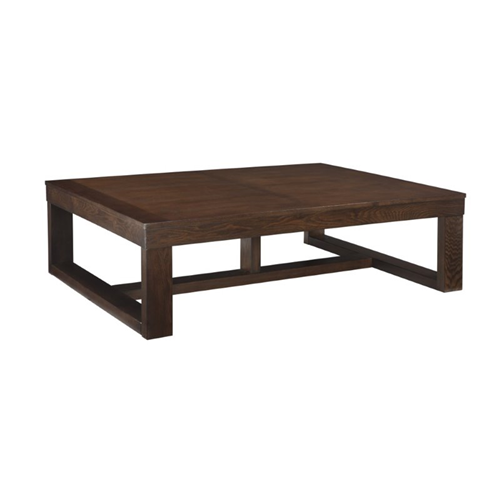 Your price for this item is $449
-
 Your price for this item is $649
-
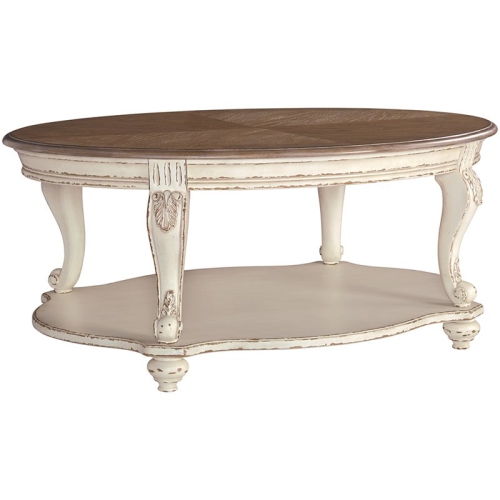 Your price for this item is $599
-
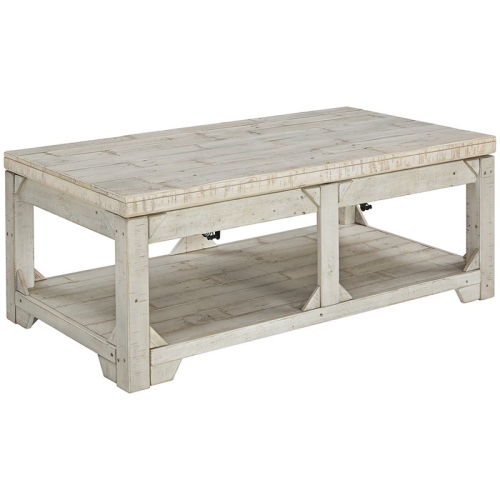 Your price for this item is $549
-
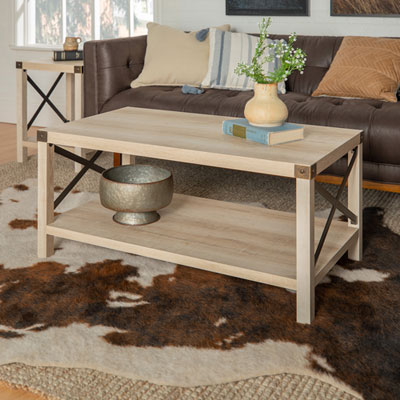 Your price for this item is $311.99
-
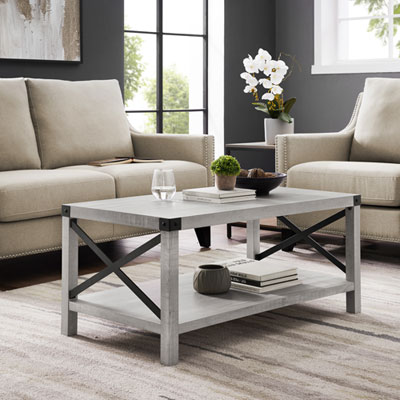 Your price for this item is $249.99
-
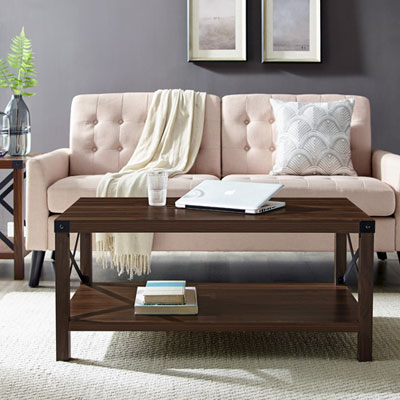 Your price for this item is $311.99
Discover more categories related to Glass Coffee Table And End Tables


Top Collections:
Pokemon Centers, Kindle Devices, Best Cameras for Sports Photography, Pokémon 30th Celebration Cards, Apple iPhones 16, Canon G7X Cameras, iPhone 15 Apple, Flip Phones, Samsung Galaxy Phones, Alarm Clock
Some products may be subject to Environmental Handling Fees
(EHF) depending on your province.
Learn more about EHFs.