Glass Containers for Leftovers
Glass Containers for Leftovers offer a convenient and reliable way to store your meals and snacks. Perfect for keeping your food organized and easy to find, these containers are designed to fit seamlessly into any kitchen setup. Whether you're meal prepping for the week or saving last night’s dinner, Glass Containers for Leftovers provide an excellent solution for preserving freshness and flavor. Explore a wide selection of sizes and styles to match your storage needs and keep your kitchen running smoothly.
Sort
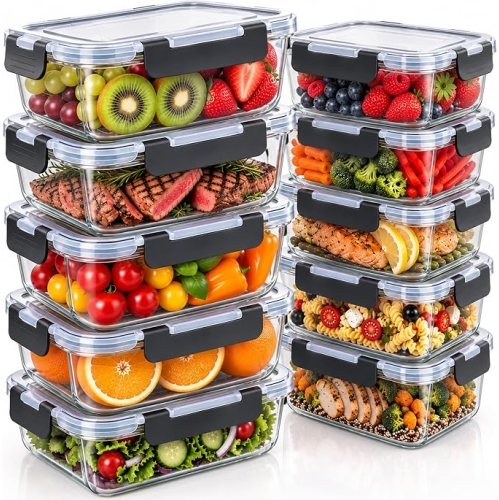
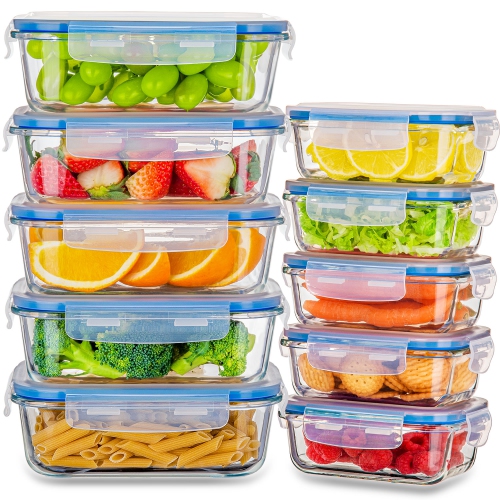
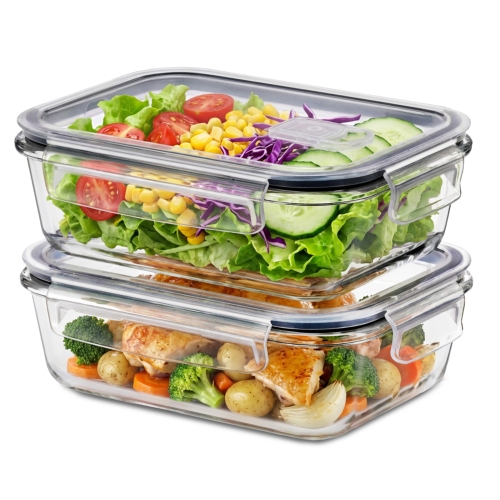
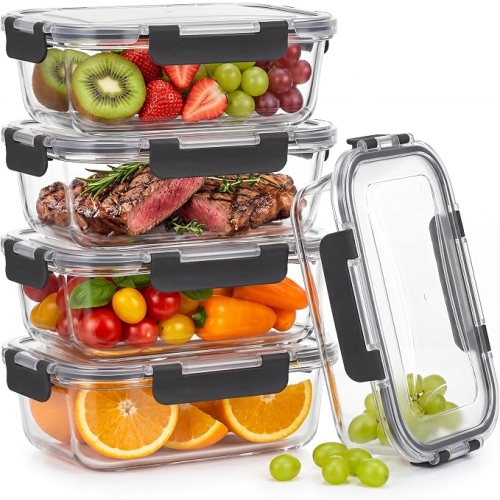
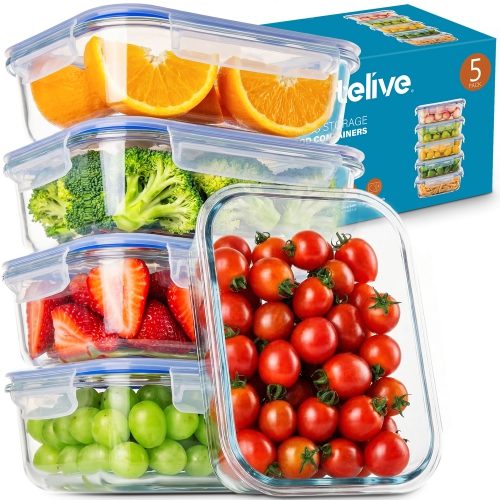
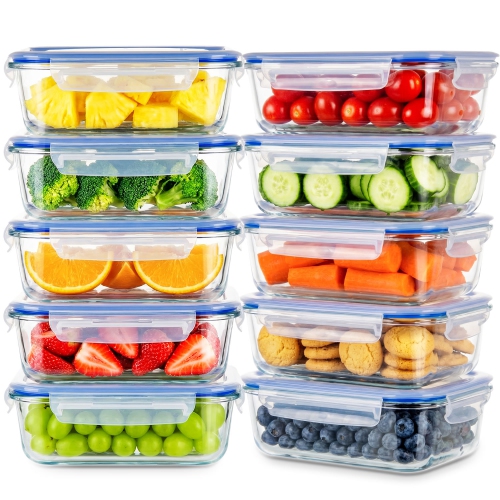
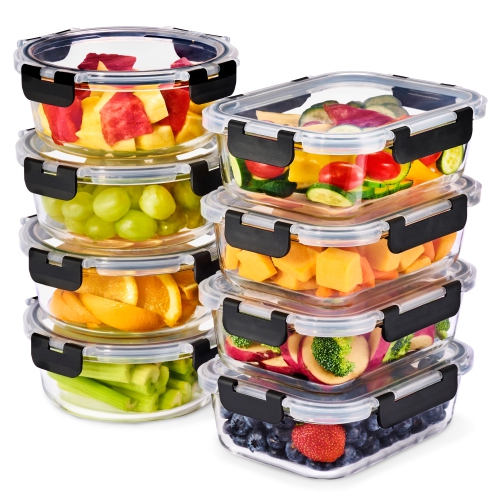
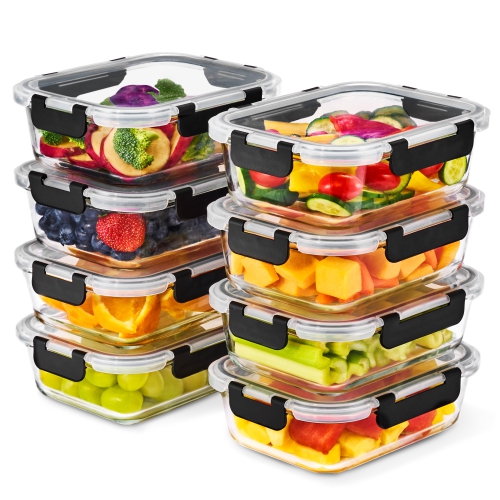
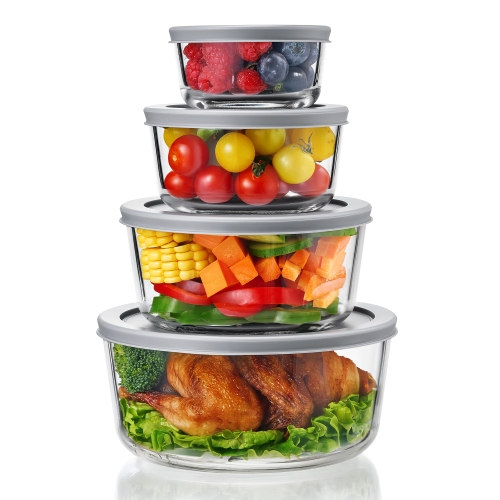
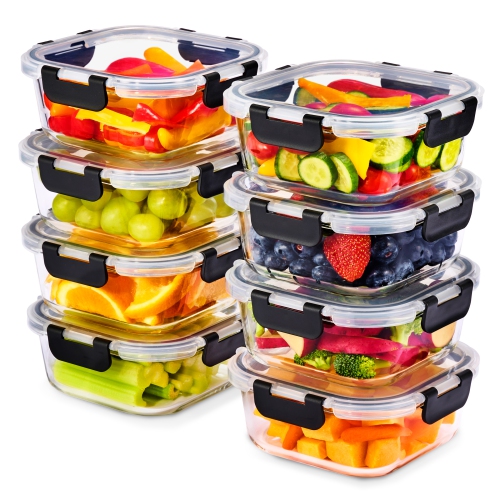
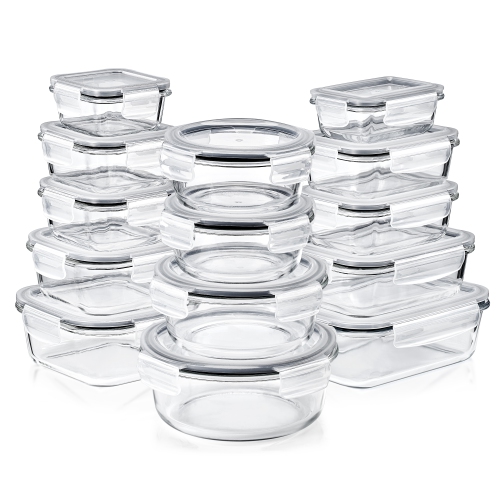
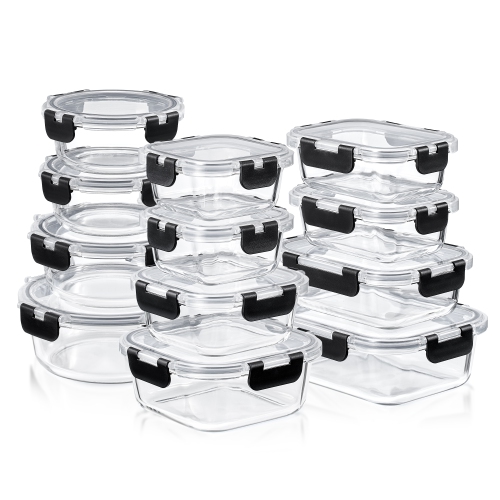
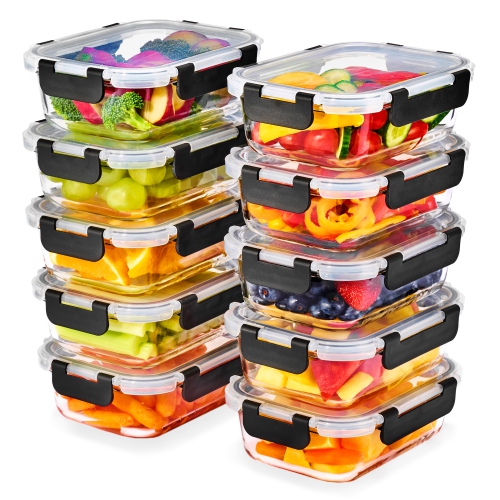
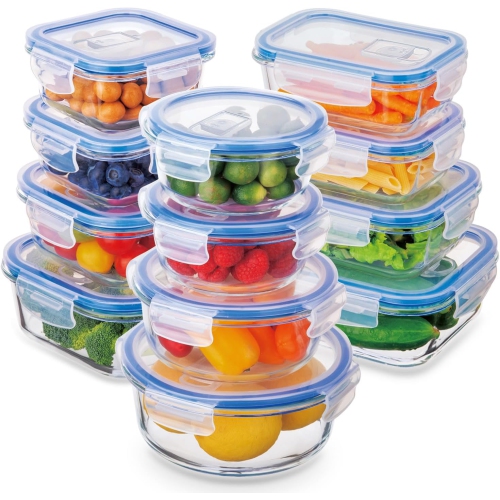
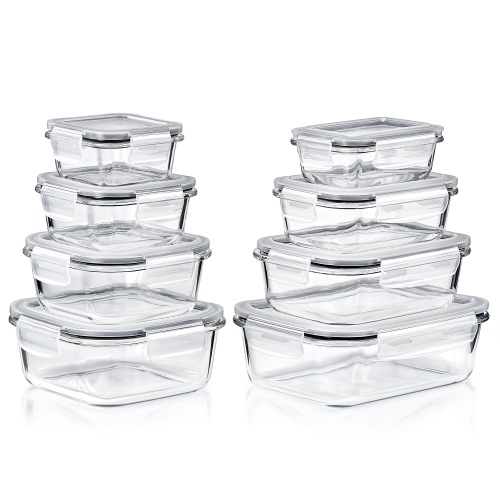
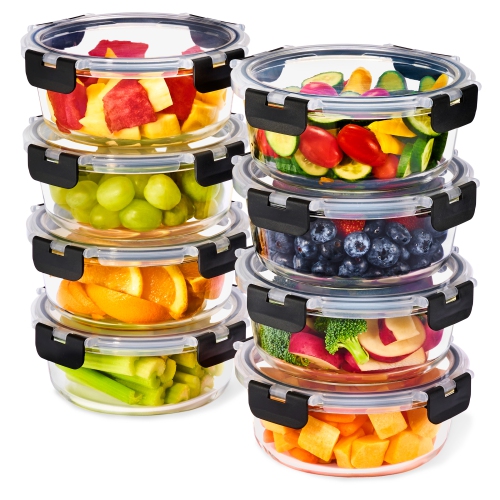
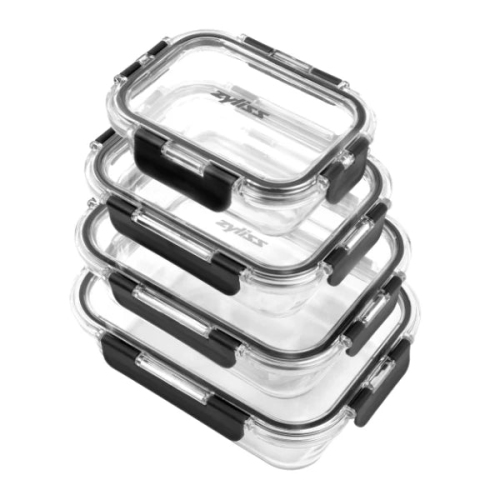
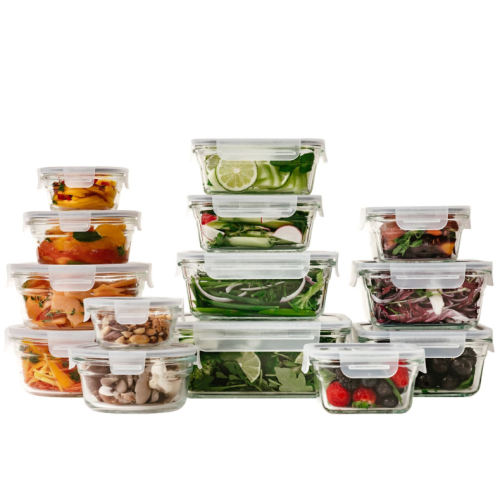
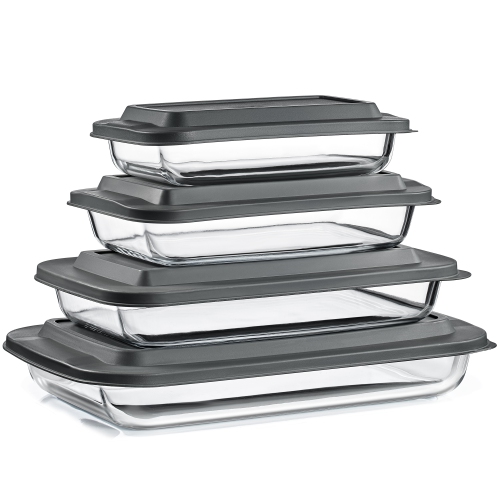
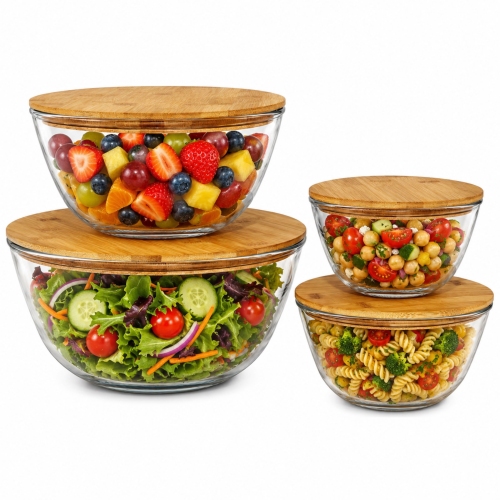
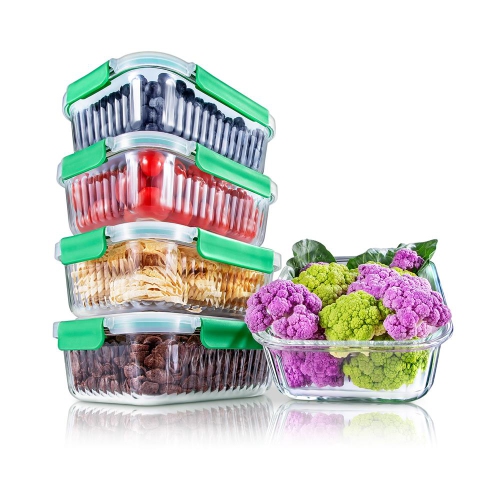
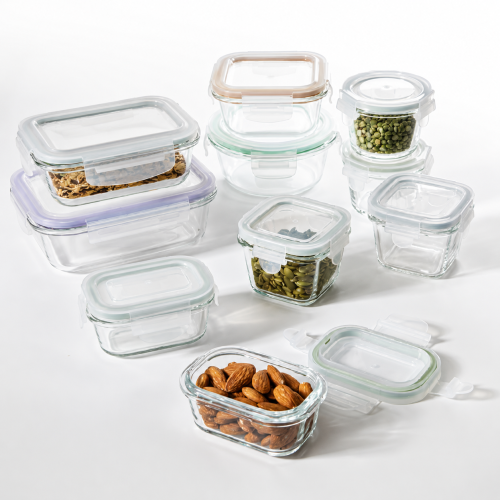
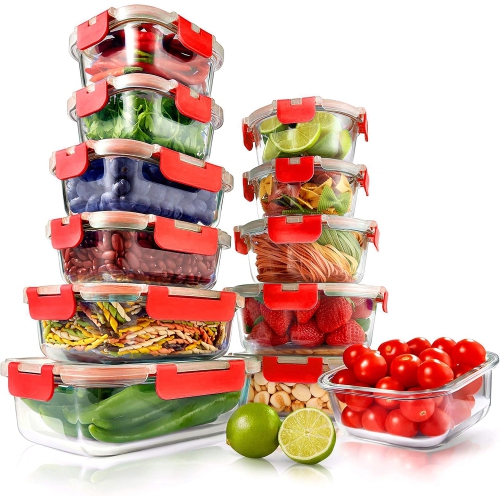
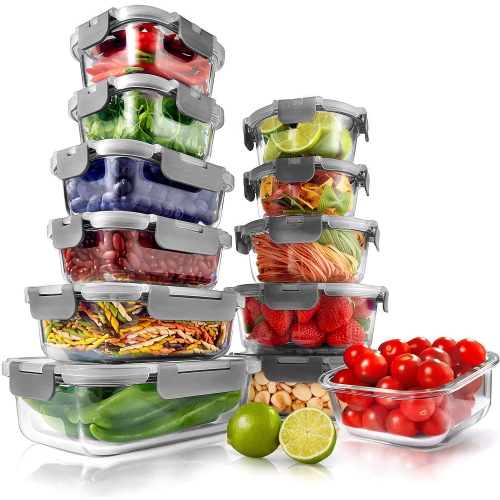
Clear glass puts tomorrow’s lunch in plain sight
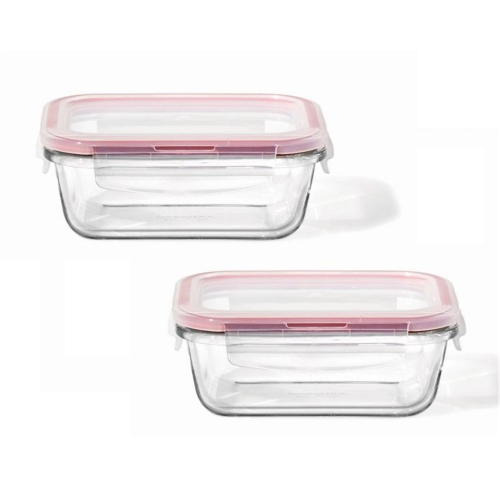
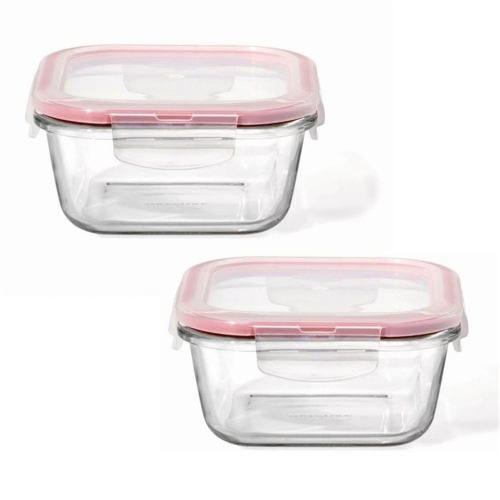
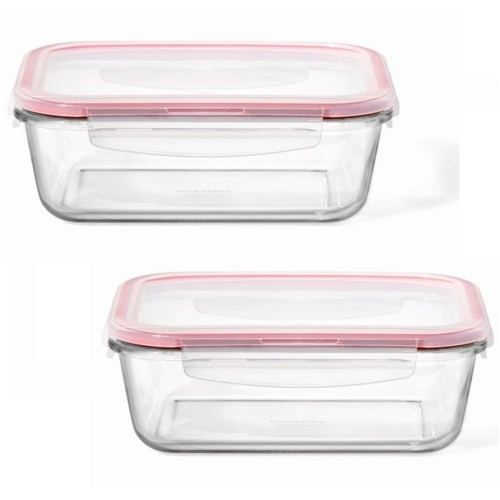
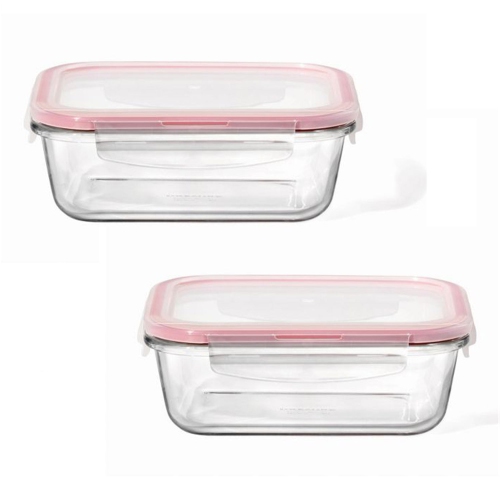
Glass containers for leftovers keep cooked food neatly stored, easy to identify, and ready for another meal. Their clear sides make it simple to spot a portion of pasta behind the milk or see whether there is enough roasted chicken for lunch without opening every lid. Glass is non-porous and resists absorbing food odours and colours, making it a practical material for storing everything from tomato sauce to fragrant curries. Different shapes suit different meals: rectangular containers accommodate lasagna slices and fit closely together on refrigerator shelves, while round containers work well for rice, stews, and mixed salads. Smaller sizes hold a little dressing, a spoonful of gravy, or the last serving of vegetables without taking up the space of a full-sized dish. Larger containers give family portions room without requiring several separate vessels. Capacity matters, but so do the outside dimensions, especially in a compact refrigerator, a shared kitchen, or a lunch bag with a narrow opening. A wide, shallow container can make a serving easier to access and reheat evenly, while a deeper shape may be better suited to a generous portion of soup. Containers with divided sections help keep separate foods apart, although the divider does not necessarily prevent sauces from moving between compartments. Matching footprints can make stacking tidier, and nesting shapes take up less cupboard space when empty. Some designs nest only when their lids are removed, so lid storage is worth considering alongside the glass bases. A balanced mix of sizes supports everyday cooking habits better than several large containers that are rarely filled. For someone cooking for one, individual portions can turn a batch of chilli into several distinct meals. In a busy household, a larger dish can hold dinner leftovers while smaller containers separate out lunches. Sets may count lids and bases as individual pieces, so the number of complete containers is more useful than the piece count alone.
The glass construction and the manufacturer’s care information determine how a container can move between food storage, reheating, and serving. Borosilicate glass generally tolerates changes in temperature better than ordinary glass, while tempered glass is treated for added strength. Neither description alone confirms that a container is suitable for an oven, microwave, or freezer; those uses need to be expressly permitted for the particular container. An oven-safe glass base may have a lid that is suitable only for refrigerator storage, and plastic lids or removable seals may have different microwave and dishwasher restrictions. Where reheating is permitted, removing or venting the lid as directed allows steam to escape. Stirring food partway through microwave heating helps distribute heat, particularly in dense portions of rice, pasta, or stew. The glass itself can become hot, so a heat-resistant mitt and a suitable surface are useful even when the food has been heated for only a short time. Sudden changes in temperature can damage glass: a frozen container should not go straight into a preheated oven unless its instructions explicitly allow it, and hot glass should not be placed on a cold or wet surface. Oven-safe does not automatically mean safe for a stovetop, grill, or broiler. For freezing, a freezer-safe container needs space above soups and sauces so the contents can expand; the recommended fill level takes priority over filling to the rim. Leftovers also need prompt refrigeration, generally within two hours, with large quantities divided into smaller, shallow portions rather than left on the counter to cool completely. A secure lid does not replace safe handling or extend a food’s safe storage time on its own. Date labels help distinguish yesterday’s dinner from an earlier batch, especially when several containers hold similar-looking food. Clear glass makes the contents visible, but appearance and smell cannot confirm that leftovers are safe to eat. Together, appropriate storage sizes and clearly marked use instructions make these containers useful beyond a single meal.
Lids play a large part in how glass food storage containers fit into everyday routines. A simple fitted lid may be sufficient for a dish that stays level on a refrigerator shelf, while locking tabs and a well-seated gasket can provide a more secure closure for food carried to work or school. For soups, saucy noodles, and other meals that travel, glass containers with leakproof lids are especially relevant, provided the lid is closed correctly and the container is used within its stated limits. Leakproof and airtight describe different functions: preventing liquid from escaping is not the same as limiting air exchange. Food caught along the rim, a twisted seal, or an incompletely fastened tab can affect the closure, so a clean sealing surface matters as much as the lid design. Carrying containers upright adds another precaution, and perishable lunches still need appropriate chilling during transport. Glass also weighs more than many plastic alternatives, which is worth factoring into a fully packed lunch bag or a commute on foot. Broad tabs and uncomplicated lids may be easier for some users to open, while tightly locking closures can require more hand strength. For cleaning, dishwasher-safe glass bases offer convenience, but lids and seals may need handwashing or placement on the top rack according to their care instructions. Removable gaskets allow trapped food and moisture to be cleaned away; all parts should be thoroughly dry before reassembly and storage. Non-abrasive tools help protect surfaces, and containers with chips, cracks, or damaged closures should be taken out of food-storage use as appropriate. Glass is durable in ordinary use, but it is not unbreakable. For students setting up a kitchen, households that regularly pack lunches, or someone who enjoys sharing home-cooked meals, a thoughtfully sized collection can be a useful housewarming gift. The most practical fit comes from everyday details: portions that match the meals being saved, lids that are comfortable to handle, and shapes that sit neatly where the food will be stored.
Top selling and popular products
-
 Your price for this item is $15.99
-
 Your price for this item is $3.99
-
 Your price for this item is $19.99
-
 Your price for this item is $7.99
-
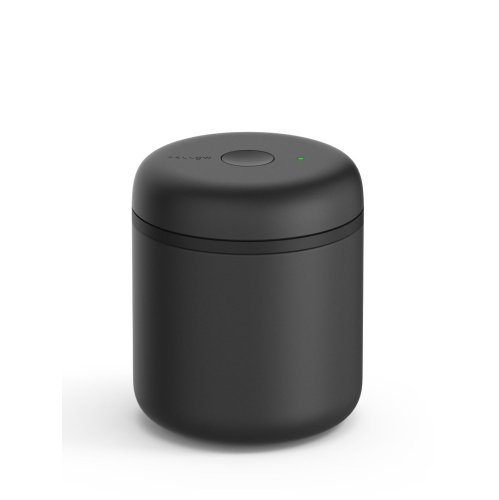 Your price for this item is $99
-
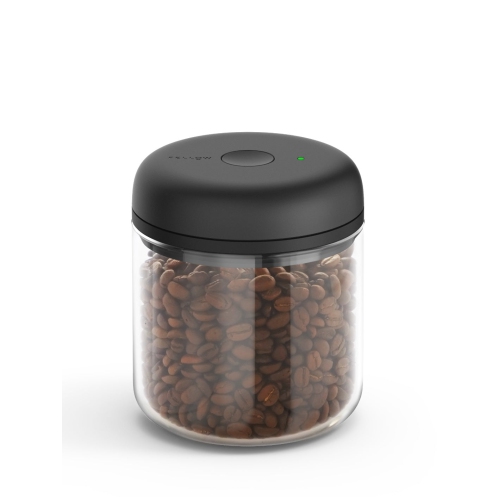 Your price for this item is $99
-
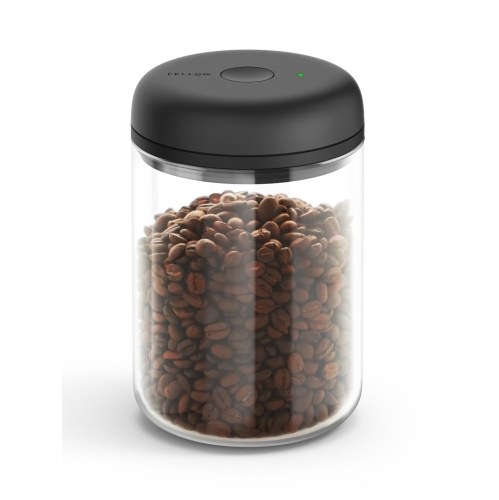 Your price for this item is $109
-
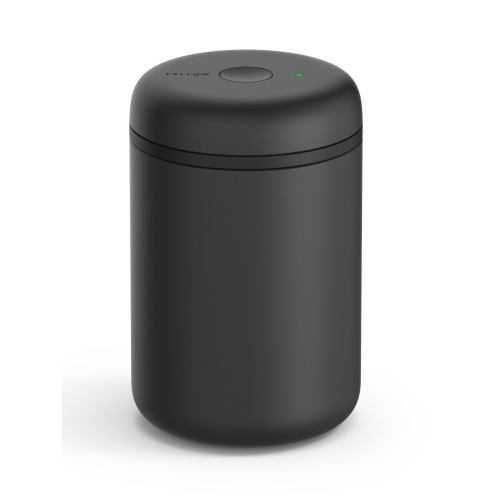 Your price for this item is $109
Discover more categories related to Glass Containers for Leftovers
Top Collections:
Best Black Friday Deals This Year, Best Black Friday Deals On Electronics, Kindle Devices, Pokemon Centers, Best Black Friday Deals On Apple Products, Best Cameras for Sports Photography, Dyson Airwrap, Pokémon 30th Celebration Cards, Apple iPhone 17 Pro, Canon G7X Cameras
Some products may be subject to Environmental Handling Fees
(EHF) depending on your province.
Learn more about EHFs.