Glass Containers With Lids
Glass Containers With Lids offer a versatile solution for organizing your kitchen, storing leftovers, and keeping ingredients fresh. Designed to suit a variety of needs, these containers are ideal for meal prep, serving, and storing food at home or on the go. With a range of shapes and sizes available, it’s easy to find the perfect fit for your pantry, refrigerator, or lunch bag. Explore options that make food storage simple and convenient with Glass Containers With Lids.
Sort
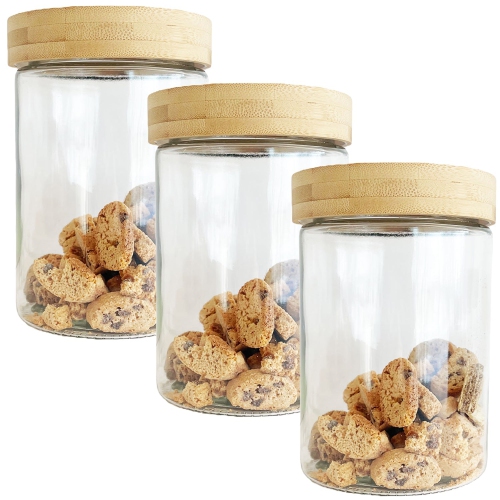

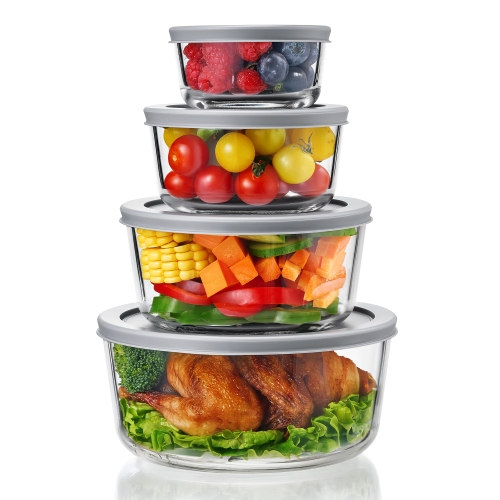
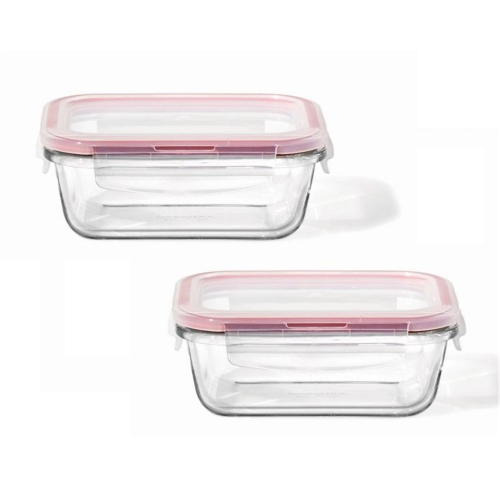
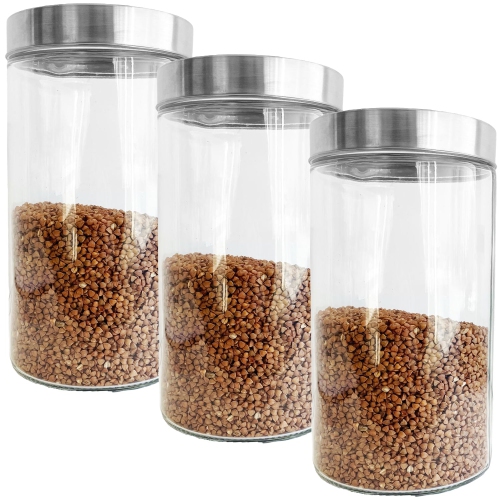
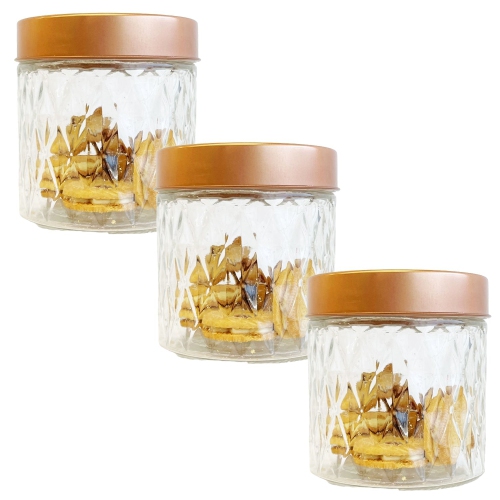
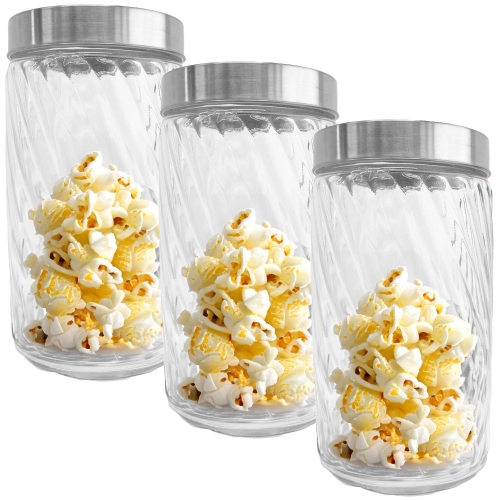
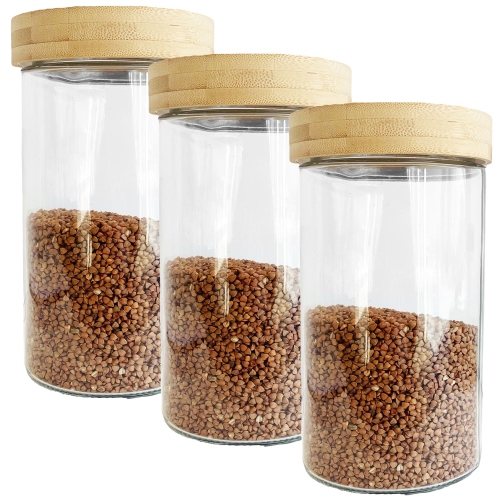
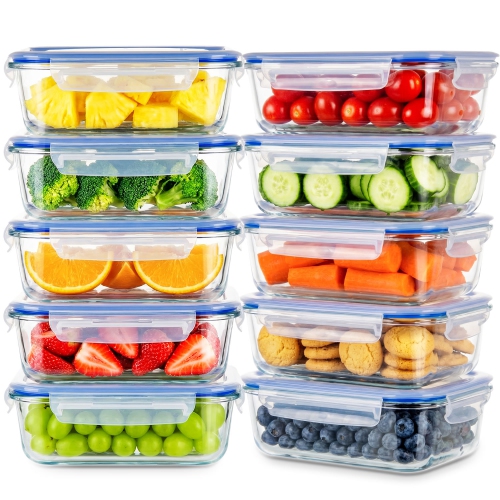


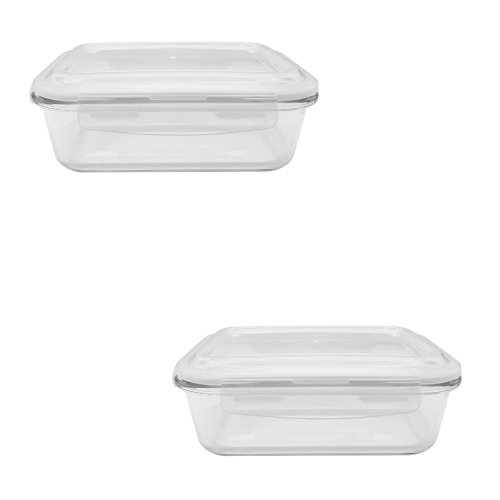
Why container shape and lid fit matter every day
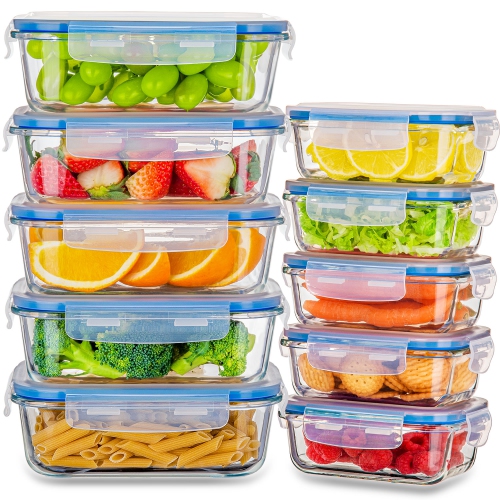
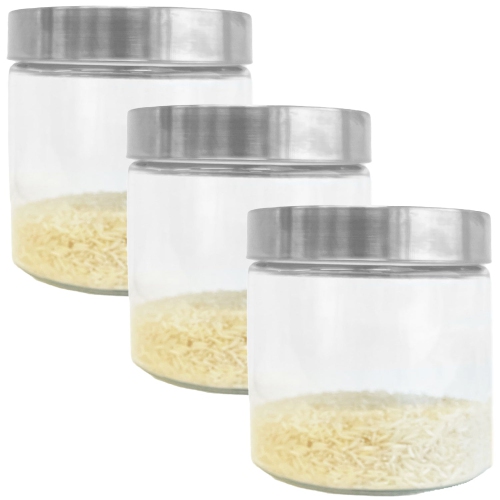
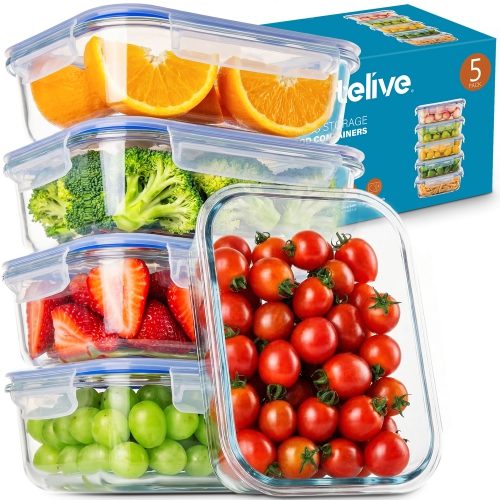
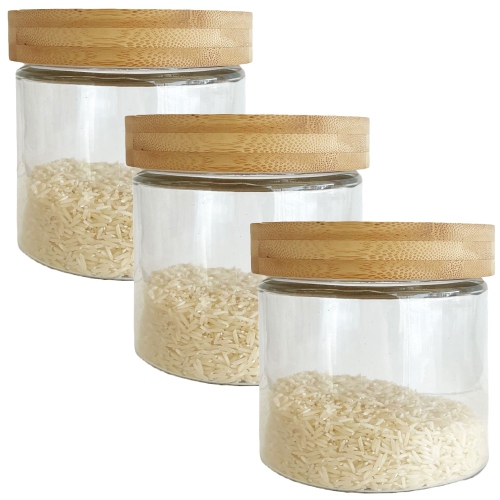
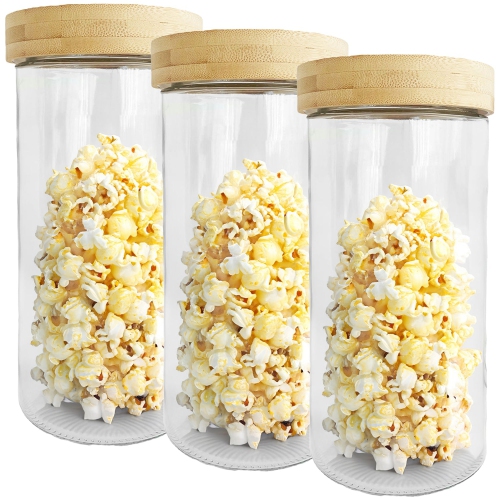
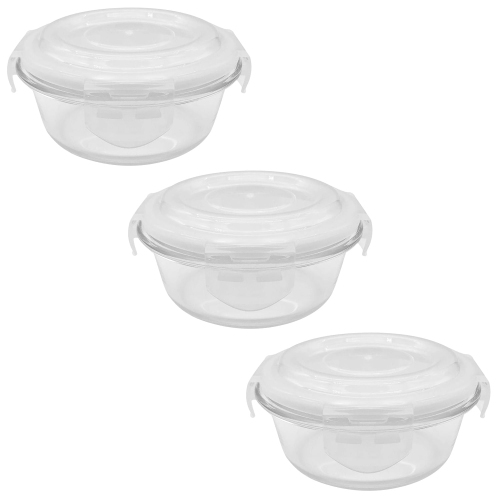
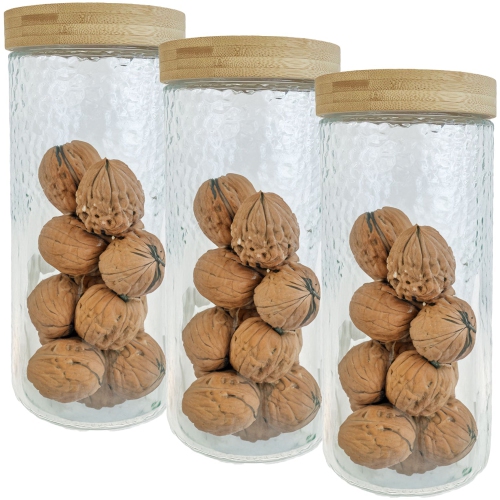
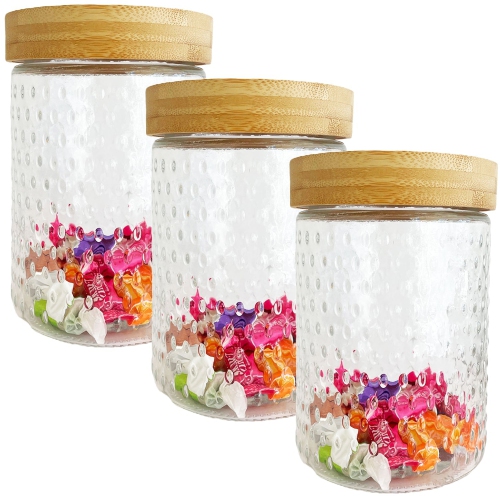
Glass containers with lids are food storage containers that pair a glass base with a fitted cover to keep contents contained and help protect food during storage. They work well for leftovers, packed lunches, meal preparation and pantry organization, with different shapes suited to different routines. A shallow rectangular container gives sliced vegetables or a portion of lasagna room to sit without being piled up, while a deeper round container can hold soup, stew or a generous serving of rice. Smaller sizes are useful for dips, chopped herbs and snack portions; larger capacities suit family meals, batches of cooked grains and baking ingredients. Clear glass makes it easy to see what is inside without opening every lid, especially when containers sit near the back of a refrigerator shelf. Glass is also non-porous and generally resists food stains and lingering odours, making it useful for richly coloured sauces and strongly seasoned dishes. The type of glass matters, although material alone does not establish whether a container is suitable for an oven, microwave or freezer. Tempered glass is treated to improve its strength, while borosilicate glass is formulated to better tolerate temperature changes. Neither is unbreakable, and the stated care and use limits remain important for both. Shape, weight and proportions affect everyday handling just as much as capacity. Wide openings make containers easier to fill, serve from and clean, while straight sides can make portions easier to stack neatly. Rectangular and square designs often use shelf space efficiently; round designs can be convenient for stirring and serving. Glass is heavier than many plastic alternatives, so a full container needs to feel manageable when lifted from the refrigerator or carried in a lunch bag. For compact kitchens, nesting bases and lids that store together can make a noticeable difference, provided the pieces can be separated without scraping or forcing them apart.
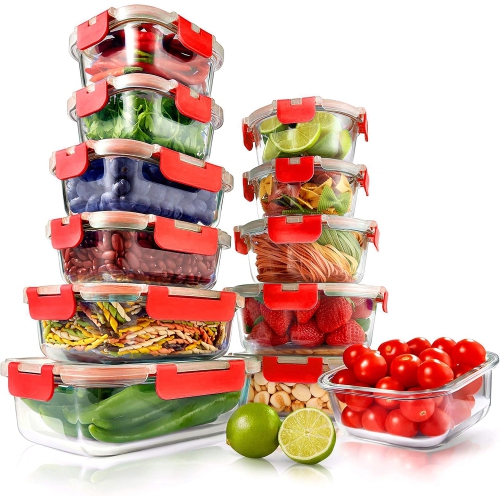
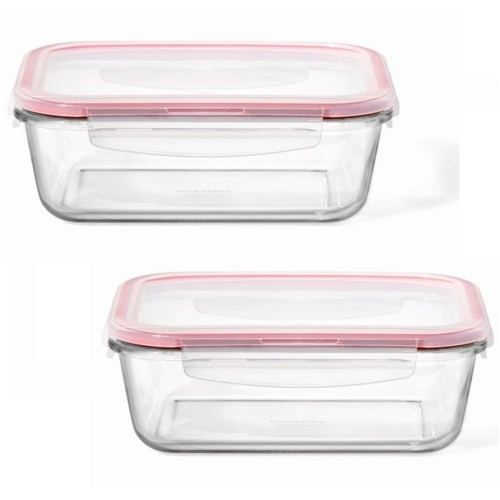
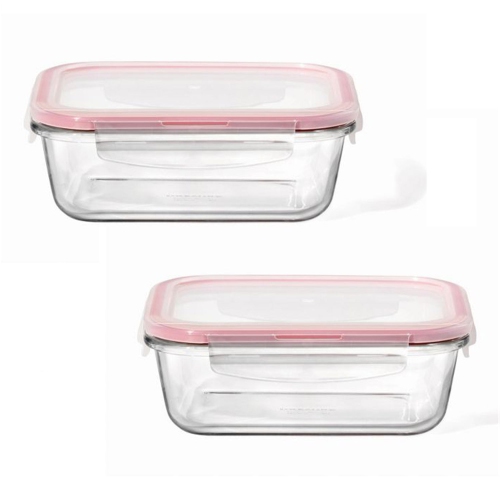
The lid determines much of a container’s convenience, from how easily it opens to how securely it holds food during transport. Common lid materials include plastic, silicone, glass and bamboo, each with its own handling and care requirements. A simple fitted lid may be enough for dry ingredients or food that stays on a refrigerator shelf, while a lid with a sealing gasket and locking tabs can provide a more secure closure for daily lunches. For shoppers comparing this style, Glass Containers With Snap Lock Lids brings the focus to containers with tabs that fasten around the rim. These closures should not automatically be assumed to be leakproof: that depends on the design, the condition of the seal and the manufacturer’s stated use. An airtight seal helps limit air exchange, but it does not necessarily mean the container can be carried sideways without leaking. A flat, clean rim and a correctly seated gasket help the lid close as intended. Thick sauces, crumbs or a strand of food caught across the edge can interfere with the seal, even when the tabs appear closed. For a commute, a container that fits upright inside an insulated lunch bag is often more practical than one that has to be wedged in at an angle. Perishable food still needs appropriate chilling; the container itself does not replace an ice pack or refrigeration. Lid fit also matters at home. A generous tab can be easier to grip, while a very tight closure may be less comfortable for someone with limited hand strength. Some lids include vents for microwave use, but permission to heat the glass base does not establish that the lid is microwave-safe. Similarly, an oven-safe base may have a lid that must be removed before heating. Separating the base’s capabilities from the lid’s helps keep food preparation straightforward, particularly when the same container moves from storage to reheating and then to the table.
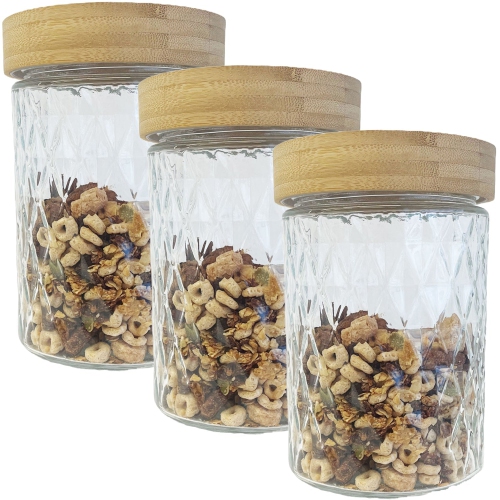
Care and storage habits help glass containers with lids stay useful through repeated filling, washing and stacking. Dishwasher suitability can differ between the base, lid and gasket, so each component’s care directions matter. Some plastic lids need top-rack placement or handwashing, and bamboo lids generally require different care from glass bases. Where a seal is designed to be removable, cleaning beneath it helps prevent trapped residue; all parts should be thoroughly dry before reassembly or cupboard storage. A soft sponge and a suitable dish detergent are usually more appropriate than abrasive pads that can scratch surfaces. Sudden temperature changes can damage glass, including some heat-resistant designs, so a chilled container should not go straight into a hot oven unless its instructions expressly permit it. Oven-safe glass also should not be assumed safe for a stovetop, grill or broiler. Chips, cracks and damaged rims are reasons to stop using a glass base, while a warped lid or split gasket can compromise the closure. For freezer storage, suitable containers need room above liquids and moist foods to allow for expansion, along with a lid approved for that use. Day-to-day organization is often simpler with a few capacities that match actual meals rather than many awkwardly sized pieces. Containers sized for individual portions can support lunch preparation, while wider dishes suit shared meals and leftovers that can be served without transferring them again. Pantry storage has slightly different priorities: a broad opening helps with scooping flour or oats, and a secure lid helps keep dry contents protected between uses. Labels with the contents and preparation date are useful when several meals look similar through the glass. For students, busy households and people setting up a first kitchen, a coordinated set can bring consistency to refrigerator and cupboard storage. Glass containers with well-fitting lids can also make a practical housewarming gift, especially when the shapes, weight and care requirements suit the recipient’s cooking habits and available kitchen space.
Top selling and popular products
-
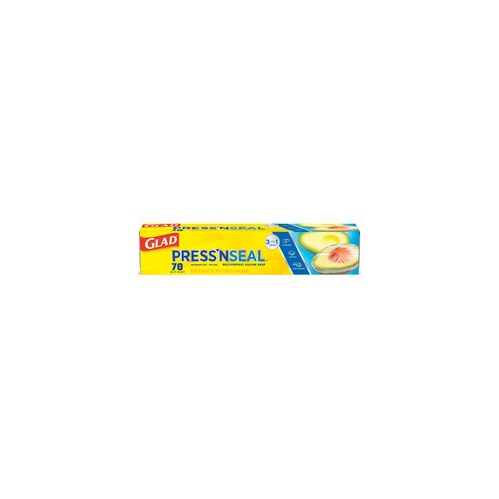 Your price for this item is $15.99
-
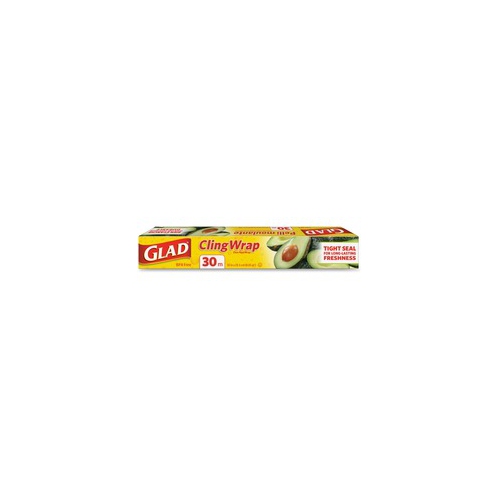 Your price for this item is $3.99
-
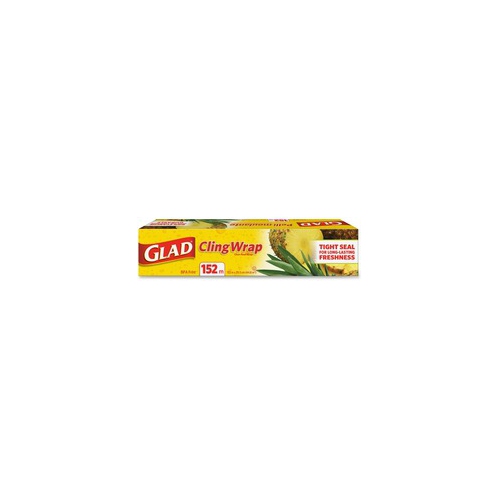 Your price for this item is $19.99
-
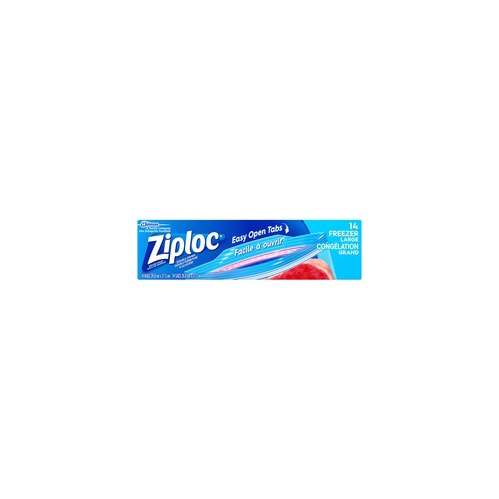 Your price for this item is $7.99
-
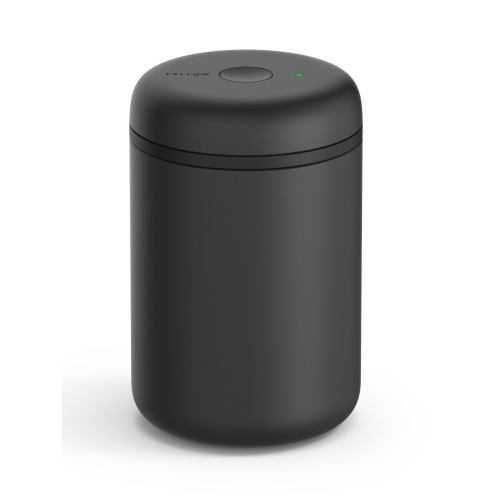 Your price for this item is $109
-
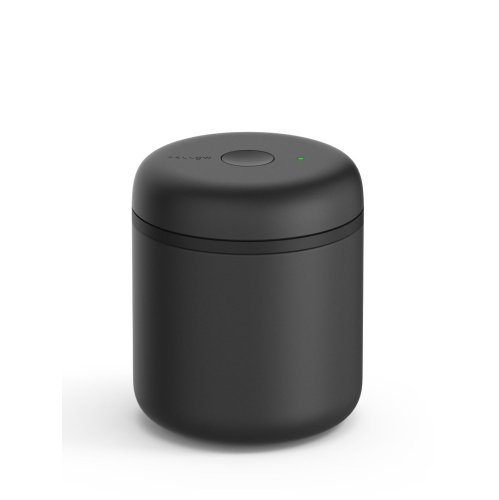 Your price for this item is $99
-
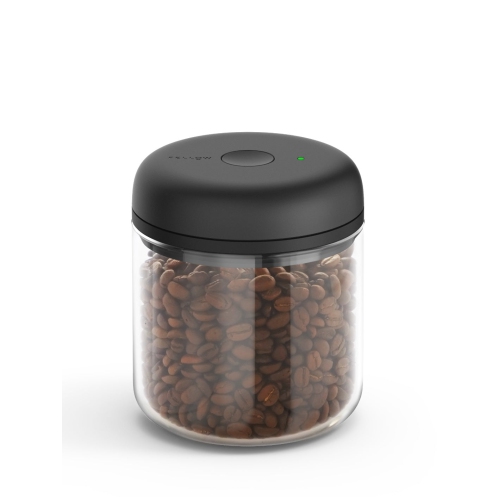 Your price for this item is $99
-
 Your price for this item is $109
Discover more categories related to Glass Containers With Lids
Top Collections:
Best Black Friday Deals This Year, Best Black Friday Deals On Electronics, Kindle Devices, Pokemon Centers, Best Black Friday Deals On Apple Products, Best Cameras for Sports Photography, Dyson Airwrap, Pokémon 30th Celebration Cards, Apple iPhone 17 Pro, Canon G7X Cameras
Some products may be subject to Environmental Handling Fees
(EHF) depending on your province.
Learn more about EHFs.