Glass Containers With Snap-Lock Lids
Glass containers with snap-lock lids offer a versatile solution for organizing your kitchen and keeping food fresh. Perfect for meal prep, storing leftovers, or packing lunches, these containers combine convenience and style for any household. With their clear design, it’s easy to see what’s inside at a glance, making them a practical choice for busy families and individuals alike. Discover the benefits of glass containers with snap-lock lids and find the ideal set to suit your storage needs.
Sort
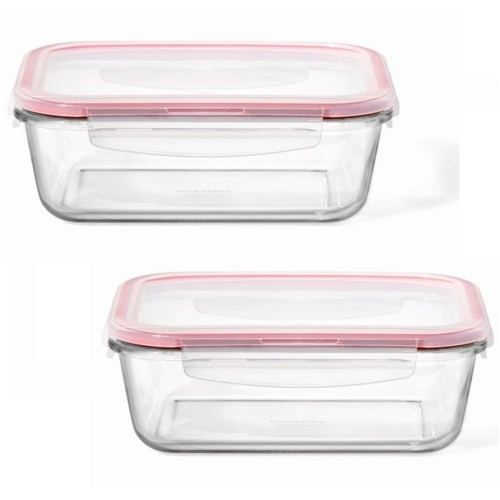
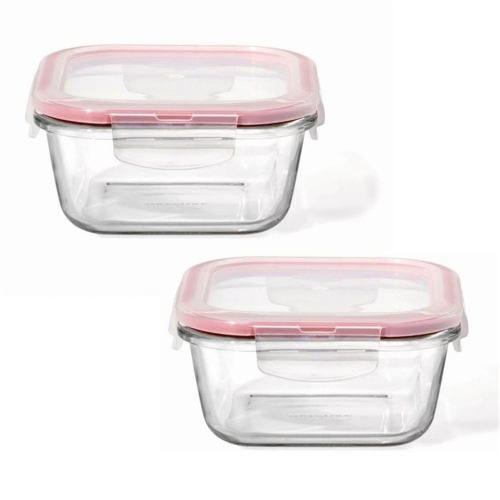
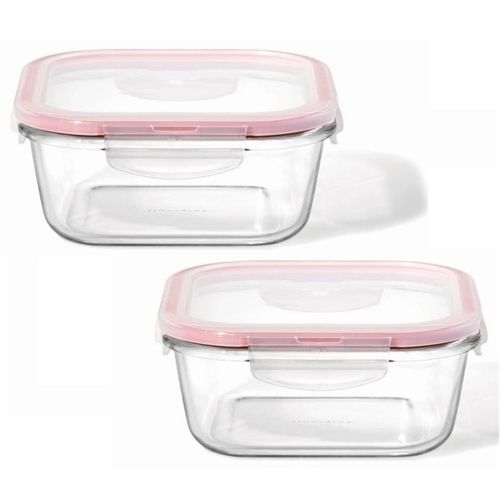
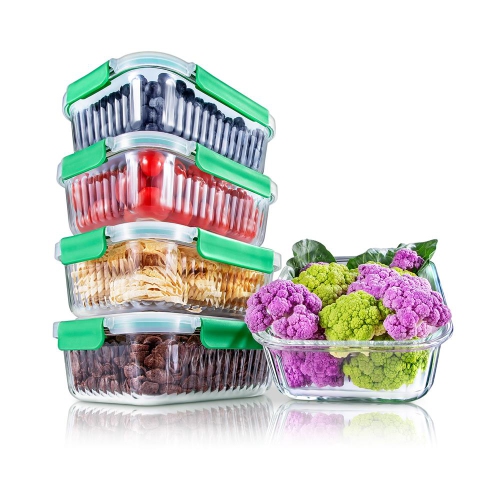
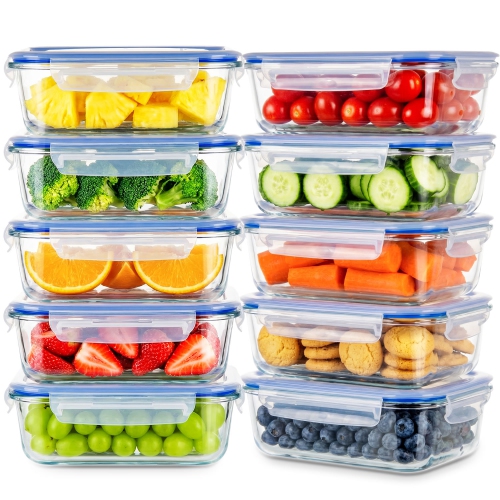
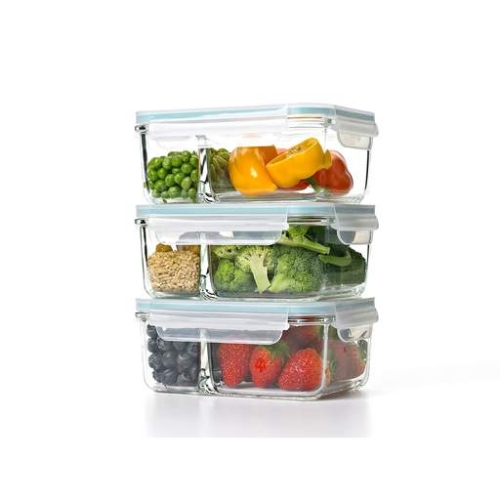
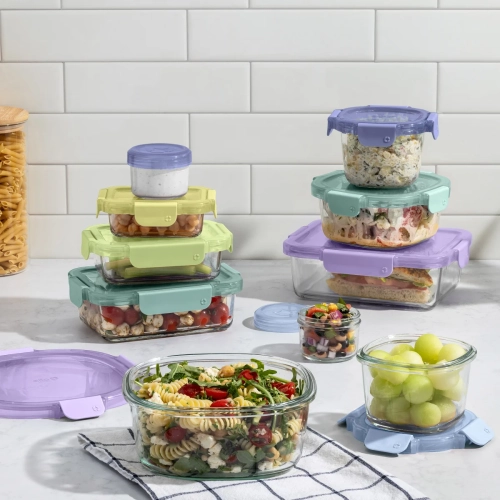
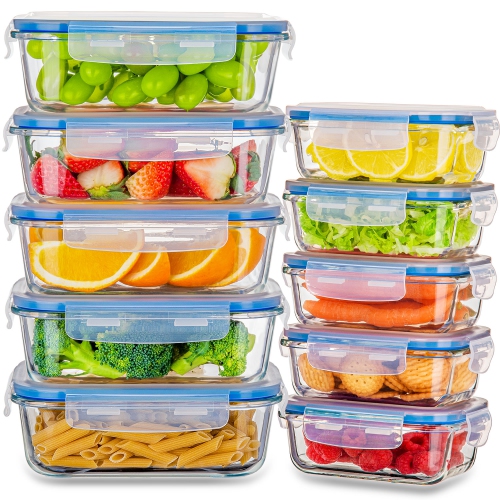
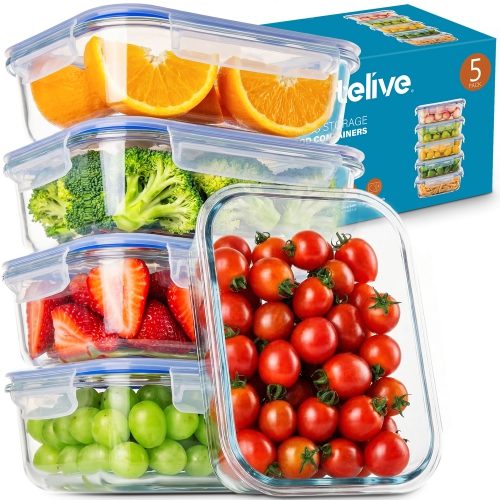
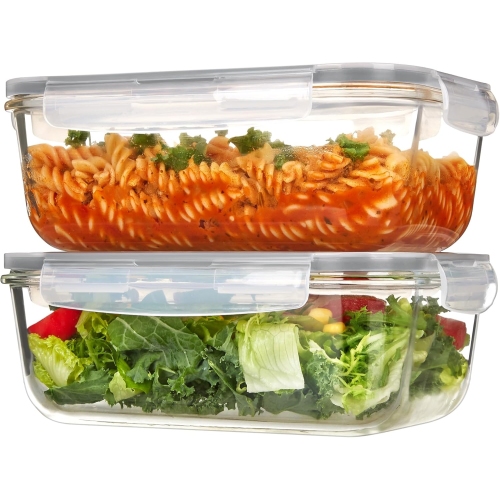
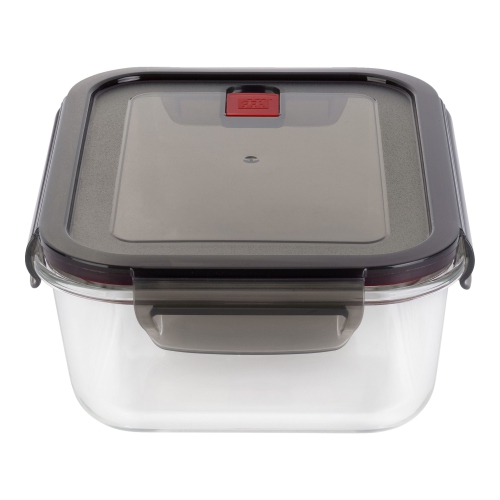
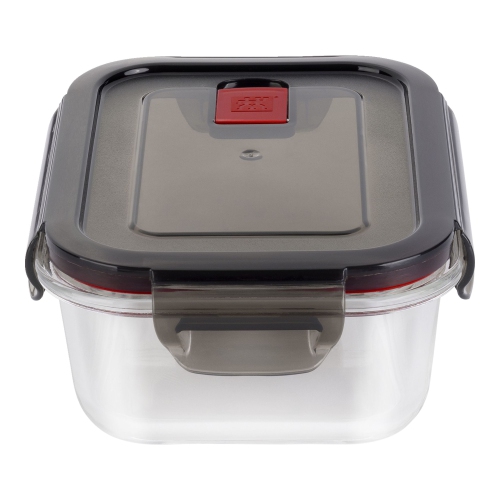
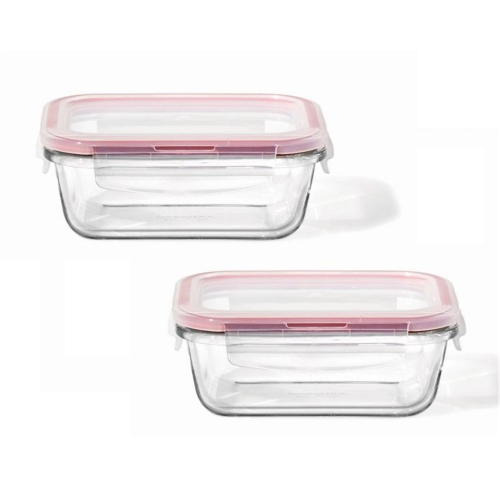
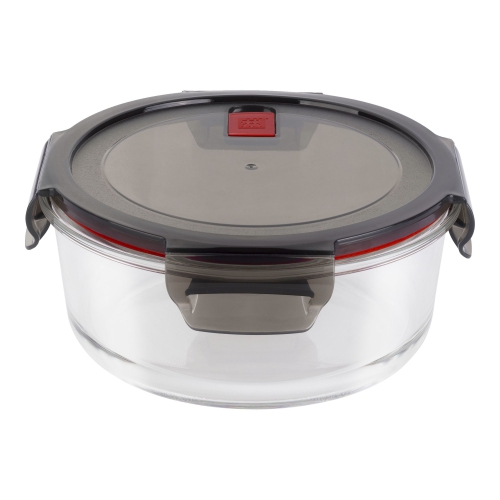
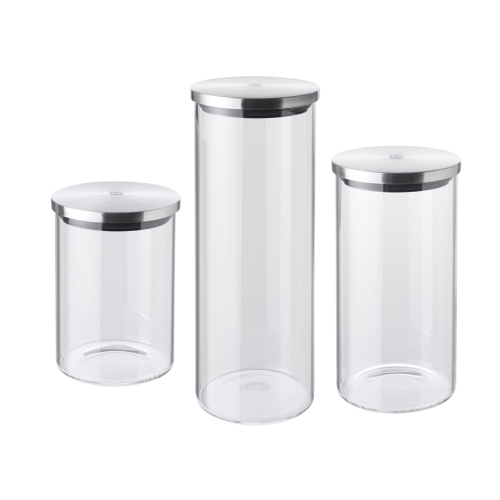
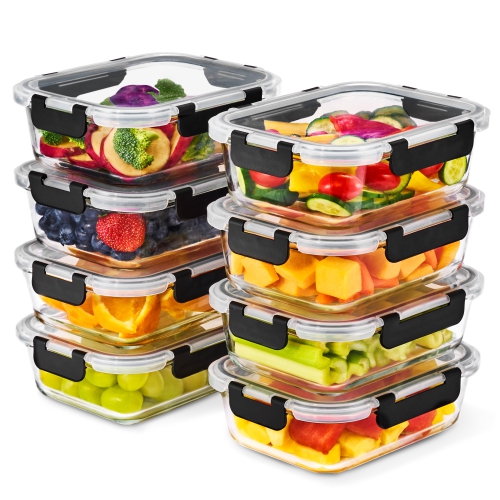
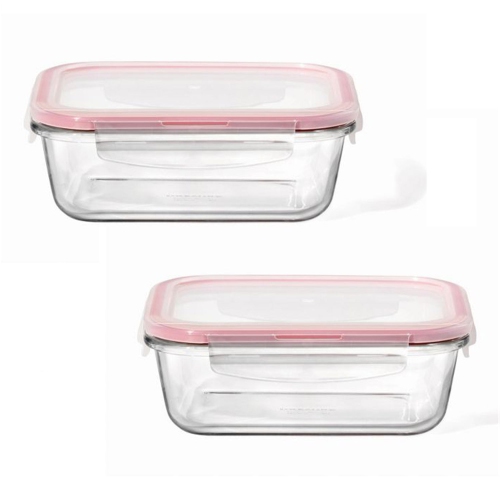
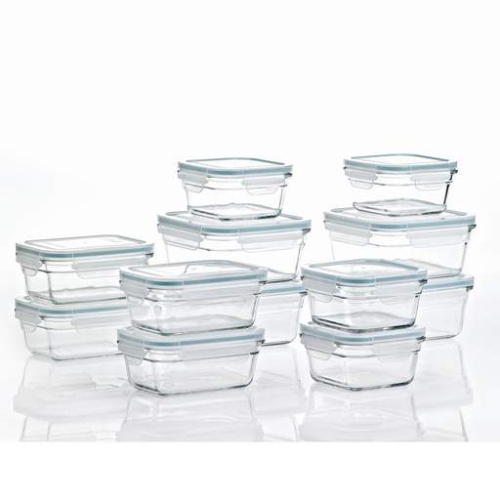
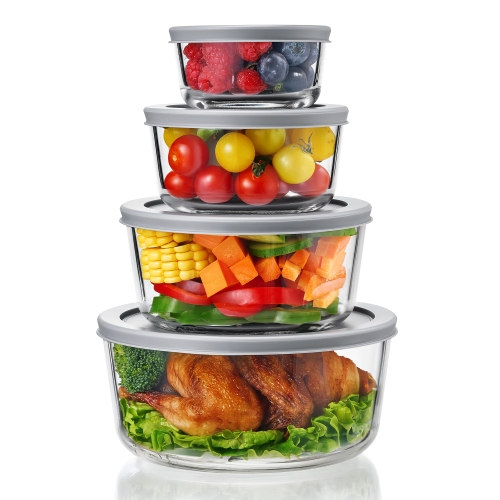
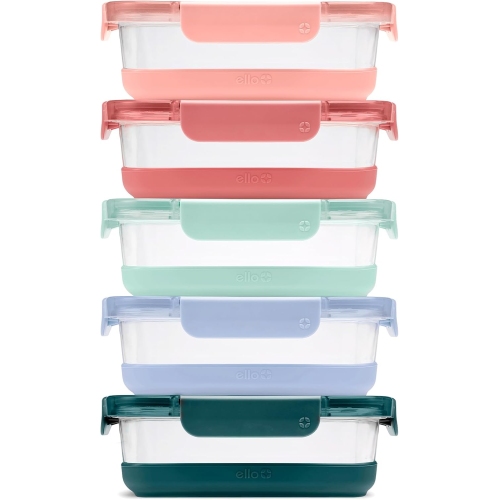
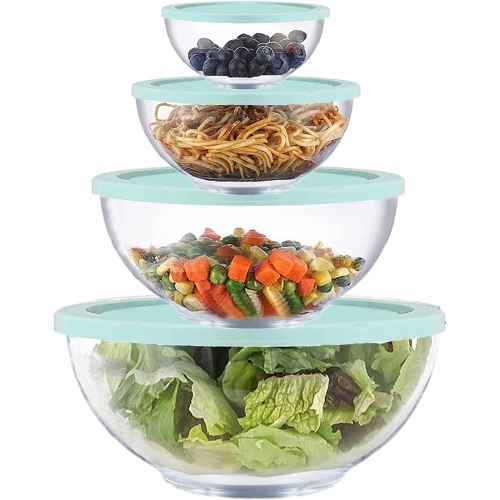
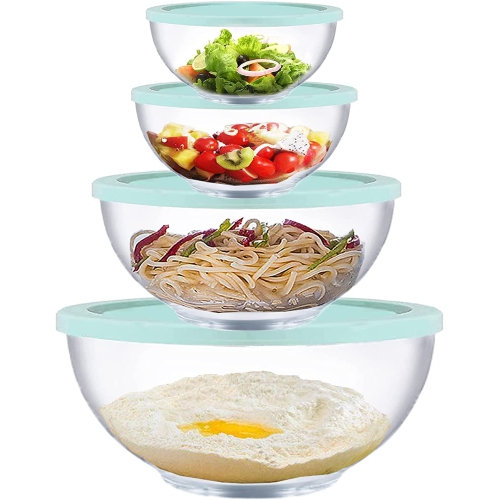
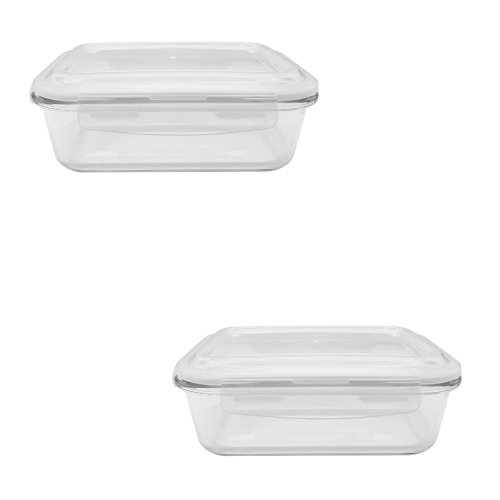
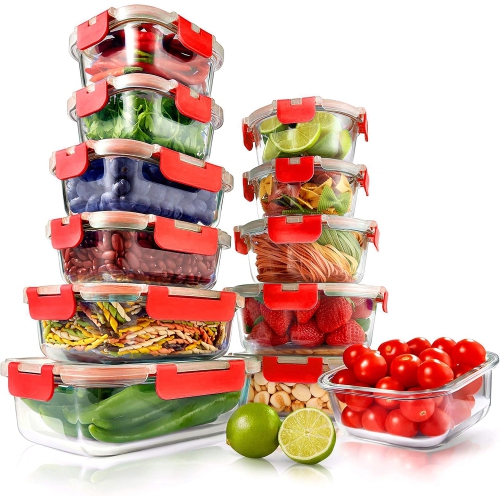
What locking tabs really mean for food storage
Glass containers with snap-lock lids combine a rigid, transparent food-storage base with a lid held in place by locking tabs or clips. Many designs include a flexible gasket, often made from silicone, that sits between the lid and the rim to help create a close seal. Depending on the design, that seal may support airtight storage, leakproof transport, or both; these features should be confirmed in the individual specifications rather than assumed from the locking mechanism alone. The clear glass makes everyday food easier to identify, whether it is a portion of pasta on a fridge shelf, chopped vegetables for dinner, or the last serving of a casserole. Glass is non-porous and does not readily absorb food odours, making it useful for storing strongly flavoured dishes without carrying their scent into the next meal. The lids and gaskets can have different stain and odour resistance from the glass itself. Common base materials include tempered glass and borosilicate glass. Tempering strengthens glass, while borosilicate formulations generally offer greater resistance to thermal shock than ordinary glass, but neither description makes a container unbreakable or suitable for every heating method. Shape and capacity matter just as much as material. Rectangular containers make efficient use of straight-sided lunch bags and fridge shelves, square formats suit compact portions, and round containers work well for foods that are stirred or served with a spoon. A shallow base spreads food into a thinner layer, while a deeper container provides room for bulky ingredients. Capacity measurements describe volume, not necessarily a practical serving size, especially when food needs space below the lid. For sets, the piece count may include lids as separate pieces, so the number of usable containers is worth distinguishing from the total. Exterior dimensions, including projecting clips, also affect whether a container fits a lunch bag, cupboard, or crowded fridge shelf.
For meal preparation, glass containers with snap-lock lids can give cooked grains, roasted vegetables, sauces, and proteins their own space before they are combined into lunches or dinners. A larger dish suits a shared meal or a generous batch of leftovers, while smaller containers keep dressings, dips, and garnishes separate until serving. Divided designs can help organize different foods, although internal sections are not necessarily sealed from one another; a sauce may still move between compartments when the container is tilted. People who carry lunch to work, pack meals for classes, or bring food to a family gathering may appreciate the firm closure of locking tabs, particularly when a container shares a bag with other belongings. Glass is heavier than many plastic alternatives, however, so the combined weight of the base, lid, and food deserves consideration for a walking commute or a child’s lunch bag. A protective lunch bag and a stable, upright position can reduce knocks during transport, but they do not replace a verified leakproof seal. For meals with broth, dressing, or other liquids, Glass Containers With Leakproof Lids provides a related category to consider, with each design’s closure and handling requirements still important. A clean rim, correctly seated gasket, and fully fastened clips help the lid perform as intended; overfilling can interfere with that contact. Matching lids are essential because containers with similar dimensions may have different rim profiles or clip positions. For households with limited cupboard space, nesting bases and stackable lids can make storage more manageable, provided the design supports that arrangement. A coordinated set can also make a practical housewarming gift or a useful addition to a first kitchen, especially when its capacities suit the recipient’s cooking habits. The most useful assortment is not always the largest: a few frequently used sizes can be easier to organize than many shapes with lids that are difficult to match.
Care and handling play a large part in how well glass food containers last. Freezer, microwave, oven, and dishwasher suitability are separate specifications, and permission to use the base in one appliance does not establish that the lid or gasket can go there too. Plastic snap-lock lids generally should not be placed in an oven unless explicitly approved for that use. Microwave use may require removing the lid or opening a vent, according to the manufacturer’s directions; heating a tightly sealed container can allow pressure to build. Oven-safe glass also has limits, including maximum temperatures and restrictions on broilers, stovetops, and direct heat. Sudden temperature changes can cause glass to crack, so freezer-to-oven or fridge-to-oven use should never be assumed safe. Placing a hot dish on a cold or wet surface, adding cold liquid to hot glass, or putting a chilled container into a preheated oven may exceed its intended use. For freezing, the container needs an appropriate rating, and liquids require headspace because they expand as they freeze. Shallow portions can support prompt chilling of leftovers, with safe food-handling practices and the container’s thermal limits both taken into account. Cleaning involves more than rinsing the visible glass surface: crumbs, sauce, and moisture can collect around the lid channel and beneath a removable gasket. Where the manufacturer permits removal, washing those parts separately and drying them thoroughly before reassembly helps keep the seal area clean. Dishwasher-safe components may still have rack-placement requirements, while handwashing may be recommended for others. Gentle cleaning tools help avoid scratching surfaces, and careful handling protects rims and corners from impacts. Chips, cracks, damaged clips, or a distorted gasket are reasons to stop and assess whether a component needs replacement. Storing clean containers fully dry, keeping their matching lids together, and avoiding force when stacking or separating bases can make these everyday kitchen pieces easier to use and maintain.
Top selling and popular products
-
 Your price for this item is $15.99
-
 Your price for this item is $3.99
-
 Your price for this item is $19.99
-
 Your price for this item is $7.99
-
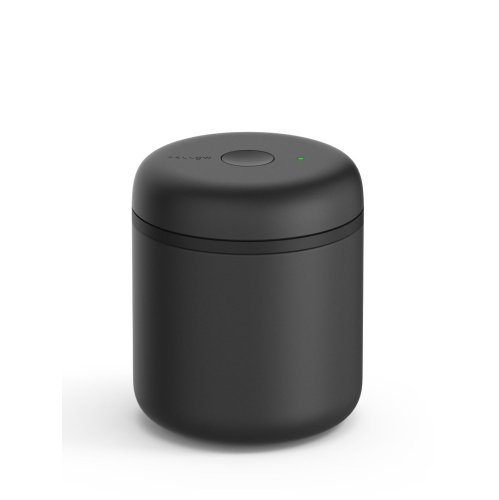 Your price for this item is $99
-
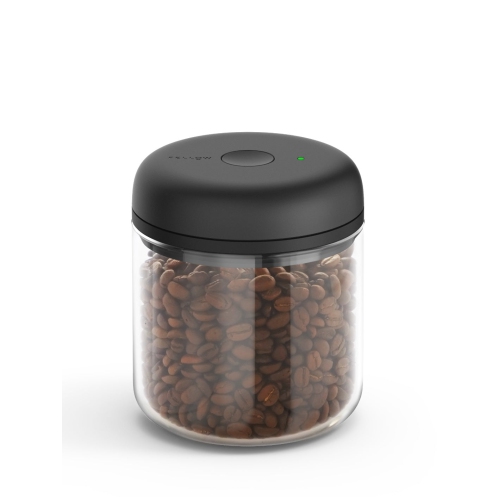 Your price for this item is $99
-
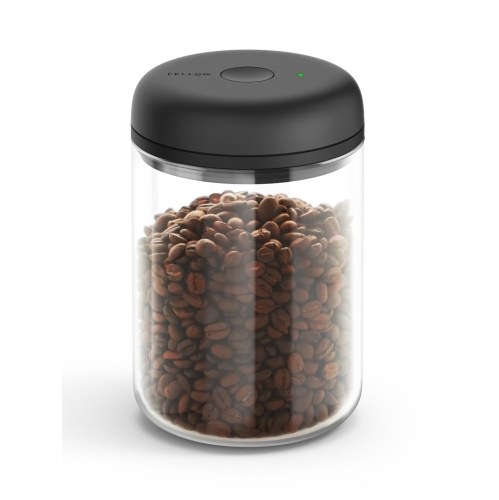 Your price for this item is $109
-
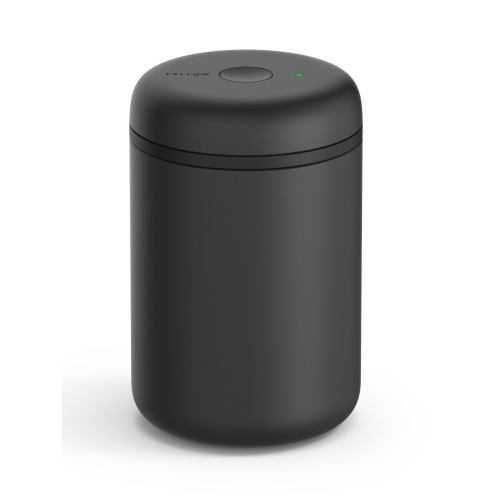 Your price for this item is $109
Discover more categories related to Glass Containers With Snap-Lock Lids
Top Collections:
Best Black Friday Deals This Year, Best Black Friday Deals On Electronics, Kindle Devices, Pokemon Centers, Best Black Friday Deals On Apple Products, Best Cameras for Sports Photography, Dyson Airwrap, Pokémon 30th Celebration Cards, Apple iPhone 17 Pro, Canon G7X Cameras
Some products may be subject to Environmental Handling Fees
(EHF) depending on your province.
Learn more about EHFs.