Small Glass Storage Containers With Lids
Small Glass Storage Containers With Lids offer a convenient and versatile solution for organizing your kitchen, pantry, or workspace. Perfect for keeping ingredients, leftovers, snacks, and more neatly stored, these containers help maximize space while maintaining easy access to your essentials. Their clear glass design makes it simple to see contents at a glance, and the secure lids help keep everything fresh and ready to use. Explore a variety of sizes and styles to find the ideal set of Small Glass Storage Containers With Lids to suit your everyday storage needs.
Sort
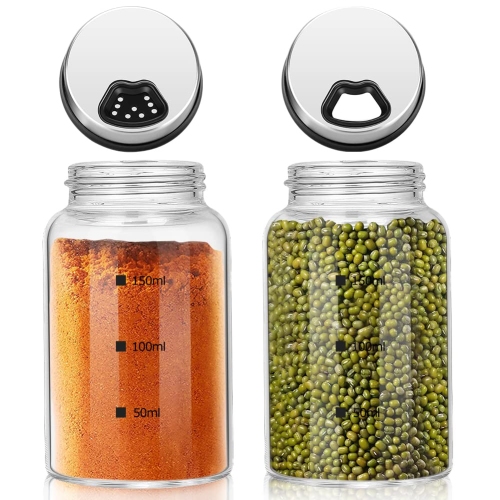
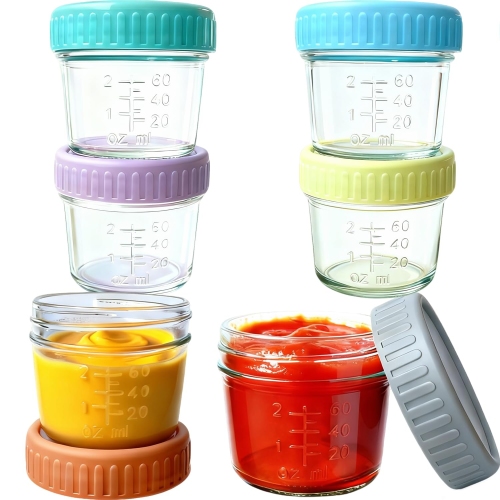
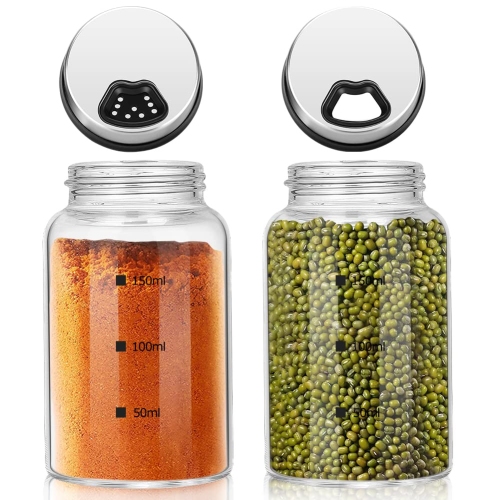
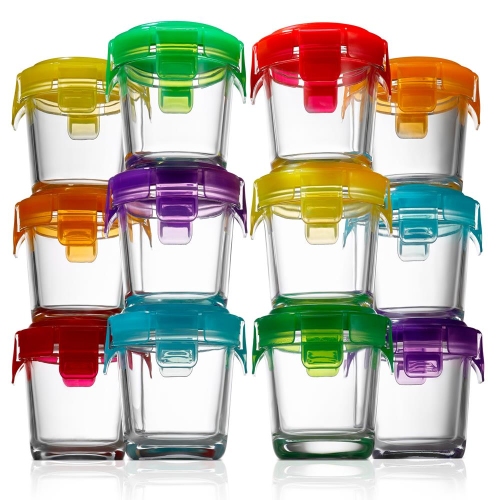
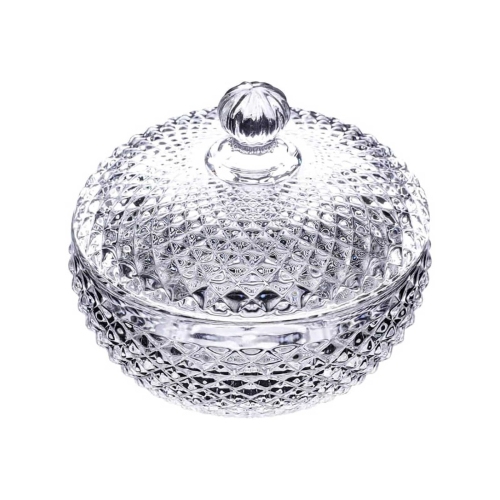
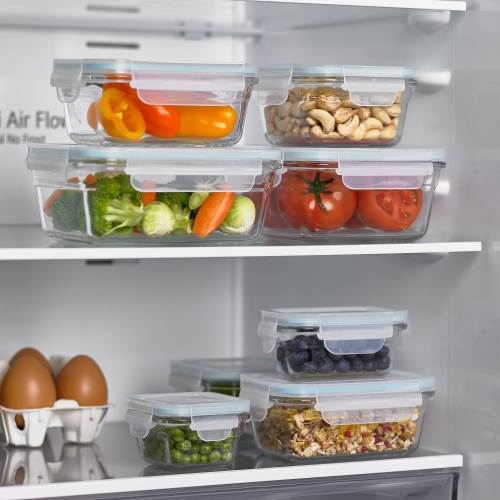
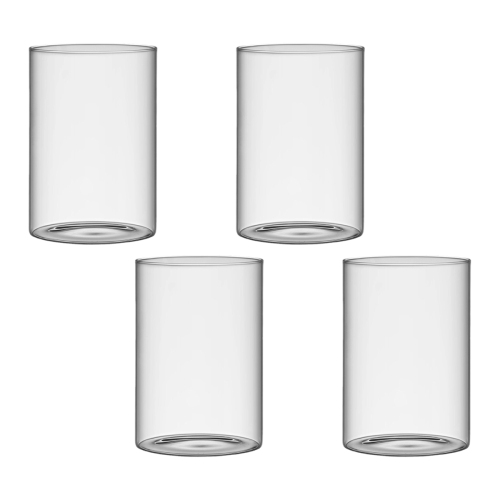
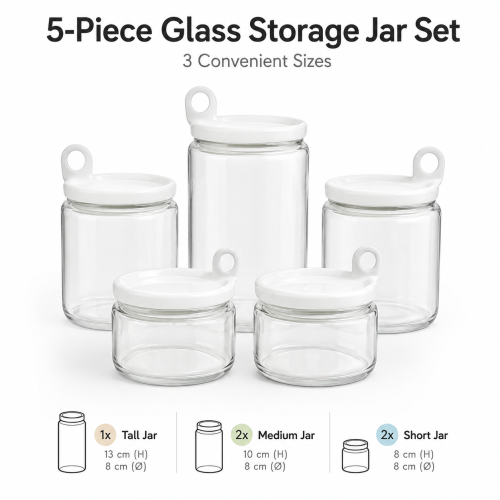
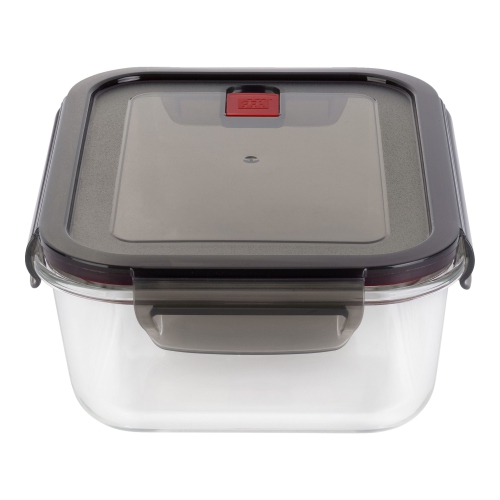
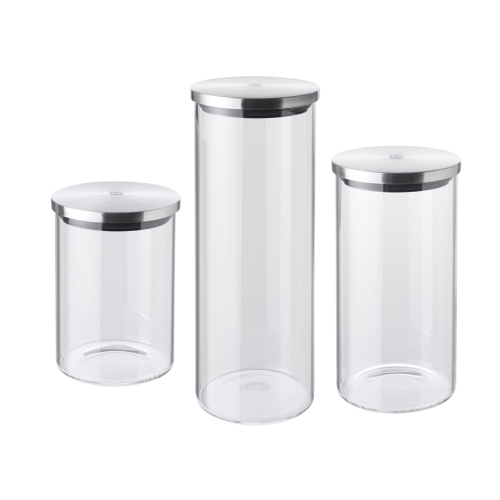
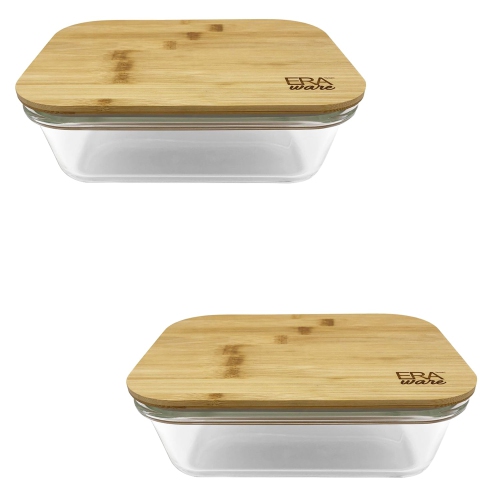
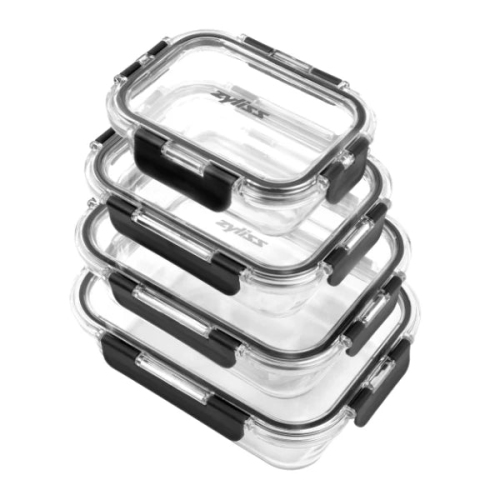
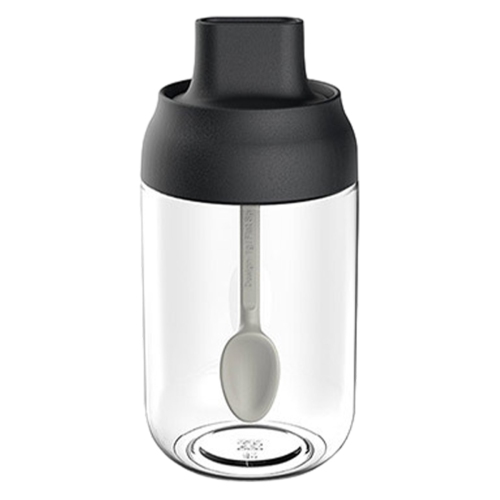
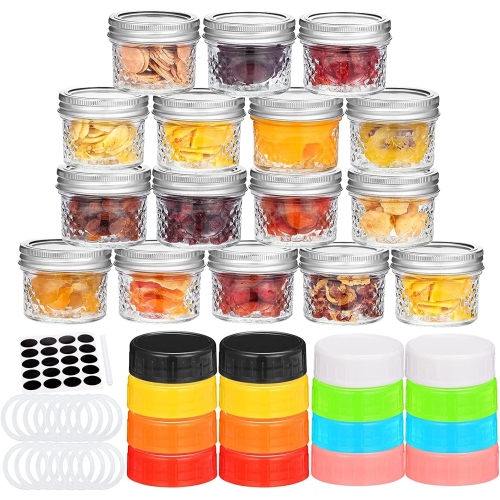
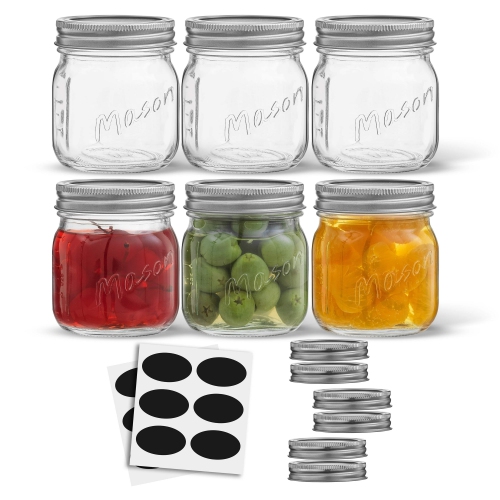
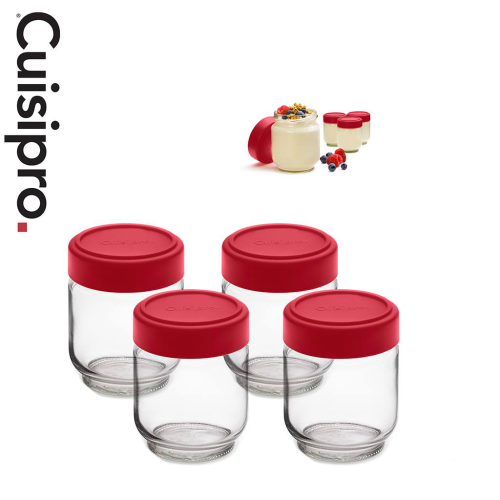
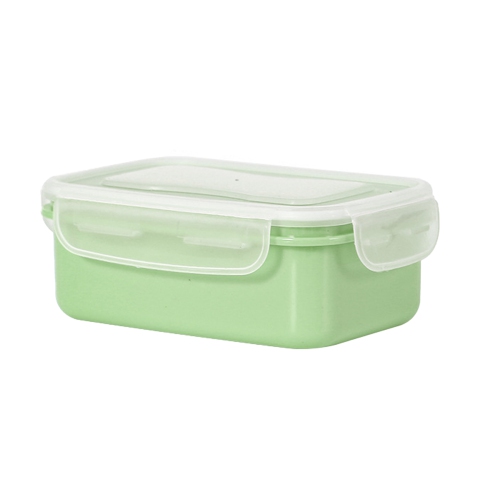
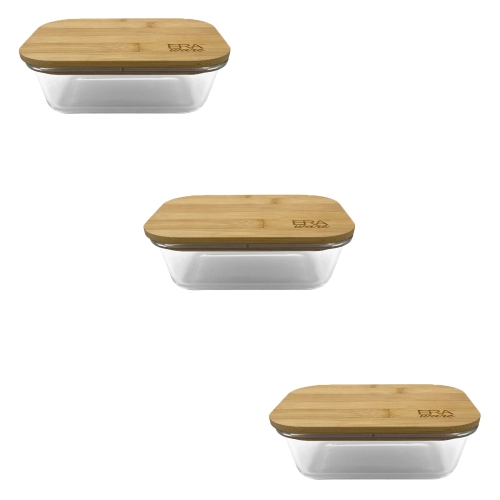
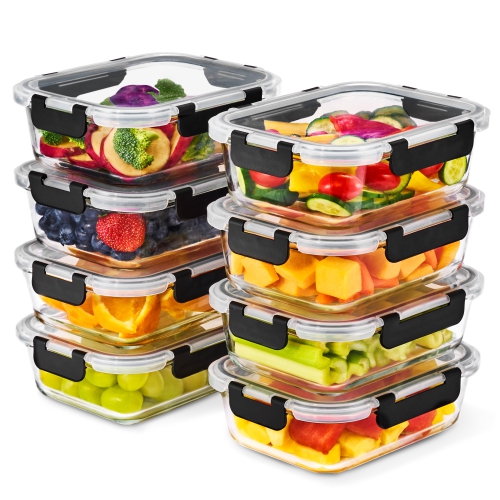
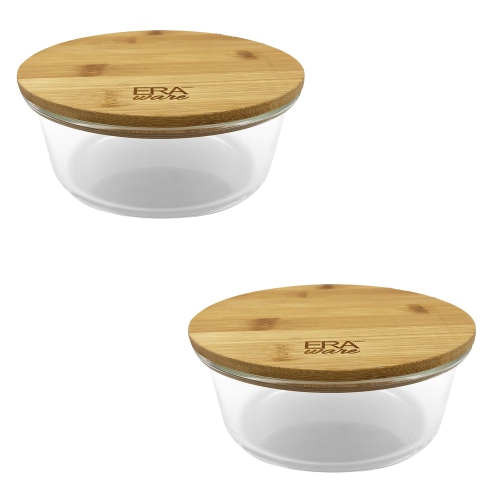

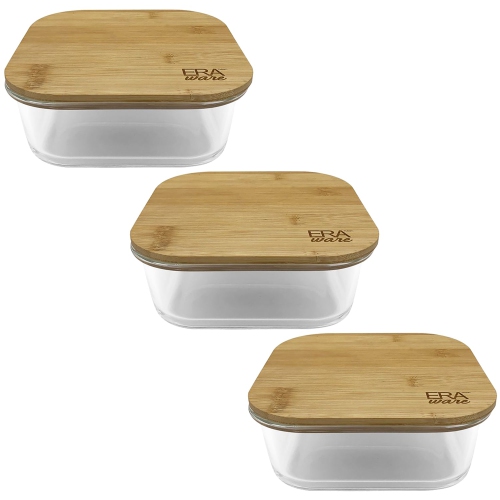
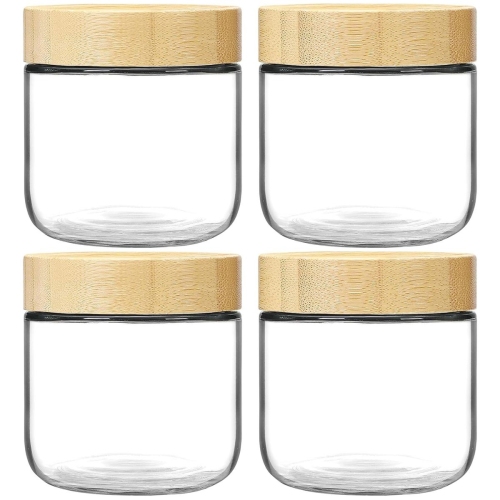
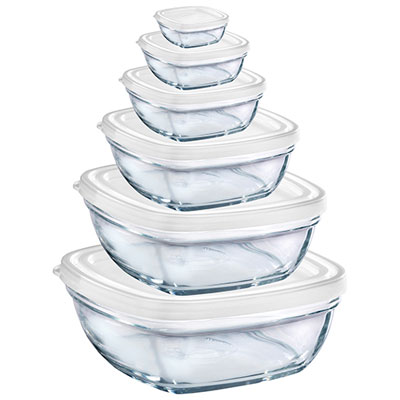
Small portions deserve a space of their own
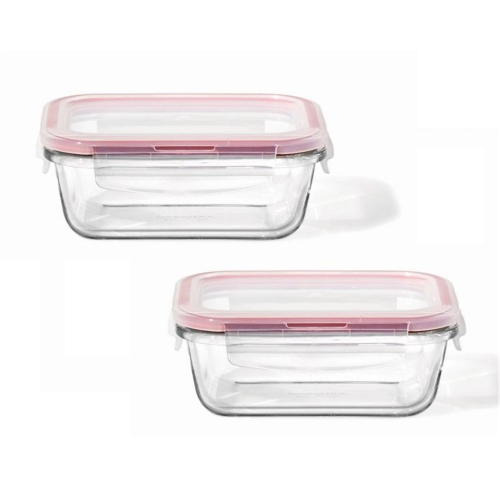
Small glass storage containers with lids bring order to the foods that tend to get lost in larger containers: a spoonful of dressing, half a lemon, a serving of berries, or the last portion of a favourite dip. Their compact size suits snack preparation, smaller leftovers, and ingredients measured out before cooking. Clear glass makes the contents easy to identify without opening every lid, while a fitted closure helps separate food from neighbouring contents in a fridge or lunch bag. Capacity is one of the most useful distinctions within this category. A container holding about 100 mL serves a different purpose from one holding 500 mL, even when both are described as small. Very compact formats work well for condiments and chopped herbs; roomier ones can accommodate a side dish, overnight oats, or a modest portion of soup. The stated capacity does not always represent practical filling space, particularly when food needs room for stirring or expansion during freezing. Shape also affects everyday convenience. Round containers offer easy access for a spoon and have fewer corners to clean, while square and rectangular shapes can sit neatly beside one another on a shelf. A broad opening makes thicker foods easier to scoop, and a shallower body can be more convenient for spreading out cut fruit than a narrow, deep jar. External dimensions matter as much as volume when fitting a container into a lunch bag, a shallow fridge drawer, or a crowded cupboard. Where measurements include the lid, they give a more useful picture of the space needed for storage. Sets with matching footprints can simplify stacking, while a mixture of sizes offers flexibility for different portions. The most practical arrangement is one that accommodates familiar meals without leaving a small serving at the bottom of an unnecessarily large container. Smooth rims, accessible corners, and lids that are comfortable to open also make a noticeable difference when containers move between food preparation, storage, and serving throughout the day.
The glass body and the lid each contribute to how a container performs, and their care requirements may differ. Borosilicate glass is valued for its resistance to thermal stress, while tempered glass is treated for added strength, but neither description alone confirms that a container is suitable for an oven, freezer, or microwave. Those uses depend on the manufacturer’s stated limits for the particular container. Glass can still chip or break, and resistance to heat does not mean it can safely move straight from a freezer into a hot oven. Abrupt temperature changes, contact with a hot stovetop, and impacts against a sink or countertop can damage otherwise sturdy glassware. Oven-safe bodies may have lids that must be removed before heating, and microwave use may require the lid to be removed or a purpose-designed vent to be opened. Plastic, silicone, metal, and wood-based lids have different handling needs, so a dishwasher-safe glass base does not automatically make every part dishwasher-safe. For everyday storage, a well-fitting lid should sit evenly around the rim without needing excessive force. Clip closures can provide a clear indication that the lid is secured, while press-on and screw-top designs offer different opening styles. A silicone gasket may help form a tighter seal, provided it is seated correctly and the contact surfaces are clean. Airtight and leakproof are not interchangeable claims: a closure intended to limit air exchange is not necessarily designed to hold liquids when tipped sideways. Removable seals allow access to grooves where sauce or moisture can collect, although small parts need careful handling during washing. Thorough drying before reassembly helps prevent trapped moisture and lingering smells. Scratched, distorted, or cracked lids may no longer fit properly, and chipped or cracked glass should be taken out of food-storage use. When freezing is permitted, suitable headspace leaves room for food to expand. Prompt refrigeration and appropriate food-storage times still matter; a tight seal does not replace safe food handling.
In a working kitchen, the appeal of small containers often becomes clearest during ordinary routines. A little tomato paste can stay separate from a larger meal, chopped garnishes can be ready beside a cutting board, and individual portions of hummus or yogurt can sit neatly together on a fridge shelf. For someone preparing lunch ahead of time, keeping dressing apart from salad leaves preserves the intended texture until serving. Glass Containers With Leakproof Lids can be particularly useful for dressings, sauces, and other foods that may spill during transport, provided the closure is designed for that use and is fully secured. Glass adds weight compared with many plastic alternatives, so the size and number carried each day can affect comfort. A padded compartment or a separate section in a lunch bag also helps protect containers from knocks against cutlery and drink bottles. For households sharing a fridge, a removable date label can distinguish similar-looking portions and make leftovers easier to track. Matching lids and bases reduces time spent searching through a cupboard, especially when several people prepare meals independently. Nesting bodies can save cupboard space when empty, whereas stackable containers with lids attached are more useful when storing prepared food; these are different features and are not always offered together. A flat lid may support another container, but a secure stack also depends on the shape, weight, and fit of both pieces. Small glass storage containers can be a thoughtful practical gift for someone setting up a first kitchen, organizing a shared flat, or enjoying homemade lunches. An assortment suited to familiar habits is often more useful than several identical pieces that are too small for the recipient’s meals. Easy-to-handle closures, manageable weight, and straightforward cleaning support regular use. Whether holding a few tablespoons of sauce or a small serving for the next day, these containers are most useful when their dimensions, closure style, and care requirements fit naturally into the household’s routine.
Top selling and popular products
-
 Your price for this item is $15.99
-
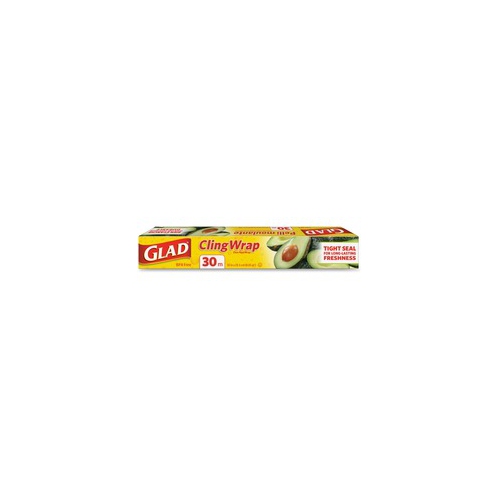 Your price for this item is $3.99
-
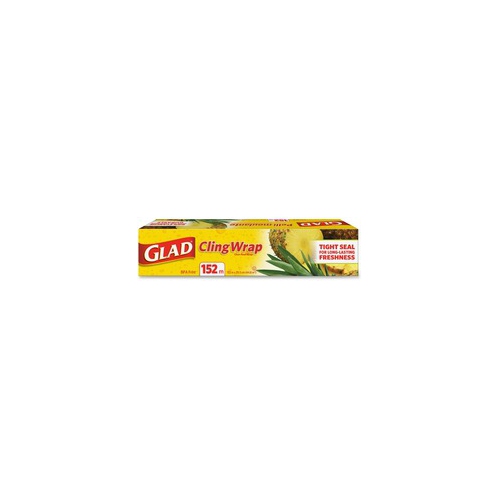 Your price for this item is $19.99
-
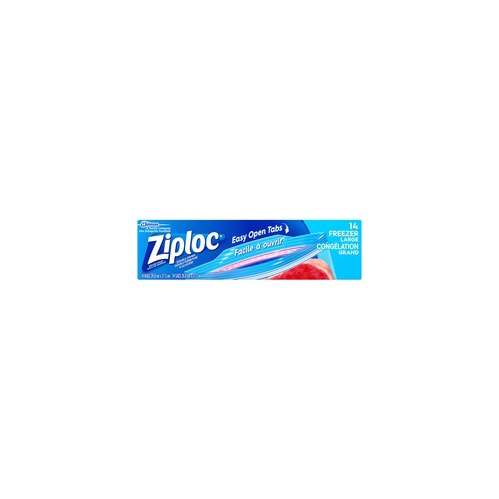 Your price for this item is $7.99
-
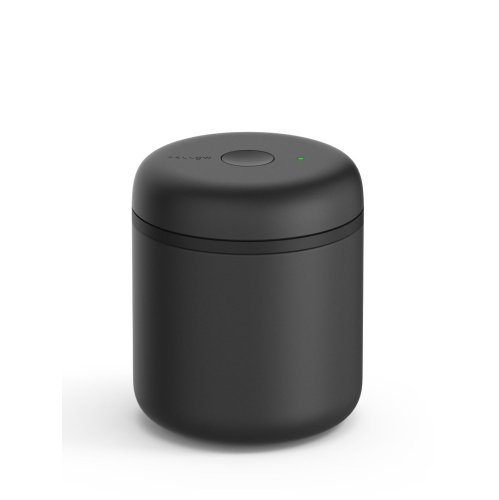 Your price for this item is $99
-
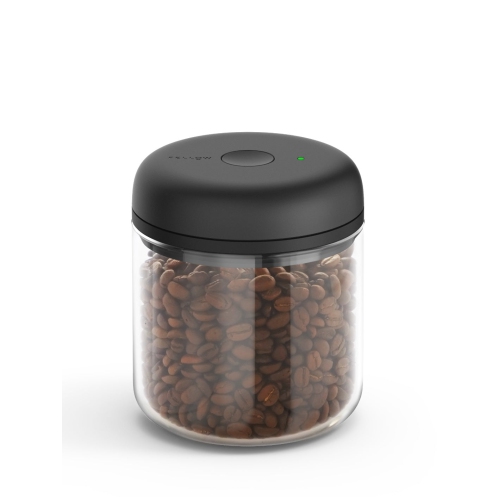 Your price for this item is $99
-
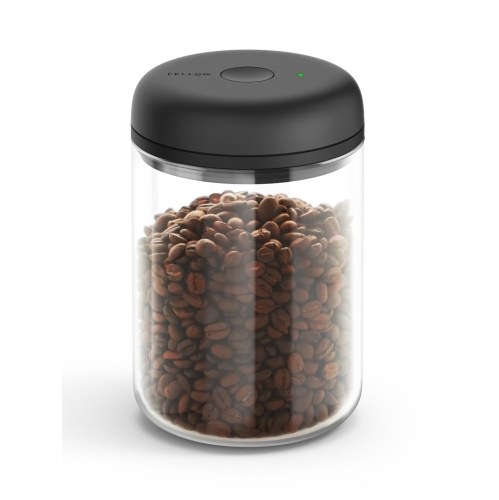 Your price for this item is $109
-
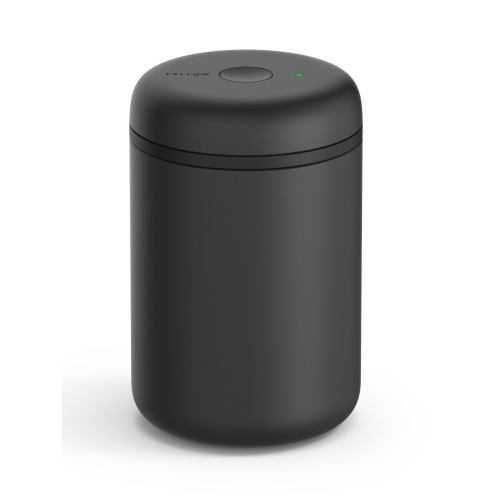 Your price for this item is $109
Discover more categories related to Small Glass Storage Containers With Lids
Top Collections:
Best Black Friday Deals This Year, Best Black Friday Deals On Electronics, Kindle Devices, Pokemon Centers, Best Black Friday Deals On Apple Products, Best Cameras for Sports Photography, Dyson Airwrap, Pokémon 30th Celebration Cards, Apple iPhone 17 Pro, Canon G7X Cameras
Some products may be subject to Environmental Handling Fees
(EHF) depending on your province.
Learn more about EHFs.