Glass Storage Containers
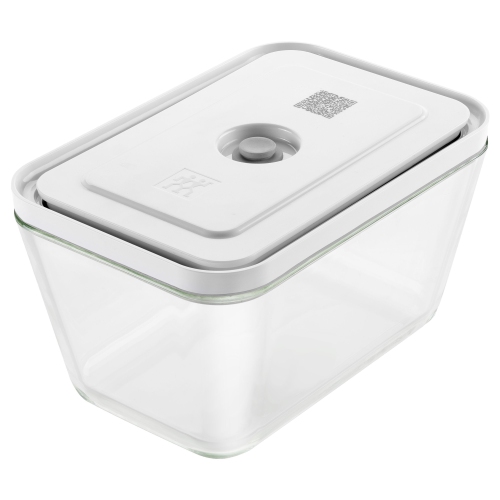
Glass storage containers are a versatile and eco-friendly solution for organizing your kitchen and beyond. Perfect for storing leftovers, meal prepping, or keeping pantry staples fresh, these containers offer a sleek and modern way to declutter your space while maintaining the integrity of your food. With their transparent design, you can easily identify contents at a glance, making meal planning a breeze. Explore an array of sizes and shapes to find the ideal fit for your storage needs, all while enjoying the durability and style that glass brings to your home organization efforts.
Sort
Why lids matter as much as the glass
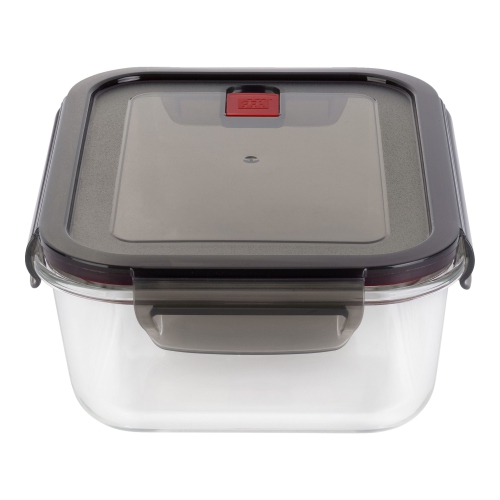
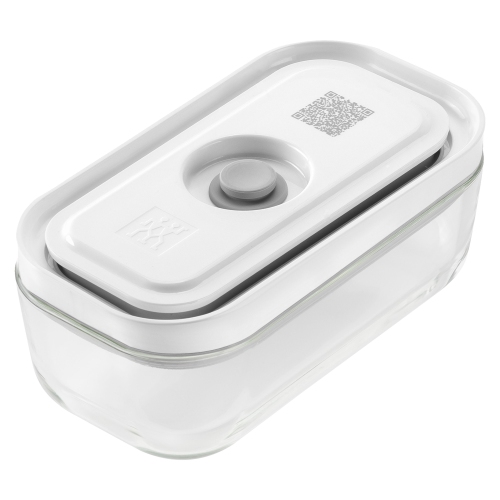
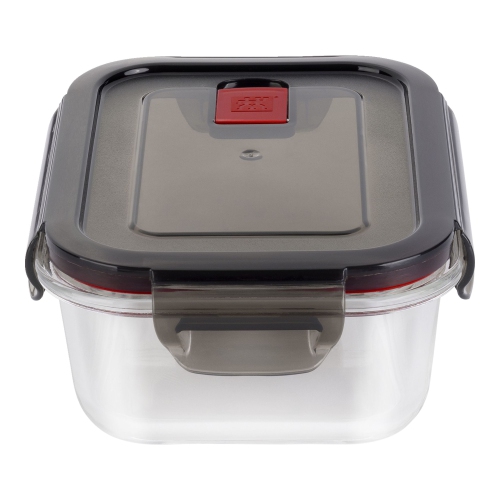
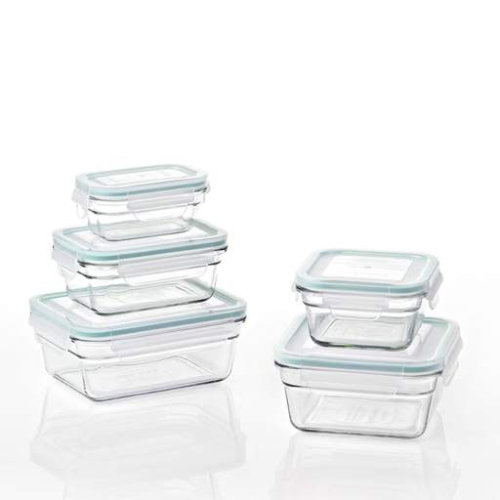
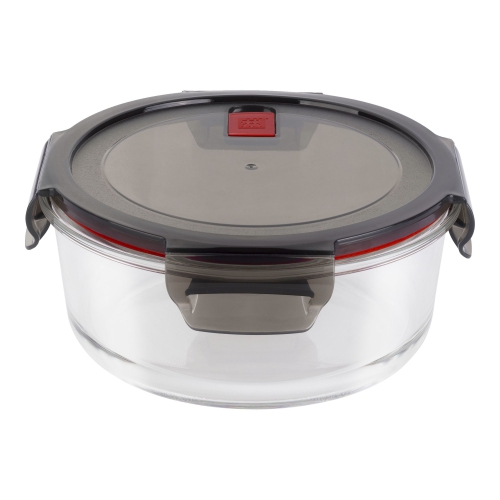
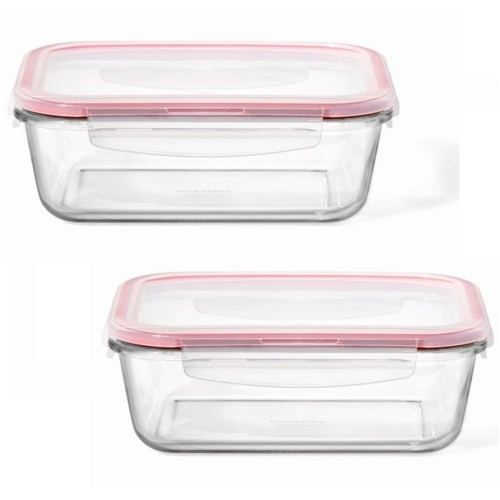
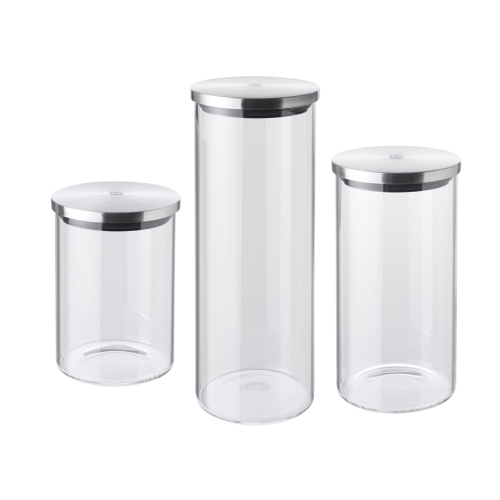
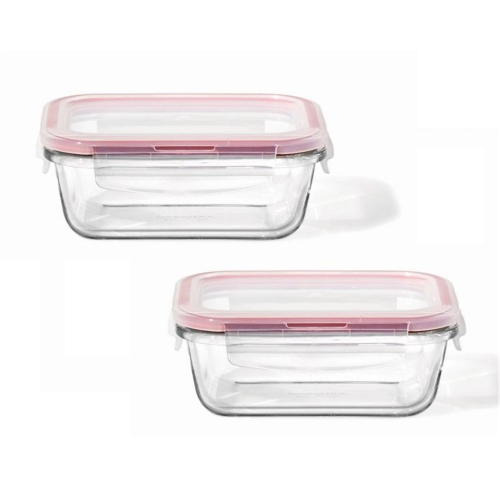
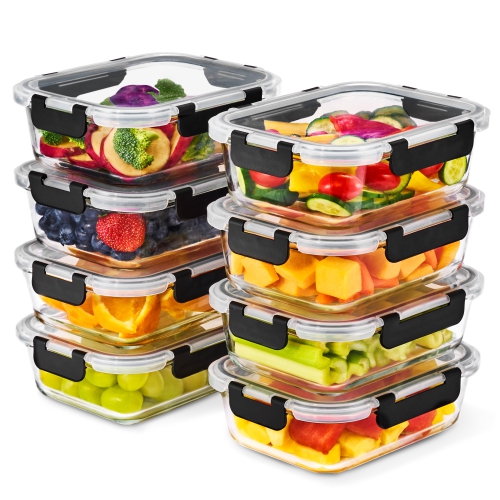
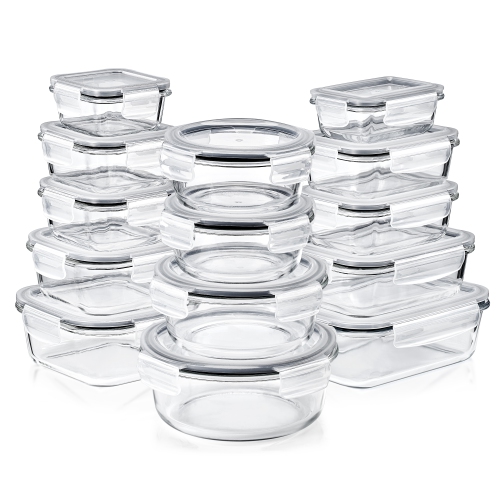
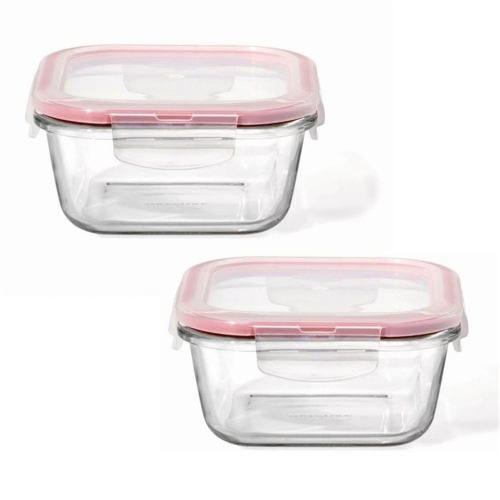
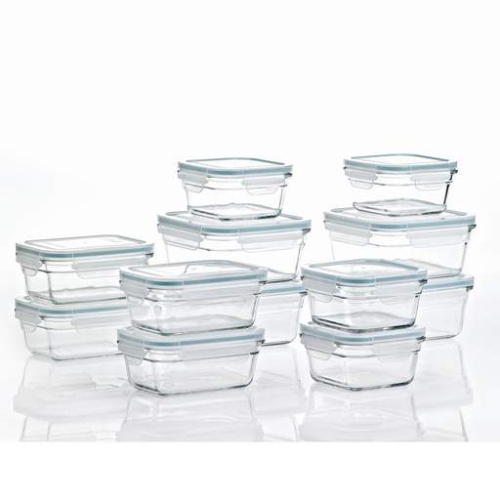
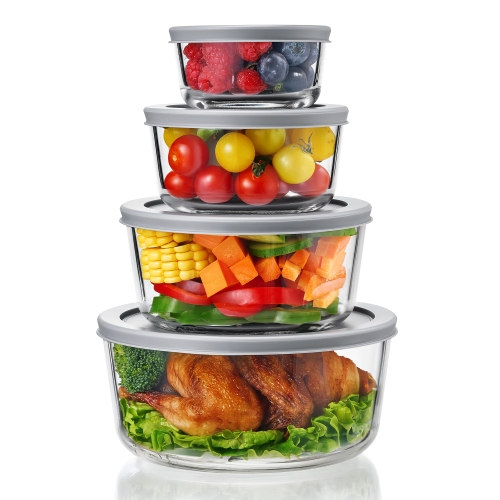
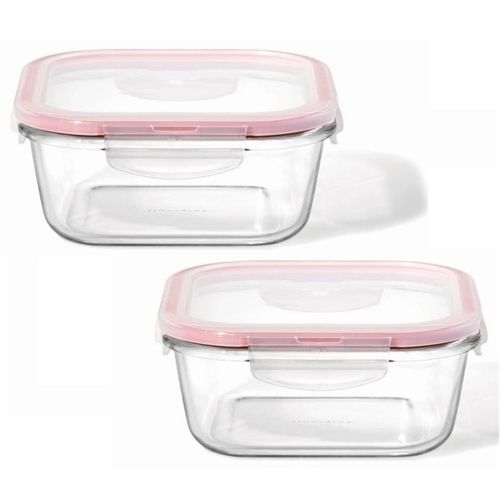
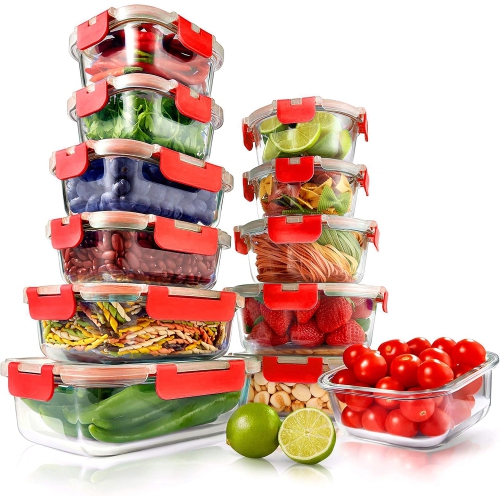
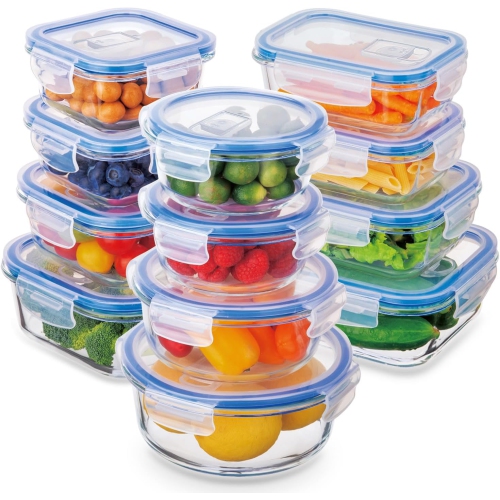
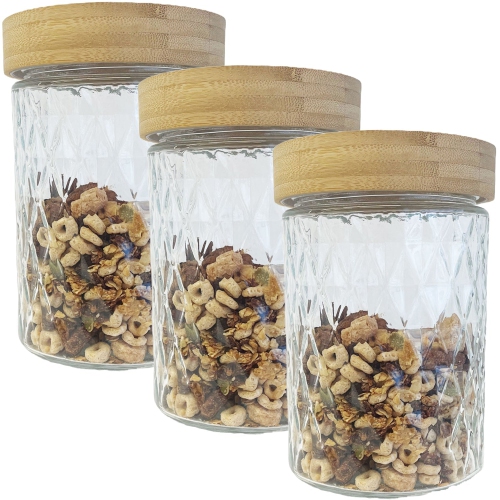
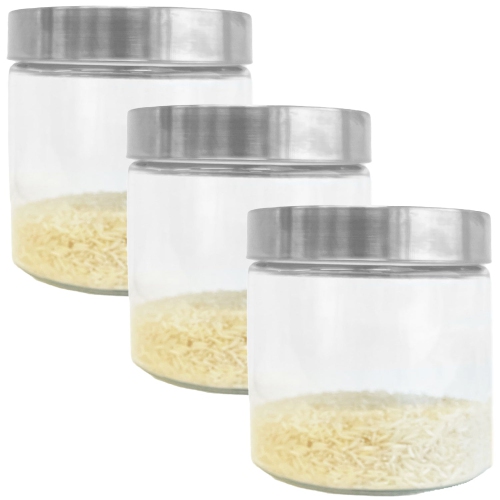
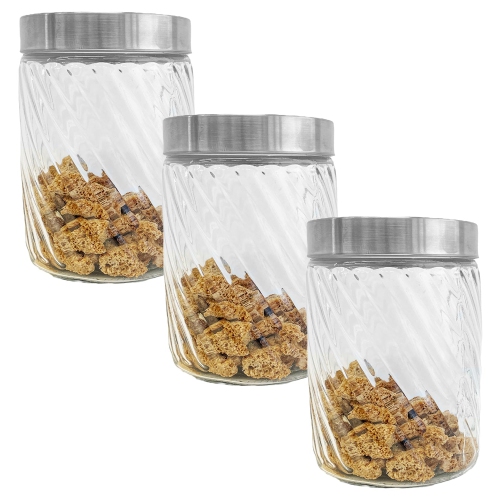
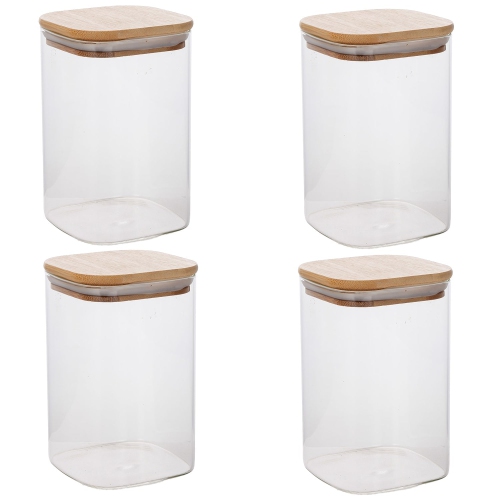
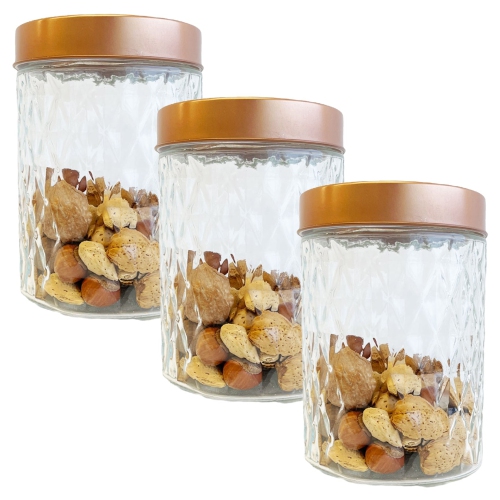
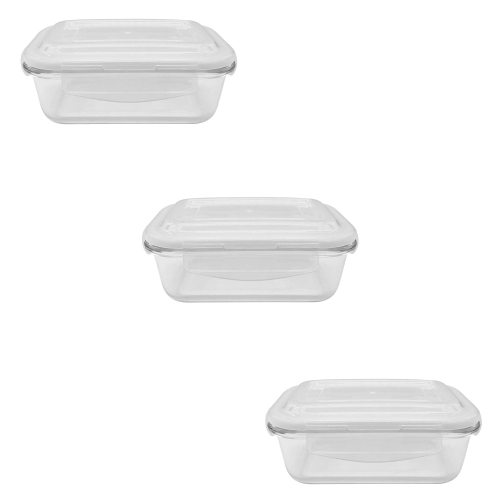
Glass storage containers keep prepared meals, leftovers, and pantry ingredients easy to see and organize. Their transparent walls make it simple to spot a portion of pasta behind a bowl of chopped vegetables or check how much rice remains before starting dinner. The non-porous glass surface resists stains and lingering odours, making it useful for foods such as tomato sauce, curry, and garlic dressing. Glass also offers a substantial feel and, when the container is rated for the intended use, can serve as both a storage vessel and a reheating dish. Different glass types have different handling requirements. Borosilicate glass generally withstands temperature changes better than ordinary glass, while tempered glass is treated for added strength; neither description alone confirms that a container is suitable for an oven, microwave, or freezer. Those uses depend on the manufacturer’s specifications for the complete container. Shape and capacity matter just as much as material. Rectangular containers often make efficient use of refrigerator shelves and lunch bags, while square shapes fit neatly into corners and round containers work well for soups, grains, and mixed salads. A shallow dish gives sliced vegetables or individual portions more room to spread out, whereas a deeper container accommodates layered meals or larger quantities of cooked food. Capacity measurements help distinguish a snack-sized container from one intended for a full meal, but the exterior dimensions determine whether it will fit on a shelf or inside a bag. For a household that prepares several meals at once, a few matching sizes can make portioning and stacking more predictable. A mix of capacities may be more useful when storage needs range from a spoonful of dressing to enough roasted vegetables for several people. Clear sides also reduce the need to open every lid while planning a meal, although a view of the contents cannot establish how long food has been stored or whether it is still safe to eat.
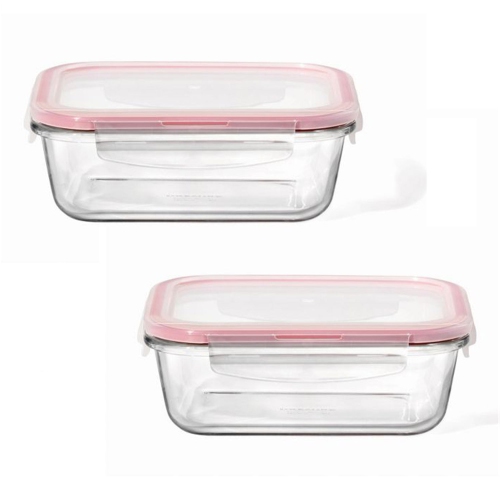
The lid determines much of a container’s everyday usefulness. When comparing glass containers with lids, it helps to distinguish between an airtight closure and one specifically described as leakproof. An airtight seal limits air exchange, but it does not automatically mean that a container can travel on its side without spilling. Soups, sauces, and dressings need a closure rated for carrying liquids, along with a properly seated gasket and fully secured clips or fasteners. Locking tabs can provide a clear indication that a lid is closed, while press-on lids may offer simpler opening for frequent access. Ease of use is especially relevant for anyone with limited grip strength or for children opening lunch containers, where an adult can assess whether glass is appropriate for the setting. Lid materials also affect care and heating: a glass base may be suitable for reheating while its plastic, silicone, bamboo, or other lid requires different treatment. Some microwave-safe lids have a vent that must be opened, and others need to be removed entirely. For meal preparation, divided containers can keep rice, vegetables, and a main dish separate, but internal compartments are not necessarily sealed against liquid moving between sections. Small separate containers are often more practical for dressing a salad just before eating. Stacking and nesting are different features, too. Stacking usually refers to closed containers resting securely on one another, while nesting means empty bases fit inside each other to save cupboard space. Lids still need somewhere to go, and a set with several shapes may take more space than expected once everything is washed and put away. Containers carried to work, school, or a shared meal also add weight to a bag, so the filled weight and the strength of the carrying bag deserve consideration alongside capacity and closure style.
Careful handling helps glass storage containers remain useful through repeated washing, filling, and reheating. Glass is durable in everyday use, but it can chip or break if dropped, struck against a hard sink, or exposed to a temperature change beyond its rating. A chipped rim or visible crack is a reason to stop using a container for food, even when the lid still fits. Manufacturer instructions should govern every move between the refrigerator, freezer, microwave, and oven; a freezer-safe marking does not by itself mean a frozen container can go directly into a hot oven. Oven-safe glass should not be assumed suitable for a stovetop, broiler, or direct flame. For freezer storage, containers rated for that purpose need appropriate space above liquids and foods that expand as they freeze. For washing, dishwasher-safe bases can simplify cleanup, but lids, removable seals, and clips may have separate care requirements. Food can collect around gasket channels and hinges, so accessible parts are useful for thorough cleaning. Allowing each component to dry completely before reassembly helps prevent moisture from remaining under a seal. Soft cleaning tools are preferable to abrasive pads that could scratch surfaces, and containers should be stored so their rims are not knocked together. These practical details make glass storage suitable for a range of routines: portioned lunches for someone commuting to an office, neatly arranged ingredients for a busy household, or smaller servings for a person cooking for one. Wide openings are helpful for scooping dry ingredients and reaching the inside corners during washing, while broad, stable bases can make serving at the table more comfortable. A coordinated set can also be a useful housewarming gift or an addition to a first kitchen, particularly when the sizes reflect how the recipient cooks. The most useful selection is one whose shapes, lids, care requirements, and storage footprint fit naturally into daily life, rather than one that simply contains the greatest number of pieces.
Top selling and popular products
-
 Your price for this item is $15.99
-
 Your price for this item is $3.99
-
 Your price for this item is $19.99
-
 Your price for this item is $7.99
-
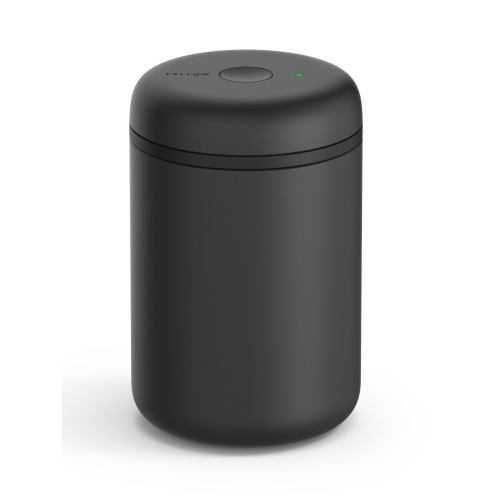 Your price for this item is $109
-
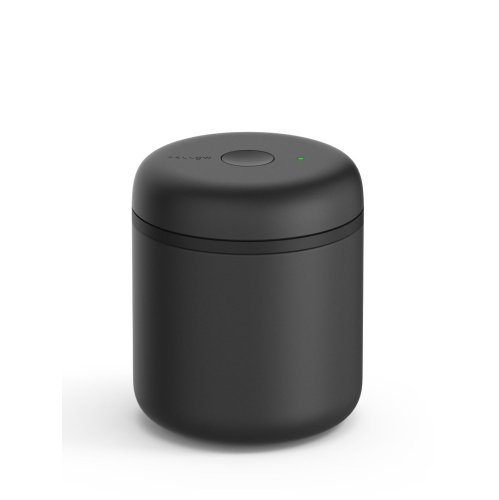 Your price for this item is $99
-
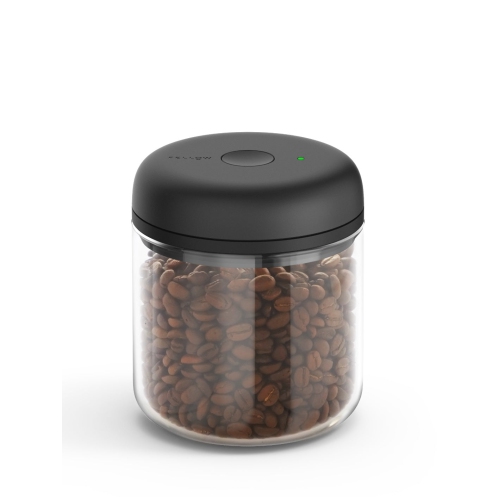 Your price for this item is $99
-
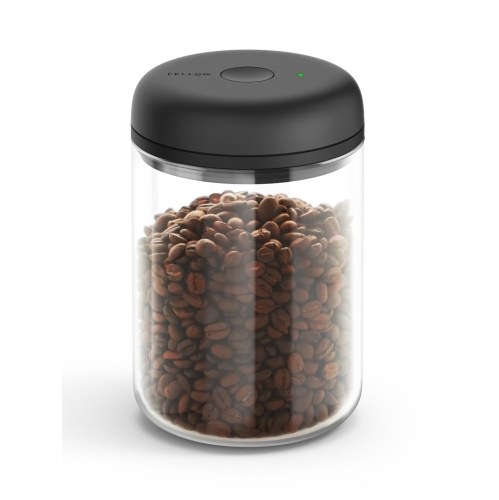 Your price for this item is $109
Discover more categories related to Glass Storage Containers
Top Collections:
Best Black Friday Deals This Year, Best Black Friday Deals On Electronics, Kindle Devices, Pokemon Centers, Best Black Friday Deals On Apple Products, Best Cameras for Sports Photography, Dyson Airwrap, Pokémon 30th Celebration Cards, Apple iPhone 17 Pro, Canon G7X Cameras
Some products may be subject to Environmental Handling Fees
(EHF) depending on your province.
Learn more about EHFs.