Glass Nightstands
If you're looking for an elegant and modern addition to your bedroom, a glass nightstand may be the perfect choice. Glass nightstands provide a unique and sophisticated look that can bring a touch of luxury to almost any bedroom. They can be used to store books, magazines, and other items, allowing you to keep your bedroom clutter-free. Here are some of the great options available.
Sort


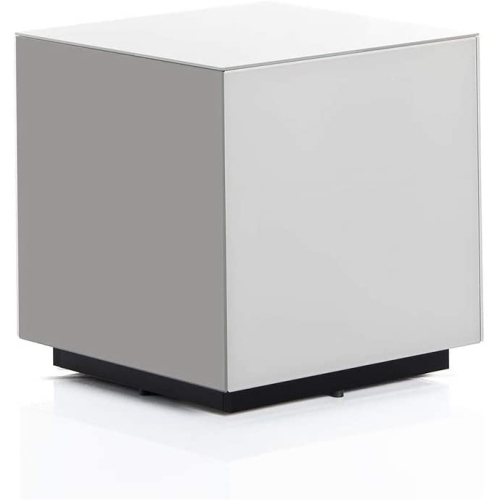

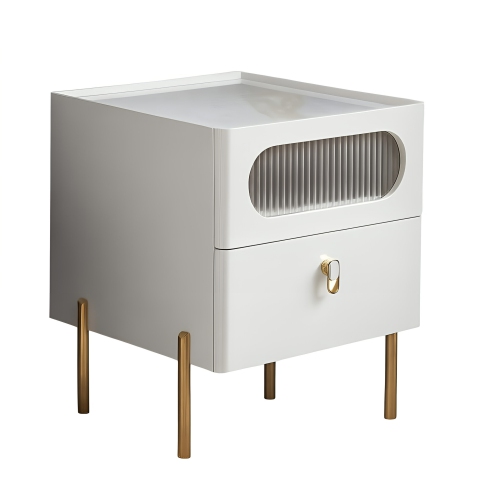


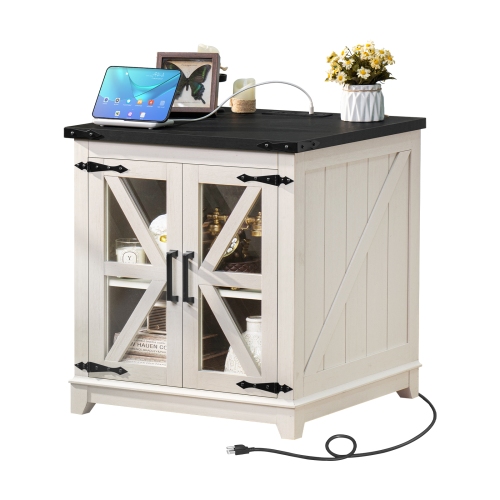
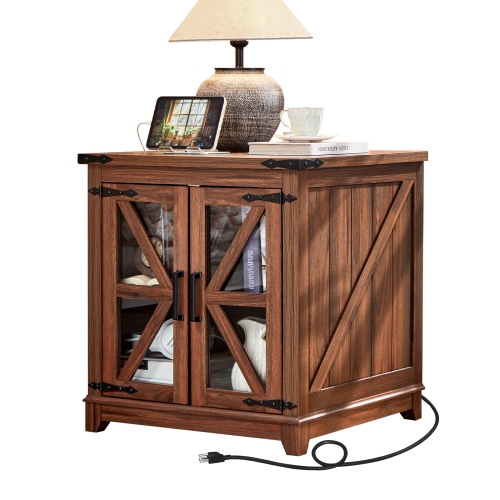
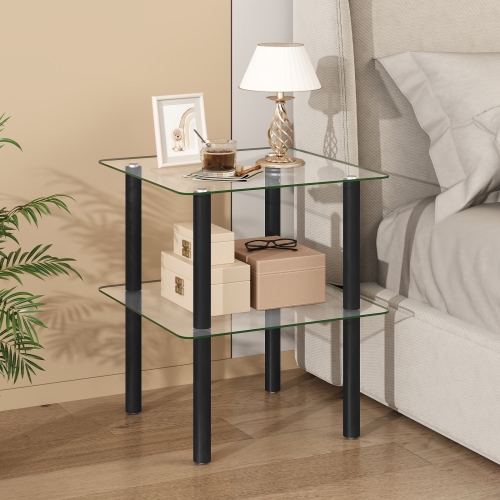
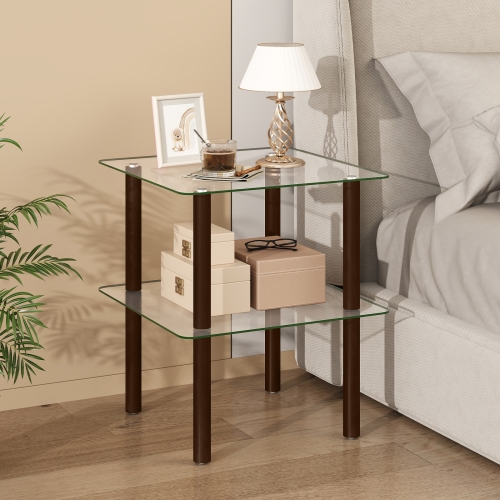
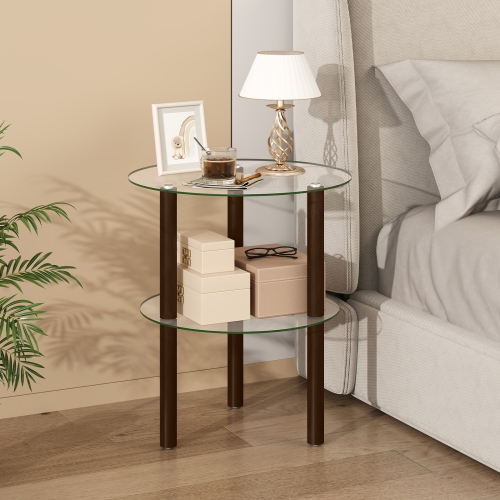
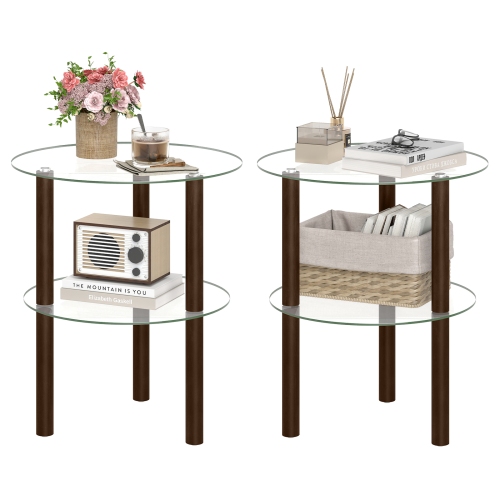
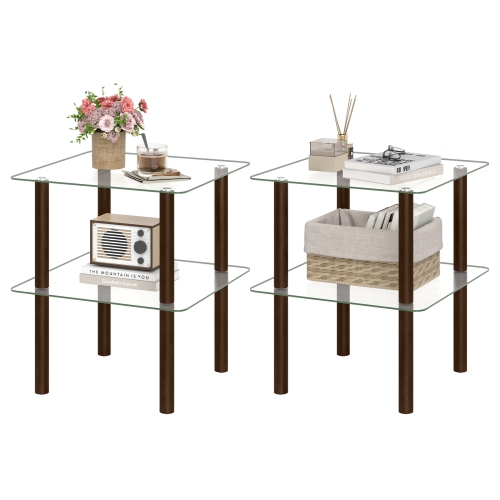
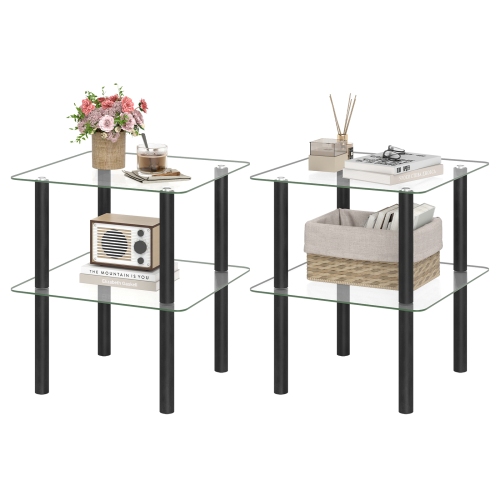
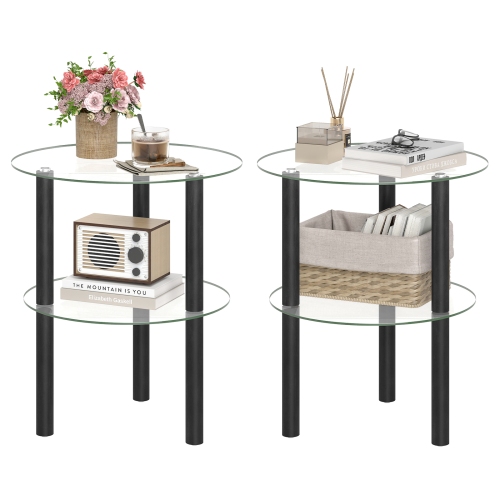
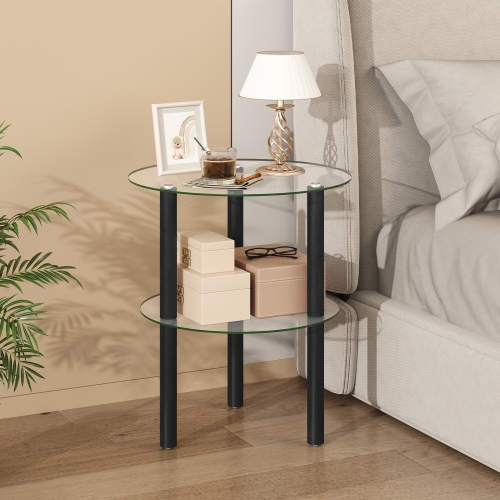
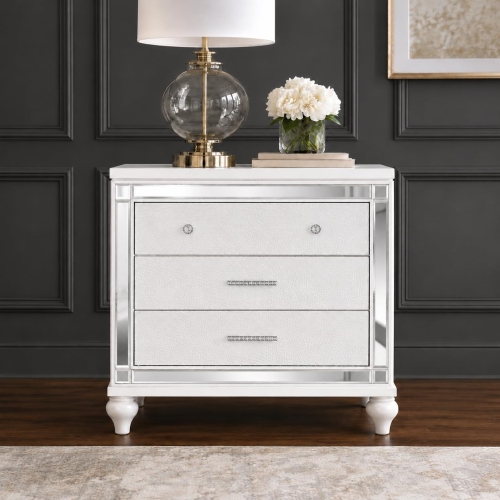
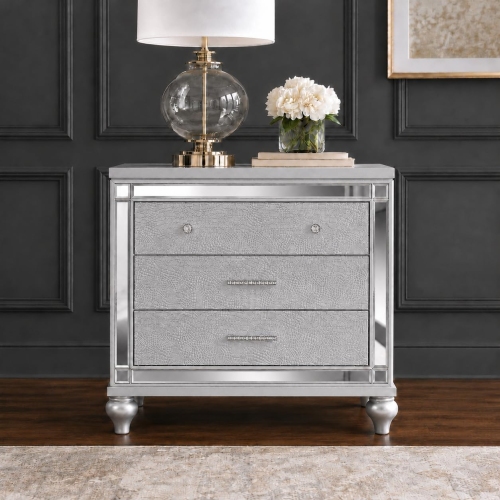
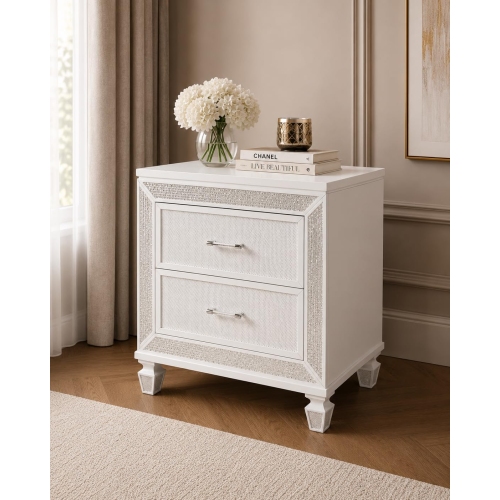
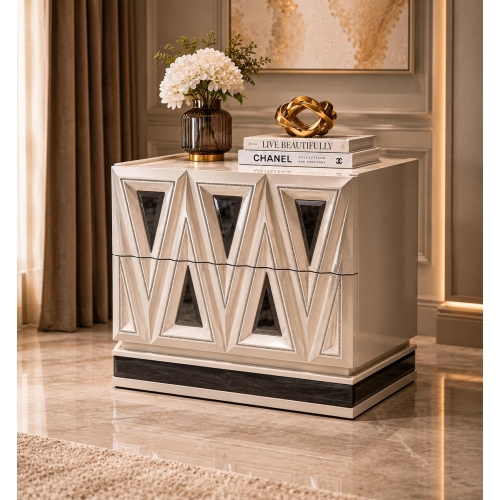

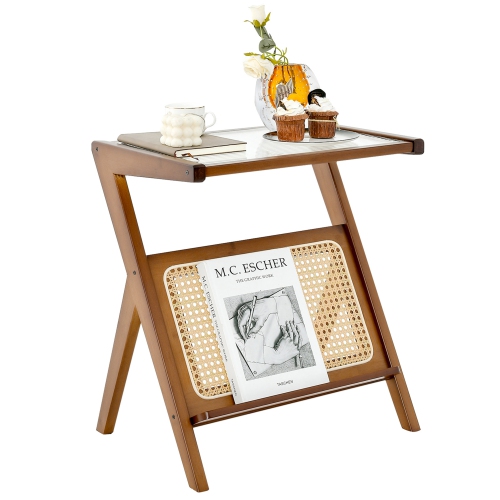


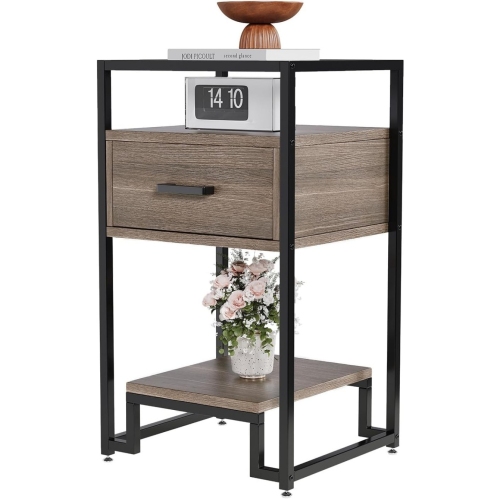
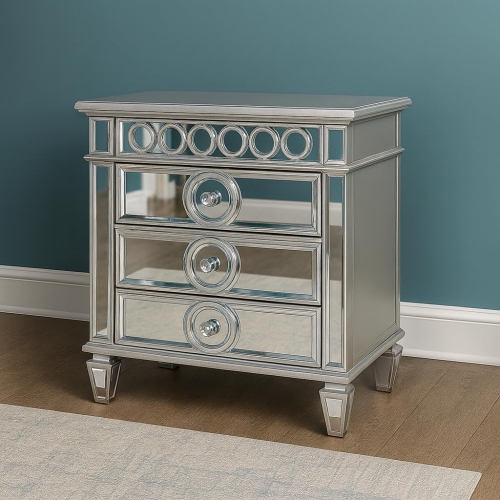
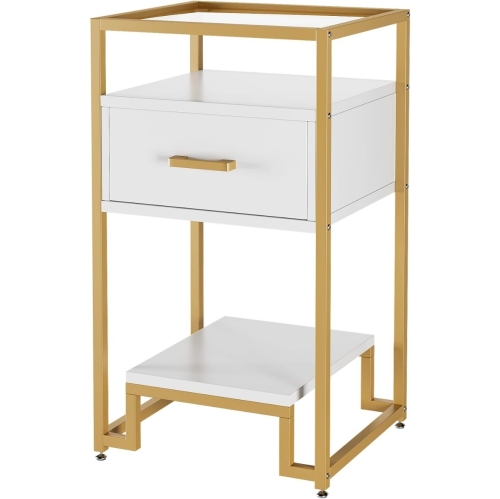


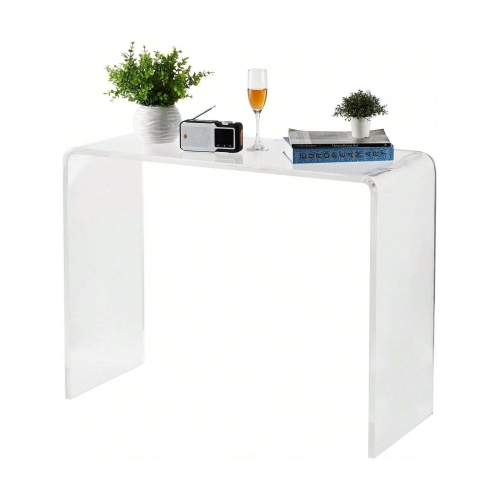


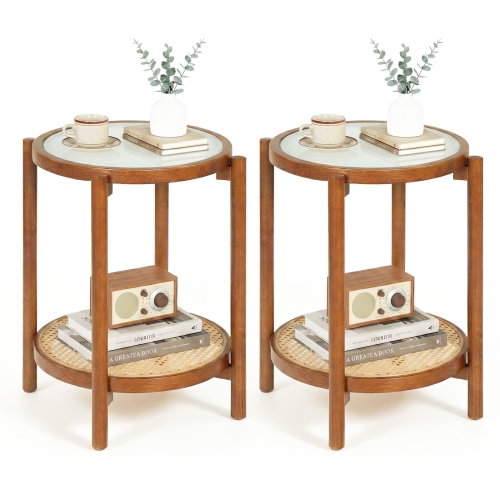
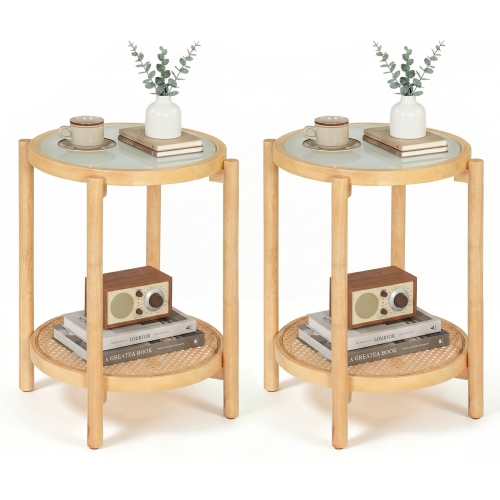


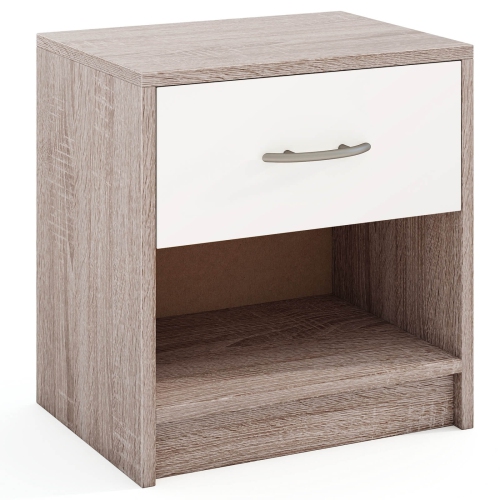
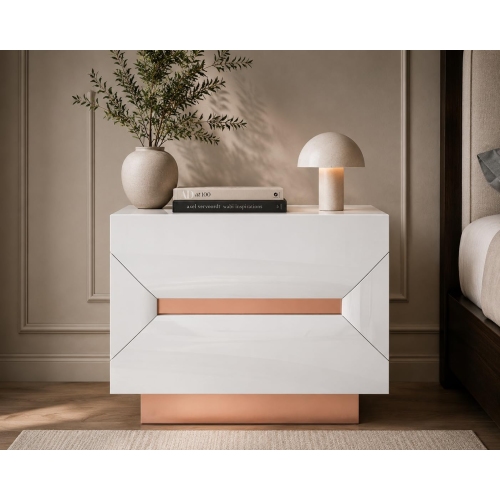


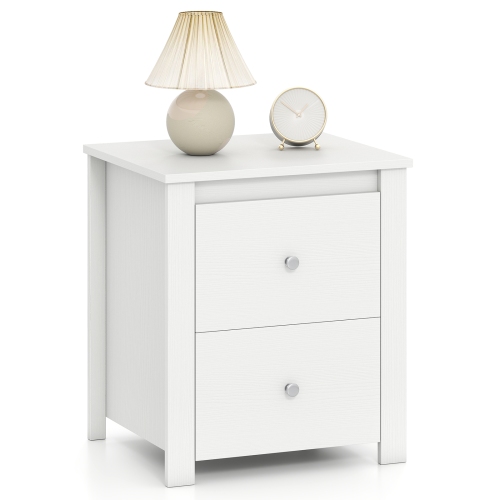
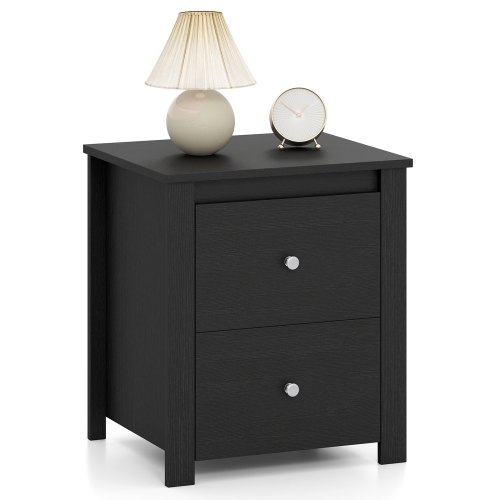
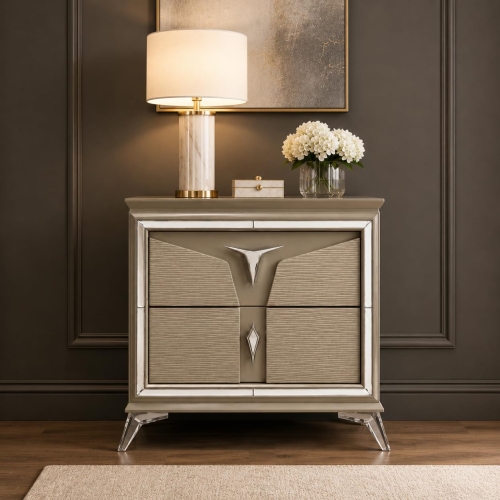
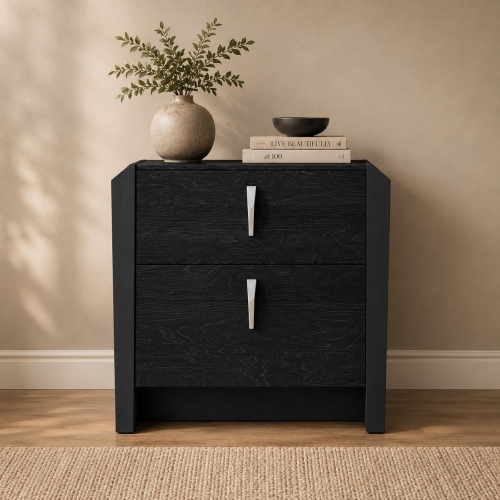

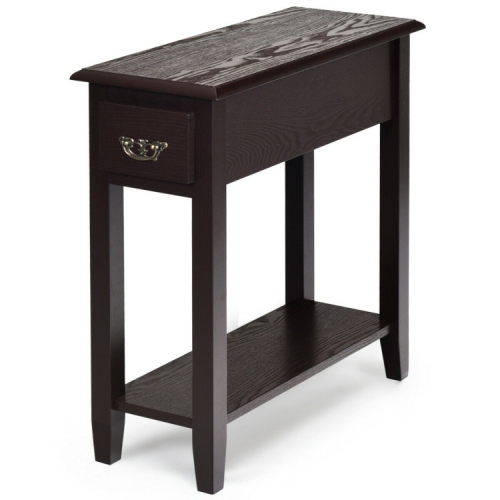


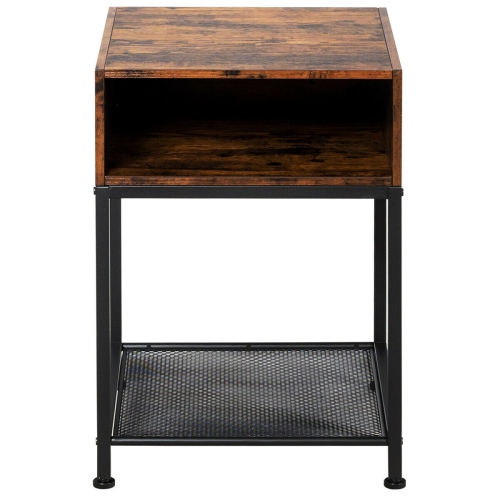

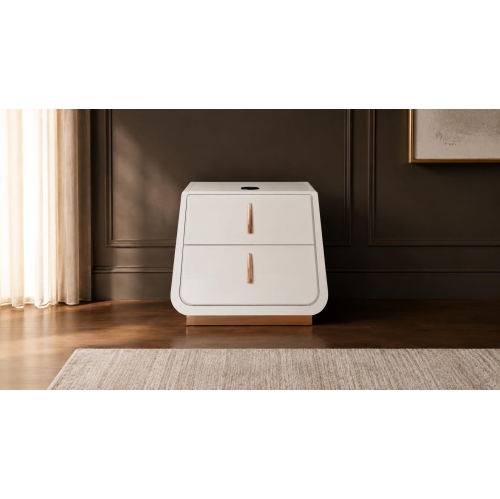


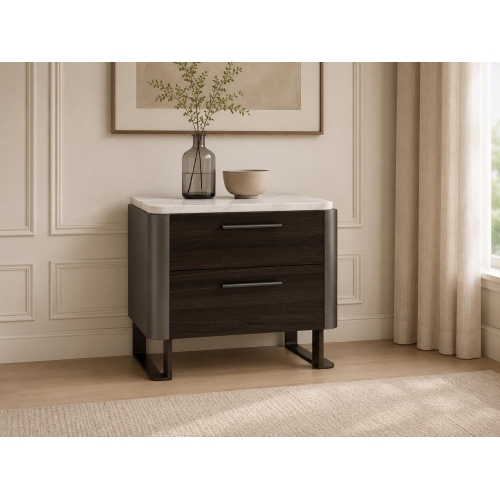
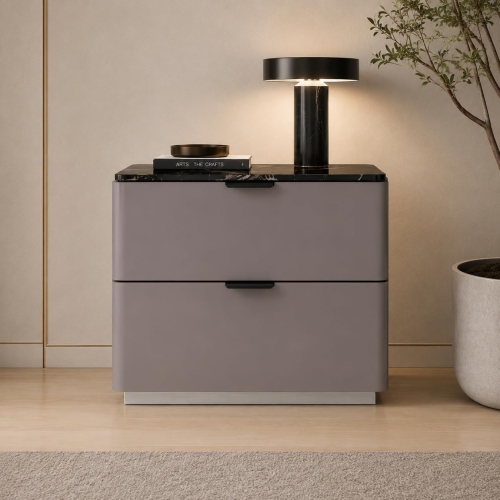


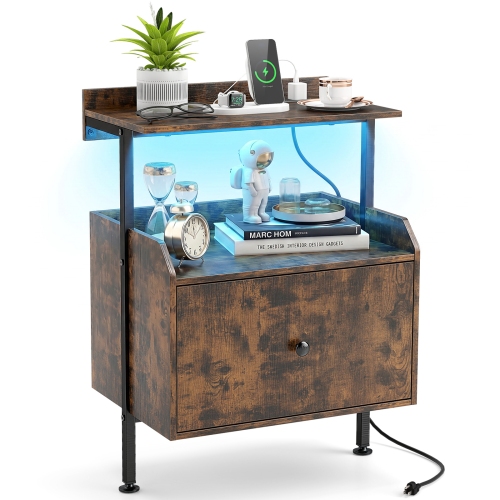


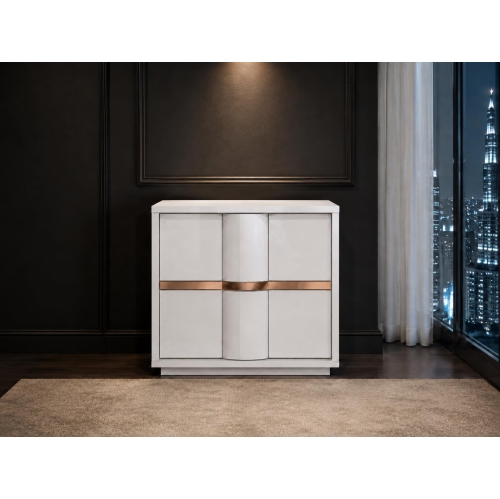
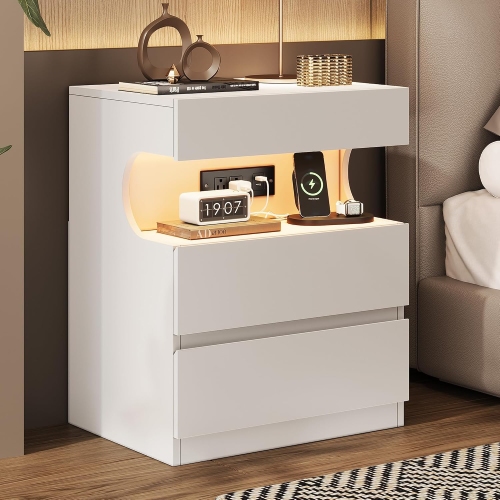
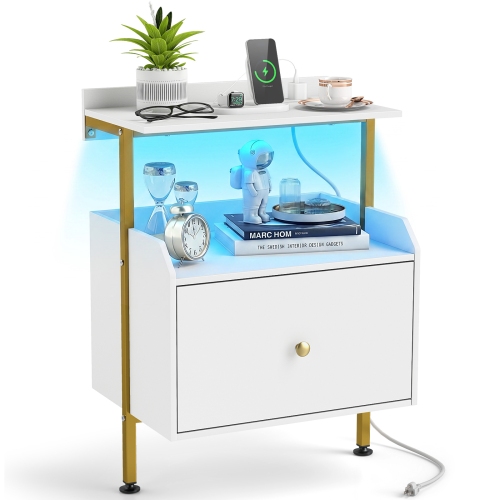
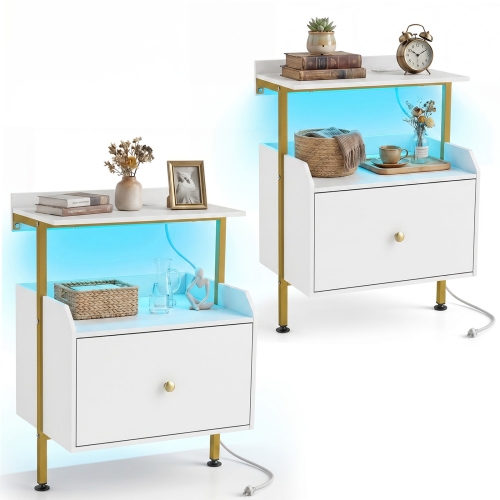
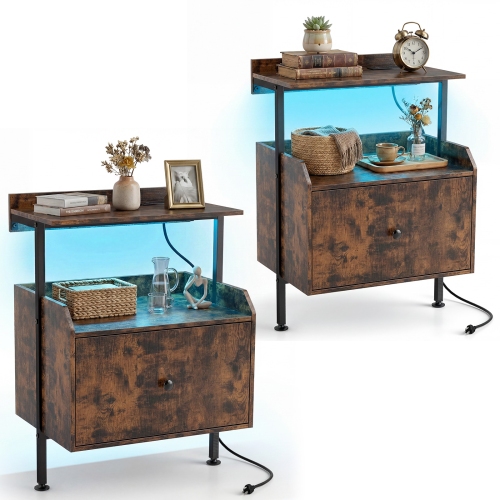


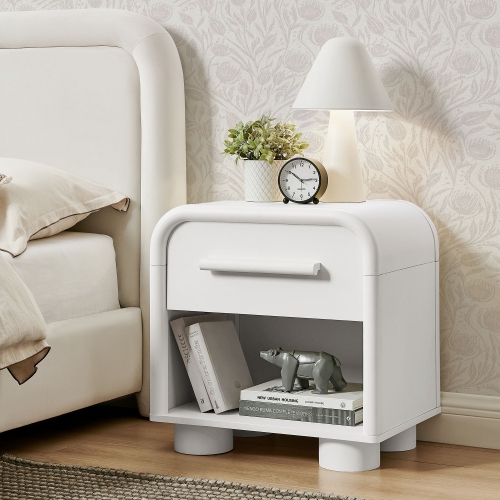

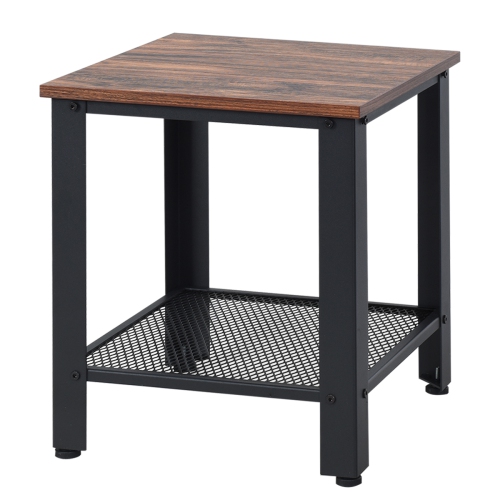

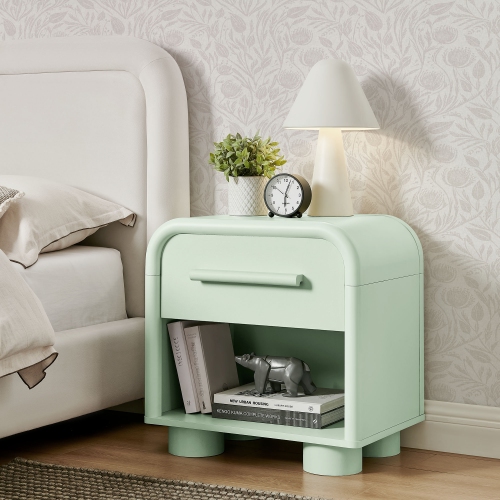


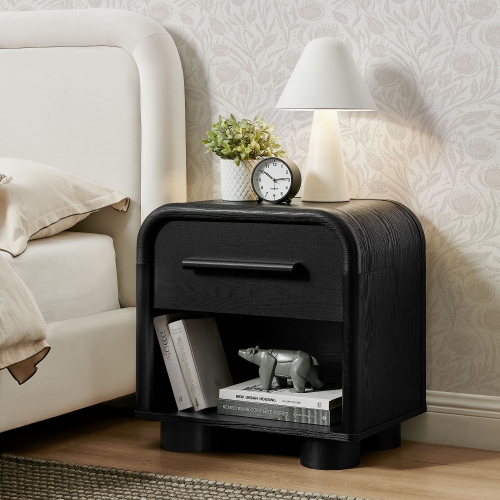
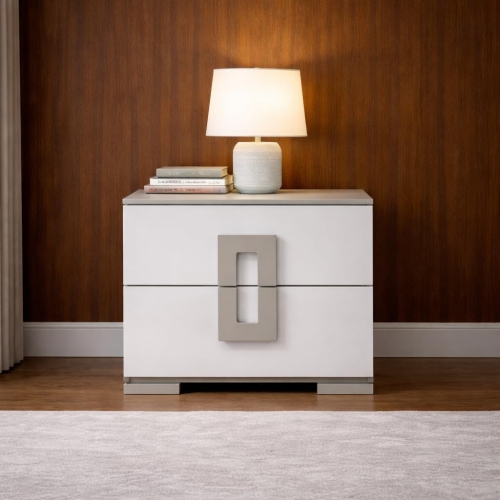


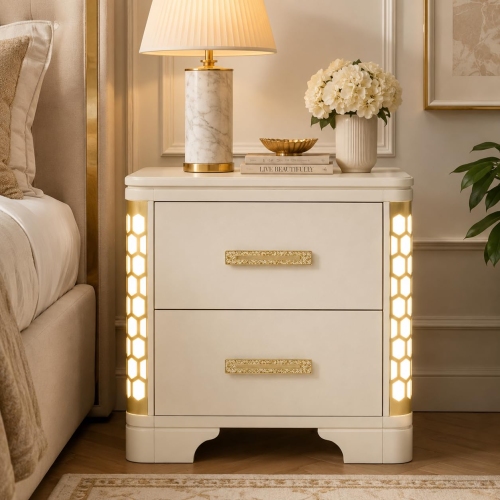

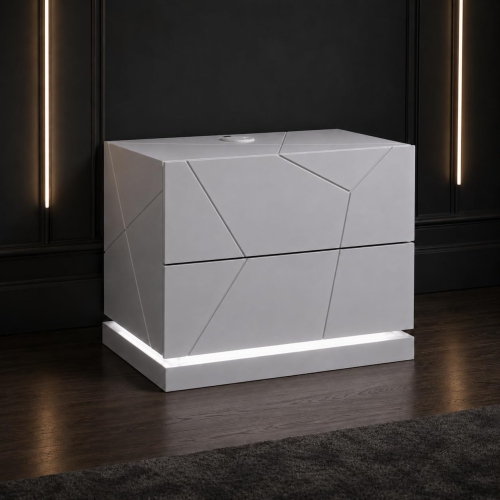
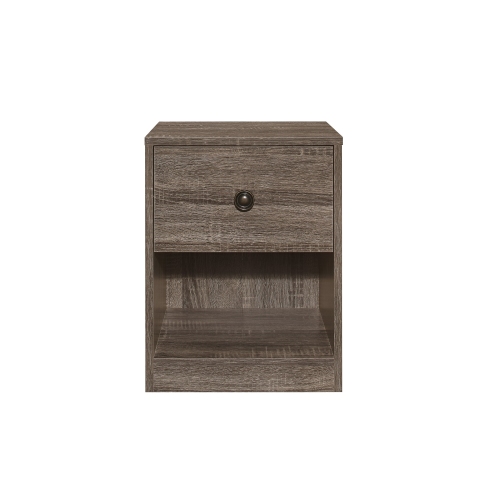
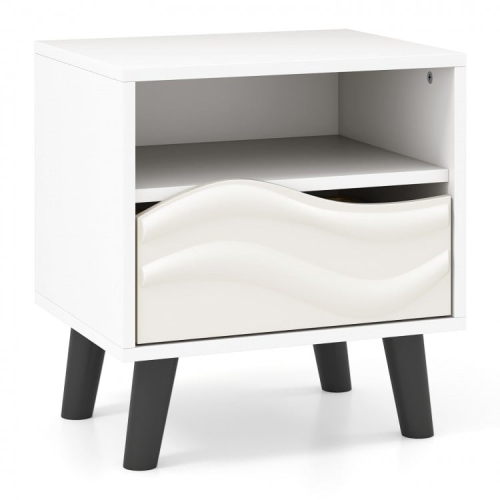


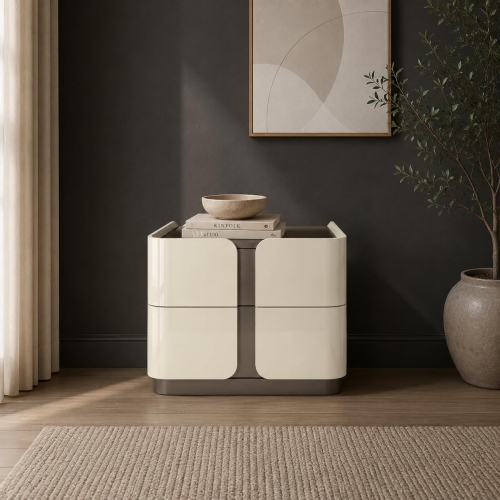
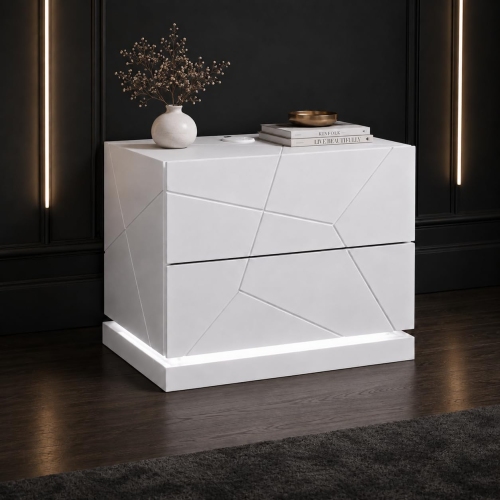
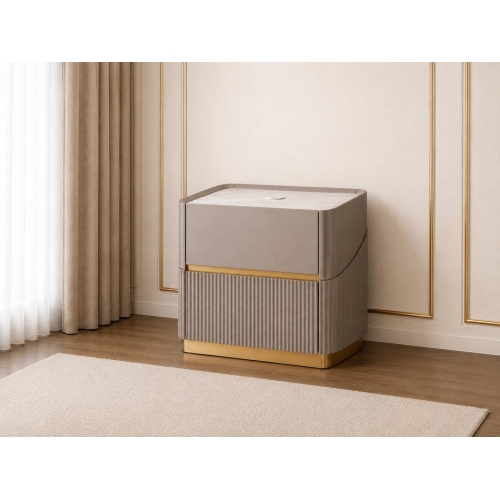
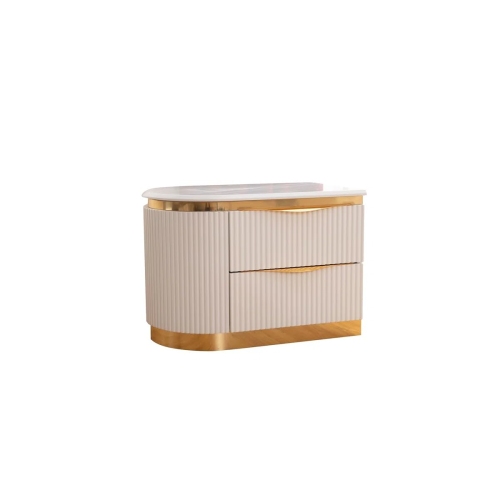
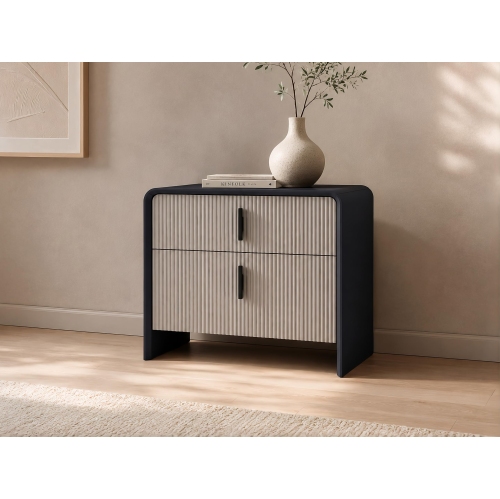
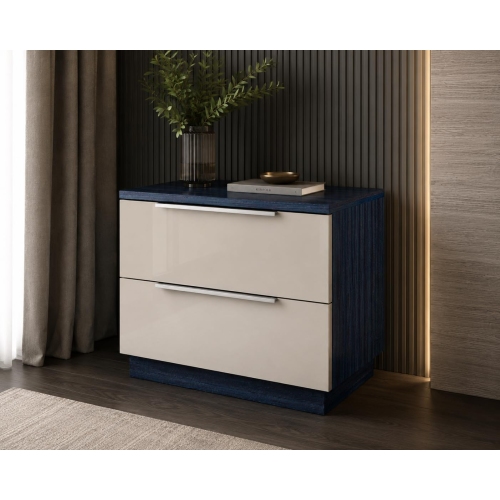

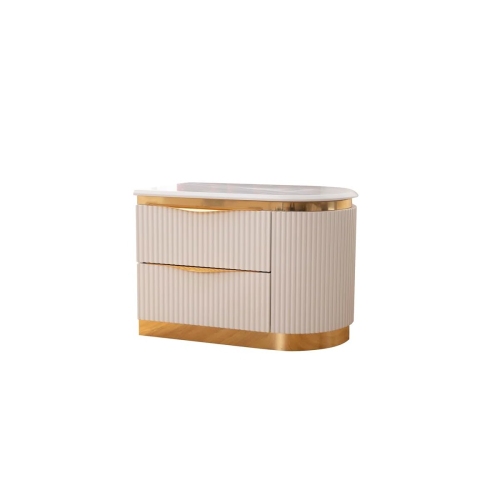
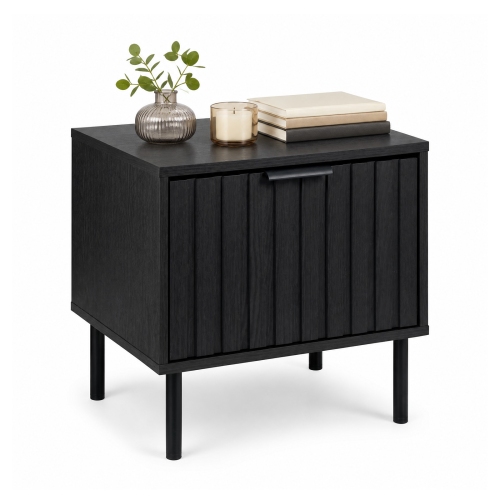
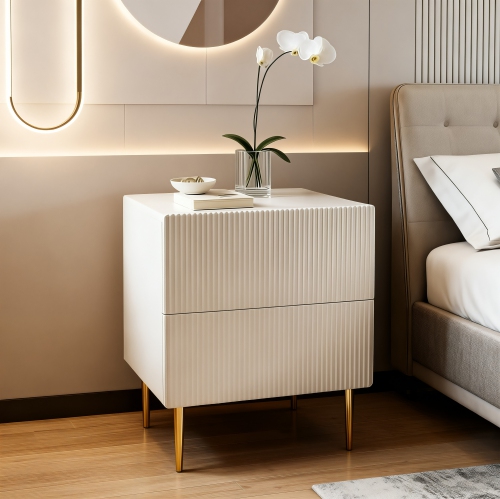

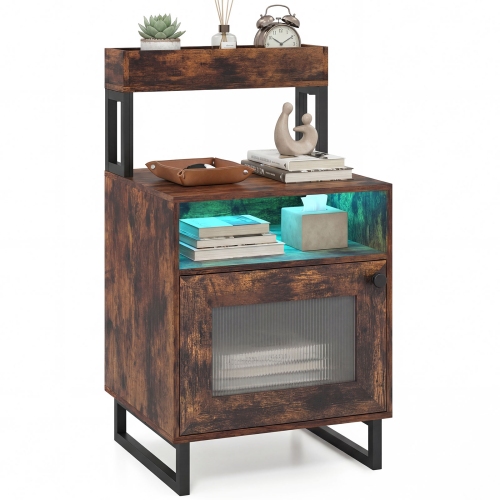
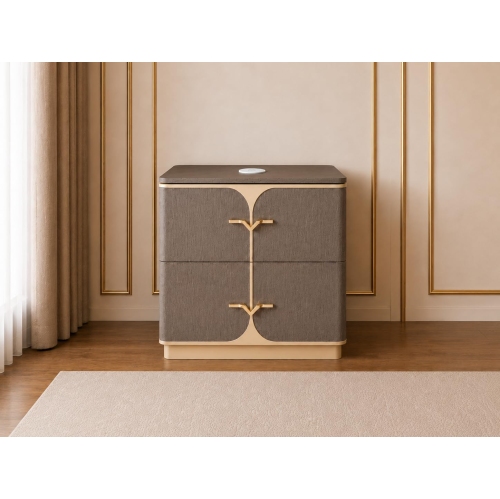
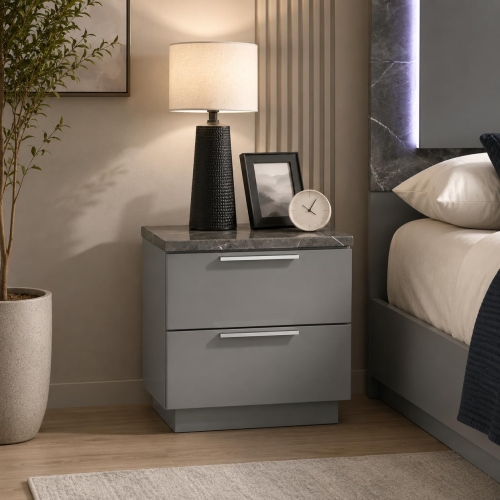
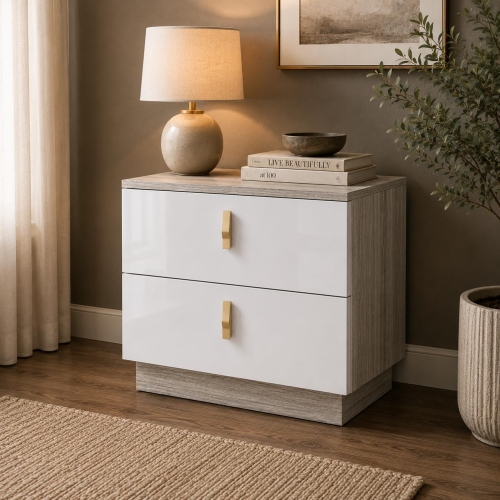

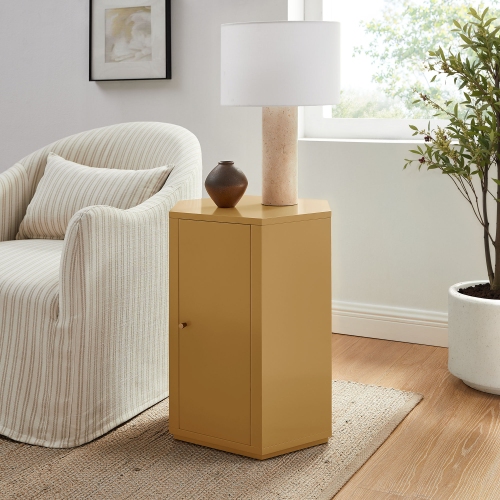
Bedside essentials stay close without crowding the view
Glass nightstands give bedside essentials a place to land without making the space beside a bed feel visually crowded. A transparent top leaves more of the floor, rug, and surrounding furniture visible, which can be especially appealing in a compact bedroom or a room with a substantial bed frame. That lighter appearance does not necessarily mean a smaller footprint: the width, depth, and base still determine how much room a nightstand occupies. Clear glass has a crisp, unobtrusive look, while tinted glass introduces a softer contrast against pale bedding or light-coloured walls. Frosted surfaces diffuse the view of anything underneath, and mirrored panels reflect nearby colours and furnishings rather than offering the same transparency as clear glass. These differences influence how a piece sits within the room, even when the overall shape is similar. The supporting frame adds another layer of character. Slender metal legs can create an open outline, a broader pedestal can give the table a more substantial presence, and wood accents can connect the design to an existing dresser or bed frame. Curved glass and rounded corners create a different impression from straight edges and angular legs, so the silhouette matters as much as the finish. A glass surface can suit a pared-back bedroom with crisp linens just as comfortably as a more layered space with patterned cushions and a textured rug. Matching nightstands bring symmetry to either side of a bed, but an identical pair is not essential. Different bedside pieces can still feel connected through a similar height, frame colour, or shape. The appeal is often in that balance: a useful surface for a reading lamp and a glass of water, with enough openness to let the rest of the bedroom remain part of the view.
The most comfortable bedside arrangement depends on how the nightstand relates to the mattress, nearby furniture, and daily routines. A tabletop close to the height of the mattress generally makes it easier to reach a phone, switch off a lamp, or set down reading glasses without an awkward stretch. Mattress toppers and taller bed bases can change that relationship, making the finished bed height more useful than the frame height alone. Width and depth matter differently: a narrow table may fit beside a bed but leave little surface around a lamp base, while a deeper design can project into a walking route or interfere with a drawer nearby. In a tight corner, the position of the legs also affects whether a charging cable, skirting board, or adjacent piece of furniture gets in the way. Glass Bedside Tables can serve different routines, from holding a single book in a guest room to keeping several everyday essentials within reach in a primary bedroom. An open lower shelf provides another landing place without enclosing the whole base, though its contents remain visible through a clear top. A drawer or enclosed compartment offers more privacy for personal belongings and helps keep small accessories together. For someone who reads in bed, space for a lamp and a short stack of books may matter more than a large storage compartment. For someone who charges a phone overnight, an accessible route to the wall outlet can be more useful than extra shelf space. Cables are particularly noticeable against transparent surfaces, so their path contributes to the finished look. Lamp placement deserves attention as well: a broad, stable base should sit fully on the tabletop, with enough clearance from the edge for a hand reaching across in the dark. In rooms where space permits, Glass Bedside Tables can also provide a practical surface beside a bedroom chair, keeping a book and reading light close without adding another visually solid cabinet.
Glass furniture benefits from thoughtful handling and care suited to both the surface and its supporting materials. Tempered glass is treated for greater strength than ordinary glass and breaks differently if damaged, but it is not unbreakable or immune to scratches. The construction, glass thickness, frame connections, and stated weight limits all contribute to how a nightstand should be used. A glass top intended for a lamp and small personal belongings is not a seat or a step, and a lower shelf may have a different load limit from the top. Smooth, finished edges are important on a surface reached for frequently, particularly beside a narrow walkway. Rounded corners can reduce sharp projections, although they do not replace sensible placement or supervision around children. Stability depends on the base as well as the glass: feet should sit evenly, fasteners should be secure, and any supplied assembly or anchoring directions should be followed. Everyday care is usually straightforward, with a soft, lint-free cloth helping remove fingerprints and dust without leaving abrasive residue behind. Cleaning directions vary by finish, especially where glass meets painted metal, plated trim, wood, or a mirrored backing. Applying a suitable cleaner to the cloth rather than flooding the surface can help keep excess moisture away from joints and edges. A coaster beneath a drink and a smooth pad under a rough ceramic lamp base help limit rings, marks, and scratches. Spills are best wiped up promptly, including any liquid that reaches the frame below. Clear surfaces reveal dust and fingerprints readily, while tinted and mirrored finishes can make smudges more noticeable from certain angles. A simple arrangement leaves more room for cleaning and reduces the chance of knocking something against an edge. With the right proportions, stable construction, and manageable care needs, a glass nightstand can remain an easy-to-use part of a bedroom rather than a surface that feels too delicate for daily life.
Top selling and popular products
-
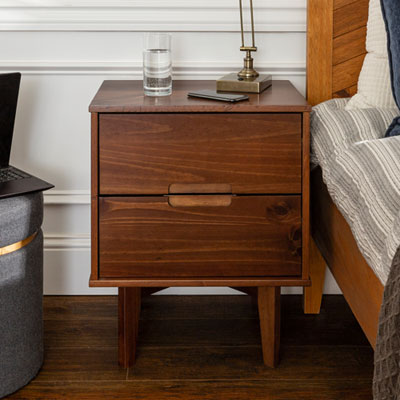 Your price for this item is $188.99
-
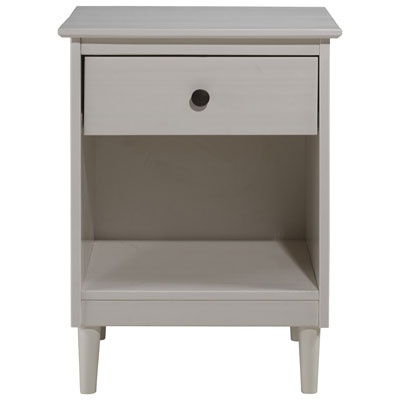 Your price for this item is $179.99
-
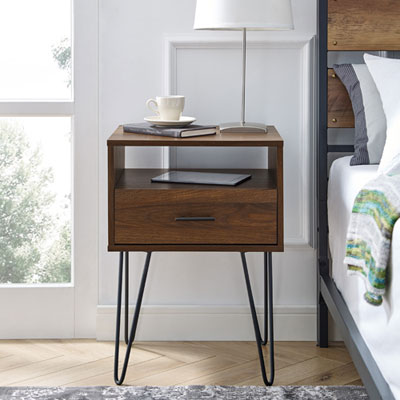 Your price for this item is $266.99
-
 Your price for this item is $266.99
-
 Your price for this item is $629.95
-
 Your price for this item is $352.58
-
 Your price for this item is $251.99
-
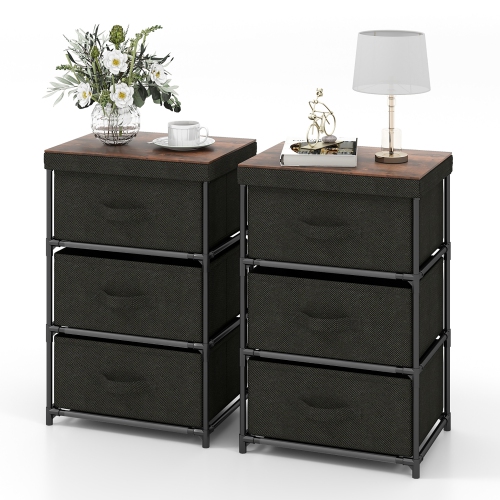 Your price for this item is $99.99
Discover more categories related to Glass Nightstands

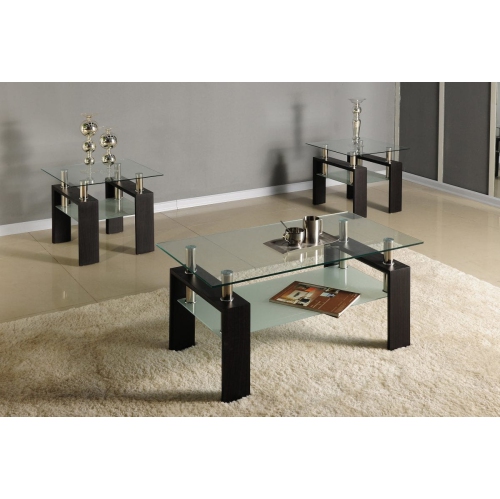

Top Collections:
Pokemon Centers, Kindle Devices, Best Cameras for Sports Photography, Pokémon 30th Celebration Cards, Apple iPhones 16, Canon G7X Cameras, iPhone 15 Apple, Flip Phones, Samsung Galaxy Phones, Alarm Clock
Some products may be subject to Environmental Handling Fees
(EHF) depending on your province.
Learn more about EHFs.