Glass Side Tables
A glass side table is a great way to add a modern touch to your living room or bedroom. These will serve as functional pieces of furniture while also adding a sleek and stylish look to your space. Here are some of the best glass side tables available on the market today.
Sort

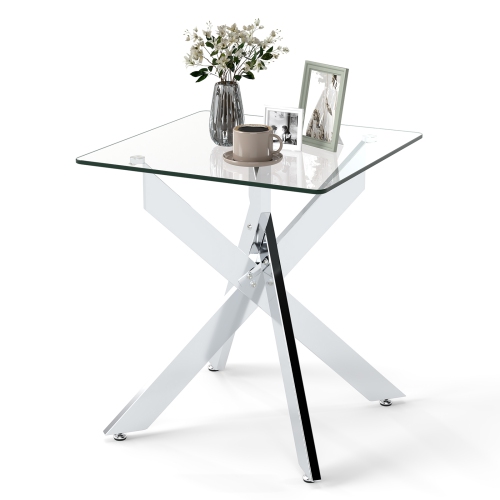
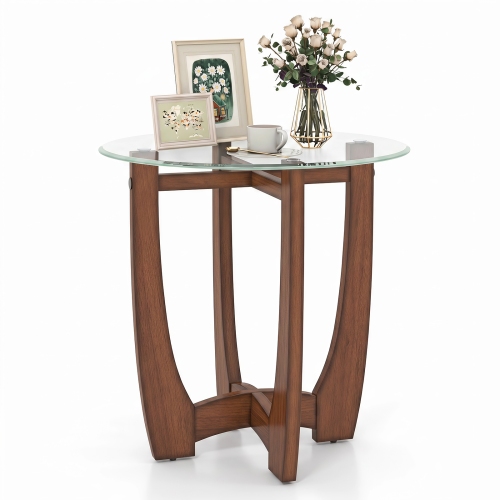

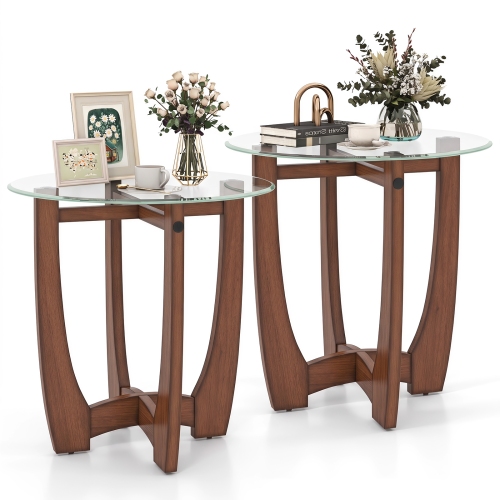
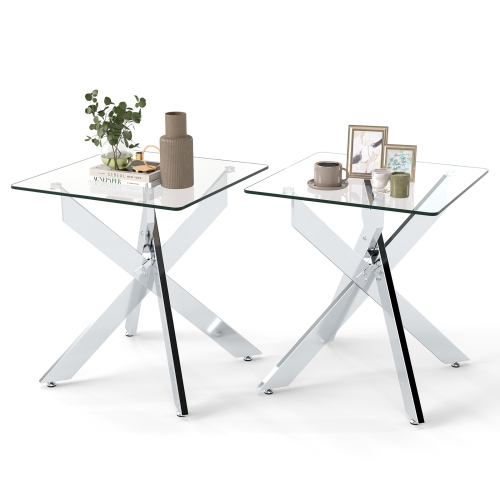

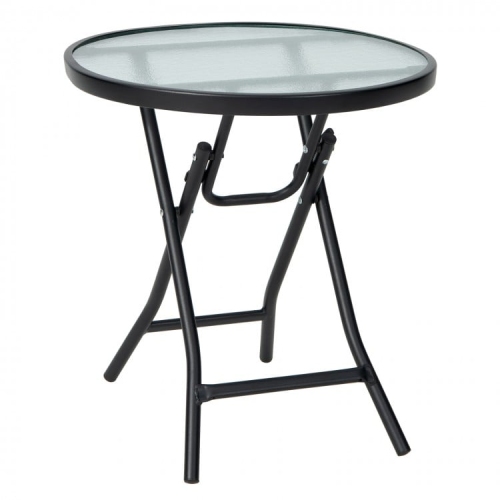
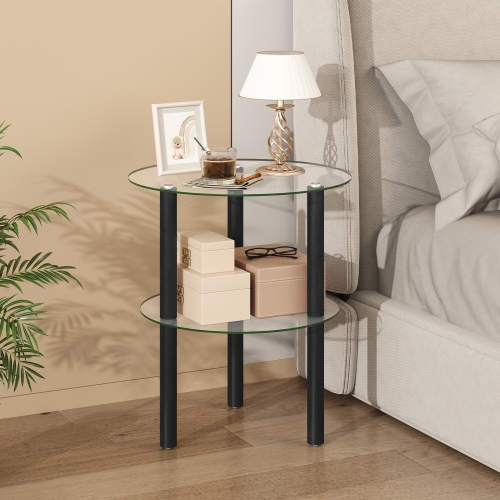
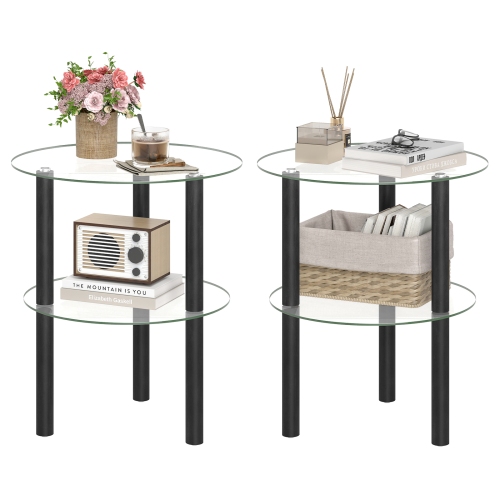
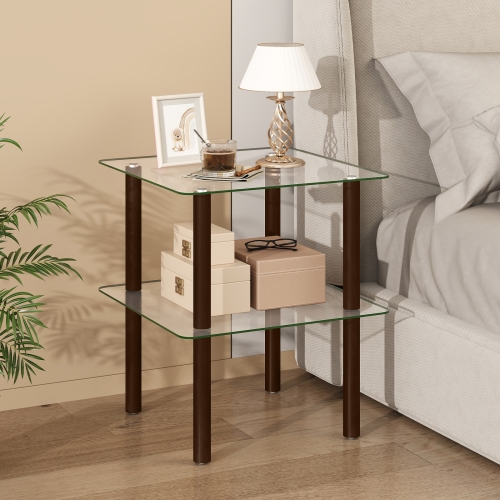
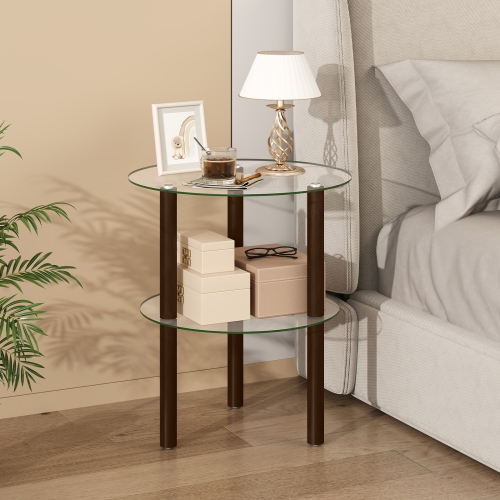
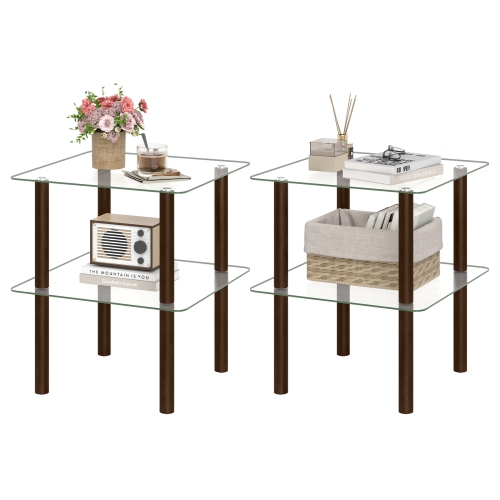
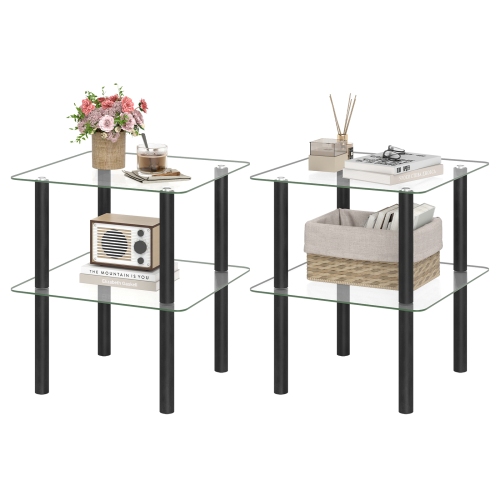
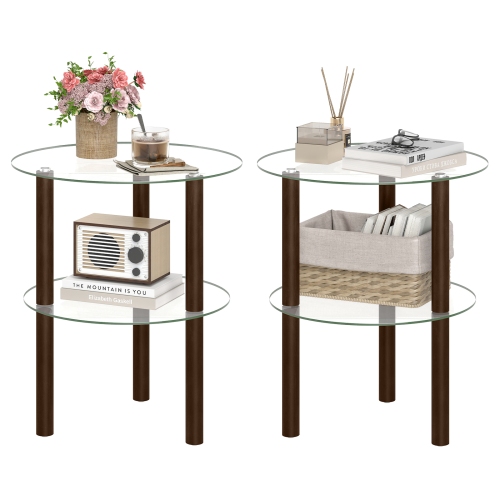
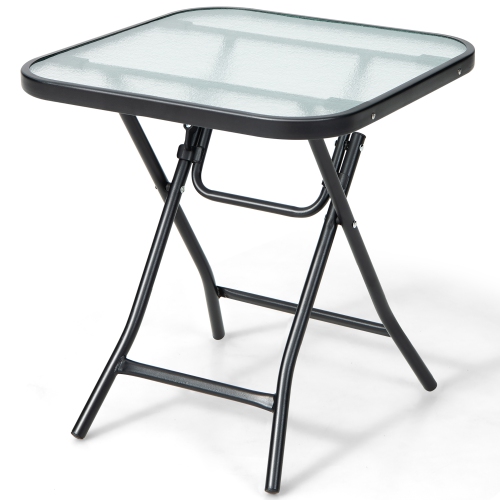
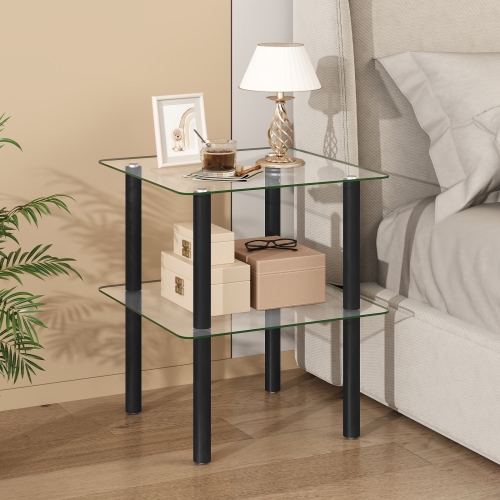


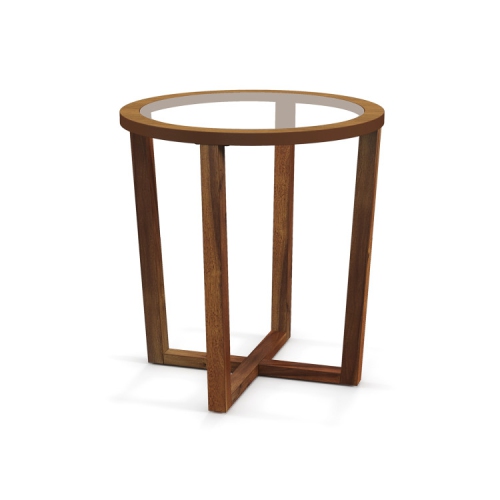
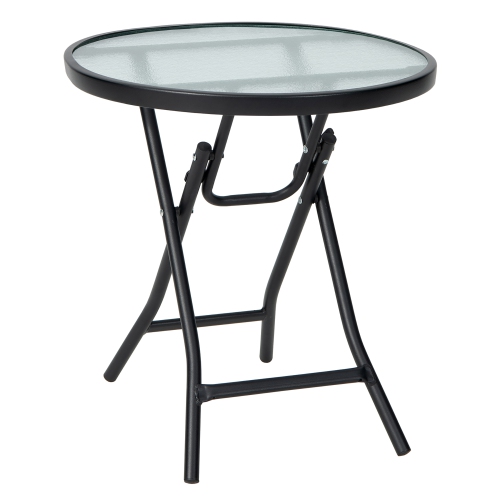


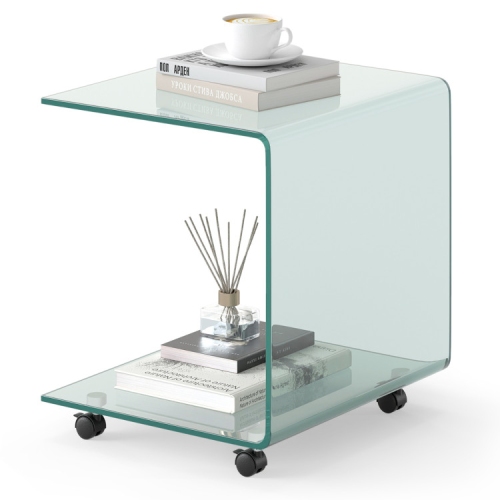


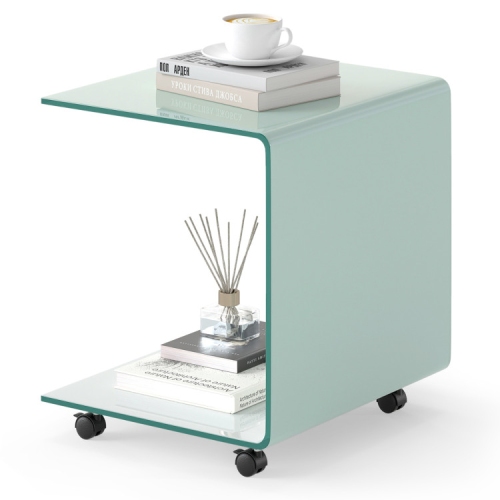
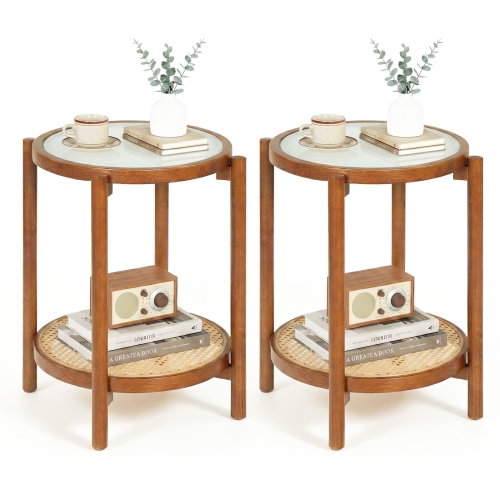


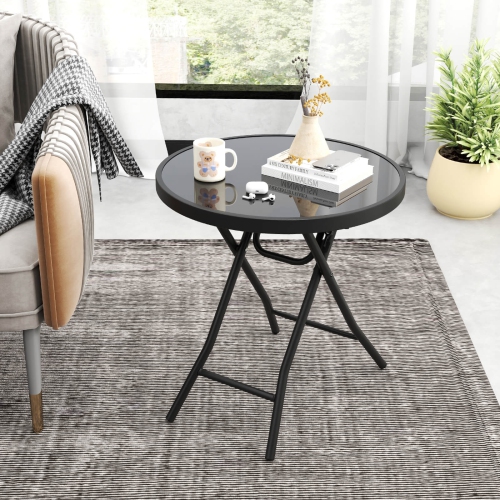


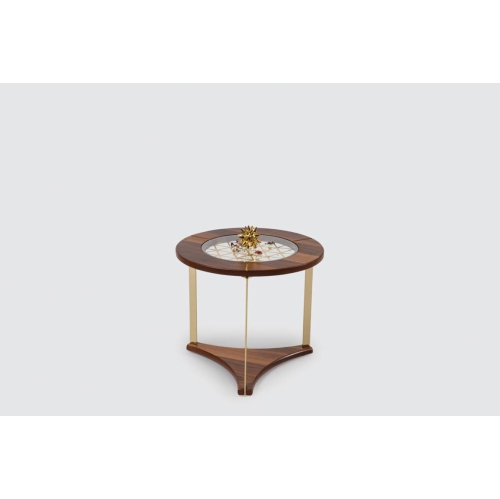
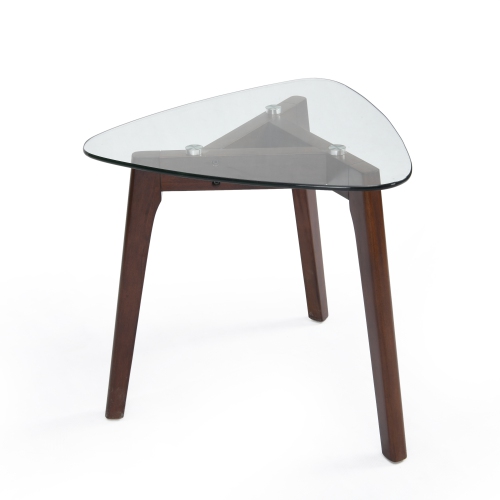


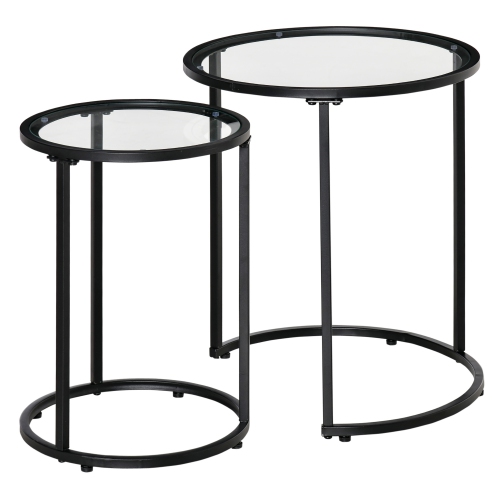


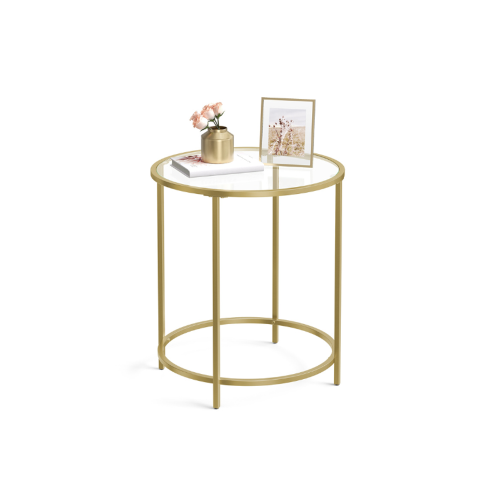
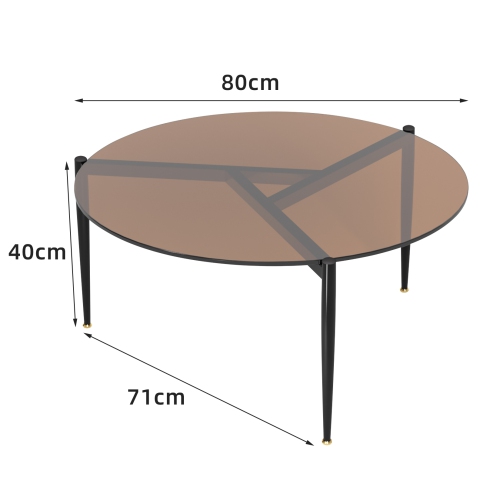
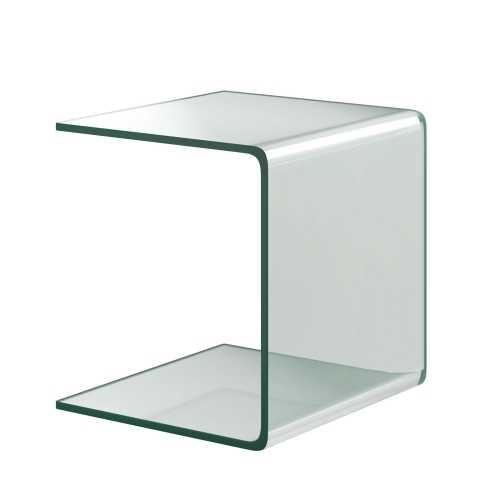


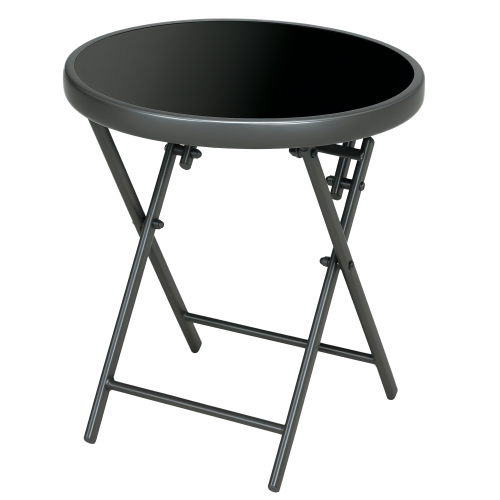


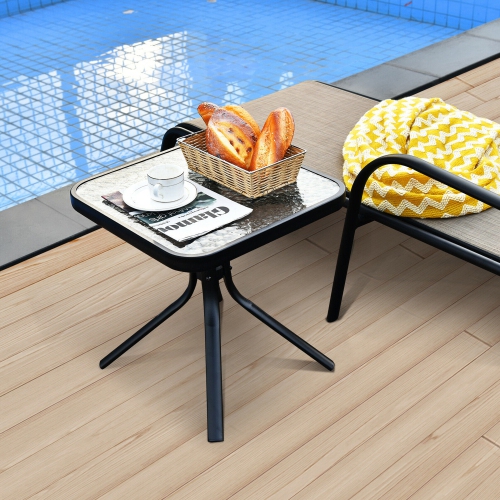
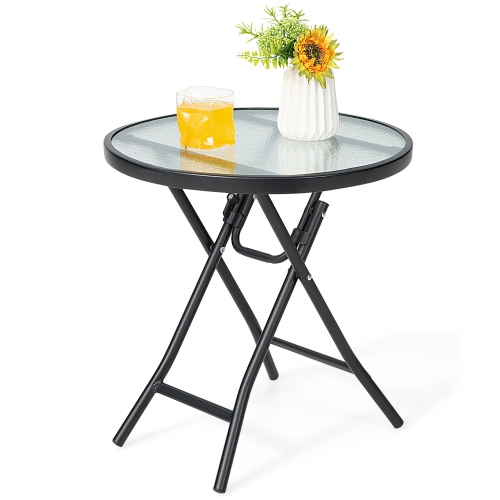
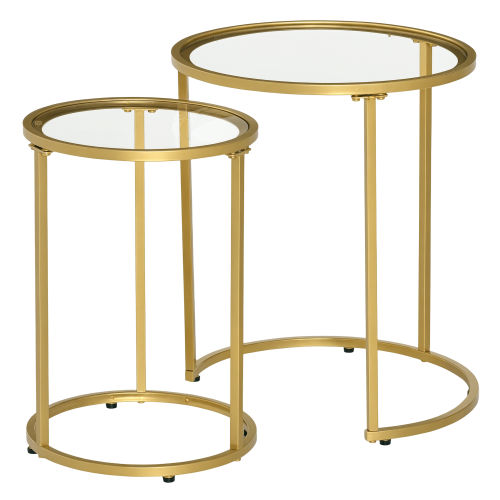
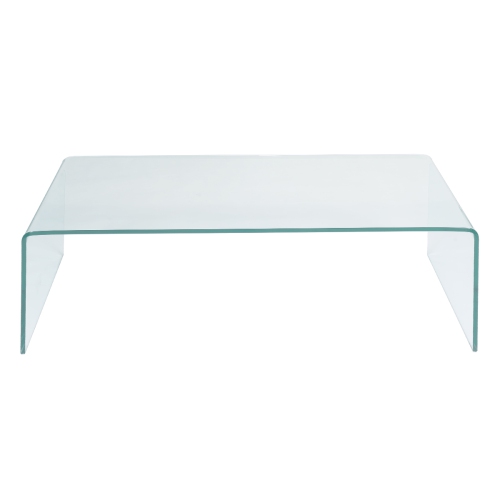

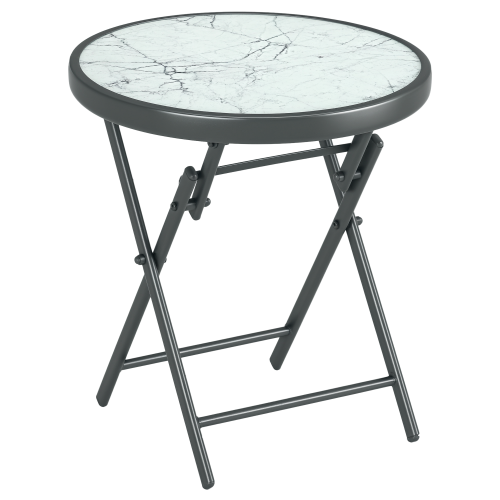
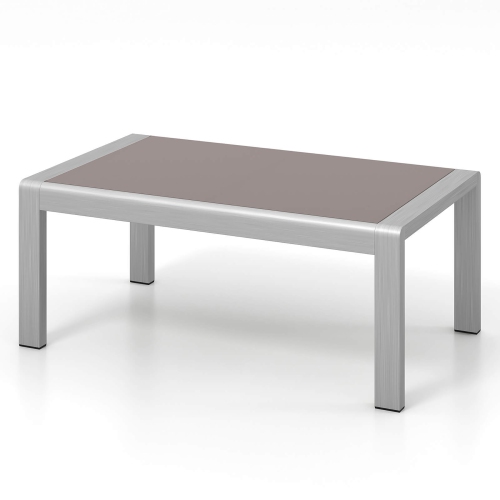

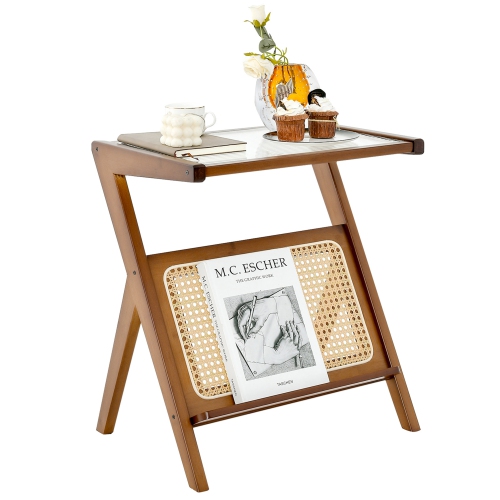

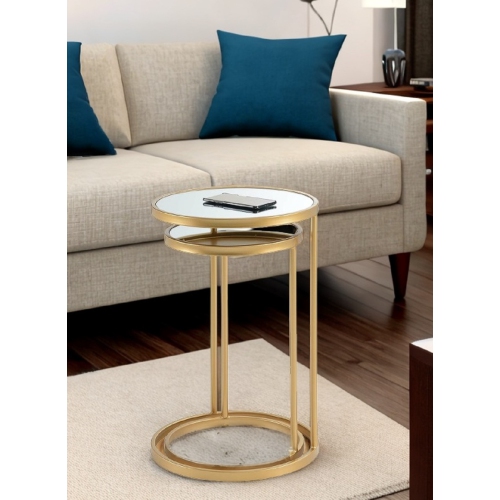

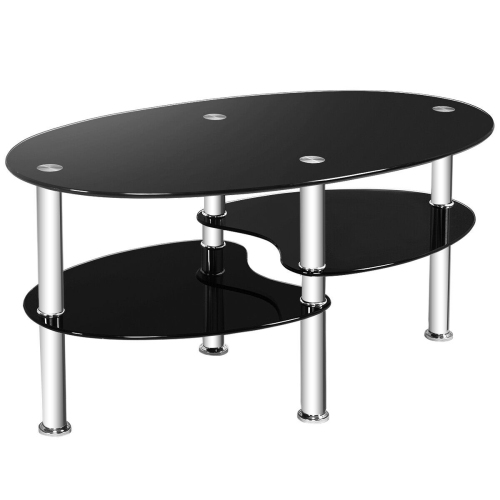
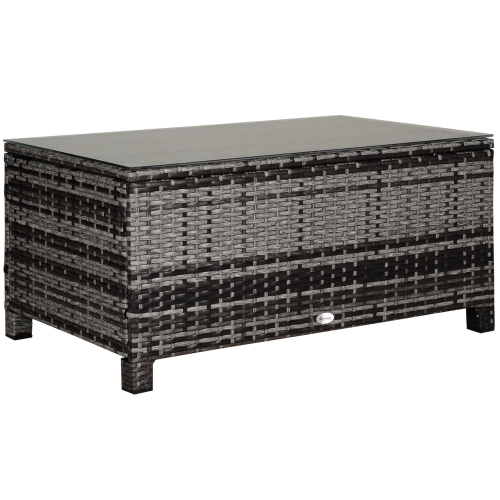


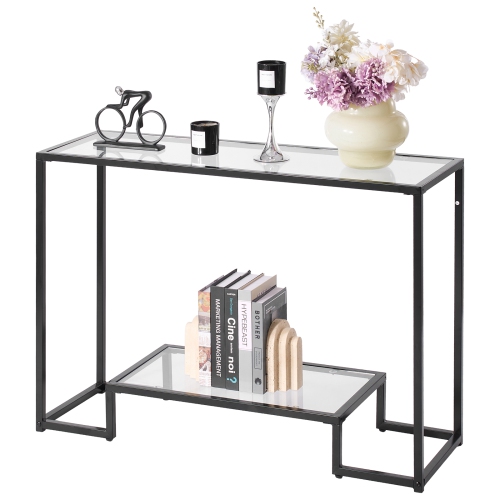
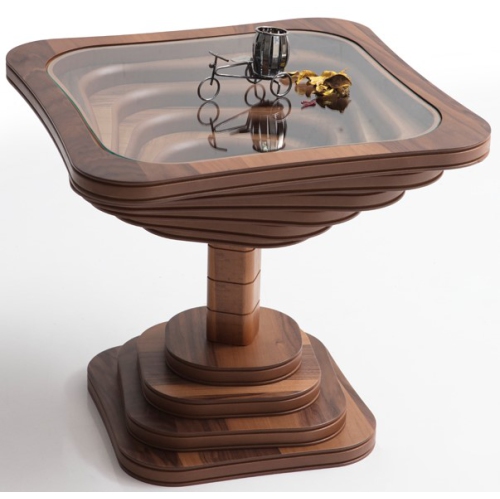

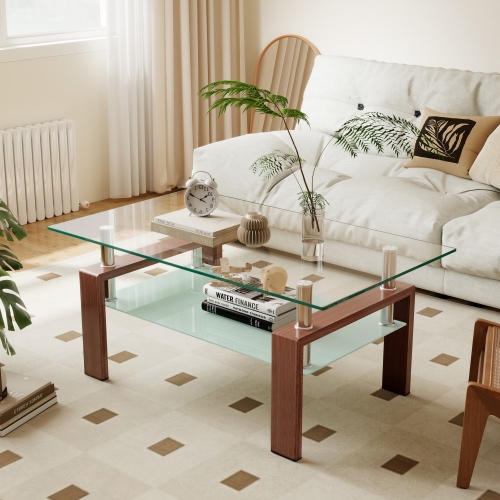
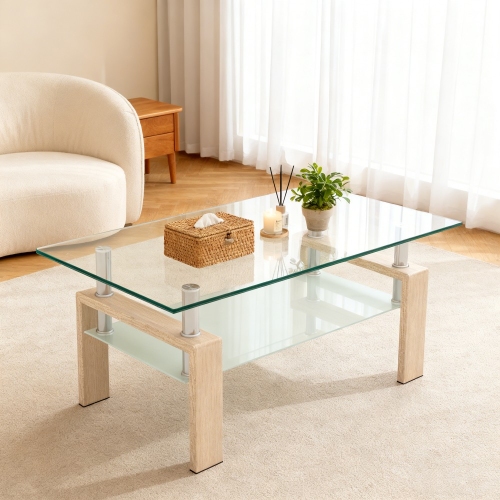


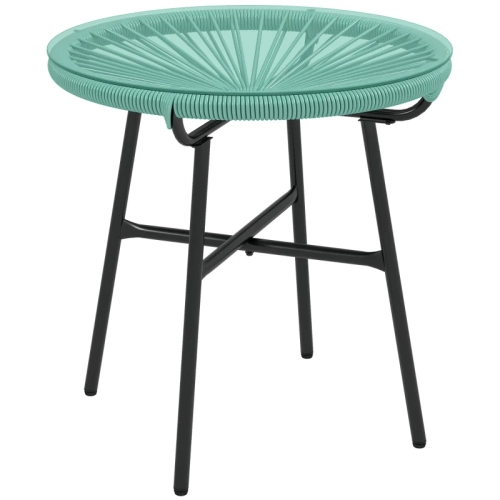

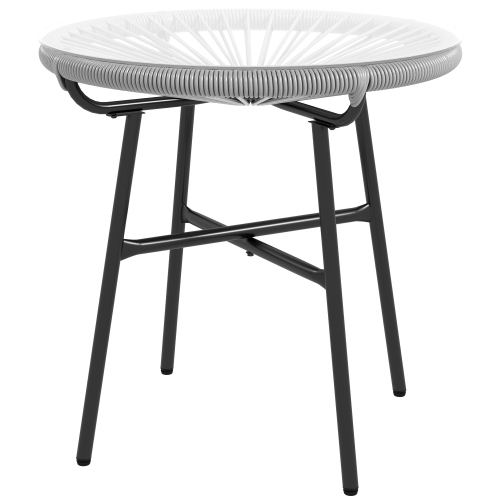


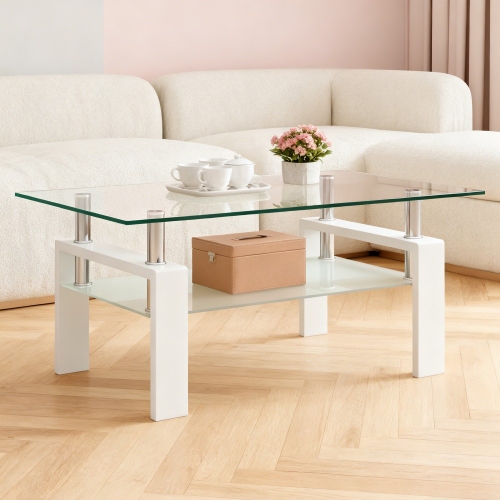


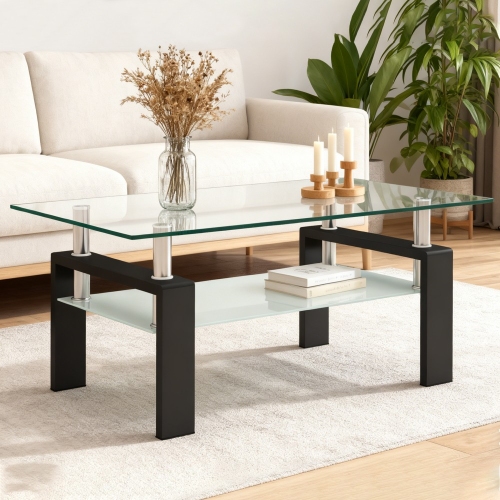

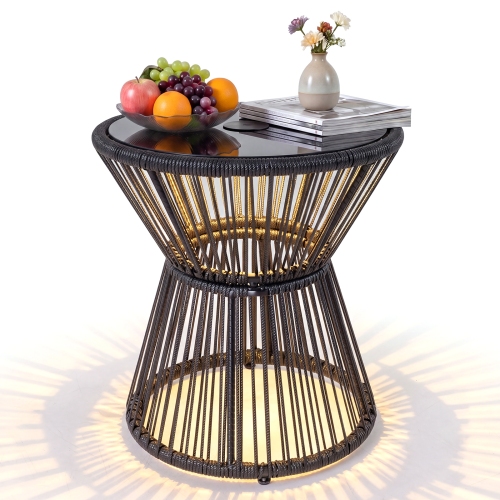
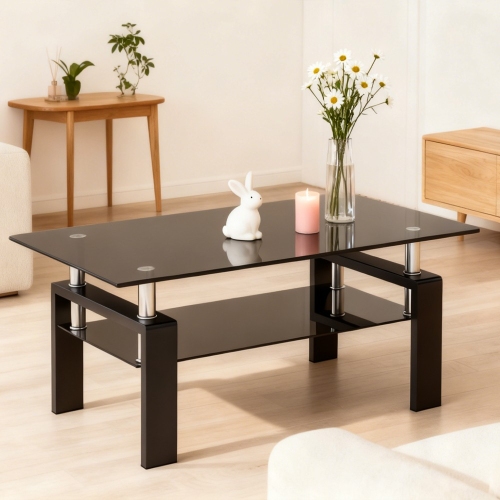
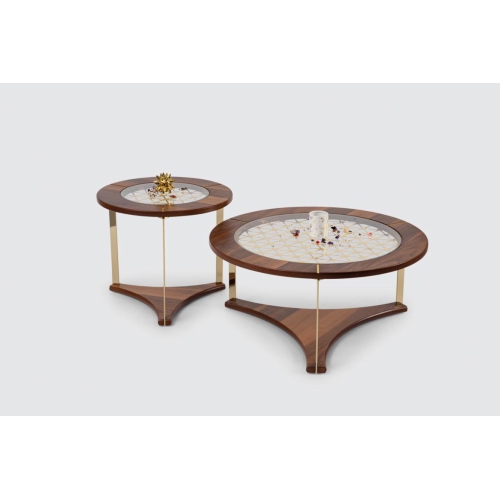

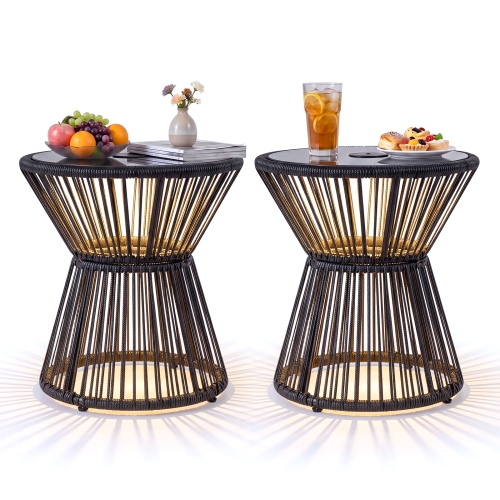
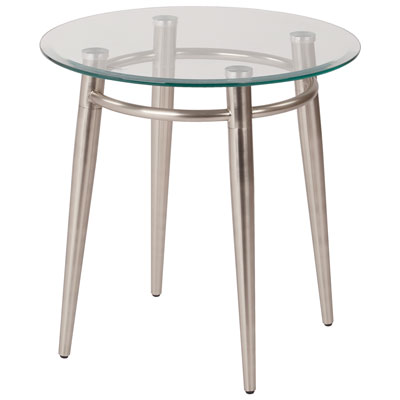

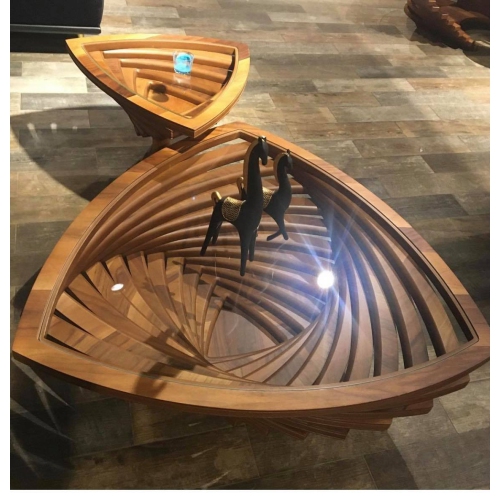
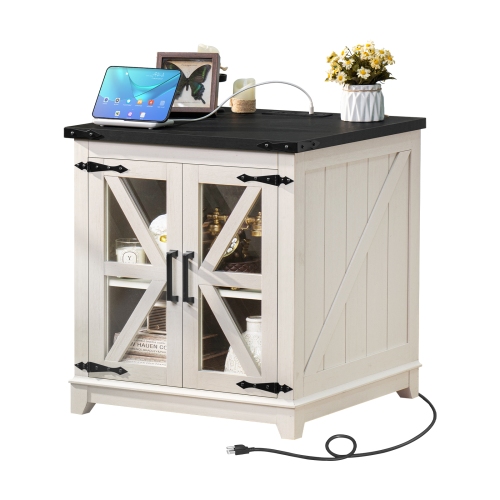
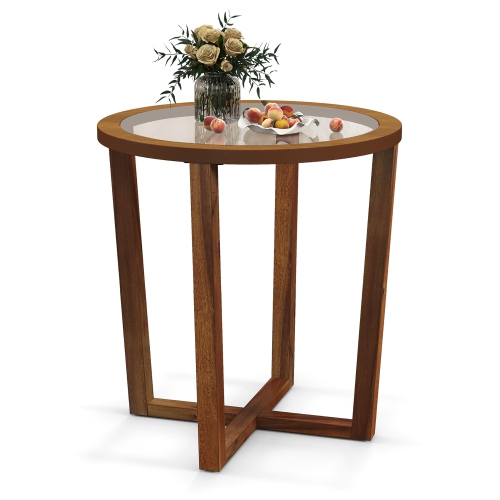

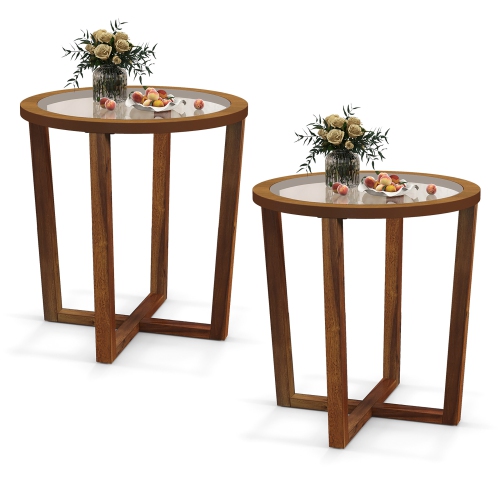


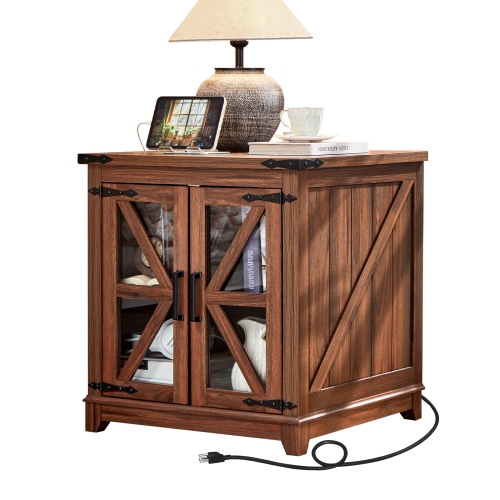


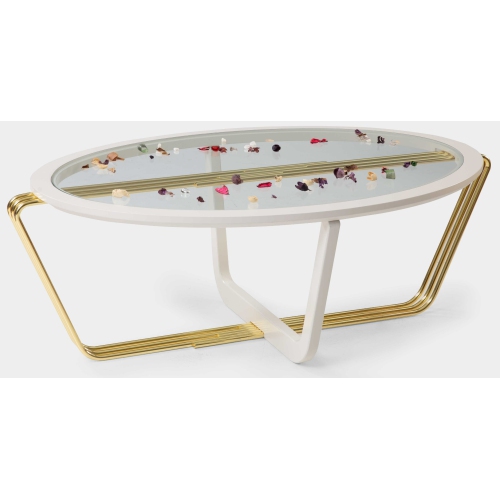
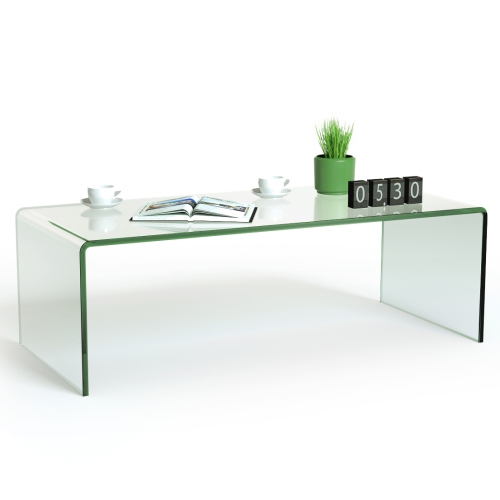

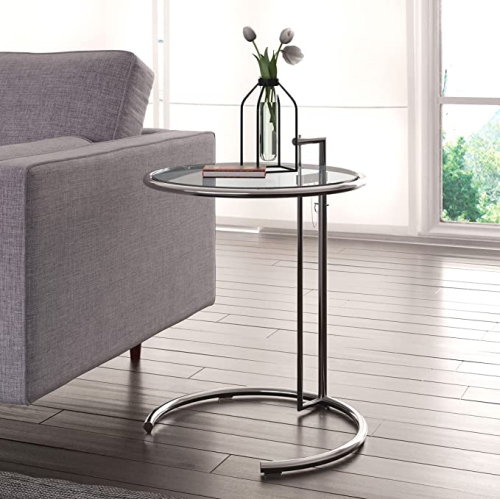
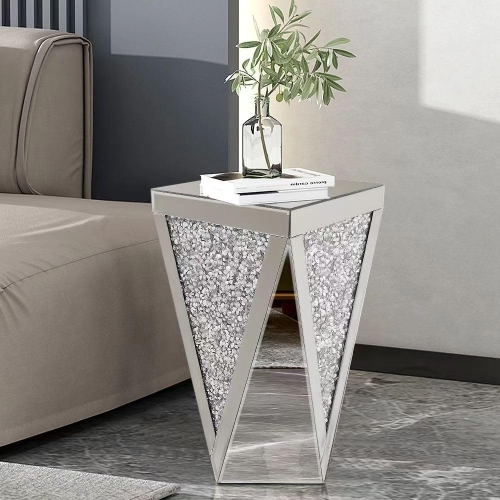


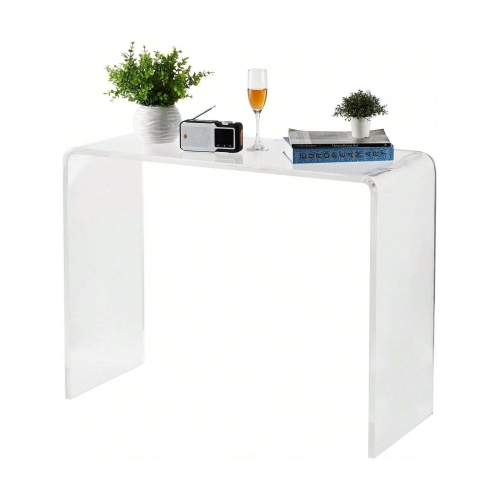


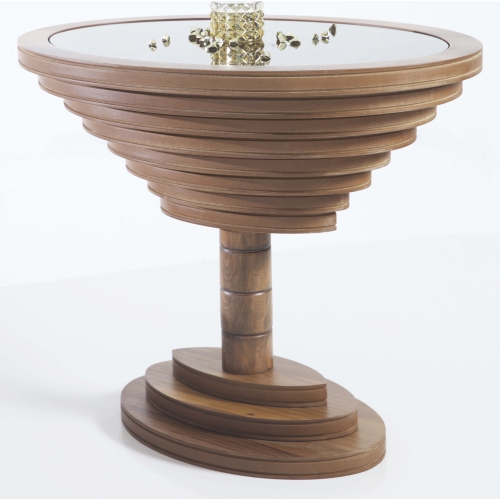

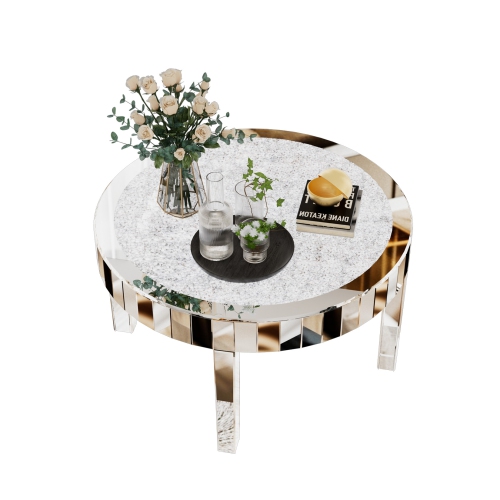


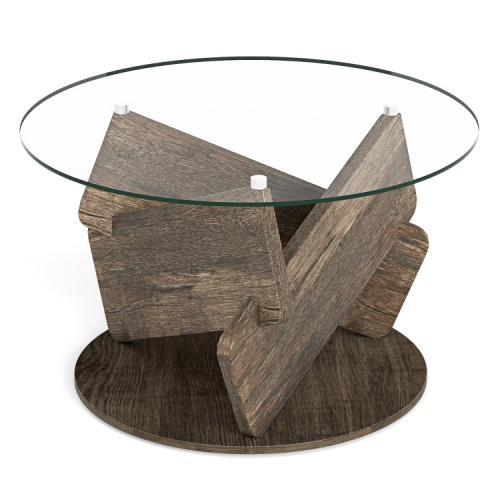

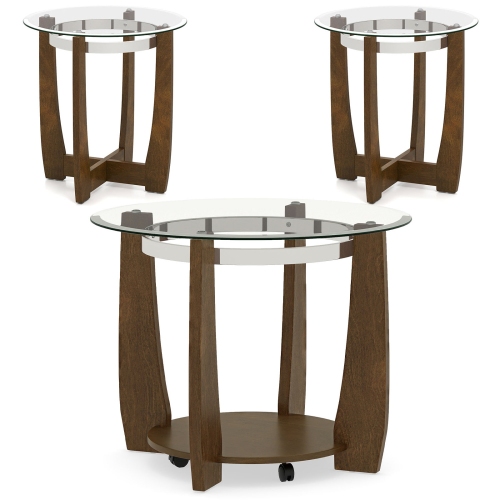

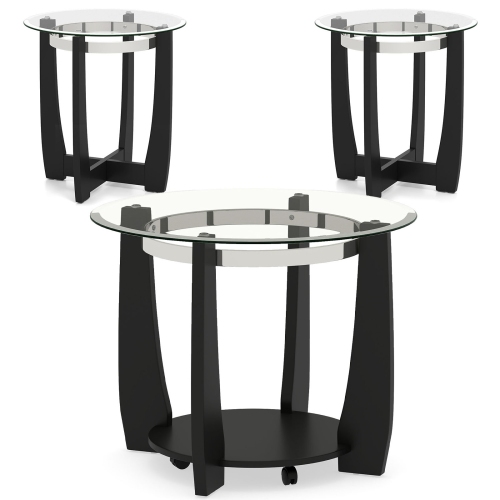
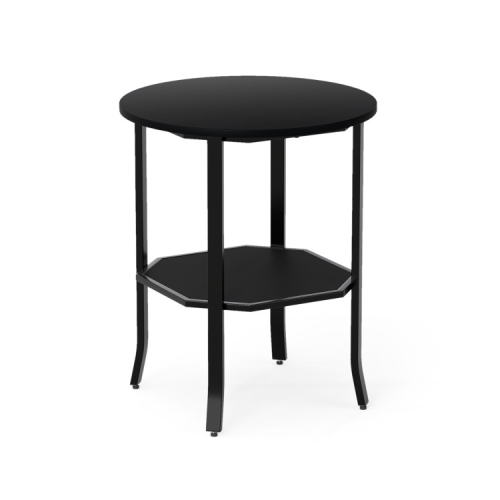
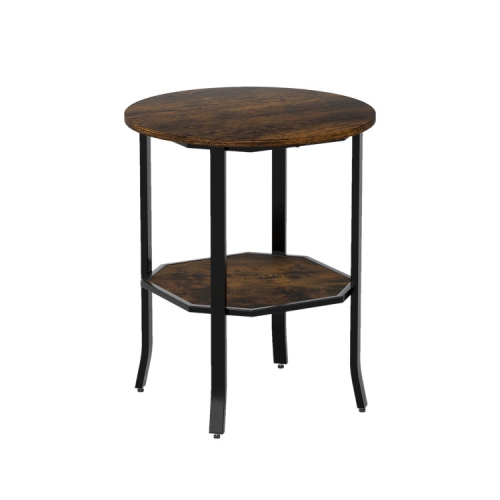
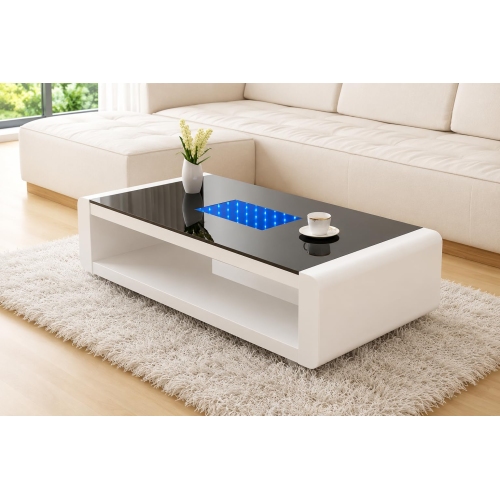

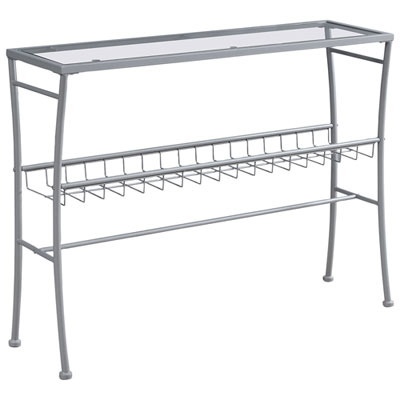


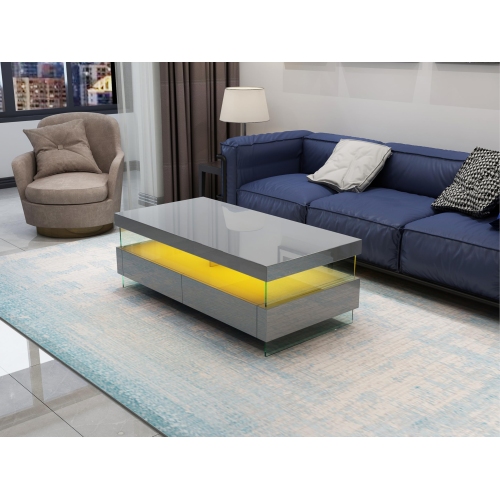


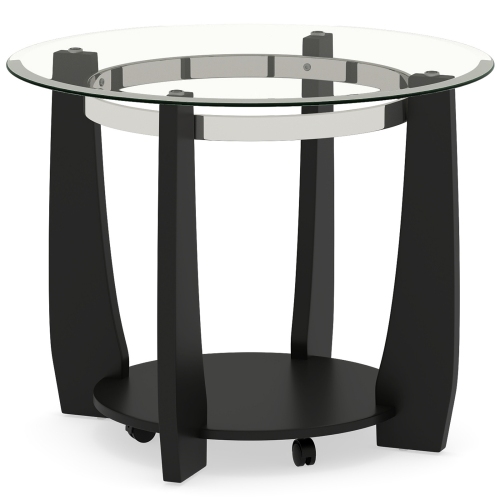
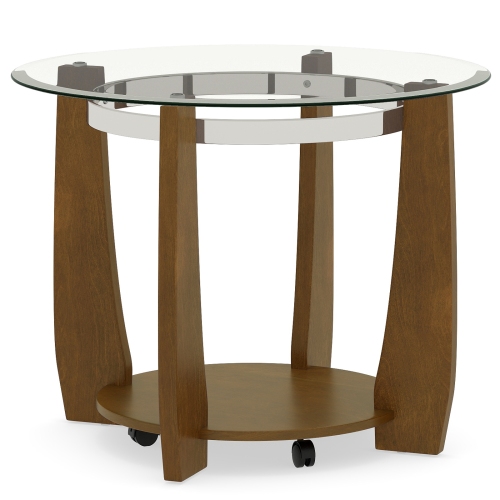
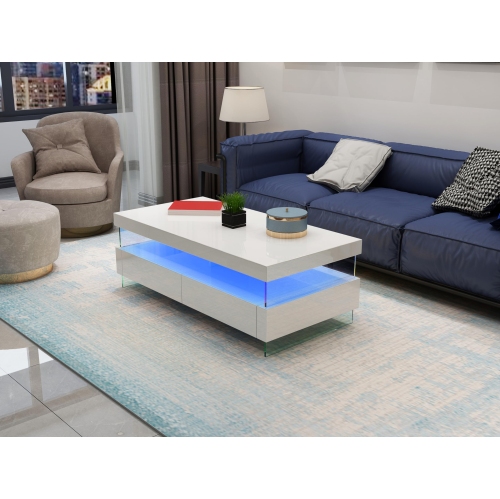
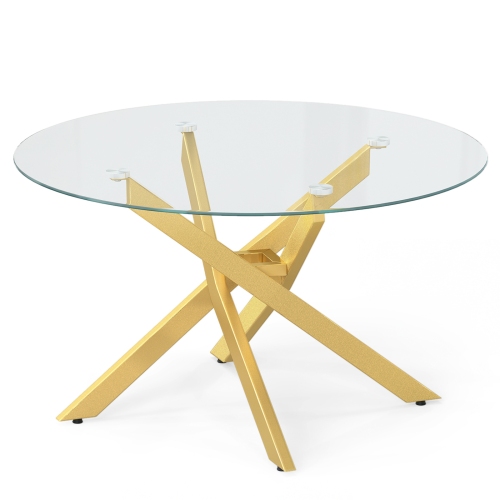


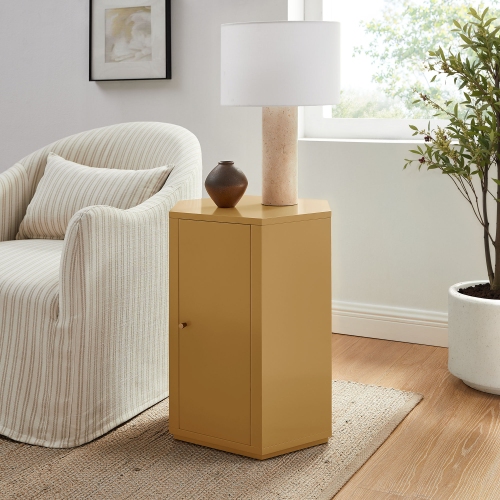
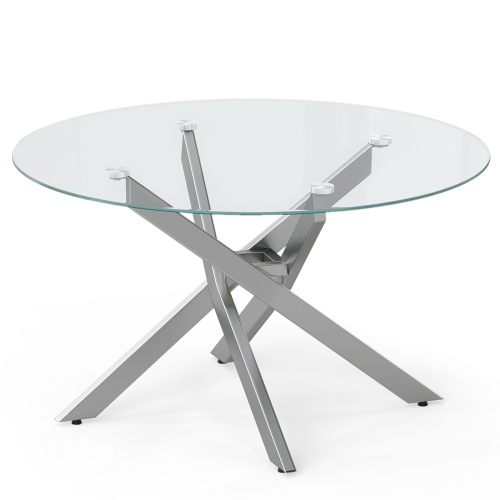


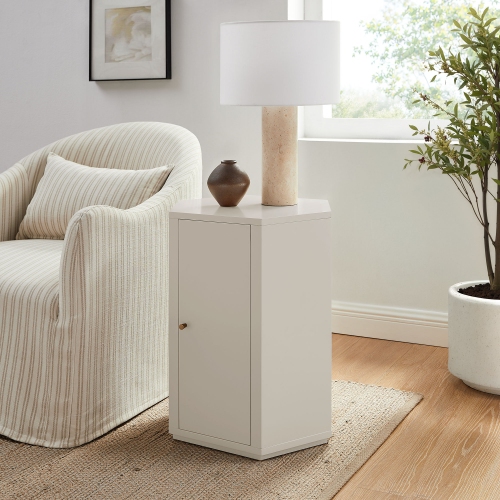
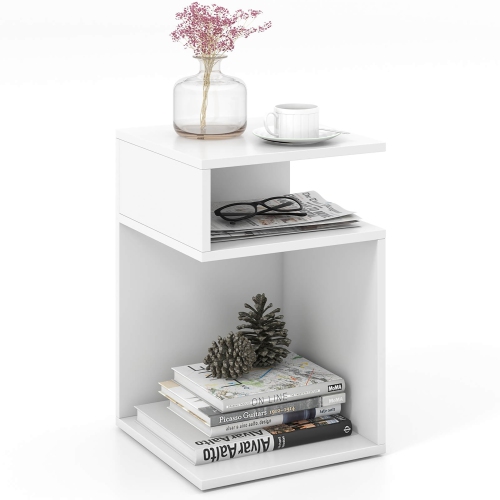
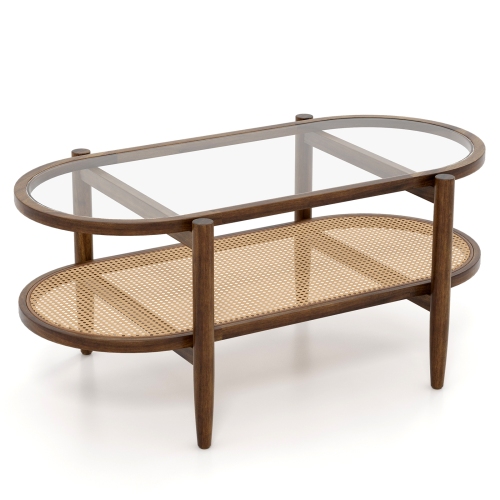
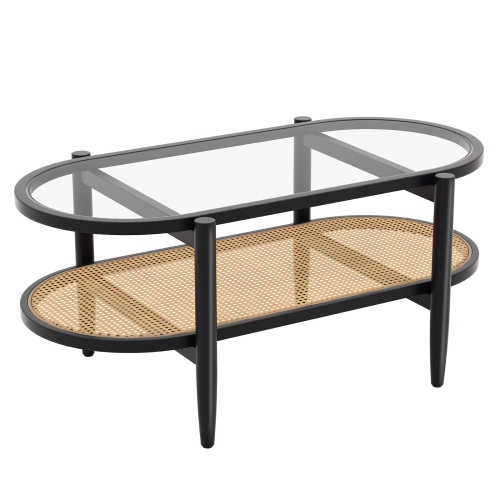
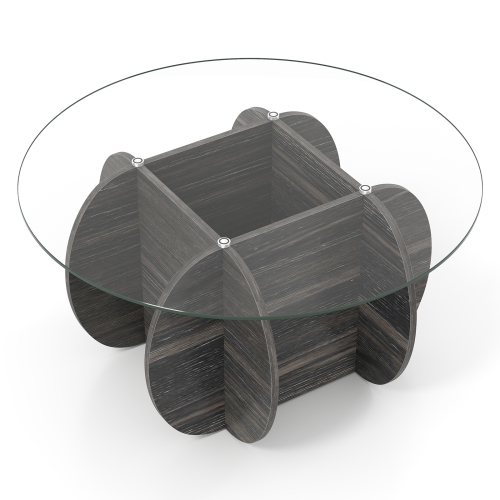

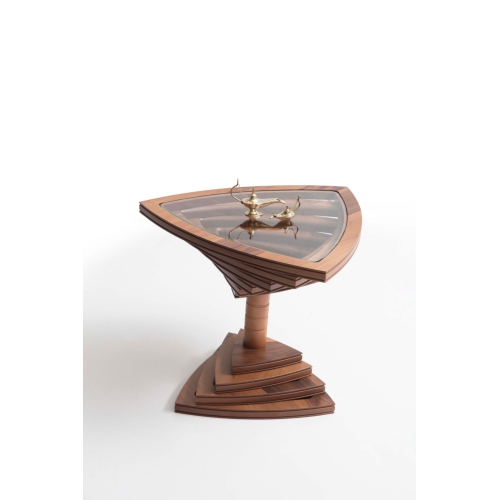


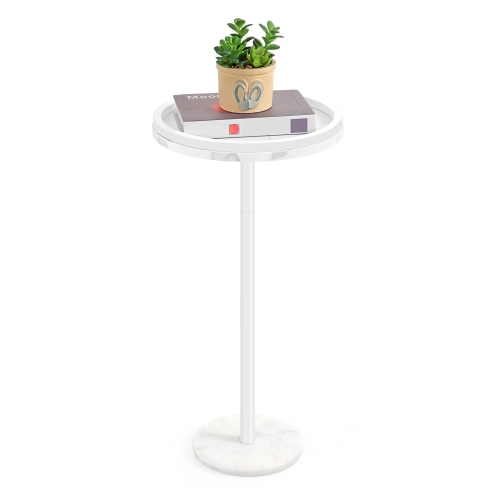


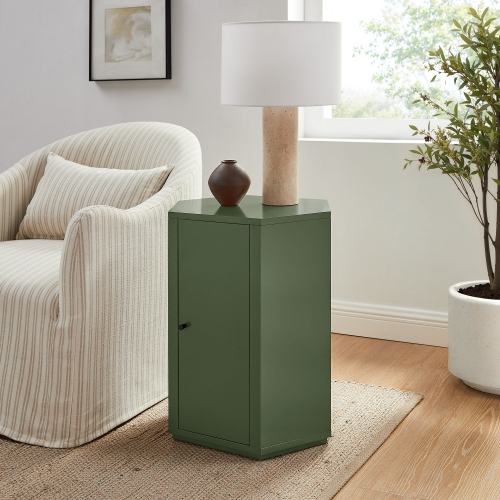
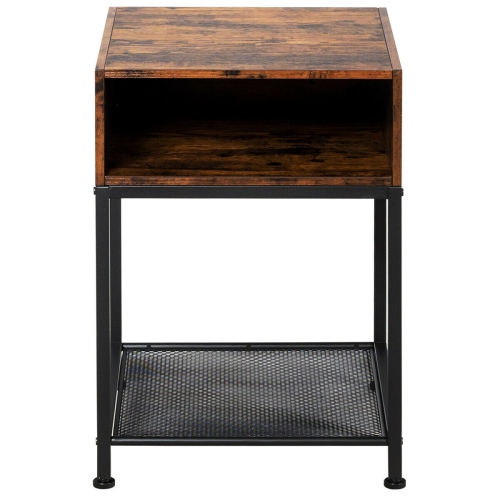
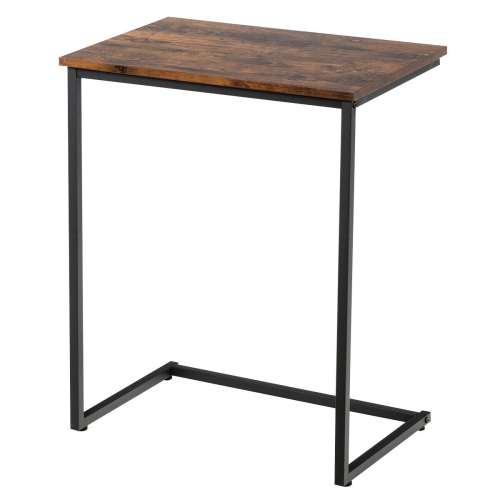
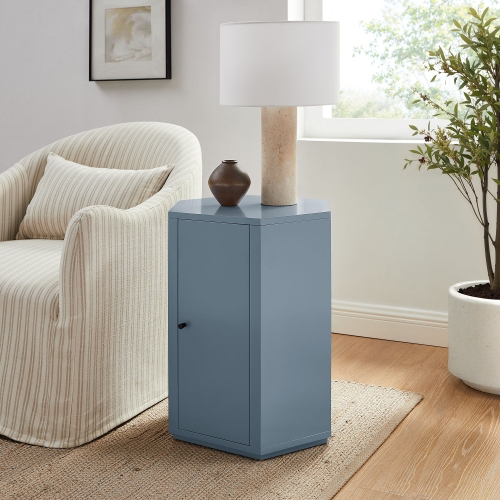

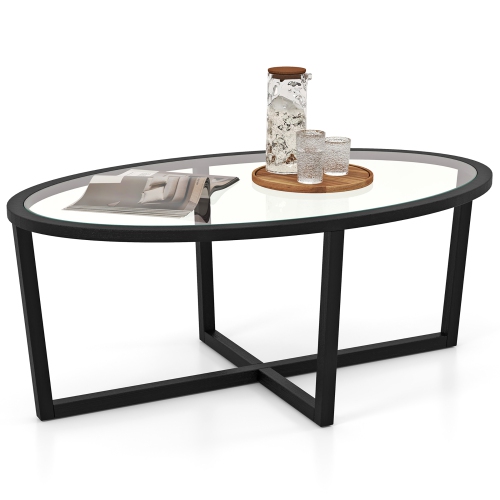


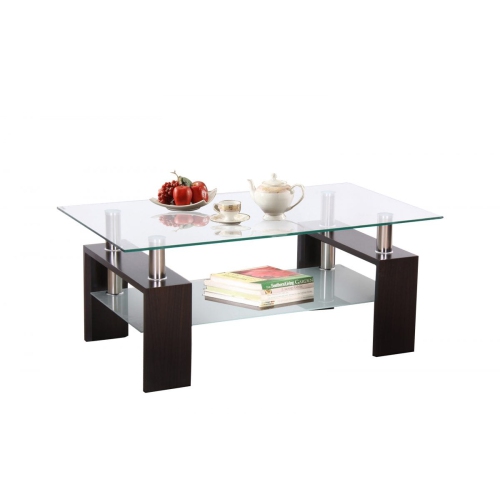
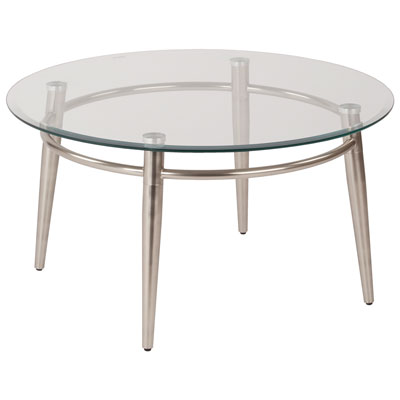


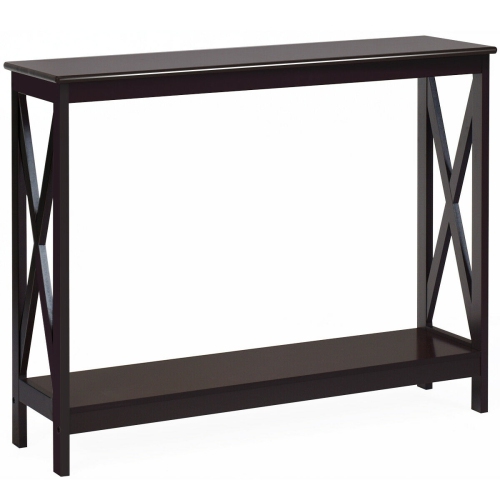
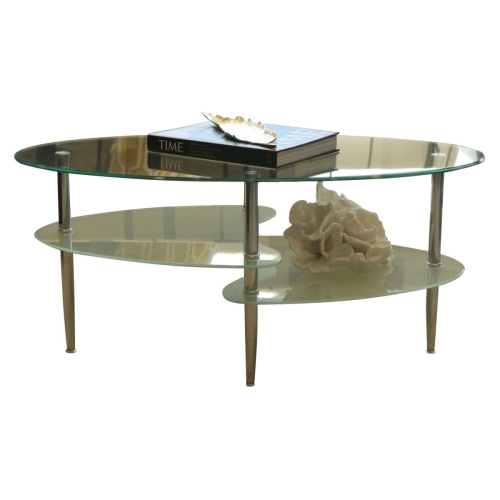
A practical surface without the visual weight
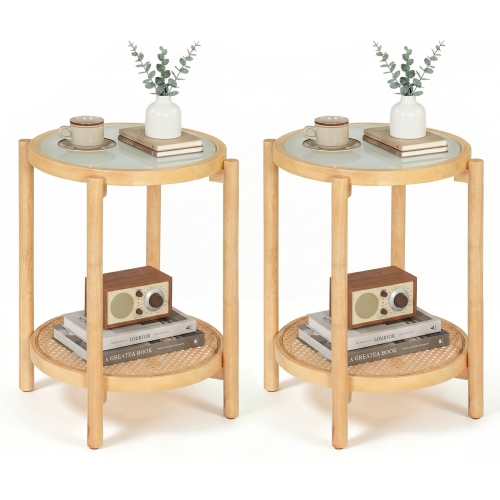
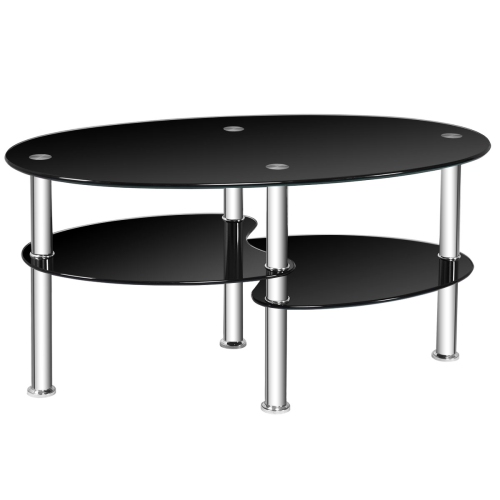
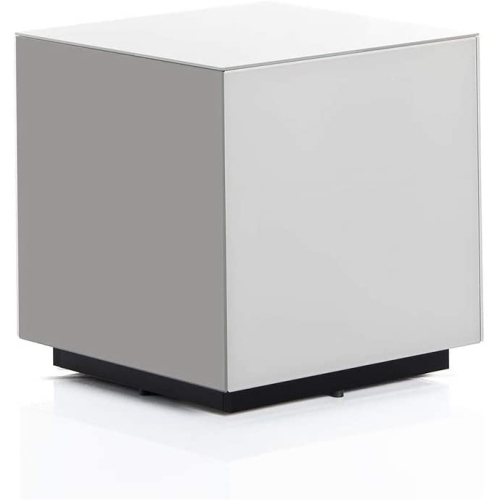
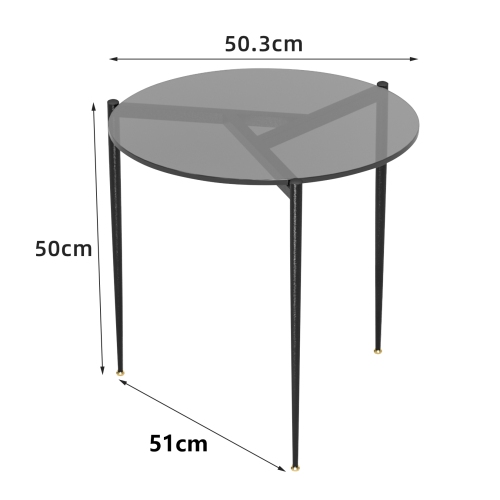
Glass side tables provide a useful surface without adding the same visual weight as a solid-topped piece of furniture. A clear tabletop lets the colour of a rug, the lines of a chair, or a patterned floor remain visible, which can help a compact sitting area feel less crowded. In a larger room, glass can break up a grouping of upholstered seating and wooden furniture without drawing attention away from either. The overall effect depends as much on the base as on the top: slender metal legs create a light outline, while a substantial wooden frame gives the table a more grounded presence. Smoked or tinted glass introduces deeper colour and can work well alongside dark upholstery, while frosted glass softens the appearance of anything placed beneath it. Round tops suit the space beside a curved armchair, and square or rectangular shapes can fit neatly alongside a straight sofa arm. Side tables and end tables often serve similar purposes, with glass end tables commonly positioned at the ends of sofas or beside individual seats. Placement matters more than the name. A tabletop close to the height of the adjacent armrest makes it easier to set down a mug or reach a reading lamp without an awkward stretch. Beside a low lounge chair, a tall table may feel intrusive; next to a deep sofa, a very small surface can leave everyday essentials out of reach. The footprint also needs to leave comfortable room for walking, opening a nearby cabinet, and using a reclining seat. In a narrow living room, an open base can preserve sightlines, but the legs still need enough clearance to avoid becoming an obstacle. A nesting arrangement can provide extra surface space when needed, provided there is room to separate the tables without blocking a route through the room. These proportions help a glass side table feel like a natural part of the seating area rather than an extra piece squeezed into a gap.
The construction beneath a glass top makes a meaningful difference to how the table feels in daily use. A metal frame may have a painted, plated, or brushed finish, each with its own texture and care requirements. Wood introduces grain and warmth, while combinations of wood and metal can connect the table to several finishes already present in a room. A broad base, well-fitted joints, and secure supports help reduce movement when a lamp is switched on or a drink is set down. Where the glass rests on pads or attaches to the frame, those contact points should remain properly seated according to the manufacturer’s instructions. Tempered glass is common in furniture because it offers greater strength than ordinary glass of comparable thickness and breaks into smaller pieces rather than long shards, but it is not unbreakable. Impacts at an edge, damaged corners, and excessive loads can still cause failure. Glass thickness alone does not establish how much a table can hold; the frame, supports, and stated weight capacity all matter. A compact table intended for a lamp and a book should not be treated as a stool, step, or support for a heavy appliance. Rounded corners may be more comfortable beside a busy walkway, although they do not remove the need for careful placement around children or pets. A glass top can also be less noticeable than a solid surface, especially in low light, so a clearly defined frame may be helpful in a frequently used room. Lower shelves add storage for reading material or a small basket, but their individual load limits still apply. For a table beside a bed, enough usable surface for a lamp, phone, and water glass can be more practical than an elaborate base that occupies most of the footprint. Assembly quality matters too: level contact with the floor and correctly tightened hardware help the table remain steady during ordinary use.
Glass side tables work best when their surface is arranged around the way the room is actually used. Beside a reading chair, a lamp needs a stable position with space left for a book and a drink; a trailing power cord should not cross a walking route or pull against the table. In a shared living room, a small tray can keep remotes and other loose essentials together, while a coaster gives a cup a defined resting place and helps limit water rings and marks. Felt or other suitable protective pads beneath decorative objects can reduce scratches from rough ceramic bases, and objects should be lifted rather than dragged across the glass. A lightly styled top also makes the table easier to use: a tall vase may look attractive but can interrupt conversation or compete with a lampshade in a tight corner. Glass shows fingerprints, dust, and dried droplets readily, so regular light cleaning is usually more effective than waiting for a visible buildup. A soft, lint-free cloth and a cleaner approved for the particular glass and frame finish help maintain a clear surface without damaging surrounding materials. Applying cleaner to the cloth rather than spraying the assembled table can help keep excess moisture away from joints, wood, and metal fittings. Abrasive pads and gritty cloths can leave scratches, while sudden temperature changes may stress the glass; hot cookware and heated styling tools need a more suitable surface. Any chips, cracks, loose fittings, or persistent wobbling deserve attention before the table continues in use. For someone furnishing a first apartment or updating a reading corner, a glass side table can also make a thoughtful housewarming gift when the recipient’s room dimensions and preferred finishes are known. Its appeal lies in combining a useful landing spot with a restrained presence, whether it holds a single lamp beside an armchair or keeps everyday essentials within reach of the sofa.
Top selling and popular products
-
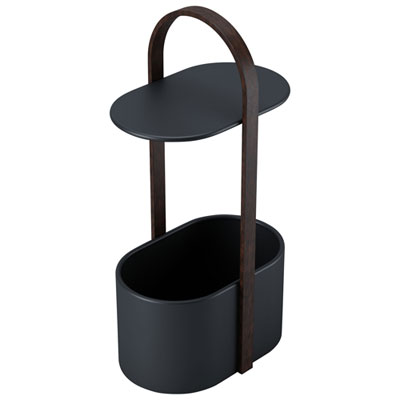 Your price for this item is $93.98
-
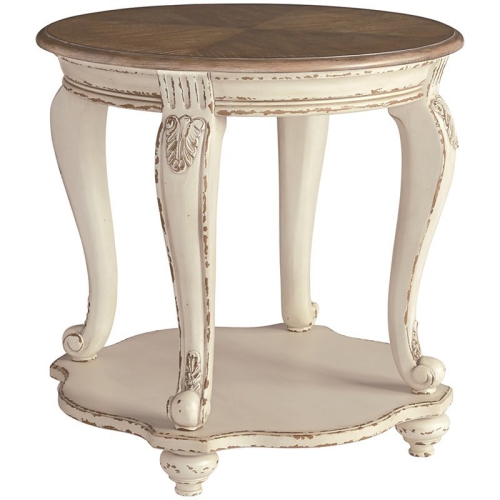 Your price for this item is $369
-
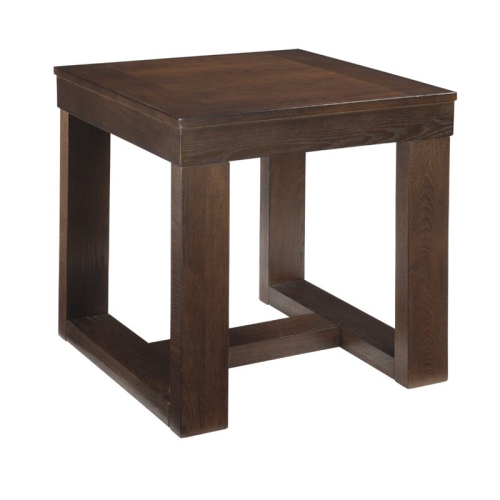 Your price for this item is $199
-
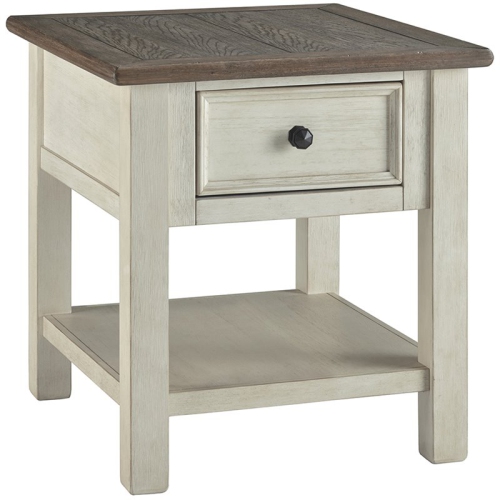 Your price for this item is $399
-
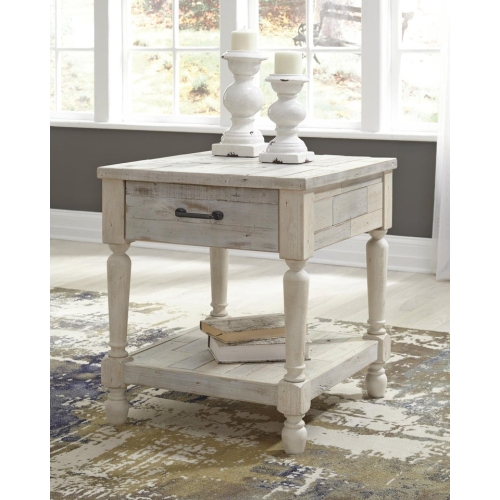 Your price for this item is $249
-
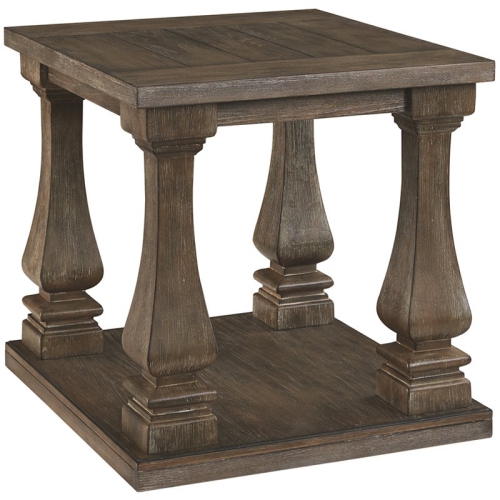 Your price for this item is $375
-
 Your price for this item is $452.99
-
 Your price for this item is $224.99
Discover more categories related to Glass Side Tables
Top Collections:
Pokemon Centers, Kindle Devices, Best Cameras for Sports Photography, Pokémon 30th Celebration Cards, Apple iPhones 16, Canon G7X Cameras, iPhone 15 Apple, Flip Phones, Samsung Galaxy Phones, Alarm Clock
Some products may be subject to Environmental Handling Fees
(EHF) depending on your province.
Learn more about EHFs.